Home Blog Page 914

“She’s A Marxist”: Trump Slams Harris On Immigration, Economy, Abortion In US Presidential Debate

https://thecommunemag.com/shes-a-marxist-trump-slams-harris-on-immigration-economy-abortion-in-us-presidential-debate/

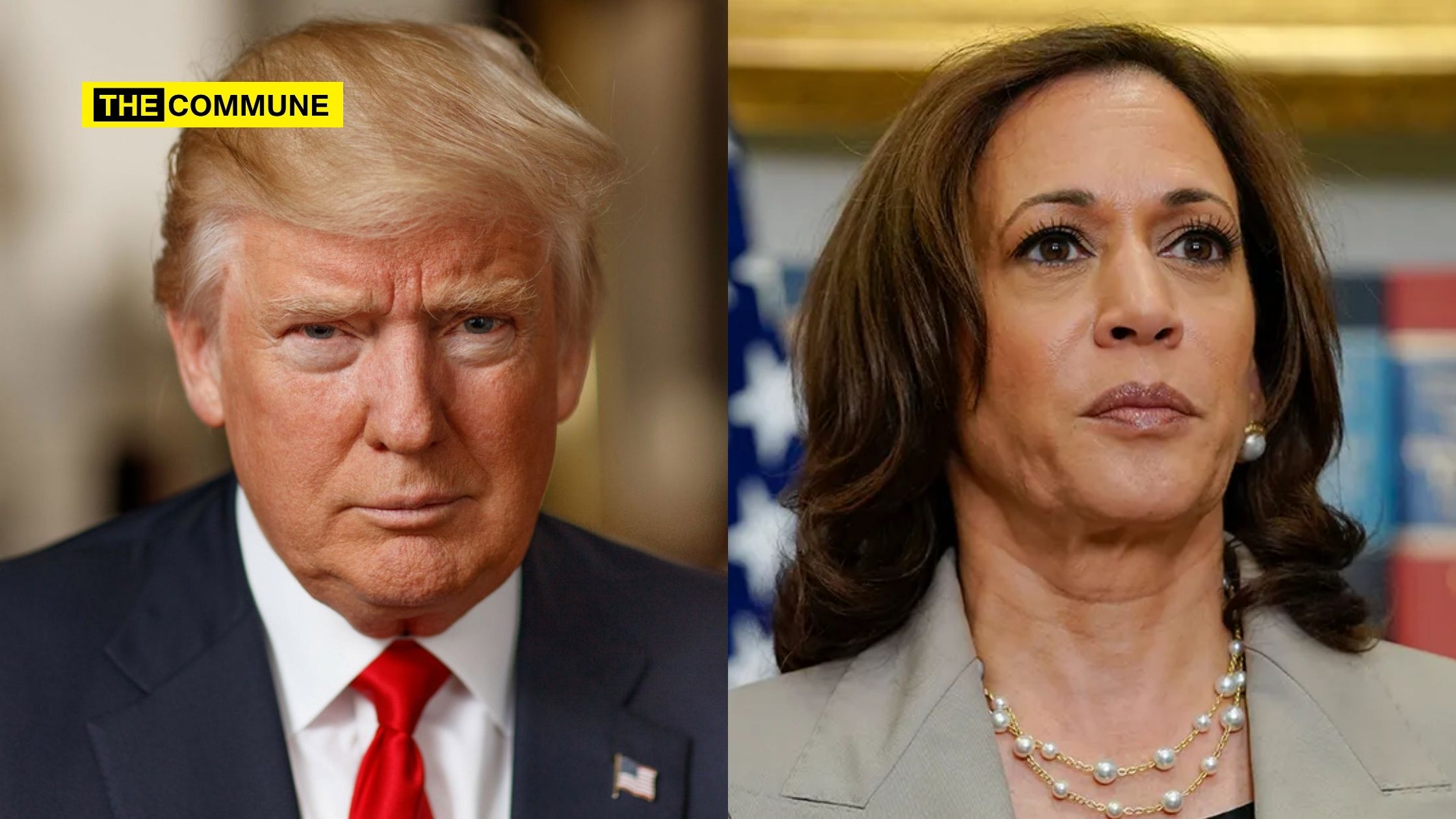
Vice-President Kamala Harris and former President Donald Trump clashed bitterly on the issues of the economy, abortion, immigration, foreign policy, healthcare, and a whole range of problems in their first presidential debate here.

Harris attacked Trump on abortion, calling him responsible for the Supreme Court decision to end decades of abortion rights. She also attacked him on the January 6, 2020, insurrection and the economy.

She said Biden-Harris was left to clean up the mess left behind by Trump. The vice-president forced the former president to defend himself and his comments, including the one about her racial identity.

Trump focussed his attack on Harris over immigration, accusing her and the Biden-Harris administration of letting immigrants enter the US illegally in hordes, who, he added, were taking jobs and pushing up crime rates in the US.

He said it was the weakness of President Joe Biden and his administration that led to the Russian invasion of Ukraine and the Hamas attack on Israel on October 7.

Trump tried repeatedly to hold Harris responsible for the actions of the Biden administration.

In an early exchange on the economy, Harris responded to Trump’s charge that he had left the Biden administration with one of the “greatest economies” saying “Donald Trump left us the worst unemployment since the Great Depression. Donald Trump left us the worst public health epidemic in a century. Donald Trump left us the worst attack on our democracy since the Civil War. And what we have done is clean up Donald Trump’s mess.”

Trump hit back at her, saying, “She doesn’t have a plan. She copied Biden’s plan, and it’s like four sentences like, Run Spot Run, four sentences that are just, oh, we’ll try and lower taxes. She doesn’t have a plan. Take a look at her plan. She doesn’t have a plan.” At one stage, Trump got a personal. “She’s a Marxist. Everybody knows she’s a Marxist. Her father is a Marxist Professor in Economics, and he taught her well.”

Harris was also rough on him, accusing him of lying repeatedly. Trump took heat on abortion as expected. And he defended himself, saying, “The Democrats are radical in that. And her vice presidential pick, which I think is a horrible pick, by the way, for our country because he is really out of it. But her vice presidential pick says abortion in the ninth month is absolutely fine. He also says execution after birth. It’s execution; no longer abortion because the baby is born is okay, and that’s not okay with me, hence the vote. But what I did is something: for 52 years, they’ve been trying to get Roe v Wade into the states, and through the genius, heart, and strength of six Supreme Court justices. We were able to do that. Now, I believe in the exceptions for rape, incest and life of the mother.”

Harris then responded, “Donald Trump hand-selected three members of the United States Supreme Court with the intention that they would undo the protections of Roe v Wade, and they did exactly as he intended. And now, in over 20 states, there are Trump abortion bans, which make it criminal for a doctor or nurse to provide health care in one state; it provides prison for life… Trump’s abortion bans make no exception, even for rape and incest, which you understand what that means. The survivors of crime… a violation of their body, do not have the right to decide what happens to their body next… that is immoral. One does not have to abandon their faith or deeply held beliefs to agree with the government, and Donald Trump certainly should not be telling a woman what to do with her body.

This story is based on an IANS wire feed. Only the headlines have been changed.

Subscribe to our TelegramWhatsApp, and Instagram channels and get the best stories of the day delivered to you personally.

“Tsunamis And Earthquakes Take Away Only Bad People”: Cuddalore DMK MLA’s Viral Comments Spark Controversy; Netizens Demand Action Akin To Mahavishnu Case

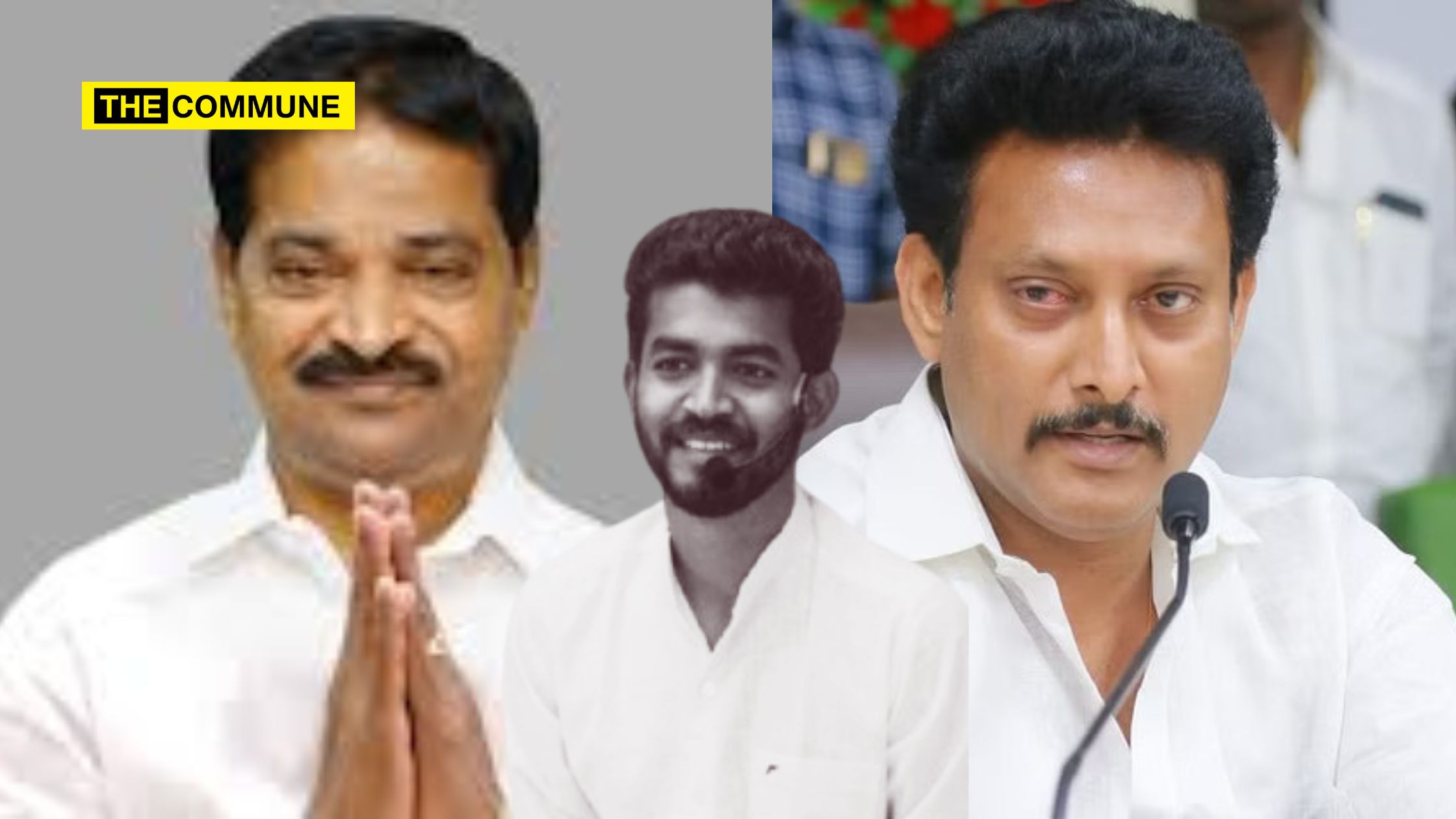
Another DMK MLA from Cuddalore has ignited controversy for telling school students that “natural disasters like tsunamis sweep away the bad people.” This statement has gone viral, with netizens criticising DMK and the state education minister, Anbil Mahesh.

Netizens question whether Mahesh will address this issue with the same rigour he applied to spiritual and motivational speakers like Mahavishnu of the Paramporul Foundation.

During a recent government event at Varadam Government Girls Higher Secondary School in Manjakkuppam, Cuddalore, welfare schemes like free bicycles were distributed to students by DMK MLA G. Iyappan, who also conducted a classroom inspection. While speaking to students, he remarked that natural calamities such as tsunamis did not harm good people and highlighted that the impact of education remains resilient in the face of such disasters.

DMK MLA G. Iyappan said, “A tidal wave like a tsunami comes and takes everything away, but only the bad ones and not the good ones. So Tsunamis and Earthquakes will only take away bad people. The good and the pure will never be harmed, nor will they encounter any harm. So study and study well.”

Similarly, on 9 September 2024, an old speech by DMK Minister for Handlooms and Textiles R. Gandhi went viral. In it, he discussed sins and karma while distributing welfare schemes at a government school. This also led to widespread trolling of DMK’s Education Minister, Anbil Mahesh.

In the video, DMK Minister R. Gandhi is seen at Ranipet Government School, where he is distributing welfare schemes, including free bicycles, to students. Following the distribution, while addressing the gathered parents and teachers, he makes a controversial statement. Gandhi suggests that sons are born to those who have committed sins in their previous lives, whereas daughters are born to those who have performed good deeds in past lives.

DMK Minister Gandhi advised parents, saying, “Parents, do not forget how hard they are studying. Not only that, I will often say another thing. If someone in their past life has committed many sins, male children will be born, and if someone has done good deeds, only girl children will be born. Only a woman, wherever she is, will care for father and mother.”

The ruling DMK is facing a storm of criticism following the arrest of spiritual speaker Mahavishnu. On 5 September 2024, during Teacher’s Day celebrations, Mahavishnu delivered a lecture on rebirth, karma, and Thirukkural philosophy at government schools in Ashok Nagar and Saidapet. The DMK claimed that such spiritual speeches were intolerable and emphasized that state textbooks are based on scientific principles, with teachers playing a crucial role in imparting these ideas to students.

The DMK’s actions have been criticized by Dravidianists and Periyarists, who accuse the party of succumbing to Hindutva influences, especially in light of the DMK’s recent international Murugan conference and its perceived closeness with the BJP releasing coinage to late CM Karunanidhi. To counter negative perceptions and appeal to minority voters, the DMK’s arrest of Mahavishnu is seen by some as a tactical move that has instead led to increased trolling and mockery of their own party leaders’ remarks.

(With Inputs From Thanthi TV)

Subscribe to our TelegramWhatsApp, and Instagram channels and get the best stories of the day delivered instantly.


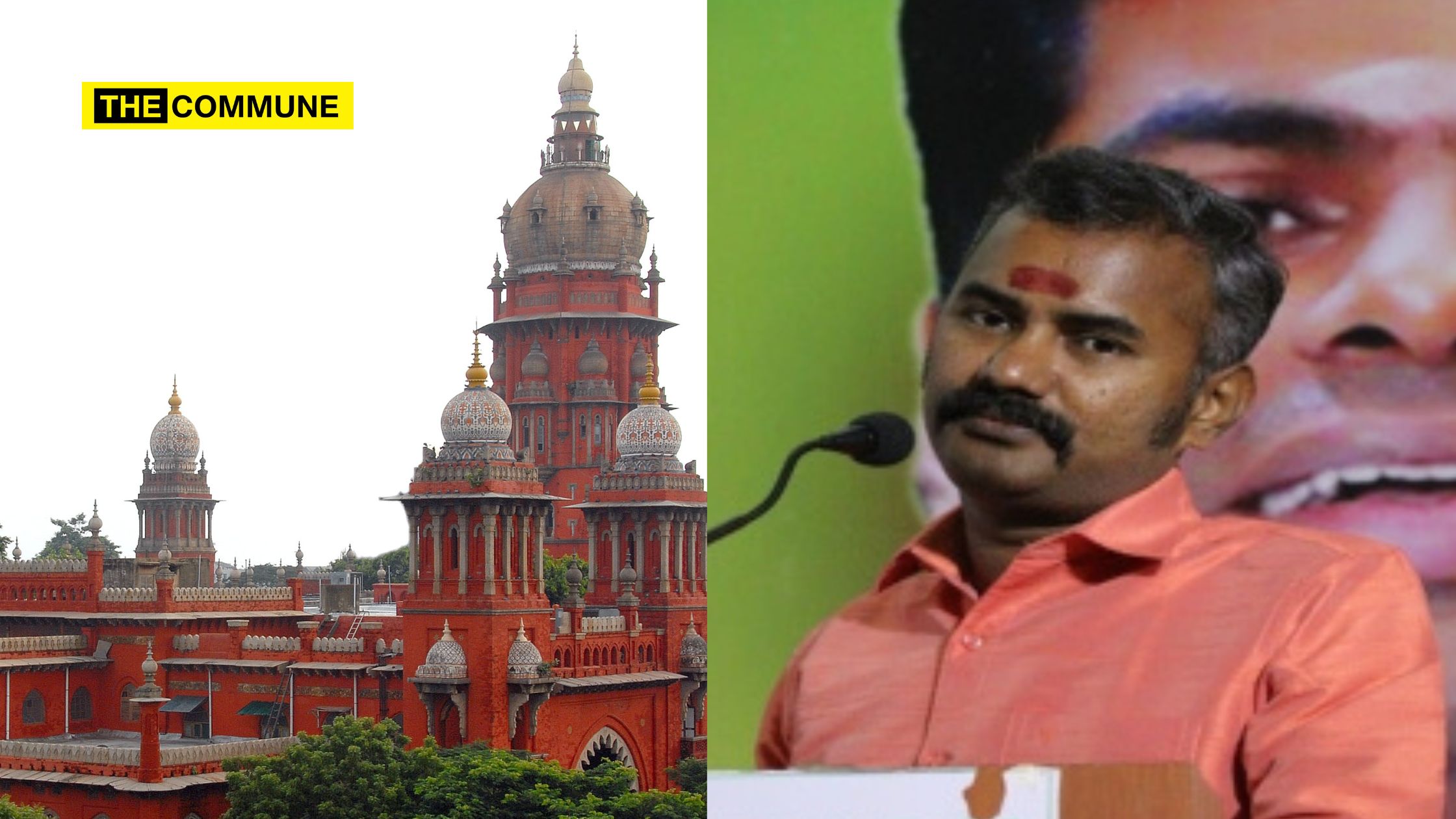
“No Need For Apology”: Madras High Court Rules In Favour Of BJP’s Ashvathaman In Bomb Blast Victim Memorial Day Speech Case

The Madras High Court has ruled that Tamil Nadu BJP State Secretary A. Ashvathaman is not required to submit an apology to receive anticipatory bail for a case initiated by the Nagore police on 23 July 2024.

High Court Justice T.V. Tamilselvi initially granted bail but required Aswathaman to sign the bail papers and submit an apology affidavit. Ashvathaman challenged this condition, arguing that being compelled to submit apology without a trial was unjust. After reviewing his petition, the High Court waived the apology requirement.

The case was initiated by the Nagore VAO against Ashvathaman on the grounds of public disturbance and inciting religious hatred. This action follows Ashvathaman’s involvement in a memorial event for Thangammal, the wife of Hindu activist T. Muthukrishnan, who was killed in a parcel bomb blast on 3 July 1995 in what was then the Nagai Qaid-e-Milleth district. The event was held on 7 July 2024.

In this regard, Ashvathaman submitted a petition to the High Court requesting anticipatory bail. Justice T.V. Tamilselvi heard the case on 29 July 2024. During the proceedings, the police argued that Ashvathaman had been making inflammatory speeches, and thus, anticipatory bail should not be granted. They requested additional time to provide a detailed response.

Following this plea, the judge postponed the hearing to 1 August 2024 and issued a temporary injunction preventing Ashvathaman’s arrest until then.

Background

A 1995 report from India Today and a Rajya Sabha debate highlighted Tamil Nadu’s declining reputation due to a series of violent incidents. The tragedy involved a parcel bomb that killed Thangammal, who was opening a Ramayana book when the bomb exploded. The attack, aimed at her husband, T. Muthukrishnan, a leader of the Hindu Munnani organization, resulted in her death and injuries to her daughters. The blast was part of a disturbing trend of violence in the region, including previous attacks involving RSS and Hindu Munnani offices and other bombings.

Every year, a memorial event is held to honour Thangammal’s death, but recently, the DMK government obstructed these gatherings. Last year, the authorities arrested several attendees and barred them from participating. This year, despite initially denying permission, the BJP secured approval through legal channels. However, as anticipated, the DMK police filed an urgent FIR at 8:00 PM on 23 July 2024 against those who spoke at the event held on 7 July 2024.

The FIR noted: “I (Deva Kumar) am working as the Village Administrative Officer in Nagapattinam District, including Nagore, I report that on July 7, 2024, a public meeting was held to commemorate the 29th anniversary of Thangammal, the wife of Tanga Muthu Krishnan, on Nagore Main Road, near Kamakshi Amman Templeon that day from 17.10 pm to 20.44 pm on the said public meeting platform. 1. Thanga Muthukrishna – Activist from Nagore, 2. Bala – State General Secretary, Hindu Makkal Katchi Anuman Sena 3. Vijay Krishna – State Spokesperson, Shiv Sena, 4. Kannadasan – Lawyer, 5.Subramaniyan M. R. – Member, Cauvery Farmers Association, 6. Prabhu R. D. – State President, Hindu Munanni 7. Rajaguru – State President, Hindu Athiradipadai, 8. Ashvathaman – State Secretary, Bharatiya Janata Party (BJP) 9. Selvam V. K – Organization Secretary, Hindu Makkal Katchi. During the meeting, these individuals reportedly referred to Muslims as terrorists, labelled the Muslim religion as divisive, and made statements that disturbed public peace, offended religious sentiments, and incited hatred between Hindus and Muslims. Their remarks also included criticism of alleged dereliction of duty. Therefore, I request that appropriate legal action be taken against those who spoke in a manner that fosters religious animosity.

The plaintiff’s complaint was registered under sections 196, 299, 353(1), 353(2), and 352 of the Bharatiya Nyaya Sanhita (BNS), 2023, on 23 July 2024, following receipt of the petition.

Regarding this matter, Hindu organizations, including those led by Thanga Muthukrishnan, stated that the police report identified the bomb parcel in Thangammal’s murder as being sent by Muslim terrorists. They argued that mentioning Abu Bakr Siddique, a suspect in the case, as a Muslim extremist and discussing this on public platforms was aligned with the police’s findings. Ashwathaman also reiterated these points in court but the police have labelled such statements as stirring religious sentiments.

Subscribe to our channels on TelegramWhatsApp, and Instagram and get the best stories of the day delivered to you personally.
SpaceX’s Polaris Dawn Launches Crew For First-Ever ‘All-Civilian’ Spacewalk

SpaceX's Polaris Dawn Launches Crew For First-Ever 'All-Civilian' Spacewalk

Elon Musk-led SpaceX’s Polaris Dawn spacecraft on Tuesday launched the first-ever crew for ‘all-civilian’ spacewalk. The first commercial spaceflight mission with a spacewalk carries billionaire Jared Isaacman and three others for the all-civilian spacewalk.

It lifted off atop a SpaceX Falcon 9 rocket today at after 5:23 a.m. EDT (2:54 PM IST) from historic Launch Complex-39A at NASA’s Kennedy Space Center (KSC). “Liftoff of Polaris Dawn!” SpaceX said in a post on X.

The mission has been delayed since August, first over a helium leak and then weather played spoilsport. Polaris Programme was launched by billionaire Jared Isaacman — the commander of the first “all-civilian” space mission Inspiration4, launched in 2021.

Polaris Dawn is the first of three planned missions under the programme, Along with Isaacman, the mission launched pilot Scott “Kidd” Poteet, mission specialist Sarah Gillis, and medical officer Anna Menon.

The mission will be free-flying and will go to a “very high altitude that humans haven’t gone to in 50-plus years,” Isaacman said earlier. Only Apollo was higher. During the mission, the teams will conduct research to better understand the effects of spaceflight and space radiation on human health.

“While on-orbit, the Polaris Dawn crew will conduct 36 research and science experiments from 31 partner institutions to expand our knowledge of humans adapting, living, and working in space,” Polaris Dawn said in a post on X. The crew will also “be the first crew to test Starlink laser-based communications in space”.

The crew will provide valuable data for future space communications systems, which are necessary for missions to the Moon, Mars, and beyond.

This story is based on an IANS wire feed. Only the headlines have been changed.

Subscribe to our TelegramWhatsApp, and Instagram channels and get the best stories of the day delivered to you personally.
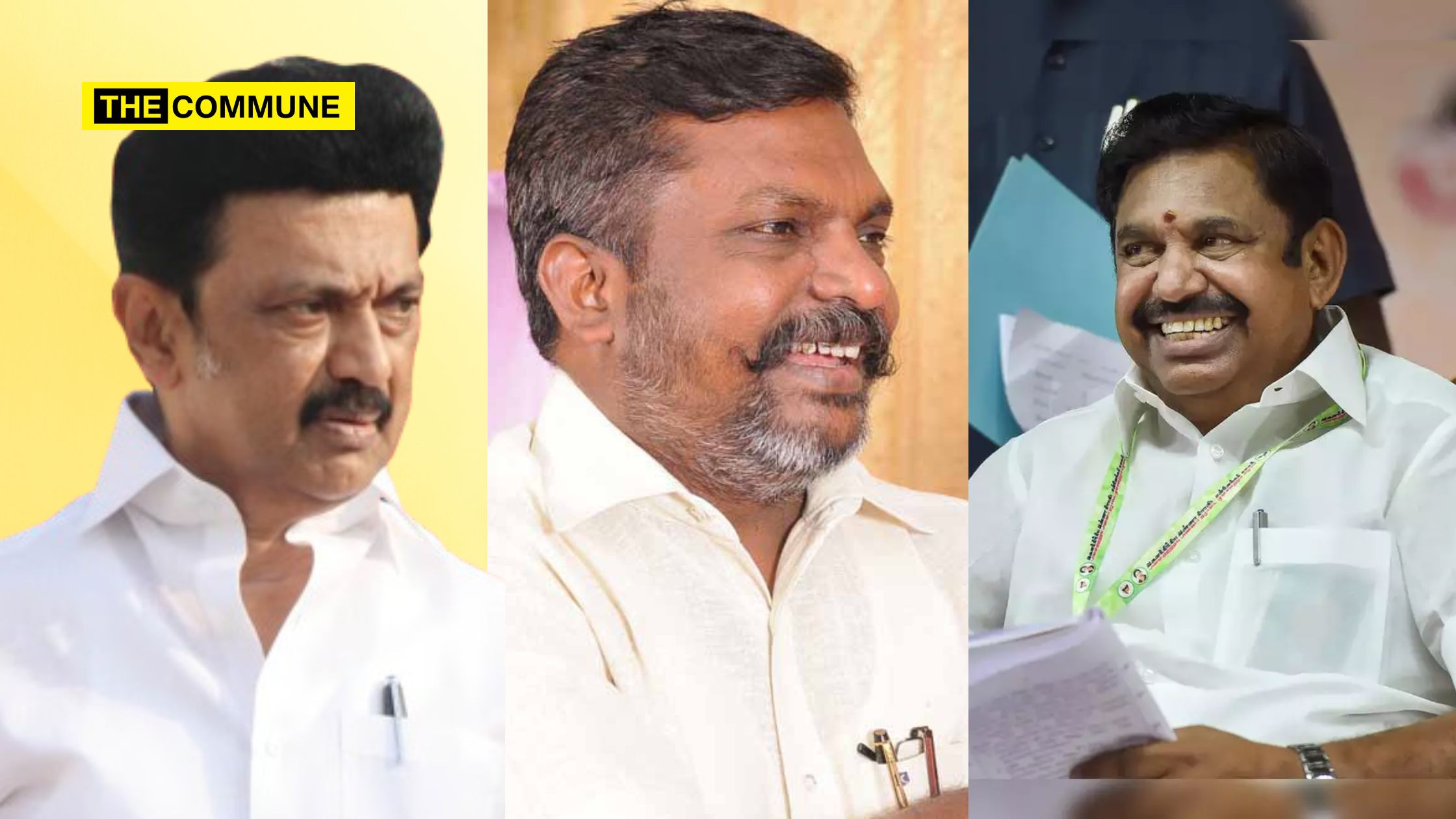
DMK Ally VCK Chief Thirumavalavan Invites AIADMK To Anti-Alcohol Protest

DMK Ally VCK Chief Thirumavalavan Invites AIADMK To Anti-Alcohol Protest

In what can be seen as a surprising move, Viduthalai Chiruthaigal Katchi (VCK) chief Thirumavalavan has invited the AIADMK to join his party’s protest for a total ban on alcohol. This move has elicited strong reactions from a DMK minister, who publicly affirmed the strength of their alliance with Thirumavalavan and his party. Despite these assurances, the weakening of their alliance has been long anticipated. In fact, during discussions about the 2024 Lok Sabha elections, a senior AIADMK leader directly proposed allocating four seats to VCK, reflecting ongoing tensions within the DMK alliance.

During a press conference at the VCK headquarters in Ashok Nagar, Chennai, Thirumavalavan revealed that the Women’s Liberation Movement will organize a conference focused on combating alcohol and drug abuse in Kallakurichi district on 2 October 2024. He drew attention to a concerning statistic, noting that between 2006 and 2024, 1,589 individuals in Tamil Nadu lost their lives due to illegal liquor.

Thirumavalavan recounted a devastating event from last year near Marakkanam, where 14 people lost their lives, causing widespread shock in Tamil Nadu. Since that incident, 69 additional deaths have occurred in Kallakurichi earlier this year. He shared that families affected by these tragedies have voiced a strong preference for shutting down liquor shops rather than receiving government compensation, arguing that only a complete prohibition on liquor can prevent further losses.

Hitting the DMK, Thirumavalavan said, “A country cannot become a superpower by turning everyone into an alcoholic. There is no use in welfare programs after creating alcoholics in every family, so we place these demands to the state government and central ruling union government.”

Thirumavalavan emphasized that Mahatma Gandhi, a prominent advocate of alcohol prohibition, inspired their efforts. He called for a phased closure of liquor shops in Tamil Nadu and questioned the delay in action despite the DMK’s 2016 election pledge to phase out liquor establishments.

Thirumavalavan advocated for making prohibition a national policy and suggested creating a special fund to support states that implement it. He also called for stricter regulation of drug trafficking and urged the Tamil Nadu government to establish a clear timetable for shutting down liquor shops.

Criticizing the lack of rehabilitation centers despite the substantial revenue generated from alcohol sales, Thirumavalavan urged for de-addiction facilities to be set up in every hospital. He labeled the government’s sale of alcohol as an “anti-national act” that depletes human resources and called for more effective action from the Tamil Nadu government on this issue.

He highlighted the need for a comprehensive abstinence plan before the assembly elections. The VCK chief encouraged all parties in favour of alcohol prohibition to unite on a common platform, regardless of electoral politics. Thirumavalavan emphasized that VCK’s stance is separate from election strategies and focused on addressing public issues rather than religious or caste-based concerns.

During a subsequent press briefing, reporters asked Thirumavalavan to clarify his criticism of parties that support liquor prohibition but are hesitant to act, specifically questioning whether he was referring to the DMK. In response, Thirumavalavan stated, “I’m saying to whoever is hesitant, even AIADMK is saying that (prohibition), but they have not implemented it. If they want, they can join our conference. AIADMK also can join. Any party can join, whoever has the consensus to prohibit liquor can come.”

This statement caused a significant stir in the DMK alliance, eliciting reactions from both the DMK, the alliance partner, and the opposition AIADMK. Meanwhile, VCK chief Thirumavalavan congratulated TVK Chief and actor Vijay on his upcoming first conference, expressing hope that Vijay’s ideology would be effectively communicated. In response, AIADMK leader Edappadi K. Palaniswami announced that AIADMK members are welcome to participate in the conference.

From the DMK side, Udhayanidhi Stalin remarked that VCK has the right to invite whomever they choose. He stated, “They will discuss it, and participation is entirely up to them.”

DMK Minister for Health and Family Welfare, Ma. Subramanian stated, “There is no issue within the DMK alliance, and it will endure through many more elections.”

Subscribe to our channels on TelegramWhatsApp, and Instagram and get the best stories of the day delivered to you personally.

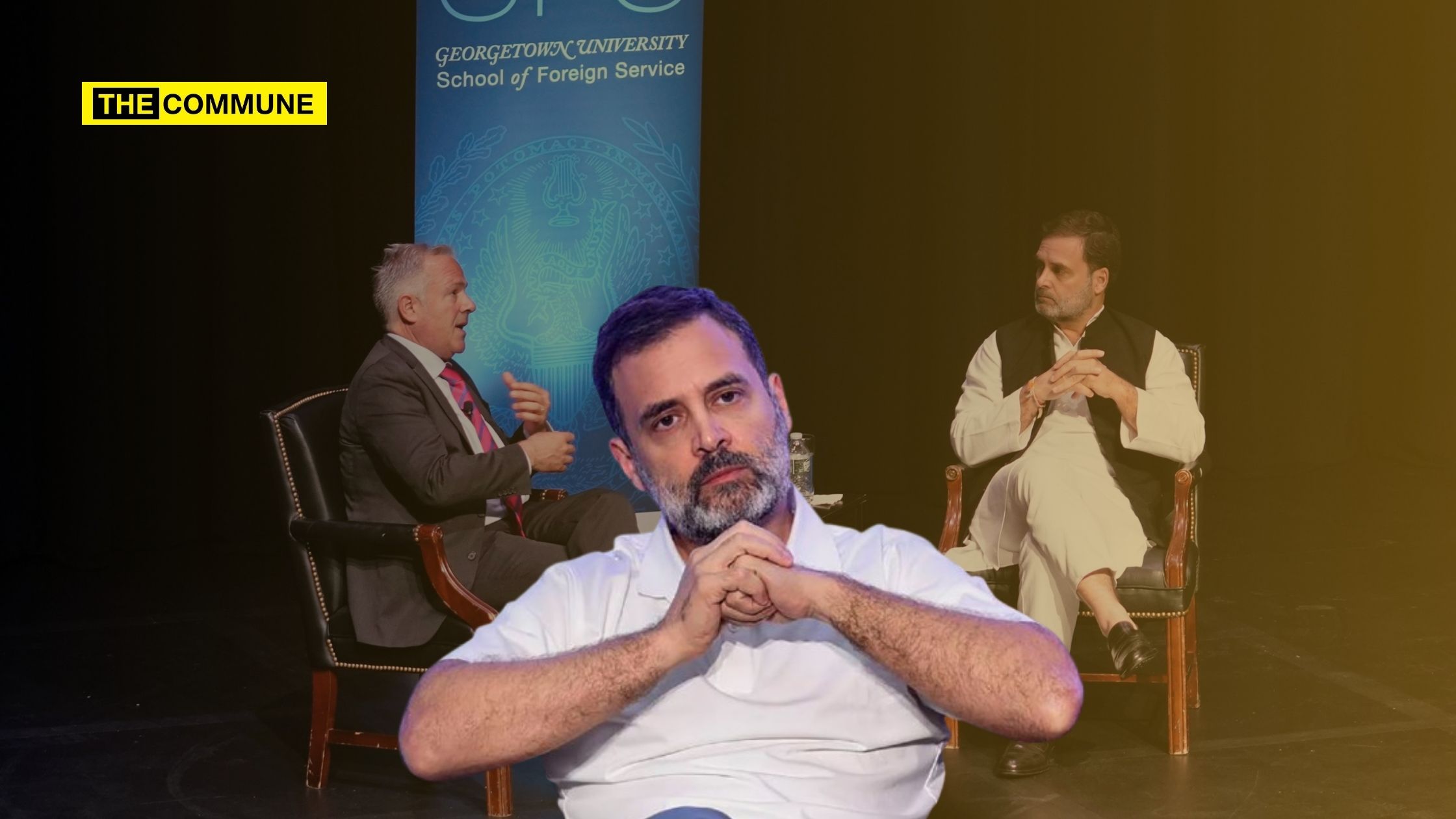
INDI Or INDIA Alliance: Rahul Gandhi Gets Clean Bowled By Student In USA

INDI Or INDIA Alliance: Rahul Gandhi Gets Clean Bowled By Student In USA

New Delhi, Sep 10 (IANS) As the Leader of Opposition (LoP) Rahul Gandhi’s statements in the United States sparked a political storm, one of his interactions with a student has lightened up the social media space, evoking multiple reactions from netizens.

During an event in Virginia’s Herndon, a student asked the Congress MP a question about the ‘INDI Alliance’ and asked about the vision of the diverse political grouping, given that its only focus was the removal of Prime Minister Narendra Modi.

Gandhi quickly corrected the student, saying it was INDIA and not INDI. “INDI is BJP’s framing”. However, the unyielding student quickly questioned what A stands for, to which the Congress leader remained ‘clueless’ for a while and then answered Alliance.

The student further asked him whether calling it the INDIA alliance wouldn’t make it redundant. This elicited peals of laughter from the audience while the Congress scion clarified on common grounds within the INDIA bloc.

A couple of BJP spokespersons shared the video clip of Gandhi’s interaction. They mocked him over the Congress party’s fallacies and quipped on how it was getting ‘exposed’ on foreign soil. Many netizens also poked fun at his ‘oops moment’ at the US event.

An X user said, “If anybody asks, why RaGa is called Pappu, the latest proof is this. He has been fairly consistent with his absurd thoughts.” “Look how uneasy both of them got. The question came out of the syllabus,” another netizen quipped.

During the interaction, the student had asked Gandhi, “You lead the INDI alliance, often seen as an alternative to BJP. During the 2024 elections, you failed to reach a seat-sharing deal with alliance partner TMC while on the other hand, you have a Hindutva-based party like Shiv Sena. If you get a chance to run the government, how will you run the government with a divided coalition keen only on removing the Prime Minister?”

Notably, the INDIA bloc stands for Indian National Developmental Inclusive Alliance and was formed by Congress and other Opposition parties to take on the BJP in the 2024 polls.

Subscribe to our TelegramWhatsApp, and Instagram channels and get the best stories of the day delivered to you personally.
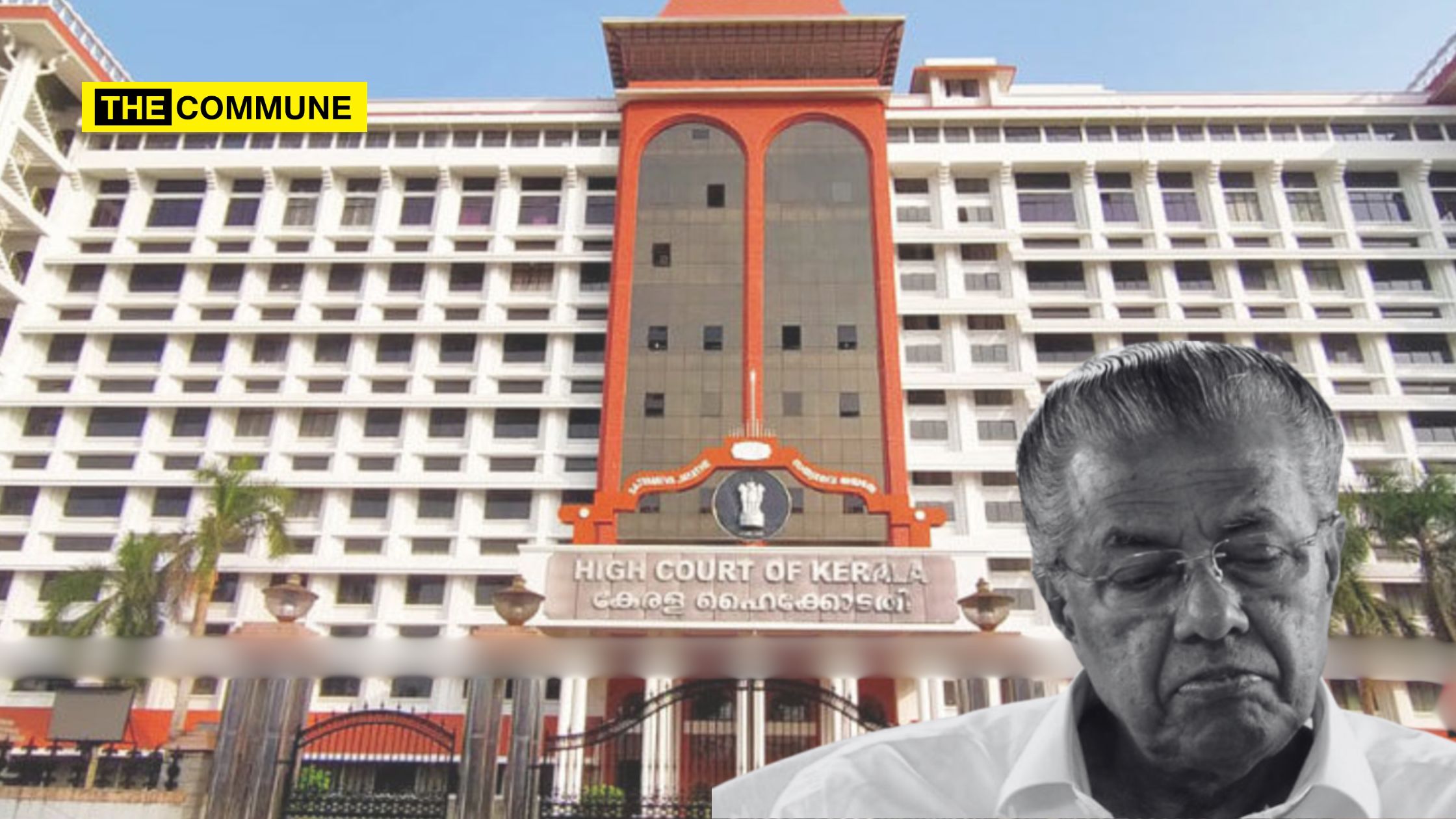
‘Silence Is Not An Option’: Kerala HC Slams Pinarayi Govt For Inaction On Hema Committee Report

"You Have ₹677 Crore, Yet No Clarity": Kerala HC Slams Pinarayi Government Over SDRF Utilisation In Wayanad Landslide Case

The Kerala High Court on 10 September 2024 criticized the state government for its inaction on the Justice Hema Committee report, which revealed widespread sexual harassment in the Malayalam film industry. Despite receiving the report in 2019, the Left Front government had not initiated any significant action, including registering FIRs, over the last four years, prompting a strong response from the court.

A special bench comprising Justices A.K. Jayasankaran Nambiar and C.S. Sudha questioned the Pinarayi Vijayan government’s delay in addressing the issues raised by the report. The court directed the state to hand over the unredacted version of the report to the Special Investigation Team (SIT), which was formed last month under mounting pressure following the publication of the redacted report.

The court highlighted its concerns over the government hesitating to act on the Hema Committee report, which was submitted on 31 December 2019. The committee was formed in 2017 after a prominent Malayalam actress was kidnapped and assaulted and filmed, with actor Dileep allegedly orchestrating the attack. The committee was tasked with investigating the working conditions of women in the industry. The report detailed systemic exploitation and bias but remained largely ignored by the government.

In a public interest litigation (PIL) hearing, the bench expressed its astonishment at the state’s passivity, stating, “You have done nothing in four years except sit on the report.” The judges stressed that the state’s “silence is not an option” and questioned why no action had been taken despite the serious allegations outlined in the report. They also pointed out the gap between the number of cases filed after the report’s release and the report itself, questioning why no cases were lodged based on its findings.

The court further noted that many of the issues raised in the report, such as exploitation before film production, do not fall under the Prevention of Sexual Harassment at Workplace (POSH) Act. It urged the government to consider new legislation to address such cases. The bench suggested that non-criminal disputes, like those involving gender discrimination among make-up artists, could be resolved through mediation or arbitration.

Additionally, the court instructed the SIT to submit a status report and warned against revealing sensitive details in press conferences or to the media, to avoid a “media trial.” However, the court did not issue a gag order but emphasized that the media should act responsibly and respect individuals’ privacy.

The Justice Hema Committee report had been kept confidential for five years, with parts of it only being made public in August 2024. The redaction of 63 pages, purportedly to protect the privacy of individuals mentioned, has led to allegations that the government is attempting to shield the accused by withholding more information than necessary. The court’s strong rebuke of the government reflects the growing criticism of the delay in taking action on such serious matters.

The Kerala government now faces increasing pressure to act on the findings of the report and ensure justice for the victims of harassment in the Malayalam film industry.

(With inputs from OpIndia)

Subscribe to our TelegramWhatsApp, and Instagram channels and get the best stories of the day delivered to you personally.

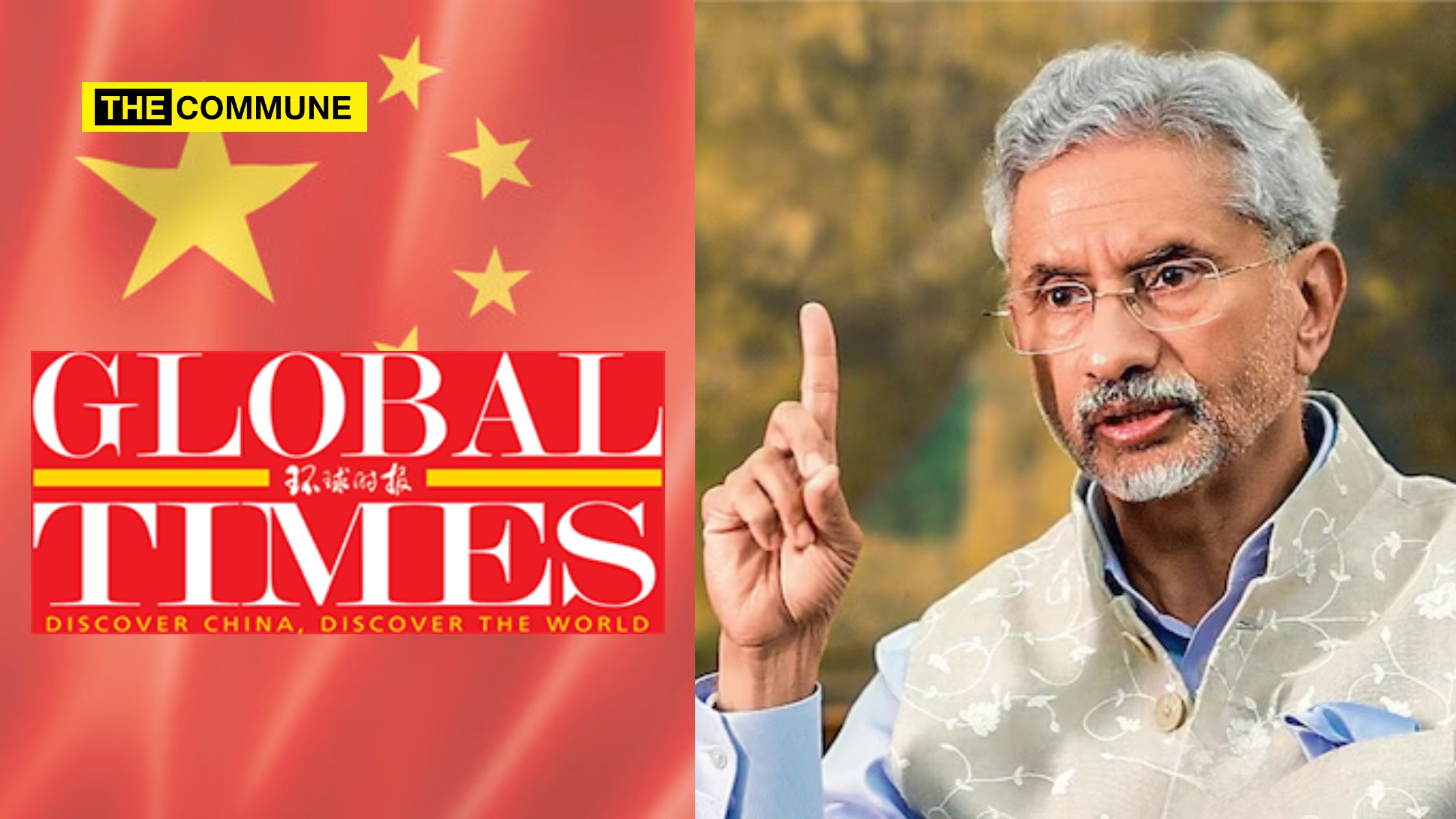
Global Times Deletes Controversial Op-Ed Criticizing EAM S Jaishankar; Chinese Officials Call Views ‘Private’

Global Times Deletes Controversial Op-Ed Criticizing EAM S Jaishankar; Chinese Officials Call Views 'Private'

Beijing’s state-run Global Times published an opinion piece on 9 September 2024 (Monday) titled “India’s diplomacy has a ‘S. Jaishankar problem'” written by Wang Daming sharply critical of Indian External Affairs Minister S. Jaishankar. The news outlet removed the English version hours later while retaining the Chinese version.

Chinese diplomatic sources clarified to ThePrint that the views expressed in the article were “private” and did not reflect the Chinese government’s official stance.

The piece in Global Times came in response to remarks made by Jaishankar on 31 August 2024 at a media forum in New Delhi, where he stated that the world is facing a “general China problem”. He said India’s issue with Beijing is more specific due to their ongoing four-year border standoff. Jaishankar also noted that other nations, such as the United States and European countries, are also grappling with challenges China poses.

“Go to Europe and ask what is among their major economic or national security debates today. It is about China. Look at the United States. It is obsessed with China, and rightly so in many ways,” Jaishankar had said.

The now-deleted Global Times article accused Jaishankar of not prioritizing India’s national interests and using “diplomatic tricks” with other nations. It described his recent comments on China as “shocking” and claimed they revealed “envy, jealousy, and hate” towards Beijing. The article also implied that Jaishankar may resist improving India-China relations, suggesting his diplomatic strategy over the past four years could be flawed.

The op-ed further criticized Jaishankar for allegedly prioritizing the United States over India’s own interests. “As minister of external affairs, Jaishankar’s priority seems not to be national interests…The momentum in improving China-India relations might have also made Jaishankar afraid. On one hand, it suggests that the diplomatic strategy he has led over the past four years might have been flawed and is now being gradually adjusted. On the other hand, he is concerned about pleasing the U.S.,” the op-ed stated.

Additionally, the article by Wang Daming compared Jaishankar’s approach unfavourably with that of former Indian leaders, Jawaharlal Nehru and Indira Gandhi, asserting that his diplomacy lacks their moral and ethical foundation. “The diplomatic strategies and tactics he led were full of tricks — they had neither the moral sense of Jawaharlal Nehru’s diplomacy nor the ethical sense of Indira Gandhi’s diplomacy,” the article said.

The Global Times piece also highlighted the diplomatic meetings between Jaishankar and his Chinese counterpart, Wang Yi, which took place twice in July—once at the Shanghai Cooperation Organisation (SCO) summit in Kazakhstan and again at an ASEAN meeting in Laos.

The op-ed also referenced Jaishankar’s post-retirement stint at Tata Group, questioning his motivations before re-entering public office as External Affairs Minister in Prime Minister Narendra Modi’s second term.

A journalist based in Taiwan, Aadil Brar, commented on social media platform X, suggesting that the author’s name might be a pseudonym, which is sometimes used when officials want to present a viewpoint without attribution. He wrote, “This could mean Wang Daming is a placeholder name used to express official views. Chinese state media often employs this practice for authoritative commentaries.”

Brar added, “The name appears to be a pseudonym, which makes the situation even more puzzling. But it’s a common practice when officials want to share official views without a byline.”

Swarajya reported that the name Wang Daming previously appeared in an article titled “China launches big data engineering lab for government management,” where Daming was identified as the head of the National Engineering Laboratory council.

Subscribe to our TelegramWhatsApp, and Instagram channels and get the best stories of the day delivered to you personally.
Here’s Why Wikipedia Should Be Considered A Publisher And Subject To Indian Laws

Here's Why Wikipedia Should Be Considered A Publisher And Subject To Indian Laws

According to a new dossier by OpIndia, Wikipedia should be considered a publisher and subject to Indian laws. The report challenges Wikipedia’s claim of being a neutral, volunteer-based platform, arguing that its significant editorial control and financial arrangement with contributors position it firmly as a publisher. This scrutiny comes as Wikipedia resists compliance with Indian regulations, suggesting it avoids legal responsibilities by portraying itself as a mere intermediary.

The dossier highlights the need for Wikipedia to adhere to the same legal standards as other publishers operating in India.

OpIndia Dossier

The news website OpIndia has published a detailed dossier that aims to disprove thefactthat Wikipedia operates as a free, editorially neutral encyclopaedia reliant on the voluntary efforts of unpaid contributors, as claimed by the Wikimedia Foundation. The dossier mainly focuses on Wikipedia’s content related to India, Indian laws, and the implications of treating Wikipedia as a publisher, making it directly liable for its content on its platform.

Wikipedia, managed by the Wikimedia Foundation, presents itself as an open, crowd-sourced platform where volunteers across the globe collaboratively create and curate content. It argues that it operates as an intermediary, not a publisher, exempting it from many legal responsibilities, especially under Indian law. However, upon closer examination, it becomes clear that Wikipedia functions more like a publisher than an intermediary, exercising significant editorial control and paying certain contributors. This distinction is crucial in determining whether it should be subject to Indian laws. Here’s why Wikipedia should be considered a publisher and thus, legally accountable.

A Brief Look At Wikipedia’s Legal Stance

Wikimedia Foundation, the parent organization of Wikipedia, frequently claims immunity from various national laws by asserting that it is a neutral intermediary that hosts content generated by independent users. This was demonstrated in 2023 when a Delhi court issued a summons to Wikipedia, BBC, and Internet Archive concerning the banned Modi documentary by the BBC.

Wikipedia and BBC argued that the Delhi court had no jurisdiction over them since they were foreign entities. While the Internet Archive complied by removing the documentary, Wikimedia resisted, indicating that Indian laws do not apply to its platform.

The Foundation’s response to the Indian government’s 2018 Intermediary Guidelines, which sought to regulate online content, further underscores its unwillingness to submit to Indian legal scrutiny. Wikimedia expressed concerns over the guidelines, which would have held intermediaries accountable for failing to remove unlawful content. It argued that such rules would turn the internet from an open platform into a tool of automated censorship, which it said would stifle free speech.

The Reality Behind Wikimedia’s Claims Of ‘Neutrality’

Wikimedia Foundation claims that it has no editorial control over the content published on its platform, maintaining that it is purely a volunteer-driven site. However, this portrayal is misleading. The Foundation explicitly funds certain editors, administrators, and contributors through grants, and has a clear editorial line. For instance, the page onDemocratic Backsliding in Indiawas the result of a funded project under the Wikimedia Education program, which casts doubt on the platform’s claim of neutrality.

Furthermore, Wikimedia actively pays certain editors and administrators, allowing them to shape the platform’s editorial policies. This level of control means that Wikipedia is no longer merely a neutral intermediary but is instead taking a direct role in the creation and promotion of specific content. When a platform exercises such editorial oversight, it can no longer claim to be a passive intermediary.

The Case For Wikipedia As A Publisher

Under Indian law, a publisher is defined as an entity that performs a significant role in determining what content is made available to the public. A publisher, unlike an intermediary, exercises editorial control and decides which sources to include, which content to publish, and how to present that information. Wikipedia clearly fits this definition.

  • Editorial Oversight and Paid Contributions: Wikipedia’s content is not purely volunteer-driven. The Foundation not only pays editors but also funds specific projects that shape the editorial direction of the platform. For example, content related to socio-political issues, like the article mentioned above on India’s democratic status, reflects a specific editorial stance that is not necessarily neutral.
  • Censorship and Control of Sources: Wikipedia’s editorial policies restrict including specific sources, especially non-left-leaning viewpoints. This selective censorship demonstrates that the platform curates content to a particular narrative. For instance, police and court statements are often disregarded as unreliable, while left-leaning sources are disproportionately favoured.
  • Intermediary vs. Publisher: Under Indian law, an intermediary is a platform that enables users to create, upload, share, or modify information without exercising editorial oversight. Wikipedia’s editorial practices, however, disqualify it from this category. The platform decides what is notable or relevant, rejects certain sources, and bans contributors who do not adhere to its editorial standards.

This level of editorial control places Wikipedia squarely in the publisher category. By shaping content and promoting specific viewpoints, it assumes the responsibilities of a publisher and should be held accountable.

How Wikimedia Evades Indian Laws

Wikimedia’s reluctance to comply with Indian laws is rooted in its refusal to acknowledge its role as a publisher. This avoidance is evident in its resistance to India’s Foreign Contribution Regulation Act (FCRA) rules and its refusal to open an office in India. By operating without an Indian office, Wikimedia avoids filing financial disclosures or adhering to Indian regulations regarding foreign entities.

In its response to India’s Intermediary Guidelines, Wikimedia expressed concern over the cost of surveillance and compliance. It argued that complying with Indian laws would place an undue financial burden on its operations. However, Wikimedia’s own financial disclosures show that a significant portion of its revenue is spent on grants to editors, writers, and administrators, making this argument weak. The Foundation allocates millions of dollars to its editorial activities, contradicting its claim that compliance with Indian laws would be financially unsustainable.

Wikimedia also argued that the requirement to remove illegal content within a short time frame would hinder Wikipedia’s collaborative model. However, this concern is less about operational difficulties and more about maintaining editorial control without accountability. Wikimedia is reluctant to subject its editorial decisions to Indian legal scrutiny, preferring instead to operate under the guise of being an intermediary.

Wikipedia’s Argument For Global Neutrality

Wikimedia contends that its global reach and collaborative model make it impossible to adhere to country-specific laws. According to the Foundation, implementing content removal based on the legal requirements of individual countries would create “problematic gaps” in its content, as changes made in one country would affect the platform’s global audience.

This argument is deeply flawed. While it is true that Wikipedia has a global user base, its content is far from universally neutral. The platform’s editorial decisions are influenced by a small group of editors and administrators, many of whom are paid by the Foundation. This hierarchical model undermines the claim that Wikipedia is a truly crowd-sourced, neutral platform. In reality, the platform operates more like a traditional media organization, with clear editorial guidelines and selective content moderation.

Moreover, Wikimedia’s concerns about censorship are hypocritical, given that it already engages in selective censorship. The platform’s editorial policies prevent certain viewpoints from being published, which effectively amounts to censorship. Yet, when Indian laws require the removal of illegal content, Wikimedia cries foul, claiming that such requirements would stifle free speech.

Wikimedia’s Refusal To Open An Indian Office

One of Wikimedia’s most telling strategies to evade Indian law is its refusal to open an office in India. By not having a physical presence in the country, Wikimedia avoids being subject to Indian jurisdiction. It does not file returns in India, does not adhere to FCRA regulations, and does not account for payments made to Indian editors and administrators. This lack of accountability allows Wikimedia to operate with impunity, even as it promotes content that may violate Indian laws.

Wikimedia argues that opening an office in India would create an undue financial burden. However, given the millions it spends annually on grants and editorial activities, this claim is difficult to take seriously. The real reason Wikimedia avoids establishing an office in India is to evade legal scrutiny and continue operating without oversight.

The Need For Legal Accountability

The crux of the issue is that Wikipedia cannot claim to be an intermediary when it exercises significant editorial control. As a publisher, it should be subject to the same legal obligations as other media organizations. Indian laws, particularly the Information Technology (Intermediary Guidelines and Digital Media Ethics Code) Rules, 2021, apply to digital media and publishers of news and current affairs. These rules are designed to hold publishers accountable for the content they produce and distribute.

Wikipedia fits the definition of a publisher under these guidelines. It curates and promotes content, exercises editorial oversight, and pays contributors to create and edit articles. Therefore, it should be held to the same standards as other publishers, including compliance with Indian laws regarding content moderation and financial transparency.

Last Word

The Wikimedia Foundation’s claim that Wikipedia is a neutral intermediary does not hold up under scrutiny. The platform exercises significant editorial control, funds specific projects, and selectively promotes certain viewpoints. This makes it a publisher, not an intermediary. As such, Wikipedia should be subject to Indian laws, including regulations regarding content removal, financial disclosures, and compliance with FCRA rules.

By refusing to comply with Indian laws and avoiding establishing a physical presence in the country, Wikimedia undermines its claim of neutrality and transparency. It is time for Wikipedia to be held accountable as a publisher and adhere to the same legal standards as other media organizations operating in India.

(With inputs from OpIndia)

Subscribe to our TelegramWhatsApp, and Instagram channels and get the best stories of the day delivered to you personally.
Was Mahavishnu’s Arrest A Dravidianist Conspiracy To Appease Minorities While Adopting A Soft Hindutva Stance?

Was Mahavishnu’s Arrest A Dravidianist Conspiracy To Appease Minorities While Adopting A Soft Hindutva Stance?

A viral social media post by a netizen named N. Muthuramalingam has ignited speculation around the recent controversy involving spiritual speaker Mahavishnu, who was arrested following his lecture on karma and Hindu philosophy in a government school. Muthuramalingam’s post questions whether the uproar surrounding Mahavishnu was engineered as a political manoeuvre by DMK to appease disgruntled minorities. He highlights the unusual logistics and timing of the event, suggesting it could be part of a larger strategy by Dravidanists and missionaries to discredit Hinduism.

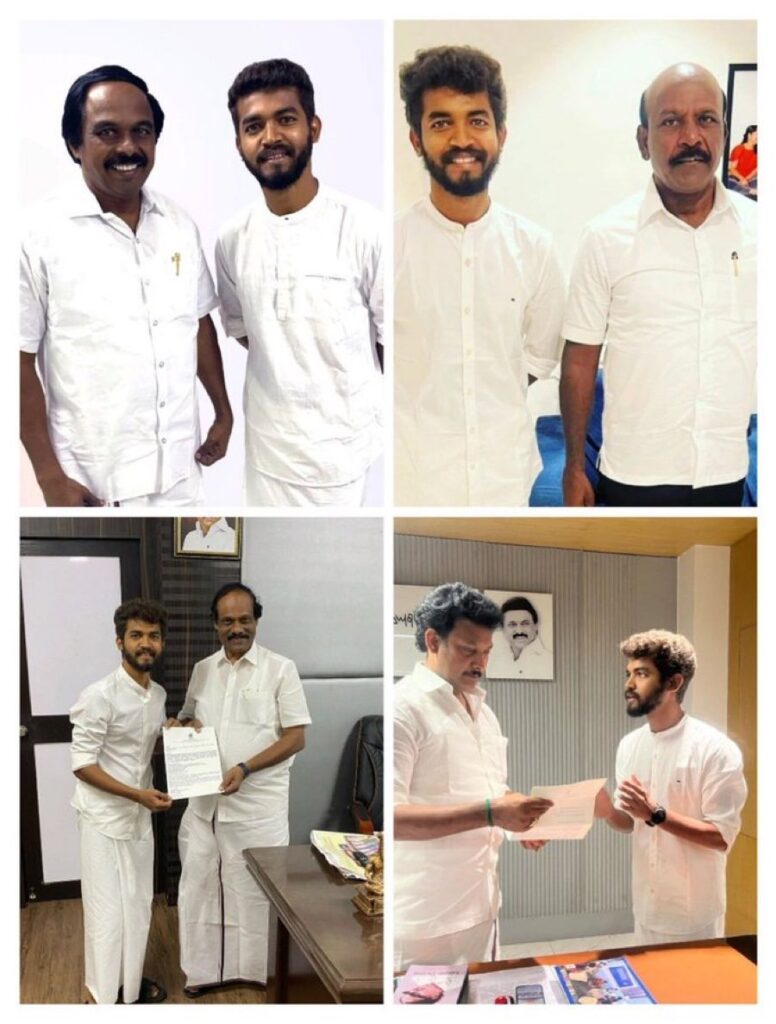
The post, which features photos of Mahavishnu with DMK ministers, raises concerns about potential political motivations behind the controversy, as Mahavishnu faces charges including incitement and spreading false information.

Controversy About Mahavishnu

Amid the controversy surrounding the arrest of spiritual speaker Mahavishnu, who gave a lecture on rebirth, karma, and Thirukkural philosophy at government schools in Ashok Nagar and Saidapet on 5 September 2024, during Teacher’s Day celebrations, a social media post about Shankar, a visually impaired teacher involved in the incident, has gone viral.

Mahavishnu, a motivational speaker from the Paramporul Foundation, was invited to talk in the Ashok Nagar and Saidapet area government schools. During his speech, Mahavishnu stated that ancient Indian education systems, like Gurukulams, were destroyed by British rule, leading to the loss of powerful knowledge once written on palm leaves (olaichuvadu).

He asserted that reciting specific mantras could heal bodies, cause “rain of fire,” or enable one to fly, alluding to mystical powers lost over time. The speaker then stated that social inequalities and people’s circumstances, whether rich, poor, criminal, or heroic, were the result of actions in their previous lives.

A school staff member named Shankar objected to the content of Mahavishnu’s speech, pointing out that the speaker was invited for a motivational talk, not a spiritual discourse. This led to a heated argument, with Mahavishnu questioning the teacher how a child will live a proper life without knowledge about past life karma. Shankar publicly criticized Mahavishnu’s comments about Karma.

The day after the incident caused an uproar, School Education Minister Anbil Mahesh supported teacher Shankar, congratulating him and stating that Mahavishnu would not be let off easily. Following a complaint that his speech was offensive, Mahavishnu, who had just returned from Australia, was arrested by the police.

The Saidapet police have charged Mahavishnu under four sections of the Bharatiya Nyaya Sanhita Act 2023, Section 192 (Incitement to riot), Section 196(1)(a) (Dissemination of objectionable information), Section 352 (Disturbing public peace), and Section 353(2) (Spreading false information about religion and caste). Additionally, he faces charges under one section of the Persons with Disabilities Act 2016.

Mahavishnu was presented before the Saidapet judicial magistrate, who remanded him to 14 days of judicial custody. The city police are preparing to file separate First Information Reports (FIR) as additional complaints continue to be lodged across various police stations, including Tiruvottiyur.

N.Muthuramalingam’s Post

Amid this, a social media post by N. Muthuramalingam has gained widespread attention. In his viral post, Muthuramalingam questions how Mahavishnu, previously unknown, has suddenly gained widespread fame across Tamil Nadu. He wonders if the teachers who organized the event at both schools and the CEOs and DEOs who granted permission were unaware of who Mahavishnu was and his discourse. He points out the logistical oddity of a blind teacher travelling from Saidapet to Ashoknagar, four kilometres away. Muthuramalingam questions whether this Mahavishnu speech spectacle was a deliberate setup to create controversy, generate publicity and please minorities.

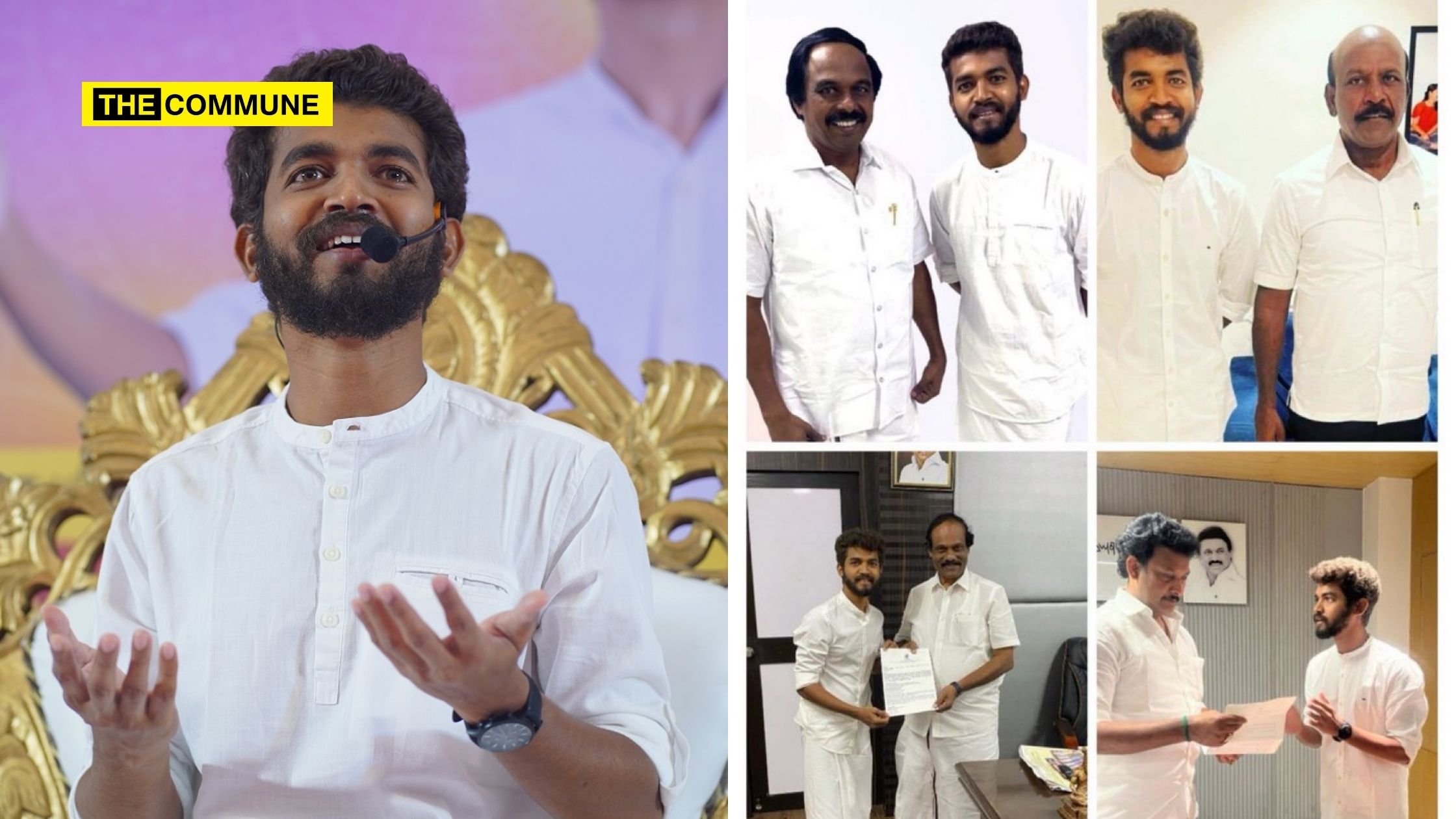
He suggests that this Mahavishnu situation might be part of a larger strategy by Dravidanists and its affiliated organizations, potentially used as a political tool to placate disgruntled minorities by leveraging events like the Murugan conference and the Karunanidhi coin release program. Muthuramalingam notes the presence of Mahavishnu in photos with several DMK ministers. He implies that such associations are suspicious, questioning whether a genuine supporter of Hinduism would align with those opposed to it.

Muthuramalingam also speculates about the ulterior motives behind promoting the speaker. He suggests that the missionaries might be using Mahavishnu as part of a long-term plan to discredit Hinduism, potentially leading to further controversies or legal troubles for him. His post, along with close-up photos of Mahavishnu with DMK ministers like Anbil Mahesh, Mano Thangaraj, M. Subramanian, and DMK leader I. Leoni is circulating widely on social media.

(With inputs from Dinamalar)

Subscribe to our TelegramWhatsApp, and Instagram channels and get the best stories of the day delivered to you personally.