Home Blog Page 915

Was Mahavishnu’s Arrest A Dravidianist Conspiracy To Appease Minorities While Adopting A Soft Hindutva Stance?

Was Mahavishnu’s Arrest A Dravidianist Conspiracy To Appease Minorities While Adopting A Soft Hindutva Stance?

A viral social media post by a netizen named N. Muthuramalingam has ignited speculation around the recent controversy involving spiritual speaker Mahavishnu, who was arrested following his lecture on karma and Hindu philosophy in a government school. Muthuramalingam’s post questions whether the uproar surrounding Mahavishnu was engineered as a political manoeuvre by DMK to appease disgruntled minorities. He highlights the unusual logistics and timing of the event, suggesting it could be part of a larger strategy by Dravidanists and missionaries to discredit Hinduism.

The post, which features photos of Mahavishnu with DMK ministers, raises concerns about potential political motivations behind the controversy, as Mahavishnu faces charges including incitement and spreading false information.

Controversy About Mahavishnu

Amid the controversy surrounding the arrest of spiritual speaker Mahavishnu, who gave a lecture on rebirth, karma, and Thirukkural philosophy at government schools in Ashok Nagar and Saidapet on 5 September 2024, during Teacher’s Day celebrations, a social media post about Shankar, a visually impaired teacher involved in the incident, has gone viral.

Mahavishnu, a motivational speaker from the Paramporul Foundation, was invited to talk in the Ashok Nagar and Saidapet area government schools. During his speech, Mahavishnu stated that ancient Indian education systems, like Gurukulams, were destroyed by British rule, leading to the loss of powerful knowledge once written on palm leaves (olaichuvadu).

He asserted that reciting specific mantras could heal bodies, cause “rain of fire,” or enable one to fly, alluding to mystical powers lost over time. The speaker then stated that social inequalities and people’s circumstances, whether rich, poor, criminal, or heroic, were the result of actions in their previous lives.

A school staff member named Shankar objected to the content of Mahavishnu’s speech, pointing out that the speaker was invited for a motivational talk, not a spiritual discourse. This led to a heated argument, with Mahavishnu questioning the teacher how a child will live a proper life without knowledge about past life karma. Shankar publicly criticized Mahavishnu’s comments about Karma.

The day after the incident caused an uproar, School Education Minister Anbil Mahesh supported teacher Shankar, congratulating him and stating that Mahavishnu would not be let off easily. Following a complaint that his speech was offensive, Mahavishnu, who had just returned from Australia, was arrested by the police.

The Saidapet police have charged Mahavishnu under four sections of the Bharatiya Nyaya Sanhita Act 2023, Section 192 (Incitement to riot), Section 196(1)(a) (Dissemination of objectionable information), Section 352 (Disturbing public peace), and Section 353(2) (Spreading false information about religion and caste). Additionally, he faces charges under one section of the Persons with Disabilities Act 2016.

Mahavishnu was presented before the Saidapet judicial magistrate, who remanded him to 14 days of judicial custody. The city police are preparing to file separate First Information Reports (FIR) as additional complaints continue to be lodged across various police stations, including Tiruvottiyur.

N.Muthuramalingam’s Post

Amid this, a social media post by N. Muthuramalingam has gained widespread attention. In his viral post, Muthuramalingam questions how Mahavishnu, previously unknown, has suddenly gained widespread fame across Tamil Nadu. He wonders if the teachers who organized the event at both schools and the CEOs and DEOs who granted permission were unaware of who Mahavishnu was and his discourse. He points out the logistical oddity of a blind teacher travelling from Saidapet to Ashoknagar, four kilometres away. Muthuramalingam questions whether this Mahavishnu speech spectacle was a deliberate setup to create controversy, generate publicity and please minorities.

He suggests that this Mahavishnu situation might be part of a larger strategy by Dravidanists and its affiliated organizations, potentially used as a political tool to placate disgruntled minorities by leveraging events like the Murugan conference and the Karunanidhi coin release program. Muthuramalingam notes the presence of Mahavishnu in photos with several DMK ministers. He implies that such associations are suspicious, questioning whether a genuine supporter of Hinduism would align with those opposed to it.

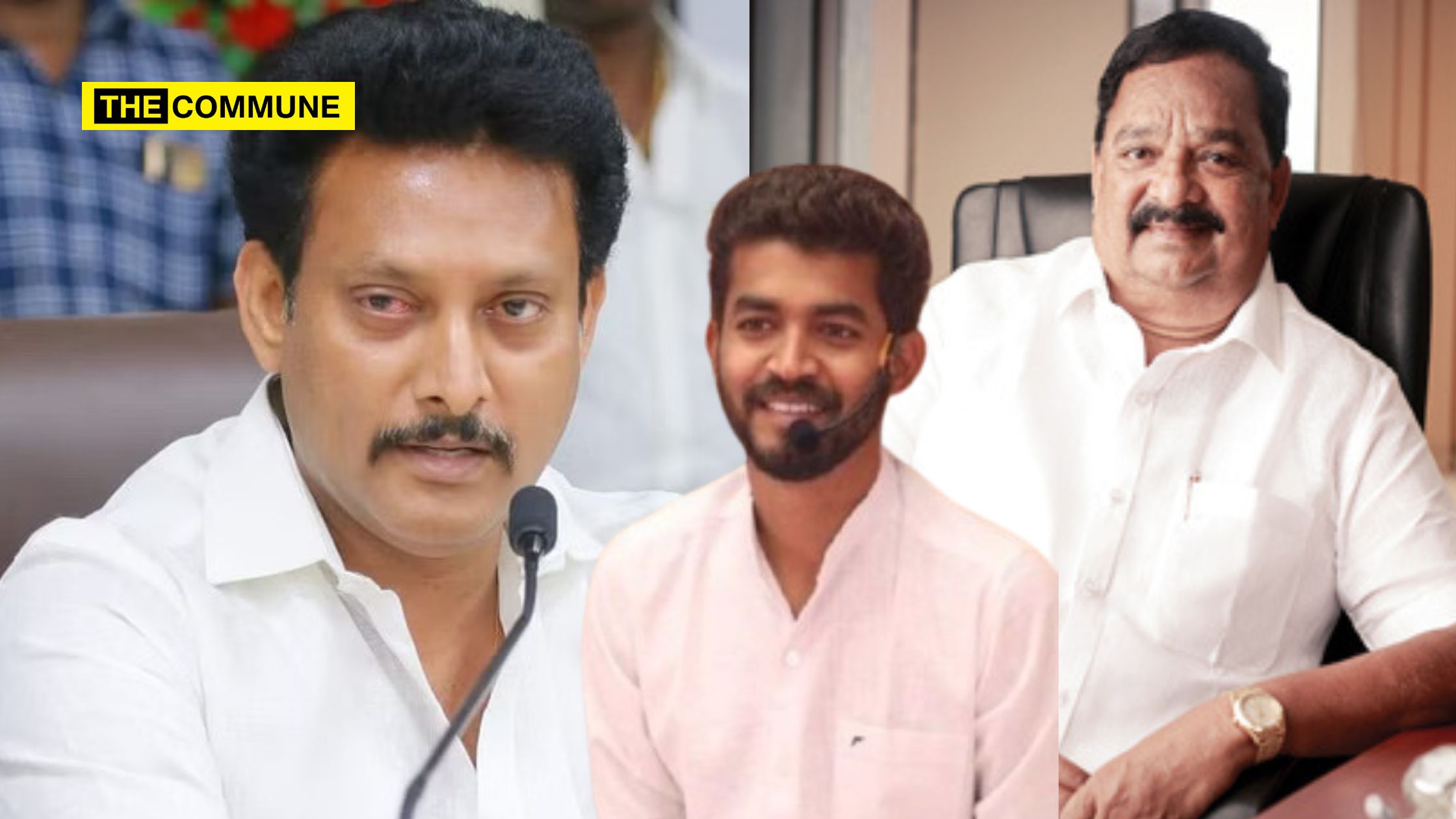
Muthuramalingam also speculates about the ulterior motives behind promoting the speaker. He suggests that the missionaries might be using Mahavishnu as part of a long-term plan to discredit Hinduism, potentially leading to further controversies or legal troubles for him. His post, along with close-up photos of Mahavishnu with DMK ministers like Anbil Mahesh, Mano Thangaraj, M. Subramanian, and DMK leader I. Leoni is circulating widely on social media.

(With inputs from Dinamalar)

Subscribe to our TelegramWhatsApp, and Instagram channels and get the best stories of the day delivered to you personally.

Union Minister Ashwini Vaishnaw Announces New HP Production Facility In TN; DMK Mouthpiece Sun News Fails To Give Centre Credit

On 9 September 2024, Union Information & Broadcasting Minister Ashwini Vaishnaw revealed that HP Inc and Padget Electronics have signed a memorandum of understanding (MoU) to produce HP laptops, personal computers, and All-in-One PCs at a new facility in Tamil Nadu.

Vaishnaw, who also serves as the Union Minister for Railways and IT, described this development as a significant achievement for the Production-Linked Incentive (PLI) scheme, which is a key component of Prime Minister Narendra Modi’s ‘Make in India’ initiative.

Minister Ashwini Vaishnaw said, “I am very happy to share with you that HP Inc and Padget Electronics have signed an MOU today for manufacturing HP laptops, personal computers and all-in-ones at a factory in Tamil Nadu. This is a major success for the PLI scheme under Prime Minister Narendra Modi ji’s Make in India program… This electronics manufacturing industry employs about 10 lakh people in the entire country and today it has emerged as a major exporting industry out of India. Initially, it will employ about 1500 persons and as production increases the employment will also increase. The first laptop out of this factory will be shipped in Feb 2025.”

Notably, Dixon Technologies is set to produce laptops and computers for HP at a new plant. This development is a significant boost to India’s Aatmanirbhar initiative, as HP and Dixon Technologies have signed a memorandum of understanding (MoU) to manufacture these products locally. The establishment of this facility is also expected to create job opportunities for 1,500 people.

However, as is often the case, Sun News, a mouthpiece for the DMK, began promoting the narrative that the HP laptop manufacturing facility was established due to the DMK’s efforts. This narrative was presented without mentioning the fact that memorandum of understanding (MoU) signed between the BJP led central government and Padget Electronics.

The Dravidian stocks further propagated this narrative using hashtags like #DravidianModel and #MKStalin across social media.

https://twitter.com/ShanmugamB18946/status/1833357511375605908

Subscribe to our channels on TelegramWhatsApp, and Instagram and get the best stories of the day delivered to you personally.
How The Left Bias Of Wikipedia’s Editors And Admins Results In Censorship 

Here's Why Wikipedia Should Be Considered A Publisher And Subject To Indian Laws

Wikipedia’s editors and content administrators are at the centre of a new OpIndia dossier that challenges Wikipedia’s claim of being a free and neutral encyclopedia. The report exposes a significant Left bias in Wikipedia’s coverage, particularly concerning India and its laws. It also argues that the systemic exclusion of right-wing sources undermines the platform’s claim to neutrality.

With only 435 active administrators wielding disproportionate power over content and contributor access, the dossier questions the integrity of Wikipedia’s editors and their supposed commitment to a balanced perspective.

OpIndia Dossier

The news website OpIndia has published a detailed dossier that aims to disprove thefactthat Wikipedia operates as a free, editorially neutral encyclopaedia reliant on the voluntary efforts of unpaid contributors, as claimed by the Wikimedia Foundation. The dossier mainly focuses on Wikipedia’s content related to India, Indian laws, and the implications of treating Wikipedia as a publisher, making it directly liable for the content on its platform.

The dossier highlights research that uncovers a pronounced Left bias on Wikipedia. Three cited studies conclude that Wikipedia inherently leans left, contradicting itsNeutral Point of View(NPOV) policy. While NPOV suggests that all views would be represented, the reality is that the platform restricts right-wing (non-left) sources from being used, labelling them as unreliable. Wikipedia’s editors and admins, who hold disproportionate power, ensure these sources are blacklisted, skewing the content towards left-leaning perspectives.

Wikipedia co-founder Larry Sanger has also confirmed this bias, stating that it distorts the platform’s representation of reality.

Furthermore, Wikipedia’s structure grants enormous power to a small group of editors and administrators. Out of the millions of contributors, only 435 active administrators have the authority to ban editors, blacklist sources, and determine which content stays on the platform. These administrators often receive grants from the Wikimedia Foundation for projects, undermining the claim that Wikipedia operates as a free, open platform for all.

Let us look at Wikipedia’s left bias in detail.

Prior Research On Wikipedia’s Left Bias

The Manhattan Institute’s research, conducted by David Rozado and published in June 2024, provides an in-depth analysis of the ideological bias present in Wikipedia’s English-language articles. The study investigates whether Wikipedia exhibits political bias and assesses the potential implications of such biases on the content’s neutrality.

Key Findings:

  • Bias in Sentiment: The research reveals a noticeable left-leaning bias in Wikipedia articles. It finds that public figures and institutions associated with right-of-center ideologies are portrayed with more negative sentiment compared to their left-leaning counterparts. Negative emotions such as anger and disgust are more frequently associated with right-leaning figures, whereas positive emotions like joy are more commonly linked to left-leaning figures.
  • Impact on AI Models: The study also highlights that this ideological bias in Wikipedia articles may influence widely used AI systems. OpenAI’s language models, which draw on Wikipedia content, may reflect these biases in their outputs, suggesting that Wikipedia’s content can shape and perpetuate biases in AI applications.
  • Neutral Point of View (NPOV) Policy: Wikipedia’s NPOV policy is intended to ensure impartiality and neutrality in its articles. However, Rozado’s research indicates that this policy is not fully achieving its goal. The study’s results suggest that Wikipedia articles are not as neutral as intended, with a significant skew towards left-leaning perspectives.
  • Media Sources and Sentiment: The research further analyzes the sentiment associated with media sources cited on Wikipedia. It finds that Wikipedia articles tend to reflect more positive sentiment towards left-leaning news media institutions compared to right-leaning ones. This disparity is less pronounced when it comes to think tanks, as these entities do not evoke the same level of emotional response as media organizations.
  • Content Analysis Methodology: The study employs computational content analysis using modern language models for content annotation. This method quantitatively assesses the sentiment and emotional tone related to politically charged terms and figures in Wikipedia articles. The analysis confirms that Wikipedia’s content exhibits a systematic bias in portraying political ideologies and figures.
  • Blacklisting of Alternative Views: The research suggests that Wikipedia’s bias is not limited to the portrayal of political figures but also extends to the types of sources cited. The platform tends to exclude or downplay sources that offer alternate viewpoints, contributing to the overall skewed presentation of information. This exclusionary practice further reinforces the perceived left-leaning bias of Wikipedia.

In 2020, The Critic, a British political and cultural magazine, published a research paper by two American academics titled “The Left-Wing Bias of Wikipedia.” This study scrutinizes Wikipedia’s internal policies—verifiability and Neutral Point of View (NPOV)—to highlight how these policies might inadvertently contribute to a left-leaning bias on the platform.

Key Findings:

  • Failure of Internal Policies: Wikipedia’s Verifiability policy demands that content be based on reliable, independent sources known for fact-checking and accuracy. The NPOV policy requires articles to present all significant viewpoints proportionally. Despite these policies, the research finds that Wikipedia articles often reflect a left-leaning bias. This bias arises because sources and viewpoints deemed reliable are often influenced by the prevailing leftist perspectives of Wikipedia’s editors.
  • Bias in Source Selection: The paper reveals that Wikipedia’s editors tend to accept left-leaning sources while dismissing conservative ones. At the time of the research, 16 conservative sources had been deprecated, meaning they were largely disallowed from being cited, compared to only one leftist source. This discrepancy illustrates a bias in the selection of reliable sources.
  • Discrepancy in Source Treatment: The research further highlights that left-wing sources are less likely to face scrutiny or deprecation than conservative sources. An attempt to deprecate the left-leaning site AlterNet faced resistance, with arguments emphasizing its value in providing progressive viewpoints despite some concerns about its reliability. In contrast, right-leaning sources face more stringent evaluations and are often deemed unreliable.
  • Bias in Arbitration Enforcement: The study finds that Wikipedia’s arbitration process, meant to resolve disputes and enforce neutrality, also reflects bias. Discretionary sanctions, a set of powers granted to Wikipedia administrators, can be used to block or sanction editors based on subjective judgments. The research shows that right-leaning editors are significantly more likely to be sanctioned compared to their left-leaning counterparts, with a ratio of over six times more likely to face sanctions in contentious political topics.
  • Influence of Wikipedia Administrators: The research suggests that Wikipedia administrators’ attitudes contribute to the platform’s bias. Administrators and Wikipedia’s parent organization, the Wikimedia Foundation, have expressed views that show little tolerance for right-wing perspectives. For instance, during the 2018 Arbitration Committee elections, candidates were asked about far-right groups, and the majority viewed them as a significant problem, reflecting a bias against right-leaning viewpoints.
  • Contradiction with Wikipedia’s Stated Policies: The paper critiques how Wikipedia’s stance on neutrality is contradicted by its actions. An example is the Wikimedia Foundation’s 2020 endorsement of Black Lives Matter, which rejected neutrality on issues of racial justice, further indicating a departure from Wikipedia’s core neutrality policy.
  • Impact on Content and Article Integrity: The research demonstrates that Wikipedia’s left-leaning bias affects the accuracy and integrity of its content. For instance, the paper highlights how hoax material supporting a favoured viewpoint might go unnoticed while negative information about individuals with unfavourable views is scrutinized less rigorously. An example given is the page on psychologist Linda Gottfredson, which contained fabricated quotes for an extended period due to the editorial bias against her.

Larry Sanger

Larry Sanger, co-founder of Wikipedia, has consistently criticized the platform for its ideological bias, particularly towards liberal viewpoints. In a 2020 article, Sanger argued that Wikipedia has abandoned its neutrality policy, citing examples where it treats Democratic figures and issues with less scrutiny compared to Republicans. He pointed out disparities in how scandals involving Barack Obama are omitted while controversies surrounding Donald Trump are extensively covered. Sanger criticized Wikipedia for endorsing establishment views and neglecting opposing perspectives in areas such as politics, religion, and science.

Sanger continued his critique in 2021 and 2023. In 2021, he examined Wikipedia’s handling of politically contentious topics like Donald Trump’s impeachment and the Hunter Biden story. He argued that Wikipedia displayed a clear bias towards Democratic viewpoints, failing to present both sides of the debate fairly. Sanger asserted that the articles were so biased that they could be considered propaganda rather than neutral information.

Throughout his articles, Sanger claims that Wikipedia’s adherence to its Neutral Point of View (NPOV) policy is nonexistent. He argues that a truly neutral Wikipedia would present both positive and negative aspects of all viewpoints, but this is not reflected in its current content. Sanger has also criticized Wikipedia’s leadership, alleging that there is no intention to address or rectify this bias.

Pirate Wires

Ashley Rindsberg’s research for Pirate Wires, titledHow Wikipedia Launders Regime Propaganda,scrutinizes the ideological bias in Wikipedia’s content, particularly its reliance on left-leaning sources. Rindsberg argues that Wikipedia’s editors and administrators systematically blacklist conservative media sources while favoring left-leaning ones, thus affecting the neutrality of its content.

Rindsberg’s analysis begins with an example from July 2024, when a debate erupted over Kamala Harris’s role as the Border Czar after President Biden’s exit from the presidential race. Despite the initial inclusion of Harris’s name in the Wikipedia page on Border Czars, it was quickly removed following the political controversy. Rindsberg highlights how this led to an edit war on the Talk Page, with sources disputing Harris’s appointment being cited, while counter-evidence was ignored. This incident exemplifies how Wikipedia’s consensus often aligns with the priorities of the Democratic Party and its supporting media.

The research critiques Wikipedia’s reliance onreliable sources,emphasizing that conservative news outlets are often categorized as unreliable or deprecated. Rindsberg notes that Wikipedia’s reliability guidelines favor mainstream and left-leaning media, such as ABC, CBS, NBC, The Atlantic, Vox, Mother Jones, and The Guardian, which are marked as reliable. In contrast, conservative sources like Fox News, The Federalist, and The Post Millennial are deemed unreliable. Rindsberg also points out that even state-owned media like China Daily and Xinhua, which promote government propaganda, are given ayellowrating forno consensus,while Al Jazeera, owned by the authoritarian state of Qatar, receives a green rating for reliability.

How Wikipedia Works

Wikipedia, operated by the Wikimedia Foundation, functions through a structured hierarchy that influences its content. The Wikimedia Foundation, a nonprofit organization, oversees Wikipedia, which is governed by a ten-member Board of Trustees, with Jimmy Wales as Chairman Emeritus. Despite Wikipedia’s claims of non-control over content, Wales has historically held significant influence, as noted in a 2002 letter where he stated that final policy decisions rested with him.

Wikipedia’s content management involves various levels of authority:

  • Editors: These are the general contributors who can make changes to Wikipedia pages. Editors may be registered users or contribute anonymously via IP addresses. They hold the lowest level of authority and can be banned or overridden by higher authorities.
  • Bureaucrats: Introduced in 2004, bureaucrats (or Crats) have a limited role, primarily appointing or removing administrators and other bureaucrats based on Arbitration Committee instructions. There are currently 15 anonymous bureaucrats.
  • Administrators: With 855 administrator accounts, 435 of whom are active, administrators have substantial control over Wikipedia content. They can alter content, ban users, protect pages from editing, delete pages, and resolve disputes. Their real identities are mostly anonymous.
  • Arbitration Committee (ArbCom): ArbCom functions as Wikipedia’s supreme judicial body, handling complex disputes that the community cannot resolve. Established by Jimmy Wales to extend his former decision-making role, ArbCom members, or Arbs, can impose binding decisions, including bans and blocks on users. The current committee consists of 10 active members, who often remain anonymous.

Historically, Wikipedia evolved from Nupedia, a project co-founded by Jimmy Wales and Larry Sanger. Nupedia’s rigorous content approval process was less effective than Wikipedia’s more open model. Sanger has criticized the transition from Nupedia to Wikipedia for prioritizing volume over authenticity, leading to a shift in editorial control to largely anonymous individuals.

The Wikimedia Foundation’s funding is a fraction of its revenue, with a significant portion allocated to salaries and grants for Wikipedia’s editors and administrators. This expenditure impacts the platform’s neutrality and control.

The selective blacklisting of sources, including prominent conservative and non-left media, reinforces Wikipedia’s ideological bias. For example, Indian sources like OpIndia are blacklisted, while left-leaning sources such as TheWire, despite documented issues with misinformation, are cited favourably. This selective citation and source deprecation ensure a left-leaning bias in content, as Wikipedia’s editors and administrators shape articles to reflect a specific ideological stance.

Despite Wikipedia’s claim of a neutral point of view, its hierarchical structure and biased source management contribute to a skewed representation of information. The platform’s reliance on a limited pool ofreliablesources, combined with its editorial control, ensures that content often aligns with left-leaning perspectives, impacting its neutrality and accuracy.

Conclusion

Wikipedia’s editors wield significant control over the content and perspectives that shape the platform’s vast repository of knowledge. The dossier highlights how the free encyclopedia’s editorial policy fosters a notable Left bias, vandalising its purported commitment to neutrality. By systematically restricting right-wing sources and privileging left-leaning perspectives, such admins and editors have skewed the representation of information, challenging the notion of the platform as a truly impartial encyclopedia.

As these admins continue to exert their influence and enforce these biases, it becomes increasingly crucial to scrutinize the accuracy and balance of the content presented, questioning whether Wikipedia can genuinely uphold its claim of being a free, unbiased source of information.

(With inputs from OpIndia)

Subscribe to our channels on TelegramWhatsApp, and Instagram and get the best stories of the day delivered to you personally.
Children Made To Do Manual Labour For Sivagangai Event Welcoming DMK Scion Udhayanidhi Stalin  

Children Made To Do Manual Labour For Sivagangai Event Welcoming DMK Scion Udhayanidhi Stalin  

Nearly 60 hostel students were reportedly compelled to work barefoot in the midday sun as unpaid manual labourers to clean and prepare the Sivagangai District Sports Ground for welcoming DMK scion Udhayanidhi Stalin.

DMK scion and Tamil Nadu Sports Minister Udhayanidhi Stalin will officially open the Tamil Nadu Chief Minister’s Cup at the Sivagangai district sports ground on 10 September 2024. Preparations for the event are underway, including cleaning and marking up the ground.

As part of the preparations, around 60 students residing in the district sports hostel have reportedly been required to take mandatory leave to assist with tasks such as cleaning the playground and setting up poles. This move has stirred controversy and caught the attention of local social activists.

A video showing these students working under the hot midday sun, carrying heavy iron poles in groups of four to five and some barefoot has gone viral on social media.

The footage has sparked strong criticism from social activists, who contend that employing children to set up poles and maintain tracks for a government event is deeply concerning and unacceptable. They have demanded strict actions against those responsible, stressing that such practices amount to child labour and should be condemned and addressed under the law.

On 10 September, Youth Welfare and Sports Minister Udayanidhi Stalin will be engaged in several activities across Sivagangai district. According to a press release from Cooperative Minister K. R. Periyakaruppan

  • At 10:00 a.m., Minister Udayanidhi Stalin will inaugurate the Chief Minister’s Cup at the Sivagangai District Sports Ground.
  • At 10:30 a.m., he will review government projects at the district collector’s office.
  • At 1:00 p.m., he will inspect the Vadaku Velli Ambalam memorial in Nagarapatti and the Gandhi-Jiva Memorial Hall in Siravayal.
  • At 4:30 p.m., he will oversee the distribution of sports equipment and welfare assistance at Alagappa University, Karaikudi.

Minister Udayanidhi Stalin is expected to arrive from Madurai at 9:00 a.m. and will be welcomed by the Sivagangai District DMK at Poovanthi.

BJP Tamil Nadu State Secretary Dr. SG Suryah slammed the DMK Minister Anbil Mahesh Poyyamozhi for outraging over non-issues while turning a bling eye to such instances.

Subscribe to our channels on TelegramWhatsApp, and Instagram and get the best stories of the day delivered to you personally.
OpIndia Report Reveals The Shady Money Trail Of Wikipedia Foundation

Here's Why Wikipedia Should Be Considered A Publisher And Subject To Indian Laws

The news website OpIndia has published a detailed dossier that aims to disprove the ‘fact’ that Wikipedia operates as a free, editorially neutral encyclopaedia reliant on the voluntary efforts of unpaid contributors, as claimed by the Wikimedia Foundation. The dossier particularly focuses on Wikipedia’s content related to India, Indian laws, and the implications of treating Wikipedia as a publisher, which would make it directly liable for the content on its platform.

The dossier delves into the claims made by the Wikimedia Foundation regarding Wikipedia’s neutrality, reliance on reliable sources, and its nonprofit model, which is said to be sustained by donations. It scrutinizes the grants Wikimedia receives and the entities it funds, especially those operating in India, despite the Foundation’s lack of official presence in the country. This analysis assesses how the Wikimedia Foundation supports entities that align with its business goals in India without being registered there.

The dossier highlights research that uncovers a pronounced Left bias on Wikipedia. Three cited studies conclude that Wikipedia inherently leans left, contradicting its “Neutral Point of View” (NPOV) policy. While NPOV suggests that all views would be represented, the reality is that the platform restricts right-wing (non-left) sources from being used, labeling them as unreliable. Administrators and editors, who hold disproportionate power, ensure these sources are blacklisted, skewing the content towards left-leaning perspectives. Wikipedia co-founder Larry Sanger has also confirmed this bias, stating that it distorts the platform’s representation of reality.

Money Trail

The dossier also investigates the financial links between the Wikimedia Foundation and influential entities like the Open Society Foundation, Rockefeller Foundation, Tides Foundation, and Google. These organizations provide millions in funding, with projects like Abstract Wikipedia potentially expanding Wikimedia’s influence. Tides Foundation, linked to anti-India activities, funds groups such as Hindus for Human Rights and Equality Labs, which undermine India’s interests. The Wikimedia Foundation, though not registered in India, continues to collect donations and fund Indian NGOs, raising concerns about its operations.

Let us look at these in detail.

Google Foundation & Tides Foundation

In 2010, Google made a $2 million donation to the Wikimedia Foundation, widely reported as a generous grant. However, the donation was made not directly by Google but through the Google Inc. Charity Fund at the Tides Foundation. This detail, outlined in Wikimedia’s 2010 press release, adds an extra layer to the narrative, revealing Google’s use of intermediaries to distribute its charitable funds.

The Google Foundation, created in 2005, was Google’s charitable arm, focusing on education, economic opportunity, inclusion, and crisis response. It was a major donor to the Tides Foundation, a donor-advised fund known for supporting left-leaning organizations. From 2007 to 2016, the Google Foundation contributed $70 million to groups like Tides and other progressive causes. However, in 2018, Google dissolved its foundation and transferred its remaining $50 million in assets to the Tides Foundation. Despite dissolving the foundation, Google retained control over where the money went by “advising” Tides on grants.

This arrangement allowed Google to remain influential in funding leftist NGOs while avoiding direct association. The Tides Foundation, which often operates donor-directed funds with undisclosed recipients, has since been acting on Google’s behalf. Moreover, the relationship between Google, Tides Foundation, and Wikimedia Foundation deepened after 2010, as Google became a major benefactor of Wikimedia, continuing to provide grants even after 2022 through Google.org and the Google Matching Gifts Foundation. The partnership between Google and Wikimedia is reinforced by the near-total integration of Wikipedia content into Google’s platforms, highlighting the close and strategic nature of this connection.

Wikimedia Endowment Fund

The Wikimedia Endowment Fund was established in January 2016 as a permanent source of funding to ensure the long-term survival of Wikipedia. The goal was to raise $100 million by 2026, with the fund set up as a Collective Action Fund at the Tides Foundation. This fund would support Wikimedia’s projects, with an advisory board appointed by Tides after being nominated by Wikimedia. Either Tides or Wikimedia could choose to transfer the endowment to the Wikimedia Foundation or other selected charities.

The media portrayed the endowment as a critical effort to keep Wikipedia running, with Wikimedia and figures like Jimmy Wales and Lisa Gruwell emphasizing its necessity for long-term survival. The Guardian reported it as a measure to reduce reliance on annual donations, even though it started with less than $1 million. The rhetoric gave the impression that Wikipedia was dependent on small donations, operating frugally, and free from corporate influence.

In reality, Wikimedia reached its $100 million fundraising goal by 2021, five years ahead of schedule. The endowment had grown to $140 million by 2024. Major donors included Amazon, Google, Facebook, and George Soros, with notable contributions from figures like Peter Baldwin and Lisbet Rausing. The fund operated under the Tides Foundation until July 2023, when it became an independent charity. Despite surpassing its original financial goal, Wikimedia extended its donation drive to secure even more funds, announcing a new multi-year fundraising campaign.

By 2023, Wikimedia’s overall revenue exceeded $180 million, and research showed that the foundation had enough money to keep Wikipedia running for potentially a century, even if it stopped earning further revenue. Despite this, Wikimedia continued to aggressively solicit donations, particularly from Indian users, using messages that suggested the site’s survival was at risk.

The links between the Wikimedia Endowment Fund, Wikimedia Foundation, and Tides Foundation raise concerns about how funds are distributed. Reports indicate that the Tides Foundation and Wikimedia have exchanged grants, sometimes marked as “anonymous” donations, using donor-advised funds that don’t require full disclosure. This system allows Wikimedia to disperse grants, possibly to left-leaning organizations, while publicly emphasizing the need to support Wikipedia. Despite having enough funds to sustain Wikipedia, Wikimedia continues to collect money, which it may use to further its business and ideological interests under the guise of preserving free knowledge.

Wikimedia Foundation

The Wikimedia Foundation aggressively campaigns for donations from individuals and corporations, often asking for small contributions to “keep Wikipedia alive.” In September 2024, for instance, Wikimedia solicited Indians for donations as low as Rs 25, with claims that the platform would remain unsold. As a 501(c)(3) charity, Wikimedia is exempt from federal and state income taxes. Over the years, its assets have grown significantly, from an initial $57,000 in 2004 to $231 million by June 2021, with an additional $100 million in its endowment. By the end of the 2022-2023 fiscal year, the foundation’s assets had risen to nearly $255 million.

A substantial part of Wikimedia’s revenue comes from individual donors. In the 2022-2023 fiscal year, the foundation received donations from over 7.5 million individuals, with the average donation being $11.38. In addition to individual donations, Wikimedia has consistently received grants from various foundations. Since 2008, notable contributions include a $40,000 grant from the Open Society Institute, a $500,000 grant from Vinod and Neeru Khosla, and a $3 million grant from the Sloan Foundation. These grants supported various initiatives, such as creating a printable version of Wikipedia and purchasing hardware.

In 2009, Wikimedia received additional grants totaling millions from foundations like the Stanton Foundation, Ford Foundation, and Omidyar Network. Google also contributed $2 million in 2010, while the Sloan Foundation authorized another $3 million in 2011. That same year, Wikimedia received $3.6 million from the Stanton Foundation, marking its largest grant at the time. The Brin Wojcicki Foundation also donated $500,000 in 2011.

Between 2012 and 2015, the foundation continued to receive significant funding, including $1.25 million from Lisbet Rausing and Peter Baldwin, a $5 million anonymous donation in 2014, and a $449,636 grant from the Gordon and Betty Moore Foundation. Additionally, Wikimedia received funding from the Monarch Fund, Arcadia Fund, and Stavros Niarchos Foundation to support initiatives like Wikipedia Zero. In 2015, it secured a grant from the Knight Foundation to develop the controversial “Knowledge Engine.” Google contributed $1.1 million in 2019, and the Sloan Foundation provided another $3 million in 2017. Apart from these grants, large corporations like Apple, Amazon, Microsoft, and Adobe are also significant donors, alongside major foundations such as the Rockefeller Foundation.

These grants are separate from the funds Wikimedia receives for its endowment, further boosting its financial reserves.

Wikimedia Foundation and Tides Foundation

The Wikimedia Foundation has been dispersing grants to several organizations, including NGOs and foundations, many of which have agendas that extend beyond Wikipedia’s scope. A significant number of these grants, as noted, appear to align with left-leaning or even radical-left ideologies, raising questions about Wikipedia’s own ideological bias. These donations are intertwined with the Tides Foundation, a controversial entity due to its financial opacity, and its related arm, Tides Advocacy.

Wikimedia’s relationship with the Tides Foundation began with the establishment of the Wikimedia Endowment, hosted by Tides. The foundation’s financial records indicate regular transfers, beginning with $5 million annually starting in 2017, intended for the Endowment Fund. However, in addition to this, Wikimedia has also transferred larger sums to Tides, often without clear explanation. For instance, in 2019, Wikimedia sent $8.72 million to Tides Advocacy, a related but distinct organization. This occurred around the same time Amanda Keton, previously CEO of Tides Advocacy, became General Counsel for Wikimedia.

Despite the substantial transfers to Tides, there is limited transparency about these transactions. For example, in 2020, Wikimedia transferred over $5 million to Tides for its endowment but also sent $4.5 million to create a “Knowledge Equity Fund” aimed at addressing racial inequities in access to free knowledge. The full extent of fees paid to Tides for managing these funds remains undisclosed, sparking concerns about how the money is being used.

In 2021, IRS filings revealed that Wikimedia provided grants to Tides Foundation ($516,650) and Tides Advocacy ($300,000), but offered no specific details regarding their purpose. Wikimedia continues to send funds to Tides, as seen in 2022 when it transferred nearly $1.5 million, yet the exact breakdown of how these funds are utilized remains opaque. A critical issue is the lack of transparency regarding these financial interactions, as Tides, through its donor-advised funds, allows anonymous donors to direct their contributions, which in turn makes it difficult to trace how donations are allocated.

Furthermore, Tides has been a recipient of donations from major entities like Google, but the details of how these funds are used remain unclear. Despite repeated donations of $5 million from Wikimedia, these contributions are not consistently listed in Tides’ public reports, adding to the complexity of following the financial trail. The connection between Wikimedia and Tides also involves personnel crossovers, such as Amanda Keton’s move from Tides to Wikimedia, raising concerns about conflicts of interest and transparency.

Wikimedia’s extensive financial relationship with Tides, an organization known for its lack of transparency, seems at odds with Wikimedia’s stated commitment to openness. The fact that both organizations donate money to each other without clear explanations has led to suspicions about the true purposes of these financial dealings, especially given the foundation’s claims about needing funds to keep Wikipedia running despite its substantial financial reserves.

Tides Foundation Funds Anti-Hindu Narratives

The Tides Foundation is a major pass-through organization that channels funds from anonymous donors to left-leaning nonprofits. Founded in 1976, it has distributed over $2.6 billion in grants, with significant backing from donors such as George Soros and major foundations like Ford and Rockefeller. The Foundation uses donor-advised funds (DAFs), which obscure the original donor’s identity. Tides has been criticized for its lack of transparency, particularly in its financial relationships with organizations like Wikimedia Foundation.

Tides also funds various controversial causes, including anti-Israel and pro-Hamas groups. Recent reports highlight its support for organizations like Jewish Voice for Peace and Palestine Legal, which have been involved in protests against Israel. Tides Foundation’s funding also extends to groups involved in anti-India narratives, such as Hindus for Human Rights, which received a $266,000 donation in 2020. This opaque funding mechanism and the controversial causes it supports have sparked significant criticism and scrutiny.

What & Who They Fund

The Tides Foundation, alongside the Tides Center, has been involved in several controversies related to its funding activities. Most recently, they have been linked to funding protests in U.S. college campuses that are anti-Israel and pro-Hamas. This has raised concerns due to the involvement of organizations such as Jewish Voice for Peace and IfNotNow, both of which receive backing from the Tides Foundation. Notably, George Soros’s Open Society Foundations (OSF) also fund these groups.

Reports suggest that funding for these protests also comes from high-profile donors like David Rockefeller Jr., who is associated with the Rockefeller Brothers Fund. The Tides Foundation has received significant financial support from this fund and has contributed around USD 500,000 to Jewish Voice for Peace over the past five years. This organization is noted for its anti-Zionist stance.

Additionally, the Tides Foundation supports other groups like Adalah Justice Project and Palestine Legal. These organizations have been involved in providing legal support to protesters and mobilizing against what they describe as genocide. Tides Foundation’s support for these groups dates back to 2013 and 2016, respectively.

There are also allegations that Soros has funneled substantial sums to pro-Hamas groups through OSF, with reports indicating over $15 million since 2016. This includes financial support to groups justifying Hamas’s actions against Israel. Instances of anti-Semitic slogans and other controversial activities have been linked to these funded protests.

Another area of concern is the Tides Foundation’s donation to Hindus for Human Rights (HfHR), which has been criticized for its anti-India and anti-Hindu stances. Islamist advocacy groups founded HfHR and has been involved in anti-India activities. The Tides Foundation contributed $266,000 to HfHR in 2020, which is significant considering the organization’s controversial positions.

The Tides Foundation’s financial contributions extend to various other entities in India as well, such as the Association for India’s Development (AID) and the Aman Public Charitable Trust. AID has supported Binayak Sen, a figure convicted of sedition, while Aman has connections to organizations like NewsClick, which faces accusations of accepting Chinese funding to disrupt Indian sovereignty.

The Tides Foundation, along with its partner organizations like the Tides Center, has been implicated in several controversies, particularly regarding its funding activities. Notably, the Foundation has been linked to pro-Hamas protests at U.S. universities through its support for organizations such as Jewish Voice for Peace and IfNotNow, both of which receive backing from the Tides Foundation. George Soros’s Open Society Foundations (OSF) also funds these groups, highlighting a connection between prominent donors and controversial causes.

In addition to its U.S. activities, the Tides Foundation’s funding has raised concerns in India. It has been associated with groups and individuals that have been involved in contentious activities against the Indian government. For instance, the Tides Foundation has funded organizations like Adalah Justice Project and Palestine Legal, which are known for their legal support to anti-Israel protesters. Additionally, the Foundation’s financial support for Hindus for Human Rights (HfHR) and groups with anti-India and anti-Hindu positions has been criticized.

The Rajiv Gandhi Foundation (RGF) also received significant funds from the People’s Republic of China and subsequently launched studies favoring Chinese interests. The Ford Foundation, which has links with Tides, also contributed to organizations like Sabrang Communication and Publishing, managed by Teesta Setalvad, who has been involved in controversies related to communalism and anti-India activities.

Alliance India, which has worked with Tides, is chaired by Dr. SY Quraishi, known for controversial views against the Indian government and certain aspects of Indian culture. The Foundation’s connection with Alliance India underscores its ties with organizations that have been critical of India.

Further controversies involve the Stop Adani campaign, backed by the Bob Brown Foundation, which has received support from Tides. This campaign, along with others like 350.org, funded by Soros and Tides, has been involved in spreading misinformation about Indian industrialists and the Indian government. The Bob Brown Foundation’s activities, including support for anti-Adani and anti-India narratives, reflect a broader pattern of geopolitical influence and criticism against India.

The Organised Crime and Corruption Reporting Project (OCCRP), also funded by Soros and Ford Foundation, has been implicated in attacks against Indian industrialists like Gautam Adani. The OCCRP’s funding and activities further indicate a network of organizations involved in critical narratives against India.

(With inputs from OpIndia)

Subscribe to our channels on TelegramWhatsApp, and Instagram and get the best stories of the day delivered to you personally.
After Caste, Rahul Gandhi Tries To Divide Indians Based On Languages Peddling Canards About Modi Govt Imposing Hindi Contrary To Reality

After Caste, Rahul Gandhi Tries To Divide Indians Based On Languages Peddling Canards About Modi Govt Imposing Hindi Contrary To Reality congress bjp

During his recent visit to the United States, Congress MP and Leader of the Opposition Rahul Gandhi accused Prime Minister Narendra Modi of imposing Hindi on India’s diverse linguistic landscape. He argued that the BJP’s policies attacked the country’s pluralistic identity, including its many regional languages. However, Rahul Gandhi seems to overlook the Modi government’s significant efforts to promote local languages and ensure linguistic diversity in India.

PM Modi’s Commitment To Local Languages

Unlike what Rahul Gandhi says, Prime Minister Modi has consistently emphasized the importance of local languages in his public appearances and policies. One of his signature practices is beginning speeches in the local language of the region he is visiting. Whether addressing citizens in Tamil Nadu, Kerala, or West Bengal, Modi makes it a point to greet them in the local language, signalling his respect for regional identities.

Meanwhile Rahul Gandhi hardly uses regional languages in public speeches and speaks only in English or Hindi.

Not only that, the PM often expressed his fondness for the Tamil language, quoting Thiruvalluvar, Kambar, Avvaiyaar, and other Sangam Tamil literature on various forums. Be it quoting a Thiruvalluvar in Ladakh or Kaniyan Poongundranar’s line “Yaadhum Oore, Yavarum Kelir” at the United Nations, PM Modi is the only Prime Minister to take Tamil to the world stage.

On the occasion of the death anniversary of nationalist Tamil poet and freedom fighter Subramania Bharati, Prime Minister Narendra Modi announced the establishment of the Subramania Bharati Chair of Tamil Studies at Banaras Hindu University.

Bhashini AI Platform: Empowering Linguistic Diversity

One of the Modi government’s most innovative initiatives in this regard is the launch of the Bhashini AI platform, designed to enable live translations across Indian languages. This AI-powered tool facilitates real-time communication, helping bridge linguistic barriers and fostering greater unity across India’s diverse population. By leveraging cutting-edge technology, Bhashini allows Modi’s speeches to be live-translated into various regional languages, making his messages more accessible to people from different linguistic backgrounds.

This focus on inclusivity through technology contrasts with Gandhi’s accusations of Hindi imposition. The Modi government’s use of AI and tech-driven solutions underscores a commitment to fostering communication and understanding between India’s many linguistic communities. During its years in power, the Congress promoted Hindi at the expense of other languages—be it mandating Hindi in the National Education Policy or not introducing government exams in regional languages.

Education Policy To Promote Regional Languages

The National Education Policy (NEP) 2020, introduced under Modi’s leadership, strongly emphasizes mother-tongue education. The policy aims to offer early schooling in local languages to ensure better understanding and retention among students. This approach underscores the government’s belief that students learn best in their native language, promoting linguistic diversity early and strengthening India’s multilingual education system.

Prime Minister Modi’s efforts to promote linguistic diversity extend beyond speeches and technology. His books, including the popular “Exam Warriors,” have been translated into several Indian languages, allowing a wider audience to engage with his ideas on education, stress management, and the empowerment of youth. This shows that Modi’s government not only respects regional languages but also actively works to make content available in them, further enriching India’s cultural fabric.

Government Exams In Regional Languages

The government has expanded the availability of key exams in regional languages to make competitive exams more inclusive. For instance:

  • JEE (Joint Entrance Examination): The JEE, one of India’s most competitive engineering entrance exams, is now available in several regional languages. This move ensures that students from non-Hindi-speaking regions can take the exam in their preferred language.
  • NEET (National Eligibility cum Entrance Test): NEET, the entrance test for medical colleges, is also conducted in multiple regional languages, including Tamil, Telugu, Bengali, and others, making it more accessible to a broader range of students.
  • Staff Selection Commission (SSC) Exams in Regional Languages: The government has taken steps to conduct exams for various central government jobs in regional languages. For example, the Staff Selection Commission (SSC) exams, which recruit for various central government positions, are offered in multiple regional languages, increasing participation from different states.
  • Common University Entrance Test (CUET) in Regional Languages: The CUET, which was introduced to standardize admission processes for central universities, is also conducted in several Indian languages. This ensures that students from different regions have equal opportunities to take the test in their native languages.

Local Languages In Judiciary

Another notable example of Modi’s commitment to local languages is his advocacy for their use in the Indian judicial system. Modi has called for including regional languages in courts to make the justice system more accessible to ordinary citizens, many of whom are unfamiliar with English or Hindi legal jargon. This push for linguistic inclusivity in the legal domain is a significant step toward democratizing justice and ensuring that citizens from all linguistic backgrounds can engage meaningfully with the legal process.

A Broader Vision For Unity In Diversity

Rahul Gandhi’s claims of Hindi imposition appear to be a political narrative that does not align with the actual policies and actions of the Modi government. Far from promoting a one-size-fits-all linguistic agenda, Modi has embraced India’s diversity by supporting local languages in education, technology, the judiciary, and public discourse. Through platforms like Bhashini AI, his government is creating avenues for greater linguistic inclusivity and unity across the country.

As the debate over linguistic diversity continues, the facts point to the Modi government’s efforts to preserve and actively promote India’s many regional languages, ensuring that they remain an integral part of the country’s identity while fostering national unity.

Subscribe to our TelegramWhatsApp, and Instagram channels and get the best stories of the day delivered to you personally.
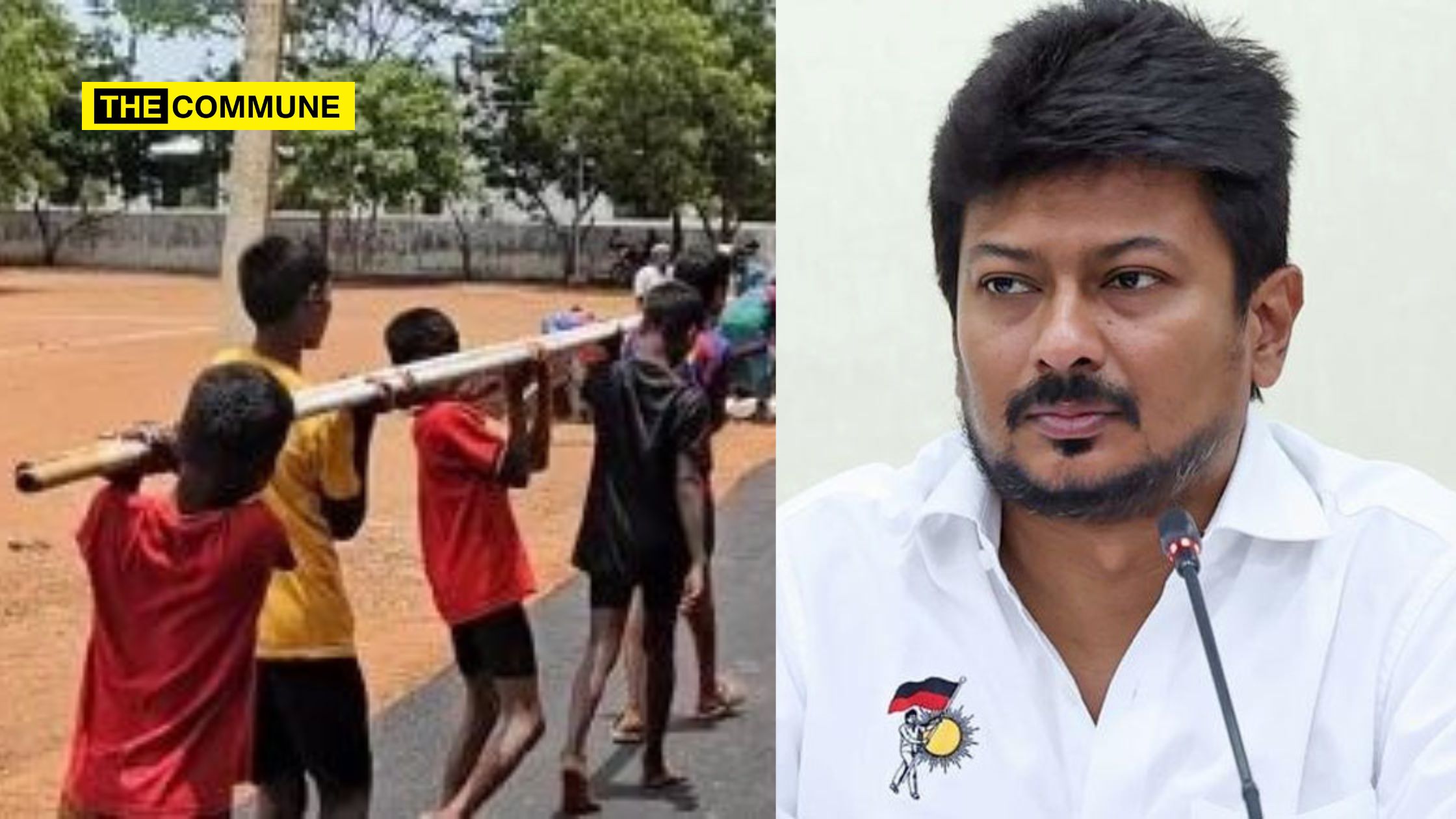
Book Review: The Saint Of Sringeri By Vidyalankara Prof. SK Ramachandra Rao – The Spiritual Journey Of A Jagadguru

I offer my salutations to the holy feet of Sri Sri Chandrashekara Bharati Swami who is the epitome of spiritual enlightenment. I also offer my humble salutations to the genius of the original author, Vidyalankara Prof. S. K. Ramachandra Rao, whose magnanimous work opens up the world of an era gone by and provides us with a very deep, spiritual, educational, and emotional view into the lives of the one the most inspirational and spiritual personalities to grace the earth. This book is an English translation of the famous Kannada book “Sharadha Peethada Mankiya” (The Jewel of the Sharadha Peetha). The translation by Sri. Karthik is excellent and presents the content in its original form without losing the essence due to translation, along with some very interesting inclusions towards the end of the book.

The book starts with a prologue of the author, where we are exposed to the very heartfelt, deeply emotional, and spiritual words of the author. Considering that the author himself is a doyen of multiple fields, we can only imagine the impact of the spiritual guru on the author and through his work, on the general populace. For Kannada readers, some of the content is reminiscent of the works of DVG (Sri. D. V. Gundappa) along with ample references to Ve. Si. (Veerakesari Seetarama Sastri). DVG has contributed immensely to the development of the book by providing a lot of material, which is acknowledged by the author too. As the author outlines, the purpose of this book is mainly to inspire generations and not any form of publicity. This book does more than inspire.

It is quite difficult to write a review of this book without mentioning the deeply personal and spiritual experience one would experience during the reading of the same. The journey of Pataguppe Ishwari Narasimhasastri to one of the highest spiritual, religious, and powerful seats as the Jagadguru of Sringeri Sharadha Peetha is interesting, intriguing, laden with many contradictions, yet imparts an undeniable and unmistakable imprint on the reader’s psyche. Being born as the grandson of an emancipated soul who becomes an Avadhuta, Narasimha Sastri’s journey as a brilliant student to being the unexpected, perhaps unwanted choice of the previous Jagadguru as the successor to the famous seat is quite extraordinary, to say the least.

The author starts the description from Sri Sri Ugranarasimha Bharathi swami with an excellent explanation of the events during the Hyder Ali campaign and reinstating the seat at Sringeri. The author explains the familial background and journey of Kunigal Ramaswamy’s son Shivaswamy to Sri Sri Satchidananda Shivabhinava Nrsimha Bharathi swami. There are some enlightening anecdotes along the flow. In one instance, swami describes himself as “He who is happy with God’s boon of Deafness”. The book also captures the contribution of the Vijayanagar Empire, the royal Wodeyar family along with various Dewans across the period. The book is also an excellent resource for understanding and comprehending the activities of Sringeri Matha, especially identifying and creating a temple in Adi Sankara’s birthplace, Kalady as well as the establishment of Shankara Matha in Bengaluru.

The journey and experiences of Narasimha Sastri is quite an extraordinary one. Owing to the precarious financial situation of the family, Narasimha grows up in the house of Nanjangud Srikanta Sastri. Fate’s twists and turns are totally unpredictable and at times quite shocking. In an astounding turn of events, Narasimha Sastri is appointed as the heir apparent to the Sharadha Peetha, much to the chagrin of the same Nanjangud Srikanta Sastri who also happens to be the chief administrator of the temple. It is also quite surprising to read that the reigning monarch, Sri Nalwadi Krishnaraja Wodeyar IV also didn’t approve of the choice, but bowed down to the wishes of the incumbent Jagadguru. The impact of Sri Virupaksha Sastri on the young Jagadguru in shaping his values, principles, and perhaps the spiritual outlook of the latter is inspirational and educative at the same time.

The book outlines the various compositions of the Jagadguru and is highlighted in various sections of the book. One of the most profound compositions is on Madurai Meenakshi, which leaves a very deep impact on the reader. The disenchantment of the Jagadguru in the day-to-day (loukika) affairs of the Matha and intense focus on the inner and spiritual development gives a very deep insight into his personality. The events around the Sanskrit commentary on Viveka Chudamani, a task started by his predecessor and Guru are quite insightful, especially his last comment on the same topic.

One of the standout facets of his personality is the very open struggle to deal with Sanyasa while grappling with his responsibilities towards his parents, especially with his mother. His transition into an avadhuta form with intense focus on Spiritual Sadhana and inner growth is partly due to his teacher Sri Virupaksha Sastri and his intense dedicated devotion towards his predecessor and Guru. The life experiences of the Swami give the reader many points to consider for imbibing in their own lives.

Towards the end of the book, there is a short anecdote on Sri Sadashiva Brahmendra Swami, whose work Atma Vidya Vilasa became an integral part of Swami’s life. The book also has a very wonderful English translation of Atma Vidya Vilasa for the readers to savour.

As a reader, I felt a very deep personal connection with the Swami through this book. At times, some of the anecdotes or experiences seem to talk to me directly. The book leaves the reader with a sense of calm to deal with situations and perhaps an unmistakable change in the thought process of the reader. This book is perhaps a life-changing experience for me and am sure many can relate to this claim through their own experiences.

It’s just not a MUST READ, but a HIGHLY RECOMMENDED book, but a book worth worshipping, drawing inspiration from, and imbibing in our daily lives.

~~~ Sri Gurubhyo Namah ~~~

Gee Vee is an engineer and avid fan of itihasas, puranas and books.

Subscribe to our TelegramWhatsApp, and Instagram channels and get the best stories of the day delivered instantly.

DMK Govt Gets A Knock On Its Head From Madras High Court For Attempting To Take Over Madras Race Club Property Without Notice

DMK Govt Gets A Knock On Its Head From Madras High Court For Attempting To Take Over MRC Property Without Notice

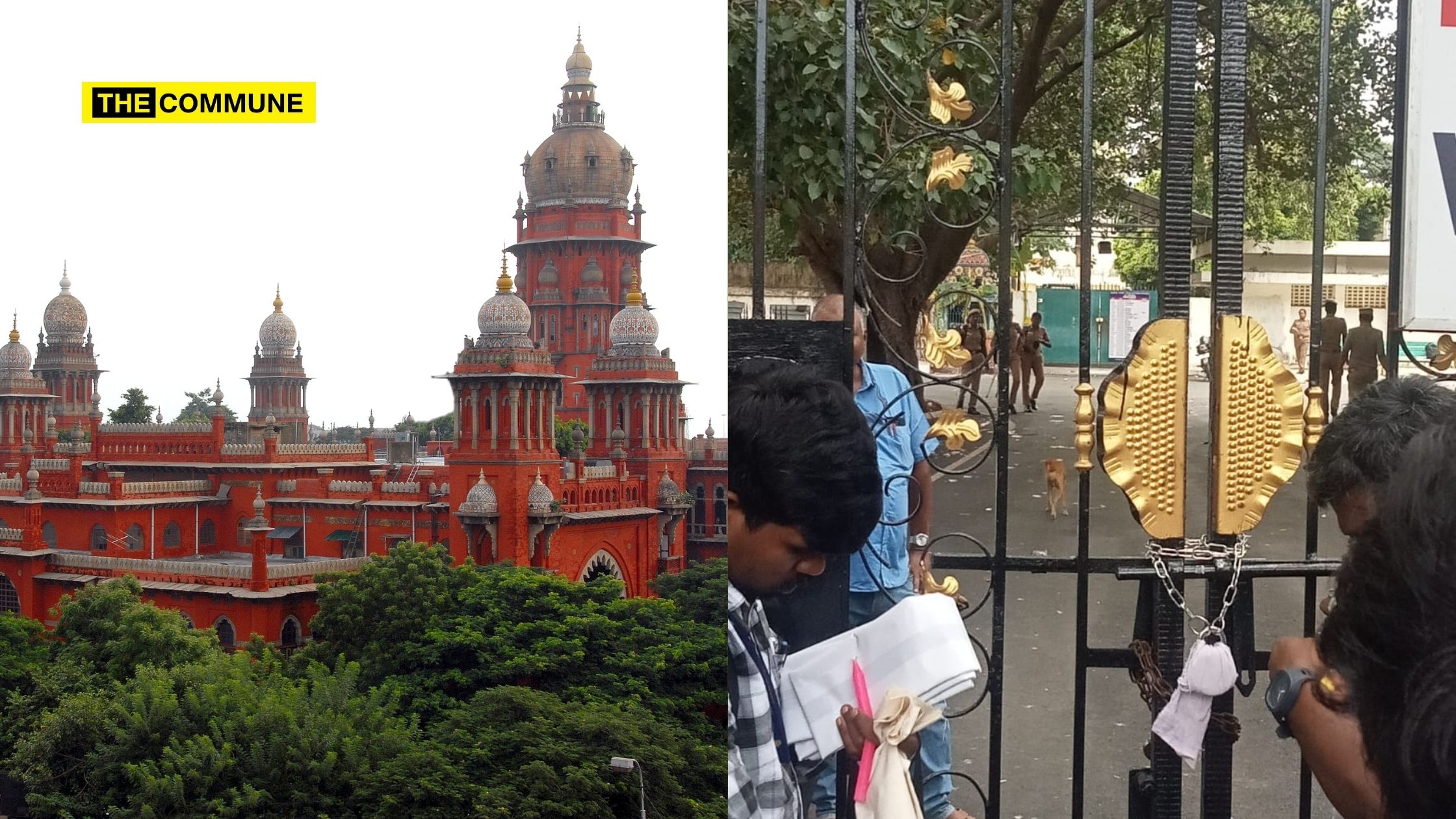
The Madras High Court on Monday (9 September 2024) criticized the Tamil Nadu government officials for attempting to seize the Madras Race Club (MRC) land at Guindy, Chennai just two days after issuing a Government Order (G.O.) on September 6 to prematurely terminate the 99-year lease, which was granted to the club in 1946 for 160.86 acres.

A Division Bench of Justices S.S. Sundar and K. Rajasekar expressed disapproval over the wording of the G.O., both in terminating the lease and taking immediate possession of the property. The senior judge described the officials’ actions, which included bringing a large police presence to the MRC premises, as “illegal and high-handed.”

The court’s remarks came after senior counsel A.L. Somayaji, assisted by Vaibhav R. Venkatesh, informed the judges that officials had misinterpreted an interim order from September 4 related to pending rental arrears and sealed the club premises, ignoring the fact that the horses at the club needed to be cared for.

Advocate General P.S. Raman admitted that the G.O. was not correctly worded. He referred to a 1996 Supreme Court ruling in the Anamallai Club case, which stated that while the government is entitled to reclaim property, it cannot take possession unilaterally without following the law. The Advocate General assured the court that new proceedings would be initiated to properly terminate the lease and give the Madras Race Club adequate time to vacate. The court recorded his submissions.

In response to Somayaji’s request for permission to challenge the G.O. and related actions, the Division Bench clarified that the MRC could pursue legal recourse. The orders were issued after an urgent hearing on the writ appeal, prompted by concerns over the swift and coercive action of sealing the club premises.

Somayaji argued that the revenue officials had misused the interim order from September 4, which had only addressed rental arrears and allowed for lease termination per the law. He said the order had been wrongly interpreted to justify possessing the property without proper notice.

The Bench clarified that its September 4 order did not direct or authorize the state to seize the property and that any termination of the lease must follow due process of law. Despite this clear directive, the officials issued the G.O. on September 6, instructing the Chennai Collector to take control of the land, a move that was strongly contested in court.

(With inputs from The Hindu)

Subscribe to our channels on TelegramWhatsApp, and Instagram and get the best stories of the day delivered to you personally.
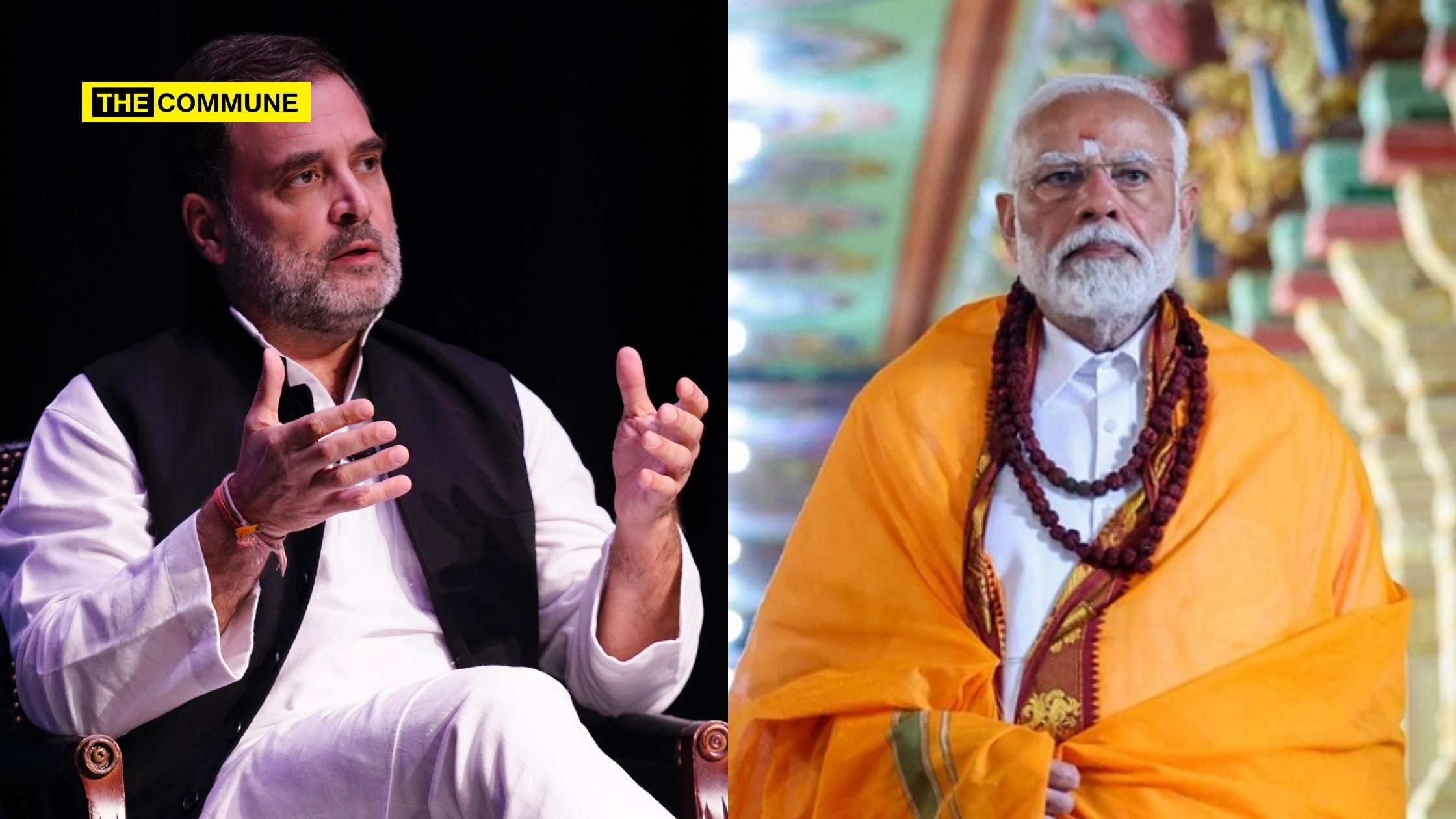
“Sins In Past Life – Boy, Good Deeds – Girl”: DMK Minister R Gandhi’s Controversial Remarks On Karma Go Viral, Critics Demand Action Similar To Motivational Speaker Mahavishnu

Sins In Past Life - Boy, Good Deeds - Girl: DMK Minister R Gandhi’s Controversial Remarks On Karma Go Viral, Critics Demand Action Similar To Motivational Speaker Mahavishnu

An old speech by DMK Minister for Handlooms and Textiles, R. Gandhi, in which he discussed sins and karma while distributing welfare schemes at a government school, has recently gone viral. This has led to widespread trolling of DMK’s Education Minister, Anbil Mahesh. Netizens are questioning whether Mahesh will take similar action against Gandhi as he did with spiritual and motivational speakers like Mahavishnu of the Paramporul Foundation.

In the video, DMK Minister R. Gandhi is seen at Ranipet Government School, where he was distributing welfare schemes, including free bicycles, to students. Following the distribution, while addressing the gathered parents and teachers, he made a controversial statement. Gandhi suggested that sons are born to those who have committed sins in their previous lives, whereas daughters are born to those who have performed good deeds in past life.

DMK Minister Gandhi advised parents, saying, “Parents, do not forget how hard they are studying. Not only that, I will often say another thing. If someone in their past life has committed many sins, male children will be born, and if someone has done good deeds, only girl children will be born. Only a woman, wherever she is, will care for father and mother.”

The speech has gone viral following the recent arrest and 14-day remand of a spiritual speaker, Mahavishnu, who delivered a talk on rebirth, karma, past life and Thirukkural philosophy at government-run schools in Ashok Nagar and Saidapet on 5 September 2024, during Teacher’s Day celebrations.

The speaker’s comments reportedly angered Dravidianists and Periyarists, sparking significant backlash and criticism towards Tamil Nadu’s School Education Minister, Anbil Mahesh.

In response, Minister Anbil Mahesh visited the affected schools to investigate the incident. After his review, he addressed the media, warning that stringent action would be taken against the speaker. Mahesh expressed his frustration, saying, “You came to my area, spoke, and left, you have insulted my teachers. So, I’m stressing at this point that I will not let you off lightly.” 

Narayanan Thirupathy, the Vice President of the Tamil Nadu BJP, shared the video on his X page and mocked Education Minister Anbil Mahesh, stating, “Minister R Gandhi says that if you commit sin in the previous birth, you will have male children. Is it a sin to be born male? Isn’t this superstitious talk? You took action by arresting Mahavishnu  for speaking like this in a government school. Will you leave this minister alone who has come to your area and talked like this? Anbil_Mahesh will you not insist on arrest.”

The Saidapet police have charged Mahavishnu under four sections of the Bharatiya Nyaya Sanhita Act 2023, Section 192 (Incitement to riot), Section 196(1)(a) (Dissemination of objectionable information), Section 352 (Disturbing public peace), and Section 353(2) (Spreading false information about religion and caste). Additionally, he faces charges under one section of the Persons with Disabilities Act 2016.

Mahavishnu was subsequently presented before the Saidapet judicial magistrate, who remanded him to 14 days of judicial custody. The city police are preparing to file separate First Information Reports (FIRs) as additional complaints continue to be lodged across various police stations, including Tiruvottiyur.

Subscribe to our channels on TelegramWhatsApp, and Instagram and get the best stories of the day delivered to you personally.
 

Mamata Banerjee’s Appeal To Return To ‘Festive Mood’ Amidst RG Kar Protests Draws Ire

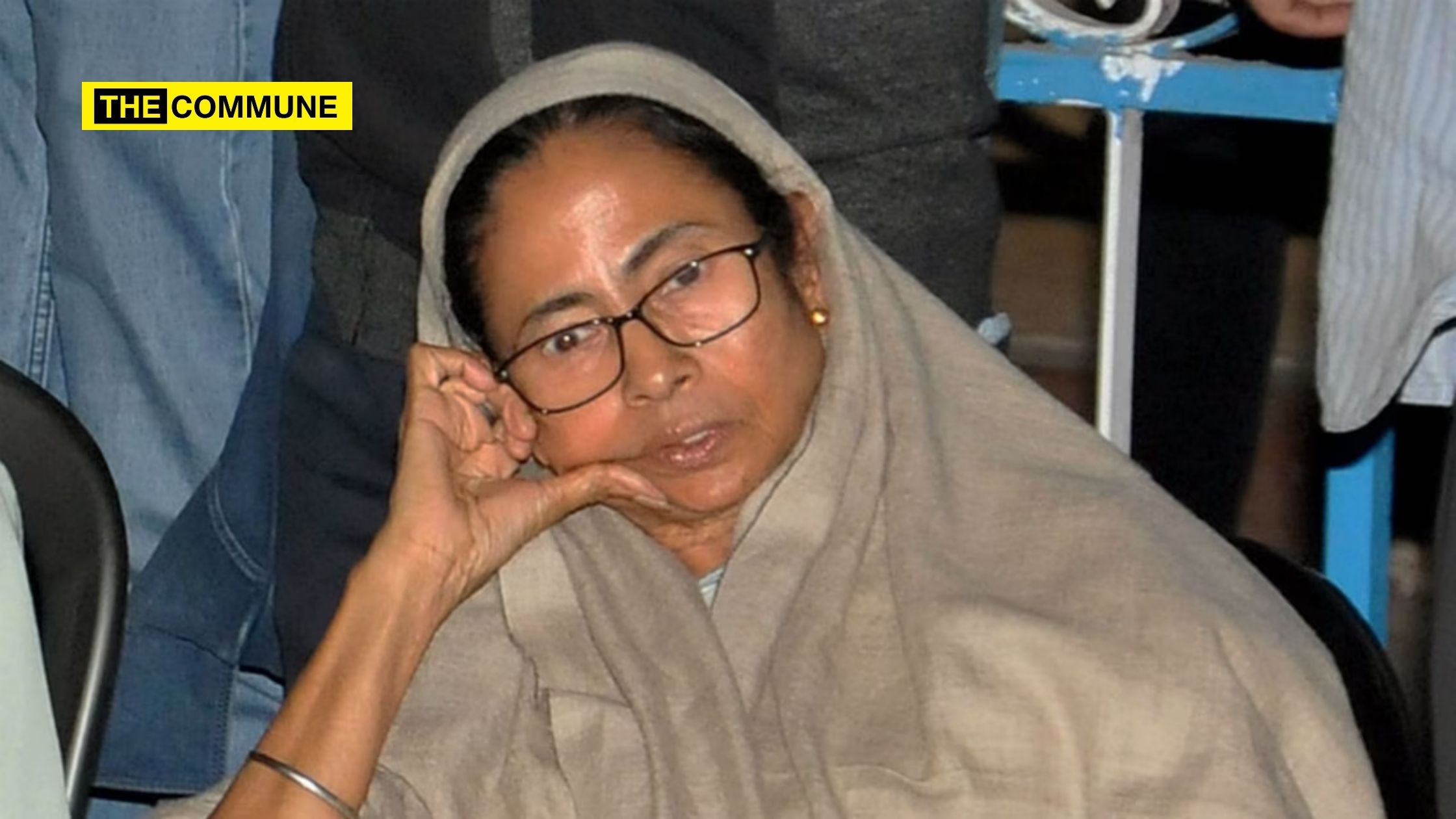
West Bengal Chief Minister Mamata Banerjee’s appeal on Monday that people protesting on the streets against the rape and murder of a junior doctor at R.G. Kar Medical College and Hospital should return to festive mood ahead of next month’s Durga Puja has drawn scathing criticism from the opposition parties and a section of the protesters.

“If you stay on the roads every night, it will cause inconvenience for many people, especially the elders. There is a bar for using microphones after 10 p.m., which we have ignored so far. I will request that all of you get back to the festive mood. I will also request the CBI to ensure justice in the RG Kar case,” the Chief Minister said on Monday while interacting with media persons.

According to Bengal BJP President and Union Minister of State Sukanta Majumdar, the Chief Minister does not have the right to dictate to people when they will end their agitation on such a sensitive issue.

“Entire Bengal is in a state of shock. Even elderly persons who never walked in any procession in their lives are now on the streets, condemning the ghastly rape-murder. But instead of expressing solidarity with the spontaneous protesters, the Chief Minister asks them to get into a festive mood. This is simply unacceptable,” Majumdar said.

CPI(M) central committee member Sujan Chakraborty said the forthcoming Durga Puja cannot be used to bridge the spontaneous public protests against the R.G. Kar tragedy.

“Let the festival and protests continue side by side,” Chakraborty said. Rimjhim Sinha, who has become the face of women’s protests on the issue, said people should decide whether they will continue with the protests or get swayed by the festival mood.

“The protest is not just against what has already happened. It is also to ensure such things are not repeated in the future,” she said.

This story is based on an IANS wire feed. 

Subscribe to our TelegramWhatsApp, and Instagram channels and get the best stories of the day delivered instantly.