Home Blog Page 348

Indian Leftists And ‘Liberals’ Fantasize About J Sai Deepak, Anand Ranganathan, Meeting The Fate Of Charlie Kirk
sai deepak anand ranganathan charlie kirk

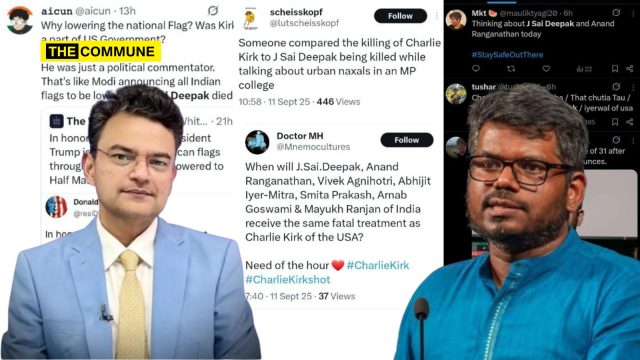
As the world comes to terms with the assassination of Charlie Kirk, a prominent conservative commentator and youth leader closely aligned with Donald Trump, a darker, deeply unsettling trend has surfaced on social media platforms like X. The incident, which occurred on 11 September 2025, at Utah Valley University, has drawn widespread condemnation globally. But in certain corners of Indian social media, it has become a springboard for perverse fantasies targeting Indian right-wing voices, particularly J Sai Deepak and Anand Ranganathan.

While civil societies mourned Kirk’s death and reflected on the growing threats to free speech, a segment of India’s so-called progressive and liberal users on X used the moment to engage in macabre wish-fulfillment.

Starting the very day of the assassination, several Indian users began posting comments eerily imagining similar fates for Indian public figures known for their nationalist and conservative views. The names most frequently targeted were J Sai Deepak, a constitutional lawyer and author, and Anand Ranganathan, a scientist and outspoken political commentator.

Among the grotesque posts:

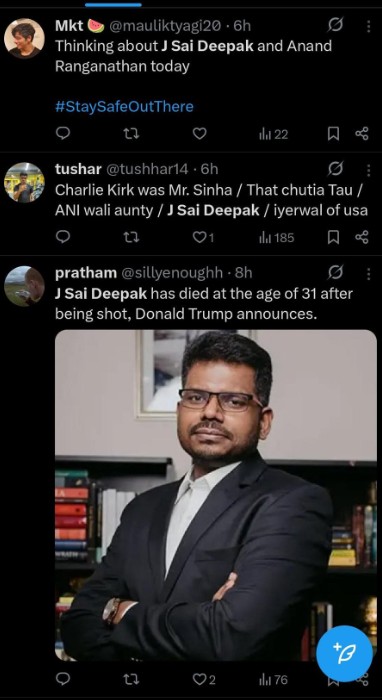
One user commented, “Thinking about J Sai Deepak and Anand Ranganathan today.” 

Another user quipped, “Charlie Kirk was Mr. Sinha / That chutia Tau / ANI wali aunty / J Sai Deepak / iyerwal of USA.”

Another user wrote, “J Sai Deepak has died at the age of 31 after being shot, Donald Trump announces,” accompanied by a photo of Deepak.
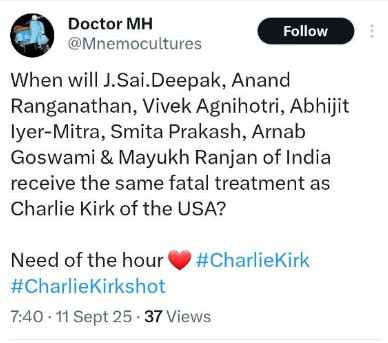
Another user said, “When will J Sai Deepak, Anand Ranganathan, Vivek Agnihotri, Abhijit Iyer-Mitra, Smita Prakash, Arnab Goswami & Mayukh Ranjan of India receive the same fatal treatment as Charlie Kirk of the USA? Need of the hour.”
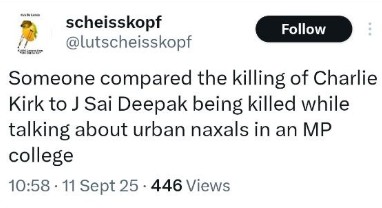
Another mocked, “Someone compared the killing of Charlie Kirk to J Sai Deepak being killed while talking about urban Naxals in an MP college.”
One post even questioned why flags were lowered in the U.S. after Kirk’s death, sarcastically adding, “That’s like Modi announcing all Indian flags to be lowered if J Sai Deepak died.”
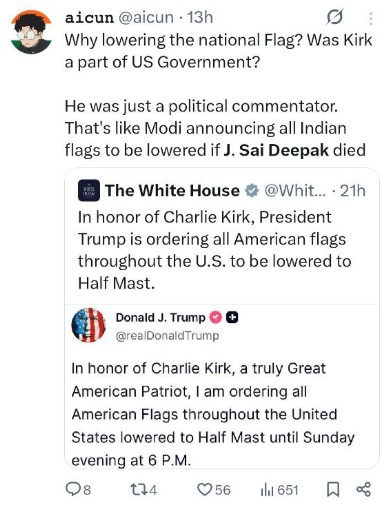
These posts weren’t satire or slip-ups they revealed something far more disturbing, a fetishization of violence and a thinly veiled celebration of ideological murder.

Senior advocate J Sai Deepak, upon seeing the coordinated attack, responded by sharing screenshots of several comments and dryly noting, “Apparently this has been going on since yesterday :-)” a response that conveyed both awareness and a grim familiarity with the hate he routinely attracts.

Supporters swiftly rallied behind him, expressing outrage at the normalization of murder fantasies. Some users who had posted the offensive content silently deleted their posts once called out, hoping to evade accountability.

This isn’t an isolated incident of trolling. What we’re witnessing is part of a broader, toxic culture one where ideological opposition justifies dehumanization, and disagreement quickly devolves into digital bloodlust.

Figures like Deepak and Ranganathan, both of whom present reasoned, articulate challenges to the left-liberal consensus, have long been demonized. But these recent posts expose how far political hatred has metastasized in some circles.

Subscribe to our channels on TelegramWhatsApp, and Instagram and get the best stories of the day delivered to you personally.

“Thank You For Your Attention To This Matter”: BJP Leader Annamalai Issues Statement On His Land Purchase, Details Financing And Future Plans

annamalai bjp

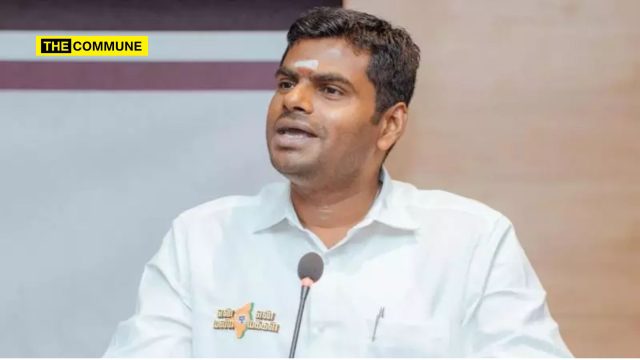
Days after documents pertaining to a land purchase by former Tamil Nadu BJP president K. Annamalai went viral on social media, the politician issued a detailed statement on his X handle today, defending the transaction as legal and transparent.

Annamalai confirmed purchasing agricultural land on 12 July 2025, stating that the acquisition was funded through a combination of personal savings and debt. He emphasized that all monthly interest payments for the loan have been duly made from his bank account over the past two months.

Addressing speculation about his absence during the registration process, he clarified that he had granted power of attorney to his wife, Akila, at the Kallapatti registrar office on 10 July 2025, where he was physically present. He underscored that all stamp duty and registration fees—totaling ₹40.59 lakh—were fully paid to the state government.

In his statement, Annamalai revealed that he has applied for a loan under the Prime Minister’s Employment Generation Programme (PMEGP) to establish a dairy farm, a project currently under processing. He also stated that this property is his first and only immovable asset.

Looking ahead, the former IPS officer announced plans to launch an early-stage investment company aimed at supporting youth-led startups and social enterprises, particularly those led by first-generation entrepreneurs.

Concluding his message, Annamalai affirmed his commitment to integrity and lawful conduct, saying: “I have maintained top-notch integrity and the highest probity in all my actions. I’m issuing this statement so that ‘some’ can hunt for other skeletons.”

Sharing the statement on his X profile, Annamalai made a tongue-in-cheek reference to Donald Trump with the caption “Thank you for your attention to this matter”.

The explanation comes amid heightened political scrutiny and follows days of online speculation regarding the details of the land deal.

(With inputs from DT Next)

Subscribe to our channels on Telegram, WhatsApp, and Instagram and get the best stories of the day delivered to you personally.
Radical Islamist Congresswoman Ilhan Omar Justifies Charlie Kirk’s Assassination?

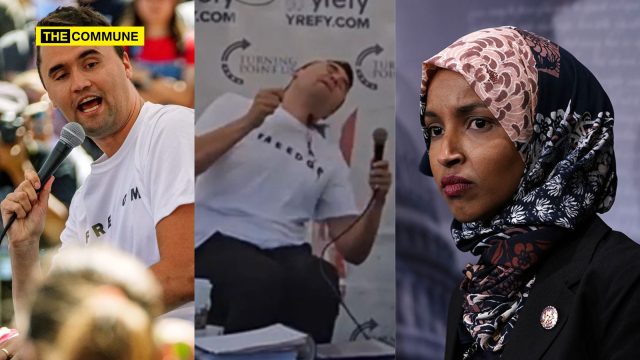
In the immediate, shocking aftermath of the assassination of conservative commentator Charlie Kirk, Democratic Congresswoman Ilhan Omar has drawn widespread condemnation for comments justifying the murder, claiming his past statements made him a legitimate target.

The controversial lawmaker made the remarks while grinning, dismissing Kirk’s legacy and the notion that he was a figure who sought civil debate.

Speaking to anti-Hindu former MSNBC host and Zeteo founder Mehdi Hasan, she said, “What I do know for sure is that, Charlie was someone who once said guns save lives um after a school shooting. Charlie was someone who was willing to debate and downplay the death of George Floyd in the hands of Minneapolis police, have no regard, downplayed slavery and what black people have gone through in in this country by saying Junteenth should never exist. I think there are a lot of people who are out there talking about him just wanting to have a civil debate. These people are full of s*** and it’s important for us to call them out while we feel anger and sadness. There is nothing more effed up like than to completely pretend that his words and actions have not been recorded and in existence for the last decade or so.”

IIhan Omar, while grinning, says Charlie Kirk deserved it and had it coming: “He downplayed George Floyd. and slavery.”

Omar’s comments align her with a wave of public celebrations from left-wing individuals who seemed to have lost it.

When netizens called out her behaviour on the podcast, Hasan’s Zeteo’ handle came to support her and wrote, “This is a lie, here’s how @IlhanMN actually reacted with @mehdirhasan to the news of Charlie Kirk’s death in that same interview: with sadness for his wife and kids.”

In the video, her facial expressions, her eyes tell a different story. She said, “It was really mortifying to hear the news, to see the video. All I could think about was his wife, his children. That image is going to live forever.”

But one glance at that 15 second video just reiterates the allegations. Her expressions are very telling.

In a post on social media, Omar further accused Kirk of posting “hateful rhetoric”.

Congresswoman Omar’s decision to attack a victim of assassination rather than condemn the violence has been described by critics as a new low, further eroding civil discourse and openly endorsing violence against political opponents.

Subscribe to our channels on Telegram, WhatsApp, and Instagram and get the best stories of the day delivered to you personally.
FIR Filed Against AAP Leader’s Son Arpit Sharma For Urging Indian Youth To Emulate Nepal-Style Unrest

arpit sharma aap nepal

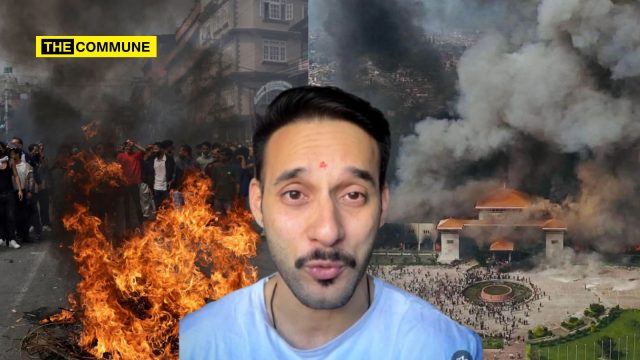
An FIR has been filed by the police in Bulandshahr, Uttar Pradesh, against an Arpit Sharma, the son of Aam Aadmi Party (AAP) politician Vikas Sharma for a social media post in which he appeared to call for Nepal-style violence in India.

According to Shankar Prasad, the Superintendent of Police (City), the post was made on the platform X and was deemed provocative, with potential implications for national unity and security. “Arpit Sharma shared content referencing the protests in Nepal, which was found to be inflammatory and a threat to the nation’s integrity. An FIR has been lodged under relevant sections of the Bharatiya Nyaya Sanhita (BNS),” the officer said. He also confirmed that Sharma is currently based in England and that a probe is ongoing, including a review of his social media activity by the cyber cell.

Arpit Sharma is reported to be the son of Aam Aadmi Party (AAP) member Vikas Sharma, who had contested the Uttar Pradesh Assembly elections but failed to secure his deposit.

In response to the backlash, Arpit defended his post, stating that his intent was to advocate for peaceful demonstrations rather than inciting violence. Despite the clarification, he later removed the video from his account.

(With inputs from OpIndia)

Subscribe to our channels on TelegramWhatsApp, and Instagram and get the best stories of the day delivered to you personally.

Dravidian Model CM Stalin’s Mini-Bus Scheme Fails To Get On The Road Just Two Months After Launch

stalin mini-bus

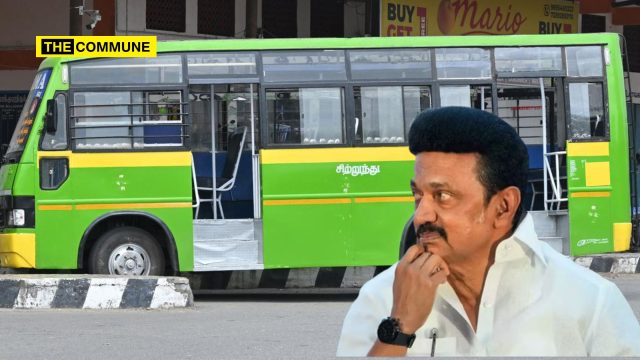
Two months after Chief Minister M. K. Stalin launched Tamil Nadu’s new private mini-bus scheme with the promise of revolutionizing suburban transport, the initiative has largely failed to get off the ground. Despite being touted as a transformative solution to fill gaps in public transport, the scheme is facing multiple operational challenges and implementation lapses.

Launched on 17 June 2025, the plan aimed to cover 25,708 km across the state, primarily focusing on areas not served by the Metropolitan Transport Corporation (MTC). Yet only 1,000 operators have come on board, and a little over 1,000 out of 2,000 sanctioned routes have active bus services.

Poor Planning, Lack of Oversight

One of the biggest flaws in the rollout was the lottery-based permit allocation system, which issued approvals to applicants without verifying their financial capability, experience, fleet size, or willingness to serve underserved regions. As a result, many permit holders are operating second-hand buses purchased from Kerala, costing around ₹10 lakh each. Most of these vehicles are past their prime and lack basic safety and monitoring features like GPS tracking.

Currently, only around 60 of the 150 designated routes in Chennai have any functioning service. In several cases, multiple permits were issued for the same busy route, while other areas remain uncovered.

Operators are largely left to their own discretion. They choose their own schedules, stop only where convenient, and in many cases, do not operate on weekends due to low ridership. For example, in Virugambakkam, only four out of the planned nine routes are operational. In OMR, Radial Road, Sholinganallur, Tondiarpet, Ambattur, and similar high-density areas, there is little to no presence of these minibuses.

Public Confusion and Lack of Transparency

The scheme also suffers from a complete lack of visibility and public information. There is no central website or database listing routes, bus stops, or schedules. Buses have no identifiable signage, route numbers, or indicators to suggest they are part of a government-supported public transport scheme, rendering them almost invisible to potential passengers.

Passengers and even officials report confusion. Permit holder Lokesh Kupparao, operating between Meenambakkam and Keelkattalai (6.2 km), only runs his bus up to Pallavaram (4 km) due to low demand beyond that point. He also lacks a hard copy of his permit receiving only an SMS approval and has just one bus covering the entire stretch in a circular route format.

Similarly, Harsh Senthil, who operates on the Chennai-One to Narayanapuram route, confirmed he doesn’t run buses on weekends due to poor turnout.

No Accountability, No Monitoring

The transport department has failed to establish any robust system to monitor compliance or quality. Regional Transport Officers (RTOs) were left to manage route approvals without a coordinated state-level plan. There is no centralised data on route usage, and enforcement appears weak.

While some RTOs, like Arunachalam from Meenambakkam, claim that inspections are underway to identify non-complying operators, the on-ground situation tells a different story. Many routes remain inactive, and buses rarely follow any fixed schedule or stop list.

Officials Say It’s “Still Evolving”

In response to growing criticism, Transport and Road Safety Commissioner R. Gajalakshmi defended the scheme, calling it a “work in progress.” She noted that operators need time to procure buses, and the department is working with RTOs to remove underperforming routes and introduce new ones based on local needs. The government also plans to introduce 1,000 more buses to improve coverage in the coming months.

The private mini-bus scheme is currently facing several critical challenges that hinder its effectiveness and outreach. Out of the 2,000 sanctioned routes, only around 1,063 are currently functional, and just about 1,000 buses are in operation. Despite the scheme’s objective to serve areas lacking public transport, a significant number of these regions remain unserved. Unlike the MTC, the private buses do not offer night services, limiting commuter options during off-peak hours. Additionally, the absence of GPS tracking, clear route signage, and publicly available information on routes or schedules has left passengers confused and unaware of available services. Most operators run only a single bus per route, and many skip operations on weekends due to low footfall, further reducing accessibility. Perhaps most concerning is the lack of a centralized monitoring or enforcement mechanism to ensure compliance and quality, leading to inconsistent service and undermining the scheme’s overall credibility.

What was promoted as a landmark initiative to revolutionize public transport has, so far, become a case study in poor execution. Without proper planning, transparency, or enforcement mechanisms, the private mini-bus scheme is failing to meet the commuting needs it was designed to address. Unless the government takes swift corrective steps including rigorous oversight, public communication, and better operator vetting the scheme risks being remembered as a missed opportunity in Tamil Nadu’s transport reform journey.

Subscribe to our channels on TelegramWhatsApp, and Instagram and get the best stories of the day delivered to you personally.

The Man Behind Congress’s ‘Vote Chori’ Stunt: Vikram Srinivas And His Western Connections

vikram srinivas vote chori congress

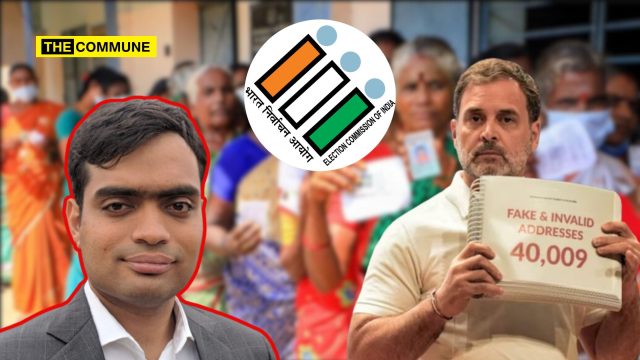
One of the more conspicuous failed attempts by the Congress party to stir public sentiment as the opposition was its dramatic “Vote Chori” (vote theft) allegation. Congress scion Rahul Gandhi leveled accusations against India’s top constitutional body the Election Commission of India (ECI) even before the electoral process had officially commenced. Ironically, the party’s claims quickly fell flat, with multiple numbers of Congress leaders found registered with the ECI’s systems, exposing a lack of credibility in their own narrative.

But this wasn’t just another political stunt. Many believe the real aim behind this spectacle was to erode public trust in a critical pillar of Indian democracy, the ECI, which oversees the electoral process in the world’s largest democracy. There are growing concerns that international actors may also have an interest in discrediting such institutions, using domestic influencers to do their bidding.

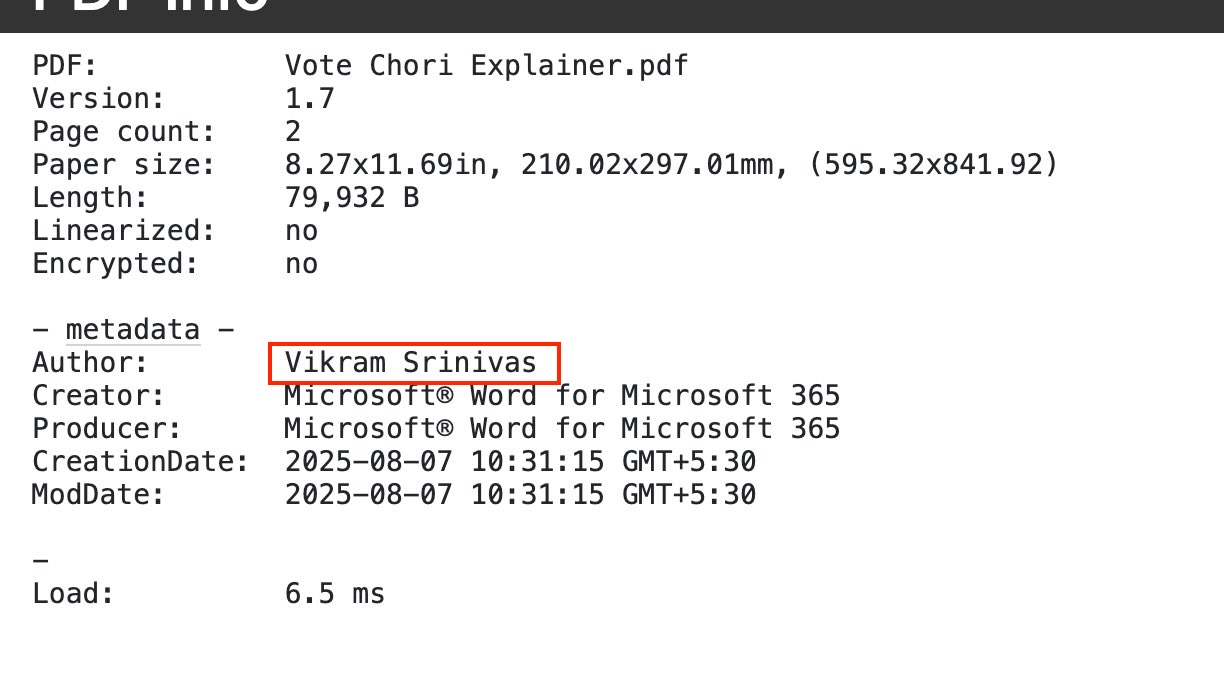
One such example appears to be Vikram Srinivas, a key figure behind the so-called “Vote Chori” propaganda presentation circulated by Congress.

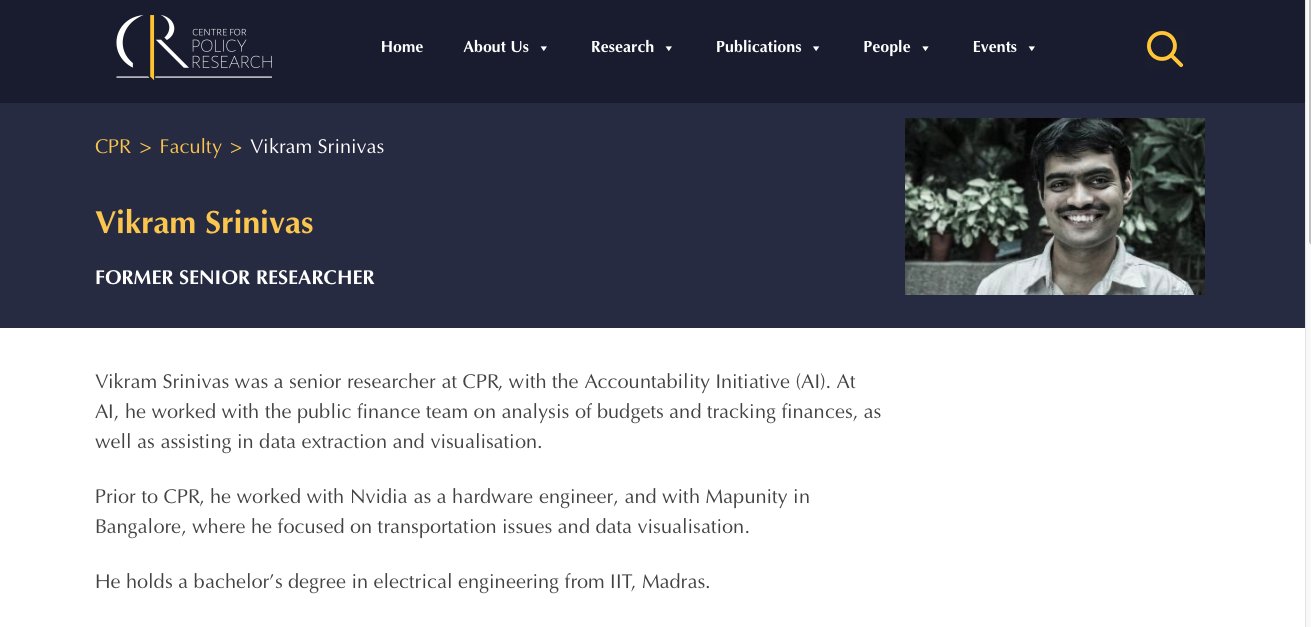
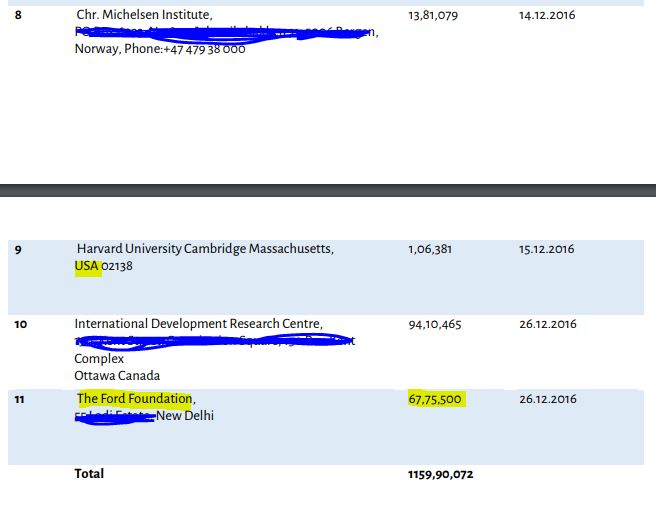
Srinivas was previously affiliated with the Centre for Policy Research (CPR), a think tank that has received funding from the Ford Foundation an organization frequently linked with promoting Western geopolitical interests in India. Critics point out that the Ford Foundation has long been accused of acting as a soft power front for the CIA’s international influence campaigns. Before his association with the Congress party, Vikram was actively involved with CPR, shaping narratives and public policy debates.

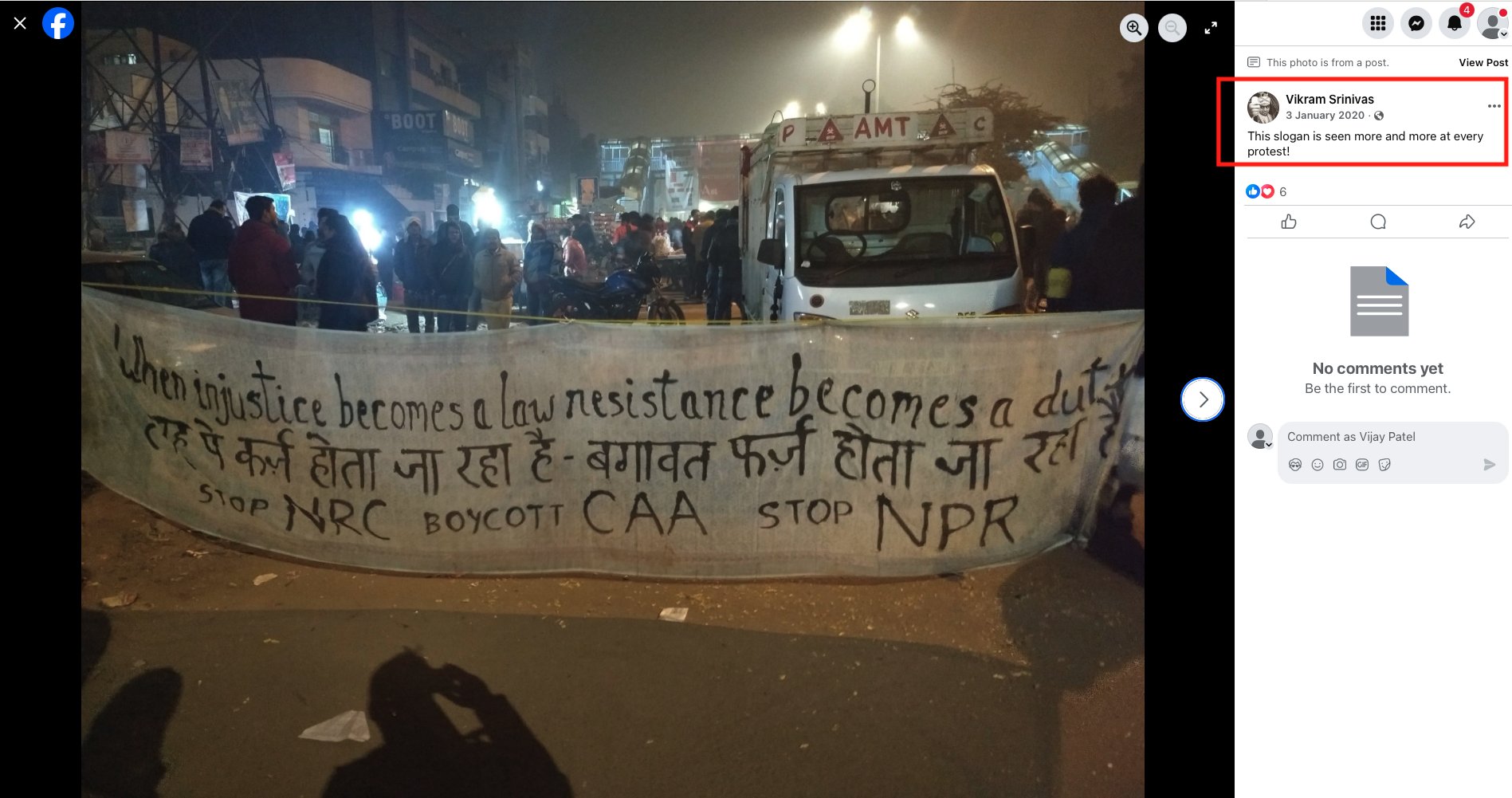
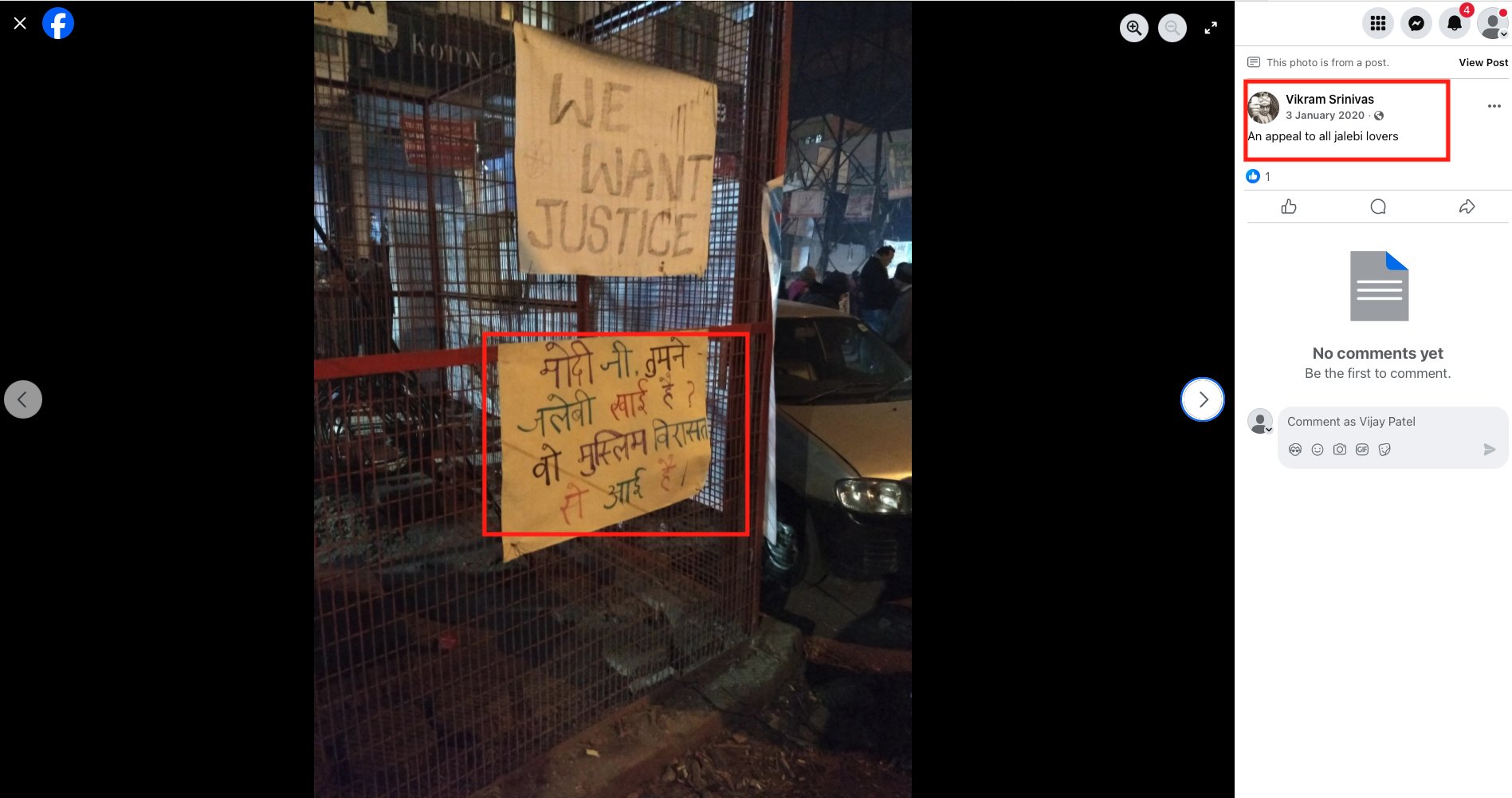
His ideological leanings became more evident through his earlier public posts during the CAA-NRC protests, where he echoed typical leftist positions.

Adding to the scrutiny is the fact that Srinivas is an alumnus of one of India’s premier institutions, the Indian Institutes of Technology (IIT) which have long become fertile grounds for ideological indoctrination by left-leaning academics and NGOs.

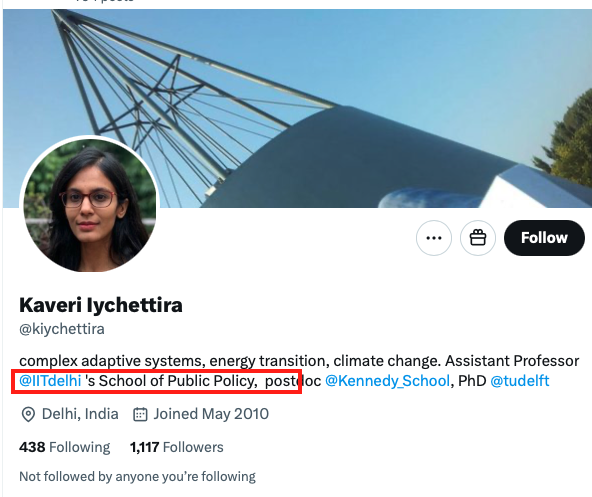
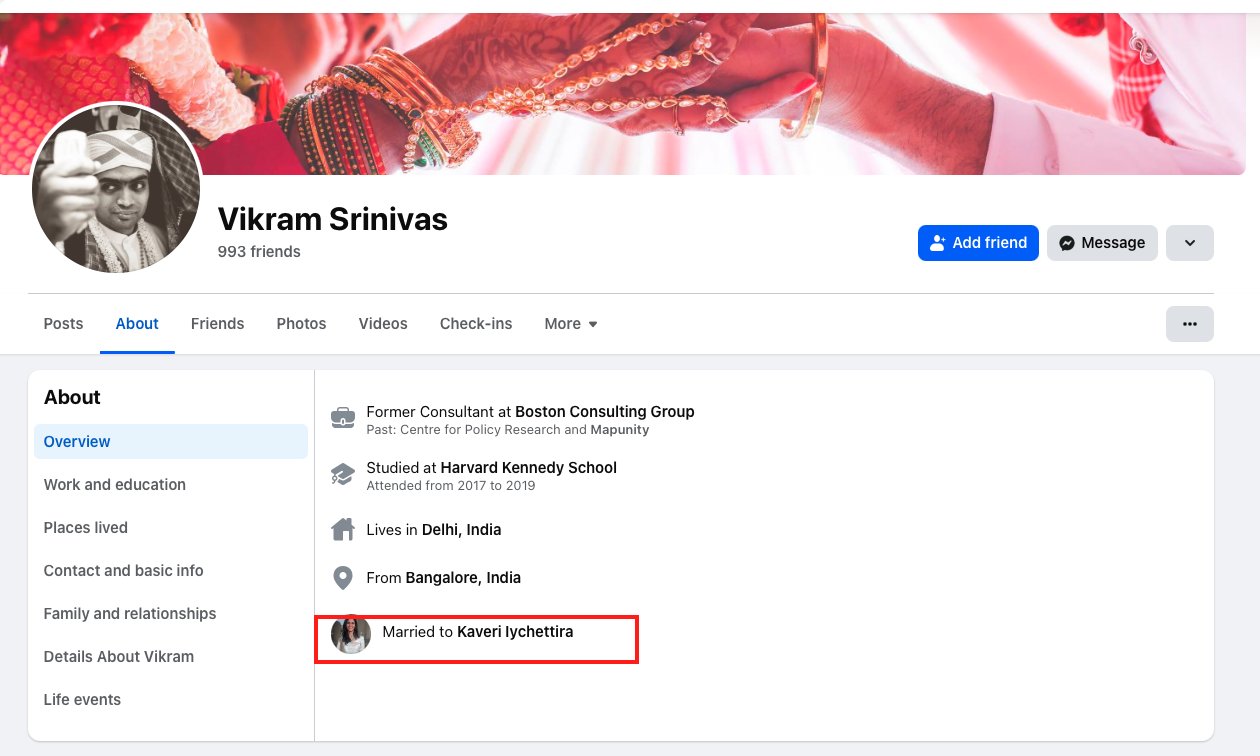
More controversially, his wife, an assistant professor at IIT Delhi, joined the institution in 2021. Critics question whether ideological bias is creeping into academia, especially when family links between activists and academics come to light.

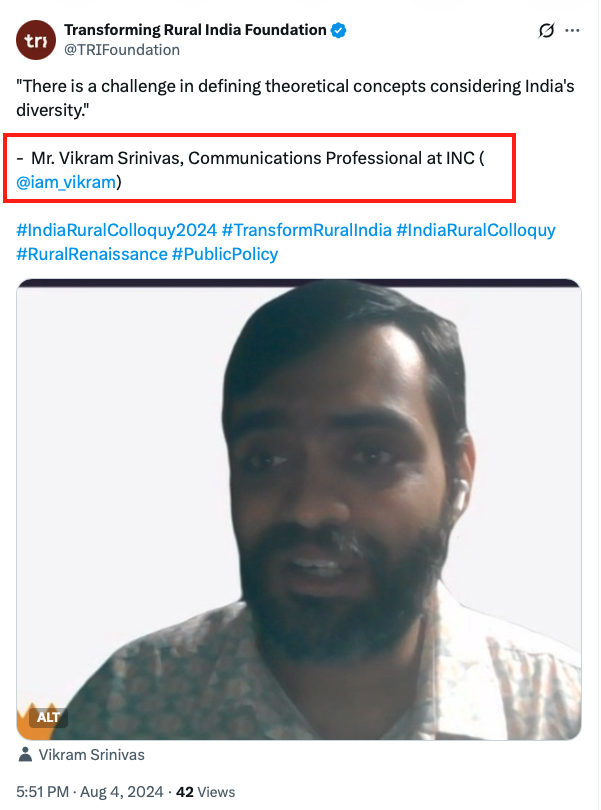
Organizations like the Transforming Rural India Foundation, which host figures like Srinivas, are also under the radar for receiving foreign funding while collaborating with Indian ministries raising serious questions about external influence on domestic policymaking.

A pressing question arises, why is the Congress party silent about its links to individuals connected to Western-funded institutions preparing campaigns to undermine constitutional bodies like the ECI? If the party genuinely had concerns regarding the Election Commission, the legal route was always open and indeed, they have recently approached the judiciary. However, as outcomes begin to unfold, their arguments are not just being dismissed but are beginning to backfire legally and politically.

Rather than strengthening democratic institutions through constructive engagement, it appears that Congress and its affiliated ecosystem are increasingly relying on theatrics, foreign-funded narratives, and ideological actors to question the credibility of India’s independent bodies. In the long run, such strategies risk not just political failure, but also a deeper erosion of public trust in the very institutions that uphold Indian democracy.

(This article is based on an X Thread By Vijay Patel) 

Subscribe to our channels on TelegramWhatsApp, and Instagram and get the best stories of the day delivered to you personally.

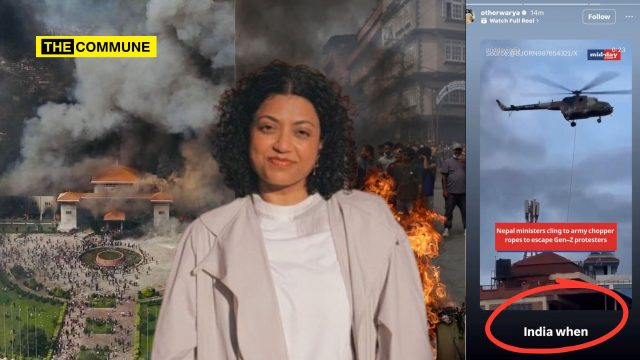
Woke Influencer, Who Simped For Pakistani Air Force Officer During Op Sindoor, Glorifies Nepal Violence; Asks ‘India When’

woke influencer nepal

At a time when Nepal is reeling from widespread unrest with youth-led uprisings shaking the very foundations of law and order it is deeply concerning to see segments of the Indian leftist and Congress-aligned ecosystem expressing not just sympathy, but veiled admiration for the chaos. Disturbingly, some are even pushing for a similar breakdown in India’s comparatively stable and peaceful democratic setup.

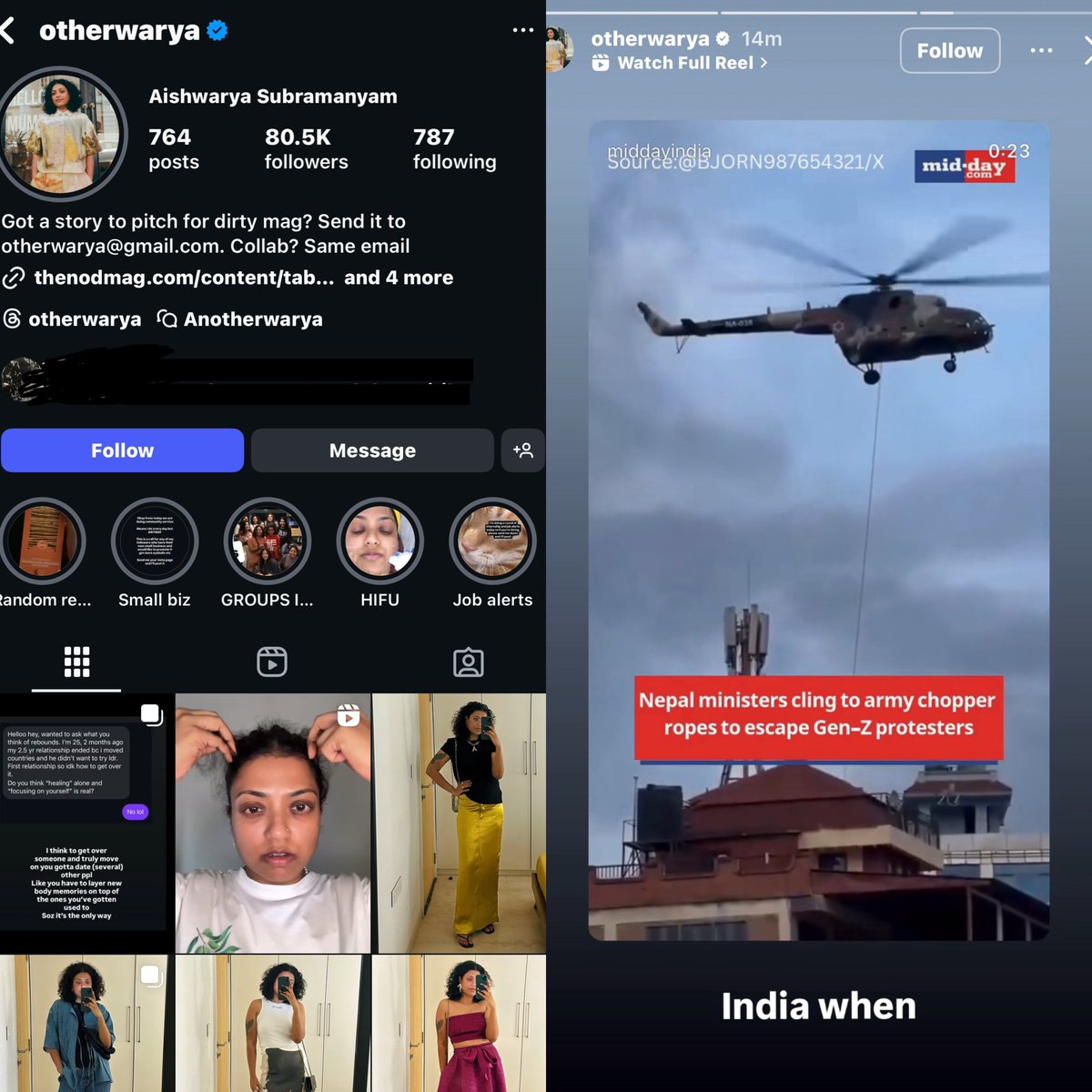
One glaring example is social media influencer Aishwarya Subramanyam, who operates under the handle @otherwarya. Known for her woke, left-leaning takes, she recently shared an Instagram story that raised eyebrows and tempers. The story highlighted a news piece titled “Nepal ministers cling to army chopper ropes to escape Gen-Z protesters,” with the caption, “India when.”

This offhand remark, perceived as a call for similar violent uprisings in India, was quickly called out on social media. Critics accused her of normalizing political violence and romanticizing the destabilization of democratic institutions all under the garb of progressive commentary.

But this isn’t her first brush with controversy.

During heightened India–Pakistan tensions following the pahalgam terror attack, Aishwarya Subramanyam posted a series of Instagram stories that was glorifying a Pakistani Air Force officer while mocking India’s military.

The posts were as follows:

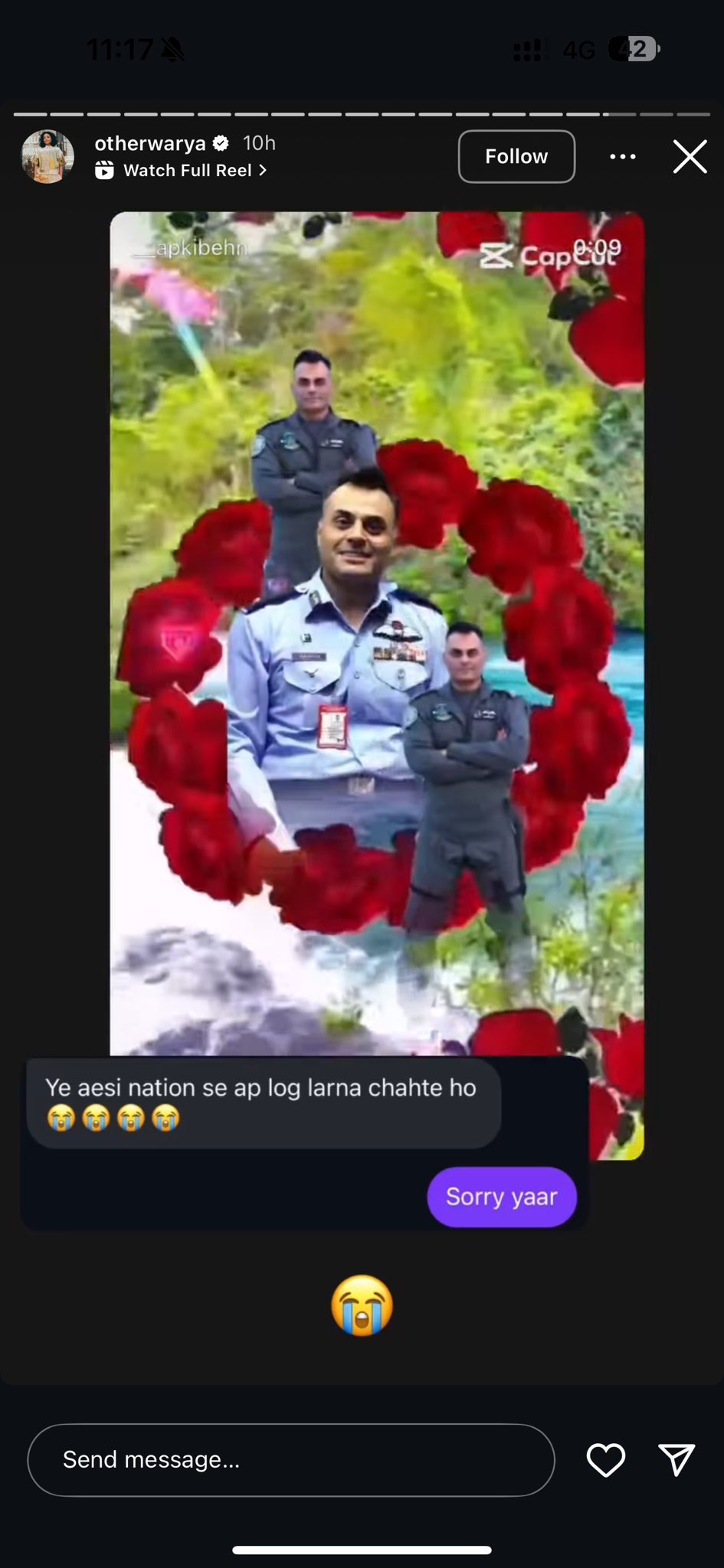
A Collage of the Pakistani Air Force Officer accompanied with a Love Song:

The central image edited using CapCut with decorative red roses — featured a man in Pakistani Air Force uniform – who was none other than their Air Vice Marshal Aurangzeb. Overlaying the image was the caption and accompanied by old Hindi love song, “Hum Thumse Pyar Karte”

“Ye aesi nation se ap log larna chahte ho 😭😭😭 Sorry yaar 😭” (Translation: “You guys want to fight a nation like this 😭😭😭 Sorry, yaar😭”) The romantic filter, emojis, and tone were interpreted by many as infatuation or admiration, prompting anger from those who viewed it as disrespectful toward India’s armed forces.

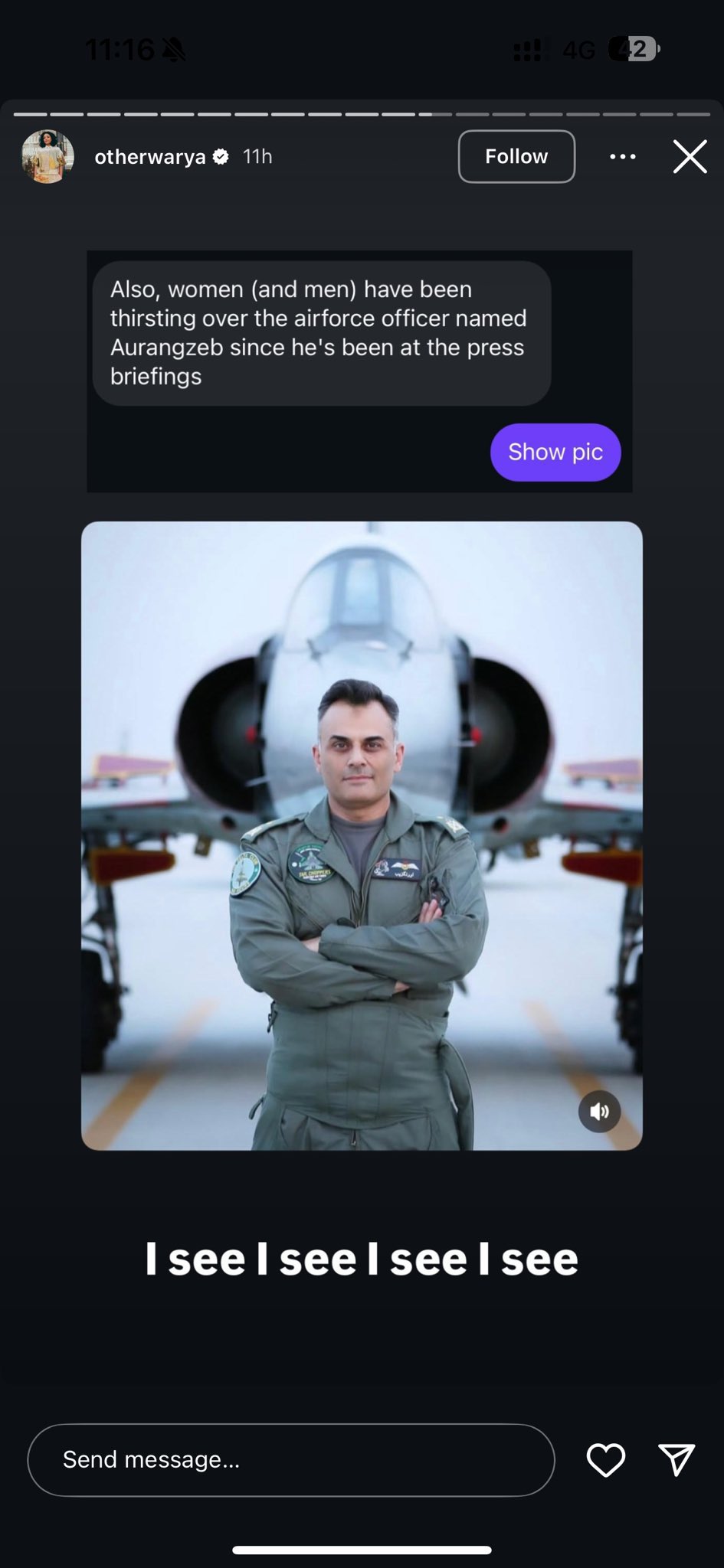
The second story read: “Also, women (and men) have been thirsting over the airforce officer named Aurangazeb since he’s been in the press briefings .” @otherwarya responded with repeated “I SEE” texts, implying agreement with the sentiment.

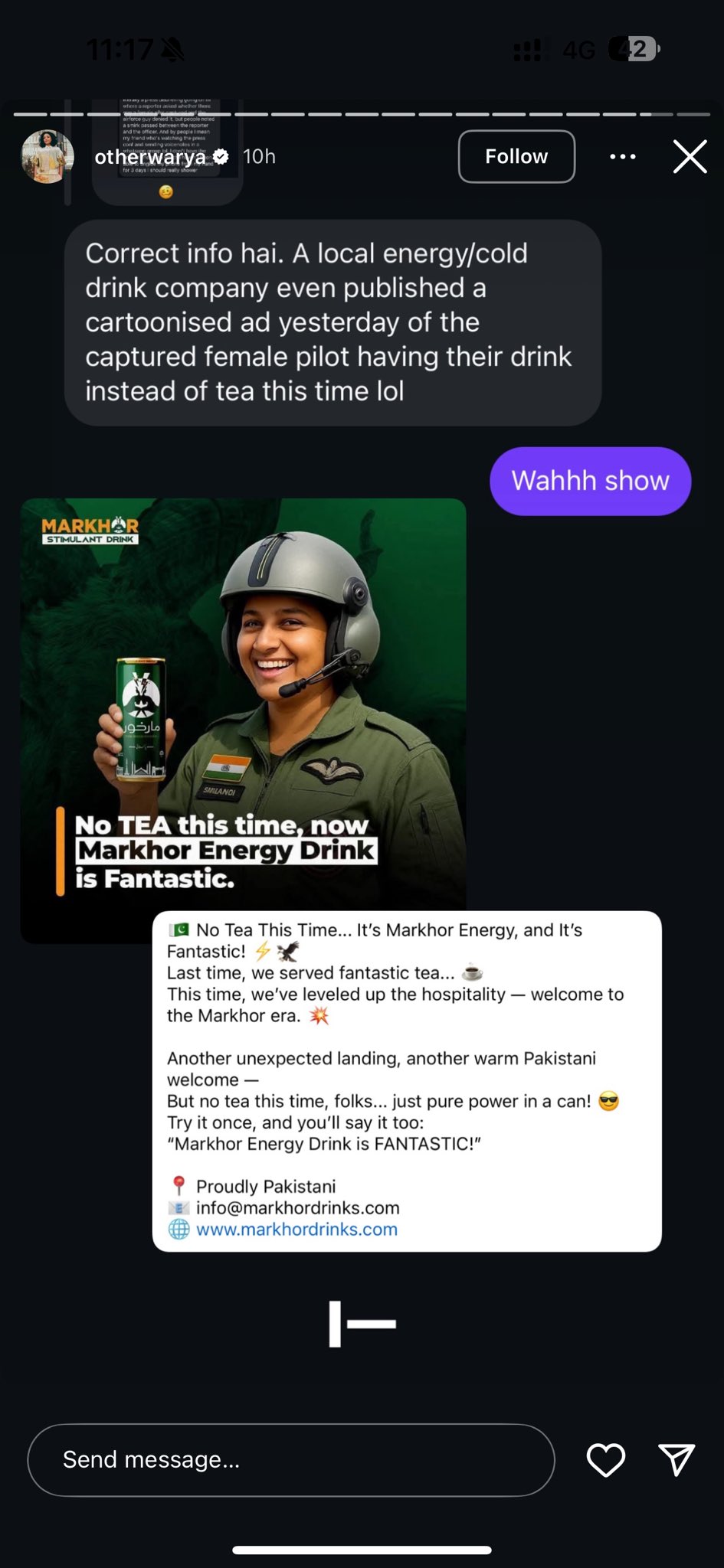
In her third post, Aishwarya Subramanyam alludes to a claim that a female Indian Air Force officer had been captured by Pakistan. She backs this by referencing a cartoon-style advertisement released by a Pakistani soft drink company, which, according to her, indirectly confirmed the incident.

The advertisement in question draws on the real-life 2019 Balakot airstrike, when Indian pilot Wing Commander Abhinandan Varthaman was captured by Pakistan and famously served tea while in custody, a moment that became symbolic and politically charged. The new ad satirizes this event by replacing tea with the company’s energy drink and featuring a cartoon version of an Indian pilot calmly enjoying the beverage, implying a repeat scenario but with a female figure this time. The ad’s tagline, “No tea this time,” is seen as a deliberate jab, adding a layer of mockery to a deeply sensitive geopolitical issue.

Aishwarya’s caption reads: “Correct info hai. A local energy/color drink company even published a cartoonised ad yesterday of the captured female pilot having their drink instead of tea this time LOL,” followed by, “Wahhh show.” Her seemingly joking tone, combined with the mocking reference, sparked outrage among X users. Many perceived it as disrespectful to the Indian armed forces and inappropriate given the fraught history and current state of India-Pakistan relations.

This cavalier attitude toward such a sensitive geopolitical issue especially one involving the Indian armed forces sparked a wave of backlash. Netizens blasted her for her glib tone and for amplifying Pakistani propaganda at the expense of Indian military dignity.

The reaction to Aishwarya’s posts was swift and unforgiving. Social media users accused her of glorifying a hostile nation, mocking India’s military, and pushing a narrative that undermines national unity. Given the public’s respect for the armed forces, particularly in the wake of real sacrifices made during the India-Pakistan conflict, her posts were seen as not just provocative but anti-national in spirit. Air Vice Marshal Aurangzeb Ahmed, whom she indirectly praised, has reportedly made statements critical of India, adding further fuel to the outrage.

Aishwarya Subramanyam’s posts aren’t isolated incidents. They reflect a broader trend among certain sections of the online “woke” crowd who, in their performative activism and contrarianism, often end up romanticizing chaos abroad while belittling institutions at home.

At a time when responsible civic discourse is more crucial than ever, such narratives do little more than stir division and worse, embolden hostility.

Subscribe to our channels on TelegramWhatsApp, and Instagram and get the best stories of the day delivered to you personally.

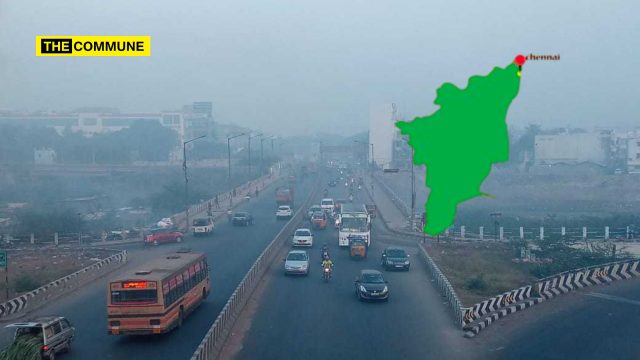
Chennai Hits Rock Bottom In National Air Quality Rankings; Trichy Only South Indian City In Top 10

Chennai Hits Rock Bottom In National Air Quality Rankings; Tiruchy Only South Indian City In Top 10

Chennai has been ranked at the bottom among million-plus cities in the Swachh Vayu Survekshan 2025, the annual air quality management ranking released by the Ministry of Environment, Forest and Climate Change (MoEF&CC) on Tuesday.

The city finished 41st out of 41 large cities with a score of 115.3, far behind the top-ranked Indore, which secured a perfect score of 200. Other cities such as Jabalpur, Agra, and Surat also featured in the top three, earning the title of ‘National Clean Air City’.

The survey, part of the National Clean Air Programme (NCAP), assessed 130 cities across categories based on population. Cities were evaluated on parameters such as road dust management, vehicular and industrial emissions control, construction dust, solid waste burning, and public awareness campaigns.

While Chennai performed poorly, Tamil Nadu’s Tiruchy secured the 9th rank in the million-plus category with a score of 186, becoming the only South Indian city in the top 10. Madurai fared little better than Chennai, ranking 40th with a score of 116.1. In the smaller cities category, Thoothukudi was placed 36th out of 40 with 125.6 points.

Officials attributed Chennai’s poor performance to persistent issues such as vehicular emissions, construction and road dust, and weak waste management practices. Despite receiving ₹474.65 crore under NCAP and utilising ₹384.76 crore, including ₹337 crore on solid waste collection, little progress was made in tackling road dust and construction-related pollution.

Environmentalists pointed to rapid urbanisation, high dependence on private vehicles, and limited integration of public transport as key contributors to rising pollution levels. They stressed the need for measures such as expansion of public transport, faster transition to electric vehicles, stricter control of construction dust, and adoption of cleaner industrial fuels.

Government officials claimed that Chennai’s PM10 levels had shown a marginal dip but admitted shortcomings in dust management. They noted that while a few road dust collectors and water sprinklers had been deployed, their coverage was inadequate, and in many areas manual sweeping continued to worsen dust pollution.

(With inputs from The New Indian Express)

Subscribe to our channels on Telegram, WhatsApp, and Instagram and get the best stories of the day delivered to you personally.
Is US Becoming Unsafe For Indians? Indian-Origin Motel Manager Beheaded By Co-Worker At Workplace In Dallas, Texas

It's Official: US Is Unsafe For Indians - Indian-Origin Motel Manager Beheaded By Co-Worker At Workplace In Dallas, TX

Just hours after leading conservative commentator and activist Charlie Kirk was shot dead while speaking at a university in Utah, there was another horrific news that proves why US is unsafe, even more so for Indians.

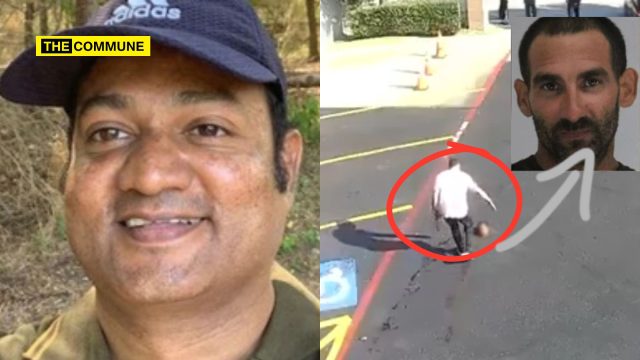
A 50-year-old Indian-origin motel manager, Chandramouli “Bob” Nagamallaiah, was brutally killed in Dallas, Texas, after an argument with a co-worker escalated into a fatal machete attack.

According to the Dallas Police Department, the incident took place on Wednesday morning when Nagamallaiah, originally from Karnataka, instructed his colleague Yordanis Cobos-Martinez, 37, not to use a malfunctioning washing machine. Police said the instruction was relayed through another staff member, which allegedly angered Cobos-Martinez.

Surveillance footage showed Cobos-Martinez retrieving a machete and attacking Nagamallaiah. The victim fled towards the motel office, where his wife and 18-year-old son were present. Despite their attempts to intervene, Nagamallaiah was fatally assaulted in front of them.

Police confirmed that Cobos-Martinez, who has a prior criminal record including arrests for auto theft and assault in Houston, was apprehended shortly after the attack. He has been charged with capital murder and is being held without bond. If convicted, he could face life imprisonment without parole or the death penalty.

A disturbing video of the incident circulating online shows the accused carrying out the assault and disposing of the victim’s head in a dumpster.

The Consulate General of India in Houston expressed condolences to the victim’s family and confirmed it is coordinating with local authorities. “We are in touch with the family and offering all possible assistance. The accused is in the custody of Dallas Police. We are following up on the matter closely,” the Consulate said in a post on X.

Friends and members of the local Indian community described Nagamallaiah as a devoted husband, father, and well-respected member of society. “Bob’s life was taken in a brutal attack that occurred in front of his wife and son, who bravely tried to protect him. The shocking nature of this event has shaken our community,” a family friend said.

Police investigations are ongoing, while the Indian community in Dallas has begun mobilising support for the victim’s family.

(With inputs from CNBC-TV18)

Subscribe to our channels on Telegram, WhatsApp, and Instagram and get the best stories of the day delivered to you personally.
Child Abuse Crisis Deepens In Pakistan As 1,956 Cases Reported In Six Months

Child Abuse Crisis Deepens In Pakistan As 1,956 Cases Reported In Six Months

A massive rise in cases of sexual, physical, and psychological abuse in Pakistan has been recorded this year showcasing the country’s systemic failure in child protection mechanisms, a report revealed on Thursday.

Pakistan witnessed a 20 per cent increase in reported child sexual abuse (CSA) cases between January-June 2025 compared to the same period in 2024, according to Sahil’s Cruel Numbers report. As many as 1956 cases were reported in the first six months of 2025, which included 605 abductions, 192 missing children, 950 CSA cases, and 34 instances of child or compensation marriages.

“Deep-rooted stigma, fear of retaliation, and entrenched inefficiencies within law enforcement ensure that countless cases remain hidden. Families often choose silence over seeking justice, knowing that the system designed to protect their children may instead re-traumatise them,” a report in Greek City Times detailed citing the data from Islamabad-based Sahil which has been working since 1996 on child protection, especially against child sexual abuse, in Pakistan.

“The reasons behind the reported surge are multifaceted. Part of the increase stems from improved reporting mechanisms and awareness campaigns led by NGOs such as Sahil and VoicePK.net, alongside heightened media attention that encourages families to come forward. Yet these improvements in visibility do not fully explain the rising prevalence of abuse. Socioeconomic pressures — including rising inflation, unemployment, and pervasive poverty — have rendered children in low-income households particularly vulnerable. These vulnerabilities are compounded by digital exposure, as children encounter predatory threats on social media and other online platforms. Equally critical is the persistent weakness of Pakistan’s legal and protective framework,” it added.

According to the report, child protection laws exist in Pakistan, however, its implementation remains ineffective. Offenders take advantage of loopholes and systemic apathy, acting with near impunity. Sahil’s methodology showcases the reliability of its statistics. The organisation has gathered data from over 80 newspapers in Pakistan, confirming incidents with police reports when feasible, and divides cases into categories like sexual abuse, kidnapping, child marriages, sodomy, rape, and missing children. However, the dependence on media reporting demonstrates the limitations of official statistics.

Abuse that is not reported in newspapers as either incidents happen in remote areas or due to deliberate suppression goes unrecorded. “Punjab province accounts for a staggering 72 per cent of reported cases, influenced by its population size, stronger media networks, and active NGO presence. Yet experts warn that this should not be interpreted as a uniquely high incidence; rather, it reflects where abuse is more likely to be documented. Sindh, reporting 15–17% of cases, shows a similar pattern: urban centres like Karachi see higher visibility, while rural districts remain largely invisible. Khyber Pakhtunkhwa and Balochistan contribute 7–8 per cent and 3–4 per cent of cases, respectively, but these figures almost certainly underrepresent the actual situation. Sparse media coverage, traditional community-based dispute resolution, and weak institutional oversight leave countless cases unreported in these regions,” Paul Antonopoulos wrote in Greek City Times.

Children aged between 11–15 years constitute as the most vulnerable group, accounting for roughly one-third of all reported cases. In contrast to common perceptions, majority of children are threatened not by strangers in public spaces but by trusted people within their immediate environment. Nearly 47 per cent of the cases occurred in the home of victim and 16 per cent took place at the residence of the perpetrator.

The likelihood of justice is minimal even if families of victims overcome fear and report incidents to authorities. The report added, “Approximately 83 per cent of cases are formally registered with police, yet conviction rates remain distressingly low, hovering between 5–10 per cent. Legal proceedings are plagued by delays, dragging on for years while exhausting the financial and emotional resources of families. Witness intimidation is rampant, particularly when perpetrators hold social, political, or economic influence within their communities. Pakistan’s lack of witness protection mechanisms leaves victims and their families exposed to ongoing threats, perpetuating a cycle of silence.” 

-IANS

Subscribe to our channels on TelegramWhatsApp, and Instagram and get the best stories of the day delivered to you personally.