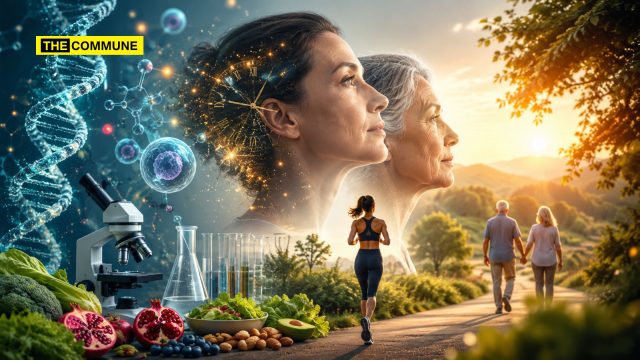
For centuries, aging was considered an unavoidable consequence of life—a gradual and irreversible decline in the body’s ability to repair itself. Today, that assumption is being challenged. Modern science increasingly views aging not as an immutable fate but as a biological process that can be slowed, and potentially modified, through targeted interventions.
The rapidly evolving field of geroscience, which explores the relationship between aging biology and chronic disease, has transformed our understanding of longevity. Researchers now recognize that aging is governed by interconnected molecular pathways involving metabolism, inflammation, genetics, mitochondrial function, and cellular repair. Rather than simply counting years, scientists are focusing on biological age—a measure of how well the body’s cells and organs function compared to chronological age.
This shift comes at a crucial time. Populations around the world are living longer than ever before, but longer life often brings a higher burden of chronic diseases. India is no exception. As its elderly population grows rapidly, so too does the prevalence of cardiovascular disease, diabetes, neurodegenerative disorders, osteoporosis, and cancer—all conditions closely linked to the biology of aging.
Scientists have identified several hallmarks of aging, including cellular senescence, impaired autophagy, oxidative stress, and chronic low-grade inflammation, which collectively drive age-related decline. Consequently, the question is no longer whether aging can be influenced, but how effectively we can extend the years spent in good health—our healthspan, rather than simply our lifespan.
Growing evidence suggests that interventions such as caloric restriction, structured exercise, optimized nutrition, and emerging longevity-targeted therapies can meaningfully influence biological aging.
Caloric Restriction: The Gold Standard for Longevity
Among all lifestyle interventions studied to date, caloric restriction (CR)—reducing calorie intake without causing malnutrition—remains the most consistently effective strategy for extending lifespan in laboratory animals.
Decades of research have shown that CR can increase both lifespan and healthspan in multiple species, including mice, rats, and primates. Remarkably, some studies indicate benefits even when caloric restriction begins later in life.
Caloric restriction activates several cellular pathways associated with longevity:
- AMPK and sirtuins, which improve cellular repair and energy metabolism
- Inhibition of mTOR, promoting autophagy and reducing unnecessary cell growth
- Improved insulin sensitivity, lowering the risk of metabolic disease
- Reduced systemic inflammation, one of the defining hallmarks of aging
Human clinical studies have reported improvements in insulin resistance, blood lipid profiles, inflammatory markers, and even epigenetic biomarkers that estimate biological age.
Intermittent Fasting: Similar Benefits, Greater Practicality
For many individuals, lifelong calorie restriction is difficult to maintain. This has shifted scientific attention toward intermittent fasting (IF), which alternates periods of eating and fasting.
Although distinct from calorie restriction, intermittent fasting activates many of the same biological pathways, including:
- Enhanced autophagy
- Improved metabolic flexibility
- Reduced oxidative stress
- Better glucose regulation
Current evidence suggests that intermittent fasting may offer many of CR’s metabolic benefits while being easier for some people to adopt over the long term.
Caloric Restriction Mimetics
Researchers are also investigating drugs that reproduce the molecular effects of caloric restriction without substantially reducing food intake.
Among the most promising candidates are:
- Metformin
- Rapamycin
- Resveratrol
- Spermidine
These compounds target many of the same longevity pathways activated during fasting and caloric restriction. However, despite encouraging early findings, their long-term safety and effectiveness in healthy adults remain under investigation.
Obesity: Accelerating Biological Aging
Excess body fat does more than increase disease risk—it may also accelerate the aging process itself.
Obesity promotes:
- Chronic inflammation
- Oxidative stress
- Insulin resistance
- Metabolic dysfunction
Collectively, these processes hasten biological aging and increase susceptibility to cardiovascular disease, diabetes, certain cancers, and neurodegenerative disorders. Weight reduction through sustainable dietary interventions has been shown to improve several biomarkers associated with healthy aging.
Exercise: The Most Accessible Longevity Intervention
If there is a universally recommended anti-aging therapy, it is exercise.
Regular physical activity influences nearly every biological system involved in aging. Beyond improving physical fitness, exercise helps preserve physiological function well into old age.
Its benefits include:
- Better cardiovascular health
- Increased muscle strength and mobility
- Improved mitochondrial function
- Enhanced cognitive resilience
- Reduced frailty
- Greater independence in later life
Exercise also acts directly on the molecular mechanisms of aging by:
- Lowering chronic inflammation
- Enhancing autophagy
- Improving metabolic regulation
- Reducing oxidative stress
When combined with a healthy diet, exercise substantially lowers the risk of cardiovascular disease, diabetes, osteoporosis, neurodegenerative disorders, and several forms of cancer.
India’s Lifestyle Challenge
India faces a unique convergence of aging and lifestyle-related diseases.
The country continues to experience:
- One of the world’s largest burdens of diabetes
- Rising rates of cardiovascular disease
- Increasing incidence of Alzheimer’s disease and other dementias
- High prevalence of tobacco-related cancers
Many of these conditions are strongly influenced by lifestyle, making preventive interventions particularly valuable.
Regular physical activity, healthier dietary patterns, tobacco cessation, stress management, and adequate sleep remain among the most effective—and affordable—strategies for promoting healthy aging.
The Genetics of Longevity
Longevity has a genetic component, but genes explain only part of the story.
Scientists have identified numerous genes involved in:
- DNA repair
- Telomere maintenance
- Cellular stress responses
- Metabolic regulation
However, lifestyle and environmental factors generally exert a greater influence on lifespan than genetics alone. Even individuals genetically predisposed to longer lives benefit substantially from healthy behaviors.
The Molecular Biology of Aging
Modern aging research increasingly focuses on the biological pathways that regulate cellular maintenance and repair.
Key areas of investigation include:
- Autophagy – the recycling of damaged cellular components
- Senolytics – drugs designed to eliminate senescent (“zombie”) cells
- NAD⁺ metabolism – improving mitochondrial energy production
- AMPK, mTOR, and FGF21 signaling – central regulators of metabolism and longevity
- Epigenetic clocks – tools that estimate biological rather than chronological age
These discoveries are helping scientists better understand how nutrition, fasting, exercise, and pharmacological interventions interact to influence aging.
Precision Nutrition and Digital Health
The future of longevity medicine is increasingly personalized.
Emerging frameworks such as the Active Management of Aging and Longevity (AMAL) model combine multiple approaches, including:
- Personalized nutrition
- Chrononutrition (aligning meals with circadian rhythms)
- Structured exercise programs
- Caloric restriction mimetics
- Multi-omics profiling
- Continuous digital health monitoring
Rather than applying a one-size-fits-all approach, these strategies aim to tailor interventions according to an individual’s biology, lifestyle, and genetic profile.
Can We Slow—or Even Reverse—Aging?
Current scientific evidence strongly supports the idea that biological aging can be slowed, even if it cannot yet be completely reversed.
The most effective evidence-based interventions include:
- Caloric restriction or intermittent fasting
- Regular physical activity
- Maintaining a healthy body weight
- Anti-inflammatory, nutrient-rich diets
- Avoiding tobacco and limiting alcohol
- Adequate sleep
- Effective stress management
Collectively, these habits reduce the risk of cardiovascular disease, Alzheimer’s disease, diabetes, osteoporosis, liver disease, and several forms of cancer while preserving functional capacity in later life.
The Next Frontier
Researchers are now investigating therapies that may partially reverse aspects of biological aging.
Among the most promising are:
- Senolytic drugs
- NAD⁺-boosting therapies
- Stem cell-based regenerative treatments
- Epigenetic reprogramming
Although these technologies remain largely experimental, they represent one of the most exciting frontiers in biomedical science.
India’s Opportunity in Longevity Science
India has the opportunity to become a global leader in longevity research and preventive medicine.
Achieving this will require:
- Expanding preventive healthcare
- Integrating genomic and biomarker testing into routine clinical practice
- Promoting lifestyle medicine across healthcare systems
- Investing in geroscience and translational aging research
- Improving access to early detection and digital health technologies
With its growing elderly population, India has both the need and the opportunity to pioneer innovative approaches to healthy aging.
The Future of Healthy Aging
The greatest breakthrough in longevity science may not be extending life indefinitely, but extending the years people remain healthy, independent, and free from chronic disease.
Aging is increasingly being viewed as a manageable biological process rather than an unavoidable decline. While reversing aging remains an ambitious scientific goal, slowing its progression is already possible through evidence-based lifestyle choices and a growing understanding of the molecular mechanisms that govern human longevity.
The future of medicine may not simply be about treating disease after it appears—it may be about preserving health long before disease begins. In the coming decades, longevity science is poised to redefine not just how long we live, but how well we live.
Dr. Sreekumar Raghavakaimal is a genomics researcher whose work focuses on aging, cancer, diabetes, and precision medicine.
Subscribe to our channels on WhatsApp, Telegram, Instagram and YouTube to get the best stories of the day delivered to you personally.