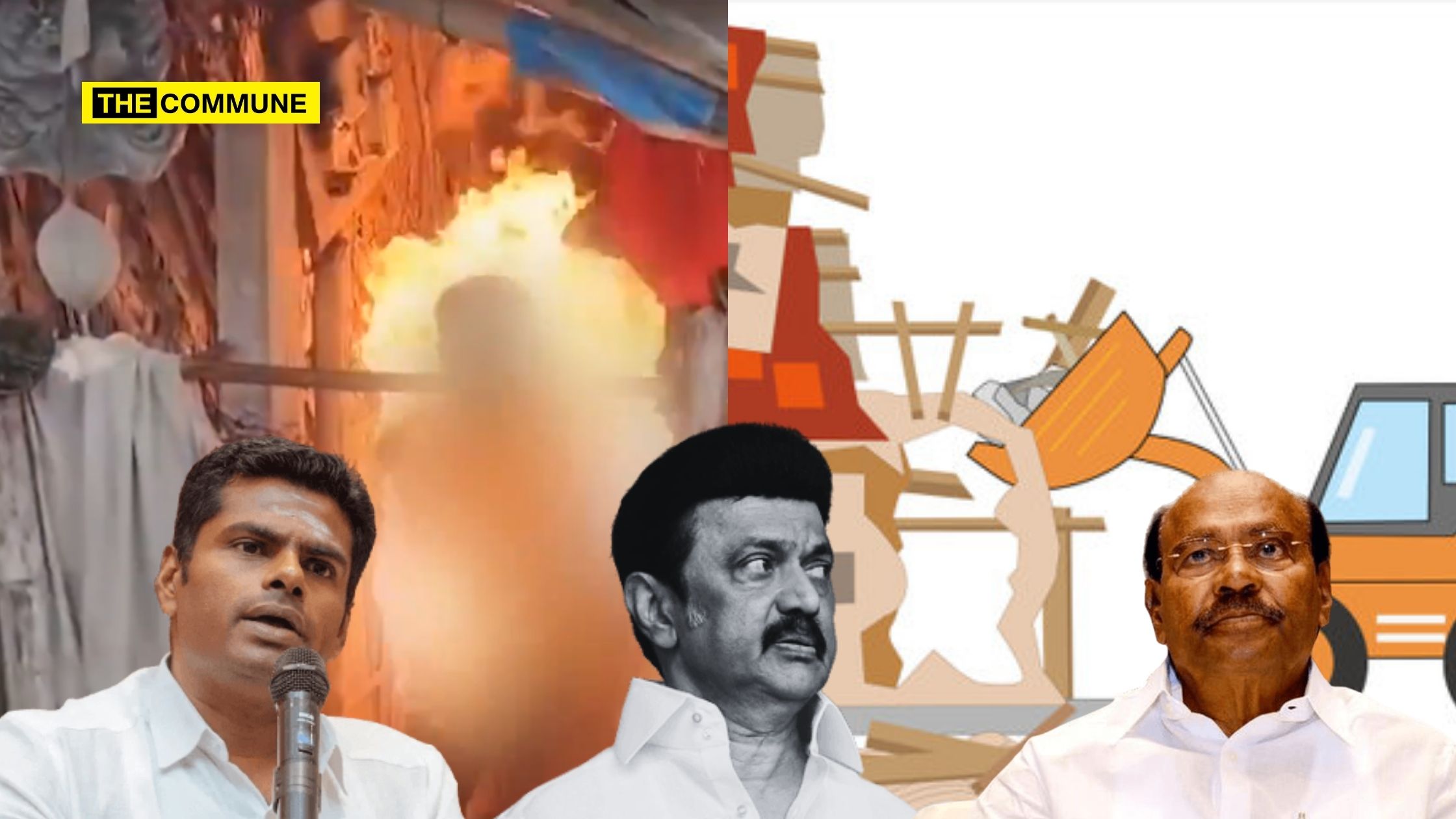
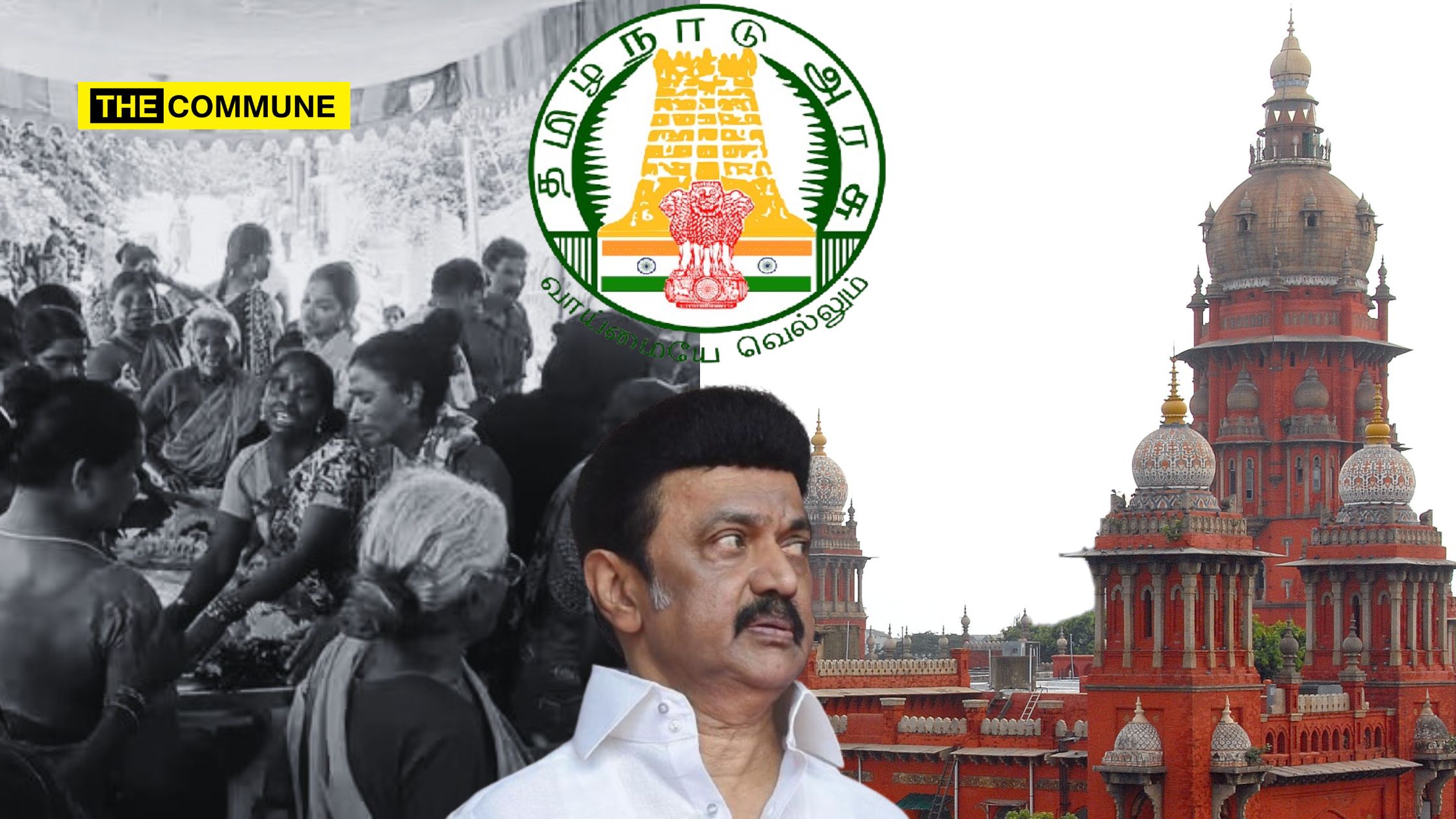
In a controversial move, the DMK government has demolished more than fifty houses in SVG Puram panchayat under the RK Pettah Union in Tiruvallur District. The houses, built on patta land and occupied by residents, were reportedly demolished without prior notice, leading to forced evictions and allegations of harassment.
Residents claim that despite holding valid leases, they were reportedly forced out as their homes were razed. 25 individuals, including eight women, were arrested by the police at they sat in protest at the demolition site. Among those detained were Tiruthani Union BJP zone president Mr. Veera Brahmachari and RK Pettah zone president Mr. SK Balaji.
In another incident in Gummidipoondi, a young man attempted self-immolation after his home on patta land was similarly demolished. The actions of the DMK government have sparked significant public outrage.
While the real estate moguls enjoy benefits & unprecedented privileges in this DMK regime, the houses of common men are razed down as illegal construction.
A youth in Gummidipoondi near Chennai tried to self-immolate in his attempt to stop the government officials from… pic.twitter.com/wqML9X3xOK
BJP Tamil Nadu President K. Annamalai slammed the DMK government calling it atrocious.
திருவள்ளூர் மாவட்டம் ஆர்.கே.பேட்டை ஒன்றியத்திற்கு உட்பட்ட S.V. G புரம் ஊராட்சியில், பட்டா இடத்தில் வீடு கட்டி வசித்து வந்த ஐம்பதுக்கும் அதிகமான வீடுகளை, எந்த வித முன்னறிவிப்புமின்றி, வீடுகளில் இருந்த பொதுமக்களை வலுக்கட்டாயமாக வெளியில் தள்ளித் துன்புறுத்தி, அத்துமீறி இடித்துத்…
PMK leader Ramadoss condemning the horrific self-immolation incident said “When thousands of acres of government-owned land are occupied by influential people, why are the authorities rushing to demolish a house built on leased land without taking any steps to rehabilitate them?… The incident of Kummidipoondi shows that only the rich who can act illegally can survive in the DMK regime and the honest poor cannot survive. If this situation continues, the poor will not be able to survive in Tamil Nadu.”
கும்மிடிப்பூண்டியில் பட்டா நிலத்திலிருந்த வீட்டை இடித்ததால் இளைஞர் தீக்குளிப்பு – காரணமான அதிகாரிகள் மீது நடவடிக்கை தேவை
கும்மிடிப்பூண்டியில் பட்டா நிலத்தில் கட்டப்பட்டிருந்த வீட்டை ஆக்கிரமிப்பு என்று கூறி அதிகாரிகள் இடிக்க முற்பட்டதால் கடுமையான மன உளைச்சலுக்கு ஆளான வீட்டு…
Actor and leader of the Tamizhaga Vettri Kazhagam (TVK), Vijay, held a special meet-and-greet event on 28 June 2024 to honour students who excelled in the recent 10th and 12th-grade examinations. The event took place at the Ramachandra Convention Center in Thiruvanmiyur, Chennai.
Addressing the issue of drug abuse, Vijay advised students to avoid negative influences and refrain from using drugs.“Don’t lose your identity at any cost. Of late in Tamil Nadu, there’s been a big spike in the use of drugs among youngsters. As a father and as a leader of a political party, I am scared of this situation. I am not here to accuse the ruling government of being unable to protect youngsters from drug abuse. I am saying that sometimes we need to take care of our lives first. Develop self-control and self-discipline.”
He concluded by leading the students in affirmations against temporary pleasures and drug use, underscoring his commitment to fostering a drug-free youth. “Say no to temporary pleasures, say no to drugs,“he urged.
However, at the event on 3 July 2024, Vijay spoke about NEET andaddressed the Union government as Ondirya Arasu aligning with the DMK. However, a few days ago at another function, Vijay had questioned the prevalence of drugs in Tamil Nadu.
Critics wondered why this sudden change in stand especially with regard to issues that the DMK has been protesting about.
It is alleged that the DMK ensures that film stars are kept in check through surveillance activities. Itis also alleged that authorities directly targeted Vijay to ensure he toes the DMK line.
Let’s analyse Vijay’s background, especially the location of his home in Neelankarai. Vijay resides in the Coastal Regulation Zone 1.
What is CRZ?
Wikipedia defines the Coastal Regulation Zone as “the coastal land up to 500m from the High Tide Line (HTL) and a stage of 100m along banks of creeks, lagoons, estuaries, backwater and rivers subject to tidal fluctuations.” These regulations are put forth by the governments of states having coastal belts.
It is alleged that Vijay’s house is approximately (or less than) 200m from the beach.
It is alleged that authorities of the fire department, CMDA, environmental department, surveyor, town planning department, andChennai Corporation pulled out documents concerning this house in question overnight. With the collected data, it is purported that they wanted to carry out surveys and “analyse” the structure.
DMK & Vijayakanth
Comparing this with the DMK’s behaviour against the DMDK, especially Vijayakanthwhom they clashed head-on, the pattern seems similar. In 2006-07, TR Baalu, the present DMK MP from Sriperumbudur, who served as the Minister for Road Transport, Highways, and Shipping in the Congress-led UPA government, faced criticism for the controversial demolition of Andal Azhagar Kalyana Mandapam. This wedding hall, owned by actor-turned-politician Vijayakanth’s wife, Premalatha, which also served as his party office, was razed by the National Highways Authority of India (NHAI) which came under Baalu’s jurisdiction back then.
Situated on Jawaharlal Nehru Road in Chennai, the auditorium became a casualty of a flyover construction project aimed at alleviating congestion at the Jawaharlal Nehru Road-Bangalore Highway junction.
Vijayakanth accused the DMK government of orchestrating the swift demolition due to their inability to tolerate his party’s growth. While acknowledging the necessity for the structure’s removal for road expansion, he claimed the move was politically motivated.
Vijayakanth had expressed his willingness to surrender the building for road expansion, requesting only an extension until 31 August that year to honour existing marriage bookings.
Despite proposing alternative plans and engaging with DMK president M Karunanidhi, the state government,proceeded with the demolition after months of delay in responding to Vijayakanth’s alternatives. The incident underscored the political ruthlessness of the DMK government under Karunanidhi.
The wedding hall, spanning 1 acre and 56 cents, was torn down by the then DMK government led by Karunanidhi, reducing it to approximately 3 grounds.
Similar Pattern With Vijay?
It is alleged that there is a possibility that someone could file a PIL and get a portion of his house demolished akin to what happened with Vijayakanth. Given the location of Vijay’s house, there are more possibilities of trouble.
Looking at all this, it is alleged that as a solution to prevent this trouble, Vijay could have been asked to do what he did – welcome the resolution passed by the DMK government, raise his voice against NEET, and also address the central government as Ondriya Arasu. It is noteworthy that Vijay mentioned he will not speak politics at such functions.
Notably, Vijay mentioned he was placing a request in the public forum perceivably directing this back at the DMK. However, whether this will give Vijay brownie points is not certain. That said, there is a lot of chance that such instances of change of stand can be seen from the actor-turned-politician, only time will tell.
Responding to reporters’ questions on Vijay and his comments on NEET, he said, he has placed before the public his opinion on NEET. The BJP bases its support to NEET on facts. Every year more and more children have excelled, that too from Tamil Nadu. More children from government schools are getting medical seats.
On calling the Union government, “Ondriya Arasu” similar to the DMK, Annamalai said, “We are clear about our stand, everyone has the freedom to say anything they want. One must think whether this phrase was even in existence before 2021. If Vijay is taking a stance similar to that of the DMK, he is most welcome to do it. If he does that, we will stand out and we are happy about it. This makes our politics easier. BJP’s politics will stand out and it is a good thing.”
He further said, “If it is going to be a 4-cornered contest, if one gets 25% votes, they can become an MLA. That is what will happen in 2026. At that time, BJP’s philosophy will stand out from the rest. All the parties here say Ondriya Arasu, they are all against NEET. They can split the remaining 40% votes among themselves.”
— Kumudam Reporter (@ReporterKumudam) July 4, 2024
On 3 July 2024, Vijay resonated (TVK) with the DMK, expressing opposition to the NEET medical examination, advocating for education to be under state list, and adopting the DMK-coined term “Union” to refer to the central government. This abrupt shift has raised questions about Vijay’s political consistency and his willingness to challenge the ruling DMK.
The upcoming Vikravandi by-election in Villupuram district is on 10 July 2024, featuring a heated competition between the Dravida Munnetra Kazhagam (DMK), Pattali Makkal Katchi (PMK) and Naam Tamilar Katchi (NTK) in a three-way fight. The campaign efforts from all three parties are in full swing.
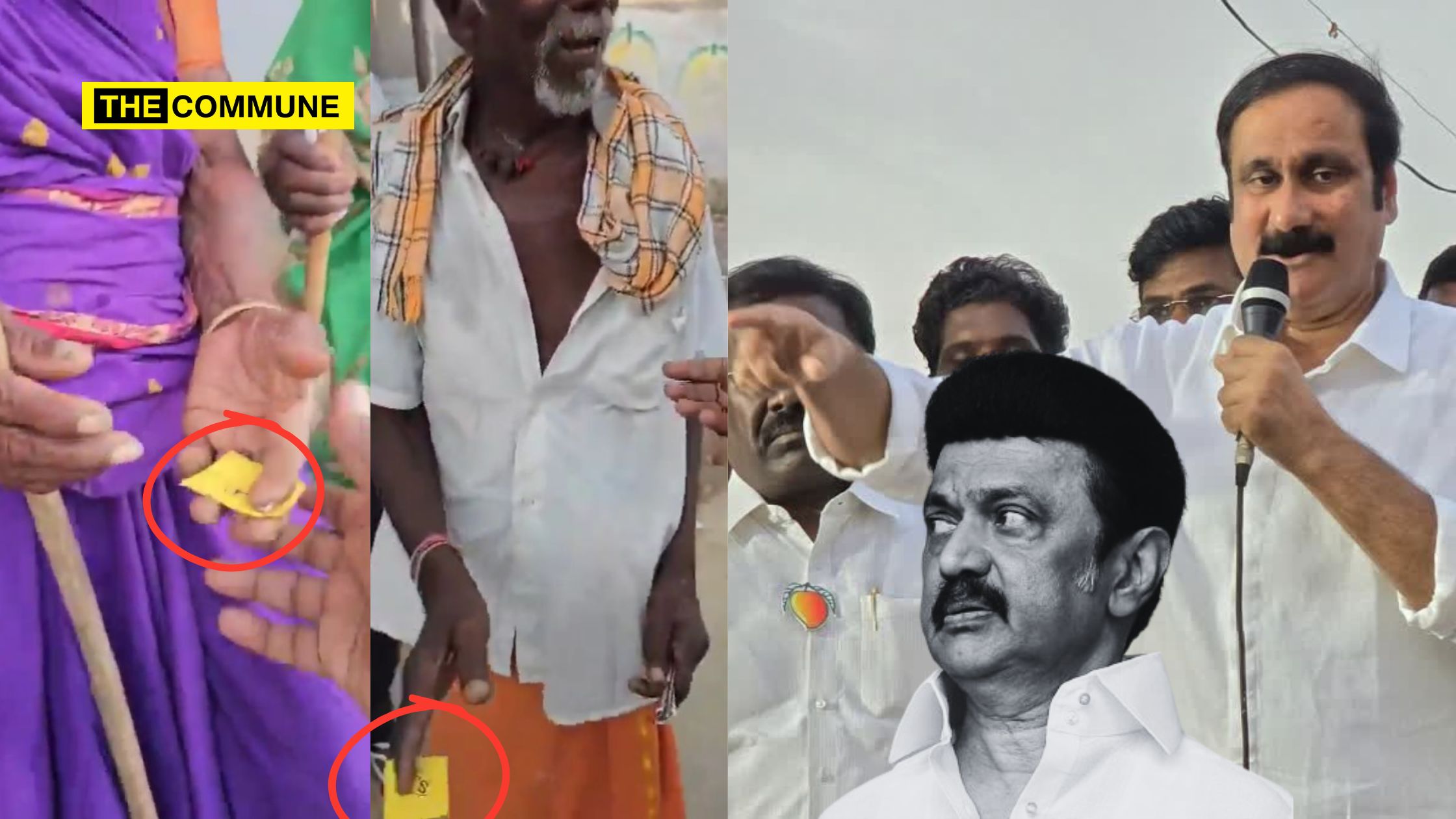
Against this backdrop, the PMK is challenging the DMK for allegedly distributing cash tokens and gifts in the constituency to sway the voters. Viral videos circulating on social media show DMK distributing cash tokens with messages urging voters to vote for the DMK and receive money later. Previously, PMK had also seized gifts that DMK had stored for distribution before the election.
Previously on 3 July 2024, Anbumani Ramadoss, leader of the PMK, highlighted on social media an incident in Asarankuppam village within the constituency. Allegedly, gifts intended for voters—sarees and shirts—distributed by DMK officials were seized by the Proletarian People’s Party and handed over to authorities. Ramadoss condemned this as a breach of election rules by the DMK, prompting protests and complaints to election, revenue, and police officials.
Ramadoss insisted on further confiscation of remaining gifts at the residence of A.C. Iramalingam, DMK’s local branch secretary. Despite complaints, election and police authorities reportedly facilitated the removal of additional stored items from Iramalingam’s house. This has sparked public outcry and accusations of electoral malpractice against the DMK.
Ramadoss urged the Election Commission to ensure fairness by appointing an independent IAS officer as Returning Officer and deploying numerous observers and paramilitary forces. He also called for the disqualification of the DMK candidate accused of influencing voters.
ஓட்டுக்கு லஞ்சமாக கொடுக்க திமுகவினர் வைத்திருந்த வேட்டி – சேலைகள் பறிமுதல்: திமுவை தகுதி நீக்கம் செய்ய வேண்டும்!
இடைத்தேர்தல் நடைபெறவுள்ள விக்கிரவாண்டி தொகுதி ஆசாரங்குப்பம் கிராமத்தில், திமுக கிளை செயலாளரும், முன்னாள் ஊராட்சி மன்றத் தலைவருமான ஏ.சி. இராமலிங்கம் என்பவரின்…
— Dr ANBUMANI RAMADOSS (@draramadoss) July 3, 2024
The situation escalated as PMK cadres staged demonstrations over the seized gifts, demanding action from authorities. District Collector Palani received a petition from PMK representatives, requesting immediate intervention against alleged irregularities.
Moreover, PMK spokesperson Balu criticized the DMK’s actions, describing the situation as chaotic and expressing disappointment over authorities’ perceived inaction. He demanded accountability for the confiscated gifts and urged the district collector to issue directives against DMK members involved in alleged misconduct during the by-election. In response, District Collector Palani assured swift action on the matter, promising to address concerns promptly.
VIDEO | Tamil Nadu: PMK cadre allege cash and gift distribution to voters by DMK cadre ahead of Vikravandi bypoll on July 10. The cadre threw away dress materials allegedly kept in stock inside a house and urged the Election Commission to take action.
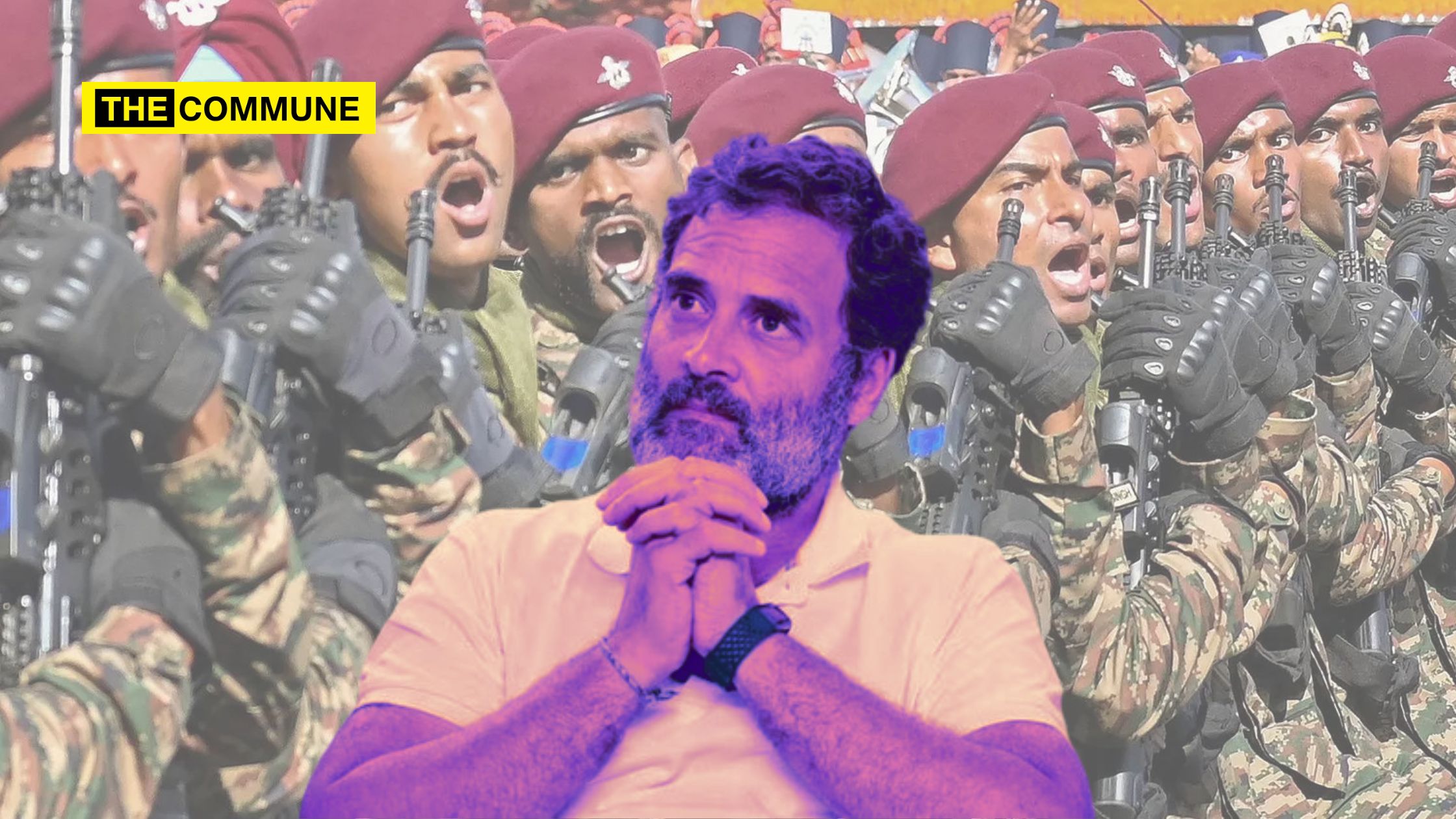
Leader of Opposition in Lok Sabha and Congress leader Rahul Gandhi accused Defence Minister Rajnath Singh of misleading Parliament about compensation to families of deceased Agniveers.
On 1 July 2024, Gandhi attacked the government, claiming that Agniveers were not granted the status of martyrs and were akin to “use and throw” labour. In response, Singh maintained that if an Agniveer dies in war or at the border, their family receives ₹1 crore.
Gandhi released a video on 3 July 2024 featuring the father of Agniveer Ajay Kumar, who was killed in a landmine explosion in Naushera, Jammu & Kashmir, in January. The father claimed that the family had not received any compensation or help from the Centre, despite Singh’s assertion that families of martyred Agniveers receive ₹1 crore in compensation. The father stated that while they had received some assistance from the Punjab government, nothing had been provided by the central government.
In the video, Gandhi demanded an apology from Singh, saying,“Defence Minister Rajnath Singh lied in Parliament about the assistance given to the family of the martyred Agniveer. Martyr Agniveer Ajay’s father has himself told the truth and exposed their lies. The Defence Minister should apologise to the Parliament, the country, the army, and the family of the martyr.”
#Breaking: Rahul Gandhi Ji has asked Defence Minister to apologise to the people of India, the family members of a Agniveer for lying in the Parliament and in front of Lord Shiva.
Hours after Gandhi’s statement, the Indian Army issued a clarification on social media, asserting that compensation had been paid to Kumar’s family. “It is emphasised that the Indian Army salutes the supreme sacrifice made by Agniveer Ajay Kumar. The last rites were carried out with full Military Honours. Of the total amount due, the family of Agniveer Ajay has already been paid ₹98.39 lakhs. Ex-Gratia and other benefits amounting to approximately ₹67 lakhs, as applicable according to the provisions of the Agniveer Scheme, will be paid on Final Account Settlement shortly post due Police verification. The total amount will be ₹1.65 Cr approximately.”
*CLARIFICATION ON EMOLUMENTS TO AGNIVEER AJAY KUMAR*
Certain posts on Social Media have brought out that compensation hasn't been paid to the Next of Kin of Agniveer Ajay Kumar who lost his life in the line of duty.
The army reiterated that emoluments due to fallen soldiers, including Agniveers, are paid expeditiously to their next of kin.
Terms Of Agnipath Scheme
The terms of the Agnipath Scheme clearly state that if an Agniveer soldier becomes a battle casualty, his next of kin would receive:
Non-Contributory Insurance sum, amounting to ₹48 Lakh
Ex-gratia of ₹44 Lakh
Seva Nidhi contributed by the Agniveer (30%), with an equal matching contribution by the Govt, and interest thereon
Pay of balance tenure from date of death, till completion of four years (more than ₹13 Lakh, in the case of Laxman
Contribution of ₹8 Lakh from Armed Forces Battle Casualty Fund
Immediate financial assistance of ₹30 thousand from the Army Wives Welfare Association
Defence Minister’s Rebuttal
Defence Minister Singh refuted Gandhi’s claims in Lok Sabha, stating that the Agnipath scheme was introduced after consultations with 158 organizations and that it provides due compensation to the families of martyred Agniveers. He urged Gandhi not to mislead Parliament and requested Lok Sabha Speaker Om Birla to expunge Gandhi’s remarks on the scheme. Singh also noted that similar recruitment schemes exist in countries like the US and the UK without objections.
This is not the first time that Rahul Gandhi is lying about the Armed Forces. Here are 10 other instances where he and the Congress insulted the Indian Armed Forces.
About Agnipath
Rahul Gandhi had parroted the claims made by the banned terror outfit PFI about the Agnipath Scheme saying that it will create unemployed youths trained in guns, which is similar to what the PFI said – that the scheme is a ploy to train Hindu youths in weapons to attack Muslims.
He also tried to create divisions between officers and jawans (soldiers) regarding the ‘One Rank One Pension‘ (OROP) scheme stating officers were receiving greater financial benefits from the OROP scheme compared to the jawans, who constitute the majority of the armed forces and were supposedly receiving a lower amount.
Lied About Chinese Troops “Thrashing” Indian Army At LAC
On 16 December 2022, during his Bharat Jodo Yatra, Congress leader Rahul Gandhi said that Chinese troops are thrashing Indian army soldiers along the line of actual control (LAC).
Whole country has seen visuals of Indian soldiers thrashing Chinese soldiers.
But as always, for political mileage, Rahul Gandhi will cook up imaginary stories & question the valour of our jawans.
Rahul Gandhi’s comments came a week after clashes broke out between the Indian and Chinese troops on 9 December 2022, in Tawang, Arunachal Pradesh. However, thetruth was that Indian Army soldiers not only thrashed the Chinese troops but also chased them away across the LAC.
No Need For Armed Forces If Labourers Are Used
In 2021, Rahul Gandhi also said that India would not need its Army, Navy, or Air Force against China if Indian labourers, farmers, and workers were used.
Armed forces veterans condemned this statement vehemently.
Repeatedly Claimed Chinese Intruded Into India
Rahul Gandhi repeatedly claimed in his public statements that the Chinese have intruded into India bringing down the morale of the armed forces.
प्रधानमंत्री ने कहा था- लद्दाख में एक इंच जमीन नहीं गई है। ये सरासर झूठ है।
पूरा लद्दाख जानता है कि चीन ने हमारी जमीन हड़प ली है।
मैप की बात तो गंभीर है, लेकिन चीन ने असल में हमारी जमीन ले ली है। इस पर प्रधानमंत्री को कुछ कहना चाहिए।
Cong Leader Deletes Post Praising India, Slamming China
Just a month before the clash in May 2020 when the tension between the countries was escalating, Congress MP Adhir Ranjan Chowdhury posted a tweet in which he slammed China and praised the Indian army.
However, the tweet was soon deleted. It is a matter of wonder who might have asked Chowdhury to delete the post.
Rahul Gandhi, who doesn’t have a word of condemnation for the Chinese Army, or praise for the valour of Indian troops must answer why this tweet put out by Congress leader Adhir Ranjan Chowdhury deleted? Was he forced? Whose interest did this hurt? China, Gandhi family or both? pic.twitter.com/feK18GJ5RF
Mocked Indian Army Jawans, Dog Unit On Intl Yoga Day
In June 2019 right after a drubbing defeat in the Lok Sabha polls, Rahul Gandhi tweeted a photo of Indian Army dogs and their handlers performing exercises on International Yoga Day.
In just one tweet Rahul Gandhi insulted the Indian Army jawans, the incredible dog unit of the Army, Yoga tradition, and the country as a whole with his ‘New India’ jibe.
Allegedly Caught Using Mobile While Paying Respect to Pulwama Attack Martyrs
Rahul Gandhi was seen using his mobile phone while paying respects to the soldiers martyred in the Pulwama attack. This incident is not isolated to Gandhi alone; the Congress party as a whole has a history of actions perceived as demeaning to the Indian armed forces.
Congress had demanded proof of the surgical strikes carried out by the Indian Army following the Uri Attack. Former Madhya Pradesh Chief Minister and senior Congress leader, RS MP Digvijay Singh too asserted that there was no proof that the Indian Army carried out surgical strikes thereby peddling Pakistani propaganda.
Not Commemorating Kargil Vijay Diwas
The then Congress-led UPA government did not even commemorate Kargil Vijay Diwas from 2004 to 2009 since it was seen as “BJP’sWar“
The Congress’ contempt for the Indian Armed Forces probably flows from the fountainhead of its ideologue Nehru. Because he is the man who said: “We don’t need a defence plan. Our policy is ahimsa (non-violence). We foresee no military threats. Scrap the army! The police are good enough to meet our security needs”, Nehru had allegedly told Lt General Sir Robert Lockhart, the first commander in chief of India.
The Tamil Nadu government submitted a report on 3 July 2024 to the Madras High Court in response to two public interest litigation petitions requesting a CBI investigation. The report addressed the Kallakurichi hooch tragedy of 2024, distinguishing it from previous incidents in Marakkanam and Chithamur in 2023 due to differences in the source and concentration of methanol.
Chief Secretary Shiv Das Meena outlined actions taken since 2021, including raids and arrests related to illicit liquor, and emphasized measures to prevent future incidents. He noted the detention of prohibition offenders and efforts to monitor industrial methanol use. The report also discussed legislative proceedings and detailed the government’s response to the Kallakurichi tragedy, which included medical mobilization and arrests of police officials. The Chief Secretary opposed calls for a CBI probe, citing ongoing police investigations and the examination of numerous witnesses.
In a report presented to Acting Chief Justice R Mahadevan and Mohammed Shaffiq of the first Division Bench, Chief Secretary Shiv Das Meena stated that methanol levels in samples were found to be 99.1% during the 2023 incidents, whereas, in Kallakurichi, they ranged from 8.6% to 29.7%.
The Chief Secretary detailed the actions taken by the State government following the 2023 incidents, highlighting extensive raids conducted statewide against illicit arrack and counterfeit liquor. These efforts resulted in the arrest of 159 individuals in 2023 and an additional 95 by May of the following year. He also outlined measures implemented against prohibition offenses since 2021. To prevent similar incidents in the future, district police teams were equipped with WhatsApp numbers to receive complaints regarding illicit arrack. The Enforcement unit reviewed the actions taken by these teams on a weekly basis in response to complaints.
In addition, rigorous checks were imposed on industrial units using methanol to prevent its unauthorized use in producing arrack. The prohibition enforcement wing intensified raids to eliminate illicit arrack across the State. The Chief Secretary noted that habitual offenders of prohibition laws were being detained under the Goondas Act.
The officer mentioned that intelligence inputs received from the enforcement wing were regularly reviewed at police headquarters on a monthly basis. Additionally, extensive awareness campaigns were being conducted in vulnerable areas because many consumers of illicit arrack were economically disadvantaged and susceptible, he noted.
Chief Secretary Meena explained that a call attention motion introduced by AIADMK MLA M Senthilkumar on 29 March 2023, concerning the sale of counterfeit liquor, was denied by the Speaker. Consequently, neither was the matter debated in the Legislative Assembly nor did government authorities receive any notice about it. He emphasized that while hundreds of call attention motions are submitted to the Assembly Secretariat, discussions are permitted based on the seriousness and accuracy of the information. If rejected, such motions rarely reach the government unless forwarded by the Speaker.
Regarding the Kallakurichi hooch tragedy, which had claimed 65 lives, the Chief Secretary asserted that the entire state machinery responded diligently. He credited the mobilization of adequate medical personnel for saving 145 lives through effective treatment. Within two weeks of the incident, 21 individuals were arrested. Notably, the Superintendent of Police at Kallakurichi at that time, along with several other police officers, had been suspended from duty.
The status report was submitted in response to two public interest litigation petitions seeking a CBI probe, filed by advocates Inbadurai of AIADMK and K Balu of Pattali Makkal Katchi. The Chief Secretary opposed the plea, noting that the State police had already examined 132 witnesses.
After State Public Prosecutor Hasan Mohamed Jinnah presented the status report, Additional Advocate General J Ravindran requested time for Advocate General P S Raman to appear, explaining that the AG’s mother had passed away earlier that day, preventing his attendance in court. The judges accepted the request and adjourned the hearing on the two PIL petitions until 10 July 2024. In the interim, advocate A Mohan Doss filed a separate PIL petition in the High Court seeking a CBI investigation into the Kallakurichi hooch tragedy.
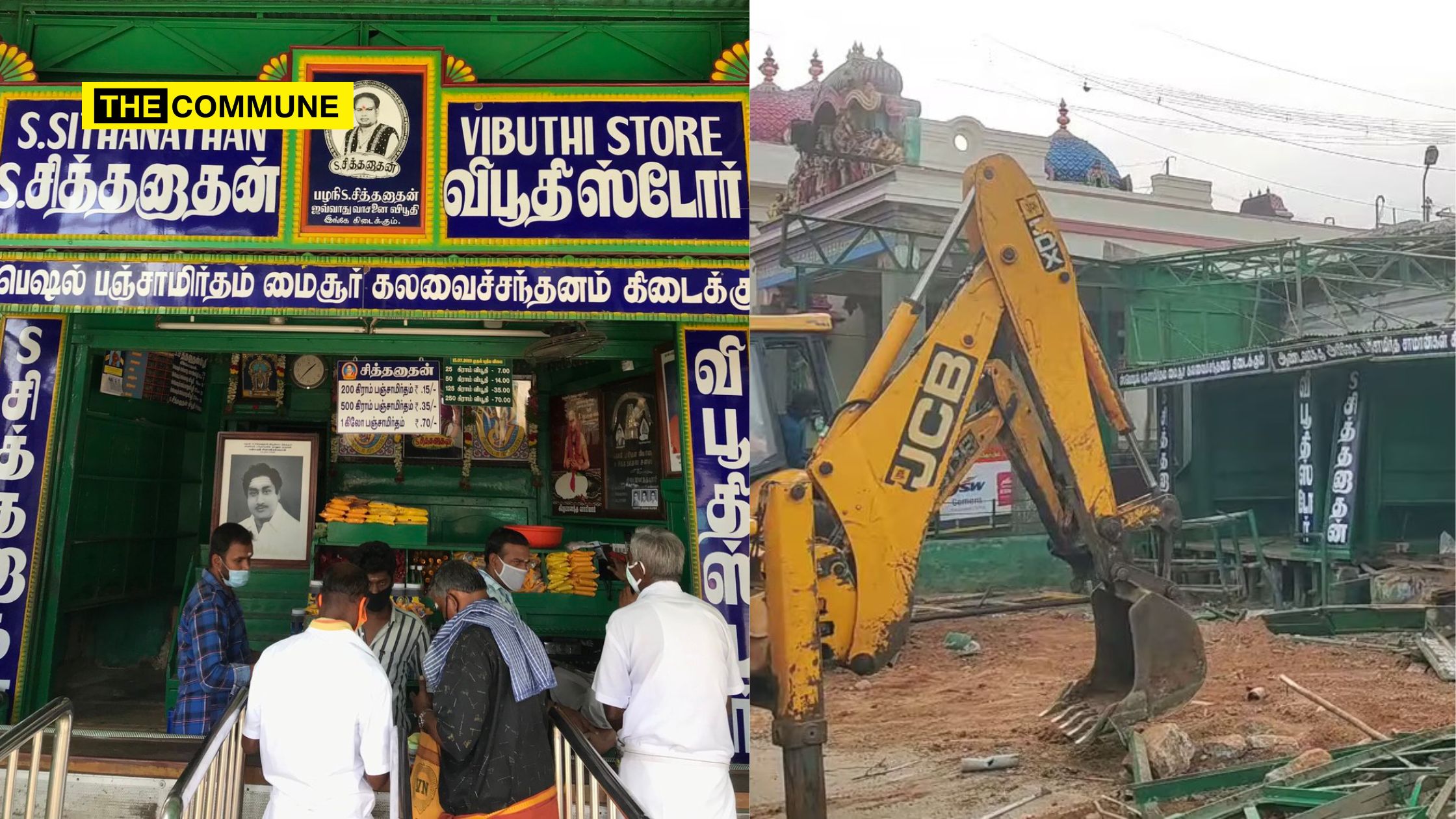
Recently, as a response to a court directive, age-old stores along the Palani Dhandayuthapani Swamy Temple girivalam path were removed by the revenue and law enforcement authorities. This has sent shock waves among the residents.
The Dhandayuthapani Swamy Temple, dedicated to Murugan and located on a hillock in Palani amidst the Palani Hills of Tamil Nadu’s Dindigul district, is recognized as the third abode among the six holy abodes of Lord Murugan. It is noteworthy that oversight of the temple falls under the Hindu Religious and Charitable Endowments Department (HR&CE) of the Government of Tamil Nadu.
In this regard, those occupying temple-owned land surrounding the Palani Temple and refusing relocation were instructed to vacate within 24 hours by a High Court branch. The Tahsildar was tasked with ensuring the removal of non-compliant encroachers, and a detailed report of actions taken was mandated. With the assistance of the revenue department, temple administration, and police, over ten JCP cranes have been mobilized to facilitate the demolition of structures.
This includes the removal of the Sithanathan Panchamritam shop, a well-known private establishment that stood for nearly 100 years on the base of Palani Hill, as per court orders.
As a precaution, more than a hundred policemen have been deployed to maintain security amid concerns that residents may obstruct the removal process. The scene at the foothills of Palani Hill remains turbulent due to the ongoing demolition of over a hundred residences.
— பாக்கம் அம்மாபாபு (எ) V.P.மோகன்பாபு.🌱 (@AiadmkMohanbabu) July 3, 2024
S. Sithanathan Sons is a household name whose Vibuthi packets can be found in a majority of Tamil Hindu homes. They’re known for their Javvadhu incensed Vibudhi which has a strong divine aroma and lasts on the forehead for a long time. They’re also famous for the panchamirtham.
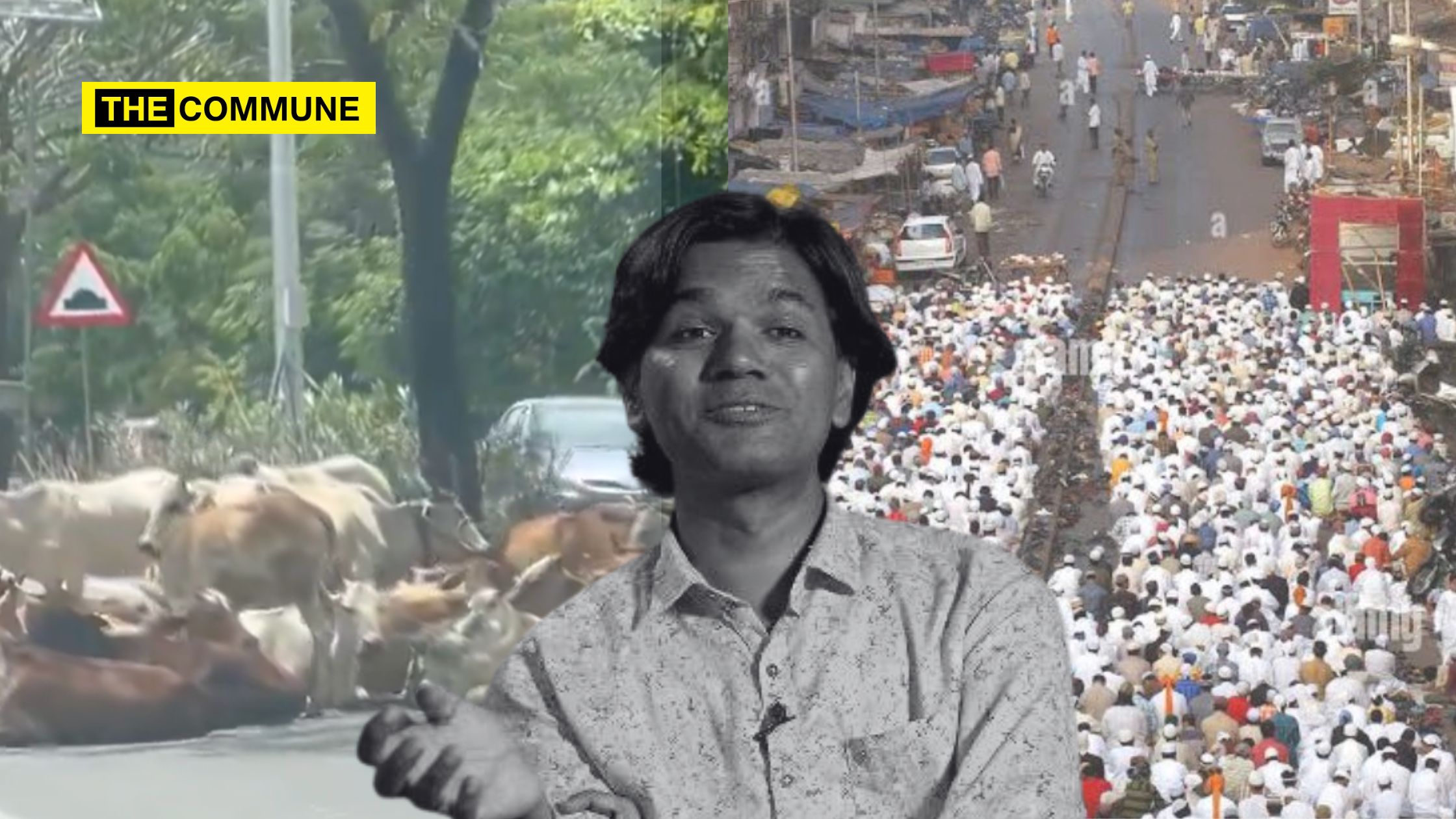
Alleged fact-checker Mohammed Zubair is in the news once again mocking Hindus and Hindu beliefs. Quoting a post by another handle which shared a video of cows sitting on the road, Zubair wrote, “Solution bolunga to problem ho jayega…”
National Spokesperson of the Bharatiya Janata Party, Shehzad Poonawalla decimated Zubair’s “solution” post and asked him to “stick to goats”.
Miyan @zoo_bear these are cows not your 72 H***S … Cows are not up for your perverted carnal fantasies.. stick to your goats.. pic.twitter.com/dkaC03yYTB
— Shehzad Jai Hind (Modi Ka Parivar) (@Shehzad_Ind) July 3, 2024
If hypocrisy had a face, then it would be Mohammed Zubair. When namazis perform their prayers in the middle of the road, day in and day out across the country and abroad, Zubair would turn a blind eye to it. Instead, he would call Hindus a public nuisance. Here are a few examples.
Insecure but 'educated' guys reading Hanuman Chalisa from their Mobiles while the elderly Muslim man was silently offering Namaz at his seat. pic.twitter.com/r6wddLy6Ov
According to BJP supporters, It's a Public nuisance if a Muslim reads Namaz in some corner in the park or in an isolated place. But here 👇 https://t.co/nHozKmuqd8
Mr. Abid returns a bag full of money (3+ Lakh) to Nitin Kumar which he'd dropped from his bike. 🖖 Meanwhile Right wing influencers on social media are busy sharing hateful videos encouraging/asking people to boycott Muslim street vendors. 🤢pic.twitter.com/XFvKTO3OHf
Spreading fake news is what Zubair does at AltNews. In March 2024, when a Delhi cop who had requested namazis not to perform namaz on the roads ended up kicking them, he shared a fake video tagging DCP North Delhi lying that a mob of Muslims did not assemble and that they did not lynch the Delhi cop when in fact, they did.
दिल्ली के इंद्रलोक में सड़क पर नमाज पढ़ रहे लोगों को पुलिस ने लात मारी.
— Shivam Pratap Singh (@journalistspsc) March 8, 2024
North Delhi Police X handle later confirmed that the mob had gathered on Friday when the cop acted on the namazis. However, the handle claimed the officer was not present. Like always, Zubair tried to whitewash the mob lynching behaviour of his community members.
This is wrong information. The mentioned SI is not present in this video.
The video is not of yesterday (Saturday) but of Friday, 8th March, when protestors had gathered in Inderlok. Locals escorted police officers to the police post after which scuffle took place.@CPDelhihttps://t.co/pEHesmoySW
It is very well-known that it was Mohammed Zubair has been single-handedly responsible for fanning sentiments in the wrong direction – be it in the Nupur Sharma comments issue, or the Nuh riots when he shared alleged videos of Monu Manesar or during the “farmer” protests in Punjab.
First two videos of are of 1. Faridabad based cow viglante Bittu Bajrangi instigating violence and challenging Police in a facebook video 2 days back. 2. 3 days old video of Monu Manesar appealing to his supporters to attend the procession (he wasn't allowed to attend the… pic.twitter.com/d9SbSWsL28
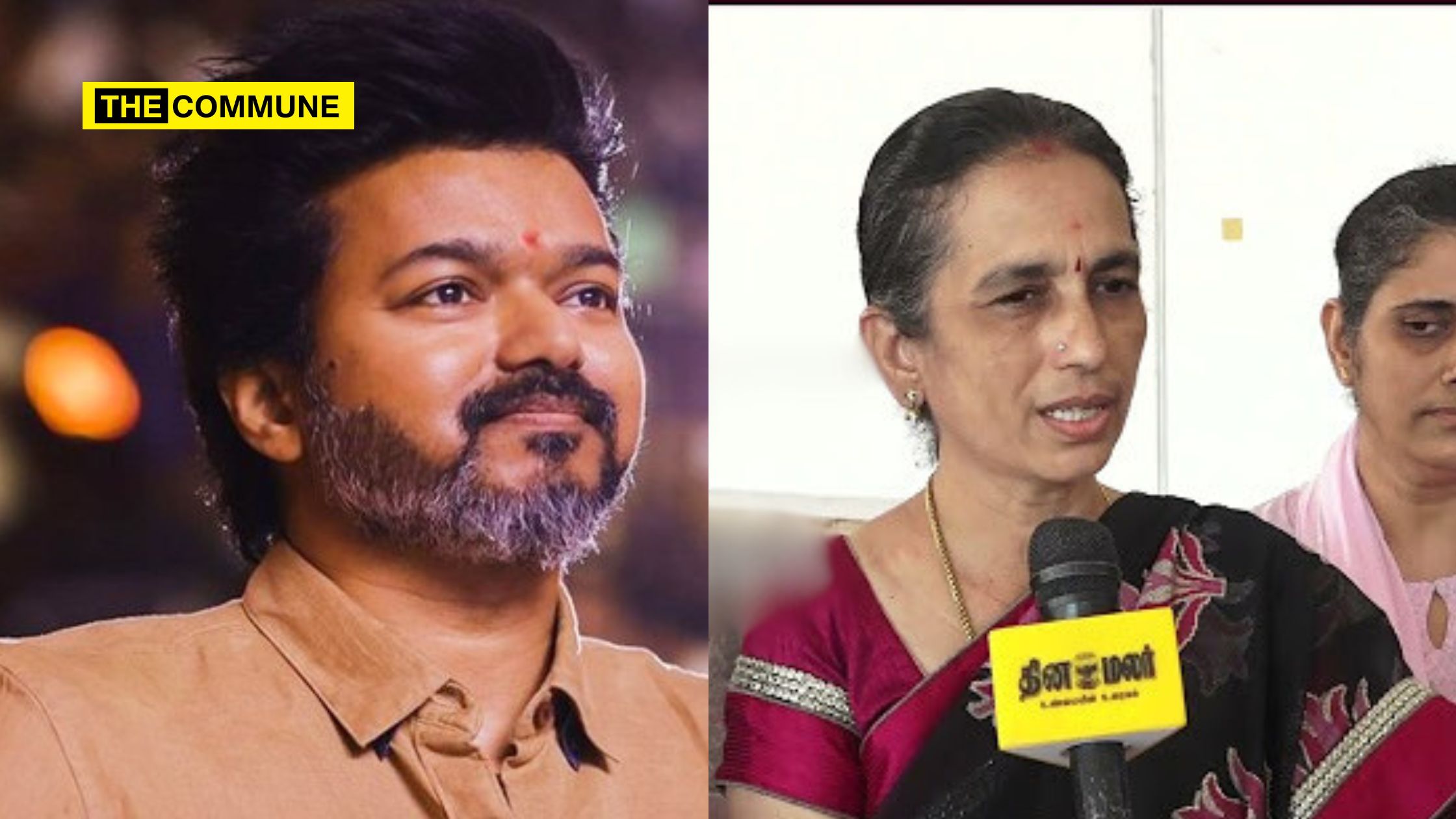
The movement to abolish the NEET exam in Tamil Nadu had waned for some time as students and parents gradually accepted its benefits, especially its support for marginalized students and the additional 7.5% quota for government school students in Tamil Nadu. Initially, only the DMK used this issue for political gain. However, the call to abolish NEET was reignited recently by TVK chief Vijay during a program honoring toppers, which aligned with the DMK’s stance.
Critics, particularly parents, have condemned this political maneuvering, arguing that those advocating for NEET’s abolition are merely exploiting the issue for political gain, contrary to the widespread acceptance of the exam’s benefits among students and parents. Supporters of NEET argue that the exam remains necessary, a sentiment echoed by parents and students who participated in the 2024 NEET UG examination, where reports indicate improved performance among attendees.
On 3 July 2024, Vijay resonated (TVK) with the DMK, expressing opposition to the NEET medical examination. TVK chief Vijay said, “If you look at this NEET, it is a fact that the students in our Tamil Nadu, especially the rural areas, where the poor, the backward, the most backward, and the lower class, are all affected.” Therefore, the exam discriminates against state students and should be eliminated.
However, one of the parents of a top performer disagreed with TVK chief Vijay’s opinion on the same avenue. The parent speaking to the reporters stated that, “It’s true that the world is vast. First of all, life is not about only (passing) NEET, it is not about studying only that, there are many fields, you can get ahead in all fields, andwhoever gives one hundred percent can get ahead. So, I think (they) should not create an illusion of NEET because there are a lot of things after that no one knows much about it.“
She further clarified that she does not agree with Vijay’s stance on NEET and expressed her support for continuing the exams. She emphasized that all students have adapted to the exam and are now participating in it. She questioned the need to demotivate students unnecessarily, especially after implementing a 7.5% reservation for government school students, noting that children easily adapt to change and should not be burdened with unnecessary pressure.
Previously, contrary to TVK Vijay’s stand, on the day of the NEET exam this year 2024, large crowds of parents were seen outside examination centers, causing heavy traffic congestion.
One parent Kavitha, hailing from Maittanpatty village in Madurai, spoke to a reporter and said, “This is our daughter’s second attempt. She didn’t succeed in her first attempt due to low marks. A girl from a village is eager to study and clear the exam. It is her second attempt, she studied in a government school. As far as I’m concerned, it’s good to have NEET because we’re poor and can’t afford to pay lakhs and join. NEET is common, if we pass, we’ll get the seat, otherwise we won’t. If there is no NEET, those of us who do not have ten lakhs, what do we do? We are farmers. Instead, we will arrange marriage for our daughter.” She took pride in her daughter’s resilience as she embarked on her second attempt, despite studying in Tamil medium. She was content with the fact that NEET allowed her daughter to take the exam in her preferred language. Additionally, she emphasized that NEET is advantageous for the economically disadvantaged, while only the affluent tend to oppose it.
Another student from Mannachanallur, Trichy, told to the reporters, “Last year I gave my first attempt, and this is my second attempt. After a year of self-study and coaching by myself, I’m writing this time. Botany and zoology were easy and like last year, Physics was a little tough, butchemistry was a bit better. What I am trying to say is that some are saying now that NEET should be exempted, (with hesitation). It is unnecessary because there is 7.5% reservation for government school students and because of that even the poor are becoming doctors, so NEET is very important.”
Afterward, she recommended that students focus on NCERT for their studies. She shared her own experience of attending a government school and highlighted the challenges her family faced in securing a private seat. With a score of 380 marks and the benefit of reservation, she emphasized how crucial it is for individuals to capitalize on reservation opportunities, as it could secure admission into government colleges.
Another student observed that the NEET exam has leveled the playing field for government school students aspiring to become doctors, and said, “Because of NEET, government school students could become doctors or else only private school (students) were becoming doctors because it was based on the marks, with the help of NEET many government schools students are entering medical colleges, this is a happy development.”
Contrary to claims that NEET is discriminatory and against social justice, numerous success stories from economically disadvantaged backgrounds refute such assertions. Each result day brings forth tales of perseverance and triumph from students hailing from underprivileged households, showcasing their resilience and determination. Two such instances from this year serve as compelling examples.
Subalakshmi, a student from Mayiladuthurai, soared in the NEET 2024 exam with an impressive score of 639 out of 720. Her achievement stands as a beacon of hope for aspiring students, as she emphasizes the importance of self-study over costly coaching centers. Despite facing financial constraints—her father works as a flower seller—Subalakshmi’s unwavering dedication led her to secure a seat in a government college. This success came after a previous attempt where she fell short and had to forego a private college due to exorbitant fees. Subalakshmi’s message resonates with many, affirming that NEET provides an equal opportunity for middle-class students like herself to pursue a career in medicine.
Similarly, Mamatha from Villupuran, whose parents work as an auto driver and a coolie, pursued her dream of becoming a doctor despite facing initial setbacks. With a one-year break dedicated to preparation, Mamatha’s persistence paid off as she achieved a score of 558 on her first attempt. Her journey is a testament to the notion that NEET, often perceived as daunting, is indeed conquerable. Hailing from a lower-middle-class background, Mamatha’s story inspires others to persevere, regardless of their economic status.
தோல்விகளும் காயங்களும் செதுக்கிடுமே உனை… குடிசை வீட்டில் வசிப்பு… ஆட்டோ ஓட்டி படிக்க வைக்கும் ஏழை தந்தை… நீட் தேர்வில் சாதித்து காட்டிய மாணவி… மற்றவர்களுக்கு சேவை செய்ய வேண்டும் என்பதே கனவு எனவும், தனக்கு உதவ வேண்டும் எனவும் மாணவி கோரிக்கை..! #Villupuram | #Student | #NEET… pic.twitter.com/9sc5vaPtUf
This year, Tamil Nadu witnessed a notable increase in its NEET pass percentage, reaching 58.4% compared to last year’s 54.4%. Moreover, the state surpassed the national average of 56.4%. Notably, a significant number of Tamil Nadu students secured positions within the top 100 ranks, with eight individuals from the state claiming the coveted All India Rank 1 in the NEET UG 2024 examination. This accomplishment reaffirms Tamil Nadu students’ exceptional academic prowess. In the previous year, Prabanjan J from Tamil Nadu emerged as a national joint topper, attaining a remarkable percentile of 99.99 alongside Bora Varun Chakravarthi from Andhra Pradesh.
In the current year, eight students—Syed Aarifin Yusuf M, Shailaja S, Aditya Kumar Panda, Sriram P, Rajaneesh P, Jayathi Poorvaja M, Rohith R, and Sabareesan S—from Tamil Nadu achieved a flawless 99.99 percentile, securing the topmost ranks. Notably, Syed Aarifin Yusuf M leads among male candidates, while Shailaja stands out as the top performer in the female category.
This year saw a notable rise in the number of NEET candidates, totaling 1,52,920—an increase of 8,404 from the previous year. Out of these, 89,426 candidates qualified in the NEET, marking an increase of 10,000 from the previous year. Additionally, 36,333 students took the exam in Tamil, showcasing the language’s popularity as a medium for examination.
Subscribe to our channels on Telegram, WhatsApp, and Instagram and get the best stories of the day delivered to you personally.
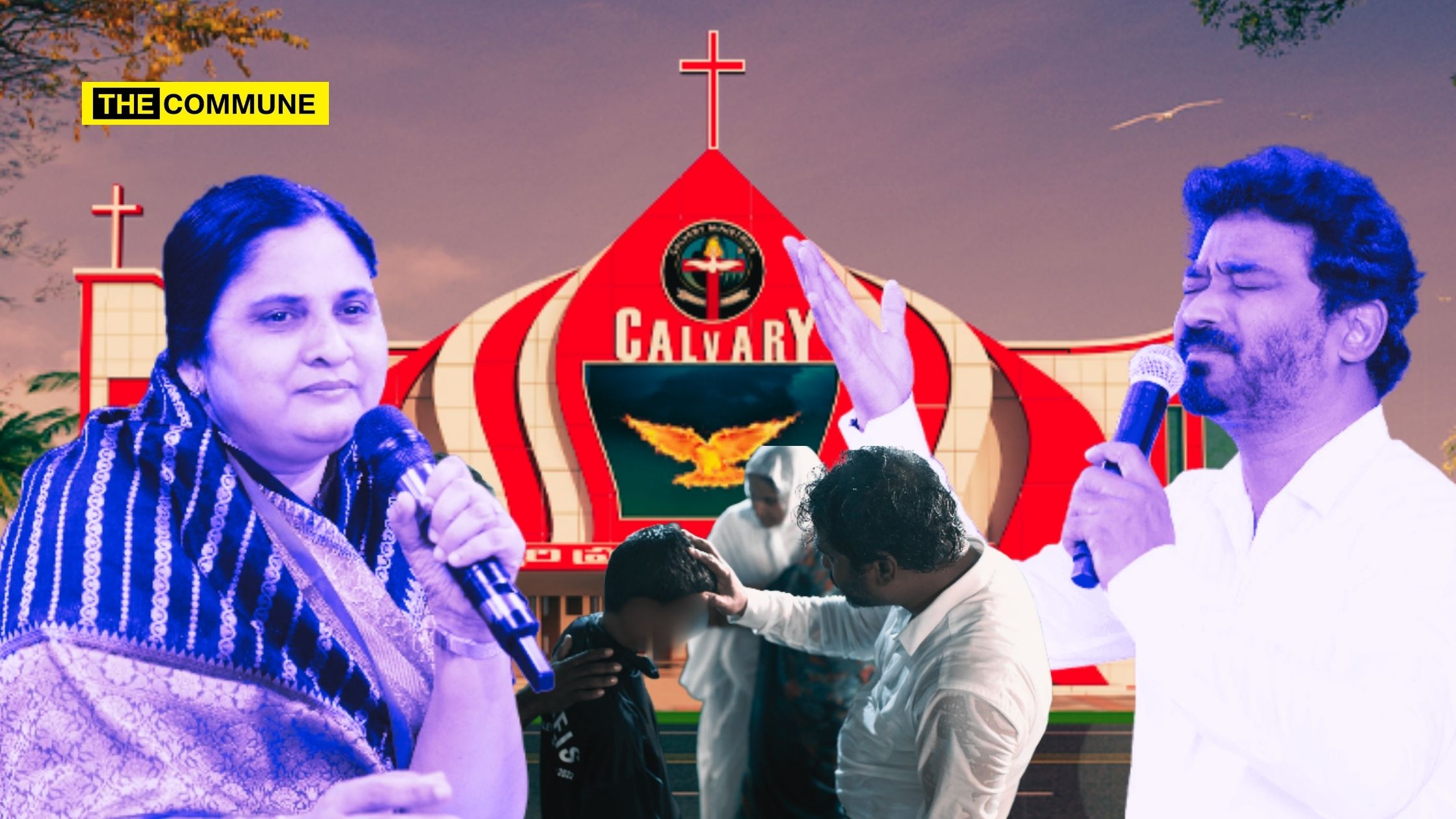
NGO watchdog Legal Rights Protection Forum has filed a formal complaint with the National Commission for Protection of Child Rights (NCPCR) against Calvary Ministries, based in Bellampally, Mancherial District, Telangana.
The complaint accuses one Pastor R Praveen Kumar and Ms. Sharon of medical negligence and cruelty towards a young girl in the name of “Miracle Healing.”
“Pastor R Praveen Kumar, President of the Calvary Ministries Trust, and his wife, Ms. Sharon, are organizing massive Miracle Healing shows in Bellampally and Hyderabad in the name of religious prayer meetings. Pastor Praveen Kumar and Sister Sharon are creating a false impression among the people of poor, uneducated and marginal & weaker sections that they can cure any critical medical problems with their prayers, which doctors and medical experts cannot. In this regard, they are arranging a few people who appear during the massive gatherings and give false testimonies that their medical problems were healed with the prayers of Pastor Praveen Kumar. These testimonial videos are being uploaded in their official YouTube channels for publicity.“, the complaint said and referred to a video posted on May 16, 2024, on the official YouTube channel of Pastor Praveen Kumar.
In the video, a mother described taking her critically ill daughter, suffering from kidney failure and under ICU treatment at Niloufer Hospital, Hyderabad, to a Miracle Healing Show organized by Calvary Ministries. Ignoring medical advice, the parents took the girl directly from the ICU to the healing show, where she was allegedly forced to walk during the event.
The video allegedly shows the young girl, who was just brought from the ICU, being subjected to cruelty and forced to walk by Pastor Praveen Kumar and Ms. Sharon. The complaint highlights that this act was video-graphed and uploaded to YouTube, violating the child’s dignity and privacy.
The complaint cites a previous FIR (No: 46/2019) filed on May 25, 2019, against Pastor Praveen Kumar, Ms. Sharon, and others for the death of a 21-year-old due to similar negligence. The deceased had attended a Miracle Healing Show hoping to cure his severe fever, but was prevented from seeking medical help and subsequently died at the church premises.
The Drugs and Magic Remedies (Objectionable Advertisements) Act, 1954, prohibits advertisements of magic remedies for certain diseases and disorders. LRPF has urged the NCPCR to direct the Director General of Police, Telangana, and the Principal Secretary, Health & Family Welfare, Government of Telangana, to conduct an inquiry and register an FIR regarding the girl’s removal from ICU and transfer to the Miracle Healing Show.
The complaint also requests the Government of Telangana to identify the young girl and ensure her current health condition is assessed and immediate medical care is provided if necessary.
Subscribe to our channels on Telegram, WhatsApp, and Instagram and get the best stories of the day delivered to you personally.