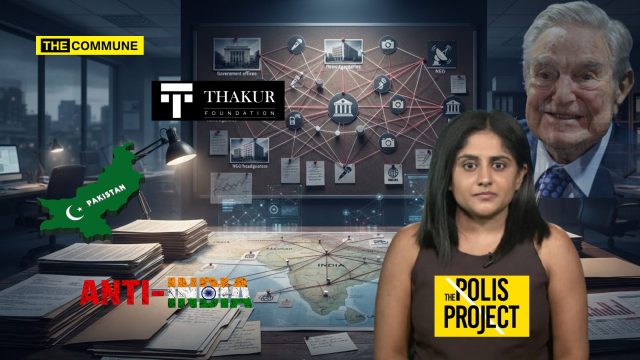
Suchitra Vijayan, co-founder of the George Soros-backed Polis Project, now stands exposed by her own former employees of workplace harassment, arbitrary sackings, and running a toxic organisation. These internal exposes come alongside mounting evidence of the project’s sustained anti-India editorial bias, questionable foreign funding, and operational links to Pakistan-based actors.
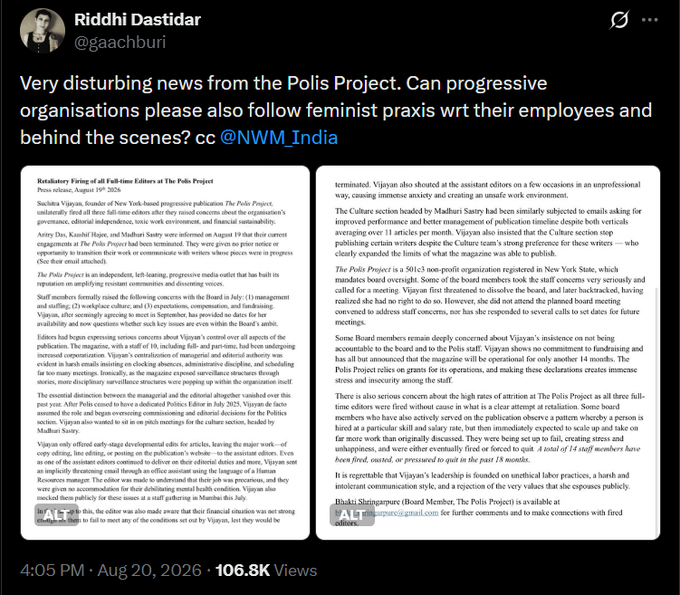
On 20 August 2026, three full-time editors—Aritry Das, Kaashif Hajee, and Madhuri Sastry—were dismissed from the Polis Project after they reportedly raised internal concerns regarding governance, editorial independence, workplace culture, and financial sustainability. Their termination has brought to light a pattern of attrition at the organisation: over the past 18 months, a total of 14 individuals have either been fired or resigned under pressure, according to records and testimonies from former employees.
While the Polis Project has positioned itself as a research and journalism platform focused on law, conflict, and human rights, its editorial track record has always had a heavy bias against India.
Suchitra Vijayan, a lawyer and writer, has been a prominent voice on the Kashmir conflict since at least 2016.
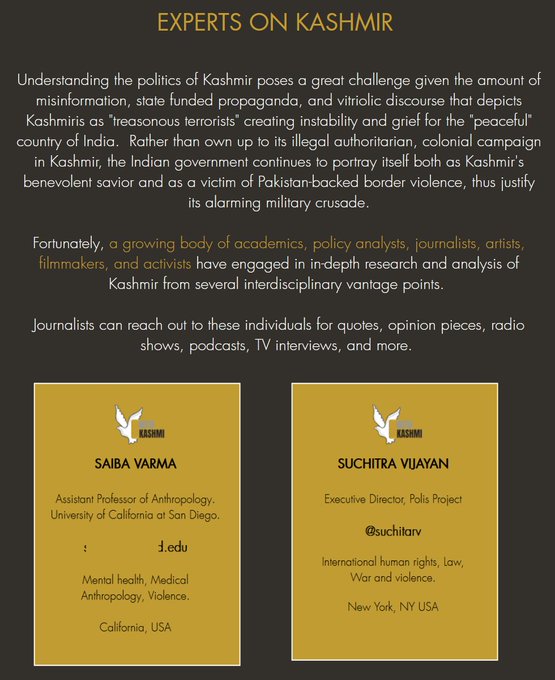
She has appeared as an expert on the Pakistan-backed “Stand with Kashmir” (SWK) platform and participated in the 12th International Peace Conference on Kashmir, an event organised by Ghulam Nabi Fai, a convicted agent of Pakistan’s Inter-Services Intelligence (ISI).
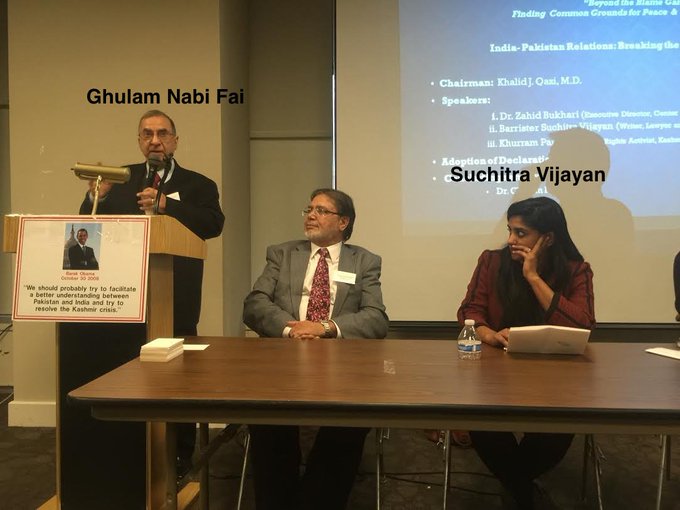
At that conference, Vijayan was recorded referring to Indians as “brainwashed” on the Kashmir issue, a remark that drew widespread condemnation.
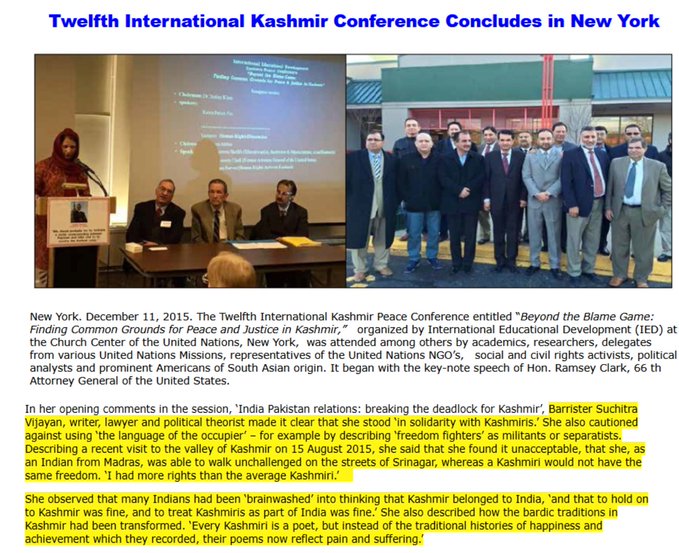
Her association with Fai, who has long been recognised by Indian and U.S. authorities as an ISI-linked operative, points to the fact that her work aligns with Pakistani state narratives.
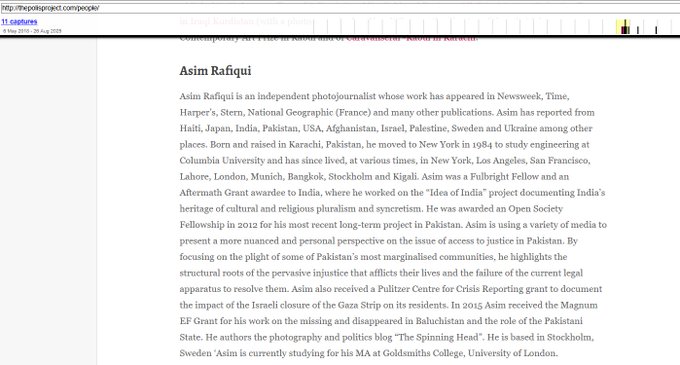
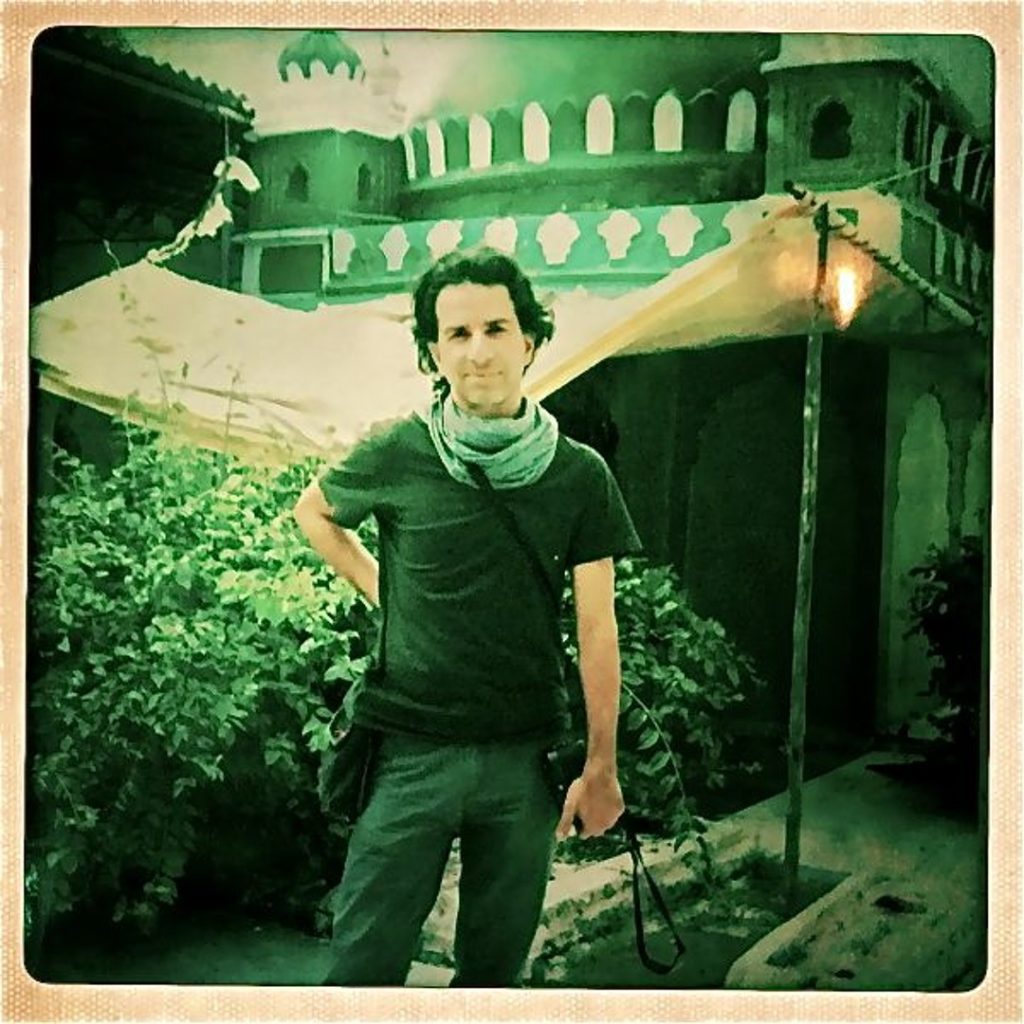
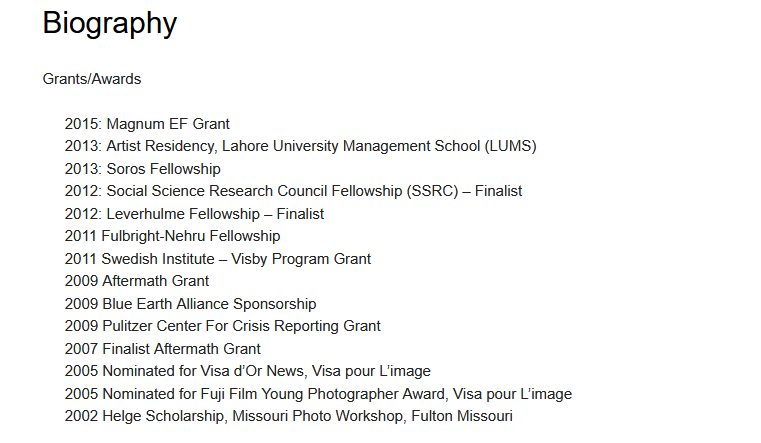
Reports from 2022 by the investigative platform Osintwa.com had earlier flagged that the Polis Project was co-founded by Asim Rafiqui, a Pakistani national born and raised in Karachi. Rafiqui, a recipient of an Open Society Fellowship and a former Fulbright Fellow to India, has also received grants from the Pulitzer Center for Crisis Reporting.
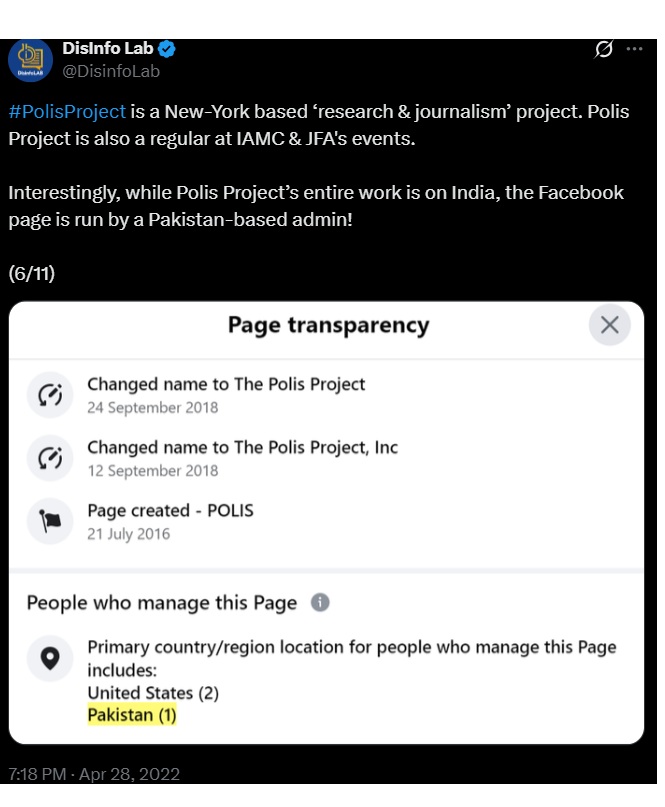
Following the exposure, the Polis Project’s Facebook page—allegedly administered from Pakistan—was reportedly taken down.
इस हैशटैग को प्रोमोट करने वालों में दूसरा नाम Suchitra Vijayan का है। ये भी #SorosGang की महत्वपूर्ण सदस्य है जो Polis Project नाम की दुकान अमेरिका से चला रही है।
Polis Project की खास बात ये है कि इसके फेसबुक पेज पर कोई Indian admin नहीं है, 2 अमेरिका और 1 पाकिस्तान से है।(4/n) pic.twitter.com/NgVvb1Q24M
— OSINTवा (@OSINTWa_com) April 12, 2022
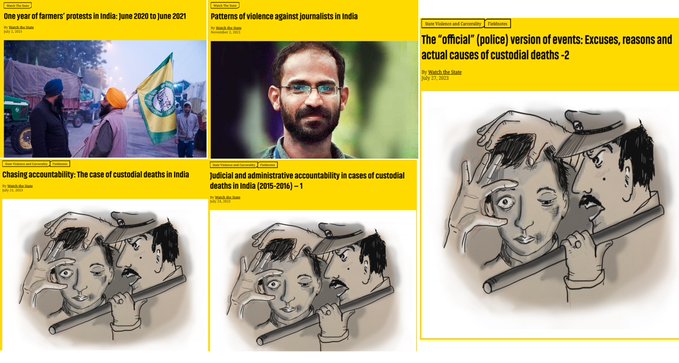
 The Polis Project’s editorial output has consistently focused on themes unfavourable to India, including alleged “pogroms,” custodial deaths, and claims of religious persecution.
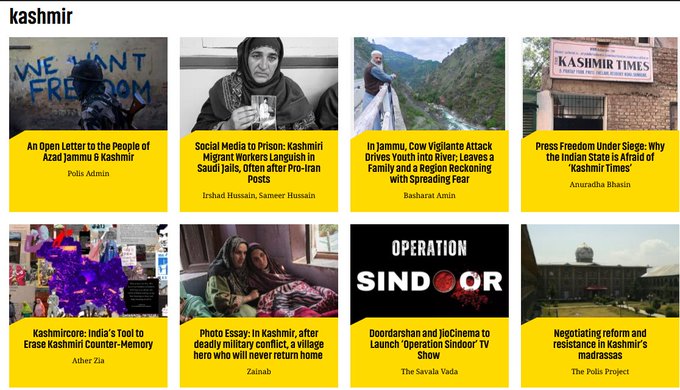
The organisation has systematically downplayed Pakistan’s role in cross-border terrorism while amplifying narratives that eulogise militants and delegitimise Indian sovereignty over Jammu and Kashmir.
Financial disclosures have also raised concerns. In 2021, the Thakur Family Foundation (TFF), a U.S.-based grant-making entity, sanctioned a USD 10,000 grant to the Polis Project under Vijayan’s name.

The funds were designated for a study on judicial and administrative accountability in custodial death cases in India. The resulting five-report series, however, was published without any disclaimer acknowledging TFF’s funding, raising questions about transparency and disclosure norms.
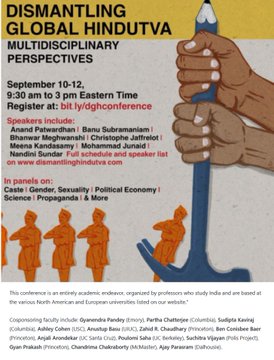
Beyond its research work, the Polis Project has been actively involved in campaigns against India on international platforms. It has partnered with groups such as FTLS (now operating as Diaspora In Action For Human Rights & Democracy, or DAHRD) and the Indian American Muslim Council (IAMC) in anti-G20 Kashmir campaigns. The organisation has also participated in events like “Dismantling Global Hindutva” and has regularly employed rhetoric invoking “genocide” and “Islamophobia” against India, drawing sharp rebukes from Indian diplomatic circles and civil society alike.
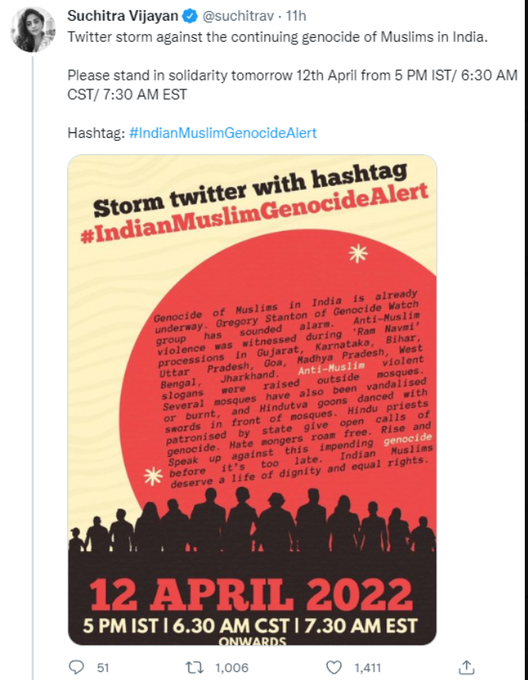
The recent internal turmoil, coupled with the long-standing ideological and financial links to Pakistan-based actors and Soros-affiliated networks, has led to mounting calls for a regulatory review of foreign-funded organisations operating in India’s information space.
This article is based on an X thread by OSINTवा.
Subscribe to our channels on WhatsApp, Telegram, Instagram and YouTube to get the best stories of the day delivered to you personally.