In a significant development, the Madras High Court has directed the Central Bureau of Investigation (CBI) to investigate a case of alleged land grabbing on East Coast Road (ECR) involving individuals reportedly assisted by police personnel from the Greater Chennai City Police.
Justice G. Jayachandran, who presided over the case, issued a strongly worded judgment, expressing concern over the state of law enforcement in Tamil Nadu. He remarked, “It is indeed painful to note that the investigation agencies in this State have repeatedly exposed their inability to investigate cases dispassionately, effectively, and truly. If this sordid state of affairs continues, the poor and innocent public will have no protection from the police and as a sequel, they will lose their faith in the police…They may take shelter under powerful politicians and rowdy elements.”
The judge further criticized the police for their perceived inaction and complicity in land-related crimes, stating, “The court cannot be a mute spectator for all this lawlessness. It is high time the court takes note of the way in which the police functions in this State, more particularly of the violent incidents, including murder, which have happened in the last few months, which center around land grabbing with the help of rowdy elements and politicians.”
The case was brought to the court by petitioner T. Karthik, who sought police protection for his life and his property—a valuable 18.25 cents of land on ECR. Senior Counsel V. Raghavachari, representing Karthik, claimed that the petitioner was in possession of the land until 14 May 2024 when it was forcibly taken over by henchmen associated with an individual named Gopalakrishnan. The trespassers allegedly demolished existing structures on the land, with the police turning a “blind eye” to the incident.
Raghavachari also accused the Inspector of Neelankarai police station, Anandbabu, of supporting the trespassers. Despite complaints to higher authorities, an internal inquiry conducted by the Neelankarai Range Assistant Commissioner of Police allegedly resulted in a “farcical” investigation, clearing the Inspector of any wrongdoing.
Justice Jayachandran expressed deep concern over this pattern of behavior, noting that “the entire episode clearly indicates that the prime property lying alongside the ECR has been grabbed with the support of police. This is not the first occasion that this court comes across this sort of a case. It has become a routine affair and every alternate day allegations are levelled against the police joining hands with rowdy elements and making heyday thereby depriving lawful owners of their properties.”
He also highlighted the involvement of political elements in these cases, stating, “To make things worse, since political elements also are involved in these cases, the police remain mute spectators.” Given the circumstances, the court deemed it appropriate to transfer the investigation to the CBI. The central agency has been directed to form a special team to investigate Karthik’s complaint filed on 14 May 2024 and submit a final report within four months.
Temples in India are an integral part of everyone’s life, directly or otherwise. They hold a prominent significance in the socio-cultural and economic fabric of the community and country. Many books have been written to describe the architecture of the temples, but some are truly scholarly. In the pantheon of such pedagogic works, this specific book does rank very highly in terms of the richness of the content as well as the finely nuanced balance between the breadth and depth of the topics.
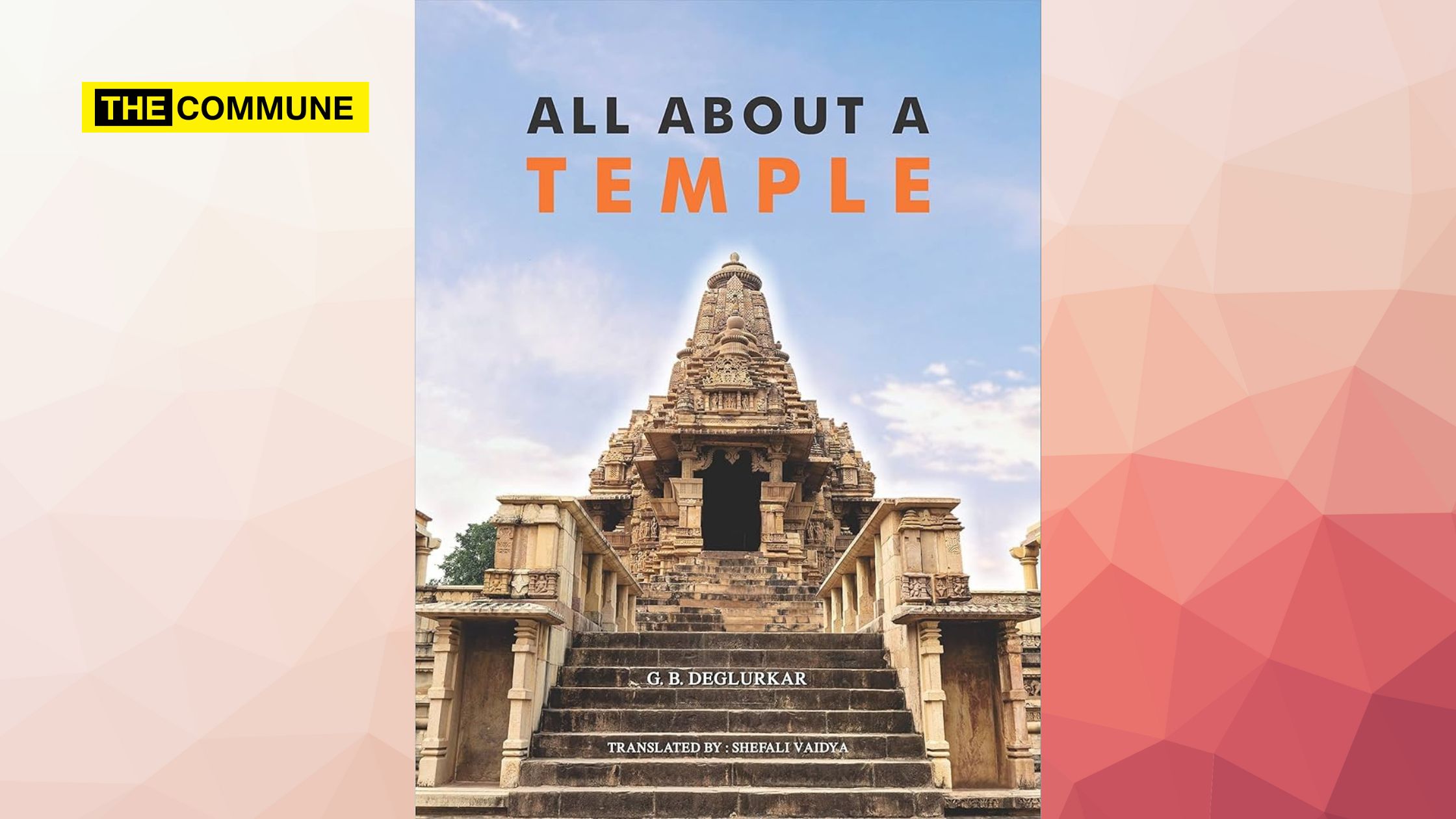
All about a Temple is the English translation of G. B. Deglurkar’s widely renowned book “Mandir Case Pahave” (मंदिर कसे पहावे). The translation by Shefali Vaidya is one of the very best I have read in the recent past. The English version does highlight all the key points of the topic, while not necessarily anglicising the terminology. Using Indic words to describe the various aspects of the temples or their key components is very judicious decision and enhances the reading experience.
In the prologue section, Deglurkar highlights the various aspects of the temple, yet perhaps misses one key significance. Temples are also the source of food to many, whether destitute or travellers, and have always upheld this tradition across centuries. In the chapter “In quest of a Temple”, the author’s statement about the manifestation of the culture is one of the finest.
In the description of the Vastu-Purusha-Mandala, Deglurkar refers to a specific Purana that would have been very beneficial for interested readers. However, it does need to be highlighted that he has provided very specific references to Puranas and other literary works throughout the book. This is definitely one of the standout features of this work.
Reference to Srimad Bhagwad Gita
Throughout the book, starting from the chapter on the concept of a temple and rituals, there are ample references to one specific verse from Srimad Bhagwad Gita.
पत्रं पुष्पं फलं तोयं यो मे भक्त्या प्रयच्छति |
तदहं भक्त्युपहृतमश्नामि प्रयतात्मन: || 9.26||
Temples manifest the timeless wisdom advocated by Sri Krishna, that Bhakti is far more important than materialistic offerings to the supreme power. Deglurkar has described how this aspect is followed in daily rituals in a very simple yet effective manner. In the same vein, a brief description of the shodashopachara rituals would have been more enriching.
Another highlight of the book is the excellent illustrations and very fine photographs. Though the photos are monochromatic, the details are preserved excellently and do not hamper the reader to relate the description to the photographs. The description of the temple plans and the methodology of identifying Shivaite vs Vaishnavite temples using the wall projections are very well captured.
One of the best sections of the book is on Surasundaris. The explanation of each of these forms and their relevance in the meta-physical space is excellent. The section on the symbolism of Surasundaris and why they are depicted on the outer walls of the temple is very important to understanding the thought process of our ancestors. The origins of Ganga and Yamuna carvings on the doorway and their significance and relationship to the period in which they were started is an intriguing read. As one enters a temple, we observe the dwarapalas on either side of the door. However, more often than not, we miss the finer details in the carvings. The spiritual significance of these carvings is very well explained at multiple junctures in this book.
On page 43, the author rightly criticises the Indian populace who marvel at the paintings of the West, yet don’t even acknowledge or appreciate the rich brilliance and artistry of our own ancestors. Even ceilings have a lot of scientific and spiritual significance as explained by the author in this context. The section on Hemadpanti temples is also very informative and quite well-detailed. The story of Kirtimukha (another aspect of our temples that is often overlooked) is very well explained and I would highly recommend the readers not to miss this interesting section.
One of the very best chapters of this book is Spirituality and Temple. I couldn’t help but compare this work with the iconic work of Prof. S. K. Ramachandra Rao. Though of the same genre, their approach to the subject is slightly different, yet very similar. The author has referred to the works of many Maharashtrian saints which is another highlight of this book. This would enable the readers to gain an insight into the teachings of these divine souls and perhaps seed an idea to read more about them.
In the chapter on ”The meaning of Murti”, the author outlines the very few locations where Shiva is worshipped in Murti form. Among the list, one more location should have been added. The depiction of Uma Maheshwara in Bhoga Nandishwara Temple near Bengaluru is in Murti form. Considering that this temple is more than 1000 years old, this should also have been a part of the list. In the same chapter, the iconographic details of Brahma are very informative.
Deglurkar skillfully highlights the role of a temple as a socio-cultural institution and the intricate role it plays in everyday life. The temple also plays a role in capturing Eco-Cultural history through various depictions on the wall. An excellent example of this concept is highlighted through the depiction of Odisha’s merchants gifting their King with an animal similar to a Giraffe. The book concludes with another excellent chapter on the must-visit places of India.
Overall, Deglurkar has written an excellent book that packs a lot of information on every page. This book is very beneficial to understanding the significance and symbolism of every single aspect of a temple and helps one to appreciate the enhanced knowledge of our ancestors to have come up with such magnificent structures. VERY HIGHLY RECOMMENDED READ.
Gee Vee is an engineer and avid fan of itihasas, puranas and books.
Subscribe to our channels on Telegram, WhatsApp, and Instagram and get the best stories of the day delivered to you personally.
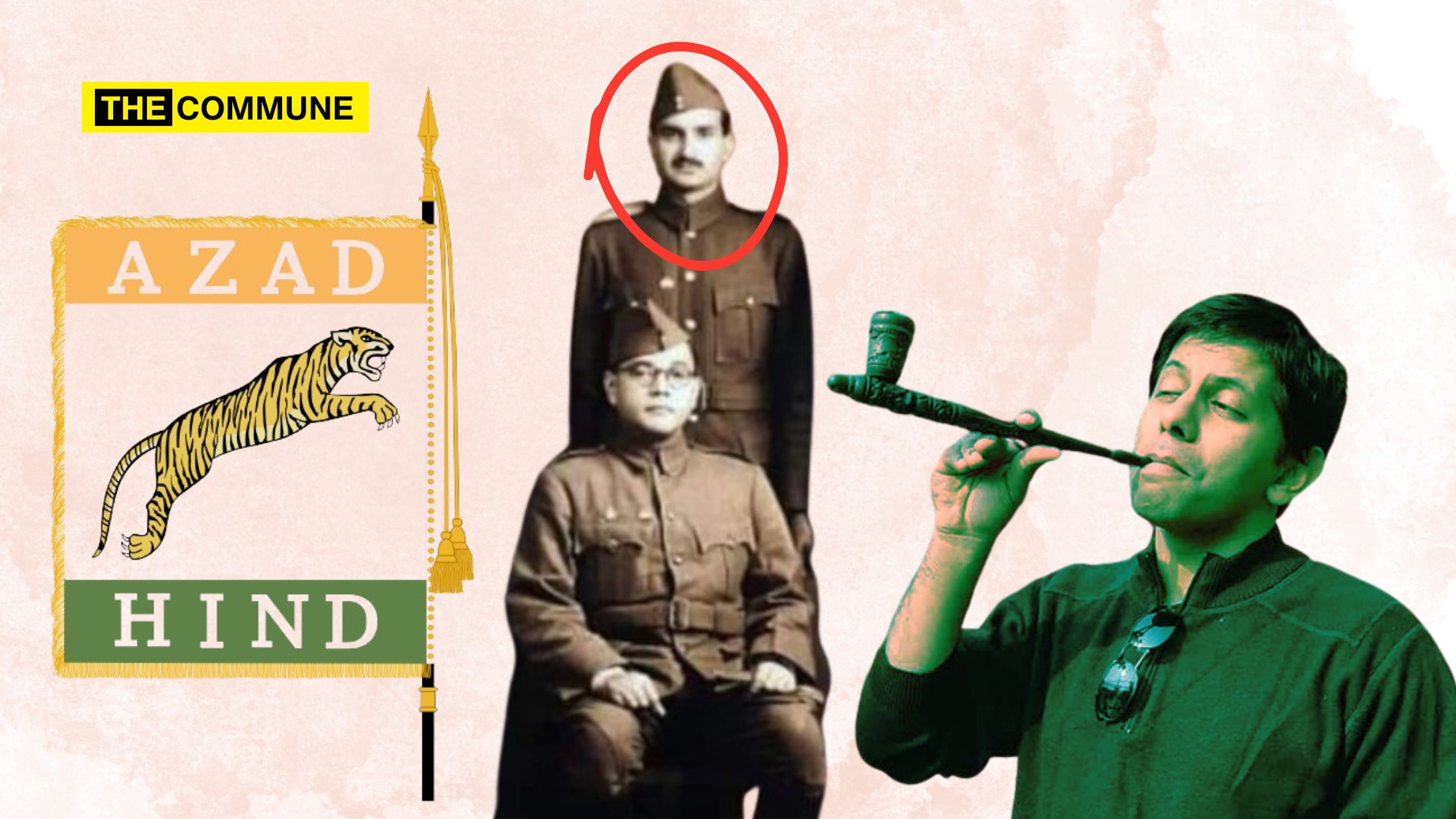
YouTuber Akash Banerjee, known for his channel The DeshBhakt, is accused of spreading misleading narratives about Netaji Subhas Chandra Bose, the Azad Hind Fauj and the national anthem. In a video, he inaccurately linked Netaji’s rejection of a temple event to his secular views against Hindutva. He also suggested that “Tipu Sultan’s rebellion” inspired the Fauj’s tiger emblem.
The YouTuber also claimed that Bose introduced Gurudev Rabindranath Tagore‘s “Bharoto Bhagyo Bidhata” as the Azad Hind Fauj’s anthem. These distortions are part of a broader pattern of leftist narratives that aim to present Bose as a secular figure opposed to Hindutva.
He went a step ahead to contort the reality of Zaman Kiyani, Netaji’s close aide who betrayed his ideals by aligning with Pakistan’s anti-India efforts after partition. Banerjee desperately promotes Kiyani’s value for Netaji, perhaps to whitewash the Hindu-hating realities of a man who orchestrated the 1948 Kashmir raid for Liaqat Ali Khan.
“The Deshbhakt” has consistently peddled fake narratives. It is concerning that his 4.93 million subscribers are falling for his propaganda.
Akash Banerjee’s video on Netaji
In a video released about six months ago, he discussed how Netaji was anti-Hindutva. His narrative also includes a fib on how the national anthem came into being.
He starts with some random, seemingly unconnected tidbit of information on Netaji.
“1943, Singapore. World War II was at its peak. Japanese troops had driven British out of Singapore. Netaji Subhash Chandra Bose’s Azad Hind army was present in Singapore. They declared war on British rule. Netaji Bose’s Azad Hind, provisional government of free Indiawas established. Chettiars, a Tamil Hindu trading caste from Singapore invited Netaji to a grand function at a temple, for a fundraising event for the provisional government. The Chettiar community were already the main financers. So, the money and funding used to come from here. Despite this, Netaji Bose rejected the invitation.
He said that he will not go to the temple where caste and religion are discriminated against. Netaji believed that religion and matters of state do not mix and that is why he did not want to give a religious angle. The priests clarified that this event is not for any religion or caste. It is a nationalist event. In the end, Netaji accepted the invitation and entered the temple.
Here is where the lying gets worse. Akash Banerjee talks about Netaji being with Zaman Kiyani
But interestingly, he was with his two close friends, who were senior officers in his army. Abid Hasan and Zaman Kiyani. Scholars believe that there was a clear message that a provisional government will have religious unity, and no one will be seen from any lens.”
Dear Akash Banerjee,
Why tell half story to guard your fairy tale of secularism?
Yes, while visiting a temple, Netaji took his trusted commander Zaman Kiyani with him
But Zaman Kiyani later betrayed India and led Pakistan's attack on Kashmir in 1948
Then, “the Deshbhakt” goes on to fib about the Indian national anthem written by Rabindranath Tagore.
Banerjee says that the Congress sang Vande Mataram as an anthem. Since Vande Mataram sounded like a song praising a goddess, it did not “fit a nationalist gathering”, as quoted by Bose.
Tipu Sultan’s “rebellion” inspired Bose?
The content creator also claimed that Azad Hind Fauj members’ army uniform had a patch with an emblem of a jumping tiger in the middle of the Tiranga, “remembering Tipu Sultan’s rebellion”. This is a false claim. There is no proof that Bose was a “fan” of Tipu Sultan and was inspired by him to use the springing tiger as an emblem.
False claim that Netaji’s insignia was inspired by Tipu.
Here is some clarification on the so-called secular icon Tipu Sultan. He was the most barbaric of Islamic tyrants, who took pride in inflicting unspeakable cruelties on Hindus.
Tipu Sultan waged a jihad against Hindus, especially in the Malabar region and Kodagu, where his forces destroyed numerous villages, forcibly converted thousands, and depopulated the area. His invasion led to significant loss of life, destruction of temples, and long-lasting damage to Hindu communities, with survivors fleeing or being forced into conversion. The impact of his conquests is still felt today, as seen in the continued absence of Deepavali celebrations among the Mandyam Iyengars and the remnants of temple destruction.
Azad Hind Fauj’s anthem
Then he comes back to how Bose inaugurated the German Indian Society in Hamburg on 11 September 1942, where he introduced a 55-second version of Tagore’s Bharoto Bhagyo Bidhata. The Chamber Orchestra of Radio Hamburg performed it.
“Since it was written in difficult Bangla, Netaji asked Captain Abid Hasan to translate it into simple Hindustani. Captain Abid Hasan translated the song. This became the national anthem of the Azad Hind Fauj.”
Then he peddles his narrative of Bhakti, bigotry, secularism, and all that jazz.
It is noteworthy that the lies about the springing tiger, the INA’s motto in Urdu, and Netaji speaking in “eclectic Hindustani” has been peddled by all the leftist mouthpieces, including Akash Banerjee, the NewsClick, The Wireetc.
Who Was Zaman Kiyani?
Now let’s take a look at Netaji’s close aides, who these leftists have been praising, especially Zaman Kiyani.
Zaman Kiyani, also known as Zaman Kiani, was a senior officer in the INA. He was originally from the British Indian Army and later joined the INA under Bose’s leadership.
Kiyani was a trusted commander in the INA and played a key role in the INA’s military campaigns against the British forces in India.His military experience was valuable to Bose, who relied on Kiyani to execute operations and maintain discipline within the ranks. After the end of World War II and the disbandment of the INA, Kiyani’s fate diverged from that of many INA members.
Interestingly, after the partition, Zaman Kiani returned to Rawalpindi in 1947. In September of that year, Pakistani PM Liaquat Ali Khan and Punjabi Minister Shaukat Hayat Khan appointed him to lead the southern wing of Pakistan’s efforts to challenge the rule of the Maharaja of Jammu and Kashmir. Kiani established the General Headquarters, known as GHQ Azad, in Gujrat City, in the Pakistani province of Punjab, where he organized and directed operations along the Kashmir border. His forces coordinated raiding activities and supported the Kashmiri ‘rebels’ in Poonch, which resulted in the formation of PoK.
(1) Maj Gen Mohammed Zaman Kiani – Commander INA's 1st Division – Chose Pakistan in 1947 – 1947-48 War – Established GHQ Azad in southern Kashmir for Pakistan and organized the Poonch rebellion – 20,000 Hindus & Sikhs were massacred under his watchpic.twitter.com/ZUOPJx7Ynipic.twitter.com/ZM7bQJpc0p
Maj Gen Anil Chandra Chatterjee, Maj Gen Mohammed Zaman Kiani and Col Habibur Rahman with Netaji Subhash Chandra Bose.
On October 1943, Netaji read his famous Proclamation of the Provisional Government of Azad Hind in which he distributed cabinet roles, assigning finance to Lt… pic.twitter.com/1mTszm9Gkv
Had Bose been alive at the time of partition, would he not have felt backstabbed by the same Kiani whom he thought was his loyalist and close aide?
Banerjee constantly peddled lies about the INA to establish that Bose was inherently very secular. The false propaganda that Netaji denounced “Hindutva” is a clear sign of trying to brainwash the next generation. It’s important to critically evaluate such claims, especially when they attempt to simplify or distort complex historical realities.
Subscribe to our Telegram, WhatsApp, and Instagram channels and get the best stories of the day delivered to you personally.
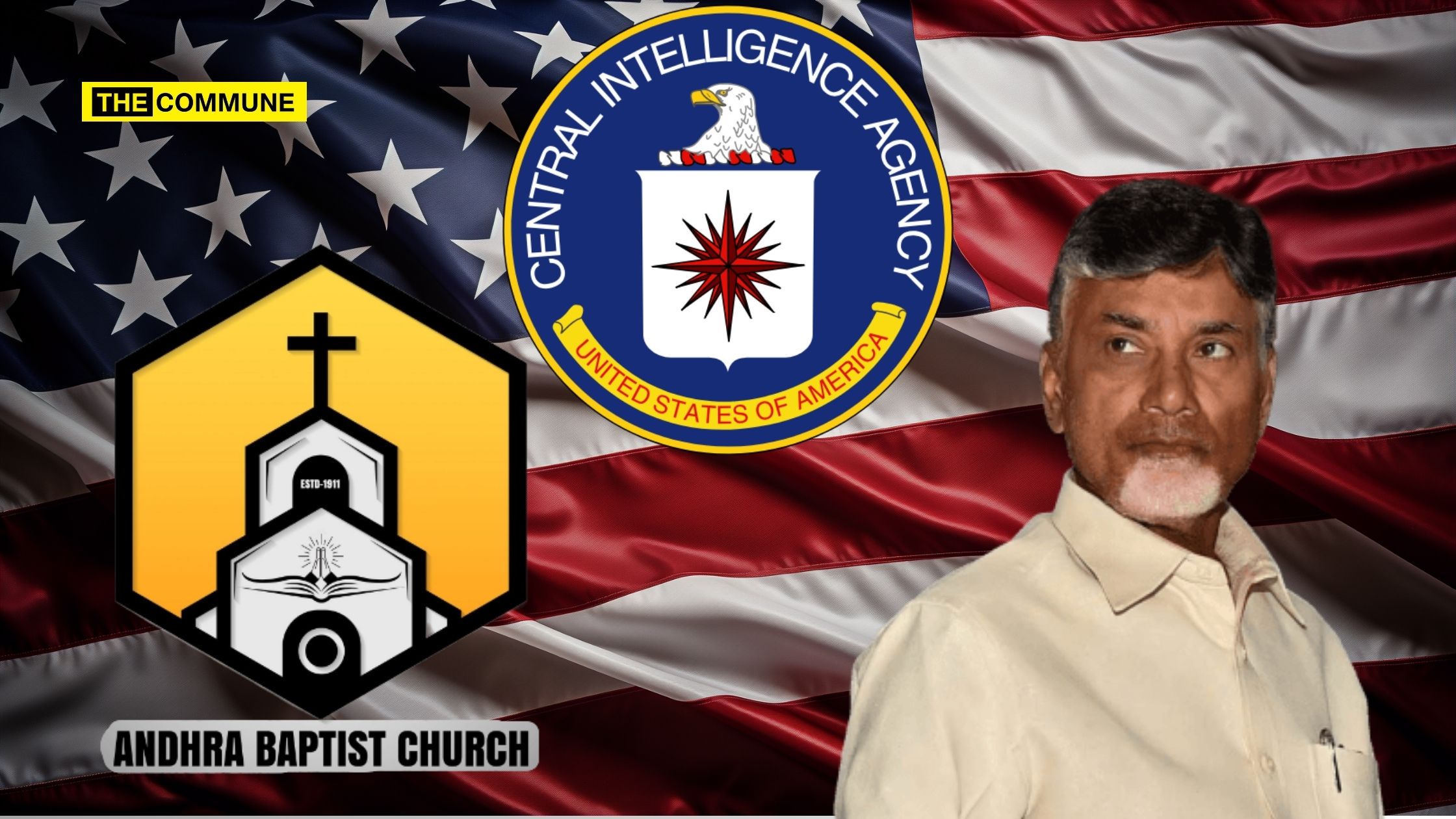
The U.S. is reportedly trying to destabilize the PM Narendra Modi-led government in India by using the Andhra Baptist Church and various opposition parties to sever Andhra Pradesh Chief Minister Chandrababu Naidu from the ruling alliance. A report by Russian news agency Sputnik raises concerns about a potential “no-confidence motion” against the NDA government. It implies U.S. support for groups trying to stir up unrest in India.
Sputnik India
Sputnik India, a Moscow-based news agency, recently raised concerns about a series of meetings between U.S. diplomats and Indian opposition leaders. These interactions can potentially undermine India’s internal stability and political landscape. It comes when India, under Prime Minister Narendra Modi and his BJP government in its third term, continues to showcase its significant soft power and maintain political and economic stability in Asia.
Indian intelligence sources have raised alarms about recent interactions between U.S. Consul General Jennifer Larson, who leads the American mission in Hyderabad, and key Indian opposition figures. On 12 August 2024, Larson met with Asaduddin Owaisi, the All India Majlis-e-Ittehadul Muslimeen (A.I.M.I.M) leader and a Member of Parliament from Hyderabad.
This meeting, which was the second in recent weeks, has prompted a backlash on Indian social media over the potential motives behind it.
Thank you, Member of Parliament and leader of AlMIM @asadowaisi for your kind hospitality and for sharing your informed and important views on a range of shared issues and concerns. I look forward to continuing our discussions! #USIndiaFWDpic.twitter.com/WsDTVzKI0h
— Consul General Jennifer Larson (@USCGHyderabad) August 12, 2024
Larson has also engaged with Telangana Chief Minister Revanth Reddy and Andhra Pradesh Chief Minister N. Chandrababu Naidu, who is also the head of the Telugu Desam Party (T.D.P).
It was an honor to meet Andhra Pradesh Chief Minister Nara Chandrababu Naidu today. I very much admire his vision for the state, and fully agree with him that the United States and Andhra Pradesh must continue to work together in such important fields as trade, technology,… pic.twitter.com/lHnF29Fy82
— Consul General Jennifer Larson (@USCGHyderabad) July 31, 2024
I had an excellent meeting today with Telangana Chief Minister @revanth_anumula on the eve of his departure to the United States to mobilize new investments. Hyderabad hosts close to 200 U.S. companies and continues to absorb more and more in several high-end tech sectors such as… pic.twitter.com/GAkPrvMkf7
— Consul General Jennifer Larson (@USCGHyderabad) August 2, 2024
Chandrababu Naidu and the BJP
Naidu’s support was crucial in securing Modi’s third term in office following the recent Lok Sabha elections, as TDP’s 16 M.P.s backed Modi’s coalition government. However, Naidu has opposed the B.J.P-supported “Unified Waqf Management, Empowerment, Efficiency and Development Act,” which seeks to regulate properties managed by Islamic Waqf boards. This opposition, especially since the bill is under scrutiny by the Joint Parliamentary Committee (JPC), has caused concern within BJP circles.
Sputnik reported that Intelligence sources had expressed worries about internal political discussions that may have surfaced during conversations with American diplomats, suggesting the possibility of a “no-confidence motion” against the government over disagreements regarding the Waqf law. There are also concerns that American support could potentially influence Andhra Baptist Church as a tool against Naidu.
Sputnik sources revealed that “They (American diplomats) may also use the Andhra Baptist Church, under the patronage and financial support of the American Baptist Church, to apply pressure on the CBN to switch sides. The Andhra Baptist Church is the biggest tool in the CIA’s pocket right now to be used against the CBN.”
While meetings between opposition leaders and foreign diplomats are not unusual, given the strong I.T. ties and people-to-people connections between Andhra-Telangana and the United States, recent developments have raised some serious concerns.
Why are such meetings suspicious?
Dr Abhinav Pandya, Founder and Director of the Usanas Foundation, expressed “genuine apprehensions” about perceived U.S. support for groups seeking to incite unrest in India. He pointed to a strong perception within B.J.P-R.S.S circles that the U.S. may have interfered in the Lok Sabha elections to undermine Modi’s foreign policy stance.
Pandya also suggested that foreign forces might be involved in fueling domestic unrest or political discord in India, drawing parallels with alleged U.S. interventions in other countries such as Pakistan and Bangladesh.
He highlighted that while there is no concrete evidence, the widespread perception of foreign interference, particularly by U.S. diplomats meeting with opposition figures, remains a cause for concern.
Sputnik’s report states that U.S. diplomats have engaged with political and social media figures who are critical of the Narendra Modi government.
In July 2024, the U.S. Embassy in India announced an “Influence to Impact” programme featuring Congress propagandist and half-truths peddling YouTuber Akash Banerjee.
The U.S. Embassy in India had also nominated divisive figures like RJ Sayema in the past as their “Equality Ambassador”, who ironically indulges heavily in mocking Hindu festivals/rituals and practices and speaking anti-national words.
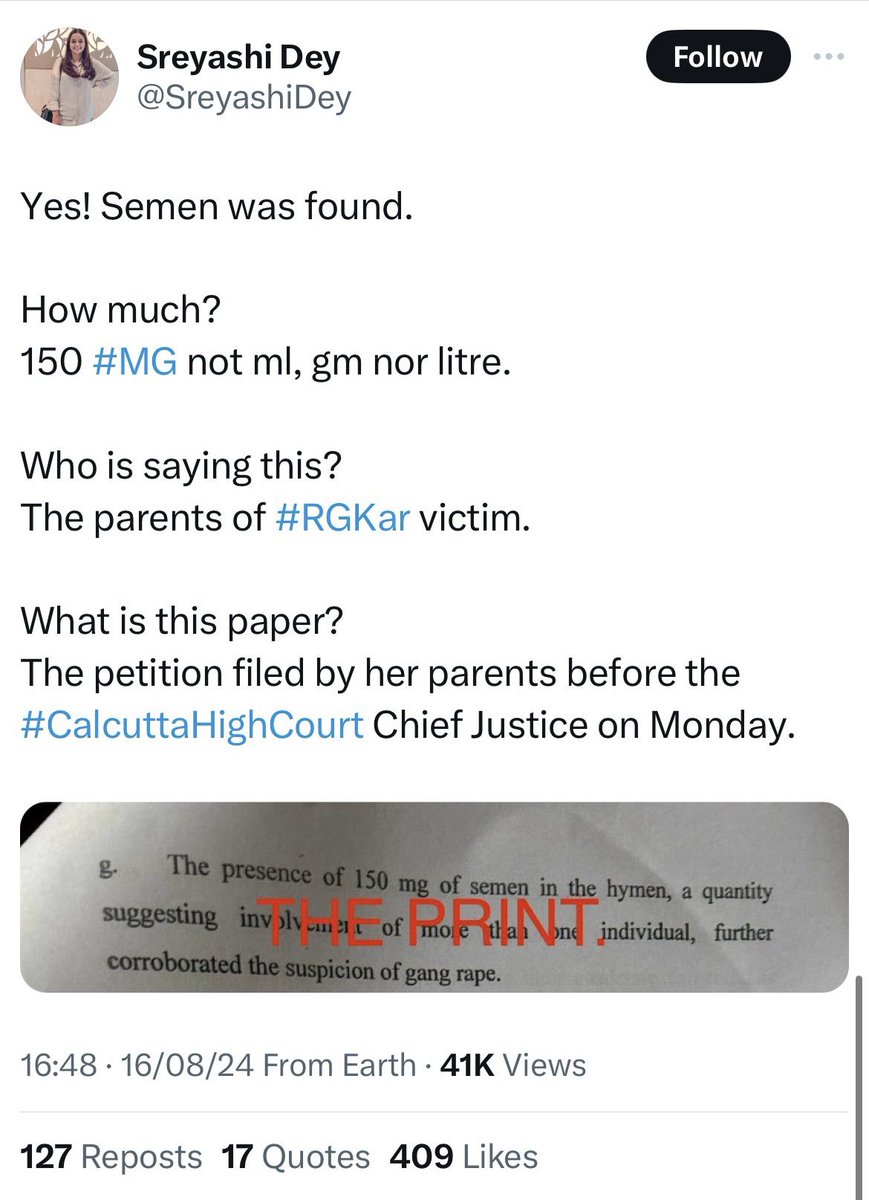
Sreyashi Dey, a journalist with The Print, deleted her X account after she posted a snapshot of the alleged petition filed by the family of the Kolkata doctor who was raped and murdered at the RG Kar Medical College and Hospital. Her retreat underscores the mounting pressure on critics of the Mamata Banerjee government as Kolkata Police’s intimidation silences dissent.
In her X post, Dey shared details saying that the doctors found 150 mg of semen in the victim’s body.
“The presence of 150 mg of semen in the hymen, a quantity suggesting the involvement of more than one individual, further corroborated the suspicion of gang rape.”
A News 18 report quoting forensic experts noted that the 150 mg mentioned in the autopsy report is the weight of the inner genitalia or the uterus and not that of any fluid.
Sreyashi Dey deleted her X account, reportedly fearing action from the Kolkata Police, sending notices and intimidating voices who speak about the incident on social media.
According to BJP leader Amit Malviya, Kolkata Police had earlier threatened her for reporting on the vandalism in the hospital.
Press freedom is being throttled in West Bengal.
The Print journalist @SreyashiDey, formerly with Times Now, forced to delete her X account after she posted on the petition filed by the victim’s family before the Kolkata High Court.
Many on social media slammed the TMC government and Mamata Banerjee, saying, “This is what dictatorship looks like”.
Mahua Moitra brazenly denied this. Mamata Banerjee’s police went after the journalist.
‘Signs of fascism’ are lived experiences, not elocution contest performances. pic.twitter.com/k7BKar4sU3
The shadow of fear cast by TMC-controlled Kolkata Police’s intimidation tactics is growing darker. It envelops not just Sreyashi Dey but also prominent figures like author Shefali Vaidya and journalist Barkha Dutt.
Vaidya received a notice from Kolkata Police for criticising the TMC government’s handling of the horrific incident. In an X post, she questioned the government’s lack of action in ensuring justice. The post had an image card that alleged the involvement of TMC ministers’ sons in the crime. Police demanded she delete the post, threatening strict legal action.
Vaidya, who is not a member of any political party, deleted the post and expressed fear of harassment. She also condemned the WB government for using police power to curb the free speech of private citizens.
Similarly, when Dutt posted on X that the hospital’s emergency room was vandalized, Kolkata Police warned her against spreading false information. The police said from their X handle that the crime occurred in the seminar room, which remained intact.
They threatened legal action against Dutt, even though she specifically mentioned the emergency room, not the seminar room.
Dutt later subtly adjusted her narrative to deflect the threat. While maintaining a confident front, she claimed she had referred to the entire hospital as the crime scene, not just the emergency room.
Subscribe to our Telegram, WhatsApp, and Instagram channels and get the best stories of the day delivered to you personally.
Even as West Bengal reels from a surge in brutal violence against women, from the atrocities in Sandeshkhali to the tragic rape and murder of a trainee doctor in Kolkata, the silence of Chief Minister Mamata Banerjee, who often claimed to be a guardian of women’s rights, speaks louder than words.
While her party members sing her praises, Banerjee’s lethargy speaks volumes, leaving many to question: where was the fierce leader West Bengal’s women promised, and how long can this silence last as the state’s daughters cry out for justice?
WB state police are silencing anyone questioning the Chief Minister’s apparent inaction in addressing such grave issues, especially given her position and status as a woman. However, it isn’t the first time her controversial stance on similar matters has been questioned.
2012
In 2012, Banerjee made a casual statement suggesting that the increase in rape cases in India was due to the more open interaction between men and women. She remarked, “Earlier, if men and women held hands, they would be caught and reprimanded by their parents, but now everything is so open. It’s like an open market with open options.”
RT @ibnlive Rapes happen because men and women interact freely: Mamata
The Trinamool Congress chief did not stop there. Their chief also accused a segment of the media of suppressing facts and engaging in “news pollution” by emphasizing a few rape incidents in the state.
“Every day, rape cases are highlighted as if the entire state has become a haven for rapists,” she said.
She criticized the media for allegedly glorifying rape and claimed that such negative journalism only serves to harm. Mamata further claimed that certain news channels targeted her government with “fabricated and exaggerated negative news” to tarnish its image. She accused these media outlets of spreading falsehoods and distorting her statements. She also suggested that some news items were manipulated to serve business interests and criticized the media for focusing on sensationalism rather than highlighting her government’s positive contributions. According to her, this bias aims to undermine Bengal’s cultural integrity.
Shortly after assuming office as Chief Minister, Mamata Banerjee made careless statements regarding rape, and her handling of such cases has remained contentious.
In a case in 2012, a woman was raped on Park Street in Kolkata. Banerjee’s response at the time involved questioning the validity of the crime, blaming the victim, and suggesting political motivations. Kamduni became another example of her controversial approach to such incidents.
2013
In 2013, the brutal gang-rape, mutilation, and murder of a young college student in Kamduni, West Bengal, shocked the nation. The victim, known as Aparajita, became a symbol of the state’s issues with violence against women. Banerjee’s visit to Kamduni came a full ten days after the locals discovered the girl’s body. She faced criticism and heckling from the public.
In response, Banerjee questioned the victim’s character, hinted at conspiracies, and accused political opponents of stirring unrest.
She didn’t fulfil her promise to secure the death penalty for the perpetrators within a month, and the investigation, led by Special IGP CID Vineet Goel, concluded that only one man was involved, contrary to the claims of gang rape.
Just a week after the Kamduni case, two more tragic incidents occurred in Murshidabad the gang rape and murder of a 12-year-old girl in Ranitala, and the rape and murder of a middle-aged woman in Kharjula. In both cases, police responses were criticized. There were also allegations of mishandling and denial of rape.
In 2013, a 16-year-old girl in Madhyamgram was raped twice by the same men, who later set her on fire to prevent her from testifying. The case initially faced denial and slow investigation until the High Court intervened. Banerjee’s response was dismissive, claiming the judicial process was beyond her control and criticizing the media for negative reporting.
By 2022, Banerjee had developed a routine for addressing such cases, deflecting blame, questioning the victims, and attributing violence to political conspiracies. After the rape and murder of a 14-year-old in Hanskhali, Banerjee maligned the victim’s personal life rather than focusing on the crime itself.
“Will you call it rape, or was she pregnant? Was it (the fallout of) a love affair? Have you enquired about these? It is an unfortunate incident. You (the girl’s family) also conducted the last rites of the body. I am talking as a layman. From where will they (police) get the evidence of whether she was raped or she was pregnant, or there was any other reason, such as she was slapped by someone after which she fell ill. I do not have any words to sympathise with the family,” she said.
The year 2022 saw a spate of violent incidents, including the gang rape and attempted murder of a 40-year-old woman in Namkhana, where the accused poured kerosene into the woman’s private parts and tried to set her on fire. The state also saw the rape of a 15-year-old tribal girl in Shantiniketan and the rape and murder of a 21-year-old student in Pingla.
Cases from Deganga, Bansdroni, and Englishbazar further highlighted the ongoing crisis.
2024
When reports on rape and violence against women in Sandeshkhali emerged in 2024, Banerjee claimed the issue was not new and blamed external factors for unrest.
Her statement suggested a pattern of deflecting responsibility and attributing problems to political conspiracies. The recurring themes in Banerjee’s responses, along with the similarities in police and state handling of these cases, suggest a troubling consistency in the state’s approach to addressing sexual violence. This pattern has become evident to many observing the unfolding events in Kolkata and the rest of West Bengal.
Left-leaning liberals and TMC MPs, who were vocal about high-profile cases like Bilkis Bano, Hathras, Kathua, and incidents of harassment in Manipur, now seem to choose silence over the recent rape and murder of a trainee doctor. Surprisingly, even the INDI alliance had opted for silence on this issue.
Some TMC MPs have gone so far as to express solidarity rather than push for justice despite their party being in power. This silence underscores a troubling trend in West Bengal, where the government appears to minimize the severity of rape by attributing it to shifting social norms. This pattern of downplaying critical issues and remaining silent on recent spikes in harassment and violence raises severe doubts about the government’s commitment to addressing these serious concerns. The TMC’s actions blatantly disregard the dignity of women, reducing them to mere commodities.
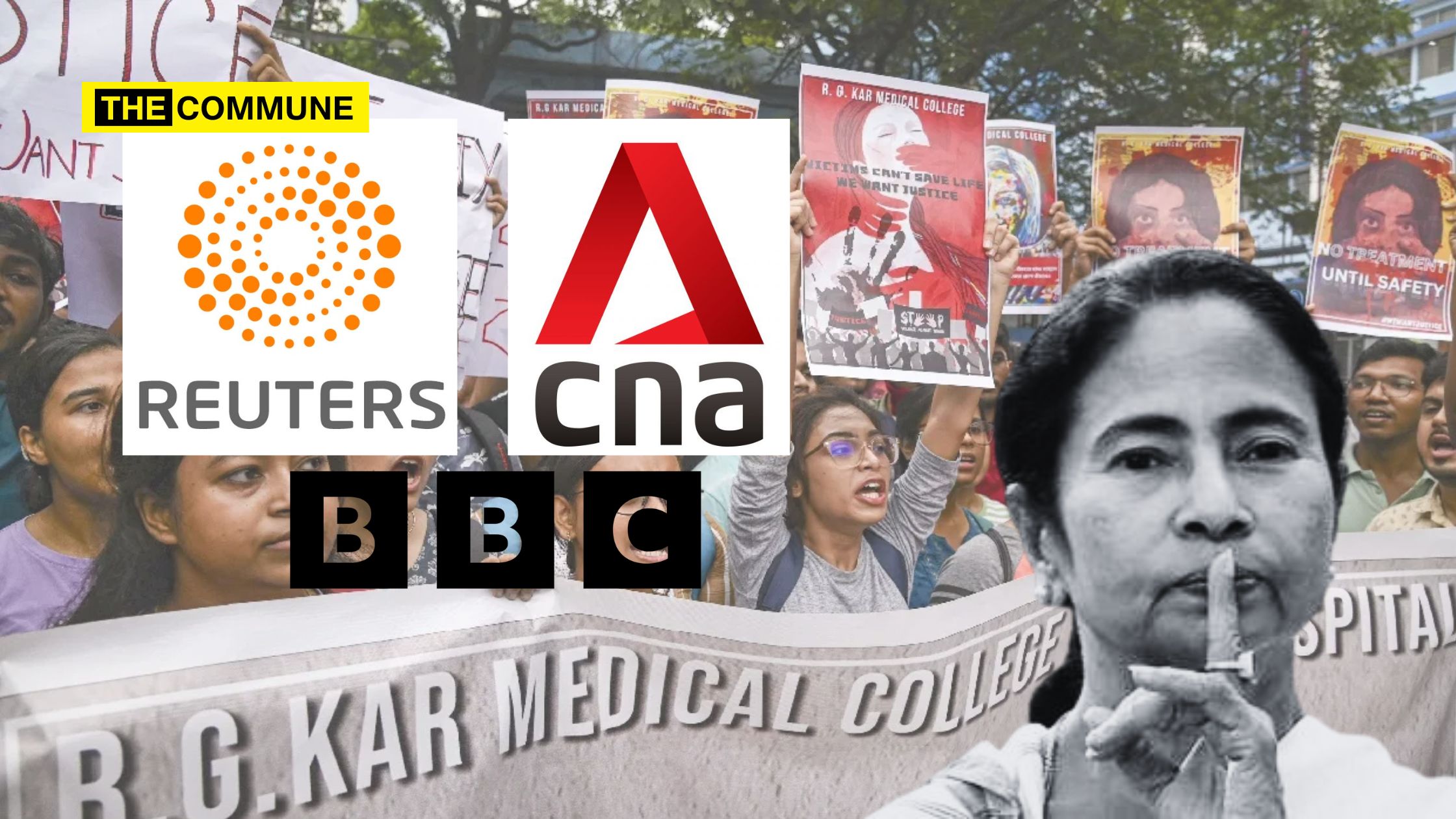
Even as the brutal rape and murder at a Kolkata hospital ignited nationwide protests, the foreign press seems busy piggybacking on this tragedy to tarnish India’s image. Their pixelated reporting deflects the blame from Chief Minister Mamata Banerjee-ruled West Bengal to the rest of India.
Here are some examples of how international media outlets are trying to tarnish India’s image globally as an unsafe country for women.
News Asia
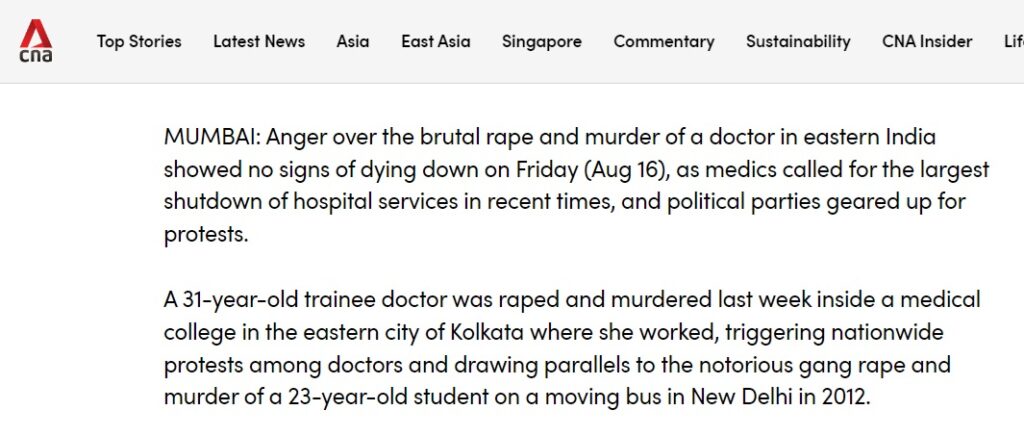
Singapore’s Channel News Asia has seemingly whitewashed the reporting by stating that the horrific incident occurred in “eastern India“.
Why should other eastern states share the shame of the WB law and order mess?
They then go on to report on the massive nationwide protests that the Indian Medical Association (IMA) has called for, and without context. They reproduce the IMA’s press release, which says, “It is for the authorities to provide for the safety of doctors inside hospitals and campuses,”
The IMA’s press release made vague statements about who was responsible for doctors’ safety.
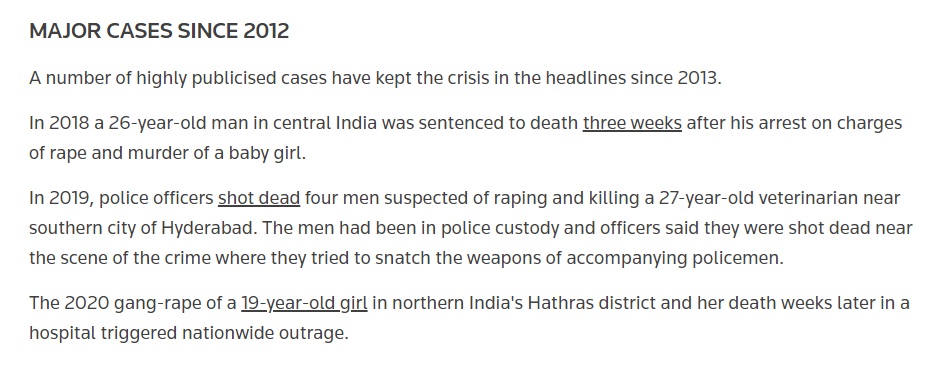
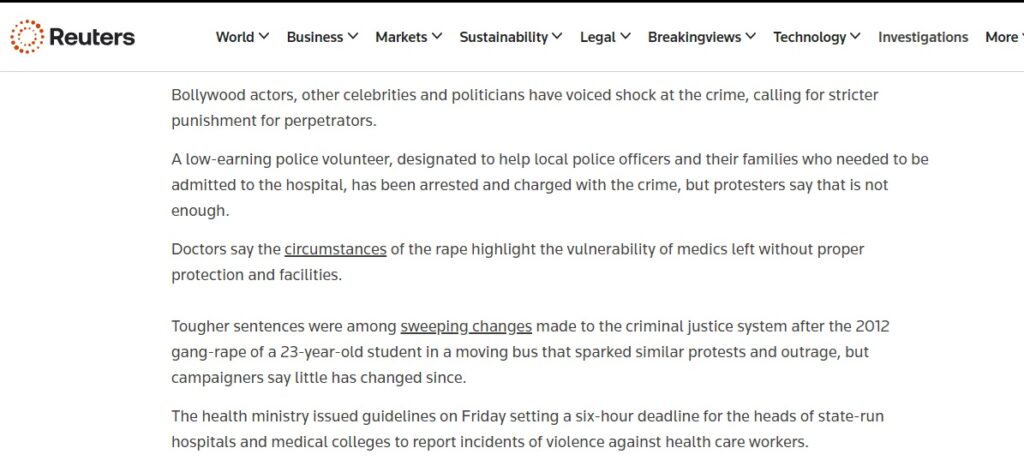
Reuters, on the other hand, made it a point to emphasise more on the “safety of women” in India by mentioning rape cases from the past.
The report seems to shift the focus to India’s broader safety record for women, instead of examining West Bengal’s record. Any reader would believe that India is the rape capital of the world after reading this report, even though it didn’t use that exact phrase.
They then reminded the reader about the “tough laws” brought in after the Nirbhaya rape case in 2012. However, they also make it a point to emphasise that these tough laws were useless in India anyway.
BBC
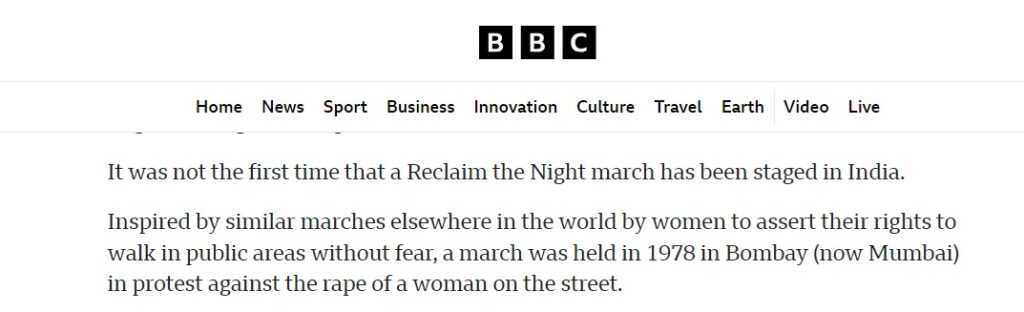
BBC, while focusing on Kolkata, very subtly inserts the point that India has been a country that has seen women stand up to rape perpetrators, seemingly pushing the idea that India is unsafe as a country.
Why Is This Problematic?
These reports omit key details like the involvement of West Bengal authorities, focusing only on the broader “happening in India” narrative while seemingly blaming the central government when the issue had not been handled properly by the TMC-led Mamata Banerjee government. The selective reporting appears to be influenced by deeper global agendas that aim to obscure the situation’s specifics.
The strike announced by IMA seems to come at a time when there was no other reason for protest. We have seen farmers’ protests, anti-CAA protests, andwrestlers’ protests, to name a few. But another protest is necessary to create a sense of unrest and instability. We all know what happened when the “student-led” protests boiled over in neighbouring Bangladesh.
This rape and murder case seems to have come at the opportune moment for certain players. Even though there are protests, only time will tell if such reports will tarnish India’s image on the global stage.
(Subscribe to ourTelegram, WhatsApp, and Instagram channels and get the best stories of the day delivered to you personally.)
Suriya’s 2D Entertainment is under investigation by Nilgiris police for employing 155 Russian tourists and some Afghan students without the required work permits in a film directed by Karthik Subbaraj in Ooty.
Employment without Work Visa
According to immigration regulations, only individuals on business or work visas can take on paid employment there. Reports have confirmed that the agent who arranged the foreign nationals and the film’s executive producer have appeared before local authorities for questioning.
The film, currently being shot in Ooty, is directed by Karthik Subbaraj and works at the Nawanagar Palace in Aramby Ridge. The shoot, which has been ongoing for over 20 days, is expected to conclude in the coming days. It is claimed that 155 Russian nationals were granted tourist visas on the 27th to participate in a film shoot. They are currently filming at three well-known private hotels in Ooty.
Typically, when foreigners stay in Ooty, hotel management must notify both the local police station and the district superintendent of police (SP) office. However, the hotels involved have not provided the required details about the Russian nationals.
Tourists Sent Back
The filming was paused last week after actor Suriya sustained an injury. Subsequently, 42 of the 155 Russians returned to Russia.
Currently, 113 Russians remain in Ooty. The Nilgiris District Special Division Police have issued notices to the involved hotels, demanding explanations for the lack of proper reporting of the Russian nationals to the district SP office. This scrutiny arises from foreign nationals not being permitted to enter on tourist visas and participate in film shoots. Following police requests for the film crew to appear for questioning over the past few days, a team met with police officials on 14 August 2024 and reportedly explained.
A crew member, speaking anonymously to TOI stated, “We hired the foreign nationals through a well-regarded agent who has previously arranged for foreigners in other films. Many of these foreigners have previously worked in movies and have been residing in Tamil Nadu and Kerala. The agent was unaware of the strict enforcement of these rules, as they had not been strictly applied before.”
The film, tentatively titled “Suriya 44”, is a joint production of Karthik Subbaraj’s Stone Bench Creations and actor Suriya’s 2D Entertainment.
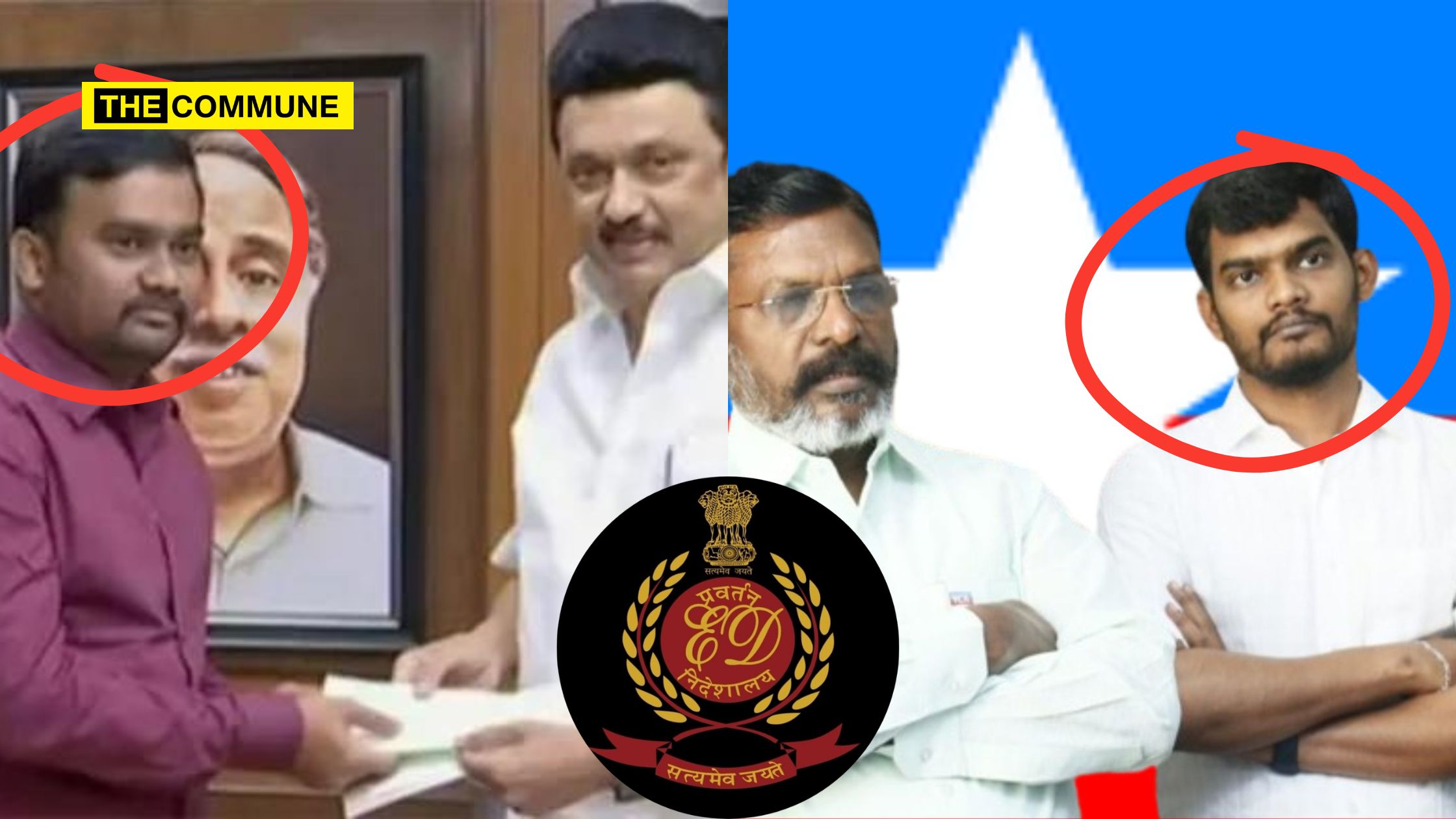
Mohammed Saleem, brother of former DMK member and drug lord Jaffer Sadiq, admitted to the Enforcement Directorate (ED) that they engaged in drug smuggling under Sadiq’s direction. This admission follows Saleem’s arrest by the ED on 13 August 2024 regarding the high-profile drug smuggling and money laundering case.
Sadiq, previously associated with the DMK, is imprisoned in Puzhal Jail over charges related to drug trafficking and illegal money transfers. Mohammed Saleem, who was a member of the VCK, was taken into custody by the ED and is undergoing a seven-day interrogation concerning drug smuggling and money laundering operations.
Interrogation
During his interrogation, Saleem revealed that their primary operation involved smuggling ‘pseudoephedrine,’ a substance similar to health mix powder, to foreign markets. He explained that “Our primary operation was to smuggle ‘pseudoephedrine,’ a substance similar to health mix powder, to foreign countries. In 2015, we expanded our activities, and my brother Jaffer Sadiq joined the DMK to shield us from potential arrests. He also helped me join the VCK party. We took photographs with political leaders and sent them to drug cartels abroad to showcase our influence. This strategy boosted their confidence in us, allowing us to smuggle drugs to Malaysia, New Zealand, Australia, and other countries, all under my brother Jaffer Sadiq’s direction. Additionally, we were involved in illegal money transfers.”
The ED’s investigation revealed that Saleem and Sadiq played a crucial role in exporting and concealing pseudoephedrine among other narcotics. Saleem, involved in various companies and entities, used these platforms to launder illicit proceeds. He had accumulated over ₹8 crore in illegal cash deposits across several accounts.
Saleem employed money laundering tactics such as using financial intermediaries and fictitious loans to obscure the origins of this cash. Additionally, he channelled drug trafficking proceeds into real estate investments and purchased luxury items, including a Jaguar. His amassed wealth, in sharp contrast to his declared income, highlights the extent of his involvement in the criminal network.
The VCK supporter appeared before a local court on 13 August 2024, where Principal Sessions Judge S Alli remanded him to judicial custody until 27 August 2024. The ED has also requested 15 days of custody for Saleem. The judge has ordered a notice regarding the agency’s request and scheduled a further hearing for the next day.
Who Is Jaffer Sadiq?
Jaffer Sadiq, a producer of five Tamil films, was the leader of a cartel responsible for shipping Pseudoephedrine from India to Australia and New Zealand, as per the sources.
Sadiq was their Deputy Organiser for DMK’s Chennai West NRI Wing. He was permanently expelled from the party on 25 February 2024 for his involvement in the drug cartel.
The case came to light after authorities from New Zealand and Australia alerted Indian agencies about substantial pseudoephedrine smuggling, disguised as desiccated coconut powder, found in their countries. The Narcotics Control Bureau (NCB) was probing the possibility of drug money to fund films. Additional information from the US Drug Enforcement Administration pointed to Delhi as the source of the consignment.
A combined operation from the NCB and the Special Cell of Delhi Police busted up the drug network. It resulted in the seizure of at least 50 kg of Pseudoephedrine in Delhi. They arrested four persons from Tamil Nadu in a Delhi warehouse.
Officials said the cartel operators dispatched 45 shipments with roughly 3,500 kg of pseudoephedrine over the past three years. They cost over ₹2,000 crore in the international market.
On 9 March 2024, NCB announced they arrested Sadiq, the mastermind behind the drug trafficking.
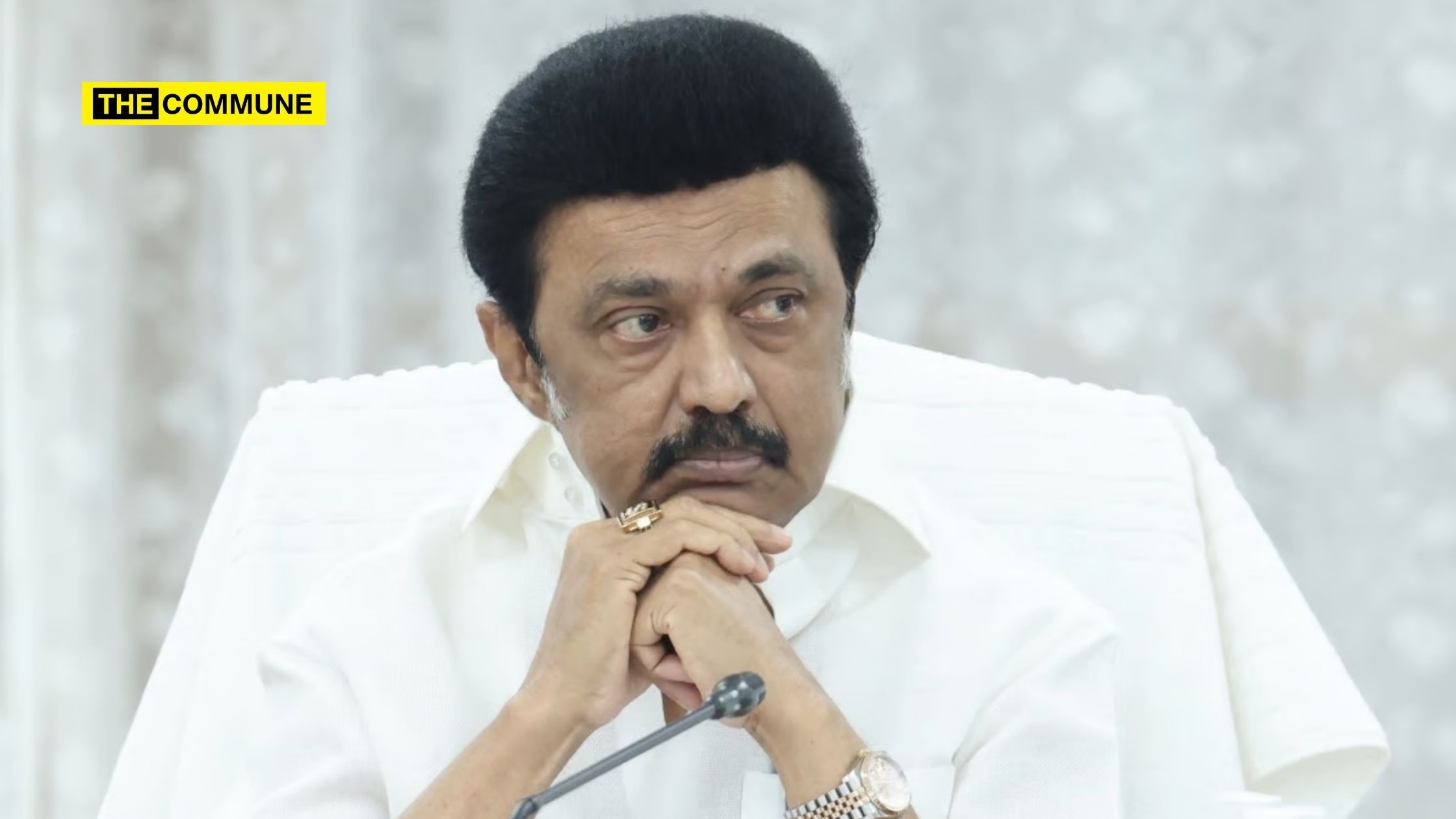
Tamil Nadu Chief Minister MK Stalin reportedly warned his ministers to act with caution while speaking in public as Central agencies were closely monitoring the state. He instructed them during a cabinet meeting before his upcoming visit to the United States on August 27, supposedly to secure investments for the state.
MK Stalin is visiting the US, allegedly to “attract investments” for Tamil Nadu, even as critics have raised concerns about the outcomes of his previous foreign trips.
According to a report by Dinamalar citing sources from the secretariat, the CM reportedly stated, “I am heading to America under unavoidable circumstances. But solid preparations have been made. This time, Tamil Nadu will certainly draw significant industrial investments. Contrary to the opposition claims, business leaders in the U.S. realise that Tamil Nadu provides a conducive environment for business growth.”
He emphasized the strategic importance of this investment push and how the party will benefit politically once it is successful. He advised ministers to remain patient meanwhile.
Chief Minister Stalin also urged the ministers to ensure they performed their duties efficiently in his absence. “Even though I won’t be physically present, my attention will remain focused on Tamil Nadu. I will receive updates constantly and will know about any missteps. I expect each of you to act cautiously.”
The Chief Minister further warned that the central government closely monitored the state’s activities, mainly using its intelligence agencies. He cautioned ministers against taking rash steps that could provoke adverse action from the central authorities. He told them that such actions could harm the DMK, the state government, and the party’s future.
Stalin reassured the ministers that they could contact him anytime if they had doubts or required clarification. In discussions on potential deputy CM, he acknowledged that some senior ministers privately approached him with suggestions.
However, Stalin clarified that his son Udhayanidhi has not yet expressed any interest in assuming the role.
Subscribe to our Telegram, WhatsApp, and Instagram channels and get the best stories of the day delivered to you personally.