Home Blog Page 922

Asifabad, Telangana: Sheikh Makhdhoom Assaults Gond Woman, Protests Turn Violent; AIMIM Chief Owaisi Decries ‘Mob’ Violence Against Muslims
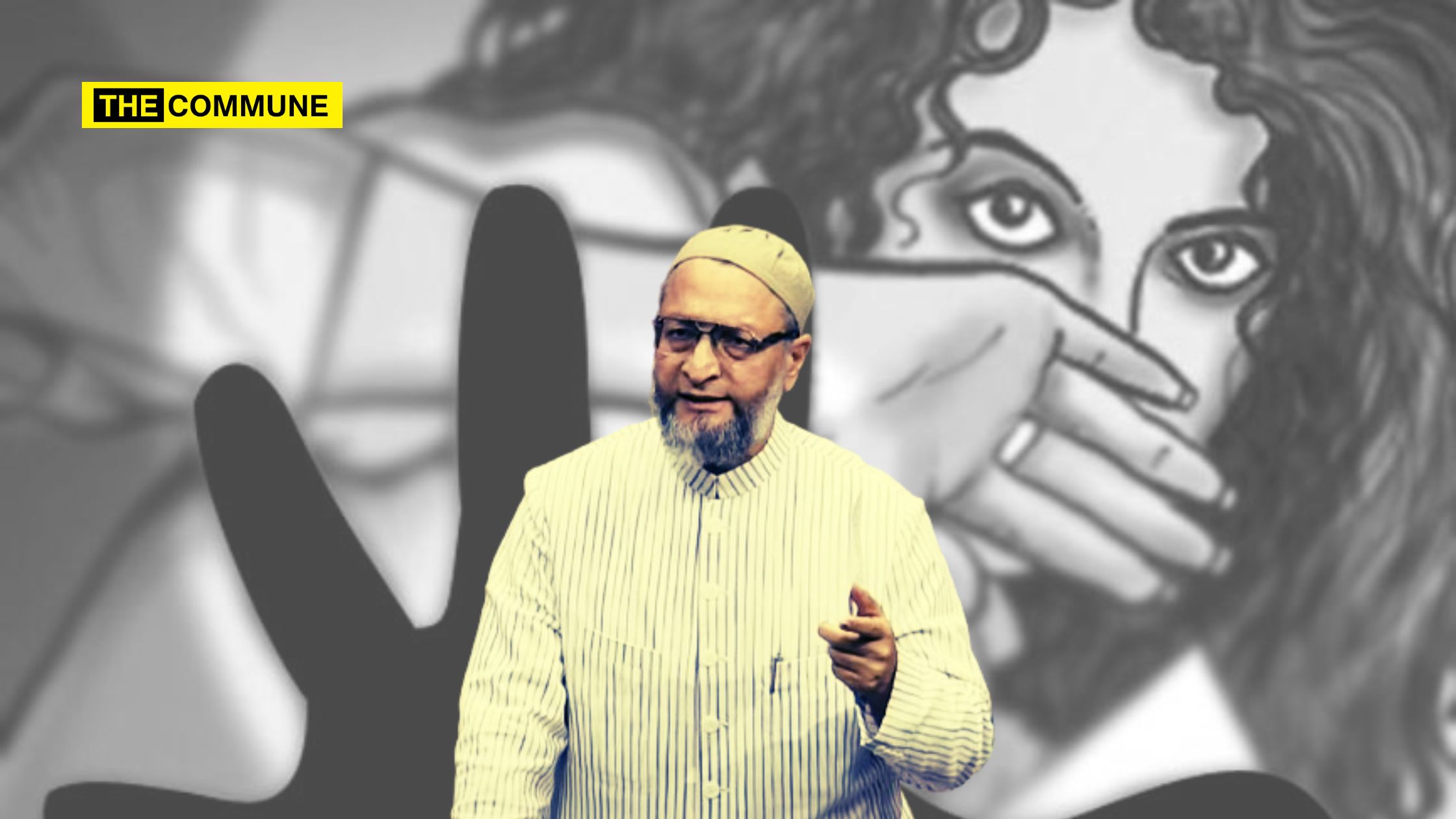
Telangana: Sheikh Makhdhoom Assaults Gond Woman, Protests Turn Violent; AIMIM Chief Owaisi Decries 'Mob' Violence Against Muslims

An auto-rickshaw driver, identified as Sheikh Makhdhoom, allegedly attempted to sexually assault a female passenger of the ST Gond community on 31 August 2024. According to reports, the woman was waiting at the Jainoor bus stop when Makhdoom offered her a ride. During the journey, he allegedly tried to assault her. When she resisted and raised the alarm, he attacked her with a stick, leaving her unconscious by the roadside with the intent to kill her, and then fled the scene. Some reports suggest that Makhdhoom battered her so much that her face was smashed.

After regaining consciousness, the victim’s younger brother filed a complaint with the Sirpur U Police Station on 1 September 2024. A case was subsequently registered under the SC/ST Act for attempted rape and murder. DSP Sadayya Panthati led the investigation, resulting in the arrest of the accused on 3 September 2024.

Protests Turn Violent

On 4 September 2024, tribal organizations called for a bandh in Jainoor, condemning the alleged crime. Around 5,000 people participated in the protests, according to local media reports. The situation quickly escalated as angry mobs attacked and set fire to commercial properties. Protesters pelted stones at religious structures, further heightening communal tensions. Tribal rights groups also staged a rasta roko in Jainoor, demanding the death penalty for Makhdhoom.

As tensions spiralled, the district administration imposed orders under Section 163 of the BNSS, banning internet access in the area to prevent the spread of rumours and fake news. A senior police officer told PTI that additional forces have been deployed, and the Rapid Action Force (RAF) has been called to maintain order. The officer added that the situation is now under control, but investigations into the arson and violence are ongoing.

Clash Between Communities

The protests, initially organized to demand justice for the victim, soon turned into a clash between two communities. Agitated protesters attacked businesses and properties belonging to members of another community, leading to retaliatory violence. Shops were set ablaze, and stones were hurled at religious buildings, causing significant property damage.

Officials reported that the police had to intervene to control the unrest. We have formed special teams to investigate the incidents of violence, and those responsible will face legal action,a police officer stated, urging both communities to remain calm. Police arrested Makhdhoom and sent him to judicial custody.

Police Efforts To Restore Peace

The police, while assuring that Makhdhoom is in custody, are working to restore peace in the region. Senior officers are engaging with community elders to prevent further clashes. We appeal to both communities to exercise restraint, as the accused has been arrested, and investigations are ongoing,a senior officer said.

Owaisi Calls For Arrest Of ‘Violent’ Mob

AIMIM President and Hyderabad MP Asaduddin Owaisi expressed concern over the communal violence, writing to the Telangana Director General of Police (DGP) to address the situation. In a video post, he said, “I have spoken to Telangana DGP, and yesterday in Jainoor, a lady was assaulted, molested. This news I got, but whether the news is right or wrong, I will know later. I also came to know that an auto driver was arrested and jailed. Today the news I have heard is that some vandalism was attempted at a mosque. I am watching videos, but I don’t know if they are true. However, the DGP has assured me they are monitoring the situation and has sent additional forces. I am appealing for peace. I appeal to the Telangana government not to allow anyone to take law into their own hands. Whoever is indulging in violence must be arrested. It should not be so that anyone does what they wish – damaging motorcycles and houses. The rule of law must rule supremacy. A mob should not be allowed to do what they wish. The DGP has assured me, and I hope that the Asifabad SP will put the situation under control. Whoever is involved in this violence must be arrested immediately and jailed and get them punishment through courts.”

While Owaisi is not honestly acknowledging that a member of his community committed the crime, he wants to flash his victim card and pretend that Muslim homes and property are beingunjustlytargeted by amob‘. Imagine if the situation was reversed. What would have been Owaisi’s response? Would he appeal for peace and calm, call for justice, or instigate his community members to riot?

The victim is currently receiving treatment in a Hyderabad hospital while authorities continue their probe into the assault and the subsequent violence in Jainoor.

(With inputs from OpIndia)

Subscribe to our TelegramWhatsApp, and Instagram channels and get the best stories of the day delivered instantly.
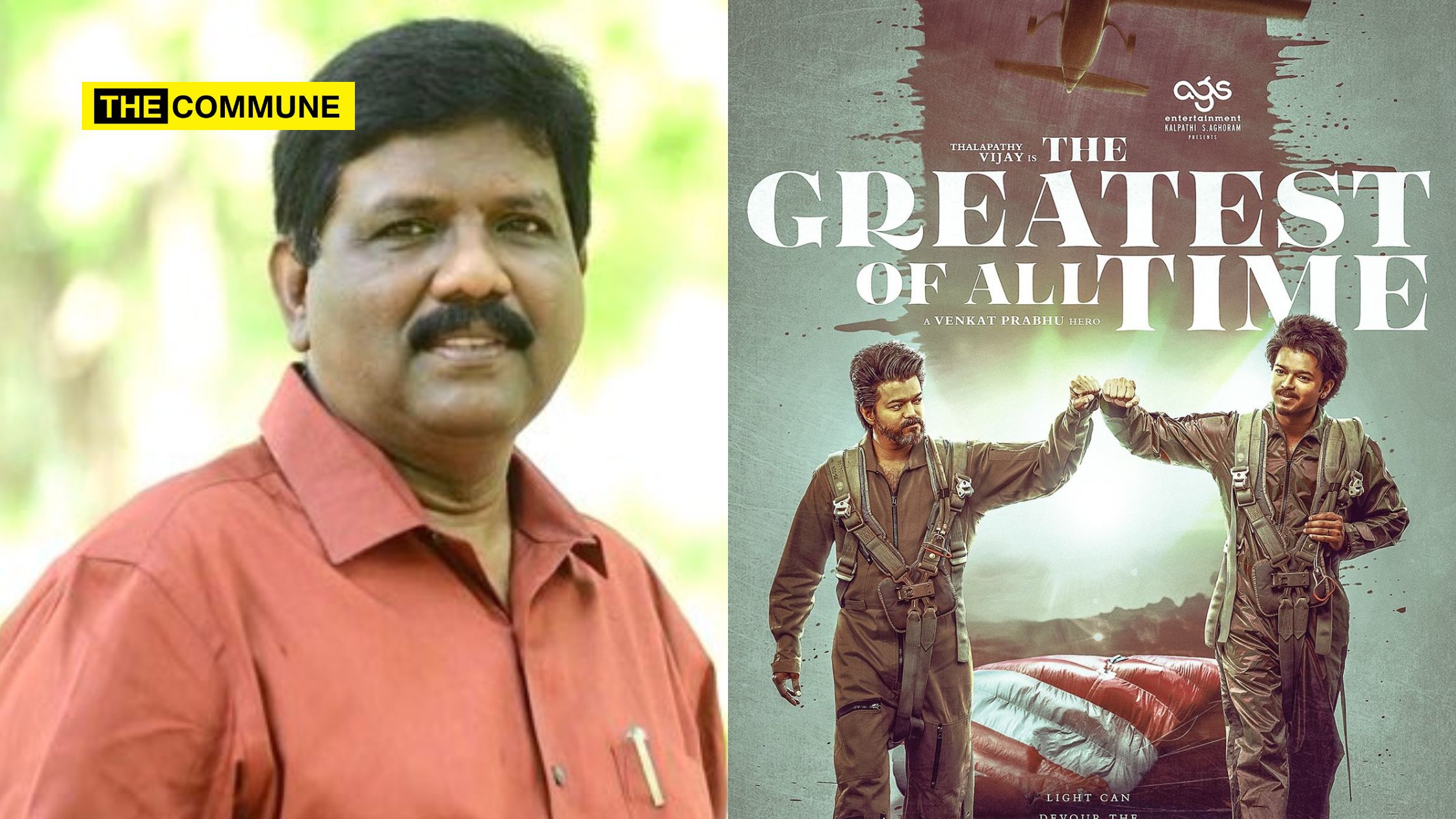
VCK MP D. Ravikumar Says “Greatest Of All Time” Means Sanatana Philosophy, Sparks Online Trolling

The term “Sanatana” appears to be a constant source of distress for Villupuram Viduthalai Chiruthaigal Katchi (VCK) MP D. Ravikumar. The MP has recently devised a fancy explanation for the new Kollywood film “The Greatest of All Time (GOAT)” that promotes Sanatana philosophy. Influenced by irrational fear and obsession, his interpretation has triggered widespread surprise and amusement among netizens online, sparking a wave of trolling and debate.

Kollywood actor Vijay’s eagerly awaited film, “The Greatest Of All Time (GOAT),” hit theatres on 5 September 2024. Directed by Venkat Prabhu and produced by AGS Productions, the film has been praised by fans as an action-packed spectacle. However, reviews from the general audience have been mixed.

In a surprising twist, VCK MP D. Ravikumar took to his official X account to suggest that the film’s title promoting Sanatana Dharma. He questioned whether Vijay’s film title, “The Greatest of All Time,” reflects the Sanatana concept, suggesting it implies something that remains unchanged over time, in line with the definition of ‘Sanatana’ as ‘eternally unchangeable.’ He wondered if the film’s title was chosen with this idea in mind, citing Tamil grammar, Tholkappiyam, which states, “Every word carries meaning” (Thol.Sol. 157).

Ravikumar remarked, ” Is Vijay movie title carries ‘Sanatana’? Isn’t the greatest of all time a Sanatana concept? ‘The greatest of all time’ means that even if time changes, this will not change right? The meaning of the word ‘Sanatana’ is ‘eternaly unchangeable’! Did Vijay name the film knowing this? Every word is about the meaning (Thol.Sol. 157)”

The VCK MP’s social media post was met with heavy mockery and trolling, some of them listed below:

Subscribe to our TelegramWhatsApp, and Instagram channels and get the best stories of the day delivered instantly.
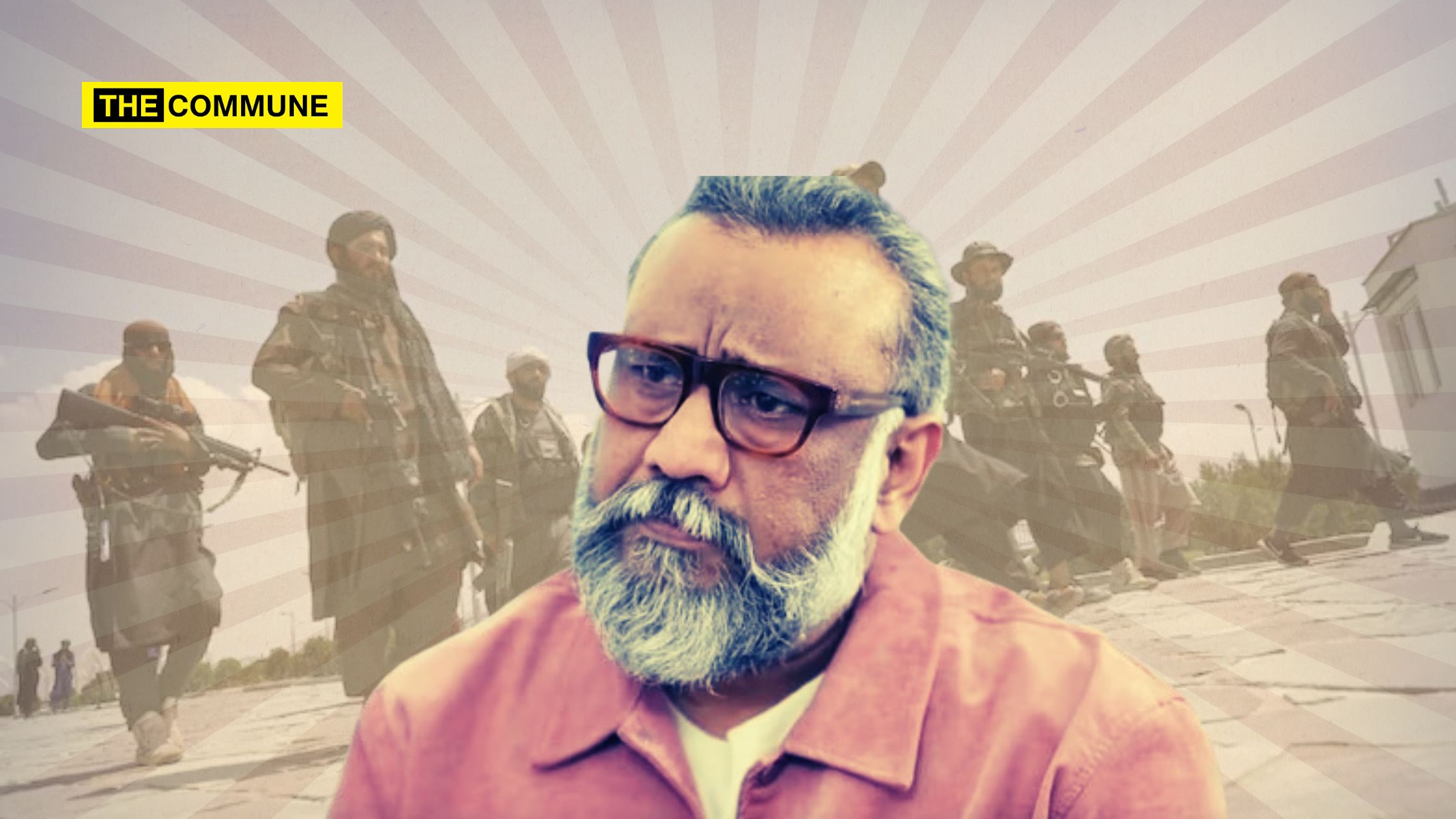
Is Anubhav Sinha A Jihadi Apologist? Here’s How The Distorter-In-Chief Peddles ‘Secular’ Propaganda

With the series on the hijack of Indian Airlines flight IC 814 making the news again and again over its apologetic tone towards Jihadis, let’s take a look at Anubhav Sinha, his statements from the past and recently that makes him a Jihadi apologist. Here are a few gems from Sinha that will prove why he is one. 

Muslims Did Not Start Terrorism

During his film Mulk’s trailer launch, Anubhav Sinha is seen wearing a saffron scarf with the words Ram written on it. A journalist asked him why Muslim youths are taking to terrorism. In response, Anubhav Sinha said, Do you watch the news? Do you read the papers? Yesterday, your country’s two ministers felicitated Hindus who indulged in riots. There ends the matter. I have answered your question.”

The audience, including actress Taapsee Pannu, started clapping, and he continued, “Why are they choosing? You must read a little bit of history. You have to do some research. It will take time. I cannot tell you (the press) in a short time why Muslims chose terr Do you know who started terrorism? When was the word terrorism first used? Tell me. I am saying this for your information that Muslims did not start terrorism. Do you know that? Study history.”

Speaking at length about the film, he narrates how the country was formed, calls Jinnah secular who then stood for the Muslims, talks about how Kashmir was formed, and says, “We have no idea about Kashmir, and we are harbouring so much malice in our minds.”

I Saw Riots From Both Perspectives

Narrating instances from his youth with respect to Hindu-Muslim riots, he said, When I was 12-13 years old, Emergency was just getting over. I lived in Benaras at that time and during that time Hindu-Muslim riots were a given. Every year there was a month when these riots happened – Benaras, Allahabad, Meerut, Moradabad. I belong to the Hindu (majority) population, we would read about the riots in the papers, people would die, shops would be burnt, and all that. However, the majority population was never affected by the riots. As the riots came to an end, life would come back to normalcy. In 1982, I went to Aligarh to study. There were not many Hindu students there. My batch had 3 or 4. The riots were continuing. But now I was a minority, and I saw it from a different perspective. I was among Muslims. All my friends would make me feel safe. But when I was in Hindu majority, most of them were not supporting the riots. When I was in Muslim majority, even then most of them did not support the riots. These riots are not connected with the governments.”

What Will We Achieve By Building Temple At Ayodhya?

Moving on to the 90s, he touches upon the Ram Janmabhoomi movement. He said, In the early 90s, two important events took place. One was the rath yatra from the south to Ayodhya to support the construction of the temple in Ayodhya, the temple has not been built yet. I don’t know if it will be built, and if it is built so what? We have so many temples in the country that do not allow women to enter, women are not allowed to touch the murtis, and the Trust indulges in scams with the money. So if we build another temple, what will we achieve?”

Rath Yatra Took Up Screen Space That Should Have Been Given To Kashmiri Pandit Exodus

He further alleged that the Rath Yatra was the reason why the Kashmiri Pandit exodus was not given screen space. He said, Another incident that happened in the 90s was that in Kashmir, many Kashmiri Pandits were chased out of that place. An exodus occurred. It was not reported much in those days, but it is spoken about today. It was not reported because there was not much TV then, no internet, and the newspapers were also less in numbers. The headlines were occupied by the Rath Yatra. Several 1000s of Hindu Pandits were displaced from there. Even today they are displaced and they live in refugee camps. No government did anything for them. All this happened. Then in 1993 Bombay bomb blasts happened and the case went on. 2002 saw a big incident in Gujarat and there was peace among Hindus and Muslims who decided that life is way tougher than this conflict. So they started dealing with life. For the past few years, it has changed again, it has taken a new form.”

Why He Is Anti-Hindu

Then he narrates an episode where a woman messages him on Facebook and asks him why he was so anti-Hindu. He said,In the 53 years of my life, I have never been asked this question and why do I need to prove it? Why should a Muslim prove to anybody that he loves his country because if you put a gun to my head and say Jai Shri Ram, I will not do it. Call me anti-Hindu, call me pro-Muslim, call me tukde tukde gang, call me whatever you want. But if you want me to prove something about my religion or my country, first of all, I need to know who you are and I need to know why I need to prove this. We are living in such times that we have to prove that we love our country, that we respect our religion and also prove that we do not respect other religions. I have seen this conflict from both sides.

Terrorism Is Not Islamic

In another video, where he is again seen with the saffron scarf that he wore for the Mulk trailer launch, in a discussion on NDTV, he said that terrorism was not Islamic but a Western construct. He said, You know what happened with Muslims. They met with a problem, if we look back into history. Oil was found in Muslim countries. This is their fault. America wanted that oil so they reached there. Then turmoil began and people started dying. To cover all this news, a brand was necessary. That brand was what they made out of Islamic terrorism and this has been sold to us for the past 30. 40, 50 years through TV channels. Do you realise that corporate houses own TV channels? We bought that story. To reverse this story, it will take time. On a daily basis, every individual has to make an effort that this stereotype is broken.

He further said, I always say this, because of this Islamic terrorism, more number of Muslims have died. Do you know this? Where is the violence happening? In the Middle East. Who lives there? Muslims. So, Muslims are dying. Others die too but mostly Muslims are killing each other and these are not riots. This is not Islamic terrorism; this is terrorism because Islam would not say to kill Muslims, and it is the Muslims that are being killed. So it is not Islamic. When you separate these two, you will love your neighbor and help him because he is stuck. A taxi driver I spoke to tells me that people look at him with doubt in their minds. Imagine what he will feel like. he was born here; he will die here, and he will be buried in this soil. You are preventing yourself from loving him. Even if he wants to love you, you will look at him with doubt. So, he will walk away.”

Love For AMU

Speaking at an alumni meeting in his alma mater Aligarh Muslim University, wearing a traditional Muslim topi, he says, The love between Hindus and Muslims has increased and not reduced. When I came to Aligarh to study, in December 1982, in Benaras in my neighbourhood, among my friends and family, it was considered as if I was going to Pakistan and even I thought so. To be honest, I was a bit selfish when I came here and thought yeah it might be Pakistan and I will just get my degree and return, do a job and that’s all. But when I came here and met people, made friends. I am meeting my old friends here 30 years later, and we met as if we were then. This university has given me so much – points to his topi and says it is symbolism you gave me this topi. It is our culture that has come from symbolism. They will make a hundred different stories because of this about me.”

Does Not Respond To Questions On Web Series

Anubhav Sinha had a tense exchange with a journalist during a press conference in Mumbai on Tuesday, 3 September 2024, when asked about the controversy surrounding his latest directorial, IC 814: The Kandahar Hijack. Sinha, visibly frustrated, declined to address the issue, urging the reporter to watch the series first. When the journalist pressed further on the matter, Sinha’s patience wore thin. He sharply responded, Have you watched the series?before abruptly exiting the stage, leaving the question unanswered.


Anubhav Sinha’s so-called love for Jihadis, which is more likely an extended Stockholm syndrome owing to his life in AMU, is visible in his films such as Mulk and now IC 814: The Kandahar Hijack as well. From painting terrorists as human and saintly to showing them as faultless, Sinha is one true Jihadi apologist.

Subscribe to our TelegramWhatsApp, and Instagram channels and get the best stories of the day delivered to you personally.

Congress MP Sasikanth Senthil Says He Quit IAS To Oppose Article 370 Abrogation

Congress MP Sasikanth Senthil Says He Quit IAS To Oppose Article 370 Abrogation

Tamil Nadu Congress MP Sasikanth Senthil has recently used his resignation from the IAS as a public relations stunt, claiming it was a protest against the Centre’s abrogation of Article 370, which led to the full integration of Kashmir with the rest of India. His statement comes against the Jammu & Kashmir Assembly elections scheduled from 18 September 2024 to 8 October 2024.

Senthil’s move to rekindle the debate on Kashmir seems largely ineffective, given that the issue has been resolved legislatively, administratively, and judicially. Even the Congress party, which once opposed the abrogation, has since adapted its stance to acknowledge the decision. The government announced the decision to abrogate Article 370 five years ago.

At a Congress-organized event titled ‘Conversation with Senthil’ in Mangalore, he explained the circumstances of his resignation. Senthil recounted when the central government revoked Kashmir’s special status under Article 370, he and his wife were watching the news together. His wife apparently questioned him about his revolutionary ideals from his college days and asked why, despite holding a government position with privileges like a bungalow and a vehicle, he seemed indifferent to national issues. Her question allegedly deeply affected Senthil, leading him to “reflect on his values and his role in government”.

This “self-reflection” apparently prompted him to resign the next day. Sasikanth Senthil emphasized that his decision to quit IAS was driven by his conscience and disapproval of politics undermining public institutions. He also noted that while the Congress Party did not approach him and that he chose to join it independently.

Who’s Sasikanth Senthil ?

Sasikanth Senthil, a 2009 batch IAS officer from Tamil Nadu, gained widespread attention when he resigned from his position as Deputy Commissioner of Dakshina Kannada in Karnataka. In his resignation letter, Senthil voiced grave concerns about the state of democracy in India, asserting that the “fundamental building blocks of democracy were being compromised in an unprecedented manner.”

His resignation was a direct response to the BJP-led government’s decision to abrogate Article 370 and transform Jammu and Kashmir into a Union Territory. Senthil described this move as the “culmination of his feelings” and criticized the government’s actions as fascist. His outspoken comments on these issues drew considerable backlash and harsh criticism.

BJP MP Anantkumar Hegde condemned Senthil’s actions, stating, “This is treachery. If an IAS officer questions a government that has been elected by the people and challenges a decision made by Parliament, it is a serious betrayal of the government. Authorities should act swiftly. What this man and his supporters should do is leave for Pakistan. Instead of dividing our country from within, it would be better for him to go there and confront our country and government directly.”

Congress Stance in Article 370

Despite the Supreme Court upholding the revocation of Jammu and Kashmir’s special status as constitutionally valid, Tamil Nadu MP Sasikanth Senthil is reigniting this old issue for media attention.

Congress’s Stance in 2019:

In August 2019, when the Narendra Modi government abrogated Article 370 and restructured Jammu and Kashmir into the Union Territories of J&K and Ladakh through the Jammu and Kashmir Reorganisation Act, the Congress party strongly opposed these moves. During a Congress Working Committee (CWC) meeting on 6 August 2019, the party criticized the government’s approach, arguing that Article 370 represented the constitutional terms of the Instrument of Accession from 1947. They contended that any changes should have been made only after thorough consultation and in strict adherence to the Constitution.

Congress’s Evolving Position 2020:

By November 2020, the Congress party had distanced itself from the People’s Alliance for Gupkar Declaration (PAGD), following Union Home Minister Amit Shah’s disparaging remarks calling the PAGD the “Gupkar Gang.” Shah accused the alliance and the Congress of attempting to revert Jammu and Kashmir to a state of conflict and inviting foreign intervention. The Congress then adjusted its stance on Article 370, reflecting a more cautious and nuanced position.

This shift was evident in statements from top Congress leaders. For instance, during his Bharat Jodo Yatra in January, Rahul Gandhi was non-committal about restoring Article 370, stating that the CWC’s resolution was clear and referring to the official document for details. Additionally, a political resolution discussed at the All India Congress Committee (AICC) plenary session in Raipur the following month focused on restoring Jammu and Kashmir’s statehood and protecting Ladakh under the Sixth Schedule, but it did not explicitly address the restoration of Article 370.

(With Inputs From Dinamalar)

Subscribe to our TelegramWhatsApp, and Instagram channels and get the best stories of the day delivered to you personally.

Centre For Democracy, Pluralism, And Human Rights (CDPHR) Unveils Report On Political Unrest And Minority Persecution In Bangladesh

Leaked Telegram Messages Reveal Islamist Agenda Against Bangladeshi Hindus.

The Centre for Democracy, Pluralism, and Human Rights (CDPHR) hosted an event at the Constitution Club of India to launch its latest report on Bangladesh’s ongoing political unrest and human rights crisis. The report focuses on the protests that erupted on June 5, 2024, and the subsequent targeting of religious minorities, particularly Hindus, as the country descended into chaos.

The event was attended by a distinguished panel of speakers, including Shri Swapan Dasgupta, Former Member of Parliament and Renowned Journalist; Shri Abhijit Majumder, Prominent Journalist and Author; and Shri Deep Halder, Author of Being Hindu in Bangladesh and Journalist. Dr. Prerna Malhotra, President of CDPHR, delivered the keynote address.

Key Findings Of The Report:

  1. Political Unrest and Escalation: The report details the months-long student-led protests that began over the controversial government job quota issue. Initially, the protests were non-political but were later co-opted by Islamist and right-wing opposition parties, including the Bangladesh Nationalist Party (BNP) and Jamaat-e-Islami. As the movement intensified, calls for Prime Minister Sheikh Hasina’s resignation became central to the protests.
  2. Systematic Attacks on Minorities: After Prime Minister Hasina fled the country, the report highlights a wave of systematic violence targeting religious minorities, particularly Hindus. The CDPHR verified over 200 cases of anti-Hindu attacks across 52 districts between August 5 and August 9, 2024. The report also documents the forced resignation of minority teachers and the destruction of homes and businesses in over 27 districts.
  3. Information Warfare and Narrative Denial: The report emphasizes the disinformation campaign led by the BNP, which attempted to downplay the violence against minorities. Global media outlets, including Al Jazeera, are accused of dismissing these attacks as “alarmist” and framing them in a geopolitical context, rather than recognizing the religious persecution.
  4. Role of Global Powers: The report sheds light on the involvement of American diplomats and civil society groups in Bangladesh’s internal politics, suggesting the existence of covert U.S. efforts to influence regime change. The role of global media and diplomats in shaping the narrative is critiqued, especially in downplaying the plight of religious minorities.
  5. Future of Religious Minorities: The report expresses deep concern over the future of religious minorities in Bangladesh. The interim government has reportedly aligned with Islamist factions, raising fears of continued violence and persecution. The CDPHR warns that without international intervention, the Hindu population in Bangladesh may face extinction in the coming decades.

Former Rajya Sabha MP Swapan Dasgupta emphasized the rapid escalation of violence against Hindus following Prime Minister Hasina’s departure. He called for stronger protections for Bangladeshi Hindus, including better immigration policies to support refugees and a clear message from India affirming its commitment to protecting the Hindu diaspora. He criticized the systemic discrepancies where Hindus often enter India without proper documentation, while Jamaat members, Muslims, and Rohingyas enter with voter cards and Aadhar cards. He also pointed out that Bangladesh’s policy seems to involve offloading its population burden onto India, with groups like Khalida Zia’s supporters, who are known for their anti-India sentiment, exacerbating the situation. He urged India to send a clear message that it remains open to Bangladeshi Hindus, affirming their status as part of the broader Indian family and recognizing the need to support and safeguard them in the face of such persecution.

Columnist and journalist Abhijit Majumder pointed out the alarming trend of anti-Hindu attacks over the past eight years, criticizing India’s over-reliance on Sheikh Hasina’s regime and the lack of a coherent strategy to protect minorities in Bangladesh. He revealed a disturbing trend of about 450 attacks per year over the past eight years. This rise in violence points to a significant failure on the part of the Bharat government and Hindu society in effectively addressing the situation in Bangladesh, largely due to an over-reliance on Sheikh Hasina and a lack of consideration for alternative approaches. He also questioned why there had been no strategic exploration of a third front over the years, contrasting this with Bharat’s successful diplomatic engagement in Afghanistan, where dialogues even included the Taliban. He criticized the miscalculation in Bangladesh, attributing it to a narrow perspective rooted in the context of 1971, he added that to effectively address rising violence and ensure better protection for Hindus and Buddhists, Hindu organizations need to mobilize street power by rallying people and funds. Simultaneously, treat Bangladesh as an Islamic country and try to open channels with all stakeholders, including smaller neighbors but not solely relying on the façade of peace and remaining vigilant to prevent future harms.

Senior journalist Deep Halder discussed the growing Islamization in Bangladesh, the rise of madrassas spreading hatred, and the systemic persecution faced by Hindus under the current regime. He said that the situation of “Islamo-trauma” is currently occurring in Bangladesh, exemplified by the prosecution of minorities during Sheikh Hasina’s tenure, which has been a persistent concern. He further added that this situation is compounded by the influence of madrassas that propagate hatred among the youth, exacerbating communal tensions. He pointed out that for the first time, global media had to address the plight of Hindus, highlighting the severe discrimination they faced. Efforts to obscure these realities included the forced resignation of Hindus from their jobs, which was attempted to be masked by creating misleading narratives, the protections once afforded to Hindus by Sheikh Hasina’s government are now gone was also pointed out by Deep Halder. He said that even during Sheikh Hasina’s tenure, Hindus faced persistent attacks. He said that while Md. Yunus may make optimistic statements, the harsh realities on the ground paint a different picture. He urged global media and human rights organizations to recognize and act against these atrocities.

The CDPHR calls on the international community to step in and address the ongoing crisis in Bangladesh. The organization stresses that Bangladesh must uphold its constitutional obligations to protect all citizens, including minorities, and cease its pandering to extremist elements.

India, in particular, is urged to take a more proactive role in supporting persecuted minorities in Bangladesh, both diplomatically and through humanitarian aid. The CDPHR report concludes that India has a “civilizational responsibility” to ensure the survival and protection of its ethnic and religious kin across the border.

Subscribe to our TelegramWhatsApp, and Instagram channels and get the best stories of the day delivered to you personally.

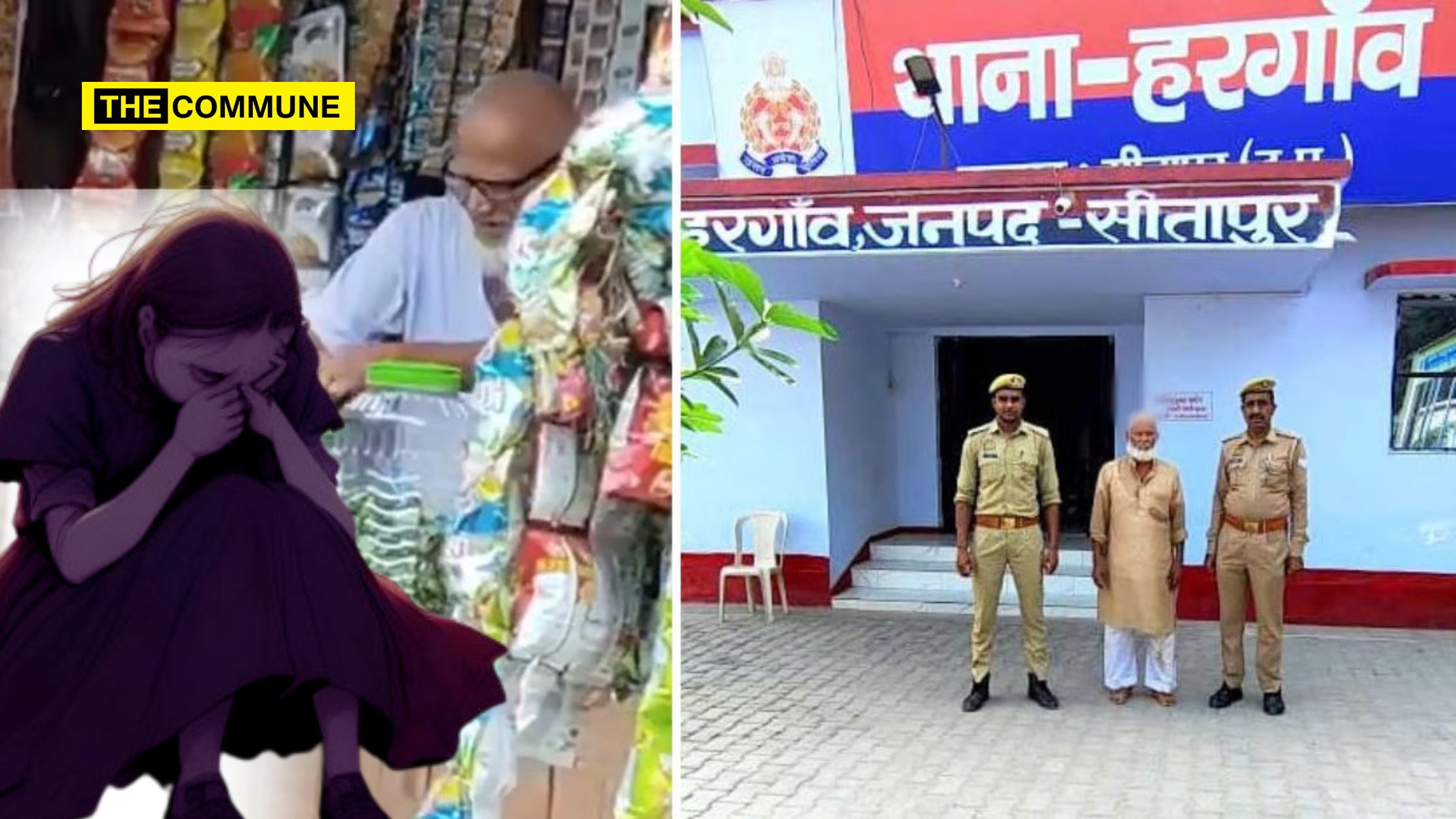
70-Year-Old Anwar Khan Arrested Under POCSO Act For Molesting A Minor Tribal Girl In UP

70-Year-Old Anwar Khan Arrested Under POCSO Act For Molesting A Minor Tribal Girl In UP

In a disturbing incident in Sitapur district, Uttar Pradesh, a 70-year-old Muslim shopkeeper named Anwar Khan was arrested on 4 September 2024 after being caught on camera molesting a 10-year-old tribal girl who had come to his shop to purchase household items.

The video reportedly shows the pedophilic Muslim man, Anwar, engaging in inappropriate behaviour with the girl while pretending to hand over goods. The incident allegedly occurred on 3 August 2024, when the girl visited the shop.

Following a complaint lodged by the girl’s mother, the police took action and arrested the accused. The video quickly spread on social media and prompted the Sitapur police to act swiftly.

According to reports, Additional SP Prakash Kumar confirmed that a case was filed against Anwar under the Protection of Children from Sexual Offences (POCSO) Act, the Scheduled Caste and Scheduled Tribe (Prevention of Atrocities) Act, and relevant sections of the Bharatiya Nyaya Sanhita (BNS).

The Sitapur police posted on X that, “In the incident of molestation of a girl on 3.4.24, a case number 410/24 under sections 74 BNS, 9m/10 POCSO Act, 3 (1)(w)( i), 3 (2)( va) SC / ST Act has been registered at Hargaon and the accused Anwar Khan son of Akbar Khan, resident of Tarapatpur police station village, district Sitapur, age about 70 years has been arrested.” 

(With Inputs From FPJ)

Subscribe to our TelegramWhatsApp, and Instagram channels and get the best stories of the day delivered to you personally.

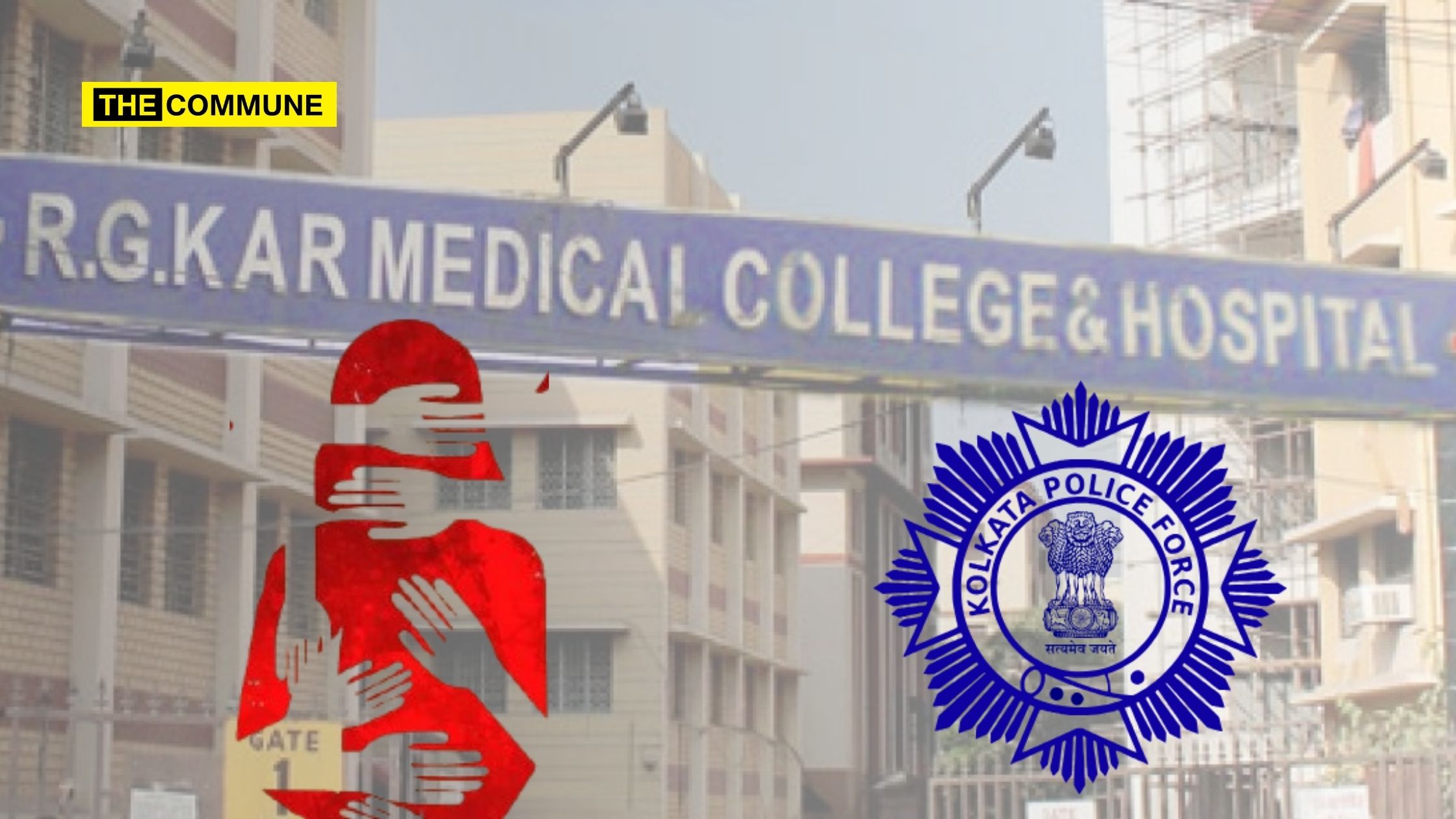
“Kolkata Police Tried To Bribe Us”: Parents Of RG Kar College Rape-Murder Victim Accuse Cops Of Trying To Hush Up The Case

RG Kar Tragedy: CBI Seeks Polygraph Test Of Former SHO, Narco-Analysis Of Ex-Principal Ghosh

The parents of the woman doctor of R.G. Kar Medical College and Hospital, who became a victim of the ghastly rape and murder last month, have now directly accused the Kolkata Police of deliberate ‘laxity and ill-intention’ in handling the preliminary probe into the case before it was handed over to the CBI by the Calcutta High Court.

Besides accusing the city police of deliberately delaying in registering their complaint as an FIR, the parents have also accused an officer of the city police of trying to convince them to settle the matter against money.

Speaking to a section of the media late Wednesday night while joining the protesting junior doctors at the same hospital premises, the victim’s parents questioned the gap between the time of their filing the complaint and that of getting it registered as an FIR by the cops of local Tala Police Station. “We filed our complaints between 6.30 p.m. and 7 p.m. on August 9 and the same was registered as an FIR at 11.45 p.m. Why? When the body of our daughter was brought home, a senior officer of Kolkata Police requested us to settle the matter against money, which we refused immediately,” said the father of the victim.

He also alleged an attempt to convince him to sign a blank paper which he denied immediately. At the same time, the victim’s parents have also questioned the abysmal hurry on the part of the city police in completing their daughter’s cremation process at Panihati crematorium.

“We wanted our daughter’s body to be preserved for some time. But we were not allowed and were virtually forced to cremate the body in a hurry. Even the crematorium authorities did not accept any cremation fee from us,” said the victim’s father.

He also accused an officer of Kolkata Police of deliberately trying to mislead people through incorrect media statements even after CBI had taken over the investigation in the matter.

This story is based on an IANS wire feed. Only the headline has been changed.

Subscribe to our TelegramWhatsApp, and Instagram channels and get the best stories of the day delivered instantly.
“Quality Of Govt Schools & Colleges Went Down After DMK Leaders Became Educationists”: BJP’s SG Suryah Exposes Dravidian Model Of Education

"Quality Of Govt Schools & Colleges Went Down After DMK Leaders Became Educationists": BJP's SG Suryah Exposes Dravidian Model Of Education

Recently, Tamil Nadu Governor R.N. Ravi sparked controversy by claiming that the state’s curriculum significantly lags behind the one developed by the National Council of Educational Research and Training (NCERT). The ruling party quickly refuted his criticism. However, Tamil Nadu BJP State Secretary SG Suryah supported the Governor’s assessment, arguing that Ravi’s comparison was accurate. Suryah contended that the DMK leaders, who have styled themselves as patrons of education, have systematically undermined the education system, citing real-time examples to support his argument.

In a recent debate with a private Tamil news media channel on 2 August 2024, SG Suryah began the debate by clarifying a misconception spread by the opposition that the Governor had been accused of criticizing the entire Tamil Nadu education system, wherein he had merely compared the state curriculum with that of the NCERT. He then aimed the DMK, questioning why, if they support the SCERT, the DMK‘s family-owned schools do not follow the SCERT or the state board’s Samacheer Kalvi syllabus but instead adhere to the national CBSE curriculum based on NCERT.

Suryah also noted that in 2020, the BJP had published a list of 50 schools run by DMK leaders in Tamil Nadu, all of which were CBSE schools and did not follow the SCERT curriculum. From this, it’s clear what they consider to be the best.

Suryah criticized the situation with an example from the commerce course, despite the Companies Act being updated in 2013, Tamil Nadu students continued to study the outdated 1956 Act until 2018.

Suryah criticized the current student-to-teacher ratio in government-run schools. He remarked, For example, in the old days, Abdul Kalam, Shivan, and others studied in government schools. During those periods, the question remains how many private schools were there, but most were government-run schools. However, today we want to ask what the conditions of government-run schools are. Now in Chennai, if you send me a reporter to visit any government school, we shall visit all 100 government schools. In every school, there is a shortage of necessary teachers for the students. I can provide you with the details, in Ambattur’s 93 wards government school, 300 students are studying in 11th and 12th grades, and only two teachers to teach all subjects. This is a significant shortage.”

Suryah then accused the self-styled DMK education patrons of being responsible for the state of despair in the education system. Suryah said, “After all DMK leaders became the patrons of education, the quality of government schools and colleges has been declining. An example of this can be seen with Tiruvannamalai, where the people have long demanded the opening of a government law college, as there was no law college. Instead of opening a government law college, a DMK senior leader obtained government special permission to start a private law college. During a recent visit to Chidambaram, I noticed that the old university there has closed many courses. The complaint from there is, that public college courses are being scrapped to make way for admissions in private DMK-run colleges, such tragedies are taking place.”

Subscribe to our TelegramWhatsApp, and Instagram channels and get the best stories of the day delivered to you personally.

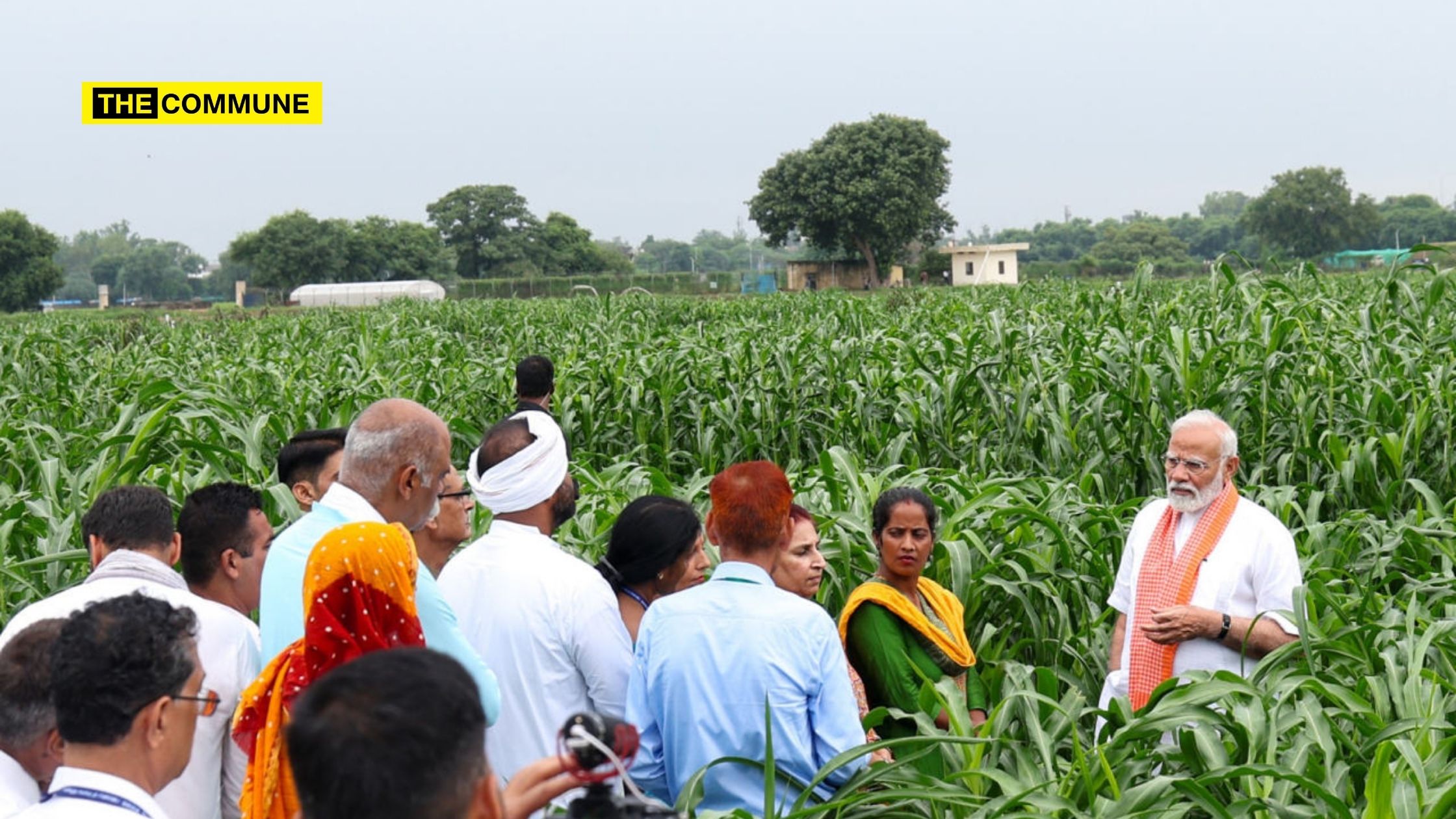
Modi Govt To Create Aadhaar-Like Digital IDs For 11 Crore Farmers By FY27

Centre Pays ₹4,820 Crore To 2.75 Lakh Farmers For Pulses Under MSP Scheme

In a bid to empower the farmers’ community, the government is targeting to create digital identities for 11 crore farmers over the three fiscal years, similar to the Aadhaar card.

The scheme is part of the ‘AgriStack’ initiative, designed as a farmer-centric Digital Public Infrastructure (DPI) to streamline services and scheme delivery to farmers.

A crucial feature of AgriStack is the introduction of a ‘Farmer ID’, similar to an Aadhaar card, which will serve as a trusted digital identity for farmers. The government said it will aim to create six crore such digital IDs for farmers in FY 2024-25, 3 crore in FY 2025-26, and 2 crore in FY 2026-27.

“These IDs, created and maintained by the state governments/union territories, will be linked to various farmer-related data, including land records, livestock ownership, crops sown, and benefits availed,” said the government. The government also plans to launch the ‘Digital Crop Survey’ nationwide within two years, covering 400 districts in FY 2024-25 and all districts in FY 2025-26.

According to the Ministry of Agriculture, the digital revolution has significantly transformed governance and service delivery by creating digital identities and secured payments and transactions in recent years. This paved the way for a thriving digital ecosystem across various sectors, including finance, healthcare, education, and retail, positioning India as a leader in citizen-centric digital solutions. For a similar transformation of the agriculture sector, the Union Cabinet, chaired by Prime Minister Narendra Modi, approved the ‘Digital Agriculture Mission’ with a substantial financial outlay of ₹2,817 crore, including a central government share of ₹1,940 crore.

The mission is built on two foundational pillars: Agri Stack and Krishi Decision Support System. The mission includes ‘Soil Profile Mapping’ and aims to enable farmer-centric digital services to provide timely and reliable information for the agriculture sector. The implementation of AgriStack is progressing through partnerships between the central and state governments, with 19 states having signed MoUs with the Ministry of Agriculture.

This story is based on an IANS wire feed. 

Subscribe to our TelegramWhatsApp, and Instagram channels and get the best stories of the day delivered instantly.
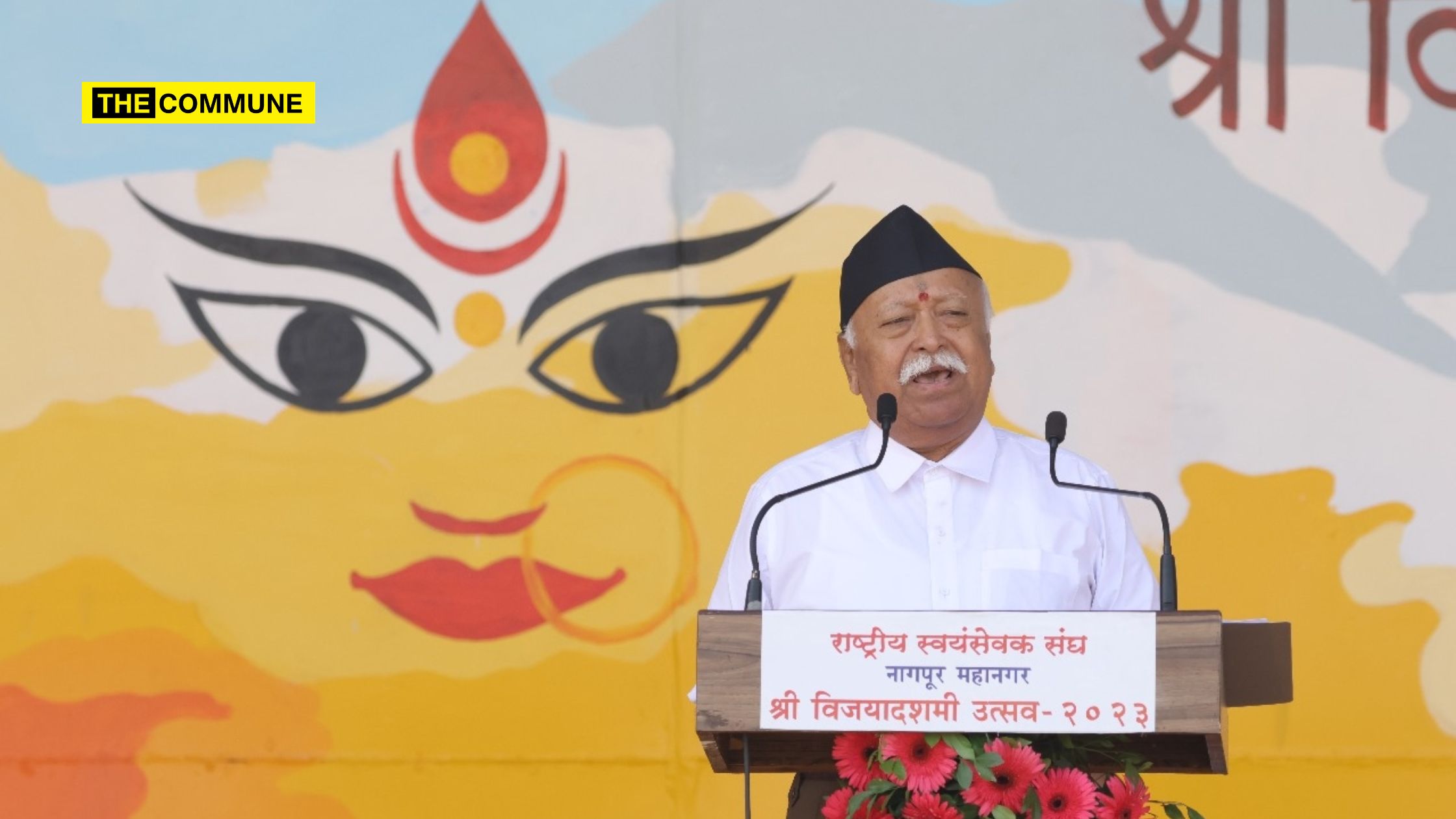
Cultural Degradation Has Ruined Nations Globally: RSS Chief Mohan Bhagwat

Rashtriya Swayamsevak Sangh (RSS) Chief Mohan Bhagwat has said that cultural degradation observed in nations like America, Poland, and countries affected by the Arab Spring has now been witnessed in Bangladesh, stating that “such tendencies bring about national catastrophes and nations get ruined“.

Speaking at the ‘Vedsevak Sanman Sohala’, an event organised by the Sadguru Group, on Wednesday, the RSS Chief felicitated 200 ‘gurujis’ involved in Vedas recitation during the Ram temple construction in Ayodhya.

Bhagwat criticised those who seek global dominance and cause divisions. He also said that evil forces that flourish in the rest of the world end in India due to the country’s knowledge and adherence to the law, the constitution, and its rich legacy.

Bhagwat underscored the necessity of vigilance against these forces, emphasising that history shows their eventual decline in India due to the country’s knowledge and adherence to the law, the constitution, and its rich legacy. The RSS Chief also spoke on increasing disbelief among the educated class and the issue of untouchability, raising questions about religious conversions spurred by social discrimination.

Evil forces exist across the globe, and their evil acts continue to play out everywhere. Bangladesh is not the first case. The first case is America. I read a book written by an American author titled Cultural Development of America, in which he discusses the cultural degradation of America over the last 100 years.

This degradation was replicated in Poland, then in Arab countries in the form of Arab Spring, and recently it happened in Bangladesh. Those who want to tighten their grip on the world and assume they are the only ones who are right, while others are wrong, such proud tendencies seek to pit people against each other and benefit from it,” the RSS Sarsanghchalak said.

We need to keep track of such tendencies without fear. History shows that such forces grow larger, eventually reach India, and face decline here as we perform their last rites. We can do this because we possess knowledge, and by using that knowledge, such tendencies can be tamed following the discipline of law, the constitution and legacy,” Bhagwat said.

The RSS Chief added that disbelief (‘anastha’ and ‘shraddha’) is increasing, especially among the educated classes, because they do not have examples to look up to.

He noted that untouchability has no place in the ‘shastras’ (Hindu scriptures), but it exists in practice. “If someone, after being fed up with such adamant behavior of Hindu religion, converts to another religion, who is to be blamed,” he asked.

Swami Govind Dev Giriji Maharaj and Champat Rai, treasurer and secretary of the Shri Ram Janmabhoomi Tirth Kshetra Trust, respectively; BVG Group Founder Hanmantrao Gaikwad, and Sakal Media Group chairman Abhijit Pawar were also present at the event.

This story is based on an IANS wire feed. 

Subscribe to our TelegramWhatsApp, and Instagram channels and get the best stories of the day delivered instantly.