Home Blog Page 899

“No Matter How Strict A Police Officer You Put There, They Will Be Beaten Up”, Karnataka HC Judge On Reality Of Muslim-Dominated Locality Gori Palya In Bengaluru

"No Matter How Strict A Police Officer You Put There, They Will Be Beaten Up", Karnataka HC Judge On Reality Of Muslim-Dominated Locality Gori Palya In Bengaluru

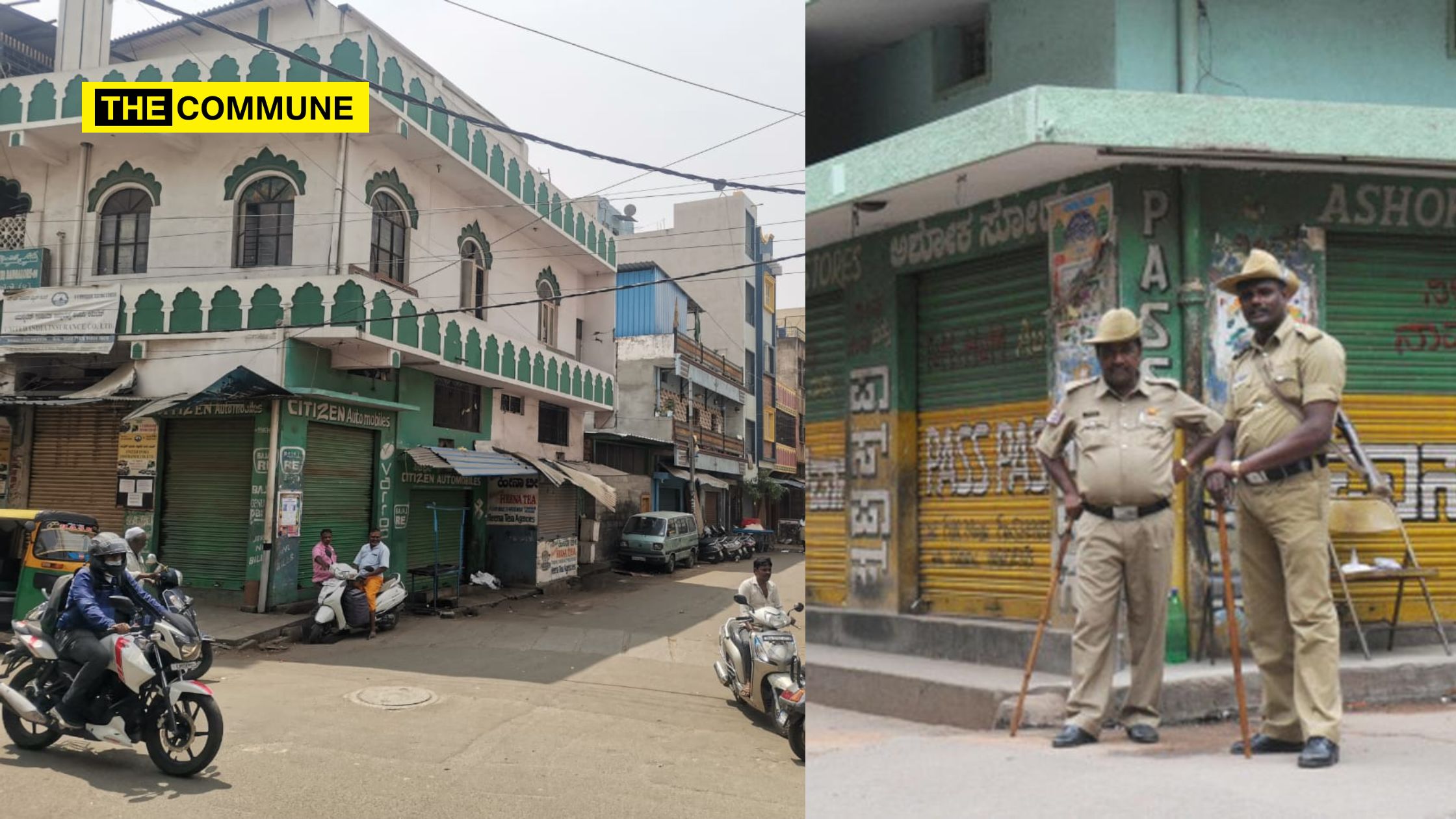
In a recent court session, Karnataka High Court Justice Vedavyasachar Srishananda made very straightforward remarks while addressing law enforcement challenges in Gori Palya, a Muslim-majority area in west Bengaluru. The judge referred to the area asPakistanduring a discussion about police difficulties in maintaining order in that region.

The comments came as Justice Srishananda spoke about traffic and law enforcement issues near the Mysore Road flyover, explicitly mentioning the locality of Gori Palya. He said, Go to Mysore Road flyover, every auto rickshaw has 10 people. It is not applicable because the Mysore flyover head left to the market from Gori Palya is in Pakistan, not in India. This is the reality. No matter how strict a police officer you put there, they will be beaten up there. No channel will show this.”

A video clip of the judge’s remarks has since gone viral on social media, sparking widespread discussion. The judge suggested that police officers often hesitate to act due to fear of retaliation in these areas.

The remarks have drawn attention to concerns over the law-and-order situation in Bengaluru, with some attributing the issues to alleged political mismanagement. Critics of the ruling Congress government have accused the party of engaging in appeasement politics and failing to address problems in Muslim-majority areas like Gori Palya and Bengaluru City Market.

Subscribe to our TelegramWhatsApp, and Instagram channels and get the best stories of the day delivered to you personally.

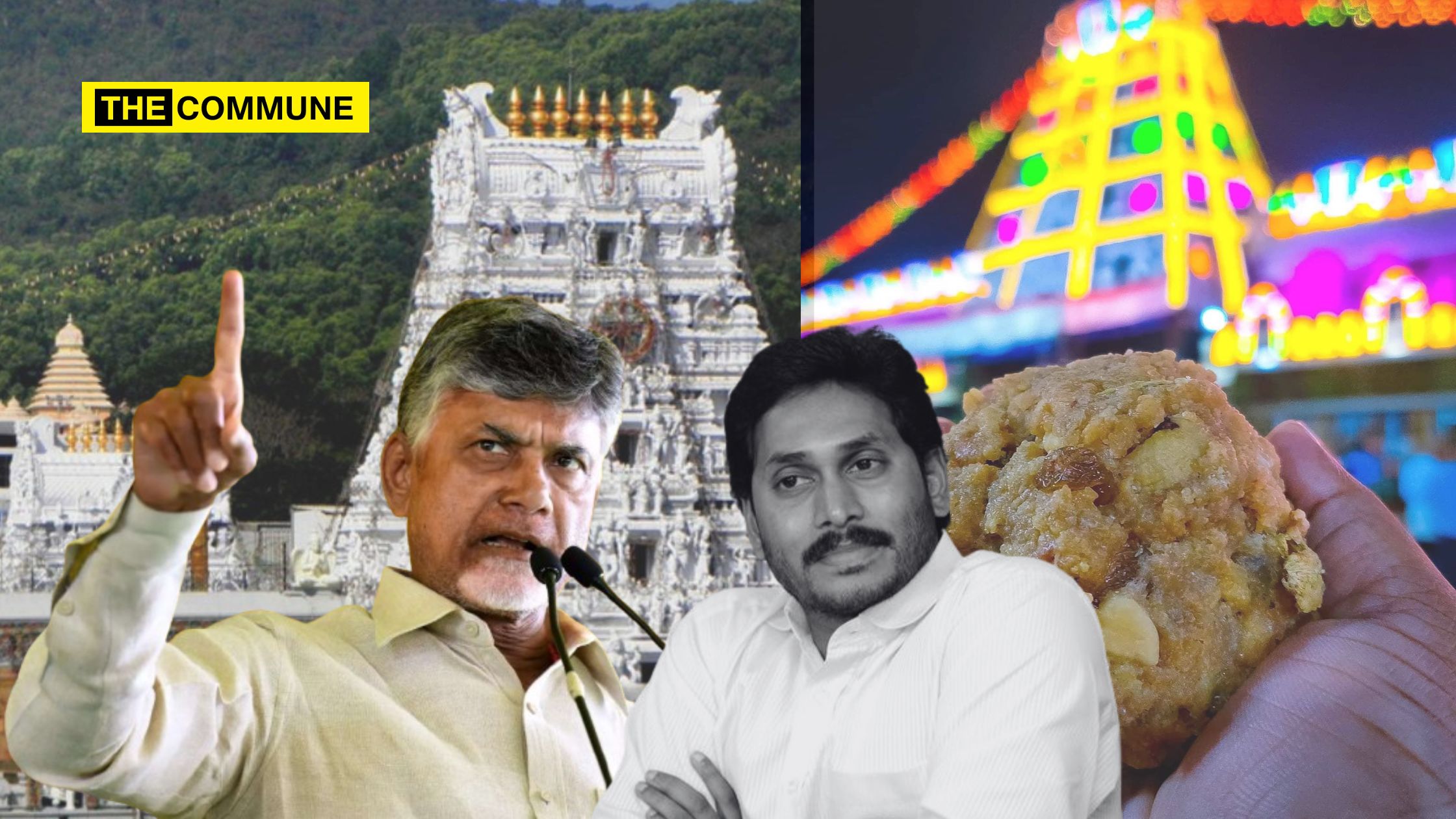
AP CM Chandrababu Naidu Alleges Animal Fat Used In Prasadam Preparation At TTD, YSRCP Leader Jagan Refutes Allegations; TTD Had Earlier Rejected Adulterated Ghee From Supplier

In a series of controversial remarks, Andhra Pradesh Chief Minister N Chandrababu Naidu accused the previous YSR Congress (YSRCP) government of using substandard ingredients, including animal fat, in the preparation of Tirupati laddus—a revered offering at the Sri Venkateswara Swamy temple in Tirumala. This claim has sparked a heated political and religious debate, with significant implications for Naidu’s Telugu Desam Party (TDP) and YSRCP.

Chandrababu Naidu’s Allegations Against YSRCP

Speaking at a National Democratic Alliance (NDA) meeting in Mangalagiri, Naidu alleged that the sacred Tirupati laddus were compromised in quality during YSRCP’s tenure. He claimed that instead of pure cow ghee, the YSRCP administration used animal fat, a deviation that he termed asacrilegeagainst Lord Venkateswara in Tirupati. Naidu emphasized that the quality of the laddu had deteriorated and that steps taken under his government had restored the sanctity of the offering.

Naidu asserted that Tirumala’s significance extends beyond Andhra Pradesh to Hindus globally. He said, It is our bounden duty to protect the sacredness of Tirumala and Lord Venkateswara.According to him, the situation has improved under his government, which now ensures the use of pure ghee and maintains high hygiene standards.

Jagan Reddy’s Rebuttal

The YSRCP swiftly rejected Naidu’s allegations. YV Subba Reddy, a Rajya Sabha member and former chairman of the Tirumala Tirupati Devasthanams (TTD), the governing body responsible for the temple, condemned Naidu’s statements asmalicious.Reddy accused Naidu of damaging the sanctity of the temple and undermining the faith of millions of Hindus. Reddy further challenged Naidu to take an oath, along with his family, to confirm the accuracy of his accusations.

Reddy emphasized that the YSRCP government had taken no such steps to compromise the sacredness of the offerings at the temple. According to him, Naidu’s claims were politically motivated and aimed at gaining mileage in the forthcoming elections.

The Issue Of Ghee Quality

The controversy over the quality of ghee used in preparing the Tirupati laddus has gained significant attention. The Tirumala Tirupati Devasthanams (TTD), under whose purview the temple functions, has been vigilant about the quality of ingredients used for the prasadam (temple offerings). According to official reports, the TTD has rejected several batches of substandard ghee supplied to the temple.

From July 2022 to June 2023, the TTD rejected 42 truckloads of cow ghee for failing to meet the stringent standards set by the temple. These truckloads, each carrying 18 tons of ghee, were tested for moisture content, free fatty acids, and refractive index, among other quality measures. The ghee samples were sent to the National Accreditation Board for Testing and Calibration Laboratories (NABL), and non-compliance with the tender norms resulted in the blacklisting of a supplier.

TTD Executive Officer (EO) J Syamala Rao confirmed that after laboratory testing, it was discovered that ghee provided by one of the five suppliers had been adulterated with vegetable oils. This substandard ghee was returned, and the supplier was blacklisted for violating tender guidelines. Rao warned that stern action would be taken against future violations, emphasizing that only the highest-quality cow ghee would be accepted.

To ensure the continued quality of the offerings, TTD has implemented strict protocols. Each consignment of ghee undergoes rigorous testing before it is accepted, with standards focusing on moisture content, fatty acid composition, and melting points, among other criteria. Trucks delivering ghee must maintain a temperature between 60 to 70 degrees Celsius to ensure freshness.

TTD has also established a high-level committee consisting of dairy experts and scientists to review the mechanisms involved in procuring and using ghee in the temple. To further streamline the process, in July 2024, TTD stated that it planned to set up an in-house Food Safety and Standards Authority of India (FSSAI) certified laboratory at Tirumala to eliminate the need for sending samples for external testing, ensuring quicker results and smoother operations.

(With inputs from India Today)

Subscribe to our TelegramWhatsApp, and Instagram channels and get the best stories of the day delivered to you personally.
India Abstains From UNGA Resolution Demanding Israeli Withdrawal From Occupied Palestinian Territories

India Abstains From UNGA Resolution Demanding Israeli Withdrawal From Occupied Palestinian Territories

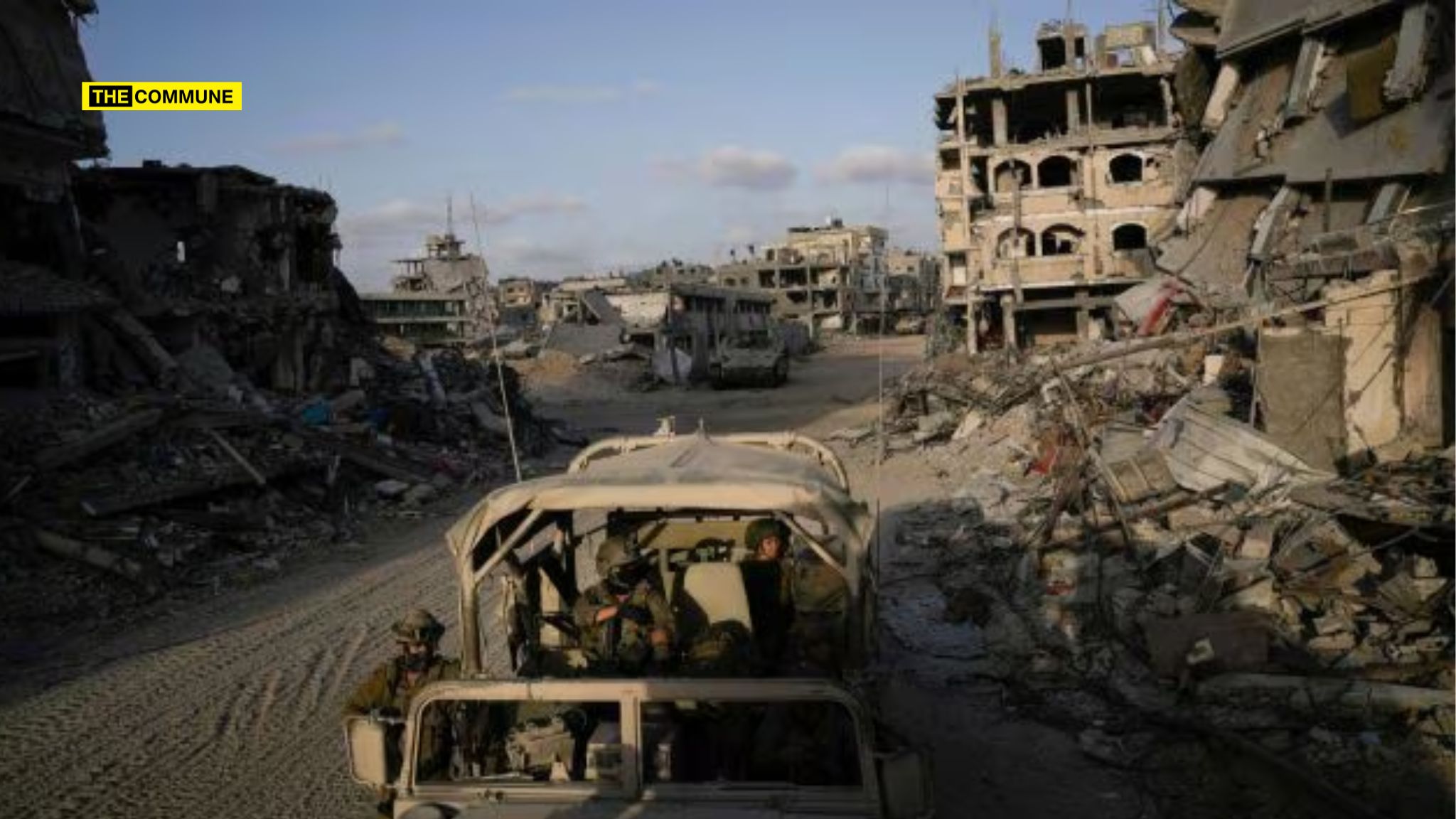
India has abstained from a United Nations General Assembly (UNGA) resolution calling for Israel to end its “unlawful presence” in the occupied Palestinian territories within 12 months. The resolution passed on Wednesday requires Israel to withdraw from these areas within the following year.

Initiated by Palestinian representatives, the resolution received 124 votes in favour, while 43 countries chose not to cast a negative vote, allowing the measure to pass. However, 15 nations, including Israel and the United States, voted against the resolution.

The resolution also references a non-binding advisory opinion issued by the International Court of Justice (ICJ) in July, which declared the occupation and Israeli settlements unlawful. Although non-binding, this resolution urges Israel to comply with the specified timeline for withdrawal.

In addition, it calls for a boycott and arms embargo against Israel, urging all parties to refrain from supplying arms and to halt imports of goods produced in Israeli settlements due to concerns about their use in the Palestinian territories. This marks the first resolution on Palestine drafted since the Palestinians gained broader rights recognition from the United Nations.

Subscribe to our TelegramWhatsApp, and Instagram channels and get the best stories of the day delivered to you personally.
India Denounces UN Report On Elections As “Unwarranted And Out Of Touch,” Citing Bias And Lack Of Objectivity

India rebuffed UN official's remarks on foreign influence laws, saying "transparency and accountability cannot be applied selectively."

India has rebuffed remarks made by the UN’s top human rights official regarding the country’s foreign influence laws, asserting that the principles of “transparency and accountability cannot be applied selectively.”

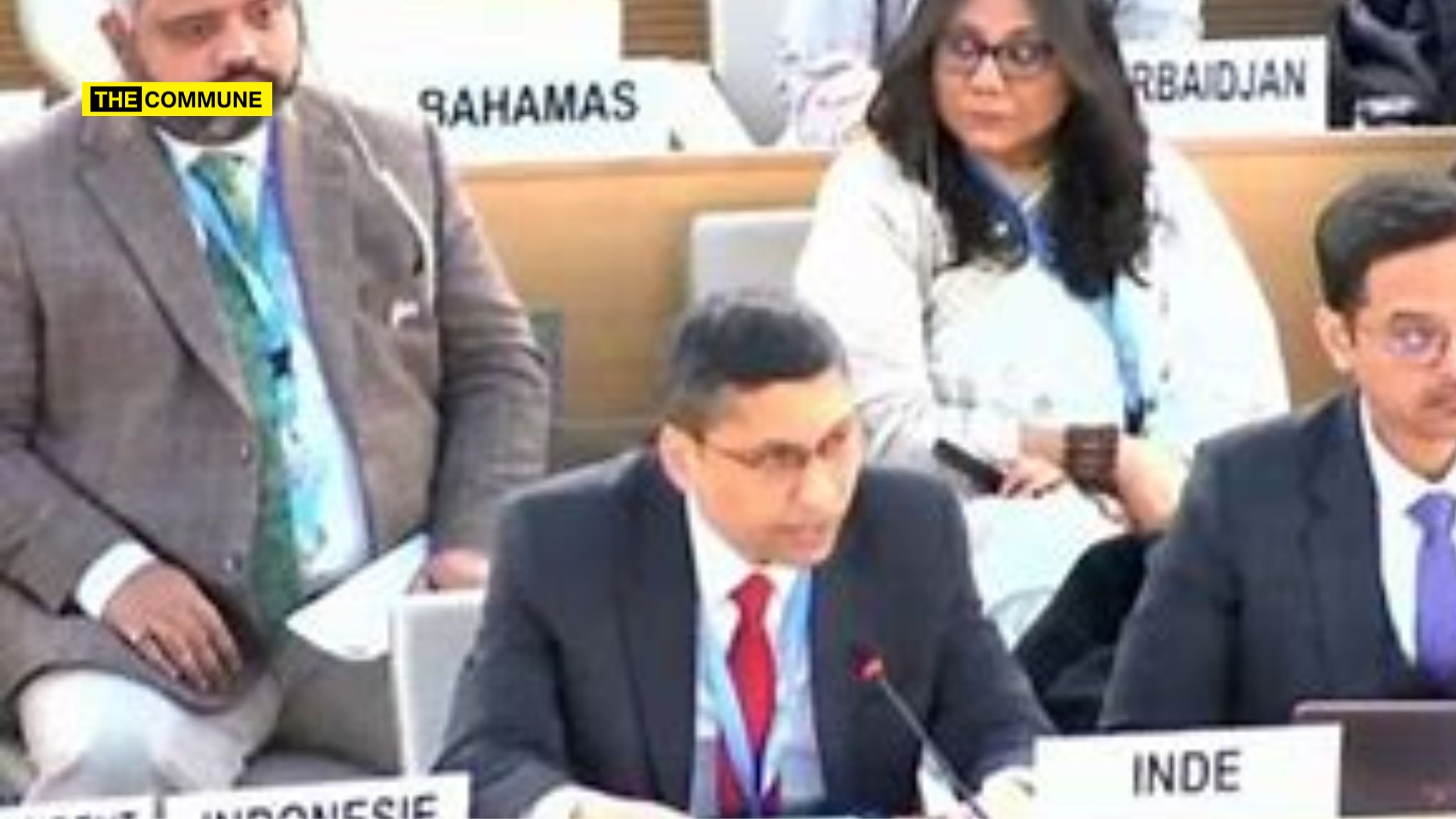
Ambassador Arindam Bagchi, India’s Permanent Representative to the United Nations in Geneva, expressed his “humble disagreement” with a brief reference to India included in the UN High Commissioner for Human Rights Volker Turk’s Global Update during the 56th session of the Human Rights Council this week.

In his address, Turk pointed to a “worrying trend” concerning civic space, noting the consideration or adoption of “transparency” or “foreign influence” laws in over 50 countries, including India. He warned that such laws could severely affect civil society, freedom of expression, and the right to associate.

In response, Bagchi highlighted those democratic nations, including India, have long had regulations in place to address legitimate concerns about the misuse of foreign funding. “Portraying a dependence on the crutches of opaque or illegal foreign funding is also a disservice to India’s vibrant civil society,” he stated.

Additionally, Bagchi noted that ongoing global conflicts have exacerbated divisions within the Human Rights Council. He emphasized the need for the High Commissioner’s Office to focus on its core mandates, as he described Turk’s global update as a rather bleak assessment of human rights worldwide.

Highlighting India’s recent general elections, Bagchi expressed pride in the electoral process, which involved 650 million voters and was described as the largest democratic exercise in history. He reiterated that concerns regarding the integrity of this process were unwarranted, emphasizing that India is supported by a pluralistic society with strong institutional safeguards.

“We believe that human rights for all can be best promoted and protected in such environments,” Bagchi concluded.

(With inputs from IndiaToday)

Subscribe to our TelegramWhatsApp, and Instagram channels and get the best stories of the day delivered to you personally.
Madras HC Dismisses Writ Petition To Declare Anusham Star In Tamil Month Vaikasi As Thiruvalluvar’s Birthday

Madras HC Dismisses Writ Petition To Declare Anusham Star In Tamil Month Vaikasi As Thiruvalluvar's Birthday

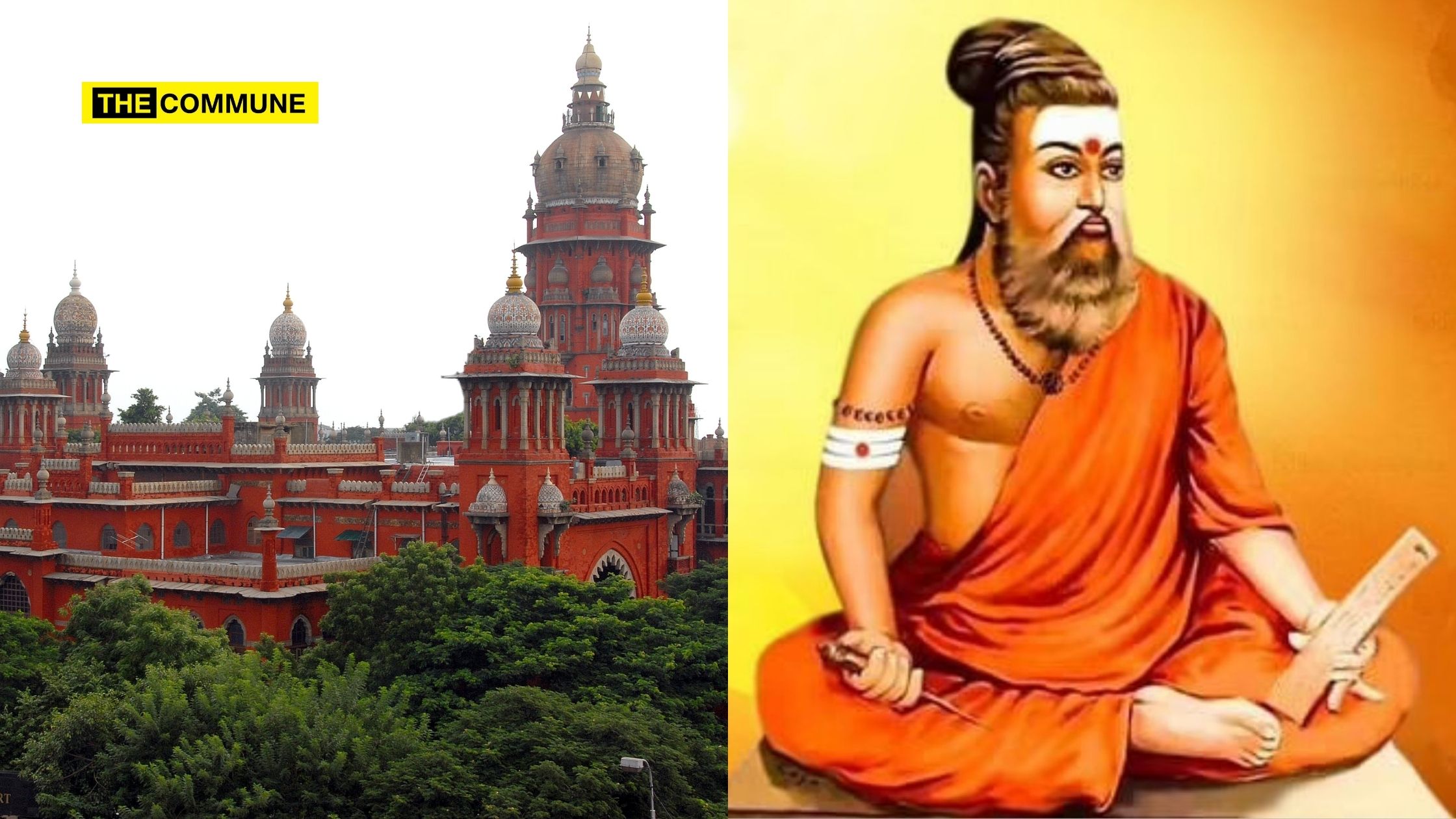
The Madras High Court has dismissed a writ petition to declare the day of the Anusham star in the Tamil month of Vaikasi as the birthday of Saint Tiruvalluvar, who is believed to have penned ‘Tirukkural.‘

The judge dismissed a writ petition filed in 2021 by Samy Thiagarajan, the president of Tiruvalluvar Tirunatkazhagam. The petitioner is a Tamil professor with 36 years of teaching experience and a doctorate for his research on Tirukkural.

Justice M. Dhandapani of the Madras High Court on Wednesday also refused to issue a direction to the Tamil Nadu government to shift the annual celebration of ‘Tiruvalluvar Day’ from the second day of Tamil month Thai to the Vaikasi Anusha Natchathiram Day.

The court was also informed that Tiruvalluvar Tirunatkazhagam was founded by Padmasri Subbaya Pillai in 1935 and that its birthday was celebrated on Vaikasi Anusham, which fell on May 18, 1935. Tamil scholar Maramalai Adigalar participated in the celebration.

The petitioner said that a Government Order issued on March 18, 1966, after the conclusion of the first Tiruvalluvar conference, had ordered that ‘Tiruvalluvar Day’ would be celebrated on June 2, 1966, which was a Vaikasi Anusham day. “However, in the subsequent years, it was shifted to the second day of Thai month,” the petitioner said.

Advocate General P.S. Raman told the court that the government had been celebrating ‘Tiruvalluvar day’ only to hail the greatness of Tiruvalluvar, the author of the couplets, and the wonderful life values that his literary work intends to spread.

The Advocate General made it clear that ‘Tiruvalluvar Day’ was not being celebrated as the birthday of Tiruvalluvar and added that it would always be open to the petitioner and others to celebrate the birth anniversary as they may think fit. He said no government order prohibits the celebration of Tiruvalluvar’s birth anniversary.

After recording the submissions made by both parties, Justice Dhandapani said that he undertook some research on the subject but could not lay his hands on any authentic material with respect to the family background, religious affiliation, birthplace, or birthday of Tiruvalluvar.

The judge pointed out that even the material submitted by the petitioner to support his case dates back only to 1935 and not beyond that. The court also said that in the absence of any such authentic material with respect to the birthday, no declaration as sought by the writ petitioner could be issued by the court Justice Dhandapani also said that the state government could not be forced to shift the ‘Tiruvalluvar Day’ from Thai to Vaikasi as the government had clearly stated that the day had been earmarked not to celebrate the birth of the author but to commend his greatness and the literary work that he had produced.

–IANS

Subscribe to our TelegramWhatsApp, and Instagram channels and get the best stories of the day delivered to you personally.
PM Modi Asserts No Political Motive Behind ‘One Nation, One Election’ Initiative: Sources

PM Modi Asserts No Political Motive Behind ‘One Nation, One Election’ Initiative: Sources

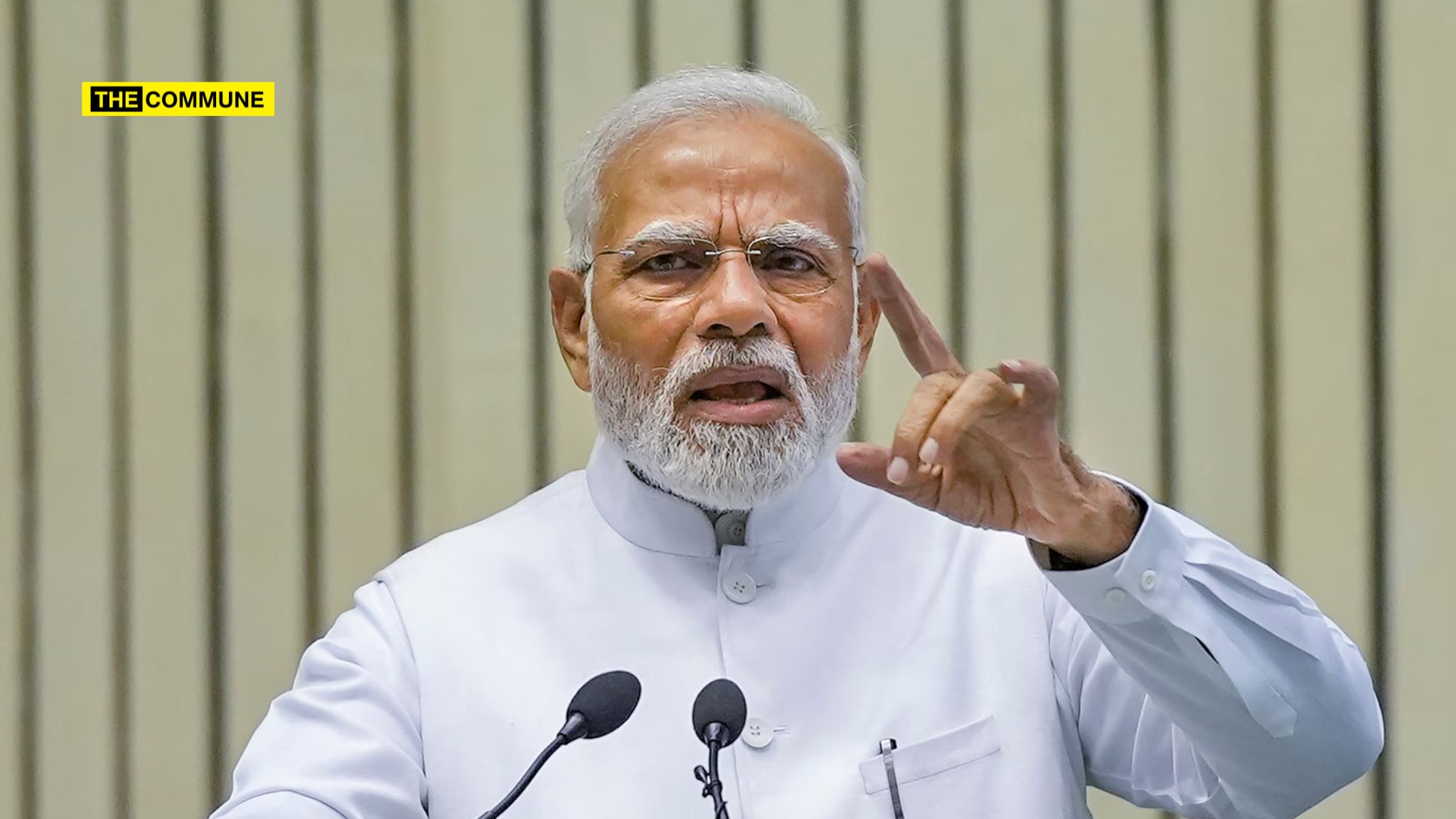
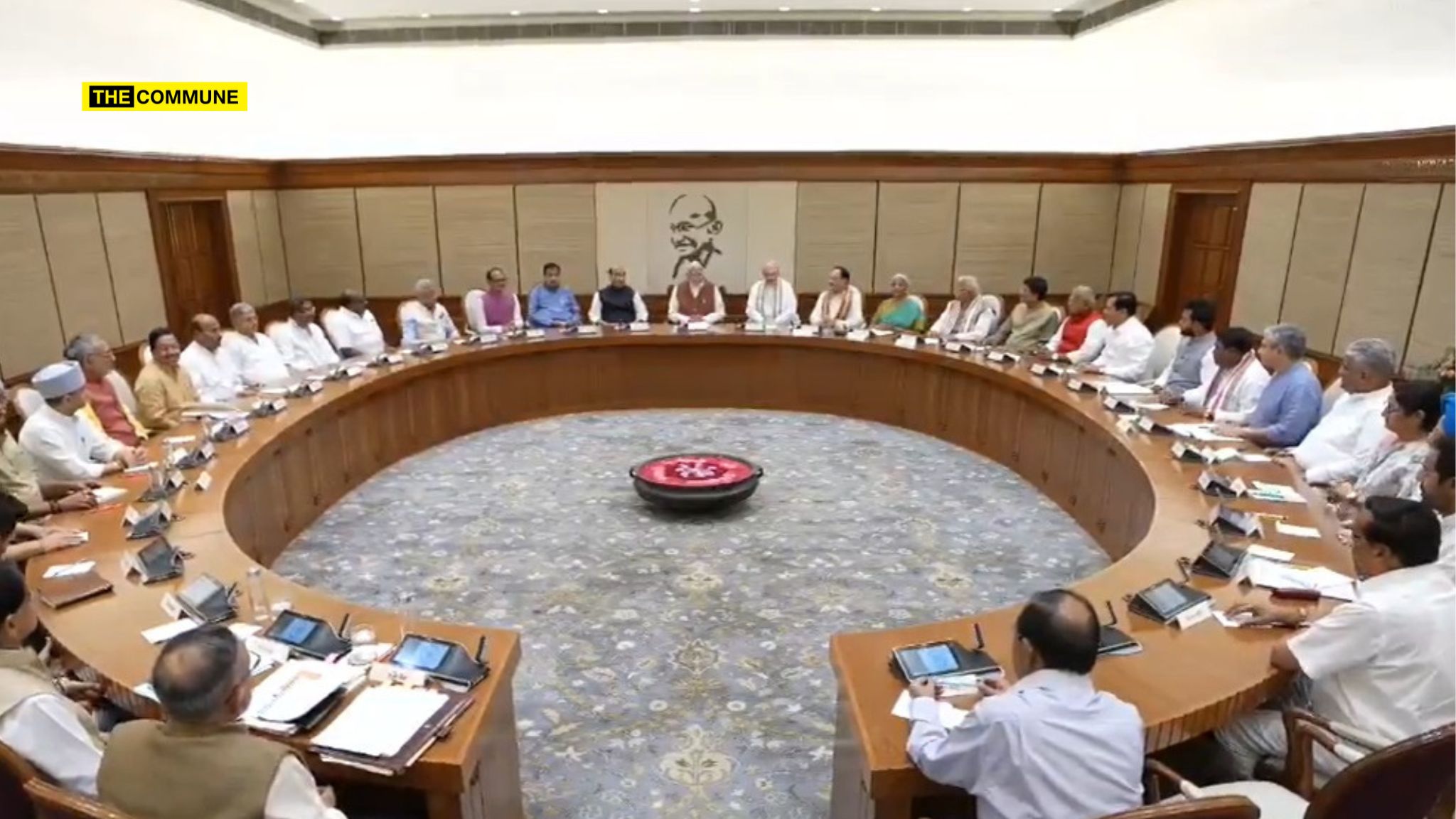
During the Cabinet meeting on Wednesday, Prime Minister Narendra Modi described the ‘One Nation, One Election’ (ONOE) policy as a long-standing demand of the people. According to sources, he emphasised that there is no political motive behind its approval. PM Modi stated that the ONOE initiative is designed with the interests of the public in mind.

He highlighted that frequent elections can hinder effective governance and disrupt law and order, which is detrimental to the country. Moreover, PM Modi mentioned that this policy’s key aspect will be educating citizens about its essential features, sources said. He concluded by asserting that the policy respects the wishes of the people who have long sought this change. PM Modi’s assertion of no political motive behind the approval of the One Nation, One Election (ONOE) policy gains importance in light of Opposition allegations that the government’s agenda is “politically motivated”.

Earlier, PM Modi wrote in a post on X: “The Cabinet has accepted the recommendations of the High-Level Committee on Simultaneous Elections. I compliment our former President, Shri Ram Nath Kovind Ji for spearheading this effort and consulting a wide range of stakeholders. This is an important step towards making our democracy even more vibrant and participative.” Meanwhile, the Union Cabinet, chaired by Prime Minister Narendra Modi, on Wednesday accepted the recommendations of the High-Level Committee on Simultaneous Elections under the chairmanship of former President Ram Nath Kovind.

The Cabinet has approved the ‘One Nation, One Election’ initiative, which aims to synchronise elections for both the Lok Sabha and state assemblies, Union Minister Ashwini Vaishnaw announced on Wednesday following the cabinet meeting. A committee led by former President Ram Nath Kovind has recommended amendments to the last five articles of the Constitution to facilitate simultaneous polling across the country. The report was submitted to President Droupadi Murmu in March, in advance of the 2024 Lok Sabha elections. Reports indicate that a bill to implement this initiative is expected to be introduced in Parliament during the upcoming winter session.

–IANS

Subscribe to our TelegramWhatsApp, and Instagram channels and get the best stories of the day delivered to you personally.
India Seeks Review Of Indus Water Treaty, Serves Notice To Pakistan

India Seeks Review Of Indus Water Treaty, Serves Notice To Pakistan

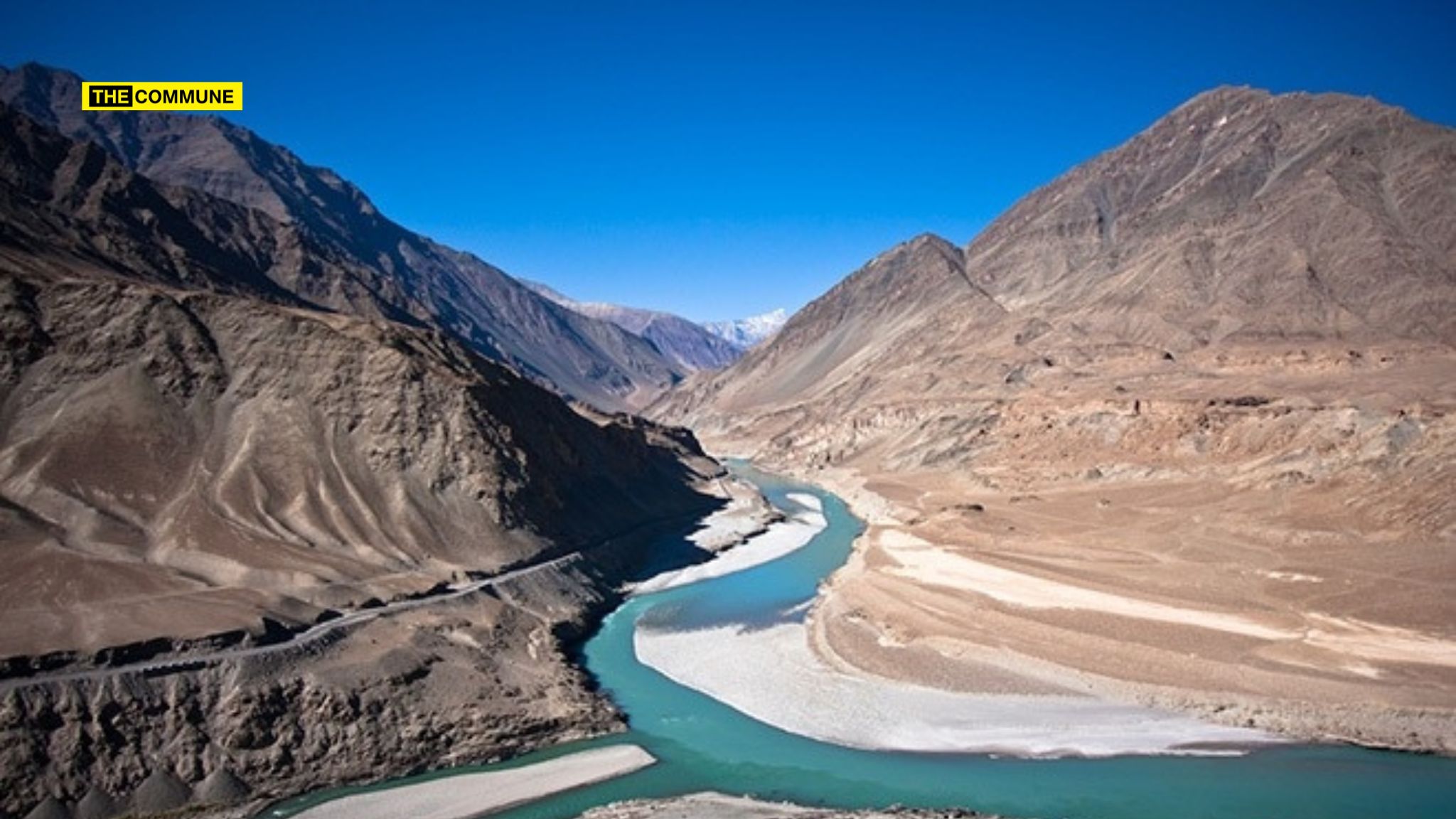
India has served a formal notice to Pakistan seeking a review and modification of the Indus Water Treaty (IWT) citing “fundamental and unforeseen changes in circumstances” that require a reassessment of obligations, government sources confirmed on Wednesday.

Under the Indus Water Treaty signed between India and Pakistan in 1960, waters of three rivers – Ravi, Sutlej and Beas – averaging around 33 Million Acre Feet (MAF) were allocated to India for exclusive use. The waters of Western rivers – Indus, Jhelum, and Chenab – averaging to around 135 MAF were allocated to Pakistan except for specified domestic, non-consumptive and agricultural use permitted to India as provided in the Treaty.

In the notice that was served to Pakistan on August 30 this year, India highlighted that, under Article XII(3) of the IWT, its provision may from time to time be modified by a duly ratified Treaty concluded for that purpose between the two governments. “India’s notification highlights fundamental and unforeseen changes in circumstances that require a reassessment of obligations under various Articles of the Treaty. Among various concerns, important ones include change in population demographics; environmental issues – need to accelerate development of clean energy to meet India’s emission targets; impact of persistent cross border terrorism, etc,” the source mentioned.

The notification was issued in the background of a separate prolonged controversy with respect to Kishanganga and Ratle Hydro Projects. “In this regard, the World Bank has simultaneously activated both the Neutral Expert mechanism and the Court of Arbitration on the same set of issues. The Indian side has, therefore, also called for reconsideration of the dispute resolution mechanism under the Treaty. With this Notification, India has called Pakistan to begin government-to-government negotiations in order to review the Treaty under the provisions of Article XII(3),” the official mentioned.

–IANS

Subscribe to our TelegramWhatsApp, and Instagram channels and get the best stories of the day delivered to you personally.
Bharat Takes A Giant Stride Towards Electoral Reforms: Amit Shah On ONOE’s Cabinet Nod

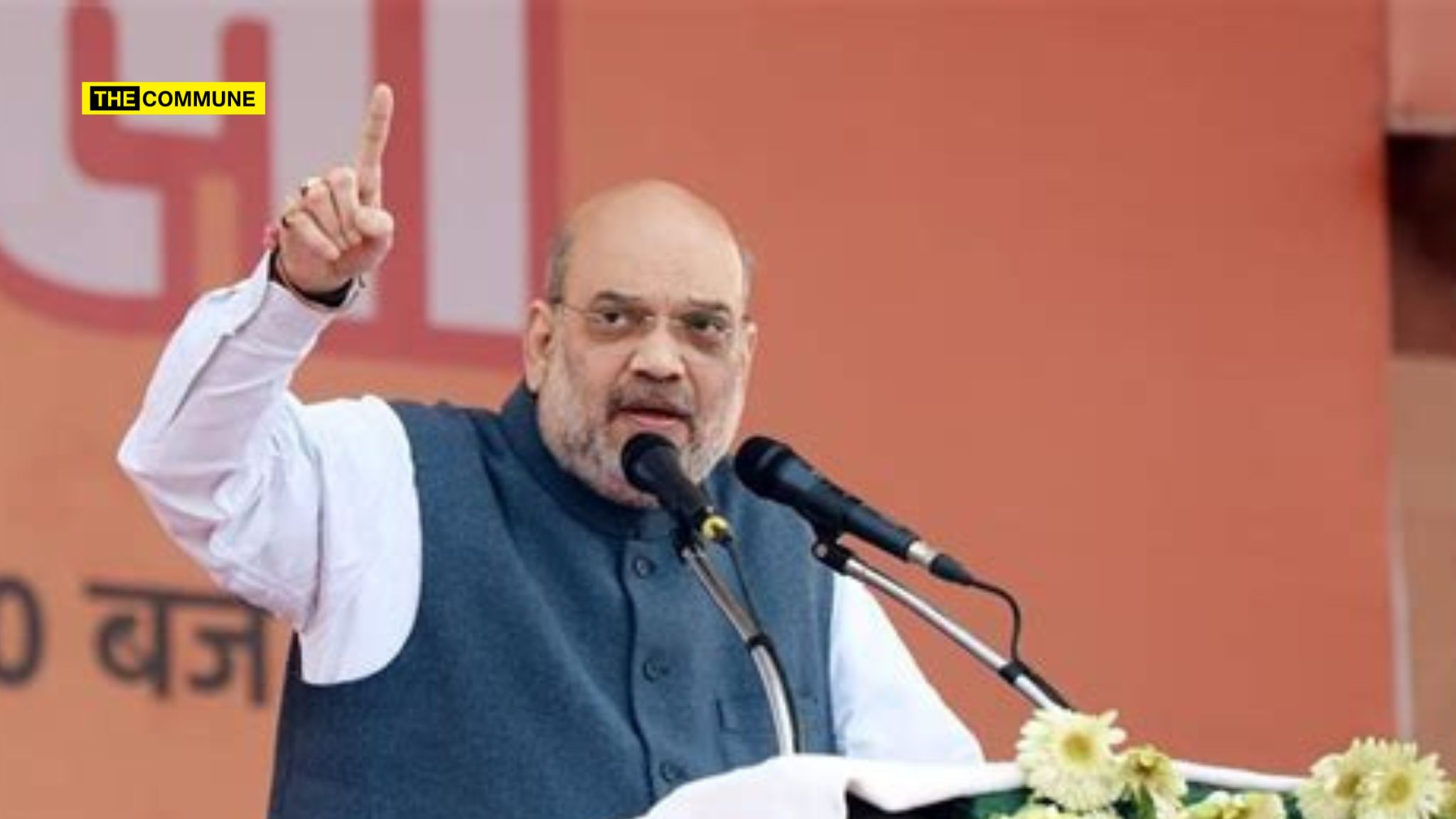
Union Home Minister Amit Shah on Wednesday welcomed the Cabinet nod for ‘One Nation, One Election’ (ONOE), saying this will pave the way for a giant leap towards landmark electoral reforms in the country.

Taking to X, the Home Minister wrote: “Under the leadership of Prime Minister Narendra Modi, Bharat has been witnessing transformative reforms. Today, in this direction, Bharat takes a giant stride towards landmark electoral reforms with the Union Cabinet accepting the recommendations of the High-Level Committee on One Nation One Election.” The proposal for conducting simultaneous Lok Sabha and State Assembly elections under the ONOE and the recommendations of the former President Ram Nath Kovind-led panel were accepted by the Union Cabinet earlier in the day.

The committee headed by former President Kovind had submitted the report in March and was placed before the Cabinet on Wednesday, for getting its nod. A Bill to the same effect is likely to be brought in the next session of Parliament. Amit Shah further said that the ONOE clearance reflects PM Modi’s iron will to bolster democracy through clean and financially efficient elections, adding it will accelerate economic growth through more productive allocation of resources.

BJP President J.P. Nadda also appreciated the move and said that this will go a long way in streamlining the electoral process. “The current system of holding elections at different times across states hampers development efforts and burdens the national treasury. This landmark decision aims to streamline the electoral process and ensure better governance,” J.P. Nadda said. He further said that adopting “One Nation, One Election” will help lower election-related expenses and financial burden on the government.

Notably, the recommendations made by a high-level panel led by Ram Nath Kovind lays out a comprehensive roadmap for the implementation of simultaneous elections. The panel has recommended conducting concurrent elections for the Lok Sabha and state Assemblies as the first phase, to be followed by synchronised local body polls within a 100-day period.

–IANS

Subscribe to our TelegramWhatsApp, and Instagram channels and get the best stories of the day delivered to you personally.
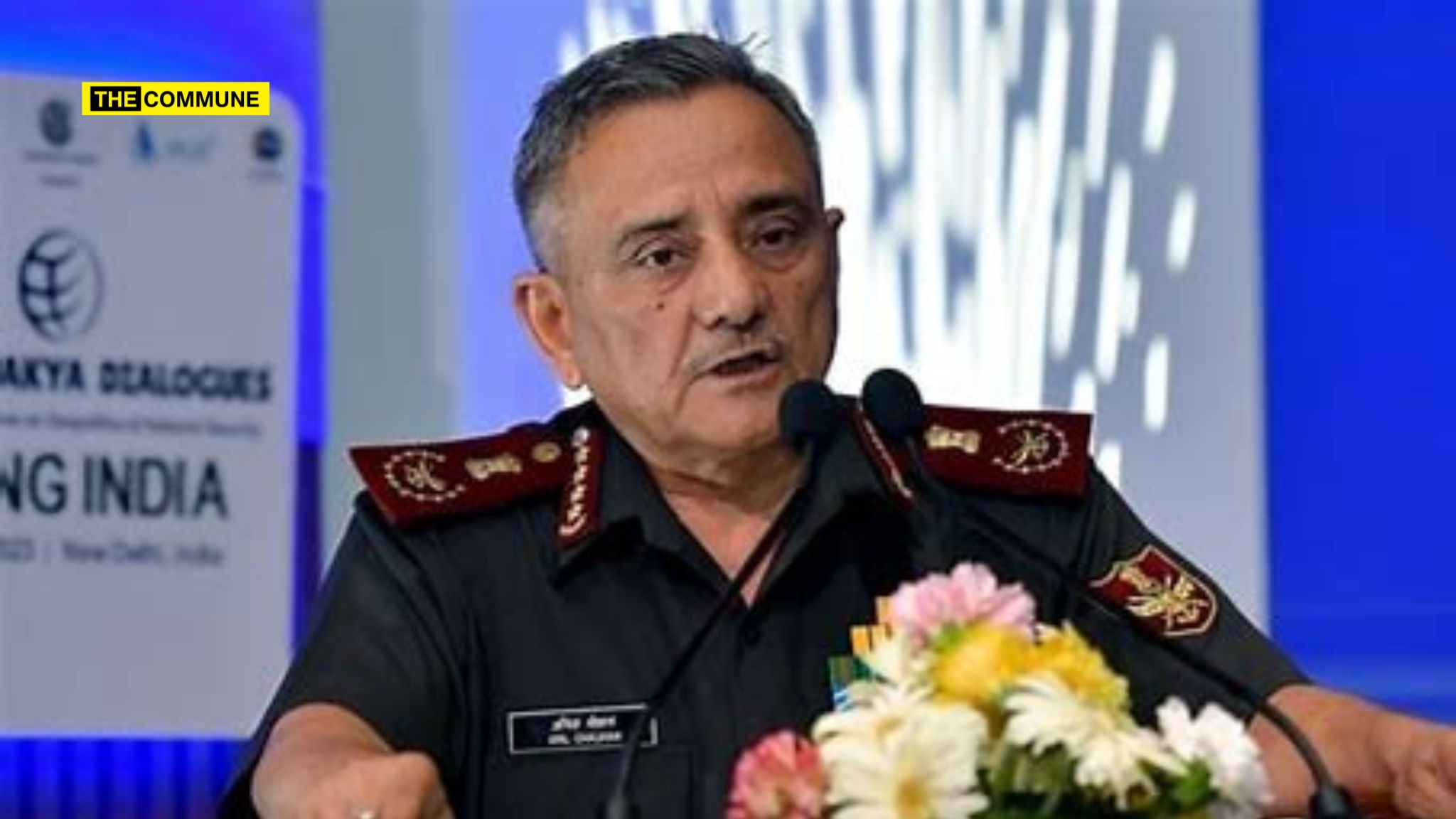
India Is ‘Vishwa Mitra’ & ‘Vishwa Bandhu’ In Global World Order: CDS Chauhan

On Wednesday, Chief of Defence Staff (CDS) Gen Anil Chauhan said that India is a ‘Vishwa Mitra’ and a ‘Vishwa Bandhu’ in the global world order.

“India’s position is of a ‘Vishwa Mitra’ and a ‘Vishwa Bandhu’ in the global world order. India’s focus is on operational readiness, modernisation and strategic autonomy through ‘Aatmanirbharta’,” said CDS Chauhan while addressing a conclave for Foreign Service Attaches (FSAs) hosted by the Defence Intelligence Agency of Headquarters Integrated Defence Staff at New Delhi.

He added that in the most violent decade since World War II, there is a growing propensity amongst nations to use force to contain conflicts. The growing uncertainty and insecurity are leading nations to renew their national security strategy and increase expenditure on defence. The CDS said this while highlighting four distinct areas of India’s Defence vis-a-vis operational preparedness, modernisation, transformation and indigenisation. He emphasised the significance of Data-Centric Warfare and the role of Artificial Intelligence in revolutionising warfare. The CDS gave an insight into India’s Atmanirbharta for defence capability development and strategic autonomy.

Director General Defence Intelligence Agency (DG DIA) Lt Gen DS Rana apprised the FSAs that India’s Defence Diplomacy was expanding steadily regarding the nature of activities and geographic coverage, wherein security cooperation was a key component. He highlighted the vision of Atmanirbharta and indigenisation in Defence and implored FSAs to gain first-hand experience in modernisation programmes. A holistic overview of India’s strategic perspective was given to the FSAs by Defence Subject Matter Experts.

Lt Gen Raj Shukla (Retd) spoke on ‘India’s National Security, Challenges and Opportunities’, Vice Admiral Pradeep Chauhan (Retd) deliberated upon ‘Indo-Pacific Region Competition, Cooperation and Challenges’ and Lt Gen Rakesh Sharma (Retd) gave insights on ‘Grey Zone Warfare and Impact on Security Dynamics’.

–IANS

Subscribe to our TelegramWhatsApp, and Instagram channels and get the best stories of the day delivered to you personally.
An Important Step Towards Democracy, PM Modi Hails Nod To Simultaneous Elections

An Important Step Towards Democracy, PM Modi Hails Nod To Simultaneous Elections

Prime Minister Narendra Modi has hailed the government’s approval of simultaneous elections as a significant step toward enhancing India’s democracy. He also thanked former President Ram Nath Kovind for painstakingly spearheading the nationwide consultation process.

In a post on X on Wednesday, PM Modi said, “The Cabinet has accepted the recommendations of the High-Level Committee on Simultaneous Elections. I compliment our former President, Ram Nath Kovind Ji, for spearheading this effort and consulting many stakeholders.” “This is an important step towards making our democracy even more vibrant and participative,” he added.

Earlier, the Union Cabinet, chaired by Prime Minister Modi on Wednesday, accepted the high-level committee’s recommendations on simultaneous elections under the chairmanship of former President Ram Nath Kovind. The committee, in its report, said that elections had been held simultaneously between 1951 and 1967. The Law Commission, in its 170th report (1999), also said that one election to Lok Sabha and all Legislative Assemblies in five years should be held. The Parliamentary Committee’s 79th Report (2015) suggested methods for simultaneous elections in two phases.

The High-Level Committee chaired by Ram Nath Kovind extensively consulted a broad spectrum of stakeholders including political parties and experts. Extensive feedback has shown there is widespread support for simultaneous elections in the country. The Kovind committee had recommended common electoral rolls for all elections and an implementation group to supervise the whole process.

A bill to implement simultaneous elections is expected to be introduced in the Winter session of Parliament. This initiative aims to synchronise Parliamentary and Assembly elections, which has been a part of the Modi government’s 100-day agenda. Prime Minister Modi has frequently emphasized the need for this system, arguing that the country incurs significant costs and disruptions from ongoing election seasons.

–IANS

Subscribe to our TelegramWhatsApp, and Instagram channels and get the best stories of the day delivered to you personally.