Home Blog Page 852

Bangladeshi Hindus Send Distress Messages To Hindus In India For Help

Bangladeshi Hindus Send Distress Messages To Hindus In India For Help

Following thestudent protestsand subsequent military coup in Bangladesh that caused former PM Sheikh Hasina to depart from the country, Hindus in Bangladesh have been facing attacks from all sides by Islamists. Hindus in Bangladesh, a minority constituting only about 8% of the total population, are in great peril.

However, leftists and otherplacard-holdinginfluencers are continuously downplaying the looming threat, and the incessant atrocities meted out against the Bangladeshi Hindus in mainstream media. 

An example of this threat can be fathomed when we read this message shared in a BNP private Telegram group, which was later forwarded to a public Jamaatis channel – the message urged thatHindus need to be taught a lesson, so they never find the courage to protest again” and instructed that their suffering be portrayed as a political conspiracy by the Awami League. The message also mentioned plans to infiltrate Hindu protests with Awami flags to discredit their cause.

Over the past few days, Bangladeshi Hindus have been sending several distress messages to various Hindu organisations and notable pro-Hindu personalities on social media platforms. Below are messages that Supreme Court advocate J Sai Deepak received on his messenger and email.

These distress messages reflect the terror they live in and that immediate action is necessary.

One Hindu requested that the Indian government be more flexible regarding the legal entry of Bangladeshi Hindus into India, emphasising that most Bangladeshi Hindus are economically prosperous and would not be a burden to the country.

Another Bangladeshi Hindu urgently appealed for help, stating that Hindus are facing an unprecedented genocide, with homes being burned and relatives hiding in fear for their lives. The message warned of Islamist plans to destabilise Indian border states and expand their influence, urging the mobilisation of people to prevent further massacres. The person expressed a willingness to fight until the end and called this a trueDharm Yudha,asking for support to prevent the extermination of their community.

A Bangladeshi Hindu parent expressed deep concern about the increasing violence against Hindus in Bangladesh by radical Islamists. He shared his family’s history of suffering due to staying in the country during past conflicts and that he fears for his young son’s future. The individual, who has been following Mr. Deepak’s work, asked for guidance on the options available for an oppressed Bangladeshi Hindu to seek protection in India and live without fear.

A Hindu from Kolkata, whose grandparents fled Bangladesh during the 1971 liberation war, described the dire situation currently faced by their relatives in Bangladesh. They reported that their cousins’ homes were attacked, forcing them to flee and seek shelter in a single room, living in fear with lights and fans turned off to avoid detection by Islamist extremists. The person also criticized recent media coverage, claiming that photos of Muslims protecting Hindu temples are staged and do not reflect the true severity of the situation.

Someone in the UK also messaged Sai Deepak about observing Bangladeshi Muslims’ celebration in the country, marking the resignation of their Prime Minister. When the Hindus approached the crowd, they felt intimidated by how people looked at them. They expressed frustration that many Hindus in India and elsewhere are not fully grasping the seriousness of the situation and are not raising their voices, which they find heartbreaking.

Yet another message from a Hindu girl living in Bangladesh, expressing distress over the recent violence against Hindus and temples in the country. She urged action to address the situation and thanks the recipient.

The message is from someone in Bangladesh who requests the recipient to make videos to raise awareness about the suffering of Hindus due to recent communal attacks in the country. They urge the recipient to help and inform the world about the situation.

The message is from a Bangladeshi student who reports that the situation is particularly difficult for Hindus in the Jessore and Khulna regions. They request assistance while asking to keep their identity confidential.


The message describes severe attacks on Hindus in the Sylhet division of Bangladesh, including the burning of temples, looting, and forced occupation of homes. It reports incidents of rape by madrasa students and widespread fear among the Hindu community. The sender urges immediate action to address the violence and prevent a potential refugee crisis, criticising misinformation spread by some Muslim students on social media.

The message highlights that people in Bangladesh are too frightened to share their experiences due to threats of repercussions, leading some to falsely claim that Hindus are safe. The sender, who does not live in Bangladesh, reports that their relatives are terrified and feel they must leave the country. Such distress messages describe the presence of Jamat Shibir goons and the distortion of historical facts, emphasizing that the situation is more severe than just political opposition. The sender requests assistance in finding a safer place for their people.


Hindus Living In Ignorance

A Hindu shared their frustration with a friend who dismissed concerns about the ongoing genocide in Bangladesh. The friend was skeptical, saying that nothing like this would happen in India and that the media is untrustworthy, often spreading countless stories like this. When warned that such events could occur in the future unless people unite, the friend’s response was that they hadbetter things to focus on than genocide,leaving the person at a loss for words

Looting, arson, lynchings, rapes, gang rapes, live rapes, temple destruction, and the ruin of libraries and heritage sites—these atrocities are reminiscent of past horrors like the destruction of Hampi in 1565, the events of 1971, and the 1992 violence. Now, we face similar devastation in 2024. The narrative will likely portray this as a peasant rebellion led by impoverished Bangladeshi Muslims against wealthy Hindus who were seen as informers for India. This so-called secular student-led uprising has led to the burning of Hindu temples and other forms of violence.

Meanwhile in West Bengal, an example of Ummat prevailing over language, culture, and the concept of universal harmony is the Arabic calligraphy that overshadows the Bangla language movement of 1952. This calligraphy is displayed on the wall next to the Shaheed Minar, which was originally a symbol of the struggle for the Bangla language.


As the situation is yet to come to normal in Bangladesh, the number of these attacks and lootings will only continue to increase unless action is taken.

The harrowing accounts shared by Bangladeshi Hindus in these distress messages paint a grim picture of the persecution they face. Despite the global media spotlight on the crisis, the situation continues to deteriorate, with reports of widespread attacks, killings and the destruction of Hindu homes and temples.

The silence of the international community and the indifference of left-leaning institutions in India has emboldened the Hindu-hating perpetrators. Until concrete steps are taken, these distress messages will continue to echo and serve as a haunting reminder of how we stand to fail a community on the brink in Bangladesh.

(This article is based on an X thread by J Sai Deepak)

Subscribe to our channels on TelegramWhatsApp, and Instagram and get the best stories of the day delivered to you personally.
Strategic Reclamation: Advantages For India In Reclaiming Land In Northern Bangladesh

India’s strategic interests in South Asia are closely tied to its geographic, economic, and security concerns. One of the most pressing territorial issues involves land reclamation in northern Bangladesh, particularly in the regions historically connected to Hili in West Bengal and Mahendraganj in Meghalaya. This potential reclamation could yield significant advantages for India, addressing both longstanding demographic concerns and the critical “Chicken’s Neck” problem while also fostering a win-win situation for both India and Bangladesh.

The “Chicken’s Neck” Problem: A Strategic Vulnerability

The “Chicken’s Neck,” also known as the Siliguri Corridor, is a narrow strip of land connecting India’s northeastern states to the rest of the country. At its narrowest point, it is just about 22 kilometres wide, making it one of the most strategically vulnerable regions in India. The corridor is bordered by Nepal, Bhutan, and Bangladesh, placing it at the intersection of multiple international borders.

This narrowness poses significant security risks. In the event of geopolitical tensions or conflicts, the Siliguri Corridor could easily be cut off, effectively isolating the northeastern states from mainland India. This vulnerability has been a longstanding concern for Indian defence planners, and reclaiming land in northern Bangladesh could significantly alleviate this problem.

By reclaiming the territories in Hili and Mahendraganj, India would gain better control over a broader expanse of land, effectively widening the access routes to the northeastern states. This would not only reduce the strategic risks associated with the Siliguri Corridor but also enhance India’s overall border security, ensuring that crucial transport and communication links remain intact even in times of crisis.

Demographic Changes And Historical Context

The regions of Hili in West Bengal and Mahendraganj in Meghalaya have witnessed significant demographic changes over the past several decades. Following the partition of India in 1947 and the creation of East Pakistan (now Bangladesh), these regions experienced a shift in population dynamics. The influx of people and the redrawing of borders led to a complex demographic landscape that, in some cases, has fueled tensions and challenges related to identity, land ownership, and resource allocation.

Reclaiming these territories would allow India to address these demographic concerns by reintegrating historically Indian lands and populations back into the country. This could help stabilize the region by ensuring that the local populations, who often have cultural and historical ties to India, are reconnected with the Indian state. Additionally, India could implement policies aimed at inclusive development, infrastructure improvements, and social integration, thereby fostering a more cohesive and stable demographic environment.

Strategic Advantages: Reducing Distance And Enhancing Connectivity

One of the most immediate and tangible benefits of reclaiming these territories is the drastic reduction in travel distance between key points in West Bengal, Assam, and Meghalaya. Currently, the journey around the borders of West Bengal, Assam, and Meghalaya spans approximately 614 kilometers. However, by reclaiming the land in northern Bangladesh, this distance could be reduced to just 85 kilometers, providing a more direct route between these regions.

This reduction in distance would have profound implications for both civilian and military logistics. It would enable faster and more efficient movement of goods, people, and military personnel between the northeastern states and the rest of India. This improved connectivity would also stimulate economic activity in the region, encouraging trade, investment, and tourism, which in turn could contribute to the overall development of the northeastern states.

A Win-Win Situation for India and Bangladesh

The reclamation of land in northern Bangladesh could be framed as a mutually beneficial arrangement between India and Bangladesh. For India, the advantages are clear: enhanced border security, improved connectivity, and greater regional stability. For Bangladesh, the benefits could come in the form of increased economic cooperation, infrastructure development, and strengthened bilateral relations with India.

Bangladesh has historically maintained strong ties with India, and resolving this territorial issue could further solidify this relationship. Bangladesh could benefit from Indian investments in infrastructure projects, cross-border trade, and regional development initiatives. Additionally, a stable and prosperous northeastern India would serve as a valuable trading partner and ally for Bangladesh, fostering a more integrated and cooperative South Asian region.

Moreover, by addressing and resolving historical territorial disputes through peaceful and diplomatic means, both India and Bangladesh would set a positive example for regional cooperation and conflict resolution. This would enhance their standing in the international community and contribute to the overall stability and security of South Asia.

Reclaiming the land in northern Bangladesh from Hili in West Bengal and Mahendraganj in Meghalaya offers India significant strategic advantages, particularly in addressing the “Chicken’s Neck” problem and improving regional connectivity. By reducing the distance between key regions, enhancing border security, and addressing demographic concerns, India would strengthen its position in South Asia while fostering a win-win situation for both India and Bangladesh. This strategic reclamation, if handled diplomatically and with mutual cooperation, could mark a new chapter in Indo-Bangladeshi relations and contribute to the long-term stability and prosperity of the region.

Ganesh Kumar is a geo-political analyst.

Subscribe to our channels on TelegramWhatsApp, and Instagram and get the best stories of the day delivered to you personally.

Congress Fake Video Claims Rail Accident In Sonbhadra (UP) Gets Fact-Checked By Railway Ministry

Congress Fake Video Claims Rail Accident In Sonbhadra (UP) Gets Fact-Checked By Railway Ministry

On 11 August 2024, the Ministry of Railways’ official X account fact-checked the Congress party’s alleged claim about a recent rail accident in Sonbhadra, Uttar Pradesh. The Congress, now the opposition party in India, had shared misleading information on their X account, alleging that another rail accident has taken place.

The ministry rebutted the Congress party’s sharing of a video of a derailed goods train on its X account, criticizing Union Railway Minister Ashwini Vaishnaw and labeling him a “Reel Mantri.” The congress mockingly added, “Reel Minister, A goods train derailed in Sonbhadra, UP. Add this also to the ‘small’ incidents.”

The Ministry of Railways promptly addressed the false claims on X, stating, “Sir, the locomotive does not belong to Indian Railways, the track is not part of Indian Railways’ infrastructure, and the wagon is also not owned by Indian Railways.”

Earlier on 11 August 2024, two wagons and the locomotive of a private goods train derailed on a track managed by a power plant in Sonbhadra. The incident, which occurred around 11:30 am in the Shaktinagar area, caused no injuries. Officials reported that the train was transporting coal from Northern Coalfield Limited (NCL) in Khadia to the Anpara power plant. The Railways clarified that the track, wagons, and locomotive were all owned by the power plant.

The Congress party’s baseless allegations became a source of mockery and amusement online, with netizens gleefully trolling the party for their unfounded claims in a bid to gain political leverage.

One of the netizens ridiculed, “@INCIndia  has become the largest #Fakenews factory of India Shameless thugs.”

https://twitter.com/Bharatmkm/status/1822614927997333776

Another netizen mockingly noted, “Is it, oh nooooooo @RahulGandhi not aware of it.”

Another netizen angrily said, “File a criminal defamation case !!”

Another netizen advised Railway Ministry that, “Dear @RailMinIndia Why don’t u file a defamation case against..! This PIDDIs @INCIndia Who always looks matter to defame Bharat and its system.”

Another netizen mocked stating, “The whole INDI alliance is fake news factory and their master is @INCIndia
and the CEO of that fake news organisation is @RahulGandhi . Thooo shameless people”

(With inputs from India Today)

Subscribe to our channels on TelegramWhatsApp, and Instagram and get the best stories of the day delivered to you personally. 
Madras High Court Quashes Criminal Case Against Temple Activist TR Ramesh

In a recent legal victory for temple activist T.R. Ramesh, the Madras High Court has quashed a criminal case filed against him by the administrators of the Kapaleeswarar Temple in Chennai. The case, which Ramesh described as false, was initiated following allegations that he had instigated devotees at the temple on 31 August 2022.

Ramesh, however, has consistently denied the accusations, asserting that he was in Bangalore attending a family wedding at the time of the alleged incident, making it impossible for him to have been involved. The case was reportedly filed at the behest of the Hindu Religious and Charitable Endowments (HR&CE) Department, which oversees temple administration in Tamil Nadu.

Following the filing of the case, Ramesh secured anticipatory bail in September 2022. His legal team, led by Senior Counsel Satish Parasaran, then filed a quash petition to have the charges dismissed.

The Kapaleeswarar Temple had previously been in the news when Ramesh raised questions about a proposed construction of a cultural center using temple funds, which he argued was against the rules. In May 2024, the Madras High Court put the construction on hold pending further hearings.

In June 2024, Ramesh has addressed correspondence to key officials of the Tamil Nadu government concerning Sri Kapaleeshwarar Temple in Mylapore. The temple, an ancient agamic structure for the Saiva Sampradaya and the Poonamalee Uyar Thuluva Vellalars sect, was relocated to its current site in the 16th century after the original temple was destroyed by Portuguese forces and replaced with San Thome church.

The activist raised concerns over the unlawful lease of temple land to the Women’s Indian Association in 2012, comprising 10 grounds at a nominal rent of ₹3000 per month for 29 years and 11 months. Despite objections by the Temple Worshippers Society, the lease was approved by the government via G.O. Ms. 77 dated 24 February 2011, which has not been rescinded to date. This lease has resulted in significant financial losses to the temple annually.

(With inputs from Swarajyamag)

Subscribe to our channels on TelegramWhatsApp, and Instagram and get the best stories of the day delivered to you personally. 
Thirukovilur, TN: Hindu Munnani Halts Illegal Mosque Foundation Stone Ceremony On Govt Land

The Hindu Munnani in Tamil Nadu has successfully halted a foundation stone-laying ceremony for a mosque on government-owned land in Thirukovilur, Kallakurichi district.

The Hindu Munnani submitted a petition stating that the land in question, identified as Thirukovilur North Re. No. 532 and covering 0.23 acres, is officially designated as government ‘poramboke’ land. The petition noted that the Thirukovilur Masjid Waqf organisation had issued an invitation for a foundation stone ceremony for the Arcot Nawab Jamia Masjid in this area.

Furthermore, the petition highlighted that this land is traditionally used for Hindu cremation and such ceremonies and expressed concerns that the situation could lead to public disorder. It also alleged that the mosque’s organisers had not obtained the necessary permissions from the government for the construction.

In response, District Collector Maria Pillai led a negotiation session on 8 August 2024. The session aimed to address objections raised by the revenue and police departments regarding the planned foundation stone ceremony. Following these discussions, the District Collector ordered police protection for the site and denied permission for the ceremony.

Subscribe to our channels on TelegramWhatsApp, and Instagram and get the best stories of the day delivered to you personally. 
Bangladeshi Hindus Protest In Dhaka Demanding Protection Amid Escalating Violence

Hundreds of Bangladeshi Hindus took to the streets of Dhaka this week to protest a series of targeted attacks and temple vandalisation following the recent downfall of Sheikh Hasina’s government. The protests, sparked by widespread student demonstrations, saw people marching with signs demanding the protection of minorities and chanting slogans like “Who are we? Bengali, Bengali.”

On 9 August 2024, demonstrators blocked a major intersection in Dhaka, calling for peace and unity with chants of ‘Hare Krishna, Hare Krishna.’ 

Nirmal Rosario, a Hindu Unity Council leader, expressed grave concern, stating, “We are in a desperate situation, forced to guard our homes and temples at night. I have never witnessed anything like this before. We urge the government to restore communal harmony immediately.

Rosario also called on interim leader Yunus to address the escalating violence and prioritise resolving the crisis.

A statement from the Unity Council added, “As we approach a pivotal moment of victory, we sadly see that certain factions are trying to undermine this progress through unprecedented violence against minority communities.”

The violence that erupted following Hasina’s departure has claimed over 230 lives, bringing the total death toll to 560 since the anti-quota protests began in mid-July. Numerous Hindu temples, homes, and businesses have been attacked, with reports of women being assaulted and at least two Hindu leaders affiliated with Hasina’s Awami League party being killed.

Since the 5th of August, the date of Hasina’s departure, there have been widespread reports of looting and destruction targeting the Hindu community, which makes up around 8% of Bangladesh’s population. In the chaos, a schoolteacher and two Hindu councillors were killed, and an ISKCON temple in Meherpur was vandalised and set ablaze this past week.

In response to the violence, many Hindus have attempted to cross the land border into India, which shares a nearly 4,096 km long border with Bangladesh. The Bangladesh Hindu Buddhist Christian Unity Council reports that at least 52 of the country’s 64 districts have been affected by the unrest.

The council has called on Nobel Peace laureate Muhammad Yunus, who has assumed leadership of an interim government, to ensure the safety and security of minorities. In his inaugural address, Yunus vowed to take strict action against those promoting anarchy.

The Indian government has expressed concern over the situation and is closely monitoring developments. The Ministry of External Affairs has noted ongoing efforts by various groups in Bangladesh to protect minority communities.

In a recent statement by Home Minister Amit Shah also affirmed that “In the wake of the ongoing situation in Bangladesh, the Modi government has constituted a committee to monitor the current situation on the Indo-Bangladesh Border (IBB). The committee will maintain communication channels with their counterpart authorities in Bangladesh to ensure the safety and security of Indian nationals, Hindus, and other minority communities living there. The committee will be headed by the ADG, Border Security Force, Eastern Command.

Widespread Violence Against Hindus in Bangladesh

On 5 August 2024, the Bangladesh Hindu Buddhist Christian Unity Council published a report detailing a series of attacks on Hindu temples, homes, and businesses across the country amid ongoing political unrest. According to the Voice of Bangladeshi Hindus on social media platform X, these assaults occurred within a five-hour window. However, the actual number of incidents might be higher than those listed.

  • Sherpur: The residence of the president of the Sribardi Upazila Youth Unity Council was attacked, vandalised, and looted.
  • Khulna: Multiple properties were targeted, including the homes of Shyamal Kumar Das, Swajan Kumar Das, Biman Bihari Amit, Animesh Sarkar Rinku, and Jayanta Gain. Properties in Darpara, Koyra, were also attacked.
  • Feni: The Durga Temple was attacked, and in Dinajpur, the Fulthala cremation ground was forcibly occupied. Five temples, including the Kali Mandir in Parbatipur, were vandalised, and homes in Setabganj Bochakganj and Dhalla village were looted.
  • Lakshmipur: The house and office of Deepak Saha, leader of the Puja Celebration Council, were attacked and looted. Additionally, homes in Agarupur village and Rauzan, Chattogram, were burned and attacked.
  • Jashore: Three homes in Dhopaidi Palpara village were set on fire, and 22 shops, including Babul Saha’s warehouse, were vandalised in Narikel Bariya, Bagharpara.
  • Satkhira: Shops belonging to minorities in Kolaroa were looted, and the homes of Biswajit Sadhu and Dr. Subrata Ghosh were attacked and burned.
  • Shayestaganj Bazaar, Habiganj: Asit Baran Das’s shop was vandalised and looted. Minority homes in Lohagara, Narail, faced similar violence.
  • Bogra: Several minority shops in Tilpatti and Bargola were vandalised and looted, and Dr Gautam Kumar Mondal’s home in Sahapukur was also targeted.
  • Patuakhali: The Radha Govinda Temple in Kuakata was attacked, and Ananta Mukherjee’s house was vandalised and looted. Similar attacks occurred in Panchagarh’s Sadar.
  • Noakhali: The house of Sahadev Roy in Sonadia, Hatiya, was attacked and looted. Minority homes in Thakurgaon’s Sadar and Pirganj’s cremation temple were also targeted.
  • Jhenaidah: Ongoing violence affected 10 minority families in Chaklapara municipality, with shops in Kotchandpur also attacked.
  • Hathuria, Bera Thana, Pabna: Multiple minority homes were attacked, vandalized, and looted.
  • Nilphamari: Minority homes in Bamunia Union, Domar Upazila, faced attacks, vandalism, and looting, including an attempted attack in Barakali Bari.
  • Shariatpur: The Dhanuka Temple in the Sadar area was vandalized, with nearby minority homes also affected.
  • Lalmonirhat: Amiya Prasad’s house in Panchagram Union was attacked, and in Mymensingh, Shyamal Pal’s home in Ward 32 of Shambhuganj was assaulted.
  • Netrokona: The Ramakrishna Mission and ISKCON temple in the Sadar area were attacked, along with nearby minority homes.
  • Faridganj Upazila, Chandpur: Haripada Das’s house was attacked and looted, and an attempted attack was reported at Ram Doctor’s house in Araihazar, Narayanganj.

Social Media Reveals Violence Against Hindus In Bangladesh

Beyond the documented attacks, numerous videos and images circulating on social media have shown assaults on Hindu homes, businesses, and temples in Bangladesh, framed as part of the broader political violence. The authenticity of some of these videos remains unverified.

Among several videos shared on X, including one showing a mob attacking the home of Hindus in Bamunia Palpara, Gabtali Upazila, Bogra District.

Another video depicts a Hindu girl in distress in Mathbaria police station area, Pirojpur district, pleading for help in Bangla.

Additional footage shows the Shani Temple in Navgraha Bari, Chittagong, being set ablaze by rioters.

In Shibpur Upazila, Narsingdi District, a Hindu temple was attacked around 5 PM.

Yudhistir Govinda Das, an ISKCON India spokesperson, reported that an ISKCON center in Meherpur (Khulna division) was burned, including the deities of Lord Jagannath, Baladev, and Subhadra Devi. Fortunately, three devotees residing there managed to escape.

A video from Visegrad 24 shows Islamists surrounding Hindu homes and threatening the occupants.

According to The Daily Star“, a Bangladeshi newspaper, attacks have occurred in 27 districts. The report includes incidents such as the vandalism and looting of homes belonging to Pradip Chandra Roy and Muhin Roy in Lalmonirhat Sadar upazila, the burning of 12 Hindu houses in Hatibandha upazila’s Purbo Sardubi village, and the ransacking of several Hindu homes in Bandhavgarh’s Sadar upazila. Other attacks include ten Hindu houses in Dinajpur, a temple in Railbazarhat, and three homes in Khansama upazila. In Khulna, Oikya Parishad leaders’ residences were attacked, while Aditri Adhikary’s house in Barishal’s Gouranadi was targeted. Similar incidents of looting, vandalism, and arson have been reported in Bogura, Patuakhali, Sherpur, Narsingdi, Kishoreganj, Chattogram, Jashore, Satkhira, Habiganj, and Narail.

Amidst the severe political unrest in Bangladesh, Hindu and other minority communities are particularly vulnerable to these attacks, with Islamist mobs exploiting the situation. Meanwhile, some left-liberals and Islamist groups have either denied or justified these acts of violence.

(With inputs from OpIndia)

Subscribe to our channels on TelegramWhatsApp, and Instagram and get the best stories of the day delivered to you personally. 

After Targeting Adani Group, Hindenburg Hints At “‘Something Big Soon India’”

US firm Hindenburg posted cryptically on X: "Something big soon India.

After Hindenburg Research, a US-based short selling firm, allegedly earned only $4.1 million from betting against Adani Group securities—an amount insufficient to cover their research costs—they have once again in desperateness posted a cryptic message on their official X account on 10 August 2024: “Something big soon India.”

This development follows Hindenburg’s January 2023 report, which accused the Adani Group of insider trading and stock market violations, leading to a dramatic fall in Adani’s stock prices and reported losses exceeding $100 billion. The Adani Group has consistently denied these allegations, calling them baseless. At their Annual General Meeting in June, Chairman Gautam Adani responded, asserting that the group’s integrity remained unshaken despite the attack.

Additionally, the Supreme Court of India recently rejected a petition for a court-monitored investigation into the Adani-Hindenburg issue, based on a report by the Securities and Exchange Board of India (SEBI).

Recent complications have arisen with allegations from Mahesh Jethmalani, a senior Indian lawyer and BJP leader. In July 2024, Jethmalani alleged that an American businessman with Chinese ties, specifically Mark Kingdon of Kingdon Capital Management LLC, had commissioned the Hindenburg report. He claimed that Kingdon and his associate Anla Cheng had used Kotak Mahindra Investments Limited to establish a trading account for short-selling Adani shares. Jethmalani called for an investigation into potential connections between political critics of Adani and China, suggesting that the report might be Chinese retaliation for losing infrastructure projects like the Haifa Port.

On the other hand, SEBI’s show-cause notice to Hindenburg, issued on 26 June 2024, accused the firm of “deliberately sensationalizing and distorting certain facts” in their January 2023 report and collaborating with a New York hedge fund for their short positions. SEBI has given Hindenburg 21 days to respond.

The 46-page notice alleged that Hindenburg and Kingdon established a relationship in autumn 2022, prior to the report’s release, with Kingdon setting up positions in Adani stocks to profit from their decline.

Hindenburg responded by publishing their notice on their website, stating that they made only $4.1 million from their Adani positions. They lamented SEBI for not focusing on the evidence they provided about Adani’s offshore shell entities and financial movements. Hindenburg also pointed out that SEBI’s notice failed to address Kotak Mahindra Bank’s role, which had created and managed the offshore fund structure used by Hindenburg’s partner.

Hindenburg Research LLC – Who Are They?

Hindenburg Research LLC, a New York City-based firm, is recognised for its focus on short-selling strategies. Short sellers are investors who bet against specific stocks by borrowing them, selling them at current market prices, and then repurchasing them later at a lower price to return to the lender, thereby making a profit from the price drop.

The firm is currently under investigation by the U.S. Department of Justice for allegations related to short-selling practices and potential collusion with hedge funds.

Nate Anderson, the founder of Hindenburg Research, is known for his expertise in identifying and capitalizing on corporate crises. The firm’s operations center around uncovering and profiting from corporate failures.

Another short seller, Marc Cohodes, also claimed that Hindenburg obtains information from large funds to support their short trades.

In India, Hindenburg previously targeted Bollywood production company Eros, accusing it of accounting irregularities.

The Adani Group has argued that Hindenburg Research, by its admission, stands to gain financially from a decline in Adani’s share prices.

Subscribe to our channels on TelegramWhatsApp, and Instagram and get the best stories of the day delivered to you personally. 
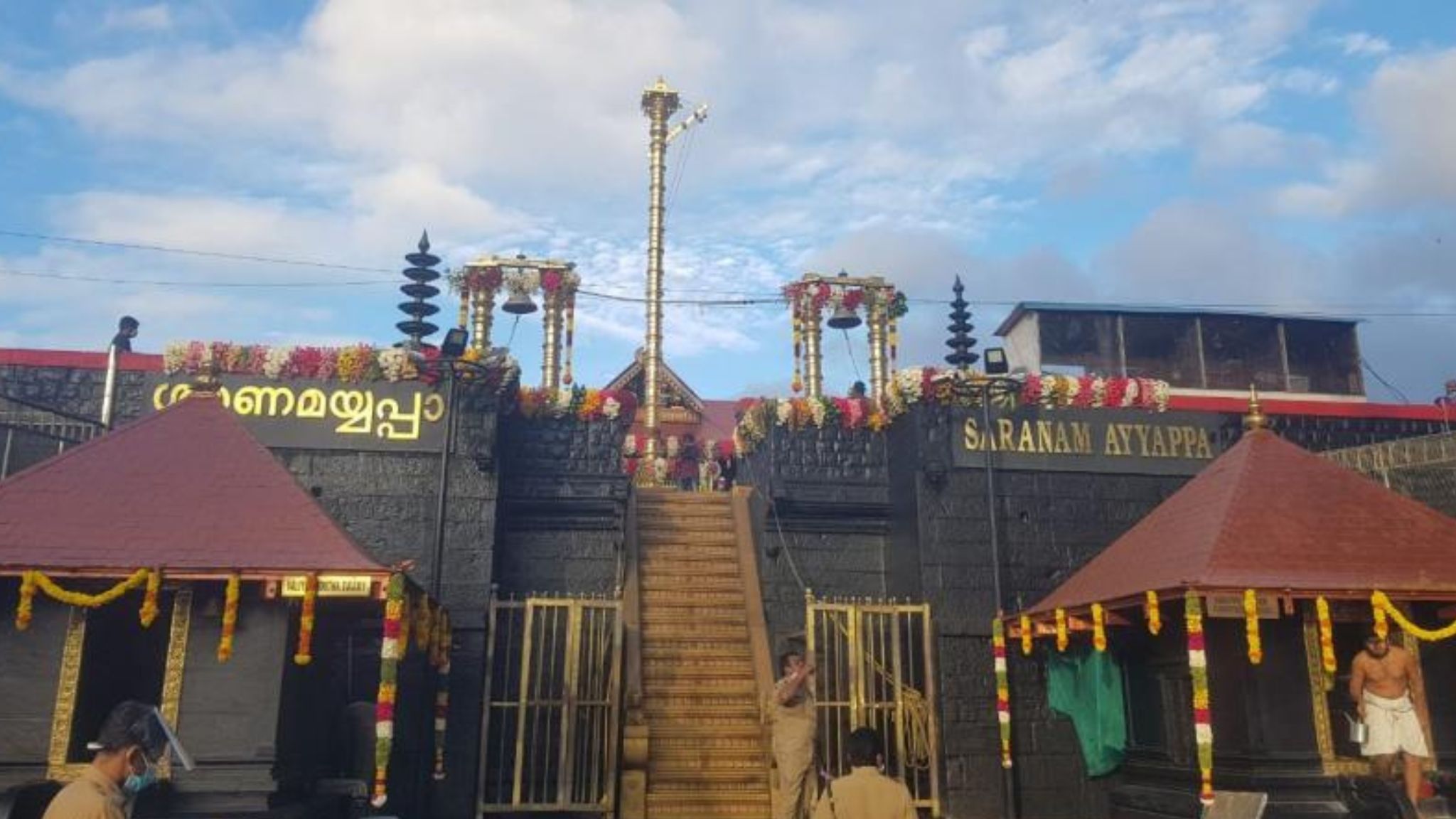
TN: TN Waqf Board Claims entire Balasamudram Village in Dindigul

In a striking parallel to the Thiruchendurai village land dispute, another property conflict involving the Tamil Nadu Waqf Board has come to light, this time in the Balasamudram Municipality of Dindigul district. With claims dating back to 2020, the Waqf Board asserts ownership over the entire municipality, leaving around 10,000 residents in limbo. Unable to sell their ancestral properties due to unresolved legalities, the community’s frustration culminated in a petition to local authorities in May 2023.

Still, the deadlock remains, mirroring the challenges faced by those in Thiruchendurai.

Significant yet Underreported dispute with Waqf Board

In a development that didn’t receive much media coverage, this case in Balasamudram is worryingly similar to the Waqf Board claiming ownership of the entire village of Thiruchendurai, which, according to their records, spans 389 acres. Balasamudram Municipality is in the Palani area of the Dindigul district. Due to this claim by the Waqf Board, residents of these villages have been unable to buy or sell their properties.

The Balasamudram Municipality, which comprises 18 wards and approximately 10,000 residents, has been grappling with a property dispute. On 25 May 2023, the residents petitioned Tehsildar Siva Kumar of Palani, requesting a revision of property claims to sell their land—properties that have been in their families for generations. However, the Registration Department has not recognised their ownership, citing Tamil Nadu Waqf Board’s claim as per Re.No 786/2022. The Waqf Board made its claim on Balasamudram on 21 February 2020.

Priyanka, a villagers’ representative, has petitioned the Tehsildar and spoken to the press about the issue. She stated thatthe residents cannot mortgage their lands due to the Waqf Board’s claim. The Registration Department has indicated that the land belongs to the Tamil Nadu Waqf Board based on old VAO records, specifically Survey Number 53/1A, which lists 96 acres as Waqf property. However, discrepancies exist between the Waqf Board’s survey and the patta numbers. The petition to the Tehsildar seeks to address these inconsistencies and facilitate proper land registration.

The situation did not end there. A troubling aspect of the case is that while the villagers have been prevented from registering their lands, the Registration Department has allowed others to buy and sell properties in the same villages. Although the Waqf Board issued a claim notice in 2022, the Palani Registration Department continued processing registrations for Survey Number 53/1A up until March 2023. Petitioner Priyanka has alleged that action should be taken against the officers who facilitated these registrations.

Thiruchendurai Village Claimed As Waqf Property

Rajagopal of Mullikarupur, who owns agricultural land in Thiruchendurai village, agreed to sell 1 acre 2 cents of his land to one Rajarajeshwari. He went to the Joint III Sub-Registrar office in Trichy to arrange the purchase deed for ₹3.5 lakhs and get it registered.

However, the sub-registrar told him that the land could not be registered as it belonged to the Tamil Nadu Waqf Board and that he had to get a ‘No Objection Certificate’ from the state Waqf Board office in Chennai to sell the land. When Rajagopal asked why he needed a NOC from the Waqf Board to sell land he purchased in 1992, the sub-registrar reportedly told him that this is the procedure for deeding any land in Tiruchendurai village.

The Waqf Board has sent a letter to the Registration Department along with documents stating that the entire village belongs to them and that those who come to register a deed for land in the village should get an NOC from them.

He was also shown a copy of the 250-page Waqf Board letter. In that letter, the Waqf Board has said that tens of thousands of acres of land all over Tamil Nadu are theirs. Rajagopal later explained his ordeal to the people of Thiruchendurai village, who are now concerned about the Waqf Board’s takeover of their lands. They have noted that when they already have the revenue department documents, including patta, chitta, adangal, revenue ‘A’ registration, and encumbrance certificate, how can the Waqf Board claim Thiruchenthurai village as its property?

The issue was brought to the notice of the District Collector, who has reportedly assured to look into the matter and decide.

TN Registration Department

Tamil Nadu Government Registration Department officials have said there are encroachments on water bodies, Waqf Board properties, and temple properties. The department claims to have received information that, through forged documents, unrelated persons were holding these lands, and many were embroiled in legal disputes.

“The court criticised the government and directed it to take appropriate steps to recover the assets. Based on that, in 2016, the government took measures to recover the assets. Following this move, the Waqf Boards recovered their properties throughout Tamil Nadu. The Board sorted out what it found to be its assets and notified the department of them. They also asked the registration department to stop any arrangement for the registration of deeds regarding certain properties. It is on this basis that entire villages, including Thiruchendurai and Kadiakurichi, have been identified as Waqf Board properties.”, Registration Department officials were quoted saying in the report.

Officials also noted that they will speak to the Secretary of the Minority Welfare Department and the Chairman of the Waqf Board.

They admitted that it is absurd to refer to Thiruchendurai temple and its lands as Waqf Board properties and that they have been facing problems when deed registrations have to be denied based on the Waqf Board’s letter.

Apart from villages like Thiruchenthurai and Kadiakurichi, regions in and around Chennai also have this problem, where the Waqf Board has claimed lands.

Tamil Nadu Waqf Board

Tamil Nadu Waqf Board is a statutory body established under the Waqf Act 1954 that supervises and manages Waqf institutions and administers Waqf properties.

Waqf properties are those movable and immovable properties dedicated by a person professing Islam for any purpose recognised by Muslim law as pious, religious or charitable.

Subscribe to our channels on TelegramWhatsApp, and Instagram and get the best stories of the day delivered to you personally. 
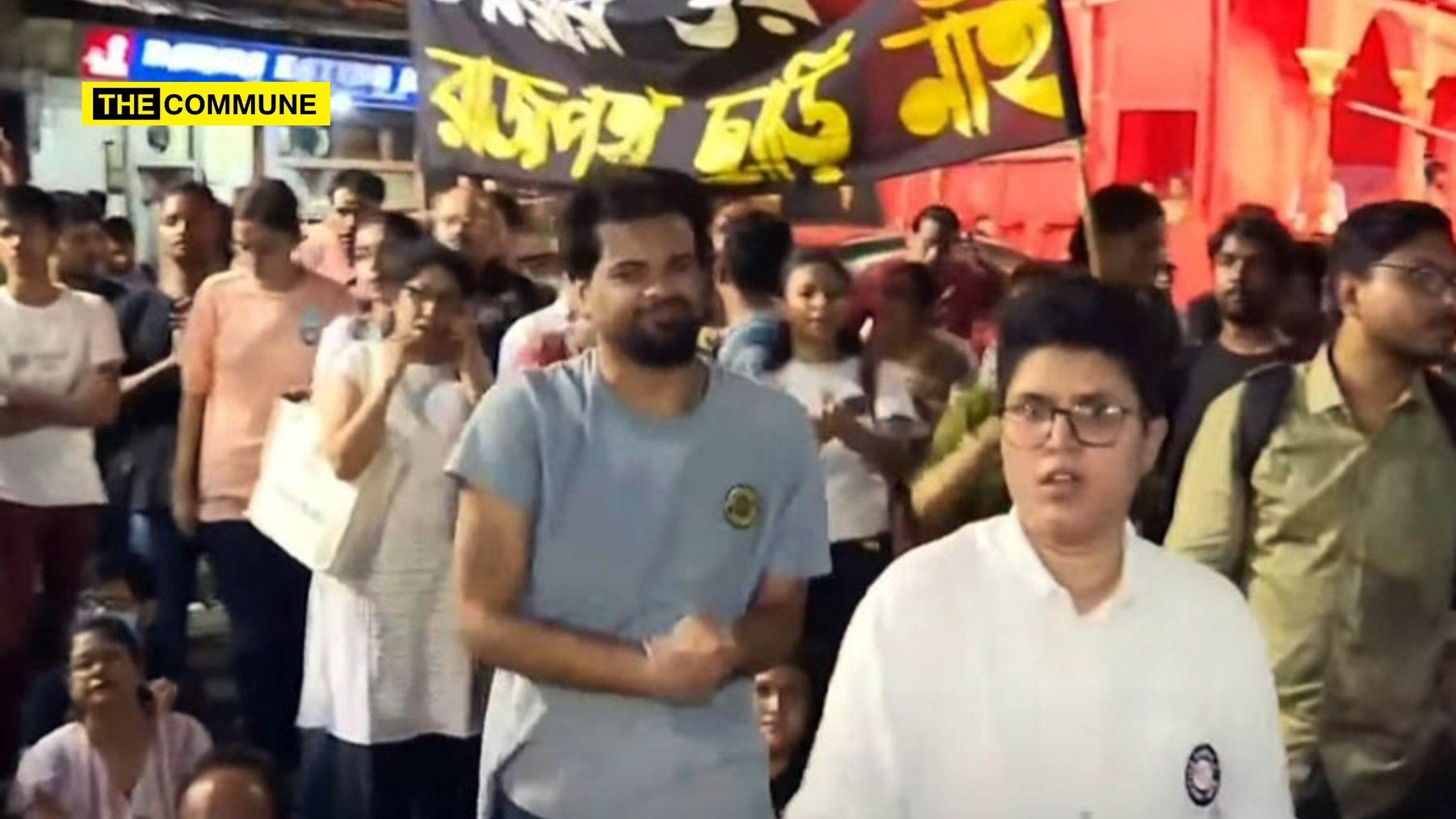
Travancore’s Titan: Exploring Marthanda Varma’s Phenomenal Rule In 18th Century

In the early 18th century, when the Dutch and English were vying to control the lucrative spice trade in Kerala, Marthanda Varma emerged as a titan of a king who defeated them, monopolised the spice business and shaped the course of Travancore’s history.

This is the story of how a king who built a great empire gave it all away to Sree Padmanabhaswamy to become a humble ‘Padmanabha Dasa’.

Medieval Kerala

The early 18th century was when medieval Kerala’s political structure was going through a period of turmoil. The state had become decentralised with the Ettuveetil Pillamar (local landlords) and the Madampimar (the barons) calling the shots. The authority of the throne was curbed by the Yogakkar (council of eight and a half), who also managed the Padmanabhaswamy Temple. There was no standing army, and the various royal lineages constantly clashed. This left the field open to the Dutch and English traders to assert their supremacy over the lucrative spice trade, often resorting to blocking the West Coast.

It was in such chaotic times that one man emerged, who defeated the Dutch, founded the kingdom of Travancore, created a modern army on European lines, and established his region’s monopoly over the spice trade.

Anizham Thirunal Marthanda Varma 

He was born in 1706 to Raghava Varma of Kilimanoor and Rani Karthika Thirunal of Attingal in the Trippappur Swaroopam, which was then just a small kingdom, between Edava in the north and Aralvaimozhi in the south. Marthanda Varma would ascend the throne at a time of great crisis.

The then ruler of Venad (present-day Travancore), Rama Varma, was at the mercy of the East India Company and Madurai Nayaks, with whom he had entered into treaties for support against the troublesome nobles in his court.  The British had already set up a factory at Vizhinjam in 1644, while the Ajengo Fort was strengthened in 1695 by them.

The Padmanabhaswamy Temple, on the other hand, was facing a funds crunch. Add to it the Thampi brothers, the sons of Rama Varma, revolted against him, with the help of the Madurai Nayaks.

How Marthanda Rose To Power

Marthanda subdued the revolt and drastically curtailed the powers of the Ettuveetil Pillamar, the Nair aristocracy, and the Yogakkara. Realising that the Dutch power in Kerala stemmed from their monopoly over the spice trade, he turned his attention to Central Kerala, the hub of spice cultivation.

Kollam was conquered in 1731, and annexed, as the strategically important port fell into his hands. Marta soon fell, while the neighbouring principality of Kayamkulam formed an alliance with the Kingdom of Kochi, allying with the Dutch too. However, the Travancore army seized Nedumangadu and Kottarakkara, while the Kayamkulam ruler was killed in 1734.

Marthanda Varma next targeted the Elayadathu Swaroopam( Kottarakara) after the death of its chief, whose princess took refuge in Thekkumkur. The Dutch Governor of Ceylon, Gustaaf Willem van Imhoff, sensing an opportunity, reinstated the princess. However, Marthanda Varma defeated the combined army of Kottarakara and the Dutch in 1741, as the principality was annexed to Travancore.

After consolidating his hold over Travancore, Varma targeted the Dutch forts, capturing them in a series of raids. The Dutch felt threatened by Marthanda Varma’s expansionist policy, as they felt that the British, with whom he had a treaty, would gain the upper hand in the pepper trade here. Gustaaf Van Imhoff, the Dutch Governor, wrote to Varma asking him to stop his campaign. It was the last battle of the Travancore-Dutch war, a series of other battles fought for the supremacy of the West coast, between Travancore and the Dutch supported by smaller kingdoms, who felt threatened by his expansionist policy.

Dutch Action

The Dutch Governor of Ceylon, Gustaaf Willem van Imhoff, visited Kochi in January 1739 and recommended military action to protect their interests. The Dutch in turn organized an alliance of Kochi, Kollam, and Kayamkulam, while van Imhoff personally met Marthanda Varma to negotiate peace. When Imhoff threatened to wage war, Varma shot back saying he had been thinking about invading Europe someday.

The Dutch declared war on Travancore in late 1739, deploying a unit under Captain Johannes Hackert. They had success initially, forcing the Travancore army to retreat from Kollam, and marched all the way up to Attingal and Varkala. However, when they launched another campaign in 1740, the Travancore Army fought back, attacking the Dutch factories, and taking possession of their goods.

Marthanda Varma defeated the Dutch at the historic battle of Colachel on 10 August 1741. The Dutch were utterly routed at Colachel, and most of their soldiers were taken prisoner, including their commander Eustachius De Lannoy. By 14 August 1741, all the Dutch fortifications in the region were captured and they had to retreat to Kochi, which was a total rout for them. It put an end to the Dutch plans to expand on the West Coast and in a way helped in the modernization of the Travancore army too.

He pardoned De Lannoy and Donadi and used their services to modernize their army.  De Lannoy the erstwhile Dutch commander, brought in modern artillery techniques, and firearms to the Travancore army, and trained them in the European military drill tactics. He became the Valia Kapitaan, the Commander in Chief of Travancore, and would play a major role later. 

Revolt in Kayamkulam

Varma still faced trouble from Kayamkulam, who, under Achyuta Warrier, continuously revolted against his rule. Reinforcing his army with the latest cavalry from Tirunelveli, he mounted an assault on Kayamkulam, annexing the principality in 1742 under the Treaty of Mannar.  The Kayamkulam chief however did not yield easily and again countered with an alliance of Kottayam, Kochi, Ambalapuzha, and Changanaserry in 1746.  Varma once again defeated the alliance, and the Kayamkulam ruler fled to Kochi where he took refuge.

In 1753, the principalities of Kottayam, Ambalapuzha, and Changanaserry, along with Meenachil, were annexed to Travancore. The tributary states of Karappuram and Alangad were ceded by the Kochi ruler. With the defeat of the Kozhikode ruler at Purrakada, Marthanda Varma emerged as the most powerful ruler. His kingdom of Travancore extended all the way from Kanyakumari up to Kochi.

He also declared a state monopoly on the spice trade in 1743, dealing a huge blow to Dutch hegemony.

Marthanda Varma as a Ruler

Marthanda Varma was an equally wise ruler, bringing in many changes in the administration, he dismantled the medieval aristocracy, that called the shots, creating a more centralized system of governance. He built up a modern bureaucracy, appointing a Dalava to look after military and economic affairs. The Dalava presided over a vast hierarchy from the Valia Sarvadhi Kariakkars at the top to the Kariakkars, Manikars, and Adhikaris at the lowest level. He introduced new divisions called Adhikaram and Mandapattu Vatukkal.

His other achievement was building up a modern army of 50,000 on European lines.  A key unit of his army was the Travancore Nair Brigade or the Nair Pattalam. Initially, it had only Nairs, but later, other communities were admitted; its first commander was Kumaraswamy Pillai.

This Nair Pattalam was later integrated into the Indian Army as the 9th and 16th Battalions of the Madras Regiment in 1954. During Marthanda Varma’s time, however, they were the sword arm of the Travancore Army and played a crucial role in his campaigns. Artillery batteries were placed along the coast from Purakkad to Kanyakumari, and a series of forts were established for safeguarding.

He also brought about reforms in agriculture, with the development of water harvesting, irrigation projects, and the introduction of commercial crops. He also introduced the system of Kullikanam, by which tax reductions called Naduvukkur and Vettalivu were granted to freshly sown lands.

Sree Padmanabhaswamy Temple

Marthanda Varma renovated the Sree Padmanabhaswamy Temple to the current structure we are familiar with and introduced state ceremonies like Murajapam and Bhadra Deepam. He also reconstructed the main deity, with the earlier one destroyed in a fire during Rama Varma’s reign.

In 1749, he donated his kingdom to Padmanabhaswamy and called himself Padmanabha Dasa. This tradition continued among the Travancore rulers. Thiruvananthapuram became a major city during his reign, and many artists and scholars migrated here.

He also patronised different temple forms, such as Koothu, Padhakam, Kathakali, Thullal, and Koodiyattam. Among his court poets were Ramapurathu Warrier and Kunchan Nambiar.

Although the great ruler passed away in 1758, he left behind a rich legacy with his administrative and economic reforms. His strong army meant that Travancore would successfully resist the invasions of Tipu Sultan later, unlike Malabar, which was devastated.

(This article was originally published in History Under Your Feet Blog and has been republished with permission)

Ratnakar Sadasyalu is a blogger with a passion in movies, music, books, and history. A techie by profession and a writer at heart. Author of City of Victory a book on Vijayanagar Empire.

Subscribe to our channels on TelegramWhatsApp, and Instagram and get the best stories of the day delivered to you personally.
Andhra Pradesh: Complaint Filed Against SC/ST Vigilance Committee Member Chitekala Salomi For Alleged Misuse Of Position For Construction Of Church

Representative Image

A complaint has been lodged against Chitekala Salomi, a member of the District SC/ST Vigilance & Monitoring Committee in Nandyal, Andhra Pradesh, alleging misuse of her official position. The complaint, submitted by the SC ST Rights Forum to the District Collector of Nandyal, seeks disciplinary action against Salomi and calls for an inquiry into her caste status by the District Level Scrutiny Committee (DLSC).

The allegations stem from a letter Salomi reportedly sent on 16 July 2024 to the Mandal Parishad Development Officer (MPDO) of Bandi Atmakur Mandal, Nandyal District. In the letter, Salomi allegedly warned that those obstructing the construction of a church on agricultural land would face criminal charges under the SC ST (Prevention of Atrocities) Act. The SC ST Rights Forum claims that this intervention was out of Salomi’s purview and constitutes a misuse of her position to favor a specific group.

The construction in question involves a church initiated by the Hosanna Ministries Society on agricultural land at Survey No. 433-1, without the necessary permissions. The complaint references the Andhra Pradesh Agricultural Land (Conversion for Non-Agricultural Purposes) Act, 2006, and the Andhra Pradesh Panchayat Raj Department’s G.O M.S No. 376 (2012), which mandates District Collector approval for religious constructions. Local residents had raised concerns with the Gram Panchayat, opposing the alleged illegal construction.

Additionally, the complaint highlights potential issues regarding Salomi’s caste status. It suggests that she may be a practicing Christian while holding an SC caste certificate, which could violate the Constitution (Scheduled Castes) Order of 1950, and a 2016 Supreme Court judgment. According to the order, a person who professes a religion different from Hinduism, Sikhism, or Buddhism cannot claim Scheduled Caste status.

The SC ST Rights Forum has called for a thorough investigation into these allegations and appropriate disciplinary action against Salomi if the claims are substantiated.

Subscribe to our channels on TelegramWhatsApp, and Instagram and get the best stories of the day delivered to you personally.