Home Blog Page 811

Achamillai, Achamillai: Even If The Dravidiandom Diminishes Or Denigrates Us, We’ve No Fear, We’ve No Fear
Achamillai, Achamillai: Even If The Dravidiandom Diminishes Or Denigrates Us, We've No Fear, We've No Fear.

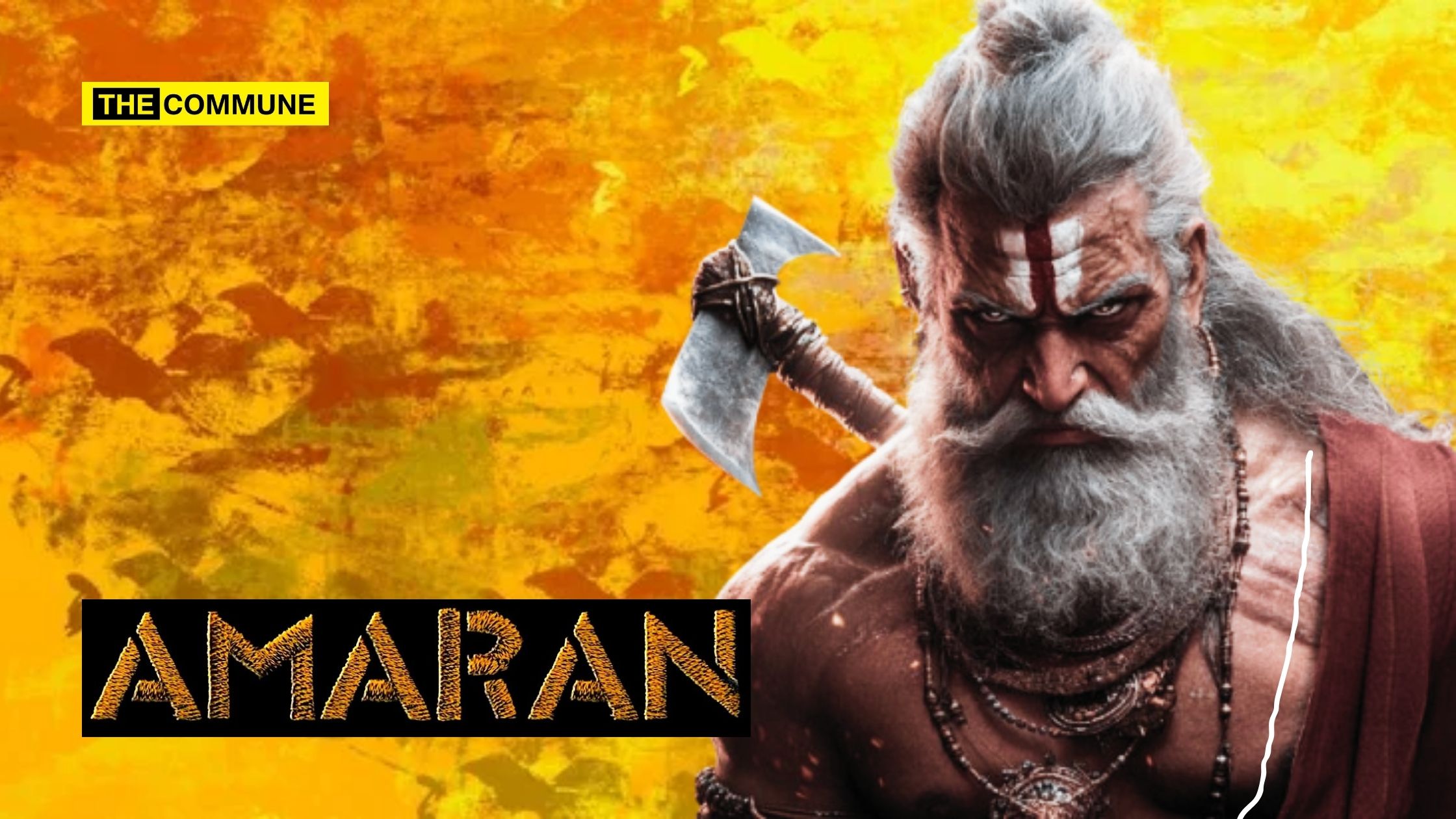
As an analyst who has tracked the Dravidian school of polity, I’m not surprised that the protagonist’s original identity in the recently released movie Amaran was deliberately hidden and tweaked.

A section of the Brahmin community who add a little extra salt in their food have pointed out this deliberate tweaking done by the movie makers and vented out their ire in social media. There’s another section who is willing to give it a pass for the greater good of “nationalism” and bringing back Indian nationalism discourse in Kollywood. A few of them who are subservient to the Dravidiandom for the crumbs thrown to them have defended the tweak as well. A few innocent Brahmins with self defeatist mindset feel portraying a Brahmin hero in Tamil Cinema might hamper the commercial success of the movie and justify tweaking on this ground.

The legendary Shivaji Ganesan had portrayed numerous Brahmin protagonist roles and had delivered numerous blockbusters. Shankar had delivered two big hits ‘Gentleman’ and ‘Anniyan’ with Brahmin leads. Directors like Suresh Krishna too have delivered blockbusters with a Brahmin hero and storyline revolving around a Brahmin family as well. The hypothesis that a Brahmin hero on screen will not accepted by Tamil audience is completely misplaced and lacks evidence.

The same applies to politics. The state had 3 Brahmin Chief Ministers who ruled the state for 17 odd years. That’s 17 out of 77 years. And if the Tamil people were actually Brahmin haters, they would not have given chance to Brahmins to rule them for 17 odd years.

Brahmins are perceived to be the most caste neutral of all communities in the state which contributed to their significant support among the masses in pre-independence electoral contests. The Telugus and Mudaliar-led Justice Party was defeated by a Brahmins-led Congress in many electoral battles in the pre-independence era. The Dravidian elite communities, forming the core of the Justice Party, perceived that competing with Brahmins posed a challenge due to the latter’s broader acceptance among the masses. They probably felt that the only way they can win is by taking the Alpha Brahmin male out from the playing field itself.

Once the Dravidian elites ascended to power, they successfully drove away the Brahmins in fields like politics, judiciary, bureaucracy, teaching, medicine and cinema through policy action and by employing hitting-below-the-belt strategies.

And despite driving them away, the Dravidian elites are wary that Brahmins might make a comeback one day or the other like how an alpha Devendra Fadnavis gave a come back in Maharashtra.

To prevent that comeback, they resort to vicious propaganda 24×7 against the Brahmin community by labeling them as lazy, coward and vultures feeding on the oppressed, contrary to ground reality. One of the most popular campaigns they unleash is by portraying Brahmins as a community which doesn’t serve armed forces camouflaging the fact that 3 out of 4 Ashoka Chakra awardees from Tamil Nadu were Brahmins and the lone Tamilian to win Param Vir Chakra Award – Major Ramaswamy Parameswaran– was also a Brahmin.

Portraying Mukund as a Brahmin in the movie will go against this propaganda and the Dravidian elite ecosystem will be badly exposed. Hence there seems to be this deliberate concealing of the fact in Amaran.

We, Brahmins, aren’t worried too much. We will take this in our stride and move on. Serving the Army, winning the battles or laying down our lives for the nation is nothing new to us. We aren’t cowards. Our boy Paranjothi won Vatapi for Narasimha Varman. Our men Krishnan Raman, Arulmozhi Brahmarayan, Karunakara Thondaiman, Jananathan won numerous battles for the Cholas as commanders. Our man Ramappaiyer was the Army commander for Tirumalai Naicker. Jaganatha Iyer played a big role by assisting Marudu brothers and Gopala Naicker in fighting against the British. Mukund, Dinesh Raghu Raman, Parameshwaran, PM Raman have all won the highest gallantry award for Bravery in post independence era making us proud.

Dravidianists may get orgasmic pleasure in concealing our identity in reel world and denying our due. But in real life, we will produce thousands of Mukunds and Parameshwarans to defend our country. Afterall, we belong to the clan of Parashuraman. We enjoy the real life adrenaline rush unlike our rivals who enjoy the reel life orgasmic pleasure.

To sum up with a tweak from Bharathi’s song:

அச்சமில்லை அச்சமில்லை,

அச்சம் என்பதில்லையே!

திராவிடர்கள் எவ்வளவு முடக்க செய்தாலும்

துணிச்சலுடன் எதிர்த்து நின்று களமாடி வெற்றி பெற

அச்சமில்லை அச்சமில்லை,

அச்சம் என்பதில்லையே!

Achamillai Achamillai (There’s no fear, There’s no fear)
Acham Enbathilliye (There’ no fear at all)
Dravidargal Evvalavu Mudakka Seidhalum (No matter how hard the Dravidianists paralyze us)
Thunichaludan Edhirthu Nindru Kalamaadi Vettri Pera (To bravely resist and win)
Achamillai Achamillai (There’s no fear, There’s no fear)
Acham Enbathilliaiye! (There’s no fear at all)

(Nanmozhian is an entrepreneur based out of Chennai.)

Subscribe to our channels on TelegramWhatsApp, and Instagram and get the best stories of the day delivered to you personally.
Pothigai Express Loco Pilot’s Swift Response Averts Railway Sabotage In Tamil Nadu

Pothigai Express Loco Pilot's Swift Response Averts Railway Sabotage In Tamil Nadu

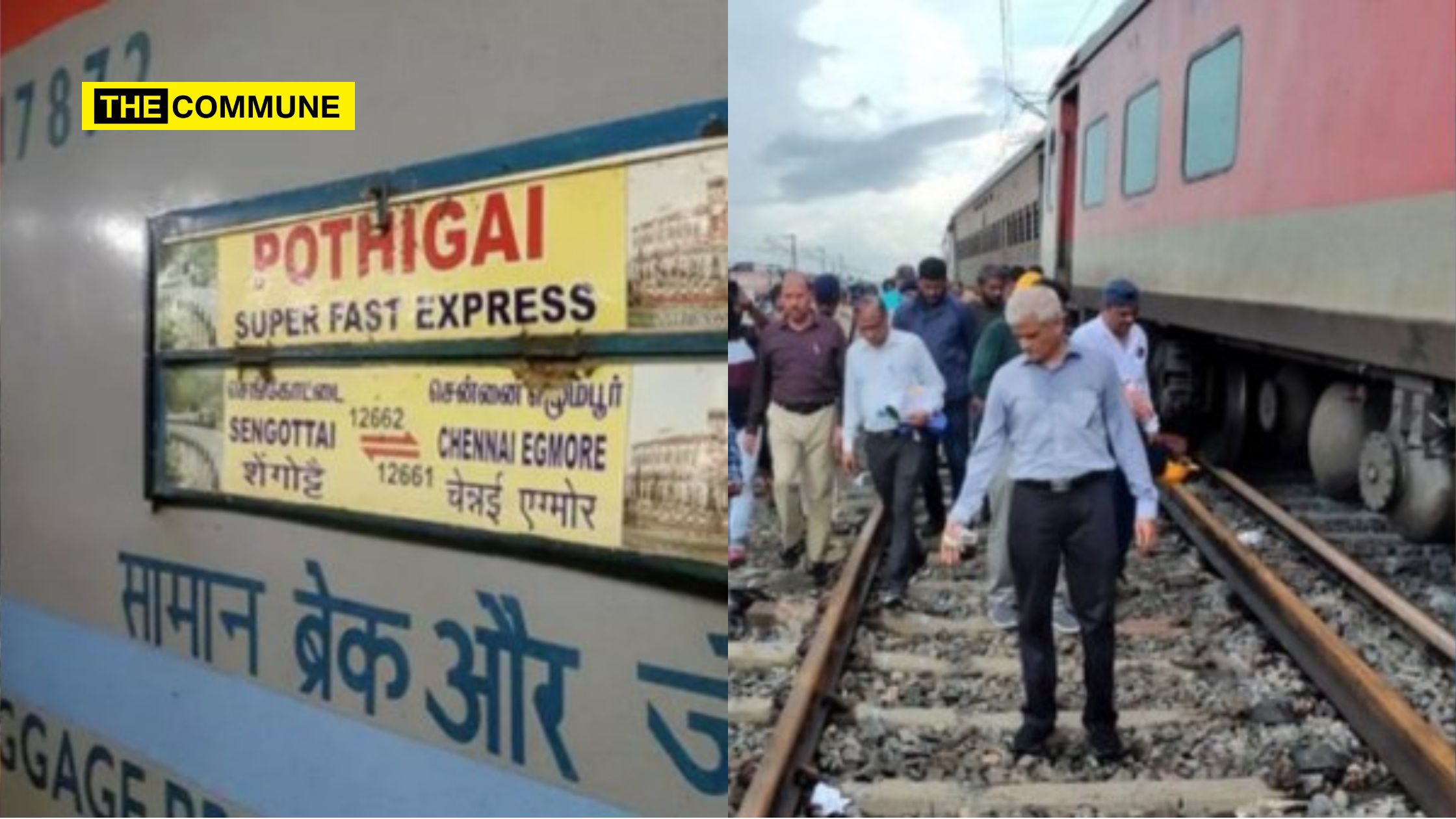
In Tamil Nadu’s Tenkasi district, there are rising concerns about a possible sabotage incident involving the Pothigai Express train in Kadaiyanallur. Railway police have launched an investigation after a large stone, weighing around 10 kilograms, was found on the tracks. The train, traveling from Sengottai to Chennai, encountered this obstruction in the Poganallur area.

A significant train disaster was narrowly avoided on Diwali day thanks to the vigilance of the loco pilot, who spotted the large boulder on the tracks near Kadayanallur and managed to halt the Pothigai Express train safely.

The event occurred yesterday evening when the 10 kg stone was mysteriously placed on the tracks in the Boganallur region. The quick response of the loco pilot not only stopped the train but also allowed for the removal of the obstruction, averting a potentially disastrous derailment.

Railway authorities were alerted immediately and have initiated an inquiry to determine whether there was an intention to derail the train. Investigators are working to uncover the identity of the individual responsible for placing the stone and their motivations.

This incident echoes a similar occurrence from September 26, when two individuals were arrested for placing stones on the tracks in Kadayanallur. Additionally, there have been recent incidents where bolts and nuts were removed from tracks in Kavaripettai, Tiruvallur district, leading to a collision between a passenger train and a freight train. The National Investigation Agency (NIA) is looking into these conspiracy suspicions.

The events of Diwali have caused alarm among the public, emphasizing the catastrophic consequences that could have arisen had the train derailed. The quick actions of the loco pilot have been celebrated as heroic, effectively preventing a major disaster and ensuring the safety of numerous passengers.

The investigation is ongoing, and further information is anticipated as it progresses.

(With Inputs From News9)

Subscribe to our channels on TelegramWhatsApp, and Instagram and get the best stories of the day delivered to you personally.
IMF Reports India As The World’s Fastest-Growing Economy, Forecasting Robust Growth Amid Global Uncertainties

IMF Reports India As The World’s Fastest-Growing Economy, Forecasting Robust Growth Amid Global Uncertainties

India remains the world’s fastest-growing economy with investment and private consumption driving growth, according to the IMF’s latest Regional Economic Outlook for Asia-Pacific. In its World Economic Outlook report released on 2 October 2024, the IMF retained India’s gross domestic product (GDP) growth forecasts at a robust 7 per cent and 6.5 per cent for FY25 and FY26, respectively. While growth in Asia is expected to slow down in 2024 and 2025 — reflecting fading support from the pandemic recovery and factors like ageing — short-term prospects were more favourable than expected in April, the regional economic outlook report said.

IMF said that the growth for the Asia Pacific region in 2024 has been revised up marginally by 0.1 percentage point to 4.6 per cent, primarily reflecting the robust performance early in the year. With this, the Asia and Pacific region are expected to contribute roughly 60 per cent to global growth this year.

However, “the outlook is subject to sizable economic and geopolitical uncertainties,” the report states. A blog post released by IMF along with the regional outlook report stated that while manufacturing has been the driver of growth in Asia, a transition to modern, tradable services could be a new source of growth and productivity. It said that the growth of services has already drawn about half of the region’s workers into the sector, up from just 22 per cent in 1990, as hundreds of millions moved from farms and factories.

This shift is likely to accelerate with further expansion of international trade in modern services such as finance, information, and communication technology, as well as business outsourcing, for example, as already done in India and the Philippines,” the blog post said.

In 2025, more accommodative monetary conditions are expected to support activity, resulting in a slight upward growth revision to 4.4 per cent from 4.3 per cent in April. Inflation has retreated in much of the region. At the same time, risks have increased, reflecting rising geopolitical tensions, uncertainty about the strength of global demand, and potential for financial volatility. Demographic change will act increasingly as a brake on activity, though structural shifts into high-productivity sectors such as tradable services hold promise to sustain robust growth, the report added.

-IANS

Subscribe to our channels on TelegramWhatsApp, and Instagram and get the best stories of the day delivered to you personally.
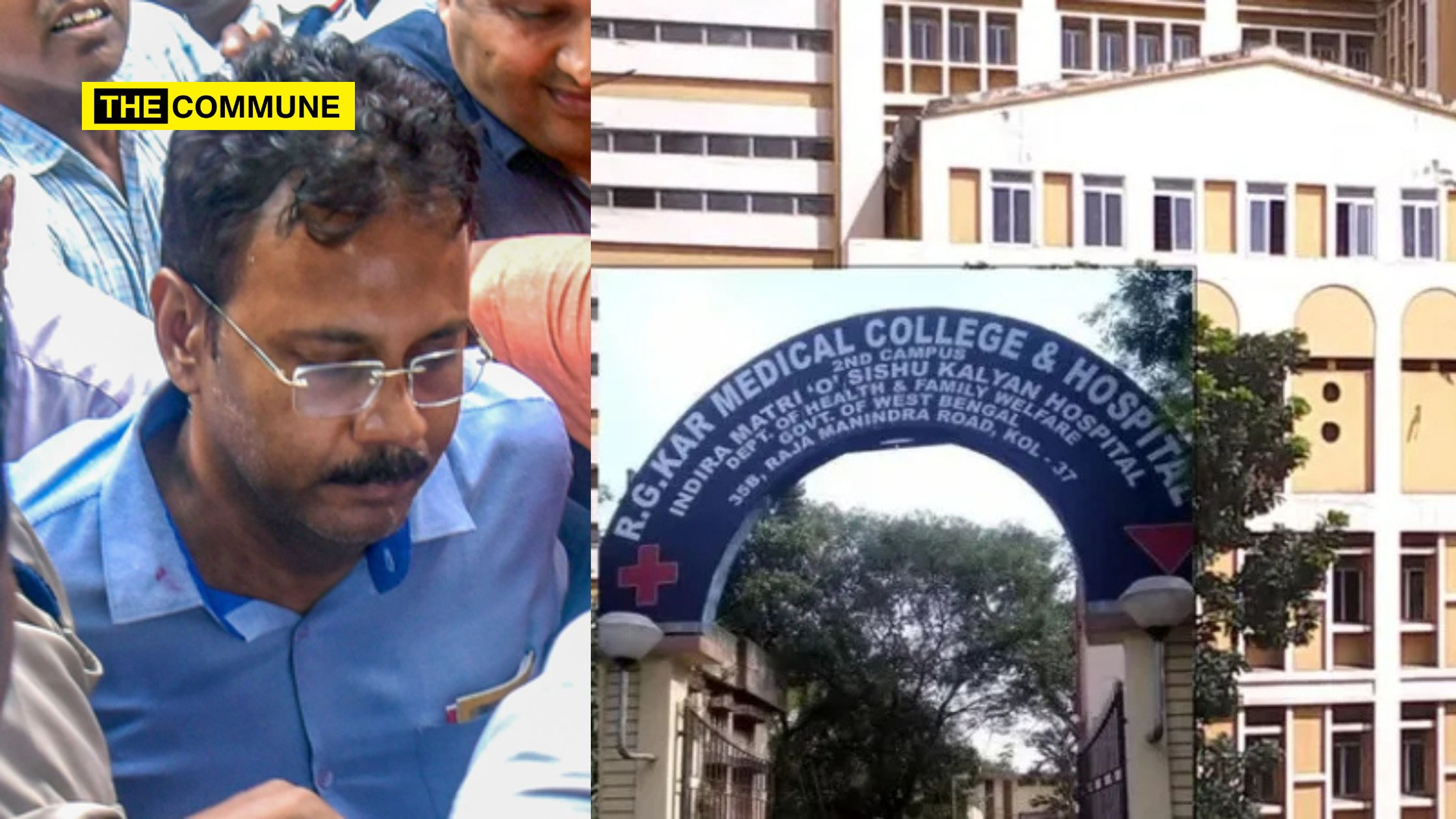
CBI Investigates Former Principal Sandip Ghosh Over Financial Irregularities In RG Kar Medical College’s MBBS Selection Process

The Central Bureau of Investigation (CBI) officials probing the financial irregularities in the state-run RG Kar Medical College & Hospital in Kolkata have found clues about former principal Sandip Ghosh’s involvement in wrongdoings in the MBBS selection process.

Sources said that CBI officials have also mentioned the findings in their reports filed at the Calcutta High Court last month, immediately before the court went for vacation on the occasion of Durga Puja. As per the findings of the CBI officials, the irregularities in the MBBS selection process where Ghosh played an important role, took place in 2021.

The wrongdoings were first highlighted by a whistleblower and the former Deputy Superintendent of R.G. Kar, Akhtar Ali, based on whose petition a single-judge Bench of the Calcutta High Court directed the CBI to probe the financial aspect of the case. Sources said that the CBI officials, along with their report, submitted some relevant supporting evidence on these MBBS selections to the Calcutta High Court in 2021.

The documents include call records and some voice messages that indicate Ghosh’s involvement in the wrongdoings, sources added. Similar irregularities in house staff selection, sources added, have been tracked by the investigating officials. One of the classic examples of wrongdoings in house staff selection was Ghosh’s close confidant Ashish Pandey, who has already been arrested by CBI officials in the financial irregularities case and is currently in judicial custody.

Meanwhile, the Enforcement Directorate (ED), too, has made a suo motu entry in investigating the financial irregularities case after filing an Enforcement Case Information Report (ECIR). The other main charges in the financial irregularities case include misappropriations in the tendering process, getting infrastructure-related work at R.G. Kar done by private outsourced agencies bypassing the state Public Works Department, smuggling of the hospital’s biomedical wastes, and selling of organs of unidentified bodies coming to the hospital morgue.

Besides the financial irregularities case, the CBI is also conducting a parallel probe against Ghosh in the case related to the rape and murder of a junior doctor of R.G. Kar within the hospital premises in August this year.

-IANS

Subscribe to our channels on TelegramWhatsApp, and Instagram and get the best stories of the day delivered to you personally.

DMK Scion Udhayanidhi Stalin Says, “No Animosity Toward Hindi, But Strong Opposition Only To Its Imposition”

DMK Scion Udhayanidhi Stalin Says, "No Animosity Toward Hindi, But Strong Opposition Only To Its Imposition"

Tamil Nadu Deputy Chief Minister Udhayanidhi Stalin expressed that he does not harbor any animosity towards the Hindi language itself, but opposes its imposition. He made these remarks while attending an art and literature festival organized by Malayalam Manorama in Kozhikode, Kerala.

Udhayanidhi emphasized the importance of collaboration between Tamil Nadu and Kerala to safeguard their languages, cultures, and literature from the perceived threats posed by the BJP. He urged the people and political parties of Kerala to unite in the struggle against communal forces.

During his speech at the festival, he stated, “Both Tamil Nadu and Kerala share a profound appreciation for their cultural heritage. We are facing challenges from the BJP, which seeks to impose a singular vision of ‘one nation, one culture, one election, one language, one dress code, one religion, and one food’ upon us and other states in India.”

He called for solidarity, saying, “Let us join forces to protect our languages, cultures, and literature from the fascist agenda of the BJP.”

Udhayanidhi elaborated on the linguistic and socio-political reforms driven by the Dravidian movement over the past century, aimed at defending Tamil from the encroachment of Sanskrit and Hindi. He asserted, “Tamil Nadu and Kerala are among the most progressive states in India, having successfully kept fascist and communal influences at bay. The people here resist fascism due to the strong foundation of progressive politics.”

He noted that prior to the Dravidian movement, Tamil literature primarily consisted of mythology and devotional works, but leaders like Anna and Kalaignar championed Tamil literature that reflected human experiences and popular culture. “The Dravidian movement positioned Tamil as central to our identity. It’s not just a means of communication; it embodies the voice of a community seeking recognition, dignity, and freedom from Hindi imposition.”

Addressing the principles of equality, rationalism, and anti-religious sentiment espoused by the Dravidian movement, Udhayanidhi highlighted how these values have influenced Tamil Nadu’s language policies, cultural events, and educational frameworks, preserving the state’s unique linguistic identity.

He pointed out, “Today, our pride in the Tamil language and literature informs discussions about state autonomy and cultural excellence. Previously, Tamil Nadu’s resistance to linguistic subordination was viewed as divisive by nationalistic forces, which believed our opposition to Hindi imposition would lead to national disunity. However, history has shown otherwise. Those who wish to impose Hindi on non-Hindi-speaking states are the true divisive elements and pose a threat to national unity.

(With Inputs From DT Next)

Subscribe to our channels on TelegramWhatsApp, and Instagram and get the best stories of the day delivered to you personally.
India’s Dynamic Model Of Poverty Eradication And Job Creation Shines At ILO

India's Dynamic Model Of Poverty Eradication And Job Creation Shines At ILO

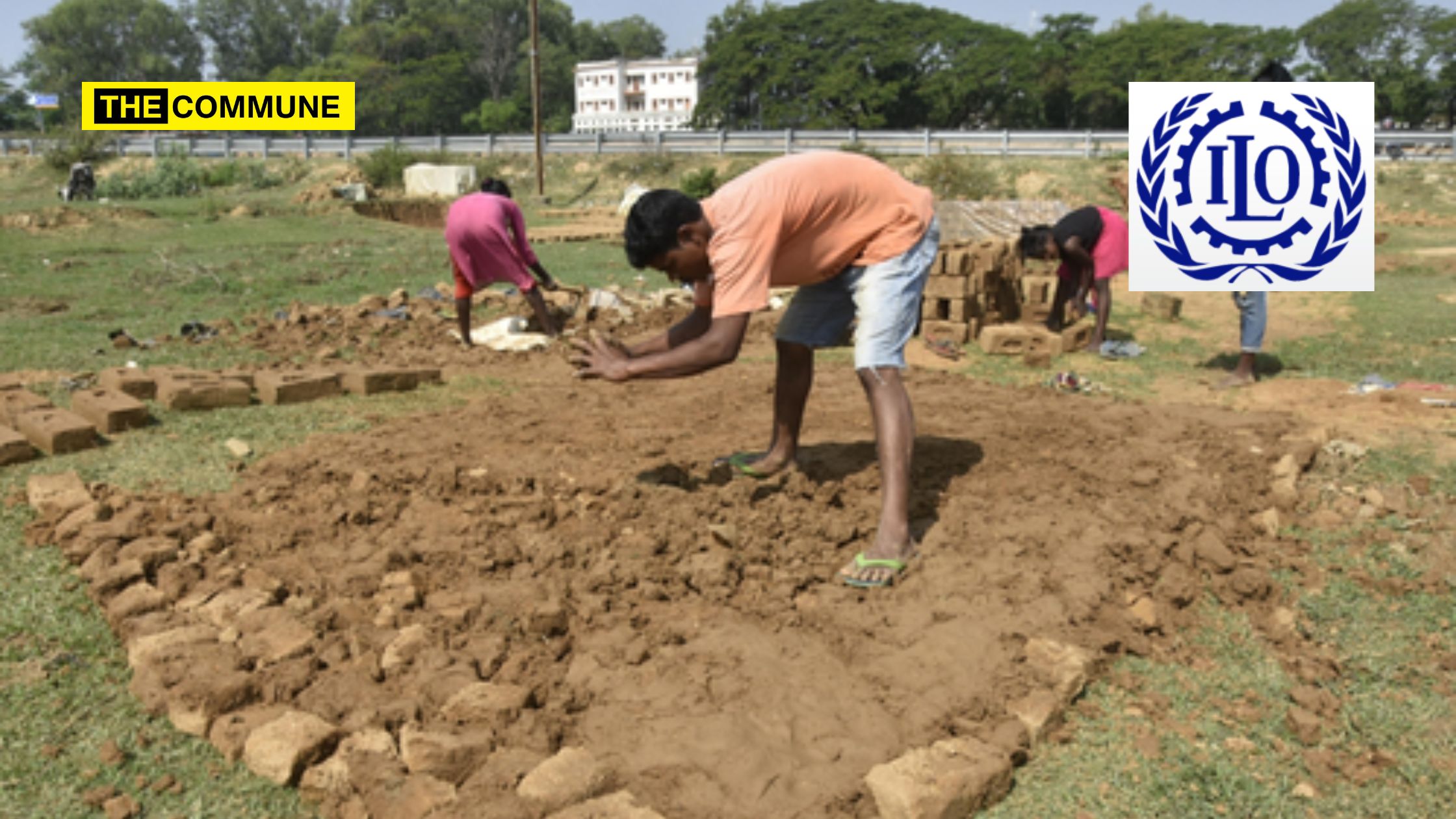
A statement said on 2 November 2024 that the Indian model of inclusive economic policies that generate quality jobs, support social protection, and promote gender equality was highlighted by the country’s delegation at the 352nd Governing Body meeting of the International Labour Organisation (ILO) held in Geneva.

The India delegation is led by Sumita Dawra, Secretary, Ministry of Labour and Employment, at the ILO meeting, which will continue until 7 November. During the discussions, Dawra highlighted the national efforts to create decent work opportunities for all segments of society, particularly women and youth, which align closely with the ILO’s call for a renewed social contract.

Dawra also shared with ILO Governing Body members India’s commitment to improving living standards, reflected in significant initiatives covering all dimensions of poverty that have led to 248 million individuals escaping multidimensional poverty in the last nine years, as measured by the multidimensional poverty index. The Indian team also highlighted India’s transformation over the past decade in terms of financial inclusion and prioritising access to financial services for vulnerable populations.

Dawra said the Government’s steps have empowered millions of individuals and families, fostering a more inclusive and secure society.

Government initiatives like PM Jan Dhan Yojana bridge the financial gap for the unbanked. The Governing Body was informed that PM Jeevan Jyoti Yojana and PM Suraksha Bima Yojana offer affordable life and accident insurance. The Indian delegation also showcased the significant employment growth over the recent years, with government policies, skilling programmes, and economic growth adding around 170 million persons in economic activity during 2016-17 and 2022-23 as per provisional estimates.

It was underlined that India’s economic trajectory demonstrates sustained job creation across key sectors. Dawra also said that India has significantly expanded its social protection coverage. This is recognised by the recent ILO’s flagship World Social Protection Report 2024–26, which shows the doubling of social protection coverage in India. Besides, the Indian government’s largest in-kind social protection scheme, namely the Targeted Public Distribution System, is well captured as a part of special coverage in the report, as one of the world’s largest legally binding social assistance schemes providing in-kind food security to about 800 million people, the ILO members were informed.

During earlier discussions on the proposal for greater democratisation within the ILO Governing Body, India commended the ILO but expressed support for comprehensive reforms in governance in not just the ILO but other UN Bodies as well.

-IANS

Subscribe to our channels on TelegramWhatsApp, and Instagram and get the best stories of the day delivered to you personally.
Temples & Mutts Will Be Handed Over To Muslims If People Again Vote For Cong: BJP MP Tejasvi Surya

Left Ecosystem In Frenzy Mode After PM Modi Exposed Cong’s Fake Promises: BJP MP

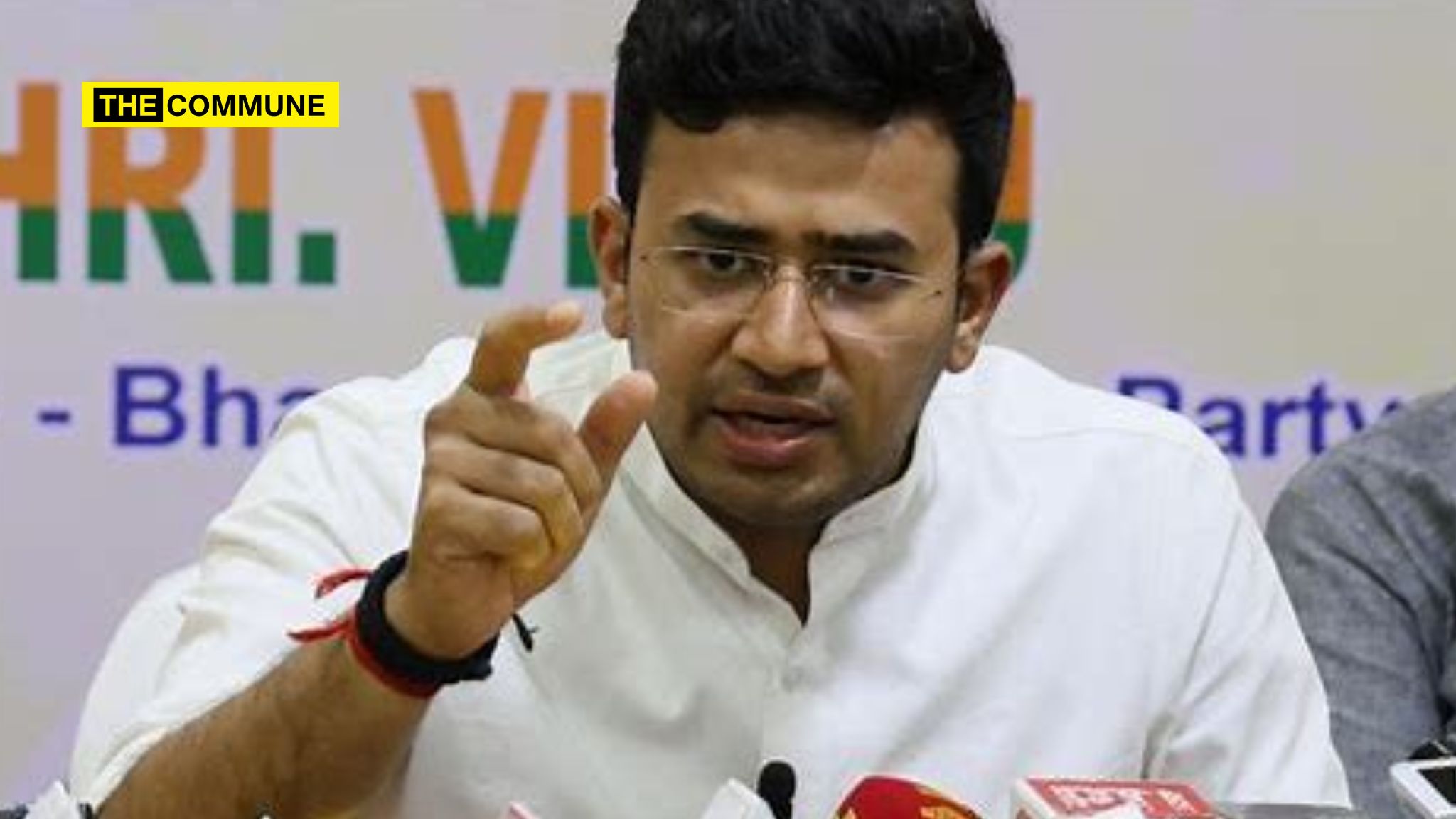
BJP National Youth President and MP Tejasvi Surya said on Saturday that all the temples and mutts will be handed over to the Muslims if people will again vote for the Congress. “If votes are given to Congress party for freebies, all our temples, houses, mutts will be handed over to Muslims. If you still vote for the Congress party, there won’t be any freebies in future and the Hindu pilgrimage centres like Dharmasthala and Sringeri won’t exist,” said Surya while addressing media in Bengaluru at BJP headquarters.

He claimed that more lands of farmers are being named as the Waqf property in the state. “In Karnataka, the Waqf board has claimed more than 50,000 acres of land,” he claimed, adding that no one can predict when the farmers’ lands will be transferred to the Waqf board. “I have brought this matter to the notice of the Chairperson of the Joint Parliamentary Committee (JPC). I have requested the Chairperson to come down to Hubballi and Bengaluru to receive the petitions from farmers. He is likely to visit on November 6 and 7 to the state,” he added.

He alleged that as per the instructions of Chief Minister Siddaramaiah, Minister Zameer Ahmad Khan is conducting the Waqf Adalats. “Under which law the provision for conducting the Waqf Adalat is made? What is the legal standing for the Waqf Adalat? Which provision of the Constitution allows the Waqf Adalat? The Waqf Adalat is an unconstitutional invention of the Congress party. Until the Congress party stops Waqf Adalats, the BJP will agitate,” he said. He said that many cases of South Indian states have come before the JPC, adding that the Waqf board has claimed the temples which existed before when Islam was born. “Whenever there is an election, the Congress has been empowering the Waqf board,” he claimed.

The central government has formed a JPC to amend the Waqf Act. Egypt and Singapore have banned the Waqf. “We are not demanding a ban on Waqf. We are also not demanding their lands. Our demand is clear. Let the Waqf keep the land which rightfully belongs to it and it should not claim our lands,” he claimed. He said that Minister Zameer Ahmad Khan had compared the Muzarai and Waqf, adding that all Muzarai temples are under the control of the government. “Why does the Waqf board have no control? Is Minister Zameer ready to bring Waqf under the control of the government? The centre is all set to curtail unlimited power to the Waqf,” he said.

Karnataka Chief Minister Siddaramaiah on Saturday directed officials to immediately retract all notices sent to farmers over Waqf land issues, emphasising that the latter should not be inconvenienced. The Chief Minister’s directions came after a high-level meeting involving senior officials from the Revenue Department, Minority Welfare Department and the Waqf Board.

–IANS

Subscribe to our channels on TelegramWhatsApp, and Instagram and get the best stories of the day delivered to you personally.
Friendships Not Exclusive In Multipolar World, Says EAM Jaishankar  

Friendships Not Exclusive In Multipolar World, Says EAM S Jaishankar  pakistan

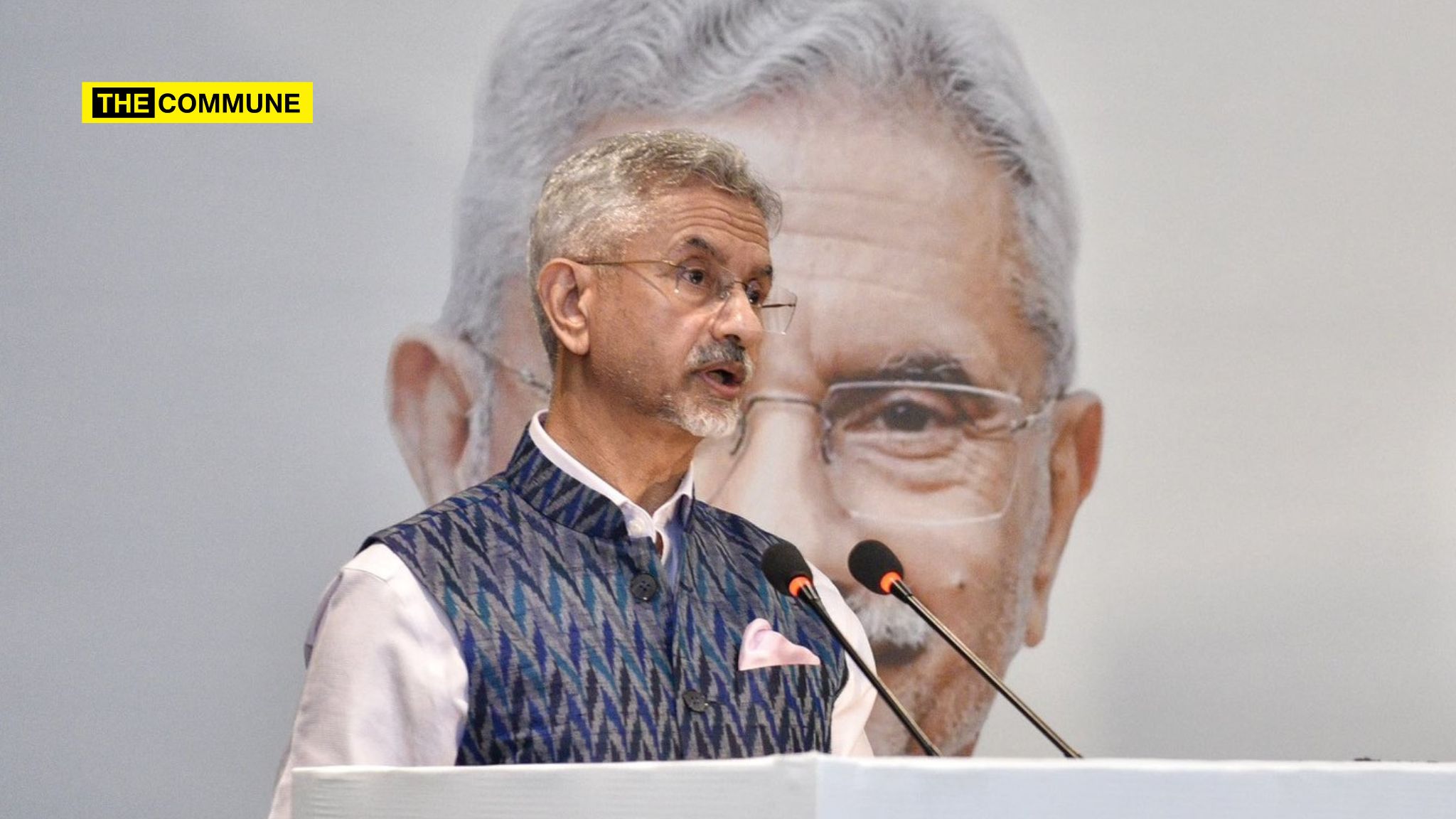
Asserting that India’s presence in the world order is attracting competition that will only grow as the country becomes a leading power, External Affairs Minister S Jaishankar on Saturday emphasised that friendships are no longer exclusive, especially in the emerging multipolar world.

“Friendships are also not exclusive, particularly so in a multipolar world. It is only to be expected that others, even friends, will seek to maintain their options while restricting ours. You will from time to time hear that our contemporary realism is projected as some kind of inherited dogmatism. Believe me, this is really a mind game at work,” Jaishankar said at a book launch in New Delhi. The EAM admitted that even friendships will not be without some hedging and relating to other major powers remains a challenge in itself considering their broader range of activities and interests. He remarked that convergence should not be confused for congruence as friends of friends may reflect the dilemmas of the old order and the new.

“Some friends may also be more complicated than others. They may not always share the same culture of mutual respect, or ethos of diplomatic etiquette. We have from time to time seen comments on our domestic issues accompanied by a professed desire to have honest conversations. However, the same courtesies are rarely accorded to the other side. What is freedom for one can apparently become interference from the other. The fact is that sensitivities like sovereignty and territorial integrity will always be a factor in evaluating partners,” he mentioned. Jaishankar said that as India positions itself as a ‘Vishwamitra’, New Delhi is seeking to be friends with as many as possible, a move that generates goodwill and positivity.

“It is reflected in the growing contributions we make to global good and indeed in the closer engagement with the international community. In some ways, this is diplomacy one on one, you could even say it is common sense. If you look deeper, there are cultural and historical factors at work as well, including the fact that we are not a dogmatic civilization. There is also a capability aspect, which accounts for the self-confidence with which we approach the world,” he commented. He also credited Prime Minister Narendra Modi for leading from the front in transforming relationships with several key partner countries over the past 10 years.

The EAM, in particular, highlighted three transformations. “The US, Japan and Australia have benefitted from Quad. They are actually examples of overcoming the hesitations of history. UAE and Israel are from a region that is being engaged comprehensively, at last. Russia and France are statements of multipolarity, ours as much as theirs,” he said. “If all these ties have changed so much in the last decade, much of the credit should go to Prime Minister Narendra Modi for his personal interest and leadership. Remember, at least three of them, had not even seen a high-level visit for three decades,” he remarked.

–IANS

Subscribe to our channels on TelegramWhatsApp, and Instagram and get the best stories of the day delivered to you personally.
Toxic Foam In Yamuna Is A Reflection Of Corruption In AAP Dispensation, Says BJP

Toxic Foam In Yamuna Is A Reflection Of Corruption In AAP Dispensation, Says BJP

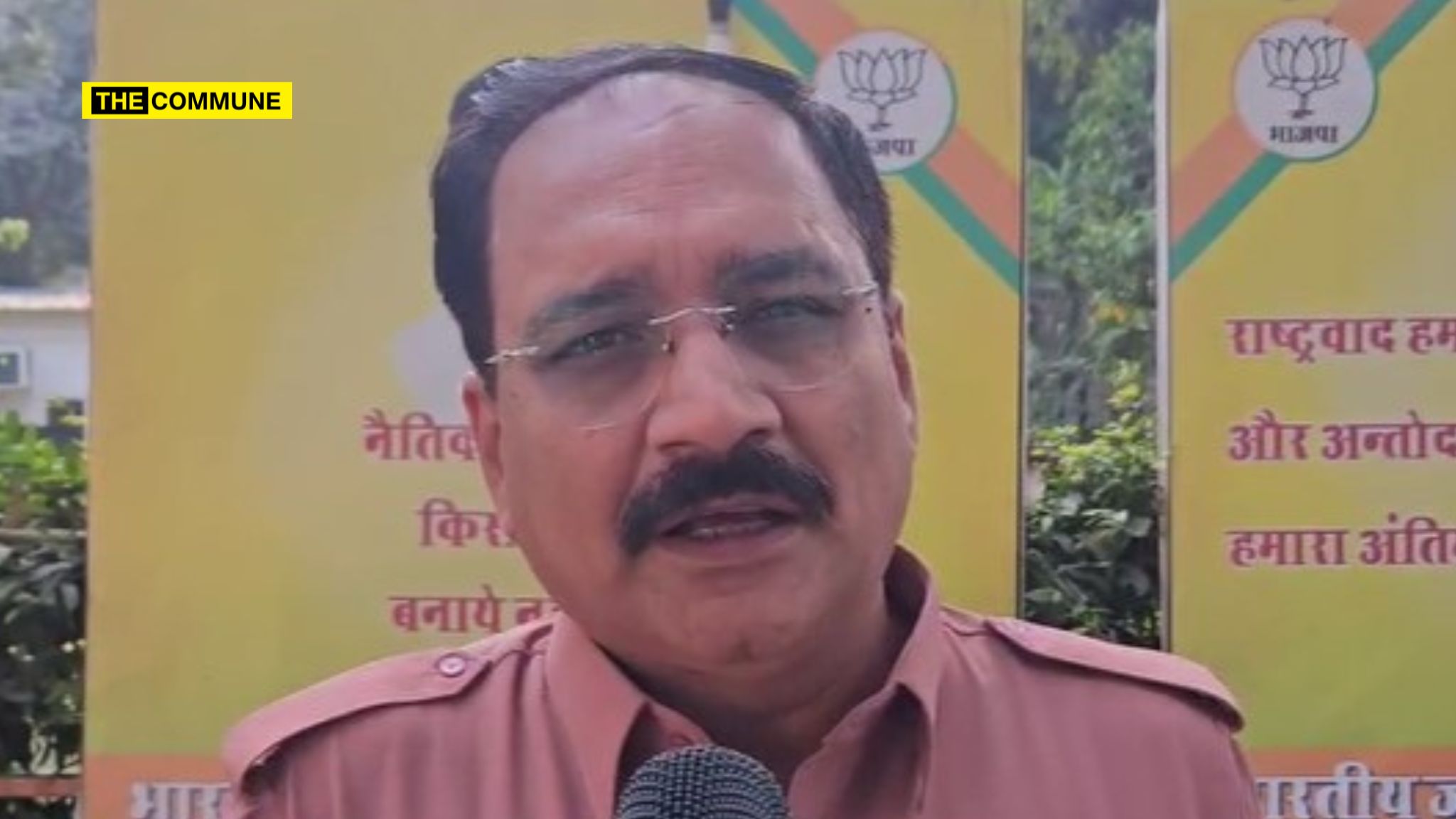
Delhi BJP President Virendra Sachdeva on Saturday voiced strong criticism of the Atishi-led Aam Aadmi Party (AAP) government, alleging that the toxic foam in the Yamuna river reflects deep-rooted corruption in the city administration. “This foam isn’t just pollution, it’s the result of deep-rooted corruption in AAP government,” the BJP Delhi chief said. He claimed the Delhi government misused the central government’s allocated Rs 8,500 crore for Yamuna cleanup.

“Despite this, conditions have worsened under their watch,” he added. As Chhath Puja approaches, toxic foam has once again appeared in the Yamuna River, sparking a political storm. To address the issue, the Delhi government has initiated chemical spraying to reduce the foam, but this has done little to convince the BJP. Delhi BJP chief also recalled challenging Arvind Kejriwal to take a dip in the Yamuna to demonstrate its cleanliness.

“He didn’t show up. I have taken a dip myself, and the water is toxic. Our Purvanchali community members can’t celebrate Chhath in clean waters due to this mismanagement,” he said. Meanwhile, Delhi’s Lieutenant Governor has expressed disappointment at Atishi government’s delay in submitting a proposal for reappointing Civil Defence volunteers, who were let go during recent government cutbacks.

In a letter to Delhi Minister Atishi, the L-G urged the proposal’s expedited approval. The BJP Delhi chief supported the proposal made by the Delhi Lieutenant Governor, stating, “Kejriwal executed the firing of over 10,000 civil defence volunteers and marshals, and the Delhi government has not yet responded to the proposal. The AAP government is neglecting the needs of the poor.”

–IANS

Subscribe to our channels on TelegramWhatsApp, and Instagram and get the best stories of the day delivered to you personally.
PM Modi Transformed Ties With Key Partners In Last Decade: EAM Jaishankar

PM Modi Transformed Ties With Key Partners In Last Decade: EAM Jaishankar

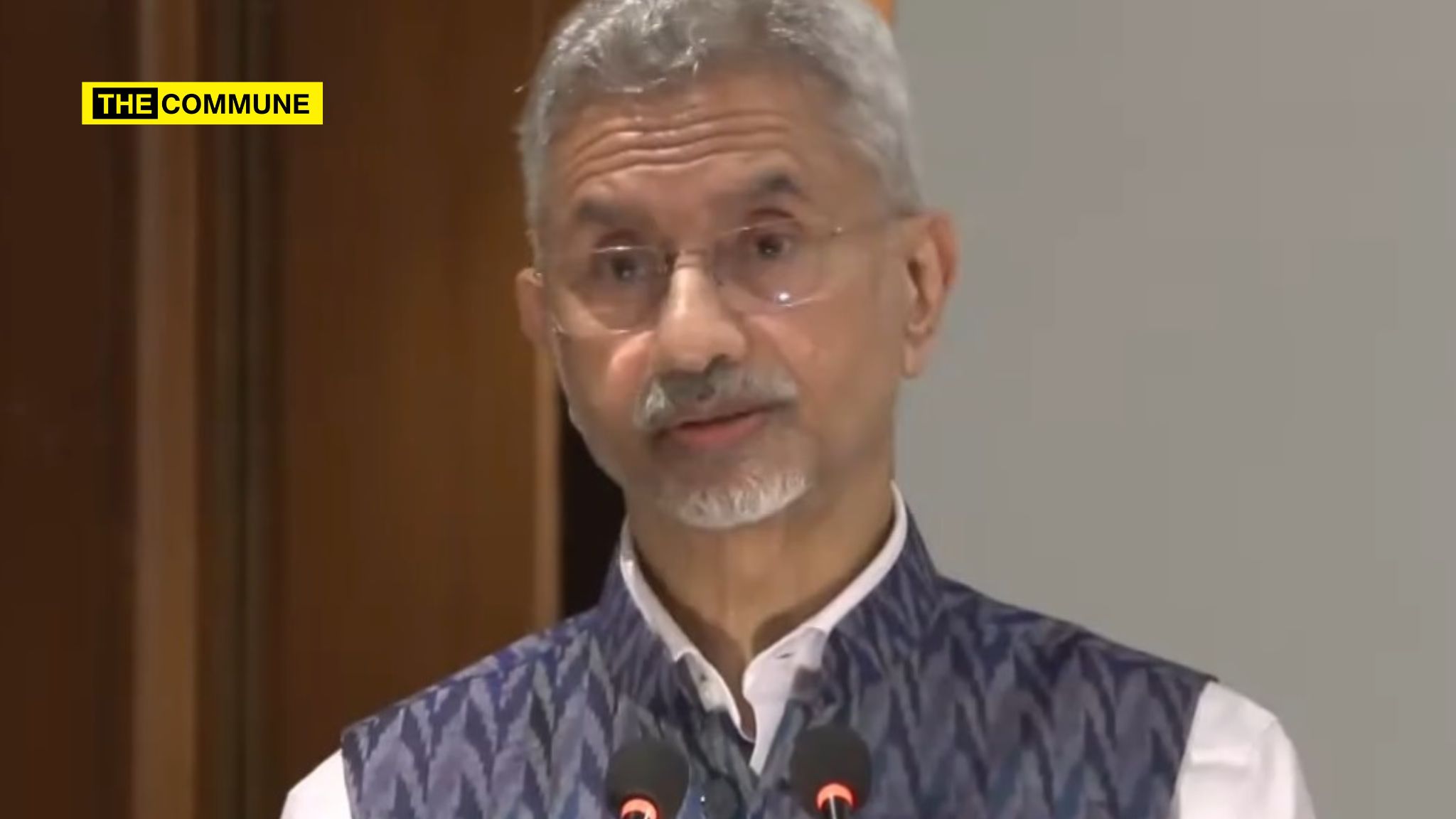
External Affairs Minister S Jaishankar on Saturday credited Prime Minister Narendra Modi for leading from the front in transforming relationships with several key partner countries over the past 10 years. The EAM, while speaking at the release of the book ‘Friends: India’s closest strategic partners’ authored by Sreeram Chaulia in New Delhi, highlighted three transformations.

“The US, Japan and Australia have benefitted from Quad. They are actually examples of overcoming the hesitations of history. UAE and Israel are from a region that is being engaged comprehensively, at last. Russia and France are statements of multipolarity, ours as much as theirs,” he said. “If all these ties have changed so much in the last decade, much of the credit should go to Prime Minister Narendra Modi for his personal interest and leadership. Remember, at least three of them had not even seen a high-level visit for three decades,” remarked EAM Jaishankar.

While in some cases, he said, limited interaction took place, in others there were “longstanding ideological doubts” to overcome. The EAM admitted that cultivating friendships for a large power like India is never easy. “There is the emotional factor that comes with shared experiences that can be seen most visibly in respect with the Global South as we have a historical commonality. However, smaller partners need both constant reassurance and non-reciprocal handling. We see that as well in our Neighbourhood First policy.

Jaishankar acknowledged that India’s presence in world order today also attracts competition that will only grow as the country moves towards becoming a leading power with even friendships not being exclusive in the multipolar world. “Even friendships will not be without some hedging. Relating to other major powers is also a challenge in itself. The more global they are, the broader are their range of activities and interests… Sometimes friends have other friends, who may not necessarily be ours. They may reflect the dilemmas of the old order and the new. It is therefore essential that we never confuse convergence for congruence,” said the EAM.

–IANS

Subscribe to our channels on TelegramWhatsApp, and Instagram and get the best stories of the day delivered to you personally.