Home Blog Page 810

Gandhi Family’s Petty Politics: Silence On Bibek Debroy’s Death Reveals Deep-Rooted Grudges
Gandhi Family's Petty Politics: Silence On Bibek Debroy's Death Reveals Deep-Rooted Grudges

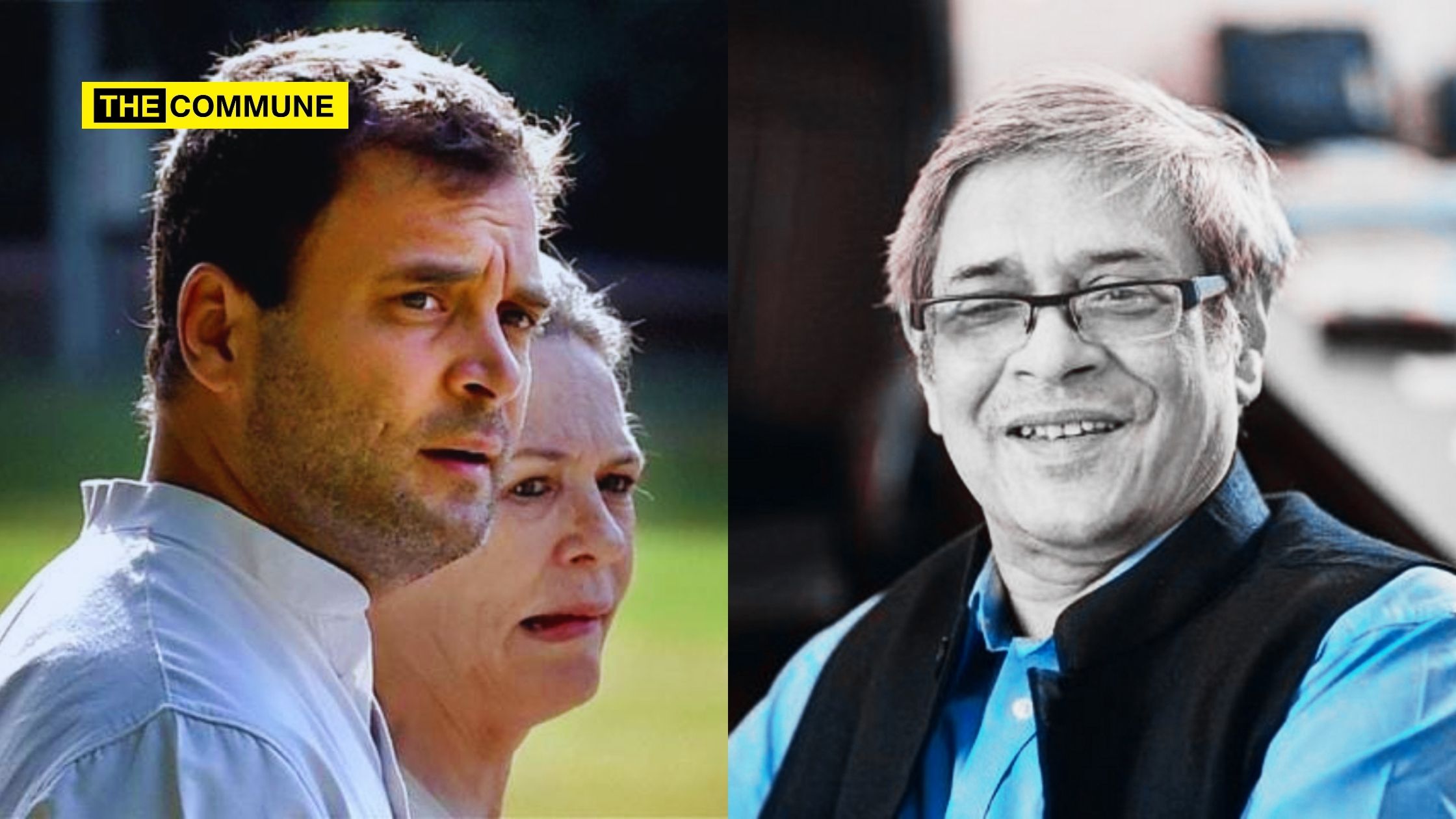
On 1 November 2024, Bibek Debroy—renowned economist, prolific author, and former Niti Aayog member—passed away, leaving a profound impact on India’s economic and intellectual circles. Yet, amidst the tributes from various political leaders and public intellectuals, a noticeable silence came from the Congress party’s leaders, including the leader of the opposition in Parliament, Rahul Gandhi, who neither issued a statement nor expressed public condolences. This silence has sparked debate, especially given Debroy’s own controversial history with Congress leadership over intellectual autonomy and freedom of expression. Was this the reason why the Gandhi family did not condole his death?

Debroy vs Sonia Gandhi

Debroy, an eminent economist, had a reputation for speaking truth to power. During his tenure as the director of the Rajiv Gandhi Institute for Contemporary Studies (RGICS), as reported in India Today, he encountered political interference firsthand. Originally established as an independent think tank, RGICS was often viewed as an intellectual arm of the Congress party, with Sonia Gandhi serving as its chairperson. Debroy’s tenure was marked by attempts to make the institute self-financed and independent, a move that faced resistance from within. He argued that for RGICS to succeed as a credible, self-sustaining institution, it needed to shed its image as a Congress-aligned entity. This approach, however, often put him at odds with Congress leaders, who, according to Debroy, sought control over the institute’s intellectual direction.

In an interview with journalist Karan Thapar, Debroy recounted instances of political intervention, such as when he invited Dr. Seshadri Chari, the editor of the right-leaning Organiser newspaper, to a conference on Indian society, politics, and reform in 2002. Debroy stated that he faced pushback from those aligned with Sonia Gandhi, who advised him to rescind the invitation. He held firm, allowing Chari to participate, but recalled, There were people who spoke on behalf of Mrs. Gandhi and said,Please do not invite Seshadri Chari.I stuck to my guns.This incident underscored what Debroy saw as a culture of intellectual intolerance within Congress-aligned circles, and it would not be his last encounter with such pressures.

A more severe clash occurred in 2005 when Debroy and colleague Loveesh Bhandari published a report ranking Gujarat as the top state in India for economic freedom. At the time, Gujarat was led by then-Chief Minister Narendra Modi, a controversial figure for Congress. The report’s findings, published just before the Gujarat municipal elections, sparked significant backlash. Debroy recounted receiving a directive on official Congress stationery, signed by Sonia Gandhi herself, mandating that all future RGICS publications undergo political vetting. This was not acceptable to me, Debroy said. Shortly after, he resigned from RGICS.

Debroy’s criticisms extended beyond his personal experiences at RGICS. He highlighted a pattern of intellectual intolerance that, in his view, had persisted for decades in Indian academia. He cited several examples, such as economist Jagdish Bhagwati, who reportedly left the Delhi School of Economics under pressure due to his differing viewpoints, and Dr. Bellikoth Ragunath Shenoy, a member of the committee evaluating India’s Second Five-Year Plan who faced ostracization for opposing the economic policies favored by the then-government. According to Debroy, Dr. Shenoy was effectively blacklisted, unable to secure work in India, and eventually had to move to Sri Lanka.

Debroy’s Outspoken Nature

His outspoken nature also extended to defending others. In a notable instance, he criticized how the Ministry of Finance treated economist Jean Dreze after Chief Economic Adviser Arvind Subramanian invited him to the Delhi Economic Conclave, only to rescind the invitation abruptly while Dreze was en route to Delhi. Debroy publicly suggested that Subramanian apologize, highlighting a need for greater transparency and respect within government processes.

Debroy also spoke of a broader historical context for intolerance, stating that it was not a recent issue but an ingrained problem in Indian society. Intolerance has always existed, and we would be foolish not to recognize it, he remarked in an interview with The Times of India. He pointed to academic examples, such as textbook restrictions that selectively highlight certain historical narratives over others, particularly those related to southern Indian dynasties versus the Mughal era. Debroy argued that an ideological monopoly in Indian intellectual discourse maintained through political networks had created a climate where dissenting voices were unwelcome.

India’s political and intellectual circles have long grappled with the delicate balance between state influence and intellectual independence, and Debroy’s passing underscores these issues. In recent years, a growing number of the Award-wapsi gang of scholars expressed concerns aboutideological hegemony“, including more than 100 Indian and international academics who signed statementscondemning rising intolerance“. Debroy’s views offer a counter-narrative, emphasizing that such intolerance is not new and has manifested across political regimes.

The absence of a condolence message from the top Congress leaders, barring the only message by senior leader Jairam Ramesh upon Debroy’s death, has prompted questions about whether unresolved ideological divides are behind their silence.

For many, this episode reflects deeper concerns about how political influence shapes responses to intellectual figures in India and whether ideological conflicts limit acknowledging an individual’s contributions based on political alignments.

Subscribe to our TelegramWhatsApp, and Instagram channels and get the best stories of the day delivered to you personally.
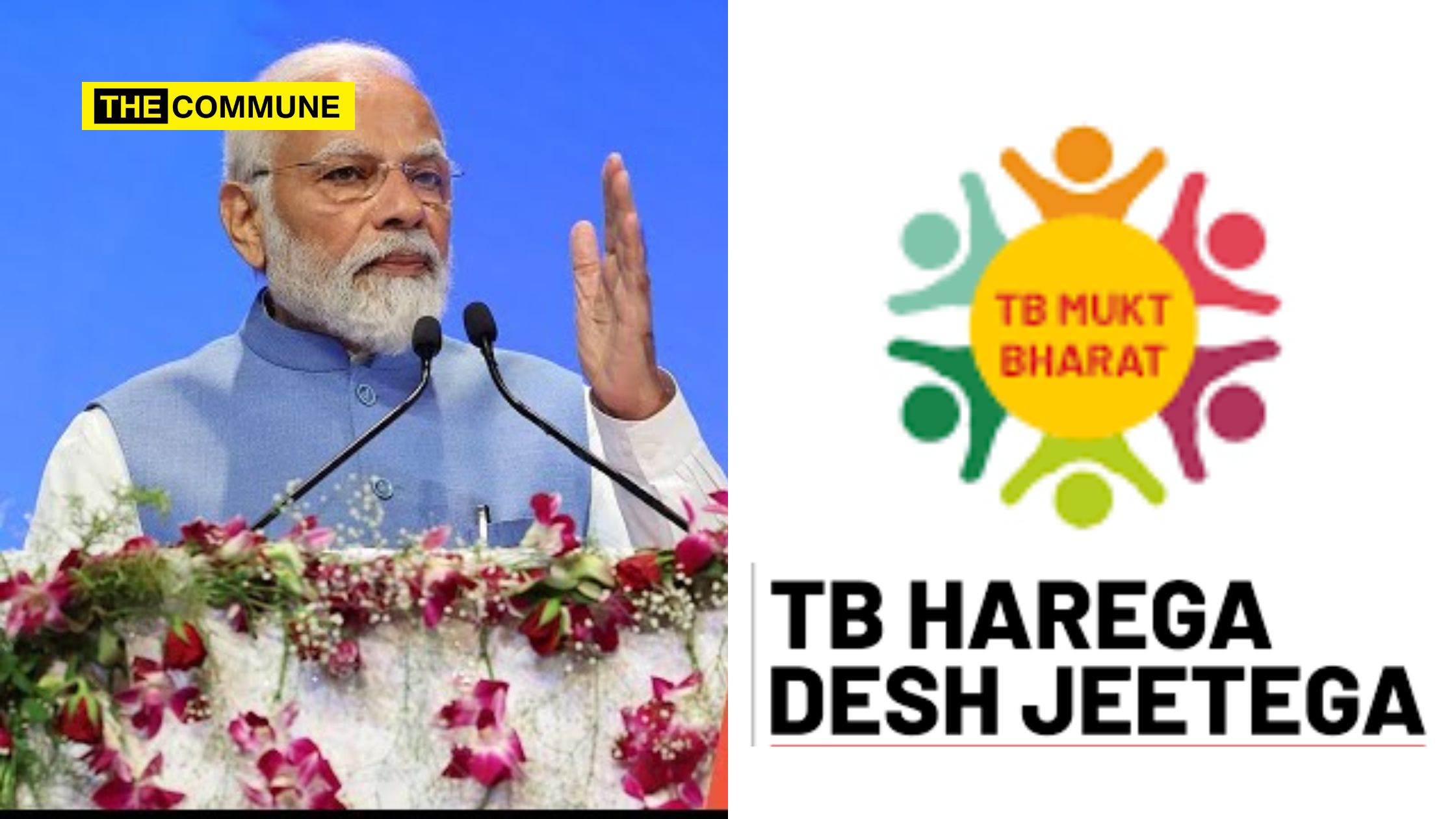
PM Narendra Modi Lauds India’s Progress In Reducing Tuberculosis Incidence: Aiming For A TB-Free Nation By 2025

Prime Minister Narendra Modi on 3 November 2024, highlighted the nation’s achievements in reducing tuberculosis (TB) incidence. In a significant acknowledgment of India’s efforts to eradicate TB, the Prime Minister said that the decline in TB incidence is an “outcome of India’s dedicated and innovative efforts“.

“Commendable progress! The decline in TB incidence is an outcome of India’s dedicated and innovative efforts. Through a collective spirit, we will keep working towards a TB-free India,” PM Modi posted on X.

The Prime Minister responded to a post by Union Health Minister J.P. Nadda, who acknowledged the World Health Organisation (WHO) ‘s recognition of India’s remarkable progress in reducing tuberculosis by 17.7 per cent from 2015 to 2023.

We remain steadfast in our commitment to creating a TB-free India. The World Health Organisation (WHO) has recognised India’s remarkable progress, with a 17.7 per cent decline in TB incidence from 2015 to 2023 — a rate more than double the global decline of 8.3 per cent. This acknowledgment reflects India’s transformative approach to TB care and control,” Health Minister Nadda had posted.

Under the visionary leadership of PM Modi, “our government has expanded and strengthened the National TB Elimination Programme by taking key initiatives such as the Ni-Kshay Poshan Yojana to provide essential nutritional support to TB patients, and introduction of the BPALM regimen, a novel treatment for Multi-Drug Resistant Tuberculosis”, the Health Minister had posted on X. J.P. Nadda also acknowledged the tireless efforts of the Ministry of Health Affairs’ “dedicated healthcare workers, whose unwavering commitment and hard work play a crucial role in this fight against tuberculosis”.

According to the WHO, India has one of the highest levels of treatment coverage for tuberculosis among the 30 high TB-burden countries. India also achieved a significant increase in the number of people receiving preventative therapy for household contacts of TB patients and people living with HIV, a WHO report showed. According to the report, 12.2 lakh people in India were put on preventive therapy in 2023, up from 10.2 lakh in 2022, and 4.2 lakh in 2021. India aims to end TB by 2025, five years ahead of the global target.

-IANS

Subscribe to our channels on TelegramWhatsApp, and Instagram and get the best stories of the day delivered to you personally.
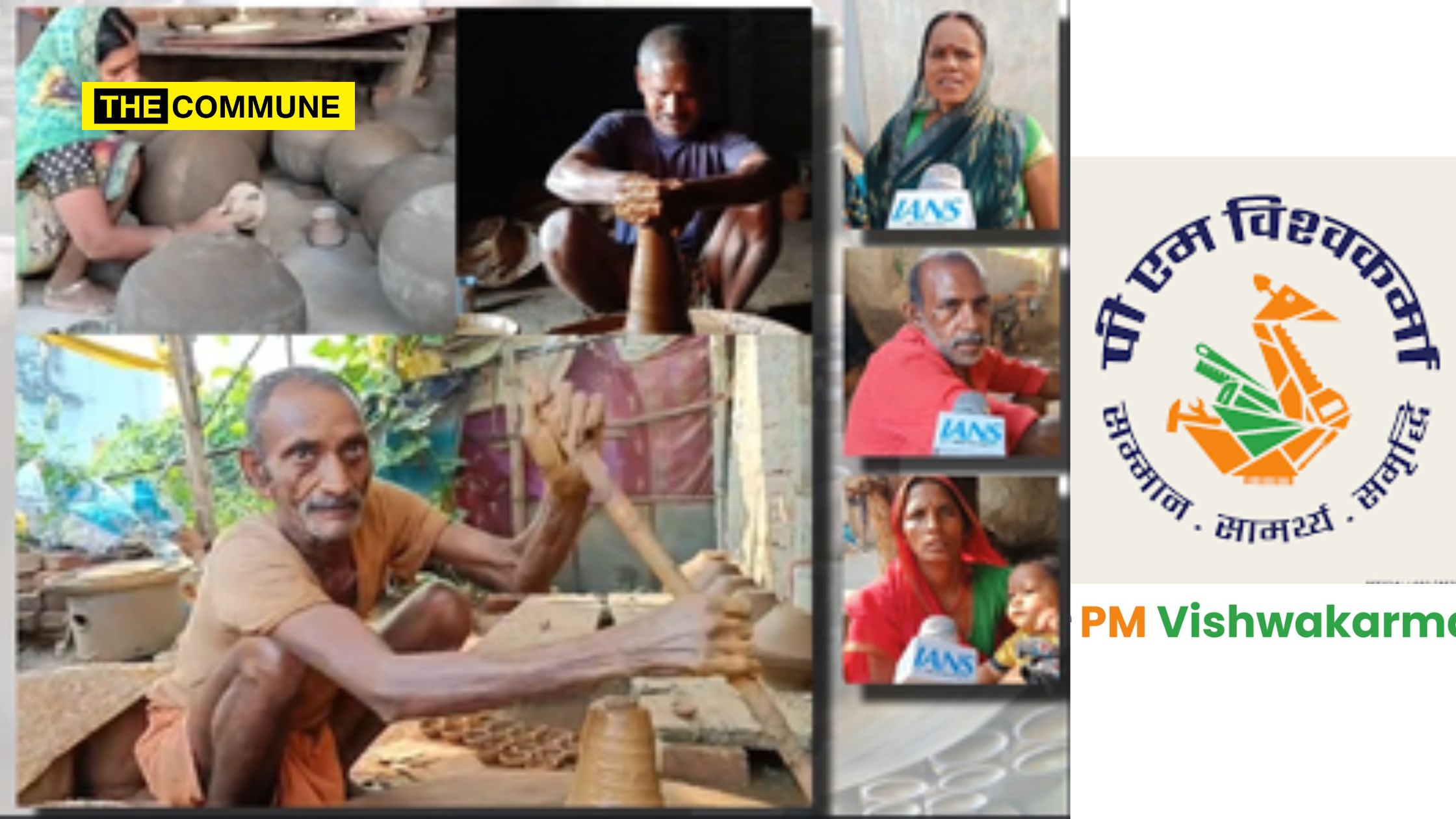
PM Vishwakarma Yojana Transforms Pottery Makers’ Lives In Garhwa, Jharkhand

PM Vishwakarma Yojana Transforms Pottery Makers' Lives In Garhwa, Jharkhand.

Garhwa region of Jharkhand has witnessed a transformational change in lives of pottery makers over past few years, courtesy PM Vishwakarma Yojana. Many local artisans and craftsmen have taken the monetary assistance, under the key scheme, to either start new businesses or firm up existing enterprises. The scheme, designed to uplift small artisans, has become a turning point, bringing about a marked improvement in the lives of underprivileged workers.

In Tenar, a village near Garhwa, known for its pottery makers from the Kumhar community, local artisans shared with IANS on how the scheme impacted their lives, only for the better. Jhagadu Prajapati, a potter, remarked, “Our work became profitable after Modi government came into power. Our income has increased. Earlier, we only had work for three months and faced financial crises the rest of the year. But during the pandemic, PM Modi encouraged people to use clay over plastic and Chinese products, boosting our business.

Another artisan, Anil Prajapati, echoed similar sentiments: “There has been a visible change since PM Modi took office. Previously, our clay utensils lacked demand, and we often faced losses. Now, we’re able to sell nearly all our products.”

Women artisans also praised the path-breaking scheme. Reena Devi remarked, “Earlier, there was neither demand nor profit. But after PM Modi’s support and promotion, we see good rates and demand. Every woman can now make clay items on the potter’s wheel, a far less labour-intensive method.

Another artisan, Sohri Devi, praised the government’s efforts, saying they improved their standard of living and boosted their small businesses.

The Pradhan Mantri Vishwakarma Yojana, launched by PM Modi, is an ambitious initiative to empower artisans and craftsmen by offering loans at low interest rates. The scheme seeks to recognize and support these artisans as ‘Vishwakarma,’ helping them expand and modernize their craft. Through this, the government aims to uplift the lives and businesses of traditional artisans across the country.

-IANS

Subscribe to our TelegramWhatsApp, and Instagram channels and get the best stories of the day delivered to you personally.
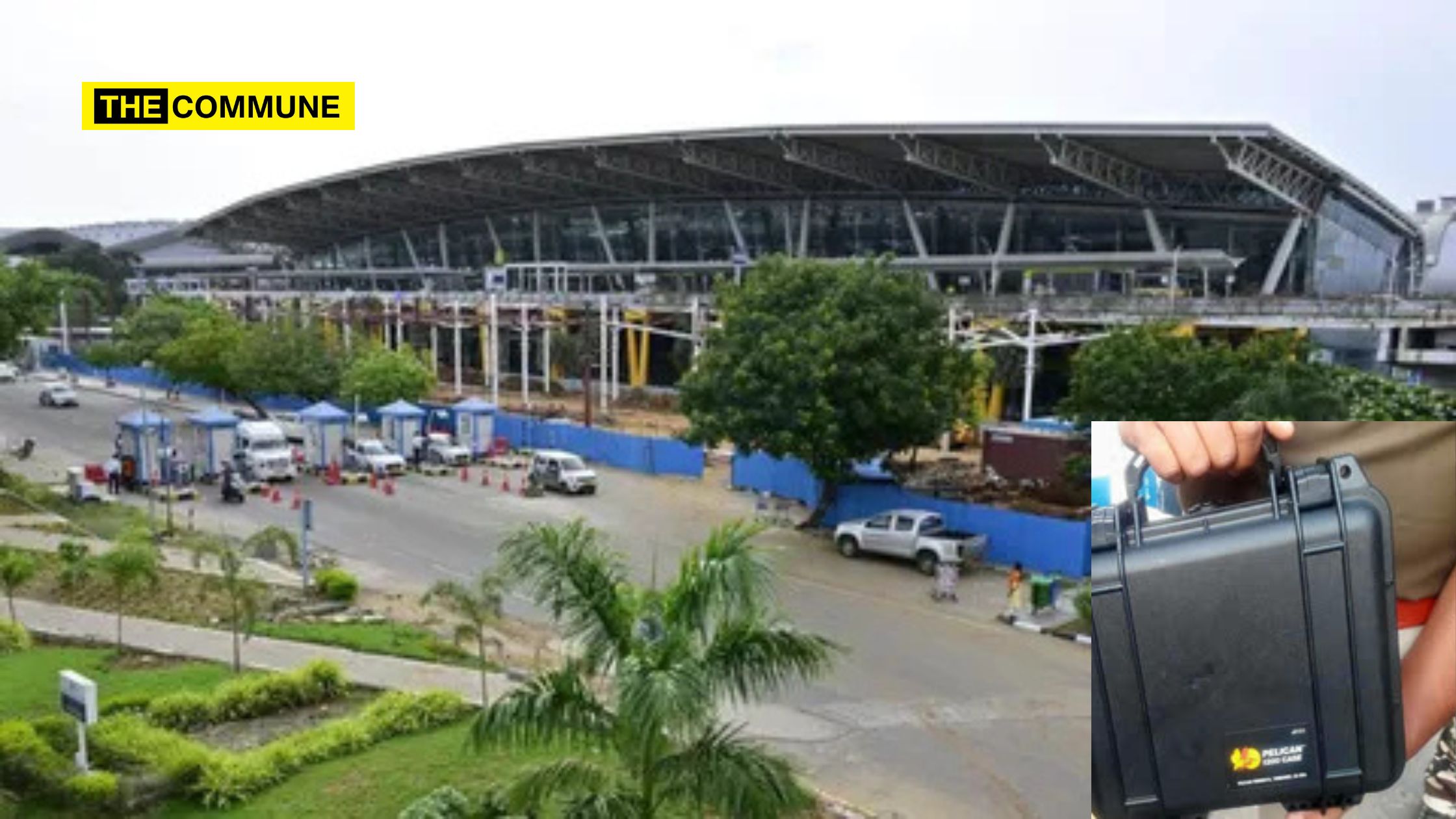
US Citizen Detained At Chennai Airport For Carrying Satellite Phone, Banned In India

US Citizen Detained At Chennai Airport For Carrying Satellite Phone, Banned In India

A United States (US) citizen was detained at Chennai International Airport on 3 November 2024. Airport officials told IANS that the US national was detained for carrying a satellite phone which is not allowed for personal use in India and is banned during travel through Indian airports.

As per rules set by the Bureau of Civil Aviation Security (BCAS) and Union Home Ministry, satellite phones are banned in India for personal use. This is after the 26/11 Mumbai terror attack in which the terror modules and handlers across the border had used satellite phones. Satellite phones are permitted only with specific permission from the Department of Telecommunications, Government of India.

The US national, David (55) was to travel to Singapore by an early morning flight. However, CISF personnel on security duty detected a satellite phone in his procession and hence he was detained at the airport. He was handed over to the Airport Police for questioning.

According to airport authority officials, the US citizen stated that he had flown down from the United States to New Delhi and then he flew to Andamans but was not questioned anywhere. However, the Airport Police confiscated his phone and he was detained as per the rules of the BCAS. The passenger does not have a No Objection certificate (NOC) issued by the department and phones are liable to be confiscated.

It may be recalled that after the 26/11 Mumbai terror attack, India has upped its security apparatus and has made several rules which include a ban on using satellite phones without prior permission.

-IANS

Subscribe to our channels on TelegramWhatsApp, and Instagram and get the best stories of the day delivered to you personally.

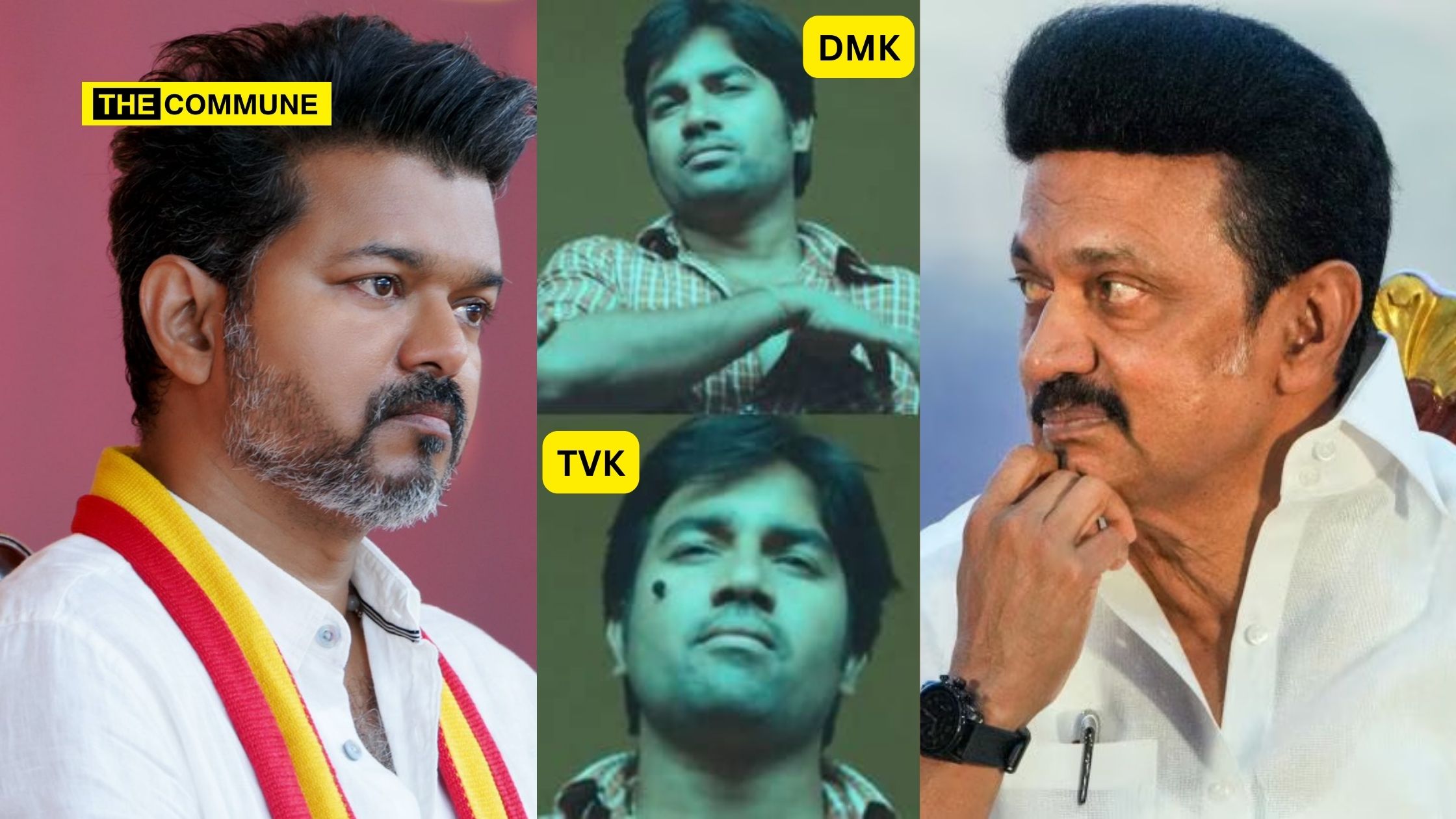
Vijay’s TVK Is A Damp Squib On Arrival, Resolutions Have No Originality, It’s The Same ‘Aracha Maavu’ Of DMK That Has Already ‘Pulichified’

tvk dmk

A week after indirectly labeling the BJP as its ideological adversary and the DMK as its political rival, actor Vijay’s Tamilaga Vettri Kazhagam (TVK) released its official resolutions on 3 November 2024, once again reiterating critiques of both the DMK government in the state and the BJP-led Central government. However, the party’s statements is nothing but a photocopy of the DMK’s policies. It’s not even fit to be called as ‘old wine in a new bottle’ as wine improves in taste and increases in intrinsic value with age. However, Vijay’s TVK policies are nothing but the old stale batter that has been time and again ‘arachified’ by the DMK despite becoming ‘pulichified.

The term “Union government,” which was coined and popularized by the DMK to address the Central Government, has been echoed in TVK chief Vijay’s resolutions again and again which reaffirms that Joseph Vijay’s party is nothing but another DMK. It should not be surprising if Vijay follows a path similar to Kamal Haasan, who initially opposed the DMK but later pledged his party’s support along with his self-respect to secure a safe Rajya Sabha seat.

During the executive committee meeting in Panaiyur, which Vijay presided over, TVK accused the DMK government of neglecting public safety and catering to a privileged few. The party condemned the DMK for engaging in personal attacks against opposition leaders and critics, both online and offline.

Among the 26 resolutions passed at the meeting, one highlighted a rise in crime, including murder and robbery, as evidence of the ruling party’s failure to maintain law and order. Another resolution criticized the government for ignoring public welfare issues, such as the rampant sale of illegal liquor and escalating youth drug addiction, while prioritizing the interests of a select few.

The committee also denounced recent increases in electricity rates, milk prices, and property taxes, arguing that the government has not taken steps to enhance revenue. These are already being opposed by the AIADMK, BJP and the NTK.

Like DMK, the TVK has called for the abolition of NEET despite data proving that more number of underprivileged students have been cracking the medical entrance exam in the last few years. Students from the tribal community have secured a medical seat for the first time because of NEET. Vijay has now joined the bandwagon of DMK and Dravidianists in an attempt to confuse students which will only lead to more copycat suicides. If there are anymore suicides that happens over NEET, blood will not just be on DMK’s hands but also Vijay’s.

TVK’s resolutions emphasized that neither the Union government nor its representative, the Governor, should interfere in Tamil language matters and reiterated its stance for abolishing the Governor’s post. If Vijay had been a rational thinking person, he would’ve realized that calling for the abolishing of Governor’s post is unconstitutional. The Constitutional post has been put in place by Dr. Babasaheb Ambedkar whom he claims to be one of the guiding ideologues for the party. But it’s too much to ask for from another Dravidianist.

He also criticized attempts to ‘saffronize Thiruvalluvar’ saying “First they saffronised Thiruvalluvar. Then they said Tamilazhagam is different, Tamil Nadu is different.“. Mr. Joseph Vijay, whether you accept or not, it is a fact that Thiruvalluvar was a Hindu sage who walked upon this earth before Christ himself. This attempt to secularize Thiruvalluvar proves that you’re just another Dravidianist itching to impose your faith on others.

Vijay also expressed strong opposition to the three-language policy when his own son Jason Sanjay studied in American International School, Chennai where a foreign like – French, Spanish, Korean is taught along with English. In some IB schools, students also have the option of choosing Hindi.

Furthermore, TVK has proved to be an anti-development party by calling for the cancelling of proposed greenfield airport at Parandur, citing concerns over agricultural land acquisition and increased flood risks in Chennai. This stance mirrors the DMK’s approach as an opposition party, which often opposes infrastructure projects. They also called for permanent employment for those affected by Neyveli Lignite Corporation projects and urged the conversion of contract jobs into permanent positions.

Like the DMK, TVK has also opposed the “one nation, one election” initiative, labeling it an anti-democratic move by the BJP-led Union government.

Like the DMK, TVK has proved to be an Islamist-appeasing party by calling for the withdrawal of the Waqf (Amendment) Bill when reports have emerged about entire villages and large swathes of land being claimed by the Waqf Board. If in case, the Waqf Board claims that Vijay’s Panaiyur residence sits on Waqf land, what will Vijay do?

On the other hand, Joseph Vijay wants Tamil to be the “language of worship”. Will he ask Muslims to do namaz in Tamil as well?

TVK urged the DMK government to accelerate a caste-based survey without blaming the Union government and recommended transferring education and health to state control, which is again a DMK rhetoric that’s never going to see the light of the day.

The most absurd and illogical resolution has been about calling Government of India and Government of Tamil Nadu to exert pressure on Sri Lanka to hold a referendum! Mr. Joseph Vijay, Sri Lanka is just rebuilding itself after an economic crisis and years after a bloody civil war. Sri Lankan Tamils want peace and don’t want you to fan flames with your virtue-signalling from Tamil Nadu.

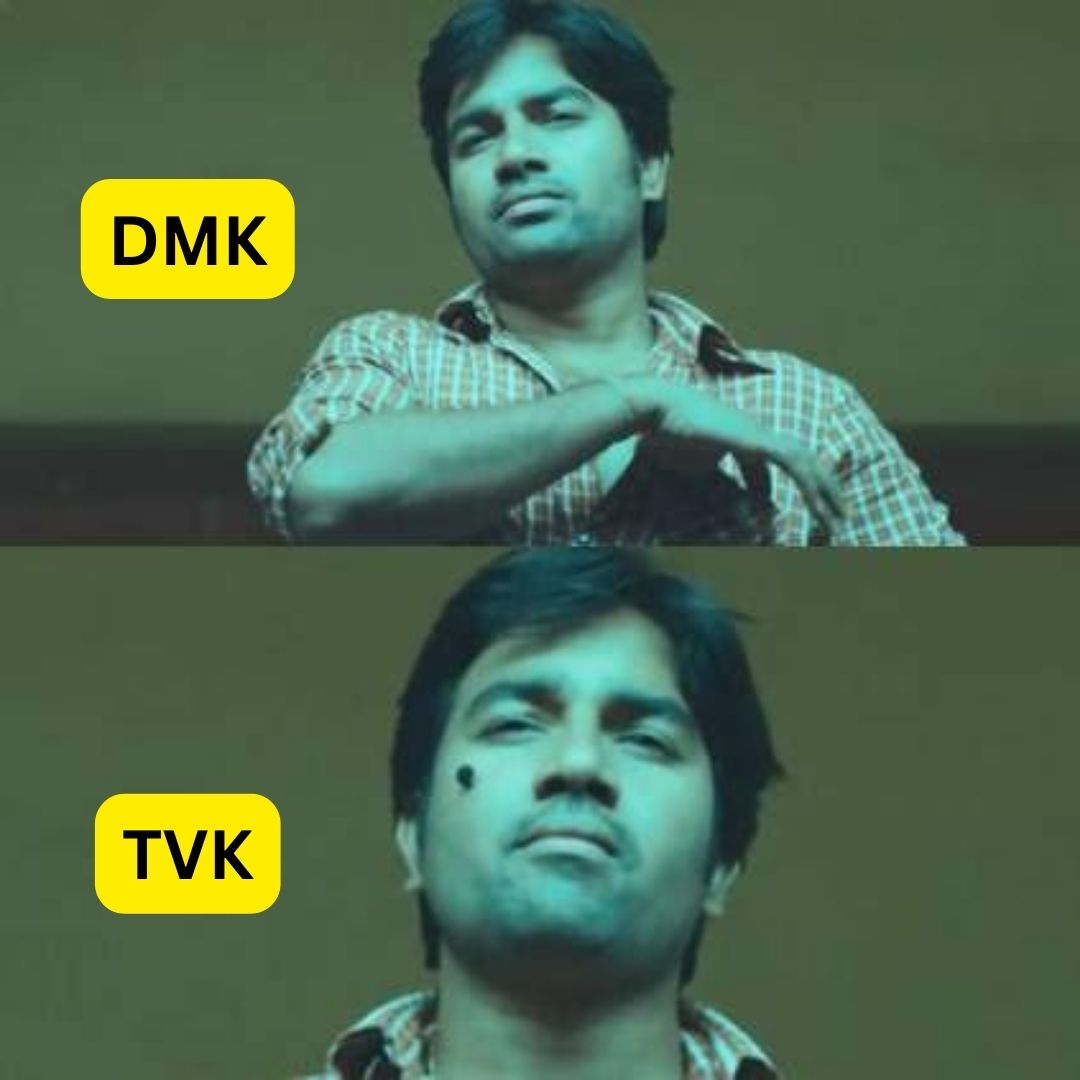
If we’ve to summarize TVK in a meme, this would be it:

Instead of Tamilaga Vettri Kazhagam (TVK), Vijay should change is party’s name to Dravida Vettri Kazhagam (DVK)

Subscribe to our channels on TelegramWhatsApp, and Instagram and get the best stories of the day delivered to you personally.

“Joseph” Vijay’s TVK Passes Resolution Saying Tamil Should Be The “Language Of Worship”

"Joseph" Vijay's TVK Passes Resolution Saying Tamil Should Be The "Language Of Worship"

Actor-turned-politician C Joseph Vijay convened a meeting at the Tamilaga Vettri Kazhagam (TVK) headquarters in Panaiyur, Chennai, where his party adopted 26 resolutions—many echoing DMK’s well-worn rhetoric. From advocating the scrapping of NEET to opposing the Governor’s role, One Nation One Election, and the Waqf Bill, Vijay’s resolutions underline TVK’s alignment with familiar DMK ideologies.

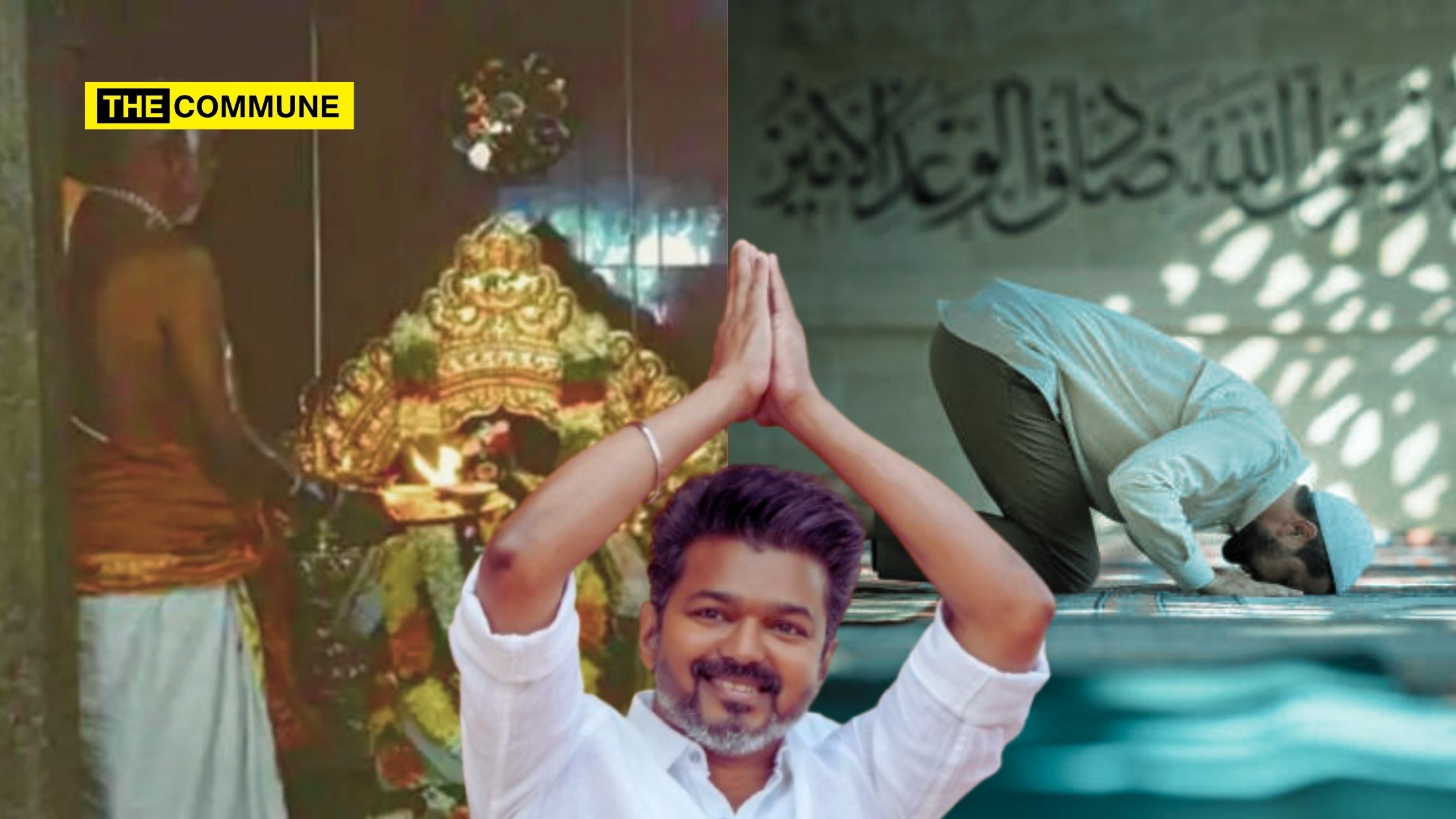
One resolution stands out: TVK’s call to establish Tamil as the “language of worship.” The resolution asserts that Tamil Nadu’s official language, Tamil, should be used in worship—a point that seems directed toward Hindu temple practices, where both Tamil and Sanskrit prayers coexist, blending traditions from Thevaram and Divyaprabandham to Vedic chants. However, Islamic worship in Tamil Nadu is almost exclusively conducted in Arabic, from the daily azaan to mosque prayers.

Given this discrepancy, a pressing question emerges: will Vijay’s call for Tamil worship extend to non-Hindu communities, or is this just another rhetorical nod aimed at reshaping Hindu traditions alone?

During the meeting, 26 resolutions were passed, several of which were nothing but the same ‘aracha maavu’ of the DMK, which has already been pulithified. From calling for scrapping NEET and abolishing the Governor’s post to opposing three language policies, One Nation One Election, and Waqf Bill, Vijay’s TVK has proved that he is nothing but another DMK.

One of the noteworthy resolutions passed by Joseph Vijay‘s “secular social justice” ideology-driven party is its call for having Tamil as the “language of worship”.

“Tamil is the official language in Tamil Nadu. It will be ensured that Tamil is made the language of worship.”, reads the resolution passed by Joseph Vijay’s TVK.

This resolution seems to be aimed specifically at Hindu temples as archakas and devotees offer worship predominantly in Sanskrit.

Joseph Vijay who seems to be aping the DMK, should know that Tamil worship is already prevalent in Hindu temples in Tamil Nadu. Saivite priests sing the Thevaram and other Thirumurais while the Vaishnavite priests sing the Naalayira Divyaprabandham. In many temples, the Tamil Vedas are chanted at the front of the procession, followed by the Sanskrit Vedas

However, it is but common knowledge that followers of Islam offer worship in Arabic. The azaan (call for prayer) that blares 5 times a day is recited in Arabic.

Hence it is pertinent to ask whether Vijay’s call for having Tamil as the “language of worship” will be made applicable to Muslims as well?

Subscribe to our channels on TelegramWhatsApp, and Instagram and get the best stories of the day delivered to you personally.

“Most Brahmins Are Petty, Unbearable, Regressive”: Deputy News Editor Of Press Trust Of India Spews Hate Against Brahmins

"Most Brahmins Are Petty, Unbearable, Regressive": Deputy News Editor Of Press Trust Of India Subhakeerthana Spews Hate Against Brahmins

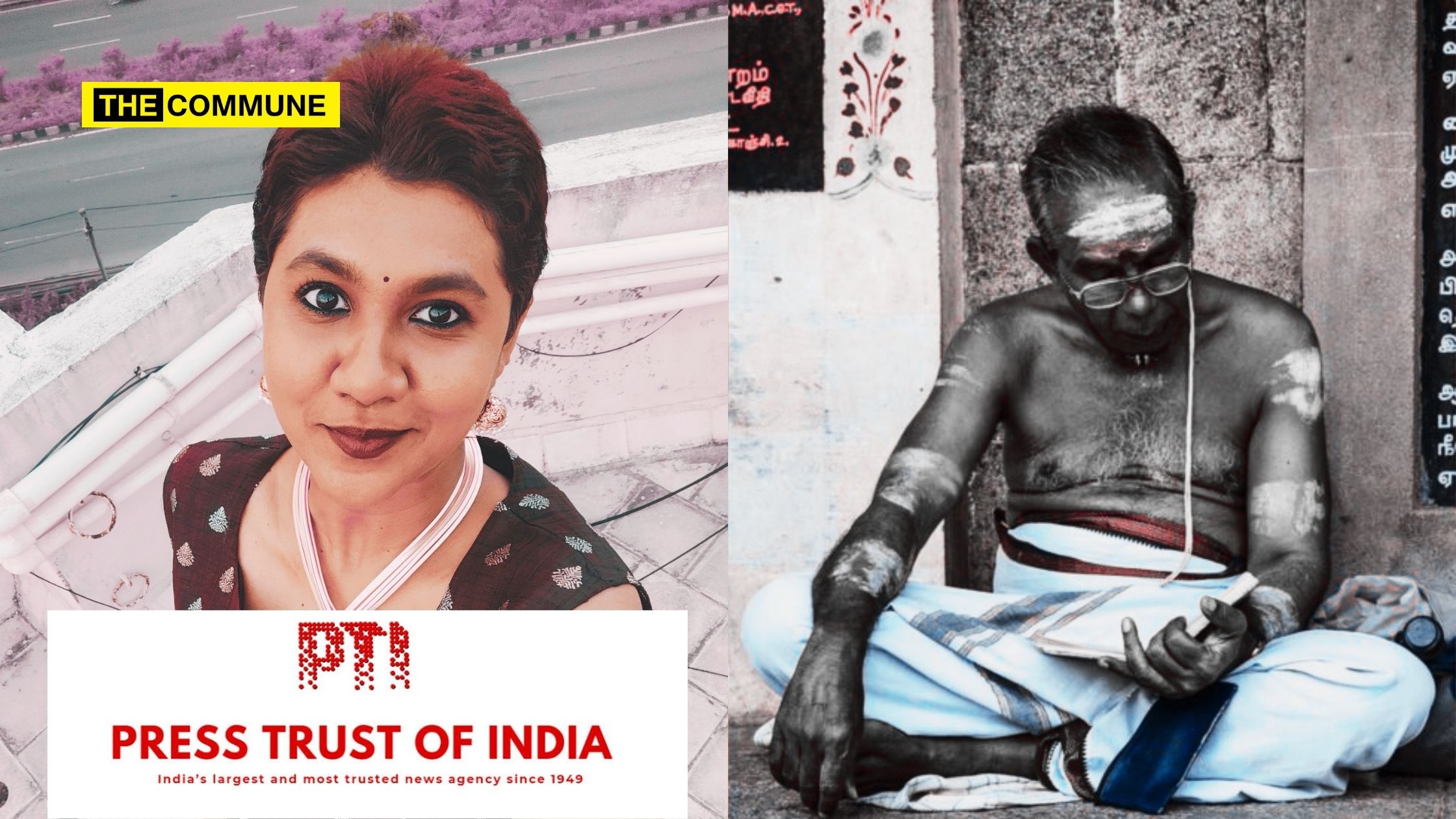
Subhakeerthana, Deputy News Editor at Press Trust of India, one of India’s largest news agencies, recently made broad and generalized statements that could be considered a case of hate speech against the Brahmin community.

Amidst the ongoing controversy about concealing Major Mukund Varadarajan’s identity in the recently released biopic Amaran, the alleged journalist commented that most of the Brahmins she has interacted with are petty, unbearable, and regressive.

She made the comment while responding to another person who had asked whether the Tamil Brahmin community would be okay with Major Mukund Varadarajan’s Iyengar identity being shown, adding that they would fight over whether he was Vadakalai or Thengalai.

Subhakeerthana had posted, “Yes, Major Mukund Varadarajan was a Tam-Brahm. To be specific, Iyengar from Tambaram. So what? Now, move on. To all those “proud Hindus” out there, he’s far beyond any caste label. No need to state the obvious just to flex your caste pride; he’s a hero, plain and simple.

In response to a person suggesting that if Mukund Varadarajan’s Brahmin identity were highlighted, Tamil Brahmins would debate whether he was Vadakalai or Thengalai Iyengar, Subhakeerthana said “Most Brahmins (I know) are petty and, honestly, a bit unbearable. Sure, this isn’t everyone—disclaimer!—but about 90% of them seem to be all show and no substance. Pesinaale, gaand aavum. Most of them (I know), again, are regressive and far from what they appear to be.

She even went on to justify her sweeping generalizations and hate speech saying that her position comes from “lived experiences” and that she had mentioned “I know” twice in her post.

Who Is Subhakeerthana?

Before joining PTI, Subhakeerthana was the Entertainment Editor at South First, a news portal that is a “wannabe” The News Minute. She had also worked with The News Minute for a while. Previously, she served as Assistant Editor at The Federal (2023–2024) and Senior Content Producer at HT Media Ltd in 2022. From 2020 to 2022, she was Show Producer – Group Manager at Mirchi, and between 2018 and 2020, she worked as Copy Editor (Entertainment) at The New Indian Express.

This is not the first time that leftist journalists have attacked Brahmins.

Previous Instances Of Brahmin Hate By Alleged “Journalists”

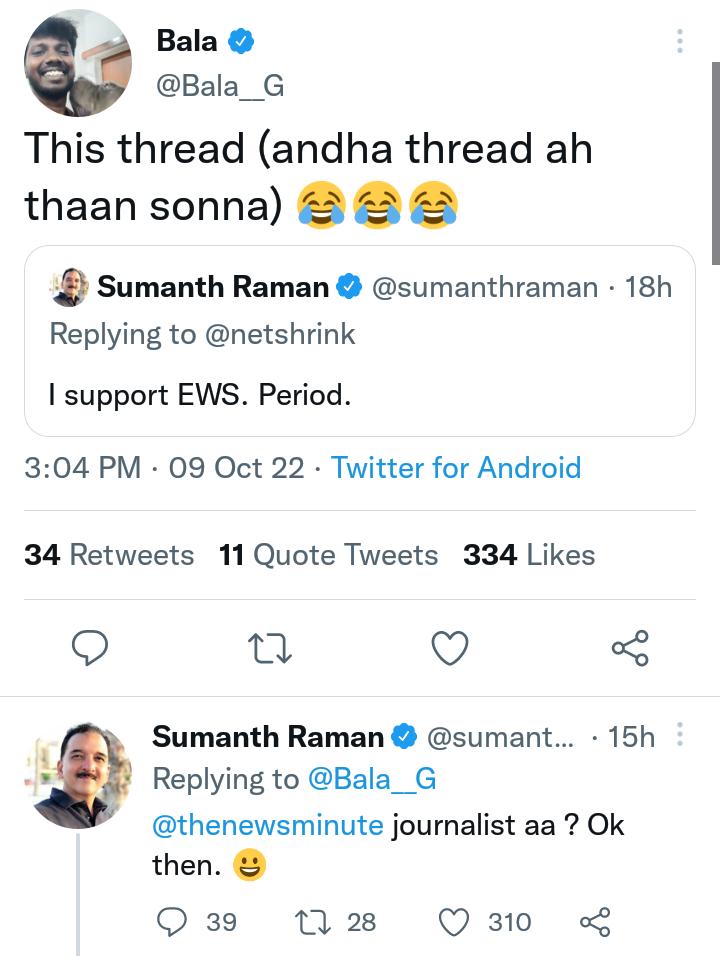
A journalist from The News Minute (TNM) named Balakrishna Ganeshan spewed casteist venom against Tamil Brahmins. Alleged ‘neutral’ political commentator Dr. Sumanth Raman had said that while millions of genuinely disadvantaged need the benefits of reservation, the current reservation system was exploited by those who are socio-economically well off! He had put a series of tweets to one Soumitra Pathare supporting Economically Weaker Sections (EWS) quota.

Reacting to one tweet of Sumanth Raman, The News Minute journalist Balakrishna Ganeshan put out a pun intended tweet saying “This thread (andha thread ah thaan sonna)” referring to the poonool/janeu (sacred thread) worn by Brahmins.

Another journalist of The News Minute Bharathy Singaravel is known for peddling hate against Brahmins. She once used the word “Paarpaan” – a derogatory and genocidal term used against Tamil Brahmins – to call out the Brahmin identity of a defence policy analyst.

In another tweet, she wrote that Tamil freedom fighter Vanchinathan, who is a Brahmin and killed British Collector Robert Ashe, disgusts her.

Karikalan, a Dravidian Stockist journalist known for anti-Brahmin verbal abuse, has said that Brahmins should not enter the media industry, alleging that they are disproportionately represented in journalism.

Subscribe to our channels on TelegramWhatsApp, and Instagram and get the best stories of the day delivered to you personally.

From Supporting Those Who Abused Lord Murugan To Organizing Students To Sing Kandha Sashti Kavasam, Here’s Why It’s A Significant Victory For Hindus Against DMK

From Supporting Those Who Abused Lord Murugan To Organizing Students To Sing Kandha Sashti Kavasam, Here's Why It's A Significant Victory For Hindus Against DMK

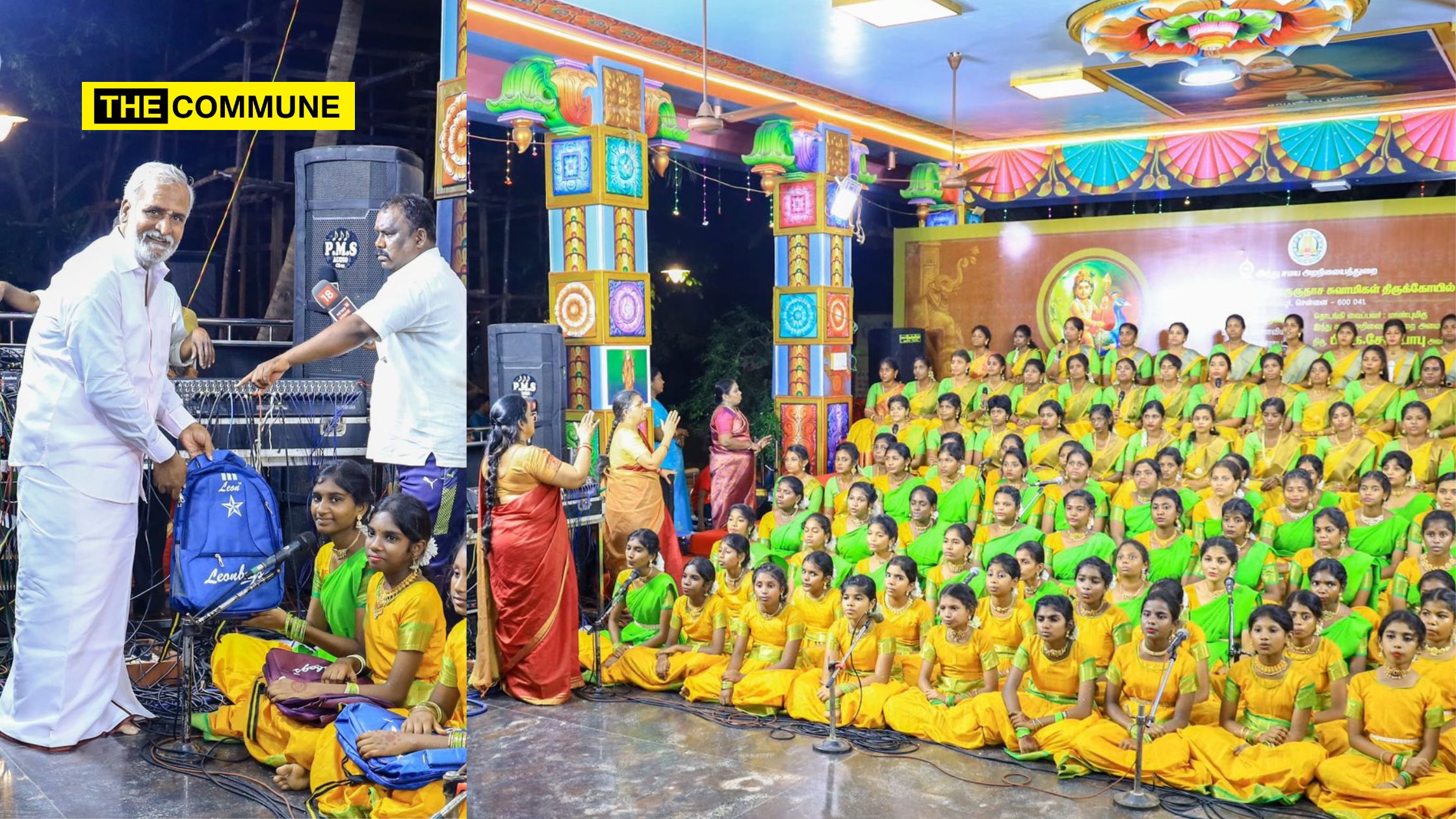
A total of 738 students have been trained to recite Kanda Sashti Kavasam Parayanam, with plans for them to perform at 12 Murugan temples. Hindu Religious and Charitable Endowments Department (HRCE) Minister Sekar Babu announced that the singing event, organized by the HR&CE Department, took place at Pamban Swamigal Temple in Thiruvanmiyur, Chennai. Among the participants were 120 students from Kanchipuram Ekambaranathar School and Kapaleeshwarar Temple College of Arts and Sciences, including 69 female students.

The program was inaugurated by DMK Minister of Hindu Religious and Charitable Endowments Department PK Sekar Babu, who recognized all the students involved in the performance. Various officials, including HRCE Commissioner Sridhar, attended the event.

Speaking to the media, Minister Sekar Babu highlighted that the Kudamuzhukku (Consecration) ceremony at Pamban Swamigal Temple was successfully revived under the Dravidian governance model after 36 years. He emphasized the ongoing improvements in temple operations, such as Consecration ceremonies and renovations, which have garnered praise from devotees for the Tamil Nadu government, particularly Chief Minister MK Stalin. He noted that donor funds for temple projects have been effectively utilized, amounting to 960 crore over the past three and a half years.

As part of the Palani Murugan Conference, it was decided that students from schools, colleges, and music colleges would participate in singing Kanda Sashti Parayanam at temples. Currently, 738 students have been trained and will perform at Vadapalani temple on 6 November 2024.

Plans are in place for the Kanda Shashti festival in Thiruchendur. On Surasamharam day, around 600,000 devotees are expected to visit, with daily attendance reaching 100,000. Facilities for the devotees, including a hostel accommodating 500 people, have been established.

In response to concerns about security, with 2,000 police officers assigned to the event, Minister Sekar Babu addressed opposition from alliance parties regarding students’ participation in the Kanda Shashti singing, reaffirming that the HRCE Department is fulfilling its responsibilities with a focus on devotees’ need. He clarified that only students enrolled in schools, colleges, and music colleges under the Hindu Religious Endowment Department can sing Kanda Shashti Parayanam.

The recent shift in the DMK’s stance is a significant win for Hindus. For the past 70 years, supporters of Dravidian ideology and followers of Periyar have fostered a narrative of hatred against Hindus, often ridiculing their beliefs. The DMK has historically supported and protected those who perpetuated this abuse. However, this strategy seems to have backfired.

 It is ironic that the Dravidian Model DMK government which upholds the ideals of E.V. Ramasamy Naicker (known as Periyar) and had participated in the “Sanatana Eradication Conference,” is now holding Murugan conference and Kandha Sashti Kavasam singing events, marking a notable change.

However, this is how the rabid anti-Hindu bigot EVR described the birth of Lord Murugan:

The birth of Kandhan (another name for Murugan’s) has been explained in Ramayanam, Kanchi Puranam and (S)Kandha Puranam. Apparently Devas asked Siva “Oh Lord Siva! The atrocities of demons have increased. We’re not able to bear it. You’ve to give birth to a valiant son to slay them” and pray to him. Accordingly, Lord Siva married Parvathi and started having sex with her to get a child. Sivan and Parvathi kept having sex for a thousand years. The Devas after seeing that the child has not been born despite having sex for a thousand years, feared that ‘If a child is born now, the world can’t handle. It will be that strong. It might destroy the world’, and went to Siva and prayed to him to stop having sex. Siva responded to them saying “As per your wish, I don’t have a problem in stopping. But what do I do with the sperm that comes out?”. Immediately the Devas cupped their hands and asked him to release the sperm in there. Accordingly Siva released his sperms in their hands and asked them to drink it. Devas drank it. Siva released the remaining sperms in the Ganga. Ganga couldn’t bear it and started boiling. The Devas who drank it got pregnant. They went to Siva, prayed and asked him for a remedy for this pregnancy problem. Siva apparently told them if they took a bath in Suragareeswarar Pond in Kancheepuram their pregnancy would get resolved. Devas accordingly took a dip in the pond and relieved themselves of the pregnancy. The sperms of Siva which was flowing in the earth got split into 6 branches and became 6 babies. Those 6 babies were fed milk by 6 ladies. Since it was difficult to give milk to 6 babies they made the 6 babies into 1. Because of this the body became 1 and heads became 6. That’s the story of ‘Arumugam’ (another name for Lord Murugan). Since he emerged from a ‘Skalam’ hence the name ‘Skandha’. Brahma made his daughter as his wife. Lakshmi had sex with horse. These are the qualities of the Gods we have!“, EVR had said as per the book Thoughts of Periyar EVR and was originally cited from “Kadavul Oru Karpanaye – 1971“.

Dravidianists And Their Contempt For Lord Murugan

Karuppar Koottam, a YouTube channel that was run by a group of ‘Periyarists’, Communist ideologues and DMK sympathizers had published a video in 2020 where they abuse Lord Murugan, revered in Tamil Nadu as the Tamil God, by making derogatory references to Kandhasashti Kavasam, a hymn dedicated to Lord Muruga that echoes in every Hindu’s home and temples in Tamil Nadu. After massive outrage, he was jailed under Goondas Act by the then AIADMK government but was subsequently released after the DMK came to power.

From abusing Hindus and Hindu God Murugan to making government school students sing the same Kandha Sashti Kavasam that was denigrated by the DMK-Supporting Dravidianists, the DMK’s U-Turn on Murugan is a triumph of Hindus against the rabid anti-Hindu Dravidainists.

(With Inputs From PT News)

Subscribe to our TelegramWhatsApp, and Instagram channels and get the best stories of the day delivered to you personally.
Dravidian Model: Dindigul Villagers Forced To Cross Swift River To Bury Elderly Man As Bridge Proposal Stalls

Dravidian Model: Dindigul Villagers Forced To Cross Swift River To Bury Elderly Man As Bridge Proposal Stalls.

On 1 November 2024, over 12 villagers, accompanied by relatives, crossed a swiftly flowing river on foot to bury an elderly man in a burial ground near Natham in Dindigul. Although the district administration has proposed building a metal bridge across the river for 10 lakh, the project remains unapproved.

Samudrapatti village, home to around 1,500 families, faced significant challenges following heavy rains that increased the river’s water levels. Periyam Pillai, a 73-year-old villager, passed away due to health issues. The burial ground, located on the opposite bank of the Thirumanimuthar River, is primarily used by Hindus, while separate burial sites exist for Muslim and Christian communities.

Initially, some villagers considered waiting for the water to recede before transporting Periyam Pillai’s body across the river. However, concerns over decomposition led them to decide to cross despite the dangers.

Approximately eight family members, along with other villagers, ventured into the river, where the water reached chest height. They navigated through the strong currents, successfully burying the elderly man by evening.

A senior official from the district administration commented, “This is a long-standing issue for the villagers. The river is managed by the PWD. The proposal for the metal bridge has been accepted by block development officers, but the river’s sharp bend complicates construction. We are waiting for higher officials to decide whether to build the bridge a few meters upstream or to identify an alternative burial site.”

Last week, villagers in Lalgudi, Tamil Nadu, faced a similar ordeal as they were forced to carry the bodies of their deceased loved ones through neck-deep water to reach burial grounds. A viral video has brought attention to this heartbreaking reality in Trichy district, where the absence of proper pathways to cemeteries forces families into such distressing situations. While politicians often proclaim their commitment to social justice, these conditions starkly contrast their claims and the actual experiences of the community.

In Nehru Nagar, located in Maruthur Panchayat within Lalgudi Union, over 200 residents must rely on a cemetery situated across the Upparu River. When the river is dry, crossing to the cemetery is manageable. However, during monsoon season, flooding makes this journey perilous, as no bridge exists to facilitate the crossing.

Despite repeated petitions to government officials for a bridge over the Upparu River, no action has been taken. Recently, heavy rains caused the river to overflow, exacerbating the situation.

Just days ago, the community faced tragedy when a 98-year-old resident, Arunachalam, passed away in Nehru Nagar. Villagers had to navigate through neck-deep water to transport his body to the cemetery for his final rites.

For years, the local community has urged the district administration to construct a bridge for better access to the graveyard, but their appeals have gone largely ignored. With the viral video highlighting their struggle, residents now hope for prompt action to build a bridge across the Upparu River.

(With Inputs From TNIE)

Good Crowd For IMK Chief Arjun Sampath’s Rally Demanding Legal Protection For Brahmins Amid Rising Hate Speech And Abuse Against The Community

Good Crowd For IMK Chief Arjun Sampath's Rally Demanding Legal Protection For Brahmins Amid Rising Hate Speech And Abuse Against The Community.

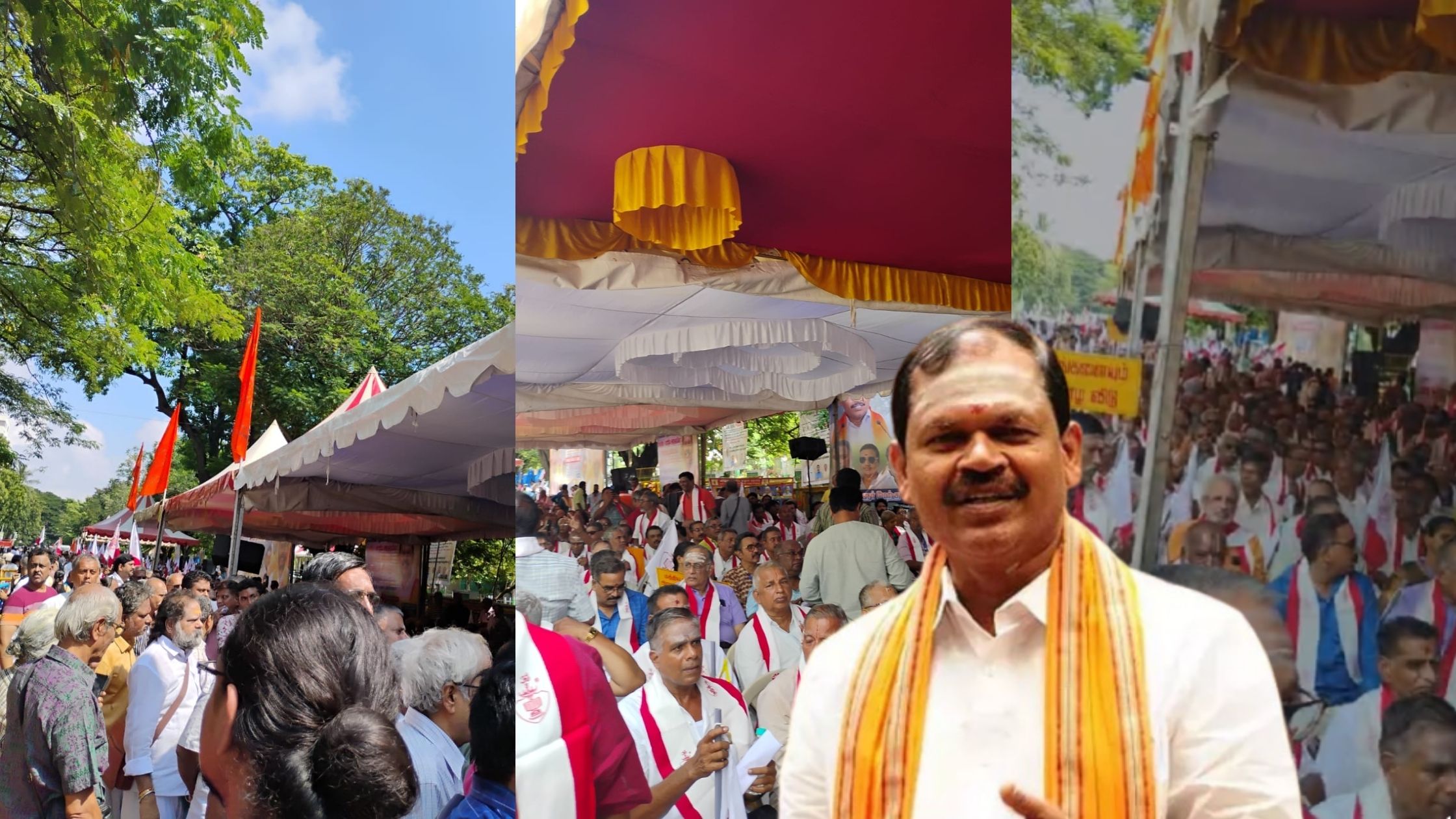
In response to escalating hate speech and abuse directed at Brahmins by Dravidianists and other anti-Hindu elements, Indu Makkal Katchi (IMK) Chief Arjun Sampath organized a protest rally demanding the enactment of legislation to protect the Brahmin community, similar to the Protection of Civil Rights (PCR) Act that is there for the Scheduled Caste communities.

This protest occurred on 3 November 2024 at Rajarathinam Stadium in Egmore, Chennai. Notable guests include Gurumurthy, editor of Thuglak, Chennai Corporation BJP councillor Uma Anandan, and other respected figures.

IMK Chief Arjun Sampath has called for a protest against the ongoing hate speech directed at the Brahmin community, particularly from Dravidianists and ‘Periyar’ groups. He aims to end this hatred and express their discontent over such injustices.

Through his official account on X, Sampath urged the Brahmin community and the general public, stating, “Protecting Brahmins and protecting cows is the first duty of ancient Tamils. Let’s fight to end 70 years of untouchability. Rally towards the Fort to express our pain and seek solutions. I appeal to Brahmins who desire change against racist and fascist forces to join us.

In this regard, various Brahmin organizations have committed to supporting the protest and rally, expressing their solidarity with the cause.

Despite being organized just two days after Deebavali, the protest saw a good turnout. South India Forward Bloc leader KC Thirumaran, Actress Kasthuri Shankar, and others participated in the event.

In his speech, Arjun Sampath pointed out the targeted hate speech by DMK leaders and other Dravidianists. He pointed out that while the first family of the DMK (MK Stalin’s wife, Durga Stalin, and his son-in-law Sabareesan) have embraced Sanatana Dharma, the second-rung leaders of the party and Dravidianists keep continuously harassing Brahmins.

The meeting saw the passing of several resolutions, such as the removal of racist references to ‘Aryans Vs. Dravidians’ in the Tamil Nadu state government textbooks.

Subscribe to our TelegramWhatsApp, and Instagram channels and get the best stories of the day delivered to you personally.