
Home Blog Page 587

Why Tamil Thaai And Bharat Mata Are The Same Divine Mother
tamil thaai bharat mata

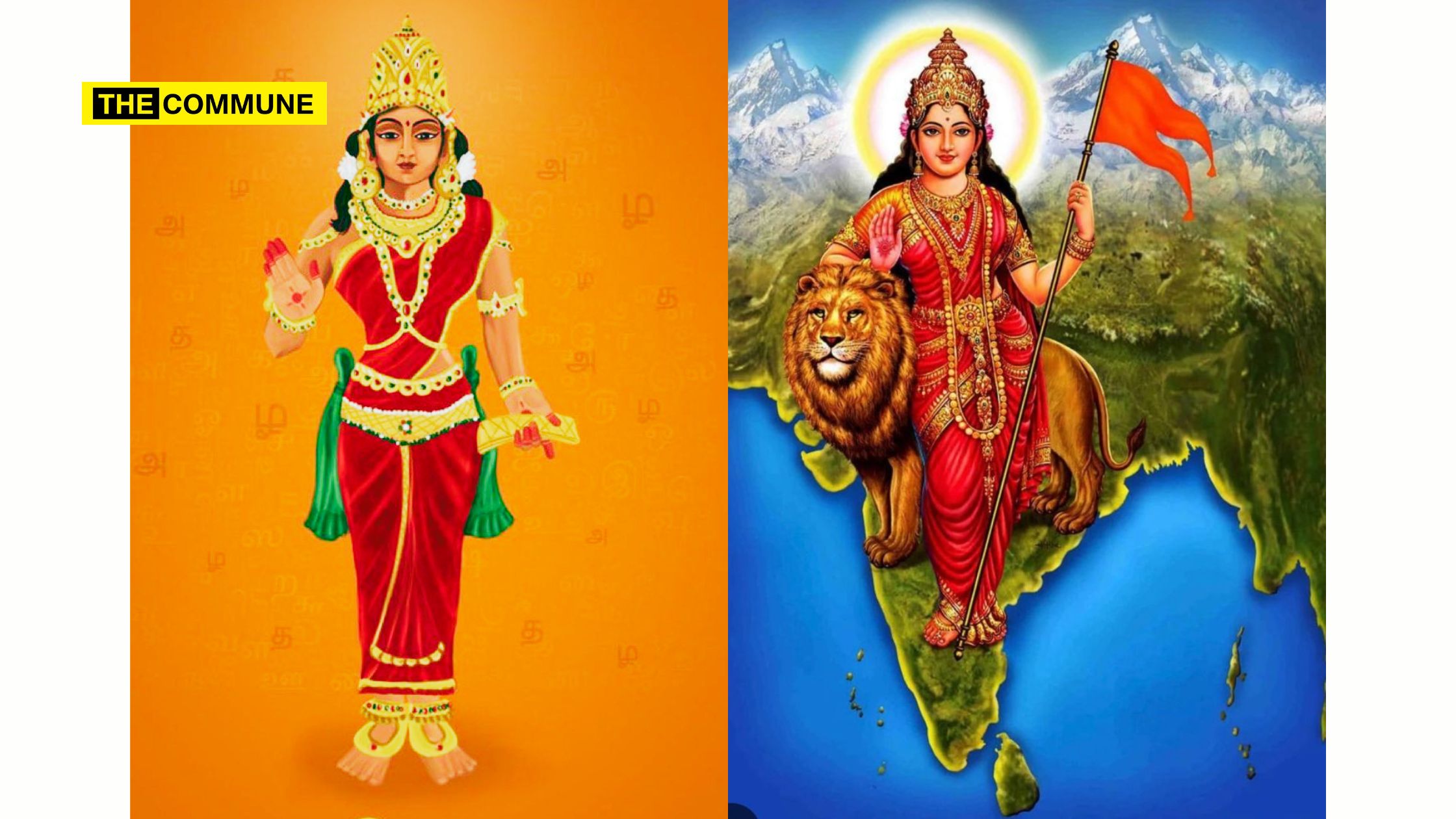
India, a country that is home to almost 33 million Gods, is truly the most diverse nation on the planet. The ratio of the number of people and gods put together is staggering; we arrive at 1 god/goddess for every 42.42 people. From this lens, there is a divine depiction of every cultural identity. These gods are a medium for cultural integration and invocation for a historic and spiritual consciousness. Contrary to their purpose, the divine entities have been misinterpreted to foster division and isolate certain linguistic backgrounds from the larger Indian identity. A common example of such a misinterpretation is the distinction given to Tamil Thaai from Bharat Mata. The Dravidian movement effectively used Tamil Thai as a symbol to resist theAryanisationof Tamil Nadu and invoke a cause to protect the Tamil identity. Yet, when both are closely studied, one realises that Bharat Mata and Tamil Thaai are one and the same.

Goddess For Each Region And Culture

In ancient Indian culture, geography at different levels is depicted in the form of goddesses. The earth is known as Bhumi Devi. India and the larger subcontinent are worshipped in the form of Bharat Mata. When broken down further, each cultural region and linguistic identity has its own depictions, such as Tamil Thaai (the personification of the Tamil language), Karnataka Thaayi (the mother of Karnataka), and Telugu Thalli (the mother of the Telugus). Break them down further; we can find gods that are specific to each town and village. This shows that at every stage, from the globe to the country and then to the local region, at each successive level, there is a concept of female divinity, the Mother who nourishes us.

Drawing Parallels That Intersect

The problem arises when these linguistic and regional divine entities are invoked to foster division among regions and people. When that is not truly the case. Ultimately, all goddesses are an incarnation of Shakthi, the ultimate feminine energy, that which gives life to everyone. Therefore, all other goddesses, such as Lakshmi, Saraswati, Kali, Bharat Mata, and Tamil Thaai, are different forms taken by Shakthi in different situations.

Bharat Mata was first conceptualised in the 1870s by Bankim Chandra Pal in his song Vande Mataram, which personified the nation as a goddess. This idea was later enhanced with the pictorial depiction of Bharat Mata by Abindranath Tagore in 1905. The freedom movement at that time used the idea of Bharat Mata to solicit national pride and identity among the people.

Similarly, Tamil Thai found its origin around the same time as Bharat Mata, Bharathiyar and Sundaram Pillai spoke of a Tamil mother to inspire pride in the language. Pillai’s drama Manomaniam used the song Tamil Thai Vaazhthu to set such a tone. This identity was later used and given an image by political groups in the anti-Hindi agitation.

The similarities are that both Bharat and Tamil Nadu were personified to invoke pride in identity and language. Both of them are goddesses who found their origins during the need for cultural consciousness under British rule. Both have their own songs, which were later adopted as the national and state songs, respectively. Thus, Tamil Thaai is an incarnation of a larger Bharat Mata.

If Bharat Mata is the body of India, then Tamil Nadu is one of her limbs, and Tamil Thaai is the voice of that limb. One cannot separate the voice from the body—it is a regional articulation of the same national spirit.

Bharatiyar’s Perspective

In Bharatiyar’s poem, “Bharat Mata Thiruppalliezhuchi”, he writes, ‘Aḷḷiya teḷḷamu taṉṉai em aṉṉai!which translates toThe one who has been crying is our mother!’

Throughout the poem, in different stanzas, he is constantly referring to a mother with words such as Thaaye, Annai, and Amme; in this context, the mother he speaks so lovingly about is none other than Bharat Mata.

In other poems in which the theme was Tamil pride, he would personify the language with a feminine connotation, many a time showing love for it like how one does for a mother. Therefore, one can affirm that he saw no distinction between the two.

To argue that Tamil Thaai is an incarnation of Bharat Mata is not to diminish Tamil pride but to place it within a context. Just as rivers flow from different sources but reach the same ocean, regional identities like Tamil Thaai lead us toward a united love for Bharat Mata. India may have many cultural identities, but none of these stand outside or above India; instead, they enrich it. Bharat Mata speaks many tongues. When she speaks in Tamil, she becomes Tamil Thaai.

Soorya Kant is a 12th grade student at Isha Home School.

Subscribe to our channels on Telegram, WhatsApp, and Instagram and get the best stories of the day delivered to you personally.
How TNM Editor-In-Chief Dhanya Rajendran Routinely Simps For The DMK

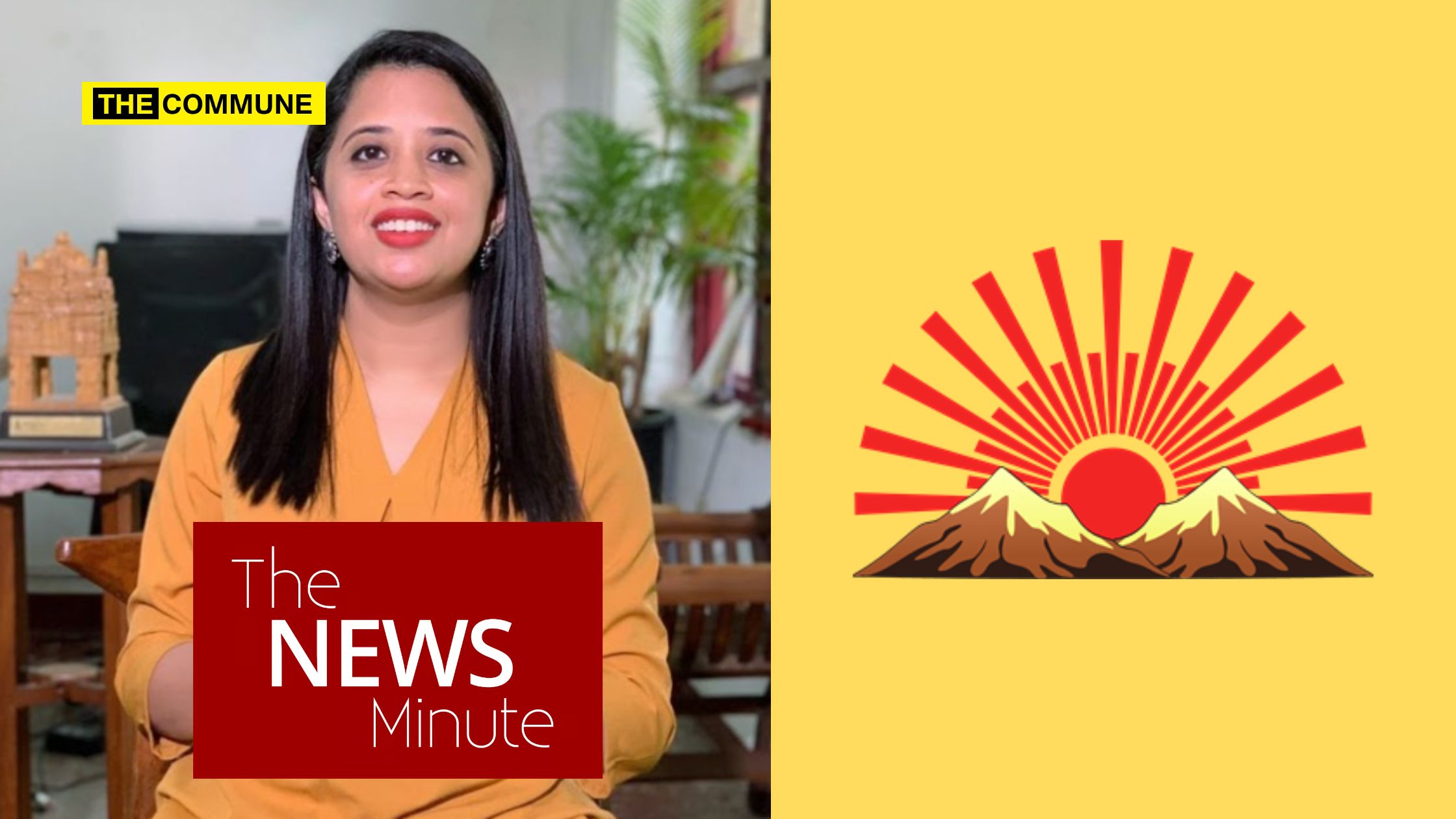
The Supreme Court’s recent verdict striking down Tamil Nadu Governor R.N. Ravi’s reservation of 10 state bills for Presidential assent has triggered a media storm — but not all of it grounded in impartiality. Among the loudest celebrants was Dhanya Rajendran, editor of The News Minute (TNM), who wasted no time calling it a “huge” moment and a “big victory” for the DMK.

Her post on X read, “This is huge. Big victory for the DMK and sets a precedent. So many states have complaints that Governors are sitting on bills.”

A journalist publicly cheerleading a political party’s legal victory — without nuance or journalistic caution — is not analysis. It’s partisan posturing. And this is far from an isolated instance. TNM, under Dhanya’s editorial leadership, has made a habit of amplifying outrage against the BJP while remaining conspicuously silent on the censorship and strong-arm tactics of the DMK — a pattern best described as “selective journalism,” or more bluntly, simping for the Dravidian ruling class.

It Is All ‘Fascist’ — Unless It’s The DMK

Take the recent Empuraan controversy. The Malayalam political thriller faced over 17 cuts following objections over its portrayal of the 2002 Gujarat riots — prompting TNM to unleash a barrage of content on censorship, “Hindutva bullying,” and the death of artistic freedom. Its tone was militant: artistic liberty was under siege, and the villain was the “right wing.”

But when the same film was quietly edited to remove alleged references to the Mullaperiyar dam — after public pressure from the DMK government, including threats from ministers and an Assembly debate — TNM had nothing to say.

Not a word. Not a video. Not a breath of the righteous outrage that animated its earlier coverage.

TNM’s Bias And Selective Outrage – Silence On DMK’s Crackdown On Dissent

The News Minute (TNM), under the leadership of Editor-in-Chief Dhanya Rajendran, consistently exhibits glaring double standards and ideological bias, particularly in favor of the DMK and other left-leaning forces. While Dhanya is vocal against the central government—accusing it of censorship, authoritarianism, and media control—she remains conspicuously silent on similar or worse crackdowns by the DMK-led Tamil Nadu government. Despite a long list of arrests targeting critics, YouTubers, BJP functionaries, and common netizens under the DMK regime, Dhanya has never condemned the state’s blatant misuse of power. In contrast, she denounced the Centre’s PIB fact-checking mechanism as unconstitutional and dangerous for press freedom, ignoring the fact that DMK had already created a similar, more expansive state surveillance mechanism. These patterns raise serious questions about TNM’s neutrality and reveal it as a partisan outlet masquerading as independent media, with Dhanya Rajendran acting more like a DMK sympathizer than an objective journalist.

The Kunal Kamra Issue

While Dhanya publicly praised comedian Kunal Kamra for challenging the central government’s fact-check unit in court—framing it as a defence of media freedom, her silence on similar or worse actions by the DMK-led Tamil Nadu government, particularly its Social Media Monitoring Centre set up in 2022, was telling. This unit, operating under the police, allegedly suppresses dissent and targets critics of the state government. TNM and Dhanya, despite their vocal opposition to the central government’s policies, failed to condemn this initiative. In fact, Dhanya even platformed the mission director of the DMK’s Fact-Check Unit, effectively legitimizing it.

Thanking DMK Ministers For Supporting Them

As allegations against The News Minute resurfaced in 2023, accusing its journalists of receiving bribes from mining baron Shekhar Reddy based on a resurfaced diary entry, Dhanya Rajendran strongly rejected the claims. She recalled the 2018 Income Tax raids on TNM and a prolonged investigation, which concluded in 2021 with no findings of wrongdoing. The photo of the alleged diary entry listed Dhanya and TNM journalists like Shabbir Ahmed and Anna Isaac as supposed recipients of bribes — claims TNM says were fake and debunked earlier.

Dhanya reshared a 2022 post addressing the same diary entry and condemned those reviving it. Meanwhile, journalist Shabbir Ahmed pointed to a 2016 call recording proving the entry’s circulation was based on misinformation. DMK Minister and IT Wing Secretary TRB Rajaa publicly condemned the misinformation, prompting Dhanya to thank him for his support.

Dhanya’s selective outrage – her silence on violent threats from prominent DMK figures was there for everyone to see.

ASER 2024: Whitewashing Tamil Nadu’s Learning Crisis

Dhanya Rajendran and TNM misrepresented the findings of the ASER 2024 report on Tamil Nadu’s education system. TNM spun alarming data into a false narrative of “progress,” using the severely disrupted 2022 numbers as a benchmark instead of pre-pandemic figures like those from 2018. TNM downplayed the steep decline in foundational literacy and numeracy in the state, particularly in reading and arithmetic skills among government and private school students. Their selective reporting was a deliberate attempt to shield the DMK government and its “Dravidian Model” from scrutiny. TNM highlighted digital literacy gains as a distraction from core academic failures. TNM, being a mouthpiece for the ruling establishment, ignored long-term negative trends and failing to hold the government accountable.

The TNM Rulebook: Hindu Sentiments Don’t Matter

TNM’s selective outrage doesn’t stop at censorship. Its editorial stance consistently portrays any Hindu outrage as dangerous majoritarianism, while ignoring or justifying equally aggressive reactions from Dravidian or minority leaders.

Their coverage of The Kerala Story was scathing, calling it propaganda. But Empuraan, which fictionalized the 2002 riots with real names altered just enough to avoid lawsuits? That, according to TNM, was art. Fiction. Imagination. How convenient.

One of their senior journalists, Pooja Prasanna, even tried to make a distinction between the two films — saying The Kerala Story was “state-sponsored fiction” while Empuraan was “just storytelling.” That’s not journalism. That’s spin.

From TNM – The News Minute To TN Murasoli

In its desperate attempt to project itself as a progressive, left-liberal platform, TNM has turned into something else entirely — a digital mouthpiece for the DMK-Left ecosystem. Its glaring double standards reveal a simple truth: free speech only matters to them when their ideological opponents are doing the censoring.

If the BJP criticizes a film, it’s authoritarianism. If a BJP minister sneezes, it can become hegemony! 

If the DMK suppresses speech – Crickets.

If Dhanya Rajendran truly cared about freedom of expression, she wouldn’t just tweet triumphantly when the DMK wins a legal battle. She would have condemned the party’s strong-arming of filmmakers and its creeping censorship culture.

But that would mean speaking truth to power. And TNM only does that when the power isn’t wearing a black shirt and speaking Tamil.

Subscribe to our channels on Telegram, WhatsApp, and Instagram and get the best stories of the day delivered to you personally.
The News Minute Proves Why It Is TNMurasoli – ‘Fascism’ When Hindus/BJP Objects, But Silent When DMK Forces Cuts In ‘Empuraan’

tn murasoli tnm custodial deaths

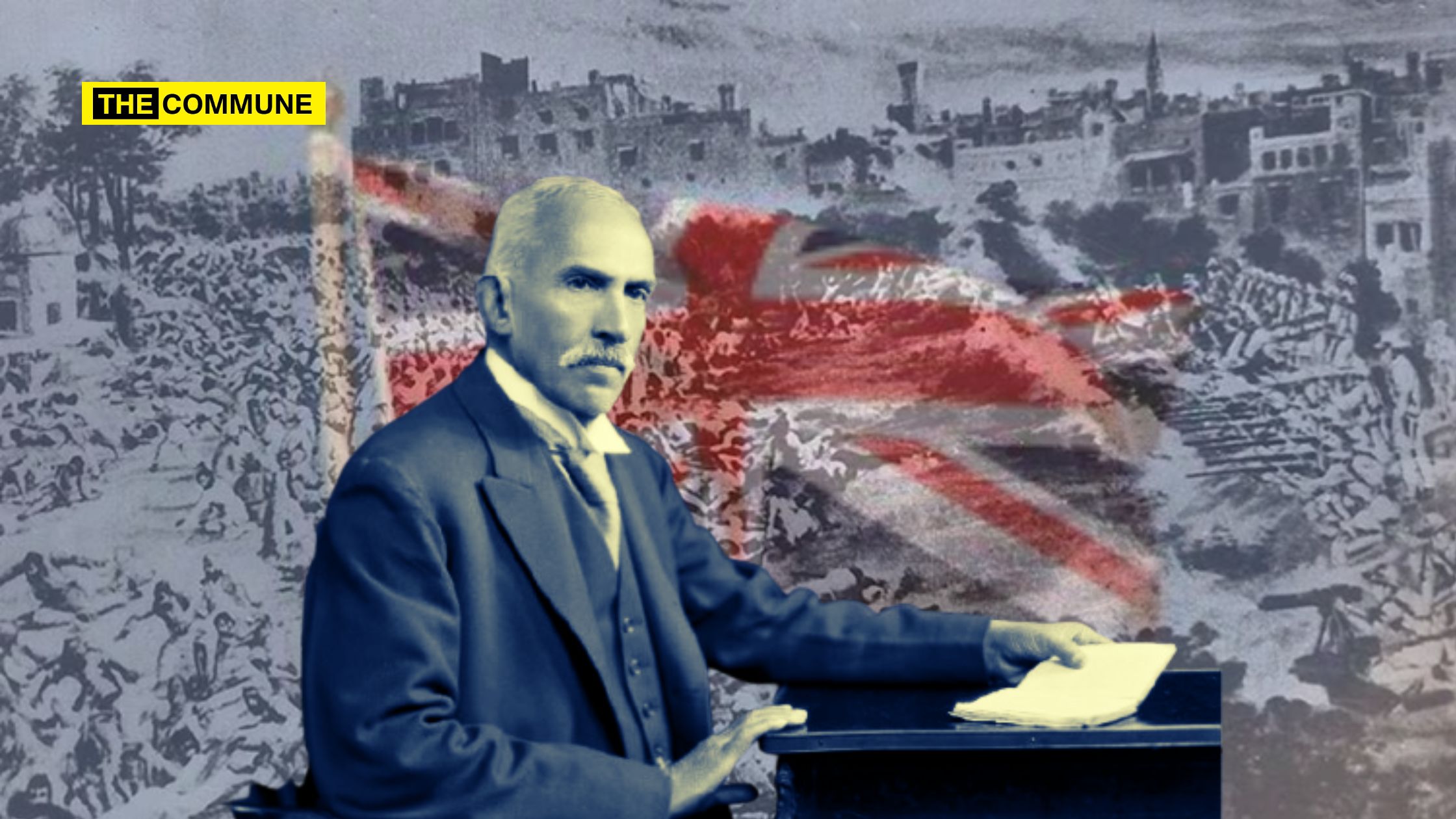
The News Minute (TNM), a self-proclaimed bastion of “brave journalism,” has once again exposed its blatant hypocrisy and selective outrage. The leftist propaganda portal went into a frenzy when Empuraan, the Malayalam political thriller, underwent over 17 cuts following backlash over its incorrect portrayal of the 2002 Gujarat riots. Yet, when the same film was forced to remove scenes allegedly referencing the Mullaperiyar dam—after pressure from Tamil Nadu’s DMK government—TNM was conspicuously silent.

Selective Outrage: TNM’s Anti-Hindu Agenda

TNM’s video and articles on Empuraan were dripping with outrage, painting the cuts as an assault on “artistic freedom” and a surrender to the “Hindutva brigade.” The portal hyperventilated over the removal of scenes depicting Hindu mob violence, the renaming of a fictional antagonist, and the deletion of references to the Sangh Parivar. According to TNM, this was proof of the BJP’s “fascist censorship.”

But where was TNM’s righteous indignation when the DMK government and its allies, including Rajya Sabha MP Vaiko, demanded the removal of scenes allegedly alluding to the Mullaperiyar dam? Tamil Nadu’s Water Resources Minister Durai Murugan even admitted he hadn’t watched the film but still condemned it based on hearsay. The DMK-led Assembly discussed banning the film, and the filmmakers, already under pressure, quietly edited out the contentious scenes as confirmed by TN CM Stalin.

Double Standards: Silence For DMK’s Censorship, BJP’s Is ‘Fascist’

TNM’s silence speaks volumes. For them, censorship is only problematic when it comes from the “right wing.” When the DMK—TNM’s seeming ideological ally—bullies filmmakers into cutting scenes, it’s apparently not worth reporting. This is the same outlet that sanctimoniously lectures about “free expression” while turning a blind eye to the Left-Dravidian ecosystem’s own authoritarian tendencies.

Consider the facts:

  • DMK politicians, including CM Stalin, openly pressured the filmmakers, leading to cuts.
  • Vaiko, a DMK ally, hysterically claimed the film would “incite fear” among Keralites about the dam’s safety.
  • The CBFC, which TNM accused of bowing to the BJP, had initially cleared the dam scenes—meaning the cuts were purely political, enforced by DMK pressure.

Yet, TNM didn’t deem this worthy of condemnation. Why? Because their loyalty lies not with journalism but with their anti-BJP, anti-Hindu narrative.

TNM’s Flawed Logic: ‘The Kerala Story’ vs. ‘Empuraan’

TNM’s “journalist” Pooja Prasanna made a laughable attempt to distinguish The Kerala Story from Empuraan, claiming the former was “propaganda” while the latter was “just fiction.” But if Empuraan has the right to fictionalize the 2002 riots, why shouldn’t The Kerala Story have the same liberty to depict religious conversions? The answer is simple: TNM only defends “artistic freedom” when it suits its ideological agenda.

TNM is nothing but TNMurasoli, A DMK-Left Mouthpiece

The News Minute has proven, yet again, that it is nothing more than a propaganda arm of the DMK-Left ecosystem. Its selective outrage over censorship—only when it fits its anti-BJP narrative—exposes its hypocrisy. If TNM truly cared about free speech, it would have slammed the DMK’s ‘outrage’ over the Mullaperiyar dam scene. Instead, it stayed silent, revealing its real priority: pushing anti-Hindu, anti-national narratives while shielding its political masters.

Subscribe to our channels on Telegram, WhatsApp, and Instagram and get the best stories of the day delivered to you personally.
Sir C. Sankaran Nair: The Defiant Patriot Who Took On The British In Their Land, Erased From India’s Memory

As Akshay Kumar prepares to bring Sir Chettur Sankaran Nair’s story to life in Kesari Chapter 2, the timing couldn’t be more poignant. The film’s trailer launch in April 2025 saw Nair’s great-grandson overcome with emotion as he thanked the team for resurrecting his ancestor’s legacy. This cinematic revival coincides with British MP Bob Blackman’s recent demand in Parliament for an official apology for the Jallianwala Bagh massacre – an atrocity that Nair fought tirelessly to expose. The irony is stark: while a foreign politician acknowledges colonial crimes, India has largely forgotten the patriot who challenged the Empire at its zenith.

Sir Chettur Sankaran Nair 

In the pantheon of India’s freedom fighters, Sir Chettur Sankaran Nair (born 11 July 1857, in Mankara, Malabar District, Madras Presidency) occupies a peculiar position: a man of towering intellect and unshakable integrity, whose bold stands against the British Empire should have made him a national hero — and yet whose name has been quietly dropped from the mainstream nationalist narrative.
Educated in law and called to the Bar from Lincoln’s Inn, Nair rose rapidly through the ranks of India’s legal and political systems. He became one of the first Indians to be appointed Advocate-General of the Madras Presidency, later serving as a judge of the Madras High Court and as a member of the Viceroy’s Executive Council — one of the highest offices accessible to Indians under the Raj.
But more than titles, it was his refusal to bend — to colonial brutality, religious extremism, or political opportunism — that set him apart.

Born in 1857 in Kerala’s Malabar region – the year of India’s First War of Independence – Sankaran Nair embodied the intellectual firepower that colonial rulers feared most. His meteoric rise through the British system was itself an act of subversion: becoming Advocate-General of Madras Presidency by 1898, President of the Indian National Congress in 1897, and ultimately the highest-ranking Indian in the colonial government as member of the Viceroy’s Executive Council. These weren’t positions of compromise, but strategic footholds from which he dismantled imperial pretensions through legal mastery and moral courage.

A Lone Resignation After a Massacre

When General Dyer opened fire on unarmed civilians in Amritsar on 13 April 1919, killing several hundreds, there was widespread condemnation across India. But few officials within the British administration took action.

C. Sankaran Nair was one of the exceptions. As a member of the Viceroy’s Executive Council — one of the highest positions an Indian could hold at the time — his resignation in protest sent shockwaves through the colonial establishment. It was the first high-level act of defiance by an Indian insider against the British state’s brutality.

But Nair’s resistance did not end there.

The Libel Trial that Took the Fight to London

In 1922, Sankaran Nair published Gandhi and Anarchy, a fiercely critical book that not only challenged Mahatma Gandhi’s methods but also directly accused Michael O’Dwyer — the former Lieutenant Governor of Punjab — of responsibility for the Jallianwala Bagh massacre. O’Dwyer sued Nair for libel in a London court.

The British expected an Indian to back down on foreign soil. But Nair held his ground, making it one of the earliest examples of an Indian challenging the British Empire legally and morally in its own courts. Though the case ended in O’Dwyer’s favor, it forced British society to once again confront the horror of Jallianwala Bagh.

A Critic of Congress and Khilafat

While Nair stood firmly against British atrocities, he was also unafraid to question the direction of India’s nationalist movement under Congress.

He opposed Gandhi’s alliance with the Khilafat Movement, which aimed to restore the Ottoman Caliphate after World War I. For Nair, secular nationalism and Islamic theocracy could not be reconciled. He also condemned the Moplah riots of 1921 in Kerala, where hundreds of Hindus were killed and forcibly converted. While Congress attempted to frame the Moplahs as misguided anti-colonial rebels, Nair insisted on calling the atrocities by their name.

Such dissent, however, came at a cost. Nair’s refusal to toe the Congress line meant that he would never be embraced as part of the official nationalist canon.

A Modernist Who Pushed For Reform

Nair’s brilliance extended beyond politics. A Cambridge-educated lawyer, he was one of the youngest advocates to appear before the Madras High Court. He was deeply committed to social reform — advocating for women’s education, the abolition of untouchability, and legal rights for children and widows.

As President of the Indian National Congress in 1897, decades before Gandhi rose to prominence, he had already begun shaping the discourse around Indian self-rule. But unlike many of his peers, Nair believed constitutional and legal methods — not mass disobedience — were the path to sustainable change.

In this, he resembled Dr. B.R. Ambedkar far more than Gandhi.

Erased From Textbooks, Remembered Abroad?

Despite his legacy, Nair has been largely erased from Indian textbooks, memorials, and popular consciousness. His legal battle against O’Dwyer is barely discussed. His critiques of Congress and the Khilafat are conveniently forgotten.

Ironically, in 2025, a British MP named Bob Blackman has called for a formal UK apology for the Jallianwala Bagh massacre. Meanwhile, the man who actually resigned over it, challenged O’Dwyer in a British court, and laid bare the brutality of Empire — still has no statue in India’s capital, no school curriculum chapter, no public tribute.

Why He Still Matters

In today’s politically polarized climate, C. Sankaran Nair offers a reminder that nationalism doesn’t have to mean conformity. His courage lay not just in challenging colonial injustice, but in standing up to ideological orthodoxy — whether it came from the Raj or from Congress headquarters.

He was a rebel with principles. And for that reason alone, it is time we reclaimed his memory.

Subscribe to our channels on Telegram, WhatsApp, and Instagram and get the best stories of the day delivered to you personally.
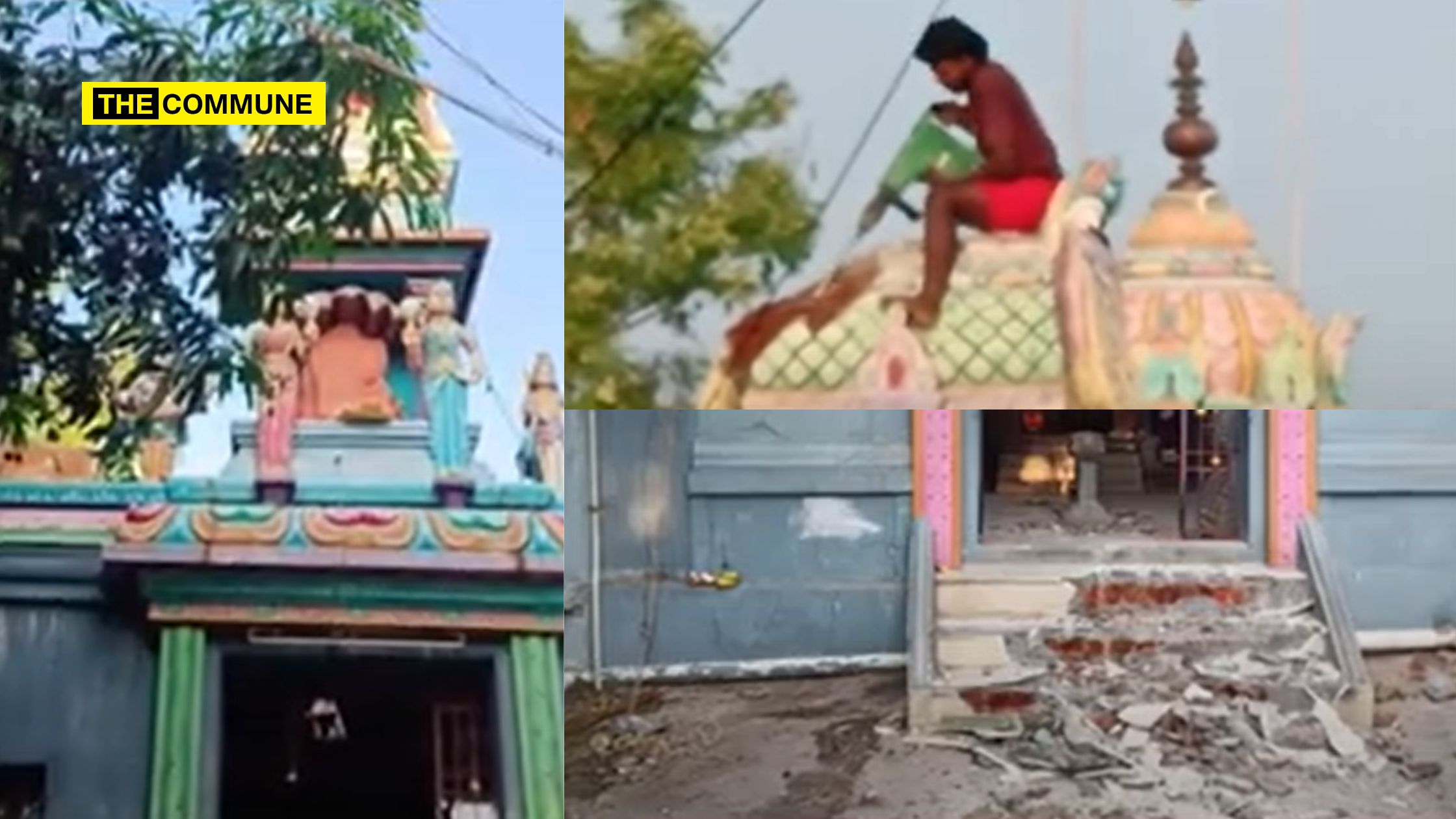
Demolition Of 45-Year-Old Bhuvaneshwari Amman Temple Underway In Villupuram Following High Court Order

Demolition work is currently underway at the 45-year-old Bhuvaneswari Amman Temple in Villupuram, Tamil Nadu. The operation is being carried out by officials from the municipality and the revenue department, acting in accordance with an order issued by the Madras High Court.

The legal proceedings leading to the demolition began when a local resident named Shanmugam filed a petition in the High Court, alleging that the temple structure had blocked the access road to his residence. After hearing the case, the court directed the authorities to remove the temple.

Following the court’s directive, officials have commenced the demolition process. Visuals from the site show ongoing work to bring down the structure, which has stood in the area for over four decades.

The move has sparked concern and discussion among locals, with many reacting to the removal of a longstanding religious site. However, authorities maintain that the action is being carried out strictly in compliance with judicial instructions.

Subscribe to our channels on Telegram, WhatsApp, and Instagram and get the best stories of the day delivered to you personally.
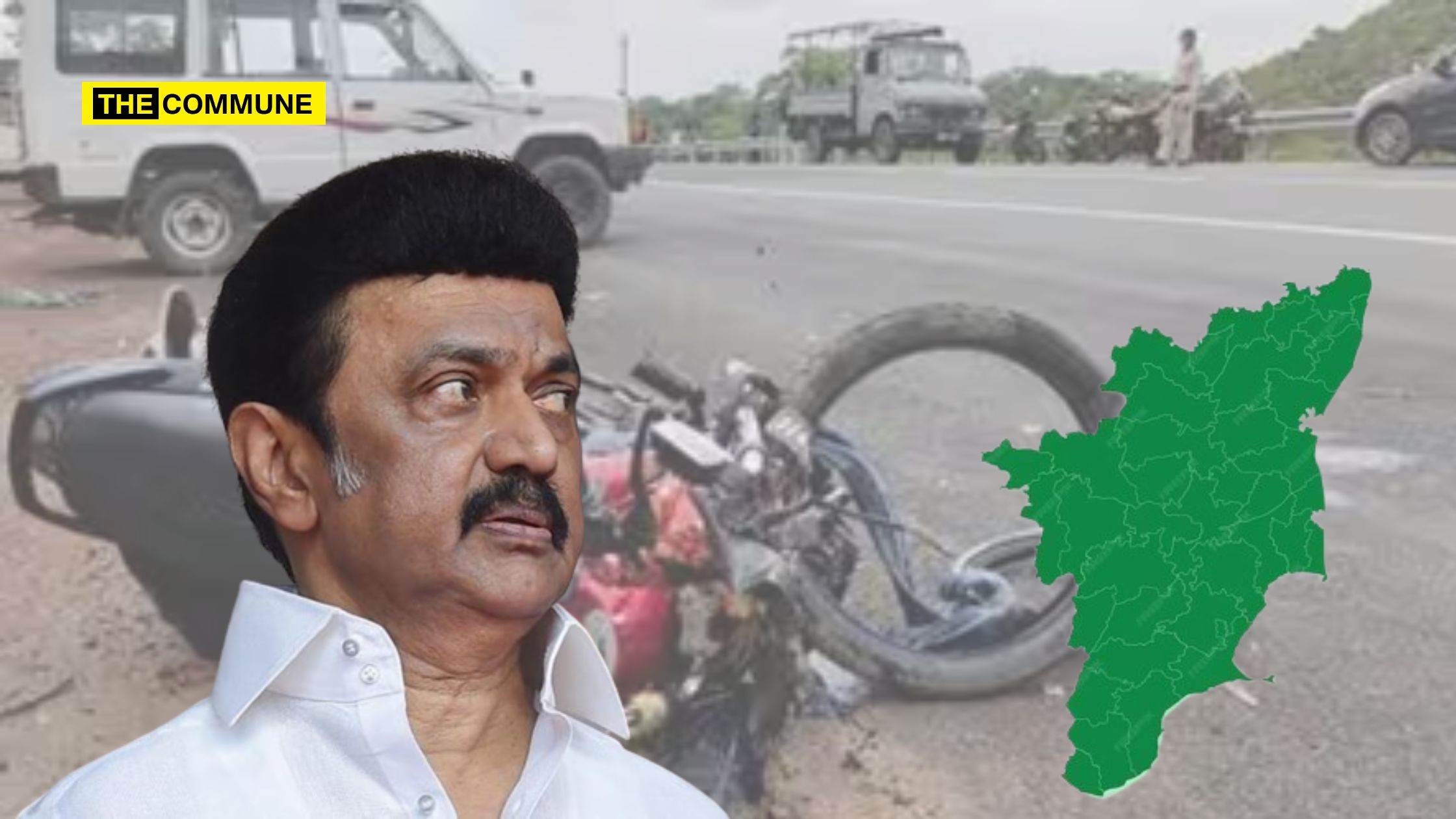
Tamil Nadu’s Internal Road Accident Data Differs Sharply From National Records

A significant discrepancy between the State-level data and the data on road accidents caused by minors in Tamil Nadu, recently presented in the Rajya Sabha by Union Minister for Road Transport and Highways Nitin Gadkari, has triggered a controversy in the State. The Minister’s figures, based on the Integrated Road Accident Database (iRAD), indicated that Tamil Nadu topped the list of such incidents in the country with 2,063 cases between 2023 and 2024, out of a nationwide total of 11,890.

Madhya Pradesh followed Tamil Nadu with 1,138 cases, while Maharashtra recorded 1,067 cases during the same period.

However, Tamil Nadu police officials have expressed concern over what they described as “shocking discrepancies” in the figures. In their own review of the iRAD system—accessed via the State Crime Record Bureau (SCRB), which is integrated with the Tamil Nadu Crime and Criminal Tracking Network and Systems (CCTNS)—they found that the number of accidents caused by juveniles was substantially lower.

According to the State’s internal data, Tamil Nadu recorded only 204 such accidents in 2023 and 269 in 2024, totalling 473 over the two years. Furthermore, the total number of challans issued to parents or guardians of juveniles stood at 41 in 2023 and 80 in 2024. In contrast, Bihar emerged as the State with the highest number of challans issued to minors—1,316, resulting in a revenue collection of ₹44.27 lakh.

A senior official from the Traffic and Road Safety wing of the Tamil Nadu Director General of Police’s office voiced frustration over the lack of transparency in the iRAD system, describing it as a “one-way” platform. While Tamil Nadu had been over 90% efficient in uploading accident data to the iRAD system via the SCRB, the official said the same could not be assured of other States—particularly those reporting unusually low accident numbers. He added that the inability to access other States’ data in a readable format for cross-verification has made accountability difficult.

“Where is 200 and where is 2,000? Clearly there is an error here,” the officer said, pointing to the stark mismatch in figures.

Despite the controversy, Tamil Nadu officials highlighted recent improvements in road safety within the State. A 17% reduction in fatal road accidents was recorded in January and February 2024, with 2,576 fatal accidents and 2,678 deaths, compared to 3,110 fatal accidents and 3,253 deaths in the same period the previous year.

This decline has been attributed to several proactive safety measures, including round-the-clock highway patrolling, improvements in U-turn design, strategic road sign installations, and extensive public awareness campaigns by both the State Police and the Transport and Road Safety Commissionerate.

A senior official from the Commissionerate added that Tamil Nadu remains the only State in India with a formal policy to suspend driving licences for not wearing helmets or seat belts. This is in addition to the six violations identified by the Supreme Court Committee on Road Safety that can lead to license suspension: over speeding, overloading, drunk driving, using mobile phones while driving, red light jumping, and overloading passengers in goods carriages.

As underage driving continues to be a serious concern in Chennai and across the State, the Tamil Nadu government has reiterated its commitment to road safety, while calling for greater transparency and accuracy in the national-level data systems that inform policy and public perception.

(With inputs from The Hindu)

Subscribe to our channels on Telegram, WhatsApp, and Instagram and get the best stories of the day delivered to you personally.
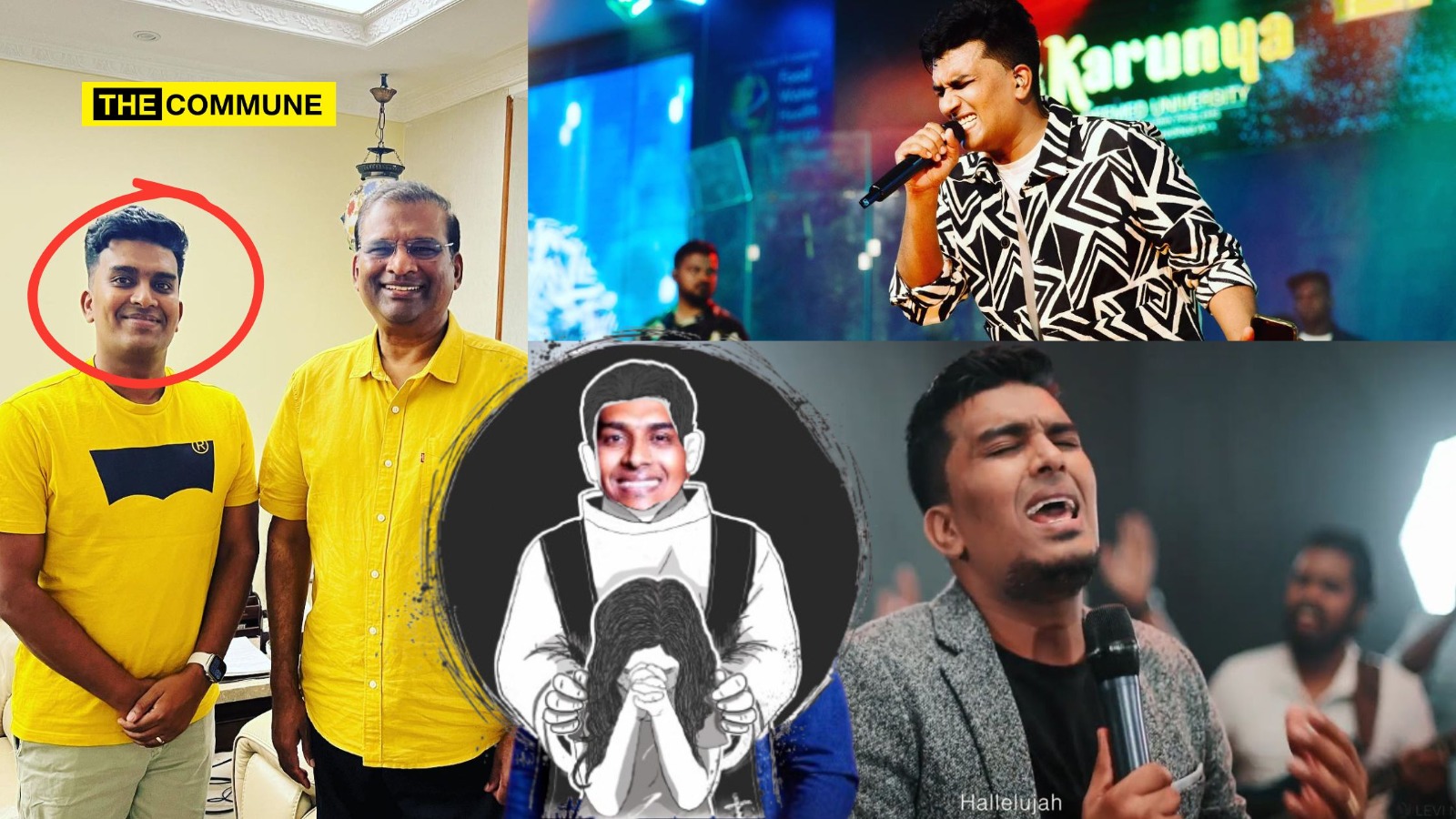
Coimbatore: Pastor John Jebaraj Booked Under POCSO For Sexual Assault Of Two Minor Girls, Absconding

The Central All Women Police in Coimbatore registered an FIR on Saturday against D. John Jebaraj (37), pastor of the King Generation Prayer Hall on Cross Cut Road, for allegedly sexually assaulting two minor girls at his residence in the GN Mills area on 21 May 2024. A special police team has been formed to track down the absconding accused.

According to police sources, one of the victims, a 17-year-old orphan, had been adopted by the pastor’s father-in-law. The other victim, a 14-year-old girl, was her neighbour.

On the day of the incident, the pastor’s father-in-law brought both girls to Jebaraj’s residence for a party. During the gathering, the pastor allegedly misbehaved with both minors in a manner constituting sexual assault under the Protection of Children from Sexual Offences (POCSO) Act.

Delayed Complaint & Police Action

The crime remained unreported for 11 months until the family of one victim recently approached the police. Based on their complaint, authorities registered a case under Section 9 (l) (m) (Aggravated Sexual Assault) and Section 10 (Punishment for Aggravated Sexual Assault) of the POCSO Act.

Police clarified that the assault was non-penetrative but confirmed inappropriate physical misconduct by the pastor.

Accused Absconding

Jebaraj, who is known for conducting Christian music concerts across India, has since gone absconding. A special police team is actively pursuing leads to arrest him. Police are investigating whether there are more victims and also examining the pastor’s previous activities and travel history.

(With inputs from Times Of India)

Subscribe to our channels on Telegram, WhatsApp, and Instagram and get the best stories of the day delivered to you personally.
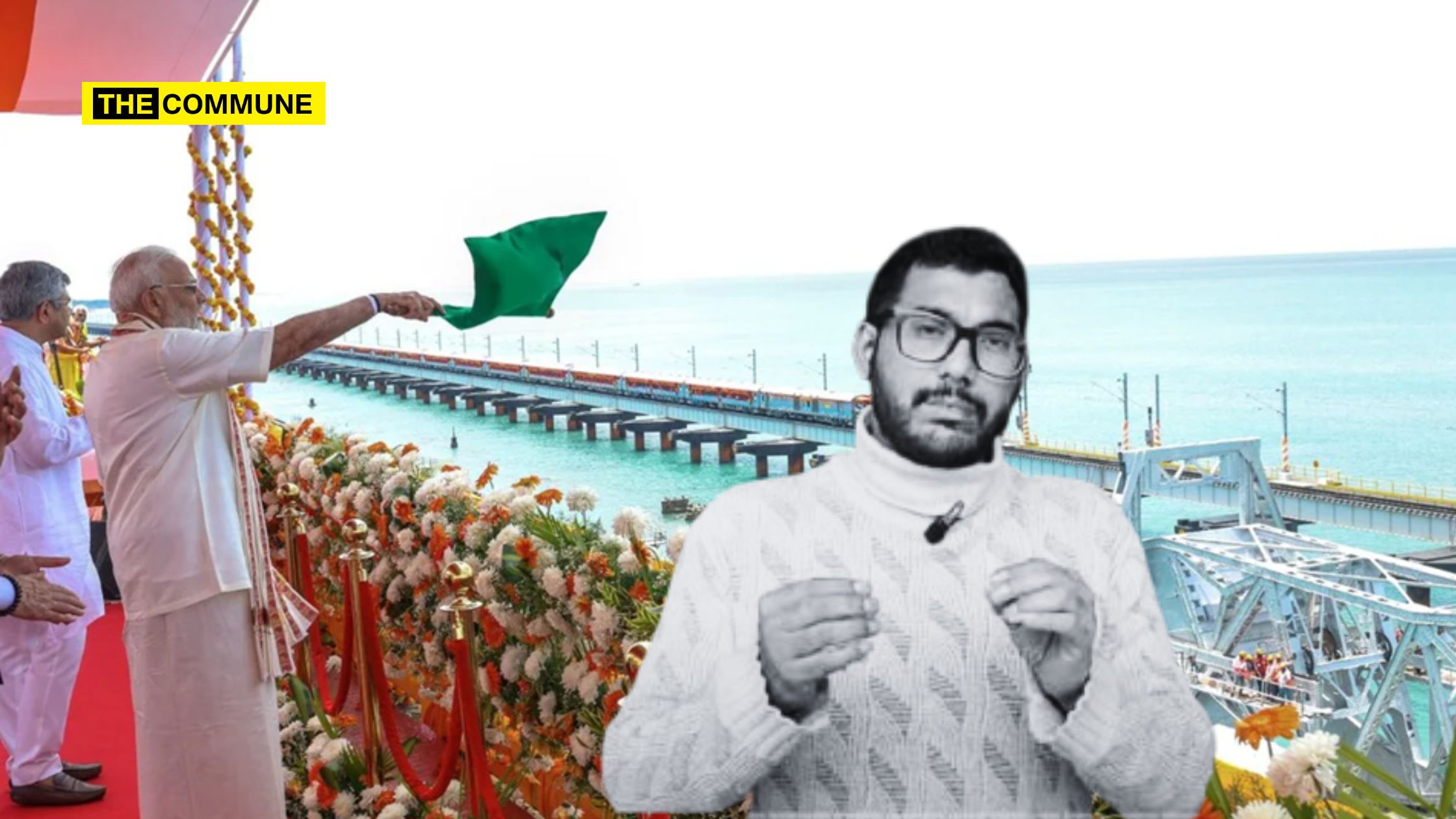
DMK-Supporting Dravidianist Propagandist Who Was With Puthiya Thalaimurai Earlier Peddles False News About New Pamban Bridge

DMK-supporting propagandist Niranjan Kumar, a former face of Puthiya Thalaimurai and known for his Dravidianist commentary, has come under fire for spreading misinformation about the newly inaugurated Pamban Bridge. Shortly after Prime Minister Narendra Modi inaugurated India’s first vertical-lift railway sea bridge on April 6, Niranjan took to X (formerly Twitter) and falsely claimed that the bridge had been damaged within minutes of its launch.

On his X handle, Niranjan wrote: “Prime Minister Narendra Modi inaugurated the Pamban Bridge today, but within minutes of his inauguration, the vertical suspension bridge was damaged.”

The post, which appeared to mock the infrastructure project, quickly gained traction among critics of the government.

However, the claim was promptly debunked by Indian Railways, which issued a categorical denial later the same evening.

Adding to the controversy, Tamil news outlet Thanthi TV, often accused of promoting Dravidianist narratives, echoed similar claims. At 8:39 AM IST on April 6, the channel posted on its X handle (@ThanthiTV): “செங்குத்து தூக்கு பாலத்தில் பழுது” (Translation: “Fault in the vertical-lift bridge”), alleging that the bridge could not be lowered properly due to a defect, leading to uneven alignment and technical issues. The report stated that officials were attempting to rectify the situation.

This narrative fueled skepticism online, with several social media users questioning the quality of the project and mocking the inauguration.

But the Indian Railways responded forcefully. At 6:27 PM IST, the Madurai Division of Southern Railway issued an official statement via X, tagging Thanthi TV directly. The Divisional Railway Manager (DRM), Madurai, wrote, “The New Pamban Bridge was successfully inaugurated and train services have commenced. It is receiving an enthusiastic response. We request not to spread rumours. The bridge is strong and safe—please avoid carrying false or misleading information.”

The Railways’ rebuttal made it clear that it viewed Thanthi TV’s report as not only inaccurate but a deliberate attempt to mislead the public.

The New Pamban Bridge, constructed by Rail Vikas Nigam Limited (RVNL) at a cost of over ₹550 crore, is a 2.07-kilometer engineering marvel that replaces the 110-year-old structure decommissioned in December 2022. Inaugurated on Ram Navami, the bridge features a 72.5-meter vertical-lift span that allows the passage of ships beneath and supports train speeds of up to 80 kmph. The Rameswaram–Tambaram Express was the first train to cross it.

Indian Railways clarified that the bridge had undergone rigorous safety checks before inauguration, including a detailed inspection by the Commissioner of Railway Safety (CRS) in November 2024, and successful trial runs at speeds of up to 90 kmph. Minor design deviations flagged in the CRS report were addressed ahead of the launch.

Despite these facts, neither Niranjan nor Thanthi TV issued a correction or retraction at the time of reporting. Critics have pointed out that this is not the first time the channel or its former associates have pushed narratives without verification.

Railway officials reiterated their stance, stating: “This project is a milestone in Indian infrastructure and has been completed with the highest engineering standards. Allegations of malfunction are baseless.”

As the controversy fades, the bridge continues to operate without incident—bringing renewed rail connectivity to Rameswaram and a fresh round of scrutiny to media accountability in politically charged environments.

Subscribe to our channels on Telegram, WhatsApp, and Instagram and get the best stories of the day delivered to you personally.

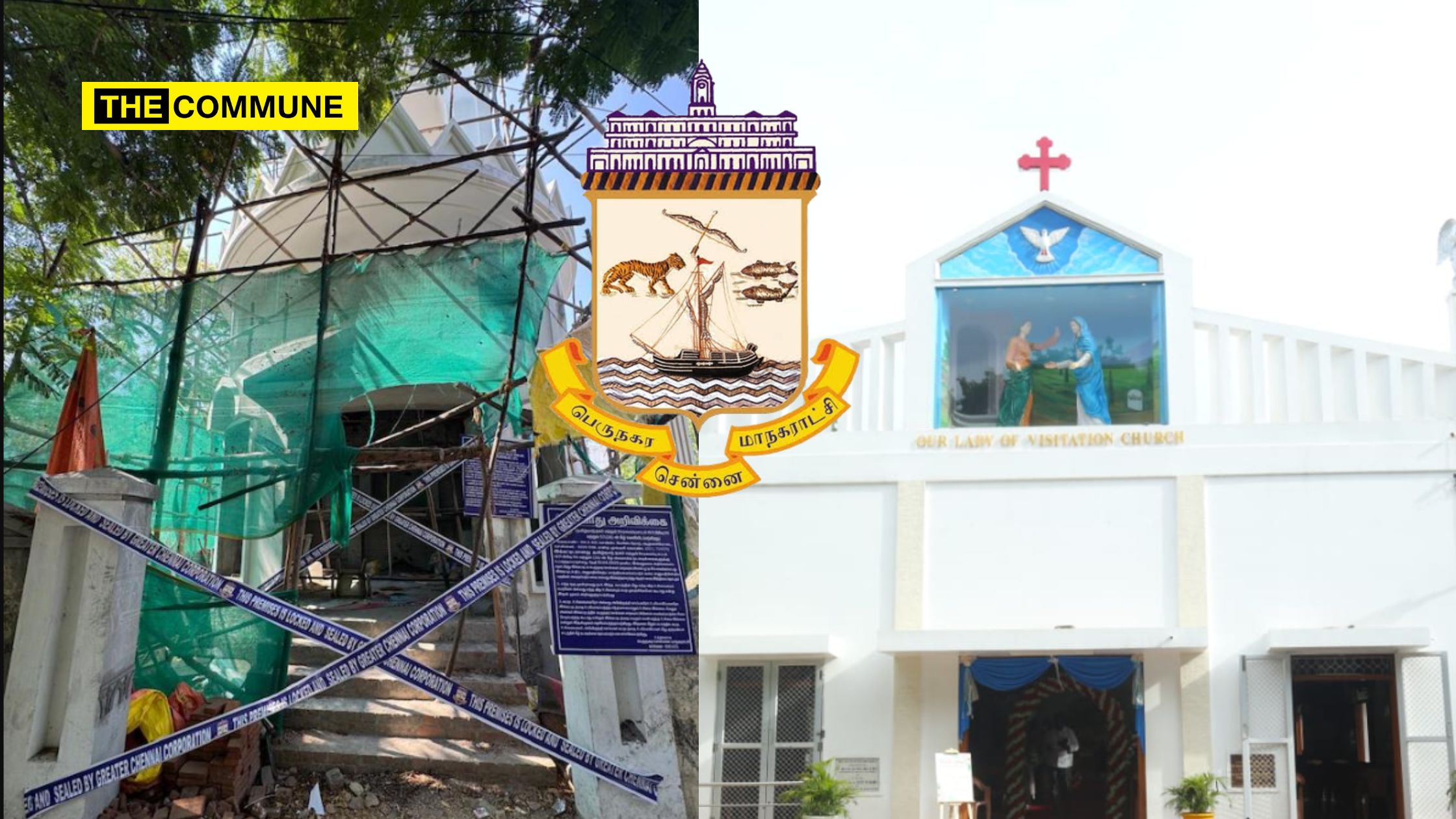
Illegal Church Structures in Mylapore To Be Demolished Within 3 Months, Assures Chennai Corporation to High Court

The Chennai Corporation has informed the Madras High Court that illegally constructed structures at a Christian church on St. Mary’s Road, Abhiramapuram in Mylapore will be demolished within three months. The assurance was given in response to a petition filed by Philomena Shojanar, who alleged that unauthorized construction had taken place at the site without obtaining proper planning permission.

In the petition, Shojanar stated that a wedding hall, bell tower, entrance gate, and residential quarters covering between 3,000 and 5,000 square feet had been built in violation of planning norms. She urged the court to order the demolition of the illegal structures and prevent any further unauthorized construction.

The case was heard by a division bench comprising Justices S.M. Subramaniam and K. Rajasekhar. During the hearing, Additional Chief Public Prosecutor M. Sureshkumar submitted a status report on behalf of Chennai Corporation’s 9th Zone Officer P.S. Srinivasan.

According to the report, the new construction was part of an attempt to renovate an old church without acquiring the necessary approvals. On 22 March 2025, officials from the Chennai Metropolitan Development Authority (CMDA), Chennai Corporation, and the police inspected the site. They confirmed the presence of several new structures, including a church building, bell tower, entrance gate, and residential areas, all built without proper permits.

Following the inspection, the bell tower was sealed, and a notice was issued for the demolition of the remaining unauthorized structures. The court has directed the Chennai Corporation, CMDA, and Revenue Department officials to carry out the demolition within three months and submit a compliance report.

The next hearing in the case will monitor the progress of the demolition and ensure compliance with the court’s directive.

(With inputs from OneIndia Tamil)

Subscribe to our channels on Telegram, WhatsApp, and Instagram and get the best stories of the day delivered to you personally.

Guntur, AP: Four-Year-Old Boy Mauled To Death By Stray Dogs

stray dog vriddhachalam cuddalore dog bite dmk

In a heart-wrenching incident that has triggered grief and outrage, a four-year-old boy was mauled to death by a pack of stray dogs in Swarna Bharathi Nagar, Guntur.

The child, identified as Isaac, was reportedly playing near his home when a group of stray dogs attacked him, biting him severely on the neck. Locals rushed to rescue the unconscious boy and immediately shifted him to a government hospital for treatment.

Tragically, despite the efforts of bystanders, Isaac succumbed to his injuries before receiving medical attention. Heartbroken family members and relatives were seen weeping inconsolably outside the hospital, leaving onlookers shocked by the horrific turn of events.

The incident has sparked public anger, with residents questioning the authorities’ failure to control the growing menace of stray dogs in urban areas.

Calls for stricter animal control measures and immediate government intervention are growing as the community mourns the untimely death of the young child.

In 2024, India reported nearly 27 lakh animal bite cases, including over 22 lakh dog bites and 5 lakh from other animals like monkeys, resulting in 48 deaths. Around 20% of the victims were children under 15. The data, shared by the Ministry of Animal Husbandry and Dairying, highlights a major hurdle in achieving a rabies-free India by 2030. While animal control falls under state jurisdiction, central ministries are collaborating to address the issue. Measures include the Animal Birth Control Rules, 2023, and the National Action Plan for Dog-Mediated Rabies Elimination (NAPRE), with over 1.19 lakh health workers trained since 2019.

Subscribe to our channels on Telegram, WhatsApp, and Instagram and get the best stories of the day delivered to you personally.