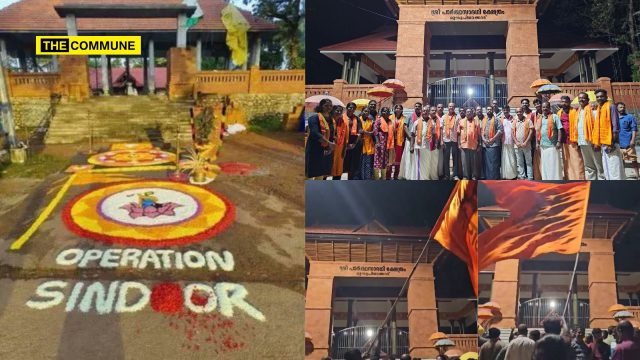
A controversy that began with police action against RSS workers over an Operation Sindoor floral decoration near the Muthupilakkad Sri Parthasarathy Temple in Sasthamkotta in September 2025 has now culminated in a dramatic political shift within the temple’s administration, with a devotees’ panel securing a clean sweep in the latest committee elections.
Case Over Floral Decoration
On 4 September 2025, the Sasthamkotta police registered a case against 27 Rashtriya Swayamsevak Sangh (RSS) sympathisers and workers for laying a floral carpet (pookkalam) bearing the inscription “Operation Sindoor” and a saffron flag-like floral design on the main road leading to the Sri Parthasarathy Temple.
In Kerala’s Kollam district, police forced the removal of an Onam Pookalam simply because it carried the words “Operation Sindoor.”
This isn’t Pakistan. This is Kerala under Left rule, where even flowers with patriotic messages are treated as a threat.
According to the police, the floral arrangement was made without the permission of the temple committee and in alleged violation of a court order that prohibited the erection of flags, decorations, or flex boards in and around the temple premises if such acts were likely to create unrest.
The First Information Report (FIR), lodged by Asokan C, an office-bearer of the temple committee, stated that the accused had also installed a flex board carrying an image of Chhatrapati Shivaji about 50 metres from the temple and that their actions were intended to provoke clashes between workers of different political parties.
The case was registered under Sections 223 (disobedience to an order duly promulgated by a public servant), 192 (provocation with intent to cause riot), and 3(5) (criminal acts done by several persons in furtherance of common intention) of the Bharatiya Nyaya Sanhita.
The police action drew sharp political reactions. The Bharatiya Janata Party condemned the FIR, describing it as an attack on an expression meant to honour Operation Sindoor. BJP leaders accused the Kerala police of overreach and demanded that the case be withdrawn, arguing that the floral decoration symbolised national pride and the valour of the armed forces.
Temple Committee Election
The episode became a major point of contention in the subsequent administrative committee election of the Muthupilakkad Sri Parthasarathy Temple, held recently in Sasthamkotta.
In the election, conducted by dividing the temple area into nine wards, the Bhaktajana Samithi secured all 27 of the 27 seats, defeating the CPI(M)–Congress combine that had previously controlled the temple administration.
275 RSS workers slapped with cases for an Operation Sindoor Rangoli at Parthasarathi Temple in kerala.
Same temple committee election: RSS panel wins 27/27, crushing a combined Congress–Communist front.
This isn’t coincidence. This is conviction.
Yes — Kerala is changing.” pic.twitter.com/mpcwZOjdA9
For several years, the temple had been administered by a Left–Congress alliance. Following the election results, representatives of Bhaktajana Samithi described the verdict as a response from devotees against political intervention in temple administration. They stated that the committee would prioritise temple-related matters, act in accordance with devotees’ interests over the next three years and focus on the development of the temple and the surrounding area.
They also alleged that dissatisfaction among devotees over previous administrative decisions, including opposition to religious and cultural expressions and court petitions against symbols such as saffron flags, had contributed to the electoral outcome.
Subscribe to our channels on Telegram, WhatsApp, and Instagram and get the best stories of the day delivered to you personally.
For weeks, protests against the UGC Equity Regulations, 2026 have followed a familiar script. Anger has been aimed at the BJP, at the Modi government, at the Education Ministry. Hashtags accuse the regime of authoritarianism. Editorials warn of institutional overreach.
But that outrage is misdirected.
The real story of how the UGC Equity Regulations, 2026 came to be is not one of ideological zeal or secret backroom bargaining. It is a story of courtroom pressure, strategic litigation, and bureaucratic capitulation where a balanced, defensible policy drafted by the Education Ministry itself was dismantled and rewritten under judicial supervision.
If critics want accountability, they need to follow the paper trail.
A Draft That Proved Better Policy Was Possible
In February 2025, the Ministry of Education and the University Grants Commission released a draft titled the University Grants Commission (Promotion of Equity in Higher Education Institutions) Regulations, 2025. That draft now reads like a document from another universe.
Measured. Cautious. Procedurally fair.
It squarely addressed caste discrimination against Scheduled Castes and Scheduled Tribes, the precise concern raised in a long-pending Supreme Court case, while preserving due process, institutional autonomy, and equality before law. Complaints were to be investigated with evidence from both sides. There were no automatic punishments. No presumption of guilt.
Most strikingly, the draft included a safeguard almost unheard of in contemporary Indian policy: penalties for demonstrably false or malicious complaints.
This was a recognition of reality. Universities are competitive ecosystems, riddled with personal rivalries, ideological factions, and career stakes. Any grievance mechanism without abuse safeguards becomes a weapon.
The draft also avoided rigid identity-based silos. Equity Committees were broad-based, chaired by institutional heads, and included representation without converting them into caste-exclusive tribunals.
Observers across the spectrum acknowledged that, with refinements from the 391 public suggestions it received, the February 2025 draft could have become a model anti-discrimination framework.
So, what went wrong?
The Case That Changed Everything
The origins of the regulations lie in tragedy.
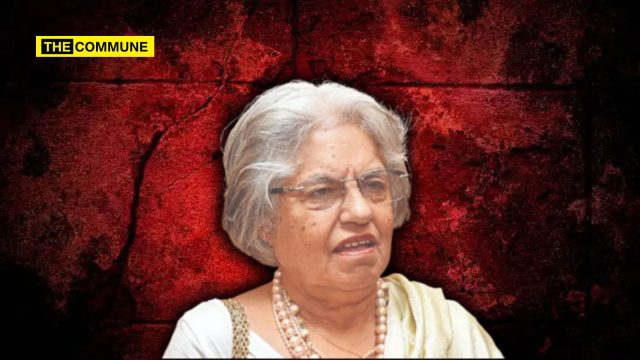
After the deaths of Rohith Vemula in 2016 and Payal Tadvi in 2019, their mothers, Radhika Vemula and Abeda Salim Tadvi, filed a Public Interest Litigation in August 2019. Represented by senior advocate Indira Jaising, the petition did not demand radical new law. It sought enforcement of the existing 2012 UGC equity regulations: functional Equal Opportunity Cells, real monitoring, and integration with accreditation bodies like NAAC.
The Supreme Court issued notices. And then, nothing. For nearly five years, the PIL gathered dust.
That changed in January 2025, when a bench led by Supreme Court of India Justices Surya Kant and Ujjal Bhuyan demanded answers. The UGC was rebuked for non-compliance and asked to produce data. Under judicial prod, the February 2025 draft emerged.
At this point, the system had done its job. But the equilibrium didn’t last.
15 September 2025: When Balance Collapsed
At a hearing on 15 September 2025, Indira Jaising pressed for ten specific changes. These included grievance committees with heavy “marginalised” representation, withdrawal of grants for non-compliance, explicit anti-segregation clauses, and stronger punitive powers.
The bench set an eight-week deadline and made it clear that omissions would be scrutinised.
The Education Ministry now faced a choice. It could defend its draft, explain why safeguards against misuse were essential, and argue that equity does not require abandoning due process. Or it could surrender.
It chose surrender.
13 January 2026: The Rules Become Unrecognisable
When the final UGC (Promotion of Equity in Higher Education Institutions) Regulations, 2026 were gazetted on January 13, the transformation was stark.
Every major demand raised in court had been absorbed. Sections now included debarment powers, explicit anti-segregation mandates, mandatory counselling, confidentiality rules, anti-retaliation clauses, Equity Squads, Equity Ambassadors, and committees packed with SC/ST/OBC/PwD/women representation.
What vanished entirely were the safeguards.
The penalty for false complaints? Deleted.
Procedural symmetry? Gone.
Equality of protection? Abandoned.
The final regulations define “caste-based discrimination” exclusively as acts against SC, ST, and OBC students. General category students are not covered by the same framework. They cannot file equivalent complaints under the same rules. They face institutional machinery without reciprocal protections.
This is asymmetry by design.
The Minister’s Assurances Don’t Change the Text
Union Education Minister Dharmendra Pradhan broke his silence on 27 January 2026, assuring the public that no one would be harassed and that misuse would not be tolerated.
BIG BREAKING 🚨 Dharmendra Pradhan speaks for the first time on UGC Controversy.
He says it is under Supreme Court’s jurisdiction.
“I want to assure everyone that no one will be subjected to harassment and there will be no discrimination”
But policy is not governed by press statements. It is governed by gazette notifications.
The notification is unambiguous. Only certain groups can claim caste-based discrimination. Only one side enjoys institutionalised protection. The ministry’s own February 2025 draft proves this was not inevitable, it was a conscious reversal.
Why the Blame Game Misses the Point
This is why indiscriminate BJP-bashing misses the real failure.
The Education Ministry did not ideologically engineer this outcome. It already had a better policy on the table. The final rules emerged not from partisan obsession, but from an unwillingness or inability to defend that policy under judicial pressure.
This was not policymaking. It was policymaking by attrition.
Senior advocate Indira Jaising has since dismissed protests as an “upper caste reaction” and insists the regulations remain inadequate. That position is telling. It confirms what critics fear: that the framework is not meant to be neutral, but corrective in only one direction.
A Lost Opportunity
The tragedy is not that India tried to address caste discrimination in universities. That was necessary and overdue.
The tragedy is that the state abandoned the principle that justice must bind everyone equally.
The February 2025 draft showed that it was possible to protect vulnerable students without dismantling due process, without creating two classes of citizens, and without turning equity into a zero-sum contest.
That draft died not because it was unjust but because it was not defended.
If outrage is to mean anything, it should be directed where it belongs: at the process that turned a careful reform into a divisive instrument, and at the actors who insisted that balance itself was unacceptable.
Until that reckoning happens, the controversy over the UGC Equity Regulations will remain not a debate about discrimination but a warning about how policy is captured in plain sight.
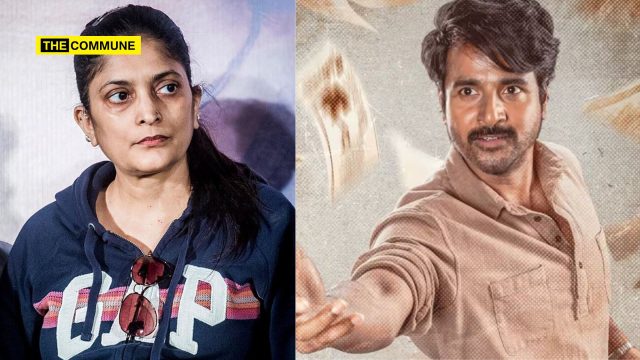
A behind-the-scenes (BTS) video from the shooting spot of the recently released Tamil film Parasakthi, directed by Sudha Kongara and starring Sivakarthikeyan, Ravi Mohan, Sreeleela, Atharvaa, and Prithvi Pandiraj, has gone viral on social media, triggering widespread discussion over an on-camera exchange between the director and the lead actor.
The video, which appears to be from a script-reading and discussion session during filming, opens with Sudha Kongara telling the team to “understand the period.” She adds, “I know she prepared very well,” and Sudha Kongara gestures towards three co-stars – Sivakarthikeyan, Atharvaa, Ravi Mohan and says, “And so also these three gentlemen.” She then adds, “They did a lot of reading and all that, which I believe they have not done before.” Ravi Mohan responds, “Yeah, no, not [before].”
Sudha Kongara points towards Ravi Mohan and Sivakarthikeyan and says, “He has not done, he has not done [script reading] and he’s done some.” Pointing to Sivakarthikeyan, Kongara said, “Sir doesn’t do. Others did.” Immediately Sivakarthikeyan interrupts in a defensive tone, saying, “I’ve done readings. Don’t assume like that. It’s like you’ve lived my life with me. You’re talking as if you invented script reading in the industry. I’ve done readings [for all my films].”
Kongara justifies her statement saying, “You are the one who told me you have never done any reading.”
He further clarifies that he has prepared script readings for all his films, including Amaran, Maaveeran, and Madarasi. He adds, “I have done for Amaran, Maaveeran, Madarasi. Everyone prepares properly, ma’am. Just because someone is cheerful doesn’t mean they don’t work. Even students who study well are usually cheerful.”
The exchange has since been widely shared online, with many social media users suggesting that Sivakarthikeyan appeared visibly irritated by Sudha Kongara’s remarks. Several users have interpreted the interaction as evidence of tension or misunderstanding between the director and the actor, even before the film’s release.
It is noteworthy that this clipping was removed from social media after it went viral.
The viral video has resurfaced amid existing discussions around Parasakthi, which received a poor response from audiences. Earlier, Sudha Kongara had sparked controversy by stating that negative reviews of the film were driven by fans of actor Vijay, allegedly frustrated over the non-release of the film Janayagan. It was in this context that the making video began circulating widely.
Sivakarthikeyan-Kongara Clash – Not The First Time
Meanwhile, speculation has also revived around a 2024 article that claimed Sivakarthikeyan may have quit his project, then tentatively referred to as SK25 (which turned out to be Parasakthi), following a clash with the director, Sudha Kongara.
According to those reports, a test shoot was halted after Sudha Kongara allegedly asked Sivakarthikeyan to trim his beard for the shoot, despite earlier instructions to retain his look. The director reportedly later explained that the beard resembled the style worn by actor Karthi in Paruthiveeran, which allegedly upset Sivakarthikeyan, leading him to walk off the set and stop communicating with the director.
However, these reports were speculative, with no official confirmation from either the actor or the director.
Subscribe to our channels on Telegram, WhatsApp, and Instagram and get the best stories of the day delivered to you personally.
Just as Tamil Nadu recovers from the back-to-back assaults on migrant workers and other residents of the state by ganja/alcohol addicts, the news of another horror hits the headlines.
The body of an unidentified man, believed to be a migrant worker, was discovered inside a blood-soaked gunny bag near a two-wheeler showroom in Indira Nagar, Adyar, on Monday (26 January 2026) morning.
According to police, residents noticed the sack lying on First Avenue and alerted the Adyar police, who opened it to find the body of a man estimated to be about 40 years old. The victim had visible injuries, leading investigators to suspect homicide.
Preliminary inquiries suggest that two individuals arrived on a motorcycle and abandoned the bag at the location around midnight on Sunday, 25 January 2026. Police are examining CCTV footage from nearby establishments to trace the motorcycle, including attempts to identify its registration number.
Fingerprint and forensic teams were deployed to the scene to collect evidence. The body was later sent to Government Royapettah Hospital for a post-mortem examination.
Officials said efforts are underway to establish the identity of the deceased, including cross-checking recent missing persons reports filed across the city. Further investigation is in progress.
“இன்றே தேர்தல் வந்திடாதா” என்று மக்கள் ஏங்குமாறு சீரழிந்துள்ள சட்டம் ஒழுங்கு!
சென்னையில் அடையாறு அருகே சாக்கு மூட்டையில் வெட்டுக் காயங்களுடன் இரத்தம் வழிய வடமாநில இளைஞர் ஒருவரின் சடலம் மீட்கப்பட்டுள்ளது அதிர்ச்சியளிக்கிறது.
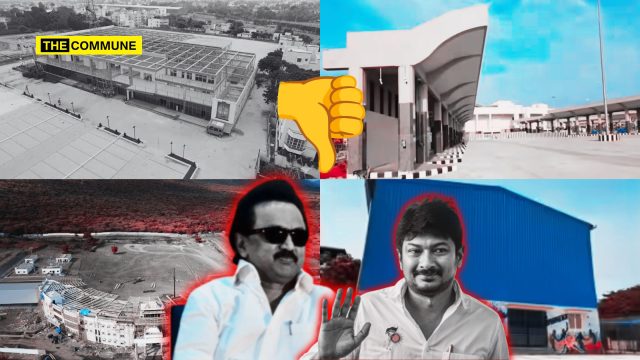
A series of high-budget public infrastructure projects inaugurated by the DMK government over the last two years are facing severe underutilisation, poor occupancy, or complete abandonment raising concerns about planning gaps, stakeholder consultation failures and mounting public expenditure that is not yielding intended outcomes.
From the ₹53.5-crore Kolathur Ornamental Fish Trade Centre to the ₹42-crore Mudichur Omni Bus Terminus, and the ₹50-crore Kalaignar Centenary Bus Terminal (KCBT) at Kilambakkam, several marquee projects have remained deserted or drastically underused months after their inauguration.
The pattern repeats across sectors: food parks, transport hubs, markets, and eco-restoration projects, many of which were showcased as flagship DMK achievements, but today stand as stark reminders of mismatched planning and real-world adoption.
Kolathur Ornamental Fish Trade Centre: 188 Shops, Only Two Operational
Inaugurated by Chief Minister MK Stalin in October 2025, the two-storey Kolathur Ornamental Fish Trade Centre was billed as a modernised hub for Chennai’s thriving aquarium trade. Months later, the complex remains almost entirely deserted, with only two shops functioning — both belonging to State-run fisheries corporations, and neither open on Sundays.
Key details:
Capacity: 188 shops
Shops functioning: 2
Shops with name boards: 6–7
Second floor: Almost fully vacant
Rent:
Front-facing shops: ₹70/sq ft (~₹15,000/month + GST)
Ground-floor interiors: ₹50/sq ft
Second floor: ₹40/sq ft
Problems cited by the traders include high relocation and setup costs (≈₹80,000 minimum), loss of footfall compared to the iconic West Mada Street market, lack of storage/godown facilities crucial for fish wholesalers, and they also point to a reluctance to move into a “mall-like” structure unsuited to the trade.
As a result, the ₹53.5-crore facility sits largely unused, with families visiting on weekends finding corridors of shuttered shops and empty aisles.
Mudichur Omni Bus Stand: A ₹42-Crore Terminal With Just 15 Buses
The Mudichur Omni Bus Stand, inaugurated in November 2024 and operationalised in December 2024, remains almost completely deserted despite a year of operation.
Design capacity: 150 buses
Actual utilisation: ~15 buses (10%)
Daily private omnibuses needed: ~1,000
Operators who relocated: None of the major operators
Reasons cited by operators:
Passengers will not travel to Kilambakkam/Mudichur; demand exists in inner Chennai.
Poor connectivity, making it impractical for commuters from Ambattur, Anna Nagar, North Chennai.
Business logic: Operators get 10–18 bookings from city locations, but only 3–4 from Kilambakkam.
Historic resistance: It took 20 years for operators to shift from Egmore to Koyambedu.
Court orders ignored: Madras High Court’s February 2024 directive to relocate remains unimplemented.
Despite spending ₹42 crore, the facility manager (RR Agency) maintains the bus stand at a loss, paying staff to run an empty depot.
Police continue to allow illegal loading/unloading in the city, undermining the purpose of relocation.
This bus stand is a fully built but empty terminal – a classic case of infrastructure without stakeholder buy-in.
Kilambakkam KCBT: Operational, But Creates More Problems Than It Solves
The Kalaignar Centenary Bus Terminal (KCBT) was launched as a major decongestion initiative for Chennai, intended to shift long-distance outbound buses away from Koyambedu.
But by 2025, it remains underutilised, inaccessible and poorly designed, according to urban planners, commuters and bus operators.
Key issues:
Omni bus bays: 77
Omnibuses departing daily: ~800
Overflow: 723 buses have no place to park; they wait on GST Road, worsening traffic congestion
Distance from city: 25–35 km
Connectivity: No metro link; railway station delayed again to July 2025
Experts from CPPR argue the terminal was a politically driven project lacking practical ground assessment. They also recommend allowing Koyambedu and Kilambakkam to operate in parallel until a realistic migration plan is built.
This bus stand is operational but failing – creating new bottlenecks at new places instead of easing traffic burden.
Tholkappia Poonga (Adyar Eco Park): Revamped At ₹42.45 Crore, Now Overrun And Ecologically Compromised
Reopened in October 2025 after extensive “eco-restoration” works, the park intended as a controlled ecological learning space has been transformed, unintentionally into a mass tourism hotspot.
Problems flagged by ecologists and visitors:
Mangroves uprooted to widen pathways
Rain trees cut for entrance arches
Cafes introduced, bringing rodents and litter
Photography allowed despite restrictions
Visitor explosion: 1,400 people entered on opening weekend despite a 100-person-per-day limit
Elderly visitors complain no battery vehicles despite website claims
What was meant to preserve the Adyar estuary ecosystem is now criticised for ecological damage and mismanagement.
Mega Food Parks In Theni & Tindivanam: Large Spaces, Small Occupancy
Two mega food parks inaugurated virtually by the Chief Minister on 13 October 2025 are witnessing tepid uptake.
Tindivanam Mega Food Park (₹120 crore)
Land: 157.91 acres
Factories allotted: 3 units (36 acres)
Jobs created: 350
Unallotted land: 55.59 acres + 27.34 acres for new units
Despite the ribbon-cuttings, utilisation remains below 40%, with large sections awaiting industries.
Jallikattu Stadium: Spectacular Failure Of ₹63 Crores With No Spectators
The Kalaignar Centenary Jallikattu Stadium near Alanganallur in Madurai, inaugurated in early 2024 by Chief Minister MK Stalin at a cost of ₹63 crore, has remained largely underutilized since its opening. Despite its state-of-the-art facilities—including a three-tier seating arrangement for over 4,500 spectators, modern vadivasal for bull release, veterinary hospital, and supporting infrastructure—no Jallikattu events were held there initially, prompting the tourism department to repurpose it for adventure activities like a hot air balloon festival in January 2025 and proposals for zip-lining and other tourism ventures during off-seasons.
Local advocates, including the Jallikattu Peravai, have criticized the lack of regular events, noting that over 60 nearby village traditions could be centralized here for revenue but are not, leading to maintenance concerns and calls for at least three monthly events to justify the investment. While Jallikattu 2026 occurred in traditional venues like Avaniyapuram and Alanganallur grounds as of January 2026, the stadium’s primary purpose appears sidelined.
VOC Park Stadium In Erode: Another Wasted Facility
VOC Park Stadium in Erode, renovated in 2024 at a cost of ₹7.5 crore and inaugurated by Minister Udhayanidhi Stalin, has largely failed to achieve sustained utilization despite its modern upgrades like a new synthetic athletic track. The facility, managed by the Sports Development Authority of Tamil Nadu (SDAT) within the VOC Park complex, was intended to nurture local athletes with features including a 400m track, football ground, basketball, and volleyball courts, yet it mirrors broader patterns of Tamil Nadu’s underused sports infrastructure. No specific reports confirm regular events or high usage post-renovation as of early 2026; instead, the park’s history shows maintenance lapses, such as the closure of its mini-zoo in 2007 due to poor upkeep, raising concerns that the stadium risks becoming another “white elephant” without dedicated programming or community engagement.
A Pattern Of Disconnect
A clear pattern emerges from these projects: massive financial outlays followed by minimal stakeholder buy-in. What was the need for a Jallikattu stadium when there are going to be balloons instead of bulls? Be it bus operators, fish traders, or industries, the intended users have been reluctant to shift, often due to valid concerns over connectivity, cost, and commercial viability that were not adequately addressed in the planning stages.
While the state government completed 31% of 3,350 announced between 2021-2023 finished as of August 2023, the operational success and utilization of these large infrastructure projects remain a significant challenge. The fate of these complexes, whether they will gain momentum or remain white elephants, is a story still unfolding.
Subscribe to our channels on WhatsApp, Telegram,Instagram and YouTube to get the best stories of the day delivered to you personally.
The Congress is as disgruntled as ever because Indians are doing their best to help India’s growth accelerate and achieve the Viksit Bharat dream of PM Modi.
After the Padma awards were announced, Professor V Kamakoti acknowledged the award and shared a video message underscoring collective effort and national development. And Congress’ Kerala unit makes ‘gaumutra‘ jibes at Professor Kamakoti that remind us of terrorists and their language when referring to Indians, especially Hindus.
In a video, Prof Kamakoti said, “Namaste, Vande Mataram. The Padma Shri award means only one thing to me: that I will put all the best efforts towards Viksit Bharat at 2047. This award is not possible just as an individual. It’s a collective effort. I dedicate this award to all who have contributed, who have blessed my growth, and whatever I have achieved is all because of that collective effort to whom I dedicate this award. Thank you very much.”
VIDEO | IIT Madras Director V Kamakoti will be conferred the Padma Shri award.
He says, “The Padma Shri award means only thing to me, that I will put all the best efforts towards Viksit Bharat @ 2047, this award is not possible as an individual, it’s a collective effort, I… pic.twitter.com/HMBoe8P6J5
Quoting his video message, the Kerala Congress handle wrote: “Congratulations to V Kamakoti on receiving the honour. The nation recognises your bleeding edge research on Cow Urine at IIT Madras, taking Gomutra to world stage.”
Calling out the Congress for its remarks and appreciating Prof Kamakoti, Zoho founder Sridhar Vembu wrote, “Professor Kamakoti works in deep tech: micro-processor design. He is the Director of IIT-Madras, the best technological institution in India. He serves in the NSAB. He richly deserves the honour. I have defended him on scientific grounds and I will do so again: cow dung and cow urine have excellent microbiome that could be valuable for humans. It is the slavish colonial mindset that thinks these are not scientific propositions worthy of investigation. Some day, when Harvard or MIT publish a study on this, these enslaved minds would worship that as the gospel truth.”
Replying to Vembu’s post, the Congress Kerala handle wrote, “Dear @svembu, Research is not about quoting random Western research papers out of context. What is the outcome of all this research on cow dung and urine? And why are we limited only to cow dung? What about the excreta of buffaloes, goats, or even humans? Recently, the outcome of one such cow dung research project came out in public. The Madhya Pradesh government funded a research project using Panchagavya, a traditional mixture made from cow dung, cow urine, milk, curd, and ghee, for the treatment of cancer. An investigation by Additional Collector Raghuvar Maravi exposed that a whopping ₹1.92 Cr was spent on buying cow dung and urine for the research, whereas the actual cost is around ₹15–20 lakhs. The total allocation for the project was ₹3.5 Cr, and the remaining money was spent on buying cars, filling petrol and diesel, and even Goa and Bangalore trips. What is the outcome of the research? NULL Exception! If we investigate other similar projects like this, many more scandals will come out. There is no doubt that we need cancer research. But why do you insist that it is only cow dung or cow urine that can cure cancer? We saw during COVID how fraudsters were trying to kill the virus using cow dung and gomutra. What was the outcome? Since you are a billionaire who believes in the magical benefits of cow urine, why doesn’t your company invest in proper cow urine and cow dung research? If cow urine can help in healing cancer, that would be one of our greatest contributions to the world. Why don’t you take up this challenge and put the money where your mouth is?”
While the Congress can continue being grumpy about successful Indians and keep planning how to derail the country with false controversies, here is a look at the achievements of the two stalwarts – Professor Kamakoti Veezhinathan and Dr Sridhar Vembu.
Professor V Kamakoti – Director, IIT Madras
Spearheaded SHAKTI, India’s first indigenously developed open microprocessor family based on RISC-V, designed for strategic, defence, and commercial applications.
Led multiple SHAKTI chip variants – RIMO, MOUSHIK, and later versions through the entire Indian pipeline: architecture and design at IIT Madras, fabrication at SCL Chandigarh, followed by packaging, board design, and successful system boot-up.
Serving as Director of IIT Madras since 2022; earlier a long-time professor in Computer Science and Engineering with specialisation in computer architecture, information security, and VLSI design.
Heads the Microprocessor Development Program and the Information Security Education and Awareness Program at IIT Madras, both funded by MeitY.
Member of the National Security Advisory Board; previously chaired the Government of India AI Task Force under the Commerce Ministry.
Widely known as the “SHAKTI-man of India” for building indigenous semiconductor capability and catalysing startups from the SHAKTI ecosystem, including InCore, Mindgrove, Chakra, Vyoma Systems, and SecurWeave.
Key architect of India’s secure processor stack for strategic use, Shakti (CPU), Mohini (trusted execution), and related security IP aimed at reducing dependence on foreign chips.
Instrumental in building India’s RISC-V ecosystem, mentoring startups and positioning the country as a global open-ISA processor design hub.
Expanded ISRO and space collaborations at IIT Madras, including deploying Shakti-based processors for satellite and space applications.
Guided numerous PhD and master’s theses in computer architecture and information security; maintains a strong publication record in high-performance computing and secure systems.
Regular member of high-level national committees on cybersecurity, AI, and digital public infrastructure, shaping policy on trusted hardware and AI readiness.
Conferred the Padma Shri for contributions to indigenous microprocessors and strengthening national technology capacity.
Sridhar Vembu – Founder & CEO, Zoho
Co-founder and CEO of Zoho Corporation, built into a global SaaS suite (CRM, email, finance, HR, and more) serving tens of millions of users and thousands of enterprise customers without traditional VC funding.
Grew Zoho from a 1996 venture (AdventNet) into a multi-billion-dollar, profitable company anchored in a product-first, bootstrapped model.
Created Zoho Schools of Learning, an in-house vocational education system that trains rural and non-degree youth in programming, design, and support, with many absorbed into Zoho.
Pioneered a rural development–centric operating model, moving significant operations to villages in Tamil Nadu, creating high-skill tech jobs outside metros and advocating “Make in India” and “rural SaaS.”
Recipient of the Padma Shri (2021) for trade and industry; also honoured with recognitions such as Ernst & Young Entrepreneur of the Year and CNN-News18 Indian of the Year/NDTV Disruptor-style awards.
Widely cited as a global example of ethical, frugal entrepreneurship, emphasising long-term product development, user privacy, and low external dependence over VC-driven hyper-scaling.
Built Zoho as a vertically integrated stack with in-house data centres and no reliance on big-tech clouds, positioning it as a sovereign SaaS alternative focused on data control and privacy.
Championed a “deep generalist” talent model through Zoho Schools, rejecting degree fetishism and conventional campus hiring, now a case study in alternative tech education pathways.
Expanded Zoho to 50+ products spanning office productivity, business applications, and developer tools, while remaining privately held and consistently profitable.
An outspoken advocate of decentralised development and rural revival, splitting time between the US and a village in Tamil Nadu, and using Zoho’s success to argue against excessive urban centralisation in tech.
Recognised globally as a thought leader on bootstrapping, frequently cited in business schools and tech media as a counter-narrative to Silicon Valley’s VC-heavy culture.
In the end, the episode says less about Professor Kamakoti or Sridhar Vembu and far more about the political and ideological discomfort triggered when Indian excellence refuses to fit familiar caricatures. While one section of the political spectrum appears eager to reduce scientific achievement to mockery and insinuation, the careers of Kamakoti and Vembu stand as quiet but powerful rebuttals, rooted in institution-building, indigenous capability, and long-term national thinking.
A party led by a serially defeated, dynastic politician like Rahul Gandhi has the audacity to attack self-made, meritorious Indians like Kamakoti and Vembu. One inherited everything. The others built institutions and companies from scratch.
Both Kamakoti and Vembu are meritorious, unapologetically Hindu, and Brahmin, and they refuse to perform the expected ritual of self-denial that a certain political worldview demands from Indians who succeed. In the Dravidian Model’s political grammar, Hindu civilisational confidence—especially when paired with excellence, institution-building, and national purpose—is treated as provocation. Congress has now copied this poison. It pits 90 per cent OBC against 10 per cent GC just like DMK pits 97% versus 3% Brahmins.
At a deeper level, the hostility directed at Kamakoti and Vembu is not really about science, funding, or policy. It is divisive identity politics at play. The attack is a symptom of Dravidian Model virus entering Congress.
Subscribe to our channels on Telegram, WhatsApp, and Instagram and get the best stories of the day delivered to you personally.
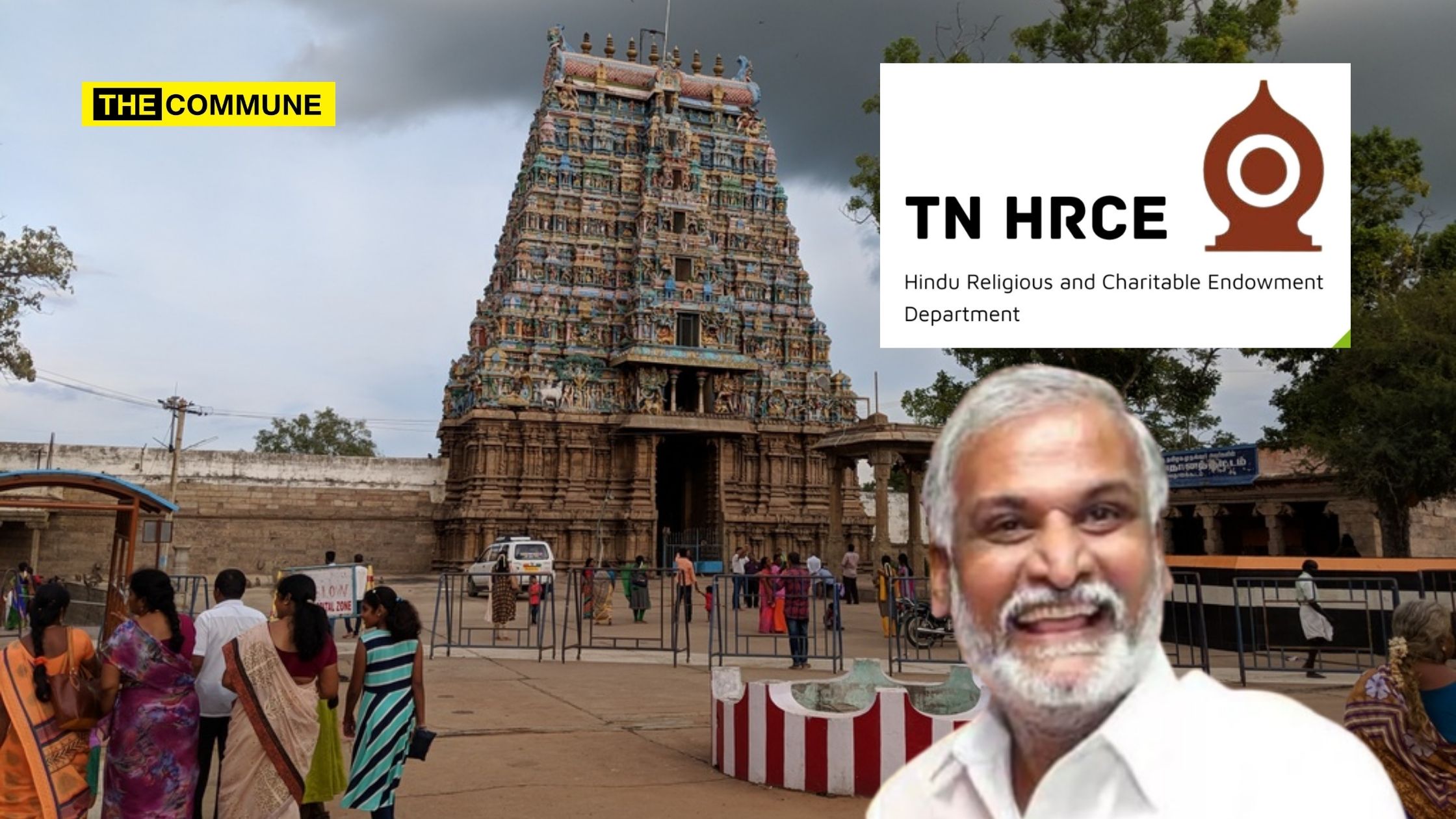
In a significant ruling on temple administration and the use of religious endowment funds, the Madurai Bench of the Madras High Court on 23 January 2026, quashed the TN government’s ₹40-crore “Iconic Project” proposed at Sri Kallazhagar Temple, holding that the project was sanctioned and executed in violation of statutory safeguards.
A Division Bench comprising Justice Dr. Anita Sumanth and Justice C. Kumarappan set aside the government order and related proceedings that permitted large-scale civil works at the ancient temple using temple funds. The court held that the utilisation of surplus temple funds without mandatory sanction under Section 36 of the Tamil Nadu Hindu Religious and Charitable Endowments (HR&CE) Act was illegal.
Quashing the project in its entirety, the Bench made sharp observations on the manner in which the temple had been administered for decades. “To have a major temple managed by a Fit Person/Executive Officer for decades is a travesty of law,” the court said, underscoring that development proposals must originate from the duly constituted Board of Trustees and not from the Minister or the State.
The court also ruled that Executive Officers cannot continue indefinitely in temples, reiterating that their role is temporary in nature. In the case of Sri Kallazhagar Temple, the presence of an Executive Officer for over five decades was found to be contrary to law.
In its findings, the Bench emphasised that temple funds cannot be diverted for what it described as “crass commercial development” and that heritage, agama norms and the sanctity of ancient shrines must prevail over modern concrete structures. It directed that no new concrete constructions be undertaken near ancient shrines or water bodies within the temple complex.
The court further held that statutory approvals from the Archaeological Survey of India and local planning authorities are mandatory for any works at the temple, given its antiquity and heritage status.
A series of time-bound directions have been issued to the Tamil Nadu government and the Tamil Nadu Hindu Religious and Charitable Endowments Department to bring temple administration in line with the law. Observers have noted that the ruling raises questions about whether these directions will be complied with, citing past instances where court orders, such as those relating to the publication of audit reports and the Tirupparankundram matter were allegedly not implemented.
The petitions were filed by Venkatesh Sowrirajan of Thirukkannapuram and A.V.B. Prabhu of Azhagarkoil. The petitioners were represented by advocates M.R. Venkatesan, Arun Chockalingam and Vadiraj Anirudh. The court also recorded its appreciation of the submissions made by Rangarajan Narasimhan of OurTemples, describing his presentation as helpful.
Legal observers say the judgment could have wider implications for temple governance in Tamil Nadu, reinforcing the primacy of trusteeship and limiting the State’s role to regulatory oversight.
Subscribe to our channels on Telegram, WhatsApp, and Instagram and get the best stories of the day delivered to you personally.
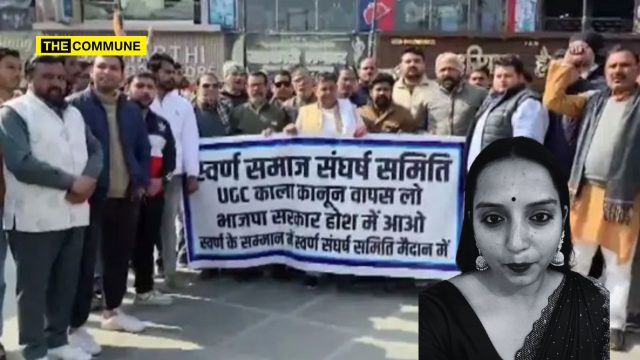
The University Grants Commission’s newly notified Promotion of Equity in Higher Education Institutions Regulations, 2026 have triggered widespread protests across university campuses, with general-category students and sections of faculty expressing concerns over alleged vagueness, potential misuse, and lack of safeguards against false complaints. Amid the backlash, the regulations, which mandate equity committees, helplines, and time-bound action on complaints of caste-based discrimination, particularly from SC, ST, and OBC students have found strong backing from several political leaders and student groups.
Speaking in defence of the regulations, Kanchan Yadav, national spokesperson of the Rashtriya Janata Dal, said the UGC’s move was long overdue and accused sections of the upper-caste society of resisting any reform aimed at marginalised communities.
Responding to protests by groups including the Karni Sena and other savarna organisations demanding the rollback of the regulations, Yadav said, “Look, it was very necessary. And it’s not that it has become necessary only now, it was needed long ago. Especially, whenever any government tries to do something new for OBCs, SCs, STs, we have seen that the upper-caste mindset, the Manuvadi mindset, always opposes it.”
Rejecting the claim that equity measures deprive others of their rights, she said, “They are not taking your rights, they are asking for their own rights. This needs to be understood.”
Citing her experience at Jawaharlal Nehru University, Yadav alleged discrimination in higher education admissions, stating, “In JNU, there is a 100-mark interview for PhD admissions through JRF. Now, if the candidate is from an upper caste, they will be given 80 or 90 marks out of 100. But candidates from Bahujan communities are given 10, 20, or 30 marks and are failed.”
She further linked institutional discrimination to student suicides, saying, “That is why you see that every year, whether in IITs, Delhi University, or JNU, Bahujan students commit suicide due to harassment. We have not forgotten the Rohith Vemula case.”
When questioned about objections to including OBCs under the regulations, Yadav challenged critics to produce representation data. “How many OBC professors are there in central universities? OBCs form nearly 50% of the population. Do you see 50% OBC professors anywhere?” she asked, adding, “Show us the data! Let the central government present the data!”
Addressing claims by savarna groups that the regulations would divide Hindus, Yadav said, “If they are truly talking about Hindu unity, then their own Hindu brothers and sisters from the OBC community should come forward in support.” She added that OBCs were often considered Hindu only for electoral purposes, saying, “You stop considering them as Hindus the moment they demand their rights.”
On fears expressed by sections of the upper-caste community that the rules could be misused to “frame” individuals, Yadav dismissed the need for reassurance. “We don’t need to assure them. They should trust by themselves,” she said, adding, “If we are getting any rights today, why should we assure you? You should trust by yourselves.”
Reacting to street protests by Karni Sena members, she questioned their legitimacy, stating, “What kind of army are you? We didn’t create you as an army, we don’t consider you an army.” She added, “99% of the country’s population doesn’t consider them an army.”
Concluding her remarks, Yadav took a confrontational stance on opposition to the regulations, saying, “If injustice happens to a community, and a law has come to provide them justice, then you are opposing that law because you will be framed. You should be framed!” She added, “You should be framed on the basis that you have never given the 90% of this country’s OBC, SC, ST, the majority population, their rights.”
Elaborating further, she said, “They should believe it themselves that people who have enjoyed the pleasures of power for thousands of years, people who for thousands of years have sat in the institutions, people who for thousands of years have occupied the country’s universities, the country’s institutions, the gurukuls – wherever and in whatever form our systems existed – people who captured every space in the education system, if today we are getting some rights, then why should we convince you? You believe it by yourself.”
Subscribe to our channels on Telegram, WhatsApp, and Instagram and get the best stories of the day delivered to you personally.
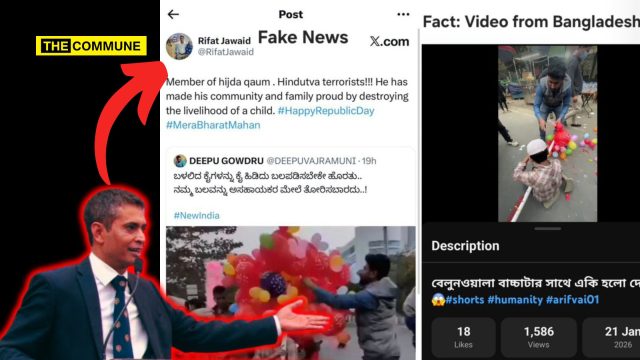
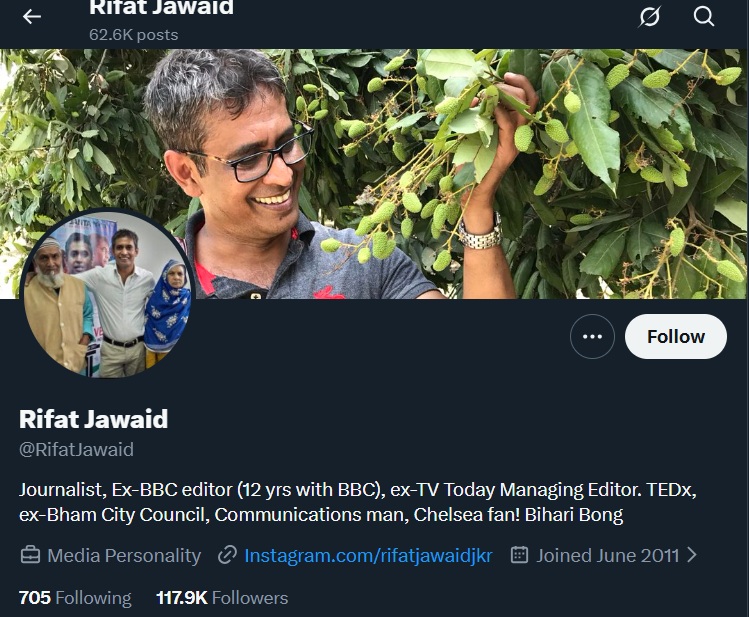
A fresh controversy has erupted around ‘journalist’ Rifat Jawaid, a former BBC contributor who has repeatedly courted outrage for incendiary social media posts and controversial reporting practices, after he was caught circulating a false communal narrative based on a misleading video.
The episode began after a video surfaced online claiming that a Muslim boy selling balloons in India had been assaulted. Sharing the clip on X, Rifat Jawaid alleged communal violence and wrote, “Member of hijda qaum. Hindutva terrorists!!! He has made his community and family proud by destroying the livelihood of a child.”
However, it later emerged that the video in question was not from India but from Bangladesh. Once this fact became public, Jawaid quietly deleted the post. He issued no clarification, correction, or apology, drawing criticism from users who accused him of deliberately pushing a false narrative to stoke communal outrage. The incident has renewed scrutiny of the kind of reportage and framing Jawaid may have engaged in during his long association with the BBC.
Meet Journalist Rifat Jawaid.
He worked at BBC for 12 years.
After a video claimed that a Muslim boy selling balloons was assaulted, Rifat Jawaid posted: “Member of hijda qaum. Hindutva terrorists!”
The balloon-video episode is not an isolated instance. Over the years, Rifat Jawaid, who runs the pro-Aam Aadmi Party platform Janta Ka Reporter, has been repeatedly accused of misinformation, communal polarisation, and activist-driven reporting.
In September 2022, Jawaid accused an individual he identified as an “AAP fan” of calling his children “suicide bombers” for wearing Islamic attire. Sharing screenshots on social media, Jawaid wrote, “You need more proof? This AAP scum from @ArvindKejriwal’s party calls my 8-year-old daughter and 11-year-old son ‘suicide bombers’ because they wore Islamic dress for madrasah classes.” Subsequent scrutiny showed that the profile he cited was later locked and no longer carried any reference to the Aam Aadmi Party, raising questions about the accuracy and framing of his claims.
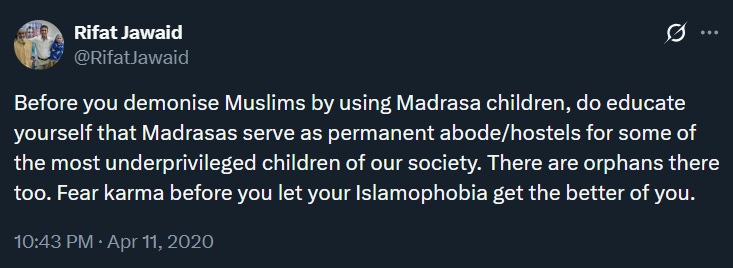
Jawaid has also been a vocal defender of madarsas, repeatedly downplaying concerns raised about radicalisation. In a 2020 post, he argued, “Before you demonise Muslims by using Madrasa children, do educate yourself that Madrasas serve as permanent abode/hostels for some of the most underprivileged children of our society.”
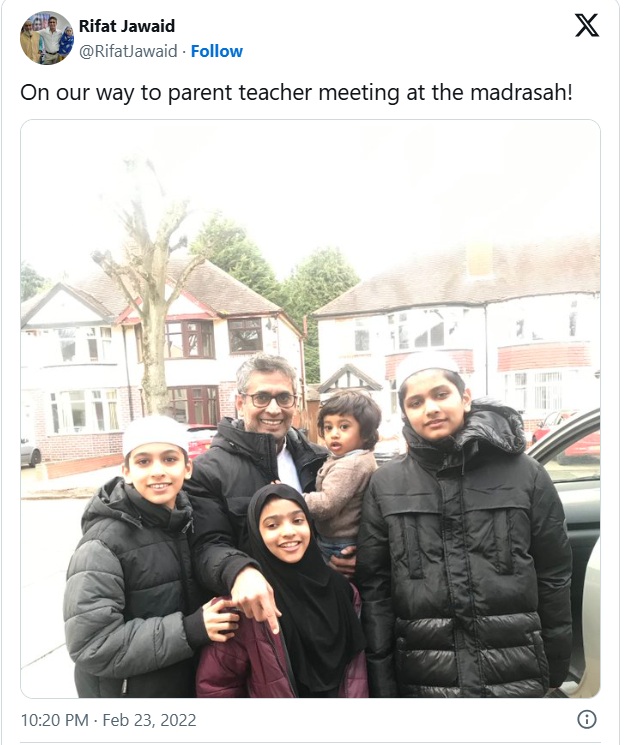
He has frequently shared images of his own children attending madarsas, presenting this as a rebuttal to criticism.
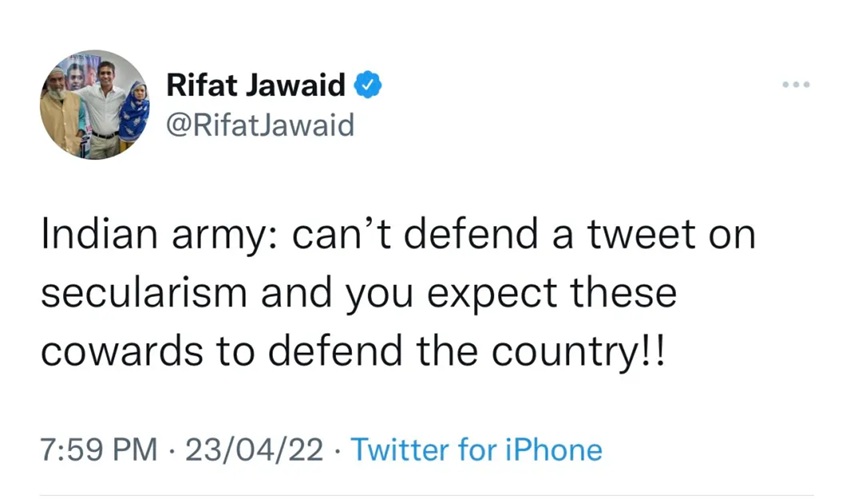
Jawaid’s social media activity has also brought him into direct confrontation with political leaders. In one high-profile spat, Naresh Balyan, an AAP MLA, publicly criticised Jawaid after the journalist labelled the Indian Army as “cowards” in a now-deleted tweet.
Image Source: OpIndia
The comment sparked outrage, with Balyan calling the remark an insult to soldiers who had laid down their lives for the country.
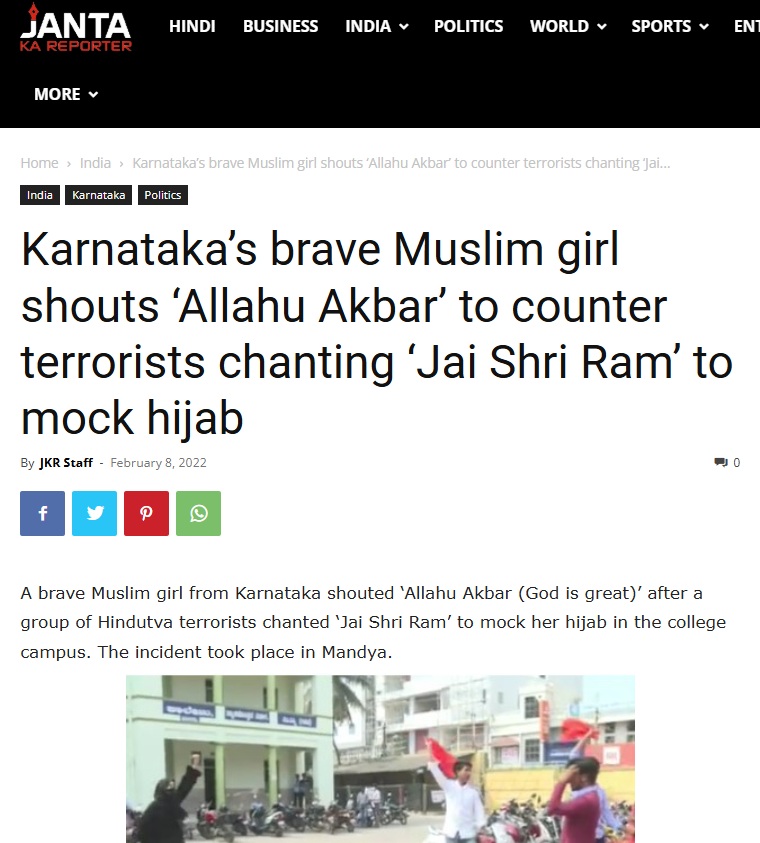
Earlier, during the hijab controversy in Karnataka in 2022, Janta Ka Reporter referred to students chanting “Jai Shri Ram” as “terrorists,” a description that was later quietly edited after backlash.
Archived versions of the article show that the headline and framing were altered only after the issue gained traction on social media.
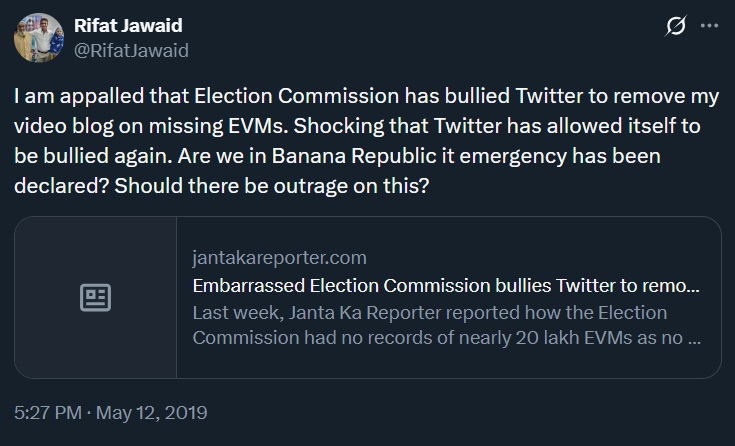
Jawaid and Janta Ka Reporter have also been accused of peddling fake news related to electronic voting machines (EVMs). In 2019, the portal published claims that 20 lakh EVMs had gone missing, a report that was later officially refuted by the Election Commission of India. While other outlets that carried similar claims issued clarifications or took down their reports, Jawaid accused the Election Commission of “bullying” social media platforms into removing his content.
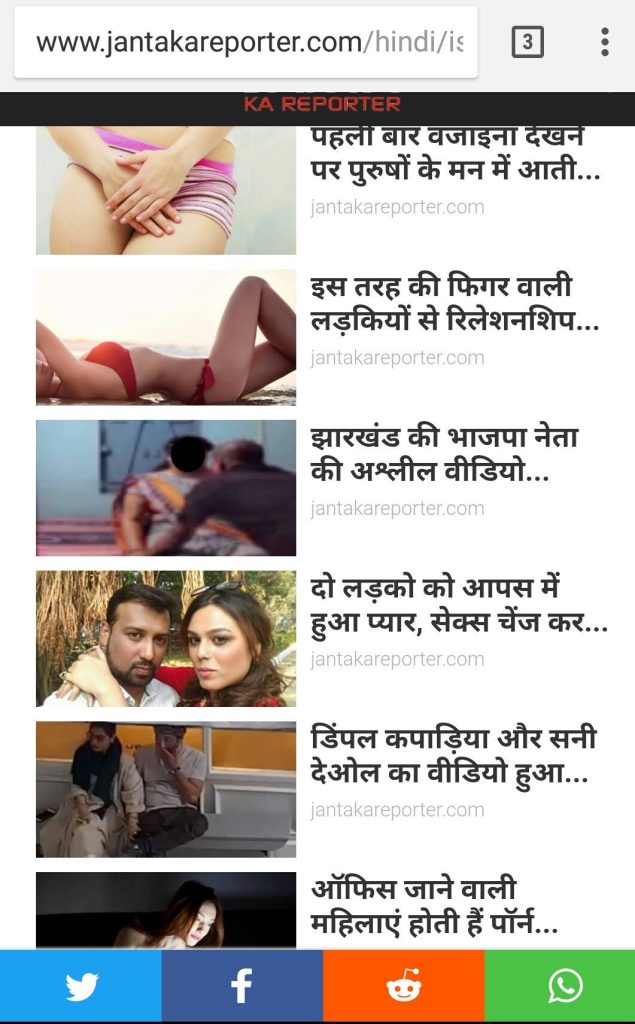
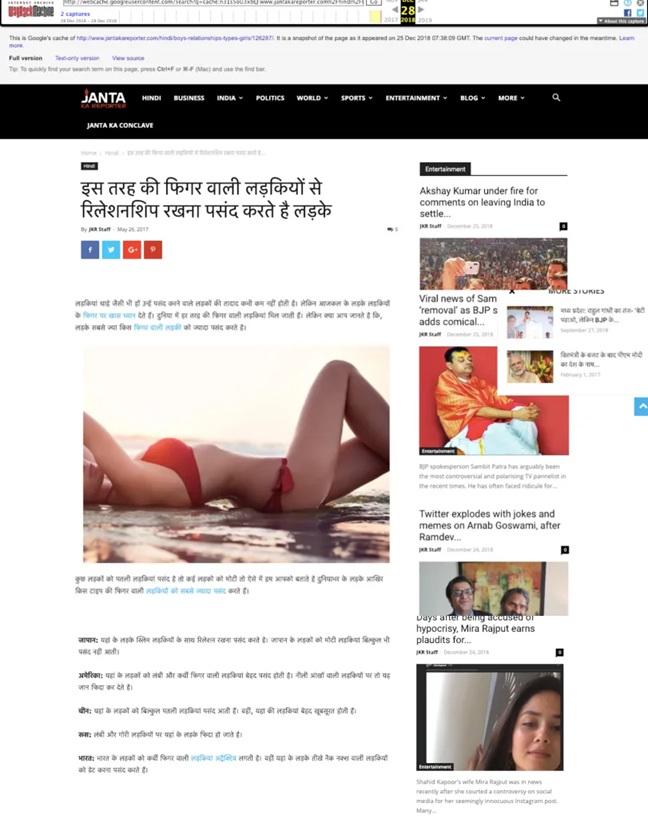
The website has further drawn criticism for allegedly publishing soft-porn and sexually explicit content to drive traffic. Screenshots and cached versions of deleted articles reveal sensationalised and explicit material, prompting questions about journalistic ethics, particularly as the platform has been promoted by political leaders as a credible news source.
Image Source: XImage Source: OpIndia
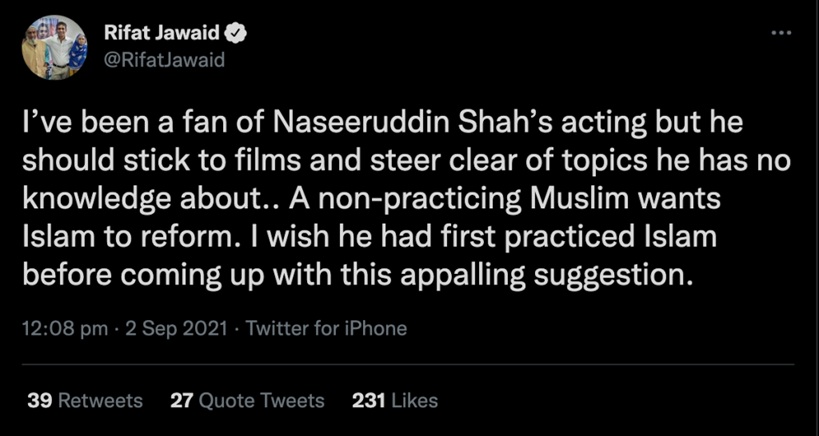
Jawaid’s reporting consistently advances a narrow ideological agenda, often portraying Indian institutions, the military, and Hindu religious expressions in a negative light. He has previously targeted public figures such as actor Naseeruddin Shah for commenting on Islamic extremism, accusing him of being a “non-practising” Muslim and questioning his right to speak on religious reform.
Image Source: OpIndia
From labelling Indian Army personnel as “cowards” to repeatedly amplifying unverified or false claims with communal overtones, Jawaid’s record has led observers to question whether his work represents journalism or activism masquerading as news.
The latest Bangladesh-video episode has once again placed Rifat Jawaid’s credibility under the scanner.
Subscribe to our channels on Telegram, WhatsApp, and Instagram and get the best stories of the day delivered to you personally.
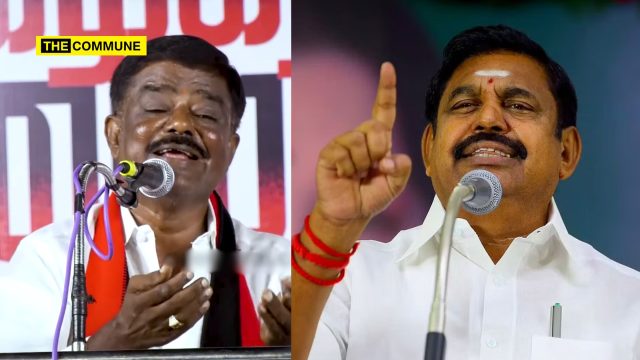
At a public meeting held in Coimbatore, DMK spokesperson Sivaji Krishnamurthy, who is well-known for his crass and abusive remarks at any person or politician outside the DMK, ‘responded’ to criticism from Tamilaga Vetri Kazhagam (TVK) chief, actor Vijay, who had alleged that women were not safe in Tamil Nadu.
After dragging Trisha into the issue, he spoke in a vulgar fashion while bodyshaming AIADMK chief Edappadi K Palaniswami.
He said, “If there is one party that is ready to give its life to protect you, it is none other than the DMK. No other party would sacrifice its very life to save you. We asked back then, I call him “Pallu” Palaniswami. In that Rajini movie Chandramukhi, that Vadivelu character who keeps getting beaten up and almost dies, the teeth look exactly like that fellow. Look at those teeth, see how they stick out. Just imagine it. Take your cellphone and try matching it – put Vadivelu’s head and our Edappadi Palaniswami’s head half and half. It will match perfectly.”
Continuing, he said, “That day, when our elder brother Thalapathy (Stalin) was the Leader of the Opposition, he told Palaniswami,‘You sinner! Buses aren’t running, trains aren’t running, factories aren’t operating, shops aren’t functioning. People are dying of starvation. Didn’t we ask you to give ₹5,000? Or did we not?’ How much did he give? ₹1000. What did he say – ‘You just casually say give ₹5,000. Where is the money? From whose account should I give it?’ And he gave ₹1,000. In this town, how much is the monthly cable TV fee? ₹250, right? If you pay ₹250 for four months, how much is it? ₹1000. Now that is equal to the ₹1000 that Okk**a ol* Annan gave. People were living with their stomachs tied tight with wet cloths because of hunger.”
He further said, “We said then, we don’t know how much money is there in the coffers. What we thought was that he must have spent all the notes and kept some loose change aside. At least from that, he could give ₹4,000. Our brother Thalapathy asked for ₹5,000. You gave ₹1,000. When Muthuvel Karunanidhi Stalin comes to power, I will give the ₹4,000 that you refused to give. But when we came to power and looked at the coffers, only then did we understand – this fellow didn’t just lick Sasikala’s feet, he licked everything clean, every last container. Only when we went there did we realise that.”
Subscribe to our channels on Telegram, WhatsApp, and Instagram and get the best stories of the day delivered to you personally.

Merit, Unapologetically Hindu And Brahmin: Rahul Gandhi Gang Attacking Sridhar Vembu And Kamakoti Shows Dravidian Model Virus Has Entered Congress
The Congress is as disgruntled as ever because Indians are doing their best to help India’s growth accelerate and achieve the Viksit Bharat dream of PM Modi.
After the Padma awards were announced, Professor V Kamakoti acknowledged the award and shared a video message underscoring collective effort and national development. And Congress’ Kerala unit makes ‘gaumutra‘ jibes at Professor Kamakoti that remind us of terrorists and their language when referring to Indians, especially Hindus.
In a video, Prof Kamakoti said, “Namaste, Vande Mataram. The Padma Shri award means only one thing to me: that I will put all the best efforts towards Viksit Bharat at 2047. This award is not possible just as an individual. It’s a collective effort. I dedicate this award to all who have contributed, who have blessed my growth, and whatever I have achieved is all because of that collective effort to whom I dedicate this award. Thank you very much.”
Quoting his video message, the Kerala Congress handle wrote: “Congratulations to V Kamakoti on receiving the honour. The nation recognises your bleeding edge research on Cow Urine at IIT Madras, taking Gomutra to world stage.”
Calling out the Congress for its remarks and appreciating Prof Kamakoti, Zoho founder Sridhar Vembu wrote, “Professor Kamakoti works in deep tech: micro-processor design. He is the Director of IIT-Madras, the best technological institution in India. He serves in the NSAB. He richly deserves the honour. I have defended him on scientific grounds and I will do so again: cow dung and cow urine have excellent microbiome that could be valuable for humans. It is the slavish colonial mindset that thinks these are not scientific propositions worthy of investigation. Some day, when Harvard or MIT publish a study on this, these enslaved minds would worship that as the gospel truth.”
Replying to Vembu’s post, the Congress Kerala handle wrote, “Dear @svembu, Research is not about quoting random Western research papers out of context. What is the outcome of all this research on cow dung and urine? And why are we limited only to cow dung? What about the excreta of buffaloes, goats, or even humans? Recently, the outcome of one such cow dung research project came out in public. The Madhya Pradesh government funded a research project using Panchagavya, a traditional mixture made from cow dung, cow urine, milk, curd, and ghee, for the treatment of cancer. An investigation by Additional Collector Raghuvar Maravi exposed that a whopping ₹1.92 Cr was spent on buying cow dung and urine for the research, whereas the actual cost is around ₹15–20 lakhs. The total allocation for the project was ₹3.5 Cr, and the remaining money was spent on buying cars, filling petrol and diesel, and even Goa and Bangalore trips. What is the outcome of the research? NULL Exception! If we investigate other similar projects like this, many more scandals will come out. There is no doubt that we need cancer research. But why do you insist that it is only cow dung or cow urine that can cure cancer? We saw during COVID how fraudsters were trying to kill the virus using cow dung and gomutra. What was the outcome? Since you are a billionaire who believes in the magical benefits of cow urine, why doesn’t your company invest in proper cow urine and cow dung research? If cow urine can help in healing cancer, that would be one of our greatest contributions to the world. Why don’t you take up this challenge and put the money where your mouth is?”
While the Congress can continue being grumpy about successful Indians and keep planning how to derail the country with false controversies, here is a look at the achievements of the two stalwarts – Professor Kamakoti Veezhinathan and Dr Sridhar Vembu.
Professor V Kamakoti – Director, IIT Madras
Spearheaded SHAKTI, India’s first indigenously developed open microprocessor family based on RISC-V, designed for strategic, defence, and commercial applications.
Led multiple SHAKTI chip variants – RIMO, MOUSHIK, and later versions through the entire Indian pipeline: architecture and design at IIT Madras, fabrication at SCL Chandigarh, followed by packaging, board design, and successful system boot-up.
Serving as Director of IIT Madras since 2022; earlier a long-time professor in Computer Science and Engineering with specialisation in computer architecture, information security, and VLSI design.
Heads the Microprocessor Development Program and the Information Security Education and Awareness Program at IIT Madras, both funded by MeitY.
Member of the National Security Advisory Board; previously chaired the Government of India AI Task Force under the Commerce Ministry.
Widely known as the “SHAKTI-man of India” for building indigenous semiconductor capability and catalysing startups from the SHAKTI ecosystem, including InCore, Mindgrove, Chakra, Vyoma Systems, and SecurWeave.
Key architect of India’s secure processor stack for strategic use, Shakti (CPU), Mohini (trusted execution), and related security IP aimed at reducing dependence on foreign chips.
Instrumental in building India’s RISC-V ecosystem, mentoring startups and positioning the country as a global open-ISA processor design hub.
Expanded ISRO and space collaborations at IIT Madras, including deploying Shakti-based processors for satellite and space applications.
Guided numerous PhD and master’s theses in computer architecture and information security; maintains a strong publication record in high-performance computing and secure systems.
Regular member of high-level national committees on cybersecurity, AI, and digital public infrastructure, shaping policy on trusted hardware and AI readiness.
Conferred the Padma Shri for contributions to indigenous microprocessors and strengthening national technology capacity.
Sridhar Vembu – Founder & CEO, Zoho
Co-founder and CEO of Zoho Corporation, built into a global SaaS suite (CRM, email, finance, HR, and more) serving tens of millions of users and thousands of enterprise customers without traditional VC funding.
Grew Zoho from a 1996 venture (AdventNet) into a multi-billion-dollar, profitable company anchored in a product-first, bootstrapped model.
Created Zoho Schools of Learning, an in-house vocational education system that trains rural and non-degree youth in programming, design, and support, with many absorbed into Zoho.
Pioneered a rural development–centric operating model, moving significant operations to villages in Tamil Nadu, creating high-skill tech jobs outside metros and advocating “Make in India” and “rural SaaS.”
Recipient of the Padma Shri (2021) for trade and industry; also honoured with recognitions such as Ernst & Young Entrepreneur of the Year and CNN-News18 Indian of the Year/NDTV Disruptor-style awards.
Widely cited as a global example of ethical, frugal entrepreneurship, emphasising long-term product development, user privacy, and low external dependence over VC-driven hyper-scaling.
Built Zoho as a vertically integrated stack with in-house data centres and no reliance on big-tech clouds, positioning it as a sovereign SaaS alternative focused on data control and privacy.
Championed a “deep generalist” talent model through Zoho Schools, rejecting degree fetishism and conventional campus hiring, now a case study in alternative tech education pathways.
Expanded Zoho to 50+ products spanning office productivity, business applications, and developer tools, while remaining privately held and consistently profitable.
An outspoken advocate of decentralised development and rural revival, splitting time between the US and a village in Tamil Nadu, and using Zoho’s success to argue against excessive urban centralisation in tech.
Recognised globally as a thought leader on bootstrapping, frequently cited in business schools and tech media as a counter-narrative to Silicon Valley’s VC-heavy culture.
In the end, the episode says less about Professor Kamakoti or Sridhar Vembu and far more about the political and ideological discomfort triggered when Indian excellence refuses to fit familiar caricatures. While one section of the political spectrum appears eager to reduce scientific achievement to mockery and insinuation, the careers of Kamakoti and Vembu stand as quiet but powerful rebuttals, rooted in institution-building, indigenous capability, and long-term national thinking.
A party led by a serially defeated, dynastic politician like Rahul Gandhi has the audacity to attack self-made, meritorious Indians like Kamakoti and Vembu. One inherited everything. The others built institutions and companies from scratch.
Both Kamakoti and Vembu are meritorious, unapologetically Hindu, and Brahmin, and they refuse to perform the expected ritual of self-denial that a certain political worldview demands from Indians who succeed. In the Dravidian Model’s political grammar, Hindu civilisational confidence—especially when paired with excellence, institution-building, and national purpose—is treated as provocation. Congress has now copied this poison. It pits 90 per cent OBC against 10 per cent GC just like DMK pits 97% versus 3% Brahmins.
At a deeper level, the hostility directed at Kamakoti and Vembu is not really about science, funding, or policy. It is divisive identity politics at play. The attack is a symptom of Dravidian Model virus entering Congress.
Subscribe to our channels on Telegram, WhatsApp, and Instagram and get the best stories of the day delivered to you personally.