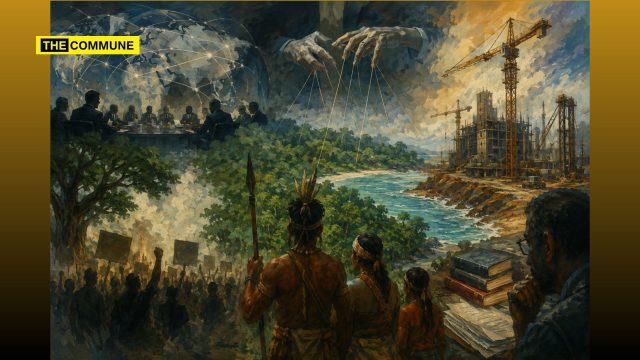
The proposed Great Nicobar infrastructure project has triggered intense opposition from environmental groups, activists and sections of the political ecosystem. However, with increasingly available evidence, it seems to point to the fact that the protests are not isolated environmental concerns but part of a much larger and deeply interconnected activist network involving NGOs, international advocacy groups, media platforms and political actors.
Ashish Kothari and the NGT Petition
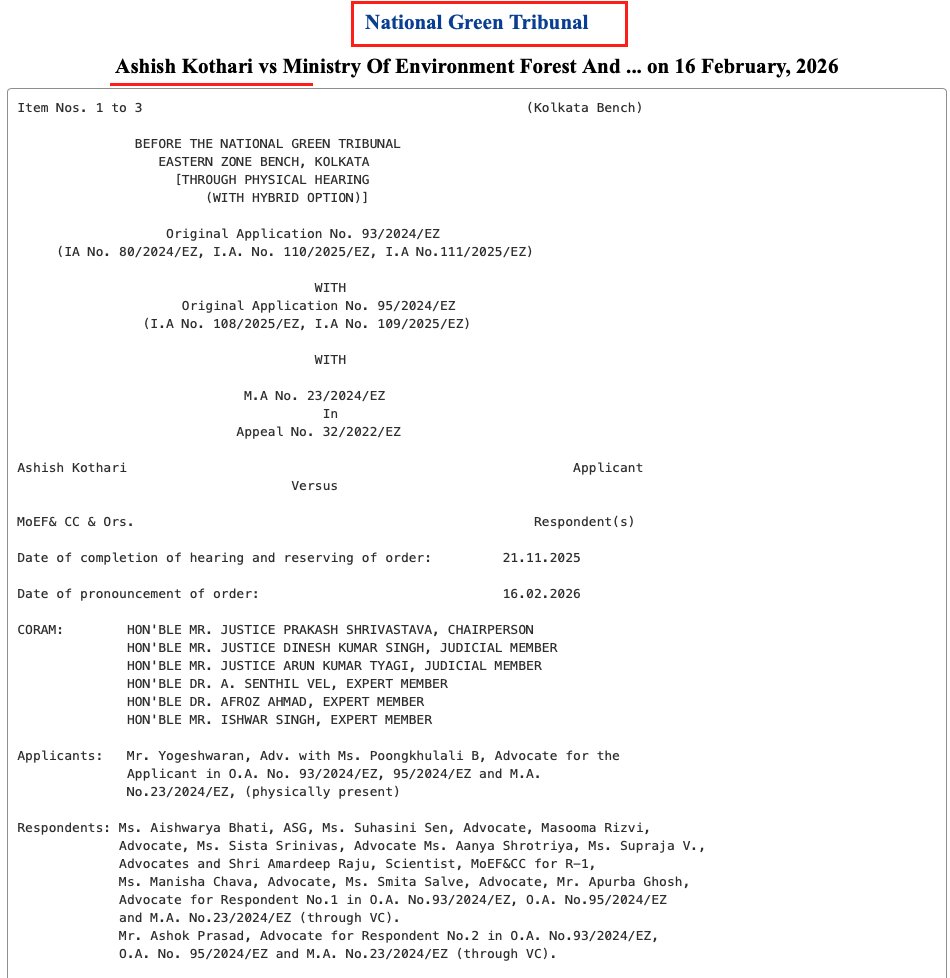
At the centre of the anti-project campaign is Ashish Kothari, founder of the environmental NGO Kalpavriksh, who filed a petition before the National Green Tribunal (NGT) challenging the Great Nicobar Project.
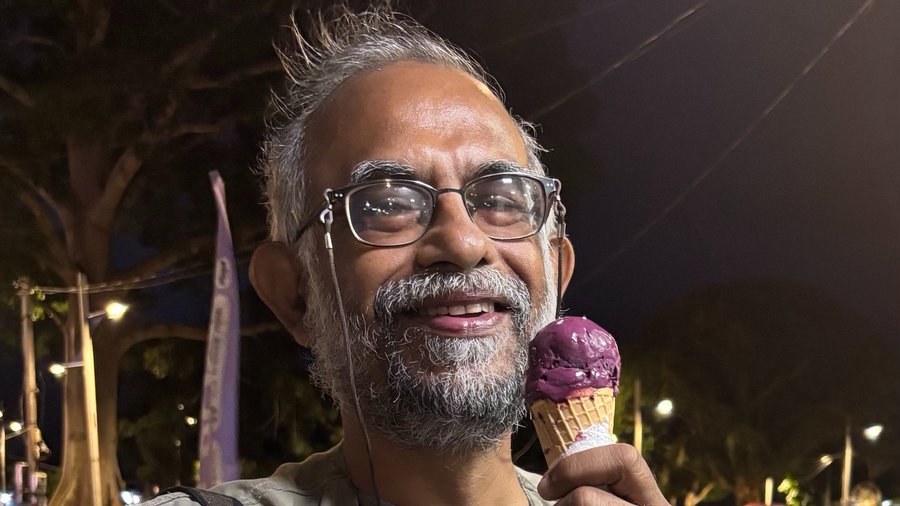
It is alleged that Kothari has long been associated with activist ecosystems opposing major development and infrastructure initiatives across India.
It is also reported that his organisation has maintained connections with networks linked to Harsh Mander and Prashant Bhushan.
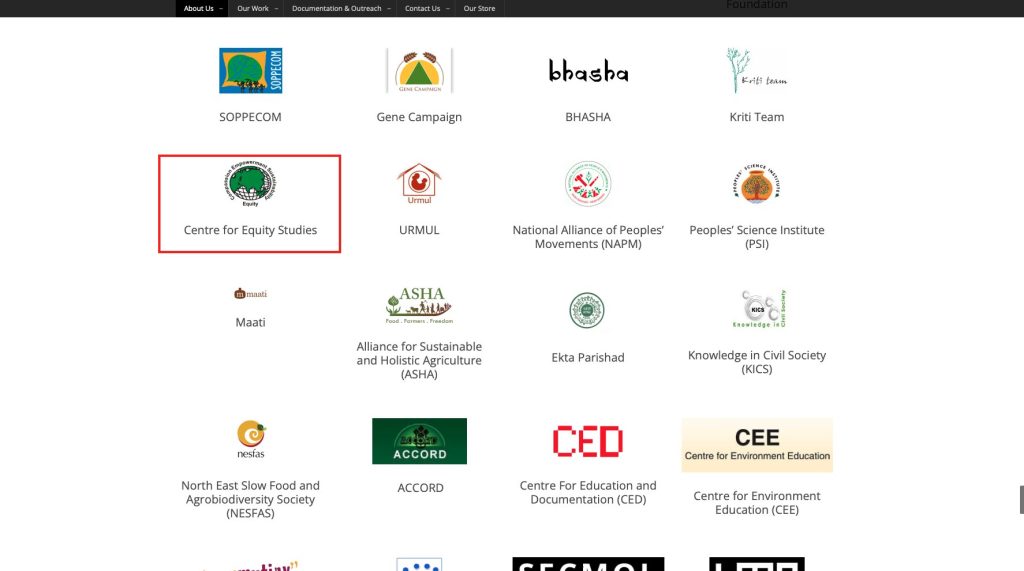
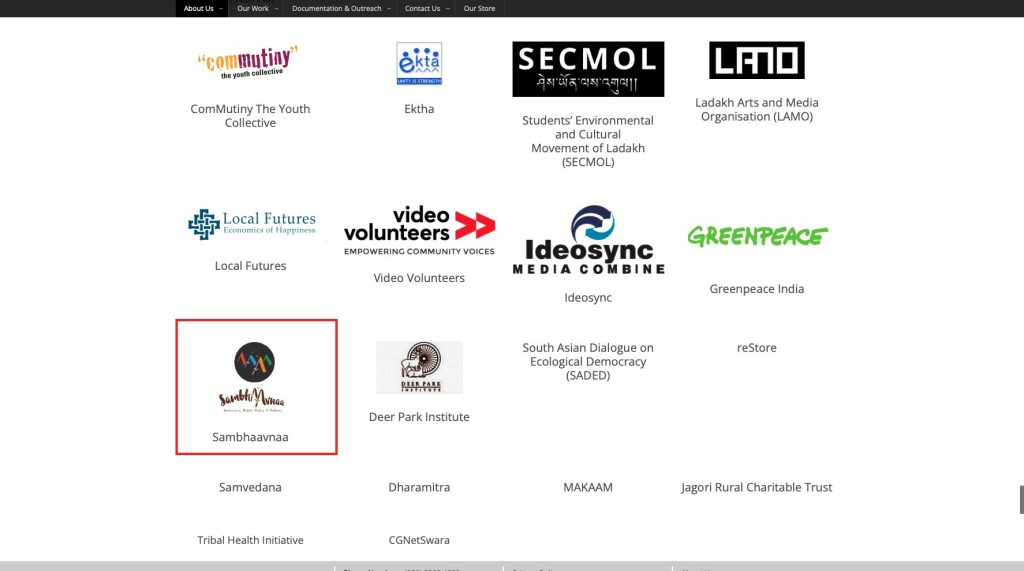
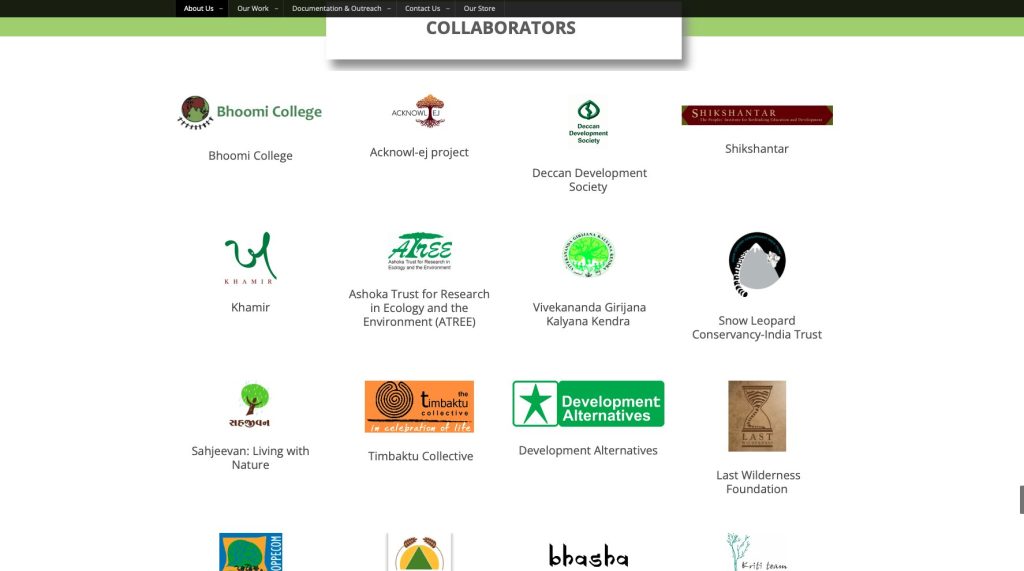
Allegations of International NGO Funding
Kalpavriksh and associated activist ecosystems are receiving backing from international philanthropic networks and Indian corporate-linked institutions.
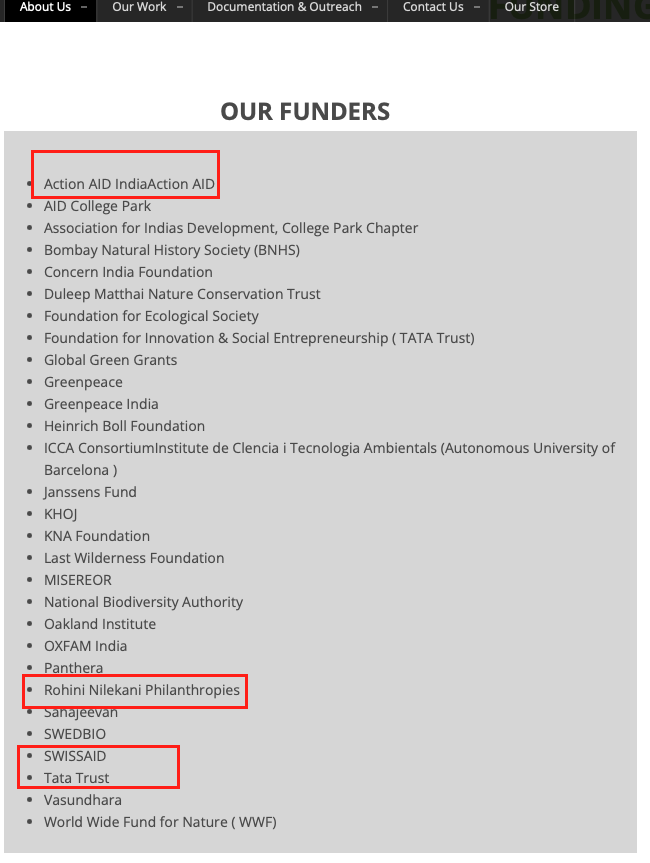
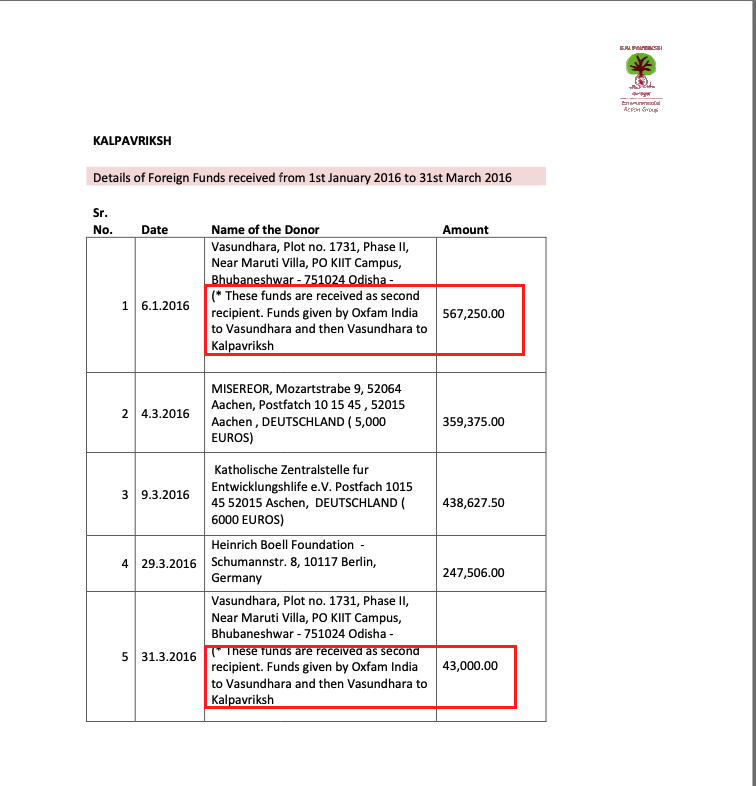
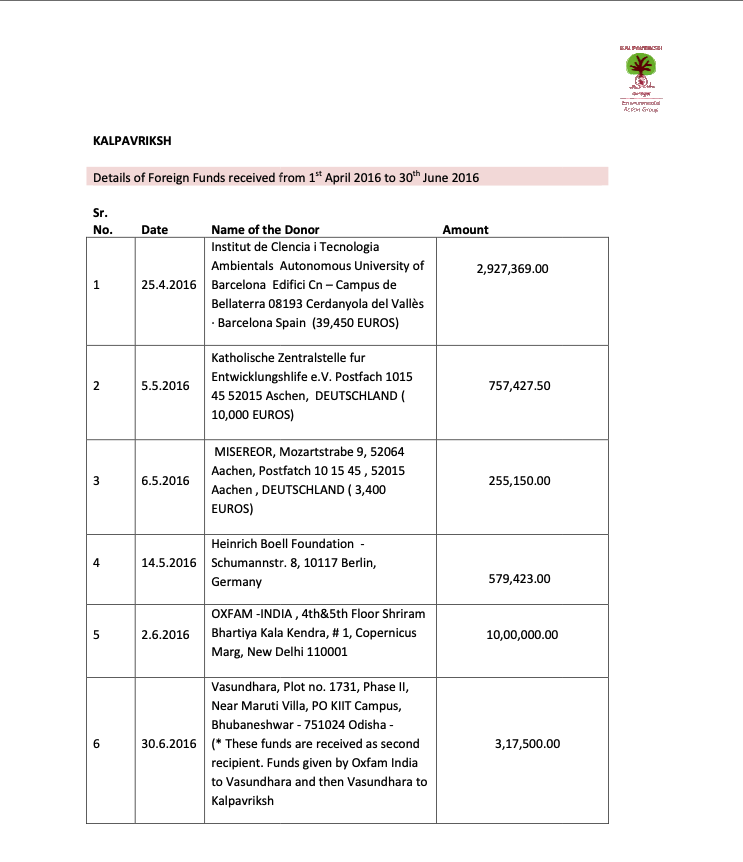
The same pattern of foreign-linked NGO involvement repeatedly emerges around sensitive national projects involving infrastructure, tribal regions and strategic territories.
Activism in Ladakh and Tribal Regions
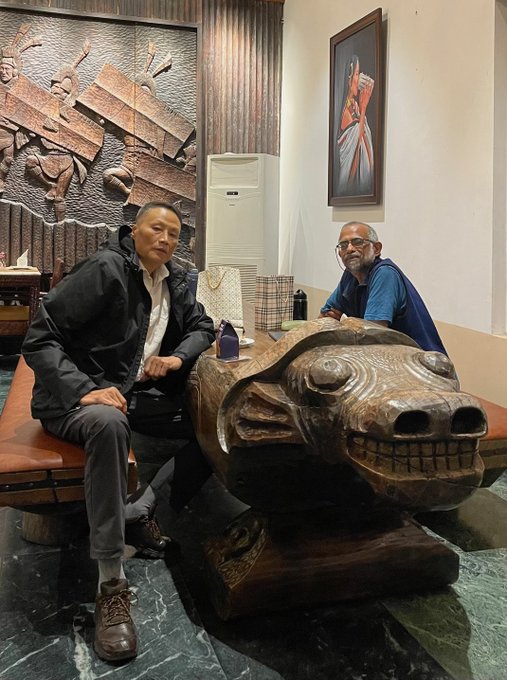
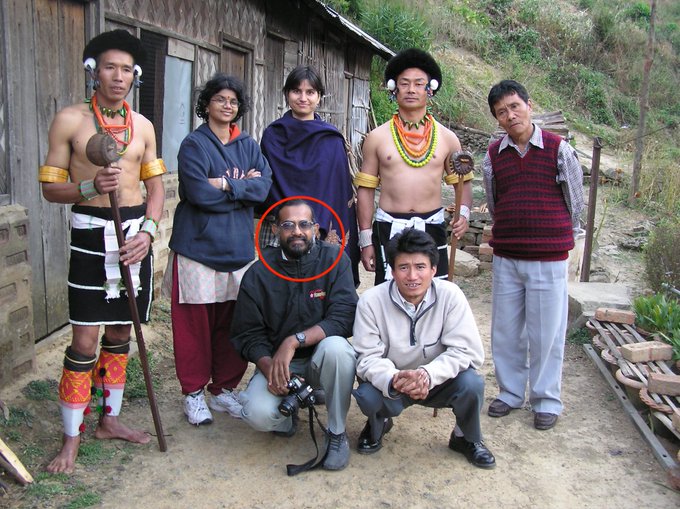
Ashish Kothari’s activism is also reportedly linked to campaigns in strategically important regions such as Ladakh, Leh and tribal belts in the North East.
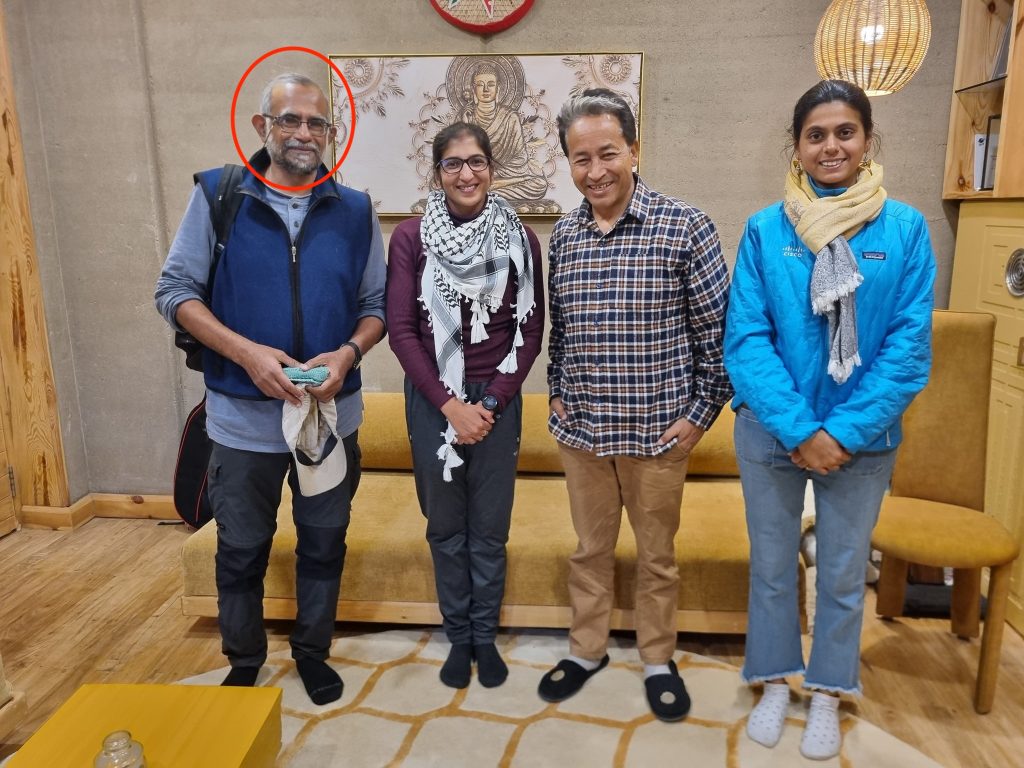
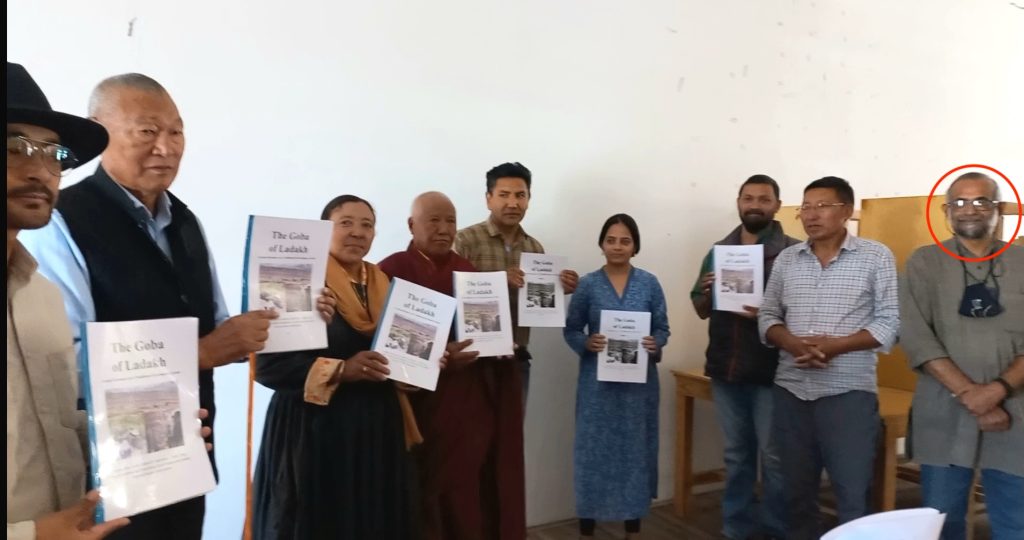
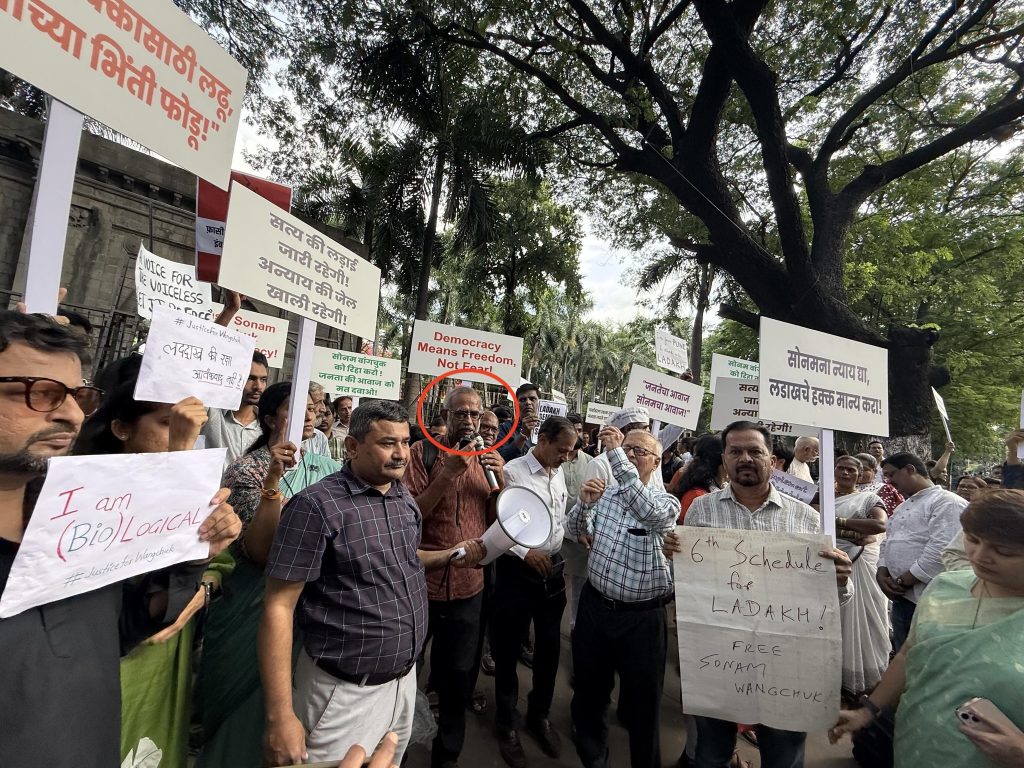
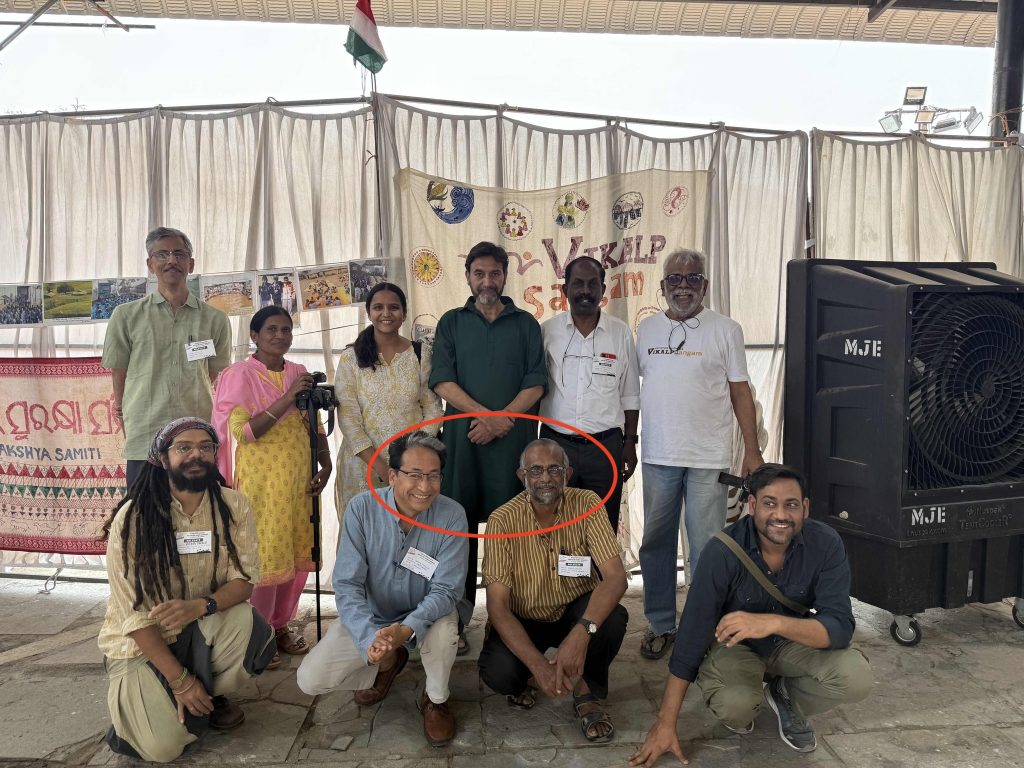
These interventions follow a recurring pattern where activist groups become highly active in areas connected to national security, infrastructure expansion or resource development.
Rajni Kothari, CSDS and Ford Foundation Links
Now let’s take a look at Kothari’s family background.
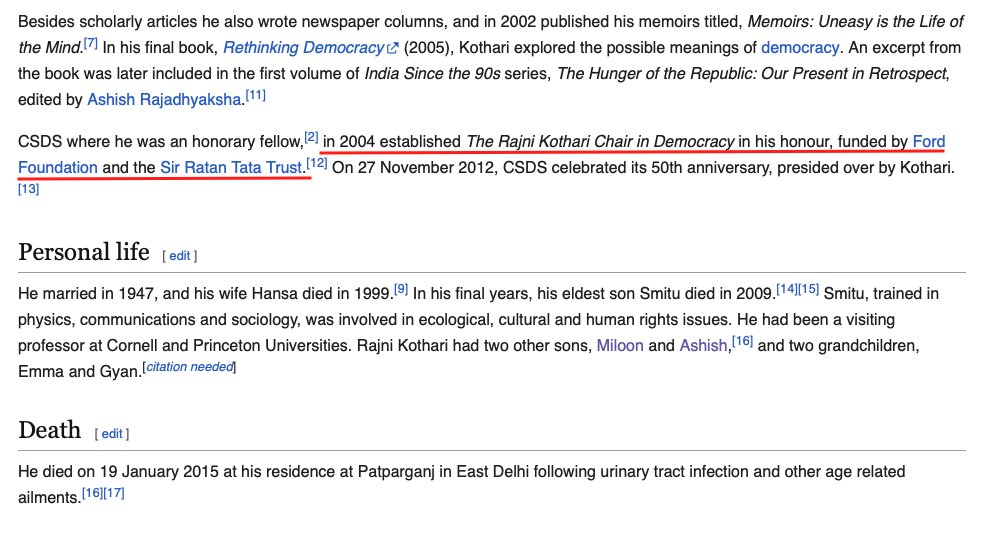
Ashish Kothari is the son of Rajni Kothari, founder of the Centre for the Study of Developing Societies (CSDS). CSDS has historically received funding linked to the Ford Foundation, which is known to act as a vehicle for Western geopolitical influence during the Cold War period.
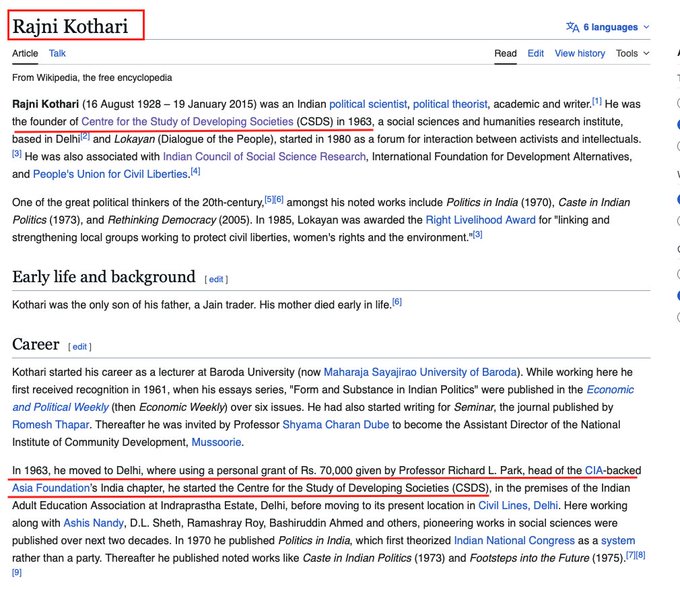
Rajni Kothari’s influence within India’s activist-academic ecosystem and his recognition within networks is connected to Ford-linked philanthropy and Tata-linked trustees.
Survival International’s Campaign Against Great Nicobar
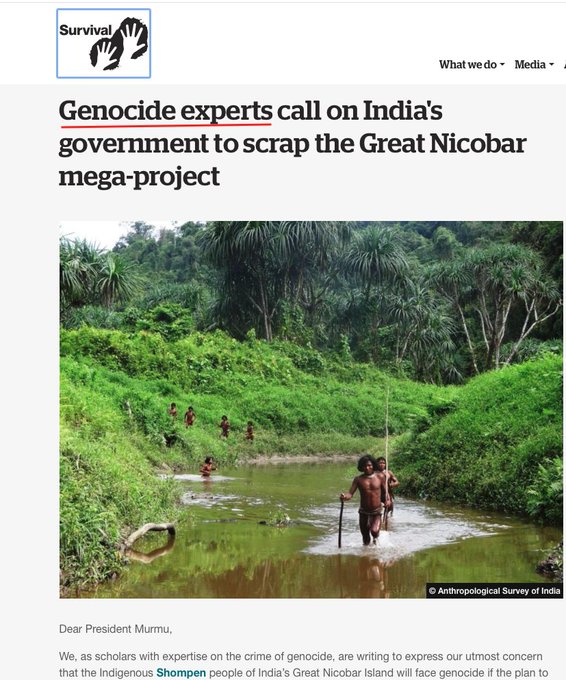
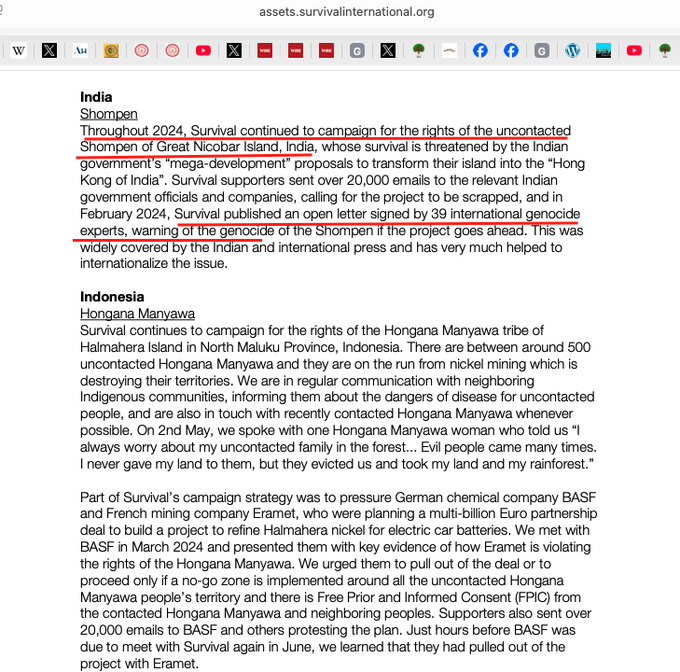
An international dimension to the controversy has emerged through Survival International, which has actively campaigned against the Great Nicobar Project since 2023–24.
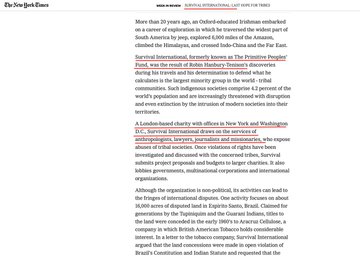
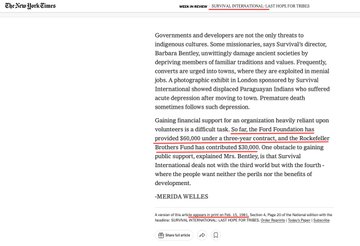
The organisation’s early funding history involved support from the Ford Foundation and Rockefeller-linked philanthropic networks.
The organisation has circulated reports and campaigns warning of ecological destruction and tribal displacement linked to the project.
Nandini Sundar and The Wire Connection
Among the experts associated with the ‘Genocide Expert’ group is Nandini Sundar.
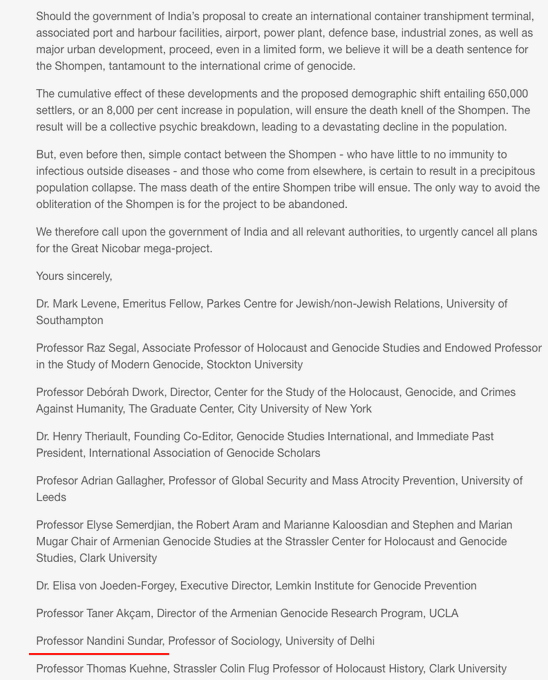
Her family background includes institutional associations with Ford-linked and Tata-linked networks. Financial support has also been received by her husband’s media platform, the leftist rag The Wire, from Tata-linked sources.
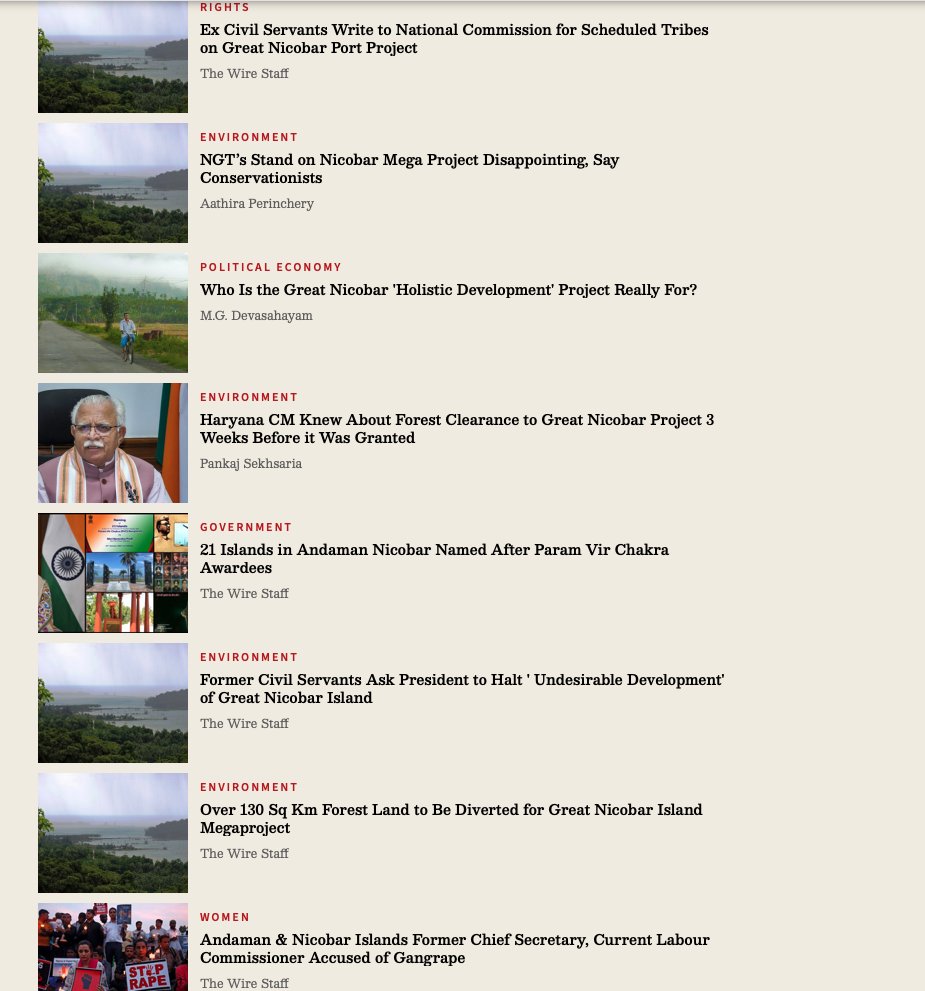
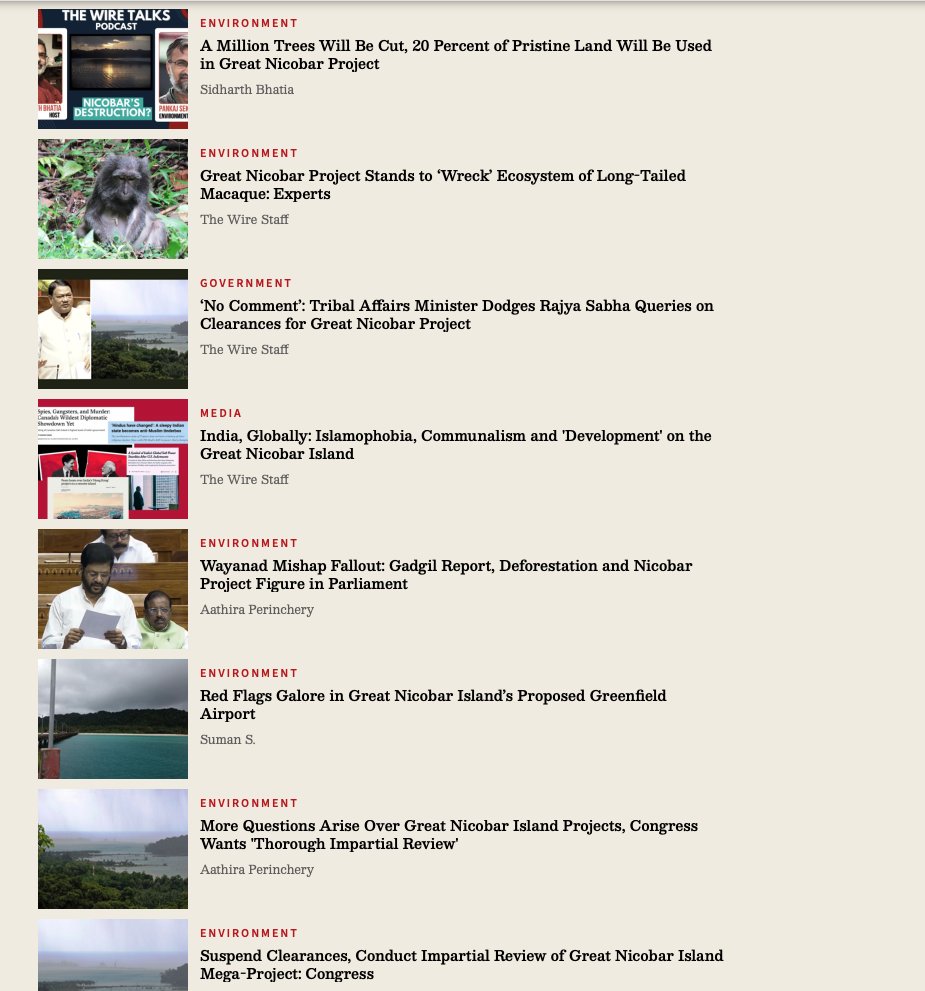
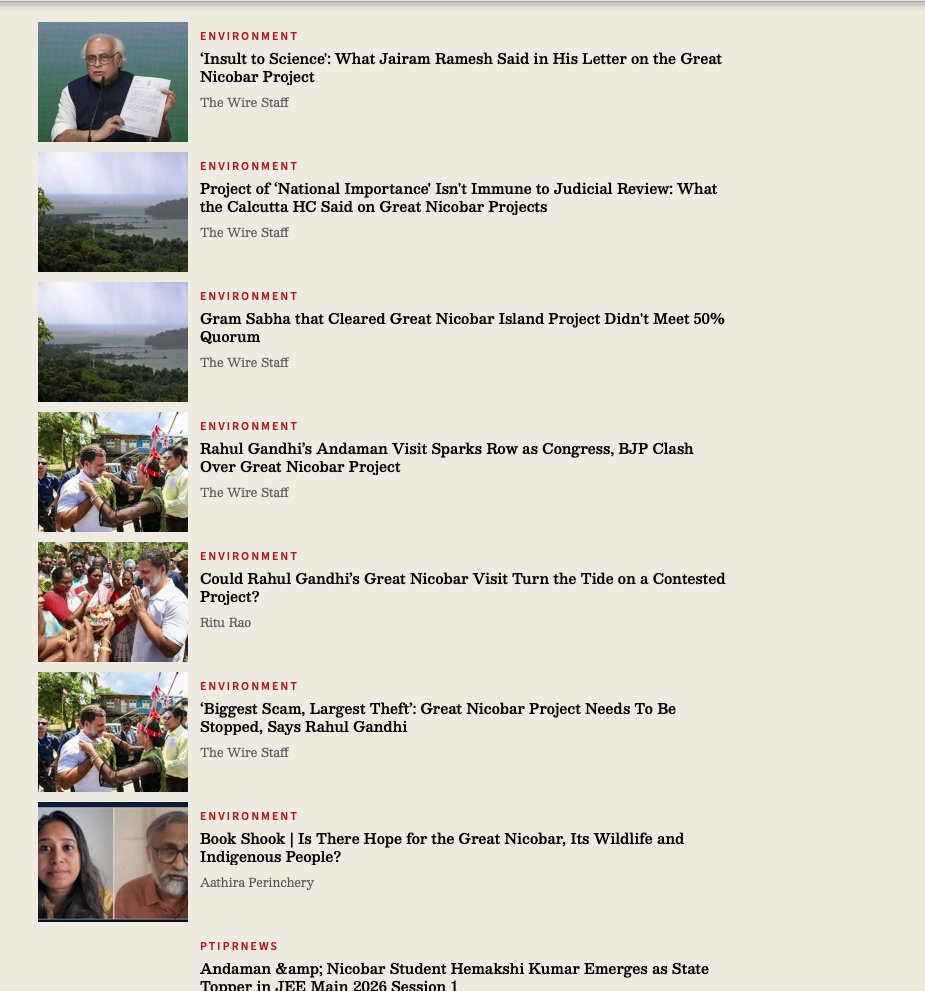
The Wire itself has published multiple reports and opinion pieces strongly critical of the Great Nicobar Project, focusing on environmental and tribal-rights concerns.

Pankaj Sekhsaria and the Environmental Narrative
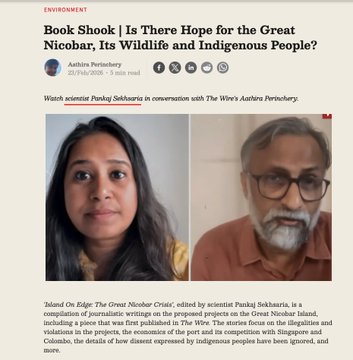
Another figure repeatedly coming up is Pankaj Sekhsaria, an environmental activist associated with Kalpavriksh.
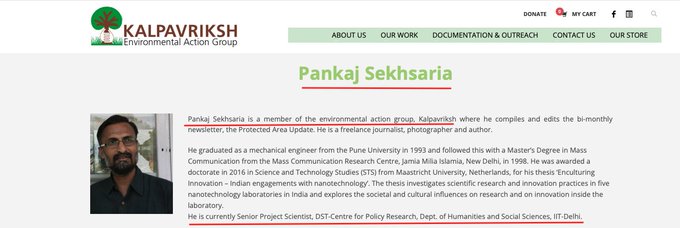
Sekhsaria has simultaneously participated in anti-project advocacy campaigns while also working within publicly funded academic and research institutions connected to IIT initiatives.
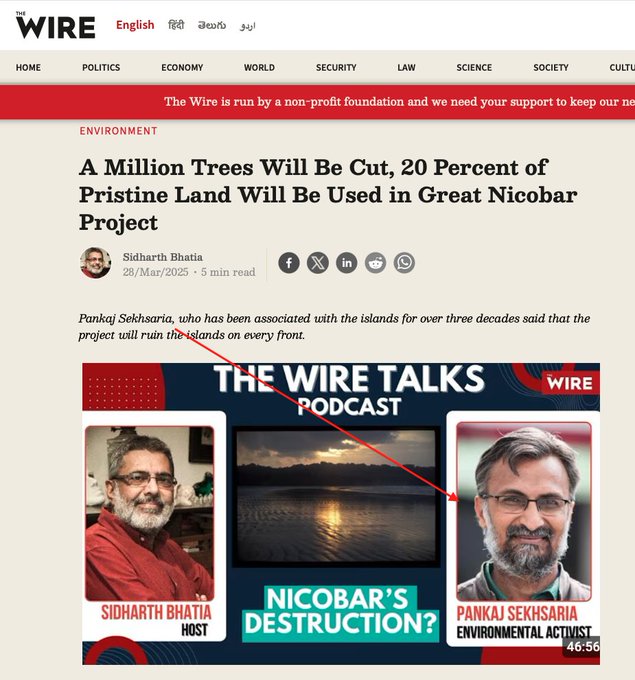
Environmental narratives are being strategically amplified through activist-academic collaborations.
Jairam Ramesh and Political Opposition
Senior Congress leader Jairam Ramesh has emerged as one of the most vocal political opponents of the Great Nicobar Project.
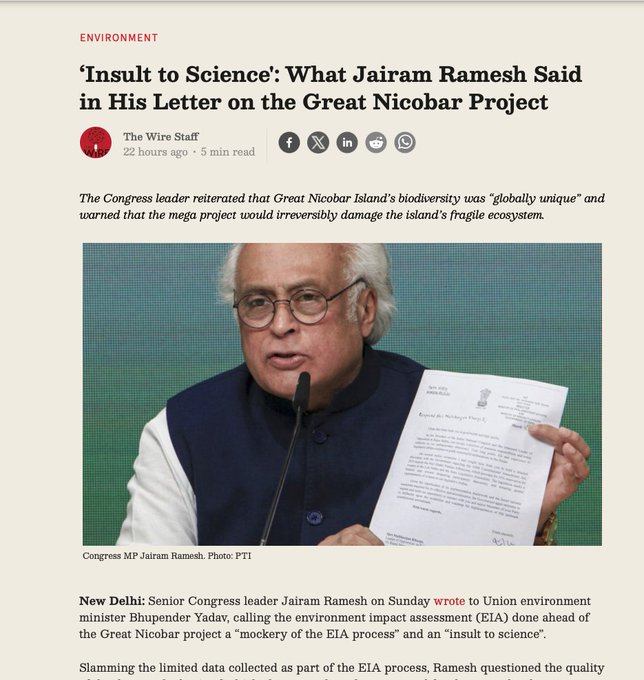
It is noteworthy that Rajni Kothari’s long-standing intellectual relationship with Jairam Ramesh and Sam Pitroda dating back to the late 1980s.
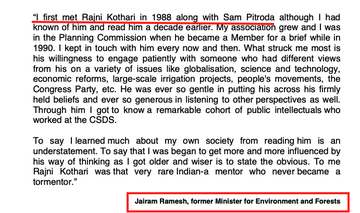
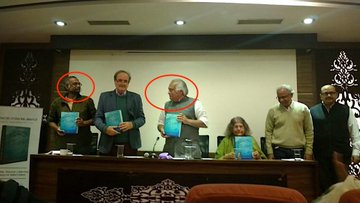
The current political opposition to the project overlaps significantly with older activist and NGO ecosystems.
Yogendra Yadav, Lokniti and Activist Networks
The controversy has also revived scrutiny around activist-academic networks associated with CSDS and its Lokniti programme.
Political activist Yogendra Yadav, who later became associated with Rahul Gandhi’s Bharat Jodo campaign, previously served as founder-director of CSDS Lokniti, established under Rajni Kothari’s institutional framework.
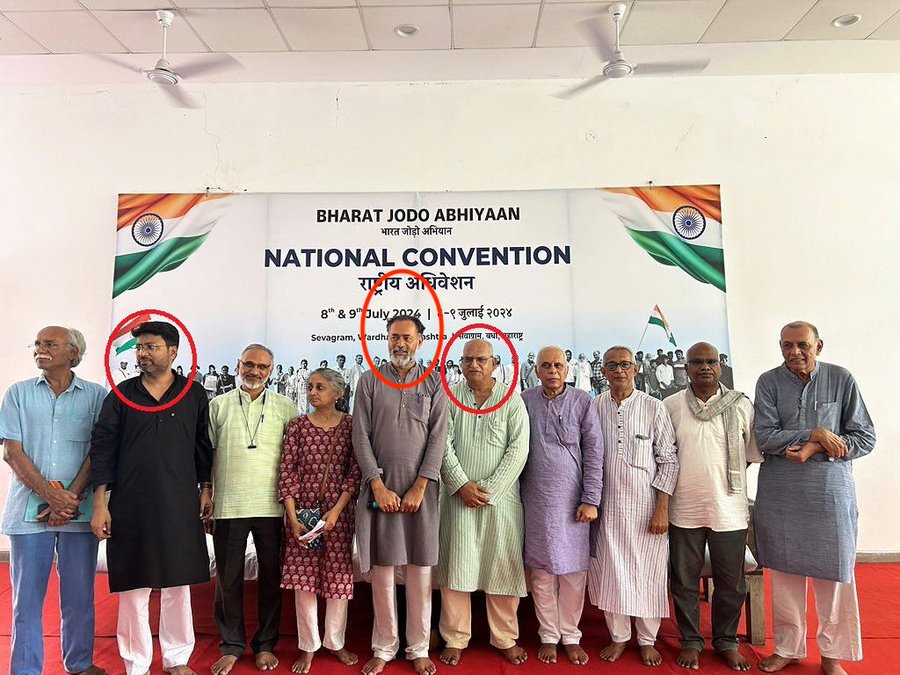
It is essential to take a look at his associations with development professional Vijay Mahajan and broader activist ecosystems.
The Sardar Sarovar Dam Parallel
The Great Nicobar controversy has also revived memories of earlier anti-development movements, especially protests against the Sardar Sarovar Dam.
Ashish Kothari and Kalpavriksh helped prepare early reports opposing the dam project before broader NGO-led protests escalated nationally and internationally.
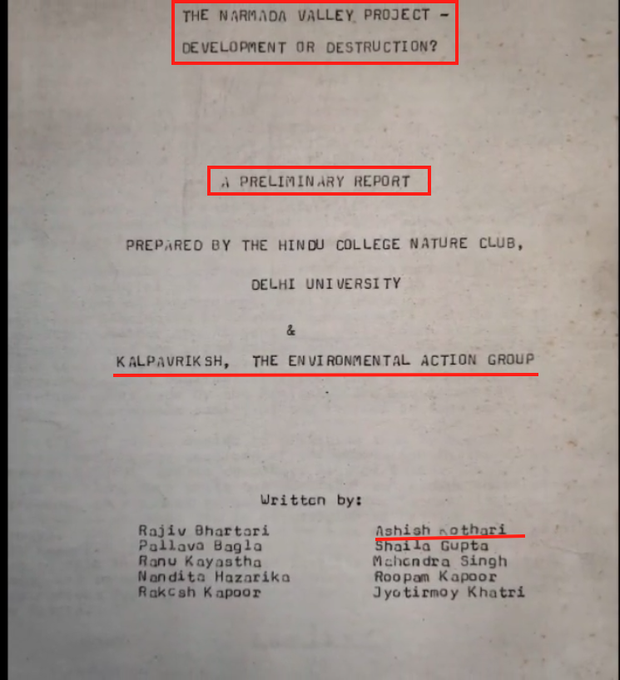
Rajni Kothari himself was among the earliest signatories opposing the Sardar Sarovar project as can be seen in the below document and can be described as a mentor figure to sections of India’s activist ecosystem, including Medha Patkar.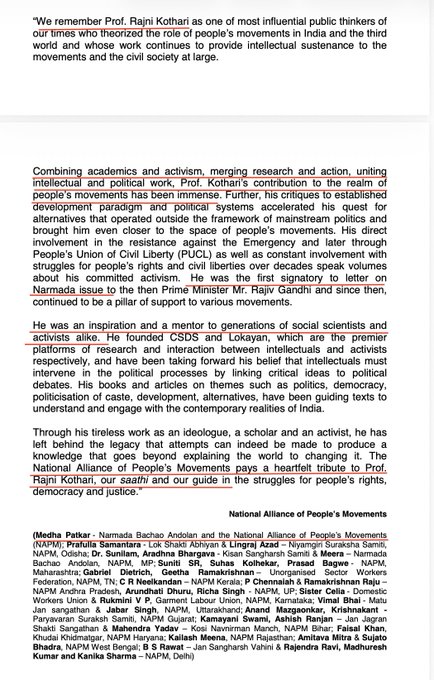
Allegations of International Activist Involvement
It is a known fact that foreign activists and international advocacy groups were heavily involved in earlier anti-dam campaigns and are now reappearing in the Nicobar controversy.
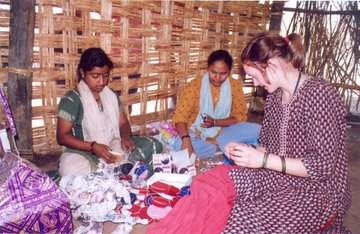
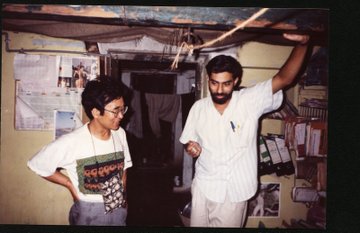
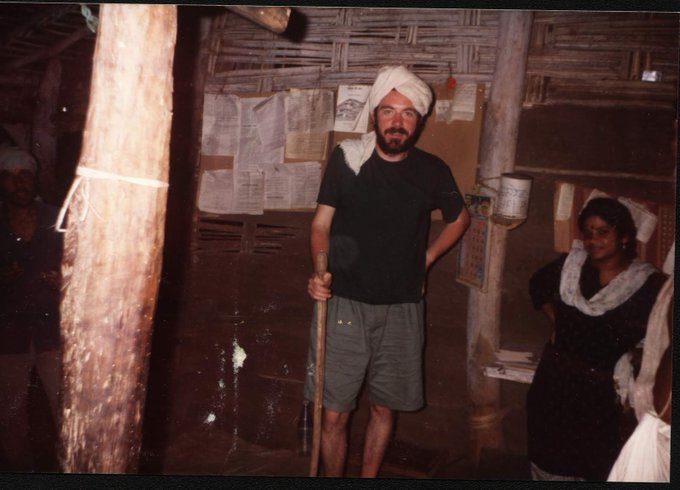
The same activist methods, litigation, media narratives, international pressure campaigns and coordinated protests are being replicated once again.
International Connections and NGO Networks
Further allegations centre around Ashish Kothari’s international associations, especially the protest cabal.
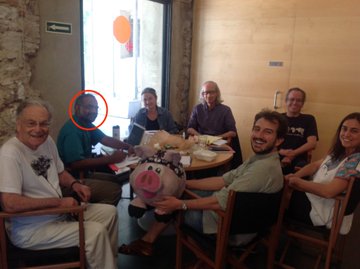
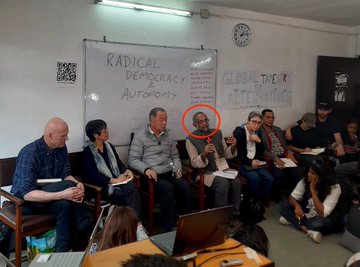
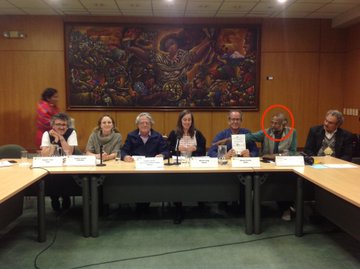
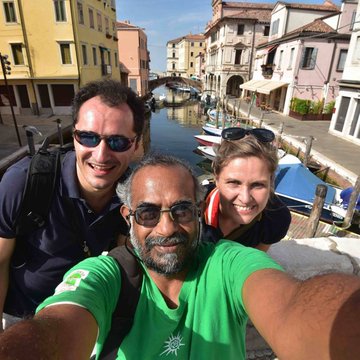
His brother reportedly works in Switzerland with UN-linked institutions and organisations including Oxfam and networks associated with George Soros.
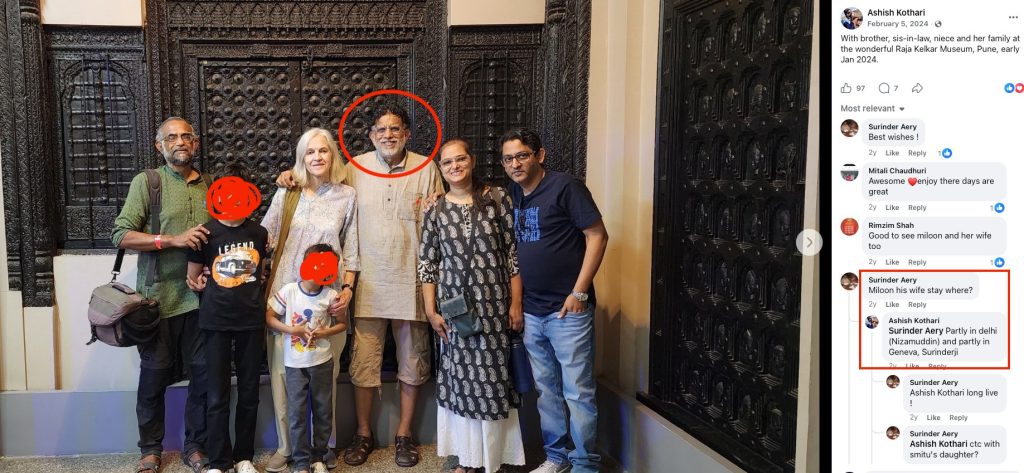
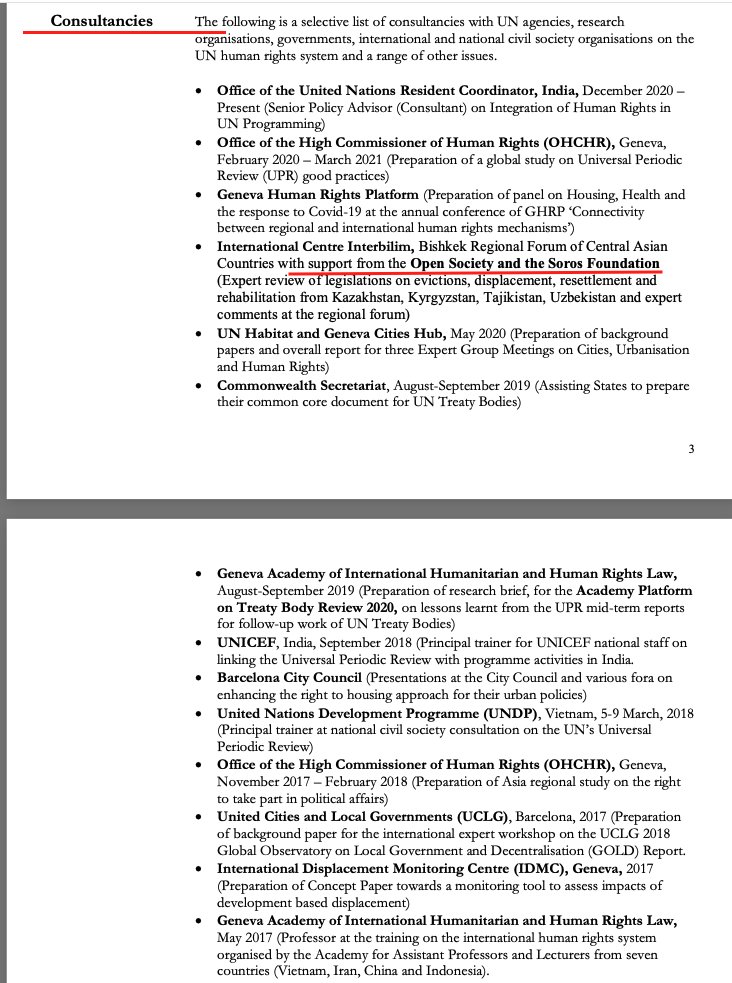
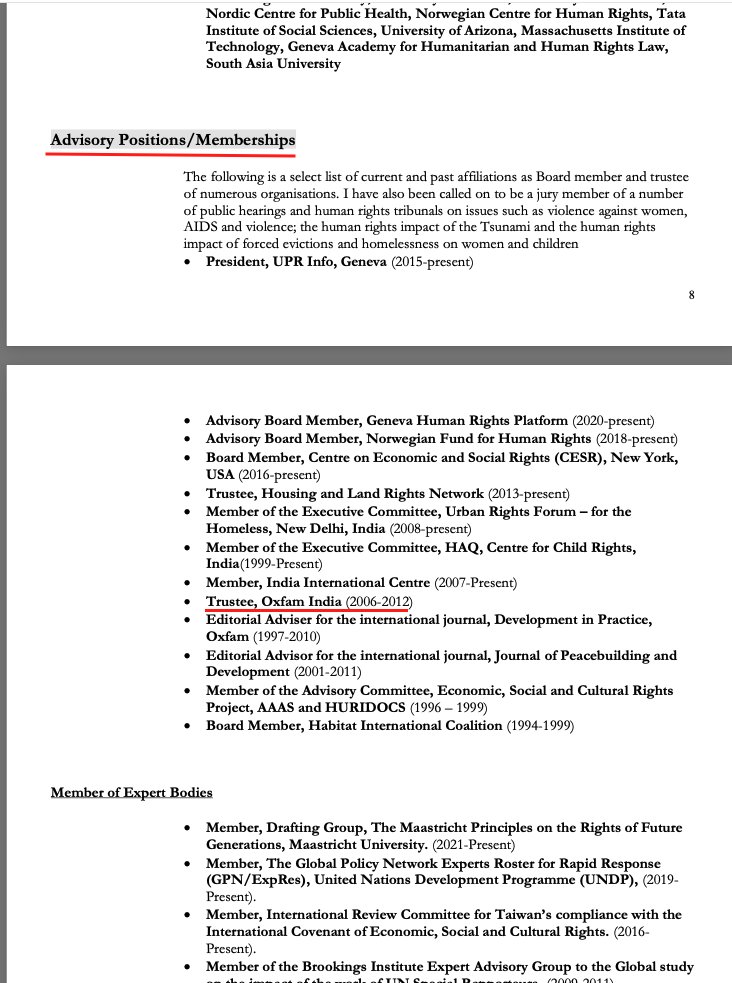
These international connections indicate the existence of a larger transnational activist ecosystem influencing debates around Indian infrastructure and environmental policy.
Fears of a Larger Coordinated Campaign
A broader international pressure campaign against the development initiative is likely to intensify in the coming months.
Local NGOs and activist groups could amplify environmental and tribal-rights narratives while international organisations generate external pressure through reports, campaigns and media interventions. And ordinary citizens often see only the visible protests while remaining unaware of the alleged institutional and ideological networks operating behind them.
A Larger Battle Beyond Environment
The Great Nicobar Project has consequently evolved into more than just an environmental dispute.
It has now become a larger ideological and political battleground involving development policy, strategic infrastructure, tribal rights, ecological concerns, NGO funding networks, international advocacy groups and questions surrounding foreign influence in Indian public policy debates.
(This article is based on an X Thread By Office Of Vijay Patel)
Subscribe to our channels on WhatsApp, Telegram, Instagram and YouTube to get the best stories of the day delivered to you personally.