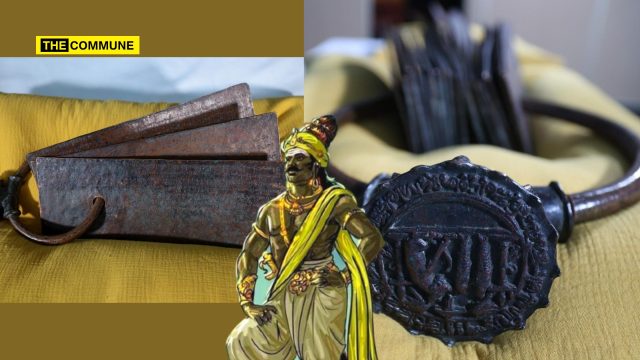
In a major cultural restitution moment for India, the Netherlands has formally returned the historic 11th-century Chola-era copper plates popularly known for decades as the “Leiden Copper Plates.” The artefacts are now set to regain recognition under their original name – the Anaimangalam Copper Plates, as reported in NDTV.
The handover took place during Prime Minister Narendra Modi’s official visit to the Netherlands as part of his ongoing five-country diplomatic tour, which also includes the UAE, Sweden, Norway and Italy. The return marked the culmination of years of diplomatic engagement by India, which had formally sought the artefacts’ repatriation since 2012.
Prime Minister Modi announced the development in a post on X, describing it as “a joyous moment for every Indian.” He stated that the Chola Copper Plates dating back to the 11th century would be repatriated from the Netherlands to India and that he had participated in the handover ceremony in the presence of Dutch Prime Minister Rob Jetten.
இந்தியர் அனைவருக்கும் ஒரு மகிழ்ச்சிகரமான தருணம்!
11-ம் நூற்றாண்டைச் சேர்ந்த சோழர்கால செப்பேடுகள், நெதர்லாந்தில் இருந்து இந்தியாவிற்குத் திரும்பவும் கொண்டுவரப்பட இருக்கின்றன. இது தொடர்பான விழாவில் பிரதமர் ராப் ஜெட்டன் அவர்களுடன் இணைந்து பங்கேற்றேன்.
சோழர் கால செப்பேடுகள், 21… pic.twitter.com/af4NWacMwt
— Narendra Modi (@narendramodi) May 16, 2026
Copper Plates To Reclaim Original Name “Anaimangalam”
The copper plates had long been referred to internationally as the “Leiden Plates” because they were preserved at Leiden University in the Netherlands. However, historians and Tamil heritage enthusiasts noted that the inscriptions themselves identify the grant as connected to Anaimangalam village, and argued that the original Tamil name should be restored.
The renewed attention to the plates also brought focus to the Sanskrit invocation engraved in the inscription, which opens with a verse praising the permanence and divine protection of the Chola dynasty.
The verse states: “As long as the blessed moon-crested one (Lord Shiva) roams with his consort on Mount Kailasha, as long as Hari (Lord Vishnu) remains in yogic sleep in the ocean of milk, and as long as the sun dispels darkness from the world, may the Chola dynasty never be destroyed from its very foundation.”
Tamil heritage enthusiasts and historians described the return and renaming as a deeply emotional and proud moment for Indian and Tamil historical scholarship.
What a proud moment for history enthusiasts in India! The Anaimangalam copper plates can henceforth be called in its original name. Fittingly, the Sanskrit invocation in the plates begins with this beautiful verse:
यावत् कैलासशैले विहरति भगवान् इन्दुमौलिस्स्वदेव्या
यावत्… https://t.co/g9gaaoTNDb— 𑀓𑀺𑀭𑀼𑀱𑁆𑀡𑀷𑁆 🇮🇳 (@tskrishnan) May 16, 2026
One Of The Most Important Sources For Later Chola History
Historians regard the Anaimangalam Copper Plates as one of the most important surviving records for understanding the later Chola period.
The collection consists of two sets of plates – a larger set containing 21 copper plates and a smaller set comprising three additional plates. Together, the artefacts weigh nearly 30 kilograms.
The plates are bound together using a bronze ring carrying the royal Chola seal. The seal prominently features the seated tiger emblem of the Cholas along with lamps and associated royal insignia.
The inscriptions are written partly in Sanskrit and partly in Tamil, reflecting both royal ceremonial tradition and administrative documentation practices of the Chola empire.
The plates were deciphered during the 19th century, including by noted scholar Pandit Natesa Sastri.
Rajaraja Chola’s Grant To Buddhist Vihara In Nagapattinam
The inscriptions primarily document the grant of Anaimangalam village by Emperor Rajaraja Chola I for the maintenance of a Buddhist vihara in Nagapattinam.
According to the inscription, Sri Mara Vijayottungavarman, ruler of the Srivijaya kingdom associated with the Sailendra dynasty in Southeast Asia, approached Rajaraja Chola seeking permission to establish the Buddhist monastery.
Rajaraja Chola approved the request and granted lands in Anaimangalam village, estimated to cover roughly 450 acres, along with revenue exemptions and tax-free status for the vihara.
The inscriptions are considered major evidence of the Chola empire’s maritime links with Southeast Asia, diplomatic engagement with Srivijaya, and the broader commercial and cultural exchanges that flourished across the Indian Ocean during the Chola era.
Scholars have also highlighted the importance of the inscription as evidence of religious coexistence during the Chola period. Rajaraja Chola, remembered as a deeply devoted Saivite ruler, nevertheless extended royal patronage for a Buddhist institution requested by a Southeast Asian Buddhist king.
The best news for the day !! The historic Anaimangalam copper plates — popularly known as the Leiden copper plates, as they are preserved in Leiden University in the Netherlands — are being handed over to our Prime Minister Shri @narendramodi ji today.
These copper plates are… https://t.co/ccHISDqWeU pic.twitter.com/QAy5zfIfjq
— 𑀓𑀺𑀭𑀼𑀱𑁆𑀡𑀷𑁆 🇮🇳 (@tskrishnan) May 16, 2026
Rajendra Chola Preserved His Father’s Order In Copper
Historical accounts associated with the inscriptions state that Rajaraja Chola initially issued the grant verbally. The royal command was first recorded on palm leaves.
However, the formal engraving onto copper plates took place later under the reign of Rajendra Chola I, son of Rajaraja Chola.
Sources indicate that the vihara itself may have taken nearly nine years to complete after the original grant was issued. By that stage, both Rajaraja Chola and Sri Mara Vijayottungavarman were believed to have died.
Despite this, Rajendra Chola honoured his father’s commitment and ensured that the land grant and associated royal orders were permanently engraved on copper plates for preservation.
The bronze binding ring attached to the plates carries Rajendra Chola’s emblem, further linking the inscription to his reign and administrative authority.
The Anaimangalam copper plates have some amazing details. Some of the highlights of the plates are here. pic.twitter.com/iUe23KxuwS
— 𑀓𑀺𑀭𑀼𑀱𑁆𑀡𑀷𑁆 🇮🇳 (@tskrishnan) May 17, 2026
Artefacts Taken To Netherlands During Dutch Period
Historical accounts state that the copper plates were taken to the Netherlands during the 18th century by Florentius Camper, who was associated with a Christian mission operating in India at a time when Nagapattinam was under Dutch control.
For decades, the artefacts remained preserved in Dutch custody and were largely accessible only to scholars and researchers.
Over time, the inscriptions gained wider public recognition among Tamils and Indian audiences through references in Ponniyin Selvan, the famous Tamil historical novel centered on the Chola empire.
India’s Diplomatic Push For Restitution
India’s demand for the return of the copper plates gained international support during the 24th session of the Intergovernmental Committee on Return and Restitution.
The committee recognised India as the rightful country of origin and encouraged discussions between India and the Netherlands regarding repatriation.
The Dutch government eventually decided to formally return the artefacts during Prime Minister Modi’s visit, presenting the move as both a cultural gesture and a symbol of strengthening India–Netherlands relations.
Living Evidence Of Chola Civilisation
Historians and epigraphists continue to describe the Anaimangalam Copper Plates as far more than mere inscriptions.
The plates are regarded as living evidence of Chola administration, land revenue systems, royal grants, maritime diplomacy, Tamil–Southeast Asian relations, and the civilisational confidence of the Chola age.
They also preserve valuable details about official witnesses, administrative procedures, taxation exemptions, and the functioning of royal authority under the Chola empire, making them among the most historically significant surviving records from medieval South India.
Subscribe to our channels on WhatsApp, Telegram, Instagram and YouTube to get the best stories of the day delivered to you personally.