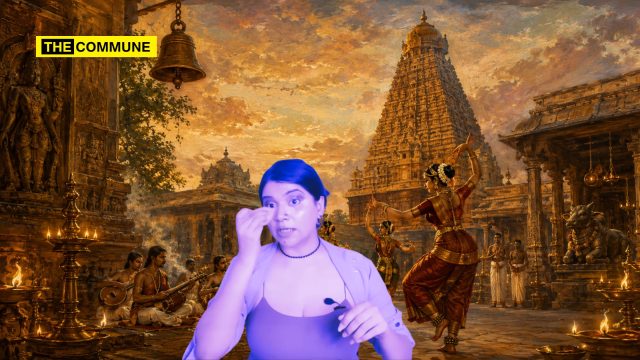
A social media post by make-up Artist & distortionist Ruchika Sharma, who makes ridiculous comments on historical subjects online, sparked criticism after she made sweeping claims about Brahmins and the Devadasi system during the Chola period without presenting inscriptional evidence to substantiate the allegations.
In the now-circulating post shared on X, Sharma claimed that “Brahmins lived most comfortably in most of Indian history” and alleged that rulers “from Ashoka to Aurangzeb” patronised Brahmins through tax-free land grants. Citing historian RS Sharma, she further claimed that under the Guptas, Brahmins were allegedly “free to exploit the peasant on his Agrahara, evict them at will, and charge a number of extra cesses.”
She also alleged that “Brahmins were the benefactors of the deeply dehumanizing Devadasi system, especially under the Cholas,” calling the system “sexually exploitative” and accusing Brahmins of living “a lavish life of doing nothing but having everything.”
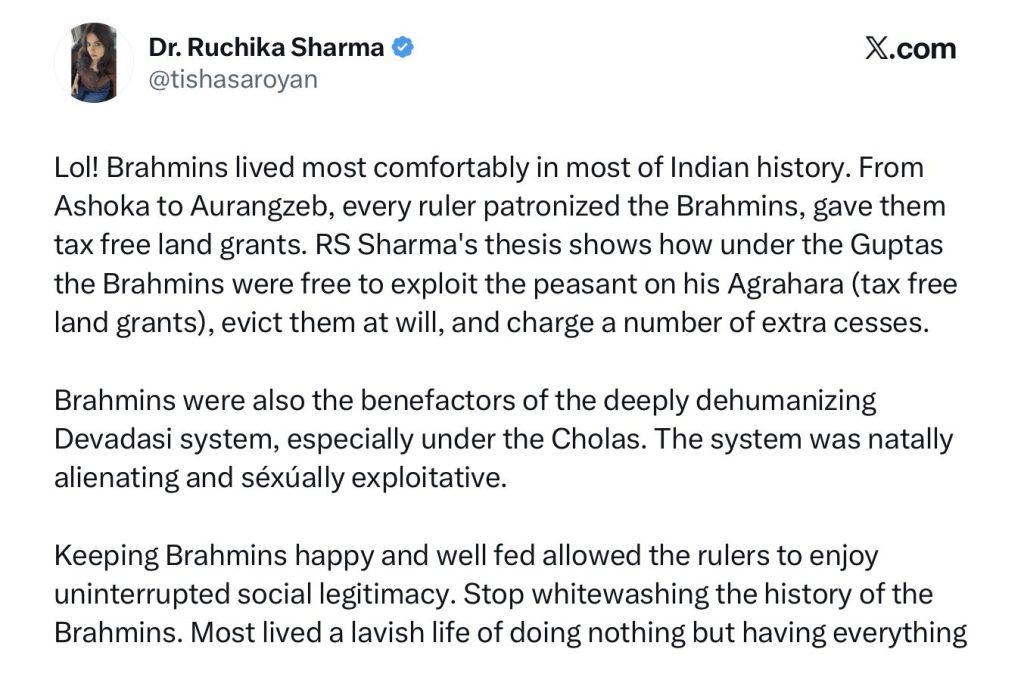
The remarks triggered a strong response online, with several users accusing Sharma of spreading historically inaccurate claims regarding the Devadasi system during the Chola era.
There is “zero evidence” supporting the allegation that the Devadasi institution under the Cholas was a “dehumanising” system controlled by Brahmins. There are multiple Chola-period inscriptions which refer to temple dancers as “Devar Adiyars”, servants of the deity, occupying recognised and respected institutional roles within temple society.
The Devadasis or Devaradiyars attached to temples during the Chola period primarily functioned as dancers, musicians and ritual functionaries serving the temple establishment, with inscriptions referring to them with dignity and formal institutional recognition.
The Rudra Kanyas, as they were called in Agamic traditions, underwent formal Diksha before entering temple service. The Kamika Agama describes the initiation procedures connected with them, including ritual worship associated with the kol (staff/stick). Due to this association, they were also referred to as Dandini, while the Tamil usage employed the term Koli, and the head of the dancers bore the title Thalaikoli.
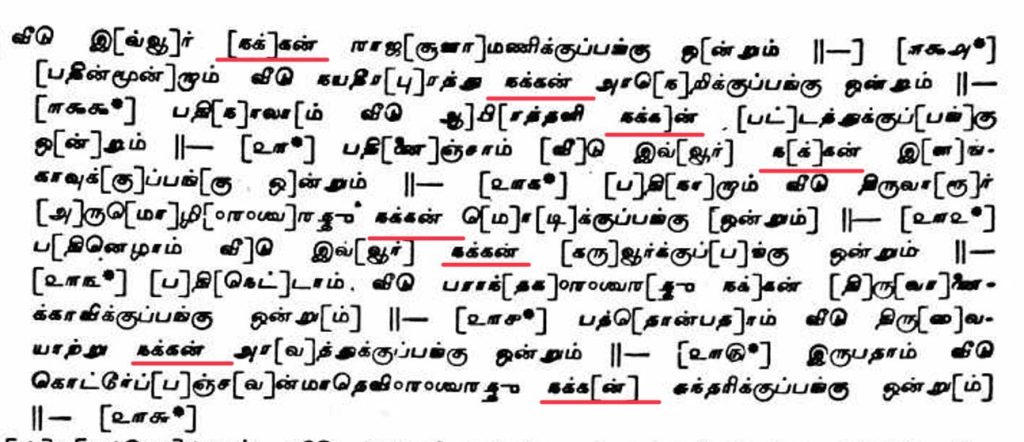
Many women attached to Chola temples carried the prefix “Nakkan” in inscriptions. The famous Thalichery inscription of Rajaraja Chola I at the Brihadisvara Temple records the appointment of around 400 temple dancers to the temple establishment. Many among them carried the prefix “Nakkan,” which is evidence of institutional organisation and formal integration into temple administration. All of them were provided accommodation and remuneration for their services.
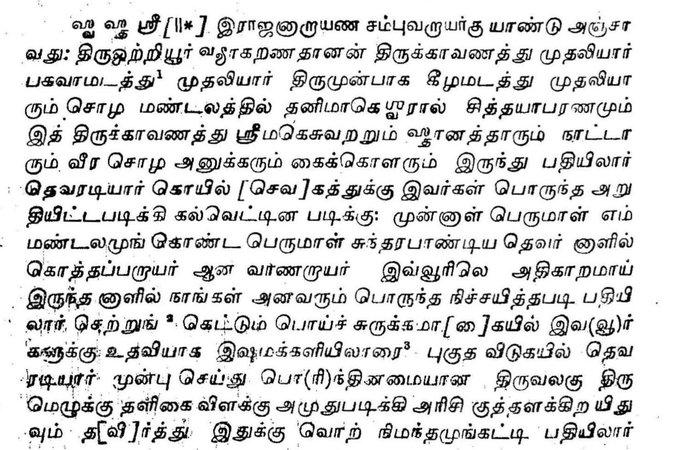
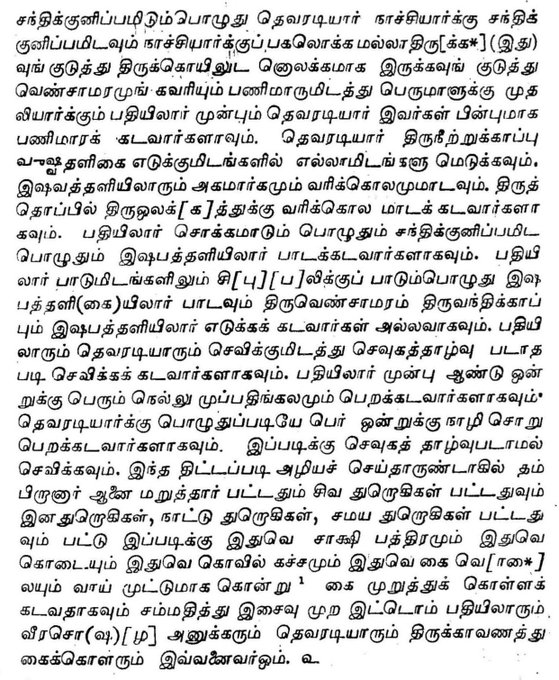
Another inscription from the Thiruvorriyur temple belonging to the Raja Narayana Sambuvaraya period indicates that there were three categories of Devaradiyars performing distinct duties within the temple.
According to the inscription, the Pathiyilars performed ‘Sokkam’, described as Suththa Nruthyam in Tamil, while the Rishabha Taliyalars provided vocal support and also performed ‘Agamarkam’ and ‘Varikkolam’ dances. The third category of Devaradiyars performed ‘Sandikkunippam,’ a dance form conducted within the shrine of the goddess. The inscription also documents additional responsibilities carried out by them, including ‘Tiruvalagu’ (sweeping), ‘Tirumezhuku’ (cleaning with cow dung), ‘Taligaivilakku’ (cleaning utensils) and rice cleaning duties.
Multiple inscriptions record donations made by Devaradiyars themselves to temples. One inscription at Thiruvalanjuzhi reportedly records a Devaradiyar named ‘Atkondan Thevu’ granting donations for Nithya Pooja, while another inscription at Thiruvakkarai refers to a land donation made by a Devaradiyar named ‘Seerazhvi.’

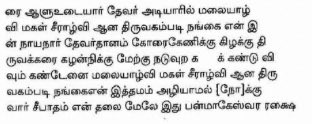
Additionally, there are inscriptions suggesting that some Brahmins themselves became Devadasis and performed temple service. One inscription refers to a “Devaradiyal of Tillai Piran Bhattar Nambimar, who was Sentiyan Mangaiyarkarasi,” identifying her as belonging to a Brahmin lineage while also recording the gifts she made.
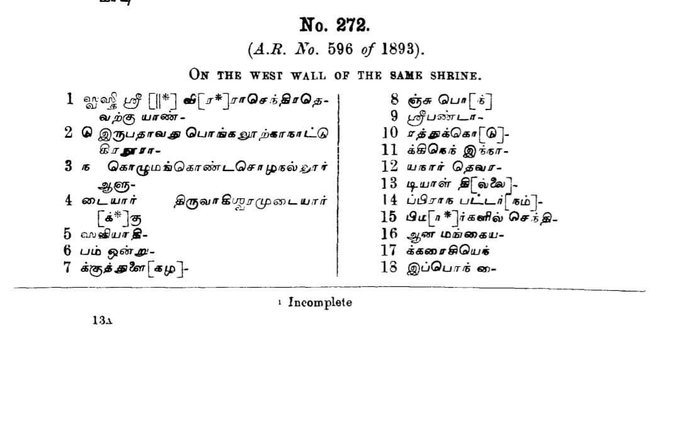
Based on these inscriptions, it is quite clear that portraying Brahmins as the architects of a “dehumanising” Devadasi system during the Chola period lacks evidentiary basis and ignores inscriptional records which, according to them, demonstrate that Devaradiyars held recognised, organised and respected positions within temple institutions during that era.
As usual, the fake historian is trying to peddle a narrative that Devadasis under Cholas were a “dehumanising” system and Brahmins were the benefactors. There is zero evidence of such lies.
Here is a thread on the temple dancers, referred to in Chola inscriptions as Devar… pic.twitter.com/EEwRJ3bFNS
— 𑀓𑀺𑀭𑀼𑀱𑁆𑀡𑀷𑁆 🇮🇳 (@tskrishnan) May 14, 2026
(This article is based on an X Thread By Author/Historian TS Krishnan)
Subscribe to our channels on WhatsApp, Telegram, Instagram and YouTube to get the best stories of the day delivered to you personally.