Modern discussions on Murugan often begin with a predetermined theory. Murugan, we are told, was originally a purely tribal or hill deity of the Tamil country who was later identified with Skanda or Karttikeya of the Sanskrit tradition. His association with Vedic rituals, Brahmins, the six faces, twelve arms, the Himalayan birth legend and the wider Skanda mythology is then presented as the result of a later process of “Sanskritisation”. The claim that Murugan is different from Subramanya is often raised in debates.
The fact as usual tells us something else: the early Tamil texts themselves do not support such a neat division.
When one actually reads Sangam texts, which were the earliest evidence about the Tamil worship and rituals, Murugan who emerges from them is already a complex and pan-Indian deity. He is certainly the lord of the hills. He is worshipped by the Kuravars and in forests and open spaces. Yet he is also associated with the Himalayas, Agni, the Karttikai women, Vedic sacrifices, mantra-based worship, Brahmins and a highly developed six-faced, twelve-armed iconography. Even specific episodes from the childhood mythology of Kumara find parallels in early Tamil literature. The evidence deserves to be examined in its totality.
Murugan’s birth and the Himalayas
Let us begin with the birth of Murugan.
The Thirumurugatrupadai says:
நெடும் பெரும் சிமையத்து நீலப் பைம் சுனை
ஐவருள் ஒருவன் அங்கை ஏற்ப
அறுவர் பயந்த ஆறு அமர் செல்வ
The poem speaks of the great mountain range, a blue-green pool, one among the five elements receiving the fiery power in his hands, and the six women who nurtured Murugan. The reference to “one among the five” is understood as Agni, the element of fire. The six are the Karttikai women associated with the nurturing of the child.
The Paripadal is even more direct:
இமயக் குன்றினில் சிறந்து
நின் ஈன்ற நிரை இதழ்த் தாமரை
The lotus that gave birth to Murugan is described in connection with the Himalayas. The Himalayas, of course, are in northern India.
This is important because the Himalayan setting of Murugan’s birth is not being introduced by some much later Sanskrit commentary. It occurs within early Tamil literary tradition itself. The Tamil poets knew Murugan through a mythology that connected him with the Himalayas, fire and the six divine mothers.
Therefore, the argument that the Tamil Murugan originally had absolutely no connection with the Skanda-Kumara birth tradition and that such elements were inserted only much later becomes difficult to sustain.
Was Murugan worship confined to hill tribes?
Murugan’s association with the Kurinji landscape is undeniable.
The Tamil literary tradition calls him the lord of the Kurinji land. He is described as the deity of the hills, and communities living in mountainous regions worship him. Expressions such as “குறிஞ்சிக் கிழவன்” establish his intimate connection with the hill landscape. Other early poetic references similarly associate him with mountains and hill-dwelling communities.
But there is a fundamental methodological problem in moving from the statement “Murugan was worshipped by hill communities” to the conclusion “Murugan was only a tribal deity”. The Thirumurugatrupadai itself disproves such a generalisation. The poem does describe forms of worship associated with the Velan and open spaces. One frequently cited passage says:
மத வலி நிலைஇய மாத் தாள் கொழு விடைக்
குருதியொடு விரைஇய தூ வெள் அரிசி
சில் பலிச் செய்து, பல் பிரப்பு இரீஇ,
சிறு பசுமஞ்சளொடு நறு விரை தெளித்து
Modern writers sometimes seize upon these lines and claim that animal sacrifice was the original and universal form of Murugan worship. But what is the ritual setting described by the poem? Nakkeerar continues:
வேலன் தைஇய வெறி அயர் களனும்,
காடும் காவும், கவின் பெறு துருத்தியும்,
யாறும் குளனும், வேறு பல் வைப்பும்,
சதுக்கமும் சந்தியும், புதுப் பூங் கடம்பும்,
மன்றமும் பொதியிலும், கந்துடை நிலையினும்
The locations include places where the Velan performs veriyadal, forests, groves, riverine spaces, ponds, settlements, crossroads, junctions, Kadamba trees, public spaces and sacred posts. These are largely open-air and community ritual spaces. The passage is not describing an Agamic temple ritual conducted before a consecrated Murugan murti inside a sanctum.
Nakkeerar then says:
வேண்டுநர் வேண்டியாங்கு எய்தினர் வழிபட,
ஆண்டு ஆண்டு உறைதலும் அறிந்தவாறே
Murugan abides in different places and responds to those who worship him according to the manner in which they seek him. The point is not that one specific ritual method is prescribed for all Murugan worship. The passage demonstrates the extraordinary breadth of his presence and his accessibility to different communities.
To convert a description of one social and ritual practice into the universal definition of “original Murugan worship” is therefore a serious error. There is an important distinction between divine acceptance and ritual prescription.
The story of Kannappa Nayanar is an obvious parallel. Siva accepts Kannappa’s meat offering because of the incomparable sincerity of his devotion. Yet the Periyapuranam does not thereby prescribe Kannappa’s method as the normative ritual procedure for every Siva temple. Agamic worship continues to have its own discipline and authority.
A deity accepting the devotion of a community in the form familiar to that community does not mean that this form alone defines the entire religious tradition surrounding the deity. The same Murugan receives Vedic sacrifices
This becomes even clearer when we continue reading the Thirumurugatrupadai instead of stopping at a few convenient lines.
Nakkeerar says:
மந்திர விதியின் மரபுளி வழாஅ
அந்தணர் வேள்வி ஓர்க்கும்மே; ஒரு முகம்
One of Murugan’s faces attends to or accepts the Yajnas performed by Brahmins without deviation from the established tradition of mantra. The terms used here deserve attention: mantra vidhi, marabu, Antanar and velvi. This is not an ambiguous description of some tribal rite. The poem explicitly speaks of a sacrifice performed by Brahmins in accordance with the prescribed tradition of mantras.
The same work also says:
ஆறு எழுத்து அடக்கிய அரு மறைக் கேள்வி
நா இயல் மருங்கில் நவிலப் பாடி
Murugan is worshipped through the recitation of sacred mantra as mentioned in Vedas. The Paripadal goes further:
அறு முகத்து ஆறு இரு தோளால் வென்றி
நறு மலர் வள்ளிப் பூ நயந்தோயே!
இரு பிறப்பு, இரு பெயர், ஈர நெஞ்சத்து,
ஒரு பெயர், அந்தணர் அறன் அமர்ந்தோயே
Here is the same Murugan associated with Valli, six faces and twelve shoulders. Yet he is also praised as one who abides in the aram of the Brahmins.
How, then, can one read only the open-air offering described in the Thirumurugatrupadai and declare that this alone represented early Murugan worship?
The very same Tamil sources speak of the Velan’s veriyadal, popular offerings, mantra, Vedic sacrifice and Brahminical religious tradition. The evidence shows coexistence. It does not show an original “tribal Murugan” being suddenly erased and replaced by a completely unrelated “Vedic Skanda”.
More importantly, the Thirumurugatrupadai itself demonstrates that Murugan was worshipped by far more than the hill tribes. The Kuravars certainly worshipped him. But so did Brahmins performing velvi according to mantra rules. Devotees approached him in sacred centres, forests, groves and public spaces.
Murugan belonged to the hills, but he was never confined to the hills.
The sacred geography of Murugan
The Thirumurugatrupadai is also central to the sacred geography of Murugan worship. Nakkirar takes the devotee through the major abodes associated with the deity: Tirupparankunram, Tiruchendur, Tiru Avinankudi, traditionally associated with Palani, Tiru Erakam, traditionally identified with Swamimalai, Kunrutoral and Pazhamudircholai.
The exact identification and later standardisation of every one of these places within the canonical concept of the Arupadai Veedu may deserve careful historical discussion. But the larger point cannot be missed. An early Tamil poem already presents Murugan through an extensive sacred geography.
He is not an undefined spirit haunting a single mountain or worshipped only by one isolated community. Nakkeeirar knows Murugan through established sacred centres and simultaneously celebrates him as one who abides in many landscapes. The religious vision is expansive.
Six faces, twelve arms and the peacock
The iconography of Murugan in early Tamil literature is equally significant.
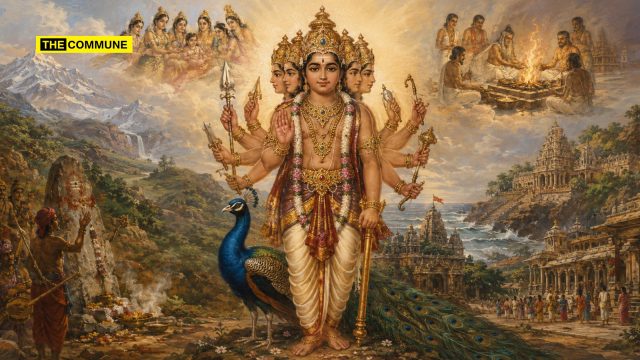
The Thirumurugatrupadai opens with a magnificent vision of the deity, radiant like the sun rising over the sea. His appearance is associated with a fiery red brilliance. His garments and garlands seem to participate in that radiance. More importantly, Nakkeerar gives an elaborate description of Murugan’s six faces and twelve hands.
The six faces are not merely mentioned in passing. Their divine functions are described. Similarly, the twelve hands are assigned different actions and attributes. The poem describes a highly developed visual conception of the deity.
The Paripadal too repeatedly celebrates Murugan as six-faced and twelve-shouldered. The peacock is also part of his established identity.
Now compare this with the earliest iconographical details of Murugan in Yaudeya coins which are dated pre-CE. Here Murugan is shown with six faces and also with Vel and peacock.
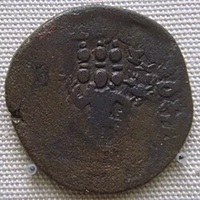
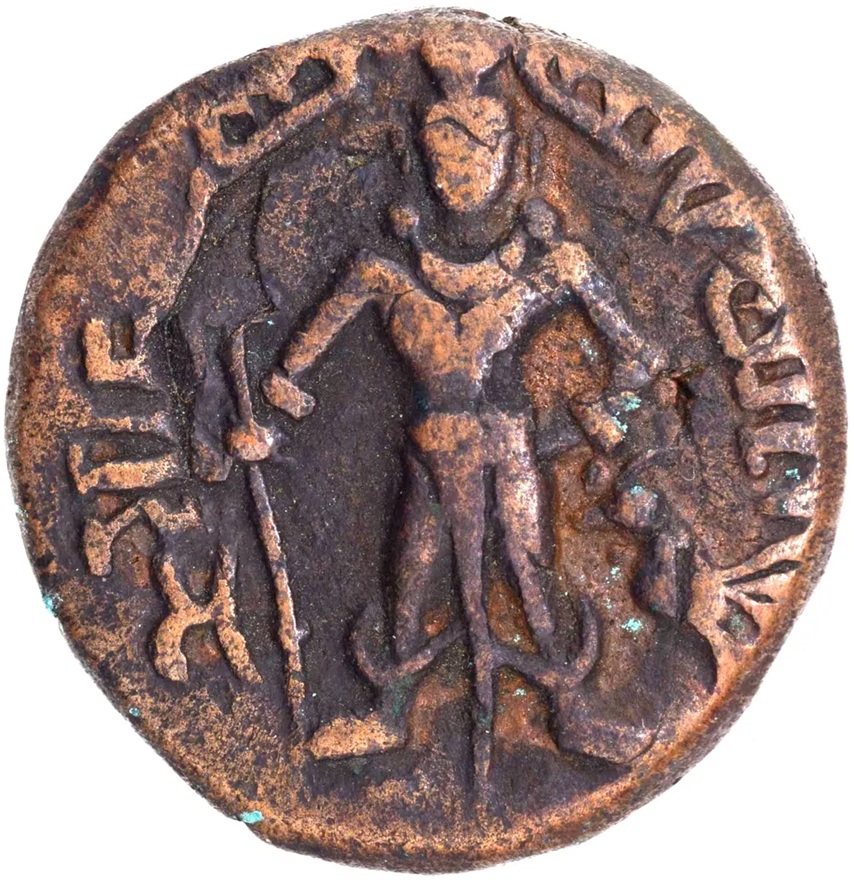
This raises a serious question for theories that imagine the earliest Murugan as a formless or vaguely defined tribal spirit who acquired the familiar Skanda iconography only at a much later date. Early Tamil literature already knows a recognisable Murugan: six-faced, twelve-armed, radiant, martial and associated with the peacock.
Now let us compare two sculptures, one a sculpture of Murugan, carrying a rooster in the left hand, from Afghanistan dated 3rd Century CE.
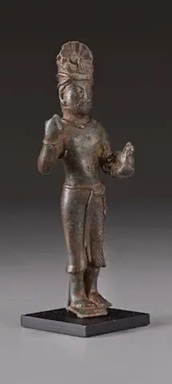
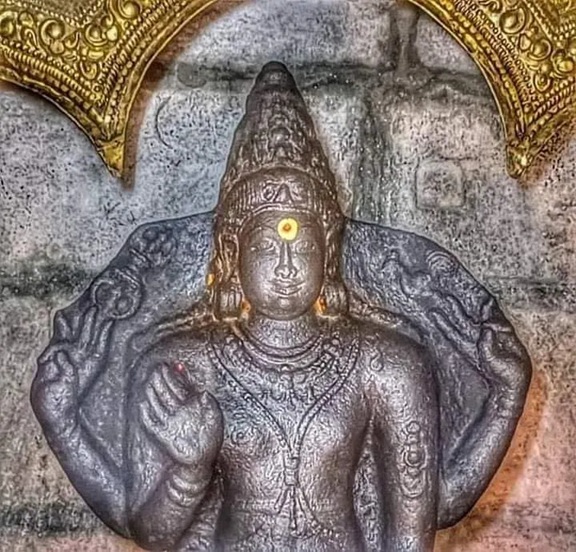
Now a tenth century Chola sculptue in TN, depicting Murugan with a rooster in the left hand. Where is the difference? Only in the minds of those who want to be divisive.
When these descriptions are compared with the wider Skanda-Kumara tradition preserved in Sanskrit literature, including the Mahabharata, the parallels become striking. The similarity is not limited to the fact that both are warrior gods. Both traditions know a multi-armed divine youth, associated with weapons, divine power and a developed martial iconography. One isolated similarity could be accidental. A continuing series of correspondences requires a more serious explanation.
Even the childhood mythology overlaps. Perhaps one of the most interesting parallels comes from the childhood of Murugan. The Paripadal speaks of the Devas presenting gifts or playthings to the young Murugan. Different divine beings offer objects to the child. A comparable episode occurs in the Mahabharata’s account of Kumara, where divine beings similarly present gifts and objects to the young deity. This is a highly specific narrative correspondence.
When early Tamil and Sanskrit sources preserve comparable traditions concerning the divine child’s birth, his association with fire, his nurturing by six mothers, his multi-faced form, his weapons and even gifts presented to him by the Devas, the theory of two entirely unrelated gods becomes increasingly difficult to defend.
Inscriptions
The inscriptions which came later mentioning the grants given to various Murugan temples, always refer the God as ‘Subramanya’ only. Here are two examples from the Pandyas who are the patrons of Tamil Sangam. If they can use the same name, why there should be a needless debate in the ‘name difference’?

Image Source: TS Krishnan
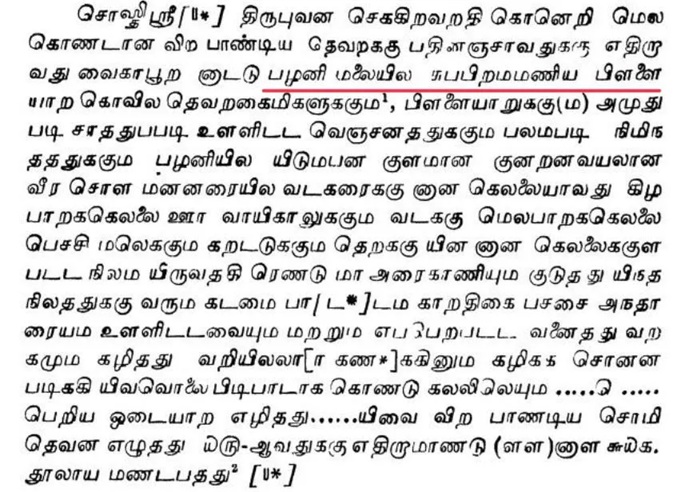
Image Source: TS Krishnan
The problem with selective reading
Much of the confusion surrounding Murugan today comes from selective reading. One line is taken from the Tolkappiyam to establish his association with Kurinji. A few lines concerning blood offerings are taken from the Thirumurugatrupadai. These are then placed within a modern ideological framework, and the conclusion is announced: Murugan was a tribal Tamil deity who was later appropriated by the Vedic tradition and converted into Skanda.
But what happens when the entire body of evidence is read?
The same early Tamil literature speaks of Murugan’s Himalayan birth.
It knows the role of Agni.
It knows the six women who nurture him.
It celebrates his six faces and twelve arms.
It associates him with the peacock.
It describes the individual functions of his multiple hands.
It speaks of sacred mantras.
It refers to Brahmins performing velvi according to mantra rules.
It says that Murugan abides in the aram of the Brahmins.
It presents his sacred centres.
It records his worship among hill communities.
It also records worship in forests, groves, ponds, crossroads and public spaces.
And it preserves childhood traditions strikingly comparable to those found in the Mahabharata’s Kumara mythology. All of these features exist within the early literary record. Why should some of them be declared “original” and the others dismissed as “later intrusion” merely because they do not fit a modern theory?
Murugan was never a narrow deity. The greatness of the Murugan tradition lies precisely in its breadth. His birth could be located in the Himalayas and yet his presence could permeate the hills of Tamilakam. There was no contradiction in this for Nakkeerar or the poets of the Paripadal.
The contradiction exists only when modern categories are imposed upon the texts.
The primary sources present a religious world far more interconnected than the rigid “Tamil versus Sanskrit”, “tribal versus Vedic” binaries imposed upon it today. The more carefully one reads the early Tamil texts, the clearer this becomes. Murugan celebrated by the Sangam poets was never the narrow, isolated deity imagined by modern theories. He was already Shanmukha, the six-faced divine warrior; the child connected with Agni and the six mothers; the deity who received the velvi of the Brahmins; the lord worshipped by the people of the hills; and the Kumara whose mythology resonated with traditions known across Bharat.
The texts themselves say so.
This article was first published in this Substack page and has been reproduced here with permission.
TS Krishnan is a Tamil scholar, historian and author.
Subscribe to our channels on WhatsApp, Telegram, Instagram and YouTube to get the best stories of the day delivered to you personally.