Home Blog Page 895

M. C. Rajah – The Hindu Mahasabha Dalit Who Challenged The Dravidianists

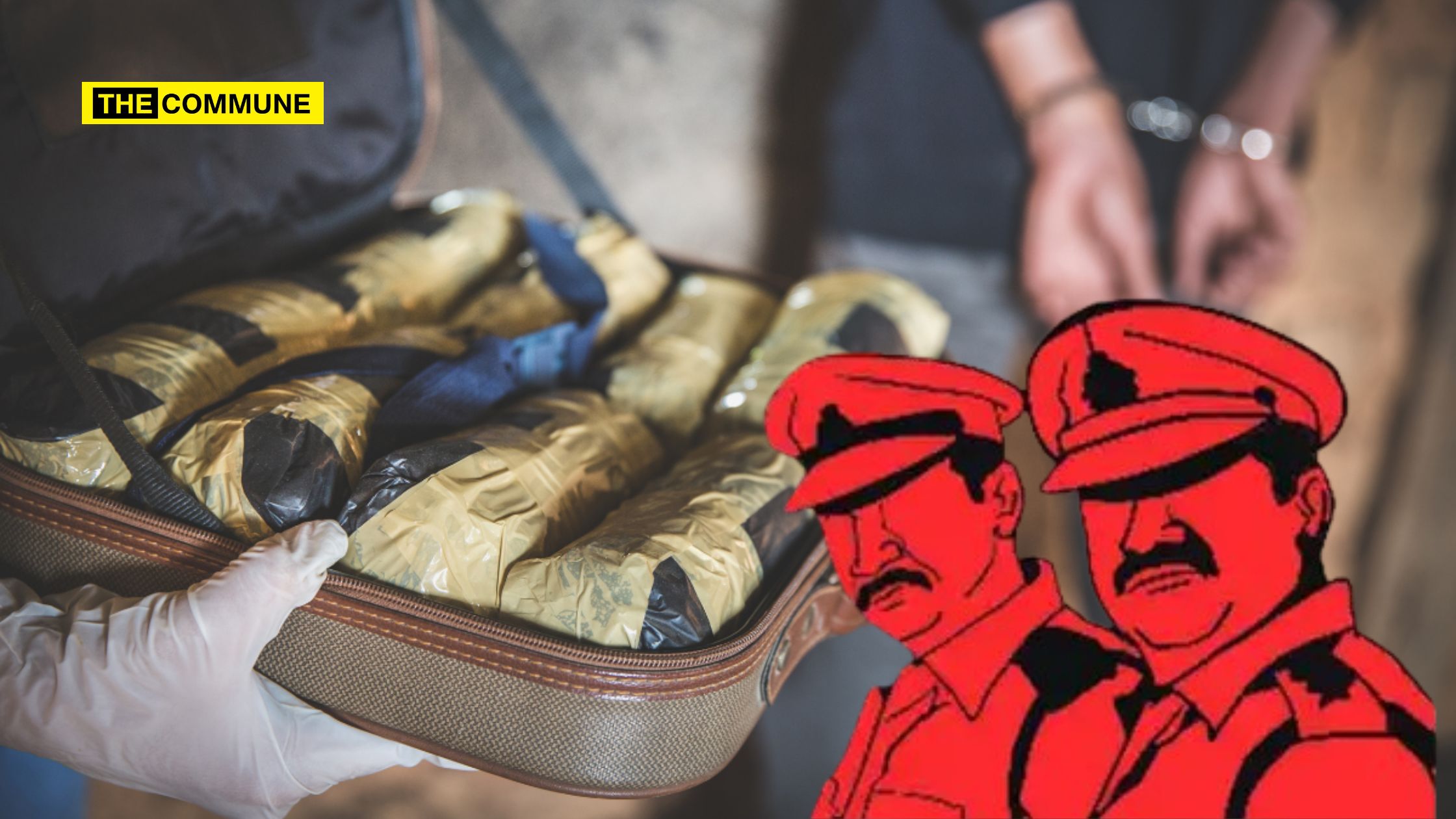
The title of this article is a reference to a study by a ‘foreign’ scholar about the Dalit movement in India. The author introduces Sri. M. C. Rajah as a Hindu Mahasabha Dalit, a sort of ‘mild’ slur akin to the modern-day moniker, ‘Sanghi.’

Rao Bahadur Mylai Chinnathambhi Pillai Rajah (M. C. Rajah) was one of the foremost Dalit voices of Bharat. He was born in Thomas Mount, Chennai, on 17 June 1883. He attended Wesley Mission High School in Royapettah, Chennai, and graduated from the Madras Christian College. He finished his teacher training course at the Saidapet Teacher Training College in Chennai and worked as a school teacher and later a college professor. 

He was a great orator, debater, and a sportsman par excellence – he captained the Madras Christian College cricket team and was also a very gifted Tennis player.

He was the first Dalit leader in the Provincial Legislative Council (1919) and the Central Legislative Assembly (1925). He was a prolific scholar, a teacher of teachers, and, of course, the foremost advocate for equal rights for Dalits.

Presenting the title of Rao Bahadur to Sri M. C. Rajah, the Collector of Madras on 15 December 1922, remarked, “You are such a well-known public man that it is almost unnecessary for me to say much about you. No doubt you have received this title because of the work you have done and the esteem in which you are rightly held by the members of your own important community of the Adi Dravidas. During the labour troubles, you did yeoman service in restraining from violence and in protecting them effectively from lawbreakers.

You have represented your community in deputations to the Right Honourable Secretary of State and to His Excellency the Viceroy. You are the first Adi Dravida to enter the Legislative Council and you have the interests of the depressed and poor always at heart.”

Teacher Of Teachers

The readers of this article will be pleasantly surprised to learn that, Sri. M. C. Rajah, along with Smt. R. Ranganayaki Ammal, authored a book called Kindergarten Room. This book is a compendium of nursery rhymes, games and riddles which includes the most famous Tamil nursery rhymes such as – Kai Veesamma Kai Veesu (கை வீசம்மா கைவீசு), Nila Nila Odivaa (நிலா நிலா ஓடிவா), Saindhaadamma Saindhaadu (சாய்ந்தாடம்மா சாய்ந்தாடு), Kaakka Kannukku Mai Kondu Vaa (காக்கா கண்ணுக்கு மை கொண்டு வா).  

Rao Bahadur M. C. Rajah was your quintessential Guru, not just a teacher but someone who brought clarity to your mind. His magnetic methods could pull even the students from the last bench forward. He was as good an administrator as he was a teacher. In 1917, he was appointed by the then Governor of Madras Province, Lord Pentland, to the committee that looked into Elementary Education in the province. Subsequently, he was drafted into the General Body, which drafted the Elementary Education policy. He was appointed to the Senate of Madras University in 1924 by Lord Willingdon, along with Sri. T. S. Ramaswamy Iyer started the first government-approved free hostel for students from depressed classes. He was also a champion of the Scout movement. As the Director of the Scout movement in the Madras province, he was instrumental in spreading the Scout and Guide movement across the province.

Rao Bahadur M. C. Rajah And His Politics

This was the time when Bharat was faced with two issues regarding Dalits and the depressed class – (1) the colonial masters were working from within and outside to remove the depressed classes from the Hindu fold, make them a separate block and, therefore, control the nationalist upsurge. And (2) the society had to be reformed and cleansed of practices like untouchability, and the oppressed classes were to be mainstreamed. Sri. M. C. Rajah was someone who not only understood the gravitas of the need to address both these points but also understood how these two points were intertwined.

The British played this politics of numbers at various levels. At the time of the first decennial census in 1871-72, they were ‘obsessed’ with the question of whether the untouchables could be classified as Hindus. Though this question dragged on, there clearly was a guideline to mark them separately. They were instructed “to enumerate the castes and tribes returned or classed as Hindus who do not conform to certain (religious) standards or are subject to certain disabilities.”

In 1906, the Muslims, as instructed by the private secretary of Lord Minto drafted a proposal and took it across to him. According to this proposal, “The Mahommedans of India number, according to the census taken in the year 1901 …between one-fifth and one-fourth of the total population of His Majesty’s Indian Dominions, and if a reduction be made for the uncivilized portions of the community enumerated under the heads of animist and other minor religions, as well as for those classes who are ordinarily classified as Hindus but properly speaking are not Hindus at all, the proportion of Mahommedans to the Hindu majority becomes much larger”

The Governor of the Bombay Presidency, Sir Frederick Sykes wrote a letter to the Viceroy, Lord Willingdon, on 7 June 1932. He said, “I consider that for political purposes the depressed classes should be considered as a community distinct from the Hindus and their representation should be treated as a subtraction from the Hindu vote.”

We see that this effort to play the politics of numbers and remove the Dalits from the Hindu fold has continued to date despite the best efforts of reformers like M. C. Rajah, Sayajirao Gaikwad of Baroda, G. A. Natesan, T. V. Seshagiri Aiyer, Lala Lajpat Rai and was taken forward by Mahatma Gandhi upon his return from South Africa in 1915.

Rajah-Moonje Pact

Rajah saw through the ill effects of the Communal Awards proposal of giving separate electorates to the society. He saw how the draft proposal was one-sided, offering more to the Muslims and very less to the depressed classes vis-à-vis the population. In February 1932, Rao Bahadur M. C. Raja who was then the President of the All India Depressed Classes Association, and Dr. B. S. Moonje of the Hindu Mahasabha signed an agreement known as the Rajah-Moonje Pact on joint electorates with reservation of seats based on population for the depressed classes. M. C. Rajah, in a letter to Ramsay MacDonald, the British Prime Minister, mentions this agreement of historical significance as an accord between “the only central organisation of the depressed classes” and “the organised body of Hindus, taken as a whole.” The Rajah-Moonje pact found significant support among the government, the press, and the people concerned.

“I shall die as a Hindu”

Rajah was clear that conversion or communal migration would not improve the condition of the depressed classes. It might only slow down and stunt the slew of social and economic corrections the Hindu community made.

In a public meeting of the All India Adi Dravida Mahajana Sabha in Nungambakkam, Chennai he said, “The president (of this meeting) mentioned that no other community other than us has more right to be called Hindus. Conversion will not bring about any good. By saying so, I am not undermining or wishing away the oppression and ills we have faced. We need to fight for our rights. The speed at which reforms are happening might be slow. But think about our current situation and how much it has improved. I beseech you to please abandon any move that will weaken us. I request the government to bring about the Untouchability Abolition Bill and pass it quickly. The Harijans are proud Hindus. That is the only reason why even after years of oppression by higher castes and a barrage of proselytisation efforts by other religions hasn’t changed their resolve being Hindus” 

“It is my personal opinion that this issue (of conversion) has been mischievously amplified by people who have zero understanding of the Hindu religion and people who don’t follow it. Most of the problems our society faces are caste-based. This will cure itself once the respective castes become financially independent. Take, for example, the Thiyyas of Kerala or the Nadars of South India. Their social standing has improved manifold. And the only reason for that is that they concentrated on making their community financially independent and stable.”

“As long as I am concerned, I have full faith in the Hindu religion, and I am ready to die as a Hindu”

In a statement at the assembly on 12 November 1935, he stated, “While I fully share my resentment which many of our men feel at the treatment meted out to our people in many parts of the country by the so-called high caste Hindus, I would at the same time request them to compare conditions existing now with what they were, say 15 years ago. Conditions have improved considerably today. A large section of educated Hindu India has come to condemn the practice of untouchability and has thrown its weight on the side of the reform. I venture to say that in view of the awakening of the Hindu conscience that has been noticed in regard to our conditions and status, the days of untouchability as practiced towards our community are now numbered. It should be remembered that in the course of a decade, things have changed considerably in favour of the depressed classes and there is also a very strong awakening among the depressed classes themselves.”   

Rao Bahadur M. C. Rajah’s thoughts have been uncomfortably native and Hindu, as have those of other leading lights of the Dalit movement, like Divan Bahadur Rettamalai Srinivasan and the great Yati, Swami Sahajananda. I would attribute this to the primary reason these great leaders have failed to find their rightful place today.

No Justice For The Depressed Classes

M. C. Rajah started off with the anti-Brahmin Justice Party but soon found it to be anti-depressed classes, too, and exited it.

In his presidential address at the second South Indian Adi Dravida Congress in Kovilpatti, 21-22 July 1925, he says, “Now under the Reform Council consisting as it does of a large majority of the so-called Justice Party, what has been done? The council cut down or allotment of money in the very first year of its existence by one lakh rupees and thus deprived the Department of opportunities to relieve distress among the poor, and in its second year removed all the important and functioning officials of the government. I need hardly remind you how this outrageous procedure crippled all the resources of the department and thank God it is not to be in existence much longer in its third year. Their natural animosity towards us was patent even before the labour troubles in Madras the cause and effect of which will be fresh in your minds.”

In 1925, M. C. Rajah wanted the Justice Party government to install a mid-day meal scheme that would benefit and encourage students from the depressed classes. His suggestion was placed before the Finance Committee with an arbitrarily drawn estimate of ₹67 lakhs per annum, without any study or examination, and was left to fail. Such was the Justice Party’s love for the upliftment of the depressed classes.

He was scathing when it came to discussing the reforms and policies of the Justice Party, the forerunner of today’s Dravidian parties. He said, “It has been clearly pointed out that so early in the history of the reforms in Southern India, the Non-Brahman Caste Hindu Party in the local council, who posed as the guardians of the depressed classes have been not only practically arresting the progress of a community which forms the backbone of the labouring population, but also has been crushing its hopes and aspirations.”

Rao Bahadur M. C. Rajah was a towering leader who set about to take his community to soaring heights. He was also one leader who believed that Hinduism could reform itself from within. While he wasn’t happy with the speed at which the reforms were coming, he was confident that the Dalit community would get its rightful due soon. He also believed that providing education and strengthening the finances of the Dalit community would accentuate social reforms and bring about changes in society much faster. He wasn’t called a Perunthalaivar or a Great Leader without a reason.

All things considered; it is a shame that we don’t celebrate the leader of Rao Bahadur M. C. Rajah’s stature the way we should today. He achieved everything that was difficult for even a person born with a silver spoon. We understand that his staunchly Hindu and vocally anti-Justice Party outlook has ensured that the Dravidian curtain blocks his name or works from being known to society at large.

செயற்கரிய செய்வார் பெரியர் சிறியர்

செயற்கரிய செய்கலா தார்

Seyarkariya Seivaar Periyar Siriyar

Seyarkariya Seikala Thar

–        Tirukkural, Chapter 3, Kural 26

The great ones are those who can achieve the impossible: the feeble ones are those who cannot.

–        The Kural or The Maxims of Thiruvalluvar by VVS Iyer.

Notes and References

  • Swaraj Basu, An Unforgettable Dalit Voice – Life, Writings and Speeches of M.C. Rajah, Manohar Publishers & Distributors (2024)
  • Ve. Alex, M.C. Rajah Sindanaigal (Tamil). Neelam (2022)
  • Devendra Swarup – Meenakshi Jain, The Rajah-Moonje Pact – Documents on a Forgotten Chapter of Indian History, Originals (2008)

M. C. Rajah, The Oppressed Hindus, Critical Quest (2005)

Raja Bharadwaj is a marketing communications professional who is currently working with a leading technology multi-national company. He is an avid reader, a history buff, cricket player, writer, Sanskrit & Dharma Sastra student.

Subscribe to our channels on TelegramWhatsApp, and Instagram and get the best stories of the day delivered to you personally.

Passport Fraud Scandal Rocks Thiruvananthapuram, Officer Ansil Azees Suspended

Thiruvananthapuram has been shaken by a passport fraud case involving a police officer, raising significant national security concerns. Civil Police Officer (CPO) Ansil Azees of Thumba station has been suspended for allegedly forging documents to issue passports to ineligible individuals, including those with criminal backgrounds.

Under Azees’s direction, passports were issued using deceptive methods. Kamalesh, a resident of Manakkad, created and distributed fake identity cards and has been taken into custody. Anzil had been under surveillance for three days prior to his suspension. He is currently absconding and his arrest is expected to happen soon.

The investigation revealed that Azees was at the centre of a scheme allowing undeserving individuals to obtain passports with forged documents. An alert passport officer initially suspected discrepancies in the addresses provided by applicants, prompting a re-verification by the Thumba Police Station House Officer (SHO).

The fraud involved collecting money from individuals seeking passports and using an address within the Thumba police jurisdiction. Fake election cards were created, and passports were applied for using rented house addresses. Azees, responsible for verification, would falsely confirm these addresses, enabling the issuance of numerous fraudulent passports.

Notably, some passports were obtained using the details of a person who died 17 years ago. The group also issued fake identity cards to individuals on the Goonda list. Anzil’s previous commendations, including the DGP’s badge of honor, contrast sharply with his alleged criminal activities.

The police have arrested several individuals involved in the scam. Kamalesh organized the fraudulent activities, while others, including Zafarulla Khan and Altaf Manzil Badaruddin from Kollam, Edward from Mannanthala, and Sunil Kumar from Varkala, have also been detained. Prasanth, directly involved in forging documents, was booked on 16 June 2024.

Kazhakkoottam ACP N Babukuttan confirmed that a case will be registered against Azees, and all passports he verified will undergo scrutiny. The investigation continues to uncover the extent of the fraud, including how many individuals have traveled abroad using these fake passports.

The passport office initially detected the fraud on 31 May 2024, leading to the current investigation. Authorities are now focused on ensuring the integrity of the passport verification process and addressing the significant security lapse.

Subscribe to our channels on TelegramWhatsApp, and Instagram and get the best stories of the day delivered to you personally.
Mid-Day’s ‘Tiny’ Clarification Exposes Hypocrisy After Peddling Fake News On ‘OTP to Unlock EVM’

On 16 June 2024, Mid-Day newspaper published an article titled Waikar’s kin had phone that unlocks EVM“. In the report written by a reporter named Shirish Vaktania, the byline read Police are investigating how the accused got hold of a phone that received OTP that unlocked machine

Image Source: OpIndia

The article right from the get-go reeked of fake news – be it the headline, the byline, or the claims made inside the article.

It is noteworthy that Shiv Sena candidate Ravindra Waikar won the Mumbai Northwest Lok Sabha seat by 48 votes.

The article alleged that a relative, Mangaesh Pandilkar was using a phone that was connected to the EVM and that the police said that this mobile phone was used for generating the OTP that unlocked the EVM on 4 June 2024 (on counting day).

According to Mid-Day, “During the EVM vote counting, candidate Amol Kirtikar was leading, but when the Electronically Transmitted Postal Ballot System votes were counted, Kirtikar fell behind, ultimately losing to Waikar.” The report insinuated that the Shiv Sena candidate’s relatives used a phone to manipulate the EVM and ETPBS results.

Several big handles and reporters shared this unverified fake news (only to delete them silently later).

On the same day, the Election Commission of India released a statement clarifying how Mid-Day misrepresented an incident involving an unauthorized phone at a counting center, falsely claiming the phone was used to unlock EVMs and Electronically Transmitted Postal Ballot System using OTPs.

After voting, EVMs are physically sealed, and authorized polling agents and officials sign the seals. The EVMs are stored securely, where candidate agents can keep watch. On counting day, EVMs are inspected by counting agents before being unsealed and results are checked by pressing a button.

There is no stage in the election process where EVMs are locked or unlocked remotely using OTPs. The EVMs are handled physically throughout the process. Therefore, the claim that a phone was used to unlock EVMs is entirely false.

The report also incorrectly suggested that the Electronically Transmitted Postal Ballot System was similarly unlocked by the phone.

The report led to renewed attacks on EVMs on social media, with Congress MP Rahul Gandhi seizing on the report to criticize EVMs again.

While police are investigating the use of a phone inside the Mumbai counting center, the Mid-Day report was highly misleading. It falsely claimed that Mangesh Pandilkar used a phone to generate an OTP to unlock an EVM, a baseless assertion. EVMs are not networked and cannot be unlocked remotely with an OTP.

On 17 June 2024, Mid-Day admitted their report on the OTP unlocking of EVMs was incorrect. They published a tiny clarification on the front page beneath the ECI’s statement debunking the report. The clarification read, The report ‘Waikar’s kin had a phone that unlocks EVM(pages 6, June 16) inadvertently erroneously mentioned that the accused person used his mobile phone to generate an OTP to unlock EVMs. The error is regretted.”

However, the manner in which the clarification was published raises questions about journalistic ethics. The clarification was so tiny and placed next to a large report on Salman Khan, making it likely to be missed by readers. It is noteworthy that the original report was on page 6 of that day’s issue and it was prominently featured. The clarification only came after the ECI issued a notice to Mid-Day. Additionally, Mid-Day has not posted any social media clarifications, and the report’s author, Shirish Vaktania, has not apologized for the misinformation.

The false report has been quietly removed from Mid-Day’s website.

(with inputs from OpIndia)

Subscribe to our channels on TelegramWhatsApp, and Instagram and get the best stories of the day delivered to you personally.
Kodaikanal: Farmer’s Body Accuses Alleged Actor Prakash Raj Of Encroaching Stream, Obstructing Public Road

Bharatiya Kisan Sangh State Secretary Asokan accused actor Prakash Raj, an advocate of the Dravidian model in Tamil Nadu of illegally occupying a watercourse and obstructing a public road in the Kodaikanal hills. Prakash Raj’s residence, situated near the Pethuparai Aravi Waterfall in Kodaikanal, was flagged during a farmers’ grievance redressal meeting in August 2023 for unauthorized construction activities.

Following complaints, both the Revenue Department and the Panchayat Administration launched investigations. It was found that Prakash Raj had built a house exceeding the permissible size of 600 square feet without obtaining proper permissions. Additionally, allegations surfaced that he encroached upon the Varangatu stream adjacent to his property and installed a solar electric fence on a public road frequented by farmers.

Bharatiya Kisan Sangh State Secretary Asokan stated, “Prakash Raj has constructed a house larger than regulations allow in a marshy area and encroached upon the Varangatu stream. Furthermore, he has obstructed the public path at the entrance to his garden with a solar electric fence. This path is crucial for farmers commuting between Pethuparai Field and Bharati Anna Nagar. The closure of this road at night hinders farmers’ access to their fields and their ability to protect crops from wild animals. Moreover, he unlawfully flattened the swamp using machinery. The district administration must take immediate action in this matter.”

Addressing the issue, Bhagyalakshmi, president of Vilpatti Panchayat, confirmed that Prakash Raj had received a notice for constructing a house without permission. She added that Prakash Raj claimed to have applied online for the necessary permits, and assured that actions would be taken promptly.

Kodaikanal District Development Officer Prabhakaran acknowledged the notice issued by the panchayat regarding Prakash Raj’s unauthorized construction. He noted ongoing legal challenges from citizens concerning this matter and emphasized that the revenue department would address complaints regarding stream encroachment and road obstruction.

Tehsildar Karthikeyan stated, “Prakash Raj has blocked a public road in the Pethuparai area. If the local administration submits a complaint regarding stream encroachment, measurements and investigations will follow. Notices will be issued accordingly by the revenue department.” This ongoing issue highlights the complexities of land use and legal compliance in the Kodaikanal Hills, impacting both local residents and the environment.

It is to be noted that in January 2024, the Madurai bench of the Madras High Court requested a report from the Tamil Nadu government regarding actions taken against actors Prakash Raj and Bobby Simha. This request came in response to allegations of encroachment on government land in Kodaikanal’s Vilapatti panchayat for the construction of bungalows. A petition filed by Muhammad Junaid from the Dindigul district prompted this judicial action. Junaid claimed that Raj and Simha had attempted to build their bungalows without adhering to regulations and without obtaining permission from the Kodaikanal Municipality. He further alleged the use of heavy machinery to transport mountain rocks to the construction site.

(with inputs from Dinamalar)

Subscribe to our channels on TelegramWhatsApp, and Instagram and get the best stories of the day delivered to you personally.
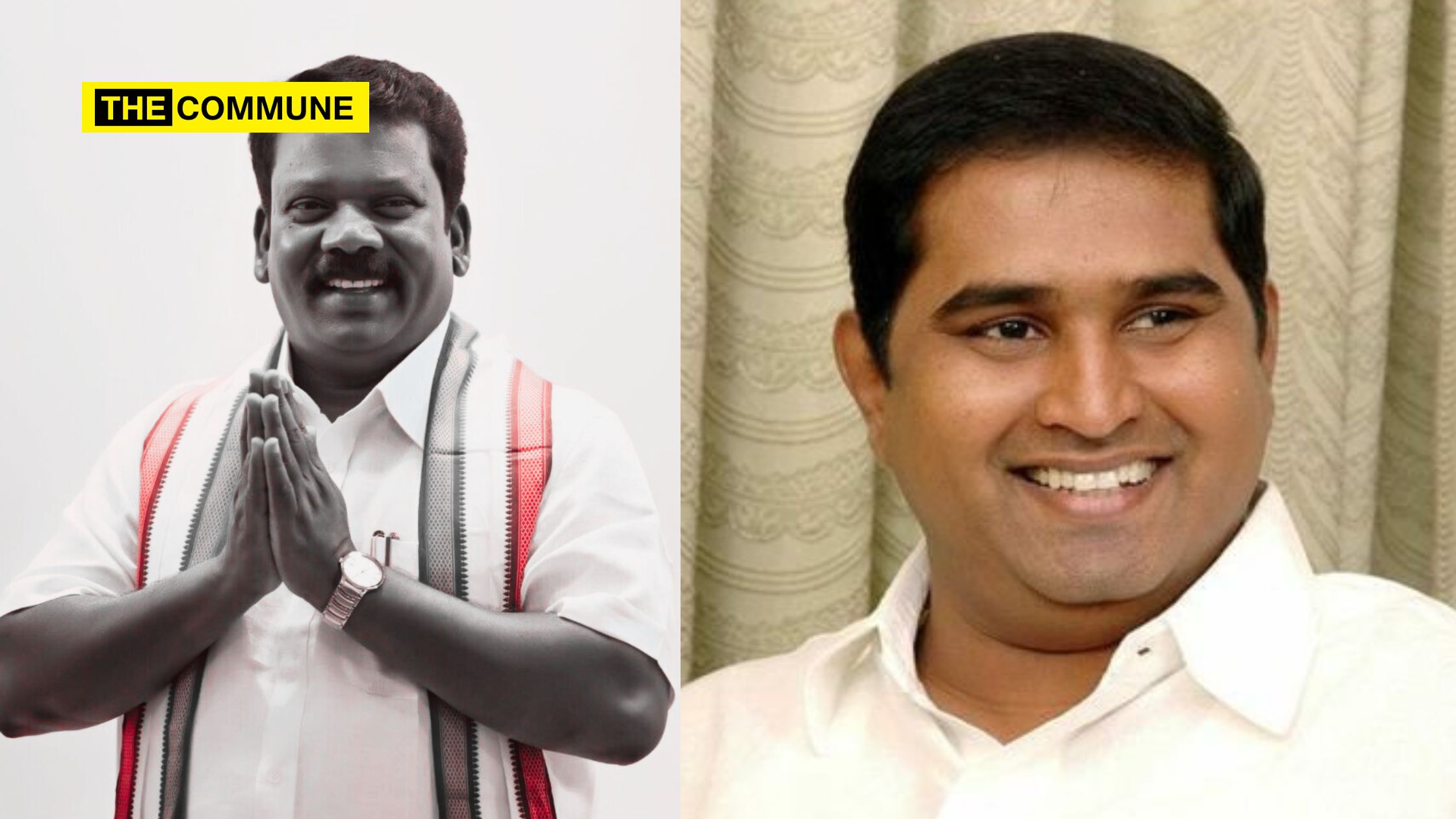
Internal Rift In DMK: Lalgudi MLA Soundara Pandian Voices Frustration Online Against Minister KN Nehru Over Neglect

Four-time DMK MLA A Soundara Pandian from Lalgudi has recently expressed dissatisfaction on social media creating controversy within DMK for not being informed about official events in his constituency, KN Nehru, the party’s principal secretary and Minister, addressed the matter to the press on 15 June 2024. Nehru stated that Soundarapandian had already been contacted regarding the issue and declined to comment further.

Earlier on 14 June 2024, Soundara Pandian reacted to a Facebook post by Minister Nehru showcasing his visit to Lalgudi with the district collector and other officials to assess potential sites for new taluk and sub-registrar offices. Soundarapandian’s response to the post, where he remarked that “the Lalgudi MLA is dead” and implied the constituency was vacant, gained significant attention online and within political circles. Despite initially being public, the comment was later made private.

Minister K N Nehru, Minister for Municipal Administration, Urban and Water Supply wrote in his FB post, “I visited and inspected the places for the construction of the new office inside the new collectorate office in Lalgudi, Tiruchirappalli and conducted a survey. District Collector IAS Pradeep Kumar was present on the occasion. It was attended by government officials, zonal Presidents, Members of council, representatives of local bodies, and members of the public.”

Responding to the post Lalgudi MLA Soundarapandian stated that,Due to death of Lalgudi Assembly Member Soundara Pandian, Lalgudi Constituency has been declared vacant.”

(Image Credit: Hindu Tamil)

Sources close to Soundarapandian conveyed his frustration at not being informed about the minister’s visit despite serving as MLA multiple times. They highlighted a pattern of neglect by Minister Nehru towards Soundarapandian’s role in the constituency. Conversely, supporters of Minister Nehru blamed officials for the lapse in informing Soundarapandian about the visit, emphasizing Nehru’s pivotal role in Soundarapandian’s electoral success.

In summary, the incident underscores tensions within the DMK party, exacerbated by communication breakdowns and perceived neglect, despite Soundarapandian’s longstanding representation of Lalgudi.

(with inputs from TNIE)

Subscribe to our channels on TelegramWhatsApp, and Instagram and get the best stories of the day delivered to you personally.
PMK’s Salem MLA Arul Slams State Ministers For Ignoring Grievances, Alleges Ministers Ask 12-18% Commission Indicating Rampant Corruption In TN Govt

The Pattali Makkal Katchi (PMK) Salem urban and district secretary and Salem West MLA, R. Arul, has accused state Ministers of ignoring grievances and rampant corruption. In a letter addressed to 200 MLAs, excluding Ministers and the Chief Minister, Arul expressed frustration over the lack of response from most Ministers to the petitions submitted by MLAs.

Arul claimed that only four Ministers showed any concern for the issues raised by MLAs. He noted that, despite submitting approximately 1,000 petitions on behalf of his constituents, only nine issues were addressed, with the rest seemingly disregarded. He emphasized the importance of addressing the needs of the people to ensure MLAs can face their constituents again after their term ends.

Speaking to The Hindu, Arul alleged widespread corruption within the government, stating that even some officials treat MLAs with disrespect, acting as if they hold ministerial power. He called on the Chief Minister to instruct all Ministers to take MLAs’ grievances seriously, asserting his readiness to substantiate his claims.

Arul’s letter detailed his experiences and frustrations, highlighting that many Ministers only offer verbal respect without taking substantive action on welfare requests. He pointed out that in previous DMK and AIADMK regimes, Ministers were more responsive to MLAs’ suggestions, often providing updates or explanations if actions could not be taken. He alleged that ministers were asking for 12-18% commission.

He also mentioned that officials often refuse to meet with MLAs, citing a recent incident where a high-ranking official declined his request for a photograph. Arul urged fellow MLAs to collectively or individually bring these issues to the attention of the Chief Minister, stressing the importance of ensuring Ministers and officials respect and address the concerns raised by elected representatives.

Subscribe to our channels on TelegramWhatsApp, and Instagram and get the best stories of the day delivered to you personally.
Madras HC Sentences Former Loco Pilot To 6 Months In Jail For Addressing Judges As ‘Criminals’

Madras HC increased security in court campus after country bombs were exchanged among suspects in the Armstrong murder case. Christian shrine

On 13 June 2024, the Madras High Court sentenced a former locomotive pilot to six months of simple imprisonment under the Contempt of Courts Act, 1971, for making scandalous allegations against a Supreme Court judge and three High Court judges.

A Division Bench consisting of Justices M.S. Ramesh and Sunder Mohan found PU. Venkatesan from Mogappair, Chennai, guilty of criminal contempt. They imposed the maximum punishment, noting his lack of remorse and disruptive behaviour in court, where he loudly accused the judges on the Bench of being “criminals.”

The contempt proceedings began suo motu in 2020 after Venkatesan posted defamatory statements on Facebook targeting several Supreme Court and district judges. Following this, he continued to send letters containing false allegations to Justices Ramesh and Mohan after they started hearing the 2020 case in April this year.

On 22 April 2024, when Venkatesan was summoned for the framing of charges, he submitted a sub-application requesting permission to record court proceedings on his mobile phone. He again made baseless accusations against the Division Bench judges in his petition. Additionally, he included a letter addressed to the Chief Justice of India dated 17 April 2024, which contained derogatory comments about Justice M.M. Sundresh of the Supreme Court, and Justices Ramesh, N. Anand Venkatesh, and Mohan of the High Court, along with their photographs.

When questioned by the Division Bench if he stood by the claims made in his letter, Venkatesan affirmed and provocatively challenged the judges to take action. He raised his voice and questioned the court’s procedures, prompting the Bench to initiate a second suo motu contempt proceeding for interfering with the administration of justice. During this hearing, Venkatesan again called the judges “criminals” and urged them to issue any order they wished.

The Bench documented that Venkatesan was given ample opportunity to explain his position. “Despite these opportunities, he dared us to pass any order and referred to us as criminals in front of the entire legal community and court staff,” the judges stated.

The judges further expressed their view that Venkatesan’s conduct was not only contemptuous towards them but also towards the entire justice system. His lack of remorse and his defiant challenge to the court were noted.

Upon ordering the arrest of Venkatesan, the judges instructed Additional Public Prosecutor E. Raj Thilak to ensure the presence of the High Court police station Inspector in court. The Inspector was then directed to immediately take Venkatesan into custody and transfer him to the Superintendent of the Central Prison at Puzhal to serve his sentence.

(with inputs from The Hindu)

Subscribe to our channels on TelegramWhatsApp, and Instagram and get the best stories of the day delivered to you personally.
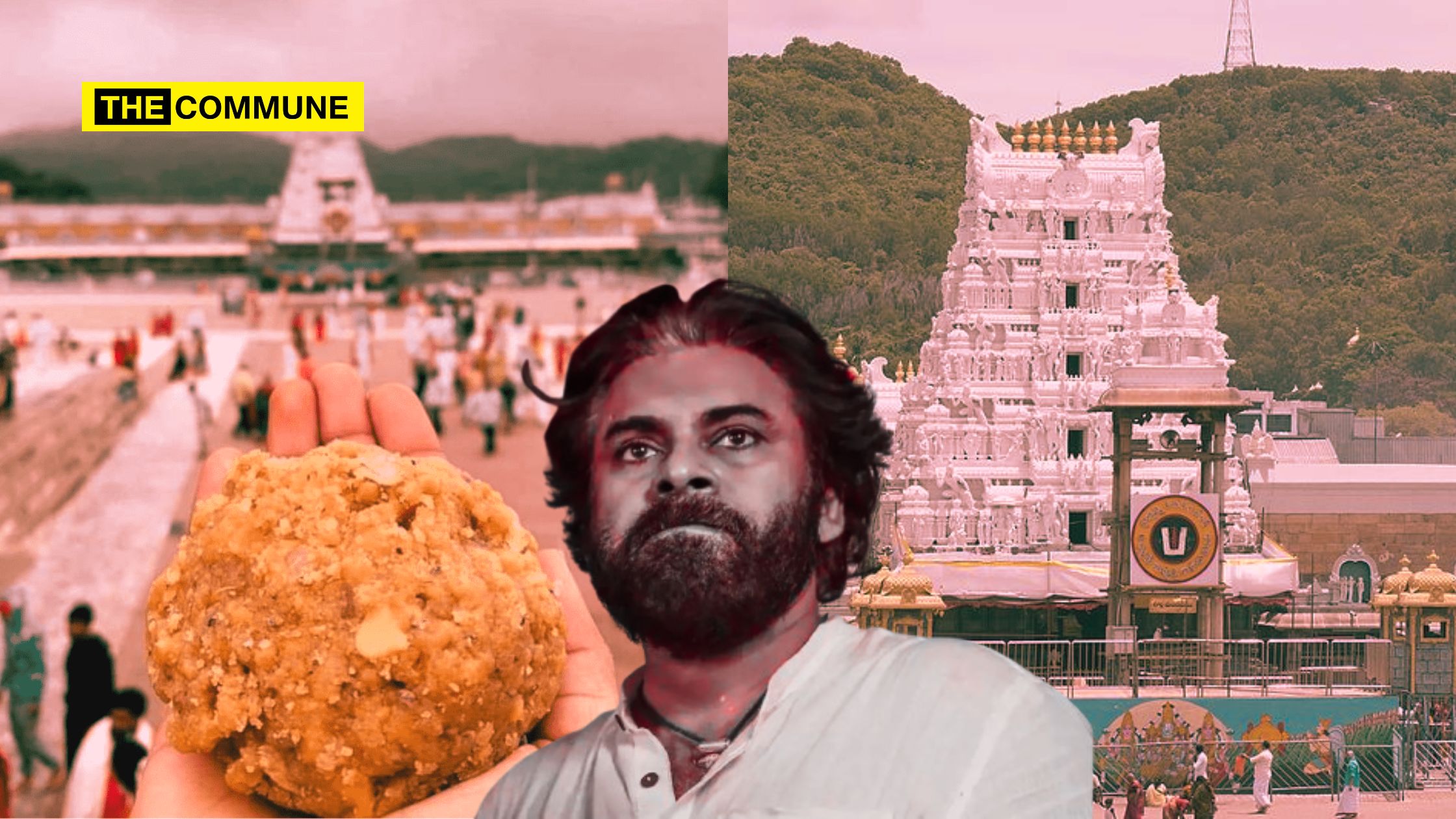
Pawan Kalyan: From Tollywood’s ‘Power Star’ To Deputy Chief Minister Of Andhra Pradesh

Situation Will Be Different If I Become Andhra’s Home Minister: Pawan Kalyan

The popular Tollywood actor, Pawan Kalyan makes his mark in Andhra Pradesh’s politics after a patient wait of ten years since the founding of his Jana Sena Party (JSP)! It makes him a rare, uncommon actor-turned-politician who stood by his principles and patiently waited for a decade before he experienced success as a politician. He floated his JSP in 2014 around the time of the bifurcation of the larger state of Andhra Pradesh into the Andhra and Telangana regions.

Jana Sena Party

The JSP party did not contest the 2014 elections but openly supported the TDP and BJP parties, both contesting as pre-poll alliance partners. The Jana Sena Party’s first electoral participation was in the 2019 elections, but Pawan’s party did not bag the expected numbers. However, its six percent vote share is said to have impacted the Telugu Desam Party negatively resulting in narrow-margin defeats in many seats, thus giving an undue advantage to the YSR Congress party, which benefited from the vote-share split and won the 2019 elections.

In the rather long, ten-year wait, Pawan Kalyan preferred to stand by his core values and principles instead of giving in to the pressures of typical Indian politics, involving false promises of easy welfare without the hard work and participation of citizens. He has always said that the state should help assist/supplement the hard work of all citizens rather than make them fully dependent on too many welfare schemes that do not require them to work. He has consistently refused to entertain political gimmicks based on caste or religion.

Early Life

Pawan Kalyan is the younger brother of popular Tollywood actor, Chiranjeevi. Pawan, the youngest of three brothers, always stood out for his independent ideas and out-of-box thinking. He dropped out of college but did not allow it to dampen his curiosity for knowledge. He continued to educate himself on various subjects through plenty of reading and conversations. His voracious reading, respect for knowledgeable people, and reverence for values that define the deeper, true human spirit sets him apart from most formally educated citizens and most people in the cash-rich Telugu film industry. He remains an enigma and a big inspiration to his large fan base, with his ideas and lifestyle.

Pawan Kalyan is a martial arts “black belt” in Karate, yet another talent distinguishing him from the crowd. Kalyan Babu Konidela, popularly known as Pawan Kalyan, was born in Andhra’s Bapatla town, about fifty kilometres from Guntur, in 1968. The name “Pawan,” which means wind or strong wind, was a title given to him during a martial arts presentation. His films among the Telugu audiences earned him his “power star” title.

Perspectives & Values

Pawan’s views on human relationships, societal responsibilities and rights, living standards of the common man, the needs of the less fortunate, and his understanding of modern-day challenges for young people and their aspirations define the type of person and politician he is – a self-educated, sincere, compassionate person who believes on delivering his promises to the best of his capability while holding his constituents responsible for hard work and good civil behaviour. He has always stressed the need for unity among people and the diminishing of caste divisions to elect the right government representatives for themselves.

True to his values, Pawan has repeatedly demonstrated his reluctance to play pure caste-based politics, stressing the need for Hindu society to come together for mutual understanding, cooperation, and basic human needs, resulting in community prosperity. Through several talks, public meetings, and campaigns over the last ten years, he has demonstrated his steadfast commitment to a non-divisive, non-casteist, united Hindu approach to solving societal issues via the election of principled politicians and citizen cooperation.

A practical example of such views was on full public display when he continued to downplay his “Kapu” caste card against the more dominant Kamma Naidu (also called Chowdary) and the Reddy caste. He proactively sought out a healthy partnership with Andhra’s TDP (Telugu Desam Party), which was founded and headed by the Kamma community. Yet another example of his “beyond-caste” actions is reflected in his decision to invite and work with a strong Kamma politician, Nadendla Manohar, as his party’s principal advisor.

Support for Chandrababu

Pawan Kalyan was among the first public figures to visit Chandrababu Naidu in prison after Naidu’s scandalous, secretive, extra-judicial midnight arrest by Jagan Reddy’s YSRCP on trumped-up, unproven charges. Pawan courageously chastised Reddy for beyond-normal corruption in the state, Reddy’s petty vendetta politics, his divisive caste/religion-based tactics, and his total disregard for developmental projects. Through his ten years of political activism, PK has consistently talked about setting caste aside to effectively resolve the common man’s problems.

His core values, sincere spirituality based on his principles/ views on an ideal society and service to fellow humans, and his open and bold statements on caste division emphasizing the urgent need for all sections of Hindu society to come together have caught the attention of some prominent BJP leaders as well as leaders like N Chandrababu Naidu of the TDP, the current chief minister of Andhra Pradesh.

Pawan Kalyan first experienced politics when his older brother and the famous Telugu film hero, Chiranjeevi, floated his political party in the erstwhile, united state of Andhra Pradesh, including present-day Telangana, back in 2008. In the 2009 united Andhra elections (Andhra and Telangana before the 2014 bifurcation of the more significant state), Chiranjeevi’s Praja Rajyam Party banked on the actor’s famous “hero of the masses” image and caste calculations relying on the almost twenty per cent electorate of his BC, OBC and general category (OC/ Forward Caste) Kapu sub-castes, all classified under the more significant “Kapu” caste umbrella. Chiranjeevi’s expectations of garnering votes from his fan base spread across the present-day Andhra and Telangana areas, pitting his caste card against the more dominant yet numerically smaller, forward-caste groups of the Kamma and Reddy communities. This strategy paid dividends, although the party fell miserably short of the numbers Chiranjeevi hoped for. His party won only 18 out of 294 assembly seats in the 2009 state elections. Within two years after that, in 2011, Chiranjeevi dissolved his party in favour of a political merger.

Quickly setting aside his bigger political ambitions in consideration of financial benefits and political favours from the Central Government of the day, Chiranjeevi disappointed all his fans, his community, and all the local leaders who contested elections in his party’s name, when he chose to merge his brand new Praja Rajyam Party with the Congress party, just two years after its electoral debut.

Popularity

It has often been reported that Pawan Kalyan was unhappy with his older brother, Chiranjeevi’s style of campaigning, use of caste-based politics, his quick/ fly-by-night attitude towards politics and the public’s emotions, which resulted in his brother’s irresponsible decision to merge his party with the larger Congress party for financial and political gains. The brothers, both Tollywood stars, appear to have made up with each other recently. Still, the Telugu people of both the Telugu states have higher respect and admiration for Pawan Kalyan, his character, values, and principles, which have enabled him to work hard towards the survival of his ten-year-old party, not disappointing the people who believed in his core values and his continued non-casteist attitude towards the people and politics. In the Telugu industry, too, he has worked and succeeded on his terms, without playing the caste card, in an industry (both film and television) dominated by the Kamma community. His fan base is widespread across all castes, classes, and religions in Andhra and Telangana.

Pawan Kalyan lives a simpler, non-ostentatious life relative to the lavish, loud, wealth-on-display, Bollywood-style lifestyles of most Tollywood stars in Hyderabad. Pawan Kalyan is related to the Telugu actor of the national blockbuster ‘RRR’, Ram Charan (his brother Chiranjeevi’s son). Through his brother Chiranjeevi’s wife, he is also related to the Telugu actor Allu Arjun of the famed “Pushpa” movie, a pan-Indian success. His simplicity is reflected in his wardrobe and dressing style, reflecting a stark difference between him and most other top Tollywood stars, including members of his own family.

Pawan started his career with the 1996 film, ‘Akkada Ammayi, Ikkada Abbayi’ on the professional, non-political front. Most of his movies have been successful at the box office. His list of films includes Gokulamlo Seetha, Suswagatham, Tholi Prema, Jalsa, Thammudu, Gabbar Singh, Attarintikki Daredi, and Bheemla Nayak.

Personal Life

Pawan Kalyan has been married three times and has been outspoken about his emotional struggles and his search for true love. His willingness to talk about his weaknesses/ vulnerabilities and his trials and errors in the search for love has earned him much admiration among both men and women. He married his second wife after a period of their live-in relationship. While some criticized it, others admired his honesty and willingness to discuss it openly. His current wife, Anna Lezhneva, is a Russian, and they have been happily married for ten years. Pawan’s fans applaud Anna for her interest in following Indian culture and traditions.

Currently, Pawan’s Jana Sena Party is in an alliance with the TDP and the BJP in Andhra Pradesh as a part of the NDA coalition. The coalition, guided and led by Chandrababu Naidu’s TDP, won a landslide victory in the recent 2024 elections, bagging an impressive 164 seats out of the total 175 state assembly seats, resulting in a massive blow to Jagan Reddy’s YSRCP government. The TDP-led NDA alliance also won 21 of the 25 Lok Sabha seats. Pawan’s fans were seen loudly cheering him on at the June 12 oath-taking ceremony held near Vijayawada city, in which Pawan Kalyan was sworn in as Deputy Chief Minister with additional responsibilities for Panchayat Raj, Rural Development, Environment, and Forests, Science and Technology.

Best Wishes to Andhra Pradesh’s new leadership team headed by Chief Minister N Chandrababu Naidu and his Deputy Chief Minister K Pawan Kalyan.

Shivani is a freelance writer from Vijayawada.

Subscribe to our channels on TelegramWhatsApp, and Instagram and get the best stories of the day delivered to you personally.
Hindu Munnani Demands Crackdown On Hooliganism By Dravidar Kazhagam & Naxal Groups: State President Gadeshwara C. Subramaniam Releases Statement

The tranquil areas of Thondamuthur and Alandurai Poondi, renowned for their natural beauty and temples, have recently witnessed unsettling violence. Hindu Munnani State President, Gadeshwara C. Subramaniam, has urged the police to take immediate action against those responsible for the disturbances, specifically pointing fingers at the Dravidar Kazhagam and Naxal organizations.

In his statement he said,“Poondi, often referred to as Southern Kailash, has recently seen hooliganism from Dravidar Kazhagam and Naxals. Immediate police action is required to address the violence and apprehend the culprits. Thondamuthur and Alandurai Poondi in Coimbatore, known for their natural beauty and numerous temples, are home to the Isha Yoga Center at the foothills of the Velliangiri Hills. This center attracts millions of devotees from India and abroad, offering not only spiritual guidance but also education, shelter, and healthcare to the underprivileged through its Village Rejuvenation Mission.”

He also added, “The Dravidar Kazhagam and Communist organizations, allegedly driven by proselytizing forces, have been attempting to discredit the Isha organization, which has been operational for over 25 years. They have hidden elephant routes and staged unnecessary protests with false land acquisition claims, all of which Isha successfully refuted in court.”

He called out hooliganism of the DMK, “Recently, Isha Yoga Center installed an electric incinerator for tribal and rural use. Despite its compliance with regulations, Dravidar Kazhagam continued to oppose it and instigated a lawsuit in the High Court. The court ordered the Pollution Control Board to inspect the crematorium, and the case has been postponed to June 26. Anticipating a favorable verdict for Isha, members of Dravidar Kazhagam and Naxal groups, accompanied by out-of-town rowdies, invaded the Isha Yoga Center on 14 June 2024, at 4 pm under the guise of inspecting the crematorium. They injured two individuals who were later hospitalized.”

In his statement he stated, “Authorities must take stringent action against the perpetrators. The Coimbatore district administration and police should identify those undermining social peace for selfish reasons, particularly the Thanthai Dravidar Periyar Kazhagam. Organizations like Dravida Iyakkam Tamilar Peravai, Tamil Tigers Party, Viduthalai Chiruthaigal, Tamil Nadu Dravidar Self-Respect Kazhagam, CPI ML Liberation, and Revolutionary Youth Front are spreading terrorism among rural youth and inciting them against the Isha Yoga Center. If appropriate action is not taken, Hindu Munnani plans to organize a massive demonstration involving the public and devotees.”

Subscribe to our channels on TelegramWhatsApp, and Instagram and get the best stories of the day delivered to you personally.
Narad Jayanthi Awards By TN Vishwa Samvad Kendra: Reviving Sage Narada’s Legacy For Responsible & Nationalistic Journalism

Sage Narada, often stereotyped as a chaotic figure, has regained prominence in the Indian film industry with consecutive Narad Jayanthi celebrations organized by Hindu organizations across the country.

Revered as the first and most effective communicator for the welfare and betterment of the universe, Sage Narada is an icon to be revered by media professionals.

This year’s Narad Jayanthi was celebrated by Vishwa Samvaad Kendra, Tamil Nadu, by honoring illustrious journalists in the state.

Vishwa Samvaad Kendra has been celebrating this event for several years, and this year’s event was presided over by Shobana Ravi, former news presenter at Doordarshan, with a special address delivered by Prof. (Dr) KG Suresh, Vice Chancellor of Makhanlal Chaturvedi National University of Journalism and Communication, Bhopal.

The awardees were carefully selected from various fields of journalism, with Doordarshan’s newsreader and host of the show ‘Mangayar Cholai,’ S Vijay Krishnan, being recognized in the category “Reporting on Women/Children Issues” for unearthing women achievers across Tamil Nadu. In the media writer category, Kodhai Jothilakshmi, who has consistently written about women and children in print media, received the award. In the social media category, historian and author TS Krishnan was awarded for contributing to the awareness of Tamil history in social media circles.

Speaking to the audience, Shobana Ravi emphasized how the media needs to act righteously. She highlighted the various qualities of Sage Narada that ideally should be imbibed by media professionals and that they must listen to the call of conscience. She urged the media to help citizens retain democracy, freedom, and a mature culture. She highlighted how the fourth pillar of democracy (media) is somewhat shaky now due to the termite of falsity. She said, “In print, untruth is cleverly peddled as truth, and the haters are labelled as the persecuted.” She added that the award in Sage Narada’s name reminds the media to work for the common good.

Following her speech, Dr. Suresh spoke on how Narad Jayanti is being popularized across the country and how important days like Guru Purnima are regaining significance due to the efforts of several organizations. He emphasized how Sage Narada was demonized and portrayed as a gossip-monger, creating chaos and instigating fights in Indian cinema. Such events aim to re-establish Sage Narada’s credibility, as his communication aimed at the welfare of people and the universe. The purpose of his actions should be considered before placing blame, he said

He stated that Sage Narada should be the icon of journalism, being the first communicator (Adi Sancharak). Narada had access to all beings and could travel effortlessly across time and space. He had such high credibility that even demon kings listened to him. He was an authority on many subjects, and Lord Krishna identified himself with Narada in the Bhagavad Gita, saying, “Of all trees, I am the holy fig tree, and amongst sages and demigods, I am Narada….“, this appears in Chapter 10, Shloka 26 of the Bhagavad Gita.

He emphasized the importance for Indians to learn their knowledge systems and celebrate their own icons more than the world does. He added that teaching Marxism to communication students is unnecessary when excellent examples exist in Indian history and culture, like Arjuna-Krishna and Nachiketa-Yama. He stressed studying our own communication models.

Unfortunately, journalism has deteriorated and become biased in the country, he added. He narrated how the Kulbhushan Jadhav case at the ICJ faced setbacks due to articles in India portraying him as an Indian spy, against the country’s interests, in the name of free speech. He lamented organizations’ pleasure in acting against the nation’s interests. While the constitution guarantees free speech, it does not license spreading lies, as freedom comes with responsibilities.

He compared how other countries’ global channels like the BBC, CCTV, or CNN talk only about their national interests, not otherwise. He questioned why India cannot have such a channel promoting national interests instead of spreading fake news like many newsrooms today. Press freedom needs to be balanced with national interests. He pointed out how reports from Gilgit/Baltistan/PoK come under foreign pages, despite Parliament thrice stating J&K’s entirety, including PoK and Aksai Chin, as integral Indian territories. The media should reassert this claim, as DD News has started showing weather reports from the region. The media should convey the country’s sentiments globally, he added.

Suresh emphasized many positive developments in our country that go unreported, with the media prioritizing incidents of murder and robbery while failing to report follow-ups on court sentences. India needs media platforms to tell our story to the world from our perspective, he said.

Subscribe to our channels on TelegramWhatsApp, and Instagram and get the best stories of the day delivered to you personally.