Home Blog Page 792

Govt’s Biofuel Drive Has Saved ₹91,000 Crore In Oil Import Bills: Hardeep Puri
Govt’s Biofuel Drive Has Saved ₹91,000 Crore In Oil Import Bills: Hardeep Puri

Petroleum Minister Hardeep Singh Puri said on Tuesday that India’s current biofuel blending rate has reached 16.9 per cent, putting the country on track to reach the 20 per cent target set for 2025-26. “As a result of the Govt. of India’s biofuel initiatives, we have saved ₹91,000 crore in import bills parallelly giving a much-needed boost to the agriculture sector,” he added.

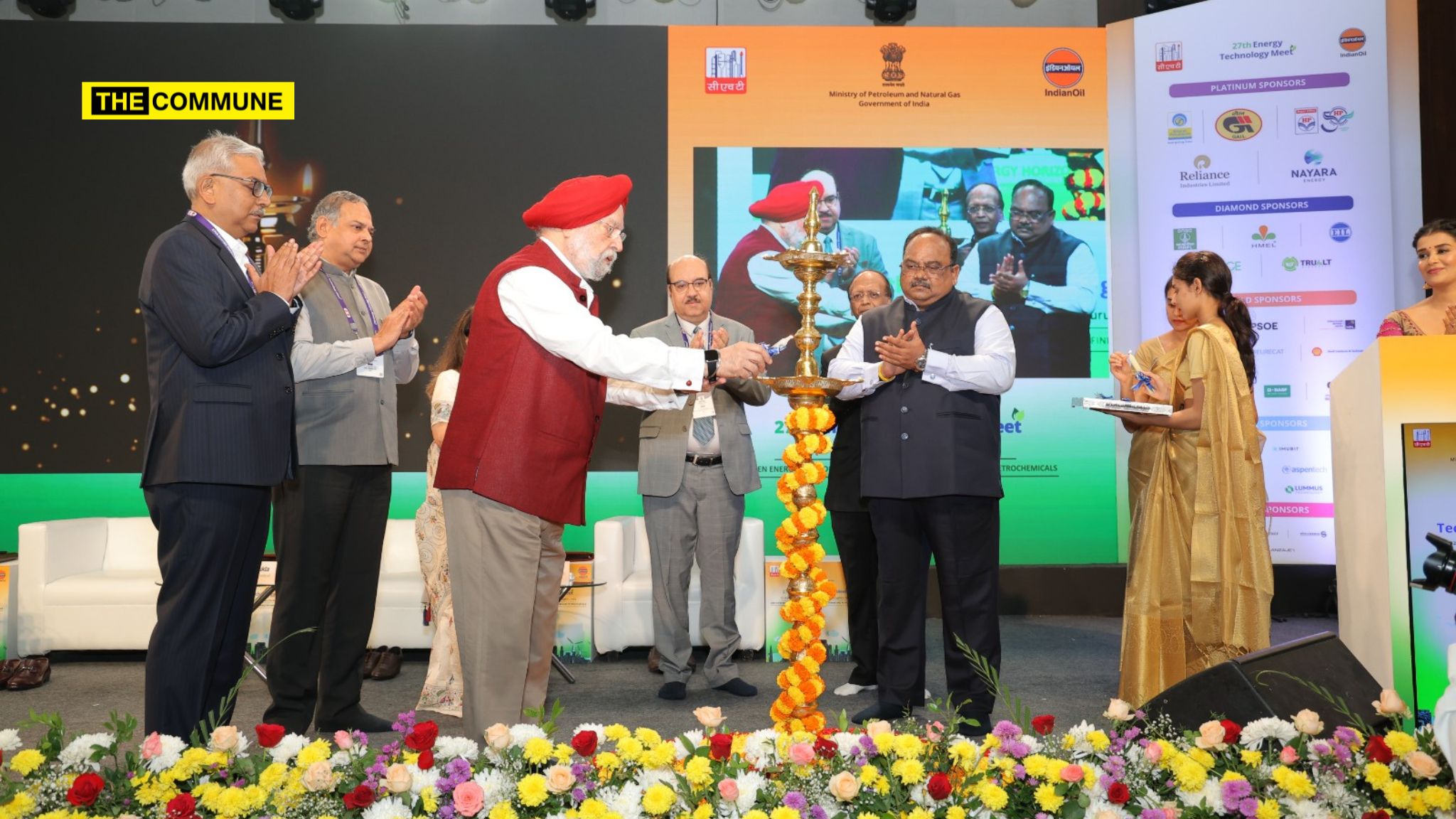
Minister Puri also said that India ranks second globally in biofuel blending, underscoring its leading position in sustainable fuel practices. The minister was speaking at the inauguration of the Energy Technology Meet (ETM) 2024, organised by the Centre for High Technology (CHT) and co-hosted by Indian Oil Corporation Ltd. The three-day event from November 12-14 commenced here, bringing together industry experts, researchers, policymakers, and innovators under the theme ‘Green Energy Horizons: Advancing Sustainable Refining and Petrochemicals’. It highlights India’s commitment to sustainable energy innovations and the transition towards greener energy solutions. Referring to International Energy Agency (IEA) figures, the minister said that the nation’s energy needs are expected to grow by 2.5 times by 2047.

Additionally, India is expected to account for 25 per cent of the overall global growth in energy demand in the next two decades. Puri lauded the Oil Marketing Companies (OMCs) and private energy companies for their proactive approach in achieving net-zero targets. He also affirmed the readiness of the industry to support the Prime Minister’s vision of a ‘Viksit Bharat’ through advancements in ethanol, hydrogen, and biofuels. Further, emphasising India’s refining sector, Puri said, “India has the capability to process over 250 types of crude oil, with refining capacity anticipated to grow from the current 258 MMTPA to 310 MMTPA.” India’s refining expansion, coupled with petrochemical integration, positions India well on its way towards a flexible, efficient energy transition. Addressing the role of digital innovation, the Minister referred to the BCG report forecasting India’s Artificial Intelligence market to reach $70 billion by 2027, underscoring digitalisation’s potential to drive efficiency in energy operations.

V Satish Kumar, Chairman &Director (Marketing), IndianOil, in his address said, “The future of the energy industry hinges on integrating green energy solutions into refining processes. Through cutting-edge technologies and resource optimisation, we can build a resilient and environmentally responsible industry. ETM-2024 opens rich opportunities for our refining and petrochemicals sector, that can play a significant role in catalysing the nation’s aspirations.” Over 1300 delegates from India and abroad including domain experts, academia, licensors, R&D scientists, and other professionals from the Hydrocarbon sector are participating in this 3-day event.

ETM 2024 will feature technical sessions on renewable integration, hydrogen production, waste-to-energy innovation, and strategies for carbon neutrality. An exhibition area will showcase cutting-edge products and technologies from industry leaders, startups, and research institutions. The event fosters collaborative opportunities, encouraging academia-industry partnerships, skill-building, and joint R&D efforts to advance India’s sustainable energy future.

–IANS

Subscribe to our channels on TelegramWhatsApp, and Instagram and get the best stories of the day delivered to you personally.
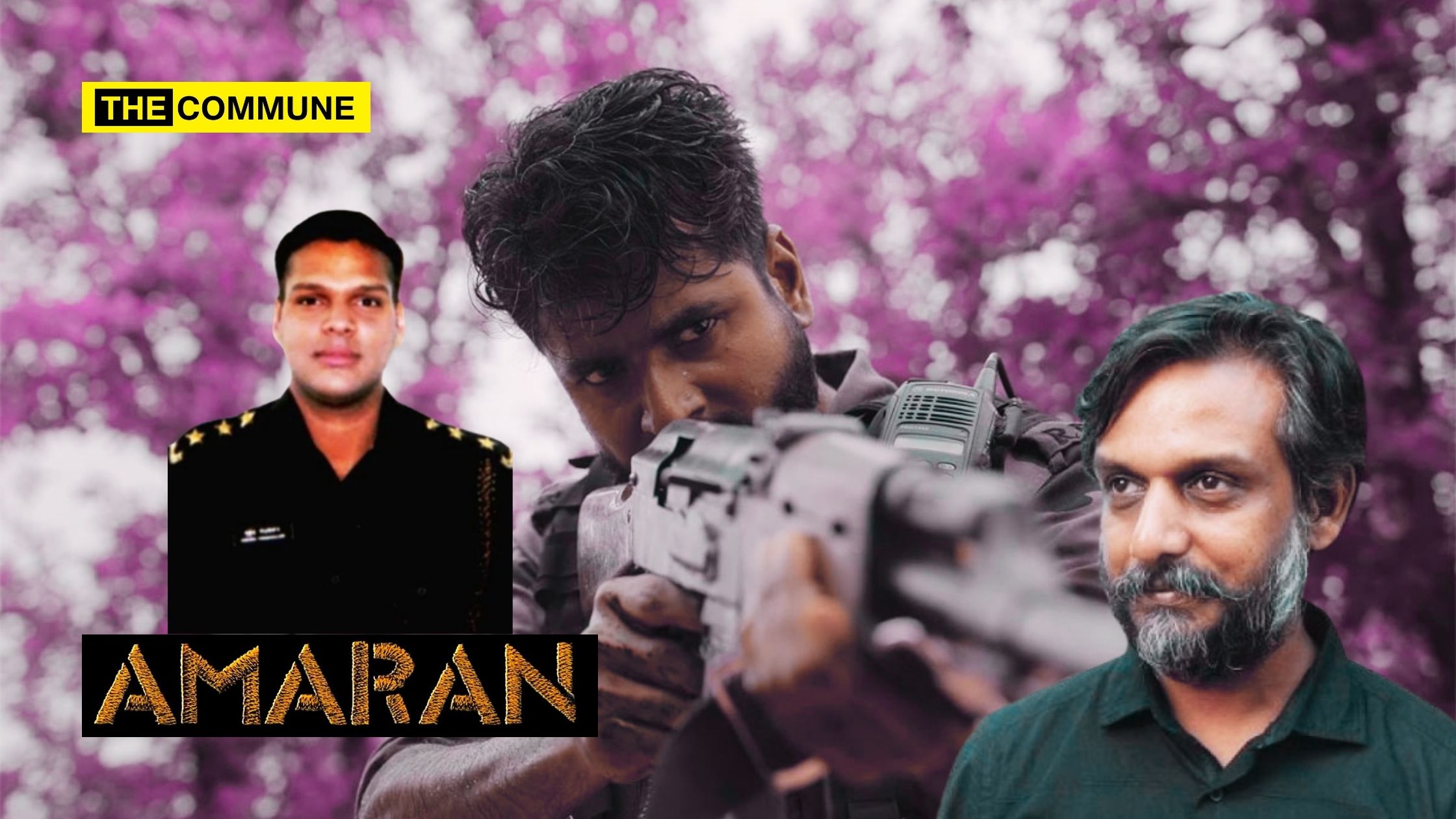
Dravidianist Separatist Sympathizer Thirumurugan Gandhi Says Major Mukund Varadarajan Who Gunned Down Terrorist Altaf Baba Must Be Tried For War Crime

Dravidianist Separatist Sympathizer Thirumurugan Gandhi Says Major Mukund Varadarajan Who Gunned Down Terrorist Altaf Baba Must Be Tried For War Crime.

Dravidianist separatist Thirumurugan Gandhi launches a tirade against the martyred Major Mukund Varadarajan that crosses all bounds of respect. After baselessly condemning the Amaran biopic for portraying Indian Army chants, Gandhi is now slandering Major Varadarajan himself—labelling him a “war criminal.”

Amaran Controversy

The controversy around Amaran, the biopic of martyred Major Mukund Varadarajan, does not seem to die, with Dravidianist separatist and terror sympathiser Thirumurugan Gandhi labelling the martyr a “war criminal.”.

After making unfounded allegations against Amaran, in which he objected to the portrayal of Indian Army soldiers shouting “Jai Bajrangbali,” he failed to realize that this is the battle cry of the Rashtriya Rifles and the Rajput Regiment military units of the Indian Army. He further claimed that the film allegedly depicted the entire Kashmiri population as enemies, calling it a “one-sided” narrative that undermines the rights of the people of Kashmir.


Gandhi said to the press, “In the film, he (Mukund) catches a Kashmir terrorist before interval. He gets beaten up and then the hero kills the injured person. This is an encounter. It is called Summary Execution. This comes under war crimes. If the director says that this happened in reality and Mukund Varadarajan did it, that means there must be a case filed against Mukund Varadarajan at the international level and he must be tried for war crime. I don’t know whether the director intended to show Mukund Varadarajan as a war criminal or if he was really one. How can you shoot someone who is lying down injured without any weapons in hand? You can kill an army, a terrorist, a rowdy, a mafia, an enemy or a villain. How can a hero kill an injured person? Army cannot kill an unarmed person, it must only arrest them and produce them in court, an investigation must be done. If he had made a mistake or murdered someone, he has to be punished”.

Subscribe to our channels on TelegramWhatsApp, and Instagram and get the best stories of the day delivered to you personally.
NIA Interrogates Three Key Suspects In Coimbatore Car Bomb Blast Case 2022

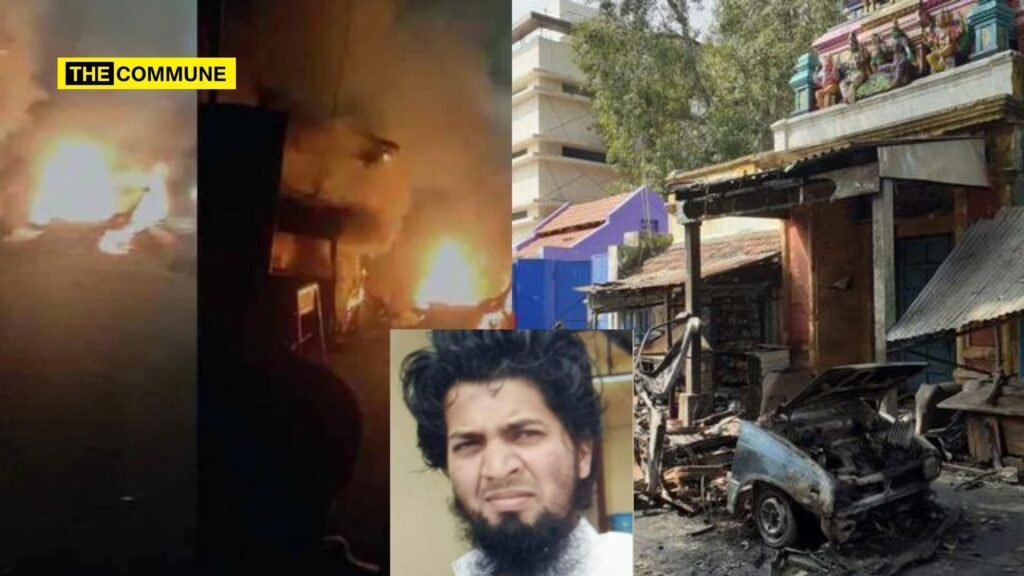
Three individuals, implicated in the 2022 Coimbatore car bomb blast, were transported from Puzhal prison in Chennai to the temporary office of the National Investigation Agency (NIA) in Coimbatore on 11 November 2024, for questioning.

The accused—Abu Hanifa of Podanur, Saran Mariappan of Selvapuram, and Pawas Rahman of GM Nagar—arrived at the NIA office located within the Police Recruit School (PRS) complex, after the special NIA court in Poonamallee, Chennai, granted the agency six days of custody for further investigation.

Following their interrogation, the three suspects were placed under heavy police guard at the Race Course police station on Monday night. The NIA will continue questioning the trio until 14 November 2024 and may take them to various locations around the city on Tuesday to collect additional evidence.

To date, 17 individuals have been arrested in connection with the case. The primary suspect, Jamesha Mubeen, a 29-year-old IS (Islamic State) operative, acted as the suicide bomber in the Coimbatore attack and died in the explosion.

In this regard, one of the arrested suspects reportedly confessed, stating, “Jamesha Mubeen, who died in the Coimbatore car bomb blast, trained us in bomb-making and recruited us as suicide bombers.”

The attack took place on 23 October 2022, when Jamesha Mubeen detonated a car bomb outside the Kottai Easwaran Temple in Ukkadam, Coimbatore. The NIA subsequently arrested 18 of Mubeen’s associates, who were all detained in Puzhal Jail, Chennai.

During his testimony, Abu Hanifa revealed that in 2019, he and the others were part of an operation led by ISI terrorist Zahran Hashim in Sri Lanka. Hashim was responsible for the devastating Easter Sunday bombings that targeted churches and hotels, killing over 250 people. Hanifa stated that Jamesha Mubeen had taken charge of the Tamil Nadu branch of the IS group after Hashim’s death and had brought the group to Chennai for training.

Hanifa further testified that Mubeen aimed to become a prominent figure within the IS network, with plans to demolish Hindu temples, assassinate Hindu leaders, and target foreign embassies. He and his fellow suspects were reportedly trained in terrorism and bomb-making at Arabic colleges in Kerala and Coimbatore. According to Hanifa, Mubeen’s goal was to establish Muslim rule across India, teaching them to sacrifice their lives in pursuit of this mission. Their initial plan, he revealed, was to attack the Fort Easwaran Temple as a precursor to further operations.

This ongoing investigation highlights the extent of the radicalization efforts and the elaborate planning behind the Coimbatore attack.

(With inputs from Dinamalar)

Subscribe to our channels on TelegramWhatsApp, and Instagram and get the best stories of the day delivered to you personally.
Chennai Court Sentences Abdullah Alias ‘Saravana Kumar’ To 5 Years Jail For Promoting Islamic State, Dravidianist Media Tries To Hide Original Identity Of ISIS Sympathizer

Chennai Court Sentences Abdullah Alias 'Saravana Kumar' To 5 Years Jail For Promoting Islamic State, Dravidianist Media Tries To Hide Original Identity Of ISIS Sympathizer.

The Special Court handling NIA cases in Poonamallee, Chennai, has sentenced Abdullah alias Saravana Kumar to five years in prison and imposed a fine of 10,000. The 31-year-old Abdullah alias Saravana Kumar from Madurai was convicted for his involvement in promoting radical ideologies and supporting the establishment of an Islamic State in Tamil Nadu.

Abdullah was arrested by the National Investigation Agency (NIA) in 2021 as part of the ISIS-Madurai Hizb-ut-Tahrir module investigation. He was accused of spreading ISIS ideology on social media, inciting people against India, and advocating for the creation of a Khilafat (Islamic state). The NIA stated that Abdullah sought foreign support to form an army for establishing an Islamic State in Tamil Nadu through jihad.

Originally, Abdullah was charged by Madurai city’s Teppakulam police in April 2021 for his controversial social media posts supporting violence against India. He was booked under various sections of the Indian Penal Code, including charges of attempting to wage war against the government and promoting religious enmity, as well as under the Unlawful Activities (Prevention) Act (UAPA) for his links to terrorism.

The NIA took over the investigation in May 2021, conducting searches at Abdullah’s residence. The agency found that Abdullah was a “highly radicalized” member of Hizb-ut-Tahrir, a banned extremist group, and had intentionally aligned himself with ISIS recruiters to support the group’s activities. The NIA’s investigation revealed that he used his Facebook account to post content that incited people to establish a Khilafat and undermined India’s sovereignty.

The NIA filed a charge sheet in the Special Court in Chennai, detailing his “incendiary” social media activity. The agency has been closely monitoring and investigating social media posts linked to terrorism in Tamil Nadu, and earlier this year, they conducted searches related to another suspect, Mohammad Iqbal alias Senthil Kumar, who was also accused of advocating extremist ideologies linked to ISIS and Hizb-ut-Tahrir.

Dravidianist Media Repeatedly Refers To Convict By Hindu Alias

News outlets like Puthiya Thalaimurai and some others like Dinakaran in Tamil Nadu are seen to mention the convict by the Hindu name repeatedly and did not address him by his other name – Abdullah. While they may have mentioned once in the article, the alias is not used as many times as compared to the Hindu name.

Critics argue that such reporting practices will contribute to a broader trend of selectively highlighting names based on religious or cultural associations, especially if the individual belongs to a minority community. This approach, critics say, goes on to foster implicit biases and obscure accountability, as it downplays the backgrounds of individuals involved in criminal activity. These practices raise questions about media integrity and objectivity, especially in a multi-religious society, where impartiality in news reporting is essential to avoid reinforcing harmful stereotypes or biases.

Subscribe to our channels on TelegramWhatsApp, and Instagram and get the best stories of the day delivered to you personally.
Chennai Police Net Nigerian Drug Dealer; ₹80L Thai Cannabis Seized In Separate Case

Chennai Police Net Nigerian Drug Dealer; ₹80L Thai Cannabis Seized In Separate Case.

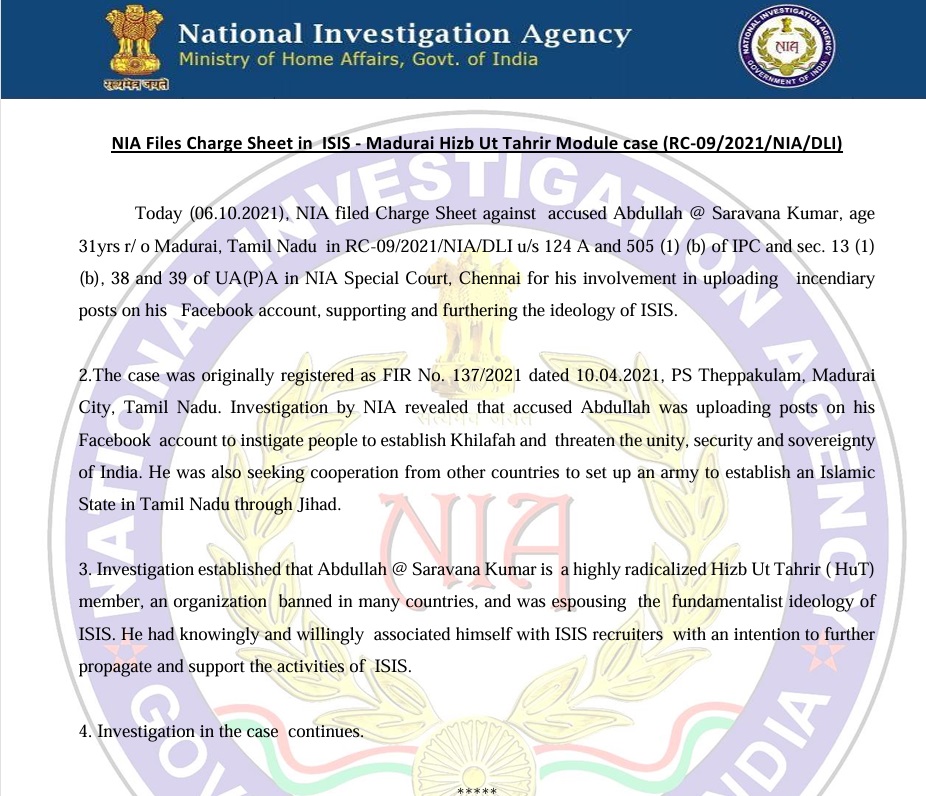
The Chennai Police Department has apprehended William Joseph, a Nigerian national in Bengaluru, for allegedly selling methamphetamine in Chennai. Following his arrest, Joseph was taken to Teynampet police station for further interrogation as authorities continued their investigation into the drug trafficking operation.

This arrest comes close on the heels of another drug-related arrest in Bengaluru last month. In October 2024, the anti-narcotics wing of the Bengaluru Central Crime Branch (CCB) arrested Chikdum Livonas, a 32-year-old Nigerian national, in a major drug bust. The CCB seized MDMA crystals weighing 1.03 kg, valued at Rs 1.5 crore, from Livonas in the Adugodi region of south Bengaluru. According to Bengaluru police officials, Livonas was caught distributing MDMA crystals to college students and software professionals while operating on a two-wheeler.

Ganja Seized

In another startling news, police at Chennai airport seized 1.5 kg of high-quality cannabis worth approximately ₹80 lakh, intended for sale among college students and IT workers. Acting on information about drug smuggling from Thailand to Chennai via Delhi, Chennai’s Narcotics Control Special Police monitored passengers arriving from Delhi on 12 November 2024. Mohammad Farooq (30) from Mannadi, Chennai, who arrived on an Indigo Airlines flight, was questioned, leading to the discovery of a concealed parcel of high-grade cannabis in his belongings.

During the investigation, Farooq revealed that two associates from Chennai had sent him to Thailand to acquire the drugs and instructed him to return via Delhi to avoid detection. Upon examining Farooq’s phone records, the police identified and contacted two individuals in Chennai suspected of involvement. Using Farooq’s contact, officers arranged a meeting at Chennai airport and arrested the two individuals upon arrival.

The Special Police found that this expensive, highly intoxicating cannabis was being smuggled specifically to target college students and IT professionals. Following their arrests, the three individuals were taken to the Chennai Metropolitan Police Commissioner’s Office for further interrogation as part of an ongoing investigation.

Subscribe to our channels on TelegramWhatsApp, and Instagram and get the best stories of the day delivered to you personally.
Following BJP TN’s Path, TVK Chief Vijay Orders Party To Prepare Dossier On DMK Corruption, ADMK Corruption To Also Be Mentioned

Following BJP TN's Path, TVK Chief Vijay Orders Party To Prepare Dossier On DMK Corruption, ADMK Corruption To Also Be Mentioned.

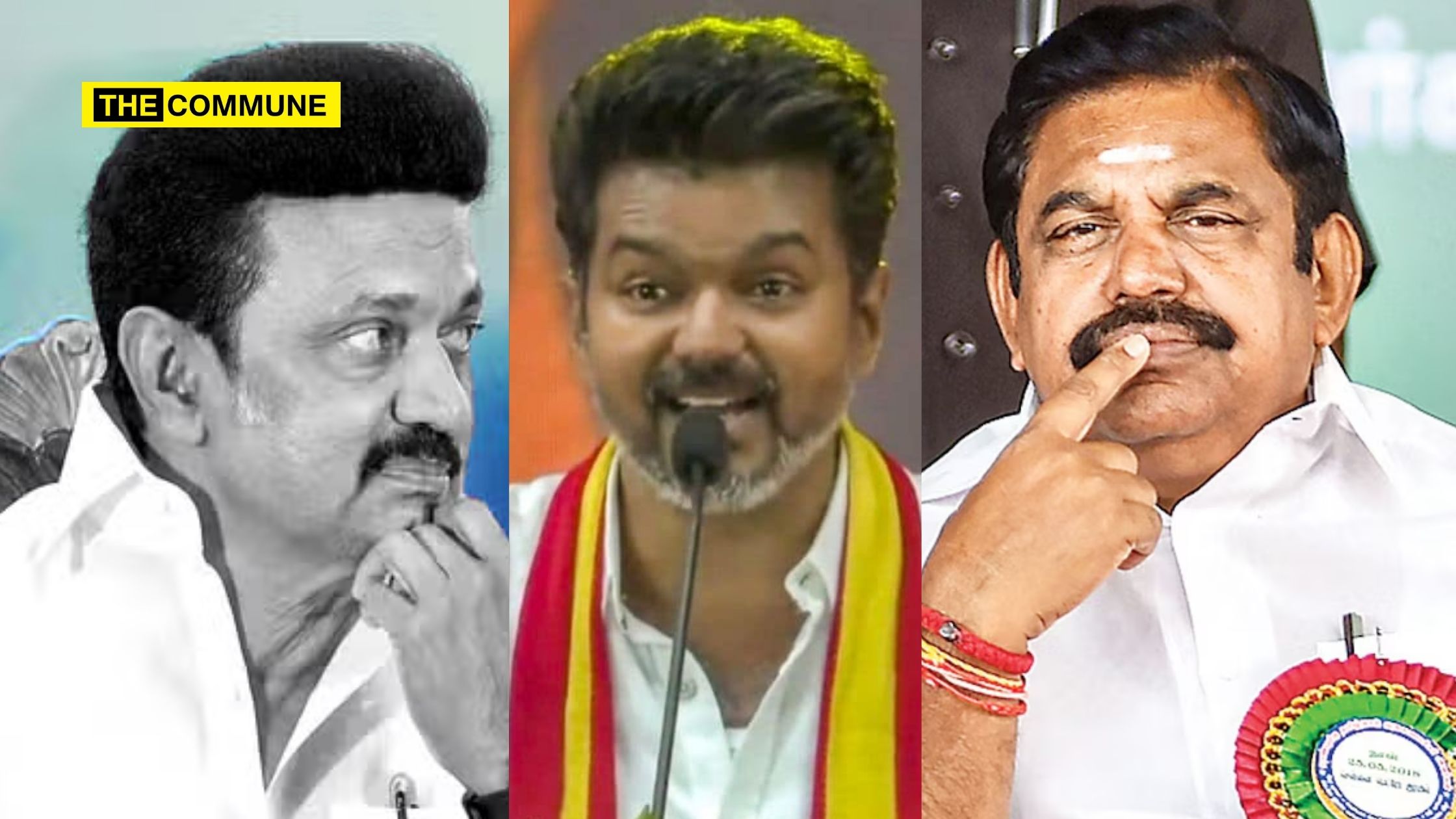
In what seems to be a move to replicate the political strategy of the Tamil Nadu BJP, Kollywood actor turned politician Vijay has directed the executives of his Tamilaga Vettri Kazhagam (TVK) party to compile a dossier containing detailed information and supporting evidence about alleged corruption involving DMK members across the state. According to reports, he has also called for listing corruption cases among ADMK leaders. Sources indicate that Vijay plans to compile these reports by department and submit them to the Governor.

At the party’s inaugural conference on 27 October 2024, Vijay accused a “single family” of misusing power and engaging in corruption under the guise of a “Dravidian model government.”

While Vijay criticized CM Stalin and several ministers, ADMK officials have distanced themselves from exposing the widespread corruption they claim is occurring openly in districts across Tamil Nadu.

Vijay, however, expressed his commitment to uncovering the truth. He has been in constant consultations with administrators and has resolved to investigate and expose the DMK’s corruption and misconduct.

He instructed party officials to collect details of any corrupt activities by government and party figures regularly. However, Vijay cautioned that any complaints filed without solid evidence would result in legal action.

Based on the evidence gathered, Vijay intends to create a detailed corruption dossier and submit it to the Governor. He views this as a significant political move, positioning it as his first major political action since the party’s convention. Vijay aims to hold the ruling party accountable for its alleged misconduct, which he claims has been carried out covertly to avoid public scrutiny.

Vijay has clarified that he is not interested in engaging in rhetoric but believes that tangible evidence will be more compelling than mere statements.

A key TVK official noted that the current political scenario reminded them of MGR’s historic submission of a corruption list to the Governor fifty years ago, which changed the course of Tamil Nadu politics. They anticipate a similar political shift before the 2026 elections. Meanwhile, Tamil Nadu BJP President Annamalai also presented a corruption list to the Governor. When questioned about any significant change since then, he advised supporters to “wait and see.”

(With inputs from Dinamalar)

Subscribe to our TelegramWhatsApp, and Instagram channels and get the best stories of the day delivered to you personally.
Pastor Arrested In Andhra Pradesh For Alleged Forced Conversions, Extortion And Harassment

Pastor Arrested In Andhra Pradesh For Alleged Forced Conversions, Extortion And Harassment.

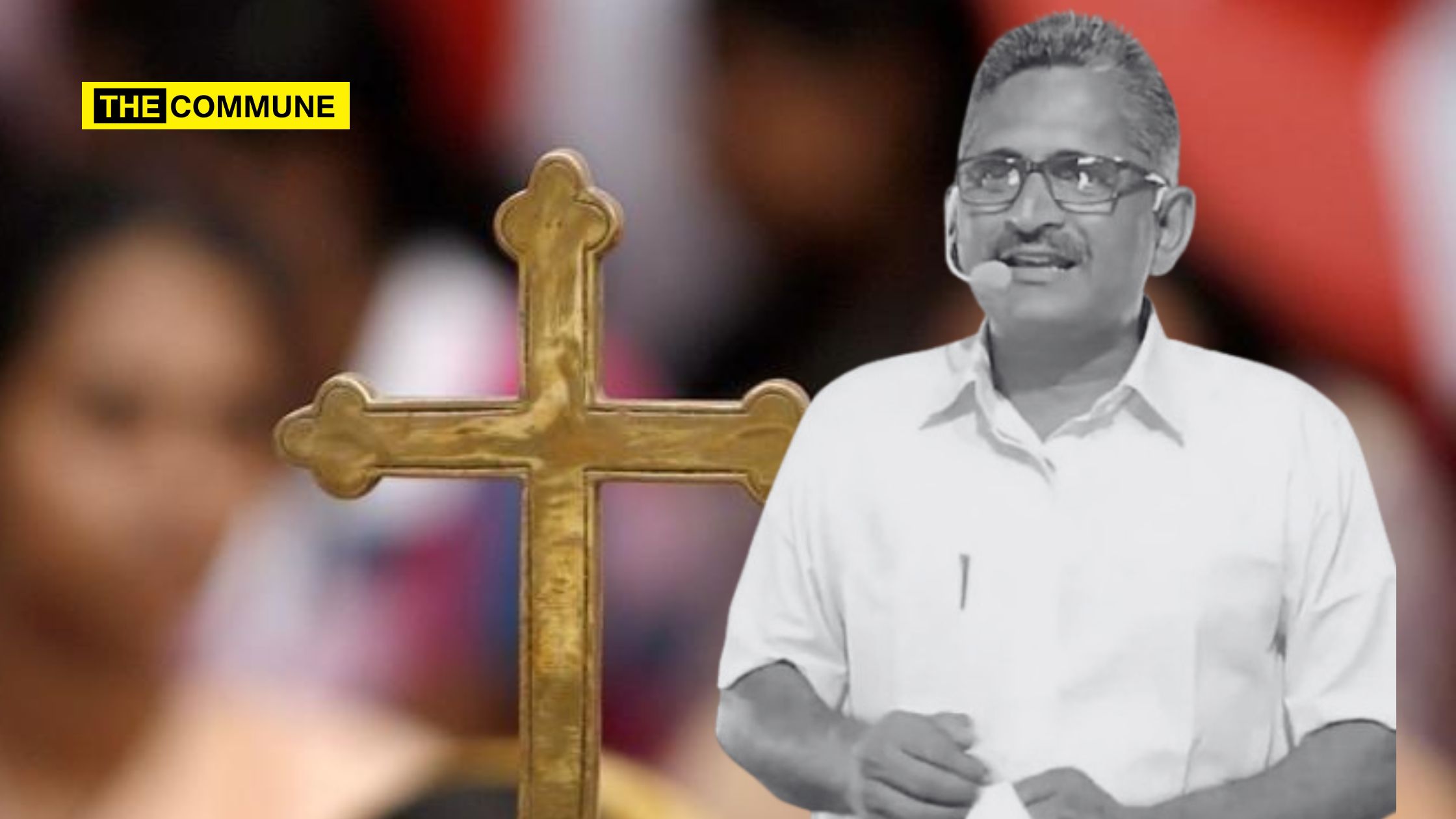
The Biccavole Police in Andhra Pradesh’s East Godavari District have arrested Pastor David Raja Reddy on charges related to forced religious conversions, harassment, and extortion.

The pastor, known for running a church in Balabhadrapuram village in Andhra Pradesh, faces allegations from a local resident, Nakka Srinivas, who claims he was pressured into converting to Christianity and forced to donate one lakh rupees to the church.

According to the First Information Report (FIR), Pastor Reddy allegedly demanded the donation from Srinivas and, upon refusal, began harassing him.

The complainant notes that David Raja Reddy, who had converted to Christianity, has been actively proselytizing in the village. Reddy reportedly constructed a church directly opposite Srinivas’s home and has been using loudspeakers during church services, causing a disturbance to nearby residents.

The pastor reportedly amplified his harassment tactics by using loudspeakers at high volume during church gatherings, creating a disturbance and causing significant distress to Srinivas and his family.

The complaint further states that Pastor Reddy repeatedly pressured him to convert to Christianity, despite his clear refusal. He further alleges that Reddy and his associates have been obstructing Srinivas’s property by parking vehicles in front of his house during church gatherings.

The complainant further alleged that Reddy had previously created discord in his household, leading to a separation from his wife. Additionally, Reddy is accused of threatening Srinivas with false accusations of illegal activities, including involvement in the ganja trade and sexual harassment, if he continues to refuse conversion.

This arrest is part of a larger investigation by Biccavole Police, who have charged Pastor Reddy under several sections, including 130, 292, 351, and 308(6) of the BNSS. The case sheds light on ongoing concerns over illegal religious conversions and community disturbances in the area, according to police sources.

Sources in Andhra Pradesh note that this is the first arrest for forced conversion in the state’s history.

Subscribe to our channels on TelegramWhatsApp, and Instagram and get the best stories of the day delivered to you personally.
School Principal, Secretary Held After Sports Teacher’s Sexual Harassment Of Students

School Principal, Secretary Held After Sports Teacher's Sexual Harassment Of Students.

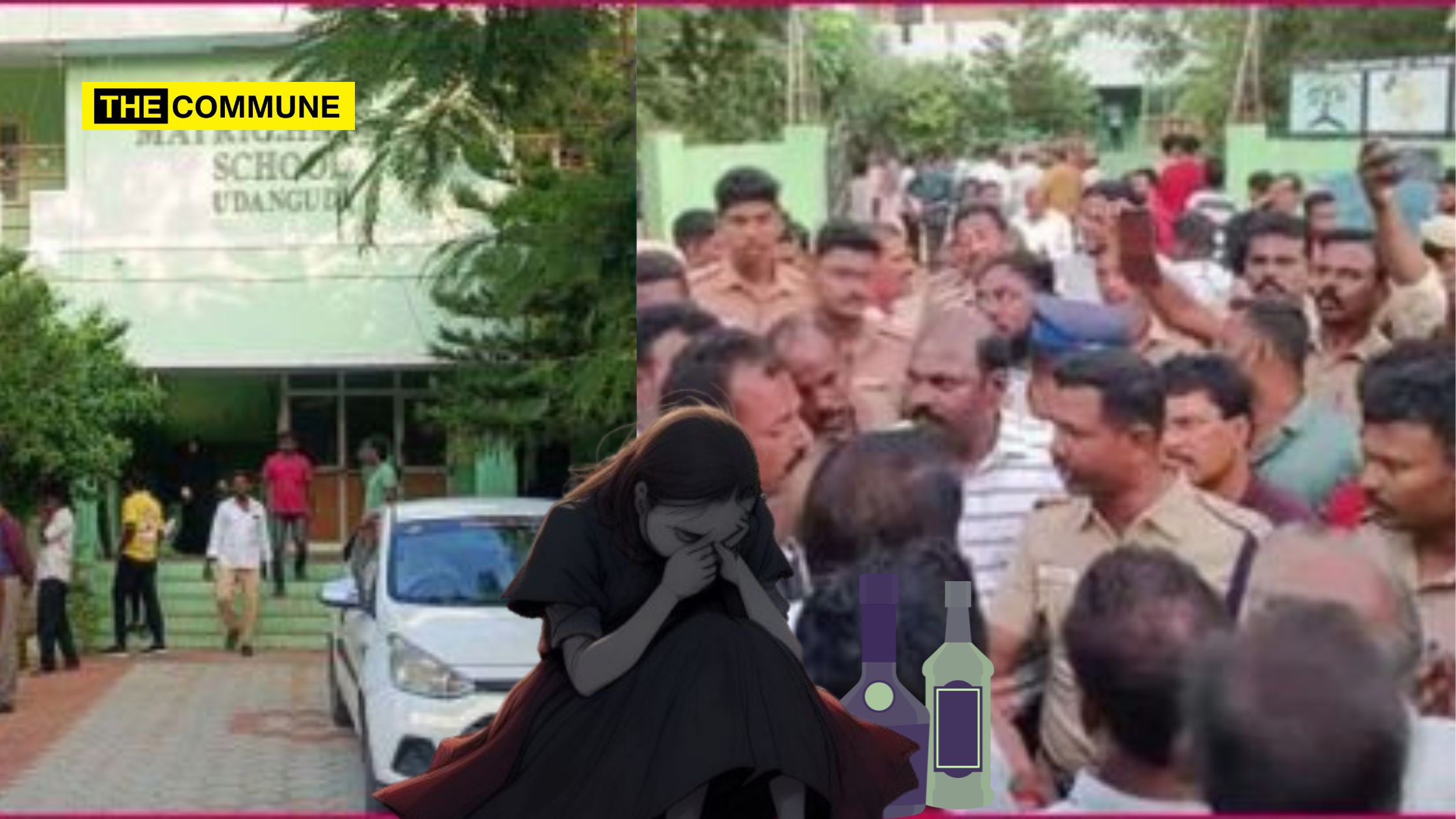
The principal and secretary of a school in Tiruchendur have been arrested for allegedly sexually harassing female students and coercing them into consuming alcohol.

Salma Matriculation School, a private institution located in the Udangudi area in Thoothukudi district, accommodates over 500 students from grades 1 to 12. Ponsingh, a physical education teacher at the school, recently took five female students to participate in regional sports competitions in Thoothukudi on 22 October 2024, with the competition scheduled for the following day.

During their stay at a private hostel in Thoothukudi, Ponsingh reportedly forced the students to drink alcohol and subsequently mistreated them. He also threatened the girls, warning them that reporting the incident to their parents or school authorities could jeopardize their education. Despite this, the students confided in their parents, who then approached the school management for action.

However, no measures were taken initially, prompting the parents to protest outside the school on the afternoon of 11 November 2024. The District Education Officer learned of the situation in response to the outcry and conducted separate inquiries with the affected students.

Following these developments, Ponsingh, hiding in Coimbatore, was apprehended and brought to the Tiruchendur Women’s Police Station. Subsequently, on 12 November 2024, the school’s principal, Charles, and secretary, Syed Ahmed, were also arrested for their involvement. An investigation is currently underway.

(With inputs from Update360 News)

Subscribe to our channels on TelegramWhatsApp, and Instagram and get the best stories of the day delivered to you personally.
Karnataka Congress Govt Mulls 4% Muslim Quota In Public Contracts, Total Quota May Hit 47%

Karnataka Congress Govt Mulls 4% Muslim Quota In Public Contracts, Total Quota May Hit 47%.

Karnataka government is eyeing a 4% quota for Muslim contractors in public works up to ₹ one crore, which could push state tender reservations to 47%. This initiative, intended to bolster minority representation in civil contracts, has stirred reactions among other contractor groups pressing for a fair share in public projects.

Quotas For Muslims In Civil Works

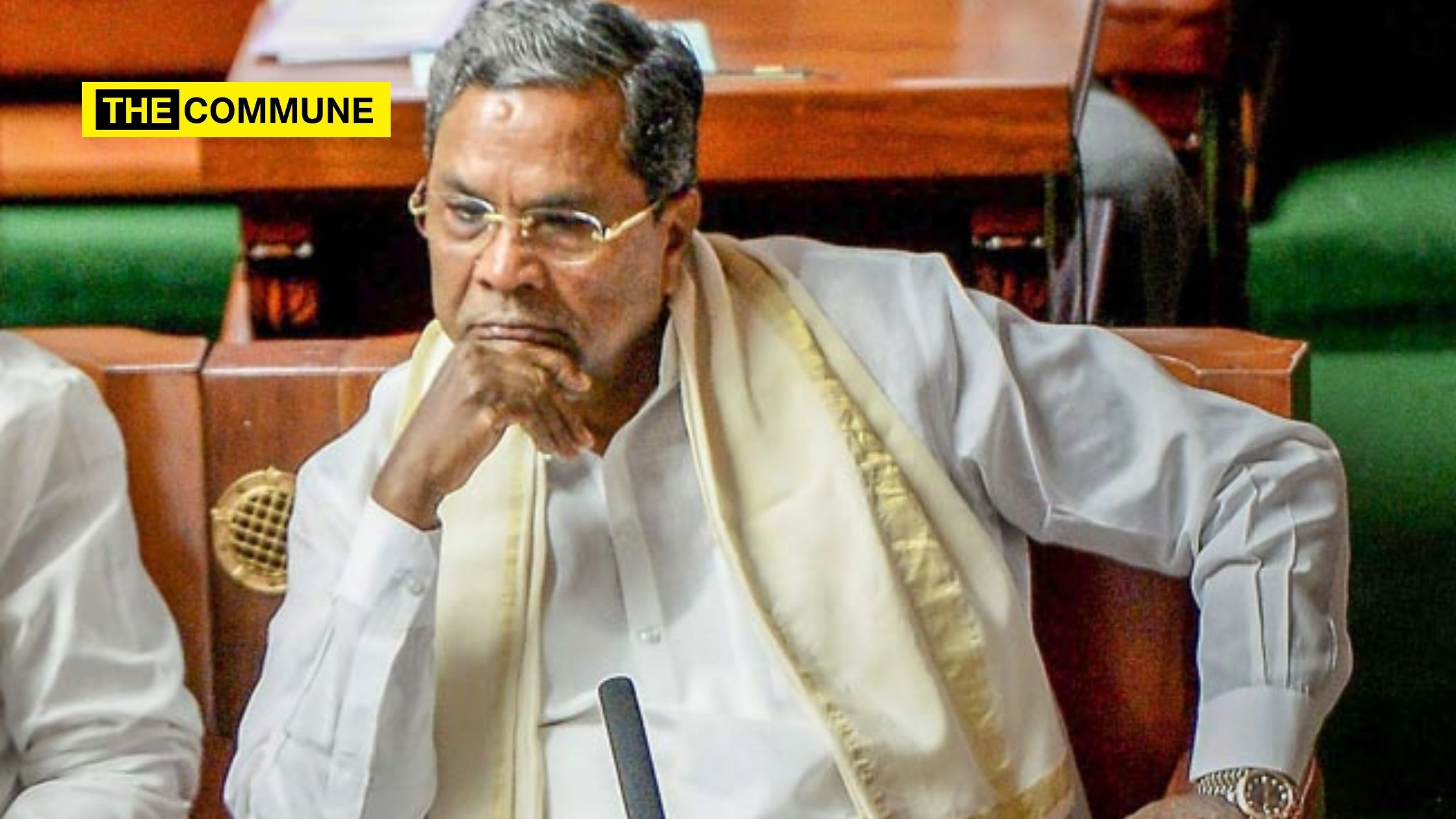
The Siddaramaiah administration in Karnataka is reviewing a proposal to extend reservation to Muslim contractors in public construction (civil) works valued at up to ₹1 crore. If approved, this move would increase the total quota for government tenders in the state to 47%.

This proposal is viewed as part of Chief Minister Siddaramaiah’s strategy to consolidate support from the Ahinda grouping, which includes minorities, backward classes, and Dalits. However, a senior government official clarified that the initiative is intended to empower communities with limited representation in civil contracting.

Quotas For Other Groups

Currently, Karnataka allocates reserved quotas in civil work contracts for Scheduled Castes and Scheduled Tribes (SC/STs) at 24%, and for Other Backward Classes (OBCs) across Category-1 and Category-2A at 4% and 15%, respectively. Together, these account for 43% of government tenders. The new proposal would add Muslims under Category-2B with a 4% reservation, though officials confirmed that no final decision has been made yet.

Siddaramaiah introduced contract reservations for SC/ST contractors during his previous term. Earlier this year, the policy was expanded to include two categories of OBCs. Category-1 includes 95 communities, such as the Besta, Uppara, and Dalit Christians, while Category-2A includes Kurubas, Idigas, and around 100 other communities; Siddaramaiah himself belongs to the Kuruba community.

Expanding reserved quotas to include Muslim contractors has sparked concerns among other contractor groups, notably the Vokkaligas and Lingayats. These groups press the Karnataka State Contractors Association to address the matter with the government.

Implementation Via Roster-Based Randomisation

According to an order issued by Additional Chief Secretary (Finance) L K Atheeq, the state will implement reserved quotas for SC/STs and OBC contractors through a roster-based randomisation system. The engineering division or the tender-inviting authority will serve as the operational unit for this randomisation process.

As outlined in the order, if there are more than four civil works contracts, they will be randomized and distributed according to the government’s roster system. For example, in a batch of four contracts, one will be randomly allocated to each group: SC, ST, Category-1, and Category-2A contractors.

New Demand To Increase Tender Cap

Meanwhile, the Karnataka State SC/ST Contractors Association has formally requested that Chief Minister Siddaramaiah raise the tender reservation cap from ₹1 crore to ₹2 crore. Both the Department of Social Welfare and the Department of Public Works are reportedly in favor of this increase, which is currently under consideration by the finance department.

The proposed changes reflect the Siddaramaiah administration’s continued focus on expanding access and inclusivity within public contracting, aiming to provide fairer representation for diverse communities across Karnataka.

(With inputs Deccan Herald)

Subscribe to our channels on TelegramWhatsApp, and Instagram and get the best stories of the day delivered to you personally.
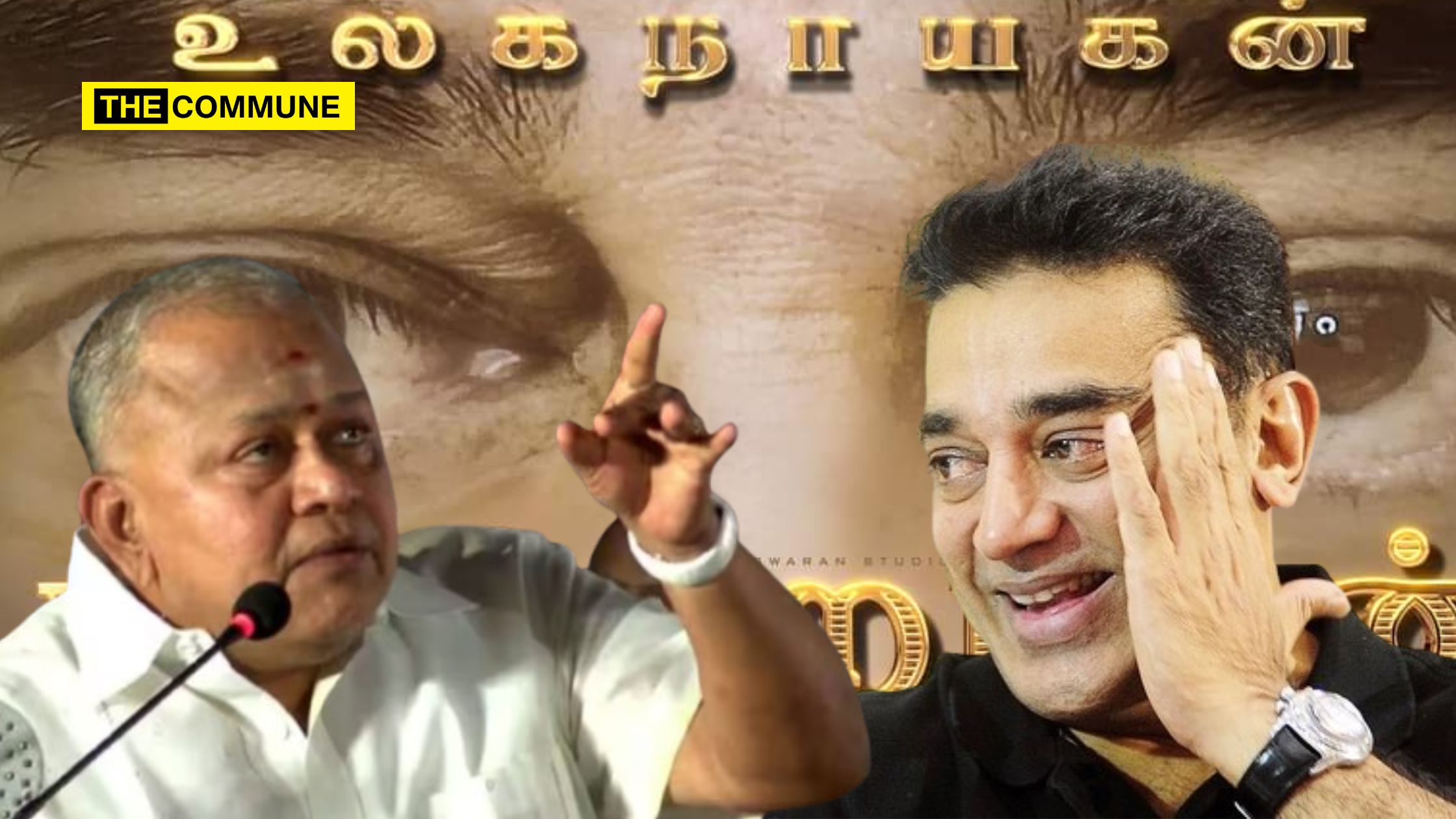
“He’s Superstar Rajinikanth, I’m Just Kamal Haasan Is It?”: Radha Ravi Says Kamal Got Angry For Not Addressing Him With Sobriquet

"He's Superstar Rajinikanth, I'm Just Kamal Haasan Is It?": Radha Ravi Says Kamal Got Angry For Not Addressing without Sobriquet.

On 11 November 2024, Kamal Haasan, the part-time politician and full-time actor, announced his decision to renounce all his titles and sobriquet like “Ulaganayagan” (Universal Hero) that had been bestowed upon him. He stated that he preferred to be addressed simply by his name or initials, “KH.” Kamal Haasan’s announcement reminds one of actor Ajith Kumar’s 2021 open letter, in which he urged the media and the public to stop referring to him as “Thala” (Leader).

This statement sparked a wave of debate on social media. Some critics/fans praised the move, interpreting it as a sign of maturity that comes with age, while others pointed to older videos of Kamal Haasan, in which he insisted on being referred to by his sobriquet. Critics argued that the recent decision wasn’t about maturity, but rather an attempt to draw attention to his presence.

Following this, a video started circulating on social media. In the video, senior actor Radha Ravi shared an anecdote from the past – Ravi recalled an encounter with Kamal Haasan, the part-time politician and full-time actor, who apparently took him aside and asked why he had referred to him simply by his name instead of using his title with the honorifics he was accustomed to.

Radha Ravi shared a story, saying, “During Rajinikanth’s ‘Uzhaippali’ movie, they put red and held a condemnation meeting for it. While Kamal Haasan was speaking, he kept referring to others like Chamber leaders, Mr. Rajinikanth, Mr. Vijayakanth, and at the end said Radha Ravi and mentioned his greetings to everyone. When it was my turn, I picked up the mic. I mentioned Puratchi Kalaignar Mr. Vijayakanth, Superstar Mr. Rajinikanth, and then named other Chamber members, guild etc. Finally, I said ‘Mr. Kamal Haasan’. I am also mischievous sometimes. Afterwards, Kamal Haasan climbed onto the stage and walked towards the back, as all the artists were sent via backdoor. He caught my hand and pulled me aside, saying, ‘Come here.’ We have a friendly relationship, and we even cuss each other sometimes. He grabbed my hand and asked, ‘He is superstar, and am I just Kamal Haasan?’ I replied, ‘Am I just Radha Ravi, or am I not also the President of the Artist Association?’ He said, ‘You are my friend.’ I responded, ‘Like that, you are my friend too.'”

Subscribe to our channels on TelegramWhatsApp, and Instagram and get the best stories of the day delivered to you personally.