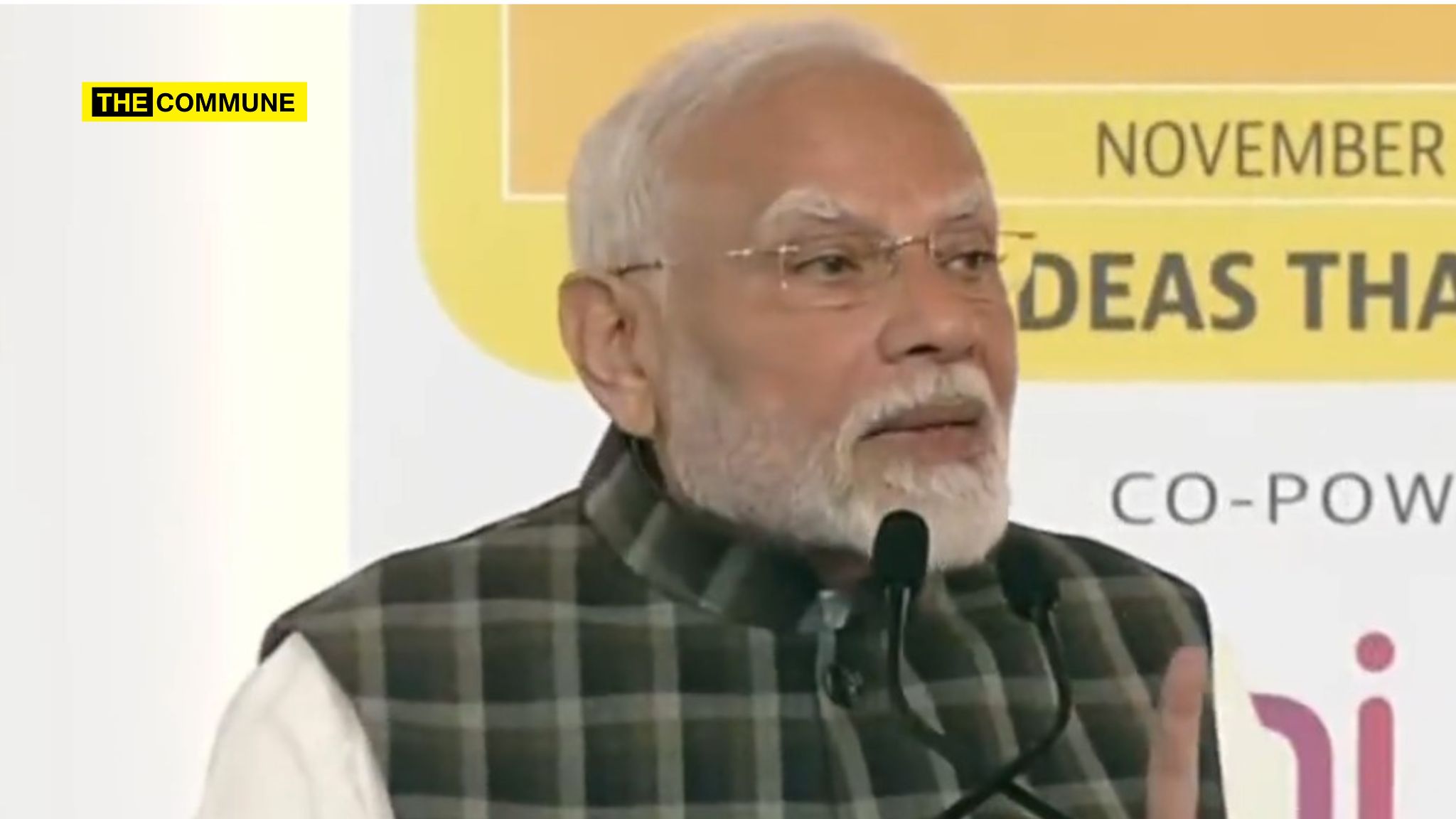
Prime Minister Narendra Modi on Saturday declared that the 21st century belongs to India and urged everyone to aim ‘Viksit Bharat‘ even as the nation continues its journey toward achieving this goal by 2047. Speaking at the Hindustan Times Leadership Summit, PM Modi emphasised government’s commitment for prioritising public welfare and driving transformative changes.
Addressing the gathering, PM Modi said, “When the British left India, many believed the country would disintegrate. During the Emergency, it was assumed that the suppression of democracy would become permanent. Even then, the people of India rose up and defended democracy.” Reflecting on the Covid-19 pandemic, he said, “When the pandemic hit, the world thought India would prove to be a laggard. However, the resilience of Indian citizens proved them wrong and the nation also extended a helping hand to other economies with vaccine supply.” Stressing on India’s fight against terrorism, he cited the significant changes in the security environment and said, “There was a time when terrorism made Indians feel unsafe. Today, terrorists are the ones who feel insecure, even in their own homes.”
He credited this transformation to government’s decisive actions and unwavering focus on national security. The Prime Minister stressed that his government has avoided vote-bank politics, focusing instead on inclusive and sustainable development. “We are going by the mantra of ‘progress of the people, progress by the people, progress for the people’. Our aim is to make a new India. Make India a Viksit Bharat,” he stated. Highlighting the government’s reforms, he added, “In the last decade, India has witnessed a transformation that has reignited a risk-taking culture among its citizens. Aspirations have become the foundation of our policies.” Discussing India’s economic progress, PM Modi highlighted the unique model adopted by his government. “To understand the growth trajectory that India is on today, it is important to look at another approach of our government. The approach is– ‘Spend Big For The People, Save Big For The People’,” he added.
He explained how investments have been directed toward generating employment while development projects have been designed to restore dignity to citizens. “Our government has provided citizens with a unique combination of employment from investment and dignity from development,” he noted. “Today, India is brimming with aspirations, and these aspirations have become the cornerstone of our policies. The transformations over the past 10 years reflect the emergence of a confident, ambitious, and progressive nation,” he remarked. PM Modi also reiterated his vision for a developed India, highlighting the collective responsibility of every citizen to make it a reality. “This is India’s century, and we will achieve our dream of a Viksit Bharat,” he affirmed.
–IANS
Subscribe to our channels onTelegram, WhatsApp, and Instagram and get the best stories of the day delivered to you personally.
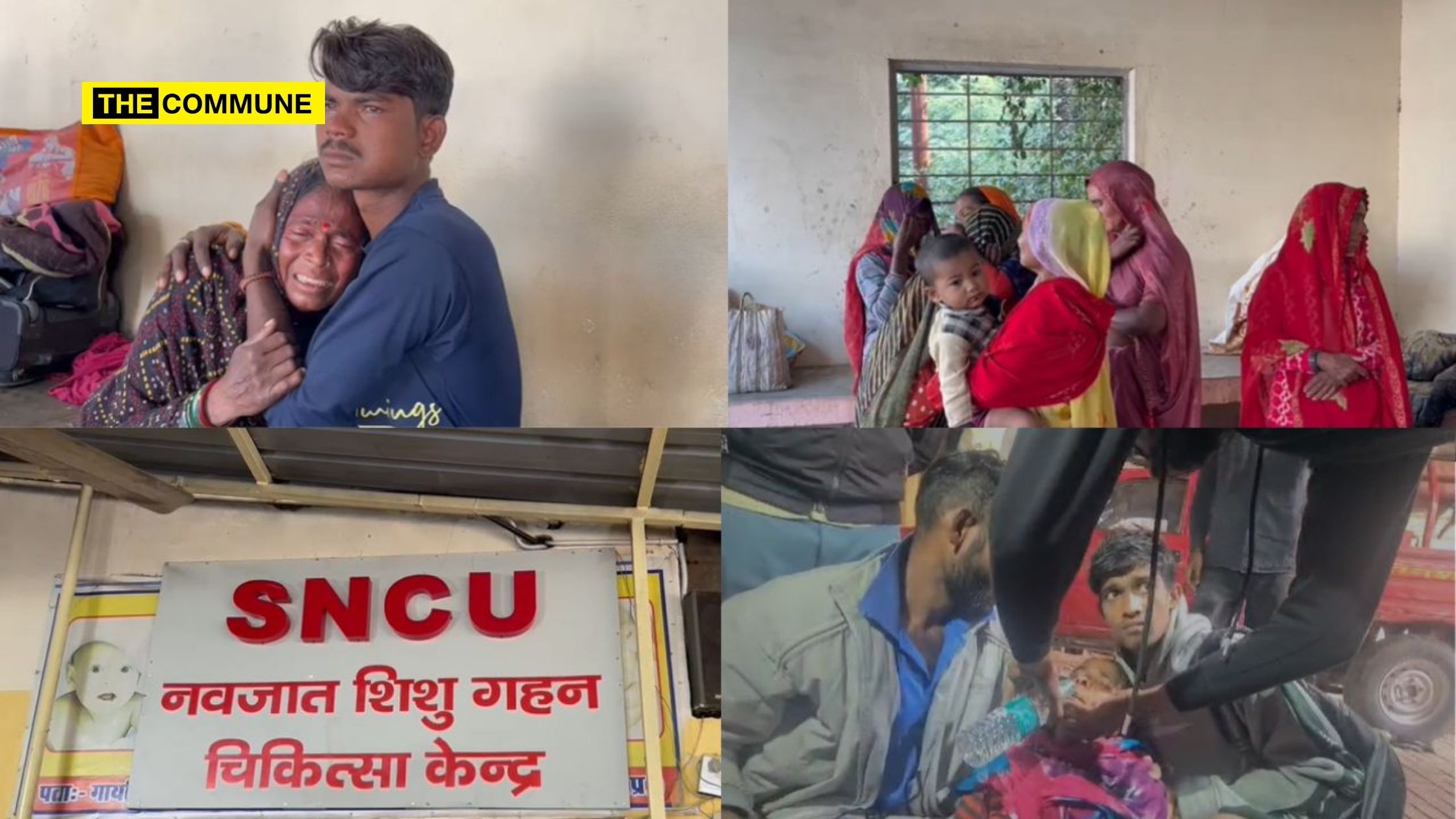
At least 10 newborns were charred to death while 16 children are battling for lives after fire broke out at a hospital in Uttar Pradesh’s Jhansi, last night. While the investigation is underway, the parents who lost their infants are devastated and inconsolable.
The grieving parents are demanding justice for their child and severe punishment for those, whose negligence led to such tragedy. A couple of grieving parents, who witnessed the fire, first-hand also shared their nightmarish experience with the press and explained the frightening chaos that broke out after the blaze.
They also shared about how some parents broke into the glass window of neonatal ICU to rescue the infants from inferno. Kuldeep, whose newborn perished in the fire, recalled his desperate attempts to save other children while searching for his own.
“I protected 4 to 5 children, but I couldn’t find my own,” he said in a trembling voice. “No one can tell me if I will ever see my child again. My wife and mother are devastated. One doctor even told me, ‘Let him die.’ I want to ask him—would he say that if it were his son?” Maya, another grieving parent, shared her horror as she lost her grandson.
“My grandson was on life support,” she said, with tears streaming down her face. “Some parents went in through windows to save the children. A woman who went to feed her child informed us about the fire.”
Ankit, whose six-month-old nephew was among the victims, voiced his disbelief. “They say my nephew is dead because of a short circuit,” he said. “But how can we trust them? We are demanding a DNA test to confirm.” The tragedy unfolded around 10:45 PM on Friday when smoke and flames rapidly engulfed the ward, which housed 55 newborns.
According to hospital officials, at least 54 children were admitted to the NICU, when the fire broke out. After the fire engulfed the infant ward, hospital staff and others swung into action and rescued 44 newborns. Initial investigations suggest a short circuit triggered the blaze, though failures in fire safety protocols are being investigated.
Initial reports suggest that the fire spread quickly, fueled by oxygen concentrators in the ward, and the fire alarm system failed to activate. Preliminary reports indicate that hospital’s fire extinguishers had expired, and safety checks were inadequate. Local opposition parties have blamed administrative negligence and called for a full investigation.
–IANS
Subscribe to our channels onTelegram, WhatsApp, and Instagram and get the best stories of the day delivered to you personally.
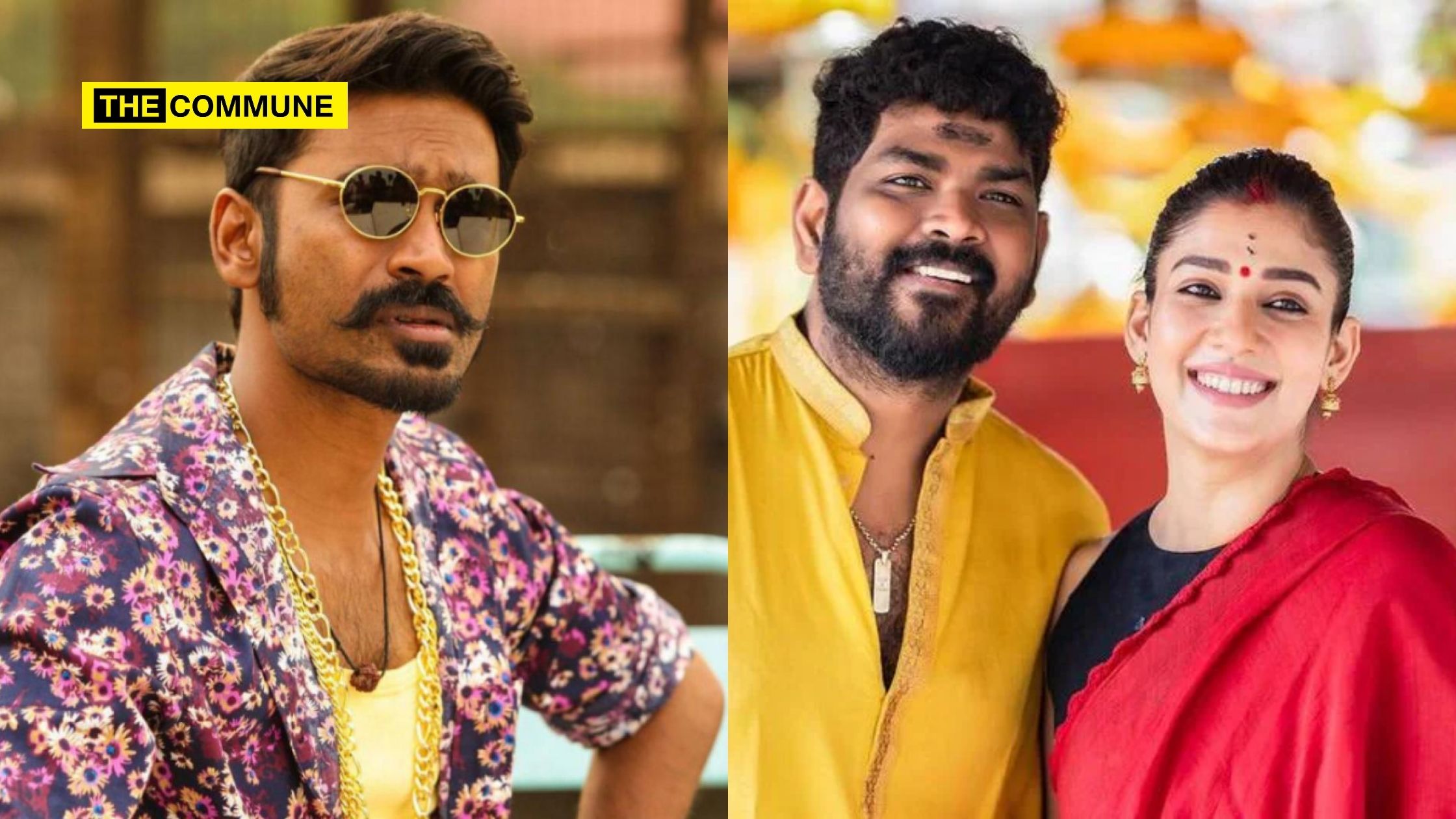
In a scathing open letter addressed to actor Dhanush, popular actress Nayanthara has accused him of sabotaging her much-awaited Netflix documentary by refusing permission to use clips from their hit film Naanum Rowdy Dhaan. The actress, who has built her career from the ground up, alleges that Dhanush’s refusal to issue a No Objection Certificate (NOC) stems from a personal grudge against her and her partner.
Nayanthara’s letter highlights her struggles in producing the documentary, which she says was a labour of love involving many industry friends and collaborators. The documentary, which delves into her life, love, and marriage, should include special clips and songs from Naanum Rowdy Dhaan, a film that remains a fan favourite. However, according to Nayanthara, Dhanush blocked her team’s attempts for over two years to get the necessary approvals, forcing them to re-edit the project.
“Broke My Heart”
“Your refusal to grant permission for even a few seconds of footage or lyrics broke my heart,” Nayanthara wrote, expressing her disappointment over Dhanush’s stance. She hinted that his decision wasn’t driven by business reasons but rather by personal vendetta, especially since the film became a blockbuster hit, much to his apparent displeasure.
The issue escalated after Dhanush allegedly sent a legal notice demanding ₹10 crore in damages for using just three seconds of behind-the-scenes footage in the documentary’s trailer, which Nayanthara claims were shot on personal devices and are already available on social media.
“A Mask in Front of the World”
The actress did not hold back in criticizing Dhanush’s character, accusing him of being two-faced. “I wish you were half the person you portray to be on stage in front of your innocent fans,” she stated, calling out his public image as a humble star while alleging he is vindictive behind the scenes. Nayanthara recalled that Dhanush was reportedly unhappy with the success of Naanum Rowdy Dhaan, with his discontent visible even at award functions following the film’s release.
“Schadenfreude and Spreading Love”
Nayanthara ended her letter philosophically, introducing Dhanush to the German term “schadenfreude” (finding joy in others’ misfortunes) and advising him to embrace positivity instead. She urged him to watch her Netflix documentary to understand the pleasure of celebrating others’ success, emphasizing the importance of spreading love over harbouring grudges.
The letter, which has quickly gone viral, has sparked discussions on social media about industry politics and the challenges self-made actors face like Nayanthara. Fans and industry insiders are waiting to see if Dhanush will respond to these serious allegations or if the legal battle over the documentary will escalate further.
This latest controversy adds a new chapter to the ongoing tensions between two of Tamil cinema’s biggest stars, highlighting the murky undercurrents in the film industry.
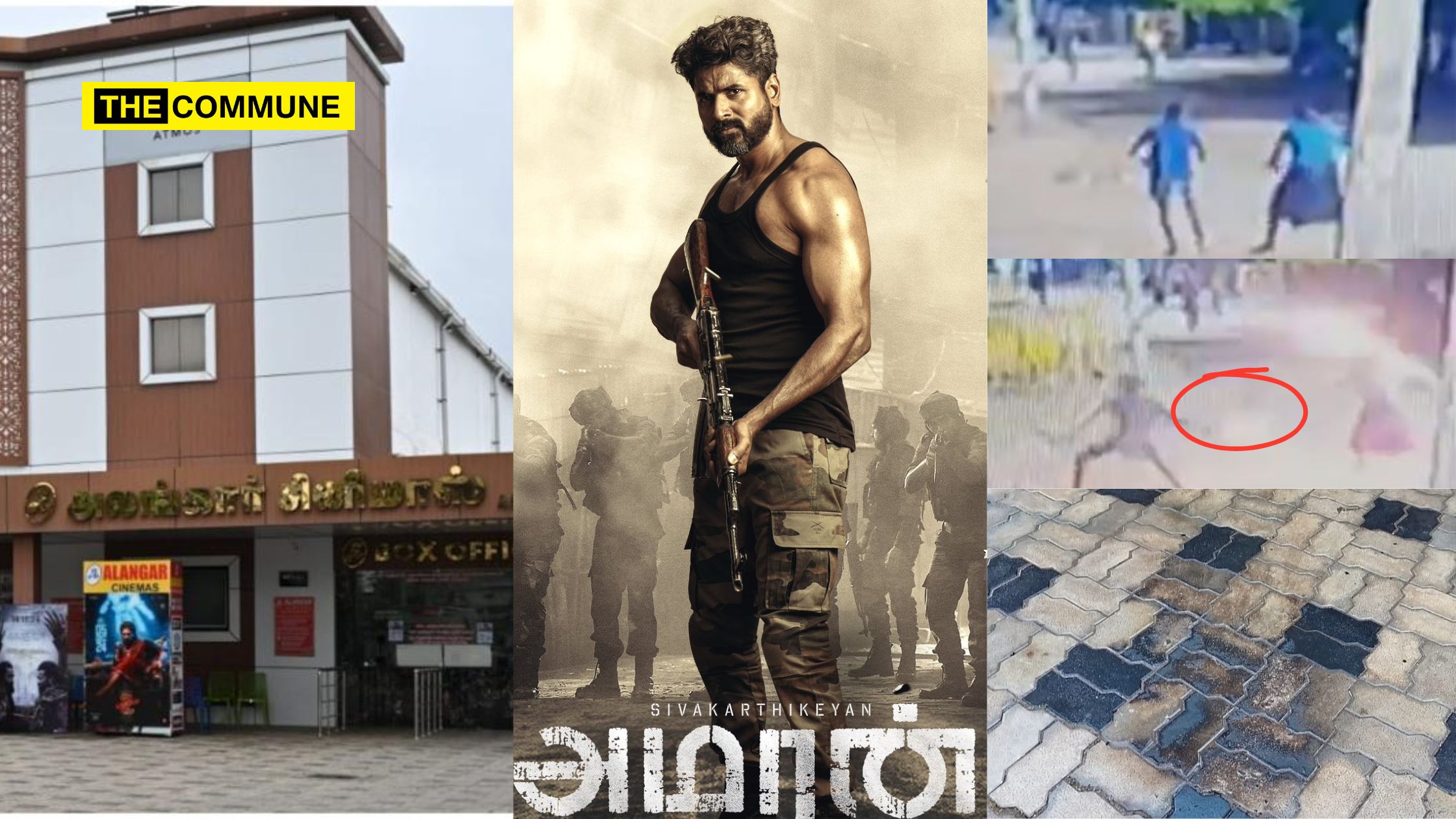
In an unprecedented event, three petrol bombs were thrown at theaters screening the movie ‘Amaran’ in Tirunelveli, sending shockwaves. The police have launched an investigation,
On the morning of 16 November 2024, ‘unidentified individuals’ threw petrol bombs at the ‘Alangar’ theatre as it was showcasing ‘Amaran’ in Melapalayam, Tirunelveli district, escalating tensions in the area.
The Melapalayam police have filed a case and launched an investigation into the attack. Authorities are reviewing CCTV footage from the area to identify those responsible. The attack is believed to be linked to protests against the Tamil film ‘Amaran’, which has been criticized by some groups for its portrayal of Muslims. In response, additional security has been deployed to maintain order.
This incident occurs against the backdrop of condemnation from a coalition of leftists, Islamists, and Dravidianists, who have expressed discomfort with the rise of nationalism fueled by the film ‘Amaran’ The movie, which tells the story of Major Mukund Varadharajan’s heroic sacrifice during a counter-terror operation in Shopian, Kashmir, has drawn criticism from these groups. Initially, these groups pushed the narrative that the film was “Islamophobic,” a claim that was baseless and misleading, which led Muslim leaders in the state to protest and demand a ban.
Subscribe to our channels onTelegram, WhatsApp, and Instagram and get the best stories of the day delivered to you personally.
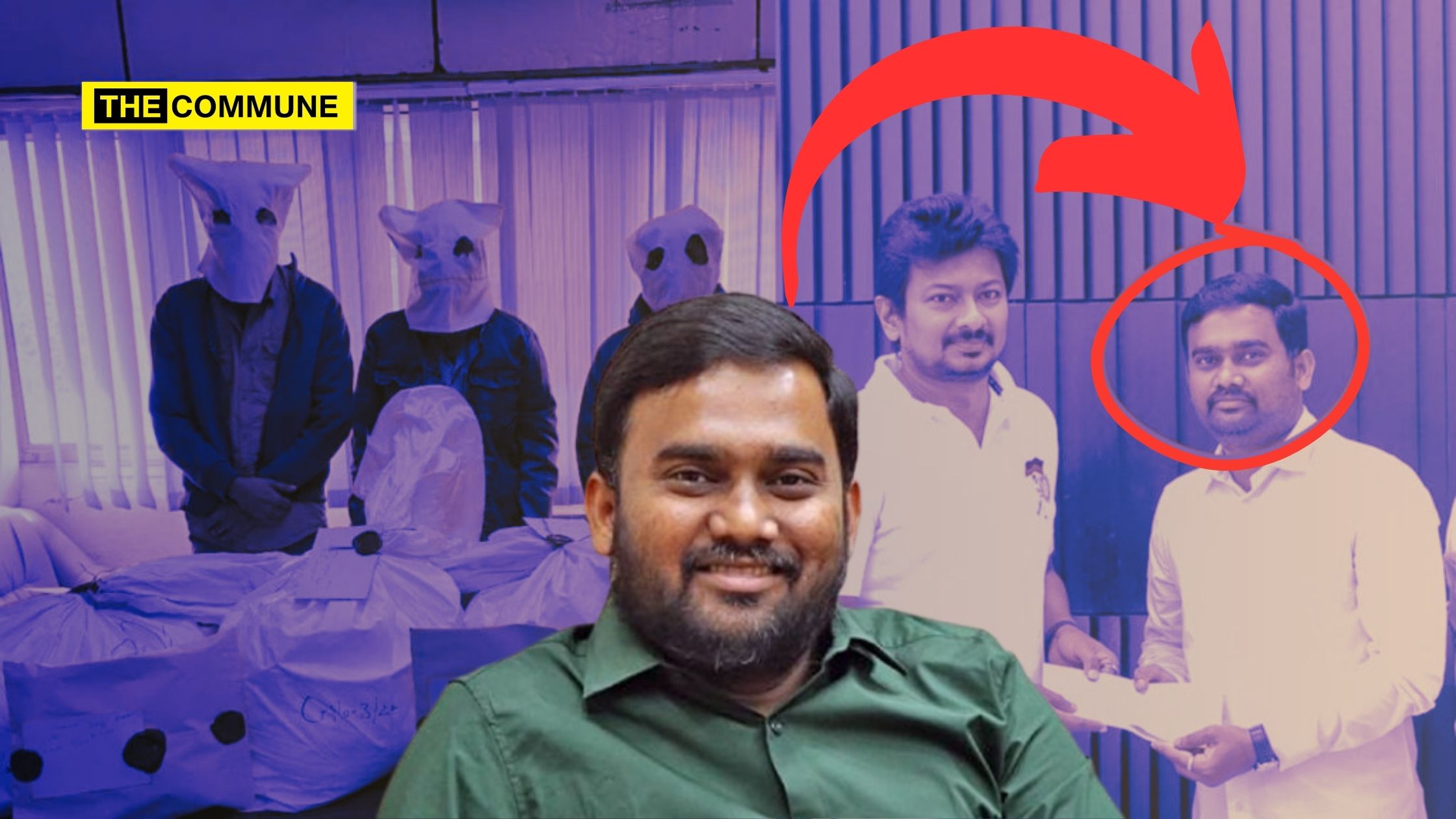
Jaffer Sadiq, a former DMK member and the mastermind behind a large-scale drug trafficking operation, is believed to have actively recruited individuals holding international driving permits and stationed them in countries like New Zealand, Australia, Dubai, and Malaysia. These individuals were employed as drivers, with the covert task of assisting in his drug trade operations, according to the Enforcement Directorate (ED).
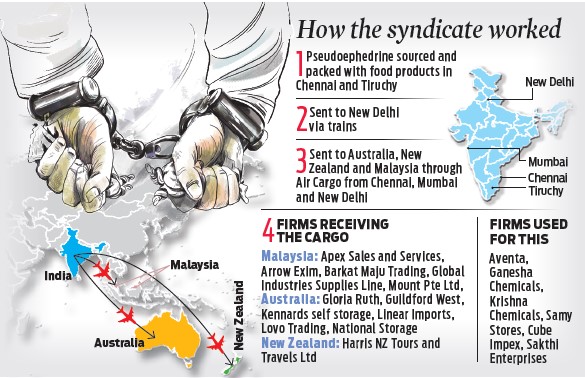
This group of operatives formed part of Jaffer Sadiq’s extensive network, which he used to run his global drug syndicate. The ED’s investigation revealed that Sadiq was involved in sourcing pseudoephedrine, a controlled substance, and smuggling it abroad by disguising the drug within everyday items like desiccated coconut, food products, soda ash, and bangles.
The agency’s probe also uncovered an attempt by Sadiq to send three men—two from Pune and one from Ramanthapuram—to Auckland, New Zealand. These individuals were recruited to work as drivers with a monthly salary of ₹3.5 lakh. They had obtained forged IDs and resident visas for Dubai-based companies through bribery and fake documentation. However, their travel plans were thwarted when Dubai airport authorities stopped them due to a faulty visa.
The ED has filed a charge sheet against Jaffer Sadiq and 11 others, including his family members, film director Ameer, and eight companies used for laundering illicit proceeds. Investigators discovered cash deposits totaling ₹30 crore linked to entities controlled by Sadiq, which were funneled into the film industry through JSM Pictures and other businesses. Additionally, the ED has provisionally seized assets worth ₹55.3 crore, including properties and vehicles belonging to Sadiq and his associates.
From 2014 to 2024, Jaffer Sadiq used six front companies based in Delhi, Trichy, and Chennai to export 237 shipments of pseudoephedrine and ketamine to countries like Australia, New Zealand, and Malaysia. The drugs were sent to 12 companies across these nations—five in Malaysia, six in Australia, and one in New Zealand. The ED’s investigation revealed that many of these companies were actually controlled by Sadiq and his network, operating covertly from India.
In February, during a raid at a location in Delhi, authorities discovered a purchase order and yellow stamps from two Australian companies—Linear Imports and Lovo Trading—that were receiving the shipments. This raised suspicions that the documentation for these shipments was being manipulated in India to deceive Customs authorities. Further investigation revealed that no payments were made by these Australian firms, which strengthened the case against the trafficking operation.
The front companies, set up under the names of Sadiq’s associates—many of whom worked as casual laborers, auto drivers, or film extras—were used to launder the proceeds from the drug trade. Bank accounts in the names of these individuals were used for day-to-day financial transactions and to launder the drug money.
The investigation revealed that six Indian front companies were established under the names of Sadiq’s proxies, including Ashok Kumar, Mujeepur Rahman, Mukesh PU, and Sathanantham, who were employed as daily wage laborers, auto drivers, and film extras. These firms’ bank accounts, which were used for routine expenses and laundering cash derived from drug transactions, were also registered under their names.
The drugs, sourced by Jaffer Sadiq and his brothers, Saleem and Mydeen Gani, were initially transported from Chennai or Tiruchy to Delhi by train, disguised as cargo labeled as ragi or other food items. From Delhi, Mumbai, or Chennai, the drugs were then shipped internationally by air, the ED’s investigation concluded.
Tamil Nadu: A Key Transit Hub for International Methamphetamine Smuggling
Tamil Nadu has emerged as a significant transit point for international drug syndicates trafficking methamphetamine and its precursor, pseudoephedrine, to countries like Sri Lanka, Malaysia, and Australia, where there is a high demand for these substances, according to Indian investigators.
Rise In Methamphetamine Seizures
Recent data from the Narcotics Control Bureau (NCB) in Chennai highlights a sharp rise in the seizures of methamphetamine headed for Sri Lanka. The NCB’s seizures jumped from 12 kg in 2021 to 66 kg in 2022, and to 81 kg in 2023, signaling a notable increase in transnational meth trafficking. In 2024 alone, both the NCB and the Directorate of Revenue Intelligence (DRI) in Chennai have confiscated 57 kg of the drug, with an estimated street value of ₹360 crore across just four major cases. All of these seizures involved methamphetamine sourced from Myanmar and smuggled en route to Sri Lanka. The latest seizure occurred last week when the DRI confiscated 10 kg of meth, leading to the arrest of six individuals and the dismantling of an international drug syndicate.
Methamphetamine trafficking is a highly lucrative illegal business, with prices varying significantly depending on the location. In Manipur, meth costs between ₹50,000 and ₹1,00,000 per kilogram, while in Chennai, the price reaches around ₹7 lakh per kilogram. However, the street value of the drug multiplies substantially in countries like Sri Lanka and Malaysia. The NCB estimates that methamphetamine can fetch up to ₹10 crore per kilogram in these markets, while the DRI values it at approximately ₹5 crore per kilogram in international trade.
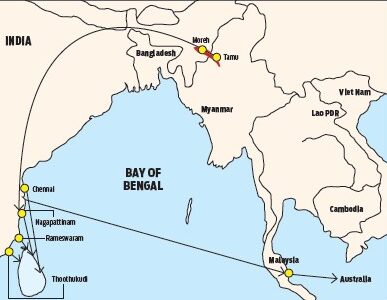
Investigations reveal that methamphetamine is primarily sourced from Myanmar, part of the notorious Golden Triangle region known for producing large quantities of illicit drugs. The narcotic is then smuggled across the border into Manipur and subsequently transported to Tamil Nadu via human carriers who travel by train.
After entering Tamil Nadu, the methamphetamine is moved to coastal towns like Rameswaram, Thoothukudi, and Nagapattinam via bus, train, or car, often in specially concealed compartments designed to evade detection. From these towns, the drugs are transported to Sri Lanka via mid-sea transfers, often coordinated with fishing boats crossing the porous maritime border.
According to law enforcement, trafficking syndicates heavily rely on Sri Lankan Tamils residing in Tamil Nadu, particularly in cities and refugee camps, to help coordinate and execute the smuggling operations. Locals from Manipur also play an important role in navigating the trade routes, and this particular smuggling network has reportedly expanded over the past five years.
Local Connections And Cross-Border Networks
A closer look at some of the recent arrests sheds light on how the trafficking networks operate. For instance, an individual arrested in Chennai’s Koyambedu area, a major wholesale market, was found to be a vegetable trader with established business links to Sri Lanka. In another recent DRI seizure, one of the arrested individuals was a Tamil man who had lived in Manipur before moving to Tamil Nadu, illustrating the cross-border nature of the syndicate’s operations.
Moreh, a town located near the India-Myanmar border in Manipur, has become a key focal point in the drug trade. The town is home to a sizable Tamil community, and investigators have linked some individuals from Moreh to drug syndicates operating in Red Hills, Chennai. In 2023, the NCB arrested three Tamils from Imphal in a 4 kg methamphetamine seizure in Tamil Nadu, which later led to a much larger 11 kg seizure in Manipur—the agency’s largest of the year.
The Role Of Sri Lankan Tamils And Manipur Locals
Drug syndicates involved in methamphetamine trafficking often rely on Sri Lankan Tamils for logistical support, especially when it comes to coordinating mid-sea transfers and managing hawala-based financial transactions. Their familiarity with maritime routes and the coastal regions of both Tamil Nadu and Sri Lanka makes them invaluable to these operations. Locals from Manipur also play a crucial role in helping syndicates navigate the complex and often treacherous trade routes that run along India’s northeastern border.
While Tamil Nadu serves as a key transit hub for methamphetamine, officials note that the consumption of meth within the state remains relatively low. Those seeking high-end drugs in Tamil Nadu are more likely to prefer substances like cocaine or LSD, rather than methamphetamine. Despite this, the state’s role as a major trafficking corridor for international drug syndicates highlights its increasing involvement in the global narcotics trade, which continues to expand despite ongoing enforcement efforts.
Earlier reports had also pointed to Tamil Nadu’s growing role as a critical location for the transshipment of illegal narcotics. Investigations over the past few years have increasingly focused on the state’s coastal routes and border areas, which serve as key points for the smuggling of methamphetamine from Southeast Asia to international markets.
In one high-profile case in 2022, the NCB seized a record 100 kg of methamphetamine in Chennai, originating from Myanmar and destined for Sri Lanka. That seizure, along with others, further cemented Tamil Nadu’s position as a major hub in the global methamphetamine trade. Authorities have since ramped up surveillance and intelligence sharing to combat this growing problem, but the complex nature of the trafficking networks continues to challenge law enforcement agencies.
Into Jaffer Sadiq's international drug syndicate: To run his cartel in Australia and NZ, Sadiq hired three drivers who fraudulently obtained Dubai work permits and resident visas and tried to send them to Auckland.
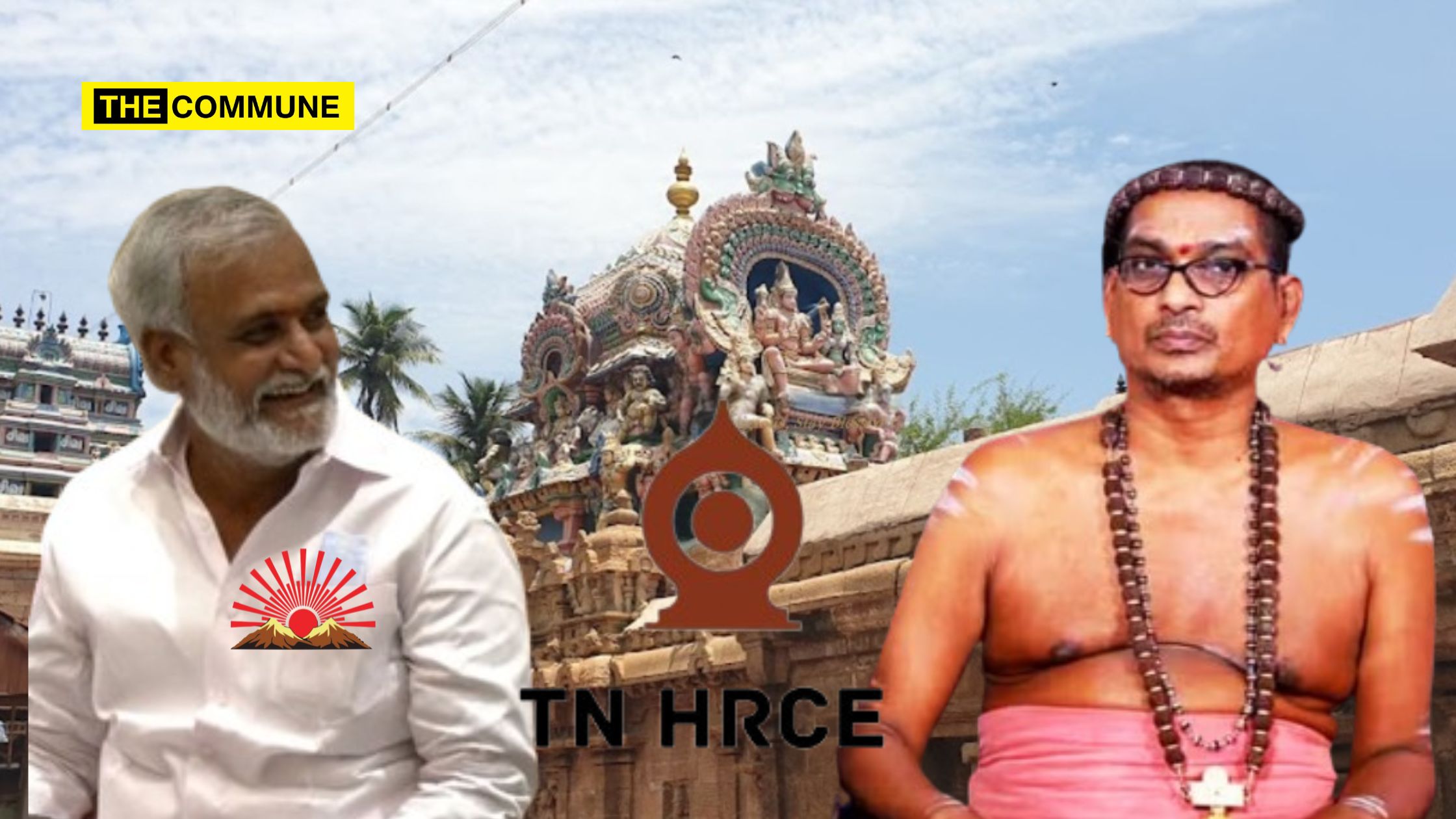
The recent marriage of Mahalinga Swami, the 54-year-old head (Adheenam) of the renowned Suriyanar Temple in Kumbakonam, to 47-year-old devotee Hema Sri has caused a major uproar within the Adheenam and among the temple’s followers. The union has sparked intense criticism and anger among locals, leading to widespread protests against the Adheenam head, with many demanding that he step down from his post.
The controversy has been further fueled by statements from HR&CE Minister P.K. Sekarbabu, who has suggested that the HR&CE department may intervene and take over the administration of the Adheenam. Legal consultations are reportedly underway to explore this possibility.
The Issue
Mahalinga Swami, who had long upheld the tradition of celibacy expected of religious leaders, broke with that tradition by marrying Hema Sri, a 47-year-old devotee from Bengaluru, on 10 October 2024 through register marriage.
Mahalinga Swami, who became the 28th head of the Suriyanar Temple Adheenam in 2022, married Hema Sri in Bengaluru after becoming a regular temple devotee. Their relationship reportedly grew over time during her visits to the temple. Apparently, she has offered her own land to start a mutt in Karnataka’s Bidadi. Traditionally, the heads of Adheenams are expected to lead celibate lives, focusing solely on their spiritual responsibilities. While some past pontiffs have taken up the role after renouncing family life, there are virtually zilch instances of an Adheenam head returning to family life.
The private wedding, which was kept secret for weeks, was only recently revealed after it got circulated through social media. This has ignited widespread criticism from local Hindu devotees and followers.
Swaminatha Desika Swami, the srikaryam (administrator) of the Suryanar Temple mutt, alleged that the marriage took place to expropriate assets worth around ₹1,000 crore belonging to the mutt.
A BBC Tamil report quotes Mahalinga Swami as saying that Hema Sri will only look after the administrative responsibilities of the Ashram located in Karnataka and will not claim the mutt in Tamil Nadu.
The controversy reached a boiling point on 12 November 2024, when villagers and devotees of the Suriyanar Temple, a major Navagraha worship center, demanded that Mahalinga Swami step down as head of the mutt. The protestors forcibly ousted him from the mutt’s headquarters, calling for him to renounce his leadership position due to his marriage. In response, Mahalinga Swami, sent a letter to the Tamil Nadu Hindu Religious and Charitable Endowments (HR&CE) Department, requesting that the government take over the administration of the mutt.
Thiruvavaduthurai Adheenam Response
Apparently, the HR&CE officials who were present at the time of the tiff had asked Mahalinga Swami to hand over the mutt to Thiruvavaduthurai Adheenam according to Srikaryam Swaminatha Swamigal but Mahalinga Swami was adamant about handing it over to only the HR&CE department.
In an interview with BBC Tamil, Rajendran, the General Manager of Thiruvavaduthurai Adheenam, noted that their responsibility was solely to appoint the Adheenam of Suriyanar Temple Mutt and not manage its affairs.
Rajendran further mentioned that the Suryanar Kovil Adheenam has been making complaints against them from the start. He said that there have been complaints against the Adheenam from locals and had visited the site having become aware of the seriousness of the issue. Thiruvavaduthurai Adheenam has noted that Mahalinga Swami is speaking against them to cover up the controversies against him.
Defending his marriage, Mahalinga Swami explained that his decision was a personal matter and pointed out that there had been instances in the past where heads of Adheenams had married. He insisted that his marriage did not impact his spiritual duties. Despite the protests, Mahalinga Swami claimed that he still remained the head of the mutt, which is one of the 18 Shaivite mutts founded centuries ago in Tamil Nadu.
However, the local community was adamant that he leave, and Mahalinga Swami stood his ground, declaring that he would not leave the village until the administrative control of the mutt was transferred to the HR&CE. “I won’t leave the village until the transfer is complete. Afterward, I plan to move to Karnataka,” he said.
HR&CE Response
In this regard, HR&CE Minister P.K. Sekarbabu announced that the government was considering taking administrative control of the mutt, citing Sections 60 and 60(A) of the HRCE Act. Legal experts are being consulted, and an official decision is expected soon. Sekarbabu also mentioned that an evaluation of the mutt’s assets would be undertaken as part of this process.
P.K. Sekarbabu said, “Under Sections 60 and 60(A) of the HR&CE Act, if such allegations arise, the HR&CE has the power to take control after conducting a proper investigation. Alternatively, another provision allows them to voluntarily request the HR&CE to take over by submitting a letter. We are currently consulting with legal experts on this matter. Yesterday, the Executive Officer (EO) of the temple received a letter from the mutt to take over, and we are reviewing it. Today or tomorrow, the HRCE will announce its decision.”
It is important to note that Mahalinga Swami, who has recently been at the center of attention, had previously attracted controversy for his involvement in political matters. He had supported for Dravidian ideology, attended a DMK function celebrating Christmas, and publicly praised current Chief Minister MK Stalin as well as the late former Chief Minister Karunanidhi. His remarks, which resembled those of a political leader rather than a spiritual head, raised questions about his role as a responsible religious leader.
He praised organizations known for their anti-Hindu sentiments, stating, “In North India, there is a philosophy of ‘Hare Rama Hare Krishna’, but they couldn’t gain entry into Tamil Nadu or Kerala due to (the influence) of the Communist in Kerala and the Dravida Kazhagam in Tamil Nadu.” He also openly courted minority groups, encouraging them to vote for the DMK without hesitation.
He also promoted the agenda of Christian missionary conversions, saying, “You don’t need to go anywhere for conversions. Just do your worship well, and they will come on their own. Do you understand? I urge you to just embrace this principle.”
About Suriyanar Temple Adheenam
The Suryanar Koil Adheenam is one of the 18 prominent Shaiva Maths in Tamil Nadu, with a rich history dating back to its establishment by Sivagra Yogi in the early 14th century. Situated in Kumbakonam, Thanjavur district, this monastery holds significant spiritual and cultural importance within the Shaivaite tradition.
Historically, the Suryanar Koil Adheenam has received substantial patronage from various royal dynasties. The kings of Ramanathapuram, Sivagangai, and Pudukottai, as well as the illustrious Sarabhoji rulers of Thanjavur, donated vast tracts of land to the temple.
Traditionally, the position of Adheenam in this math has been held by celibate ascetics who have renounced worldly life. This monastery, also known as the ‘Shivachariyar Math,’ has been a beacon of Shaivaite teachings and practices for centuries.
Due to administrative challenges, the management of the Suryanar Koil Mutt was temporarily handed over to the Thiruvavaduthurai Adheenam, another significant Shaiva math in Tamil Nadu. Under this arrangement, senior monks (Thampirans) from Thiruvavaduthurai have been appointed as Adheenams of the Suryanar Koil Mutt to ensure continuity and effective stewardship.
In line with this tradition, Mahalinga Desika Bandara Swami was appointed as the 28th Adheenam following the demise of Sankaralinga Desika Swami in 2022, who had previously served as the Adheenam of the Suryanar Temple. This succession ensures the preservation of the math’s spiritual legacy while adapting to contemporary challenges.
Kerala Chief Minister Pinarayi Vijayan’s Political Secretary P Sasi, who faced several allegations from Independent legislator P.V. Anvar – earlier linked to the ruling LDF, on Friday launched a legal battle against him. Sasi filed two criminal defamation cases against Anvar in courts in Thalassery and Kannur. The CPI-M leader has decided to take on Anvar on legal grounds after the legislator failed to reply to his lawyer’s notice sent to him last month.
It was in September that Anvar first attacked Sasi by alleging he, along with (the then) controversial ADGP, Law and Order, M.R.Ajith Kumar, was engaged in nefarious activities, including supporting gold smuggling. Then Anvar accused Sasi of engaging in ‘benami’ deals after the suicide of Kannur Additional District Magistrate Naveen Babu took place last month. Soon after filing the criminal defamation case on Friday, Sasi said Anvar had been engaged in a free-for-all against him. “Since I work in the office of CM Vijayan, Anvar has been engaged in attacking the CM and his family, by levelling baseless allegations against me. There is a mafia behind Anvar and their deeds got stuck after the state government started taking strong action,” he alleged.
Anvar, in September, said that he met both Vijayan and CPI-M state Secretary M.V. Govindan and handed over a detailed letter against the misdeeds of Sasi, but it was dismissed outright by both Vijayan and Govindan. Sasi is a political appointee by the party as he is also a state Committee member of the CPI-M and hails from Kannur, the home town of both Vijayan and Govindan. After being kept out from party posts due to a sexual misconduct case, a decade back, he came back to prominence when he was brought into the powerful state committee of the CPI-M in 2022 and then, appointed to the key post of the Political Secretary to Vijayan. Incidentally, it is the second time that Sasi is holding the post, with his first tenure being during E.K.Nayanar’s term as Chief Minister in 1996.
–IANS
Subscribe to our channels onTelegram, WhatsApp, and Instagram and get the best stories of the day delivered to you personally.
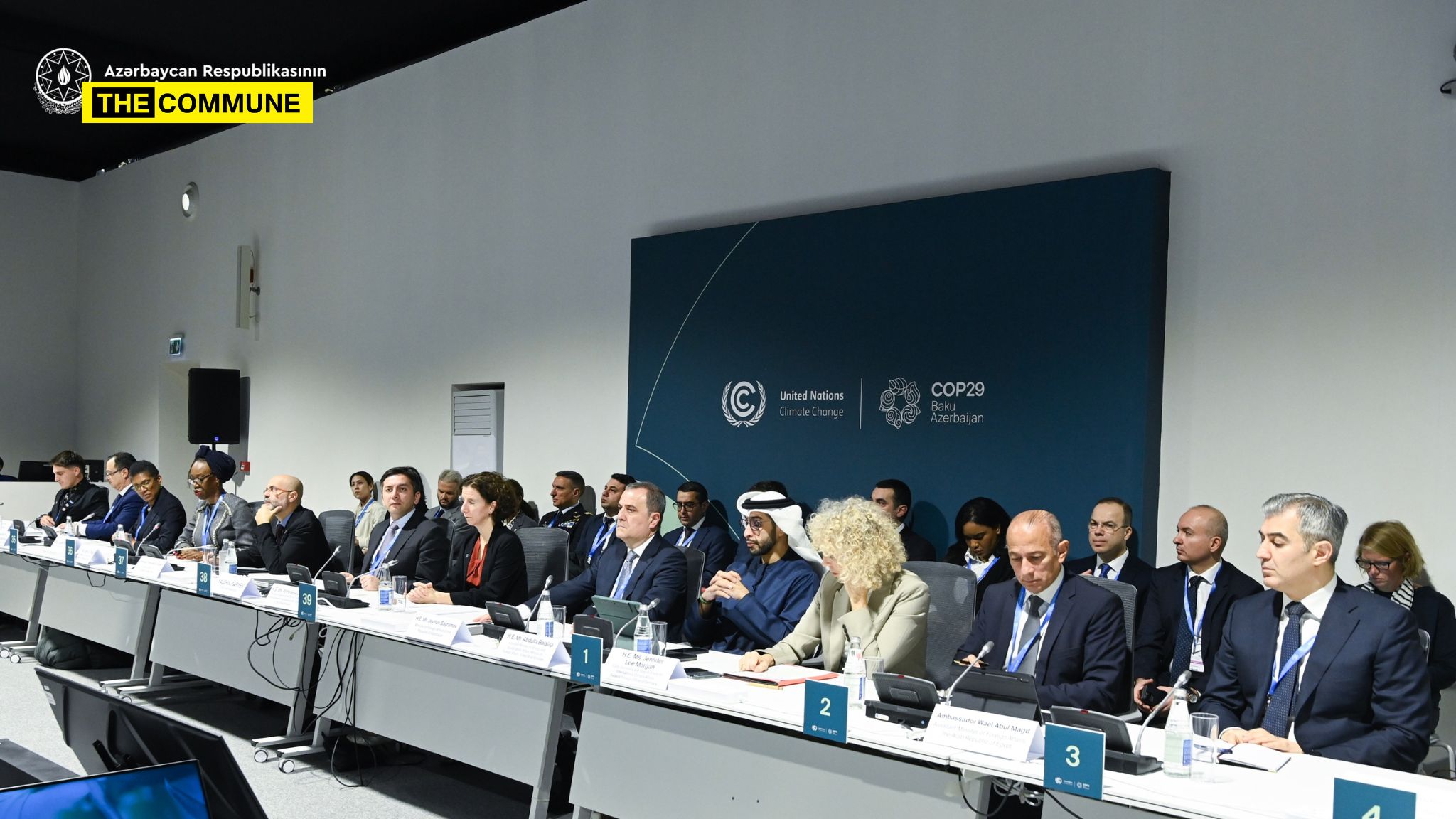
The COP29 Presidency on Friday launched the Baku Call on Climate Action for Peace, Relief, and Recovery (BCCAP), a milestone initiative aimed at addressing the urgent nexus of climate change, conflict, and humanitarian needs, at the United Nations Climate Change Conference, also known as COP29. This initiative responds to the growing recognition that the adverse effects of climate change, such as water scarcity, food insecurity, land degradation and human displacement, can act as catalysts for conflict and instability, especially in the most climate-vulnerable regions.
The Call was launched by Azerbaijani Minister of Foreign Affairs Jeyhun Bayramov at the high-level panel, “Climate and Peace: Enabling Joint Action to Leave No One Behind”, to inaugurate the COP29 Peace, Relief, and Recovery Day. The event brought together ministers and governmental envoys from a wide range of countries across both the Global North and South to develop a strategy for preventing conflict-induced conflicts and scaling up support for climate and conflict-vulnerable nations with high humanitarian needs. Through multiple rounds of consultations over the past six months, the COP29 Presidency has developed, in collaboration with partner co-lead countries of Egypt, Italy, Germany, Uganda, the United Arab Emirates, and the UK, which has already endorsed the Baku Call, the concrete, solution-oriented responses that build upon climate and peace initiatives championed by previous COP Presidencies.
It has established the Baku Climate and Peace Action Hub as a coordination platform to deliver on pledges to mitigate challenges on peace and climate nexus. The COP29 Presidency will host the Secretariat of the hub in Baku. The hub will drive results-oriented synergy and foster joint peace-sensitive climate action of ongoing peace and climate initiatives, namely the COP27 Climate Responses for Sustaining Peace (CRSP) Initiative, the COP28 Declaration on Climate, Relief, Recovery, and Peace (CRRP), Germany-led Climate for Peace Initiative (C4P), and the climate dimension of Italy’s Mattei Plan for Africa to meet needs of the climate and conflict vulnerable countries.
The Baku Call reiterates global pledges and introduces innovative recommendations addressing critical issues such as water scarcity and enhancing sustainable water management practices, food insecurity and promoting climate-resilient agricultural solutions, and land degradation and supporting land rehabilitation and ecosystem restoration. COP29 President Mukhtar Babayev said: “With a disproportionate impact on the most at-risk communities, particularly in developing, lower-income, climate-vulnerable, and conflict-affected states, the Baku Call emphasises the importance of peace-sensitive climate action.” “It also prioritises support for the most vulnerable groups, including women, children, and youth, who bear the brunt of these intersecting crises.”
The development of the Baku Call has been a highly inclusive process, informed by consultations with a diverse range of international partners, think tanks, governments, UN agencies, development banks, civil society, and the private sector and represents an opportunity to collectively amplify commitments to peace-sensitive climate action, while scaling up support for the most vulnerable communities worldwide.
–IANS
Subscribe to our channels onTelegram, WhatsApp, and Instagram and get the best stories of the day delivered to you personally.
Andhra Pradesh Chief Minister N Chandrababu Naidu on Friday said that the blunders and crimes committed by the previous government and the heavy debts raised by it have now become a curse for the State. The previous ruling dispensation created a history of looting the State with its inefficient administration, anti-development policies, ransacking the public properties, heavy taxes and introducing schemes only to resort to scams, the Chief Minister said in the state Assembly.
Making it clear that no wonders will happen overnight, Chandrababu felt that more attention needed to be paid to fulfilling the people’s expectations.
“With the assistance of the Centre, we have saved the State, which was on ventilation and is moving forward by building brick by brick,” Chandrababu Naidu said, explaining in detail the destruction caused to the state by the previous government, including the total amount of debts raised and the crimes committed by that ruling dispensation.
Stating that the people are the ultimate decision-makers in a democracy, the CM said that the primary responsibility of the ruling party is to work for the people. The people gave a historic verdict in the last elections. Chandrababu Naidu said that an appeal has been made to the voters that the National Democratic Alliance (NDA) should win the polls if people have to become victorious.
He said that the voters have come forward to elect the NDA with a fond hope that the State will march in a progressive path. Recalling Deputy Chief Minister Pawan Kalyan’s appeal to ensure that the anti-incumbency votes are not divided, Chandrababu said that the NDA received a 93 per cent strike rate as the BJP too has joined hands. “This is a classic example of how the people reposed faith in all of us, and 100 per cent, we will stand by them to keep the promises made to them,” he remarked. The TDP President said even in 1995 when he was the Minister for Finance before becoming the Chief Minister, the combined State’s situation was not so bad.
“Taking it as a challenge we had taken certain new initiatives then in the administration,” he said. He recalled that when the State was bifurcated in 2014 there was absolutely no revenue to the residual Andhra Pradesh. Such was the situation that doubts were expressed if salaries and pensions would be paid on time. The TDP and the BJP together contested the polls in 2014 and the then government strived hard with the close cooperation of the people and had overcome the 22.5 million units power scarcity too, he said.
Making it clear that the power tariff was not revised even once in those five years, the Chief Minister said that the State had no capital after the bifurcation. The farmers voluntarily came forward to donate 33,000 acres for constructing the capital city while 72 per cent of Polavaram works have been completed, Chandrababu said. Had the TDP back in power in 2019, the project would have been completed by 2021. Alleging that the previous government had looted the State and caused destruction in a novel way, Chandrababu Naidu said that he never expected that a politician could easily escape after plundering the State so heavily. That ruling dispensation resorted to a misinformation campaign that lakhs of crores need to be spent to build Amaravati, he said. This is a self-financing project and about 10,000 acres is still surplus and if this land is sold with that money the capital city can be built, he said. Regretting that with the inefficiency of the previous government, the per capita income has come down drastically while the per capita expenditure has gone up steeply, he pointed out that the growth rate which was 13.5 per cent in 2018-19 fell to 10.6 per cent by 2023-2024.
Assuring the House that the State Government will certainly implement all the Super-Six promises, Chandrababu Naidu said that in addition to that more welfare schemes and programmes will be implemented. The Chief Minister also said that separate legislation will be enacted to deal firmly with the social media psychos and expressed shock at whether those who resort to posting highly objectionable comments on their own mother can be called humans at all.
“How those who resort to assassinating their own mother’s character can be called political leaders,” Chandrababu asked. The Chief Minister informed the Assembly that 300 acres have been allocated for the drone hub, while necessary land has been allotted for the railway zone. “Very soon foundation will be laid by the Prime Minister and house-warming will be organised in December for one lakh houses. House-sites of two cents in urban areas and three cents in rural areas will be allotted to the eligible beneficiaries,” the Chief Minister added.
–IANS
Subscribe to our channels onTelegram, WhatsApp, and Instagram and get the best stories of the day delivered to you personally.
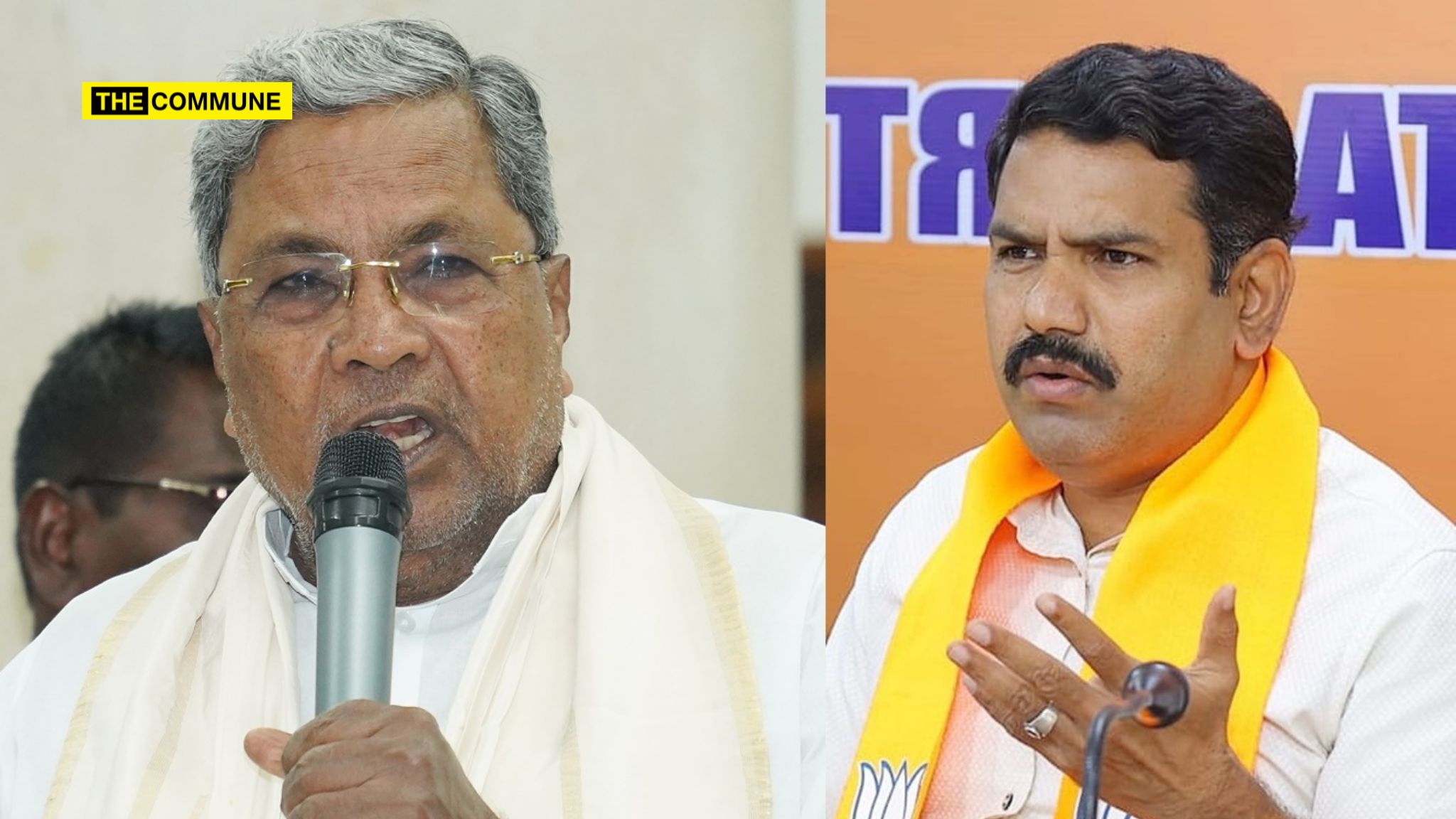
Karnataka BJP President BY Vijayendra on Friday dismissed Chief Minister Siddaramaiah’s allegations that the state BJP was attempting to poach ‘50 Congress MLAs with Rs 50 crores’ bribe and cautioned that he should fear his own ministers, claiming that they were the ones, ‘conniving’ at his back to dethrone him. Vijayendra further said that the Chief Minister was undermining his own party by levelling such baseless accusations as he would lose his credibility in face of not being able to corroborate his allegations with evidence.
Speaking to reporters at state BJP headquarters, Vijayendra said, “Mr CM Siddaramaiah, you need to fear your ministers who are always found beside you. I want to convey this message to you.” Citing the example of Haryana, he said that the Congress party was under the illusion that they had won the state but lost. Now, they are losing Maharashtra as well. After seeing the setback in by-polls in Karnataka, the tall Congress leaders from the state are trying to purchase your own MLAs.
“Four to six leaders within the Congress want to dethrone CM Siddaramaiah. They see him as an outsider and want him to step down much before the five-year term. They see you as the CM mired in corruption,” cautioned the BJP leader. “The resignation of Chief Minister Siddaramaiah is certain. There is no doubt about it. The question is when he is resigning and who will be the next CM,” he claimed while adding that the BJP has just 66 MLAs in the state Assembly and hence won’t attempt at poaching.
“If you (media) ask me whether CM Siddaramaiah will continue in his position, hundred percent it is not possible. He will be resigning very soon,” Vijayendra maintained. He further stated, “I don’t think the high command won’t wait till the winter session. They will get his resignation before that.” “CM Siddaramaiah has spoken on Congress MLAs being offered Rs 50 crores by BJP. But the reality is that there is simmering discontent as CM Siddaramaiah and his family is indulged in rampant corruption and his CM’s chair is shaking,” he underlined. “The truth is CM himself has realized that his time is up and making allegations on BJP to save the blushes,” he concluded.
–IANS
Subscribe to our channels onTelegram, WhatsApp, and Instagram and get the best stories of the day delivered to you personally.