Home Blog Page 781

Average Grievance Redressal Time Reduced To 13 Days From 30 Days: Centre
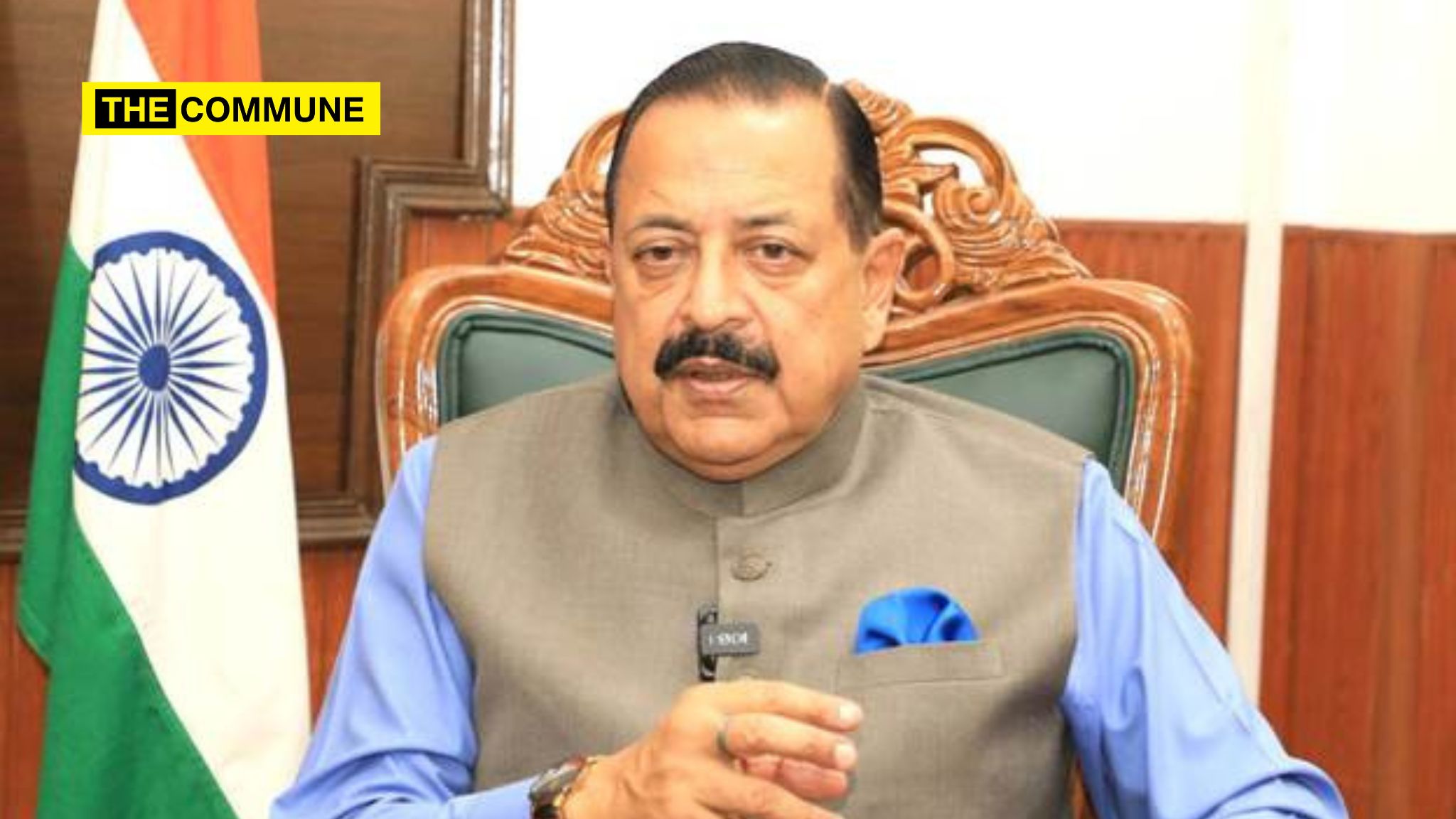
Average Grievance Redressal Time Reduced To 13 Days From 30 Days: Centre

The Centre on Monday said it has cut the average grievance redressal time to 13 days from 30 days, which will soon be reduced further. Union Minister of State (Independent Charge) for Personnel, Public Grievances and Pensions, Dr Jitendra Singh, underscored this achievement as a testament to the government’s commitment to responsive and citizen-centric governance under Prime Minister Narendra Modi’s leadership. “For 28 consecutive months, central secretariats have resolved over 100,000 grievances each month,” Dr Singh said, adding that such benchmarks underscore the system’s effectiveness.

The minister also announced the introduction of next-generation technology powered by AI and ML to modernise the grievance redressal system further. He noted that the centralised public grievance redress and monitoring system (CPGRAMS), launched in 2007, has undergone 10-step reforms that have revolutionised grievance management. These advancements have led to over 116,000 grievances being registered in October 2024 alone, with pending grievances reduced to 53,897 in central secretariats, he informed.

Minister Singh emphasised the strategic significance of public grievances as a direct reflection of citizens’ feedback on government services and policies. He reiterated the government’s commitment to promptly leveraging technology-driven solutions to address these issues. The minister reaffirmed the government’s mission of proactive governance, noting that the evolving grievance redressal system is central to delivering a seamless and inclusive public service experience. The government also launched a Grievance Redressal Assessment and Index (GRAI) 2023 to present organisation-wise comparative pictures and provide valuable insights about strengths and areas of improvement regarding the grievance redressal mechanism.

As part of GRAI, ministries and departments are grouped in three groups based on the number of grievances registered in the calendar year 2023. The GRAI 2023 report presents a clear road map with an advisory for the Ministries and Departments to leverage CPGRAMS and its features like IGMS 2.0, TreeDashboard, etc., to enhance grievance redressal. The road map for improvement emphasises integrating advanced technologies like AI and ML for data analysis, predictive analytics and preventive measures while revising ATR formats for better reporting.

–IANS

Subscribe to our channels on TelegramWhatsApp, and Instagram and get the best stories of the day delivered to you personally.

Baku Climate Talks: India Part Of US-UAE Co-Led $29.2Bn Fund For Climate-Smart Agriculture

Baku Climate Talks: India Part Of US-UAE Co-Led $29.2Bn Fund For Climate-Smart Agriculture

The Agriculture Innovation Mission for Climate (AIM for Climate), the largest global coalition at the intersection of food security and climate change, spearheaded by the UAE and the US, on Monday announced nearly double the investments, partners, and Innovation Sprints in transformative climate-smart agriculture and food systems’ innovation.

The announcements were made at the 29th United Nations Climate Change Conference (COP 29), hosted in Baku in Azerbaijan under the theme ‘In Solidarity for a Green World.’ The investment increase comprises $16.7 billion from 56 government partners, including India, and $12.5 billion from the accelerated investments of 129 Innovation Sprint Partners, driving change in climate-smart agriculture and food systems. AIM for Climate partners turn ambition into action, driving climate-smart agriculture and food systems innovation to tackle the climate crisis, build resilience, and deliver co-benefits for people and the planet. Building on a record year at COP28, investments have surged from $17 billion to an unprecedented $29.2 billion, over a 2020 baseline. The addition of 52 new Innovation Sprints, bringing the total to 129, further underscores AIM for Climate’s transformative impact. With AIM for Climate expanding from 600 to over 800 partners worldwide, the initiative reflects the urgency and strength of its mission.

The growing number of high-impact, private-sector, and public-private partnership-led projects deliver solutions to today’s climate and food challenges. Aligned with COP 29’s priorities of climate finance, emission reduction, and developing adaptive solutions for climate-related loss and damage, these initiatives focus on one or more of AIM for Climate’s focal areas: smallholder farmers in low and middle-income countries; emerging technologies; agroecological research; and methane reduction.

AIM for Climate’s India impact is substantial, with $500 million alone being directed toward climate-smart agriculture and food systems innovation in India. These investments demonstrate AIM for Climate’s commitment to supporting climate resilience and food security in India and beyond. AIM for Climate Innovation Sprint Partners in India Varaha’s initiative aims to deliver $500 million in benefits to smallholder farmers in developing countries by 2025. By integrating farmers into the global carbon market, Varaha supports sustainable agriculture, improves livelihoods, and plans to remove 18 million tonnes of CO2 across four million acres.

Using remote sensing, Machine Learning, and biogeochemical models, Varaha promotes regenerative agriculture, agroforestry, and nature-based solutions, advancing India’s climate resilience and carbon sequestration. Phyla sprint scales ecosystem restoration through climate-resilient agroforestry, with a focus on establishing pongamia and biodiverse agroforestry systems across Sub-Saharan Africa and India. The initiative will regenerate degraded lands while producing feedstock for biofuel, plant-based proteins, and sustainable food and fiber crops.

Phyla aims to catalyse $400 million in new investments through strategic collaborations, fostering a regenerative finance model that unites food security with energy sustainability. As AIM for Climate approaches sunset in 2025, its partners are urged to build on achievements by institutionalising progress for a resilient, food-secure future.

–IANS

Subscribe to our channels on TelegramWhatsApp, and Instagram and get the best stories of the day delivered to you personally.

Vijay’s TVK Denies Any Alliance With AIADMK, To Contest Solo In 2026

Vijay’s TVK Denies Any Alliance With AIADMK, To Contest Solo In 2026

Vijay’s recently-formed party, the Tamilaga Vettri Kazhagam (TVK), refuted media reports suggesting a possible alliance with Tamil Nadu’s principal opposition party, the AIADMK, for the next Assembly elections. In a statement, TVK General Secretary N. Anand termed the reports as baseless speculation and stressed that his party is committed to contesting the 2026 Assembly elections independently.

A potential alliance with the AIADMK gained traction after Vijay, in his first public rally at Vikkaravandi in Villupuram, declared that the ruling DMK was the TVK’s political adversary, while the BJP was its ideological opponent. Anand, who is also a former MLA from Puducherry, said: “With the intention of hindering the rise of TVK, a major Tamil daily has published completely untrue information about an alliance between the Tamilaga Vettri Kazhagam and the AIADMK, based on baseless claims. This news is completely false, without evidence or foundation.” He urged the public to disregard such reports, reiterating that the TVK is preparing to secure a decisive victory in the 2026 elections. “The political path of the Tamilaga Vettri Kazhagam is for the pure benefit of Tamil people. The aim of TVK is to follow the ideology proposed by our leader, achieve massive victory through people’s support, and form a good government for the people,” Anand added.

At the inaugural rally of the TVK on October 27 in Villupuram, Vijay outlined the party’s ideology, which “combines Dravidian ideals with Tamil nationalism”. The party emphasises equality, social justice, and secularism. Speculation about a possible alliance with AIADMK had also been fueled by reports that Vijay held discussions with AIADMK leaders, allegedly seeking the Deputy Chief Minister’s post and 60 seats in the 2026 elections. The TVK In its executive council meeting held at the party headquarters in Chennai, passed 29 unanimous resolutions. The party said that it was opposed to BJP’s “One Nation, One Election” proposal. It also criticised the DMK for delaying the state-wide caste-based census and also for the abolition of NEET and a return to state-controlled admissions. Calling for a revert to the monthly electricity billing system, Vijay has urged TVK cadres to counter criticisms constructively and respectfully, even on social media.

–IANS

Subscribe to our channels on TelegramWhatsApp, and Instagram and get the best stories of the day delivered to you personally.

Bihar: Religious Conversion In East Champaran Sparks Controversy

Proselytisation haryana madhya pradesh children attempting to convert christianity sultanpur forced conversion missionary

An alleged religious conversion in Sihra Panchayat in Bihar’s East Champaran district has sparked controversy and raised concerns among the local population. The locals claim that Christian missionaries are allegedly targeting Dalits and marginalised communities for conversion under the guise of prayers and educational initiatives. They alleged that a Christian missionary school has been established, with activities allegedly focusing on influencing Dalits and economically weaker sections of the community across dozens of villages including Madhuban, Chaita, Katas, Majhar, Bahuara, Rajepur, Tetaria of the subdivision in the subdivision.

They also claimed that individuals are being persuaded under the pretext of prayers and gatherings, particularly on Sundays. Women and children are reportedly transported to a local church in tempos, a practice that has recently increased in frequency. The involvement of Upendra Yadav, a local doctor who converted to Christianity, is also facing allegations of having donated land to a church and facilitated conversions among his family and others. The locals claim that approximately 20-25 people from Sihra Panchayat and over 500 individuals in the Pakadidayal subdivision have converted to Christianity. “The missionaries target Dalit and backward women by offering inducements, taking advantage of the socio-economic vulnerabilities of these communities,” said Chandan Kumar, a villager.

Ganesha Ram from Etawa village in Sirha Panchayat recently reconverted to Hinduism after previously embracing Christianity. He stated that his decision to leave Christianity and return to Hinduism was influenced by his family’s insistence and his own choice. Arvind Kumar, the Sub-Divisional Officer (SDO) of Pakadidayal told IANS that a police team had been dispatched to investigate the matter. “Any cases of conversion in the area would be dealt with strictly, and appropriate action would be taken against those involved,” he said.

Religious conversions have been a recurring issue in Bihar, with several similar incidents reported over time. One recent case in Buxar involved allegations of Hindu women being converted to Christianity, reportedly marked by the symbolic act of washing off their vermilion in the Ganges River.

–IANS

Subscribe to our channels on TelegramWhatsApp, and Instagram and get the best stories of the day delivered to you personally.
DBT-BRIC Launches Initiative To Harness India’s Microbial Potential

DBT-BRIC Launches Initiative To Harness India's Microbial Potential

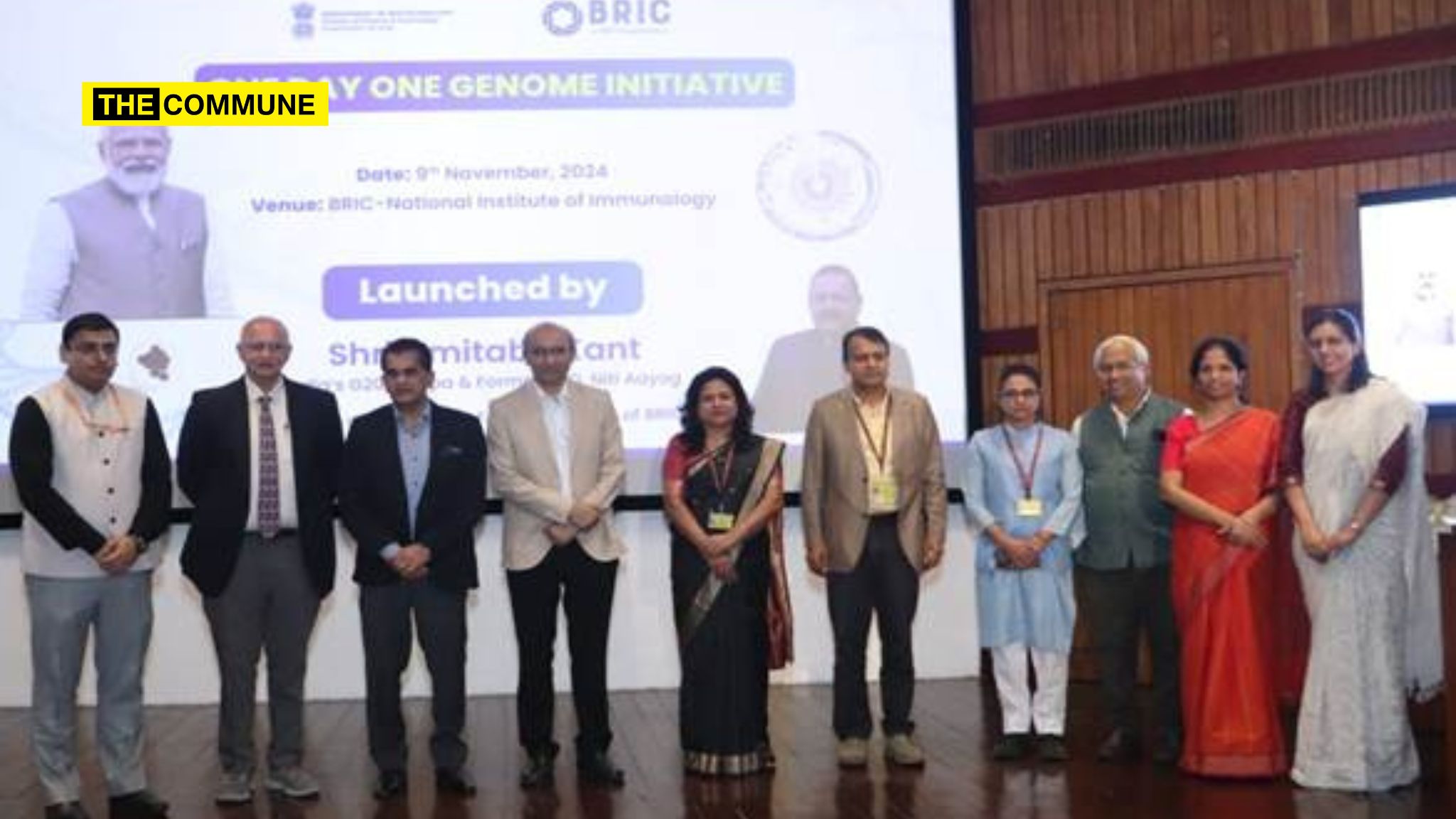
The Department of Biotechnology (DBT) and Biotechnology Research and Innovation Council (BRIC) have launched the ‘One Day One Genome’ initiative to showcase the enormous microbial potential of India, the Ministry of Science & Technology said on Monday.

The ‘One Day One Genome’ initiative aims to highlight the unique bacterial species found in the country. It was launched by Amitabh Kant, India’s G-20 Sherpa and Former CEO Niti Aayog on the first foundation day of BRIC held at the National Institute of Immunology (NII), New Delhi. “The initiative also emphasises the critical roles of bacterial species in the environment, agriculture, and human health,” said the Ministry. In agriculture, they help in nutrient cycling, nitrogen fixation, maintaining soil fertility, controlling pests and weeds, and stress responses. However, in the human body, they aid in digestion, immunity, and even mental health.

While pathogenic microorganisms cause all infectious diseases, non-pathogenic microorganisms are indispensable for our defence against infectious diseases. “Genome sequencing will allow the visualisation of the hidden potential of the microbial world to the community at large. Sequencing data can be analysed to identify the genome-encoded capacities for various important enzymes, antimicrobial resistance, bio-active compounds, etc.,” the Ministry said. “Research in this field will lead to the benefit of better protection and management of our environment, development in agriculture, and improvement in human health,” it added. The novel initiative is coordinated by the Biotechnology Research and Innovation Council-National Institute of Biomedical Genomics (BRIC-NIBMG) an institute of the Department of Biotechnology. Using genome sequencing, the researchers will bring out “a fully annotated bacteriological genome isolated in the country”.

The freely available data will be complemented with a detailed graphical summary, infographics, and genome assembly/annotation details. “The documents will give an idea about the scientific and industrial use of these microbes,” the ministry said, noting that as a result, the “microbial genomics data will become more accessible to the general public, scientific researchers”. This will help stimulate discussions and innovations that will directly benefit the entire community and ecosystem.

–IANS

Subscribe to our channels on TelegramWhatsApp, and Instagram and get the best stories of the day delivered to you personally.

The Pentagon “Misplaced” $2.46 Trillion: An In-Depth Look At The Financial Audit Failures

The Pentagon "Misplaced" $2.46 Trillion: An In-Depth Look At The Financial Audit Failures.

The Pentagon, which houses the United States Department of Defense (DoD), failed its financial audit again, marking the seventh consecutive year of such failure. This latest audit revealed that the DoD could not account for 60% of its $4.1 trillion in assets. This amounts to a staggering $2.46 trillion that remains unaccounted for. The DoD’s inability to track such a vast sum of money underscores significant financial mismanagement within the department.

Annual Budget And Oversight

Despite these repeated failures, the Department of Defense continues to receive its full annual budget of $824 billion. This situation raises questions about fiscal responsibility and oversight. The audits, which are conducted by independent auditors and overseen by the DoD Inspector General, cost $178 million annually and involve the efforts of 1,700 auditors. Despite these extensive efforts, the audits consistently reveal significant errors and gaps in the financial records of the DoD.

Comparative Accountability

The Pentagon’s audit failures stand in stark contrast to the stringent measures imposed on private citizens. If a private individual were to fail multiple IRS audits, they would face severe penalties, including hefty fines and potential jail time for tax evasion. This disparity highlights a double standard in accountability and raises concerns about how public funds are managed. The lack of significant consequences for these audit failures within the DoD suggests a need for greater accountability and transparency in government spending.

Mismanagement And Waste

The Pentagon’s inability to account for a substantial portion of its budget points to widespread mismanagement and waste. One striking example is the estimated $220 billion worth of untracked spare parts, which reflects a significant inefficiency in asset management. Such mismanagement not only wastes taxpayer money but also undermines the operational readiness and efficiency of the U.S. military. The scale of unaccounted funds suggests systemic issues that need to be addressed to improve financial stewardship within the department.

Efforts To Improve

In response to these ongoing issues, the DoD has spent $4 billion in recent years to improve its accounting practices. However, these efforts have not yet resulted in the desired outcomes, as evidenced by the continued audit failures. The complexity and vast scale of the DoD’s operations present significant challenges to achieving a clean audit. Continuous improvement and more robust financial management systems are necessary to address these challenges effectively.

Implications For Public Services

The persistent financial mismanagement within the DoD has broader implications for public services. As the defence budget is projected to surpass $1 trillion by 2027, some are concerned that increased military spending could divert funds from other essential public services, such as education and healthcare. Taxpayers ultimately bear the burden of these inefficiencies, which can affect the quality and availability of vital public services. The balance between defense spending and funding for other public needs is a critical issue that requires careful consideration.

Public Confidence And Economic Impact

Perceptions of government mismanagement impact public confidence in the economy. Recent surveys indicate that 60% of Americans rate the economy negatively, largely due to rising inflation and living costs. The issue of unaccounted funds within the DoD adds to the overall scepticism about how public money management. Restoring public trust requires addressing these financial management issues and ensuring greater accountability within government departments.

Potential Solutions

Some experts suggest that blockchain technology could help resolve the Pentagon’s financial management challenges. Blockchain provides a transparent and real-time tracking system, which could enhance the DoD’s ability to account for its spending and assets. This technology could ensure more efficient use of funds and prevent mismanagement. However, implementing such a system would require overcoming significant resistance from those who benefit from the current lack of accountability. It would also require substantial investment and a commitment to transparency and reform.

The Pentagon’s continued financial audit failures highlight critical issues in the management of one of the world’s largest defense budgets. The inability to account for $2.46 trillion raises serious questions about accountability and transparency within the Department of Defense. As the defense budget continues to grow, the DoD must address these issues to ensure efficient use of taxpayer funds and maintain public trust. Implementing effective solutions, such as leveraging advanced technologies, and fostering a culture of accountability are essential steps in addressing these ongoing challenges.

Ganesh Kumar is a geo-political analyst.

Subscribe to our TelegramWhatsApp, and Instagram channels and get the best stories of the day delivered to you personally.
BJP Will Kick Out Infiltrators Once In Power In Jharkhand: CM Yogi

BJP Will Kick Out Infiltrators Once In Power In Jharkhand: CM Yogi

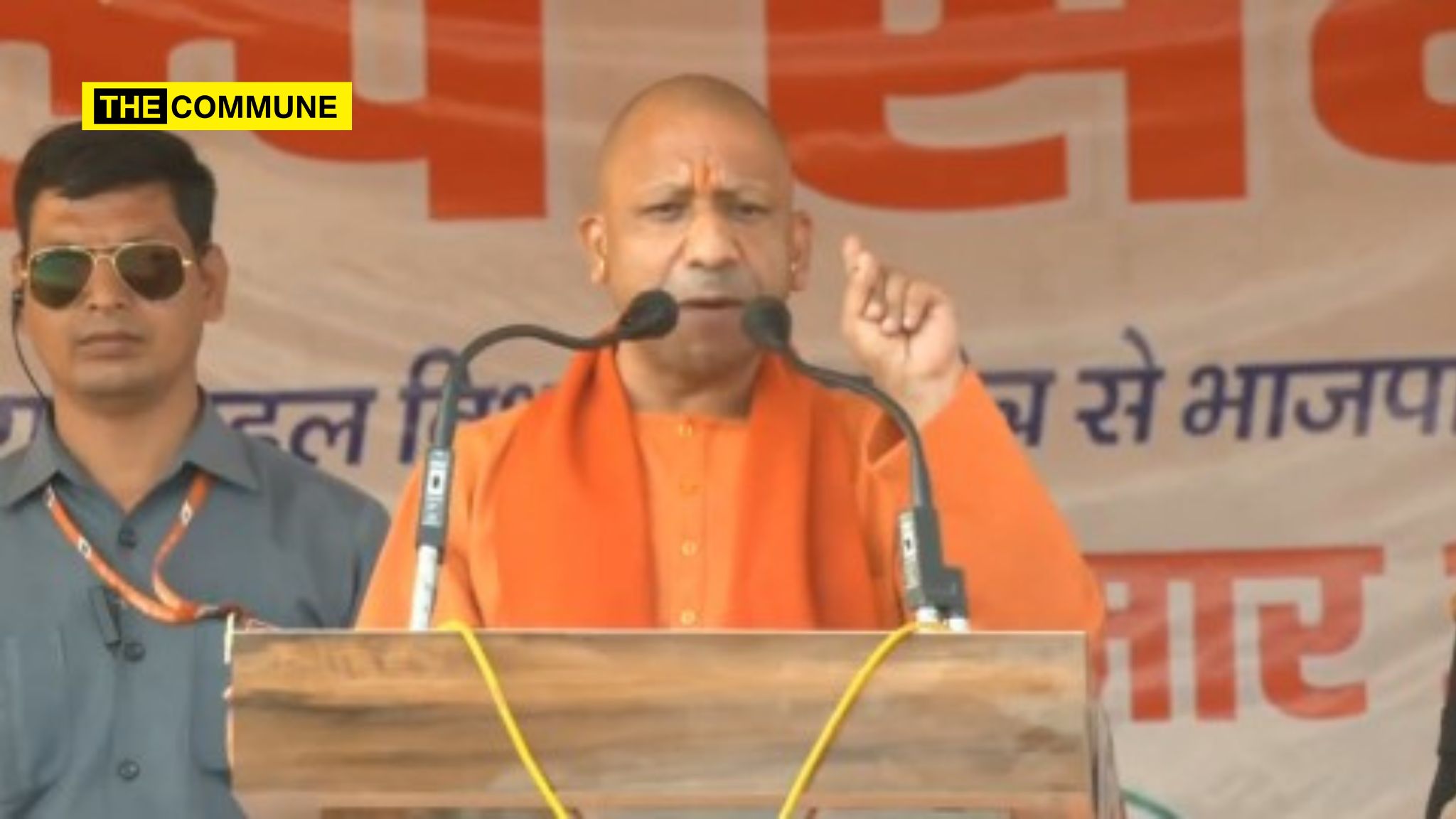
Uttar Pradesh Chief Minister Yogi Adityanath has said that once the BJP formed the government in Jharkhand, Bangladeshi infiltrators and Rohingyas, who are taking over the rights of locals in Santhal Pargana region, will be kicked out. He said this while addressing a rally in the Rajmahal Assembly constituency of Jharkhand on Monday.

Talking about the impact of a double-engine government, CM Yogi asserted that states under the BJP rule have no place for infiltrators. He hit out at the current Jharkhand government, alleging that it has turned the state into a stronghold for Rohingya Muslims. “I have come to tell you one thing. In Uttar Pradesh, where we have a double-engine government, there are no infiltrators, and no one dares to slaughter cows or disrespect our daughters. If anyone dares, he is booked a one-way ticket to Yamraj. The JMM-Congress government cannot do this,” CM Yogi said.

Training guns at the Jharkhand Mukti Morcha (JMM) and Congress, he accused their leaders of corruption. Referring to recent raids, the CM alleged, “People of Jharkhand are poor, but crores of rupees were discovered at the residence of Alamgir Alam, a Minister in the JMM-led government, as well as at the house of a Congress MP. Was this money Congress’, RJD’s, or JMM’s? This was money sent by Modi ji for Jharkhand’s development, but these leaders looted it.” The UP CM assured voters that after the counting of votes on November 23, those responsible for corruption would be held accountable. According to him, voting surveys from the first phase of the election, covering 43 seats, indicate that the BJP-led NDA is on track to secure a two-thirds majority. “BJP governments bring good governance and eliminate lawlessness,” he asserted.

Recalling his tenure as a Member of Parliament during the formation of Jharkhand, CM Yogi attacked Congress and the RJD for initially opposing the state’s creation. “Today, both parties are misleading the state by aligning with JMM,” he alleged. Discussing the BJP’s election manifesto, he highlighted the party’s promises such as permanent housing for 21 lakh people, a monthly stipend of Rs 2,100 under the Gogo Didi scheme for women, unemployment benefits of Rs 2,000 per month for graduates and post-graduates, and Rs 5,000 per month under the PM Internship Scheme.

He said the party has also pledged 2.87 lakh government jobs for Jharkhand’s youth and free sand for house construction to every family. CM Yogi urged the public, “We must stay united, division will only lead to our downfall. Leaders who divide society along caste lines are enemies of the nation. We must move forward with the vision of a developed India.” He appealed to voters to support BJP candidate Anant Ojha in the Rajmahal constituency (ST).

–IANS

Subscribe to our channels on TelegramWhatsApp, and Instagram and get the best stories of the day delivered to you personally.
‘Feminist’ Swara Bhaskar & Husband Meet Cleric Who Called Women’s Education ‘Haram’

'Feminist' Swara Bhaskar & Husband Meet Cleric Who Called Women's Education 'Haram'

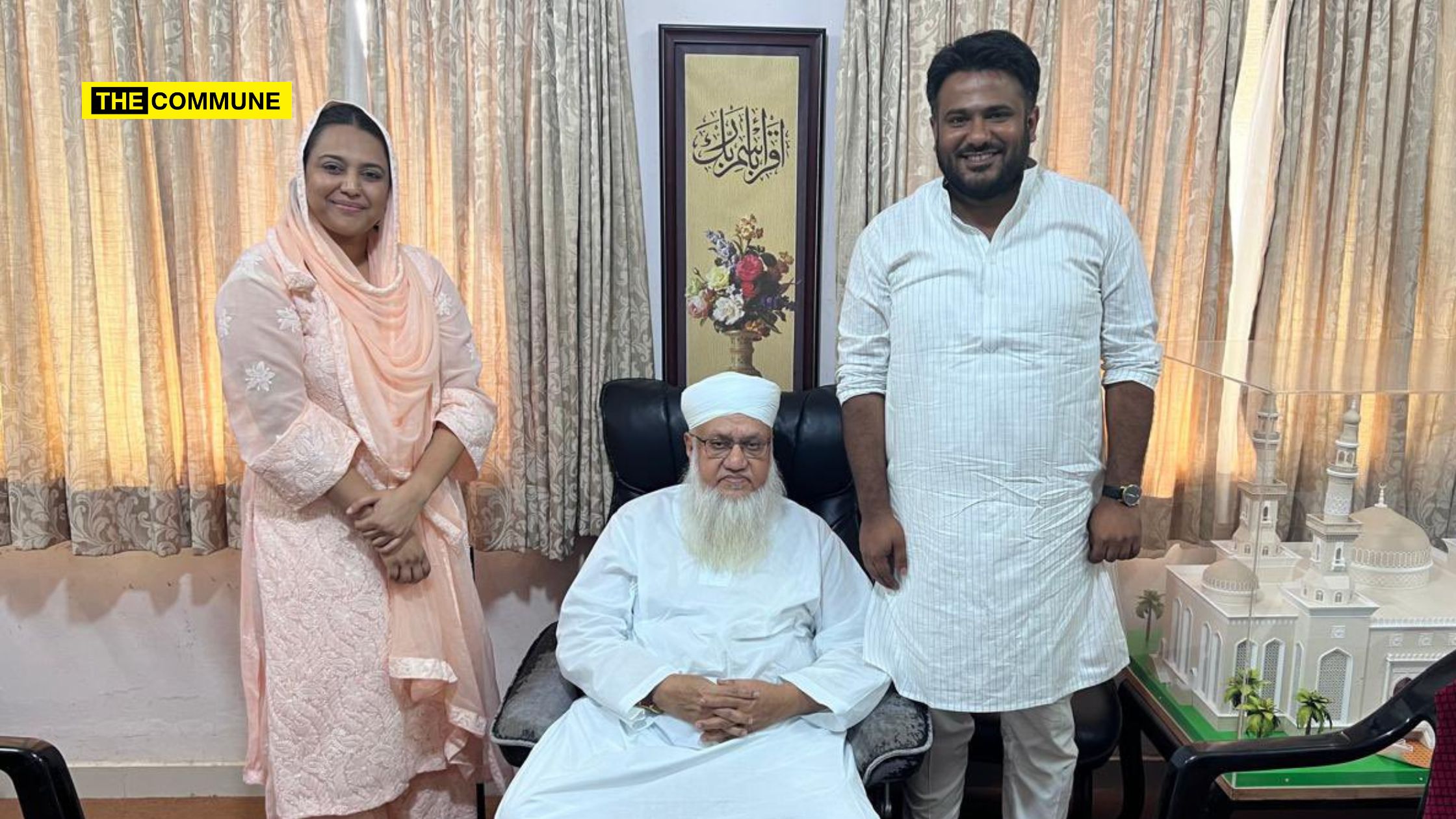
Ahead of the upcoming Maharashtra elections, actress Swara Bhaskar, who waxed eloquent about feminism, along with her husband Fahad Ahmed, met radical Islamic cleric Sajjad Nomani. Nomani, who has been urging the Muslim community to support the NCP-Congress-Shiv Sena alliance (Maha Vikas Aghadi), has been vocal in his opposition to various social reforms, including women’s education.

Fahad Ahmed, who is contesting from the Anushakti Nagar Vidhan Sabha constituency on an NCP ticket, has garnered support from Nomani, who is known for his controversial statements.

Bhaskar, known for deriding Hindu customs and traditions in the name of feminism was seen looking like a perfect “khala“, found herself in the spotlight for meeting Nomani, given his fundamentalist views that contradict the values of women’s empowerment she advocates.

Who Is Islamist Sajjad Nomani?

Nomani, a member of the All-India Muslim Personal Law Board, has stirred controversy with his views on education for girls.

Education Is Haram

In one video, he declared that sending girls to schools and colleges isHaram(forbidden) in Islam. He further stated that parents who allow their daughters to attend educational institutions alone would be condemned to Hell. It doesn’t matter if the daughter is wearing a hijab; she is not to be left unaccompanied, Nomani said. He also discouraged Muslim girls from attending schools, urging parents to keep their daughters at home and teach them under female supervision.

Nomani’s extremist ideology extends beyond education, with his remarks against Muslim women’s modesty. He expressed concern over Muslim girls abandoning purdah (veil) and argued that it was better to keep daughters uneducated than to send them to colleges. I swear on Allah that it is better to keep your daughters uneducated and illiterate instead of sending them to such colleges, he stated.

Taliban Love

In addition to his regressive stance on women’s rights, Nomani has expressed admiration for the Taliban regime in Afghanistan. After the Taliban’s takeover of Kabul, he congratulated the militant group, stating, No one can defeat a community which is ready to die in its pursuit of power. Congratulations to the Taliban! I, as a Muslim from Hind, salute your courage, calibre, religious zeal, and determination.”

Bhagwa Love Trap Conspiracy Peddler

Nomani has also propagated the controversialBhagwa Love Traptheory, alleging that Hindu men are conspiring to convert Muslim women through relationships. He claimed that Hindu men are trained in Islamic teachings and Urdu to lure Muslim women, with the incentive of money, housing, and jobs. “As per my estimates, at least 5000 girls have run away with Hindus, married them and changed their religion to Hinduism. And some of these girls are those who were considered virtuous in their localities. You did not educate them enough about honour of God. You sent them to school, college. You gave them mobiles. They are making friendships. On the other side, there is a whole conspiracy to trap as many Muslim girls as possible, destroy their religion, enjoy them for a few months and then throw them away like peels, destroy their lives, this is a planning. Girls and their parents are so unaware of what’s happening outside. They get these girls’ contact numbers, contact them, and I came to know this through sources that the members of that organization is training their youth for 1-2 months about how Muslims talk among themselves, their behavioural aspects and do sweet talk the unaware and naive girls and the parents. Has any of your sleep been disturbed after listening to this?”, he asserted, adding that these men are allegedly rewarded for their efforts. He warned his followers to be vigilant and accused Hindu youths of orchestrating a deliberate campaign to convert Muslim women.

The meeting between Swara Bhaskar and Sajjad Nomani has sparked criticism, particularly given the radical views expressed by the cleric. Bhaskar following her marriage to Fahad Ahmed earlier this year seemed to have taken a drastic turn favouring Islam given her recent meeting with Nomani. Her feminist stance seems at odds with Nomani’s restrictive views on women’s rights.

(With inputs from OpIndia)

Subscribe to our channels on TelegramWhatsApp, and Instagram and get the best stories of the day delivered to you personally.
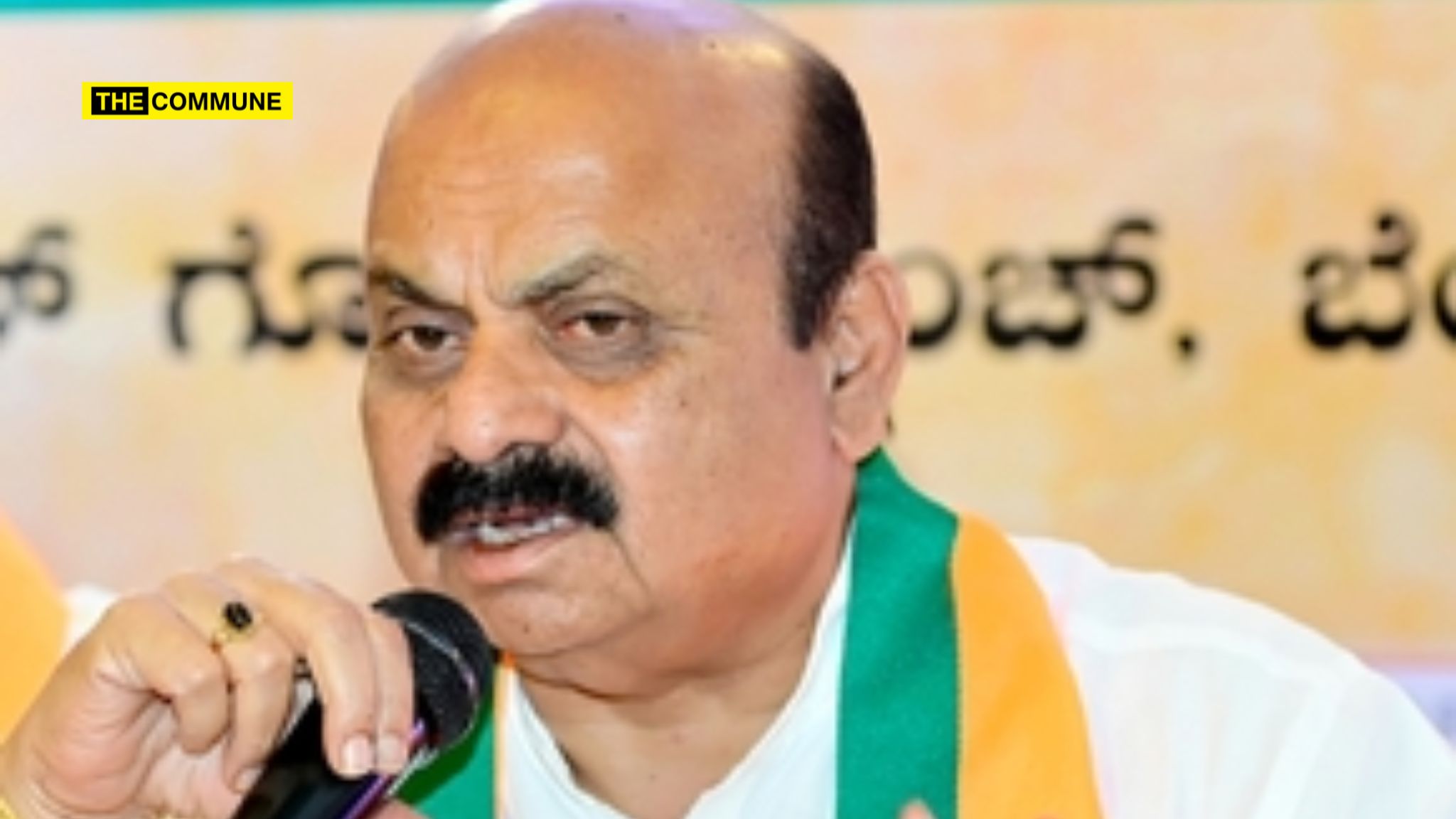
Karnataka Minister Zameer’s Racist Remarks Unacceptable: Ex-CM Bommai

Karnataka Minister Zameer’s Racist Remarks Unacceptable: Ex-CM Bommai

Former Karnataka Chief Minister and BJP MP Basavaraj Bommai slammed Housing and Waqf Minister Zameer Ahmed Khan over his racist remarks on Union Minister for Heavy Industries and Steel H.D. Kumaraswamy, stating that such comments are not acceptable in a civil society.

Speaking to the media persons in Bengaluru on Monday, Bommai said, “Everyone deserves respect, whether rich or poor. No one can demean another person. Those with awareness will never make such statements,” he said. Zameer Ahmad Khan, Housing and Waqf minister of Karnataka had stirred a controversy some days ago when addressed Union Minister HD Kumaraswamy as ‘Kaala Kumaraswamy’. Though hours later, he tendered an apology stating, “We both are very close. He used to address me as “kulla” (shorty) fondly, and I used to address him as “kariyanna” (blacky, Kalia).” Kumaraswamy stated, “Do you think I come from such a background to address Minister Zameer as ‘shorty’ and to be called as ‘kariya’ (Kaala, blacky) by him? His words show his culture.”

“The Congress leaders are claiming that we were close and racist remarks are not a big deal. If they have any shame, they should know we were close, the closeness was over politics and it was not on personal levels,” he further clarified. He also slammed the Congress ministers who have been either tacitly or openly supporting Zameer’s racist jibe at him.

Karnataka Congress President and Deputy Chief Minister DK Shivakumar had stated, “Primarily, it is their personal matter. Minister Zameer should not have spoken like this. Distinction over fair or dark skin is not correct. He should not have spoken about it. As the party’s state President, I am stating that what Minister Zameer said is wrong.” When asked about the Lokayukta report dismissing Congress’ accusations of 40 per cent corruption against the previous BJP government, Basavaraj Bommai refused to comment in detail.

“I won’t speak on this matter now. Our state president and opposition leader have already addressed it. I will respond after the by-election results are announced on November 23,” Bommai said. Regarding the Congress government’s ongoing investigations against the previous BJP government, Bommai maintained his stance of withholding comments until after the by-election results. “I will address all these questions after the results are out,” he stated.

–IANS

Subscribe to our channels on TelegramWhatsApp, and Instagram and get the best stories of the day delivered to you personally.
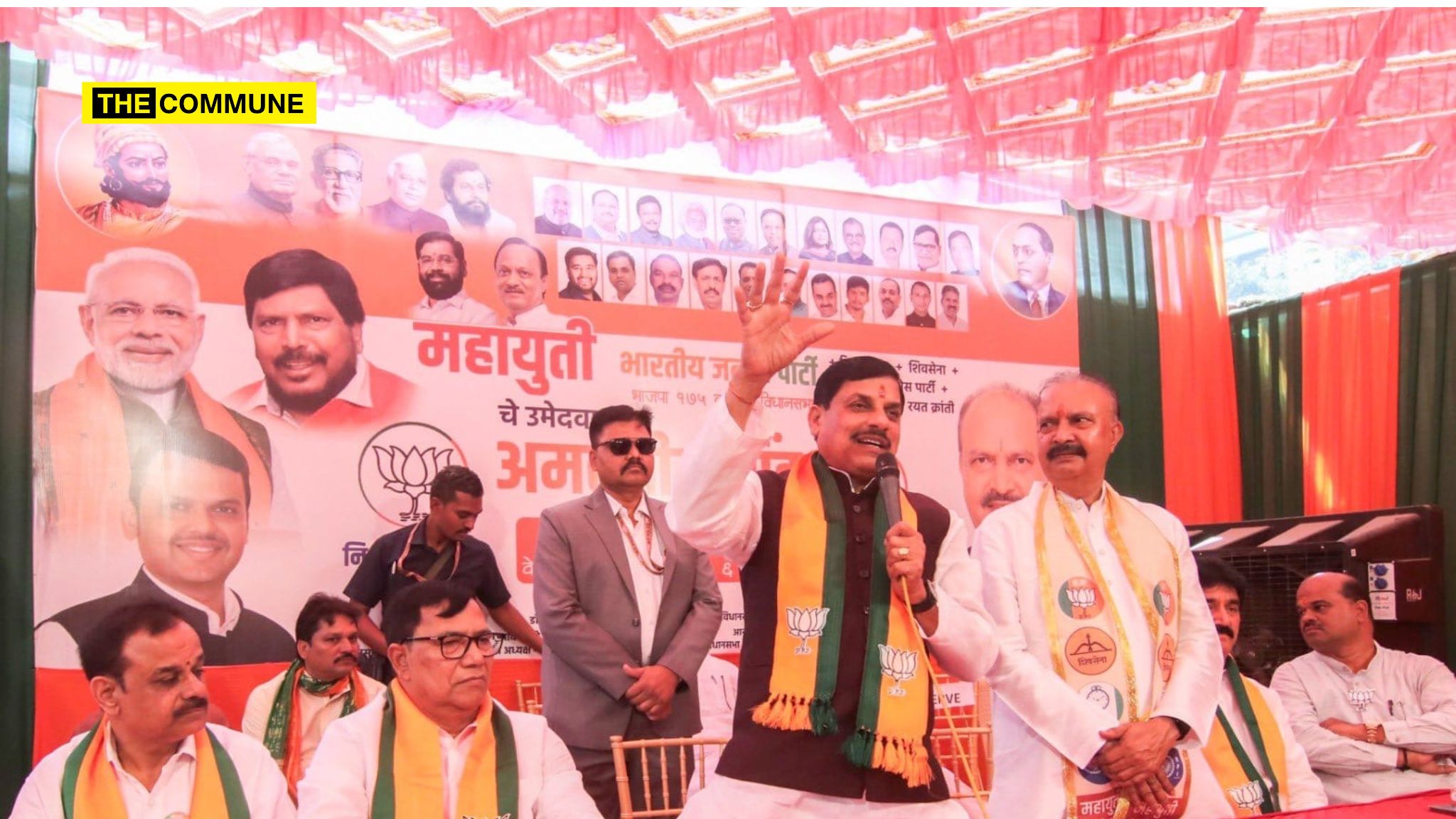
After Ram Temple, Hindus Waiting For Krishna Temple In Mathura: MP CM Mohan Yadav

After Ram Temple, Hindus Waiting For Krishna Temple In Mathura: MP CM Mohan Yadav

Madhya Pradesh Chief Minister Mohan Yadav on Monday said after the ‘Pran Pratishtha’ (consecration) at the Ram temple in Ayodhya, the Hindu community is now eagerly waiting for a decision on Lord Krishna’s birthplace in Mathura. CM Yadav made this remark while addressing a public gathering in Mumbai, on the last day of the campaign for the Maharashtra Legislative Assembly elections slated for November 20. He said that Lord Ram had returned to his birthplace in Ayodhya, and the fight for Lord Krishna’s birthplace Mathura will also be resolved in the coming days.

He was referring to the ongoing legal battle about the Krishna Janmabhoomi-Shahi Eidgah mosque dispute in Mathura district in Uttar Pradesh. The Hindu petitioners allegedly claimed that Krishna’s birthplace lies beneath the mosque, while the Muslim side argues that the mosque does not fall within the disputed land. “Ram temple was built under Prime Minister Narendra Modi’s leadership, and now we all are waiting for the decision on the birthplace of Krishna in Mathura. We will get back that too soon,” CM Yadav said, urging the people of Maharashtra to support the BJP to make PM Modi stronger. He criticised the Opposition bloc for questioning the Pran Pratishtha ceremony at the Ram temple. “Leaders of the Opposition bloc will raise questions on the Ram temple. Not a single leader from the opposition visited the Ram temple since it was inaugurated,” he added.

CM Yadav was in Mumbai on Monday to campaign for the BJP in the Maharashtra Assembly elections. On the last day of the campaign, he is scheduled to do five roadshows and public addressings at different locations, including in Dharavi and Kandivali. Maharashtra will witness a contest between two coalitions — the Maha Vikas Aghadi (MVA), consisting of Uddhav Thackeray’s Shiv Sena (UBT), NCP (Sharad Pawar), and Congress, and the Mahayuti Alliance, which brings together BJP, Shiv Sena (Eknath Shinde), and NCP (Ajit Pawar).

In the 2019 elections, BJP secured 105 seats, Shiv Sena 56, and Congress 44. Voting for all 288 seats of the Maharashtra Legislative Assembly will be held in a single phase on November 20, and the results will be declared on November 23. Of the 288 Assembly seats, 234 come under the general category, 29 are reserved for Scheduled Castes (SC) and 25 are reserved for Scheduled Tribes (ST).

–IANS

Subscribe to our channels on TelegramWhatsApp, and Instagram and get the best stories of the day delivered to you personally.