Home Blog Page 739

Lessons From Bangladesh: Liberation Of 1971 & Hindu Genocide
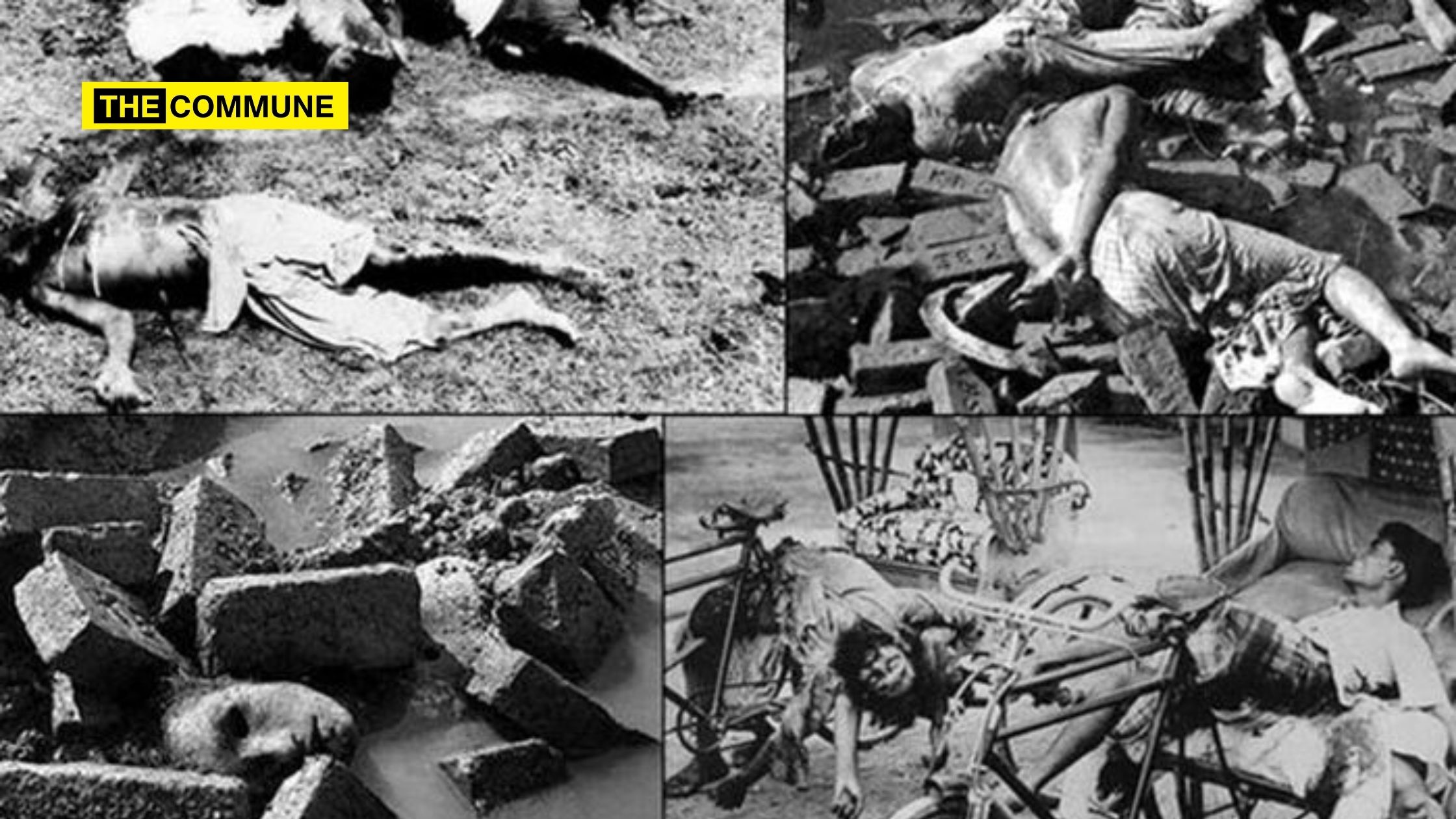
Lessons From Bangladesh: Liberation Of 1971 & Hindu Genocide

December 16 holds a significant place in South Asian history, marking the anniversary of the Bangladesh Liberation and a defining moment that reshaped the region’s political and social landscape. This day commemorates the struggle for independence and serves as a solemn reminder of the sacrifices made in the fight for a new nation.

As we celebrate Bangladesh’s victory, it is crucial to reflect on the long-standing plight of its minority communities, particularly Hindus, whose survival has been marked by continuous persecution. The echoes of 1971, when political, geographical, and ethnic struggles led to widespread violence against minorities, still resonate today.

The blood of these marginalised groups has flowed through the rivers of Bangladesh, both then and now, raising a pressing question: is history repeating itself in the ongoing fight for their survival and dignity? Struggle for identity and justice In 1948, Jinnah’s declaration of Urdu as the state language of Pakistan disregarded the linguistic majority of Bengali-speaking East Pakistanis, who comprised the largest population group.

Jinnah believed that their identity as Muslims should supersede their cultural and linguistic identity, declaring, “The essential condition for the success of Pakistan is complete internal solidarity… Urdu must be the State language of Pakistan.” This sidelined Bengali identity, fueling deep resentment and cultural suppression despite vague promises of regional language autonomy.

The (West) Pakistanis also perceived Bengalis as racially and ethnically inferior, systematically excluding them from military and administrative services. Despite accounting for 55 per cent of Pakistan’s population, Bengalis had negligible representation in civil, military, and bureaucratic services. The elite of West Pakistan considered Bengalis “lesser Muslims” due to their perceived Hindu cultural influence. The Pakistani government’s response to Cyclone Bhola in 1970 exposed its apathy.

The central government, dominated by West Pakistan, delayed and poorly coordinated relief efforts, further exacerbating tensions. President Yahya Khan visited the affected areas days later but took minimal action beyond declaring a day of national mourning. This indifference highlighted systemic neglect, fueling demands for autonomy. Decades later, echoes of such neglect persist. During the August 2024 floods in Bangladesh, similar concerns arose.

A leading television network shed light on distressing incidents of discrimination against Hindus in relief distribution. A viral video featured a man from the Hindu community in Cheoria, Tulabaria, in Kalidah Union’s Ward No. 8, Feni district, expressing anguish: “We have not received a single person for relief. Our only crime is that we are Hindus. People in Noakhali and Barisal are receiving aid, but when they see us, they turn away.” The video underscores ongoing inequities, urging authorities and humanitarian groups to address such biases and ensure equitable relief measures.

Temples like ISKCON have stepped in to fill the gap, offering shelter and aid to affected Hindu families. West Pakistan’s refusal to accept the 1970 election results—in which the Awami League, led by Sheikh Mujibur Rahman, won decisively—escalated protests in East Pakistan. On March 7, 1971, Sheikh Mujibur Rahman laid out conditions for talks, including troop withdrawal, halting reinforcements, and granting autonomy. He initiated a non-cooperation movement marked by strikes, tax refusal, and village-level liberation committees.

However, these demands for equality were met with violent suppression, culminating in the declaration of independence on March 26, 1971, by Sheikh Mujibur Rahman. Operation Searchlight: A genocidal prelude On March 25, 1971, the Pakistani military launched “Operation Searchlight,” a campaign of terror against civilians in East Pakistan. Intellectuals, students, and cultural leaders were targeted, with cities like Dhaka witnessing bloodbaths.

This systematic violence is a stark reminder of how unchecked power can devastate communities. According to Taqbir Huda’s article ‘Remembering the Barbarities of Operation Searchlight’ in The Daily Star, the campaign began with death squads killing 7,000 unarmed Bengalis in a single night. Military generals in West Pakistan, unwilling to relinquish power, decided that a genocidal campaign was necessary. President Yahya Khan infamously declared, “Kill three million of them, and the rest will eat out of our hands.”

The army targeted Dhaka University’s teachers and students, the core of the resistance, killing hundreds. Survivors recounted horrifying atrocities: slum dwellers gunned down as they fled burning homes, children witnessing their parents’ murders, and women abducted from dormitories. Journalist Anthony Mascarenhas, the first to report on the genocide internationally, quoted a Pakistani army major: “This is a war between the pure and the impure… They may have Muslim names, but they are Hindu at heart.”

According to a research paper published in the Security & Defence Journal titled ‘Genocide, Ethical Imperatives, and the Strategic Significance of Asymmetric Power: India’s Diplomatic and Military Interventions in the Bangladesh Liberation War (Indo-Pakistan War of 1971)’: The demand for independence in Bangladesh (then East Pakistan) was not initially universal, as pockets of support for Pakistan persisted.

Political groups like Jamaat-e-Islami and the Muslim League aligned with West Pakistan during the liberation war. Leaders such as Nurul Amin, Ghulam Azam, and Khwaja Khairuddin formed the Citizen Peace Committee, later called the East Pakistan Central Peace Committee (Shanti Bahini), which supported the Pakistani Army.

Shanti Bahini facilitated the recruitment of Razakars, a paramilitary force notorious for war crimes, including kill lists targeting Bengali nationalists, intellectuals, and Hindus, as well as systemic rape and sexual slavery.

With nearly 73,000 personnel, including Razakars, Al-Badr, and Al-Shams, these forces caused immense suffering, cementing the term “Razakar” as a symbol of betrayal in Bangladesh. While Mukti Bahini fought for Bengali independence, Shanti Bahini supported Pakistan’s efforts to suppress the rebellion, creating a tragic divide among citizens. As civil war erupted, violence consumed the local population.

The role of the Razakars, local collaborators with the Pakistani military, was particularly heinous. Razakars were infamous for their brutal attacks on Hindu villages, aiding in mass killings, and abducting women for exploitation. Their involvement amplified the genocide, as highlighted in ‘The Blood Telegram’ by Archer K. Blood, where the systematic targeting of Hindus was explicitly described.

The genocide statistics are staggering: Three million Bengalis were killed; the Pakistani military and collaborators raped 200,000 to 400,000 women; 10 million refugees fled to India; and over 942 killing fields were discovered across Bangladesh.

In 2024 the resurgence of ISI-backed Jamaat-e-Islami (JeI) in Bangladesh politics threatens both progressive forces in the country and Indian interests, given its five-decade-long record of fostering radicalism and supporting terror groups Role of India: A humanitarian and strategic response The Bangladesh Liberation War, lasting 13 days, witnessed significant contributions and sacrifices by India. Over 3,000 Indian soldiers lost their lives in the conflict, underscoring India’s resolute support for the liberation movement.

On December 16, 1971, approximately 93,000 Pakistani soldiers surrendered to the Indian forces marking the largest military capitulation since World War II. This decisive victory not only liberated Bangladesh but also showcased India’s commitment to defending human rights and supporting the oppressed.

India’s efforts included providing shelter to over 10 million refugees, extensive military and logistical support to the Mukti Bahini, and diplomatic manoeuvres to rally international backing for Bangladesh’s independence. The day is celebrated as Vijay Diwas, honouring the bravery and sacrifice of Indian forces and the shared vision of freedom.

On the present situation, India has strongly condemned the attack on Bangladeshi Hindus. During Indian Foreign Secretary Vikram Misri’s recent visit to Bangladesh, he reiterated India’s commitment to fostering strong bilateral ties, emphasising support for a stable, democratic, and inclusive Bangladesh.

He raised concerns about recent attacks on cultural and religious properties, highlighting the importance of cooperation to address these challenges. Plight of minorities: Then and now The Liberation was marked by atrocities, with the Hindu minority disproportionately targeted.

Fifty-two years later, targeted violence against Hindus in Bangladesh continues, including attacks on temples and forced conversions. The cycle of persecution has led to an alarming decline in the Hindu population in Bangladesh from 13.50 to 07.95 per cent.

Reports from The Daily Star and human rights organisations document a pattern of mob violence against Hindus, echoing the horrors of 1971. Lessons for present While we remember the courage of the Mukti Bahini and the determination of the Bangladeshi people, we must also reflect on the failure of the world to protect the Hindus of Bangladesh in 1971.

The international community’s inaction during that time must serve as a stark reminder that the protection of human rights remains a critical issue today.

This anniversary calls for urgent action from all governments and human rights organisations to ensure the safety and dignity of minorities, and to prevent further persecution and oppression. Let this be the wake-up call for the world to not fail the Bangladeshi Hindus again.

— Vinay Nalwa

(The writer is an author and columnist. Her latest book is Blood in the Sea: The Dark History of Hindu Oppression in Goa)

–IANS

Subscribe to our channels on TelegramWhatsApp, and Instagram and get the best stories of the day delivered to you personally.

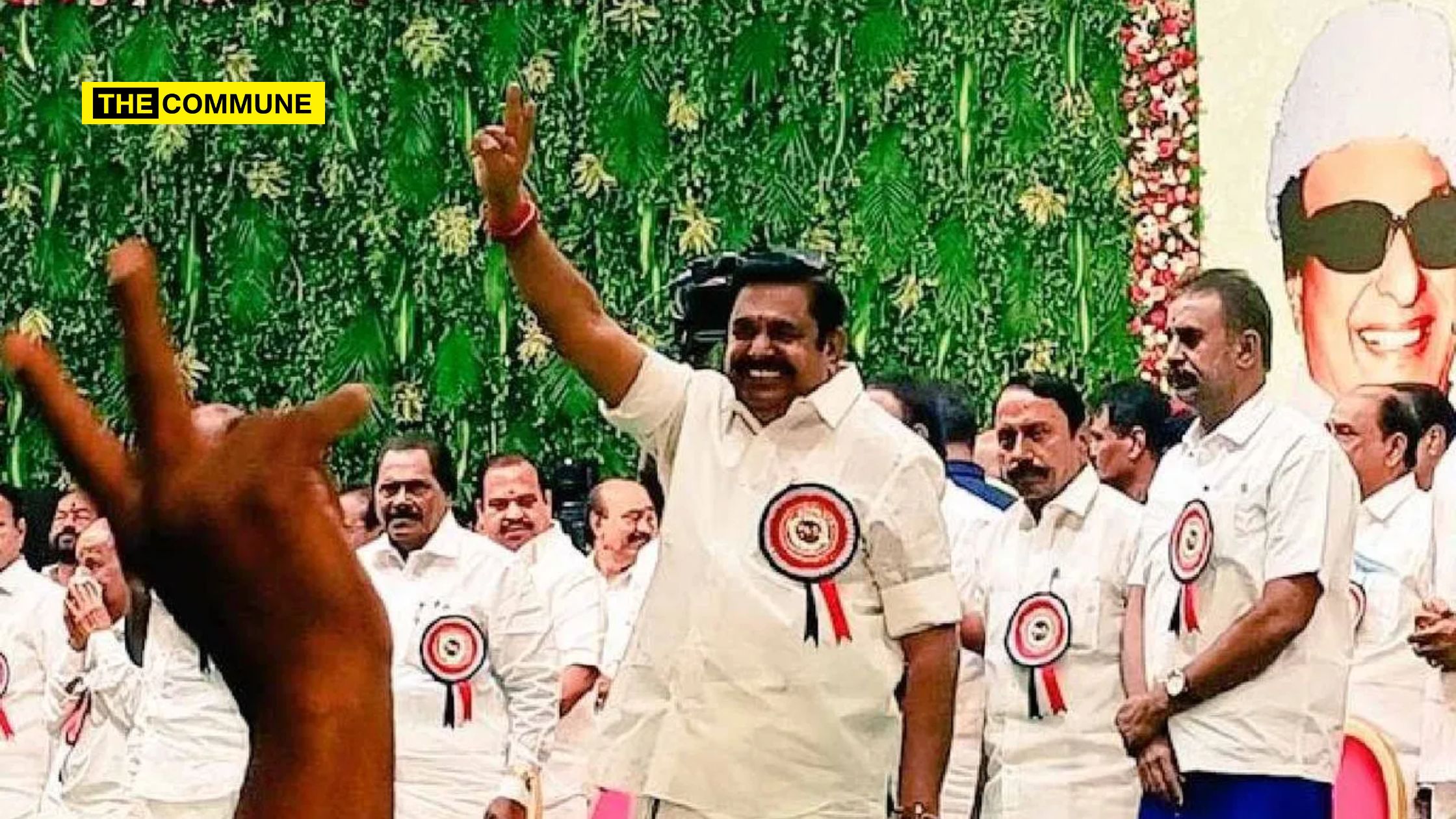
AIADMK Executive Council Meet Passes Sixteen Resolutions, Vows To Make Edappadi Palaniswami CM Again

AIADMK Executive Council Meet Passes Sixteen Resolutions, Vows To Make EPS CM Again

The AIADMK executive council meeting held at the Shrivaaru Venkataachalapathy Palace Hall in Vanagaram, Chennai, on Sunday passed sixteen resolutions.

Among these, the party resolved to make Edappadi Palaniswami (EPS) the Chief Minister of Tamil Nadu again in 2026. The session, chaired by AIADMK Presidium Chairman Tamil Magan Hussain, was attended by 2,523 general and executive committee members, along with 1,000 special invitees.

During the general body meeting, condolences were expressed for the death of senior Congress leader E.V.K.S. Elangovan. Tributes were also paid to industrialist Ratan Tata, CPM General Secretary Sitaram Yechury, former Karnataka Chief Minister S.M. Krishna, and late actor Delhi Ganesh. Another resolution also urged the Central government to abandon the construction of a tungsten mine near Melur, Madurai and condemned the Tamil Nadu government for its failure to halt the project despite public pressure.

The AIADMK in another resolution condemned the state government’s hypocritical stance on the cancellation of the NEET exam. The party also called on the Central government to amend the Constitution to return education to the state list.

The Tamil Nadu government was criticised for failing to address the basic needs of people impacted by Cyclone Fengal. The party condemned the rising prices and high taxes, stating these issues are severely affecting the livelihoods of Tamil Nadu’s people.

Another resolution criticised the DMK government for the deteriorating law and order situation and failure to fulfil election promises. The party urged the central government to declare the Thirukkural a national book and to make Tamil the language of litigation in the Chennai High Court. Additionally, it called for laws to be named in English instead of Hindi.

The DMK government was criticised for wasting funds on initiatives like Formula 4 racing and pen memorials. The AIADMK also condemned the discontinuation of the Kudimaramathu Scheme.

The party also condemned the lack of progress on the Godavari-Cauvery, Parambikulam-Aliyar, and Pandiyar-Punnambuzha irrigation projects. A resolution urged the DMK government to conduct a caste-wise census and criticized its inaction in releasing Muslim prisoners.

The AIADMK urged the central government to ensure fair financial distribution, noting Tamil Nadu contributes significantly to the central treasury but receives less than one-fourth in return.

It emphasised this disparity hinders development projects in the state. The AIADMK executive council reaffirmed its commitment to addressing the concerns of Tamil Nadu’s people and reiterated its goal of regaining power in the 2026 state elections.

–IANS

Subscribe to our channels on TelegramWhatsApp, and Instagram and get the best stories of the day delivered to you personally.

Illegal Gun Trade Backed By US-Based Handlers Busted In Punjab

Illegal Gun Trade Backed By US-Based Handlers Busted In Punjab

In an intelligence-led operation, Punjab Police’s State Special Operation Cell of Amritsar has busted an inter-state illegal gun trade backed by US-based handlers with the arrest of its two members and recovered 10 country-made pistols along with 20 magazines from them, said Director General of Police (DGP) Gaurav Yadav here on Sunday.

Those arrested have been identified as Satnam Singh and Manjit Singh, both residents of Batala. DGP Yadav said preliminary investigations have revealed that primarily, accused Satnam was in touch with his US-based handler, Sunny Masih alias Gulli, who is wanted in multiple cases of heroin smuggling.

For his convenience, accused Satnam also involved his relative Manjit in drug peddling and transportation of illegal weapons, he said. Yadav said investigations have also revealed that the accused were procuring illegal weapons from Madhya Pradesh and Jharkhand to supply them to Punjab-based gangsters further.

The DGP said investigations are going on to establish linkages to unearth the entire network of this module. Assistant Inspector General Sukhminder Singh Mann said they have received a tip-off that Sunny Masih is running an inter-state weapons smuggling module in the state with the help of his associates.

In pursuit of the input, the police launched an operation and arrested two members of this module after recovering a weapon consignment from their possession, he said. During questioning, the arrested accused Satnam revealed that Sunny Masih used to pay him courier charges on a delivery basis.

The accused also revealed that around one month ago, he smuggled four weapons from Madhya Pradesh to Punjab for which he was paid Rs 10,000 and for the current delivery, Sunny had promised him to pay ₹20,000. He said the accused Satnam Singh has a criminal history with at least three cases under the NDPS Act registered against him. He was released on bail on July 30.

–IANS

Subscribe to our channels on TelegramWhatsApp, and Instagram and get the best stories of the day delivered to you personally.

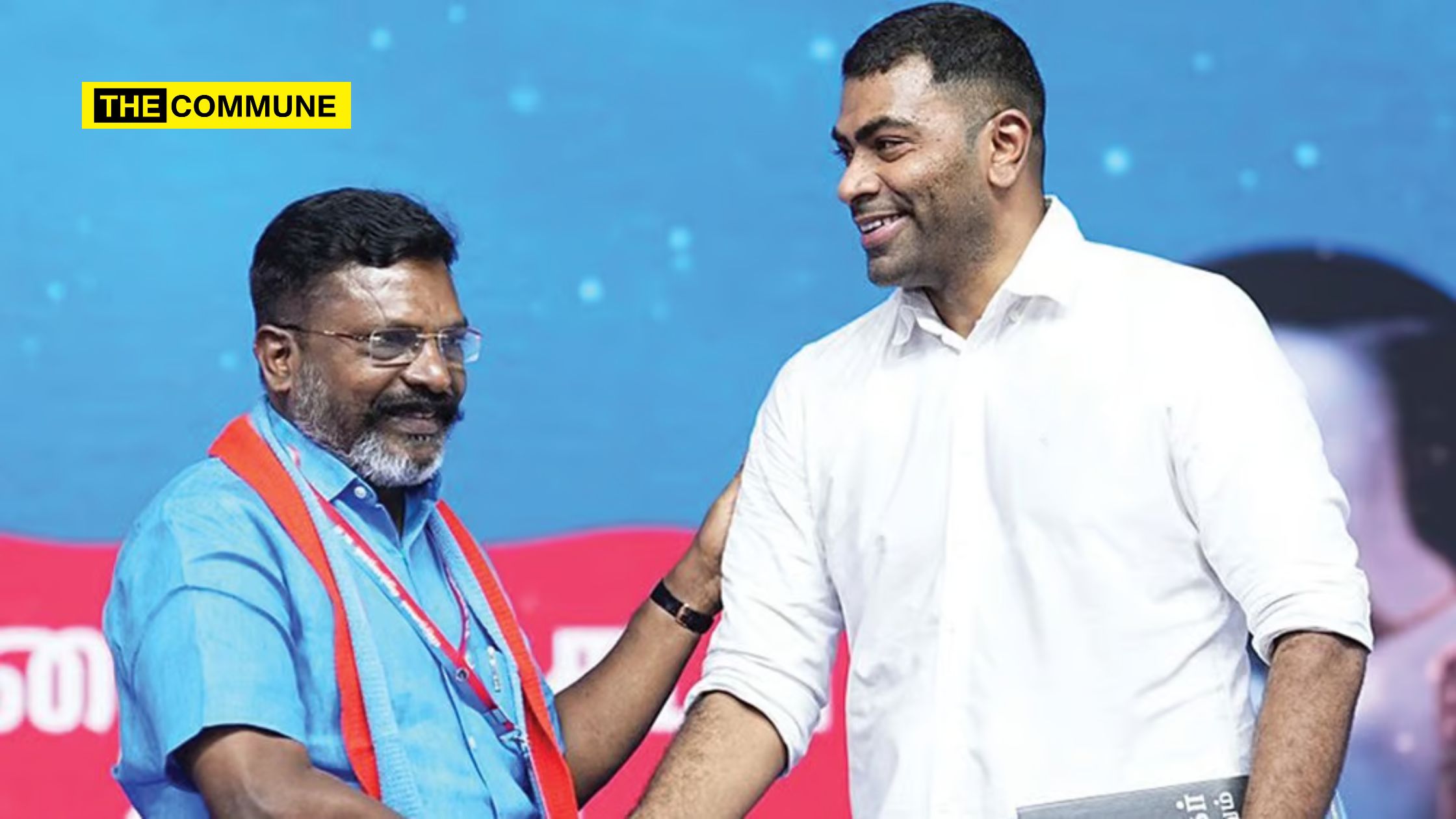
Aadhav Arjuna Quits VCK

Aadhav Arjuna Quits VCK

In a significant political development, Aadhav Arjuna, Deputy General Secretary of Viduthalai Chiruthaigal Katchi (VCK), has announced his resignation from the party. In a letter addressed to party leader Thol. Thirumavalavan, Arjuna expressed his gratitude for the opportunities he had received within the organization while highlighting his reasons for stepping down.

Arjuna stated that he joined VCK as a strategist and later became a basic member, before being elevated to the position of Deputy General Secretary by Thirumavalavan himself. He acknowledged the influence of the party’s policies in shaping his understanding of caste structures and their pervasive impact on society. “I am forever indebted to VCK for formulating policies against caste oppression and enabling me to act against it,” he wrote.

While affirming his alignment with VCK’s policies and positions, Arjuna noted that certain public criticisms he had raised on issues of public interest had sparked unnecessary discussions. He emphasized that he did not want these controversies to create a rift between him and the party leadership. “Given that I have already been suspended from the party for six months, I believe it is better to avoid any futile debates,” he explained.

Arjuna further reiterated his commitment to the principles of caste abolition, social justice, and political rights for marginalized communities. Drawing inspiration from Dr. B.R. Ambedkar, he pledged to continue his political journey advocating for democracy, equality, and justice, even as he leaves the party.

“I have taken this difficult decision to leave the party with a heavy heart, considering the circumstances of the times,” Arjuna stated. He expressed his gratitude and affection for Thirumavalavan and his fellow party members who had guided him in his political journey.

As Arjuna moves forward, he affirmed his resolve to work against religious majoritarianism, women’s oppression, and corruption, all while upholding the values he shared with VCK.

This resignation marks a notable moment in Tamil Nadu’s political landscape, particularly given Arjuna’s significant role within the VCK in recent years. The party has yet to issue an official response to his decision.

Aadhav Arjun’s resignation comes following his new-found bonhomie with actor and part-time politician Vijay who heads Tamilaga Vettri Kazhagam.

He had organized a book launch event, “Ambedkar: A Leader for All,” along with Vikatan Publications to commemorate Dr BR Ambedkar on his death anniversary on December 6, 2024.

Initially, VCK Chief Thol Thirumavalavan and TVK leader Vijay were expected to share the stage. However, Thirumavalavan withdrew from the event, reportedly under pressure from the ruling DMK, leading to speculation about intra-party dynamics.

During his speech at the event, Vijay launched a scathing critique of ruling DMK government, accusing them of failing to uphold Ambedkar’s vision for social justice. He lamented the plight of Dalits, stating, “If Ambedkar were alive today, he would hang his head in shame,” pointing to the continued marginalization of Dalit communities.

Aadhav Arjuna too attacked the DMK government in his speech which had caused a rift in the VCK.

Subscribe to our channels on TelegramWhatsApp, and Instagram and get the best stories of the day delivered to you personally.

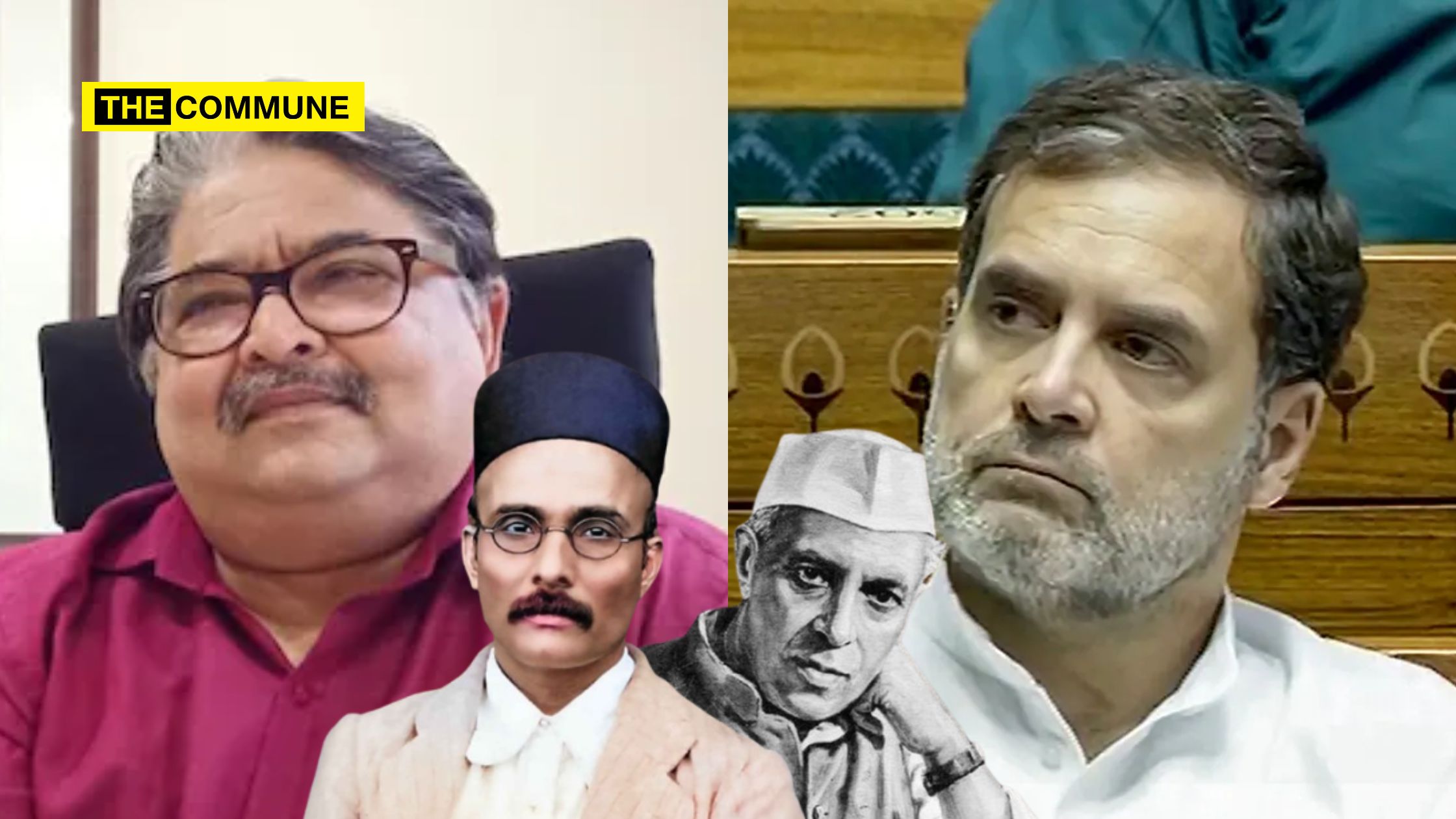
“Nehru Betrayed The Nation For Power”: Veer Savarkar’s Great-Grandson Roasts Rahul Gandhi

"Nehru Betrayed The Nation For Power": Veer Savarkar's Great-Grandson Roasts Rahul Gandhi

Ranjit Savarkar, the great-grandson of Veer Savarkar, shared his views on Sunday regarding Rahul Gandhi’s mention of freedom fighter and nationalist Veer Savarkar in the Lok Sabha.

He also opened up on “the world’s greatest honey trap.” Given that Rahul Gandhi has been lately repeatedly making personal comments on Savarkar, Ranjit Savarkar said that he does it to polarise Muslim votes as Savarkar was a pioneer of Hindutva.

“He wants to prove that Savarkar was a Manuvadi. He thinks if he talks bad about Savarkar, Muslims will vote for him,” he said, adding “I think the comments and false narratives will continue.” Rahul Gandhi, Leader of the Opposition in Lok Sabha had said in the House on Saturday, “When you speak about defending the Constitution, you are ridiculing Savarkar, you are abusing Savarkar, you are defaming Savarkar.”

Speaking about who struck a deal with the British, Savarkar or Nehru, he maintained that it was Nehru who compromised for power and to keep relations cordial with Britain, before recounting the course of events on the eve of Independence. “It’s about being an agent [of the British]” he said, adding that Nehru betrayed the nation for power.

Explaining further, he pointed to letters in the book ‘Daughter of Empire: My Life as a Mountbatten’, written by Lord Mountbatten’s daughter Pamela Hicks.

The book contains letters exchanged between her mother Lady Mountbatten and Nehru for 11 to 12 years after Independence. He mentioned that Mountbatten retained a position in India as its first Governor General (while Jinnah became the Governor General of the freshly carved Pakistan).

In the letters to Lady Mountbatten, “only the first and the last paragraphs used to be romantic, the rest was Nehru’s dairy,” he said. He called this exercise “the world’s greatest honey trap operation – making the Prime Minister your agent for 12 years as all important information was going to Lady Mountbatten.”

The Chairman of Swatantryaveer Savarkar Rashtriya Smarak, Ranjit Savarkar was recently accused of deeming Mahatma Gandhi a casteist. He explained that Gandhi advocated the caste system, that one must adhere to the occupation of their respective caste, and he interpreted this as a denial of opportunities to an individual outside their caste-based occupation.

“The Constitution gives us the right to choose our occupation,” he told IANS. Commenting whether Ambedkar, Gandhi and Savarkar are relevant in today’s politics, he maintained that Ambedkar and Savarkar have similar thoughts and are “most relevant” today, however, “Gandhi’s thoughts, today, are most irrelevant,” he concluded.

–IANS

Subscribe to our channels on TelegramWhatsApp, and Instagram and get the best stories of the day delivered to you personally.

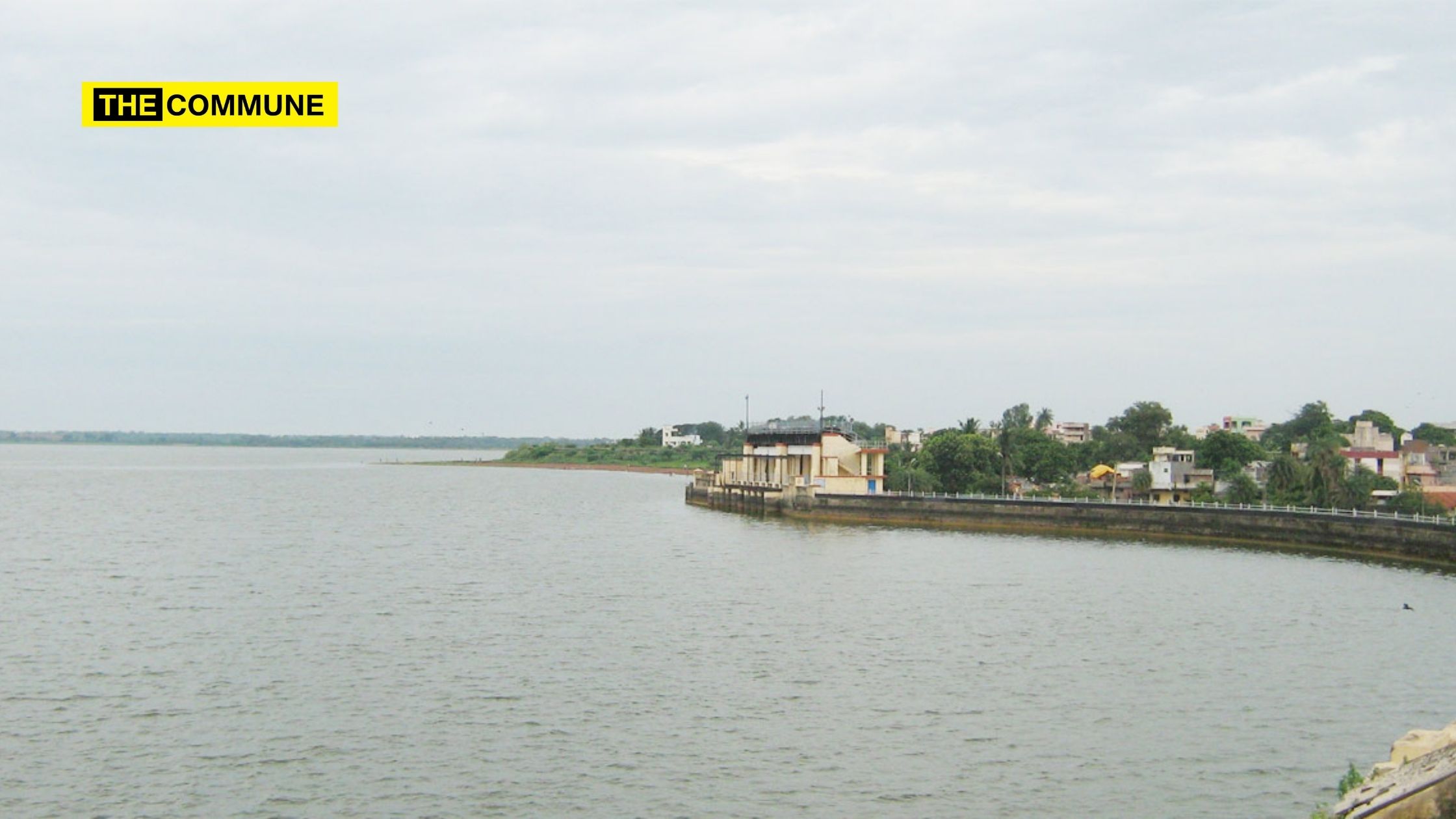
Level 2 Flood Warning Issued For Residents Living Along Banks Of Puzhal Lake

Level 2 Flood Warning Issued For Residents Living Along Banks Of Puzhal Lake

The Tamil Nadu government has issued a Level 2 flood warning for residents living along the banks of Puzhal Lake following the release of 1,000 cubic feet of water per second from the reservoir.

According to state officials, the water release rate was increased from 500 to 1,000 cubic feet per second. However, as of Saturday, water levels in the Chembarambakkam and Poondi reservoirs had decreased due to reduced inflow.

It may be recalled that the Regional Meteorological Centre (RMC) has issued an orange alert for Saturday for the Tenkasi, Thoothukudi, and Tirunelveli districts.

A yellow alert has also been issued for 11 other districts across the state. On Saturday, light rainfall accompanied by thunderstorms and lightning is expected in Chennai and its suburbs.

Skies are likely to remain partly cloudy, with maximum and minimum temperatures forecast at 30-31 degrees C and 24-25 degrees C, respectively.

Heavy rainfall is expected in the coastal and delta regions of Tamil Nadu starting December 16. The RMC has forecast the formation of another low-pressure area within two days, which may trigger intense rainfall. S. Balachandran, Additional Director-General of Meteorology, Chennai, stated that the active Northeast Monsoon is driving the formation of successive weather systems, emphasising the need for improved disaster management preparedness.

Rains continued across several parts of Tamil Nadu, with Virudhunagar recording 12 cm of rain and Thoothukudi receiving 10 cm by 5:30 a.m. After a brief break, the RMC predicted that fairly widespread rainfall would resume on Monday.

An upper-air cyclonic circulation is expected to develop over the South Andaman Sea on Saturday, potentially forming a fresh low-pressure area over the southern Bay of Bengal.

This system will likely move west-northwestward towards the Tamil Nadu coast by Monday. The Tamil Nadu government reported five rain-related deaths on Friday and early Saturday.

Three persons died in wall collapses in Ariyalur and Ramanathapuram districts, while two others were electrocuted in Sivaganga and Ranipet districts. Over 2,000 people have been relocated to 50 relief camps in rain-affected districts. Additionally, more than 100 cattle have perished across 10 districts, including Mayiladuthurai and Ramanathapuram.

The rain caused significant property damage, with over 400 houses affected in 20 districts, including Ariyalur and Chengalpattu. Due to heavy rainfall in surrounding areas, the Thamiraparani River’s flow has risen to 50,000 cusecs. Residents near riverbanks and in low-lying areas have been moved to relief camps. Warning messages have been sent to over 11.75 lakh mobile phones to ensure public safety.

–IANS

Subscribe to our channels on TelegramWhatsApp, and Instagram and get the best stories of the day delivered to you personally.

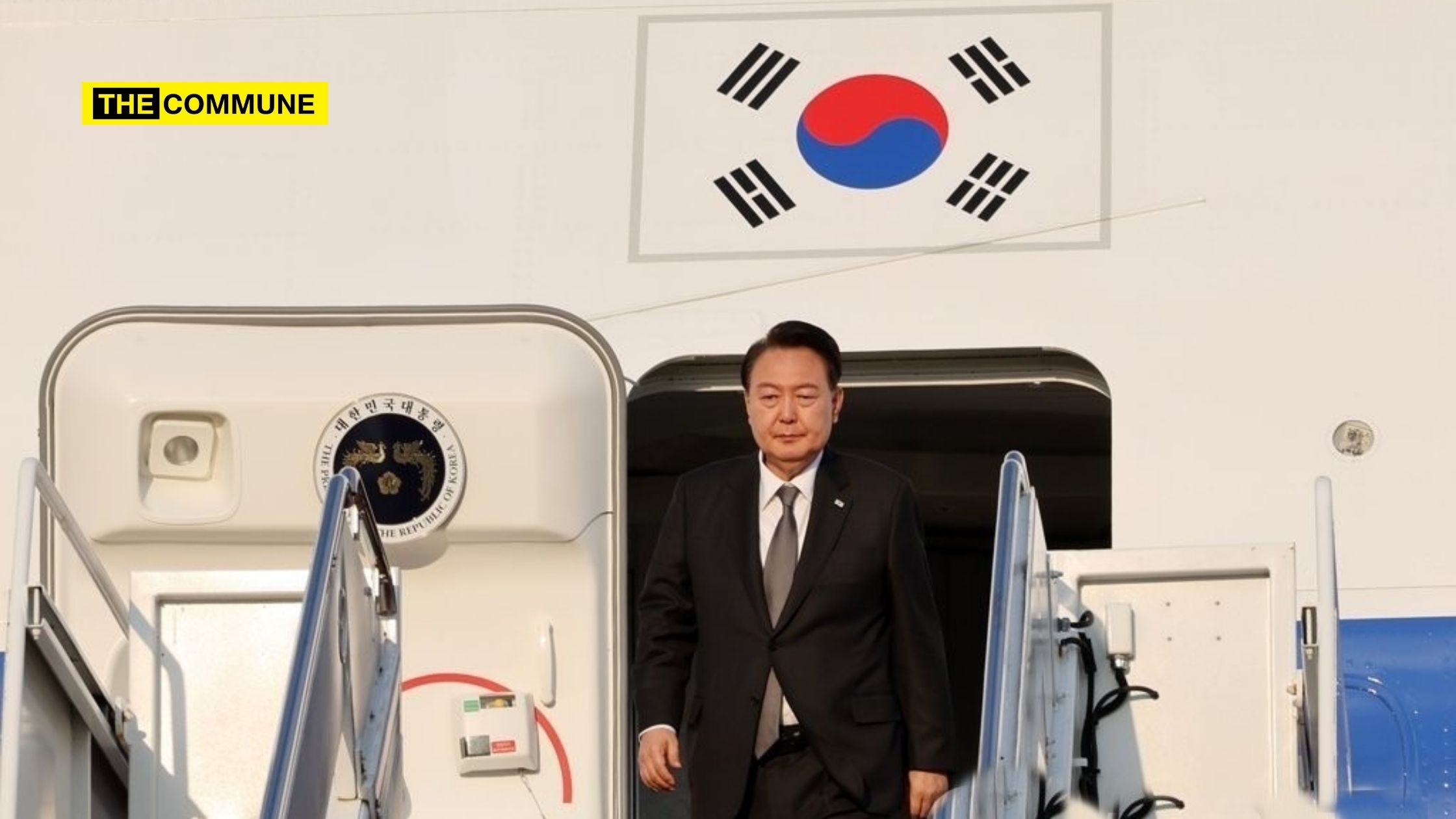
What’s Next For South Korea After President’s Impeachment?

What's Next For South Korea After President's Impeachment?

With 204 in favour and 85 against, South Korea’s parliament on Saturday passed the second impeachment motion against President Yoon Suk Yeol, after the first impeachment motion was dropped a week earlier as the ruling party lawmakers boycotted it.

After the motion was passed, an impeachment resolution has been delivered to the President’s Office and the Constitutional Court, suspending Yoon’s duties immediately. Yoon’s duties will be immediately suspended as soon as the impeachment resolution is delivered to his office.

Prime Minister Han Duck-soo will be the acting president until the Constitutional Court makes a final decision. The court said it will hold a meeting on the president’s impeachment on Monday morning.

Moon Hyung-bae, acting head of the court, said the court will conduct a speedy and fair trial. If the court upholds the impeachment, a snap presidential election will be held within 60 days in South Korea.

If the impeachment is rejected, Yoon will be reinstated as president and resume his duties. Han said Saturday that he will make every effort for the stable running of state affairs, Xinhua news agency reported. However, the Prime Minister, along with several key members of the cabinet, were accused of involving in Yoon’s alleged insurrection.

Park Chan-dae, floor leader of the main opposition Democratic Party of Korea, told reporters after the vote that Yoon’s impeachment is “only the first step” toward solving the aftermath of his December 3 martial law declaration, vowing to push for a thorough investigation into Yoon and other “accomplices of the insurrection.”

It is the third presidential impeachment in the Asian country’s modern history. Former conservative President Park Geun-hye was removed from office by the Constitutional Court in 2017.

Late liberal President Roh Moo-hyun, however, was restored to power after impeachment in 2004. The court has up to 180 days to deliberate such cases, but it used 63 days to reach a final decision on Park’s impeachment, and 91 days on Roh’s.

Under South Korea’s constitution, approvals from six of the nine judges of the Constitutional Court are required to oust an impeached president. Currently, the court has only six judges, which means they would have to vote unanimously to remove Yoon.

The Democratic Party, with a majority in parliament, has said it is seeking to fill the vacancies, and expects the parliament to name new judges soon. Yoon was named by investigative agencies as a suspect on insurrection charge and became the first sitting president to be banned from leaving the country, raising a possibility for his detention.

Yoon said in a televised address after the motion was passed that he would do his best for South Korea, vowing, “I will not give up.” In his speech on Thursday, Yoon said his martial law imposition was an act of governance to protect against the “legislative dictatorship” of the majority opposition. Experts said it might be his defence strategy, arguing that declaring martial law was within his constitutional powers and did not constitute an illegal act or an insurrection.

He also claimed that deploying troops to the national assembly was designed to maintain order, not dissolve or paralyze it. According to a Gallup Korea poll, Yoon’s approval rating dived 5 percentage points from a week earlier to 11 per cent this week, marking the lowest since his inauguration.

–IANS

Subscribe to our channels on TelegramWhatsApp, and Instagram and get the best stories of the day delivered to you personally.

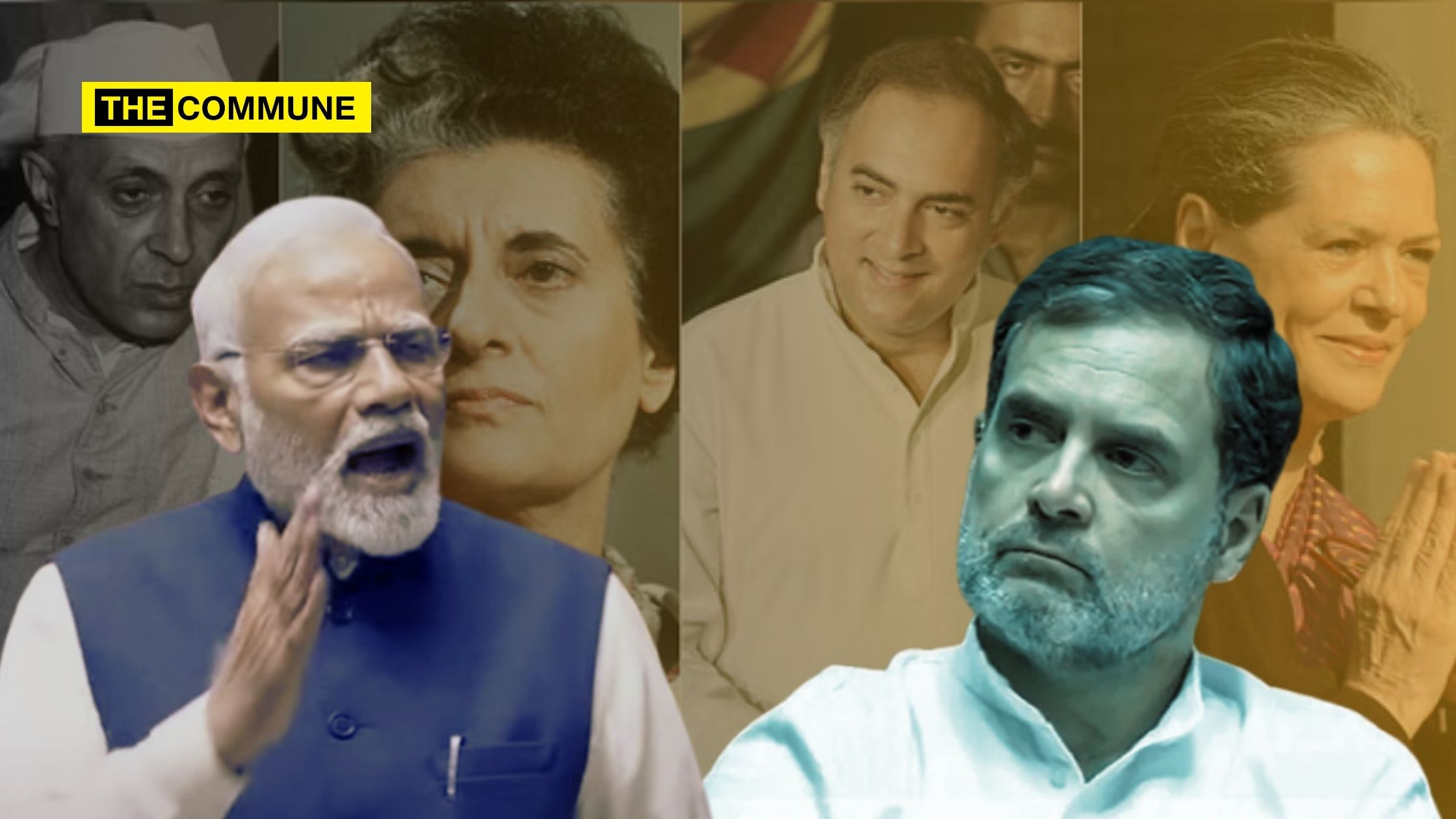
“Garibi Hatao” Is The ‘Biggest Jumla’ Of Four Decades: PM Modi Slams Gandhi Family

"Garibi Hatao" Is The ‘Biggest Jumla’ Of Four Decades: PM Modi Slams Gandhi Family

Prime Minister Narendra Modi, replying to the Constitution debate in Lok Sabha on Saturday, launched a no-holds-barred attack on the Congress as well as the Gandhi family, saying that ‘Garibi hatao’ is the biggest jumla of all time.

Addressing the House, PM Modi said, “The Congress has a strong liking for a word, which it often subscribes to. Today, I want to take this name. It is gari bi hatao; it is the longest-running jumla of Congress governments.”

PM Modi said that Congress members and their families have resorted to ‘Garibi hatao’ rhetoric for 40 long years but have done nothing to turn this slogan into reality.

The slogan only served the party and hence is the longest-running jumla of Congress parivaar. Notably, ‘Garibi hatao’ was the hallmark of Indira Gandhi’s election campaign and yielded unprecedented results for her.

On the other hand, Congress coined ‘jumla’ to counter the PM Modi-led government’s poll pledges, accusing it of ‘befooling’ the public with false promises. PM Modi, turning the tables on Congress over its ‘jumla’ jibe during the Constitution debate, drew a parallel between his government’s developmental initiatives and those of the ‘hollow model’ under Congress governments.

“Despite 75 years of Independence, the countrymen have remained bereft of toilets, sanitation and clean drinking water. Till 2014, women could go for nature’s call only at night. For seven decades, they continued to live in helplessness,” PM Modi said.

“For seven decades, people didn’t have access to drinking water, LPG cylinders or banking accounts. Today, the poor and marginalised have been brought into the mainstream. Poor and marginalised populations who were stopped at the bank’s doors now have access to bank accounts. Today, there are over 50 crore Jan Dhan bank accounts,” he pointed out.

“Those who are not heard upon by anyone, they are worshipped by Modi,” the Prime Minister said, eliciting cheers from the Treasury benches. Further highlighting the steps for Divyangs, street vendors and Vishwakarmas, PM Modi said: “Divyang (specially-abled) people have remained ignored and neglected for seven decades after Independence. Earlier, there was a braille system, but it differed in every state.

We bought a common language for their upliftment. Today, they are highly relieved. “PM SVANidhi Yojana has benefitted the street vendors a lot. Today, they are not at the mercy of money-lenders, rather living a life of dignity,” PM Modi said.

–IANS

Subscribe to our channels on TelegramWhatsApp, and Instagram and get the best stories of the day delivered to you personally.

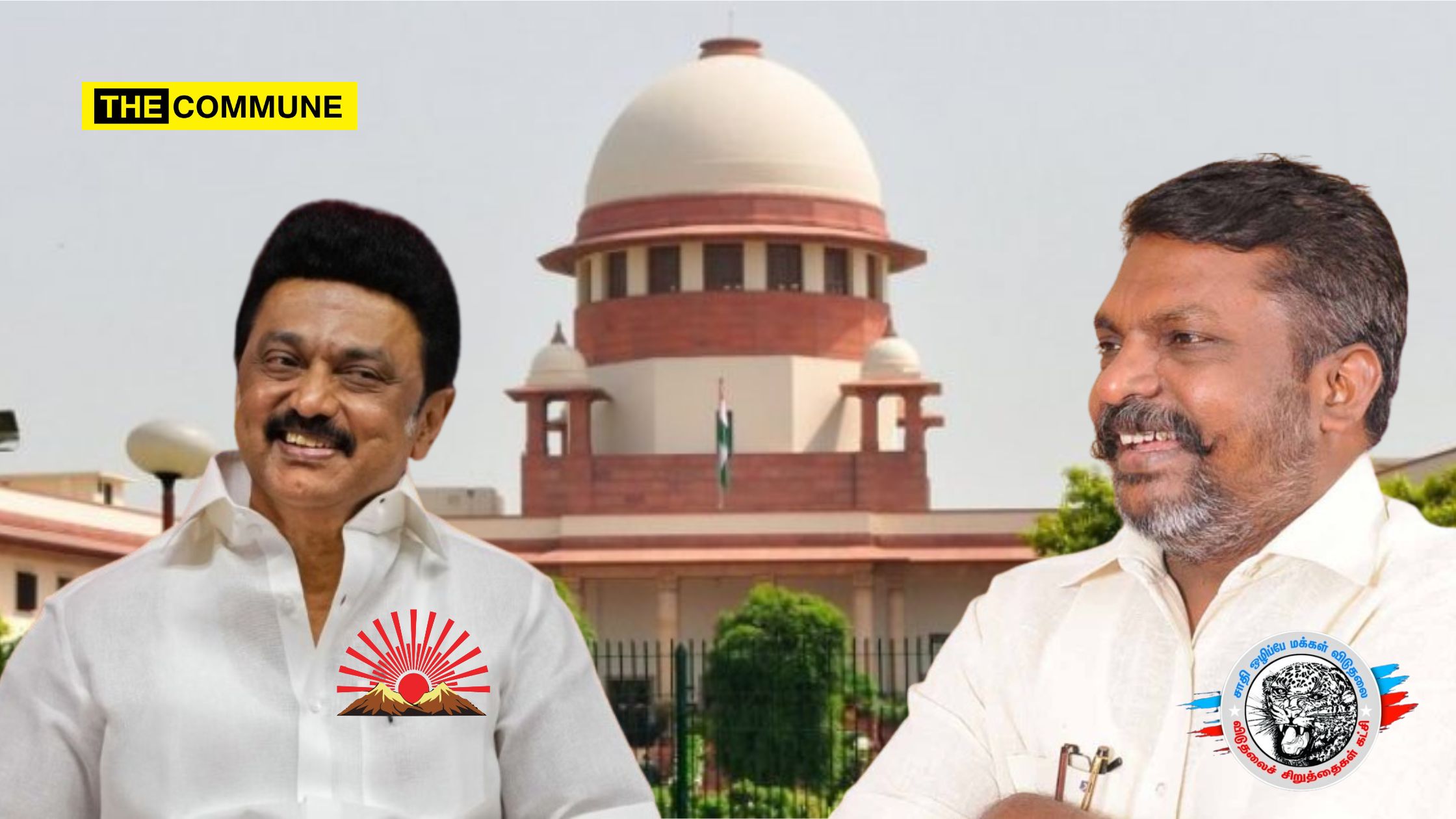
DMK & VCK Seek To Intervene In Supreme Court Challenging Places Of Worship Act, 1991

DMK & VCK Seek To Intervene In Supreme Court Challenging Places Of Worship Act, 1991

The ruling DMK in Tamil Nadu, along with its ally, the VCK, has submitted an application to the Supreme Court to intervene in a petition challenging the constitutional validity of the Places of Worship Act, 1991. This Act mandates maintaining the status quo of religious sites as they existed on 15 August 1947.

A bench comprising Chief Justice Sanjiv Khanna and Justices Sanjay Kumar and K.V. Viswanathan is currently hearing a series of petitions both challenging and supporting the Act. The legislation has become a central issue in disputes over the ownership of religious sites, including cases involving the Gyanvapi Masjid and Sambhal Mosque.

The lead petition, filed by BJP leader Ashwini Kumar Upadhyay, contests certain provisions of the Act. The petitioner argues that these sections violate constitutional principles, undermine secularism, and deny judicial remedies for alleged historical injustices.

In response, the DMK, represented by Senior Advocate P. Wilson, has sought to support the Act, presenting its case before the bench led by the Chief Justice.

During 12 December’s hearing, the Supreme Court issued a significant directive, restraining courts across the country from entertaining or passing orders on lawsuits seeking relief under the 1991 Act, including requests for surveys of religious sites. The court emphasized, “We are examining the vires, contours, and ambit of the 1991 Act,” and instructed other courts to refrain from intervening until further notice. Additionally, the bench ordered that no new suits related to the Act be filed or registered until further instructions are issued.

(With Inputs From India Today)

Subscribe to our channels on Telegram, WhatsApp, and Instagram and get the best stories of the day delivered to you personally.

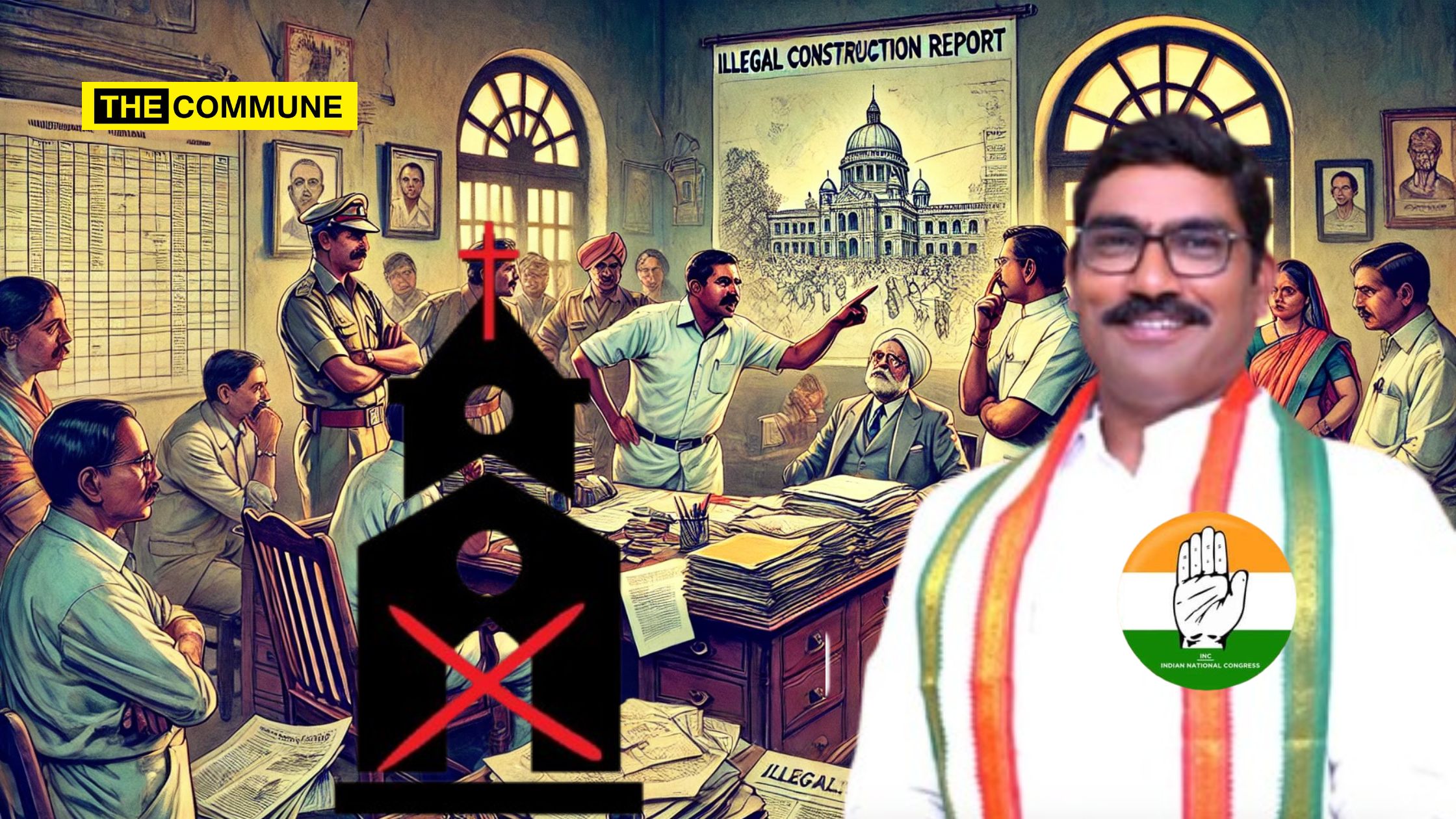
Telangana: Tahsildar Letter To Collector Reveals Former Congress MLA Sampath Kumar’s Interference In Illegal Church Construction & Caste Certificate Misuse

Telangana: Tahsildar Letter To Collector Reveals Former Congress MLA Sampath Kumar's Interference In Illegal Church Construction & Caste Certificate Misuse

A startling revelation has come to light through a communication from the Tahsildar to the District Collector, exposing that former Congress MLA from Alampur, Sampath Kumar, interfered with authorities to halt the investigation into the illegal construction of churches and questioned the validity of caste certificates issued to converted Christians.

According to the report, the MLA instructed officials to refrain from taking action against unauthorized church buildings and the alleged misuse of caste certificates by individuals who had converted from Hinduism to Christianity but continued to hold Scheduled Tribe (ST) status.

The Tahsildar’s report, submitted to Jogulamba Gadwal District Collector, provides details of a complaint from local residents regarding illegal church construction in Manopad town. The complaint, lodged on 13 May 2024, raised concerns about churches being built without proper permits. It specifically highlighted that members of the Hindu community obstructed a church constructed on Sy No 294/1A/1, but construction had resumed despite the lack of approval from the authorities. The petitioners also pointed out that one Sri Gudem Yejra Samuel, a pastor from Jallapuram Village, had obtained an SC (Madiga) caste certificate despite converting to Christianity.

In response, the Tahsildar had referred the matter to the Mandal Girdawar for an inquiry. The Revenue Inspector’s report confirmed that an individual named Sri Mathaiah, a Christian preacher, was building a church without the necessary permissions, with only the foundation stage of construction completed.

The Tahsildar report states, “I invite kind attention to the references cited wherein Additional Collector, (Revenue) has instructed to submit a detail report in the above subject matter on 14.09.2024 an the representation of Sri Vadla Raghy and others. In this regard I submit that Sri Vadla Raghu and others have represented in their petition on 13.05.2024 that in Manopad town some illegal churches are being constructed without obtaining any permission from the concerned authorities and further it is represented that in Sy. No. 294/1A/1 a church has been constructed, which was obstructed my Hindu Community people, again the same church is being constructed and requested to take action to stop the construction of the church which is being constructed without any permission from the concerned authorities.”

“Further the applicants in the representation requested that one Sri Gudem Yejra Samuel, Pastor belongs to Jallapuram Village having two children G. Arpitha and G. Stephen Paul has been issued S.C. (Madiga) caste certificate and requested to take action. In this regard the matter was referred to Mandal Girdawar for inquiring into the matter and to report. Accordingly the Revenue Inspector has submitted his report which reveals that from Manopad village to Chennipadu Village road one Sri Mathaiah, Christian religion preacher is constructing church which is in starting stage, foundation work and the church construction has no permission from the concerned authorities. Further it is requested that Sri Gudem Yejra Samuel who is staying Manopad village since (20) years working as Pastor in Christian Sangam Church since (25) years. He has taken Baptism in 2014 and even took Baptism for his children also.” He explained

The controversial part of the report states that notices were issued to both Sri Mathaiah for building a church without authorization and to Sri Yejra Samuel for obtaining an SC (Madiga) caste certificate despite his conversion to Christianity. They were given until 7 October 2024, to respond, but no explanations were received. Instead, the Tahsildar reports that former MLA Sampath Kumar instructed them not to take any further action in the matter.

“In this regard a notice has been issued to Sri Mathaiah for constructing Church in Manopad village without taking any permission from concern authorities and another notice was issued to Sri Yejra Samuel for obtaining caste certificate of SC (Madiga) even ofter taking Baptism and even after Convertinig from Hindu Religion to Christianity and instructed them to submit their explanation, given date for submitting explanation was 07.10.2024 but so for no explanation was received from them, instead I have been instructed not to take any further action in the matter by the former MLA, Alampur Constituency Sri Sampath Kumar. This is submitted for favour of kind information.” the report states.

The report concludes by highlighting that the MLA’s intervention prevented any further action from being taken, and the issue remains unresolved despite clear instructions from the authorities to investigate the matter further.

Subscribe to our channels on Telegram, WhatsApp, and Instagram and get the best stories of the day delivered to you personally.