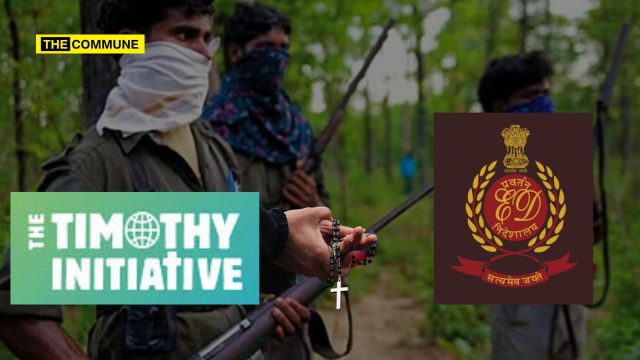
The Enforcement Directorate (ED) on Friday, 23 April 2026, said it has initiated an investigation into a global Christian mission, The Timothy Initiative (TTI), over the alleged use of foreign debit cards to withdraw large sums of money in Naxal-violence-affected regions of India, as reported in Rediff.
According to the agency, the probe relates to suspected violations of foreign exchange regulations under the Foreign Exchange Management Act (FEMA). The ED stated that approximately ₹95 crore was channelled into India over a five-month period between November 2025 and April 2026 through foreign bank-issued debit cards.
In an official statement, the ED said it conducted search operations on April 18 and 19, 2026, at six locations across multiple states in connection with the case. The searches were linked to the alleged withdrawal and utilisation of funds using foreign debit cards while bypassing regulatory channels, as reported by TimesNow.
During the raids, officials seized 25 foreign bank debit cards, ₹40 lakh in cash, along with digital devices and documents described as incriminating.
The agency stated that the investigation pertains to activities associated with TTI in India and individuals connected with the movement. It alleged that foreign debit cards linked to Truist Bank in the United States were brought into India and used repeatedly to withdraw cash from ATMs across multiple states.
The ED further reported that some withdrawals appeared “unusual” and “suspicious,” amounting to about ₹6.5 crore over the past few years in Left Wing Extremism (LWE)-affected regions, including Dhamtari district and the Bastar region of Chhattisgarh.
According to the agency, the withdrawn cash was subsequently used to meet expenses related to TTI’s activities in India. It noted that TTI is not registered under the Foreign Contribution (Regulation) Act (FCRA).
The ED also stated that access to TTI’s web portal from India displays a message reading, “Country Blocked. Access to this page is forbidden.”
As part of the investigation, the Bureau of Immigration intercepted an individual identified as Micah Mark at Bengaluru International Airport following the issuance of a Look Out Circular by the ED. Officials said he was found carrying 24 foreign debit cards, which the agency described as being brought into India illegally.
The ED said its findings indicate the possible involvement of multiple individuals in the withdrawal of cash using foreign debit cards outside formal banking channels. It added that an online billing and accounting platform was used to maintain records of these withdrawals and their utilisation, and that the platform is purportedly controlled by entities operating from outside India.
The agency stated that the emergence of such a parallel cash-based system in Naxal-affected areas poses a serious threat to the country’s security and financial integrity and may facilitate the movement of illicit funds for unlawful activities.
Subscribe to our channels on WhatsApp, Telegram,Instagram and YouTube to get the best stories of the day delivered to you personally.
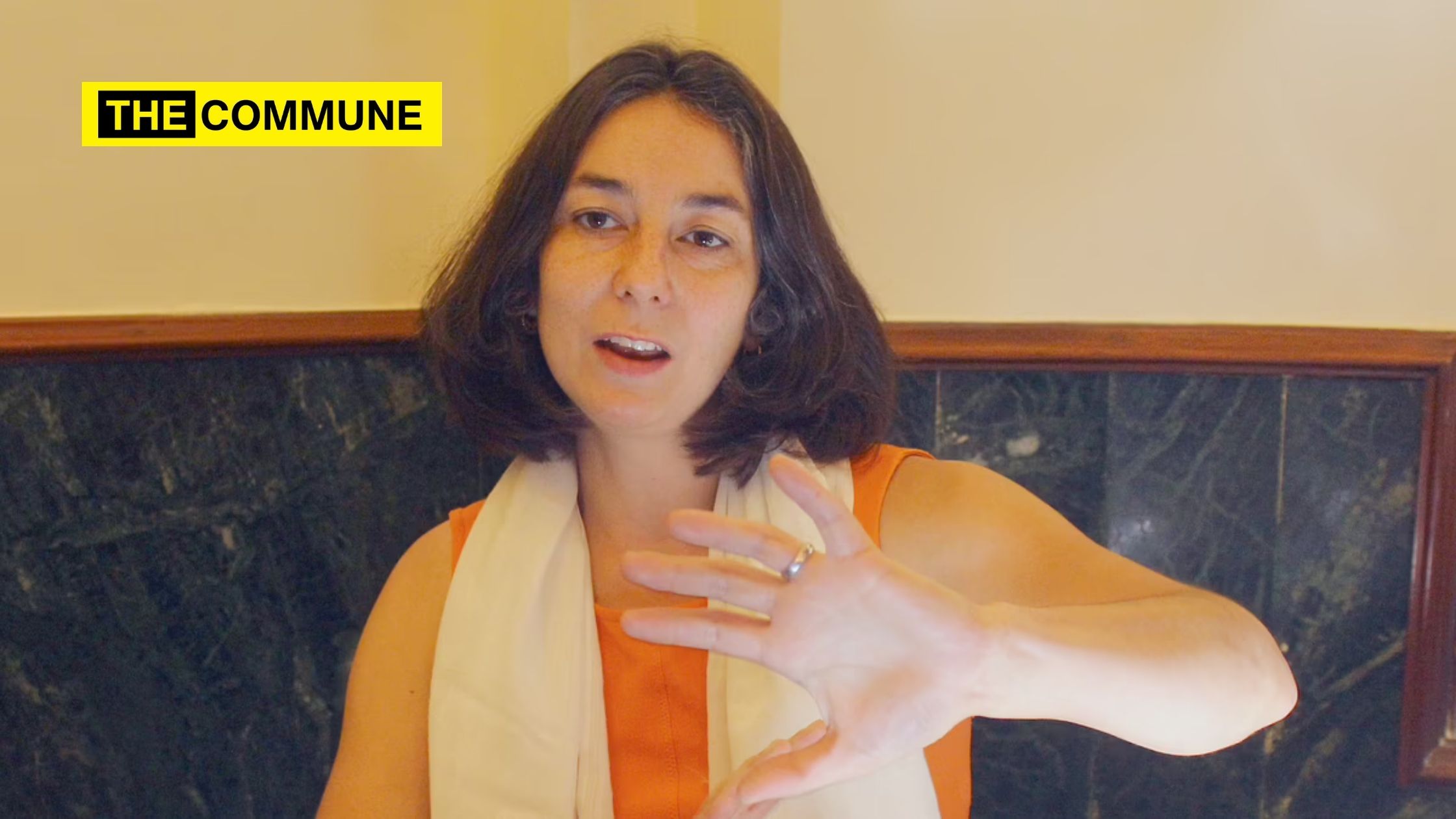
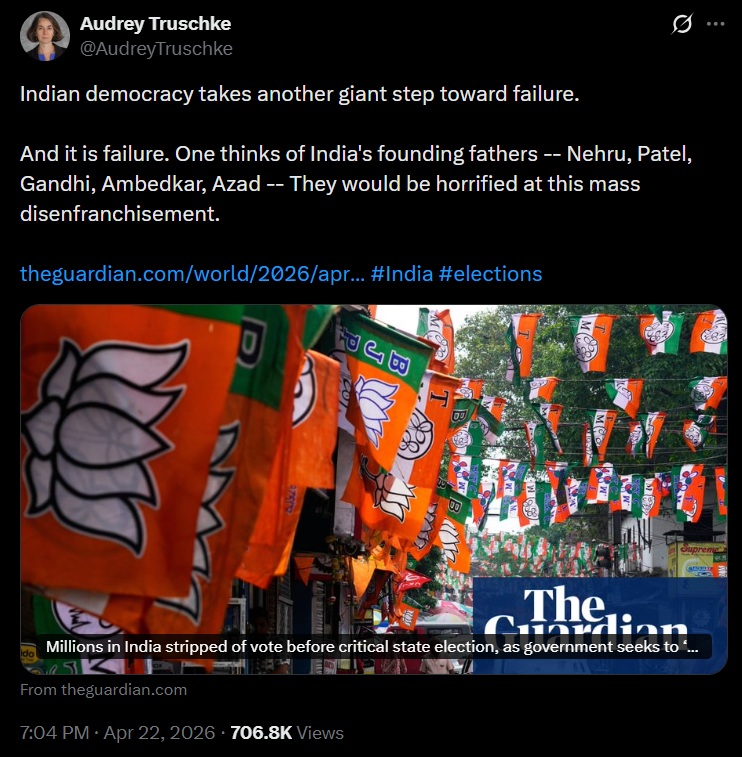
As the election dates for states in India were nearing, anti-India and pro-Pakistan ‘researcher’ Audrey Truschke shared a news link which claimed, “Millions in India stripped of vote before critical state election, as government seeks to ‘purify’ electoral roll”.
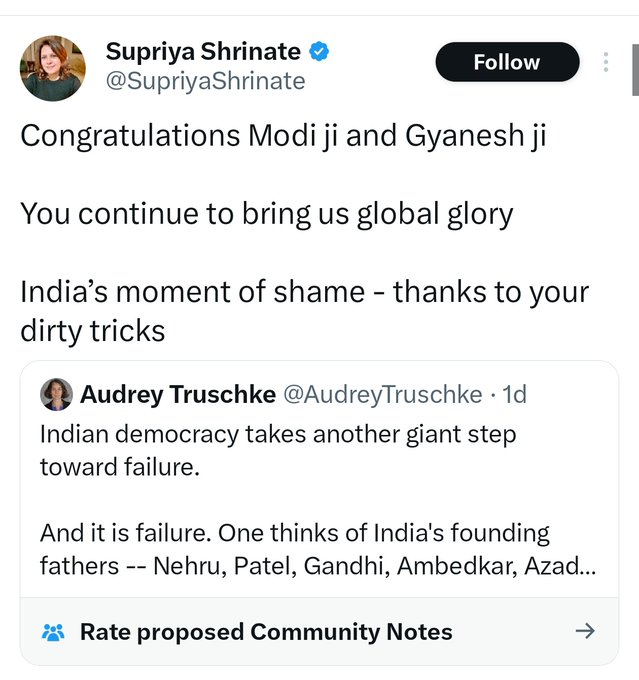
And this post was reshared by Congress member Supriya Shrinate amplifying her anti-India narrative.
Truschke is just doing her role. Let us now take a look at who she is connected with.
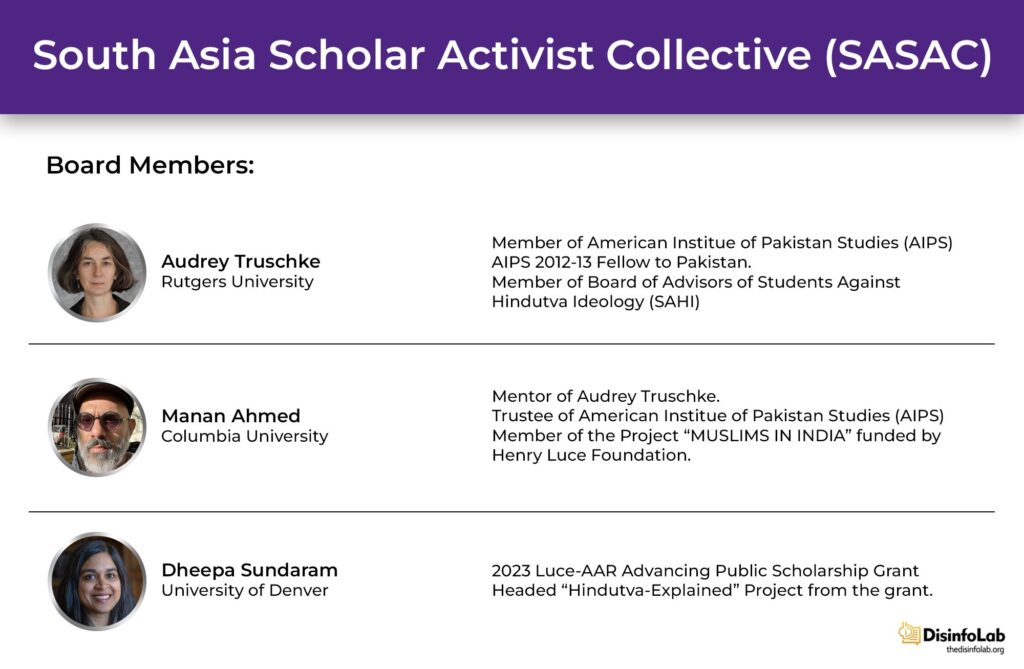
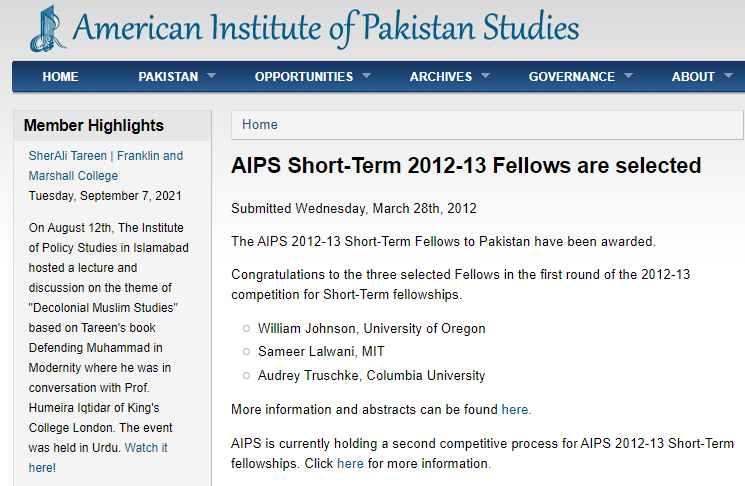
Audrey Truschke, a historian at Rutgers University, has ties to the American Institute of Pakistan Studies.
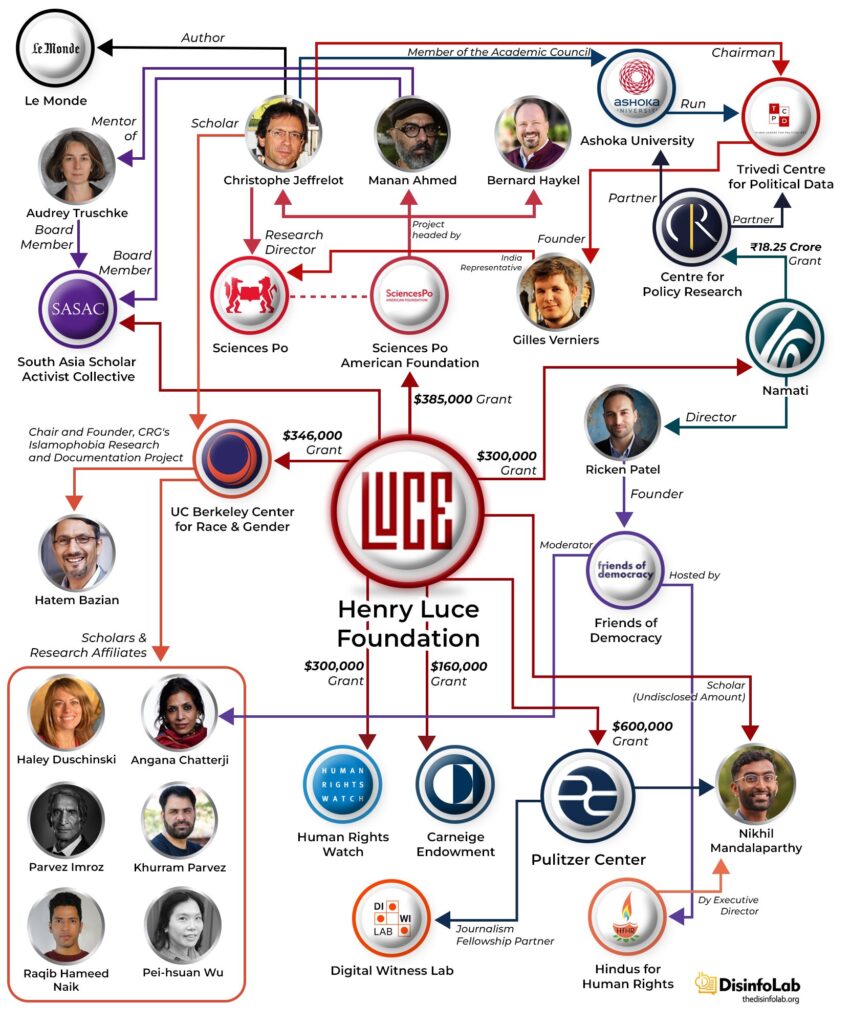
Here is a look at how she is connected with the network. If you notice, Manan Ahmed in this network is a Pakistani and they are part of the SASAC group as Board Members.
Audrey Truschke, who established the South Asia Scholar Activist Collective (SASAC) in July 2021, also received funding from HLF in May 2023 and published a “Reporting Guide on Hindu Nationalism,” citing the discredited Pakistani project, “HindutvaWatch“.
In summary, HLF that Audrey received funding from, known for its ties to the deep state, has invested millions of dollars in organizations with overtly anti-India biases, strategically timed to coincide with the Indian election cycle. Unlike the Russia Hoax against Donald Trump, this constitutes election interference by the book.
Further examination also reveals her association with Pakistan-focused institutions, missionary-linked networks within India, and engagements with platforms based in Lahore and other Pakistani cities. Her prior statements on Hindu figures and Indian history have also drawn criticism for their overt ideological tilt.
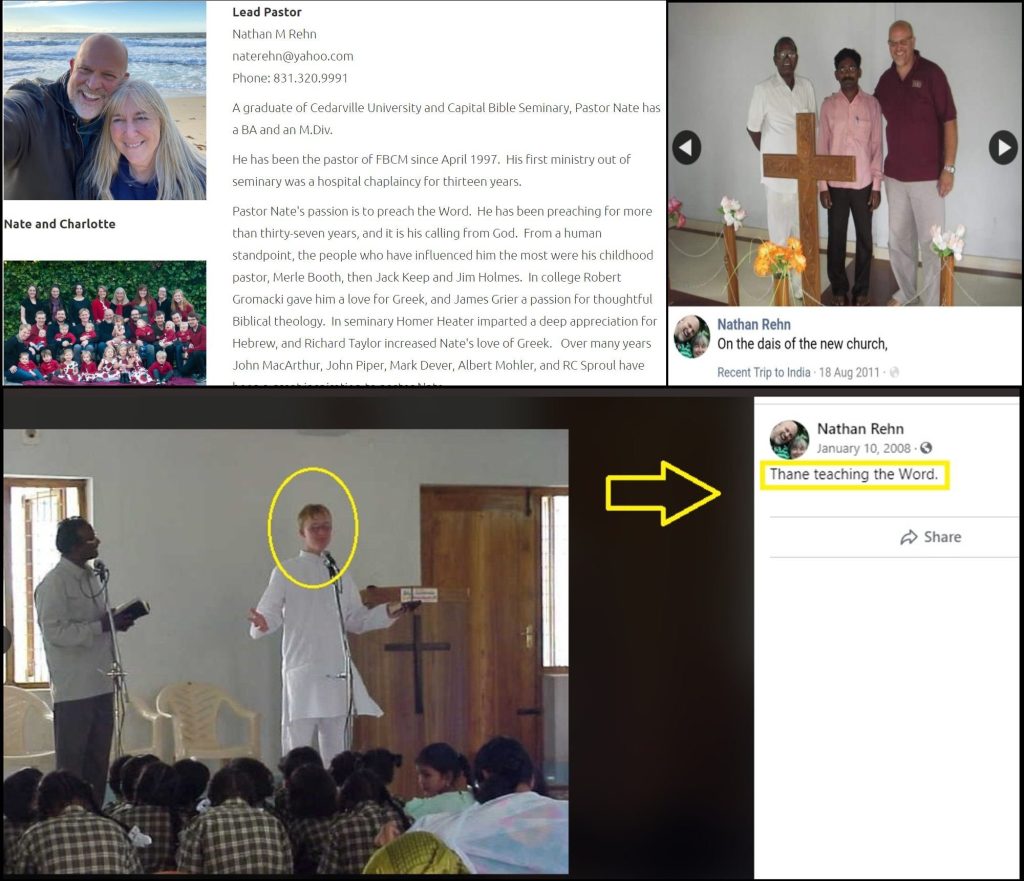
Her familial linkages include individuals involved in Christian missionary activity in India, raising questions about ideological motivations.
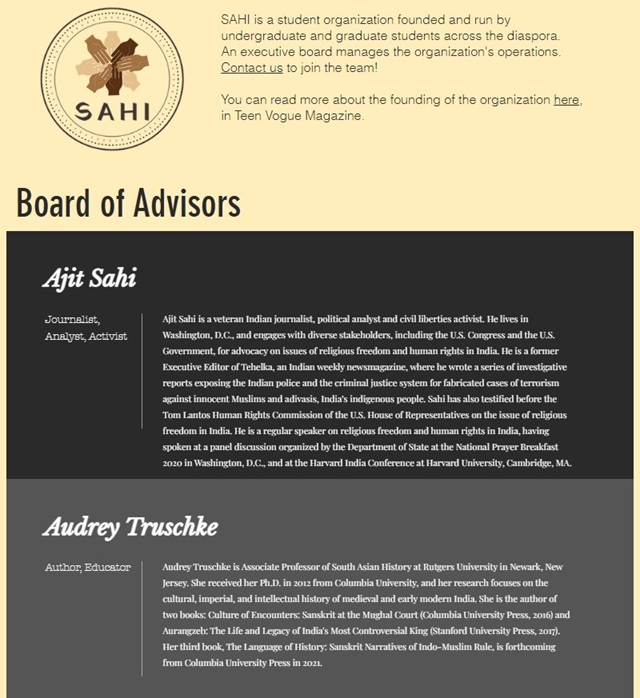
Audrey Truschke serves on the advisory board of Students Against Hindutva Ideology (SAHI), a US-based activist group that has been described as having links to the Democratic Party establishment. The group gained prominence for organising the “Holi Against Hindutva” campaign in 2020, when it operated under the name Students Against Hindutva, as reported in OpIndia.
Image Source: OpIndia
The campaign was led by Ziad Ahmed, a young activist who has previously worked on campaign efforts for Hillary Clinton and other Democratic leaders. Ahmed is also associated with a consultancy and marketing venture focused on helping brands connect with younger audiences.
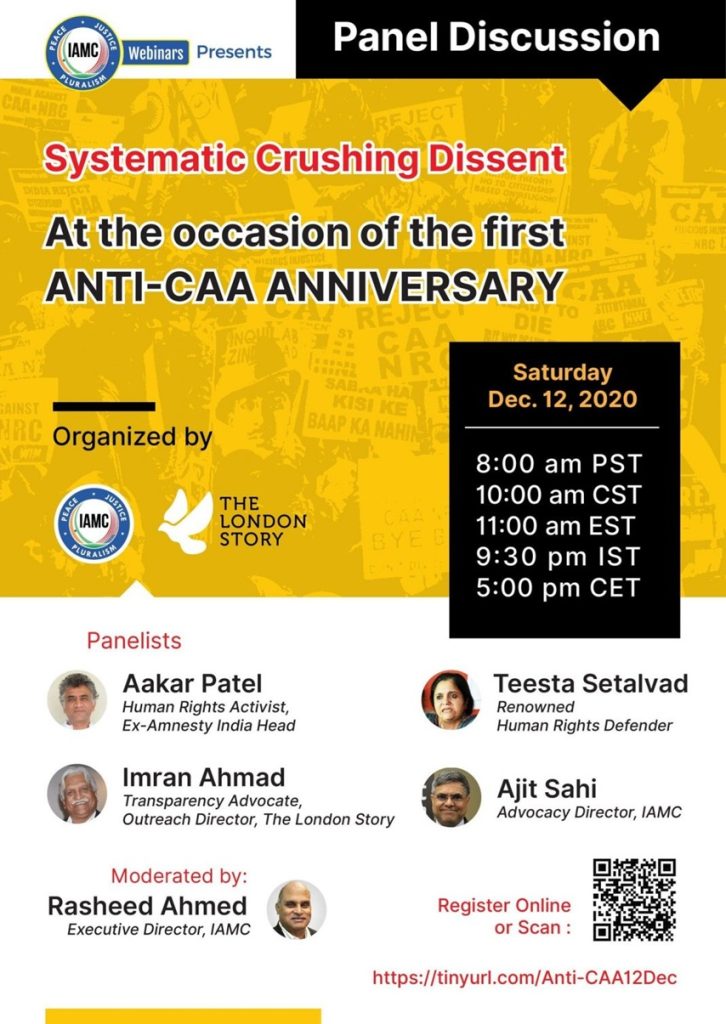
Another individual on SAHI’s advisory board is Ajit Sahi, who serves as the advocacy director of the Indian American Muslim Council. He earlier held the position of executive director at Tehelka, a publication that later became embroiled in controversy. He has also participated in multiple events in the United States where he has spoken on issues relating to India.
Image Source: OpIndia
According to the above attributed to the Indian American Muslim Council, the organisation has shared platforms with figures such as Teesta Setalvad, who has faced allegations of misusing funds intended for victims of the Gujarat riots.
The Hindu American Foundation has stated that IAMC, founded by Shaik Ubaid, previously hosted Mohammad Ahmadullah Siddiqi, identified as the founder of the Students Islamic Movement of India, which is a banned organisation in India.
Truschke has been involved in anti-Hindu, anti-India hitjobs often. Here is a quick look:
Aurangzeb Book and Soft‑Pedaling Islamic rulers
Truschke’s 2017 book on Aurangzeb argued that he was not the uniformly anti‑Hindu tyrant depicted in much popular Indian historiography, and that his temple‑demolitions and jizya were politically and economically contextual, not part of a systematic religious war on Hindus. She whitewashed Mughal violence and minimized temple destruction.
Statements on Hindu Texts and Deities
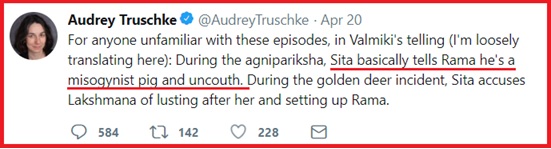
In 2018, Truschke tweeted a ‘loosely translated line’ from the Valmiki Ramayana in which Sita allegedly calls Rama a “misogynistic pig,” which sparked furious backlash among Hindu groups who saw it as blasphemous mockery of Rama. She had written, “For anyone unfamiliar with these episodes, in Valmiki’s telling (I’m loosely translating here): During the agnipariksha, Sita basically tells Rama he’s a misogynist pig and uncouth. During the golden deer incident, Sita accuses Lakshmana of lusting after her and setting up Rama.”
Image Source: OpIndia
This post has now been deleted.
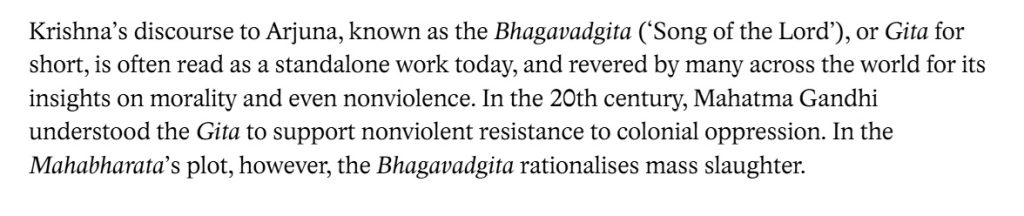
She described the Bhagavad Gita as “rationalizing mass slaughter” in this essay and portrayed Hinduism as inherently oppressive, racist, and violent.
Course Design and Classroom Controversy at Rutgers
In 2020–21, Hindu students and groups at Rutgers petitioned against Truschke, accusing her of:
Allegedly comparing Hindu voters with the white‑supremacist mob in the January 6 U.S. Capitol attack.
Designing a course which portrayed Hindu India as “exotic‑erotic‑chauvinist‑oppressive” by relying heavily on scholars such as Wendy Doniger and emphasizing “marginalized” narratives.
Rutgers defended her academic freedom, but this was only a part of a broader “anti‑Hindu” pedagogy.
“Hindutva Harassment Field Manual” And Labeling BJP‑led India
In 2021, Truschke joined other scholars in launching a “Hindutva Harassment Field Manual,” a resource aimed at countering online harassment allegedly coordinated by Hindutva‑linked actors. In related writings and interviews, she has:
Criticized Hindutva as exclusionary and linked it to broader global far‑right trends.
Used strong language comparing aspects of contemporary Indian politics to fascism or Nazism‑style demonization, which she frames as polemical critique of majoritarianism.
Hindu Hater & Islamic Propagandist
From all that she has written and spoken, it is easy to deduce that she is a Hindu‑hating ‘scholar’ and an Islamic propagandist whose only mission it seems is to glorify Mughals, erase Hindu kings, and deny the historical significance of sites such as Ayodhya.
Truschke is one who questions the validity of the birth of Shri Ram and attacks the Babri Masjid/Ram temple dispute while amplifying anti‑BJP narratives.
Temple Destruction and Hindu Genocide Debates
Truschke minimizes or reinterprets evidence of temple destruction under certain Islamic rulers and reframes iconoclasm as “Indian” practice dating back to Chalukyan and Pallavan kings, rather than a distinct pattern of anti‑Hindu violence.
She also downplays the genocide of Hindus of the medieval Muslim rule, substituting instead a language of “contested power” and “marginalized others”.
All this prove her anti-India stance and for a Congress member to amplify that narrative using her post, speaks a lot.
Subscribe to our channels on WhatsApp, Telegram,Instagram and YouTube to get the best stories of the day delivered to you personally.
Catholic priest, George Ponnaiah, known for his anti-Hindu and anti-India speech, issued a public clarification days before the 2026 Tamil Nadu Assembly elections, rejecting claims that Christian leadership bodies had endorsed any political alliance and describing a widely circulated leaflet as “completely fabricated.”
The statement came in the backdrop of pamphlets that had been circulated ahead of polling on 19 April 2026, purportedly resembling a circular from the Tamil Nadu Bishops’ Council and suggesting support for the Dravida Munnetra Kazhagam alliance. The reported circulation triggered public backlash, internal dissent within sections of the Christian community, and legal complaints alleging politicisation of religious institutions and possible misuse of foreign funds.
Reacting to the controversy, Ponnaiah said, “Dear people of Tamil Nadu, the festival of democracy, the election is set to take place in our state within just two days. At this juncture, recognizing it as my duty to offer a few clarifications, I wish to address you on this matter. Specifically, I am well aware that in recent times, acting as a burden upon the public discourse, a leaflet resembling a circular from the Tamil Nadu Bishops’ Council has been circulated in the media and on social media platforms, and was even distributed in a few churches.”
He added, “While it is true that the distribution of this leaflet was prohibited in most Catholic churches, I speak now so that you may understand exactly what transpired in reality. The question arises: “Does the Tamil Nadu Bishops’ Council have the authority to issue such a circular?” In my opinion, yes, they do; as our spiritual guides, they are entitled to issue circulars. However, and this is the crucial point, did they actually issue this specific circular? The answer is no. This is because a meeting of the Tamil Nadu Bishops’ Council was held two months ago, and the matters discussed during that meeting were entirely different from the contents of this leaflet.”
He continued, “One of the key topics discussed during that meeting was the imperative to educate the public to create awareness regarding the fundamental rights guaranteed to us by the Constitution of India. Secondly, the meeting addressed the hardships that minority communities in Tamil Nadu have been enduring over the past decade. In particular, the discussion focused on how the current administration has pushed us into a situation where we are unable to effectively manage our own educational institutions. Let me cite just one example: today, approximately 12,000 teachers are living in poverty without salaries and without employment. Requests for a remedy to this situation have been raised repeatedly, yet no action has been taken. Our teachers, specifically those serving in government-aided schools administered by minority institutions, are denied pension benefits. Traditionally, teachers are expected to live a life of peace and dignity in their twilight years; yet today, they are plagued by poverty and hunger. A plea was made to both major political parties to put an end to this suffering. Would not, or should not, any compassionate administration with a heart full of empathy lend a listening ear to such grievances? This matter was discussed. Similarly, if you look at southern Tamil Nadu, and specifically the Kanyakumari district, permission to construct places of worship on Patta lands (private lands) is being denied. The entire Christian community is being adversely affected. While all these issues were indeed deliberated upon during the Bishops’ Council meeting, no decision was reached regarding what course of action to take in the upcoming election or which candidate to support. Let me state this with absolute clarity: this leaflet is a complete fabrication deliberately orchestrated and circulated by a select few with the sole intention of misleading the public.”
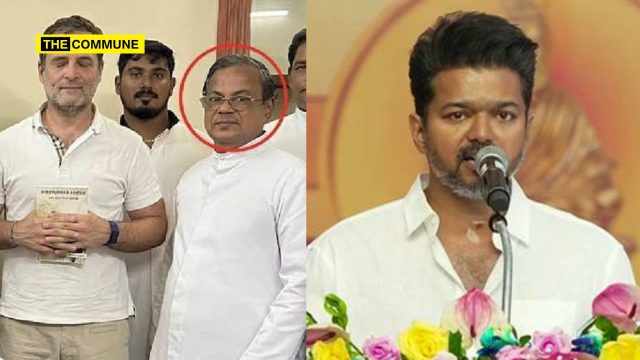
He further said, “The minority Christian and Muslim communities comprising educated and cultured individuals possess the intellect and capacity to discern for themselves whom they should vote for. Therefore, I unequivocally declare that this leaflet is a fake. Furthermore, regarding the claim that certain bishops and priests met with the Chief Minister to pledge their support, I invite you to look at the photograph in question. Observe it closely: how many bishops are actually standing there? Not a single one of the active bishops currently serving in Tamil Nadu is present. The only bishop visible is a retired Archbishop; standing beside him is a priest – the former Chairman of the Minorities Commission. No one has any idea which denomination these individuals belong to or who they truly are. Neither the Catholic bishops of Tamil Nadu nor the bishops of the Church of South India were present at that gathering. Therefore, I wish to state clearly that any assertion claiming that the bishops or the clergy in general have extended their support is entirely false. Consequently, I strongly condemn any discussions or debates taking place on social media that attempt to portray the bishops or priests in a partisan light.”
He continued, “Now, regarding what truly lies in the hearts and minds of the minority communities concerning this election, I would like to share the following: the minority people are deeply distressed. They are ready to embrace and accept any new leadership that emerges with the promise and the credibility to resolve all their long-standing issues. Thus, I can clearly perceive a prevailing sentiment among the grassroots population – a yearning for change. They are asking themselves: “Will this current situation ever change? Will a new dawn ever break for us? Will a new leader emerge to restore our rights to us?” I can sense this deep longing because we, the clergy, live and work closely with the grassroots communities; therefore, I witness this sentiment dominating their collective consciousness. If such a new leadership were to emerge and offer solutions to all our problems, we would welcome that new leadership with the utmost joy and enthusiasm. Thank you.”
Speaking with an interviewer separately and what was caught on camera, he is heard saying, “It is truly distressing to witness how certain individuals conduct themselves. For instance, our Sisters [nuns] went to wait at Mr. Mano Thangaraj’s residence, only to be kept waiting endlessly something we have never experienced before. Being made to wait like that was a very unpleasant experience for us; indeed, our overall experience with him has been quite poor. He is a prominent professor associated with the DMK. Regarding the issue of school education: he claims that if a student studies in a government school and subsequently enrolls in a government college, they are entitled to a monthly stipend. However, he implies that if a student studies in our schools, they are not eligible for this benefit.”
Who Is George Ponnaiah?
George Ponnaiah is a Catholic priest from Kanyakumari district in Tamil Nadu who came into public focus following a controversial speech delivered in July 2021 at Arumanai. In that speech, he made remarks that were derogatory toward Hindu beliefs, including references to Bharat Mata and Bhumi Devi, and also criticized top BJP leaders. An FIR was subsequently filed against him under sections such as 295A (hurting religious sentiments) and 153A (promoting enmity between groups), leading to his arrest. When he approached the Madras High Court seeking to quash the case, the court refused, observing that his remarks were offensive and had the potential to disturb communal harmony. While some charges were dropped, key provisions were allowed to stand, ensuring that the case against him would proceed
Subscribe to our channels on WhatsApp, Telegram,Instagram and YouTube to get the best stories of the day delivered to you personally.
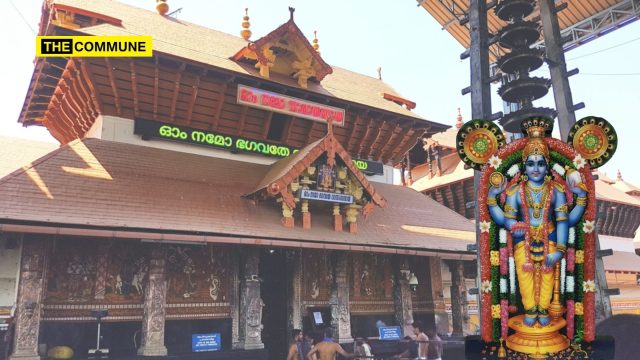
A series of incidents at the Guruvayur Temple have triggered fresh concerns and allegations regarding security lapses, with some observers linking the developments to possible extremist indicators, as reported in Janmabhoomi.
One of the incidents cited involves a person alleged to have recruited youths from Kerala into ISIS, who is said to have stayed at Panchajanyam, a hotel run by the temple’s Devaswom authority. The matter had reportedly reached the courts, though no significant action has been taken so far.
Another incident concerns a Kashmiri youth who arrived in Guruvayur and allegedly intruded into a temple ritual and carried out certain actions.
Subsequent claims, including a social media post by Shashikala Teacher, stated that the individual had distributed sweets bearing Eid greetings. She wrote on her Facebook handle, “News is widely spreading that a Kashmiri man distributed sweets with Eid greetings written on them at the Guruvayur temple premises and that he was arrested. People have also seen someone being taken away from the premises after being arrested. Guruvayur authorities must reveal the truth. If this has happened, it is extremely serious. It affects the safety of devotees. This is a Kerala where people do not hesitate to silence voices like mine that speak about this—making it fertile ground for such elements. He is said to be the accused: Tariq Ahmed (47), son of Abdul Ahmed, Karidar (Nougham police station), Jammu & Kashmir.”
Prior to official confirmation, netizens warned that the police would declare the individual mentally unstable. By evening, police issued a report describing the Kashmiri youth as mentally unstable and stated that he had been shifted to a mental health centre. Shashikala teacher also wrote on her Facebook when this development occurred, “Arrest of the Kashmiri youth from Guruvayur temple has now been turned into a ‘mental illness’ case! How did this “mentally ill” person come all the way from Kashmir specifically to Guruvayur? Was it because Guruvayurappan possessed him? Or did the spirit of some Guruvayurappan devotee enter him? The police and Devaswom authorities who quietly closed the case must explain. Or is the mental illness with you? In such a high-security place, how do you justify that CCTV did not capture his actions? Even if the CCTV footage was destroyed or suppressed, those responsible must be held accountable. Do not cover up things in the dark. At the very least, don’t celebrate this saying “a Kashmiri youth worshipping at Guruvayur shows secular Kerala.”
This sequence of events has drawn comparisons to earlier incidents in the temple town. In one such case, an individual running a hotel near the temple allegedly insulted the Tulasi platform. After the issue became controversial, police reportedly concluded that he was mentally unstable.
In another incident, on a significant day at the temple, a person rode a motorbike from the Satra gate to the Deepasthambham near the eastern entrance of the temple. Police again described the individual involved as mentally unstable.
These repeated instances have led to criticism questioning whether labeling individuals as mentally unstable is being used to cover up security lapses by the police and the Devaswom authorities.
Additional concerns have been raised regarding the temple’s free meal service, which is provided three times a day. Complaints have been filed alleging that even individuals booked under KAAPA cases have accessed the facility, though such complaints were dismissed.
Despite the temple being considered a high-security location, questions have also been raised over the absence of CCTV footage related to the Kashmiri youth’s actions. Allegations have surfaced claiming that the footage may have been destroyed or suppressed, though no official confirmation has been issued.
Subscribe to our channels on WhatsApp, Telegram,Instagram and YouTube to get the best stories of the day delivered to you personally.
Allegations of bogus voting from several parts of Tamil Nadu have triggered concern, with multiple voters reporting that their votes had already been cast when they arrived at polling booths, leaving some unable to exercise their franchise.
At a Government Higher Secondary School polling station in Poonamallee, a voter identified as Amulu was informed by officials that her vote had already been recorded. She was advised to return at 4:00 PM to cast her vote. However, when she returned later in the day, a dispute broke out at the booth, with DMK members opposing her being allowed to vote, while AIADMK representatives insisted that she should be permitted. The situation turned tense, and the voter was ultimately unable to cast her vote.
Eyewitnesses at the scene were heard questioning the situation, stating that they had approached the issue respectfully but were told the vote had already been cast by someone else, and asking whether raising such concerns amounted to wrongdoing. Attempts were made by others present to calm the situation and urge proper procedure.
A similar incident was reported in Dindigul, where a young voter, Dwarakesh, arrived at polling booth number 128 in Ward 5 of the corporation area, only to find that his vote had already been cast. The development led to a confrontation involving his relatives. Police later intervened and allowed him to cast a tender vote.
In the Erode East constituency, allegations of bogus voting were raised in the Vettukattu Valasu area. At a polling booth in Kumalan Kuttai, officials informed voter Dinesh Arumugam that his vote had already been recorded by another individual, following which he reportedly left the premises disappointed.
In Theni district, a voter named Hemalatha from Uthamapalayam encountered a similar issue at a polling station located on Thanneer Thotti Street. After discovering that her vote had already been cast, she returned with her relatives and engaged in an argument with officials. Authorities subsequently obtained a written petition from her and permitted her to vote.
In another case from Ranipet district, in Walajapet, an elderly voter named Balasubramani was informed at a polling booth set up in a Government Girls Higher Secondary School that his vote had already been cast. He reportedly argued with officials over the issue. Following discussions and explanations from polling staff, he was eventually allowed to vote.
These incidents have contributed to growing concerns over electoral integrity in parts of the state, with reports indicating that some voters were unable to cast their votes due to such discrepancies.
Subscribe to our channels on WhatsApp, Telegram,Instagram and YouTube to get the best stories of the day delivered to you personally.
Polling across nine Assembly constituencies in Trichy district was conducted on April 23, beginning at around 7:00 AM and concluding at approximately 6:00 PM. According to official data available at 6:00 PM, the district recorded a voter turnout of 81.77%.
From early morning, large numbers of voters turned up at polling booths across the district to exercise their franchise. A total of 2,787 polling stations had been established for the election in Tiruchirappalli. District election authorities stated that this election witnessed a notably high level of voter participation compared to previous instances.
The Trichy East constituency drew particular attention, as Tamilaga Vetri Kazhagam (TVK) leader Vijay is contesting, making it a high-profile electoral contest. Among first-time voters, women, and other sections of the electorate, there has been heightened interest in the outcome, with considerable speculation over the likely winner.
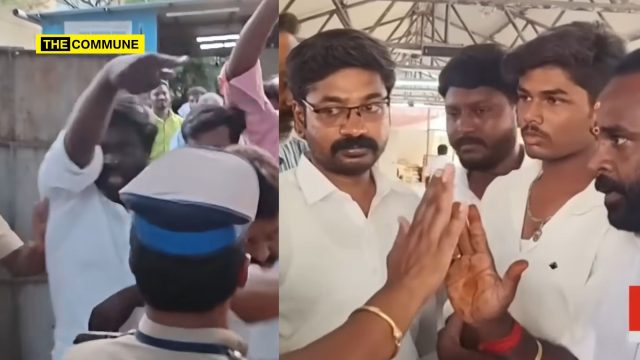
Amid this backdrop, tensions were reported at certain polling booths within the Trichy East constituency. Booth agents affiliated with TVK and the AIADMK raised allegations at multiple locations that the police were acting in favor of the DMK.
At a polling station in Subramaniapuram, it was alleged that police personnel instructed AIADMK and TVK party workers to vacate the premises immediately, which reportedly led to verbal altercations. Booth agents accused the police of acting in support of the DMK.
Following the conclusion of polling at 6:00 PM, election officials began the standard procedure of sealing Electronic Voting Machines (EVMs) at polling stations and preparing them for transport to designated storage centers.
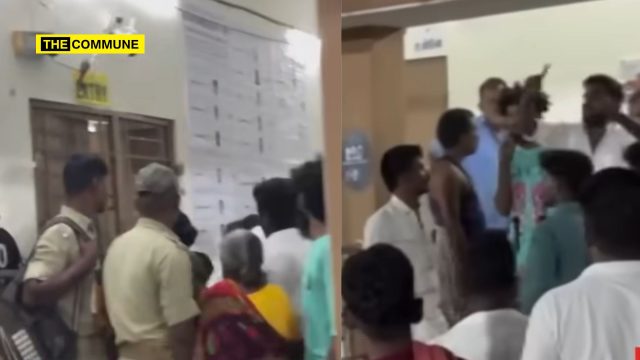
During this process, members of TVK and AIADMK alleged that certain officials entered a polling booth, closed the doors, and engaged in bogus voting activity. These allegations triggered a commotion at the location.
Booth agents questioned why, after polling had officially ended, the EVMs were not immediately sealed and dispatched in accordance with Election Commission protocols. Instead, they alleged, officials closed the polling station doors and continued activity inside, raising suspicions of malpractice.
Protesters subsequently laid siege to the polling booth, raising slogans and accusing both the police and election officials of acting in favor of the DMK. The situation escalated, resulting in heightened tension in the area.
Senior election officials and police authorities later arrived at the scene and held discussions with the protesting parties. Following these interventions, the situation was brought under control. The EVMs were then sealed and transported to Jamal Mohamed College.
The area reportedly remained tense for over an hour before normalcy was restored.
In addition to the incident at Subramaniapuram, booth agents from TVK and AIADMK have alleged that similar attempts to influence the electoral process took place at multiple locations across Tiruchirappalli district, claiming that such actions were aimed at ensuring a DMK victory in the Trichy East constituency.
Subscribe to our channels on WhatsApp, Telegram,Instagram and YouTube to get the best stories of the day delivered to you personally.
A foreign tourist’s video showing a trash‑strewn stretch of beach behind the 1,400‑year‑old Shore Temple in Mahabalipuram has gone viral.
The tourist turns the camera to overflowing litter scattered across the sand and says this is “the most trashed beach” he has ever seen in his life, calling it “shameful” that people do not pick up their own garbage.
Set against years of Dravidian‑model rhetoric about transforming Chennai into “another Singapore,” the reality of a UNESCO‑celebrated heritage shoreline buried under plastic and filth exposes a stark hypocrisy. MK Stalin once famously said that he would convert Chennai to Singara Chennai, his followers hailed him as the next Lee Kuan Yew.
A government that boasts of world‑class governance cannot keep even its showpiece coastal monument clean, leaving a foreigner to lecture locals to “pick up your trash” on a beach governed by parties that constantly claim international standards. The Mahabalipuram video turns the Dravidian model’s own branding against it, underlining how its promises collapse the moment the camera pans from glossy slogans to the garbage‑strewn sand.
Subscribe to our channels on WhatsApp, Telegram,Instagram and YouTube to get the best stories of the day delivered to you personally.
Gnanasekaran, who is serving life imprisonment in connection with the Anna University sexual assault case, has alleged that there is a conspiracy to kill him inside prison and that he has been on a hunger strike for the past three days.
Gnanasekaran was convicted in a case involving the sexual assault of a student at Anna University, an incident that triggered widespread outrage across Tamil Nadu and drew significant political attention. He was arrested following the incident, and it was reported at the time that he had prior criminal cases, including theft, with police seizing a substantial quantity of gold jewellery during the investigation.
Following a petition filed by an AIADMK lawyer seeking a probe by the Central Bureau of Investigation (CBI), a Special Investigation Team (SIT) was constituted instead, comprising IPS officers Snehapriya, Brindha, and Aiman Jamal. After completing its investigation, a Chennai Mahila Court sentenced Gnanasekaran to life imprisonment in June last year.
He has since been lodged at Puzhal Central Prison. According to prison sources, Gnanasekaran suffered a sudden medical episode, including severe convulsions, around midnight on the 19th. He was initially treated at the prison hospital before being shifted under heavy police security to Government Stanley Medical College Hospital for further treatment, where he received intensive care.
The incident caused concern within prison authorities and attracted attention in political circles, particularly given the ongoing election atmosphere in the state.
After being discharged and returned to prison, Gnanasekaran has reportedly alleged that prison officials subjected him to physical assault and that his life is in danger. He has further claimed that there is a plot to eliminate him inside the prison and has continued a hunger strike as a form of protest.
Polling for the Tamil Nadu Assembly elections concluded on a high turnout of approximately 82.24% across the state on Thursday, 23 April 2026. However, the voting process was marred by a reported incident of violence in the Papanasam constituency, where a candidate of the Naam Tamilar Katchi (NTK) was allegedly assaulted.
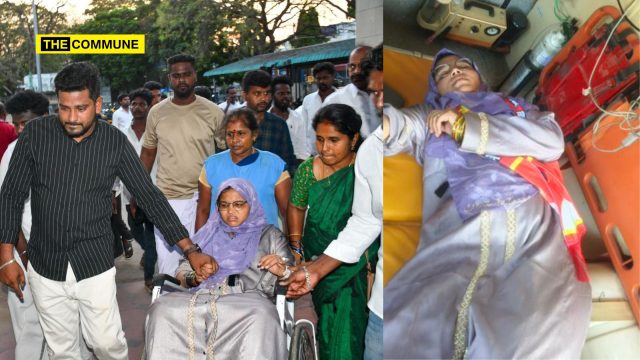
According to reports, NTK’s Papanasam candidate Anis Fathima, who is in the final stage of pregnancy, was injured during a confrontation at a polling booth in Ukkadai, near Ammapettai in Thanjavur district. The incident reportedly involved cadres linked to the Dravida Munnetra Kazhagam (DMK) and its ally, the Indian Union Muslim League (IUML).
As reported in Tamil Samayam, it is indicated that a dispute broke out between DMK alliance workers and NTK cadres at the polling station, which escalated into a physical altercation. During the incident, Anis Fathima was allegedly manhandled when she reached the booth.
Following the altercation, she sustained injuries and was rushed to the Thanjavur Government Raja Mirasudar Maternity Hospital, where she was admitted for treatment. Hospital sources confirmed that she is under medical care.
The incident has triggered political reactions, with NTK functionaries accusing DMK alliance members of orchestrating violence to intimidate opposition candidates during polling. There has been no immediate official response from the DMK or IUML regarding the allegations.
The elections, which are expected to determine the next government in Tamil Nadu, witnessed a multi-cornered contest, with several parties in the fray and a split in vote shares anticipated across constituencies.
#NaamTamilarKatchi candidate for the #Papanasam Assembly segment, Anis Fathima, who is pregnant, was admitted to a government hospital after she was allegedly manhandled by polling agents of the DMK and IUML at a booth in the constituency.
📷&📹: Special Arrangement pic.twitter.com/HeoZvIjdzM
An audio clip allegedly sent reportedly by a DMK functionary has triggered a political controversy in north Chennai, with serious allegations of death threats, intimidation, and abusive language directed at a BJP worker.
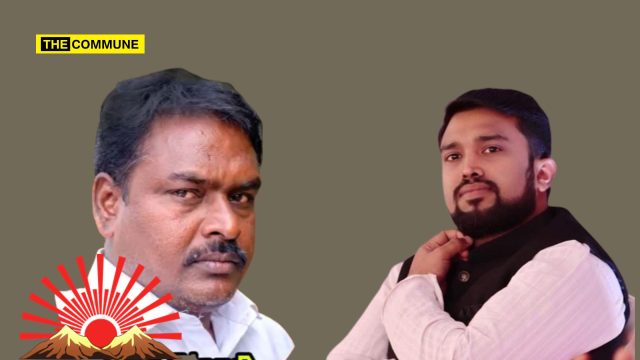
The individual identified as Selva Mahalingam, described as a cadre of the Dravida Munnetra Kazhagam (DMK), is accused of sending a threatening voice message to BJP functionary Minjur Saleem. The contents of the audio, which has since circulated widely, include explicit threats of violence and references to targeting the recipient at his residence.
In the audio, the sender is heard issuing threats and warnings, stating, “You, o***la, you will be hacked in the middle of the head in Minjur itself. With one strike, someone will plunge a knife into your man’s head. Stay within your limit. You’re a BJP fellow, bastard. DMK people are rowdies. If you O***la behave properly, fine; if you cross the line, then we become rowdies. Do you understand? You are nothing. What is BJP? Don’t make us say ugly things. Minjur Saleem, being a Muslim, stay in line. You are born oppressed community, brings our boys along, they will strike him in the middle of the head. Do you understand? See whether you will be able to sleep at home for the next 10 days. We have already sent the list, your videos, and everything to the places where you need to be sent. We are working on how to trace you and what needs to be done. Wait a few days. Wait and see. You will not even be able to wake up at 5 a.m. from home. You will see bloodshed at the doorstep.”
He continued, “You will not leave your house. I will come to your house. Hey, look at your area. In the morning you’ll be ruined. I will not get up from my house. I will come to your house, come see. We are people who live with principles. Understand that. We live for our principles. If anything bad happens here, or if you do anything, that’s the end of you man. Don’t force me to do something different. I will chase you and destroy your family. Even if the DMK man is a Dravidian, look how they run around. They forget everything, especially the oppressed community, and win by what margin? See how they do it. What did your Modi do, that dumb fellow? You’re talking about Stalin. Even if he is a Dravidian, look how they forget everything and act. If you are really a man, hey Minjur Saleem come to Chepauk constituency. I’ll come too. Why are you speaking against Stalin? If you are a man, I accept it. In Minjur itself, if you are ready to speak, supporting BJP and opposing DMK, O***la you will be chased on the road and hacked in the middle of the road. Do you understand? I’ll see to it that you will feel it. Wait a few days.”
வெளிப்படையாக கொலை மிரட்டல்! காவல்துறை என்ன தான் செய்கிறீர்? இவனையெல்லாம் எந்த அடிப்படையில் விட்டு வைத்திருக்கிறீர்? pic.twitter.com/4SdrkRDAAN