While India has proved its prowess in precision landing with Chandrayaan-3, the impending SpaDeX mission will achieve a historic space docking feat, said Union Minister of State (Independent Charge) for Science and Technology Dr Jitendra Singh on Saturday.
The Indian Space Research Organisation (ISRO) aims to launch the Space Docking Experiment (SpaDeX) mission, aboard the PSLV-C60 rocket, at 21:58 IST from Sriharikota on December 30.
The mission aims to dock two satellites in space, a challenge only mastered by the US, Russia, and China, so far. “ISRO’s year-end mission is going to be a historic one as it will seek the rare feat of docking or merging or joining together two satellites in space,” Singh said, adding that “the indigenous technology used for this mission is called the ‘Bharatiya Docking System’”.
“SpaDEX will mark a milestone, showcasing India’s expertise in spacecraft docking technology,” Singh noted.
The success of this mission is vital for India’s future space ambitions. Docking technology will help upcoming missions like Chandrayaan-4 and the planned Indian space station, expected to be ready by 2035. It is also crucial for the eventual manned Gaganyaan mission, expected to launch in 2026.
With SpaDeX, “ISRO will attempt to dock two satellites orbiting at speeds of 28,800 km/h”. And both satellites must be carefully manoeuvred to reduce their relative velocities to a mere 0.036 km/h”.
The two satellites, SDX01 or Chaser and SDX02 or Target, will merge to form a single unit in space. Each satellite weighs around 220 kilograms and will orbit 470 km above Earth.
The mission aims to include performing precision rendezvous and docking manoeuvres, validating power transfer between docked spacecraft, and operating payloads post-undocking, with a two-year lifespan. SpaDEX will also use PSLV’s fourth stage, POEM-4, for experiments.
The stage will carry 24 payloads from academic institutions and startups. These experiments will utilise the microgravity environment in orbit.
–IANS
Subscribe to our channels on Telegram, WhatsApp, and Instagram and get the best stories of the day delivered to you personally.
Leading brokerage Ventura Securities Ltd has set a bullish target of Rs 3,801 for Adani Enterprises Ltd’s (AEL) stock, which is a potential upside of 57.8 per cent over the next 24 months.
The share of Adani Group’s flagship company is currently trading at Rs 2,409 apiece. In a bull case scenario, the target price rises to Rs 5,748, which would mark an upside of 138.6 per cent, the brokerage said in its note.
“We have assumed revenue of Rs 1,66,615 crore (FY24-27E CAGR of 20 per cent) and an EBITDA margin of 20 per cent at an EV/EBITDA of 23.4X, which will result in a bull case price target of Rs 5,748,” said the brokerage.
As per Ventura’s note, Adani Enterprises is on a strong growth trajectory. Over fiscal years 2024 to 2027, its consolidated revenue is expected to grow at a compounded annual growth rate of 17.5 percent to Rs 1.56 lakh crore.
“EBITDA and net margins are projected to expand by 647 basis points to 18.3 per cent and 255 bps to 5.9 per cent, respectively,” it said, adding that “return ratios – RoE and RoIC – are expected to improve by 563 bps to 14.5 per cent and 99 bps to 11.3 per cent, respectively”.
According to the note, this growth will be driven by the company’s expansion of airport, solar, and wind turbine businesses, as well as revenue contributions from copper business.
The Adani Group’s flagship company is targeting Rs 6.5-7 lakh crore in capital expenditure over the next decade, primarily focusing on airports, data centres, copper, and green hydrogen, Ventura said.
“This expansion will be funded through debt, which is expected to lead to an increase in the company’s debt-to-equity and debt-to-EBITDA ratios over the next few years,” it added.
–IANS
Subscribe to our channels on Telegram, WhatsApp, and Instagram and get the best stories of the day delivered to you personally.
The office of the West Bengal Chief Electoral Officer has decided to thoroughly scan and examine the voters’ list in certain districts in West Bengal having international borders with neighbouring Bangladesh, with Intelligence input hinting that members of Bangladeshi fundamentalist groups have managed to get themselves enrolled in voters.
CEO office insiders said that the process had started with the bordering Murshidabad district, after it came to the notice that the recently arrested activist of Ansarullah Bangla Team (ABT), a Bangladesh-based fundamentalist group, Shad Radi a.k.a. Shab Sheikh, had managed to not only get his name enrolled as a voter in Murshidabad but at two places in two different Assembly constituencies in the district, namely Kandi and Hariharpara.
Sources said that the scanning and examination are being conducted to ensure whether there are similar instances in the district or not. In subsequent stages, similar scanning of the voters’ list will be done for other districts in the state, especially those having international borders with Bangladesh. Besides the instance in Murshidabad district, instances have also surfaced where the same EPIC number has been allotted to one voter of West Bengal and one voter of Gujarat.
Sources said that the CEO office is taking such matters very seriously since fake EPIC cards are the second layer in the chain of fake Indian documents being arranged for illegal Bangladeshi immigrants. As information revealed by the investigation officials, the first stage in this chain is getting fake ration cards, which is immediately followed by fake EPIC cards.
The third and fourth stages are fake PAN cards and Aadhaar cards. The final stage in the chain is that of fake passports. “So in case if the chain can be broken at the second stage, which is a fake EPIC card, the next lines in the chain can be broken automatically. At the same time, the office of the CEO has directed their respective-level officials to be extremely careful in checking the documents in case of new EPIC card applicants,” a source said.
–IANS
Subscribe to our channels on Telegram, WhatsApp, and Instagram and get the best stories of the day delivered to you personally.
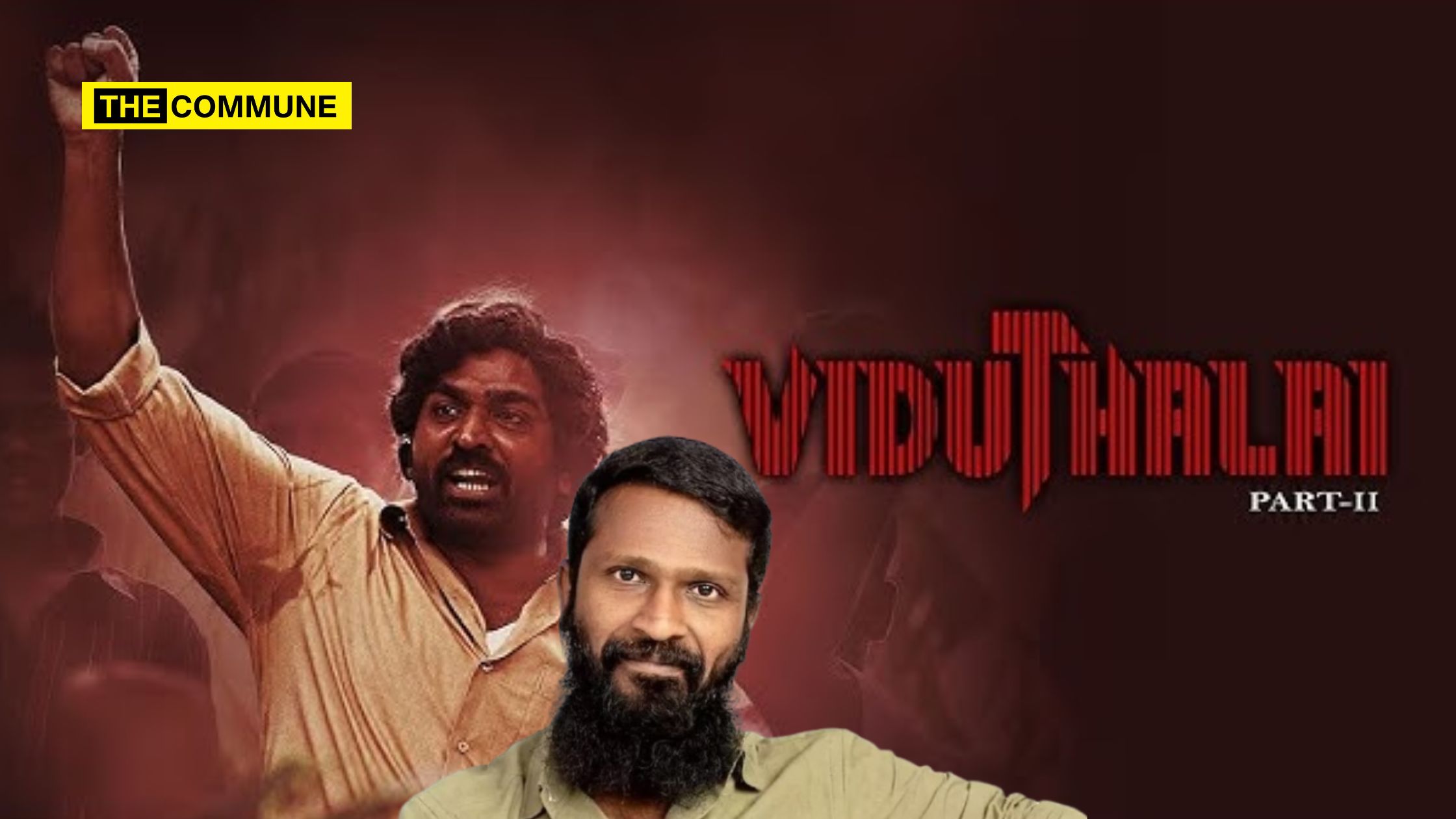
The communist-themed movie Viduthalai Part 2, directed by the Dravidianist filmmaker Vetrimaaran, aimed to weave communist ideology into its narrative seems to struggle both financially and ideologically. Following the success of the first part, audiences expected another cinematic milestone from Vetrimaaran. However, the sequel’s heavy-handed political messaging detracts from the storytelling, ultimately causing the film to struggle in recouping its budget.
Viduthalai Part 2 premiered in theaters on 20 December 2024, with a star-studded cast featuring Soori, Vijay Sethupathi, Bhavani Sre, Ilavarasu, Gautham Menon, Rajiv Menon, Manju Warrier, and Anurag Kashyap. Despite a production budget of ₹35 crore and considerable anticipation, the movie has fallen short of expectations at the box office. The film has not even recovered its production budget even after a week’s run in theatres. By the end of its opening week, the film earned approximately ₹30 crore. As it entered its second week, the collections have continued to underperform, raising concerns about its overall financial success.
According to reports, Viduthalai Part 2 concluded its opening week with a collection of ₹1.50 crore on Thursday. On its second Friday, which marked day 8 of its theatrical run, the film saw a further decline of 33%, managing to earn only ₹1 crore.
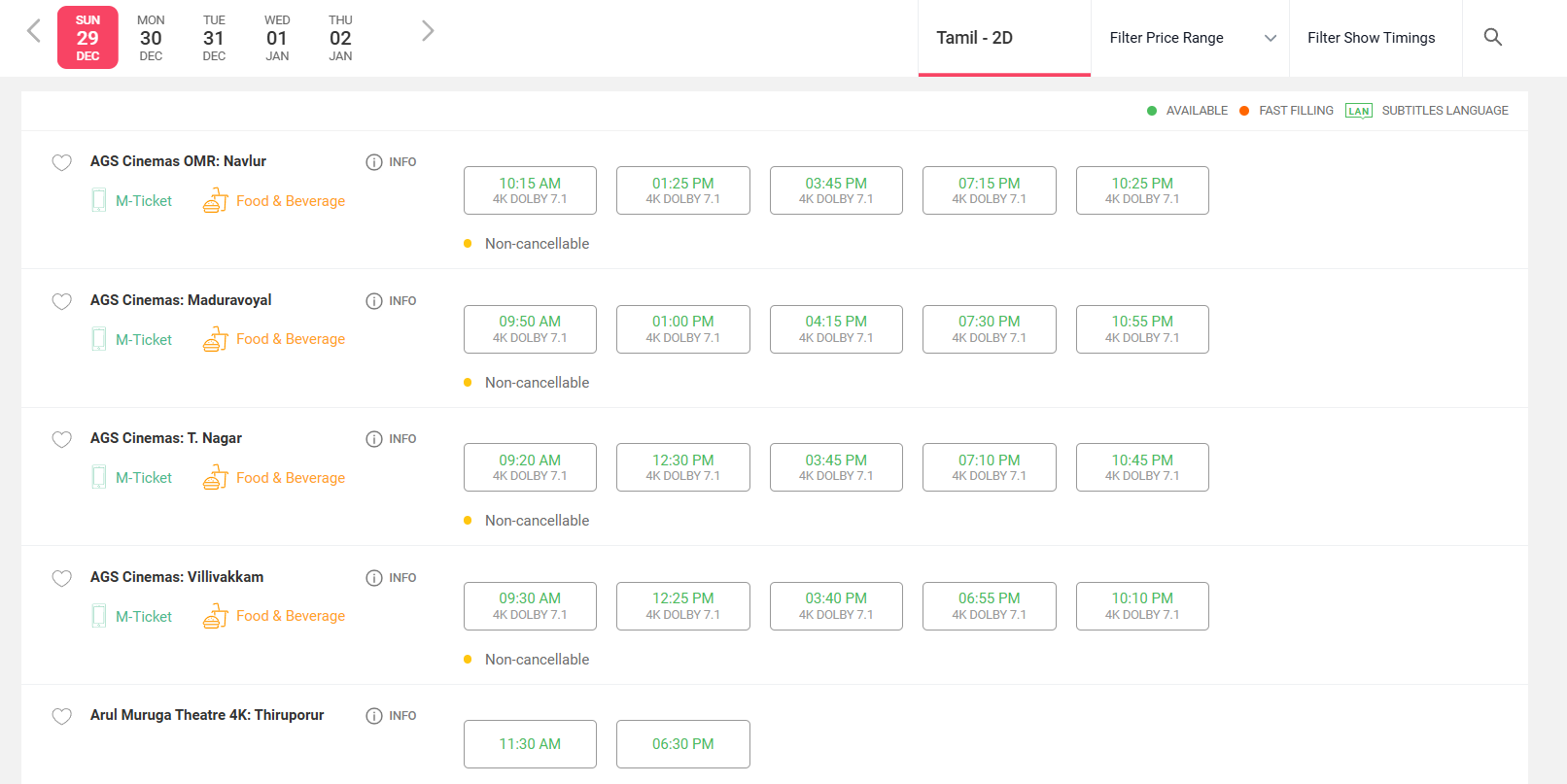
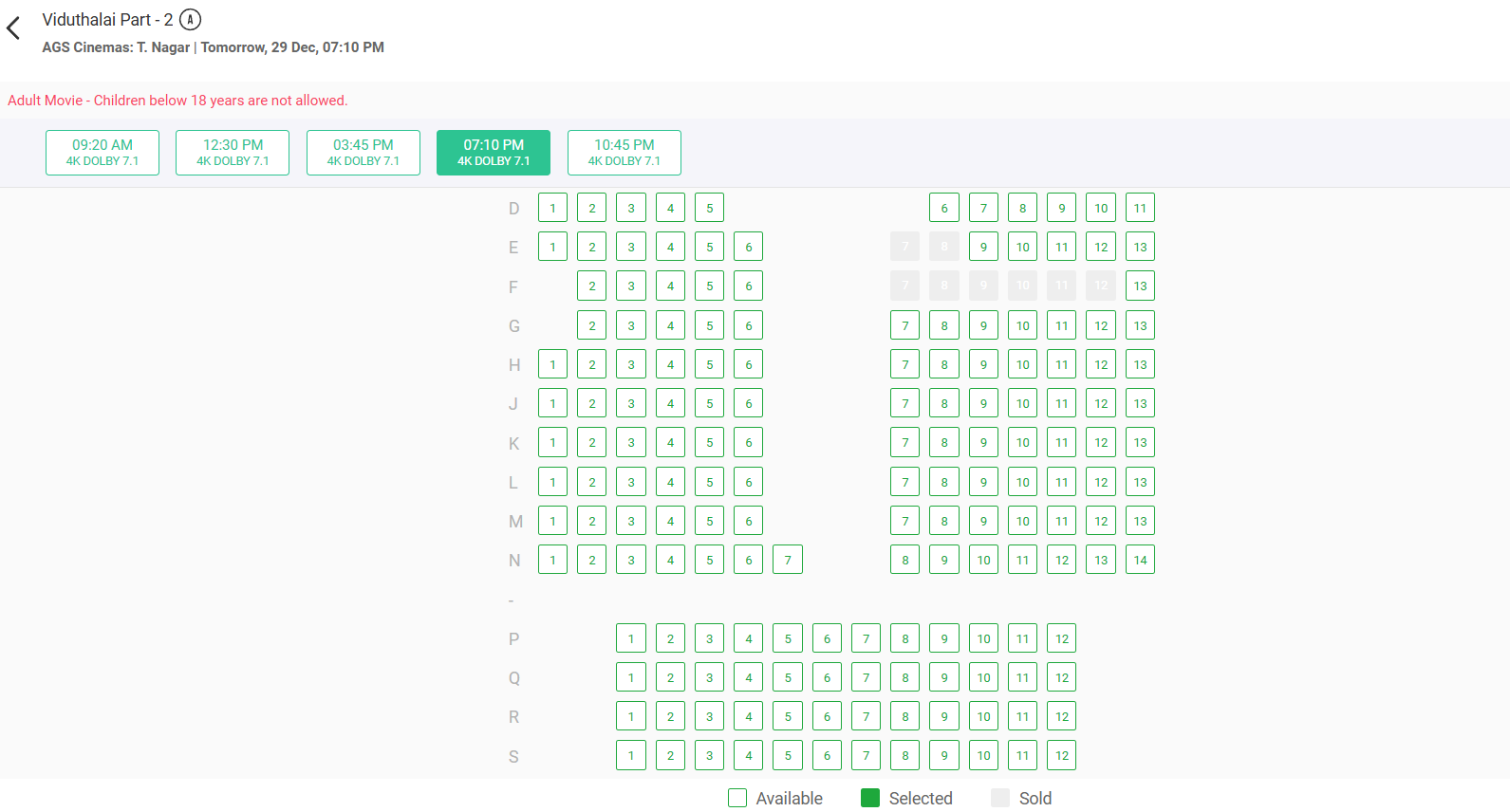
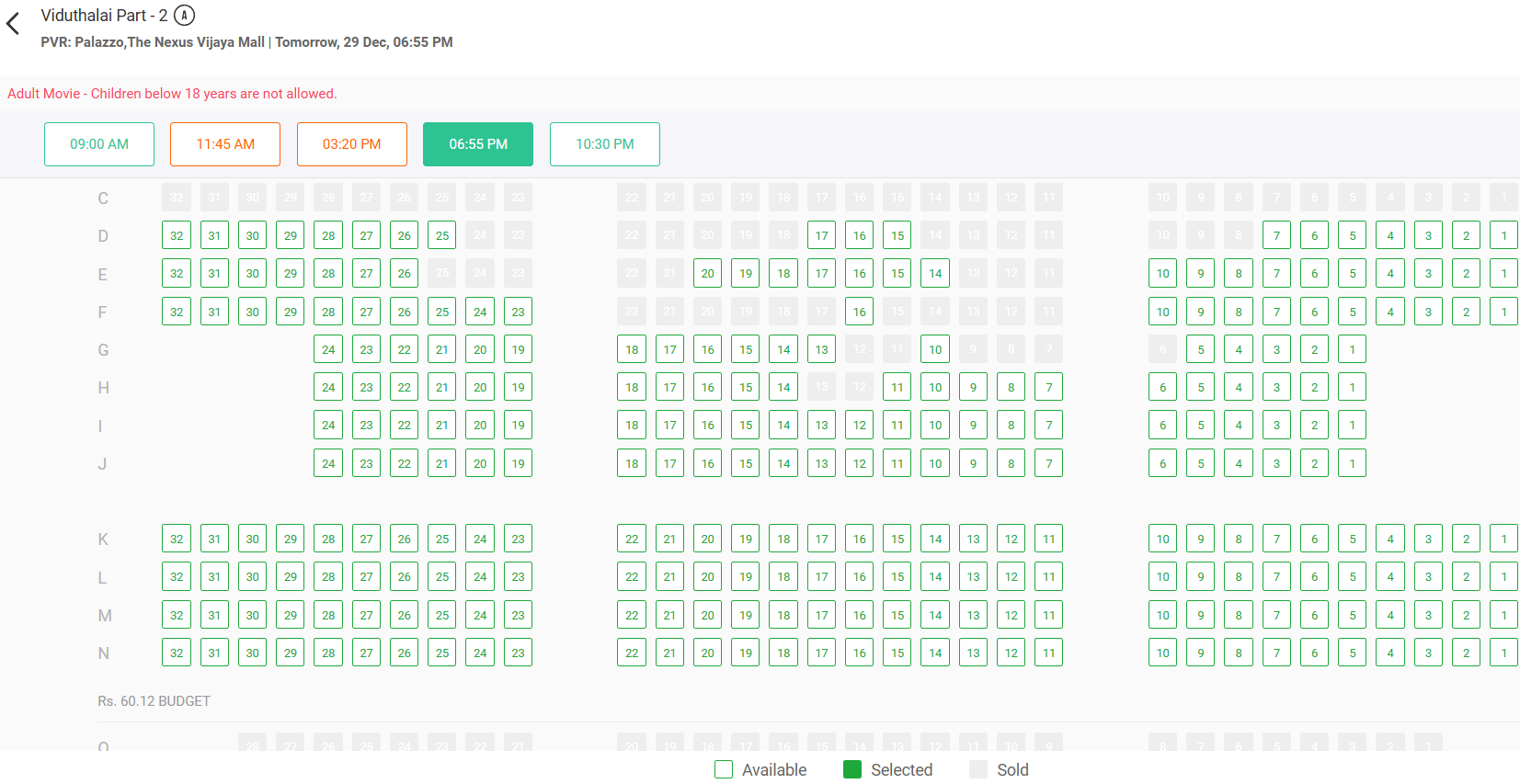
Theatres across cities in Tamil Nadu have huge vacancy even for weekend shows. Theatres even in the hearts of Chennai are not pulling crowds for Viduthalai 2.
Why Viduthalai Part 2 Failed?
Viduthalai Part 2, directed by Dravidianist Vetrimaaran, falters on multiple fronts—narratively, ideologically, and technically. While the film aims to continue the legacy of politically charged cinema akin to Asuran and Karnan, it falls short of the emotional and thematic depth these films delivered. Below are the key reasons for its underperformance.
Overemphasis On Political Messaging
The movie’s overt focus on political ideologies—particularly communist and Maoist themes—overshadowed the storytelling. Instead of seamlessly integrating these elements into the narrative, the film explicitly glorifies violence as a solution to social issues.
Promotion of Maoist Violence: A significant portion of the film is devoted to dialogues and scenes that justify violent methods as a means to address societal inequalities. Perumal Vaathiyar, the central character, advocates violence, with even his wife endorsing extreme actions against her own family.
Contradictory Messaging: Despite moments where Vaathiyar shifts towards promoting non-violence, the film repeatedly contradicts itself with sequences of intense violence, undermining its own narrative cohesion.
Inconsistent Storytelling
The film grapples with inconsistent storytelling, marked by a lack of narrative coherence and character development. Key relationships and arcs, such as Soori’s romance with Bhavani Sre, are introduced with promise in the first part but are sidelined without any resolution in the sequel. Characters that initially appeared well-developed are subsequently neglected, diminishing their impact on the story. Additionally, the film’s poor editing contributes to timeline confusion, with disjointed flashbacks and sequences—such as KK Thozhar’s death followed by his reappearance—leaving audiences puzzled rather than enhancing the narrative.
Weak Screenplay Compared To Asuran
The film’s effort to emulate the success of Asuran falls short, as it lacks the emotional resonance and character depth that defined Asuran and fails to evoke the empathy for righteous anger and rebellion. Viduthalai Part 2 struggles to strike a balance between its heavy political undertones and the human elements that made its predecessors both compelling and impactful.
Dravidian and Communist Ideology Overload
The film’s integration of Dravidian ideology and references to “Karuppu Sattai” (Black Shirts) alongside communist ideals comes across as forced and unnatural, detracting from the narrative’s authenticity. Additionally, historical inaccuracies, such as linking the Dravidian movement to the upliftment of laborers, further undermine its credibility. By leaning on outdated political ideologies that lack contemporary relevance, the film alienates a significant portion of its audience, making its messaging feel disconnected and unrelatable.
Technical Shortcomings
Editing Flaws: The editing fails to maintain continuity, leaving audiences puzzled about key plot points.
Jarring Dialogues: Mismatched dubbing and overspoken dialogues create a disjointed viewing experience.
Lost Clarity in Direction: Vetrimaaran’s once-crisp storytelling voice appears diluted in this politically overcharged narrative.
Lack of Closure
The first part built intense anticipation with its portrayal of police atrocities and village suffering, yet the sequel provides little to no resolution to these critical storylines. Instead, it shifts focus to ideological preaching, leaving many loose ends.
Viduthalai Part 2 is Vetrimaaran’s weakest film to date. The heavy-handed political messaging, lack of narrative coherence, and technical issues overshadow its strengths. While it tries to build on the director’s legacy of politically charged cinema, it ultimately fails to resonate with audiences both emotionally and ideologically.
Subscribe to our channels on Telegram, WhatsApp, and Instagram and get the best stories of the day delivered to you personally.
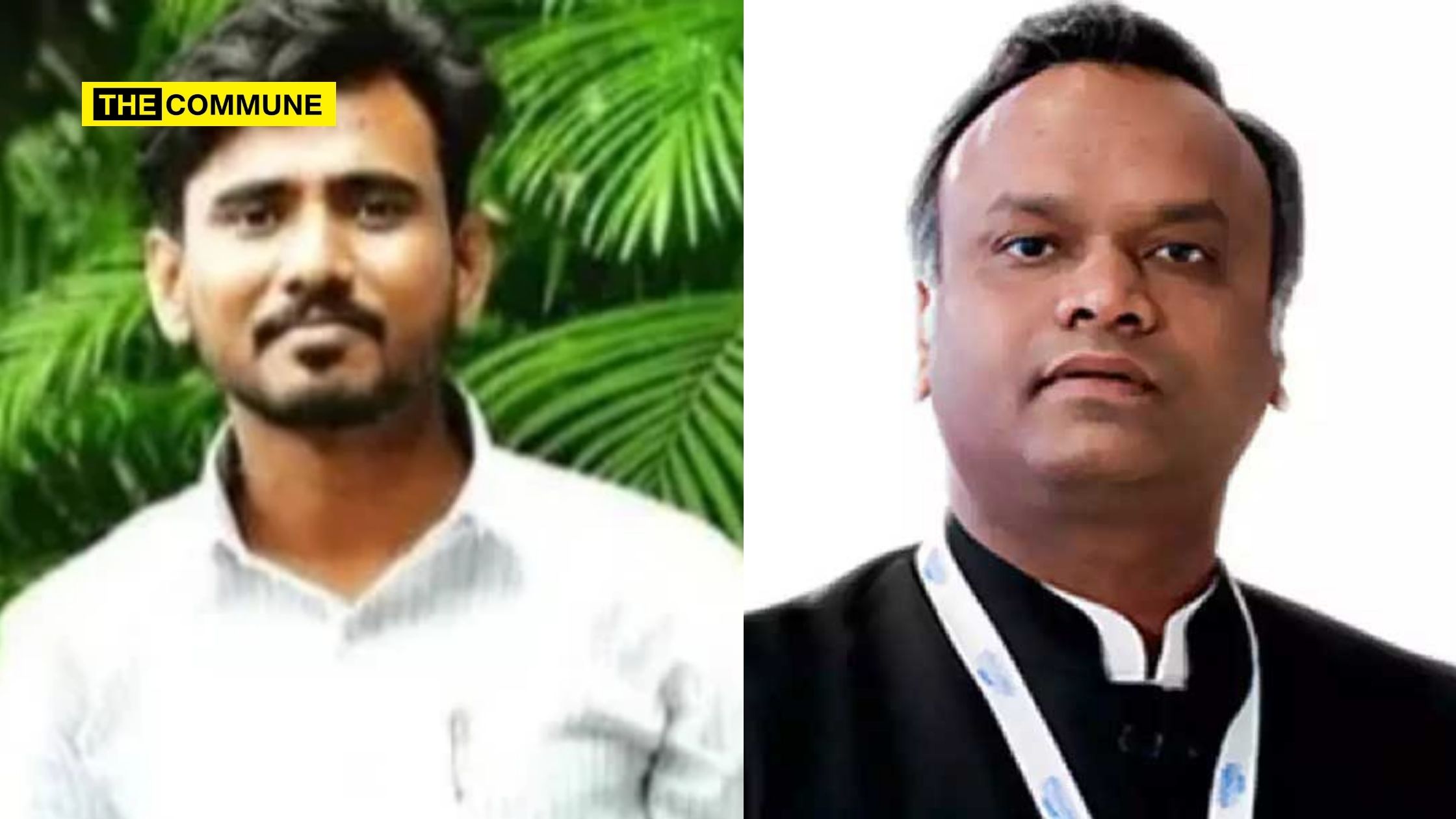
Leader of the Opposition in the Karnataka Legislative Council, Chalavadi Narayanaswamy, accused Kalaburagi district in-charge minister Priyank Kharge of abusing his power and demanded his resignation in connection with the suicide of a contractor, Sachin.
He also alleged that the Kharge family is running a republic in their native Kalaburagi. Speaking to the media on Saturday, Narayanaswamy further criticised the situation in Kalaburagi, stating, “It has become the Republic of Kalaburagi. The administrative system in Karnataka and Kalaburagi are entirely different. In Kalaburagi, police function as if they are acting under the sole instructions of Priyank Kharge.”
Priyank Kharge is the son of AICC President Mallikarjun Kharge. The BJP leader alleged that the Kharge family wields significant dominance in the region.
“No one else is allowed to voice their opinions. Especially Dalit communities, if they speak against the Kharges, they face consequences. Police camp outside the homes of those who criticise them,” he charged.
“I visited Kalaburagi, but had to return due to a condolence meeting for former Prime Minister Manmohan Singh.” Narayanaswamy criticised the administration in Kalaburagi, stating that it has completely collapsed. He alleged that Priyank Kharge has surrounded himself with loyalists and is involved in multiple illegal activities.
“There is illegal sand mining, and rackets involving tiles and cement factories. Even in contract matters, appointments are made to suit their agenda. This is the primary reason behind Sachin’s suicide,” he claimed.
Narayanaswamy demanded a high-level investigation into the matter. He also urged the government to remove Priyank Kharge from his ministerial position and to arrest him, ensuring full cooperation with the investigation. “If this doesn’t happen, our party leaders and workers will have no choice but to launch an intense protest,” he warned.
Narayanaswamy highlighted that the deceased contractor, Sachin, had written a seven-page death note and also posted it on social media. “In the note, he mentioned plans to hire a hitman to kill individuals such as Andol Swamiji, Chandu Patil, and Basavaraj, which raise serious concerns,” he added.
Sachin, a 26-year-old contractor, committed suicide in Karnataka’s Kalaburagi district on Thursday following the alleged threats to his life and extortion by an aide of Karnataka Rural Development and Panchayat Raj Minister Priyank Kharge. The deceased contractor left a seven-page suicide note and alleged that Minister Kharge’s aide and Kalaburagi City Corporation’s former member Raju Kapanuru’s atrocities forced him to take the extreme step.
Reacting to the development, Minister Priyank Kharge said, “I came to know about the incident just now. I will make a demand that whether the accused is my associate or a Congress party worker, the investigation should be conducted. I will not try to silence the matter and won’t say that an investigation is not required. I will request the Home Minister G. Parameshwara to get a thorough investigation done regarding the incident.”
The Karnataka BJP unit had earlier accused Minister Priyank Kharge of being directly responsible for a series of murders of its party workers in his native Kalaburagi district of the state. The BJP also said that during Priyank Kharge’s tenure, incidents of murders and extortions have increased, adding that “after Priyank Kharge took over as the district in-charge minister of Kalaburagi, BJP workers and leaders have been hacked to death one after the other”.
BJP has asserted that Priyank Kharge, who handed over the Kalaburagi district to criminals, is directly responsible for the deteriorating law and order situation. Following the killing of Mahantappa Aloore, another BJP leader Girish Chakra was hacked to death, the BJP said.
–IANS
Subscribe to our channels on Telegram, WhatsApp, and Instagram and get the best stories of the day delivered to you personally.
The newly appointed AIADMK IT Wing President, Kovai Sathyan, has revealed further shocking details about the alleged DMK functionary and Anna University sexual harassment case accused, Gnanasekaran. Sathyan stated that Gnanasekaran is a serial sexual offender, with allegations of molesting two individuals in separate incidents.
Gnanasekaran is reported to have two wives, one of whom he married under compelling circumstances after she became pregnant while they were both in school. Remarkably, both his first and second wives currently live together with him.
Kovai Sathyan further alleged that Gnanasekaran’s arrest was delayed due to interference from DMK Circle Secretary Shanmugam, a close associate of the accused. Both Gnanasekaran and Shanmugam reportedly worked under notorious rowdy ‘Gym’ Ezhumalai. Sathyan also claimed that Gnanasekaran’s wife secured a temporary professor position at Anna University through the intervention of a DMK minister.
AIADMK IT Wing President, Kovai Sathyan, via his official X account said, “The accused and culprit Gnanasekaran has close ties with DMK and indeed he is a DMK member. We have unveiled the evidence of the same. However, the DMK is on war footing to defend the same, and we have received more shocking news that has come to our knowledge and I wish to share with you. The accused, a habitual offender and serial rapist Gnanasekaran, has not only stopped there. He has indeed molested three more individuals, including a temporary worker inside the Anna University premises who works in the food department. Additionally, there is another daughter of a Tehsildar whom he has molested, but they have not come forward to file a complaint. What is even more shocking is that when he was called in for an inquiry after a complaint was lodged by the girl, the office bearer of the DMK, a circle secretary named Shanmugam, came to the police station, threatened the police, and took Gnanasekaran away. The following day, he was arrested due to protests.”
Sathyan further added “Shanmugam and Gnanasekaran are close friends as they both worked as subordinates to a rowdy named ‘Gym’ Ezhumalai in that area. Not only did these two work as subordinates to the recently deceased rowdy, but they are also involved in selling illicit liquor and Ganja in the locality. This is his background. What is even more shocking is that Gnanasekaran’s wife is a temporary professor at Anna University, and her appointment as a temporary professor was due to intervention from a DMK minister. This morning, we released a photograph of Gnanasekaran with Ma. Subramanian, who is a minister. They are seen standing and laughing together in the photo that we released today. A complete cover-up is taking place. In every police station in Tamil Nadu, there is CCTV footage. If the CCTV footage of the inquiry with Gnanasekar is released, the intervention of DMK office bearer Shanmugam can be proven.”
Kovai Sathyan further questioned, “When so much information is sought by a commoner about Gnanasekaran, what is the force that is stopping the police from divulging the details? He is not the only person who committed the offense. Can’t a woman and her boyfriend defend one person? It is stated that more than one person has indulged in the act. What is happening is a massive cover-up and the police force is desperately pressurized and forced to cover up this. Until the truth is unveiled and justice is served to the girl, we will not stop. We will come back with more facts and information on this serial sexual offender Gnanasekaran, and we will stand to expose the incompetence of DMK.”
காம் கொடூரன் திமுக ஞானசேகர் பற்றி திடுக்கிடும் தகவல்கள்.
ஒரு மனைவி அண்ணா பல்கலைகழக தற்காலிக பேராசிரியர். மேலும் 3 பெண்கள் பாலியல் வன்கொடுமை. ஞானசேகர் நண்பர் திமுக வட்ட செயலாளர் சன்மூகம் மறைந்த ரவுடி ஜீம் ஏழுமலையின் கூட்டாளிகள்
While the DMK and its minister claim that the arrested accused, Gnanasekaran, in the Anna University sexual harassment case has no ties to the party and is not a party functionary, Tamil Nadu BJP President K. Annamalai has once again highlighted the accused’s connection to the ruling DMK.
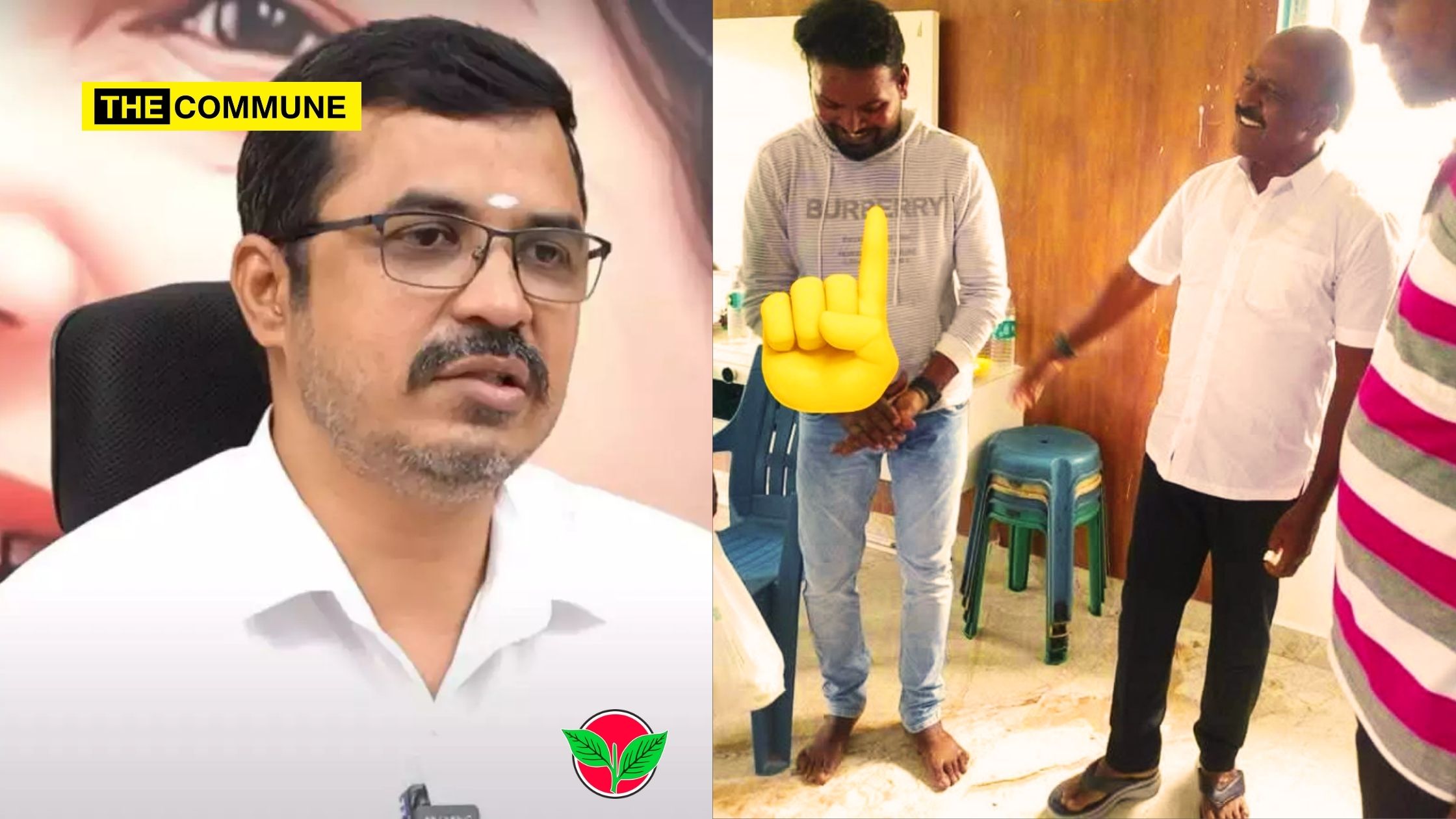
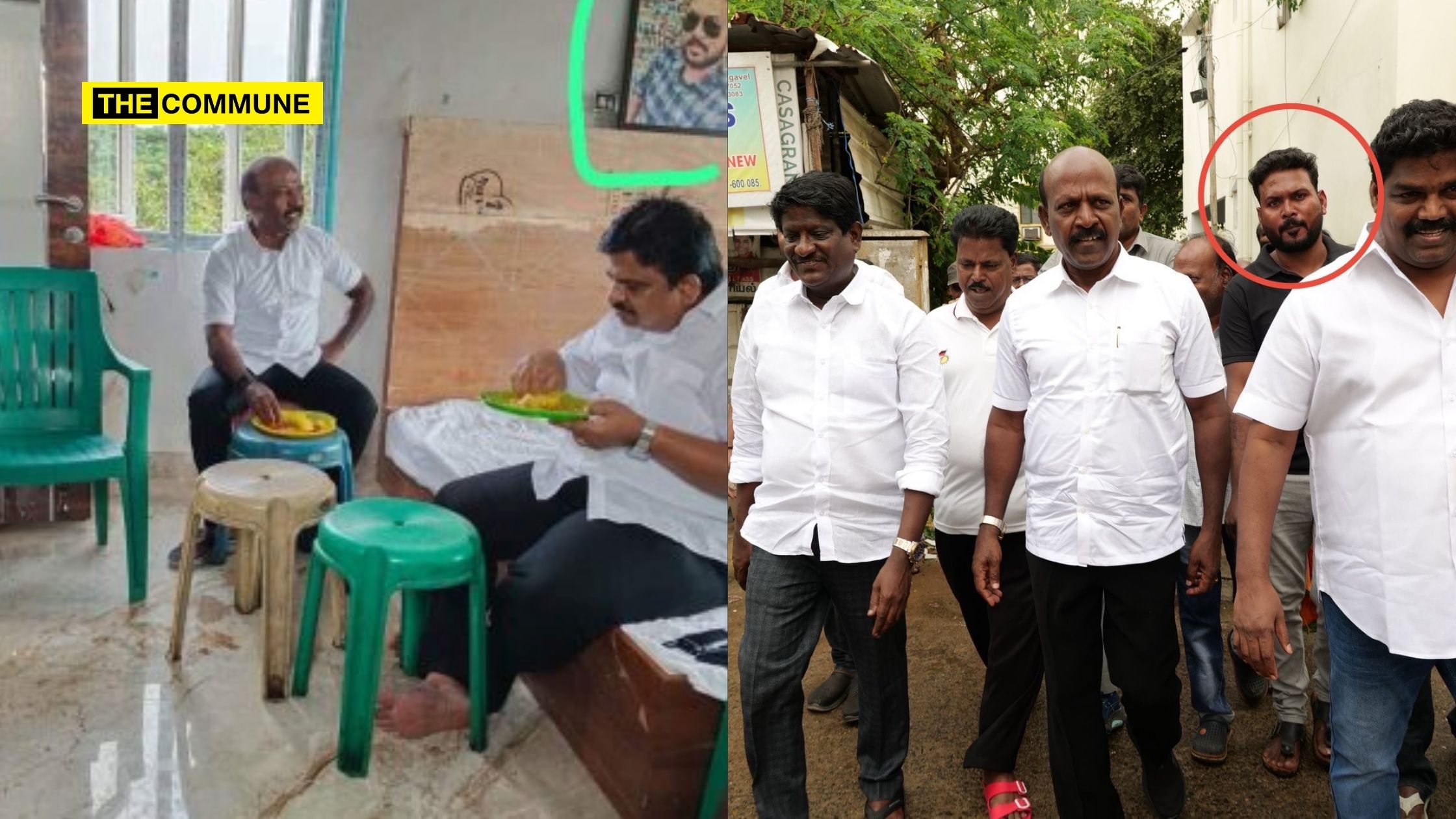
On 28 December 2024, Annamalai took to his official X account to share pictures of the accused accompanying DMK Health Minister Ma. Subramanian during an inspection of medical camps in Chennai. In response, Annamalai criticized the DMK and issued a statement, saying, “This is a recent photo of DMK executive Gnanasekaran, who is accused of sexually assaulting an Anna University student, with Minister M. Subramanian. Why hasn’t Minister M. Subramanian yet explained about this Gnanasekaran, who is close enough to accompany the minister during the Fengal cyclone relief work? How many more days does the DMK government think it can continue to lie and deceive the public to conceal the fact that the accused is a DMK member? Is this government only working for the DMK members? Has the DMK member become more important to Chief Minister Stalin than justice for our sister?”
அண்ணா பல்கலைக்கழக மாணவியை பாலியல் தாக்குதல் செய்த குற்றவாளியான திமுக நிர்வாகி ஞானசேகரன், அமைச்சர் திரு மா.சுப்பிரமணியன் அவர்களுடன், வெகு சமீபத்தில் எடுத்துக் கொண்ட புகைப்படம் இது. பெஞ்சல் புயல் பணிகளின்போது, அமைச்சருடன் செல்லும் அளவுக்கு நெருக்கமாக இருக்கும் இந்த ஞானசேகரன்… pic.twitter.com/GTtOaWfrJa
In another photo shared by Vinoj P Selvam, a BJP candidate for Central Chennai, DMK Health Minister Ma. Subramanian is allegedly seen sitting and eating in the house of the accused. The photo reportedly shows a picture of the accused hanging on the wall.
பாலியல் குற்றவாளி ஞானசேகரனுக்கும், திமுக-வுக்கும் தொடர்பில்லை என்று திமுக அமைச்சர்கள் தொடங்கி, காசுக்கு கூவும் திமுக ஆதரவு யுடியூபர்கள் வரை பலரும் பலமான முட்டு கொடுத்து வந்தார்கள்.
குறிப்பாக சைதாப்பேட்டை தொகுதியை சேர்ந்த மக்களில் ஒருவராக அமைச்சர் மா.சுப்பிரமணியனை ஞானசேகரன்… pic.twitter.com/xSADct9Dlv
Earlier, TN BJP Chief Annamalai revealed that the accused, Gnanasekaran, is not only a repeat offender but also a DMK functionary. Social media photos have surfaced showing him with several prominent DMK leaders, including Deputy Chief Minister Udhayanidhi Stalin and Minister Ma. Subramanian.
It has come to light that the accused in the Sexual Assault of a student at Anna University is a repeat offender and a DMK functionary.
A clear pattern emerges from the number of such cases in the past:
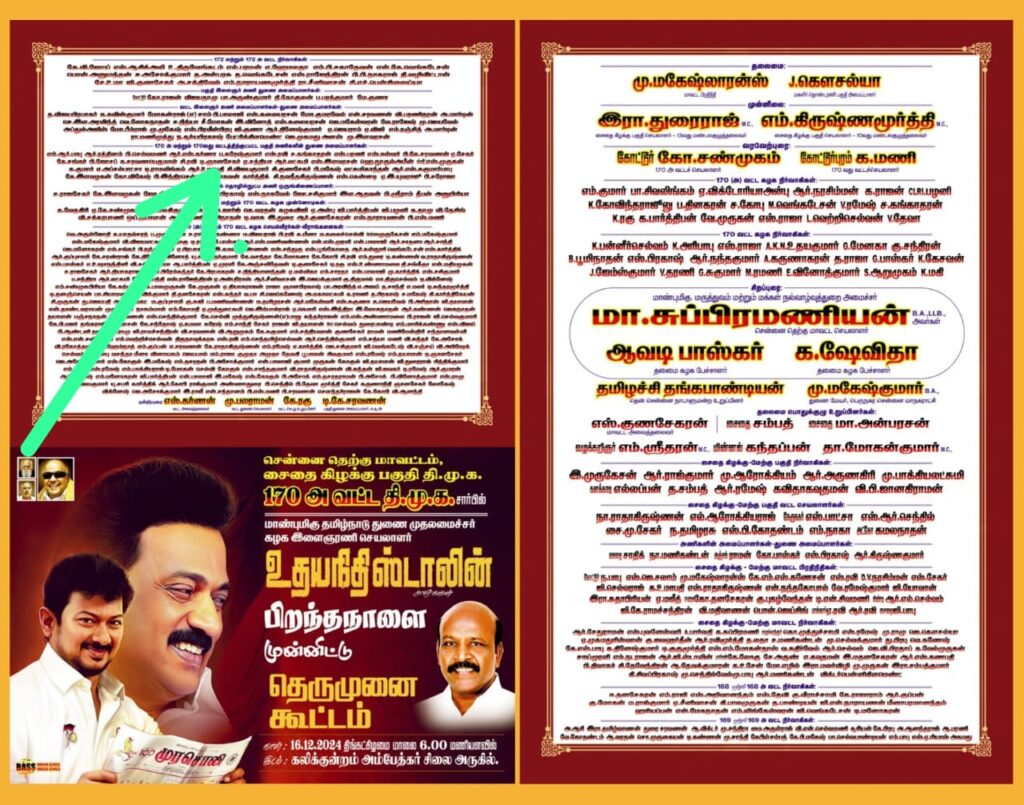
In a post on social media platform X shared by ADMK IT Wing head Kovai Sathyan, we notice that there have been flyers from the past where the said accused Gnanasekar is a DMK office bearer.
In one leaflet, his name is mentioned along with others as the Deputy organizers of area teams in Saidapet 170 A ward/circle.
His name appears in the DMK mouthpiece Murasolitoo, acknowledging his post for the Saidapet locality.
His name once again appears in a leaflet for a function conducted in the Saidapet East region, as a member of the deputy organizing team.
ஞானசேகர் திமுகவை சேர்ந்தவர் என்பதற்கான முதல்கட்ட ஆதாரம்.
ஞானசேகர் சைதை கிழக்கு பகுதி துணை அமைப்பாளர்.
First evidence of the Rape accused Gnanasekar a DMK office bearer.
Despite photos emerging showing the accused having close ties with the DMK and its ministers, DMK sympathizers and Dravidianists in the state are dismissing this evidence, insisting that the accused has no connections with the ruling party.
Subscribe to our channels on Telegram, WhatsApp, and Instagram and get the best stories of the day delivered to you personally.
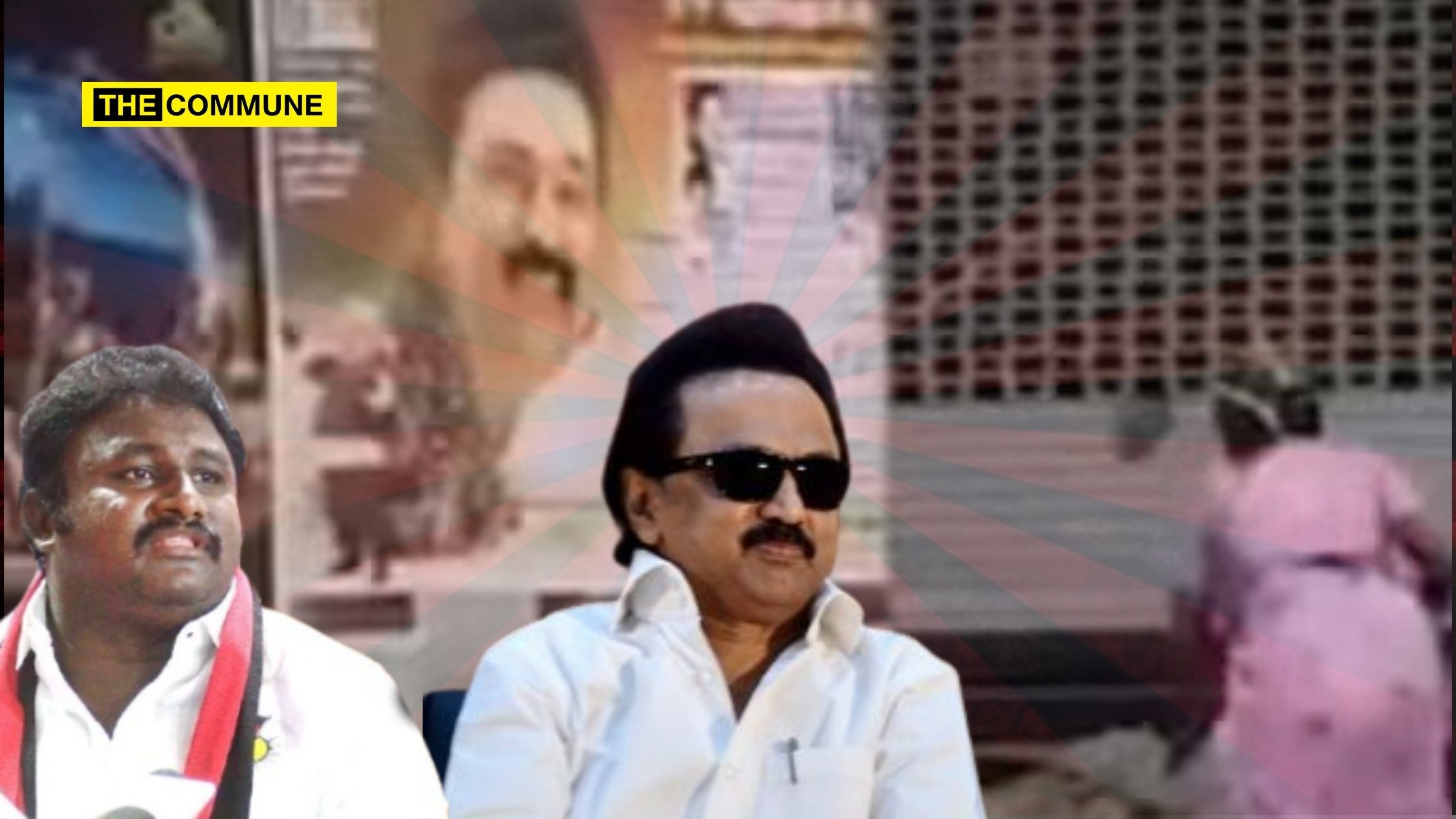
A video showing an elderly woman expressing her anger at the ruling DMK government by hurling slippers and dirt at a poster of DMK Chief and Tamil Nadu Chief Minister MK Stalin has recently gone viral on social media. In connection with the video, the Tamil Nadu police arrested a 24-year-old man named Pratheesh from Kanyakumari for sharing the clip online. Reports suggest that the police are also searching for the woman seen in the video.
According to Dinamalar, the incident occurred near Bharani Mahal in Virugambakkam, where a poster of MK Stalin was affixed to a metro pillar. The woman allegedly carried out the act after visiting a nearby tea shop.
Following the video’s widespread circulation, Virugambakkam DMK MLA Prabhakara Raja filed complaints at two police stations, as the incident took place near the border of Virugambakkam and K.K. Nagar police station limits.
Pratheesh, who works at a private firm in Chennai, was arrested in Kanyakumari and is being transported back to Chennai for further investigation.
Reacting to the incident, BJP Tamil Nadu President K. Annamalai slammed Chief Minister MK Stalin, accusing him of allowing criminals to roam free while targeting those who criticize the DMK government on social media. The arrest has sparked a debate on free speech and the handling of dissent in Tamil Nadu.
“This incident shows the uncontrollable anger of the public towards Chief Minister Stalin, who is running a corrupt regime that is unsafe for women, children, and the elderly. By all accounts, the Chief Minister should have introspected his government. But instead, they have arrested Pratheesh, a youth from Kanyakumari district who posted the video on his social media, and are looking to arrest the old woman as well.“, Annamalai said.
“While rapists roam freely outside under your rule, don’t you have shame to go after those who criticize on social media?”, Annamalai slammed MK Stalin.
The BJP leader has urged the DMK government to release Pratheesh immediately and also drop the case against the old lady who vented her angst against MK Stalin.
சென்னை விருகம்பாக்கம் பகுதியில் உள்ள மெட்ரோ ரயில் தூணில் ஒட்டப்பட்டிருந்த, முதலமைச்சர் திரு @mkstalin படம் இருந்த சுவரொட்டி மீது, வயதான தாயார் ஒருவர், தனது கோபத்தை வெளிக்காட்டும் விதமாக, செருப்பை எறிந்து, மண் வாரித் தூற்றிய காணொளி, சமூக வலைத்தளங்களில் பரவியது.
AIADMK’s Kovai Sathyan too slammed the DMK government asking if shooting video is a crime in Stalin-ruled Tamil Nadu.
ஸ்டாலின் போஸ்டரை செருப்பால் அடித்த பெண்மணியை கண்டுபிடிக்க முடியாமல் இதை வீடியோ எடுத்த பிரதீஷ் எனும் சிறுவனை கைது செய்த கையாலாகாத திமுக.
Not able to find the women who slippered, police have arrested a young boy prateesh who shot this video.
Is video shoot a crime in TN? pic.twitter.com/CvvfOzOOTc
The DMK government has been using Tamil Nadu police to target and harass common people who criticize the party on social media or in public. Here are a few instances.
The Commune and its directors faced legal action for reporting on the confrontation between Podu Deekshitars of the Chidambaram Nataraja Temple and HR&CE officials.
BJP IT Wing and Social Media State Secretary Trichy Pugal Machendranwas arrested for an alleged provocative Facebook post celebrating the death of the terrorist Palani Baba on his death anniversary. The post referred to Palani Baba as a “poisonous influence.”
TN BJP Functionary Pravin Rajwas arrested in the wee hours of 1 October 2023 for his posts targeting the ruling party and the Congress.
The Tamil Nadu police even went up to Noida to try to arrest journalist Abhijit Majumder for his article on Udhayanidhi Stalin’seradicate Sanathana Dharma remarks.
A critic of the DMK, Badri Seshadri, was arrested for his comments in an interview on a YouTube channel regarding the Manipur issue, during which he made remarks about the Chief Justice of India.
Tamil Nadu BJP State Secretary SG Suryah was taken into custody under non-bailable sections for his comments regarding Madurai CPI-M MP Su Venkatesan concerning a sanitation worker’s tragic death during drain cleaning in Pennadam town, Cuddalore district.
An AIADMK IT wing memberwas apprehended under non-bailable sections for sharing a video meme that humorously referenced MK Stalin’s video statement on Senthilbalaji’s arrest. The meme did not contain derogatory content.
A Pro-BJP Twitter user was arrested for sharing an old article and allegedly misattributing DMK to an illegal liquor-producing gang in Tiruppur, following the recent hooch tragedy in Marakkanam.
Vice President of Tamil Nadu BJP’s Industrial Cell, Selva Kumar, was arrested for criticizing DMK Minister Senthilbalaji.
The admin of Voice of Savukku Shankar X handlewas arrested for a video meme targeting CM MK Stalin and DMK Minister PTR Palanivel Thiagarajan regarding the “eligible household” clause in the monthly assistance scheme for women.
The DMK government traveled to Gujarat to arrest BJP cadre John Ravi, who had made satirical social media posts about CM MK Stalin and his late father, Karunanidhi.
N Muthuramalingam, the State Propaganda Secretary of South India Forward Bloc, was arrested for expressing his views on Facebook regarding the release of terrorists convicted in the 1998 Coimbatore serial blasts case. Muthuramalingam had criticized Dravidian parties for considering the release of 36 prisoners, including those convicted for life in the Coimbatore terror attack, leading to his arrest.
In March 2024, Minjur Saleem, a pro-BJP activistfound himselfdetained and later arrested for his dissenting views regarding the DMK Party’s governance, which he expressed on the social media platform X (formerly Twitter).
In September 2024, Tamil director Mohan G was arrested for allegedly making false claims about contraceptives in Palani temple prasadam, linking it to adulteration controversies.
In September 2024, motivational speaker and self-styled spiritual guru Mahavishnu was detained by police in Chennai after he spoke about Hindu concepts of karma at a government school.
In November 2024, a BJP supporter Johny Raja was arrested by Vellore Police for posting against the DMK.
In November 2024, actress and political commentator Kasthuri was arrested over alleged remarks against Telugu community.
In November 2024, IMK chief Arjun Sampath’s son Omkar Balaji was arrested for alleged remarks against Nakheeran Gopal.
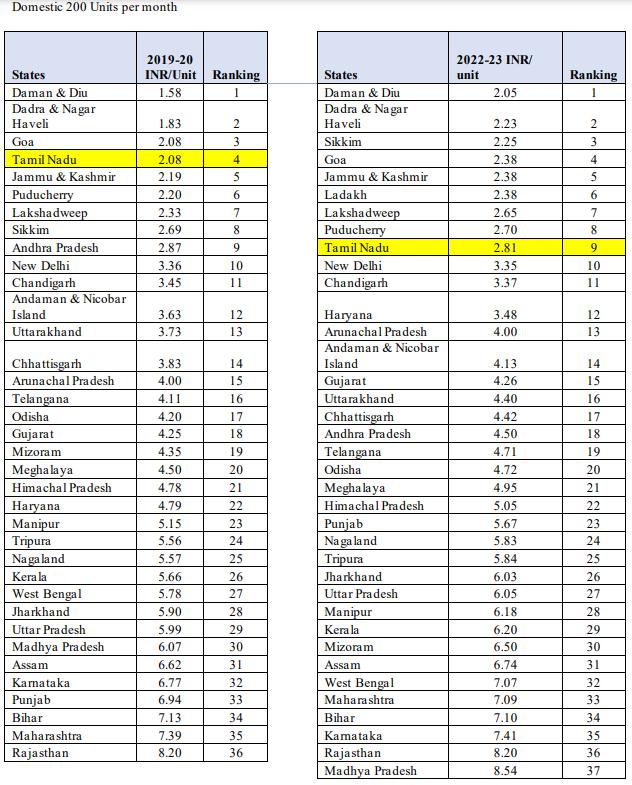
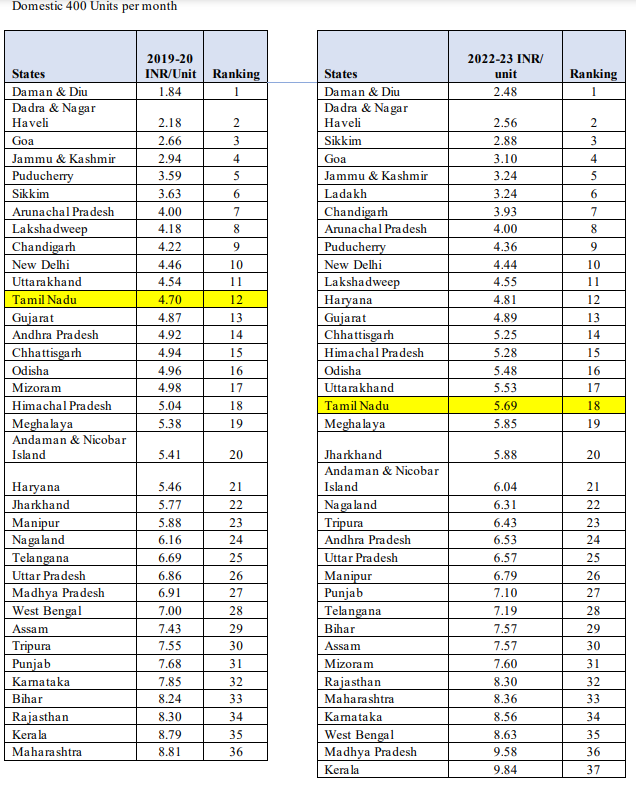
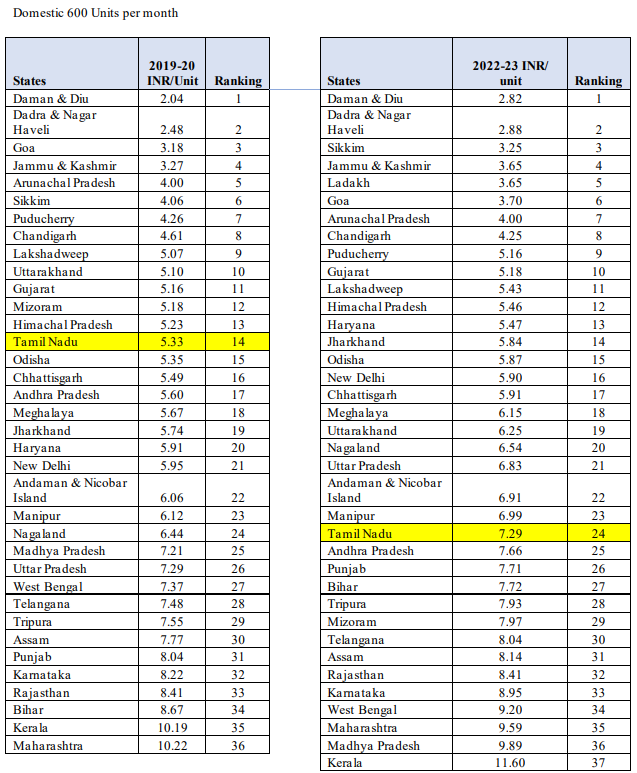
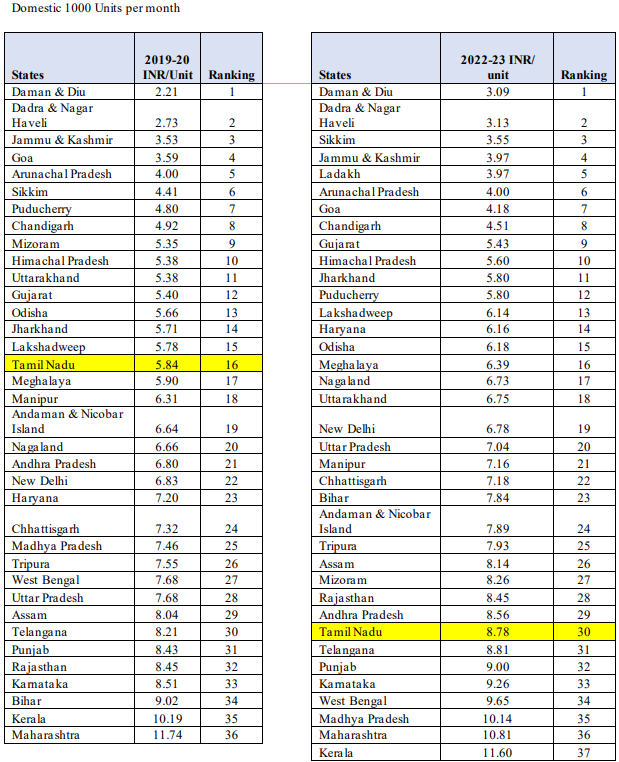
The anti-corruption NGO Arappor Iyakkam has condemned the Tamil Nadu Department of Information and Public Relations (DIPR) for publishing a misleading report about the state’s electricity tariffs. The DIPR, an official state government body meant to provide accurate information to the public, released a report claiming that Tamil Nadu has the lowest electricity tariffs in India, which Arappor Iyakkam asserts is false.
On 16 December 2024, the Tamil Nadu government’s press release stated that Tamil Nadu offers the lowest electricity tariff in the country, but Arappor Iyakkam has called this claim a blatant distortion of facts. The NGO points out that the original statement came from an analyst, Arvind Warrier, who clarified that Tamil Nadu only has the lowest tariff for households using up to 100 units. However, DIPR misrepresented this information, making it appear as if Tamil Nadu’s tariff is the lowest across all categories.
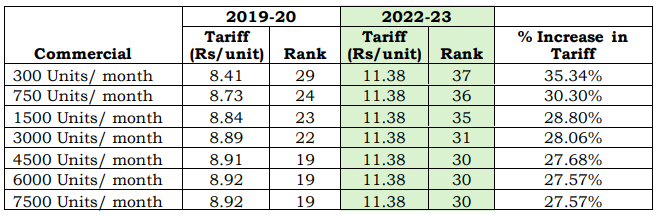
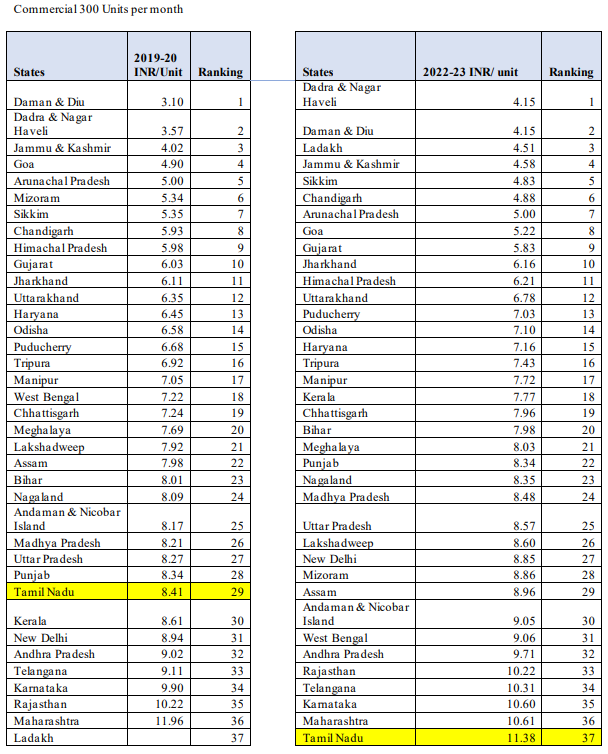
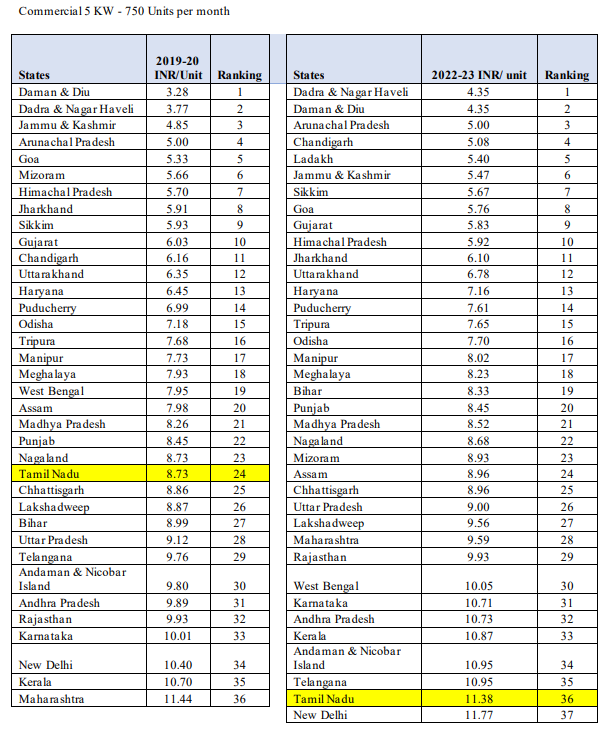
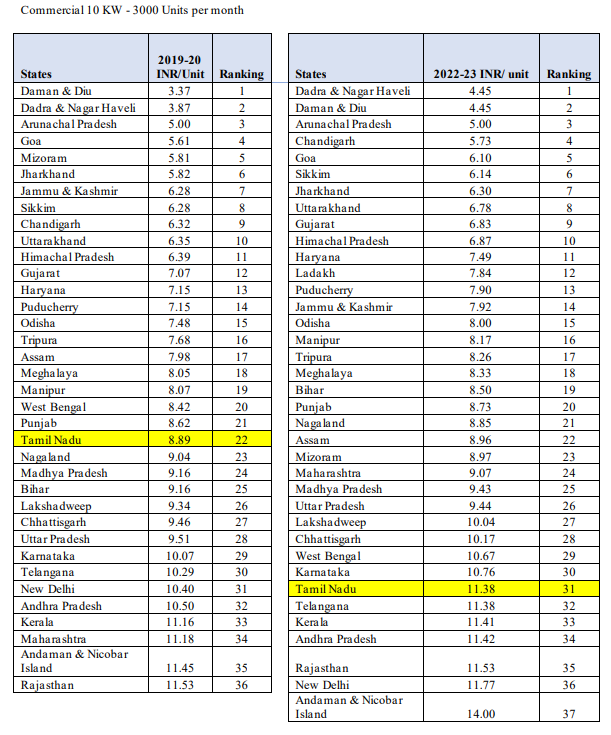
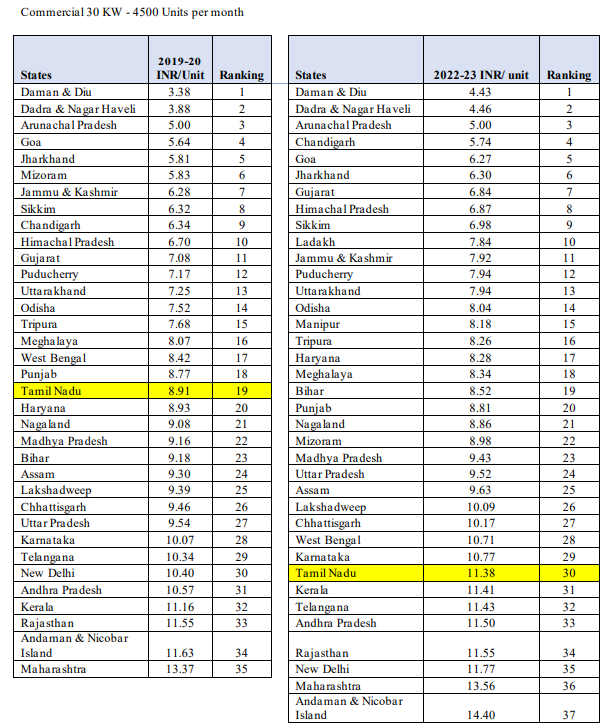
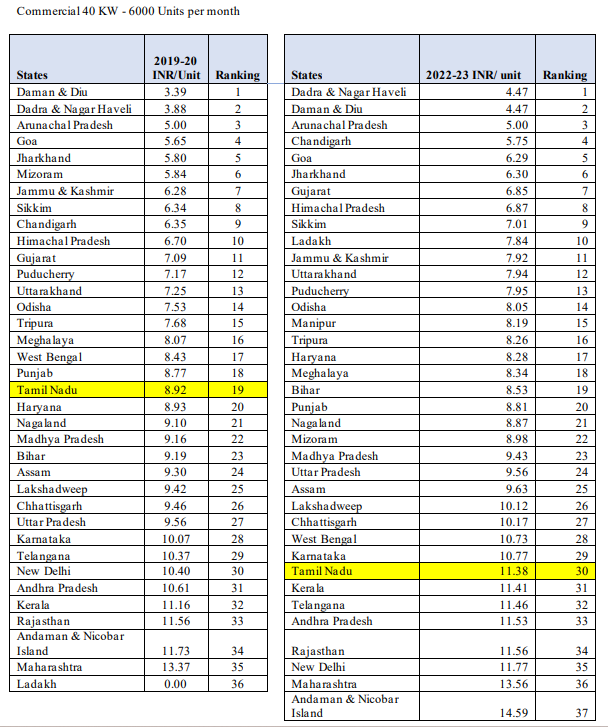
Arappor Iyakkam has conducted a detailed study on the actual standing of Tamil Nadu in various electricity tariff categories. The research reveals that while Tamil Nadu is first in the category for households using up to 100 units per month, it ranks poorly in higher usage categories. For instance, Tamil Nadu’s ranking has dropped from 4th to 9th place for households using 200 units, from 12th to 18th place for those using 400 units, and from 14th to 24th place for households consuming 600 units. For those using 800 or 1000 units, Tamil Nadu has fallen to 29th and 30th positions, respectively, surpassing the power tariffs of most of the states in India .
Additionally, the report shows that Tamil Nadu charges some of the highest electricity rates for commercial and industrial sectors, including small businesses like petty shops, and in medium and large industrial categories. Tamil Nadu is ranked last or near the bottom in many of these categories. In contrast, neighboring states like Karnataka, Gujarat, and provide more favorable electricity rates.
The report also criticizes the Tamil Nadu government for continuing to impose high electricity tariffs on the public while failing to recover money lost to corruption, particularly regarding coal imports and other alleged financial mismanagement. Arappor Iyakkam argues that the state should be reducing burned on the public by reducing corruption instead of passing on the burden to the citizens.
In response to the misleading report, Arappor Iyakkam is planning a protest at Valluvar Kottam on 5 January 2024, at 9:30 am, demanding that the Tamil Nadu government reduce electricity tariffs and address the growing financial burden on the public.
தமிழ்நாடு மின்கட்டணம் தொடர்பாக DIPR வெளியிட்ட பொய் செய்திக்கு அறப்போர் இயக்கத்தின் அறிக்கை வெளியீடு
டிசம்பர் 16, 2024 அன்று தமிழ்நாடு அரசின் அதிகாரப்பூரவ செய்தி தொடர்பு துறை தமிழ்நாடு மின் கட்டணம் குறித்த ஒரு அப்பட்டமான பொய் செய்தியை வெளியிட்டது. இந்தியாவிலேயே தமிழ்நாட்டில்… pic.twitter.com/ggS51vMvXG
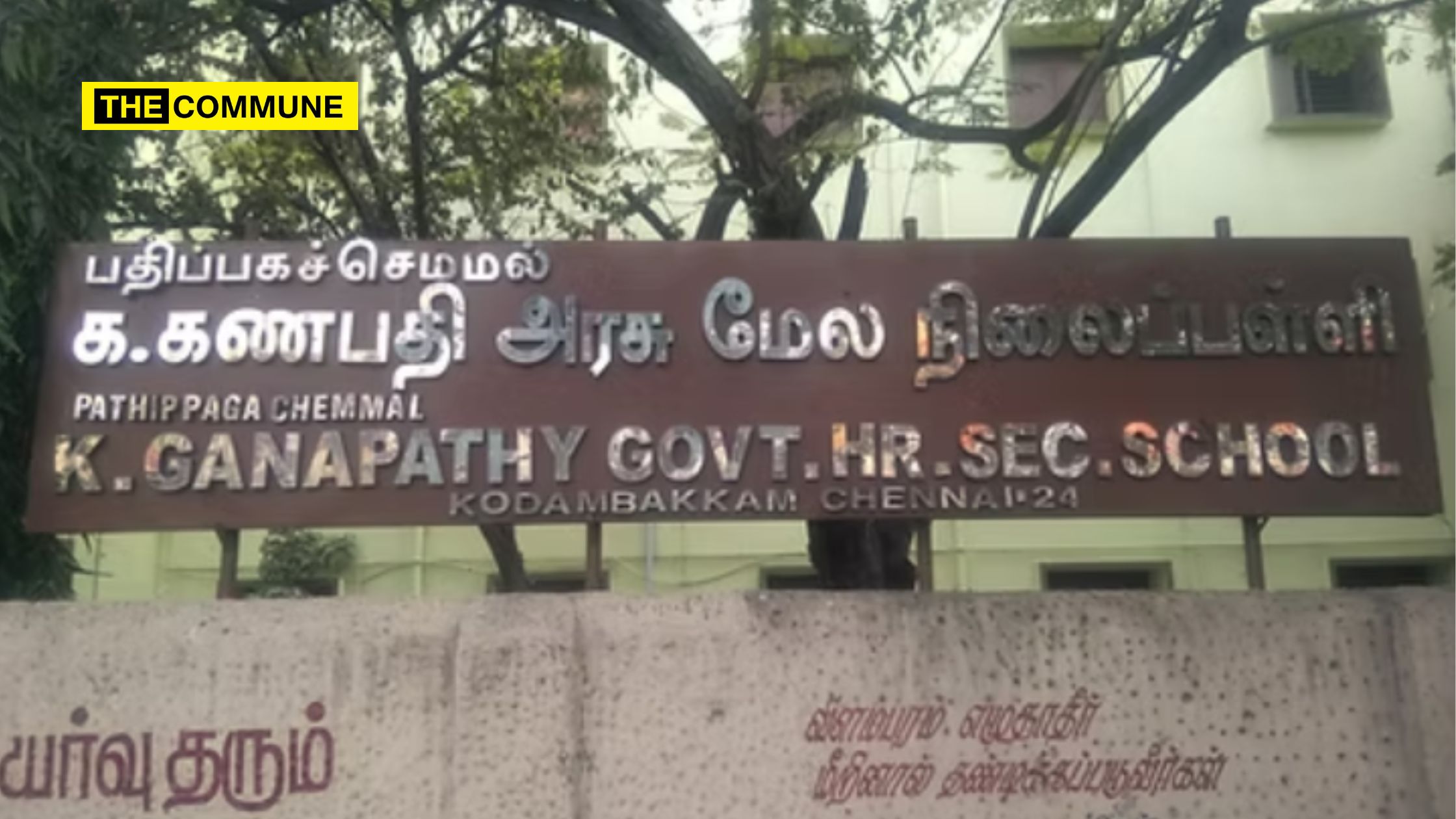
The Tamil Nadu School Education Department has launched an investigation into allegations of caste-based discrimination against two teachers at Pathippaga Chemmal K Ganapathy Government Higher Secondary School in Kodambakkam. The accusations involve mistreatment of a class 10 student after he participated in a cultural event where he played the parai instrument.
In a video, the student revealed that after the event, his math and physical education teachers allegedly began discriminating against him. According to the student, the teachers suggested that he should work with his father, who is employed at a crematorium. They reportedly harassed him by checking his bag, asking him to remove his shirt before sitting, and even ordering him to leave the classroom.
Despite intervention from the headmaster, who allowed him to return to class due to upcoming exams, the teachers allegedly continued to send him out shortly thereafter.
P.N. Kubendran, general secretary of the Tamil Nadu Thani Dravidar Peravai, filed a complaint with the School Education Department as well as the Commissions for Scheduled Castes and Scheduled Tribes at both the state and national levels. Kubendran claimed that the physical education teacher had threatened the headmaster when he raised the issue and that the teachers had used the student’s caste as a basis for verbal abuse. He called for a thorough investigation and appropriate action against the teachers.
Department sources indicated that the student stands by his statement, and further action will be taken after the inquiry is completed.