In a major breakthrough, Punjab Police has busted another Pakistan’s ISI-backed terror module being operated by Babbar Khalsa International (BKI).
The module was helmed by foreign-based Harpreet Singh, alias Happy Passia, and Shamsher, alias Honey, with the arrest of its five members, including mastermind Abhijot Singh, involved in lobbing hand-grenade at two police establishments, said Director General of Police (DGP) Gaurav Yadav here on Sunday.
“By successfully busting this module, Punjab Police has solved all incidents of attacks on police establishments in the state,” said the DGP.
Four other arrested people have been identified as Kuljit Singh, Rohit, alias Ghessi, Shubham and Gurjinder Singh alias Raja, all residents of Qila Lal Singh in Batala. Police teams have also recovered two pistols, including one sophisticated 9MM Glock pistol, from their possession.
The development came days after some people hurled hand grenade at the Ghaniae Ke Bangar police station in Batala on December 12 at around 10.20 p.m., followed by attack on the Wadala Bangar police post in Gurdaspur on December 20 at around 9.30 p.m.
Following the incidents, terrorist organisation BKI claim responsibility for the terror acts using separate social media posts. DGP Yadav said that accused Abhijot Singh and Kuljit Singh sustained bullet injuries when both were taken for the recovery and they attacked the police team to evade custody, in response the police acted in self-defence.
Both the accused have been admitted to the Civil Hospital in Batala, where they are reported to be in stable condition, he added. The DGP said that investigations are in progress to establish forward and backward linkages in this case and unveil the entire terror module.
Sharing more details, Deputy Inspector General of Police (Border Range) Satinder Singh said that following the attack at police establishments, Batala Police have launched a special operation to trace the perpetrators.
Following the technical and human-based intelligence, police teams under the supervision of Senior Superintendent of Police Suhail Qasim Mir managed to track down all the accused and apprehend them, he added. Mir said that further investigation is on and more arrests and recoveries are likely in the coming days.
–IANS
Subscribe to our channels on Telegram, WhatsApp, and Instagram and get the best stories of the day delivered to you personally.
The Prime Minister’s internship scheme, launched in October through an online portal this year, has opened 1.27 lakh internship opportunities from top companies, for which approximately 4.87 lakh youths have completed their KYC and registered themselves, according to the year-end review of the Ministry of Corporate Affairs.
“Approximately 6.21 lakh applications have been received against 1.27 lakh Internship Opportunities. The selection process for internship is ongoing,” the Ministry said.
The Prime Minister’s Internship Scheme in Top Companies was announced in the Budget 2024. It aims to provide one crore youth with internship opportunities in the top 500 companies over five years. Through this scheme, youth will gain exposure to real-life business environments and employment opportunities across varied professions.
The interns will receive Rs 5,000 in monthly financial assistance, of which Rs 4,500 will be disbursed by the Union government and Rs 500 per month will be paid by the company from its CSR funds.
Additionally, the Ministry of Corporate Affairs (MCA) will disburse a one-time grant of Rs 6,000 for incidentals to each intern upon joining the place of internship.
The duration of the internship under the PM Internship Scheme is 12 months. Meanwhile, the Investor Education and Protection Fund Authority (IEPFA) under the Ministry of Corporate Affairs (MCA) has successfully migrated forms from MCA 21 Version 2 to Version 3, introducing significant improvements to streamline the compliance process.
The number of compliance forms has been reduced from 5 to 3, simplifying company submission requirements. IEPFA aims to protect the interests of investors and promote their awareness. Additionally, the process of transferring funds has been made fully online, with all company forms now integrated into a Straight Through Process (STP), eliminating the need for manual intervention.
To further facilitate this change, a dedicated dashboard has been implemented for nodal officers, allowing them to easily track and file verification reports for claims. The Ministry has also taken a major Initiative under Jan Vishwas to recognize legal heirship certificates for the transmission of shares.
This important development, applicable to shares transferred to the IEPF by companies under Section 124(6) of the Companies Act, 2013, eliminates the need for a monetary threshold. This reform significantly reduces the burden on individuals by removing the requirement to obtain a succession certificate, letter of administration, or probate of a will.
As a result, beneficiaries can save time and costs previously associated with civil court procedures. This initiative not only simplifies the transmission process for shares but also enhances accessibility and efficiency for families experiencing complexities of inheritance.
The processes for lost share certificates have also been simplified. In a progressive move aimed at claimants, the requirement to file an FIR for the loss of physical share certificates for securities valued up to Rs 5 lakh has been eliminated. This change streamlines the process for individuals who may have lost their share certificates, reducing the bureaucratic hurdles they face.
In another significant reform, the requirement for sureties when applying for duplicate physical security certificates has been eliminated for all values.
This crucial change aims to simplify the process for claimants who may need to replace lost or damaged certificates, thus removing unnecessary barriers and enhancing accessibility. IEPFA has also augmented its grievance redressal mechanism to provide a more effective and user-friendly experience for stakeholders, the ministry’s review added.
–IANS
Subscribe to our channels on Telegram, WhatsApp, and Instagram and get the best stories of the day delivered to you personally.
Gnanasekaran, a 37-year-old alleged DMK functionary from Kotturpuram area in Chennai, has been arrested for the sexual assault of a second-year engineering student from Anna University. By profession, he reportedly works as a roadside biryani vendor.
Gnanasekaran is reported to have two wives, one of whom he married under compelling circumstances after she became pregnant while they were both in school. Remarkably, both his first and second wives currently live together with him at his Kotturpuram house.
One wife is a contract worker, who is believed to be a professor at Anna University, which granted him unimpeded access to the campus—a connection he reportedly exploited to carry out his criminal activities in the campus. Gnanasekaran is facing charges for multiple offenses, including a widely publicized sexual assault on 23 December 2024, at Anna University.
A resident of Kotturpuram had told a private YouTube channel that Gnanasekaran and his friends shared sexual photos of women through Facebook and WhatsApp groups.
Additionally, Gnanasekaran’s affiliations with the ruling DMK party have come to light, with photos of him alongside prominent DMK leaders, such as Deputy Chief Minister Udhayanidhi Stalin and Minister Ma. Subramanian. These connections have fueled speculation that his political ties may have played a role in attempting to cover up his actions.
Criminal History And Background:
Gnanasekaran is a repeat offender with a long criminal history. He has been arrested in connection with the sexual assault of a woman at Anna University on 23 December 2024, but his criminal activities span over a longer period, with numerous charges pending against him.
Previously Filed Cases: Gnanasekaran has been involved in at least six criminal cases before this incident, including allegations of molestation, trespassing, theft, and other serious charges.
Prior Offenses: He is accused of molesting multiple individuals in separate incidents, including one women within Anna University and one woman who is the daughter of a Tehsildar. However, many of the victims have not come forward to file formal complaints.
Anna University Sexual Assault Incident:
Victim: A second-year engineering student inside the college.
Incident Location: Anna University campus, Chennai.
Details: Gnanasekaran, along with an accomplice, attacked the victim and her boyfriend at a secluded spot on the campus. He filmed the assault victim without consent and threatened to release the footage unless the victim complied with his demands. The perpetrator forced the victim to strip, harassed her, and then sexually assaulted her.
FIR Details: Gnanasekaran’s actions included:
Voyeurism – recording private moments of the girl with her boyfriend and threatening to leak the footage to college authorities and the victim’s parents.
Sexually assaulting the girl and recording the same
Forcing the victim to choose between expulsion from the university or “spending time” with him and another man.
Connection To DMK And Alleged Political Protection:
DMK Affiliation: Gnanasekaran is a DMK functionary with documented ties to the party, despite official claims from DMK leaders denying his affiliation.
Party Role: He was reportedly a Deputy Organizer for the Saidapet area, as confirmed by party leaflets and the DMK mouthpiece Murasoli.
DMK Ties: He has been photographed with senior DMK leaders, including Deputy Chief Minister Udhayanidhi Stalin and Minister Ma. Subramanian, showing his strong political connections.
Political Interference: Gnanasekaran’s past offenses were allegedly covered up with political backing. For instance, it is alleged that in the current sexual harassment case, the DMK circle secretary Shanmugam reportedly intervened during a police inquiry to protect Gnanasekaran from being arrested immediately.
Additional Allegations and Investigations:
Criminal Record: Apart from the recent sexual assault case, Gnanasekaran has a history of criminal activities, including trespassing, theft, and molestation.
Unlawful Activities: He was involved in illicit activities, such as selling alcohol and drugs in the Saidapet area, where he had ties to the deceased rowdy ‘Gym’ Ezhumalai, according to AIADMK IT Wing head Kovai Sathyan.
Use of Campus Access: His wife’s position as a temporary sanitation worker at Anna University allowed him unrestricted access to the campus, which he reportedly exploited to target victims and plan assaults.
Cover-Up Allegations: Despite clear evidence linking Gnanasekaran to the DMK, certain elements of the party have attempted to downplay or cover up his affiliation. Controversy surrounds the leak of the FIR, which contained sensitive details about the victim’s identity. The police have filed a case against the matter and investigations are underway.
Subscribe to our channels on Telegram, WhatsApp, and Instagram and get the best stories of the day delivered to you personally.
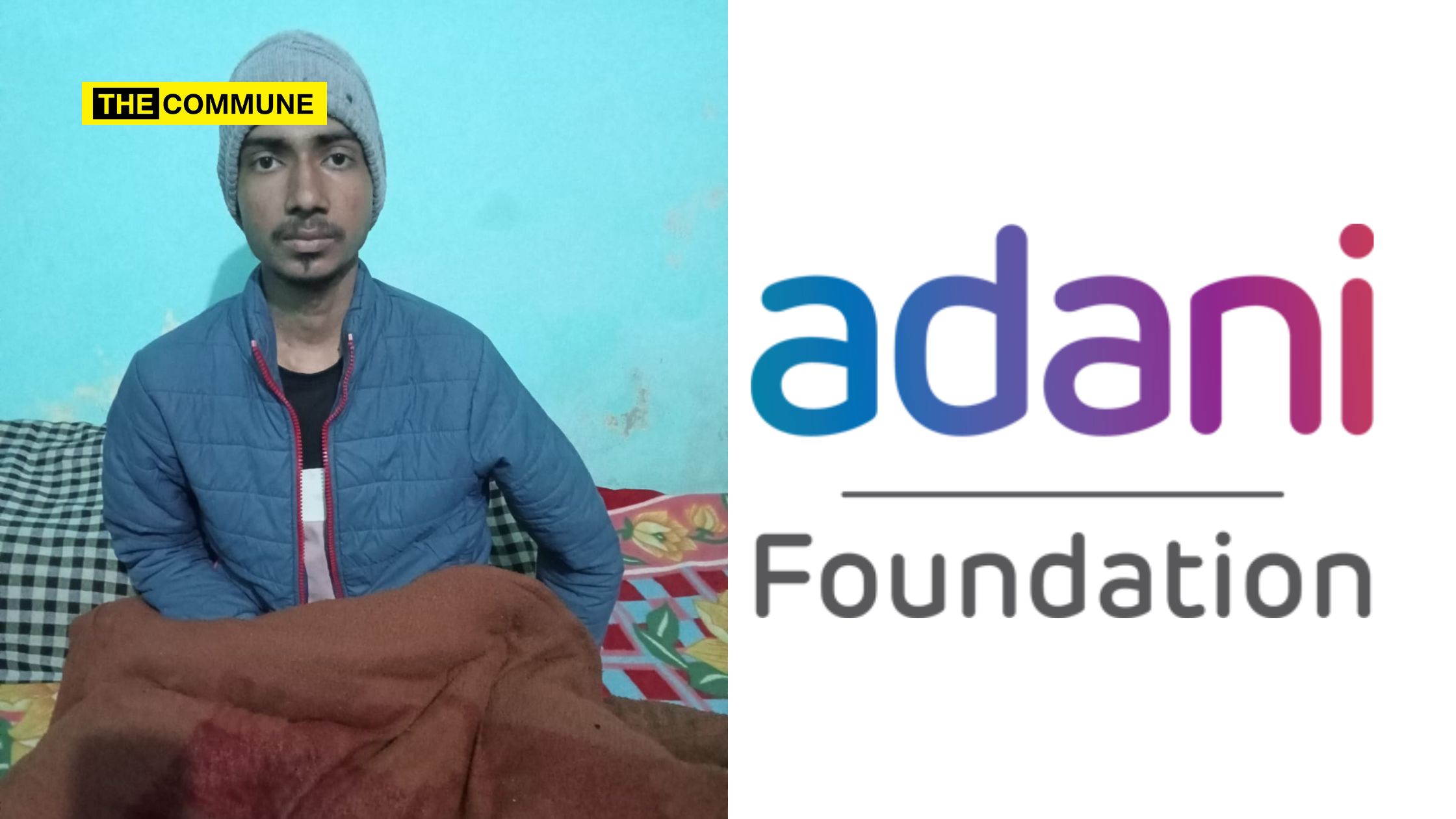
In its unwavering commitment to humanitarian causes, the Adani Foundation has once again extended its helping hand, this time to support a young engineering student battling a life-threatening illness.
Anoop Mishra, a 19-year-old BTech student specialising in cybersecurity at Ram Swaroop College, Lucknow, is grappling with last-stage chronic kidney disease.
Currently undergoing treatment at SGPGI Lucknow, Anoop requires a kidney transplant to survive. The high cost of the transplant posed an insurmountable challenge for Anoop’s family, whose financial situation was dire.
In a desperate bid for assistance, social workers and well-wishers took to social media, appealing directly to Adani Group Chairman Gautam Adani and the Adani Foundation.
Their pleas were heard by the industrialist, who has long been recognised for his philanthropic endeavours. Deeply moved by Anoop’s plight, Gautam Adani instructed the Adani Foundation to extend support for the student’s kidney transplant and post-operative care.
This timely intervention has not only provided a new lease of life to Anoop but also alleviated the overwhelming financial burden on his family.
Expressing his heartfelt gratitude, Anoop said, “I want to thank Gautam Adani for helping me with my kidney transplant. Both my kidneys were damaged, and my family’s financial condition made the treatment unaffordable. This assistance has given me a chance to live, and my entire family will always be indebted to him.”
This act of kindness is not an isolated instance for the Adani Foundation. Over the years, the organisation has been at the forefront of supporting those in need. Notable examples include the case of Lovely, a young girl from Lakhimpur Kheri, Uttar Pradesh, who underwent surgery to correct congenital limb deformities on Gautam Adani’s instructions.
Similarly, 4-year-old Manushree, who was born with a hole in her heart, received life-saving treatment at PGI with the Foundation’s support. Through initiatives like these, the Adani Foundation continues to uphold its ethos of compassion and social responsibility, proving that corporate success can go hand in hand with meaningful community service.
–IANS
Subscribe to our channels on Telegram, WhatsApp, and Instagram and get the best stories of the day delivered to you personally.
Prime Minister Narendra Modi on Saturday met the newly crowned World Chess Champion D Gukesh. During the meeting, he also interacted with the 18-year-old Chennai resident, who made history earlier this month by becoming the youngest-ever World Champion in chess.
Taking to X, PM Modi wrote: “Had an excellent interaction with chess champion and India’s pride, @DGukesh! I have been closely interacting with him for a few years now, and what strikes me most about him is his determination and dedication. His confidence is truly inspiring. “In fact, I recall seeing a video of his few years ago where he had said he would become the youngest world champion — a prediction that has now clearly come true thanks to his own efforts.”
PM Modi also expressed appreciation for the youngest-ever World Chess Champion, saying, “Along with confidence, Gukesh embodies calmness and humility. Upon winning, he was composed, basking in his glory while fully understanding how to process this hard-earned victory. Our conversation today revolved around the transformative potential of yoga and meditation.” The Prime Minister also noted the role of his parents in his success.
He said: “In the success of every athlete, their parents play a pivotal role. I complimented Gukesh’s parents for supporting him through thick and thin. Their dedication will inspire countless parents of young aspirants who dream of pursuing sports as a career.” “I am also delighted to have received from Gukesh the original chessboard from the game he won. The chessboard, autographed by both him and Ding Liren, is a cherished memento,” PM Modi posted on X.
On December 12, D. Gukesh made history by becoming the youngest-ever World Champion in chess, beating Ding Liren of China in the 14-game match in Singapore. Gukesh had capitalised on a blunder by Ding in the winner-takes-all 14th game to dethrone the champion, winning the match 7.5 to 6.5 and becoming only the second Indian to win the World Chess Champion.
By beating Ding, Gukesh became the 18th World Champion in the over century-long history of chess and the youngest after beating Garry Kasparov’s record of winning the title at the age of 22 and heralding the arrival of a new king on the chess horizon. Gukesh is the second Indian to win the World Chess Championship title, claiming the title in just over a decade after five-time Champion Viswanathan Anand had lost the title to Magnus Carlsen of Norway in Chennai in 2013.
Carlsen has abdicated the crown in 2023, paving the way for Ding to beat Ian Nepomniachtchi. In a winner-takes-all 14th and final game of the World Chess Championship match Ding had steered towards a draw after starting with Reversed Grunfeld variation of Zukertort Opening, the 32-year-old from China made a sensational blunder. Having battled it out for 13 games over three weeks, Ding was looking forward to the rapid and blitz tiebreakers as had effectively countered the aggressive tactics of the young Indian challenger to steer the game towards a drawish position.
–IANS
Subscribe to our channels on Telegram, WhatsApp, and Instagram and get the best stories of the day delivered to you personally.
Afghanistan’s capital Kabul has become the epicentre of multiple explosions during the last 24 hours as border clashes between Pakistan and Afghan forces intensify.
At 10 a.m. on Saturday, an explosion was reported in Kabul close to the office of the interior ministry in front of Sheikh Zayed Hospital. The latest explosion in Afghanistan’s capital is the second within 24 hours with the first being near the Indian Embassy at Kabul’s Shahri Naw area on Friday.
“No casualties have been reported. A search operation has begun in the vicinity. The motive behind the blast is unknown as of now. There has been no official word about the incident as yet also,” said Samiullah, a local resident of Kabul. Saturday’s explosion in Kabul follows what seems like a series of targeted attacks around sensitive locations in the capital.
On Friday, around 3:30 p.m., an explosion was heard by the locals near the Indian Embassy located at the Shahri Naw area in Kabul. The Afghan Taliban regime opted to remain silent on the incident.
However, reports suggested that the explosion resulted in at least 17 casualties. “Yesterday’s explosion killed dozens and it seemed to be targeted somewhere near to the Indian Embassy in Kabul. On December 24, an Afghan staffer of Indian consulate in Jalalabad was attacked and injured,” said a local source in Kabul.
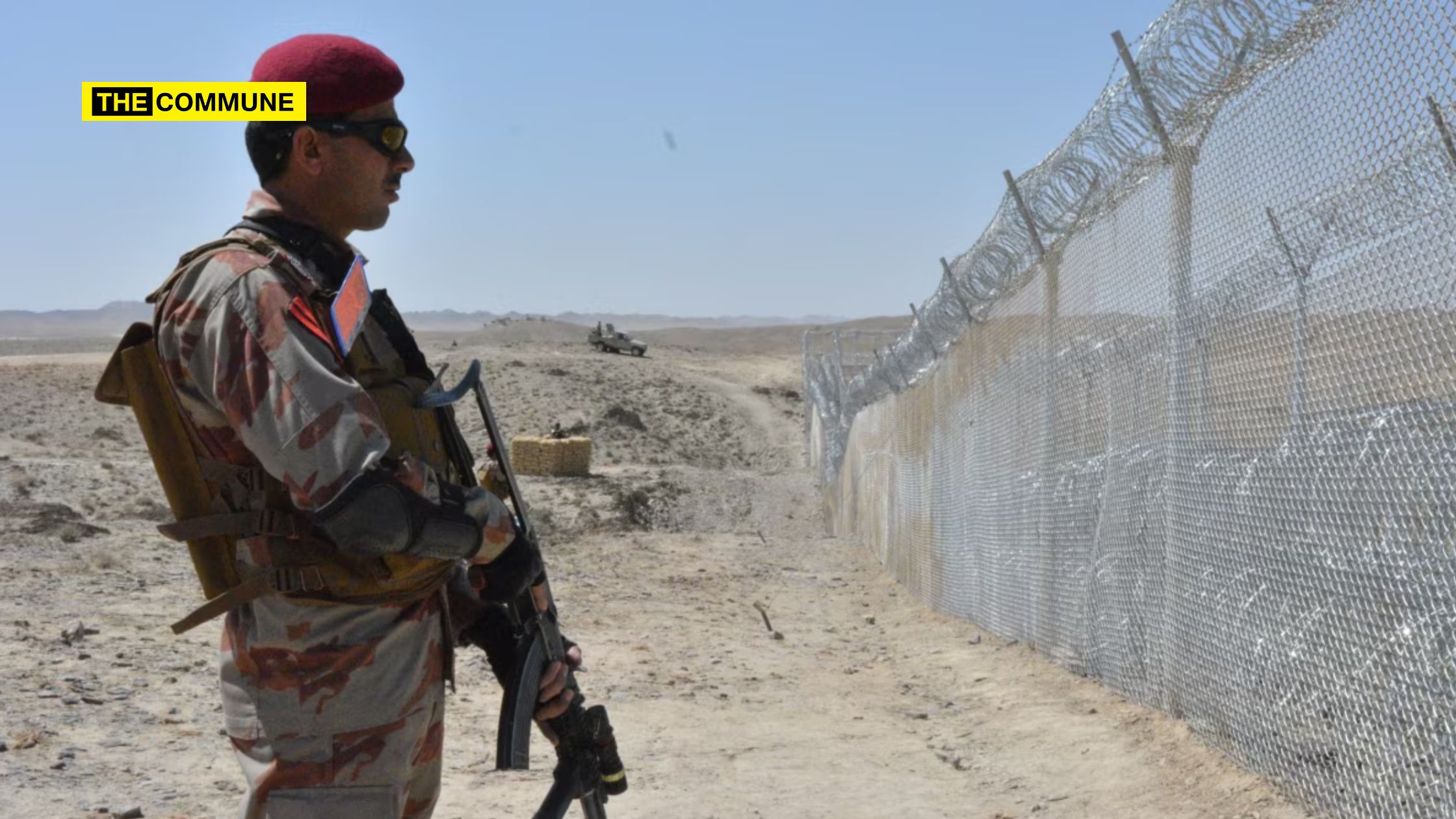
Pertinent to note that the explosions in Kabul are happening at a time when clashes between Pakistan and Afghanistan have intensified on the border. During the early hours of Saturday, heavy exchange of fire was reported between Afghanistan and Pakistan on the Dande Pattan-Kurram border.
“There have been injuries reported on both sides. We still do not have a confirmation on the casualties,” said a local source in Kurram district of Pakistan’s Khyber Pukhtunkhwa (KP) province. Moreover, at least four security personnel have been martyred, while at least 11 have been injured in heavy clashes with the militants in KP’s Bajaur district.
“Four security personnel have died and 11 injured during the intelligence-based operation (IBO) in Mulla Said Banda, Salarzai area of Bajaur district. The injured include a major ranked officer. There have been casualties among militants also. However, the militants have been surrounded and the firing is still going on,” said a security source.
The latest episode of heavy clashes between militants and the security forces along with a fresh exchange of heavy fire along the Pak-Afghan border has forced hundreds of families, residing in Afghanistan’s Landoro Sadiqo village of Khost province to leave their homes due to fear of further armed clashes.
Pakistan’s Prime Minister Shehbaz Sharif, during his recent address at a Cabinet meeting, stated that the Tehreek-e-Taliban Pakistan (TTP) is a “red line” for the country, urging the Taliban-led Afghan interim government to take decisive action against the group.
“Since TTP operates from Afghanistan, the Afghan government must take solid action to prevent attacks on Pakistan. If this continues, it will be unacceptable. Pakistan will defend itself at all costs,” he said.
The fresh Pak-Afghan clashes are also a result of the recent airstrikes by Pakistan in Afghanistan, that targeted hideouts of TTP in Paktika province of Afghanistan, which borders with Pakistan’s South Waziristan tribal district of KP province. Reports of casualties were confirmed by the Afghan Taliban, who stated that they would respond to Pakistan’s aggression with full force.
“The Pakistani side should understand that such arbitrary measures are not a solution to any problem. The Islamic Emirate will not leave this cowardly act unanswered and considers the defence of its territory an inalienable right,” said Enayatullah Khowarazami, spokesperson of the Afghan Taliban’s Defense Ministry.
–IANS
Subscribe to our channels on Telegram, WhatsApp, and Instagram and get the best stories of the day delivered to you personally.
While India has proved its prowess in precision landing with Chandrayaan-3, the impending SpaDeX mission will achieve a historic space docking feat, said Union Minister of State (Independent Charge) for Science and Technology Dr Jitendra Singh on Saturday.
The Indian Space Research Organisation (ISRO) aims to launch the Space Docking Experiment (SpaDeX) mission, aboard the PSLV-C60 rocket, at 21:58 IST from Sriharikota on December 30.
The mission aims to dock two satellites in space, a challenge only mastered by the US, Russia, and China, so far. “ISRO’s year-end mission is going to be a historic one as it will seek the rare feat of docking or merging or joining together two satellites in space,” Singh said, adding that “the indigenous technology used for this mission is called the ‘Bharatiya Docking System’”.
“SpaDEX will mark a milestone, showcasing India’s expertise in spacecraft docking technology,” Singh noted.
The success of this mission is vital for India’s future space ambitions. Docking technology will help upcoming missions like Chandrayaan-4 and the planned Indian space station, expected to be ready by 2035. It is also crucial for the eventual manned Gaganyaan mission, expected to launch in 2026.
With SpaDeX, “ISRO will attempt to dock two satellites orbiting at speeds of 28,800 km/h”. And both satellites must be carefully manoeuvred to reduce their relative velocities to a mere 0.036 km/h”.
The two satellites, SDX01 or Chaser and SDX02 or Target, will merge to form a single unit in space. Each satellite weighs around 220 kilograms and will orbit 470 km above Earth.
The mission aims to include performing precision rendezvous and docking manoeuvres, validating power transfer between docked spacecraft, and operating payloads post-undocking, with a two-year lifespan. SpaDEX will also use PSLV’s fourth stage, POEM-4, for experiments.
The stage will carry 24 payloads from academic institutions and startups. These experiments will utilise the microgravity environment in orbit.
–IANS
Subscribe to our channels on Telegram, WhatsApp, and Instagram and get the best stories of the day delivered to you personally.
Leading brokerage Ventura Securities Ltd has set a bullish target of Rs 3,801 for Adani Enterprises Ltd’s (AEL) stock, which is a potential upside of 57.8 per cent over the next 24 months.
The share of Adani Group’s flagship company is currently trading at Rs 2,409 apiece. In a bull case scenario, the target price rises to Rs 5,748, which would mark an upside of 138.6 per cent, the brokerage said in its note.
“We have assumed revenue of Rs 1,66,615 crore (FY24-27E CAGR of 20 per cent) and an EBITDA margin of 20 per cent at an EV/EBITDA of 23.4X, which will result in a bull case price target of Rs 5,748,” said the brokerage.
As per Ventura’s note, Adani Enterprises is on a strong growth trajectory. Over fiscal years 2024 to 2027, its consolidated revenue is expected to grow at a compounded annual growth rate of 17.5 percent to Rs 1.56 lakh crore.
“EBITDA and net margins are projected to expand by 647 basis points to 18.3 per cent and 255 bps to 5.9 per cent, respectively,” it said, adding that “return ratios – RoE and RoIC – are expected to improve by 563 bps to 14.5 per cent and 99 bps to 11.3 per cent, respectively”.
According to the note, this growth will be driven by the company’s expansion of airport, solar, and wind turbine businesses, as well as revenue contributions from copper business.
The Adani Group’s flagship company is targeting Rs 6.5-7 lakh crore in capital expenditure over the next decade, primarily focusing on airports, data centres, copper, and green hydrogen, Ventura said.
“This expansion will be funded through debt, which is expected to lead to an increase in the company’s debt-to-equity and debt-to-EBITDA ratios over the next few years,” it added.
–IANS
Subscribe to our channels on Telegram, WhatsApp, and Instagram and get the best stories of the day delivered to you personally.
The office of the West Bengal Chief Electoral Officer has decided to thoroughly scan and examine the voters’ list in certain districts in West Bengal having international borders with neighbouring Bangladesh, with Intelligence input hinting that members of Bangladeshi fundamentalist groups have managed to get themselves enrolled in voters.
CEO office insiders said that the process had started with the bordering Murshidabad district, after it came to the notice that the recently arrested activist of Ansarullah Bangla Team (ABT), a Bangladesh-based fundamentalist group, Shad Radi a.k.a. Shab Sheikh, had managed to not only get his name enrolled as a voter in Murshidabad but at two places in two different Assembly constituencies in the district, namely Kandi and Hariharpara.
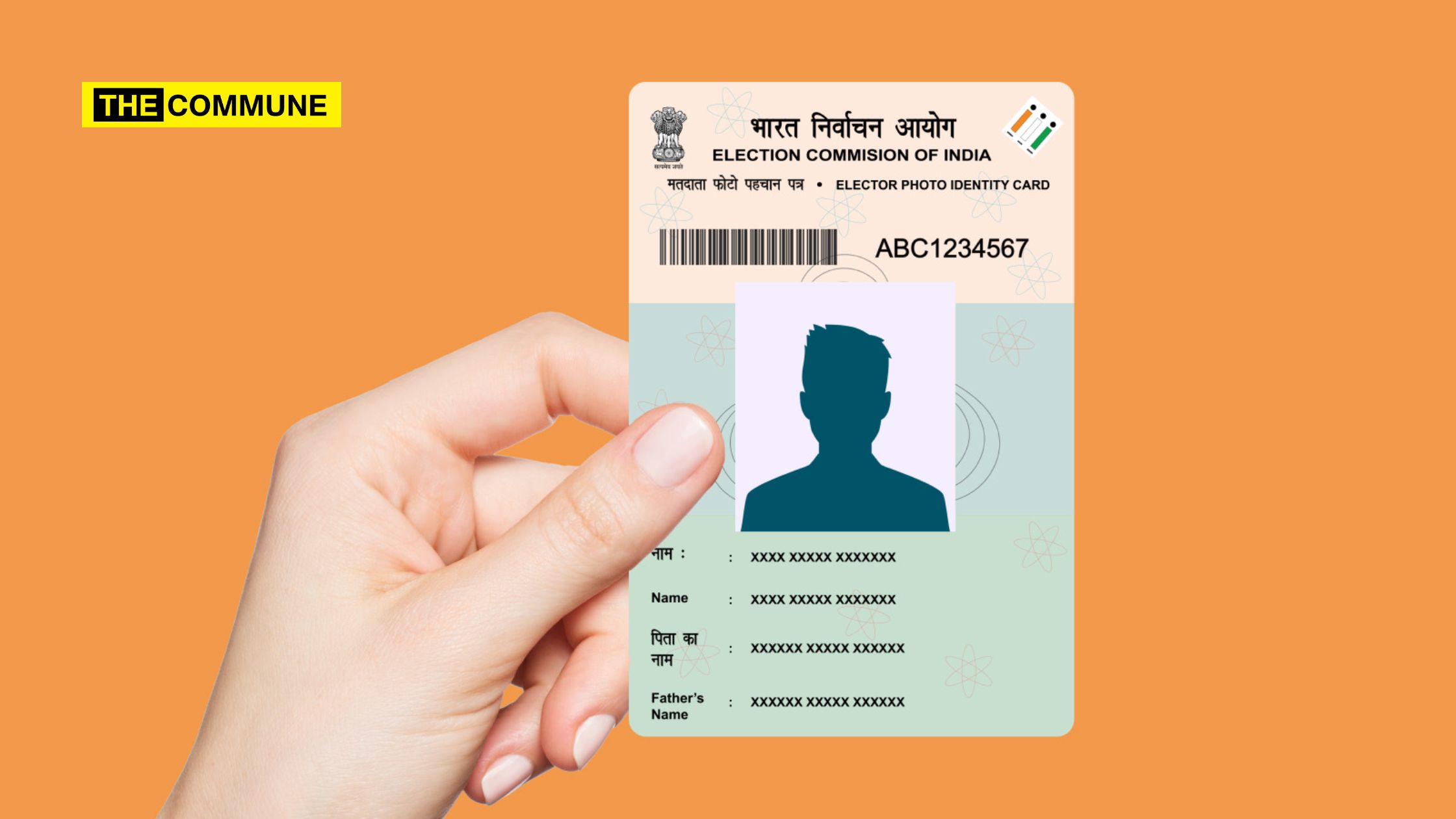
Sources said that the scanning and examination are being conducted to ensure whether there are similar instances in the district or not. In subsequent stages, similar scanning of the voters’ list will be done for other districts in the state, especially those having international borders with Bangladesh. Besides the instance in Murshidabad district, instances have also surfaced where the same EPIC number has been allotted to one voter of West Bengal and one voter of Gujarat.
Sources said that the CEO office is taking such matters very seriously since fake EPIC cards are the second layer in the chain of fake Indian documents being arranged for illegal Bangladeshi immigrants. As information revealed by the investigation officials, the first stage in this chain is getting fake ration cards, which is immediately followed by fake EPIC cards.
The third and fourth stages are fake PAN cards and Aadhaar cards. The final stage in the chain is that of fake passports. “So in case if the chain can be broken at the second stage, which is a fake EPIC card, the next lines in the chain can be broken automatically. At the same time, the office of the CEO has directed their respective-level officials to be extremely careful in checking the documents in case of new EPIC card applicants,” a source said.
–IANS
Subscribe to our channels on Telegram, WhatsApp, and Instagram and get the best stories of the day delivered to you personally.
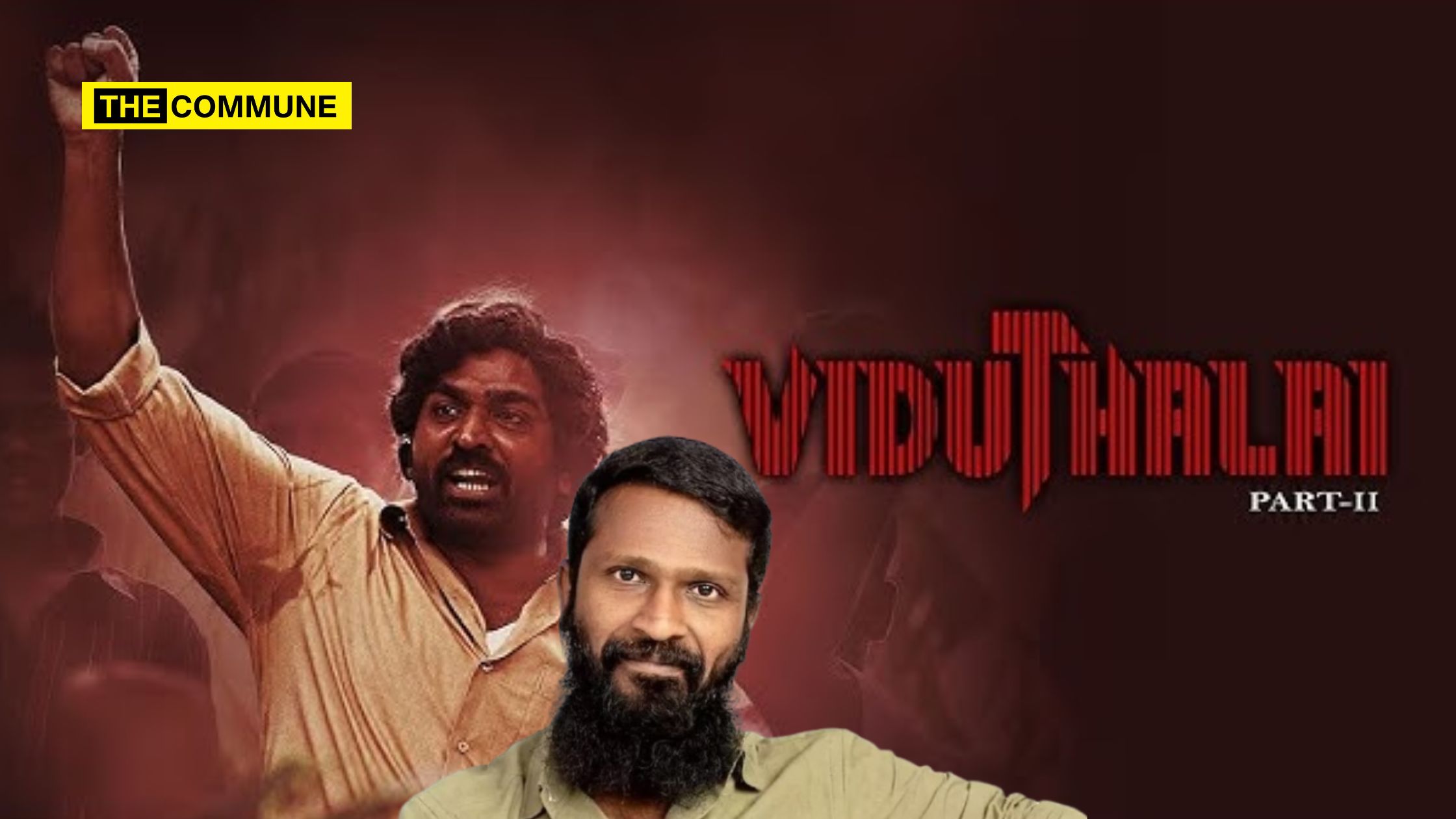
The communist-themed movie Viduthalai Part 2, directed by the Dravidianist filmmaker Vetrimaaran, aimed to weave communist ideology into its narrative seems to struggle both financially and ideologically. Following the success of the first part, audiences expected another cinematic milestone from Vetrimaaran. However, the sequel’s heavy-handed political messaging detracts from the storytelling, ultimately causing the film to struggle in recouping its budget.
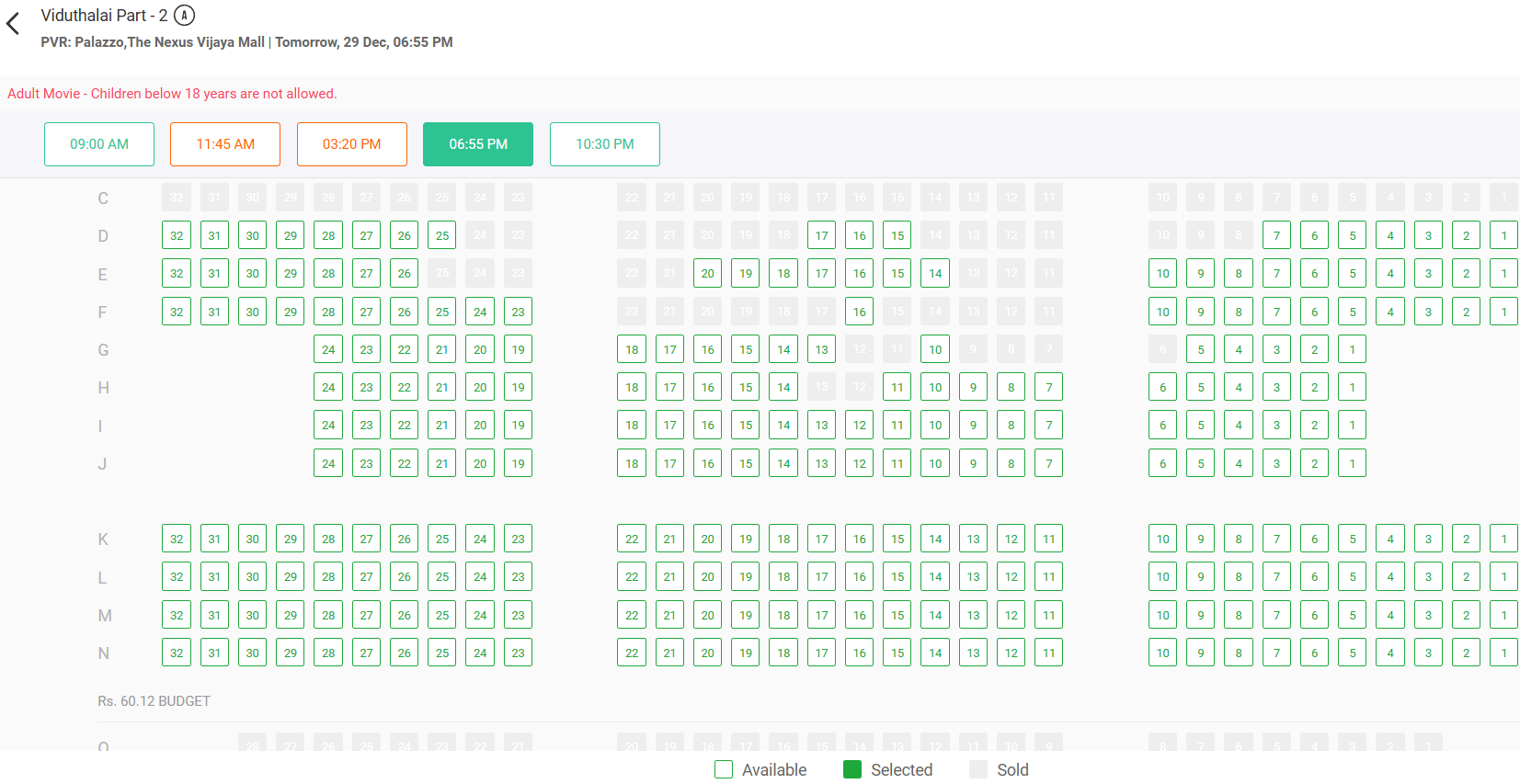
Viduthalai Part 2 premiered in theaters on 20 December 2024, with a star-studded cast featuring Soori, Vijay Sethupathi, Bhavani Sre, Ilavarasu, Gautham Menon, Rajiv Menon, Manju Warrier, and Anurag Kashyap. Despite a production budget of ₹35 crore and considerable anticipation, the movie has fallen short of expectations at the box office. The film has not even recovered its production budget even after a week’s run in theatres. By the end of its opening week, the film earned approximately ₹30 crore. As it entered its second week, the collections have continued to underperform, raising concerns about its overall financial success.
According to reports, Viduthalai Part 2 concluded its opening week with a collection of ₹1.50 crore on Thursday. On its second Friday, which marked day 8 of its theatrical run, the film saw a further decline of 33%, managing to earn only ₹1 crore.
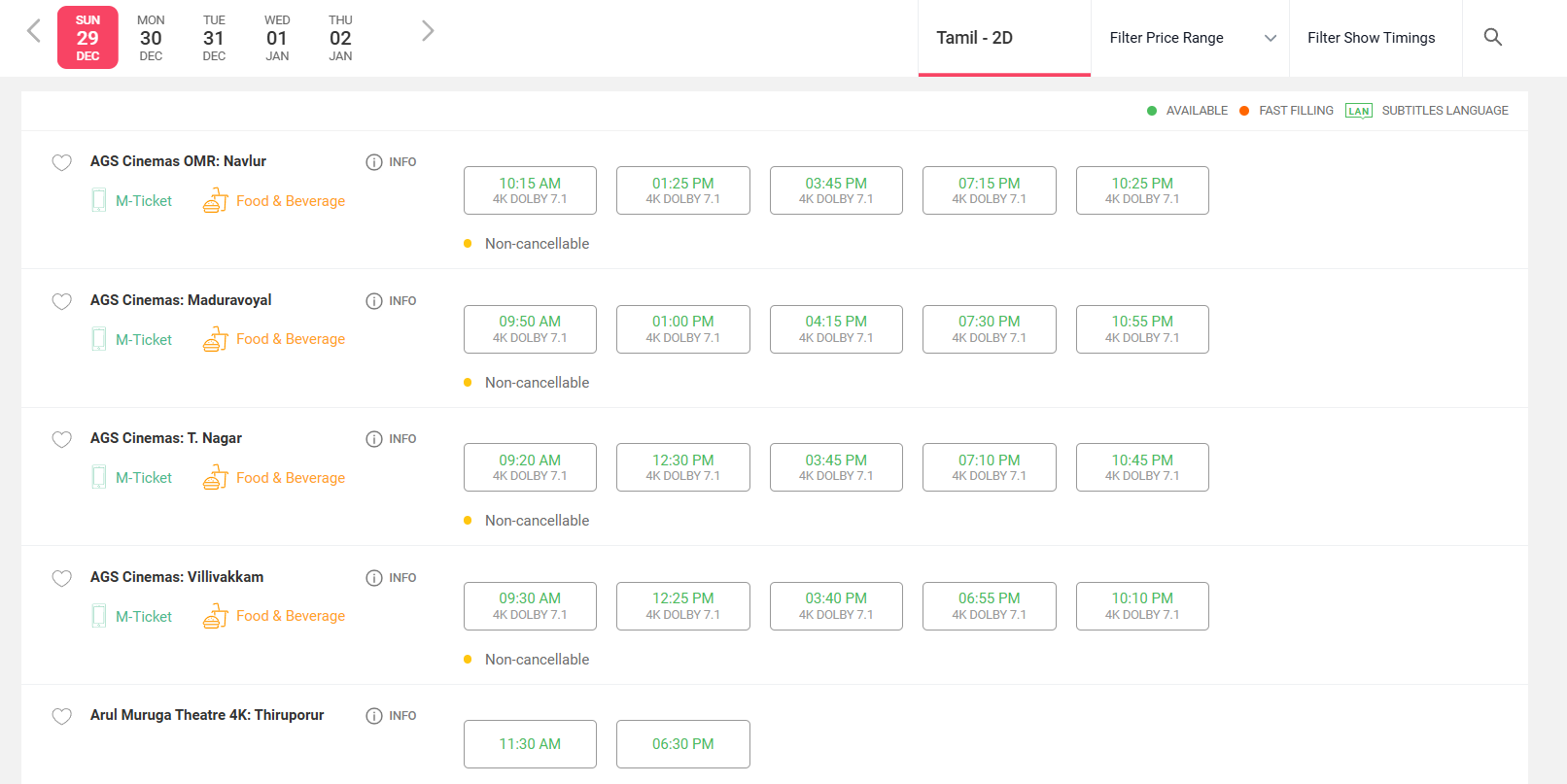
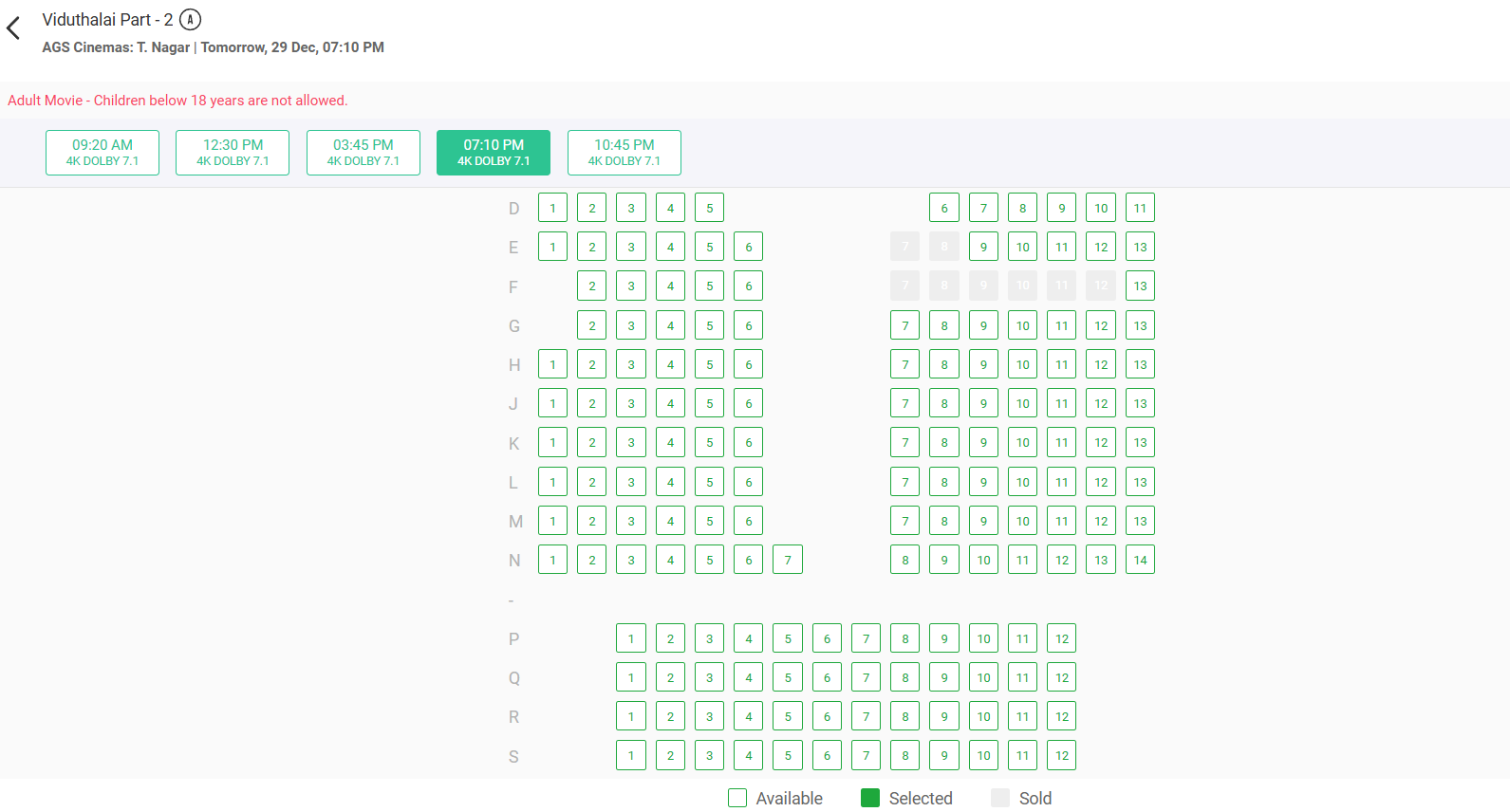
Theatres across cities in Tamil Nadu have huge vacancy even for weekend shows. Theatres even in the hearts of Chennai are not pulling crowds for Viduthalai 2.
Why Viduthalai Part 2 Failed?
Viduthalai Part 2, directed by Dravidianist Vetrimaaran, falters on multiple fronts—narratively, ideologically, and technically. While the film aims to continue the legacy of politically charged cinema akin to Asuran and Karnan, it falls short of the emotional and thematic depth these films delivered. Below are the key reasons for its underperformance.
Overemphasis On Political Messaging
The movie’s overt focus on political ideologies—particularly communist and Maoist themes—overshadowed the storytelling. Instead of seamlessly integrating these elements into the narrative, the film explicitly glorifies violence as a solution to social issues.
Promotion of Maoist Violence: A significant portion of the film is devoted to dialogues and scenes that justify violent methods as a means to address societal inequalities. Perumal Vaathiyar, the central character, advocates violence, with even his wife endorsing extreme actions against her own family.
Contradictory Messaging: Despite moments where Vaathiyar shifts towards promoting non-violence, the film repeatedly contradicts itself with sequences of intense violence, undermining its own narrative cohesion.
Inconsistent Storytelling
The film grapples with inconsistent storytelling, marked by a lack of narrative coherence and character development. Key relationships and arcs, such as Soori’s romance with Bhavani Sre, are introduced with promise in the first part but are sidelined without any resolution in the sequel. Characters that initially appeared well-developed are subsequently neglected, diminishing their impact on the story. Additionally, the film’s poor editing contributes to timeline confusion, with disjointed flashbacks and sequences—such as KK Thozhar’s death followed by his reappearance—leaving audiences puzzled rather than enhancing the narrative.
Weak Screenplay Compared To Asuran
The film’s effort to emulate the success of Asuran falls short, as it lacks the emotional resonance and character depth that defined Asuran and fails to evoke the empathy for righteous anger and rebellion. Viduthalai Part 2 struggles to strike a balance between its heavy political undertones and the human elements that made its predecessors both compelling and impactful.
Dravidian and Communist Ideology Overload
The film’s integration of Dravidian ideology and references to “Karuppu Sattai” (Black Shirts) alongside communist ideals comes across as forced and unnatural, detracting from the narrative’s authenticity. Additionally, historical inaccuracies, such as linking the Dravidian movement to the upliftment of laborers, further undermine its credibility. By leaning on outdated political ideologies that lack contemporary relevance, the film alienates a significant portion of its audience, making its messaging feel disconnected and unrelatable.
Technical Shortcomings
Editing Flaws: The editing fails to maintain continuity, leaving audiences puzzled about key plot points.
Jarring Dialogues: Mismatched dubbing and overspoken dialogues create a disjointed viewing experience.
Lost Clarity in Direction: Vetrimaaran’s once-crisp storytelling voice appears diluted in this politically overcharged narrative.
Lack of Closure
The first part built intense anticipation with its portrayal of police atrocities and village suffering, yet the sequel provides little to no resolution to these critical storylines. Instead, it shifts focus to ideological preaching, leaving many loose ends.
Viduthalai Part 2 is Vetrimaaran’s weakest film to date. The heavy-handed political messaging, lack of narrative coherence, and technical issues overshadow its strengths. While it tries to build on the director’s legacy of politically charged cinema, it ultimately fails to resonate with audiences both emotionally and ideologically.
Subscribe to our channels on Telegram, WhatsApp, and Instagram and get the best stories of the day delivered to you personally.