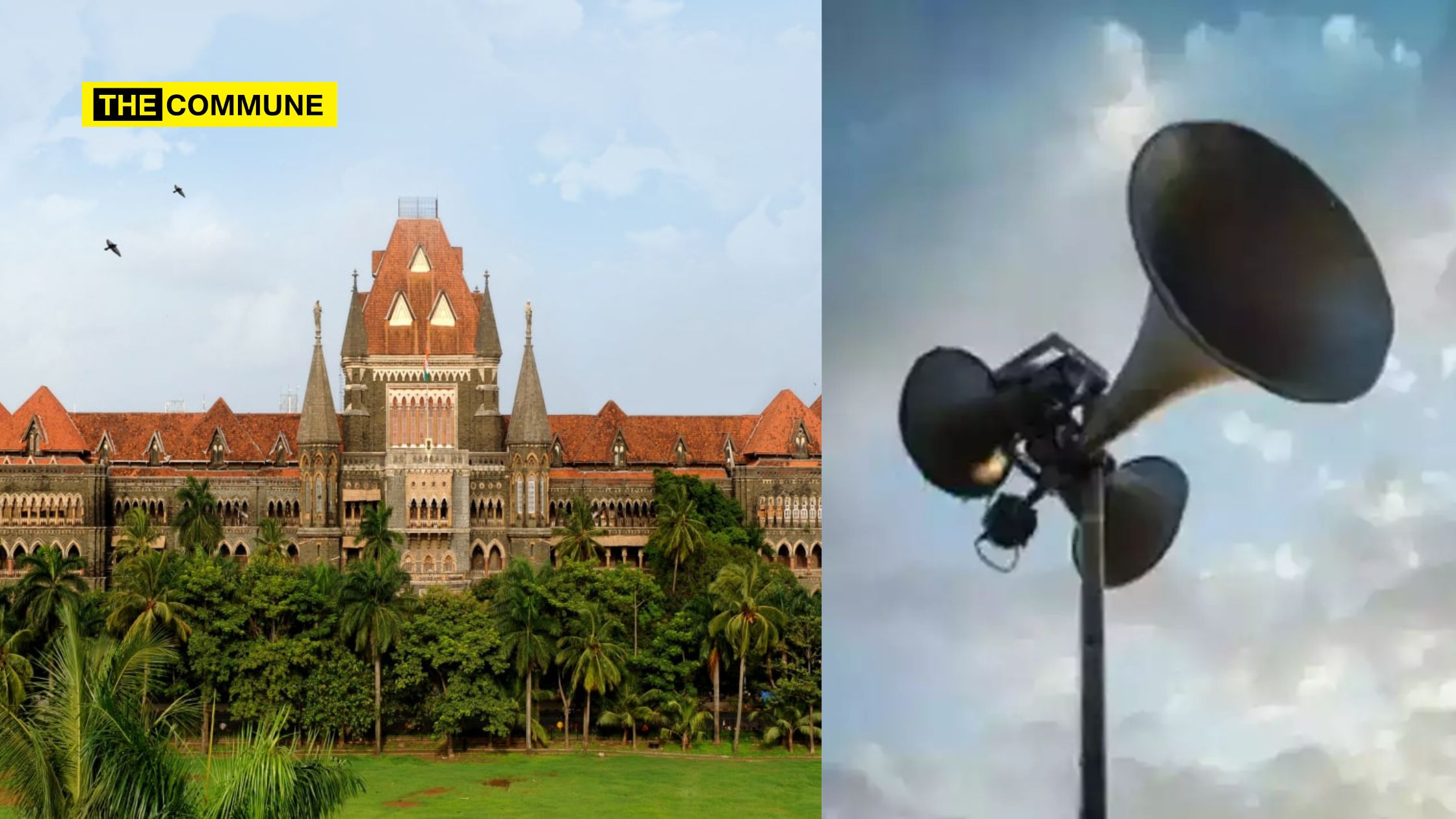
The Bombay High Court has ruled that the use of loudspeakers for prayers or religious discourses is not an essential practice of any religion and directed the Mumbai Police to strictly enforce the Noise Pollution Rules, 2000. The order emphasizes that no religious establishment should cause noise pollution through loudspeakers.
The division bench comprising Justices Ajay Gadkari and Shyam Chandak highlighted Mumbai’s cosmopolitan nature, where individuals from diverse religious backgrounds reside, and noted that“noise is a major health hazard on various aspects.”
The court asserted,“No one can claim that his rights are affected in any manner if he is denied a permission to use loudspeaker. It is in public interest that such permissions should not be granted. By denying such permissions, rights under Article 19 or 25 of the Constitution of India are not at all infringed. Use of loudspeakers is not an essential part of any religion.”
Guidelines For Addressing Noise Pollution Complaints
The bench provided explicit instructions for the Mumbai Police on handling complaints related to noise pollution from religious establishments. The guidelines include:
Initial Warning: Upon receiving a complaint, the police should caution the offender, without seeking or disclosing the complainant’s identity.
Fines for Repeat Offenses: If subsequent complaints are received, a fine under Section 136 of the Maharashtra Police Act should be imposed on the concerned religious establishment, recoverable from its trustees or managers. A warning of stricter actions should accompany the fine.
Seizure of Equipment: For repeated violations, the police should seize loudspeakers or amplifiers under Section 70 of the Maharashtra Police Act and consider canceling the establishment’s license to use such equipment.
Case Background
The court was hearing a plea filed by two resident welfare associations from the Kurla and Chunabhatti areas of Mumbai. The petitioners accused several mosques and madrasas in their vicinity of causing “unbearable” noise pollution by using loudspeakers for Azan and religious discourses at least five times a day.
The petitioners claimed the mosques used these sound systems without requisite permissions, and despite repeated complaints, the local police failed to take appropriate action. During the COVID-19 lockdown, permissions were granted to use loudspeakers within permissible decibel levels, but the establishments allegedly continued to exceed the limits.
The court observed that the failure of the authorities to act necessitated the filing of the petition. It emphasized,“In a democratic State, there cannot be a situation that a person/group of persons/association of persons would say that it will not follow or adhere to the law of the land and the law enforcers would be meek or silent spectators to it.”
The bench noted that the permissible noise levels under the Noise Pollution Rules are 55 decibels during the day and 45 decibels at night. It clarified that the cumulative noise from all loudspeakers in use must adhere to these limits, stating,“The law does not permit that, every individual loudspeaker will emit 55 or 45 decibels of noise aggregating to more than what is prescribed under the said Rules. That would amount to frustrating the intention of Legislature.”
The court further noted that the fines prescribed for noise pollution—₹5,000 per day, amounting to ₹18.25 lakh for 365 days—may not deter habitual violators.“The violators do it as a matter of right, and the complainants, often individuals, are hapless and helpless victims of these obnoxious use of loudspeakers and/or amplifiers,” the bench remarked.
The court directed the Maharashtra government to implement measures for controlling noise pollution at religious establishments, regardless of faith. It suggested an “inbuilt mechanism” for sound-emitting devices to ensure compliance with decibel limits. The bench also urged the government to explore calibration or automatic decibel limit fixation for all public address systems used by religious institutions.
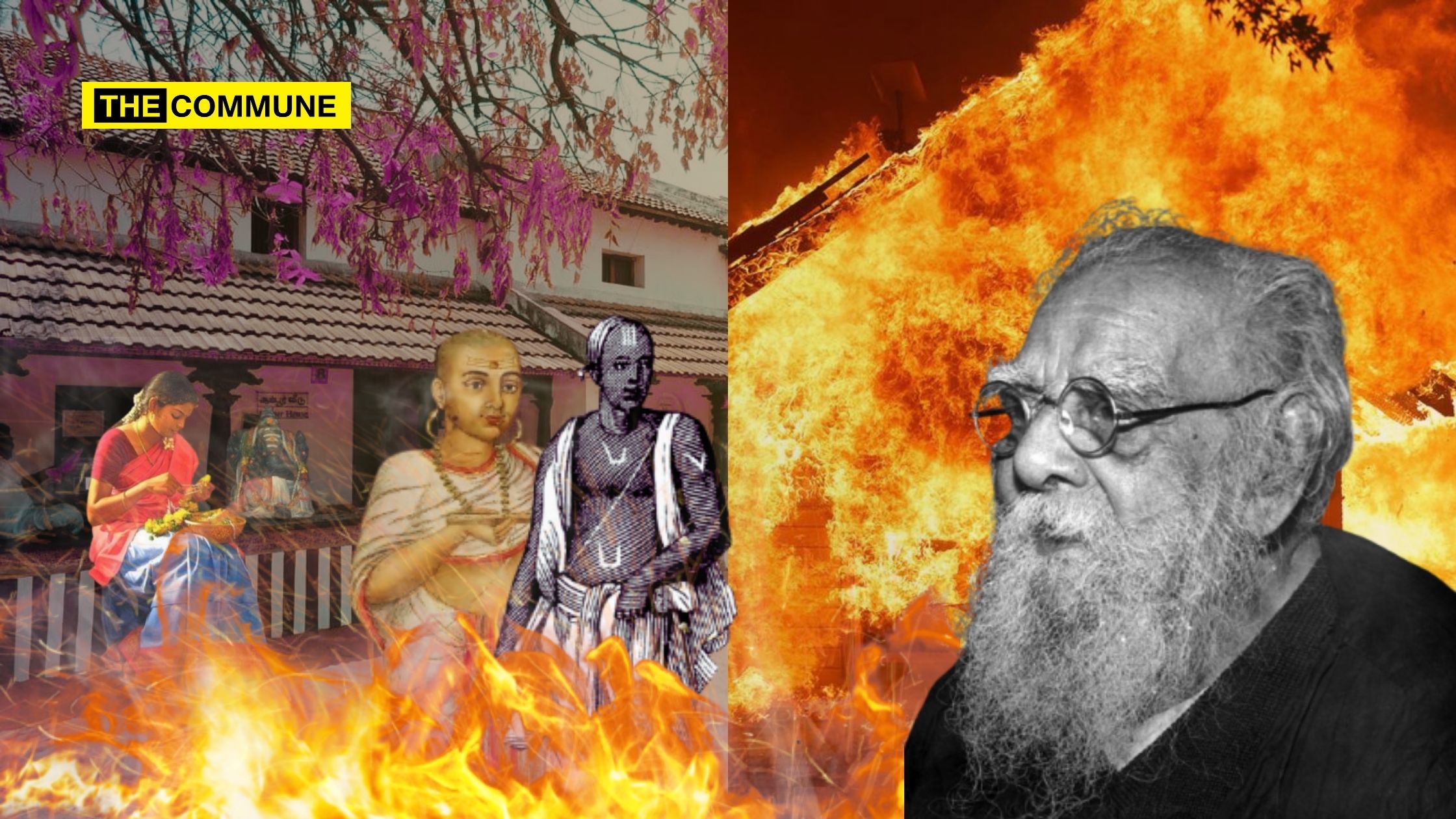
A recent revelation has brought to light an article from Viduthalai magazine, in which EVR allegedly called for the genocide of Brahmins in the name of abolishing the caste system. In the 6 November 1957 issue, the first page stated, “When leader Periyar asked, ‘What would you do if caste had to be abolished by burning the Agraharas and killing at least a thousand Brahmins?’, millions of brave voices shouted, ‘Let’s burn them! Let’s kill them! We will not violate the order!'” This is not the first time such rhetoric has appeared; many other articles echoed similar sentiments and hostility towards the Brahmin community. The language used by EVR in these writings reflects a deep-seated hatred for Brahmins, comparable to the kind of animosity Hitler expressed toward Jews.
The Dravidianists and Periyarists who have long worked to uphold the revered image of EV Ramasamy Naicker (also known as Periyar by his followers) are now seeing that image crumble. No one in the opposition seems to be offering fresh ideas; instead, they’re simply using EVR’s own words to criticize him. The carefully crafted image of EVR is unraveling like an onion with only vacuum inside. Books and magazine references are now being used to expose how he spread hatred against various communities particularly the peaceful Brahmin community. On the internet, netizens are having a field day ridiculing Periyarists and Dravidianists who still refuse to accept the truth. They claim to be rationalists, arguing there’s no proof of God, but when presented with evidence from EVR’s own writings and publications, they conveniently reject it. This hypocrisy is becoming more and more obvious.
இதை அவர் பேசலைன்னு சொல்ல போறீங்களா ? இப்படி ஒரு குறிப்பிட்ட சாதியை ஒட்டுமொத்தமாக கொலை செய்யத்தூண்டுவது தான் பகுத்தறிவா ? கூர்ந்து படியுங்கள். பிராமணர்களை கொளுத்த வேண்டும் , கொலை செய்யவேண்டும் என்று அவர் சொல்லும் பொழுது ஆரவாரமாக வரவேற்று கூட்டத்தில் அவரது கைத்தடிகள் கோஷம்… https://t.co/eUGwSD4IiRpic.twitter.com/4mro1Oy7Ch
Other Instances Where EVR Openly Expressed his Animosity Towards Brahmins
Let’s begin with Suba Veerapandian, a prominent advocate of EVR’s ideology, who addressed the audience (specific event name not clear). He elaborated on the reasons behind advocating for the annihilation of Brahmins, “After Anna (Annadurai) parted with Periyar, he began saying, “We are not against Brahmins, but Brahminism” stating this when we inquired if Ayya (EVR) agreed with this statement, EVR responded “it’s right sir, It’s right. I’m also not against the mosquito, Sir. I’m only against the mosquito bite, but how can you get rid of mosquito bite without killing the the mosquito? The reason why I oppose Brahmins is, Brahminism coming from them only, no? Nowadays, many people say things without understanding. You always talk about their Brahminism, but never talk about other castes, Yes, I am not denying that. There is Brahminism alive in other castes too. But what we have to see is, what is the source of both Brahmanism? The Brahmin is the source of both Brahminism, who benefits from both Brahmanism? This comes from ignorance, that Brahminism comes from the arrogance. We should not see both of these as same, but we have to oppose both. I’m not saying both Brahmins should not be opposed, both should be opposed, but both should not be seen as equal.”
In another instance, Viduthalai magazine published an article regarding a speech delivered by EV Ramasamy Naicker (EVR) on 31 August 1959, in Chidambaram. In this speech, EVR espoused sentiments of hatred, advocating for the removal of Brahmins from society. EVR said, “Do you hate Brahmins? Or Brahminism? Or what is Brahminism? What is the answer to the question? Brahminism came from Brahmins themselves, right? Therefore, I say that the Brahmins should be eradicated. It is because one is a thief, one indulges in thievery. When someone says he hates thievery, it means he hates the thief, too, doesn’t it? Thus, Brahminism grew out of the Brahmins, and I am striving to annihilate the root.”
EVR followers are better spinners than Warne – they can turn things to unbelievable levels.
One such spin is – EVR wanted to eradicate Br@hminism and not the Bs. This question was directly raised to EVR and he has answered it clearly in 1959.
The book “Periyar Thought Collection Part 1” records a speech by EVR where he advocated for the killing of Brahmin men and women if the Rajaji government failed to withdraw the Madras scheme of elementary education (Kulakalvi Thittam) in 1953.
EVR says, “If Kulakalvi scheme is not withdrawn in a month, I asked (people) to stab every and any paapaan and [aapaathi (Tambram man and woman).Buy petrol and matchsticks and set fire to all Agraharams. In our protest, if we shoot 10, 20 people and are hung for it, what’s wrong with it?”
That’s why we took this effort. It materialized somewhat. All Tamil Brahmins got afraid and complained to Rajaji that ‘Because of your bad decision, all our Agraharams are in danger. We are afraid to go for our jobs alone. Our women are scared to walk the streets alone’ Which is why Rajaji resigned in 1954 (as CM) and ran away.
Hmm, lets give this guy a new example. EVR in Srirangam, Feb 1967 recounts his past heroics from 1954:
" If Kulakalvi scheme is not withdrawn in a month, I asked (people) to st@b every and any P@apaan and P@apaathi (TB man and woman).
In another incident, EVR made a direct comparison between Brahmins and Jews, suggesting that Brahmins should be forcibly removed from India. This statement was made in 1938, coinciding with the rise of persecution against Jews in Germany. It is evident that EVR’s intention behind this comparison was to incite prejudice and discrimination against Brahmins. Additionally, he expressed the belief that in order to eliminate caste in India, it was necessary to eradicate God, religion, scriptures, and Brahmins. This rhetoric raises concerns about the promotion of genocide-like sentiments. He states, “The people in India are in a situation where they have to expel the Aryans, just like they expel them saying that they have no right to be in Germany. It is worth noting that the reasons given by the Germans for expelling the Jews fit the Indians for expelling the Aryans.”
3. On Genozide of Bs: EVR directly compared TBs to Jews & suggested for their forced emigration out of India. This was in 1938, when atrocities against Jews were beginning to take root in Germany.
Its clear what was his intent behind the call for more research comparing Jews… pic.twitter.com/lnMEznZrwK
In a separate address by EVR in Virudhunagar in 1944, he offered guidance to students, proposing that just as the Germans persecuted Jews and rose to power, why shouldn’t we do the same to Aryans?
He stated, “The Germans asked, why should Jews remain in our land? Why should the Jew exploit our country? What business does an alien have in our land? Why should a outsider oppress us? With such passion, they got excited and protested. Because of that Germany today is a super power and other countries are afraid of it. Why should we also not be like that (Germany)? We should think like this.”
1944 speech at virudanagar
Titled : Advice to students
I quote "Germans persecuted Jews and became superpowers Why don't we do the same to Aryans" pic.twitter.com/sgxnduVsvV
K. Veeramani, the current president of Dravidar Kazhagam, warned Thughlak editor S. Gurumurthy in an article published in Viduthalai in 2022 about the incidents following MK Gandhi’s assassination. After MK Gandhi was killed, Brahmins (Chitpavan Brahmins) were targeted and their homes were raided in Maharashtra. He speculated on what might have happened if EVR had given a signal, suggesting that EVR should be praised for not inciting such actions. Veeramani also remarked in the article that it wouldn’t take Dravidar Kazhagam more than a minute to provoke non-Brahmins against Brahmins, cautioning against provoking individuals like himself. This statement could be interpreted as a veiled threat, hinting at the potential for instigating conflict between different groups. It indicates the kind of considerations that might have been entertained in 1948 but were ultimately not pursued due to practical constraints.
Veeramani writes in Viduthalai (2022): "Post MKG's assasination, weren't Bs attacked and their houses raided in Maharashtra?
If EVR had just given an eye signal,what would have happened here? You should worship EVR for not doing any such thing."
In another instance, during his speech in Karaikudi, EVR openly encouraged non-Brahmins to kill Brahmins. EVR said, “They are celebrating festival it seems , he is celebrating Soora Samhaaram, what is it? He (Soorapadman the demon) was someone who said there is no god, they killed him, therefore now we can kill those buggers… that won’t be wrong (if we kill them) may be legally it will be wrong, that legal offence and all are bullshit we cant be bothered that it is legally wrong. We have to come to the conclusion, wherever we see a temple we must go inside and break all the idols inside, wherever we find Paapan (Brahmins) we must kill and destroy him. He has done like this to us, after all he (Tamil Brahmin) has done things like this only to come to this position. We must also do to the him, whatever he has done, what, a few of us have to die, if one Tamil dies for one paapan, means only three of us will die out of every hundreds, balance 94% will still remain.”
Audio clip of EV Ramasamy calling for the total annihilation of brahmins . Had he had his way, there would be no TMKrishna to sing his praises, nor NMurali or NRam to deny the systematic vilification and persecution of their own kin for nearly a centurypic.twitter.com/K2COn4gRxh
The Kudiyarasu magazine of 1948 contained a disturbing article attributed to EVR, in which he speculated about the motives behind Ambedkar’s second marriage. According to him, Ambedkar’s wife, Lakshmi, was purportedly a Brahmin who attempted to poison him by lacing his drink. Ambedkar did not consume the poison, and she was subsequently apprehended by authorities. Hence he says, “Do not fall for Brahmin woman’s eye.”
So, no matter how much the Dravidianists, leftists and the woke Brahmins try to hail EVR as a social reformer, the fact that he instigated violence and annihilation of a community is undisputable.
Subscribe to our channels on Telegram, WhatsApp, and Instagram and get the best stories of the day delivered to you personally.
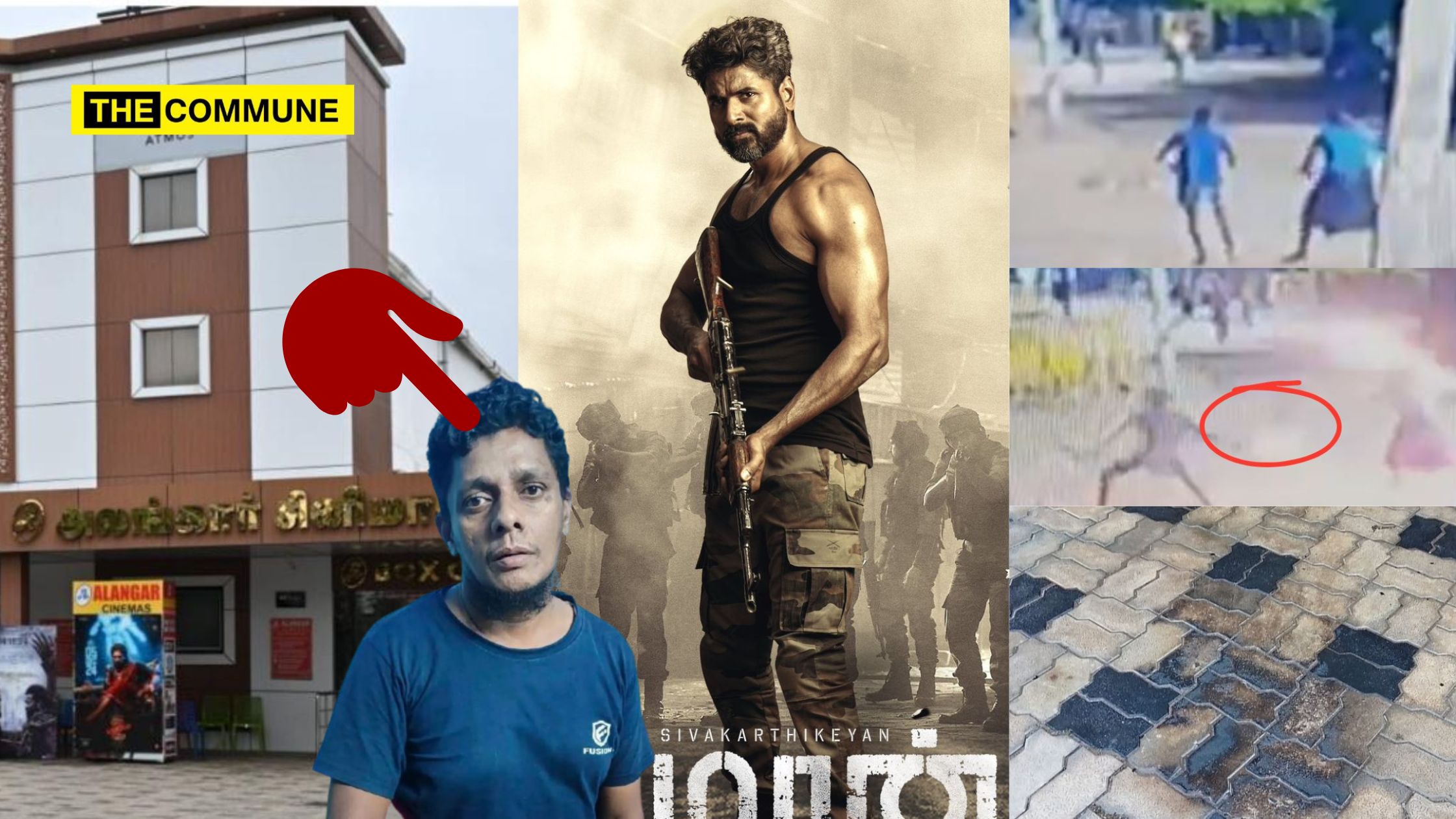
Authorities have apprehended Imthiaz, the primary suspect in the petrol bomb attack at Alangar Theatre in Melapalayam. The incident occurred in the early hours of 16 November 2024, during the screening of the movie Amaran. ‘Unknown’ individuals hurled three petrol bombs at the theatre. Fortunately, no injuries or significant property damage were reported. Initially, the local police, under the leadership of Deputy Commissioner Vijayakumar, investigated the case and detained two individuals.
Subsequently, the investigation was handed over to the Anti-Terrorism Squad. A special team, led by SP Ramesh Krishnan, conducted a detailed inquiry in the Melapalayam area.
The investigation uncovered that the attack on the theatre screening Amaran was ideologically motivated. The prime suspect, identified as 42-year-old Imthiaz from Al-Amin Nagar in Melapalayam, was believed to have orchestrated the petrol bomb attack. Authorities confirmed that he was affiliated with a terrorist organization and had additional cases pending against him.
Imthiaz had been evading arrest and was finally captured in Athur, located in the Tuticorin district. Earlier arrests in connection with the bombing included Syed Mohammed Buhari, Mohammed Yusuf Rasheen, Kola Badusha, Sirajuddin, and Nisar, all from Melapalayam.
The investigation is ongoing, with authorities focused on uncovering further links to the incident and related networks.
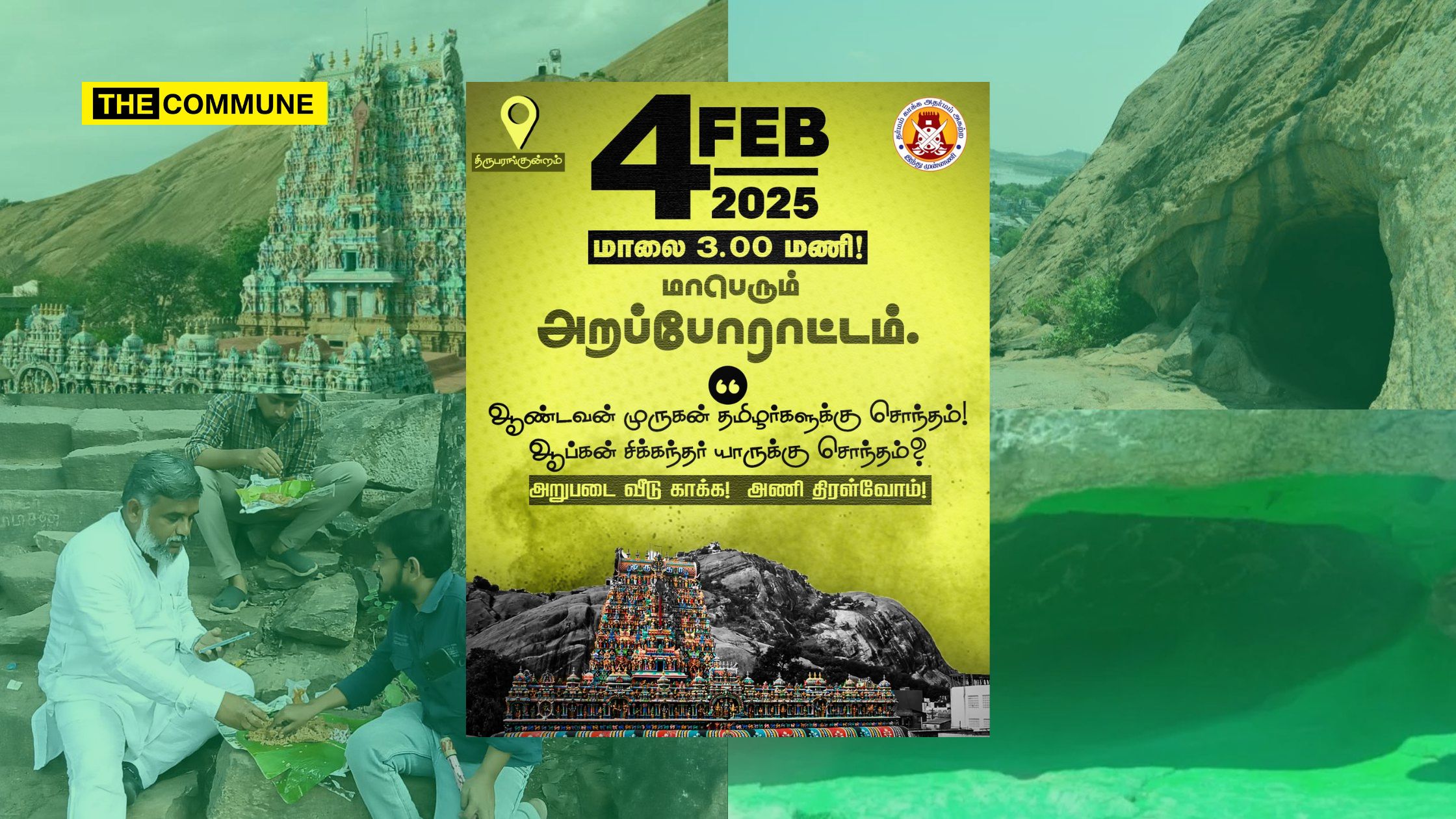
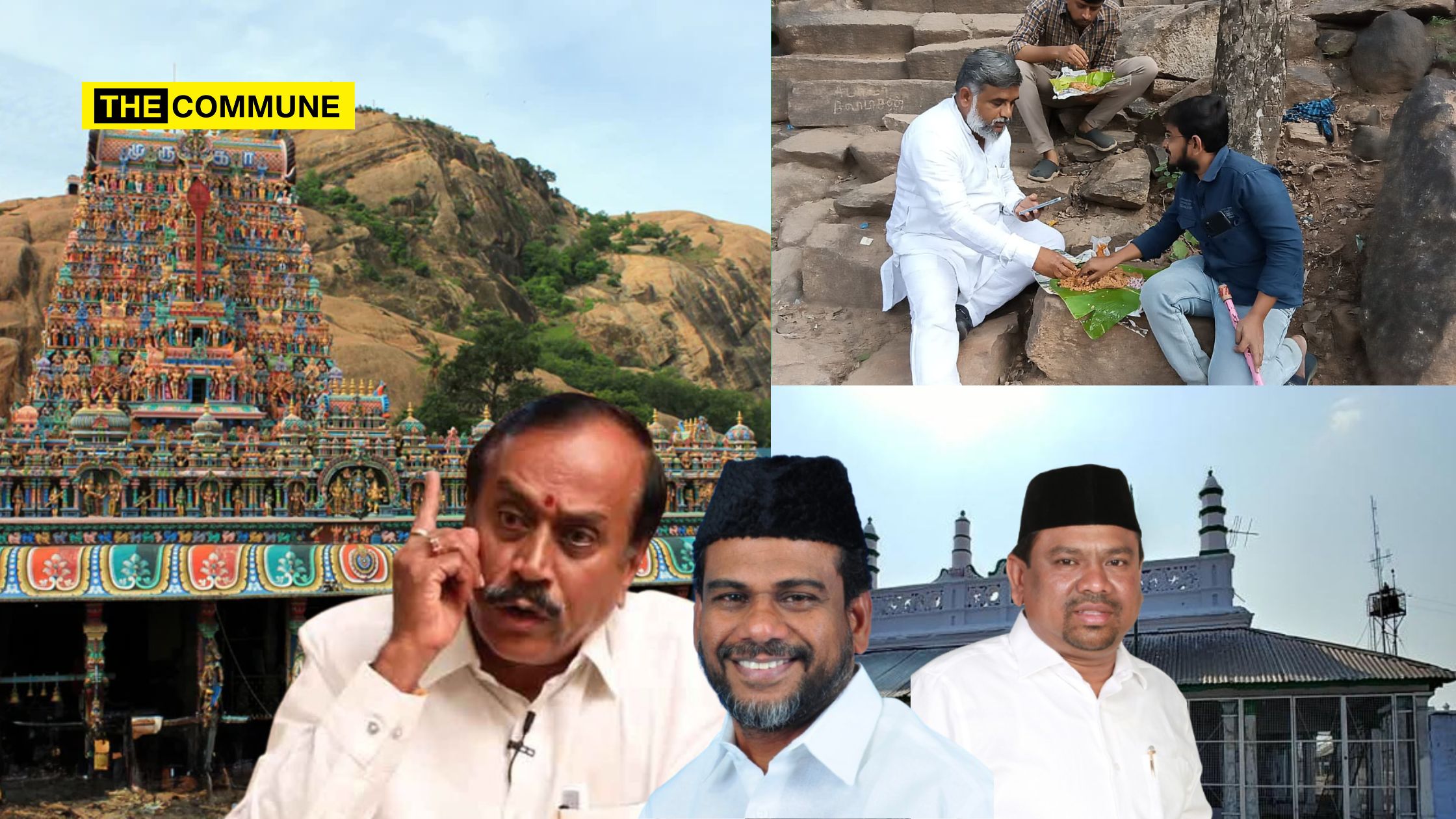
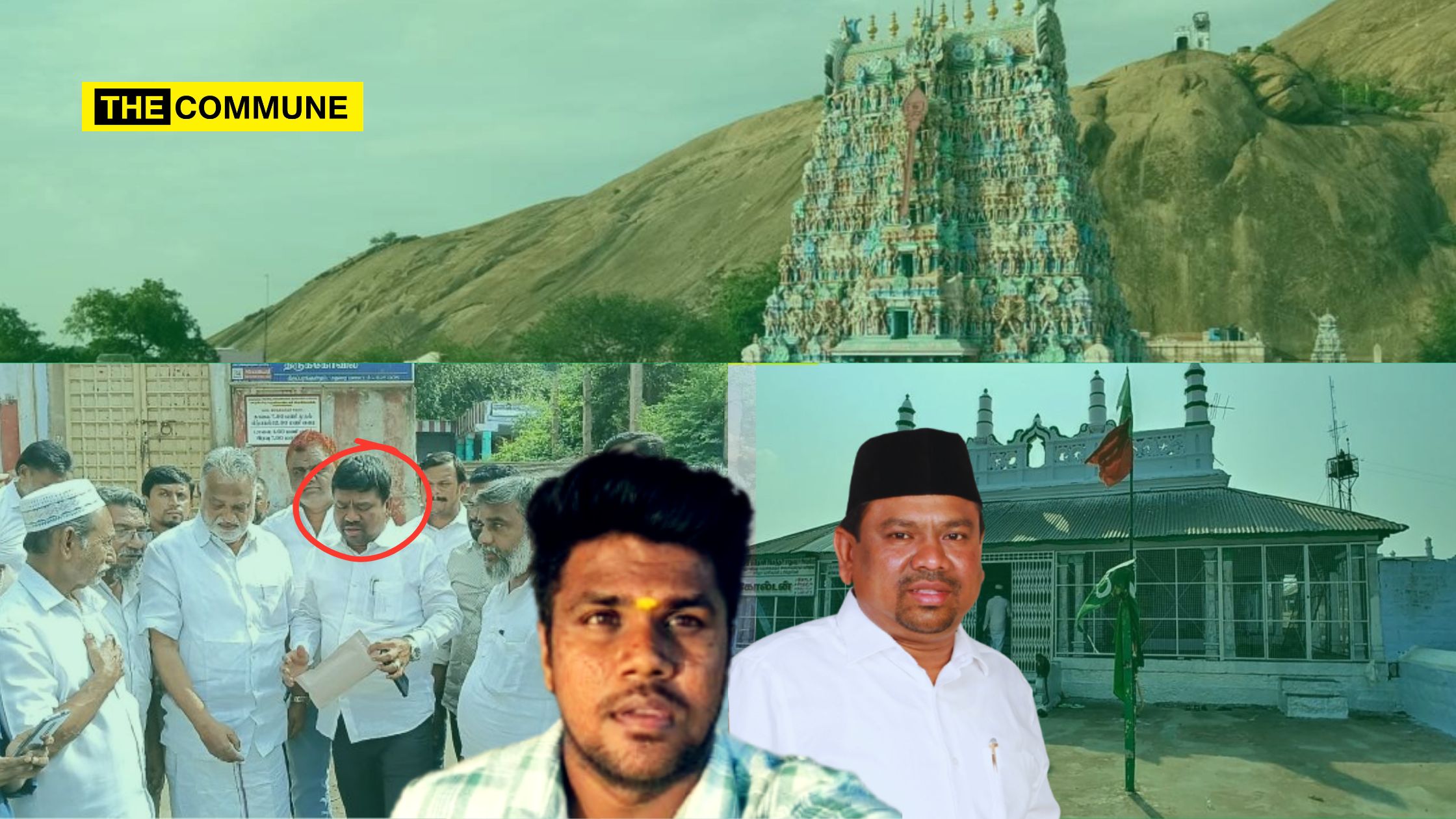
The Hindu Munnani has announced a large-scale protest on February 4 to safeguard the sanctity of Thirupparankundram Hill, the first of the six abodes of Lord Muruga. The protest, led by the organization’s state president Kadeshwara Subramaniam, aims to condemn alleged attempts by Islamic organizations to incite religious unrest and encroach on the hill’s sacred grounds.
In his statement, Kadeshwara Subramaniam emphasized the historical and religious significance of Thirupparankundram Hill, known as Murugan Kundram in ancient Tamil literature such as Akananuru,Thirumurugatruppadai,Kalithokai,Madurai Kanchi, and Paripadal. He highlighted that the hill is recognized in administrative records from the reign of Tamil kings to the present day as the holy abode of Lord Muruga.
Citing legal precedence, Subramaniam noted that the London Privy Council Court had ruled that the entire hill belongs to the Thirupparankundram Murugan Temple, a judgment still upheld today. In 1996, the Madras High Court also directed that the lamp in the temple be lit in the designated Deepathoon area. However, he criticized the Hindu Religious and Endowments Department for not adhering to this directive, despite repeated protests from devotees.
Subramaniam accused certain Islamic organizations of trespassing on the hill and attempting to rename it as Sikandar Hill, with plans to perform rituals such as goat sacrifices and Kanduri at a dargah on the site. He claimed these actions were intended to provoke religious tensions and create fear among devotees. Demonstrations and protests by these groups allegedly took place near the temple, further escalating tensions.
He also alleged that DMK representatives, including Manapparai MLA Abdul Samadh and Ramanathapuram MP Navas Kani, had visited the hill under suspicious circumstances, accompanied by members of alleged terrorist organizations. Subramaniam questioned the motives of the visit, as neither politician has jurisdiction over Thiruparankundram.
Adding to the controversy, photos surfaced on social media – shared by Navas Kani which showed a few Islamists eating non-vegetarian food at the base of the hill. Subramaniam condemned this act, stating it desecrated the sanctity of the site. He also accused Nawaz Kani and other leaders of planning to expand a Muslim cemetery on the hill, which he claimed was built through encroachment, to disrupt religious harmony further.
Subramaniam criticized the Tamil Nadu government, describing its response as a “false silence” and accusing it of failing to prevent these alleged provocations. He reiterated that the construction of tombs and the worship of dargahs are against Islamic principles, suggesting that the actions of the groups involved were a deliberate attempt to incite unrest.
The Hindu Munnani has called upon all spiritual devotees of Lord Muruga and residents of Tamil Nadu to participate in the February 4 protest to protect the sanctity of Thirupparankundram Hill.“This is a fight to safeguard Kandan’s mountain,” Subramaniam declared, urging unity among devotees to thwart what he described as a conspiracy to destabilize religious harmony.
ஆண்டவன் முருகன் தமிழர்களுக்கு சொந்தம்! ஆப்கன் சிக்கந்தர் யாருக்கு சொந்தம்?
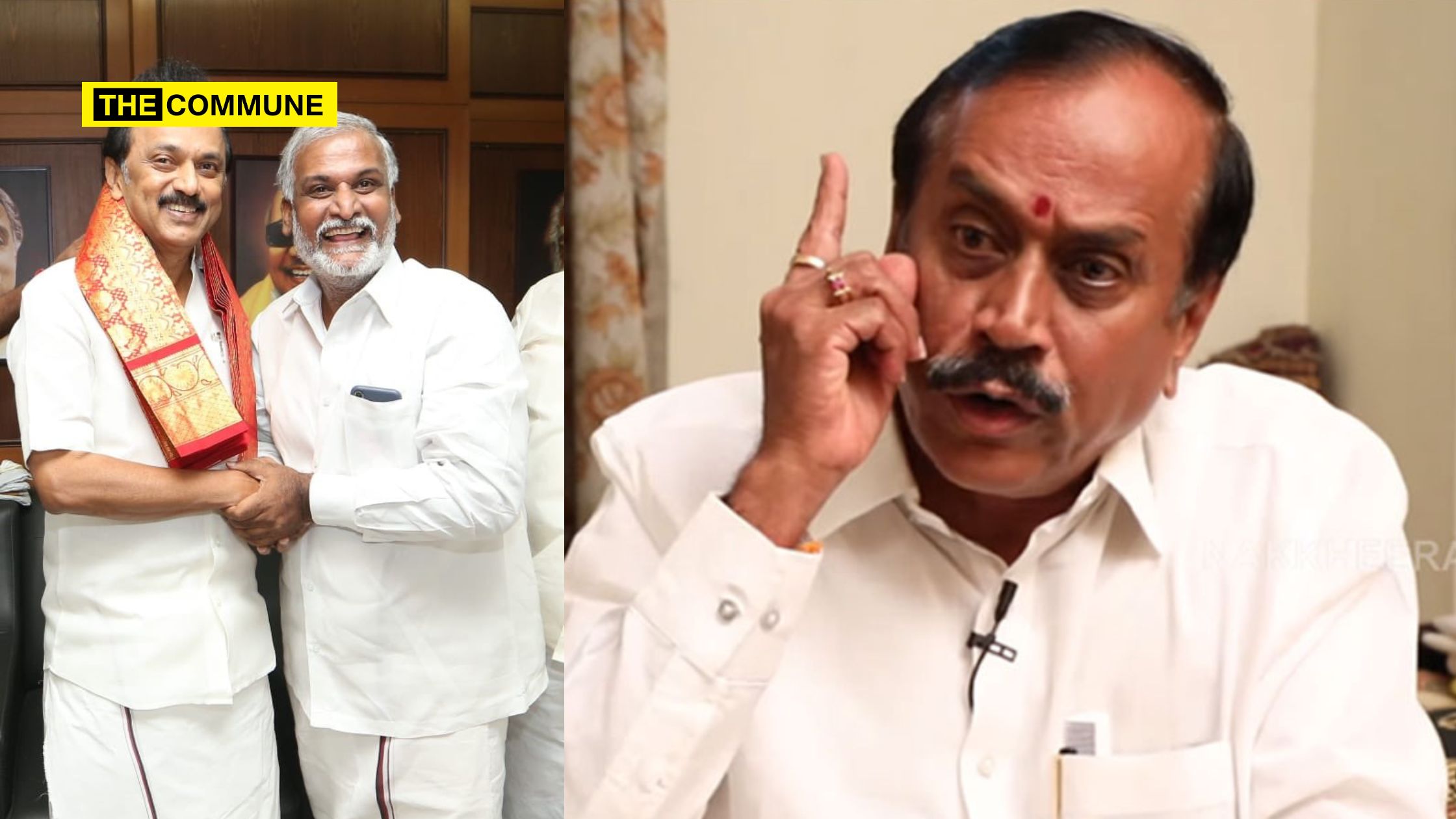
Tamil Nadu BJP senior leader and state Convenor of the Co-ordination Committee, H Raja, has strongly criticized Islamist groups, particularly the Indian Union Muslim League (IUML), for their claims over the sacred Hindu site of Thiruparankundram Hills. He specifically slammed Ramanathapuram MP Navaskani, an ally of the ruling DMK, who had visited the temple with the apparent intention of inciting communal tensions by eating non-vegetarian biryani on the foothills of Thiruparankundram Murugan Hill. H. Raja also condemned both Manaparai DMK MLA Abdul Samad and Ramanathapuram MP Navaskani, who referred to Thiruparankundram Hills, a revered Hindu site, as “Sikkandar Hills” and recommended their arrest immediately.
Speaking to the press after paying homage at the Lord Kasi Viswanathar temple in Thiruparankundram Hills, he addressed the long-standing issues regarding the Thiruparankundram Skandhar Hills, which have been settled for over a hundred years.
He stated, “After several local courts in India delivered their verdicts, in 1931, the Privy Council in London also ruled that the entire mountain belongs to Lord Muruga, as it is the first abode of Murugan among the six. It has already been decreed that this entire area belongs to Murugan. Similarly, the Kallathi tree is the Sthala Vriksham of this temple, and they are tying crescent-moon flag to it. So, there is suspicion that Islamists may be planning something significant to challenge the Hindus.”
He further added “What did the 1931 verdict say? It called for maintaining the status quo, but over time, they have expanded their influence, like the monkey that partitioned the appam. Yesterday, in a highly despicable act, they brought biryani and ate it on the steps of the hill. If you ask what this reminds me of is this – Mohammad Ali Jinnah said in 1942, ‘We need a separate nation and Muslims will not live with Hindus.’ A conference was held in Lahore in 1944, during which many Congress leaders, including Jawaharlal Nehru, considered conceding a separate Pakistan because of Jinnah’s threat. What did Jinnah say? ‘Either concede Pakistan or face civil war.’ However, Dr. B.R. Ambedkar firmly stated that ‘conceding Pakistan would not resolve the threat of civil war’. Similarly, in the case of the Sree Skandhar Hills, day before yester day, a Member of Parliament came with the intention of religious fanaticism, claiming it was ‘Sikkandar Hills.’ It is not enough to file a case; he should be arrested because his party’s nature is like that. What is the name of his party? Manithaneya (Humanist) Makkal Katchi? There is nothing humane about it. Its roots are tied to Al-Umma, an extremist organization responsible for the 56-member massacre. Were you in that or not? Were the party members with them? Yes. Therefore, the state government must take stringent action against them without any leniency. Today, we understand what a visionary Ambedkar was when he said, ‘Conceding Pakistan will not solve the threat of civil war.’ This act is strongly condemnable.”
He further slammed the situation, asking, “How dare this gang says they will sacrifice a goat there? What does that mean? It means they are calling for a civil war against the Hindus. This is unfolding just as B.R. Ambedkar warned. Nationalists must be aware of what’s happening.” He concluded by recommending the arrest of the Manaparai MLA Abdul Samad and Ramanathapuram MP Navaskani.
Subscribe to our channels on Telegram, WhatsApp, and Instagram and get the best stories of the day delivered to you personally.
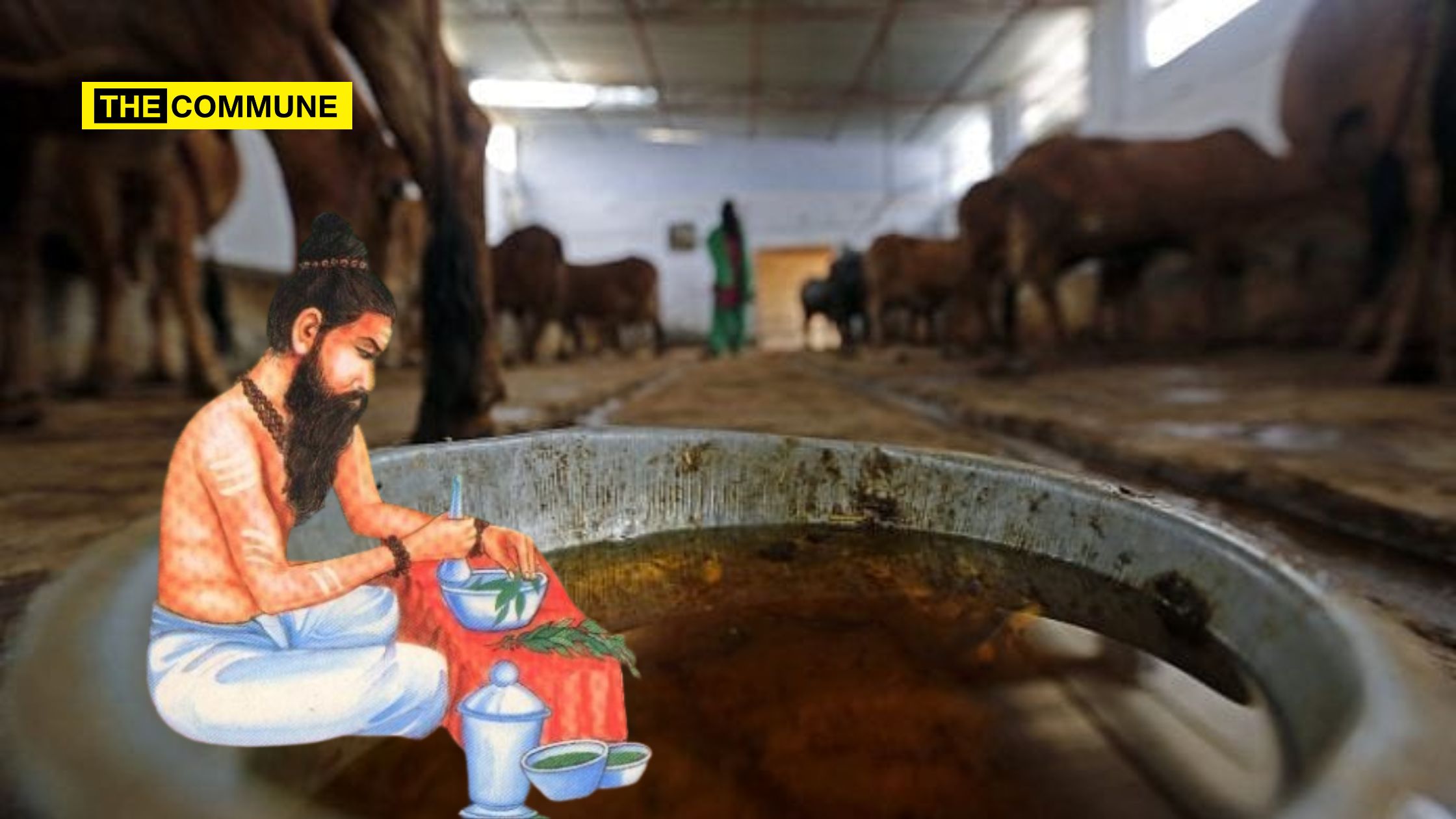
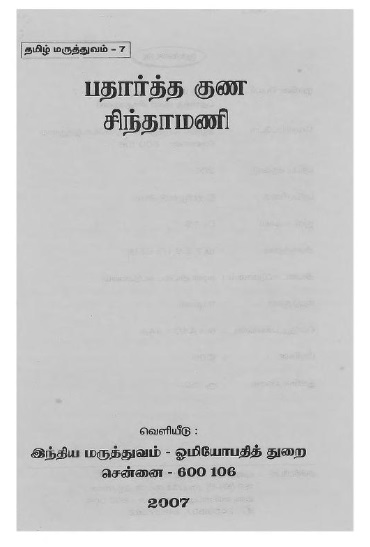
Ancient Siddha texts like Agasthiyar Gunapadam and Pathartha Guna Chintamani extensively document the medicinal properties of cow urine, citing its benefits for ailments such as inflammation, jaundice, and digestive disorders and emphasizing its role in traditional healing practices. Despite such historical validation, Dr. Kamakoti, IIT Madras director, faced controversy after his speech at a Mattu Pongal event where he highlighted cow protection and the importance of cow urine in sustainable agriculture. Dravidianist media focused on his reference to “gaumutra,” turning it into a flashpoint for political and ideological criticism, overshadowing his larger message on eco-friendly practices.
Dr. Kamakoti’s Speech
The director of IIT Madras, Dr Kamakoti, attended the Mattu Pongal celebrations at a cow shelter. During his visit, he delivered a 16-minute speech where he eloquently discussed various topics, including natural farming, using natural fertilizers, the importance of cow protection, and the significance of cows in sustainable agriculture. He shared his extensive experience and insights on these subjects without any hesitation, highlighting the wealth of knowledge he has accumulated about organic farming. He also spoke about the innovative water conservation methods he has implemented to support natural farming practices. His speech was a testament to his deep understanding and commitment to these traditional and eco-friendly agricultural practices.
He said, “Why do we earn? To fill this stomach. So we must eat good/healthy food. For that we need natural/organic farming and the foundation of organic farming is the cow. We can forget about organic farming if we do not have cowdung or cow urine. The cow must be a country cow/native. It is suited for our tropical climate. The dung that comes from a native cow has more power. So we must take more effort to protect these cows. The milk, dung and urine that they provide is very important for us.”
He further talked about the economic, nutritional, and environmental benefits. He also spoke about how Macaulay had stated that to destroy an economy, it was enough to destroy the native cow which was the foundation of organic farming. Continuing his speech, he said, “A great seer came and he was suffering from high fever. When asked if a doctor had to be called in, I forgot the seer’s name, he said, “Gomutram pinami“. He immediately brought in the cow urine and within 15 minutes of drinking, the fever subsided. So, it is antibacterial, antifungal, useful for digestive disorders and irritable bowel syndrome – it is a medicine, and we must take its medicinal value.”
Dr Kamakoti continued talking about the other benefits—biogas from cow dung—and encouraged people not to construct in fertile lands.
However, instead of focusing on the important points in his speech, Dravidianist media focused on the TRP-generating word – gaumutra/cow urine. For these Dravidianists and the Dravidian media, two factors came in very handy – one it was the IIT director who was involved, an institution with which they can attack the central government, and the other fact was he is a Brahmin, something that these Dravidianists relish.
Kerala’s CPIM government, is actively selling cow urine-based medicines through its state-owned ayurvedic company, Oushadhi. Oushadhi produces ‘Panchagavya Ghrutham,’ a five-ingredient medicine made from cow dung, cow urine, cow milk, ghee, and curd. The company claims that this formulation can cure mental diseases, jaundice, fever, epilepsy, and even improve memory and concentration. Notably, Oushadhi is one of the largest public-sector ayurveda companies in India, generating significant revenue for the Kerala government.
In 2021, the Kerala government even approached the Indian Council of Medical Research (ICMR) to explore the use of cow urine-based ayurvedic medicines for Covid-19 treatment. This move underscores the state’s endorsement of traditional remedies, including those derived from cow urine.
What Siddha Texts Say About Cow Urine/Gaumutra
Siddha is an ancient Indian traditional system of medicine that originated and flourished primarily in South India, particularly in Tamil Nadu. According to Siddha literature, this system of healing is believed to have divine origins, with Hindu God Shiva imparting its knowledge to his consort, Goddess Parvati. Parvati, in turn, passed this wisdom to Nandi, who then shared it with nine Devtas (divine beings).
The roots of Siddha medicine are considered divine and Tamil Hindu sage Agasthya Siddhar is revered as the founding father of this system. The tradition is further enriched by the contributions of 18 prominent Siddhars, who are regarded as the primary architects of Siddha medicine. The foundational texts and treatises of Siddha are written in the Tamil language.
In general, cow dung and urine is known for its antibacterial and antifungal properties. In villages, it is sprinkled across the house and in the frontyard to keep germs away. It is used on auspicious occassions too. Panchagavyam which constitues cow milk, ghee, curd, dung, and urine is also considered to have therapeutic properties and is also considered to be holy.
Let’s dig into this further.
The medicinal use of cow urine is not a recent development but is well-documented in several primary sources of Siddha medicine. These texts provide a detailed understanding of its properties, preparation methods, and applications.
1.Dhatu Seeva-Vaguppu
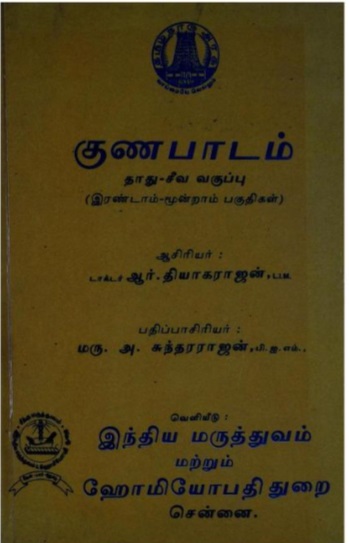
The book Dhatu Seeva-Vaguppu, authored by Dr. R. Thiagarajan, a Siddha practitioner and former professor, the publication rights for which belong to Tamil Nadu government was first published in 1958. This book, talks about formulation of medicine in Siddha – Gunapaadam.
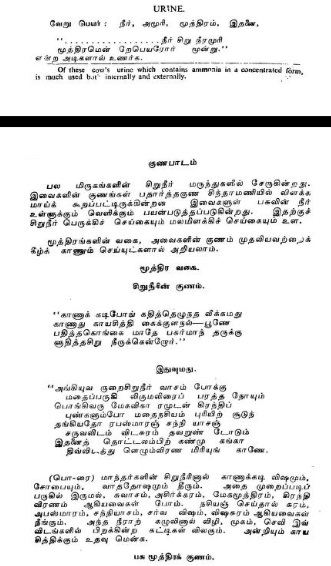
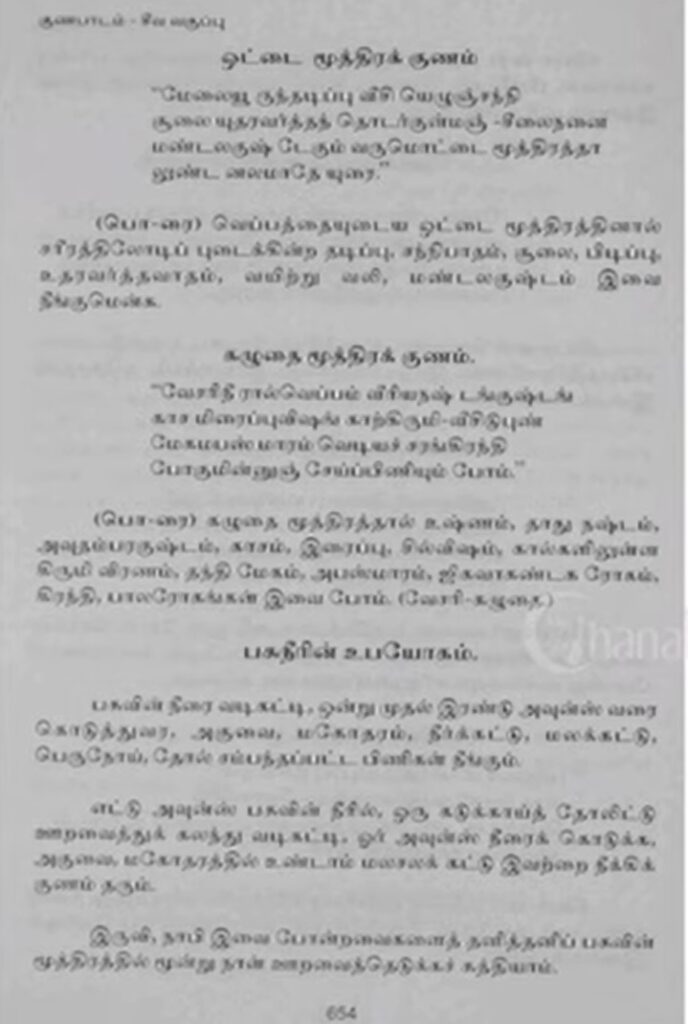
In this book, they talk about urine. The text says, “The urine of many animals belongs under medicine. Their properties are mentioned in the book titled “Pathartha Guna Cinthamani”.
The book states, “The cow urine can be used for internal and external things. Cow urine is described as having diuretic (promotes urine production) and laxative (relieves constipation) properties.”
On the following page, the text discusses the medicinal benefits of human urine. It claims that, when consumed as prescribed, human urine can alleviate issues caused by vata dosha, cough, shortness of breath, and rheumatism. It also mentions that performing nasiyam (a specific procedure) with human urine can address conditions such as fever and poisoning. Additionally, washing with human urine is said to remove lumps or growths on the eyes, ears, and face.
The same book also highlights the properties of cow urine, noting its potential to cure various ailments, including jaundice, dental problems, inflammation, and more.
Then on page 654, it is written that dropsy (oedema), constipation, diarrhea, skin diseases, constipation can be cured by cow’s urine.
The book also talks about the properties of cow urine, buffalo urine, white goat urine, elephant urine, horse urine, as well as the properties of donkey urine.
2. Pathartha Guna Chintamani
Thee book Pathartha Guna Chintamani also details on the medicinal properties of herbs.
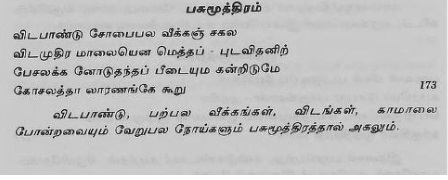
In the 173rd paragraph, it talks about cow urine. It talks of how it will heal inflammation and other diseases.
3. Agasthiyar Gunapadam
Compiled by the revered Siddhar Agasthiyar, this pharmacological text underscores the use of cow urine in treating liver diseases, digestive issues, and skin ailments. The text also discusses its antimicrobial properties and its use in cleansing the body of toxins.
This modern compilation, authored by Dr. T. Thirunarayanan and others, builds upon the traditional Siddha pharmacological framework. Cow urine is described as a remedy for inflammatory conditions, jaundice, and respiratory ailments. The book also details preparation techniques to maximize its therapeutic efficacy.
5. Theraiyar Maha Karisal
This classical text highlights practical remedies, including cow urine, for addressing chronic conditions like joint pain and digestive issues. It emphasizes its role as a natural detoxifier and immune booster.
6. Bhogar 7000
Attributed to Siddhar Bhogar, this text mentions cow urine as part of several formulations used for treating skin diseases, respiratory problems, and other chronic conditions. Bhogar’s work reflects the Siddha philosophy of integrating natural substances for holistic healing.
7. Yugi Vaidhya Chinthamani
This seminal work by Siddhar Yugimuni discusses the diagnosis of diseases through naadi (pulse reading) and prescribes remedies such as cow urine for imbalances in the body’s humors.
8. Siddha Maruthuvanga Surukkam
This text provides a condensed overview of Siddha practices, detailing the use of cow urine in formulations for respiratory disorders, rheumatism, and skin conditions.
9. Siddha Pharmacopoeia of India (Volume I and II)
Published by the Ministry of AYUSH, this modern compendium validates traditional practices by detailing cow urine’s inclusion in official Siddha formulations. It highlights its significance in treating chronic ailments and promoting overall well-being.
From this, it is pretty clear that Tamil Siddha medicine considers cow urine as well as other animal urine and human urine to have medicinal properties.
Subscribe to our channels on Telegram, WhatsApp, and Instagram and get the best stories of the day delivered to you personally.
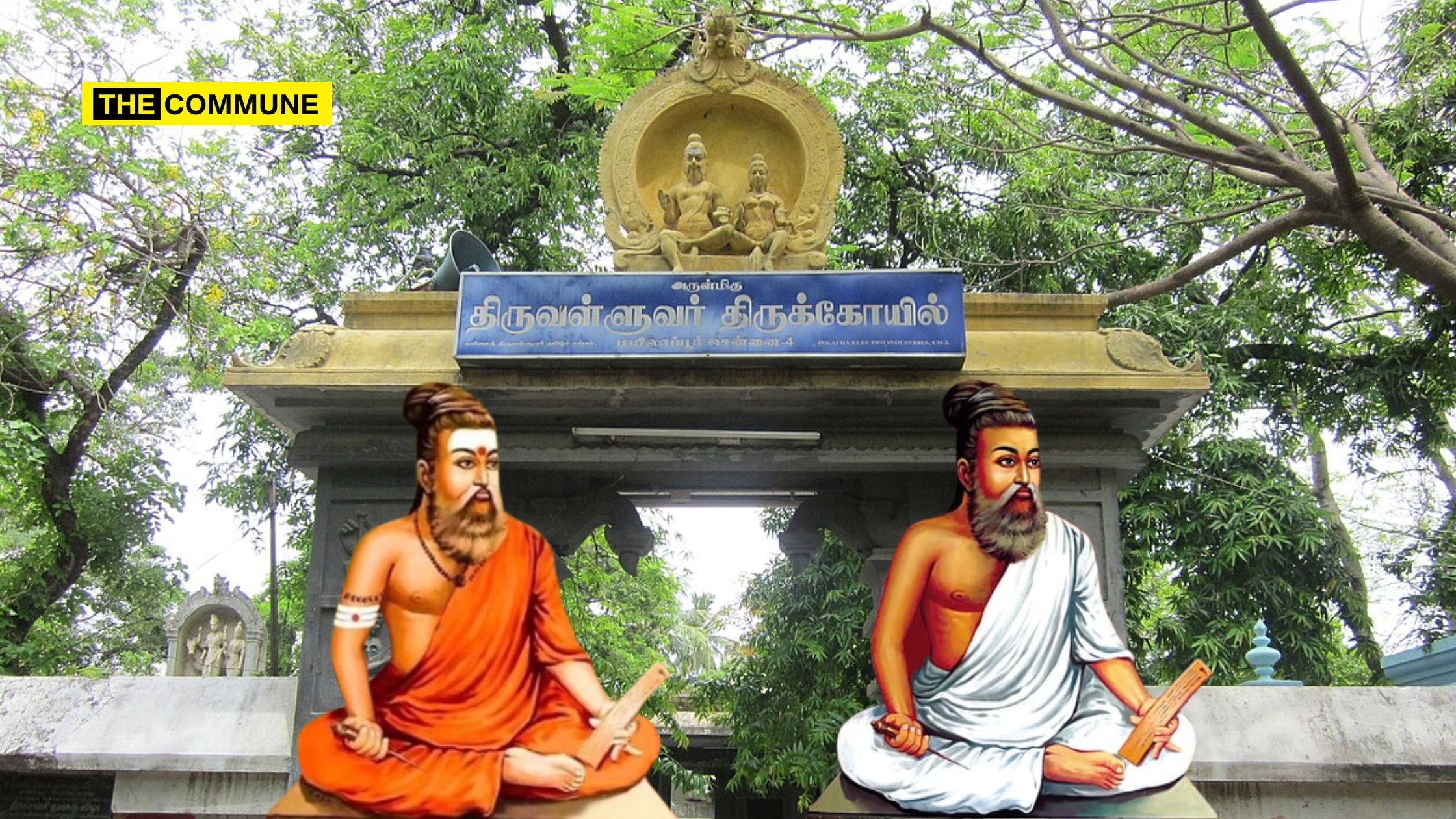
Hindu activists and devotees are both shocked and puzzled by a recent decision from the ruling DMK government to suddenly show interest in Tamil Hindu saint Thiruvalluvar. The government has allocated ₹19 crore to construct a new temple on a site where an ancient temple, believed to date back to the 16th century and renovated in the 1970s, already stands in good condition with no significant damages. This sudden move to replace the centuries-old temple with a rough-cut granite structure has sparked suspicions. Many fear this could be another attempt by the DMK to secularize Thiruvalluvar, as they have done in the past, and erase his strong ties to Hinduism.
The announcement comes shortly after the Supreme Court intervened to halt the DMK government’s plan to secularize the saint Vallalar, by constructing an international center against the wishes of devotees. Now, it seems the DMK is shifting its focus to the Hindu saint Thiruvalluvar.
Temple activists are questioning why the DMK, which historically has not accepted Thiruvalluvar as a Hindu saint, is now prioritizing the construction of a new temple for him. The late leader and former Chief Minister M. Karunanidhi had secularized Thiruvalluvar’s works, influenced by missionary GU Pope, and had rejected the saint’s Hindu practices, such as wearing sacred ash, a saffron robe, and rudraksha beads. Activists are asking why, if the government’s intentions are genuine, they aren’t focusing on the restoration of many ancient, dilapidated temples that are in need of urgent care, as these sites are central to Tamil culture.
This controversy comes in the wake of an announcement that, within two years, idols of Thiruvalluvar and his wife Vasuki will be housed in a new rough-cut granite temple in Mylapore. The construction will cost ₹19 crore, replacing the existing brick and mortar structure.
It is believed that the poet was born under an Iluppai tree (Madhuca longifolia) in Mylapore, which is why the temple was established there. The renovation will include statues of the saint’s parents under an Iluppai tree inside the temple.
Santhanakrishnan Sthapathi, who was tasked with this job, trained under the renowned Ganapathi Sthapathi, the designer of the Valluvar statue at Kanyakumari. “My father, Shanmugam Sthapathi, was the executive Sthapathi at Kanyakumari. I, too, have worked there, designing the elephants,” he explained. “The temple in Mylapore will be a single elevated structure, similar to the one in Hampi, designed like a chariot pulled by elephants. It will include a sanctum sanctorum, a prakara mandapam, and a three-tiered vimana above the garbhagriha. The Vasuki shrine will have a two-tiered vimana.”
Minister for Hindu Religious and Charitable Endowments P.K. Sekarbabu stated that Chief Minister M.K. Stalin is keen to have the temple constructed quickly, with the foundation stone expected to be laid by the end of this month. A golden lotus pond, inspired by the Potraamarai tank at the Meenakshi Amman Temple in Madurai, will also be built, as it is believed that Thiruvalluvar presented the Thirukkural at that temple. Statues of Avvaiyar, the Pandya King, and poets from the Sangam era will be placed around the pond. In addition, the idols of Sri Ekambareswarar, Kamakshi Amman, and Karumariamman will be renovated, and a mandapam featuring couplets from the Thirukkural will be constructed. Parking facilities will also be created at the site.
Subscribe to our channels on Telegram, WhatsApp, and Instagram and get the best stories of the day delivered to you personally.
In a shocking incident at Thiruparankundram Hills, a youth who questioned Ramanathapuram MP Navaskani was harassed by the reporters present. The youth, who had recorded the press meet, has now urged the Tamil Nadu government and the HR&CE department to intervene and provide a permanent solution to the Thiruparankundram issue. This includes the claims by Islamist organizations that they intend to sacrifice goats at the Hindu sacred site, as well as the assertion that the uphill Dargah belongs to the Tamil Nadu Waqf Board.
In the video he said, “Today afternoon, around 12 o’clock, I visited and worshipped the Kashi Vishwanathar temple in Thiruparankundram his via the hill path by chance. On my way back, the police had set up barricades and stopped Ramanathapuram MP Navaskani, who was standing there. As I was climbing down, I saw a press meet happening, and I thought I’d record it. At that point, there was no press meet happening as I was descending, but once I reached the bottom, a press meet was underway, so I continued recording. While recording, I didn’t recognize the MP and was casually filming the event with my phone. Reporters present there were questioning him, and at the end, I asked a question while recording that ‘Does the Dargah on the hill come under the Waqf Board?’ He responded, saying that it falls under the Tamil Nadu Waqf Board. When he concluded, the reporters’ reactions you can see in the video. It seemed like they were treating me as though I had committed some murder crime in their face reactions. They asked, ‘Are you a reporter? You shouldn’t be asking such questions. This is a press meet!’ But the press meet was already over, and I was asking my question at the end. If they didn’t want it, they could’ve just cut the part and use it. What was the problems here was… Perhaps they were upset because they couldn’t ask the questions they had prepared, or maybe they felt it would affect their earnings, which I am not aware. Some reporters I knew took it casually, but one reporter—who I’m not sure was from Sun News—became agitated and visibly angry, asking, ‘Are you a reporter? Show me your ID.’ I told him I wasn’t a reporter and that I was just recording as a member of the public, I can’t show my ID. While this was happening, Madurai CID SP, who was dressed casually and standing among the reporters, stepped in and scolded me, saying, ‘What you’ve done is wrong. Who are you to show your ID card? Are you a big man or district head?’ He also insulted me, mentioning ‘BJP’ and ‘May*ra’ which I could not record at the time. The Thiruparankundram police present there then tried to evict me from the area and forced me to leave via another route.”
He continued, “Now, my question is, what is the reason behind such anger when I, as a common man, question an MP, especially when the issue is ongoing and the people are already aware of it? When I asked the question, he openly acknowledged that the Dargah falls under the Tamil Nadu Waqf Board. So, if this issue is becoming bigger, why are the news reporters—who should be asking these questions—avoiding it and smearing the truth and not questioning him there? Instead of asking, ‘This has been happening for a while, right, sir?’ Is that so, Sir?’ What’s all this? My question now is: a MP comes here from Ramanathapuram and holds a press meet, stating that it (the Dargah on the hilltop) belongs to the Tamil Nadu Waqf Board. Similarly, just yesterday, the MLA from Manapparai also visited. What’s important to focus on is what’s happening behind the scenes. What started as a normal situation suddenly took a turn, with talks about sacrificing goats and bulls, turning it into an issue that outsiders are now coming and commenting on. The Tamil Nadu government should answer why Islamist parties and organization leaders from the DMK-alliance are being sent to the Thiruparankundram hills one after another. Not only that, but the HR&CE and the Tamil Nadu government should clarify the confusion here and provide a permanent solution to this issue. My humble request is that all Hindu organizations come together, put pressure on the Tamil Nadu government, and work towards finding a permanent solution to the Thiruparankundram issue.”
திருப்பரங்குன்றம் மலையில் உள்ள காசி விஸ்வநாதர் ஆலயத்திற்கு தரிசனத்திற்கு சென்ற வழிபட்டு திரும்பிய பொழுது அங்கு இருந்த ராமநாதபுரம் பாராளுமன்ற உறுப்பினர் திரு.@KNavaskani அவர்கள் பேட்டி கொடுத்துக் கொண்டிருக்கும் பொழுது, நான் மலை மேல் உள்ள தர்கா WAQF வாரியத்துக்கு கீழ் வருமா என்று… pic.twitter.com/IkP3z5n6Cp
Back at his best in giving it back to the Dravidianist ministers, Tamil Nadu Bharatiya Janata Party National Convener H Raja lambasted DMK Minister Sekar Babu as a “shameless, anti-Hindu looter,” slamming his dismissive remarks about devotees’ suffering at Tiruchendur temple and accusing the DMK regime of being an “evil, anti-Hindu force” unfit to govern.
Lashing out at HR&CE minister Sekar Babu over his behaviour and comments on the devotees at the Thiruchendur Murugan temple, speaking to reporters he said, “In the DMK regime, see how the words are changing. You cannot call a drunkard for who he is – the minister will get angry. This is a regime led by cheap and bad beings. If this regime is not thrown out in 2026, no one can save Tamil Nadu. DMK is today’s evil force. They are anti-Hindu as well. There is a man called Sekar Babu, he is infact “Alloliya” Babu (indicating he is Christian), a crypto, an irresponsible, egoistic, barbaric HR&CE minister. He goes to Thiruchendur. There, the devotees were literally packedlike in a box in the path toward the temple. They had been standing in the queue for 6 hours, children didn’t have access to milk, orwater. In such a situation, people were raising their voices to bring this to the minister’s attention. Anormal respectable person, he need not even be a minister, his behavior proved that he is unfit for that post – he could have asked them what difficulty they were facing and said that he could get the authorities to take care of it – he could have spoken like that. That egoistic person said, “They stand in Tirupati for 24 hours” – what kind of language is that? Are you not ashamed? Why are you even a minister? You better resign and leave. It is a black mark if you enter a temple. You are not respecting the deity there. The devotees were standing in the queue, and you are also present there, you could have at least said you will make the necessary arrangements, you don’t even have to do anything, just a few words that will pacify the people – could you not say that? But what did this shameless, egoistic Sekar Babu say? “They go to Tirupati and stand for 24 hours”.
He further continued, “I ask my friend Shiv Nadar who has donated 300 crores to the Thiruchendur temple. Youare not able to arrange for water facilities for the devotees, why are you even a minister? You are unfit for it! Sekar Babu is an anti-Hindu and there is no bigger temple looter than him. If this shameless gang is not removed from the state, there is no redemption for Tamil Nadu. So, in 2026, this Dravida Munnetra Kazhagam, this evil force, anti-Hindu force, we have to chase them out of power.”
On 18 January 2025, a viral video featuring DMK Minister PK Sekar Babu drew public attention after he commented on devotees waiting in long queues at the Tiruchendur temple, saying, “They go to Tirupati and wait for 24 hours in queue, but that won’t count.” The comment followed complaints from devotees enduring crowded conditions, lack of drinking water, and inadequate facilities, with some reporting children fainting. The minister was visiting the temple to inspect ongoing sea erosion, which had caused significant damage to the beach area.
Subscribe to our channels on Telegram, WhatsApp, and Instagram and get the best stories of the day delivered to you personally.
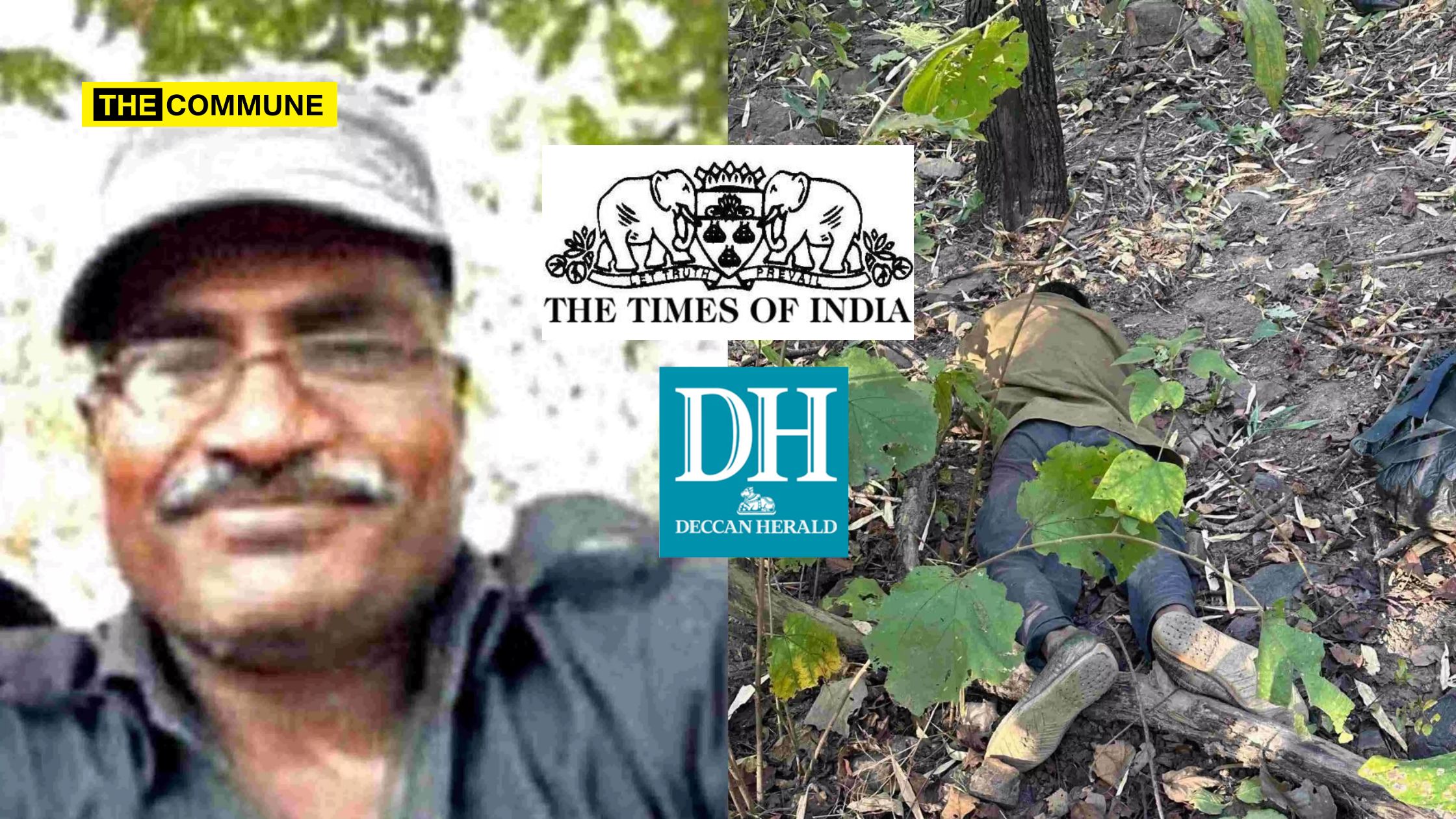
The obituaries published by Times of India and Deccan Herald on the death of Chalapathi, a senior Maoist leader, are nothing but appalling. Instead of focusing on the countless lives lost and the trauma inflicted by Maoist violence and praising the authorities for getting rid of Maoist nuisance, these pieces glorify a figure responsible for terrorizing civilians and security forces for decades.
Both outlets paint Chalapathi as a “military strategist,” a “man of intellect,” and an “inspirational figure” within the Maoist cadre, downplaying the atrocities he orchestrated. The Times of Indianotes his “extensive reading habits” and multilingual abilities, while the Deccan Heraldlauds his “mobilizing skills” and “commitment to ideology.” These descriptions fail to address the devastating impact of his actions. Chalapathi’s orchestrated attacks, such as the 2008 Nayagarh police armory raid and the brutal killings of political leaders in Araku in 2018, claimed countless innocent lives.
While highlighting his rise through Maoist ranks, the obituaries conspicuously omit the pain and suffering endured by families of the victims and the loss it caused to the nation. This sanitized portrayal of a militant leader not only disrespects the memory of those who perished in his attacks but also trivializes the challenges faced by security forces combating Maoist insurgency.
Moreover, both outlets fail to condemn the violence and lawlessness inherent in Maoist activities adequately. Instead, phrases like “a major blow to the Maoist movement” seem to mourn the loss of a leader rather than celebrate a significant win for national security. By focusing on his “talents” and “commitment,” the articles seem to romanticize the very ideology that perpetuates violence and instability in affected regions.
The lack of balanced reporting is especially alarming in the context of Chalapathi’s manipulative mobilization of marginalized communities. His strategies, which included exploiting tribal grievances for recruitment, were ultimately aimed at perpetuating a cycle of violence and fear. Instead of highlighting these exploitative tactics, the obituaries present him as a defender of justice for the oppressed—a portrayal far removed from the ground reality.
Media outlets have a responsibility to report objectively, especially when addressing figures involved in armed insurgency. By glossing over the human cost of Chalapathi’s actions and focusing on his so-called achievements, Times of India and Deccan Herald fail to uphold journalistic ethics.
This is not the first time. Publications like the Times of India, The Hindu and other media are often seen portraying terrorists as humane, as people with emotions, as coming from “ordinary” backgrounds etc. These are not important stories that need attention, it is the other pressing issues that they are causing that need to be told. Just a few days ago, Times of India justified an illegal Bangladeshi’s action against Bollywood actor Saif Ali Khan and blamed it on poverty and his ailing mother.
Chalapathi was not a hero. He was a perpetrator of violence, whose actions destabilized regions and claimed countless lives. To glorify such an individual under the guise of an obituary is not just irresponsible—it is an affront to the victims of Maoist violence and their families. The media must remember that its role is to inform and uphold the truth, not to lionize those who wage war against the state and its citizens.
Subscribe to our channels on Telegram, WhatsApp, and Instagram and get the best stories of the day delivered to you personally.