The Enforcement Directorate (ED) has registered an Enforcement Case Information Report (ECIR) against 29 individuals, including film actors, television personalities, social media influencers, and YouTubers, for allegedly promoting illegal online betting applications in violation of the Public Gambling Act, 1867. The probe has been initiated under the Prevention of Money Laundering Act (PMLA), based on five FIRs registered in Panjagutta, Miyapur, Cyberabad, Suryapet, and Visakhapatnam.
The case pertains to paid promotions of online platforms such as Junglee Rummy, A23, JeetWin, Parimatch, Lotus365, and others, which the agency suspects were engaged in large-scale money laundering operations. Many of these platforms reportedly posed as skill-based gaming apps but allegedly facilitated illegal gambling activities.
Among those named in the ECIR are actors Rana Daggubati, Prakash Raj, Vijay Devarakonda, Manchu Lakshmi, Praneetha, and Nidhi Agarwal. Television and media figures such as Ananya Nagella, Siri Hanumanthu, Sreemukhi, Varshini Sounderajan, Vasanthi Krishnan, Shoba Shetty, Amrutha Chowdary, Nayani Pavani, Neha Pathan, Pandu, Padhmavathi, Imran Khan, Vishnu Priya, and Shyamala have also been listed. In addition, digital creators including Harsha Sai, Bayya Sunny Yadav, Tastyteja, Rithu Chowdhary, Bandaru Sheshayani Supritha, Ajay, Sunny, Sudheer, and the YouTube channel ‘Local Boy Nani’ are named, along with Kiran Goud and the management teams of the implicated betting platforms.
According to investigators, the individuals allegedly received substantial financial compensation for endorsing these apps. Some promotions were reportedly masked as entertainment or social service initiatives, prompting backlash and formal complaints. One complainant alleged a loss exceeding ₹3 crore after acting on YouTube advertisements featuring some of the named personalities.
Following mounting concerns, Telangana Chief Minister Revanth Reddy recently announced the formation of a Special Investigation Team (SIT) to tackle the growing problem of online betting, including digital rummy platforms. Referring to the widespread impact of such apps, senior police officials have likened their operations to “organised mafia”.
The ED is expected to summon the individuals named in the ECIR for questioning in the coming days. Several of the celebrities have issued public statements denying wrongdoing, claiming they ended partnerships with the platforms once legal and ethical concerns were brought to their attention.
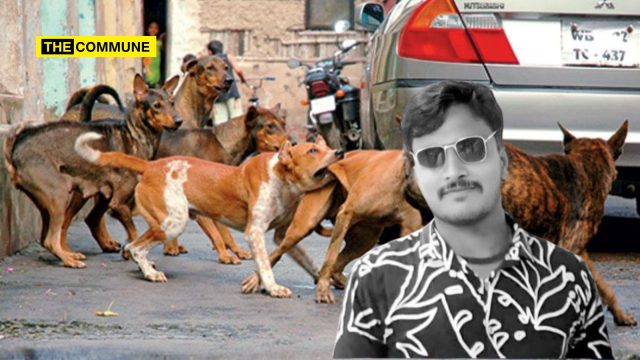
Edwin Priyan, a 23-year-old MBA graduate from Dinnur in the Kuppati panchayat, Hosur tragically lost his life to rabies after failing to seek treatment for a dog bite.
According to reports, Edwin had been bitten by a dog several days earlier but chose not to inform his family or seek medical attention. On the afternoon of the incident, he suddenly began exhibiting unusual symptoms, including excessive salivation and loud, erratic behavior, alarming his family members.
Panicked, his relatives rushed him to the government primary health center in the Kakkadasam area. Despite receiving initial treatment, his condition worsened, prompting them to take him to a private hospital in the Thali region. There, doctors identified signs consistent with a dog bite, which led to his immediate transfer to the Thali Government Hospital, where he was administered a rabies vaccine.
Later that night, Edwin was taken to the Hosur Government Hospital for advanced care. Though doctors began treatment and he briefly calmed down and fell asleep, he passed away shortly afterward.
The incident has left his family and the local community in deep sorrow, highlighting the fatal consequences of neglecting timely medical intervention after a dog bite.
Stray Dog Crisis Escalates Across India, Tamil Nadu Among Worst Affected
The stray dog menace has reached alarming levels across India, directly impacting the daily lives of citizens especially women and children, who are the most vulnerable. Despite the growing threat, state authorities have done little to curb the unchecked rise in stray dog populations.
Taking serious note of the crisis, the National Human Rights Commission (NHRC) recently intervened after reviewing distressing data presented by the Union Minister of Fisheries, Animal Husbandry, and Dairying in the Lok Sabha. According to the report, over 21.95 lakh dog bite cases were reported in 2024, with 5 lakh of those affecting children, and 37 fatalities recorded as a result of these attacks.
The situation is especially dire in Tamil Nadu, which has witnessed a steep surge in such incidents. In just the first three months of 2025, the state reported 1.24 lakh (124,000) dog bite cases and 4 death cases due to rabies. In 2024, Tamil Nadu documented 4.8 lakh cases, and a five-year high of 4.8 lakh cases, along with 47 deaths due to rabies.
Despite the worsening crisis, local governance has been sluggish. The Greater Chennai Corporation, under the DMK administration, has faced criticism for its inaction even within their own allies. After advising the DMK run Greater Chennai Corporation to “learn from Indore” in handling urban issues, in March 2025, Congress MP Karti Chidambaram petitioned Prime Minister Narendra Modi to take urgent action on the rising health and safety risks posed by growing stray dog population, particularly the increasing rabies cases.
Recent Stray Dog Bite Cases
On 11 April 2025, a 13-year-old boy named Vishwa from Chengalpet tragically passed away, three days after suffering a dog bite—despite having received two doses of the anti-rabies vaccine.
On 16 March 2025, V. Ramesh, a 49-year-old man, succumbed to rabies at the Vellore Government Medical College and Hospital. According to reports, he had been scratched by a stray dog around 40 days earlier but failed to receive the anti-rabies vaccination.
On 13 March 2025, Ram Chander, an Odisha native employed at a private company in Coimbatore, Tamil Nadu, tragically took his own life by slitting his throat at a government hospital. This desperate act followed a recent dog bite that had led to a rabies infection.
On 15 October 2024, a 57-year-old man from Erode district died of suspected rabies after being bitten by a dog a month ago and failing to get vaccinated.
On 25 June 2024, an eight-year-old girl, Manishika Sri, from Achanputhur town in Tenkasi, was brutally mauled by a pack of six stray dogs while she was playing outside. The severe injuries she sustained led to her being admitted to the Intensive Care Unit (ICU) at the Government Headquarters Hospital.
On 19 June 2024, a 6-year-old boy Saisaran in Santhome was bitten by a stray dog while attempting to feed it biscuits and was hospitalized at the Institute of Child Health and Hospital for Children in Egmore.
on 1 June 2024, a 16-year-old boy, D Anbarasu, was bitten by a neighbor’s pet dog in KK Nagar while walking with a friend. He suffered leg injuries and received treatment at a nearby hospital.
On 9 May 2024, in Thalambur, a Pomeranian allegedly bit a 10-month-old baby girl at a park, resulting in a minor injury. Meanwhile, in St Thomas Mount, a Husky dog belonging to a police constable bit a 10-year-old boy, prompting hospital treatment and a police complaint.
On 7 May 2024, A five-year-old girl was severely injured by two pet Rottweiler dogs at a Chennai park, underwent surgery for head injuries. The owners were arrested and later released on bail. The incident led to charges of negligence and endangerment. The Corporation plans to handle the stray dog issue due to the owner’s negligence, as they lacked proper licensing and vaccinations for the dogs.
In April 2024, Krithika, a pregnant dentist from Kolathur, was attacked by three unleashed dogs belonging to lawyer Venkatesh (50) while walking her own dog on night. Krithika’s husband sustained injuries trying to protect their pet, and both were hospitalized.
Subscribe to our channels on Telegram, WhatsApp, and Instagram and get the best stories of the day delivered to you personally.
About a week ago, Naseeruddin Shah shared an opinion piece that he wrote for The Indian Express about “the country he misses” and how he does not feel the need to wear his patriotism on his sleeve.
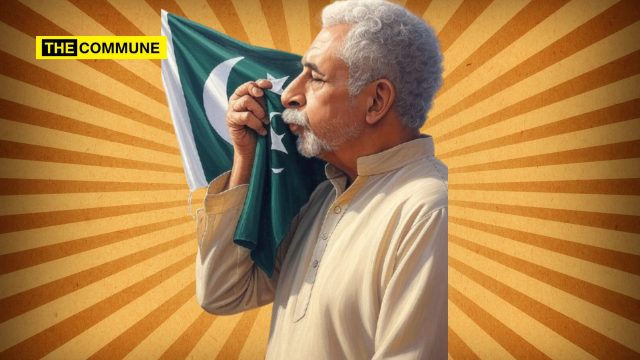
Naseeruddin Shah’s recent “lament” for a supposedly lost India sounds less like nostalgia and more like a cleverly disguised indictment of a country that has given him everything – fame, freedom, and the platform to speak his mind. And yet, his heart seems to beat louder for the idea of Pakistan than for the India that embraced him.
Shah waxes poetic about a bygone era of interfaith harmony, painting modern India as a dystopia of “jingoism” and “war fever.” His essay is dripping with selective memory. He claims he never felt like a “Muslim” growing up, as if India was some secular utopia. But today, the same country where millions of Muslims live, work, worship, and lead successful lives is suddenly painted as unrecognizable and oppressive. Why? Because the public no longer applauds films that mock their faith or twist real tragedies for artistic license? But his nostalgia is tellingly selective. He mourns the supposed loss of India’s pluralism while ignoring the relentless radicalism within his own community – the same radicalism that fuels attacks on Hindu festivals, cow slaughter as provocation, and the glorification of Pakistani flags in Indian mosques and protests.
Naseeruddin Shah’s Pakistan Obsession
Shah’s concern for Pakistani artists, lamenting their exclusion from India, reeks of misplaced priorities. Does he forget why this ban exists? Pakistan remains a terror-exporting state, harbouring the architects of 26/11 and Pulwama. Yet, Shah frets over Nusrat Fateh Ali Khan’s music being played in India, not the fact that Pakistan’s ISI funds jihad against Indians.
His anguish over “Islamophobia” after the IC-814 hijacking is particularly revealing. While 190 Indians were held hostage by Pakistani terrorists, Shah’s primary worry was not their safety, but the backlash against Muslims. Contrast this with his indifference to the actual victims of Islamist terror. Where was his lament when Hindu pilgrims were murdered by terrorists in Jammu and Kashmir (more recently)? When temples were vandalized in every part of the country? When Kashmiri Pandits were ethnically cleansed from their homeland? None of this merits a paragraph in his ode to the “India I miss”? Really?
Here’s a video of him speaking in Pakistan and one in India and the difference is … check out how his tone and language changes in each of these places.
In the video in Pakistan, he says, “I do not have words to describe the love I receive here (Pakistan). I feel like I have returned home when I see the love and affection I receive here.”
Whereas, when he is in India, he says, “I am worried for my children in today’s India. What if a mob surrounds them and asks if they are Hindu or Muslim, my children will have no answer. I worry because I don’t see the situation getting any better soon.”
🚨Why their loyalty to Bharat is questioned
🚨Dr. B.R. Ambedkar was right about them – These people can never be loyal to India !
Shah claims he doesn’t need to “wear patriotism on his sleeve,” yet he has no qualms flaunting his disdain for India’s cultural resurgence. Films like The Kashmir Files and The Kerala Storyunsettle him not because they are poorly made, but because they expose uncomfortable truths about Islamic radicalism. His discomfort with Gadar 2 – a celebration of Indian resilience, while remaining silent on Bollywood’s long history of whitewashing Islamic tyranny exposes his double standards.
Naseeruddin Shah has no problem with free speech, as long as it toes his line. He says he doesn’t wear his patriotism on his sleeve. Fair. But what he does wear loudly and often is his disdain for anything remotely critical of Islamic radicalism or Pakistan.
Shah proudly mentions his father’s decision to stay in India while his brothers migrated to Pakistan. But he omits the crucial question: Why did they leave? The answer lies in the same two-nation theory that Shah’s rhetoric subtly endorses. His father may have stayed, but the ideological roots remained – a discomfort with Hindu civilizational pride, a disdain for India’s majority culture, and an instinctive defense of Pakistan’s grievances.
Shah is not just mourning a lost India. He’s bitter that the India of today refuses to mirror his ideological leanings. And instead of acknowledging the resilience of the nation or the progress we’ve made, he paints it all black, all bleak.
Whenever he opens his mouth to speak about Pakistan, it feels like Shah never came out of his Gulfam Hassan role in Sarfarosh.
If he truly believes artists are being silenced, he should undo his forefathers’ mistake, move to Pakistan, and publish a column like this there. Then we will know what he “misses”.
Subscribe to our channels on Telegram, WhatsApp, and Instagram and get the best stories of the day delivered to you personally.
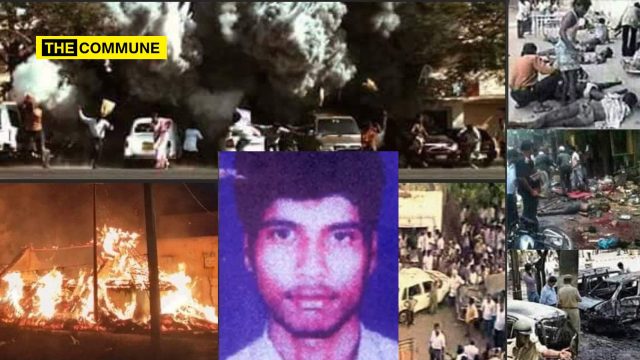
In a major breakthrough, the Tamil Nadu Police have arrested Sadiq, also known by several aliases including Raja, Tailor Raja, Valarntha Raja, Shahjahan Abdul Majid Makandar, and Shahjahan Shaik – a key accused in the 1998 Coimbatore serial bomb blasts and multiple communal murder cases across the state.
According to a press release issued by the Tamil Nadu Anti-Terrorism Squad (ATS), the arrest was made following specific and credible intelligence inputs. A joint team of the ATS and the Coimbatore City Police apprehended the accused from Vijayapura district in Karnataka. He had been absconding for 29 years and had evaded arrest since 1996.
Sadiq, a native of Coimbatore, is implicated in several terror-related incidents. These include his alleged involvement in the 1998 Coimbatore bomb blasts that killed 58 people and injured over 250, the 1996 petrol bomb attack in Coimbatore that led to the death of Jail Warden Boopalan, the 1996 murder of Sayeetha in Nagore, and the 1997 murder of Jailor Jayaprakash in Madurai.
This arrest follows a recent series of high-profile apprehensions by the Tamil Nadu Police. In recent weeks, the ATS and Coimbatore City Police also arrested Abu Backer Siddique and Mohamed Ali alias Yunus from Annamayya District in Andhra Pradesh, both wanted in connection with terror cases. The arrest of Sadiq alias Tailor Raja marks the third successful capture of long-absconding accused linked to terror operations in a short span of time.
Further investigations are underway.
Subscribe to our channels on Telegram, WhatsApp, and Instagram and get the best stories of the day delivered to you personally.
Kerala appears to be rethinking the dominance of ideology over livelihood. The nationwide strike (Bharat Bandh) organized by central trade unions primarily backed by leftist outfits on 9 July 2025, saw limited support outside the state. Despite being labeled a “nationwide” call, the shutdown was largely confined to Kerala, where it caused widespread disruptions but also faced notable resistance.
The strike, aimed at opposing labor reforms that came in 2019 and protecting public sector enterprises, brought most of Kerala to a standstill. Shops, offices, factories, and educational institutions remained closed. Public transport was severely impacted, stranding many commuters. Despite this, many citizens showed signs of dissent, prioritizing business continuity over political directives.
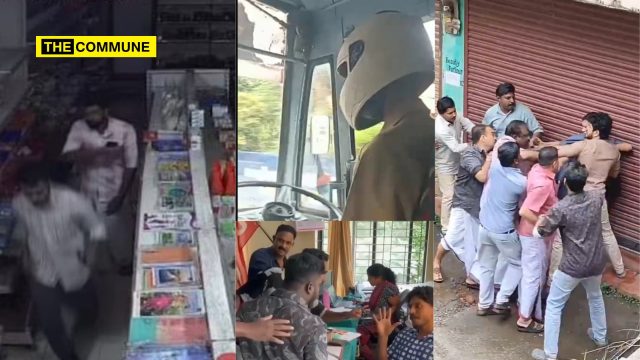
One such act of quiet defiance was seen in Kozhikode district’s Mukkam town, where some Communist Party of India (Marxist) (CPM) workers attempted to forcibly shut down a business. The employees, however, reacted indifferently, choosing to keep their doors open. A video capturing this moment went viral, drawing praise for their courage and signaling a shift toward a more business-friendly attitude in the region.
CPM goons trying to forcefully shut down a business and the employees giving a middle finger to them ! Welcome to business-friendly Kerala !!pic.twitter.com/0AYti6Wl6k
In the nearby localities of Kuttichira and Nainamvalappu in Kozhikode, normal life continued undeterred. Shops, restaurants, auto-rickshaws, and street vendors operated as usual. Residents enjoyed local delicacies like banana fritters and beef roast, sending a clear message that community welfare and economic stability trump ideological bandhs.
This resistance wasn’t spontaneous. According to local shopkeeper Naseem Abdullah, the community had collectively resolved years ago not to support any form of shutdown, regardless of who calls it even their own political representatives. “We respect every cause, but bandhs are not our way,” he explained.
Violence and Intimidation Marred the Strike
Despite the visible pockets of resistance, there were alarming reports of violence and coercion across Kerala. A government employee, Vishnu Radhakrishnan of Adimaly Vadakkekkara, was reportedly assaulted by CPM cadres at his office in Kumaly for reporting to duty during the bandh. Vishnu, who is currently on probation, stated that he tried to explain his situation, but was later surrounded and beaten in front of female colleagues. He later received medical treatment and filed a police complaint.
Addition to the thread: 2
Probationary employee Vishnu was beaten up by hartal supporters in Kerala.
Let's not forget, one of the demands of today's strike is: "The right to work should be made a fundamental right." pic.twitter.com/dYBAPkke0B
— Anand #IndianfromSouth (@Bharatiyan108) July 9, 2025
Across various districts, clashes erupted between protestors and those defying the strike. In Mukkam, a disturbing incident was reported where T. Viswanathan a CPM district leader and CITU state committee member allegedly threatened to burn down a fish shop with kerosene if it remained open. Eyewitnesses claimed that he and his supporters threatened to pour kerosene and set the shop on fire, forcing it to shut down. Similar pressure tactics, including forced closures of businesses and public facilities, were reported throughout the state.
Another report highlighted how Kerala State Road Transport Corporation (KSRTC) buses were blocked by CITU supporters in cities like Kochi and Kollam. In the constituency of Transport Minister K.B. Ganesh Kumar, buses were halted, including those servicing Amrita Hospital. Long-distance routes from cities such as Bengaluru were also disrupted.
In Thiruvananthapuram district, several government teachers at Aruvikkara LPS School were locked inside a classroom by protestors and were rescued only after police intervention. At multiple locations, KSRTC buses were stopped, and passengers asked to disembark. Postal workers and other government staff were also confronted at workplaces across the state.
Kozhikode witnessed a vandalism incident where a private jeep offering free rides to hospital patients was attacked. At the district collectorate, only 20 out of 220 staff reported for duty.
Widespread shutdowns occurred in Wayanad, Malappuram, Kannur, and Kasaragod districts. At several locations, teachers who turned up for duty were threatened or had their vehicles damaged. In Guruvayur, strike supporters allegedly attacked a textile shop and a hotel. Although some establishments briefly reopened in the evening, protestors returned to close them again. The Guruvayur Devaswom Board stepped in to serve meals to thousands of devotees, offering much-needed relief.
One local supermarket on Pattikkad-Peechi Road was also attacked, and a television news crew documenting the incident was assaulted.
Rising Discontent with Authoritarian Tactics
The day’s events have fueled criticism of the Communists approach to enforcing the bandh, with many accusing the party and its affiliates of using fear and intimidation instead of democratic persuasion. While Kerala’s leftist leadership often champions free speech and expression, while their actions during the strike reveal a stark contradiction resorting to coercive tactics to silence dissent and enforce compliance.
This visible pushback from citizens, especially in urban and trade-centric communities, marks a growing weariness toward politically motivated shutdowns. Many residents are now openly prioritizing economic well-being and peaceful coexistence over rigid ideological loyalties.
Subscribe to our channels on Telegram, WhatsApp, and Instagram and get the best stories of the day delivered to you personally.
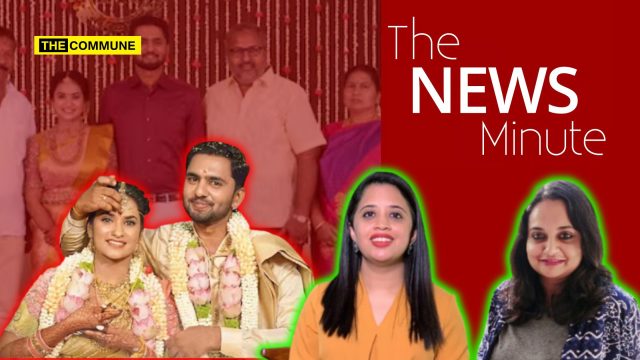
The news of the death by suicide of a newly married woman Rithanya, in Tiruppur, Tamil Nadu, sent shockwaves across the state. It is 2025 and even today to have dowry harassment-led deaths occur in a so-called developed state, should be a matter of shame.
Opinion writers should have asked why, even today, in a state that ranks high on social indicators, a young woman died due to dowry harassment just 78 days into her marriage.
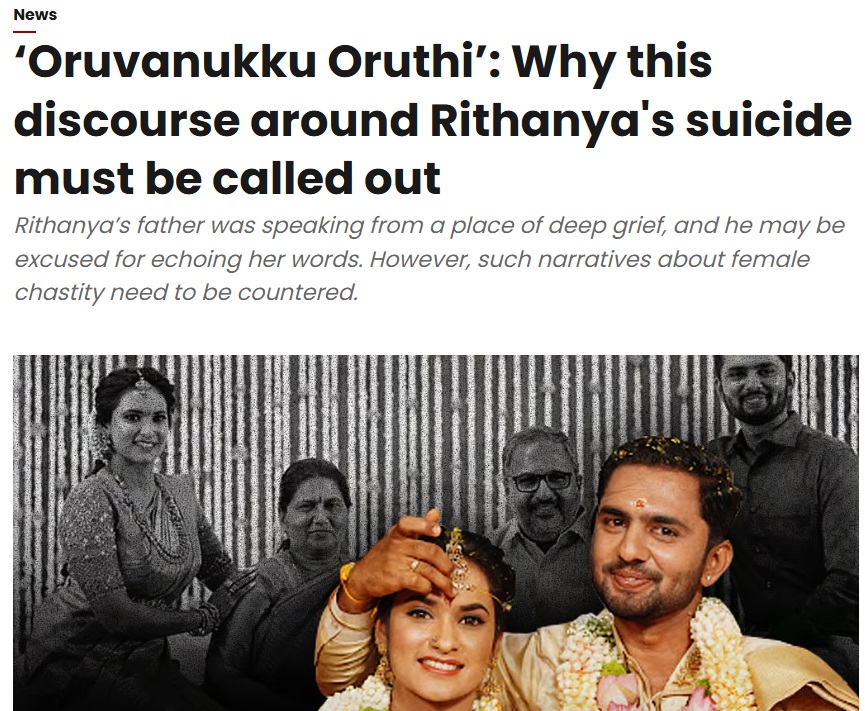
But instead, the “feminists” of the EVR ilk at The News Minute decided to pin the blame on – no, not patriarchy directly, but on… chastity!!
There was a lot of controversy over how the statements of the aggrieved father were reported by Dravidianist media. The lack of empathy among media professionals is telling. TNM, which is an unofficial mouthpiece of the DK-DMK gang, jumps on the bandwagon to mock and suppress the dying voice of the young woman.
The piece is patronizing to say the least and one can see a blatant mischaracterization of Rithanya’s last words. This is deeply disrespectful to the dead woman who can no longer speak.
The article says, “Her father, Annadurai, repeated his daughter’s words, regretting her suicide, but lauding her for upholding the principle of “oruvanukku oruthi”. “
And goes on to explain the “concept”. ““Oruvanukku oruthi” means monogamy, but the phrase is closely tied to ideas about female virginity and chastity. In this context, it implies that a woman who has been bedded by a man is somehow sullied if she sleeps with another one. Her body, once touched by a man, belongs to him, and she becomes “impure” if she walks out of that relationship and chooses a different partner.”
The extended explanation given by the writer is a tone-deaf agenda-driven projection that insults Rithanya who cannot speak for herself.
Rithanya, in her final voice notes, said her husband Kavin Kumar physically tortured her daily and that her father-in-law Easwaramoorthy and mother-in-law Chitradevi mentally abused her, saying that she could no longer live this life, that she no longer had the mental and physical strength to choose another life and she believed in “oruvanukku oruthi”. She further says that her husband’s family was putting on a very nice face in front of society and that they did nothing wrong. She also states that no matter who she tells about what happened, she is advised to endure life. Weeping, she lamented about how no one understood her pain and that she did not want to be a burden to her parents.
Making A Case For Polyamory?
The explanation given for “oruvanukku oruthi” concept by the writer – “In this context, it implies that a woman who has been bedded by a man is somehow sullied if she sleeps with another one. Her body, once touched by a man, belongs to him, and she becomes “impure” if she walks out of that relationship and chooses a different partner.” seems to make it absolutely necessary for a woman to have multiple sexual partners. Are they making a case for polyamory then? Following their ideologue EV Ramasamy Naicker’s words who “championed” for “progressive” ideas like having multiple partners, advocating illicit extramarital affairs, and have limitless sexual lives for women to break from the bondage of family and patriarchy, the writer in this article seems to be pushing for mainstreaming polyamory or rather indulge in extramarital affairs when in a marriage?
Sexual perversion is not new to Dravidianists who follow the path of EVR. TNM is right on that path and that is why you see how they twist the dead woman’s words and make “chastity” the villain for her death – out of nowhere. That is why they are “calling out” this discourse! So brave of them!
How TNM Twists Rithanya’s Words
Rithanya in her final messages states the “oruvanukku oruthi” phrase because she could have given her heart to her husband entirely and could not imagine living a new life. Her last words are not conditioned by patriarchy or chastity, but they are words of despair and hopelessness that she does not have the strength or energy to start a new life.
Who gave TNM the authority to attribute the death to chastity? Instead of addressing the problem of dowry in a state that the likes of TNM hail as a developed state, the writer chose to take the path of “virginity”.
Did Rithanya call and tell the writer, that her words meant what they have made it to be? Is it a crime to not have one after a marriage that “failed”? There are lakhs of women in India and around the world who have walked out of marriages and continued to stay single without remarrying and achieving great heights. Does the writer and TNM not acknowledge that women can live a life like that?
Rithanya’s parents stated that she would return home after incidents of abuse, only to be persuaded by her husband and in-laws with promises that the behaviour would not be repeated. But the abuse continued. After witnessing this repeated cycle, Rithanya may have felt that no one could truly help her. She could have reached out to family or friends, but as mentioned above, she found everyone around her advising her to adjust and continue her life. To conclude that she died by suicide because of notions of chastity is not only unfounded, but also extremely irresponsible.
Incorrect Parallels
The writer goes on to draw a parallel with the story of a dowry harassment victim Mofiya Parveen who chose to continue living with her husband, “According to her family, she too chose to stay back with her abusive husband, rather than walk away, believing that there was only one man she could live with in a lifetime.”
Does the writer who famously writes about avarna-savarna nonsense acknowledge that this is not a Hindu problem now? Would she dare question the Muslim community over dowry harassment?
The woman decided to live with her abusive husband because in Islam, she is as good as a burnt matchstick after marriage. The writer can probably enlighten the audience about the number of remarriages among Muslim women.
Abuse Is Not About Chastity – It’s About Power
As someone who has witnessed domestic violence closely, yours truly can say with certainty – abuse has nothing to do with purity myths. It has everything to do with control, isolation, and emotional collapse. Most survivors stay in abusive relationships not because they fear being called “impure,” but because they have been mentally broken down and feel utterly alone.
TNM and their writer has no business theorizing about a trauma they clearly do not understand. Women don’t need an academic diagnosis in the middle of their pain. Has the writer heard of the abuse cycle? Maybe she can read up about it.
And What About Women Who Misuse the System?
In recent months, many men have taken their own lives after stating that they were falsely accused by their wives under dowry laws. There are women who use these laws to harass, extort, and destroy. When such cases come up, the same TNM writers go completely silent. Why is that? Dowry laws exist for a reason – to protect women like Rithanya and Logeshwari (another young woman who died by suicide owing to dowry harassment); these laws do not exist to be manipulated. But when the likes of TNM ignore the misuse, the credibility of these laws suffers. It becomes harder for real victims to get justice. Why doesn’t TNM or this feminist writer talk about that?
TNM Silenced Rithanya by Rewriting Her
Ultimately, the writer and TNM did what they always accuse others of doing – they took away a woman’s voice and replaced it with their own. They used a grieving father’s words, twisted them, and then mocked the very sentiment behind them. Instead of asking why a woman died in one of India’s most “developed” states, why dowry still ruins lives, or why society still shames abuse survivors, they chose to write an opinion piece about virginity.
Subscribe to our channels on Telegram, WhatsApp, and Instagram and get the best stories of the day delivered to you personally.
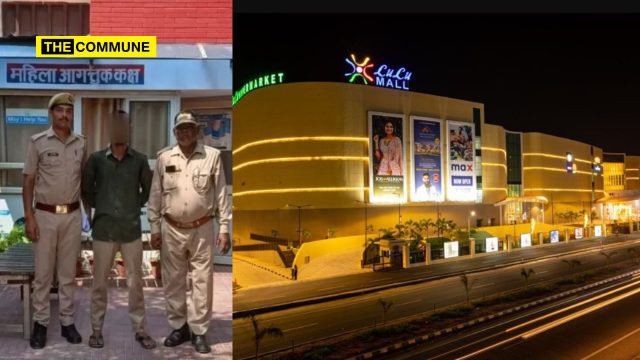
In a deeply disturbing case from Lucknow, Uttar Pradesh, a female Hindu employee at Lulu Mall has accused her manager, identified as Farhaz alias Faraz, of rape, blackmail, and coercing her to convert to Islam. The accused was subsequently arrested by police.
According to the woman’s complaint, the manager allegedly drugged her by lacing a cold drink before sexually assaulting her. He reportedly recorded the assault on video and later used the footage to blackmail her, demanding cash and jewellery. The victim also alleged that she was subjected to cigarette burns, physical abuse, and verbal assaults when she resisted his advances.
The FIR further states that Farhaz threatened to kill her and persistently pressured her to adopt Islam, warning that refusal could cost her job at the mall. He allegedly made repeated derogatory remarks about Hinduism and its deities, which left the woman emotionally and spiritually devastated.
Preliminary investigations suggest the accused might be connected to suspicious social media accounts and networks engaged in religious conversions. A cyber forensic investigation is underway to determine any wider involvement, and police are also questioning other mall staff in connection with the case.
The Deputy Commissioner of Police (North) confirmed that a case has been registered under several serious charges, including rape, criminal intimidation, and attempted forced religious conversion. The accused has been produced in court and placed in custody for further interrogation.
So far, Lulu Mall’s management has not released any public statement on the matter
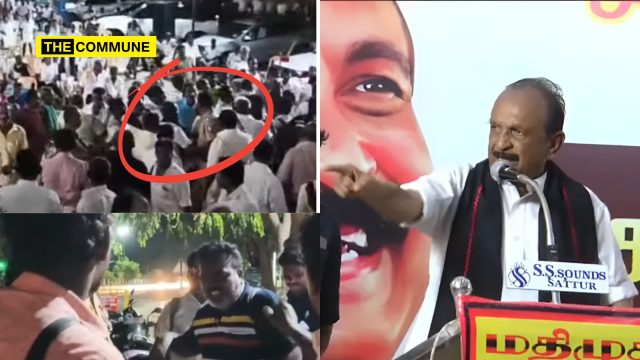
Tensions flared at a regional meeting of the Marumalarchi Dravida Munnetra Kazhagam (MDMK) held in Sathur, Tamil Nadu, on 9 July 2025, as party leader and DMK ally Vaiko lost his cool and lashed out at journalists, triggering an attack on members of the press by MDMK cadres.
According to reports, a journalist from a private news channel was injured after being manhandled by party workers during the event. The incident unfolded during Vaiko’s lengthy speech, which reportedly went on for more than an hour. As the address continued, a number of attendees exited the venue, leaving several seats unoccupied.
Video footage from the event shows Vaiko becoming visibly agitated upon noticing a cameraman capturing footage of the empty chairs. Enraged, he shouted at the journalists, accusing them of trying to project a negative image of the turnout.
“Which media outlet are you from? You’re showing empty chairs! Don’t you have any sense? Will you also show those standing outside? Take their cameras, remove the film rolls,” Vaiko is heard shouting from the stage, instructing party members to seize the journalists’ equipment.
The situation escalated as journalists began to leave the venue, only to be confronted and attacked by MDMK cadres. At least two reporters from local outlets were reportedly injured in the scuffle. One cameraman sustained a head injury during the chaos.
Despite the commotion, Sattur MLA A.R.R. Raghuraman attempted to calm the situation and reassure the journalists. The injured media person was later admitted to the Government Hospital in Sattur for treatment.
"காலி சேர்களை எதுக்கு படம் எடுக்குறீங்க.. அந்த கேமராவ புடிங்கி பிலிம் ரோலை உருவுங்க".. வைகோ பேசும் போது பாதியில் எழுந்து சென்றதை படம் பிடித்ததால் ஆத்திரம்.. செய்தியாளர்களை தாக்கி அட்டூழியத்தில் ஈடுபட்ட ம.தி.மு.கவினர்..!#Polimer | #Virudhunagar | #Vaiko | #MDMK | #Politics |… pic.twitter.com/HKH4mqP4i4
Recently, a video clipping of Kollywood director C Prem Kumar, went viral on social media. Prem Kumar, known for his film Meiyazhagan, was seen in an undated video of what looked like a discussion panel at Indian Screenwriters Conference.
He attributed the failure of Tamil films at the box office to the negative reviews by film reviewers. He said, “And Tamil cinema, what it’s facing is the negative reviews have become a big problem over there. It’s a huge problem. It is getting worse day by day, week after week. We used to have reviewers, we can call them reviewers. The breed what we have now, they’re not reviewers. It’s a different breed altogether and their target is different.”
He further said, “Because it is very uncivilized, I would say. The language what they use, the way they talk, what they target, it is very negative and they are targeting the first week. They have an agenda. So once when you target the 1st week revenue, naturally producers will come to you for their next movie. And you know the number of paid reviewers is more than 90% now. The genuine reviewers are like in fractions I would say. Even the honest reviewers I’d say, they don’t have the talent or capacity to properly review a film. It’s like hardly one or two they are able to give a good review. And they have a very niche audience who listen to them. The rest all go by the negative reviewers. It is having a big impact on the box office because they decide whether to go to the movie or not, I mean into cinema halls based on these reviews. So, that’s a huge problem we’re facing in Tamil Nadu, I don’t know about the other states. It is getting very worse and it has to be addressed. I hope the producers, either from within the state or all the states, they come together, get some regulation on this.”
"Tamil Cinema is facing a big problem with Negative reviews. Not everyone, but many reviewers are doing with an agenda to pull the film down & target the first week collection. Even honest reviewers don't have capacity to review a film" – Premkumar pic.twitter.com/zvegObMPVL
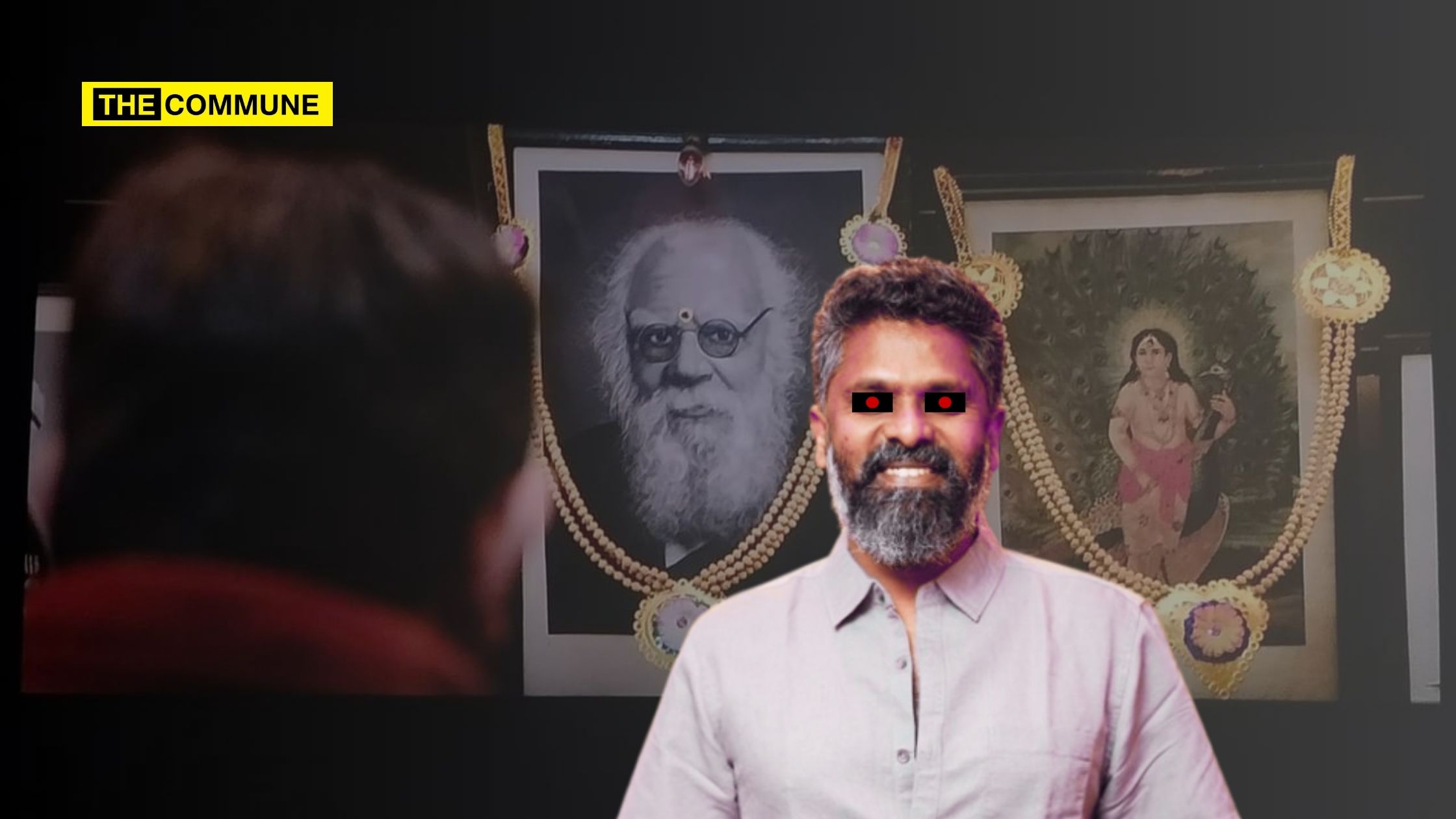
Meiyazhagan, the film that received a lot of acclaim from movie lovers, had an agenda in itself. The film had an unnecessary scene showing portraits of EV Ramasamy Naicker (hailed as ‘Periyar’ by his followers) and Hindu God Murugan in the same frame, indicating that Tamil people celebrate EVR as much as Murugan.
The film had nothing to do with EVR but he still inserted it into the film which irked film goers. Prem Kumar even justified the scene in an interview with acclaimed film critic Baradwaj Rangan. He said, “Tamil people are like that. As much as we go to a Murugan Temple, we celebrate Periyar too. He is literally like a clan deity for us. Because if he had not fought, I’m not sure if we would’ve got this much rights. A few were there before and after, but the impact that he gave is almost in our genes. Even to this generation, he’s relevant as youngsters proudly wear t-shirts that say ‘I’m Periyar’s grandson’. We should venerate him.”
The Meiyazhagan director then went on to expose the typical separatist undercurrent present in the mind of a Dravidianist, saying, “Because we’re so educated today, we’ve a fighting spirit in us, we boldly talk back. All over India, we’ve our own separate identity as Tamil Nadu. Other state people fear us. That fear comes from him.”
Kumar further went on to peddle half-truths about how EVR was not against any religion and how he is hailed as a ‘Vaikkom Veerar’.
It is to be noted that EVR had spoken derogatorily about Lord Murugan, and neither was EVR a “Vaikkom Veerar”.
Additionally, over the years, ever since the availability of internet and democratization of voices with platforms like YouTube, Instagram etc, normal cinema goers have become aware of the propaganda and real agenda behind the films doled out in Kollywood. Given that the first family of the state owns a production house, in order to survive in the industry, many if not all the members of the industry are seen pandering to the separatist and Hinduphobic agenda of the Dravidianist powers that be.
The Commune has also played a small role in exposing such agenda-driven films which has helped more and more people understand the truth. People aren’t avoiding well-made films, in fact, they actively support authentic content. But when someone like Prem Kumar resorts to blaming individuals, labeling them as uncivilized or agenda-driven, it ends up revealing more about him than about the audience.
Films like Kanguva, Thug Life, Retro, Indian 2, which bombed at the box office, bombed for a reason – pathetic film making.
So, if the likes of Prem Kumar want films to do well, they rather provide good content that people will enjoy and cherish and not dump trash on them.
Subscribe to our channels on Telegram, WhatsApp, and Instagram and get the best stories of the day delivered to you personally.
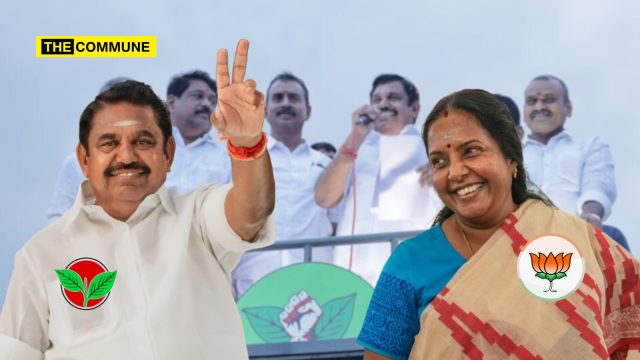
On 8 July 2025, during the second day of his campaign tour in Coimbatore, Leader of the Opposition and AIADMK General Secretary Edappadi K. Palaniswami (EPS) praised BJP South Coimbatore MLA Vanathi Srinivasan, asserting that the DMK government is incapable of answering her questions in the Tamil Nadu Assembly.
Sharing the stage with EPS as an NDA ally, Vanathi Srinivasan welcomed him warmly, calling him “the future Chief Minister of Tamil Nadu.” She criticized the DMK regime as anti-people and anti-national, highlighting the hardships faced by Coimbatore’s industrialists. “When we question the use of central funds, they claim not to have received enough. The political climate in Tamil Nadu is turbulent, like a cyclone,” she remarked.
EPS, addressing a large public gathering in Puliyakulam, called Coimbatore a bastion of the AIADMK and claimed that BJP and AIADMK cadres are committed to serving the nation. He accused the DMK of failing to bring significant development projects to Coimbatore and criticized the slow progress of the Avinashi Bridge.
Edappadi K. Palaniswami said, “Here, the respected brother S.P. Velumani mentioned that this district will prove an AIADMK fort. He also stated that various schemes were implemented during the AIADMK rule. Similarly, the respected National President of the Bharatiya Janata Party’s Women’s Wing spoke briefly here. I saw her in the assembly where she punctured the DMK. The DMK had no ability to answer the questions she asked in the assembly, they couldn’t respond. That’s how Sister Vanathi Srinivasan worked tirelessly for the people of this region.Whether it’s those belonging to the All India Anna Dravida Munnetra Kazhagam or those belonging to the Bharatiya Janata Party, they are people who dedicate themselves to the nation and work hard. They are not selfish like the DMK. We will choose and implement schemes that bring benefit to the people. The DMK is not like that. If they bring a scheme, they will only bring it after calculating what profit their own family will gain.”
He also raised concerns about worsening law and order, drug abuse, and the safety of women in the state. “Even after 50 months in power, the DMK government has failed to reduce Tamil Nadu’s mounting debt. Every newborn in the state inherits a share of this debt,” EPS said. He pointed out that over 4.6 lakh government job vacancies remain unfilled, and several government colleges still await the appointment of principals.
EPS further alleged that DMK ministers secure positions by paying monthly bribes, and accused the ruling party of trying to win elections using “looted money.” Referring to the DMK’s cash transfer scheme for women, he claimed the government expanded the scheme only due to electoral pressure from the AIADMK.
He also took aim at DMK Minister Senthil Balaji, saying he should repent before seeking public acceptance. EPS warned that those involved in the TASMAC scam would soon face jail time and labeled the DMK as the only political movement in India “founded on corruption.”
He concluded by claiming that streetlights are turned off during AIADMK rallies to obstruct their campaigns but even that won’t stop victory. “We will prove in 2026 that our alliance is a winning alliance. We will rise to save Tamil Nadu. Every alliance party must work to win under their own symbol,” he said.
Subscribe to our channels on Telegram, WhatsApp, and Instagram and get the best stories of the day delivered to you personally.