Home Blog Page 297

“₹200 Oopie”: DMK MP Wilson, TN ‘Fact Check’ Claim Hindi Ban Bill News Is Fake, DMK Family-Owned Media Had Published News
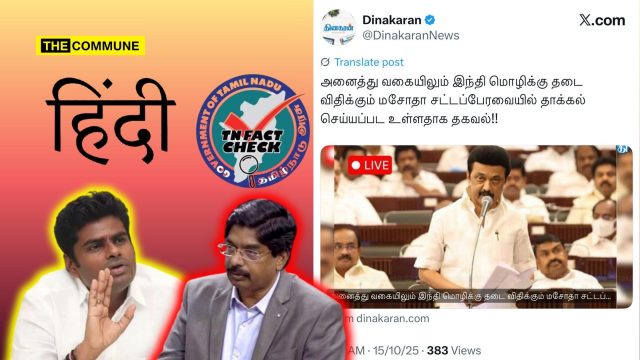
A political firestorm has erupted in Tamil Nadu after a claim about a proposed bill to “ban Hindi” in the state, leading to a sharp exchange between BJP leader K. Annamalai and DMK MP Wilson, with the state’s official fact-check unit caught in the middle.

The controversy began when Annamalai, the Tamil Nadu BJP chief, posted on X, contrasting the Andhra Pradesh Chief Minister’s announcement of a multi-billion dollar Google investment with what he termed the Tamil Nadu government’s priority of “tabling a bill & Ban Hindi.”

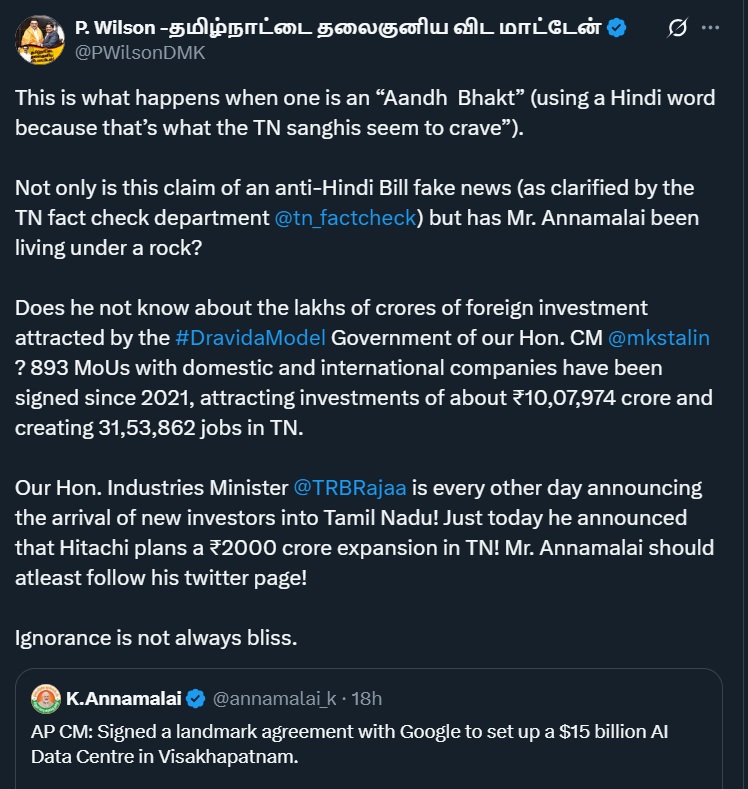
In response, DMK MP Wilson strongly refuted the claim, calling it “fake news” and citing a clarification from the TN government’s fact-check handle, @tn_factcheck. Wilson accused Annamalai of ignorance, highlighting the “lakhs of crores” of investments attracted by the DMK government’s “Dravida Model” and pointing to a recent Hitachi expansion announcement.

He wrote, “This is what happens when one is an “Aandh Bhakt” (using a Hindi word because that’s what the TN sanghis seem to crave”). Not only is this claim of an anti-Hindi Bill fake news (as clarified by the TN fact check department @tn_factcheck) but has Mr. Annamalai been living under a rock? Does he not know about the lakhs of crores of foreign investment attracted by the #DravidaModel Government of our Hon. CM @mkstalin? 893 MoUs with domestic and international companies have been signed since 2021, attracting investments of about ₹10,07,974 crore and creating 31,53,862 jobs in TN. Our Hon. Industries Minister @TRBRajaa is every other day announcing the arrival of new investors into Tamil Nadu! Just today he announced that Hitachi plans a ₹2000 crore expansion in TN! Mr. Annamalai should atleast follow his twitter page! Ignorance is not always bliss.”
Annamalai’s “₹200 Oopie” Retort and Media Evidence

Annamalai hit back with a sharp personal retort, referencing the alleged “₹200 Oopie” (a term for a cash handout) and accusing Wilson of “crawling out of his cave” after a “recent humiliation in the Supreme Court.”

Crucially, he fact-checked the fact-checkers. Annamalai posted a screenshot from Dinakaran, a newspaper owned by the DMK’s first family, which had published a report about the proposed anti-Hindi bill. He dismissed the TN Fact Check unit as an “extended arm of your party’s propaganda machinery” and accused the DMK of “testing the water” by publishing the news and then backtracking to divert from other issues. Sharing a screenshot of Dinakaran’s news item, he wrote, “Thiru Wilson, given your charges, we cannot call you a 200 Rupee Oopie, as the nincompoops who receive it might object to it. However, it is noticeable that you’ve crawled out of your cave after the recent humiliation in the Supreme Court. TN Fact Check is an extended arm of your party’s propaganda machinery, and no one takes it seriously, and you shouldn’t too. You tested the water by publishing this news in your Gopalapuram family’s newspaper and later backtracked. All to divert the humiliations in court, possibly! Regarding the announcements made by the Industries Minister, we should rather wait for the companies to confirm them, given your government’s recent track record. And, please update us on the 6,000 crore rupee investment from Dubai when you have it. Been waiting for it for 2 years now!”

Official Denial and Contradictory DMK Voices

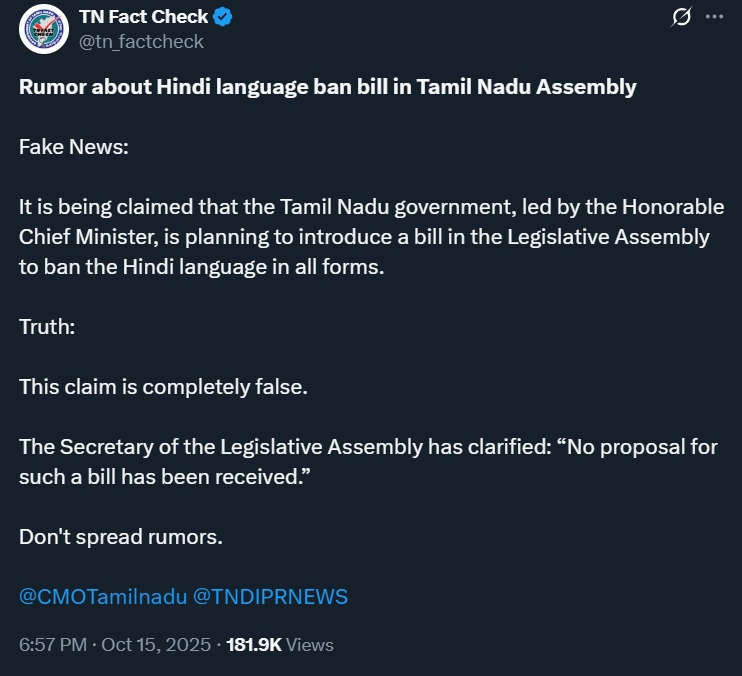
The TN Fact Check unit had officially labeled the rumor of a Hindi ban bill as “completely false,” quoting the Secretary of the Legislative Assembly who stated, “No proposal for such a bill has been received.”
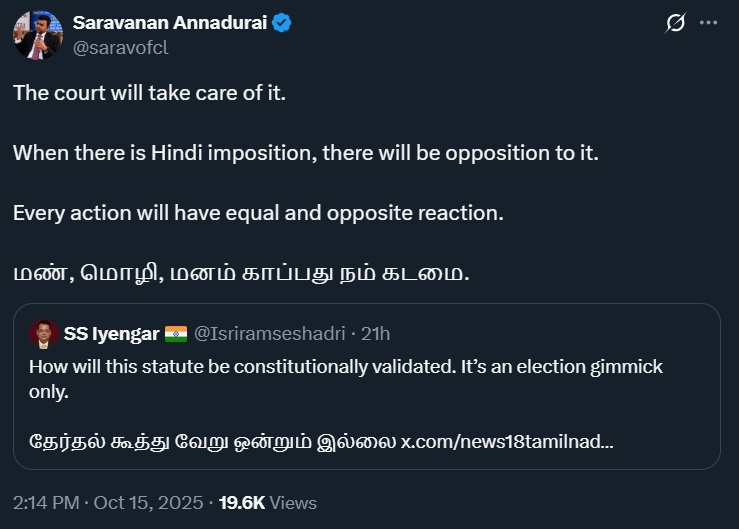
However, this denial stands in stark contrast to public statements from several DMK leaders. MP Saravanan Annadurai had voiced support for the proposed bill, posting, “When there is Hindi imposition, there will be opposition to it… Protecting our land, language, and pride is our duty”, in response to a question about how the bill could be constitutionally validated.
Other DMK leaders were also reported to have welcomed the idea of the bill, creating a clear contradiction between the party’s public rhetoric and the official government denial.

Subscribe to our channels on TelegramWhatsApp, and Instagram and get the best stories of the day delivered to you personally.

DMK Govt Backtracks On Bill To Ban Hindi Films, Songs And Hoardings In Tamil Nadu

In a dramatic turn of events on Wednesday, October 15, 2025, the Dravida Munnetra Kazhagam (DMK) government in Tamil Nadu has reportedly withdrawn plans to introduce a controversial bill aimed at banning Hindi films, songs, and hoardings across the state. The decision comes amid widespread backlash and speculation about political pressures, particularly from the Indian National Congress (INC) and its allies like RJD, in view of the upcoming Bihar elections.

According to senior journalist Rajagopalan, the anti-Hindi bill was initially set to be tabled in the Tamil Nadu Assembly, sparking immediate attention from television channels. However, the government abruptly dropped the proposal following two critical phone calls—one from Patna and another from New Delhi to Chennai.

The calls, possibly involving Congress leader Rahul Gandhi and RJD leader Tejashwi Yadav, raised alarms about the potential loss of support in Bihar, a key Hindi-speaking state ahead of upcoming elections. His tweet suggests that the DMK may have succumbed to pressure from the INDI bloc to retract the bill.

The proposed legislation had ignited fierce online debates, with fears that it could disrupt cultural exchanges and economic opportunities, particularly in Tamil Nadu’s burgeoning global capability centers (GCCs) and white-collar job sectors. Critics labeled the move as regressive, with some expressing hope that the rumor was untrue, citing potential setbacks to the state’s economic ambitions. The DMK’s decision to stall the bill, confirmed by sources and reported by India Today, followed an emergency meeting with legal experts, emphasizing compliance with constitutional limits. Senior DMK leader T.K.S. Elangovan clarified the party’s stance, stating, “We won’t do anything against the Constitution. We will abide by it. We are against the imposition of Hindi.”

The rapid reversal, however, has left many questioning the motives behind the initial proposal and its subsequent withdrawal.

With just 6-7 months for Tamil Nadu Assembly Elections, political observers note that the DMK is using the same old anti-Hindi politics to cover up their failure in governance – from Karur Stampede Tragedy to Kallakurichi hooch tragedy and rising drug menace.

Subscribe to our channels on TelegramWhatsApp, and Instagram and get the best stories of the day delivered to you personally.

Kerala-Based Malabar Gold & Diamonds Seeks Jail For Critics Who Highlighted Its Collaboration With Pakistani Influencer Who Called Operation Sindoor As ‘Cowardly’

malabar gold pakistani influencer

Malabar Gold & Diamonds, a major Indian jewellery retailer, is facing intense public backlash and a legal battle following its decision to invite a social media influencer, known for her anti-India stance, to a high-profile event in the UK.

The controversy stems from the company’s inauguration of its newly expanded showroom in Birmingham on 6 September 2025. The event, headlined by Bollywood actress Kareena Kapoor Khan, also included an invitation to Alishba Khalid, an Instagram influencer whose social media history contains posts condemning India and supporting Pakistan.

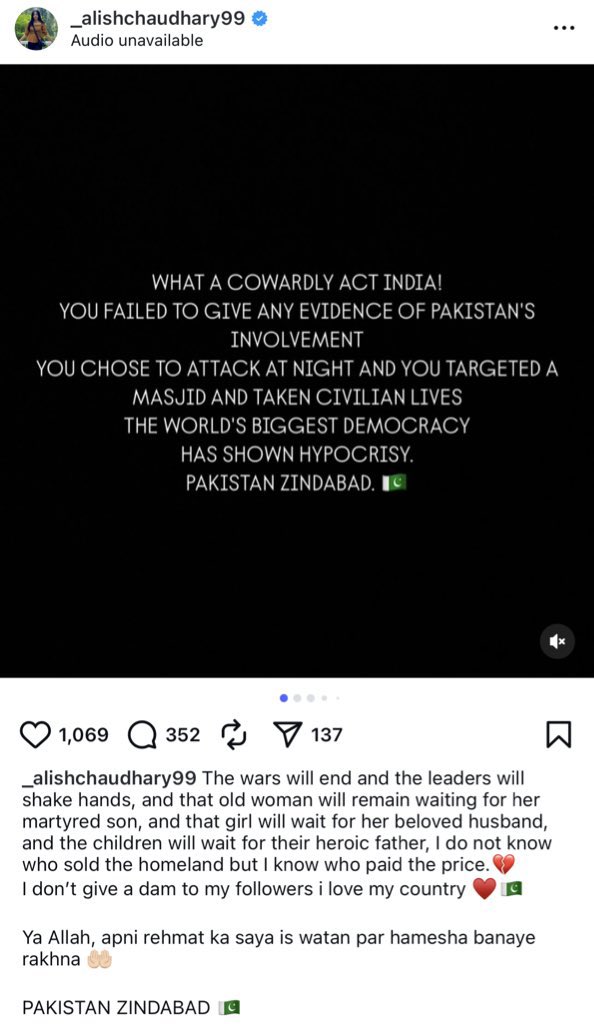
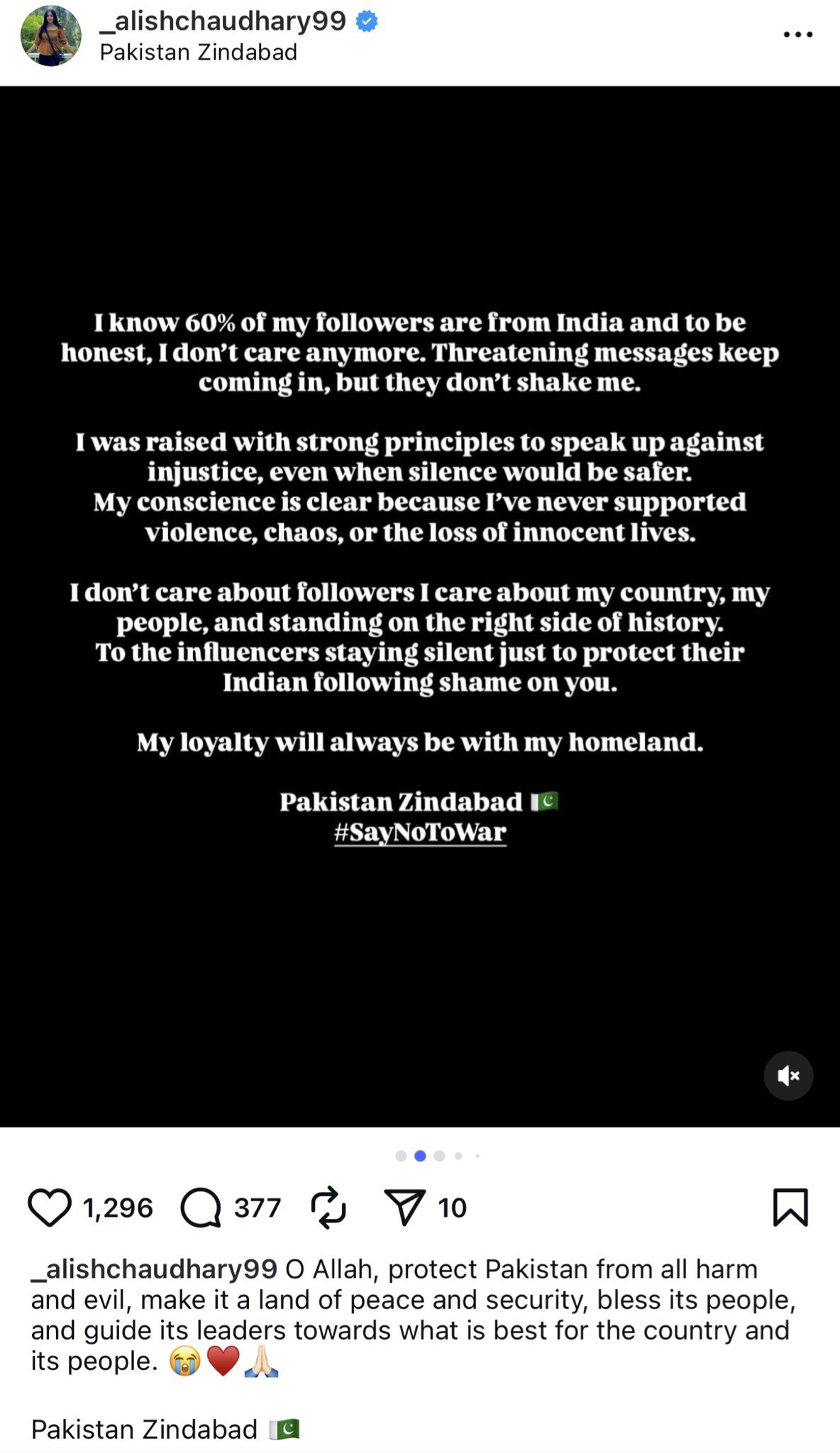
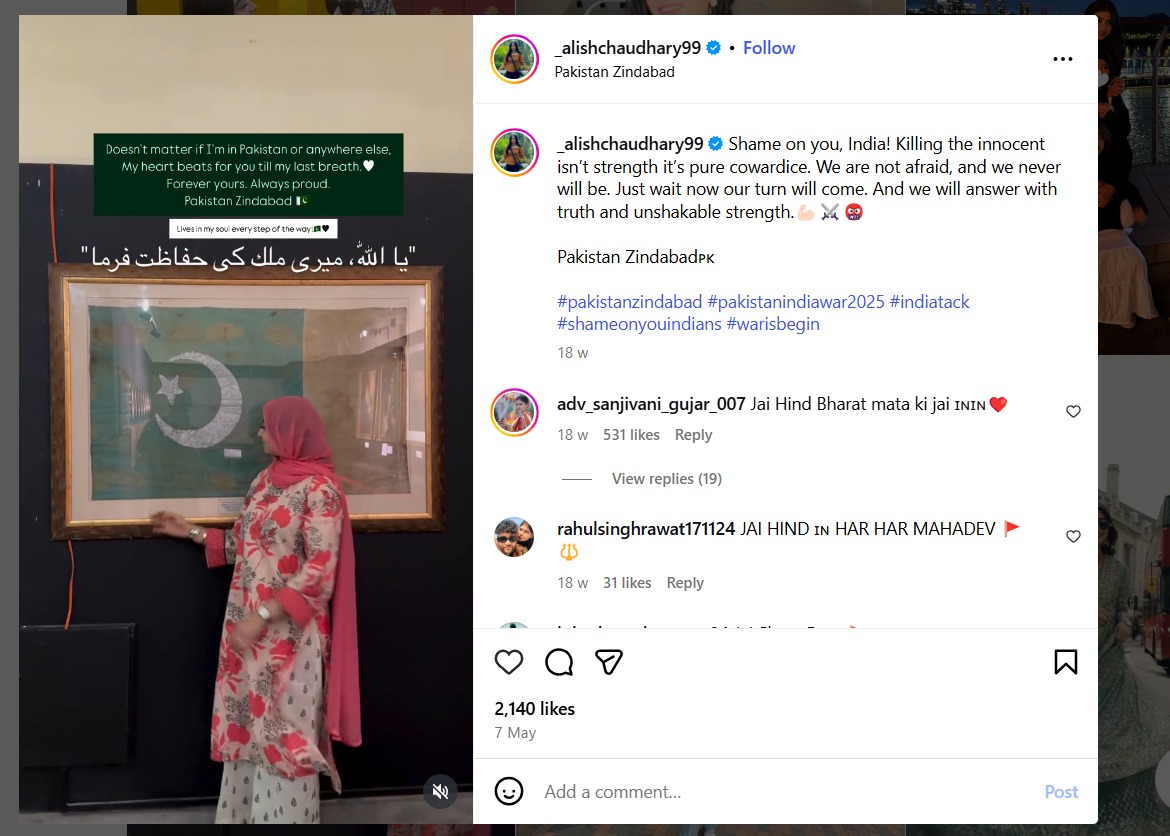
Khalid’s now-deleted posts from May 2025, which have been widely circulated, criticized India’s ‘Operation Sindoor,’ labelling it a “cowardly act” and ending with “PAKISTAN ZINDABAD.” In other posts, she expressed indifference to her Indian followers and issued statements interpreted as threats, such as, “Just wait now our turn will come. And we will answer with truth and unshakable strength.”

Company Responds with Lawsuit, Not Apology

Instead of issuing a public apology amid the growing outcry, Malabar Gold & Diamonds, owned by M.P. Ahammed, sought legal recourse. The company filed a suit in the Bombay High Court, seeking an injunction to remove what it called “defamatory” social media posts that linked the brand to the influencer’s political views.

During a hearing on 29 September 2025, before Justice Sandeep V. Marne, the company’s counsel argued that Khalid’s engagement was arranged by a third-party agency, JAB Studios, and was finalized before the Pahalgam attack and her subsequent controversial posts. The counsel contended the company was unaware of her anti-India stance at the time and has since severed ties. They alleged the online campaign was a “strategic move by competitors” to damage their business during the festive season.

The court granted an ad-interim injunction in favour of Malabar Gold, ordering several social media platforms to take down 442 identified URLs and to prevent further publication of the material.

Backlash Intensifies as Critics Accuse Company of Silencing Dissent Seeking Jail

The legal move has intensified the debate, with critics arguing the company is using the court to silence public criticism over its vetting process rather than addressing the core issue of its association with the influencer.

Prominent among the critics is Vijay Patel (Twitter handle @vijaygajera), who has been vocal in his condemnation. In a tweet on 3 October 2025, he stated, “Instead of being ashamed, the Malabar group… reached court.”

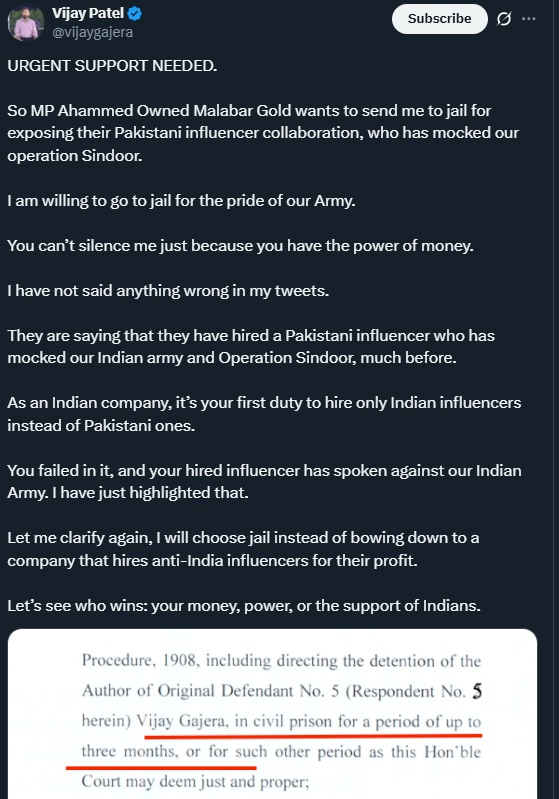
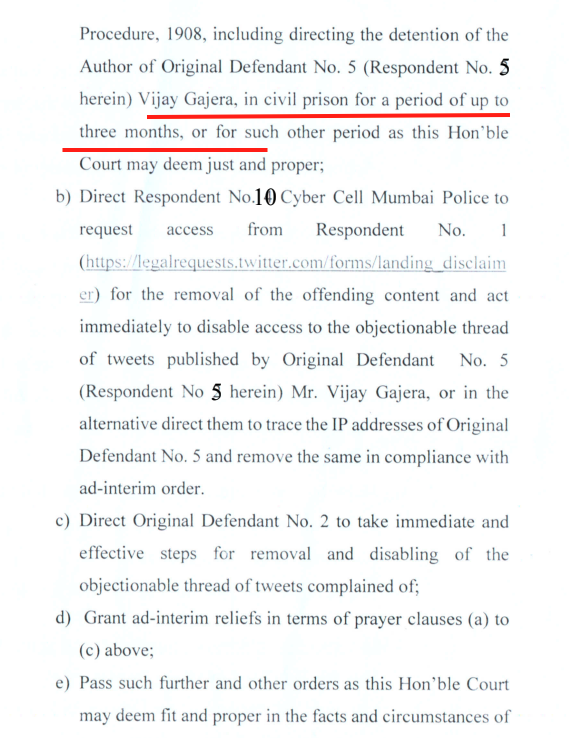
Patel has since posted that the company’s legal notice threatens him with potential detention in civil prison for up to three months for his tweets. In a defiant response, he wrote, “I am willing to go to jail for the pride of our Army… Let’s see who wins: your money, power, or the support of Indians.”

The legal notice, excerpts of which he shared online, seeks directions for his detention “in civil prison for a period of up to three months,…” and the removal of his tweets, framing them as non-compliant with the court’s order.

Subscribe to our channels on TelegramWhatsApp, and Instagram and get the best stories of the day delivered to you personally.

Delhi High Court Relaxes Karti Chidambaram’s Bail Condition, Allows Foreign Travel With Prior Intimation

Delhi High Court Relaxes Karti Chidambaram’s Bail Condition, Allows Foreign Travel With Prior Intimation

The Delhi High Court on 15 October 2025 relaxed the bail condition for Congress MP Karti Chidambaram in the INX Media corruption case, allowing him to travel abroad with prior intimation to the Court and the CBI. The MP is required to give at least two weeks’ notice before his travel and share his complete travel itinerary.

Justice Ravinder Dudeja also directed Chidambaram to attend all court proceedings regularly and not attempt to protract the trial. “The application is allowed and disposed of in aforesaid terms,” the Court said. A detailed order is awaited.

“The petitioner shall not leave India without prior permission of the Trial Court; he shall deposit his passport with the Trial Court, if not deposited so far,” the direction read.

Senior Advocate Siddharth Luthra appeared for Karti Chidambaram, along with Advocates Arshdeep Singh and Akshat Gupta. The CBI was represented by SPP Anupam S Sharma.

Karti Chidambaram had been granted bail by a coordinate bench in March 2018, with the condition that he seek the trial court’s permission before traveling abroad. The CBI had opposed the application, citing the precedent of fugitive businessman Vijay Mallya, but the Court noted that Chidambaram, being an MP, was not a flight risk. The Court had previously held that there was no possibility of him fleeing justice, given his family background and societal roots.

The FIR, registered on 15 May 2017, named INX Media Pvt. Ltd., Karti Chidambaram, and others under Sections 120B and 420 of the IPC, along with Sections 8, 12(2), and 13(1)(d) of the Prevention of Corruption Act, 1988. Since the offences fall under the Schedule of the Prevention of Money Laundering Act (PMLA), a case was also registered by the Directorate of Enforcement on 18 May 2017.

The investigation alleged that Indrani Mukherjea and Pratim Mukherjea, Director and COO of INX Media, conspired with Karti Chidambaram to obtain excess FDI and downstream investments without Foreign Investment Promotion Board (FIPB) approval. Officials of the FIPB Unit, Department of Economic Affairs, were allegedly influenced by Karti Chidambaram, resulting in undue favours to INX Media.

The probe also revealed that Karti Chidambaram received proceeds from these transactions through shell companies linked to him. A fake invoice dated 26 June 2008 for Rs. 11,23,600 was raised in the name of ASCPL, a company beneficially owned by him, for consultancy services to INX Media. Investigators also found four more fake invoices totaling approximately US $700,000 (Rs. 3.2 crore) raised in September 2008.

(Source: LiveLaw)

Subscribe to our channels on TelegramWhatsApp, and Instagram and get the best stories of the day delivered to you personally.

Delhi High Court Summons Newslaundry In Defamation Suit Filed By Eduquity

Delhi High Court Summons Newslaundry In Defamation Suit Filed By Eduquity

The Delhi High Court on 15 October 2025 issued summons to digital news platform Newslaundry in a defamation suit filed by Eduquity Career Technologies Pvt. Ltd., a company that provides examination and assessment solutions to corporate, government, and educational institutions.

The defamation case pertains to an article published by Newslaundry in 2024 titled “Years before NEET row, NTA contracted 2 exam firms with murky record.” Eduquity has alleged that the article contains false and defamatory statements damaging its professional reputation.

Justice Jyoti Singh of the Delhi High Court directed Newslaundry to file its written statement in response to the suit. The Court also issued notice on Eduquity’s application seeking interim injunction against the publication, asking Newslaundry to refrain from further circulation of the impugned content until the matter is decided.

During the hearing, counsel for Eduquity argued that several defamatory videos have recently been circulated on social media referring to and amplifying the allegations made in Newslaundry’s article. The counsel said these videos have further harmed the company’s reputation by repeating the claims from the story.

The article in question alleged that Eduquity’s name had surfaced in connection with several paper leak and cheating cases. It claimed that in 2022, Eduquity was contracted to conduct the Madhya Pradesh Teacher Eligibility Test (MP TET) but had allegedly taken a commission and subcontracted the task to Rajasthan-based Sai Educare Private Ltd., after which the exam paper was leaked and widely circulated on social media.

The article further alleged that the following year, Eduquity was again awarded a contract to conduct patwari recruitment exams in Madhya Pradesh, which too faced complaints of cheating and irregularities.

Responding to the Court’s query on whether Newslaundry had verified the allegations before publishing the article, counsel for the media platform stated that the article was over a year old and that Newslaundry was claiming truth as its defence under defamation law.

Earlier this year, Eduquity Career Technologies became the new vendor for the Staff Selection Commission (SSC), replacing Tata Consultancy Services (TCS) as the agency responsible for conducting national-level recruitment examinations.

After hearing both sides, the Court proceeded to issue summons to Newslaundry and notice on the interim relief application. The matter will be taken up next after Newslaundry files its response.

(Source: LiveLaw)

Subscribe to our channels on TelegramWhatsApp, and Instagram and get the best stories of the day delivered to you personally.

Deepavali: Delhi Can Burst Crackers For 3 Hours But Dravidian Model Tamil Nadu Home To Sivakasi Fireworks Can Only Burst For 2 Hours

The Supreme Court on Wednesday (15 October 2025) relaxed the blanket ban on firecrackers in Delhi-NCR, allowing residents to burst green crackers for four hours on Diwali – two sessions between 6 AM and 7 AM, and 8 PM and 10 PM. The apex court said that the decision was made to strike a balance between festive celebration and environmental concerns.

Chief Justice of India BR Gavai, while reading out the order, observed that firecrackers are often smuggled into Delhi-NCR, causing more damage than approved green crackers. “We have to take a balanced approach, permitting it in moderation while not compromising with the environment,” he said.

A bench of Justices BR Gavai and K Vinod Chandran clarified that only certified green crackers with QR codes can be manufactured, sold, and used in Delhi-NCR. The sale period has been fixed between October 18 and 20, and the bursting of crackers will be permitted from October 18 to 21.

Police officers, in consultation with the district administration, will form patrol teams that include members of the State Pollution Control Board to monitor designated points of sale. These teams will ensure that only QR-coded green crackers are sold, and that no firecrackers from outside Delhi-NCR are brought into the region.

In the event of violations, licences and registrations of the offenders will be revoked, and strict punitive action will follow. Firecrackers containing barium or any other banned substances will not be permitted. The sale and purchase of crackers via e-commerce platforms have also been prohibited.

The Central and State Pollution Control Boards have been directed to monitor air quality from October 14 to 25 and submit detailed reports to the Supreme Court. The next hearing is scheduled three weeks later.

The order comes days after the Supreme Court reserved its verdict on petitions filed by the Centre and the Delhi government seeking permission to manufacture and sell green firecrackers during the festive season. The Centre had proposed similar limited relaxation windows for Diwali, Christmas, and Guru Purab.

Earlier, the Delhi Pollution Control Committee (DPCC) had imposed a year-round ban on the manufacture, storage, sale, and bursting of all firecrackers, including green ones.

Dravidian Model TN

In stark contrast, the Tamil Nadu government has maintained its long-standing restriction, allowing firecrackers to be burst for only two hours on Diwali day from 6 AM to 7 AM and from 7 PM to 8 PM.

A government notification stated, “Diwali is a festival celebrated with joy by the people. On this festival, everyone from children to adults burst firecrackers to express their joy. At the same time, the bursting of firecrackers pollutes the land, water, and air around us to a great extent.”

The order added that excessive noise and air pollution cause physical and mental distress to children, the elderly, and the sick.

Citing the Supreme Court’s 2018 verdict, which mandated that only environmentally friendly “green crackers” be manufactured and sold, the Tamil Nadu government said it has been following the same time restrictions every year since 2018.

“This year too, on the day of Diwali, like last year, firecrackers should be burst only between 6 AM and 7 AM and between 7 PM and 8 PM,” the statement said.

While Delhi-NCR residents have been granted a four-hour window by the Supreme Court to celebrate Diwali, Tamil Nadu’s “Dravidian Model” administration has chosen to stick to its more restrictive two-hour schedule, drawing criticism from those who see it as selective enforcement that dampens Hindu festivities in the state.

(Source: India Today)

Subscribe to our channels on TelegramWhatsApp, and Instagram and get the best stories of the day delivered to you personally.

“Sonam Wangchuk Indulged In Activities Prejudicial To State Security”: Leh DM Tells Supreme Court

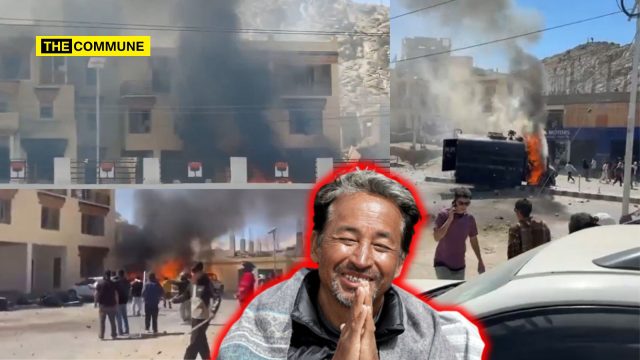
'Climate Activist' Sonam Wangchuk’s Hunger Strike Turns Violent, BJP Office, CRPF Vehicle Torched; Blames Gen-Z While Hiding HIAL Land Defaults leh violence ladakh protest arrest

The District Magistrate (DM) of Leh has informed the Supreme Court that Ladakhi ‘climate activist’ Sonam Wangchuk was detained under the National Security Act (NSA), 1980, for allegedly engaging in activities “prejudicial to the security of the State, maintenance of public order, and services essential to the community.”

The statement was made in an affidavit filed before a Supreme Court bench comprising Justices Aravind Kumar and N. V. Anjaria. The affidavit was submitted in response to a petition filed by Wangchuk’s wife, Gitanjali Angmo, challenging his preventive detention under the NSA.

In the affidavit, the Leh DM stated, “The order of detention came to be passed by me after duly considering the material placed before me, as mandated under law, and after arriving at a subjective satisfaction on the circumstances that prevailed within the local limits of the jurisdiction.”

The affidavit further asserted that Wangchuk had been involved in actions deemed prejudicial to public order and state security. “Wangchuk had been indulging in activities prejudicial to the security of the State, maintenance of public order, and services essential to the community, as mentioned in the grounds of detention. I was satisfied and continue to be satisfied with the detention of the detainee,” the magistrate said.

The DM also informed the court that Sonam Wangchuk was detained on 26 September 2025 and “categorically informed both of the factum of his detention under the National Security Act, 1980, as well as the factum of his transfer to Central Jail, Jodhpur, Rajasthan.”

Addressing procedural compliance, the DM stated that the communication of the grounds of detention, as required under Section 8 of the NSA and Article 22 of the Constitution, was duly carried out. “Procedural safeguards under Article 22 as incorporated in Section 8 of the National Security Act, 1980, particularly and the National Security Act in general, have been faithfully and strictly adhered to,” the affidavit added.

The Supreme Court is hearing the petition challenging Wangchuk’s detention with activists and civil society groups demanding his release.

(Source: OpIndia)

Subscribe to our channels on TelegramWhatsApp, and Instagram and get the best stories of the day delivered to you personally.

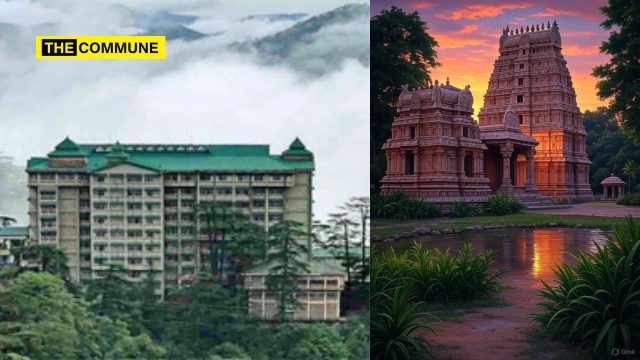
Himachal Pradesh High Court Rules Temple Funds Cannot Be Diverted To Govt Schemes Or Non-Religious Activities

Himachal Pradesh High Court Rules Temple Funds Cannot Be Diverted To Govt Schemes Or Non-Religious Activities

The Himachal Pradesh High Court has ruled that temple funds cannot be diverted, transmitted, or donated to government welfare schemes or activities unrelated to temples or religion, emphasizing that donations are made by devotees with the expectation that they will be used for deities, temple maintenance, and promotion of Sanatana Dharma.

A division bench comprising Justices Vivek Singh Thakur and Rakesh Kainthla delivered a detailed 38-page judgment on Friday (10 October 2025), which was made public on Tuesday (14 October 2025), while disposing of a civil writ petition seeking proper utilisation of temple funds under the Hindu Public Institutions and Charitable Endowments Act, 1984.

The court clarified that temple funds must be strictly used for the care and maintenance of deities, upkeep of temple spaces, and promotion of Sanatana Dharma. Observing the sanctity of devotees’ contributions, the bench stated: “The devotees offer donations to temples and through them to the divine with the clear belief that these would be used only for care of deities, maintaining temple spaces and promotion of Sanatana Dharma, and when the government appropriates these sacred offerings, it betrays that trust.”

The court stressed that every rupee of temple funds must be used exclusively for religious purposes or dharmic charity and cannot be treated like general state revenue. It listed specific instances where temple funds cannot be spent, including construction of roads, bridges, and public buildings intended for the state; government welfare schemes; investment in private businesses or industries for profit; purchase of vehicles for commissioners, temple officers, or others; and buying gifts or mementoes for VIP visitors, including chunni (scarf) and prasadam.

Temple officers and commissioners may claim reimbursement for legitimate temple-related expenses, but only at government rates for official vehicle use. To ensure transparency, the court directed all temples to publicly display monthly income and expenditure, projected funds from donations, and audit summaries on temple notice boards.

The bench clarified that temple trustees are custodians, with the deity recognized as a juristic person and the funds belonging to the deity, not the government. Any misuse of funds would constitute criminal breach of trust, and trustees found misutilising funds would be personally liable for recovery.

The petition was filed by Kashmir Chand Shadyal, seeking directions for strict compliance with statutory provisions regarding budget preparation, account maintenance, and expenditure under the 1984 Act. The court issued comprehensive instructions to prevent diversion of temple funds and safeguard the trust of devotees.

(Source: Law Trend)

Subscribe to our channels on TelegramWhatsApp, and Instagram and get the best stories of the day delivered to you personally.

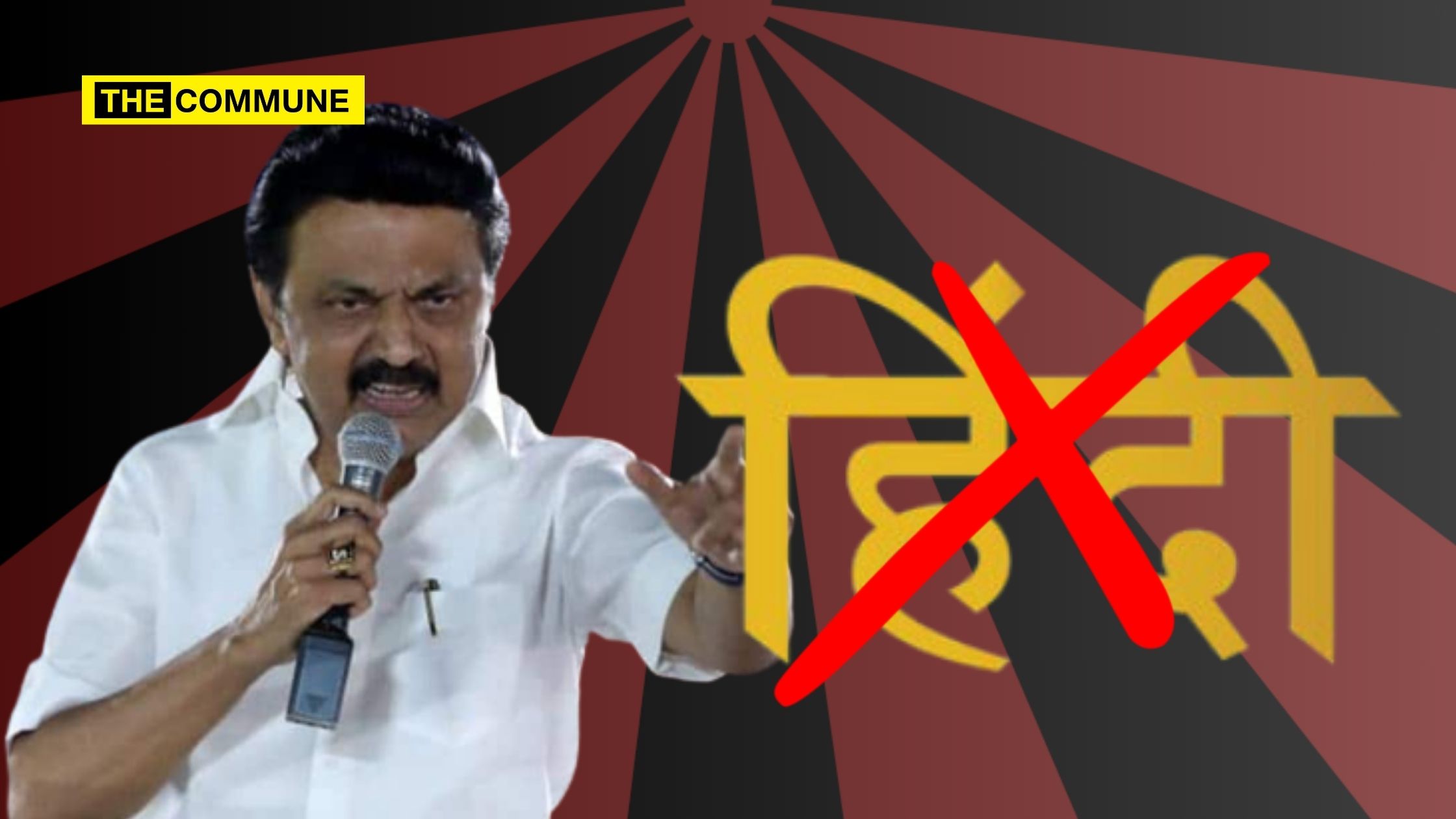
DMK Govt To Introduce Bill Banning Hindi Hoardings, Movies, And Songs

stalin hindi ban dmk

The Tamil Nadu DMK government is set to table a bill in the state assembly on 15 October 2025, seeking to ban the imposition of Hindi across the state, sources said. The legislation aims to prohibit Hindi hoardings, boards, movies, and songs, with officials emphasizing that the move will comply with the Constitution. An emergency meeting with legal experts was reportedly held last night to review the proposed legislation.

Senior DMK leader TKS Elangovan stated, “We won’t do anything against the Constitution. We will abide by it. We are against the imposition of Hindi.”

The bill has drawn criticism from opposition leaders. BJP’s Vinoj Selvam called the move “stupid and absurd,” adding that language should not be politicized. He further alleged that the DMK, facing controversies in recent court cases including Thiruparankundram, the Karur probe, and the Armstrong murder investigation, is using the language issue to divert public attention from the contentious Foxconn investment matter.

Earlier in March, the MK Stalin-led government had replaced the national rupee symbol (₹) with the Tamil letter ‘ரூ’ (ru) in the 2025–26 state budget logo. The decision attracted criticism from BJP leaders and Union Finance Minister Nirmala Sitharaman, though the DMK defended the change as a move to promote the Tamil language rather than reject the national symbol.

(Source: India Today)

Subscribe to our channels on Telegram, WhatsApp, and Instagram and get the best stories of the day delivered to you personally.
Pallywood Actor Dies, Mohammed Zubair Cries

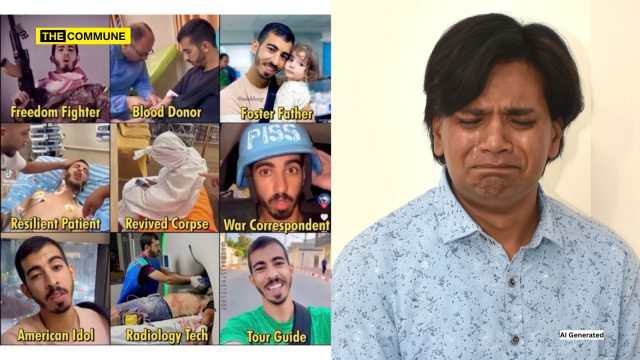
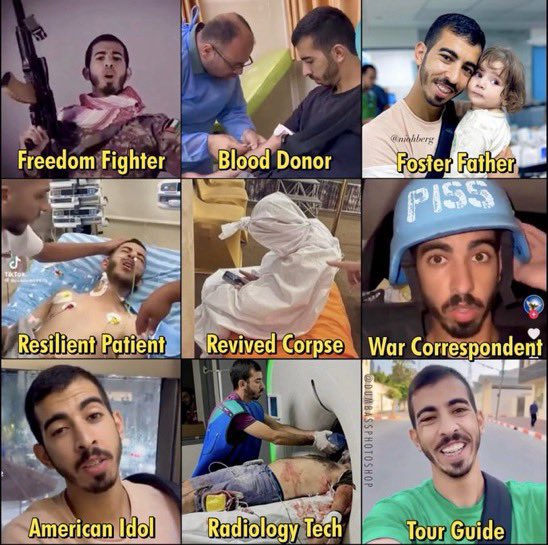
Saleh Al-Jafarawi, a 27-year-old Palestinian influencer and ‘Pallywood actor’ widely known online as “Mr FAFO”, was reportedly killed on Sunday, 12 October 2025, amid violent clashes between Hamas and rival Palestinian factions in Gaza City. Jafarawi, who amassed over 6 million Instagram followers, became infamous for his staged videos during the ongoing Israel-Hamas conflict, including posing as a doctor, a wounded patient, a fighter, and a journalist.

Jafarawi was reportedly accompanying Hamas’s “Saham” unit during clashes with the Doghmosh clan in Gaza City when he was killed by unknown assailants. The circumstances of his death remain unclear. Palestinian-American activist Ahmed Fouad Alkhatib suggested multiple possibilities, including Hamas targeting him to seize his digital assets, retaliation by the Doghmosh clan, or anti-Hamas fighters acting against a known propagandist. Reports indicate that his body showed signs of torture.

 The death drew mixed reactions. Some Israelis cheered the news, describing him as a propagandist who incited anti-Israel sentiment.

It is noteworthy that Jafarawi celebrated the deadly October 7 Hamas terror attack on Israel.

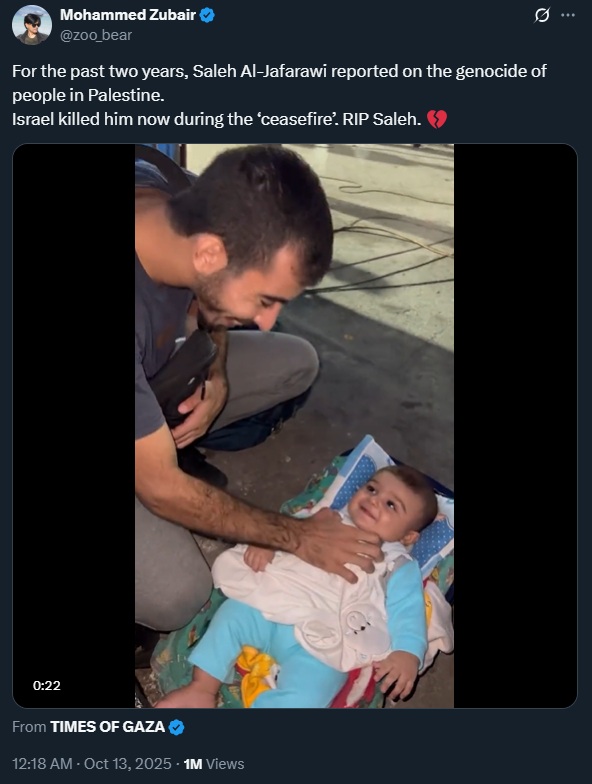
In contrast, Mohammed Zubair, the alleged fact-checker, expressed grief on social media, writing: “For the past two years, Saleh Al-Jafarawi reported on the genocide of people in Palestine. Israel killed him now during the ‘ceasefire’. RIP Saleh.”

Critics accused him of spreading Hamas propaganda and of embezzling an estimated $10 million in donations intended to rebuild the Al-Nasr Children’s Hospital, with suspicions that funds were funneled to Hamas. In March 2025, he was accused by the Palestinian Health Ministry in Ramallah of embezzling funds intended to rebuild Al-Nasr Children’s Hospital. Jafarawi launched a campaign claiming to raise $10 million, using the ministry’s logo and Kuwait Society for Relief branding. The ministry denied any involvement and warned against misuse of its name. The campaign, still active in March, drew outrage from Palestinians, with many accusing him of diverting funds to Hamas. Jafarawi was known for performing in staged propaganda videos, dubbed “Pallywood.”

Jafarawi’s notoriety stemmed from his performative videos, which many labeled “Pallywood”, staged content presenting dramatized conflict scenes. He “died” multiple times but came back alive over and over again. He played multiple roles – that of a reporter, a radiologist, a patient, MRI technician, singer, claimed his dad was on his death bed, blood donor,

At times, he even played the role of a cook.

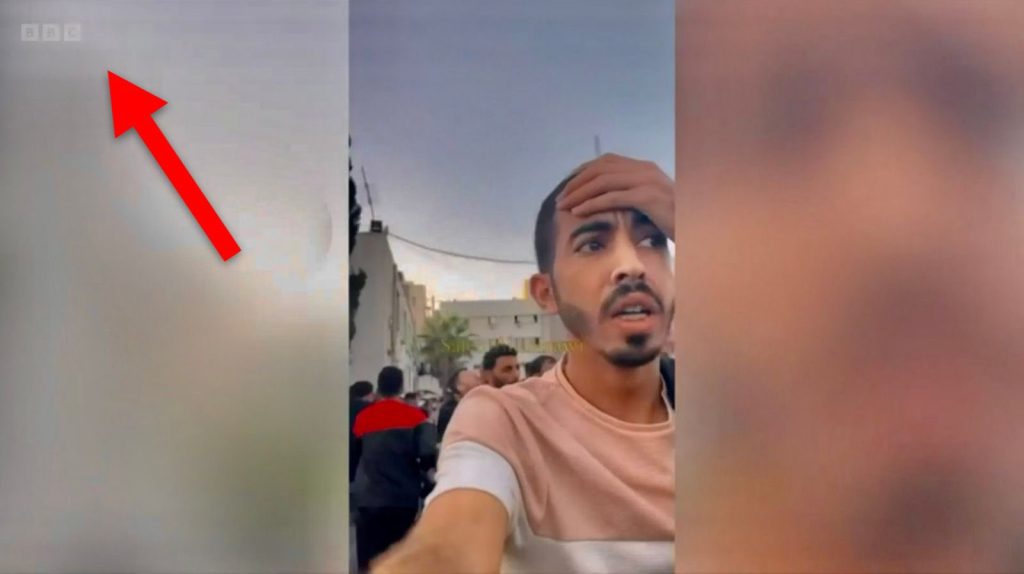
Even the BBC aired his fake reporting.

Following his death, even Instagram removed Saleh Al-Jafarawi’s account which had 4.5 million followers, and archived snapshots on the Wayback Machine appear disabled.

(Source: Times of India)

Subscribe to our channels on TelegramWhatsApp, and Instagram and get the best stories of the day delivered to you personally.