Home Blog Page 1614

Complaint lodged against Tamil film actor Vimal for allegedly demolishing Karuppasamy Temple in Trichy

Feature Image Courtesy: Polimer News, cinestaan.com

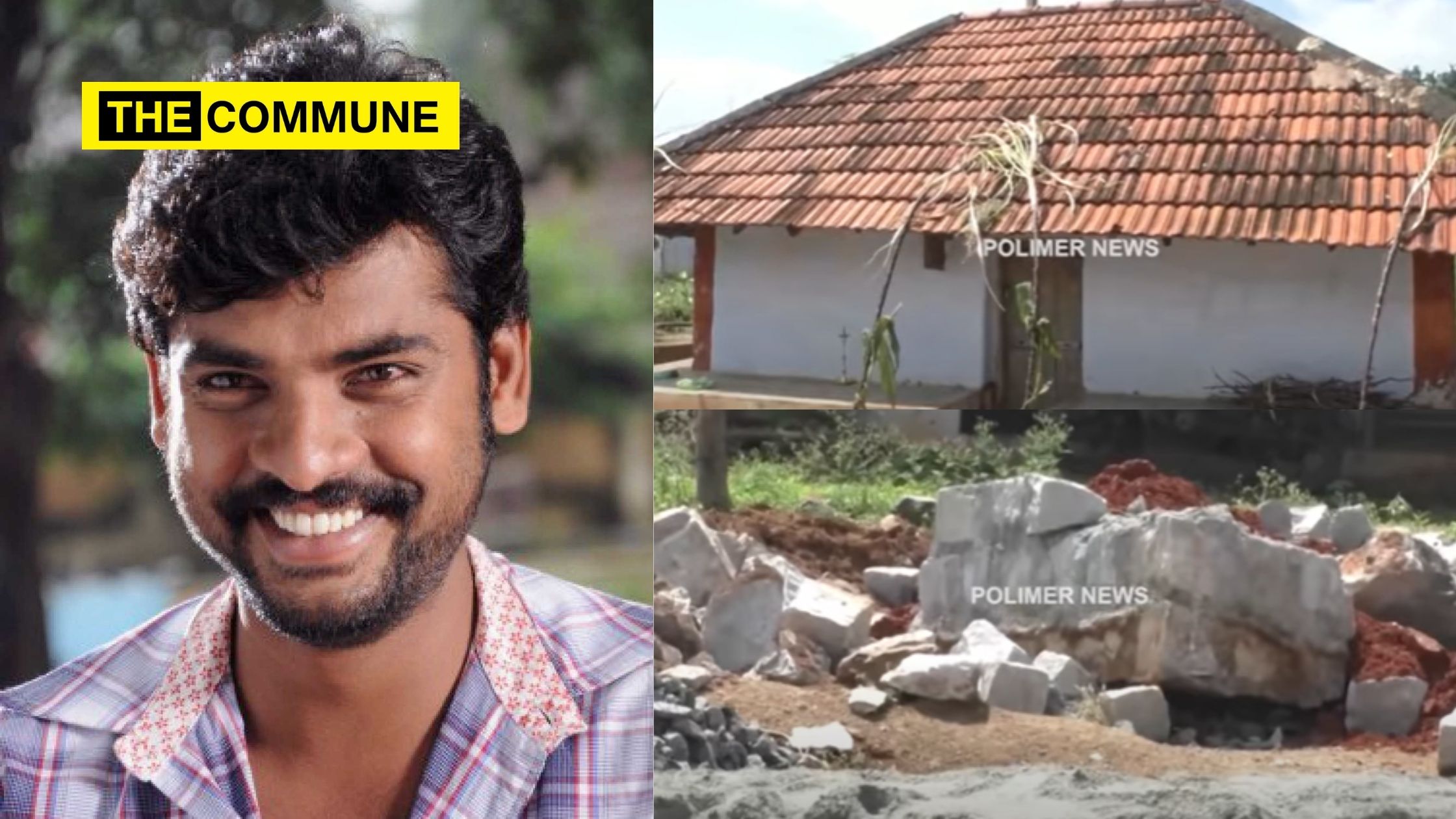
A complaint has been lodged with the police against actor Vimal and his family for demolishing the Karuppasamy temple in Manapparai. Actor Vimal, who became famous for his role in the film Kalavani, hails from Pannangombai village near Manapparai. He owns an ancestral land and house in this village. A temple dedicated to the Karuppasamy deity had been present on a piece of land frequented by the villagers and other people from the nearby region.

The people of the area had been worshipping Karuppasamy by lighting lamps on the ledge next to the temple. In the last few days, the people of the village had erected another small pillar near the region where the lamps had been lit. A mob of 7 people, including actor Vimal, who did not like this is said to have demolished the Karuppasamy Temple and the lamps with a JCB equipment overnight.

According to locals, on the 13th of January, actor Vimal and his family took away items from the temple, including a vel, which was kept in the temple. Police have registered a case and are investigating following a public complaint.

This is not the first time that actor Vimal finds himself in a controversy. Earlier, a complaint was filed against the actor for assaulting another actor.

Famed yesteryear actor Unnikrishnan Namboothiri passes away

Feature Image Courtesy: India TV News

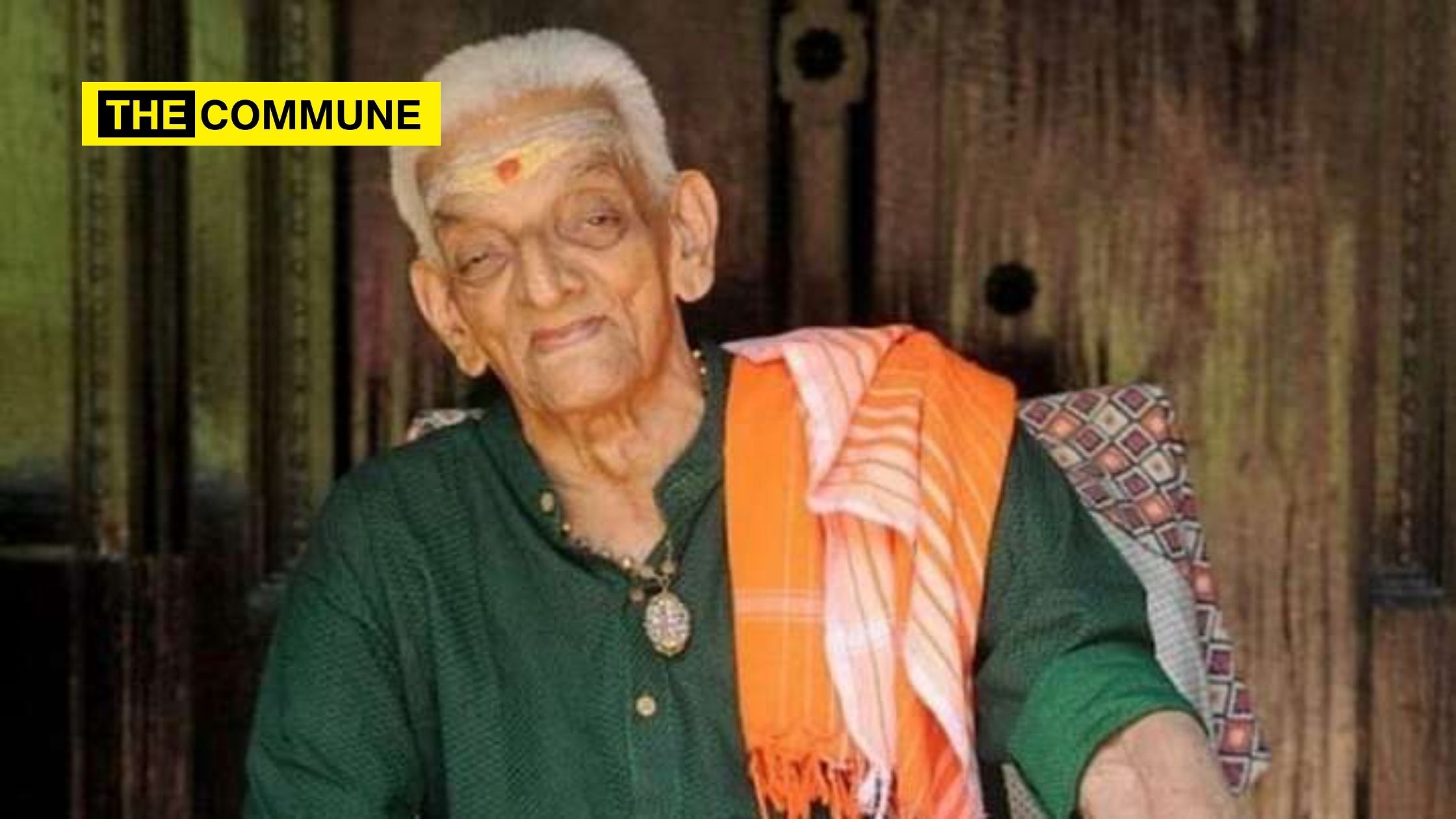
Famed yesteryear actor Unnikrishnan Namboothiri, who has acted in many famous movies like Kalyanaraman and Pammal K Sambandham passed away at 98 on Wednesday. He had only just recovered from COVID and had gotten discharged the previous day. He had been hospitalised after suffering from pneumonia. After recovering, he was discharged from the hospital but as he suffered from fever again in a few days, he was admitted again.

He is survived by his children Devi, Bhavadas, Yamuna and P V Kunhikrishnan, who is a judge at the Kerala High Court. He is also the father-in-law of musician, composer and filmmaker Kaithapram Damodaran Namboothiri, and grandfather of composer Deepankuran.

Unnikrishnan made his acting debut with Desadanam 1996. However, he became a household name among the Malayalam film audience for his performance as a witty grandfather in Kalyanaraman (2002). He then became famous for his performances in Rajiv Menon’s Kandukondein Kandukondein, and Kamal Haasan’s Pammal K Sambandham. His Malayalam movies include Kaikudunna Nilavu (1998), Kaliyattam (1997), Sadanandante Samayam (2003), Madhuranombarakattu (2000), Rappakal (2005), and Pokkiri Raja (2010).

Chief Minister Pinarayi Vijayan and Leader of Opposition in the state Assembly, Ramesh Chennithala condoled the demise of the actor. Several of his costars also offered their condolences

Dear TNM, facts matter, not movie scripts

The News Minute on 19th January 2021 published an article titled ‘Brahmin brides fund’, state enforced endogamy and the criminalisation of love. The author of the article has expressed her fears over a ‘Hindutva Project’ run by ‘laws of Manu’, and seems greatly concerned about how a patriarchal structure is being enforced upon women of the country through the project. According to the article, the ‘Hindutva Project’ is premised on these three goals

1. Control of women and their sexuality

2. Othering of non-Hindus

3. Perpetuation of the caste system

At the outset, the author needs to be lauded for her creativity in this wishy-washy piece that seems all over the place. However, the author’s creativity needs more clarity on facts and reality before it can be translated into a movie plot.

The author’s terrifying fears about the imaginary ‘Hindutva Project’ revolves around the recent ordinance introduced in Uttar Pradesh to stop forced religious conversions. Any commoner reading it would buy the stuff peddled in the article. Hence, the misplaced contexts and obnoxious attempts to mislead, need to be countered.

Before venturing into what the article has stated, let us clear the mist surrounding the Love Jihad ordinance. Inter-faith marriages have not turned illegal because of the ordinance. The law aims to penalize religious conversion done using dishonest means, such as false representation, through force, influence, torture, allurement or for the sake of marriage. A marriage will be declared null and void if the woman is married for the sole purpose of converting her religion. But the uninitiated might wonder – is there a requirement for this law in the first place?

Yes there is.

The whole issue of Love Jihad gained prominence from the state of Kerala with the Kerala High Court asking the Government to frame laws to stop Love Jihad. The idiom Love Jihad  gained recognition when the Kerala High Court asked the police to investigate the intermarriages of Muslims with non-Muslim women.

In 2009, the Kerala High Court made the observations that religious conversions were being conducted in the state under the garb of ‘love’ and Justice KT Sankaran of the Kerala High Court concluded that there were indications of forceful religious conversions.

From the police reports of the investigation, it was clear that there was a concerted effort to convert girls of a particular religion to the other with the ‘blessings of some outfits’. Way back in 2009 itself, the court said that during the previous four years, 3000- 4000 religious conversions had taken place over love affairs and according to the reports by special branch of police, fundamental outfits like National Democratic Front and Campus Front have roots in various college campuses. As per the available information during the investigation, the plan was to “trap” brilliant upper caste Hindu and Christian girls from well to do families. The court also observed that the Love Jihad programme was started in 1996 with the blessings of some religious organisations.

As elaborated by S Gurumurthy in a recent article to The New Indian Express, the initial attempts to pass off Love Jihad as a campaign by Hindutvaites received a setback when the Christian Association for Social Action alleged Love Jihad against Christian women.

To quote from the article,

The Union of Catholic Asian News (13.10.2009) headlined the report on loving for religion in Kerala as “India: Church, state concerned about ‘Love Jihad’”. The Karnataka government too began viewing Love Jihad as serious. In 2010, the Kerala Chief Minister V S Achuthanandan, belonging to the CPM, said the Popular Front of India had plans to Islamise Kerala in 20 years using “money and marriages” (Times of India, 26.7.2020), again mainstreaming the debate. Oommen Chandy’s data (2012) on intermarriage of Muslims with other communities also rekindled the Love Jihad debate in Kerala.

Christians, Congress and the CPM have varyingly emphasised the issue. In 2017, the Kerala High Court directed the DGP Kerala to investigate the cases of Love Jihad. Later, the NIA reported on the existence of Love Jihad cases. In 2019, the Kerala Minority Commission Vice-Chairman wrote to the Union Home Minister Amit Shah on the organised conversion of Christian women not just into Islam, but into terrorism, adding “love jihad is on”.

In 2020, the Syro-Malabar Church expressed concern over rising Love Jihad cases.

Hence, the very term “Hindutva Project” needs to be reviewed by the author because the issue has been emphasised not just by Hindu families and outfits but most repeatedly by Christian groups.

Here is one more reality check for the author espousing her woke-ness. On October 26, 2020, a young college going girl Nikita Tomar was shot dead in broad day light by a former classmate outside her college in Faridabad for refusing to convert and marry. This case had led to the reopening of a 2018 case of abduction. The woman’s family has alleged that the accused in the shooting incident had kidnapped her in August 2018 and held her hostage at a place in Sohna, threatening her to convert to his religion and marry him.

The issue of “love jihad” came up at a meeting between Rekha Sharma, the chief of the National Commission of Women and Maharashtra Governor Bhagat Singh Koshyari in October in the backdrop of the recent row over a Tanishq advertisement.  The Commission said Ms Sharma had highlighted the “rise” in ”love jihad” cases in the state.

“Madam Chairperson raised the issue of rise in love jihad cases in Maharashtra. She highlighted a distinction between consensual inter-faith marriages and love jihad and said that the latter required attention,”.

The Ordinance that has been passed by a few States like Uttar Pradesh aims to address the issue of forceful conversions for marriage and doesn’t attack inter-faith marriages as claimed in the article under the heading of an imaginary Project. Love Jihad is a problem that needs to be curbed and curbing a problem that is faced by several families does not mean ‘curbing love itself’ as claimed in the article.

Can the law be misused? Yes, it can be.

India’s Supreme Court noted in July 2017 that the Dowry law is being increasingly “misused by some disgruntled wives” to frame their husbands and his relatives.  There are a large number of cases where men are falsely implicated under laws covering sexual harassment at work place. Can we ask for the removal of such laws because of its misuse in certain cases? This logic should apply to forced conversion as well. Unlike the fanciful imaginations, the ordinance does not criminalize love. Only forceful conversions have been criminalized. So, it is but natural for the religious conversion groups and fundamentalists waiting to prey on women who are not of their religion to be angry.

The next feature added to the innovative Hindutva Project in the article is the enforcement of Caste System. There has been a scathing attack made at the recently launched initiatives in Karnataka to benefit the Brahmin Brides. The Karnataka State Brahmin Development Board will provide ₹25,000 to newly wedded Brahmin women under Arundhati Scheme and brides marrying priests will be assured a bond of ₹3 lakh under the Maitreyi Programme.

The author has severely criticized the schemes, as she claims that they are meant to enforce Caste system using Tax Payers’ money.

Let’s look at the context of the situation.

Unlike places of worship of the minority religions, several Hindu temples are under the control of the state and are at their mercy of the government for maintenance and salary for the priests.

As of March 2019, archakas of Karnataka’s state owned temples were paid meagre ₹1500 per month for doing pujas and rituals, which is below ₹50 per day. In 2019, 2000 priests decided to protest to urge the state government to fix the wages at the rate of ₹249 per day, which is the minimum daily wage fixed by the Centre. Janakiram, then president of Karnataka State Religious Endowment at that time alleged that the government has given ₹400 crore to the Muslim community and ₹200 crore to Christians, but has not provided funds to Hindu temples, except for the ₹60 crore provided to religious mutts. Earlier Siddaramaiah’s Government had granted ₹50 Crore for Madrassas and the same Siddaramaiah provided a measly ₹25 lakhs for Veda Pathashalas.

Lord Subrahmanya temple at Kukke in the Karnataka happens to be the temple with the highest income in the state. Its income stood at ₹98.92 crore last year. Surprisingly, the priests there draw a basic pay of only ₹96 per month as of 2020.

Situation of priests at state controlled temples in states like Andhra Pradesh is even worse, where the temple funds meant for the temple are diverted to minority welfare schemes.

The COVID situation has added to the woes of the priest community with many unable to support their families during the lockdown. Muralikrishna, joint secretary of the Uttarandhra Archaka Sangham said,

“A Supreme Court order says that the archakas are the most important persons in a temple after the deity and that their salaries should be paid first. The Pay Revision Commission scale is being implemented for attenders, junior assistants and other employees, but not for archakas. We have represented the issue to the authorities and Ministers several times in the past, but justice was not done to us so far,”.

As long as states control temples, lives of priests will be financially difficult because the governments will only to loot the temples under the pretext of control, while doling out several welfare schemes for the minority communities. The temple community is under severe threat of existence with such poor treatment of the priests. Also, Brahmins who take up the job now or in the future, will face huge difficulty in finding brides, as they are now. The state governments which have looted the temple money are accountable to the priest who find difficulty in getting a bride and it is only normal to expect them to give incentives to brides who marry priests.

The author thinks that these schemes are an incentive to trap and imprison women, limits the choices of women and turns them to Reproductive machines and objectifies women as “Brides”. When former Karnataka Chief Minister Siddaramaiah doled out ₹50,000 per girl under Shadhi Bhagya scheme for Muslim and Christian Brides, were the girls not treated like ‘reproductive machines’ and ‘objects’?

Under the Dulhan scheme, the Government of Andhra Pradesh provided ₹50,000 to Muslim girl for her marriage ceremony. Under the Shaadi Mubarak scheme, the Telangana CM gave financial assistance of ₹1,00,116/ for Muslim Brides. Is this not endorsement of Patriarchy through incentivizing marriage? Or is ‘patriarchy’ and ‘control of sexuality’ limited to Hindu Marriages only?

So, readers, it is not their stance against of caste system that evokes criticism against these recent schemes for Brahmin brides. It stems out of the eternal hate they have for the community. Thanks to vote bank politics that decides who “deserves mercy and who doesn’t”.

The very fact that there were 2.37 crore Muslim beneficiaries of Government scholarships during PM Modi’s first terms, while the figure under Manmohan’s second was 2.33 crore is enough to trash the claim of othering non Hindus. Data shows that Central Government spent ₹8,715.4 crore on education scholarships between 2014 and 2019, against ₹5,360.4 crore from 2009-2014. According to 2019 data released by Ministry of Minority Affairs,  ₹22,000 crore has been spent in the past six years on minority welfare and scholarships have been awarded to 3.2 crore students belonging to minority community. The government has identified minority concentration areas in the country where is carries out development works.  The Hunar Haat scheme to promote India’s Indigenous traditional legacy of master artisans and craftsmen was available only for artisans of the minority communities. Therefore, author’s terrific claims under her imaginary ‘Hindutva Project’ needs serious re- examining. Perhaps, too much creativity leads to fact distortion.

The imaginary fanciful ‘Hindutva Project’ of the author can make a good script for a Pa. Ranjith movie as these distortions have the potential to find a place only in that.

But issues like these needs to premised on facts and reality, because that is what matters!

Bomb threat in US Supreme Court during Biden inauguration, all-clear given

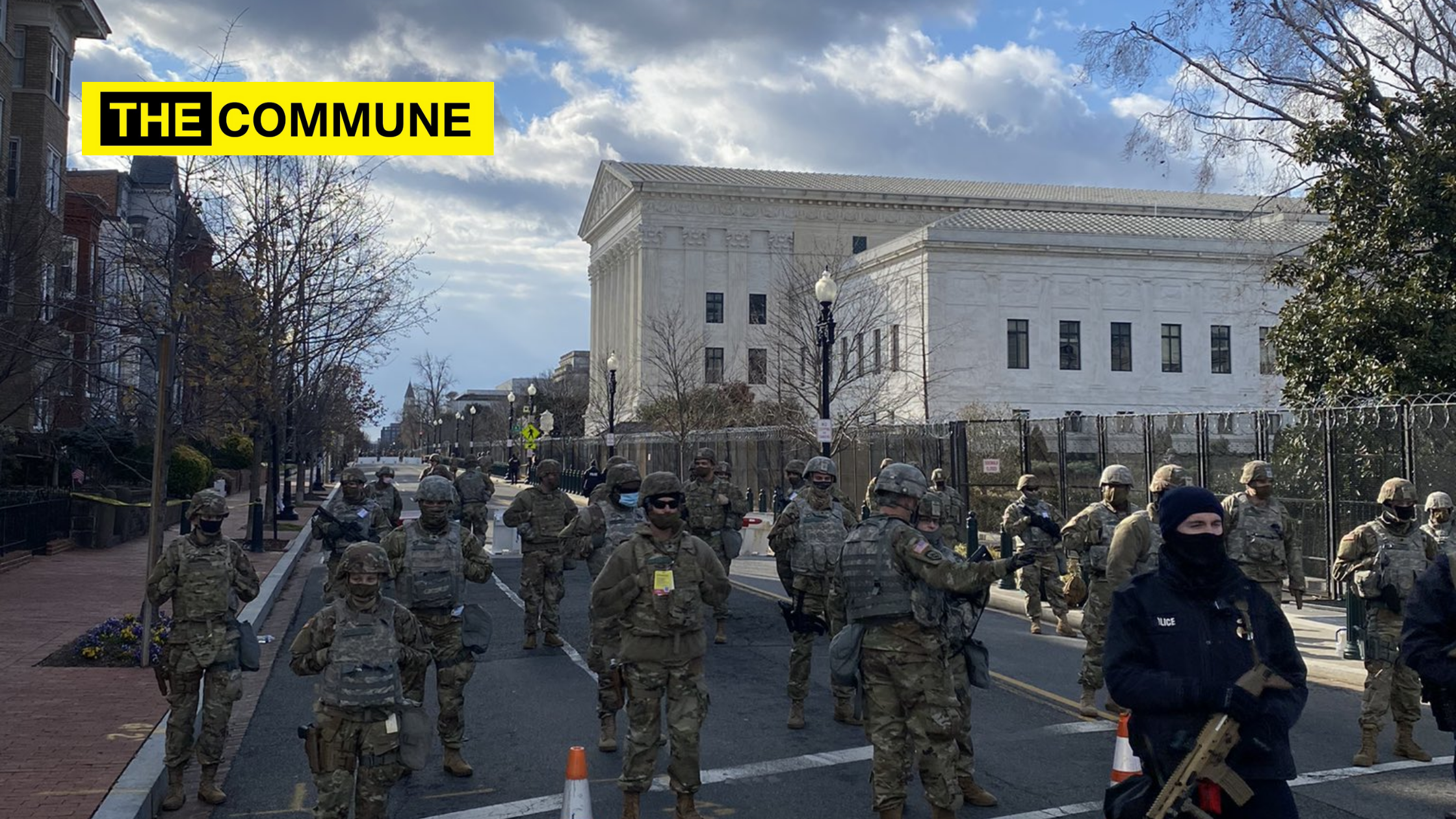
The United States on Wednesday January 20 faced a bomb threat as lawmakers and prominent political leaders showed up for President-Elect Joe Biden’s inauguration in Washington, DC.

The Supreme Court building was closed to the public owing to the COVID-19 pandemic, and was not evacuated.

“The Court received a bomb threat, the building and grounds were checked out, and the building is not being evacuated,” a spokesperson for the Supreme Court said in a statement.

The situation soon returned to normal. However, an increased presence of the National Guard was seen at the court.

25,000 troops have been deployed in Washington, DC as part of the security arrangements for the Presidential inauguration.

“Who The Hell !”: Congress MLA Sowmya Reddy assaults lady constable in public

Congress MLA Sowmya Reddy assaulted a police constable on January 20 near Freedom Park, Bengaluru. The assault took place in full view of the public and in front of  reporters and camerapersons.

Karnataka Congress leaders had earlier in the day organised a “Raj Bhavan Chalo” event in opposition to the Centre’s Farm Laws. After the protest-meet at Freedom Park, police tried to stop the Congress leaders from going to the Raj Bhavan. At this juncture, a female constable approached Sowmya Reddy and stopped her from moving ahead. Enraged, the MLA shouted “Who the hell!” and thrashed the constable.

She then went to Karnataka Congress chief DK Shivakumar and complained to him about “police cruelty”.

However, Sowmya Reddy later denied assaulting the police official and instead said that it was, in fact, the police constable who shoved her around.

Sowmya Reddy is the MLA of Jayanagar Constituency in Karnataka. She is the daughter of Congress leader and former Karnataka Home Minister Ramalinga Reddy. Ramalinga Reddy was earlier four-time MLA from the same Jayanagar Constituency.

Malavika Avinash, spokesperson for BJP Karnataka, condemned the Congress MLA’s actions and called for action against the “entitled dynast MLA” for slapping the police constable on duty.

BJP Tamil Nadu spokesperson SG Suryah also condemned the attack on the constable, and said that the Congress leader ought to learn some humility.

Chennai professor from Anna University working on alternative anti-cancer therapy

Feature Image Courtesy: PIB

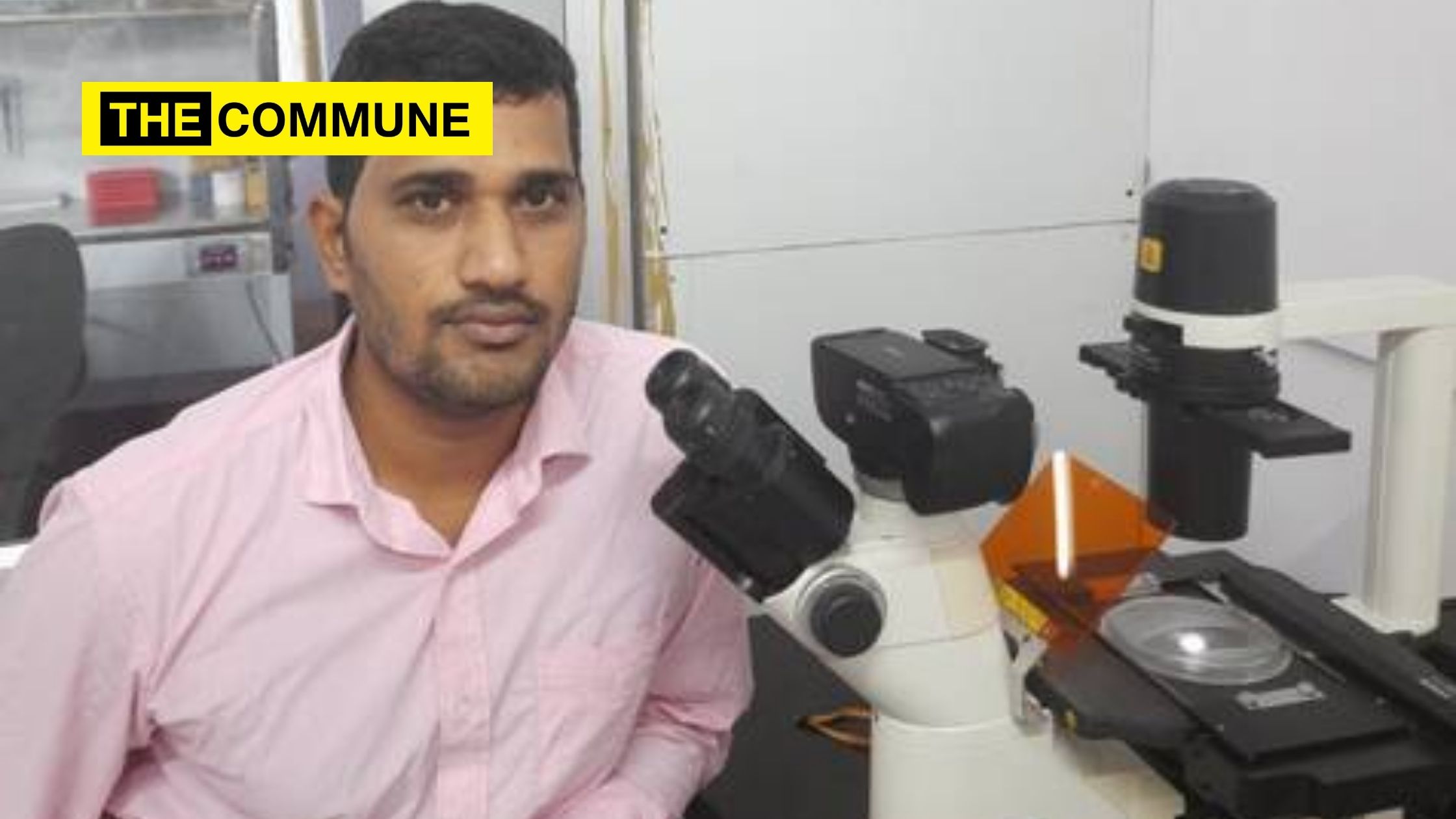
Dr. Vimalraj Selvaraj of Centre for Biotechnology, Anna University, Chennai, a recipient of the Government of India’s INSPIRE Faculty Fellowship is exploring the role of compensatory angiogenesis signaling cues as key targets for cancer therapy.

Scientists are exploring an alternative anti-cancer therapy that involves targeting tumor generated the formation of new blood vessels which allow the delivery of oxygen and nutrients to the body’s tissues, technically called angiogenesis.

Angiogenesis is critical in the growth of cancer because tumors need blood supply to grow. Tumors trigger the growth of blood cells by giving off chemical signals that stimulate angiogenesis. Deregulation of angiogenesis is the main reason for tumor growth and progression.

Using the INSPIRE Faculty program Dr. Vimalraj and his research team is further working to develop transgenic zebrafish (which have exogenous genes added to their genome) model by use of the CRISPR/Cas9 gene-editing tool to further study the compensatory angiogenesis mechanism in tumor microenvironment. Differential expression of biomolecules between two types of angiogenesis (sprouting angiogenesis and intussusceptive angiogenesis ) and their molecular mechanism will be analysed using transgenic zebrafish models in tumor microenvironment.

Inhibition of tumor angiogenesis has become a popular anti-cancer strategy after chemotherapy. However, the clinically approved anti-angiogenic drugs are ineffective due to parallel activation of various compensatory mechanisms involving a cascade of molecules, which aids tumor angiogenesis and investigation of these mechanisms are essential for developing anti-angiogenic therapies.

Dr. Vimalraj has already found that nitric oxide (NO) plays a key role in switching off angiogenesis under tumor microenvironment and that the melatonin hormone suppresses tumor angiogenesis. The research published in the journals Microvascular Research, Life Sciences and Nitric Oxide, has shown that compensatory mechanisms could be a potential therapeutic target for developing effective anti-cancer treatment regimes.

The transgenic or  CRISPR/Cas9 edited Zebrafish platform (TZP) can be used for studying the efficacy of a  drug as anti or pro-angiogenesis in the next phase of the project.

The transgenic zebrafish model has been selected for the intussusceptive angiogenesis study because of its rapid development, optically transparent, high yield in offspring, and easy techniques for forward and reverse gene manipulation. The CRISPR/Cas9 edited zebrafish platform will also be used for studying the efficacy of a drug as anti or pro-angiogenesis in the next phase of the project.

(Published from PIB)

25,000 troops deployed in Washington DC for Biden presidential inauguration

Feature Image credits: Tasos Katopodis/Getty Images

Up to 25,000 National Guard troops from around the United States have been authorised to assist law enforcement with security surrounding the inauguration of US President-elect Joe Biden.

“They are under the command and control of Maj. Gen. William Walker, the Commanding General of the D.C. National Guard, and are providing security, communications, logistics and coordination with all supported agencies”, Army General Daniel Hokanson, chief of the National Guard Bureau said during an inauguration security briefing with Vice President Mike Pence, according to a media release.

“As always, our first priority is to protect people and property — and the safety and wellbeing of our National Guard personnel and their families,” Hokanson said. “I visit with these men and women every night and they understand the importance of this mission. They are also proven, prepared and proud to do their part to ensure a peaceful and safe inauguration of our incoming commander-in-chief.”

National Guard civil support missions are generally conducted to support civil authorities when their capabilities are insufficient to meet current requirements; protect the life, property and safety of U.S. citizens; protect critical U.S. infrastructure; provide humanitarian assistance during disaster response and domestic emergencies; provide support to designated law enforcement activities and operations; and to provide support to designated events, and other activities.

“As you may be aware, the forefathers of today’s National Guard were present for the inauguration of George Washington, and have been part of every inauguration since,” Hokanson said. “I would like to thank our National Guard service members, and their families and employers who make their service possible. While the last 12 months have been unprecedented, we continue to respond to every mission, both here and at home – and overseas — living true to our motto: ‘Always Ready, Always There!’ ”

The length of the missions may vary, but Department of Defense officials have authorised to deploy the Guard for up to 30 days for the inauguration and the surrounding protests, if any. Pentagon officials also okayed requests to have some Guard members armed with either long guns or handguns, particularly those Guard members assigned near the U.S. Capitol.

The deployments come in the aftermath of a mob of supporters of President Donald Trump storming the U.S. Capitol on January 6. The House of Representatives voted to impeach Trump for the second time on Wednesday, making him the first president to be impeached twice.

Scientists develop gold microstructure substrate with tunable wettability useful in water transportation & self-cleaning

Feature Image Courtesty: PIB

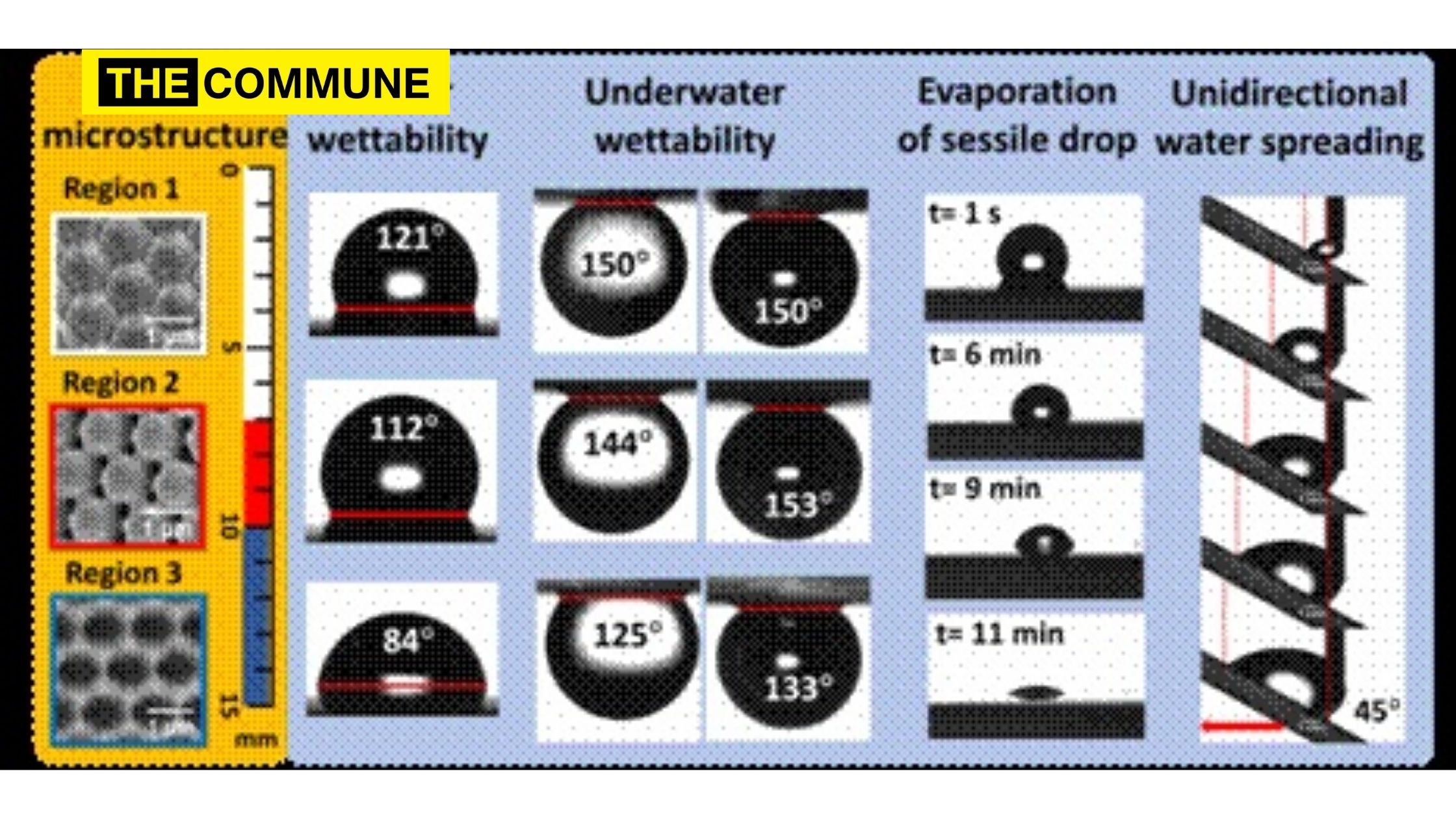
Scientists have developed a gold microstructure substrate with the ability to repel water as well as bubbles with tunable wettability, which can be used in designing microfluidic devices, biosensors and useful in water transportation and self-cleaning.

Wettability, or the ability of a liquid to maintain contact with a solid surface, is an important property in surface and interface science. Its influence is seen in many biochemical processes, sensing, microfluidics, water transportation, self-cleaning, industrial processes. The tunable wettability results from tunability in surface energy of the substrate, which can be utilized to regulate the direction of flow in water transportation and self-cleaning applications.

According to the recent work published in ‘Journal of Applied Physics’, Dr. P. Viswanath and his group from the Centre for Nano and Soft Matter Sciences (CeNS), an autonomous institute of the Department of Science and Technology (DST), have developed a substrate exhibiting morphological gradient that helps one to tune the wettability because of surface energy change. The morphological gradient in the substrate ranges from domes to elliptical holes.

Water and oil wetting studies at each position on the substrate revealed that wetting is tunable with morphology. The substrate showed hydrophobic nature, which gets magnified when coated with a self-assembled monolayer of octadecane thiol – a water-soluble sulfur compound with a carbon alkyl chain. The coating results in a reduction in surface energy, which in turn facilitates an enhancement in hydrophobic behaviour.

Underwater wettability investigations on the substrate showed that it mainly repelled bubbles and when functionalised with coating of octadecanethiol, it repels mainly oil. Ms. Brindhu Malani S, a research scholar working on this, pointed out that these studies would be useful in designing microfluidic devices, biosensors, and water transportation.

(Published from PIB)

Amazon, Flipkart likely to be hit by India’s revision of foreign investment regulations

E-commerce giants Amazon and Flipkart may be hurt as India is considering revising its foreign investment rules for e-commerce, amid increasing complaints from India’s bricks-and-mortar retailers. This move that could compel players, including Amazon.com Inc, to restructure their ties with a few major sellers in the market.

Complainants have, for years, accused Amazon and Walmart Inc-controlled Flipkart of creating complex structures to bypass federal rules. However, the the US companies deny these allegations. Domestic traders also see foreign e-commerce businesses as a threat to their livelihoods and accuse them of unfair business practices, like using steep discounts to rapidly target buyers. The companies deny they are acting unfairly.

India only permits foreign e-commerce players to operate as a marketplace to connect sellers and buyers. It prohibits foreign e-commerce companies from holding inventories of goods and directly selling them on their platforms. Amazon and Walmart’s Flipkart were adversely hit in December 2018 when investment rule changes barred foreign e-commerce players from offering products from sellers in which they have an equity stake.

Currently, it is believed that the government is considering adjusting a few of the provisions, to prevent e-commerce players from offering products from sellers in which they have an indirect stake. The proposed changes, if approved, could hurt Amazon as it holds indirect equity stakes in two of its biggest online sellers in India.

Policy changes in 2018 affected India-US relations

The 2018 rules forced Amazon and Flipkart to rework their business structures. It also soured relations between India and the United States, as Washington said the policy change favoured local e-tailers over U.S. ones. India’s e-commerce retail market is estimated to grow from $30 billion in 2019 to a whopping $200 billion a year by 2026, according to the investment promotion agency Invest India. The COVID-19 pandemic also drove more shoppers online.

India’s Commerce and Industry Minister Piyush Goyal has been critical of e-commerce companies. In the face of growing trader complaints and an antitrust investigation, Piyush Goyal last year said that Amazon was not doing a great favour to India by making fresh investments.

The government may also be considering changes that would effectively prohibit online sales by a seller who purchases goods from the e-commerce entity or its group firm, and then sells them on the entity’s websites. Under existing rules, a seller is free to buy up to 25% of its inventory from the e-commerce entity’s wholesale or another unit and then sell them on the e-commerce website.

Cabinet approves investment proposal of ₹5281.94 Cr for Ratle Hydro Power Project

Feature Image Courtesy: The Legitimate

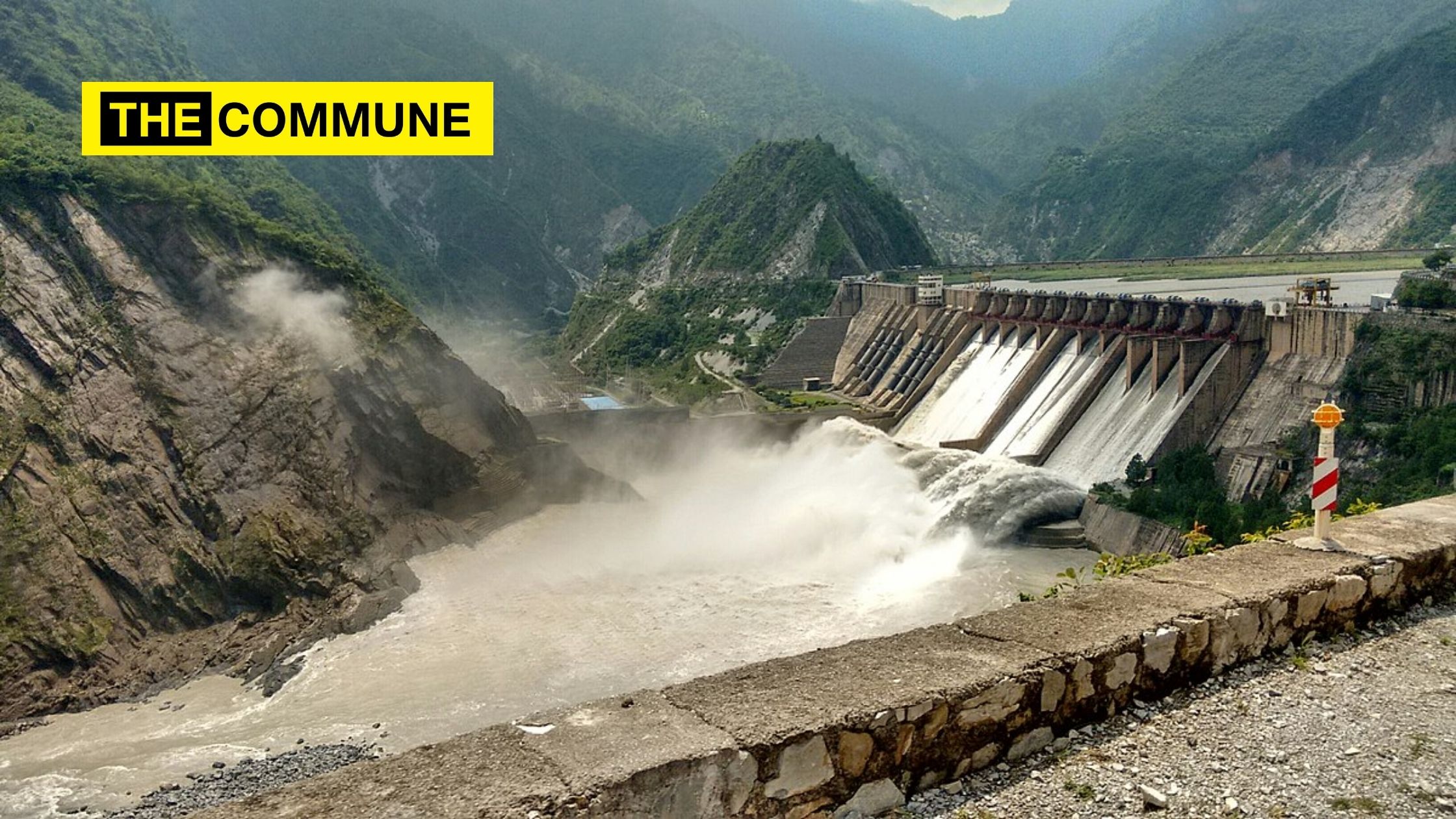
The Union Cabinet, chaired by the Prime Minister Narendra Modi, has given its approval for the investment of ₹5281.94 crore for 850 MW Ratle Hydro Electric (HE) Project located on river Chenab, in Kishtwar district of Union Territory  of Jammu and Kashmir, by a new Joint Venture Company (JVC) to be incorporated between National Hydroelectric Power Corporation (NHPC) and Jammu & Kashmir State Power Development Corporation Ltd (JKSPDC) with equity contribution of 51% and 49% respectively.

Government of India is also supporting the Union Territory of Jammu and Kashmir by providing grant of ₹776.44 crore for Equity contribution of JKSPDC in the JVC to be set up for construction of Ratle HE Project (850 MW). NHPC shall invest its equity ₹808.14 crore from its internal resources. The Ratle Hydro Electric Project is to be commissioned within a span of 60 months. The power generated from the project will help in providing balancing of grid and will improve the power supply position.

Government of Union Territory of Jammu and Kashmir, to make the project viable, will extend exemption from levy of Water Usage Charges for 10 years after commissioning of the project, reimbursement of State’s share of GST (i.e. SGST) and waiver of free power to the Union Territory of Jammu and Kashmir in a decremental manner, i.e., the free power to the Union Territory of Jammu and Kashmir would be 1% in the 1st year after commissioning of the project and rising @1% per year to 12% in the 12th year.

The construction activities of the Project will result in direct and indirect employment to around 4000 persons and will contribute in overall socio-economic development of the Union Territory of Jammu and Kashmir. Further, Union Territory of Jammu and Kashmir will be benefitted by getting free power worth Rs. 5289 crore and through levy of Water Usage Charges worth ₹9581 crore from Ratle Hydro Electric Project, during project life cycle of 40 years.

(Published from PIB)