Home Blog Page 160

Dravidian Model: ‘Where Are You From, You Dog? I’ll Cut Off Your Legs!’ – Policeman Caught On Camera Allegedly Abusing & Assaulting Migrant Worker, Transferred
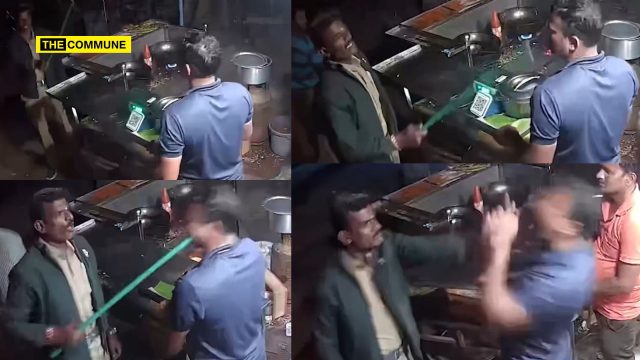
Dravidian Model: Policeman Caught On Camera Allegedly Abusing & Assaulting Migrant Worker, Transferred

A video clip reportedly showing a policeman verbally abusing a migrant worker employed at a roadside eatery in Erode district of Tamil Nadu has gone viral, prompting departmental action. Authorities said on Monday, 9 February 2026, that the personnel concerned has been transferred to the Armed Reserve pending enquiry.

According to police, the incident occurred on the night of 8 February 2026 in the Kanchikoil area. The policeman, who appeared visibly agitated in the footage, allegedly slapped the migrant worker, officials said.

The CCTV footage from the eatery shows the policeman questioning the guest worker in what appears to be an intimidating manner about his native place, following which a verbal altercation ensued.

He says, “Where are you from? Close the shop and leave. Don’t even think of opening tomorrow. I’ll cut off your legs. Go. Get out. Move. Close it now.” Saying so, he is seen throwing things at the workers.

He continues, “Who do you think you are talking to? Hey, where are you from? Where are you from, you dog? Do you even know where I’m from? I belong to this place. Get out! Move! Don’t even try to open this shop tomorrow. I’ll shave off my moustache. Go!”

He further said, “What did you say? What is the time. Close it now! It is 10 PM.”

A scuffle ensues and he says, “You’re raising your hand against a policeman? What’s the time? 10.20. You should close at 10 PM.”

When asked why he hit the worker, he replied, “Who are you? What will you do? I told you clearly 10PM (abuse). You don’t tell me what I should talk. How dare you question me!” (He continues to use abusive language)

Then the policeman asks details of the owner, “Whose shop is this? Tell him to come to the station at 10AM. This shop shouldn’t open tomorrow. You people come here to survive and act like this?”

The policeman is heard saying that it was past 10 PM and questioning how the shop remained open at that hour, directing that it be shut. He is also seen pushing aside vessels and cooking items using his baton.

During the exchange, the migrant worker stated that he was merely an employee and that only the shop owner would be in a position to answer operational questions.

The visibly distressed worker is heard asking the policeman why he was beaten and points toward the CCTV camera, stating that everything was being recorded. When the policeman asks whether the worker was “laying his hands” on a police officer, the latter responds by pointing to the camera and stating that the policeman was the one holding his shirt.

Police authorities confirmed that the personnel involved has been transferred to the Armed Reserve unit pending further enquiry. The home state of the migrant worker could not be immediately ascertained.

Reacting to the incident, BJP leader K Annamalai shared the video on social media and wrote: “The police are authorised to enforce the law. But, they do not have the right to inflict damage on property or to harass, abuse, or assault migrant workers merely based on the State they come from.

When such conduct is witnessed within the Tamil Nadu State Police itself, it is hardly surprising that migrant workers across the State are increasingly subjected to physical and verbal abuse under the watch of the corrupt DMK government.

It is high time we recognise and acknowledge the indispensable contribution of migrant workers to Tamil Nadu’s economy. From the construction of Metro Rail projects and National Highways to residential buildings, factories, and small production units, every pillar of our economic activity rests significantly on their labour. To deny them dignity is to undermine our own growth.

These disturbing incidents are the inevitable outcome of years of hatred being systematically sown against migrant workers for narrow political gains by the DMK.”

Source: Rediff

Subscribe to our channels on TelegramWhatsApp, and Instagram and get the best stories of the day delivered to you personally.
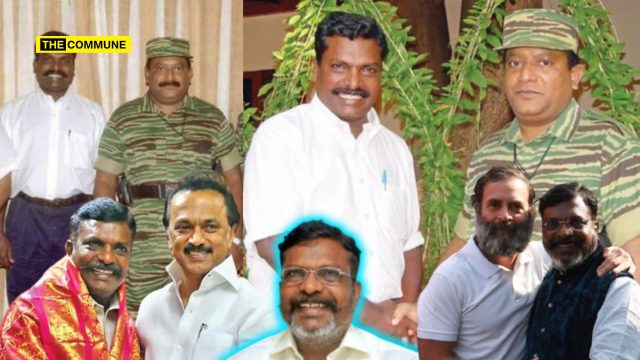
Congress-DMK Ally VCK MP Thirumavalavan Announces Separatist Conference On “Tamil National Awakening” In Remembrance Of LTTE Head Prabhakaran

Viduthalai Chiruthaigal Katchi (VCK) president Thol. Thirumavalavan has announced that the party will organise its “Tamil National Awakening Conference” on May 17, following the completion of the upcoming Tamil Nadu Assembly elections.

The announcement was made through a video address to party cadres, where Thirumavalavan said the conference had originally been proposed earlier this year but was being rescheduled due to election-related organisational priorities.

Announcing the final decision, he said, “Through this live address, I wish to inform you that the Tamil National Awakening Conference will be held on May 17.”

Explaining the choice of date, Thirumavalavan said May 17 carries deep historical significance.

“May 17 – the day Brother Prabhakaran was killed by Sinhala-Buddhist majoritarian forces – is remembered by Tamils across the world. It is a day that can never be forgotten in Tamil history,” he said.

He further said, “Senior comrades suggested that the Tamil National Awakening Conference be held on that day. Accordingly, I officially announce to you that the Tamil National Awakening Conference will be held on May 17. Whether it will be held in Chennai or another location will be announced later. But it will be held on May 17.”

Subscribe to our channels on TelegramWhatsApp, and Instagram and get the best stories of the day delivered to you personally.
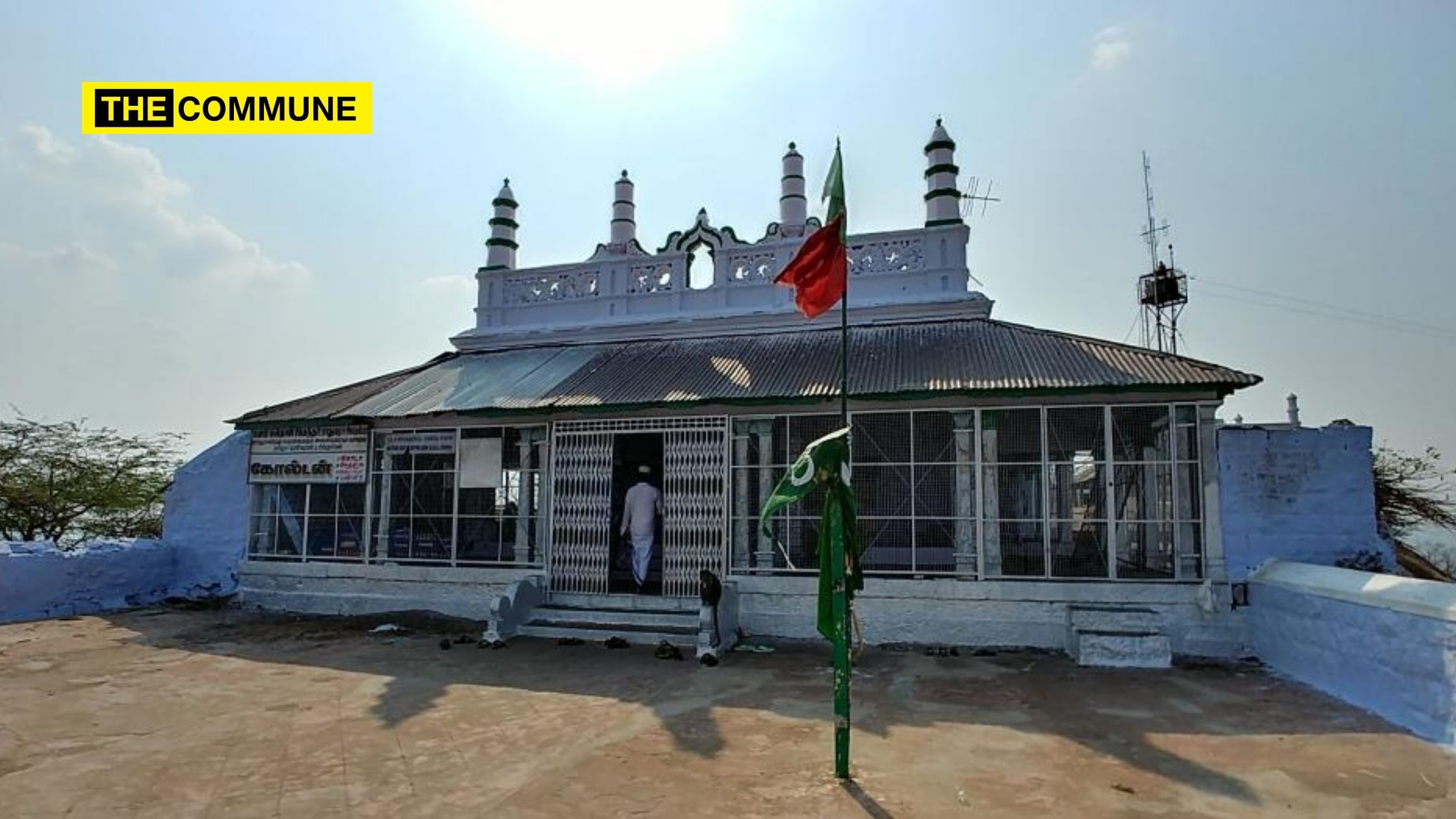
Thirupparankundram Row: Supreme Court Dismisses Appeal To Allow Prayers And Animal Sacrifice At Sikandar Dargah, Upholds Madras High Court Order

sandhanakoodu dargah sikkandar dargah 'Very Very Balanced Order': Supreme Court Refuses To Interfere With Madras High Court Curbs On Prayers, Sacrifice At Sikkandar Dargah; Dismisses Appeal

The Supreme Court on 9 February 2026 refused to interfere with the judgment passed by the Madras High Court holding that Muslims have no right to conduct prayers except during Ramzan and Bakri-Id at the Nellithoppu area, 33 cents of which is owned by the Sikkandar Badhusha Avuliya Dargah atop the Thirupparankundram hills in Madurai district of Tamil Nadu.

The High Court, in its October 2025 judgment, had also ruled that animal sacrifice cannot be permitted in the area.

Challenging the High Court’s verdict, one M Imam Hussain, a worshipper at the dargah, approached the Supreme Court.

A Bench comprising Justice Aravind Kumar and Justice PB Varale, however, refused to interfere with the High Court’s order, terming it balanced.

Appearing for the petitioner, Advocate Prashant Bhushan submitted that there has never been a law-and-order problem in the area.

Bhushan said, “… Ramzan and Bakri-eid festival days alone. That is what we are aggrieved by, the word alone…once the Nellithoppu area has been decreed by the Trial Court and affirmed by Privy Council, the High Court also records that affirmation. They say, Mohamaddens have been granted declaration of the title for the extent of 33 cents in the Nellithoppu area…now, the problem is, despite holding that the Nellithoppu area, the land belongs to Mohemmands, they have restricted prayers to Ramzan and Bakri-eid. Other conditions can be there, we maintain law and order, but there has never been a law and order problem.”

Justice Kumar responded that had there been no law-and-order issue, there would not have been a meeting of the Peace Committee.

“It seems to be a very very balanced order,” Justice Kumar said, with Justice Varale agreeing.

“We do not propose to interfere with the order. Without expressing any opinion on rights of the parties, the impugned order stands upheld,” the Bench observed in its order.

Background of the Dispute

The issue pertains to the location of places of worship at the Thirupparankundram Hill. The performance of namaz and animal sacrifice at the hill, which also primarily houses the temple Arulmighu Subramaniaswamy Thirukovil, has been a matter of controversy.

In June 2025, a two-judge Bench of the Madras High Court delivered a split verdict.

While Justice Nisha Banu refused to interfere with the practice of animal sacrifice, Justice S. Srimathy took a different view and held that the dargah should approach the civil court to establish its right to conduct Kandoori animal sacrifice and prayers during Ramzan, Bakrid and other Islamic festivals.

Justice Srimathy also observed that the practice of offering namaz at Nellithoppu was of recent origin. She said the congregation of a large number of persons for such prayers would obstruct the pathway leading to the Kasi Viswanathan temple and encroach upon other portions of the Arulmigu Subramaniya Swamy temple complex.

Considering the split verdict, the Chief Justice of the Madras High Court referred the matter to a third judge for final adjudication.

Third Judge Verdict

On October 10, 2025, the third judge ruled that Muslim devotees have limited rights to offer namaz only during Ramzan and Bakri-Eid.

However, the Court held that no animal sacrifice, cooking, or carrying or serving of non-vegetarian food would be permitted until a competent civil court decides on the customary practice of animal sacrifice at the hillock.

These orders were subsequently challenged before the Supreme Court as arbitrary and contrary to Article 25 of the Constitution.

Source: LiveLaw

Subscribe to our channels on TelegramWhatsApp, and Instagram and get the best stories of the day delivered to you personally.
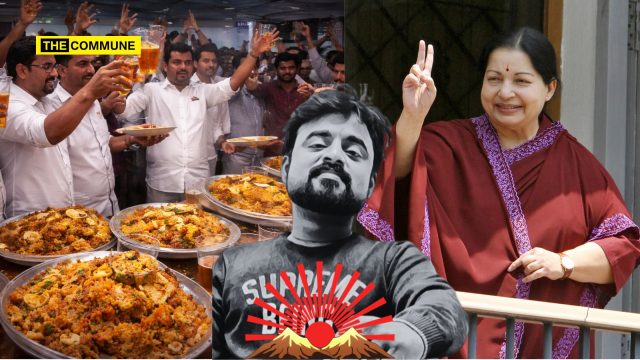
From ‘What’s Wrong If Beer Is Given?’ To ‘Jayalalithaa Was Arrogant’, Here’s How Dravidian Stock Journo Nelson Xavier Buttressed The DMK In A Debate

From 'What’s Wrong If Beer Is Given?' To 'Jayalalithaa Was Arrogant', Here's How Dravidian Stock Journo Nelson Xavier Buttressed The DMK In A Debate

A televised debate on News Tamil 24×7 witnessed a heated exchange between a Tamilaga Vettri Kazhagam (TVK) supporter and ‘journalist’ Nelson, with sharp differences emerging over youth mobilisation, political culture, and the legacy of former Chief Minister J Jayalalithaa.

Participating in the debate ‘moderated’ by Dravidianist stock journo Nelson Xavier, TVK supporter Pradeep claimed that ground sentiment in Tamil Nadu was shifting in favour of actor-politician Vijay’s party.

“A lot of surveys are coming out… In those surveys, many young people are reportedly saying they are leaning toward TVK,” he said, adding that Vijay had been engaged in welfare initiatives such as Virundhagam, Payilagam, Vizhiyagam, Virundhu Vilagal and Kurudhiagam for nearly three decades, often without publicity.

He further alleged that rival parties projected themselves as youth-oriented while indulging in inducement-based mobilisation.

“In many of their meetings, we openly see that people are made to sit and are given biryani and beer… Is that ideological mobilisation?” he asked.

‘What Is Wrong If Beer Is Given?’: Nelson

Responding to the charge, journalist Nelson questioned the criticism.

“What is wrong if biryani and beer are given in meetings?” he asked during the debate.

Pradeep countered that such practices could not be equated with political ideology or policy.

“Is that politics? Is that ideology? What Vijay has said is that all this is not needed… It is enough to say what we don’t want,” Pradeep replied, adding that cinema and politics should not be conflated when it comes to public mobilisation.

Nelson, in turn, mocked the distinction, saying, “But when my leader sings ‘Andava konda…’ and dances, I(fan) feels happy – because that is cinema. Cinema is separate, politics is separate.”

Pradeep responded that real-life political gatherings could not justify inducements in the name of ideology.

“In public life, you cannot bring people together in the name of ideology and then serve beer and food and compare that to cinema events. That is not fair,” he said.

Exchange Over Jayalalithaa’s Legacy

The debate later shifted to the legacy of former Chief Minister J Jayalalithaa, triggering another tense exchange.

Nelson questioned TVK leaders paying homage at her memorial.

“If you say that was personal sentiment – did you go to Jayalalithaa’s memorial when Sengottaiyan joined TVK? Was that your individual choice, or did your entire party go together?” he asked.

Pradeep responded by acknowledging her stature while conceding she had flaws.

“She too was a great personality. Did she have shortcomings? Certainly. Nobody is perfect… She was a ‘singapenn’ – a lioness. She was an Iron Lady,” he said.

Nelson pressed further, asking, “For whom was she the Iron Lady?”

Pradeep replied, “For the women of Tamil Nadu and the people of this country, she was an Iron Lady.”

‘Thalaivaa’ Film Row Raised

Nelson then brought up the controversy surrounding the Vijay-starrer Thalaivaa and its delayed release in Tamil Nadu.

“Vijay went and apologised to the Chief Minister over the Thalaivaa issue and released a video – was that not political?” he asked.

Pradeep responded that Vijay had approached the Chief Minister as per protocol. “At that time, she was the Chief Minister. If he doesn’t go to her, who should he go to?” he said.

He further argued that the film’s release issues had political undertones, citing objections to the tagline “Time to Lead.” “There was political interference… The tagline meant ‘time to take leadership,’” he said.

Nelson countered that banning or obstructing a film over a caption reflected arrogance.

“It shows arrogance – banning a film release over a caption. You could not condemn that arrogance on stage,” he said, questioning how leaders critical of such actions could still treat Jayalalithaa as a political guide.

Pradeep reiterated that he had not claimed she was flawless.

“I never said she was perfect. I’ve already said she made mistakes,” he said, while agreeing that the decision reflected “arrogance.”

Subscribe to our channels on TelegramWhatsApp, and Instagram and get the best stories of the day delivered to you personally.
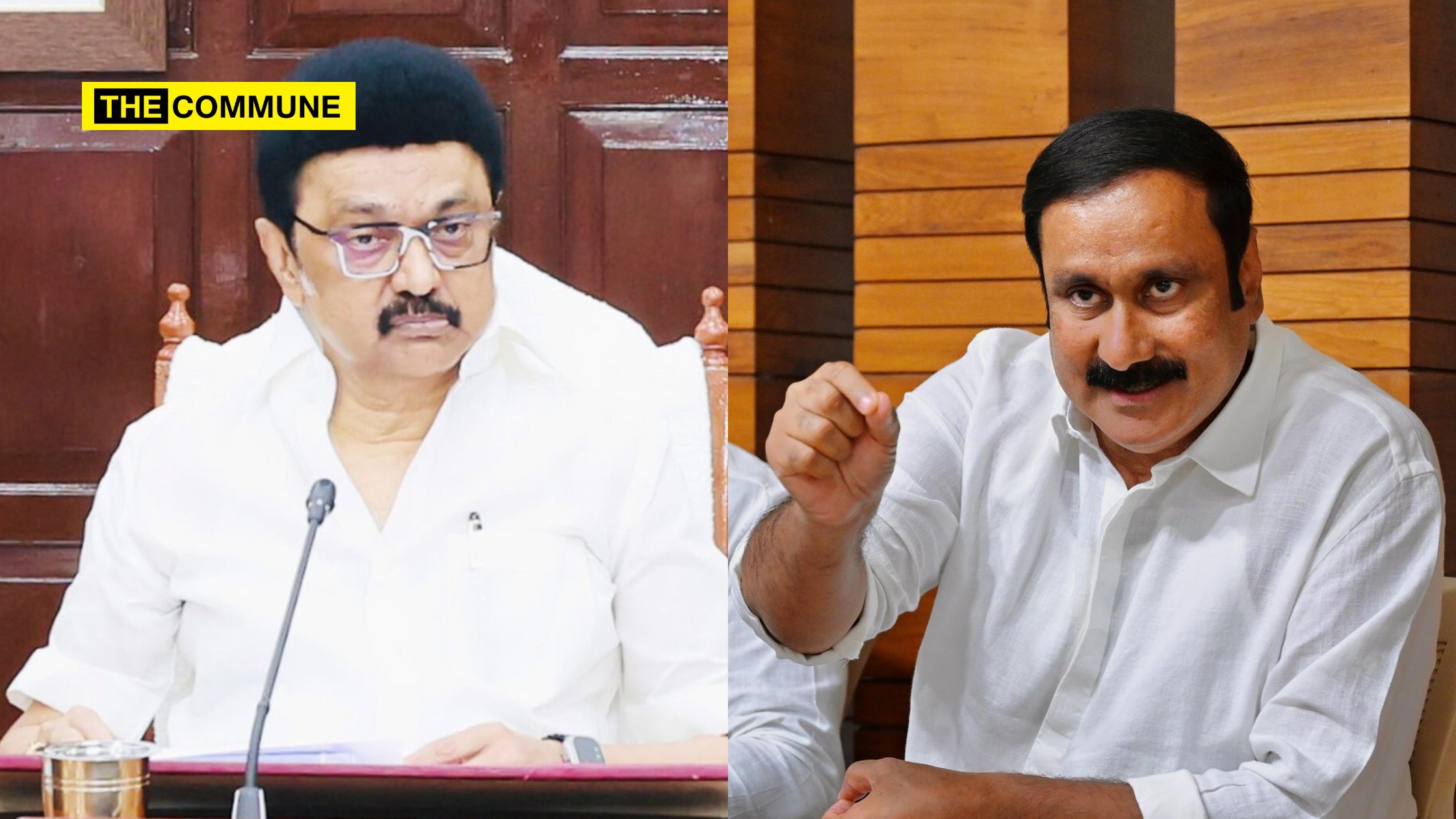
“Exposes The Rot In TNPSC”: PMK Chief Anbumani Ramadoss Slams Dravidian Model DMK Govt For Utter Mismanagement Of Group 2, 2A Exam

PMK Pres Anbumani Ramadoss Slams DMK Govt Over Sathanur Dam Water Release And Poor Flood Response

PMK President Anbumani Ramadoss on Sunday, 8 February 2026, strongly condemned the cancellation of the TNPSC Group II and Group II-A main examinations, alleging administrative failure and incompetence on the part of the state government.

In a statement, Anbumani said the disruption was the result of negligence rather than an unavoidable technical issue.

He noted that more than 18,000 candidates were scheduled to appear for the examinations conducted in morning and afternoon sessions. Of these, 3,221 candidates had been allotted seven examination centres in Chennai.

According to him, nearly 600 candidates were misdirected after their hall tickets carried details of a different examination centre, leading to confusion on the ground.

The issue came to light only minutes before the commencement of the examination, prompting protests from affected candidates.

Anbumani further stated that while the examination had not begun in Chennai due to the confusion, it had already commenced in other centres, including Coimbatore. He said the test in such locations was cancelled only after about an hour, causing mental stress and hardship to aspirants who had already begun writing the exam.

Criticising the functioning of the Commission, he said that despite supervision by senior IAS officers and Commission members, such lapses had occurred.

He called for a thorough inquiry into the incident and demanded strict action against those in senior positions, stating that responsibility should not be shifted onto junior officials.

Anbumani also said the ruling government should accept responsibility for the disruption.

In a post on X, he wrote, “TNPSC Group II Exams Cancelled Due to Failure to Make Even Basic Arrangements: DMK Government Lacks the Competence to Conduct Competitive Exams

The TNPSC Group II main examinations scheduled to be conducted today morning and afternoon across Tamil Nadu for the recruitment of 828 posts — including Sub-Registrar, Deputy Commercial Tax Officer, Labour Welfare Inspector under Group II, and Assistant, Accountant, and other posts under Group II-A — have been cancelled.

The negligence in the functioning of the TNPSC administration that led to the cancellation of these examinations is condemnable. Although the TNPSC administration has stated that the exams were cancelled due to technical reasons, the real cause is the failure of the Commission to make even the most basic arrangements for conducting the examination. Across Tamil Nadu, 9,223 candidates were scheduled to write the exam in the morning session and 9,244 in the afternoon session. In Chennai, seven examination centres had been set up, where 3,221 candidates were to appear. Among them, nearly 600 candidates had been allotted Nandanam Government College as their exam centre. However, their hall tickets mentioned DG Vaishnav College, Arumbakkam, Chennai, as the examination venue. This discrepancy came to light only a few minutes before the exam was to begin, after the centres had already been opened.

In protest, candidates engaged in road blockades. Attempts made to transport them to Nandanam College failed, following which the examinations were cancelled. While the exam had not commenced in Chennai, it had already begun in centres including Coimbatore and other locations. The cancellation announcement in those centres came only after an hour, causing severe mental distress and unnecessary hardship to students. Allocation of exam centres and candidates is a task that even a junior assistant-level employee in TNPSC can carry out clearly. However, despite supervision by three IAS officers — the TNPSC Chairman, Secretary, and Controller of Examinations — along with six Commission members, such large-scale confusion has occurred. This exposes the extent of rot in the TNPSC administration. The DMK government is functioning in a state where it is unable to conduct even a routine competitive examination without confusion. The ruling authorities should hang their heads in shame.

Instead of scapegoating junior officials for these lapses, a proper inquiry must be conducted and strict action must be taken against those holding senior positions in the TNPSC administration.”

Source: DT Next

Subscribe to our channels on TelegramWhatsApp, and Instagram and get the best stories of the day delivered to you personally.
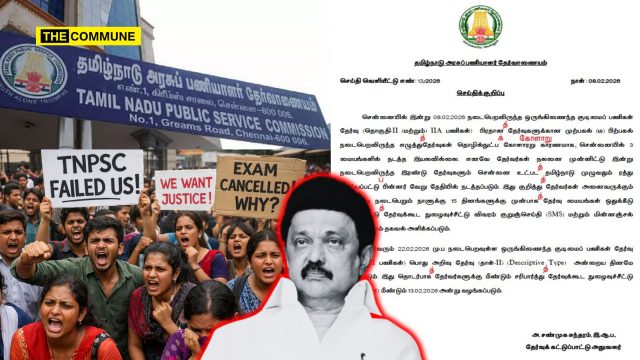
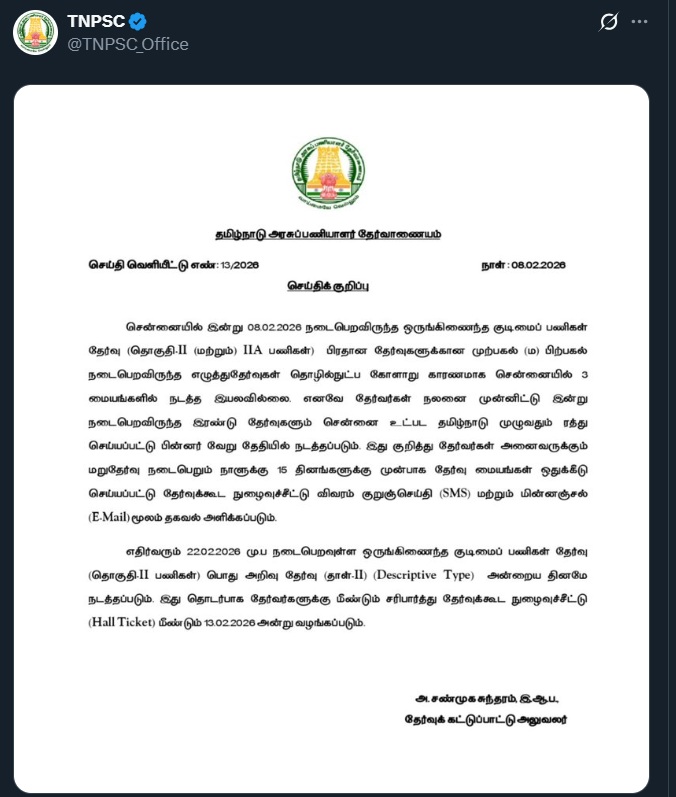
Dravidian Model: After Utter Mismanagement Of Group 2, 2A Exam, TNPSC Issues Clarification Full Of Errors And Spelling Mistakes

The Tamil Nadu Public Service Commission’s (TNPSC) attempt to clarify the abrupt cancellation of the Group II and IIA examinations has triggered fresh controversy, after its official statement was found to contain multiple spelling, grammatical, and drafting errors.

The error-filled notice was issued hours after widespread confusion and logistical failures forced the Commission to call off the highly competitive examination, leaving thousands of aspirants stranded.

Chaos at Exam Centres

Candidates from districts across the state had travelled overnight to appear for the highly competitive examination, many balancing employment, family responsibilities, and years of preparation.

However, several centres in Chennai witnessed overcrowding, mismatched hall allocations, and administrative confusion at entry points. Candidates reported long delays, uncertainty over seating, and a lack of clear instructions from officials.

The situation escalated when authorities announced that the examination would be cancelled.

The Group II and IIA recruitment drive covers assistant and revenue inspector posts, with over 9,000 candidates competing for around 1,000 vacancies.

‘Technical Glitch’ Cited

TNPSC attributed the cancellation to a “technical glitch” in centre allocation.

According to preliminary details, around 600 candidates were incorrectly assigned examination centres due to a software error. In at least one instance, close to 1,000 candidates reportedly arrived at a college facility equipped to handle only about 300 examinees.

The afternoon Tamil eligibility test scheduled the same day was also postponed. No immediate clarity was provided on revised examination dates.

The latest disruption has revived scrutiny over TNPSC’s recent track record.

Past controversies include:

  • In 2024, TNPSC cancelled the Assistant Public Prosecutor exam originally scheduled for this year and rescheduled it to February 2025 following disruptions and technical issues.
  • The TNPSC Group 2 and 2A mains exam on February 25, 2023, descended into chaos across multiple districts due to incorrect distribution of question papers and OMR sheets, delays, misinformation by invigilators, and alleged compromise of exam integrity, leaving candidates outraged and uncertain about their future.
  • In 2023, TNPSC’s Group 4 exam results sparked controversy after reports claimed a disproportionate number of successful candidates came from a few coaching centres.

Error-Filled Official Notice

Amid the fallout, TNPSC issued an official Tamil-language statement explaining the cancellation and rescheduling process. However, the document itself quickly came under scrutiny after candidates and language experts pointed out multiple linguistic and drafting errors in what was expected to be a formal government communication.

One of the most visible mistakes in the notice was the spelling of the word “Corona.” The statement used the form “கொரானா” (Corana), which is orthographically incorrect. The standard Tamil transliteration — used in government records since the pandemic — is “கொரோனா.” The vowel marker “ஓ” was omitted, resulting in a basic spelling error in an official communication.

The notice also used the incorrect verb construction “நடைபெறிந்த” while referring to examinations. This form is grammatically invalid in Tamil. Depending on context, it should correctly appear as “நடைபெற்ற” (if completed) or “நடைபெற இருந்த” (if scheduled but not held). The usage in the statement reflected improper verb morphology.

Another error was the use of “நடைபெறுந்த.” This again is not a valid tense or conjugated form in formal Tamil. Correct administrative usage would require forms such as “நடைபெறும்,” “நடைபெற்ற,” or “நடைபெற உள்ள,” depending on whether the exam is future, past, or rescheduled.

In the section describing the written examination, the notice used the compound form “எழுத்துத்தேர்வுகள்.” While readable, this construction ignores standard sandhi separation followed in government drafting. The correct formal rendering is “எழுத்துத் தேர்வுகள்,” with the sandhi marker “த்” separating the compound.

The same examination was described using varying terminology within the notice including references to “ஒருங்கிணைந்த குழுமப் பணிகள் தேர்வு” and “தொகுதி-II மற்றும் IIA பணிகள்.” While both refer to the same Group II–IIA recruitment, the lack of uniform terminology within a single official clarification was flagged as a drafting inconsistency.

The presence of multiple linguistic errors, ranging from basic spelling mistakes to incorrect verb forms and compound constructions, in a formal post-cancellation clarification drew criticism from candidates and academic observers. Many questioned how an institution responsible for conducting competitive civil service examinations had issued an error-laden notice at a time when aspirants were already grappling with the fallout of the examination cancellation.

Subscribe to our channels on TelegramWhatsApp, and Instagram and get the best stories of the day delivered to you personally.
Foreign Passports, Secret Travels: The Pakistan Links Of Congress MP Gaurav Gogoi And His Wife Elizabeth

Confidential documents examined by the Assam Special Investigation Team (SIT) are understood to form the basis of an ongoing probe into an alleged nexus involving Assam Congress leader Gaurav Gogoi, his spouse Elizabeth Colburn, and individuals linked to a Pakistani non-governmental organisation.

Family And Citizenship Details

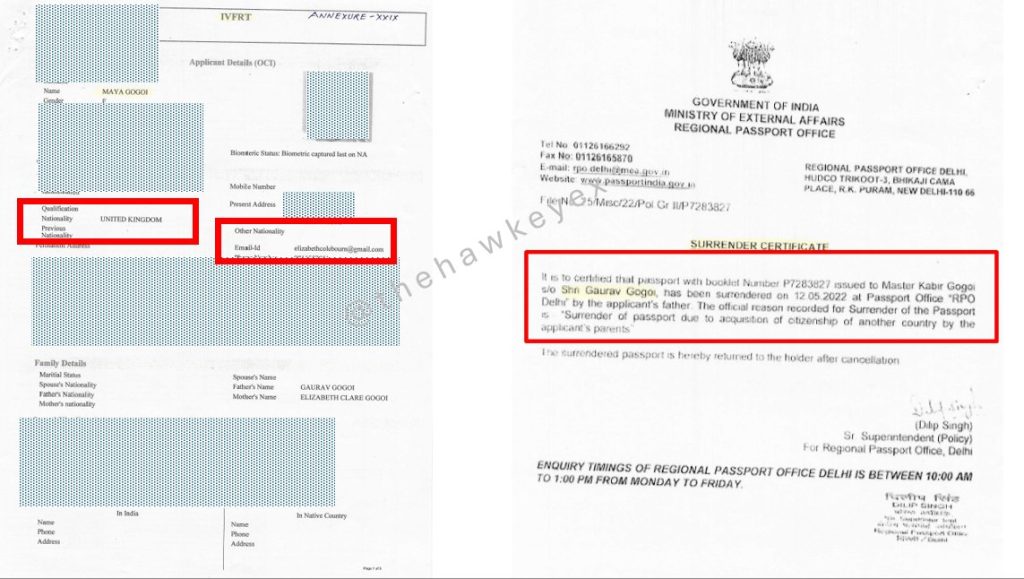
According to documents reviewed by investigators, the Gogoi couple has two children. Records examined during the probe indicate that both children are not Indian citizens. One set of documents pertains to the surrender of an Indian passport belonging to Gogoi’s son, citing acquisition of a passport from another country as the reason for surrender.

Employment With Lead Pakistan

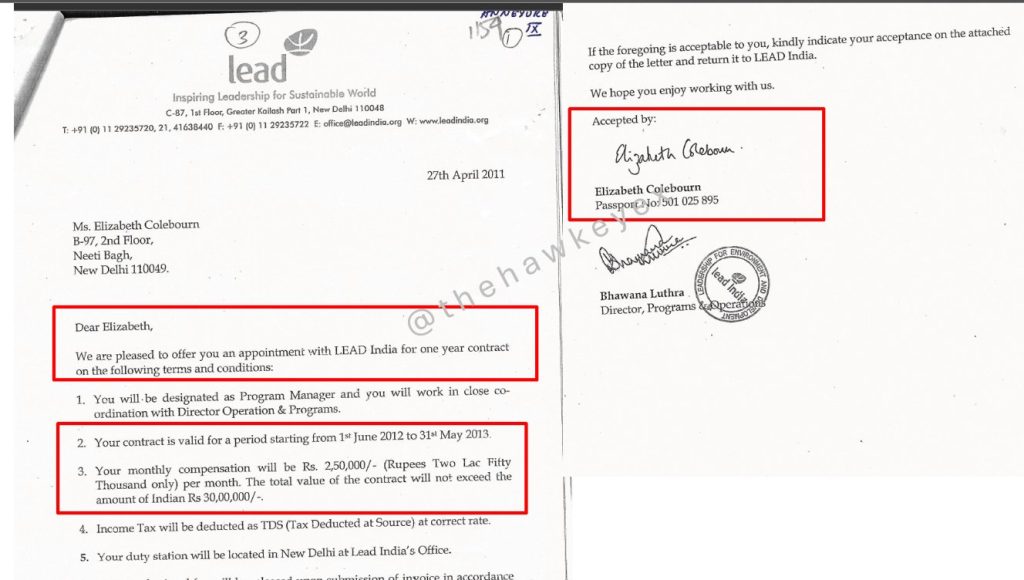
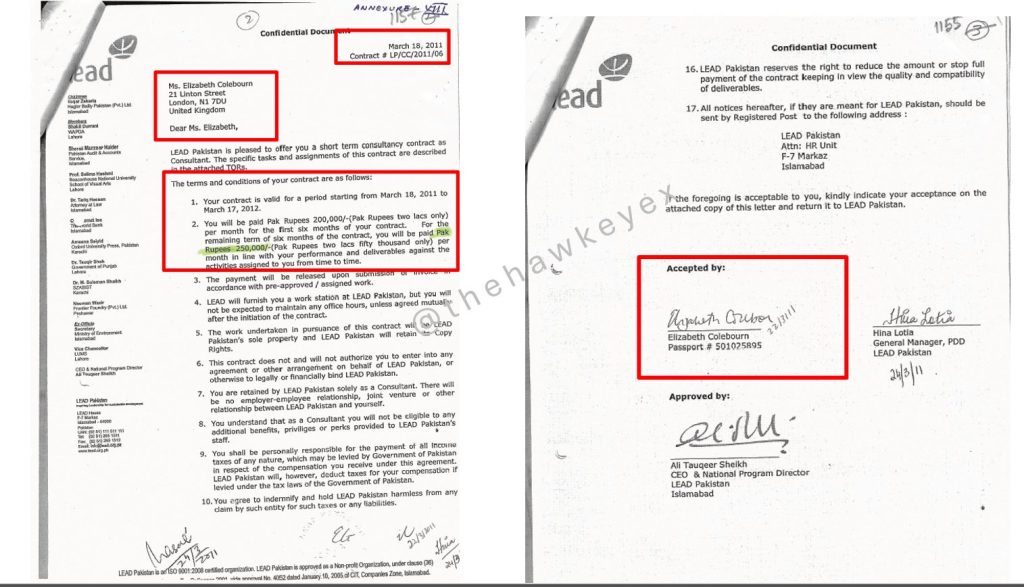
Investigative records include an offer letter issued to Elizabeth Colburn by the Pakistani NGO “Lead Pakistan.” The letter, dated 18 March 2011, offered her a salary of Pakistani Rupees 2.5 lakh per month.

A separate document shows that Colburn was later issued an offer by “Lead India” on 27 April 2011, with the contract scheduled to commence from 1 June 2012. The remuneration cited in the contract was ₹2.5 lakh per month.

Investigators flagged the timing of the contract, noting that it was issued more than a year in advance of the start date.

Travel Records To Pakistan

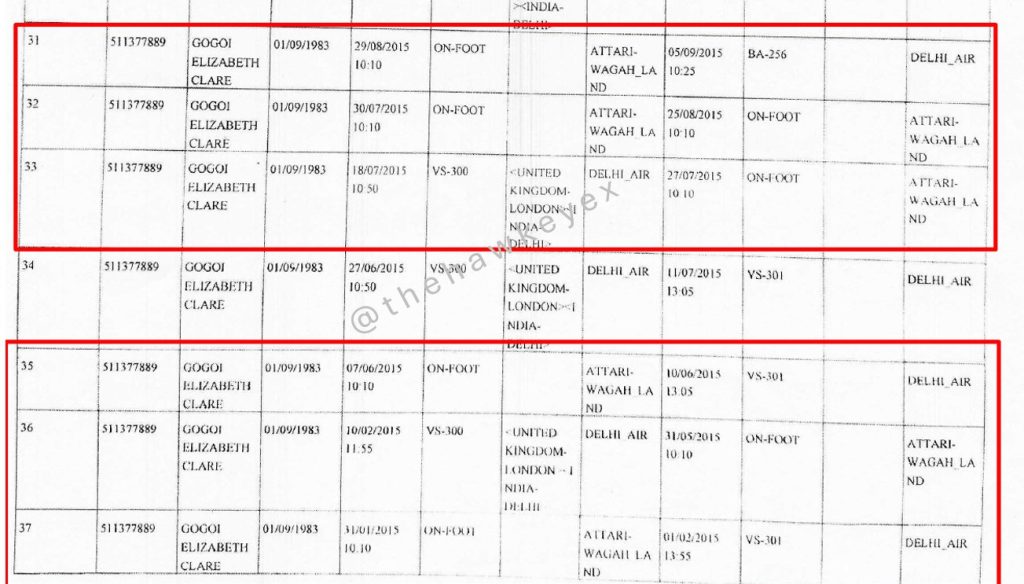
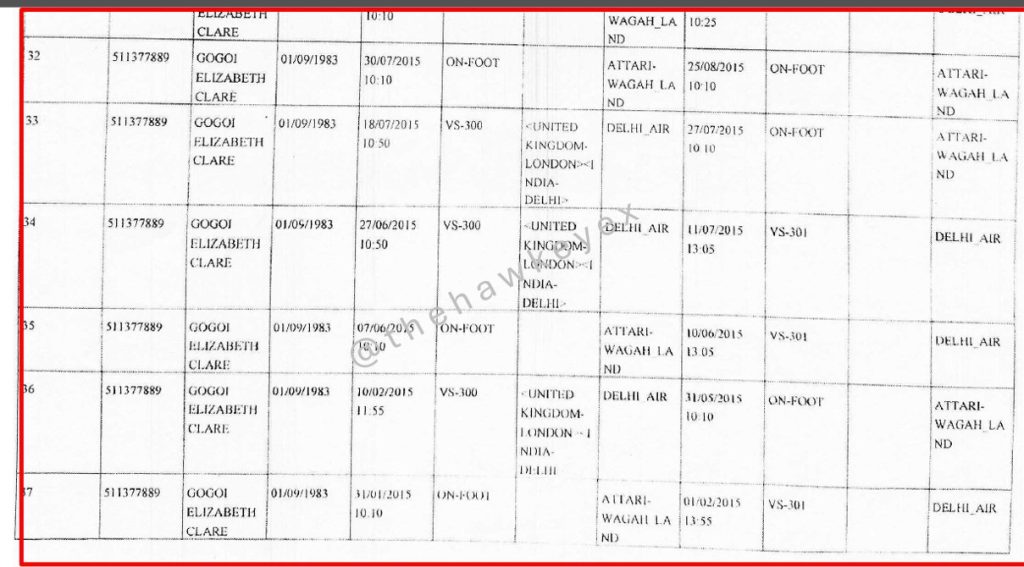
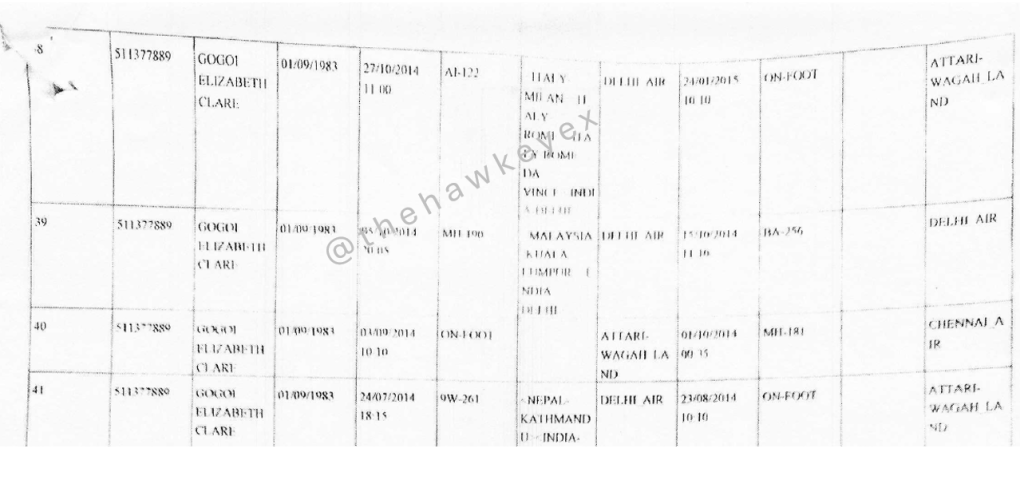
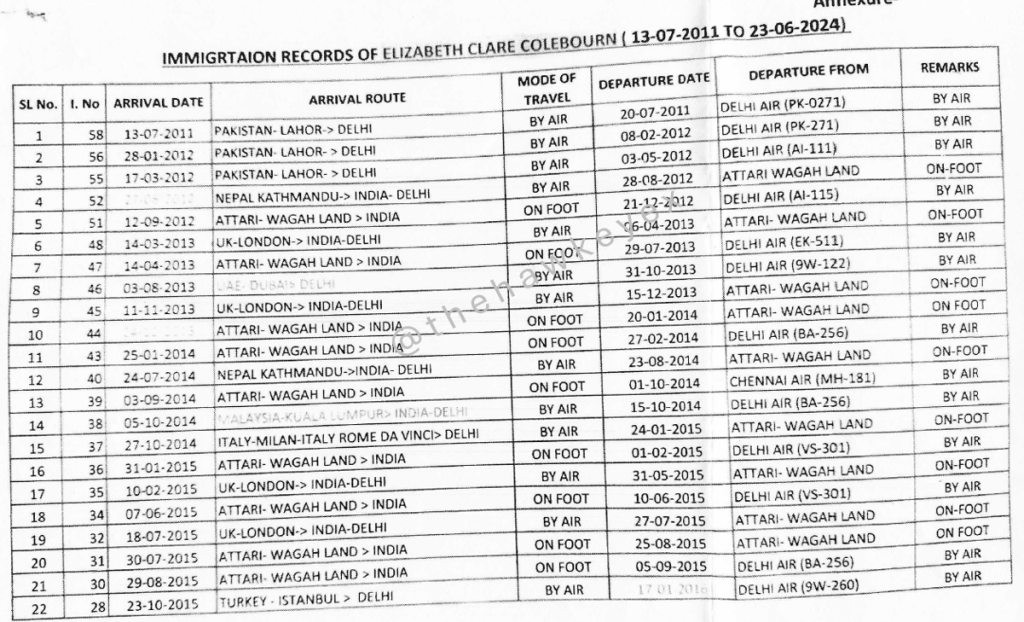
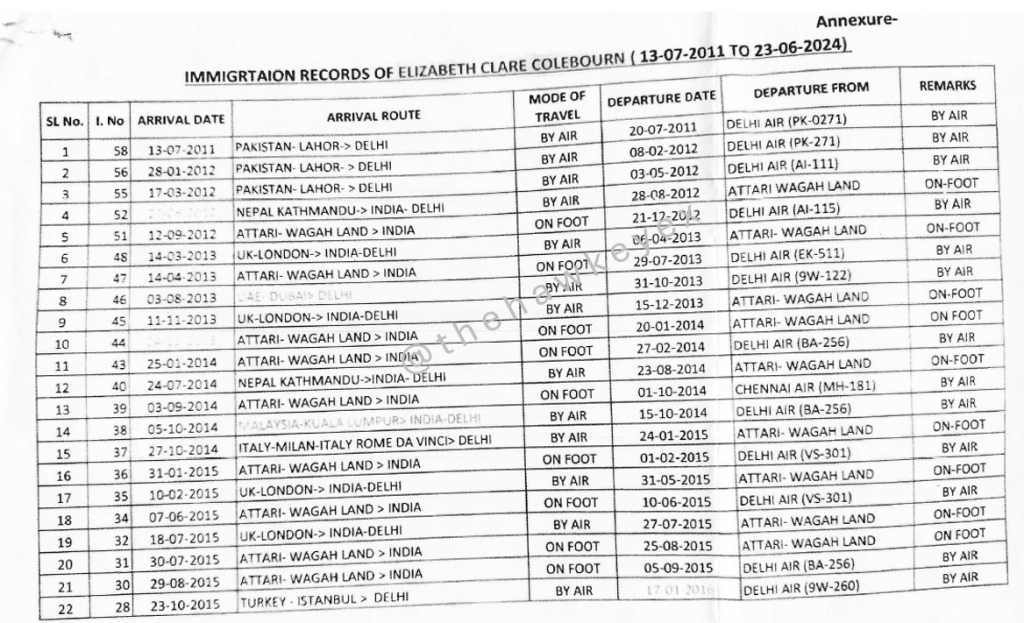
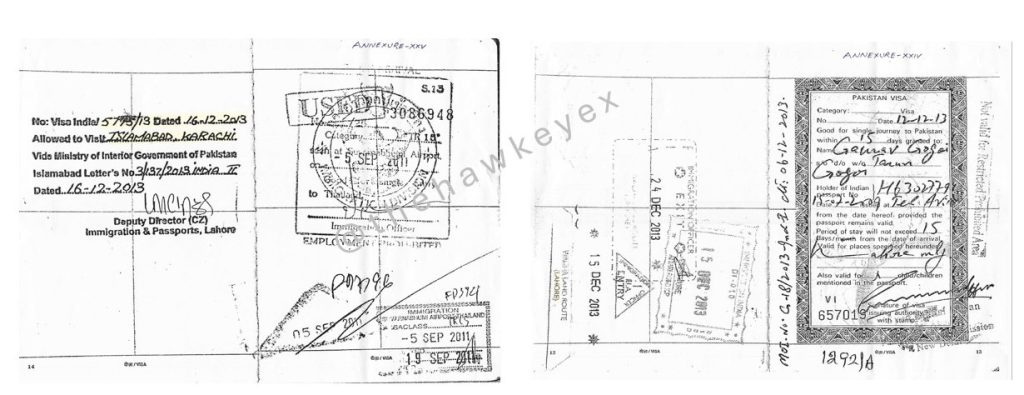
Travel documents reviewed by the SIT indicate that during and after her tenure, Elizabeth Colburn undertook multiple trips to and from Pakistan. The records include dates and ports of entry.

Investigators noted that several crossings were made via the Attari–Wagah land border, with travel mode recorded as “on foot.”

Visits By Ali Tauqeer Sheikh To India

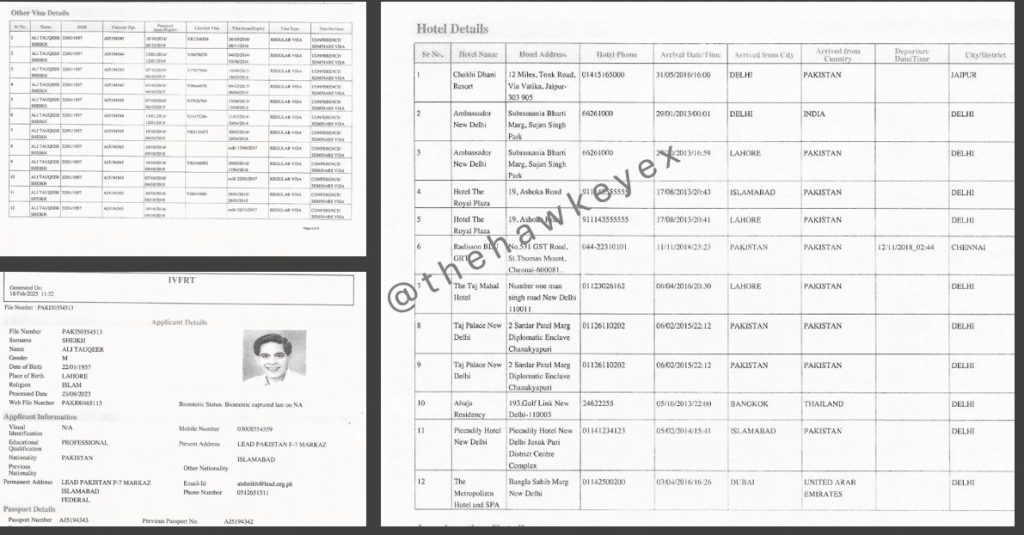
The probe also examined travel details of Ali Tauqeer Sheikh, identified in the documents as a senior functionary associated with Lead Pakistan. Records include his travel itineraries within India and details of hotel stays.

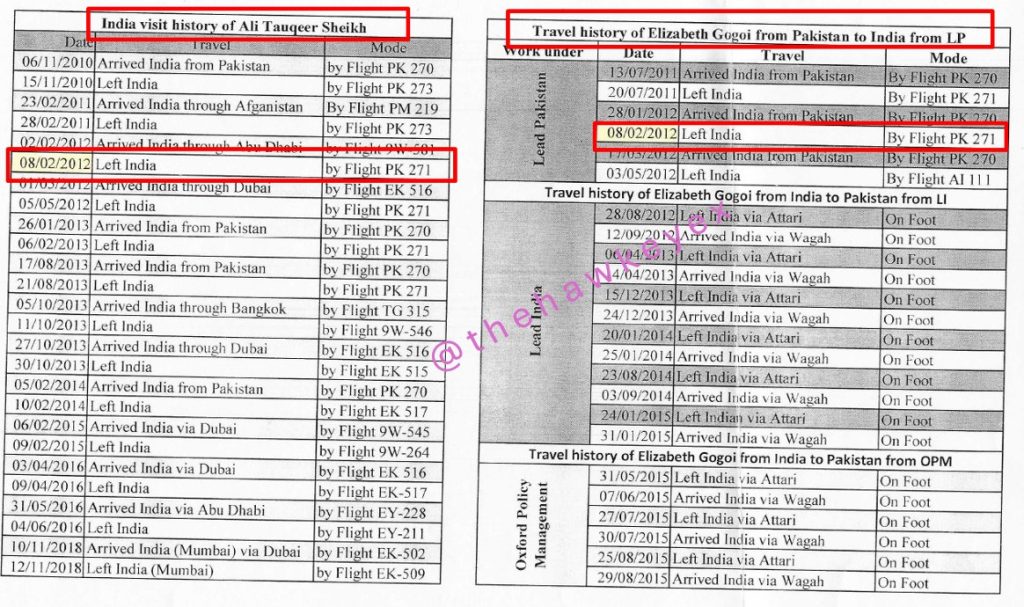
One travel mapping document reviewed by investigators records an instance where Sheikh and Elizabeth Colburn departed India on overlapping travel schedules.

Gaurav Gogoi’s Pakistan Visit

Documents examined by the SIT also reference a visit by Gaurav Gogoi to Pakistan in 2013. Records state that he was granted what is described as an extended visa during this visit. At the time of travel, he was not serving as a Member of Parliament.

Parliamentary Questions Flagged

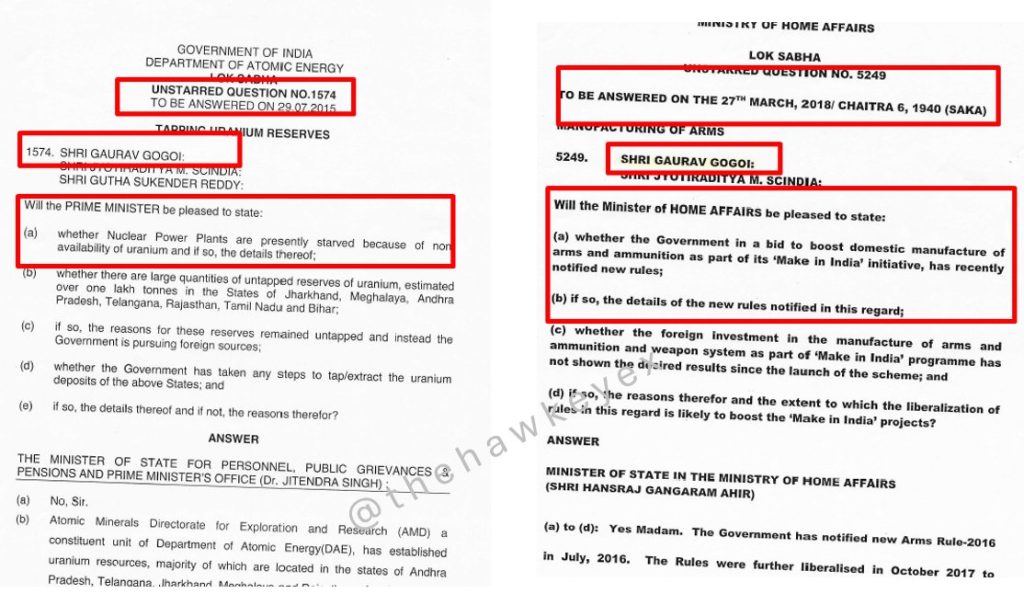
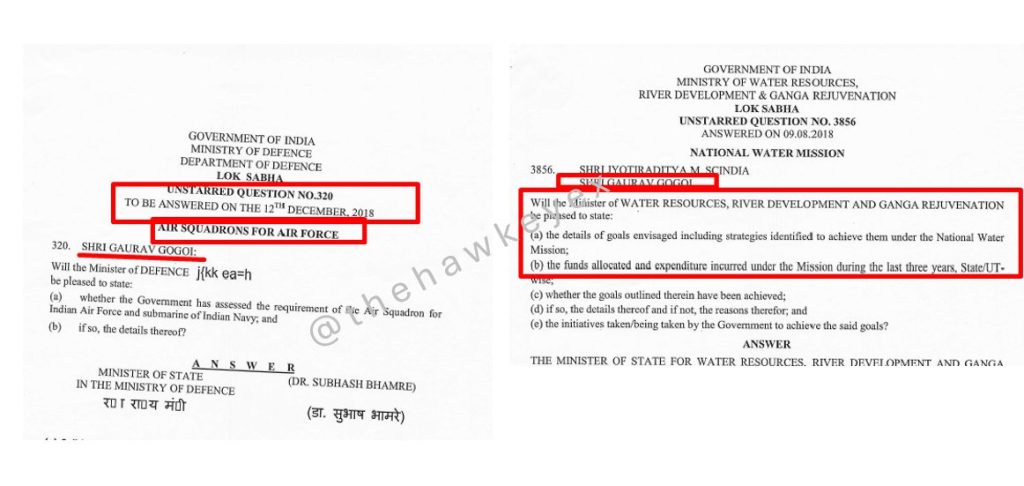
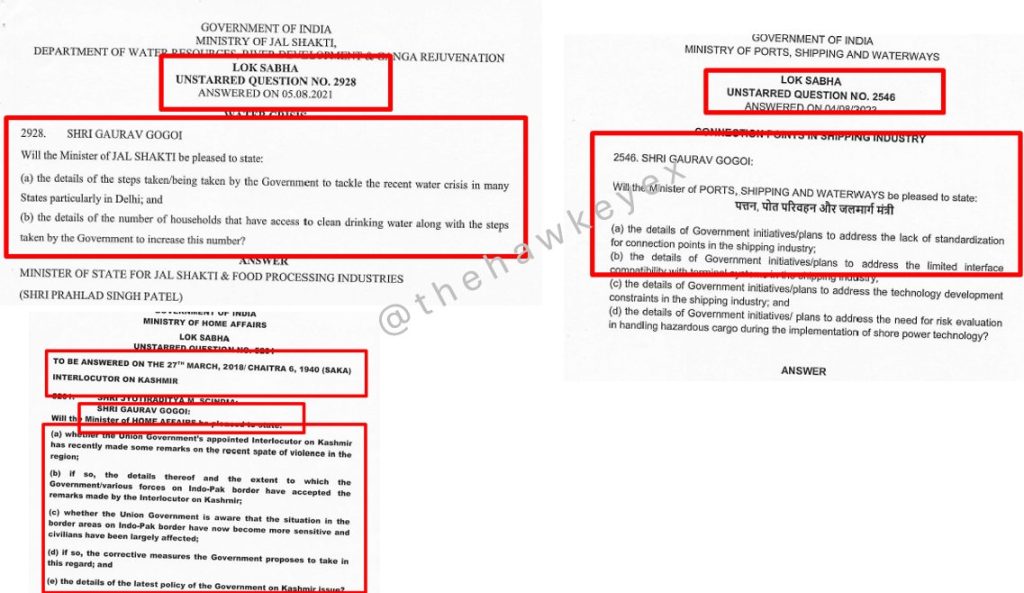
The SIT is also understood to have reviewed parliamentary records from the period after Gogoi was elected MP from Kaliabor (later Jorhat). Investigators noted that he had raised questions in the Lok Sabha on subjects including nuclear matters, uranium, defence, arms deals, water resources, and Kashmir.

Witness Testimonies

The SIT recorded testimonies from individuals linked to Lead India, including:

  • Bhawana Luthra, identified as head of Lead India
  • Nagarajan Mahadevan, identified as a staff witness

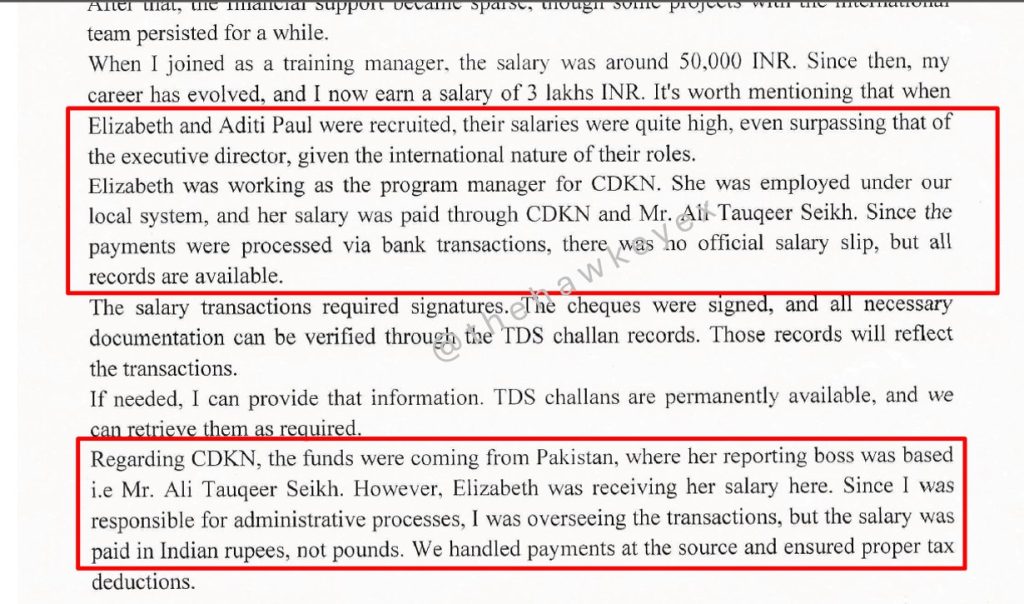
According to recorded statements, Luthra told investigators that Elizabeth Colburn received what he described as unusually high remuneration. He further stated that although she worked with Lead India, she reported to Ali Tauqeer Sheikh in Pakistan.

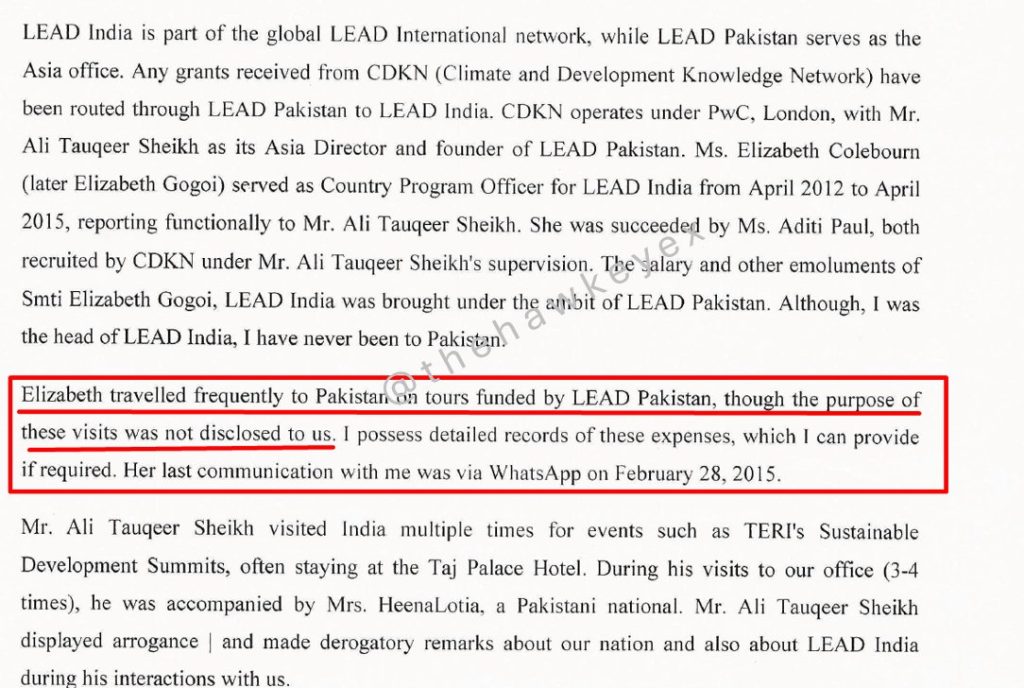
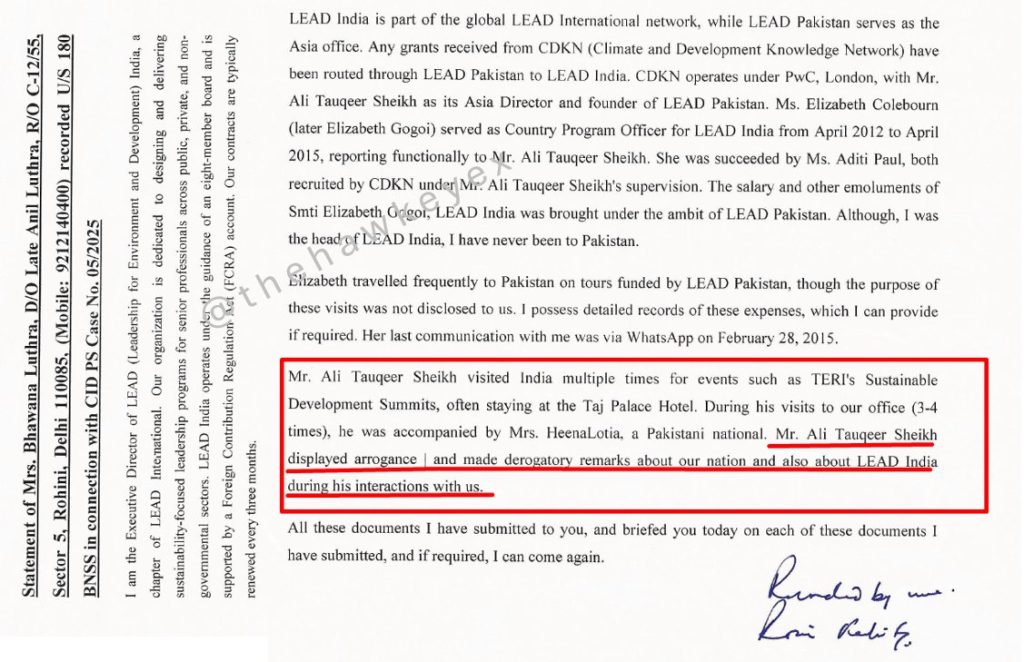
Luthra’s testimony also stated that Colburn’s travel to Pakistan and the purpose of those visits were not disclosed to him. He additionally alleged that Sheikh had expressed anti-India views and made derogatory remarks about India during interactions with Lead India employees.

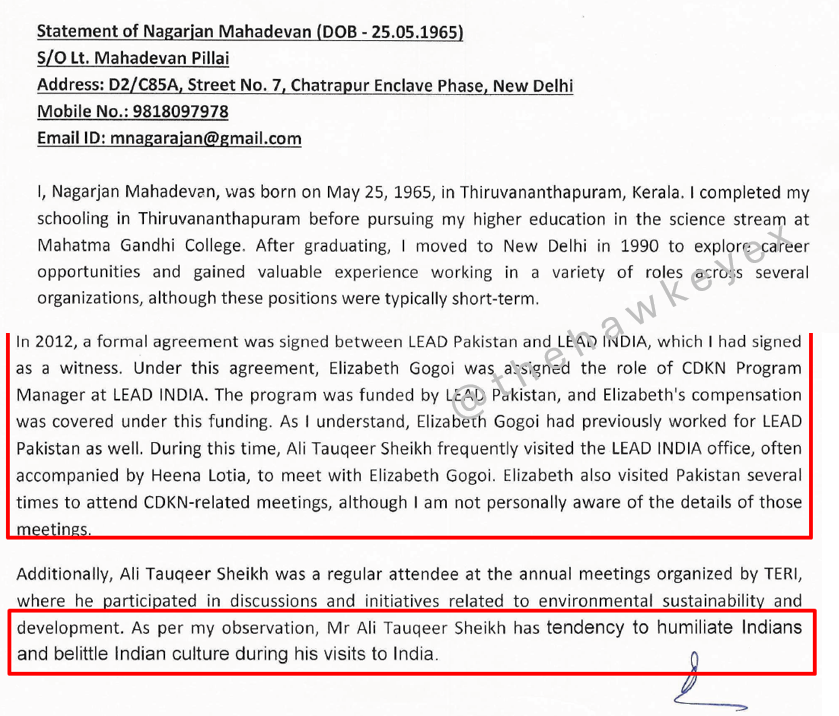
Mahadevan, in his statement, corroborated aspects of Luthra’s account, telling investigators that projects handled by Colburn were funded by Pakistan and that Sheikh had made remarks belittling Indian culture during professional interactions.

Investigation Status

The SIT is continuing to examine the documented links, travel records, employment arrangements, funding trails, and associated testimonies as part of its ongoing investigation.

(This article is based on an X Thread By The Hawk Eye)

Subscribe to our channels on TelegramWhatsApp, and Instagram and get the best stories of the day delivered to you personally.
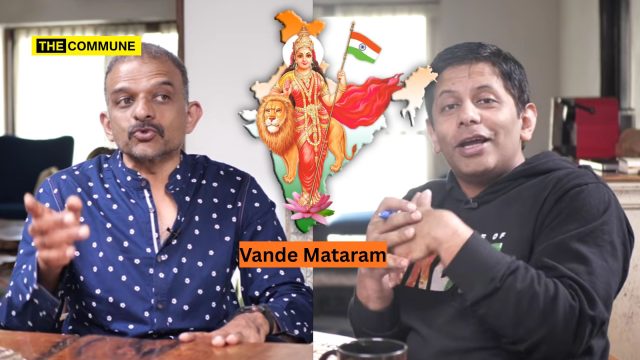
“Vande Mataram Was Sung While Attacking Muslim Villages”: Ultra-Woke Leftist ‘Singer’ TM Krishna Spews Venom Against India’s National Song In Pro-Congress YouTuber’s Podcast

Carnatic vocalist TM Krishna has built a career peddling “social justice” from elite stages while systematically demonizing the very Hindu traditions that elevated him.

In a recent interview with Pro-Congress YouTuber Akash Banerjee’s The Deshbhakt, while promoting his book We the People of India: Decoding a Nation’s Symbols, he calls our patriotic songs “communal hate anthems,” labels Brahmin culture “oppressive,” and paints Hindu pride as a threat to democracy. For ordinary Hindus who light lamps at home temples and sing Vande Mataram with tears in their eyes, this feels like betrayal. Here’s why his ring hollow from a man living off the very system he attacks.

Turns Vande Mataram Into A “Muslim-Hate Song”

Krishna says: “This is a song that is sung by the Hindu sanyasins while they’re attacking villages where Muslims live. This is a song that is an initiation song for getting into that cult.”

He even rejects softer views, saying it’s not just against “anti-Muslim rulers” but straight-up “anti-community” pushing “Hindu superiority.”

This is pure distortion. Vande Mataram fueled India’s independence – from Bal Gangadhar Tilak chanting it in jail, to Aurobindo calling it a call to arms, to crowds facing British lathis in 1905 Bengal. Bankim Chandra wrote it in Anandamath against foreign tyrants, not a blanket war on Muslims. Congress leaders in 1937 approved the first two stanzas exactly to calm fears from Muslim League objections. Why does Krishna ignore Islamic slogans used in anti-Hindu attacks? He only shames Hindu symbols. Krishna freezes our song in guilt mode, ignoring its role in uniting Hindus, Muslims, Sikhs against the Raj. Why no outrage over “Allahu Akbar” mobs torching Hindu homes? Hindu symbols alone must apologize?

Jana Gana Mana: Selective Innocence For the “Secular” Choice

Contrast his gushing over Jana Gana Mana: “Tagore writes it after he’s irritated… it’s a protest song celebrating the Adhinayak who is the eternal charioteer.” He waves off pro-George V durbar myths as “rubbish,” insisting it’s pure unity-in-diversity.

Double standards much? He gives Tagore every benefit of the doubt – brushing off 1911 durbar timing as coincidence while nailing Vande Mataram for its every ambiguity. Both songs sparked real Constituent Assembly fights in 1949-50. Nehru called Vande Mataram “plaintive and mournful,” tough for marching bands—not some Durga-worship taboo. Today, the government says both have “equal respect.” If Vande Mataram’s mother-goddess lines are “cultish,” why not grill Jana Gana Mana’s god-king “Adhinayak” for the same? It’s suspicion for Hindu vibes, kid gloves for “secular” ones.

“Brahminical Oppressive Framework”: Self-Loathing Privilege

Krishna says, “Anti-Brahminical oppressive framework… it has no space in a democratic equal society.”

Hello? Krishna is a Brahmin Iyer who sings in temples and sabhas built by that “framework.” He got Padma awards and global fame from Carnatic music. He even smeared MS Subbulakshmi saying she “Brahminised herself” to fit in. If it’s so bad, why not quit the stages and awards it gave you?

Krishna, a Brahmin himself, commands global fees, awards, and Music Academy honours built on so-called “Brahminical” Carnatic ecosystems, Thyagaraja kritis he once trashed as “casteist.” He’s no slum reformer; he’s a jet-setting intellectual monetizing victimhood narratives. Remember his smear on MS Subbulakshmi, about how she “Brahminised herself… distanced from her Devadasi origins to become an ideal Brahmin woman”? Backlash was rightful, yet he persists, weaponizing “caste” to shame icons while pocketing their legacy. If Brahminical structures are so vile, why not renounce your kutcheris and titles?

Hindi Push Is Blackmail, Dravidian Bigotry Is Emancipatory

He frames three-language formula as central “blackmail”: “Take Hindi or lose funds… Hindi-dominated thought process.”

Silent on the flip side. Krishna echoes the DMK-Periyar playbook perfectly well – glorify a man who called Hindu gods “brahmin fiction” but stays quiet on their attacks on Hindu gods, Sanskrit, or temple lands. Hindi bothers him; Tamil-only hate doesn’t. That’s not fairness, it’s Dravidian favoritism in progressive clothing.

Loves Old Congress (Nehru-era) Rule, Hates Hindu Voice Today

He waxes poetic: Founding fathers had “optimism and foresightedness” we must ‘reclaim’. Today? “Darkness,” “violence,” “cancellations” where you “get into trouble” questioning the Preamble.

Pure fantasy that is. He romanticizes Congress secularism while ignoring Emergency, Shah Bano betrayal, anti-Hindu legislations while painting Hindu self-assertion as authoritarian. Fraternity? Only if Hindus mute their majority identity for minority comfort.

His Buddhist-tinged “fraternity” and “maitri”? For his sake, Hindus must shrink their festivals, symbols for minority ease with no reciprocal nod to Hindu pains: Wakf land grabbing, converting temples to mosques (Beejamandal for example), love jihad cases, or erasing Hindu share in our own land. One-way street.

Falsely Splits Hindu Patriotism From Hindutva

Krishna reduces Vande Mataram to what sounds like a fringe ideological test, implying that Hindu reverence for it is inherently “exclusionary” or communal. By spotlighting selective misuse, he erases its civilizational role as a unifying freedom song rooted in anti-colonial resistance and cultural nationalism.

This creates a fake divide between Hindu patriotism and Hindutva. For generations, from Tilak to countless freedom fighters, Vande Mataram symbolized devotion to Bharat Mata and the civilizational soul of India, not partisan politics. Krishna delegitimizes this mainstream Hindu attachment by portraying it as ideological rather than historical.

In doing so, he recasts Hindu cultural pride, whether in temples, dharma, or national symbolism, as a threat, reinforcing familiar left-liberal stereotypes that seek to pathologize Hindu identity while ignoring its plural, organic place in India’s nationhood.

Krishna’s Cult Of Selective Shame

He preaches “feel and think,” “dignity for all,” that kids must be taught ‘anti-bigotry’. Noble on paper. But it’s Hindus who are shamed into silence, their icons dissected for flaws, while others skate free. Reform? Sure.

Hindu society isn’t flawless, but Krishna’s project isn’t reform; it’s demolition. Maybe Krishna should try telling that to the other side too, like how he sings songs wearing the skullcap.

Ordinary Hindus built this nation with bhakti and blood. Patriot Hindus will sing Vande Mataram louder, light more lamps, claim temples back. India shines brightest when her majority stands tall, not while whispering sorry for existing.

Subscribe to our channels on TelegramWhatsApp, and Instagram and get the best stories of the day delivered to you personally.
Joseph Vijay’s TVK Is The New Christutva Alternative To DMK?

Is-Vijays-TVK-A-Christutva-Project

Actor-turned-politician Joseph Vijay, founder of Tamilaga Vettri Kazhagam (TVK), is increasingly being projected as a political alternative to Tamil Nadu’s entrenched Dravidian majors – the DMK and the AIADMK. But beneath the carefully cultivated image of a “clean outsider” lies a dense web of allegations, historical parallels, institutional linkages, and political patterns that cannot be ignored.

Vijay’s political ascent does not exist in isolation. Instead, it fits into a broader ecosystem involving religious institutions, activist networks, foreign-funded NGOs, and political actors – an ecosystem that has shaped protest politics and regime destabilisation in Tamil Nadu for over a decade.

At the centre of this comparison is a striking parallel: Andhra Pradesh’s former Chief Minister YS Jagan Mohan Reddy.

The Jagan–Vijay Parallel: A Familiar Political Template?

Jagan Mohan Reddy’s rise in Andhra Pradesh was accompanied by persistent allegations of corruption, evangelical backing, and policy indulgence towards Christian institutions in a predominantly Hindu state. His trademark political imagery – white shirt, khaki trousers, cultivated simplicity, became synonymous with his brand.

Vijay has been following a similar template.

Vijay’s public political attire mirrors Jagan’s almost exactly. More importantly, take a look at Vijay’s deep Christian family roots, particularly his uncles Xavier Alphonse and Xavier Britto, both of whom are closely associated with Catholic institutions and the Society of Jesus (Jesuits) – an order with substantial influence in education, civil society, and politics.

This is not mere coincidence. Jagan’s trajectory, evangelical support, strategic secular messaging, and consolidation of power offers a blueprint now being adapted for Tamil Nadu.

The Loyola Syndicate And The Education-Politics Nexus

A recurring name in these allegations is Loyola College, Chennai, run by the Jesuits.

Vijay’s uncle Xavier Alphonse, a former principal of Loyola College, has faced multiple accusations over the years – from financial irregularities to misuse of institutional authority. Another uncle, Xavier Britto, a wealthy businessman and film producer, allegedly funded Vijay’s early film career through XB Film Creators.

This “Loyola syndicate”, a network of individuals linked to elite Jesuit institutions, provided financial support, influence, and political access that helped pave Vijay’s path from cinema to politics.

While these allegations may be contested, Loyola’s outsized role in Tamil Nadu’s civil society makes scrutiny unavoidable.

Beyond Vijay: A Pattern of Protest Politics in Tamil Nadu

Vijay’s emergence must be viewed against a longer chronology of Church-linked protest movements, often overlapping with DMK political interests.

Look at this timeline:

2012 – Kudankulam Nuclear Plant Protests
Christian fishermen mobilised; St. Lourdes Church, Idinthakarai became the protest hub. The Anglican Church publicly backed the agitation.

2016 – Jayalalithaa’s Death
With the “Iron Lady” gone, institutional resistance weakened.

2017 – Jallikattu Protests
Allegedly funded and organised by mining mafias and DMK-linked actors to destabilise a fragile AIADMK government.

2017 – Anti-NEET Movement
DMK-backed protests fronted by activists like Prince Gajendra Babu. The tragic suicide of Anitha was politicised to fuel sustained unrest.

2018 – Neutrino Observatory Protests
Led by DMK allies and environmental activists, resulting in project abandonment.

2018 – Anti-Sterlite Agitation, Thoothukudi
Catholic priests, pastors, and evangelical figures such as Mohan C. Lazarus allegedly mobilised protesters. Churches served as assembly points. Thirteen civilians died; India later became a net importer of copper.

2019 – Salem–Chennai Expressway Protests
Environmental objections fronted by activists later linked to foreign-funded NGOs. Project stalled, then quietly revived after DMK came to power.

These movements followed a consistent pattern: environmental or social justice framing, NGO mobilisation, religious networks on the ground, and political capitalisation by the DMK.

The NGO–Activist–Funding Web

Several activists frequently appear across these movements:

  • Nithyanand Jayaraman – The Other Media
  • G. Sundarrajan – Poovulagin Nanbargal
  • Henri Tiphagne – People’s Watch
  • Mohan C. Lazarus – Jesus Redeems Ministries

Investigations highlight foreign funding links through organisations such as Caritas Internationalis, Misereor, Bread for the World, Asia Foundation, and others – many tied to global church networks or Western foundations.

It was against this backdrop that the Union government tightened FCRA regulations between 2016–2018, cancelling licences of nearly 19,000 NGOs and placing entities like the Ford Foundation and Soros-linked networks under prior-permission regimes.

This crackdown explains why mass street protests subsided and why political mobilisation has shifted towards electoral projects instead.

Is Vijay That Christutva Electoral Project?

Vijay’s political ambitions did not begin with TVK in 2024.

They trace early signals back to 2012, when Vijay engaged with the Anna Hazare movement in Delhi.

It is reported that after an alleged snub by the Congress leadership, Vijay explored political backing from controversial figures such as Lottery Martin, a businessman with known international religious links.

When TVK was formally launched on 2 February 2024, the composition of Vijay’s core team, seems to be dominated by Christians, with only a handful of exceptions.

Vijay himself is a Christian and his inner circle, messaging discipline, and cultural positioning reflect dual signalling: overt secularism in public, quiet religious alignment in structure.

Cultural Signalling: Pongal, Tamil New Year, and Silence

Vijay’s cultural interventions have also drawn attention.

He has publicly endorsed celebrating Pongal (Thai 1) as Tamil New Year, aligning with the DMK’s long-standing attempt to detach Hindu religious traditions from Tamil identity. Also note his silence on festivals like Vinayakar Chaturthi, while selectively invoking social justice icons and narratives.

According to detractors, this mirrors a broader strategy: de-Hinduisation framed as rationalism, creating space for evangelical expansion.

The Endgame: A Christian CM For Tamil Nadu?

The ultimate goal seems to be to establish a Christian Chief Minister in Tamil Nadu. With Vijay’s political entry, the pieces of the puzzle seem to be falling into place. His Christian affiliations, Loyola connections, and alleged backing by evangelists suggest a larger agenda at play. If successful, Vijay could become the face of a new political order in Tamil Nadu, one that aligns with the interests of powerful religious syndicates.

A Political Drama Scripted By Evangelists?

As Vijay prepares to contest the 2026 Tamil Nadu elections, the allegations surrounding his rise cannot be ignored. From his Christian affiliations and Loyola connections to the alleged involvement of the Loyola syndicate and the shadow of evangelism, the allegations paint a troubling picture. Is Vijay being propped up as a Christian alternative to the Dravidian parties? Are his political ambitions being funded and guided by powerful religious networks? The answers to these questions could determine the future of Tamil Nadu’s political landscape.

In the end, Vijay’s story may not just be about an actor entering politics – it could be a carefully scripted drama, with Christian evangelists pulling the strings behind the scenes. And if history is any indication, the consequences could be far-reaching, not just for Tamil Nadu, but for the entire nation.

Source: ICRR

Subscribe to our channels on TelegramWhatsApp, and Instagram and get the best stories of the day delivered to you personally.
From Terror Plots To Rape Cases: 14 Criminal Incidents Linked To Pakistanis & Bangladeshis In Greece

On 2 February 2026, Greece’s Immigration and Asylum Minister Thanos Plevris ordered the shutdown of all illegal mosques operating in Athens and the deportation of foreign nationals running them, targeting roughly 60 unlicensed sites. The directive followed enforcement action against a Bangladeshi national who had been operating an unauthorized place of worship.

Authorities said the move formed part of a broader security and immigration enforcement framework built on data and investigations conducted between 2018 and 2026. Officials linked illegal residency networks to organised crime, migrant smuggling, violent and sexual offences, narcotics trafficking, deportation proceedings, and counter-terror probes. The crackdown also focused on unlicensed religious spaces allegedly operating outside regulatory oversight.

Below is a documented compilation of major enforcement and criminal cases cited in connection with the wider security assessment.

#1 Crackdown Announced on Illegal Mosques in Athens – February 2026 – Accused: Bangladeshi national

Migration Minister Thanos Plevris announced a coordinated operation to identify and shut down illegal mosques across the Municipality of Athens and deport foreign nationals operating them. The action followed the revocation of the residence permit of a Bangladeshi man running an unlicensed mosque in Agios Nikolaos. His premises were sealed, he was sentenced to prison for operating without a permit, and a deportation order was issued under Article 28 of Law 5224/2025 with no voluntary departure window. Authorities said around 60 illegal worship sites remain active today, down from over 100 last decade, and would face closure.

#2 Pakistani National Arrested for Sheltering Illegal Migrants – July 2025 

A 19-year-old Pakistani national was arrested for providing shelter to three illegal migrants – one Afghan and two Eritrean nationals. Police said the migrants had entered Greece unlawfully after paying $3,000 each to a smuggling network operating out of Turkey. They lacked travel documentation and were reportedly planning onward movement to Athens. The accused was presented before a prosecutor. Authorities noted Greece’s continued role as a key EU entry point since 2015, with Frontex data recording a 14% rise in Eastern Mediterranean arrivals in early 2024.

#3 Pakistani Man Arrested in Rape Case Involving Indian Woman – February 2024

A 21-year-old Pakistani man was arrested on charges of raping a 40-year-old Indian woman. Police said he used his acquaintance with the victim’s nephew to gain access to her home, where he allegedly assaulted her, threatened her life, and recorded the act. Authorities said he raped her again after blackmailing her using the video. The victim later filed a complaint and identified him through photographs. He was arrested by the Oropou Security Department and remanded for judicial proceedings.

#4 Two Pakistanis Arrested Over Planned Terror Attack – March 2023

Greek counter-terror police arrested two Pakistani nationals accused of planning mass-casualty attacks targeting Jewish and Israeli sites. Intelligence support from Mossad indicated links to an Iran-backed network. Authorities said the suspects, aged 27 and 29, had entered Greece illegally from Turkey and were in advanced stages of operational planning. A third suspect abroad was charged in absentia. The plot reportedly targeted a high-symbolism Jewish facility in Athens.

#5 Pakistani Man Arrested for Murder of Greek Partner – September 2022

A 30-year-old Pakistani man was arrested for murdering his 35-year-old Greek partner, Ioanna. She was found dead in their basement apartment with fatal head injuries inflicted by a blunt object, her body wrapped in bedding. Reports indicated prior domestic abuse complaints. The accused fled Greece but was later arrested in the Netherlands and extradited. Authorities treated the case as domestic violence–related homicide.

#6 Pakistani National Sentenced for Serial Attacks on Women – January 2022

A Pakistani national received a seven-year prison sentence for a series of violent assaults targeting women. The primary case involved a young woman beaten and nearly raped while en route to visit her mother, saved by a cyclist’s intervention. Investigators later linked him to multiple similar attacks. Authorities identified 16 victims, with additional related cases remaining under judicial review.

#7 Illegal Migrant Arrested for Murder of Teenage Girl – August 2022

A 30-year-old Pakistani illegal immigrant, identified as Ahsan alias Sunni, was arrested for the murder of 17-year-old Nicoletta. Police said he possessed four identity documents with varying details and had a rejected asylum claim. Investigators said the killing followed an argument allegedly involving remarks about Islam. The crime was described as premeditated. He fled toward Kilkis before arrest.

#8 Pakistani Man Arrested for Attempted Assault on Child – January 2021

A 20-year-old Pakistani national, Ihtisham Ali, was arrested for attempting to sexually assault a five-year-old child. He worked at an equestrian club. Police acted after the child’s mother filed a complaint. During questioning, he allegedly admitted to the attempt. Juvenile Protection authorities launched a parallel probe into possible prior offences.

#9 Pakistani Arrested in Minor Sexual Abuse Case – January 2021

A 29-year-old Pakistani national was arrested after a probe into the long-term sexual abuse of a minor. Police said the abuse began in 2019. He allegedly attacked the victim with a knife and raped her, then threatened her to ensure silence. The abuse continued until she reported it in 2021, leading to arrest and prosecution.

#10 30 Illegal Pakistani Migrants Detained, Deported – August 2020

Greek authorities detained around 30 illegal Pakistani migrants following unrest triggered by workplace complaints and harassment allegations involving a Greek woman. Protests escalated into clashes, and a mosque used by migrants was attacked by local youths. Deportations followed amid broader illegal immigration concerns.

#11 Pakistani Man Arrested in Drugging and Assault Case – December 2020

Police arrested a Pakistani national accused of drugging, raping, and confining two underage girls aged 16 and 17. The victims escaped and alerted authorities. Searches uncovered cannabis, heroin, and dozens of pills. Investigations continued under Greek criminal law.

#12 Two Pakistanis Arrested for Kidnapping and Rape – September 2020

Two Pakistani nationals, aged 34 and 45, were arrested in Thessaloniki after a 20-year-old Greek woman accused them of kidnapping and rape. Police said they forcibly took her to an apartment and assaulted her. She later filed a complaint leading to arrests and prosecution.

#13 Monitoring Tightened on Migrant Networks After Security Incidents – October 2020

Following the Moria refugee campfire that displaced 12,000 migrants, Greek authorities increased monitoring of migrant networks, particularly those involving Pakistani and Bangladeshi nationals. Investigations included illegal immigration, organised crime links, and unlicensed worship spaces.

#14 Pakistani National Arrested with 11 kg Heroin – December 2018

A 43-year-old Pakistani national was arrested attempting to smuggle 11.18 kg of heroin via a false luggage compartment after arriving from Lahore via Doha. Authorities linked the seizure to transnational narcotics networks.

Subscribe to our channels on TelegramWhatsApp, and Instagram and get the best stories of the day delivered to you personally.