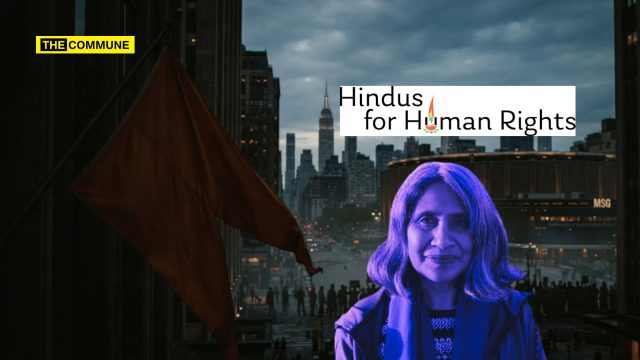
Sunita Vishwanath presents herself as a Hindu activist and is the co-founder and executive director of Hindus for Human Rights (HfHR), a US-based advocacy organisation established in 2019.
But Vishwanath’s activism has consistently been directed against Hindutva, the RSS, Prime Minister Narendra Modi and several core positions associated with the Indian state. Her organisation has worked alongside Indian-American Muslim advocacy groups, campaigned against the Ram Mandir, backed the “Dismantling Global Hindutva” campaign and built a network around organisations and individuals that are sharply critical of the Indian government.
Her recent intervention over RSS chief Mohan Bhagwat’s Madison Square Garden event is only the latest episode.
Vishwanath publicly appealed to New York Mayor Zohran Mamdani to cancel Bhagwat’s event, saying that Bhagwat represents an “extremist Hindu nationalist movement” and that New York should not provide the RSS a platform.
So who is Sunita Vishwanath, and how did an activist operating under the banner of a Hindu organisation arrive at the centre of a network that spends much of its time opposing Hindutva and India’s present political establishment?
From Women’s Rights Activism To HfHR
Vishwanath has spent more than three decades working with women’s and human-rights organisations.
She co-founded Women for Afghan Women (WAW) in 2001 and later co-founded Sadhana: Coalition of Progressive Hindus in 2011. She co-founded HfHR in June 2019.
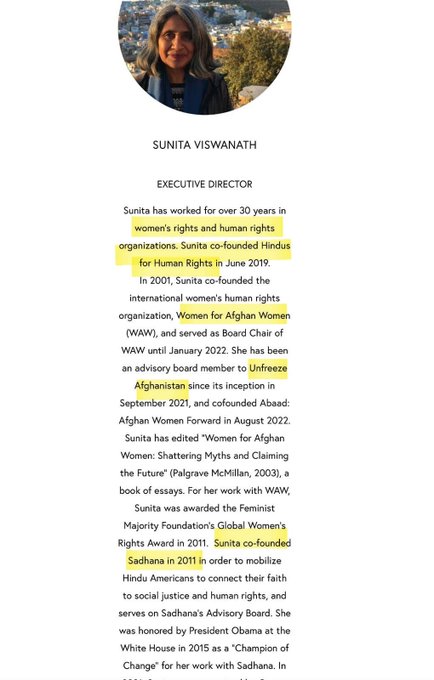
HfHR itself describes its mission as mobilising “progressive Hindus” around human rights and social justice.
Her early activism also brought her into the orbit of major philanthropic foundations.
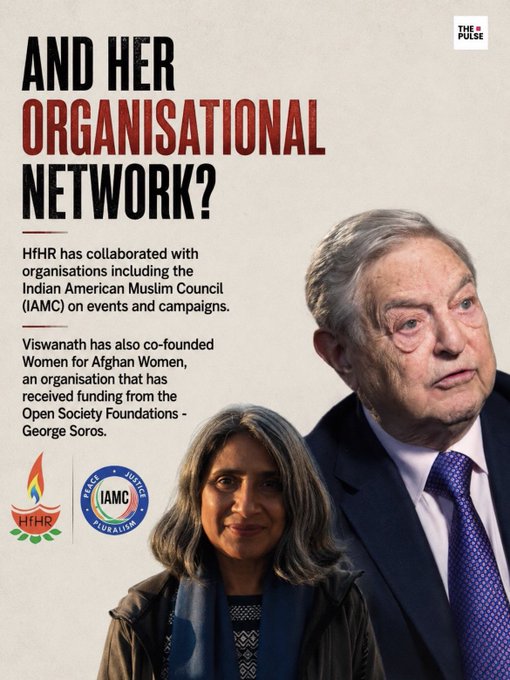
Women for Afghan Women received funding from the Open Society Institute/Foundation, among other donors. Vishwanath later became Associate Director of the Soros Reproductive Health Fellowship at Columbia University in 2006.
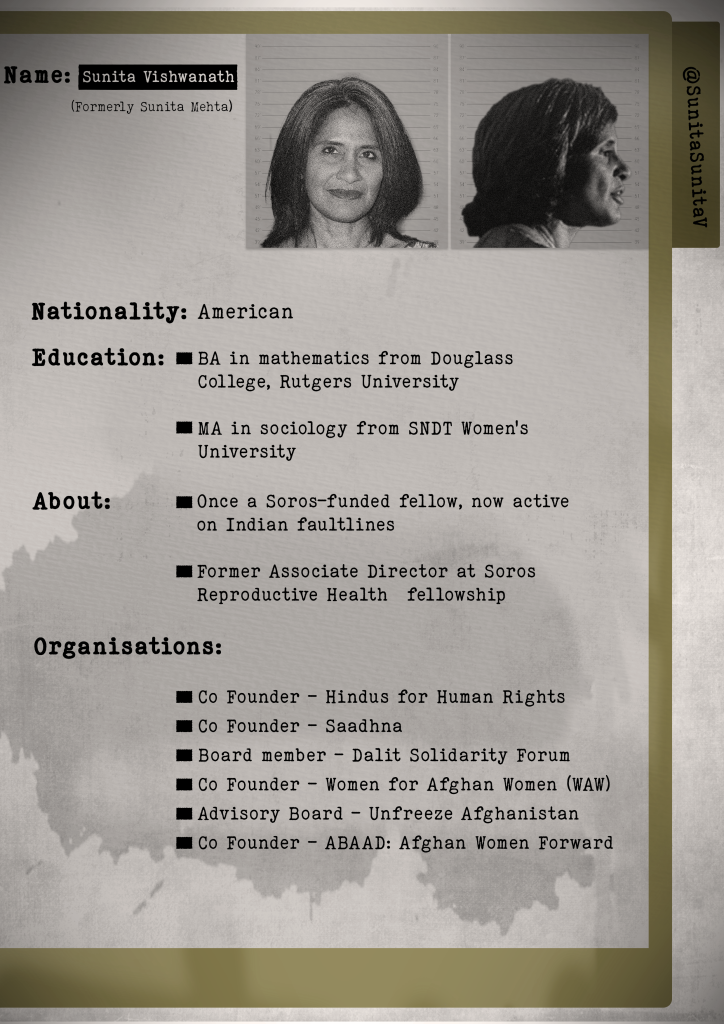
This indicates how deeply connected she is with the Soros ecosystem.
There is also a distinction worth making. Her funding connections themselves are documented and they all lead to Soros. HfHR’s own financial records show that it received $60,000 from Open Society Policy Center in 2020, while a broader funding database records $2.1 million in grants to HfHR from 21 funders between 2020 and 2024.
A Hindu Organisation Built To Fight Hindutva
The central contradiction surrounding HfHR is visible in its own language.
It presents itself as a Hindu advocacy organisation.
At the same time, its stated purpose is explicitly to challenge Hindutva and Hindu nationalism.
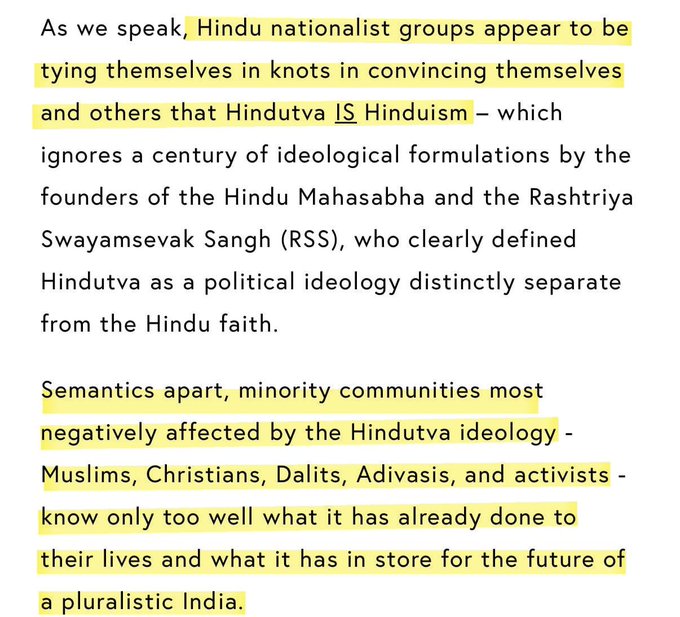
HfHR has repeatedly described Hindutva as a political ideology distinct from Hinduism. Vishwanath herself has argued that Hindutva represents a distortion of Hinduism and has described it as seeking a Hindu-supremacist state.
The organisation even created a campaign called “Hindutva 101.”
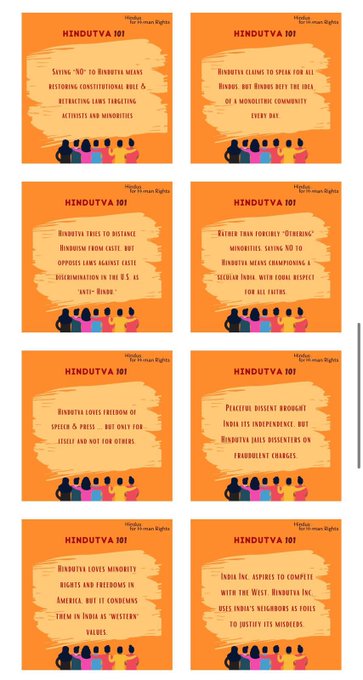
The campaign was titled: “Why This Kolaveri Hindutva?”
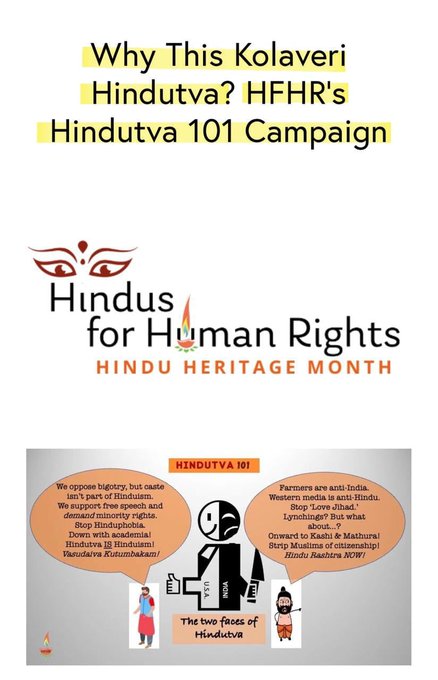
HfHR explained that “kolaveri” means “murderous rage” and argued that this was what it was witnessing in the streets and on social media under Hindutva. It described Hindutva as an ideology that had harmed Muslims, Christians, Dalits, Adivasis and activists.
In other words, the organisation does not merely distinguish Hinduism from Hindutva. Its campaigning presents Hindutva as a dangerous political ideology associated with violence and exclusion.
That distinction is central to Vishwanath’s activism.
‘Covid And Hindutva’: Vishwanath’s Own Words
In a 2021 article in The Nation, Vishwanath went even further.
She wrote that India was facing “two deadly viruses: Covid-19 and Hindutva.”
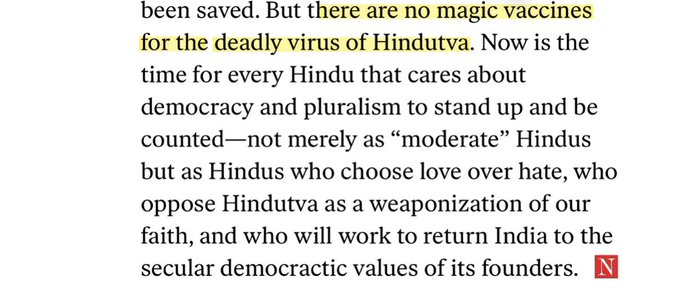
The article portrayed Hindutva as a far-right political ideology and questioned why moderate Hindus were not speaking out against it.
She also misled the world by portraying India as incapable of handling the Covid-19 crisis on its own and dependent on outside support to recover. She completely ignored India’s indigenous vaccine development and the assistance India extended to other countries during the pandemic.
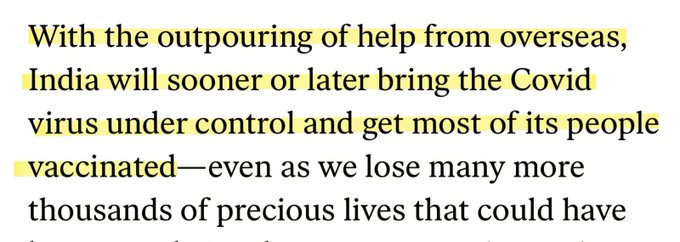
The comparison is significant because it shows that the “Hindutva is dangerous” argument is not merely an interpretation imposed on HfHR by its opponents. Vishwanath herself used the language.
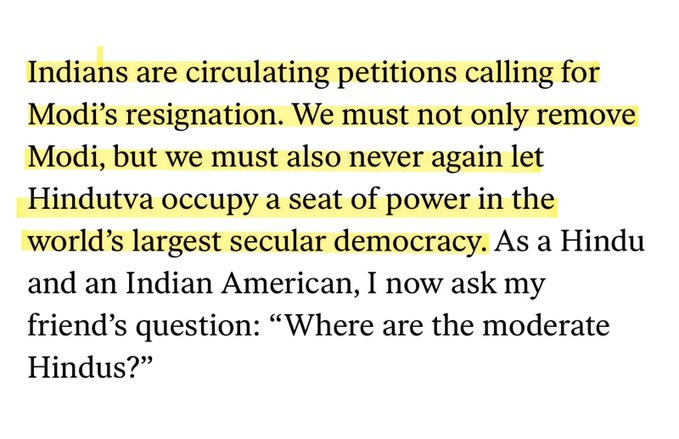
In the same article, she claimed that Indians were circulating petitions calling for Modi’s resignation. She also called on people to ensure that Hindutva is never allowed to come to power.
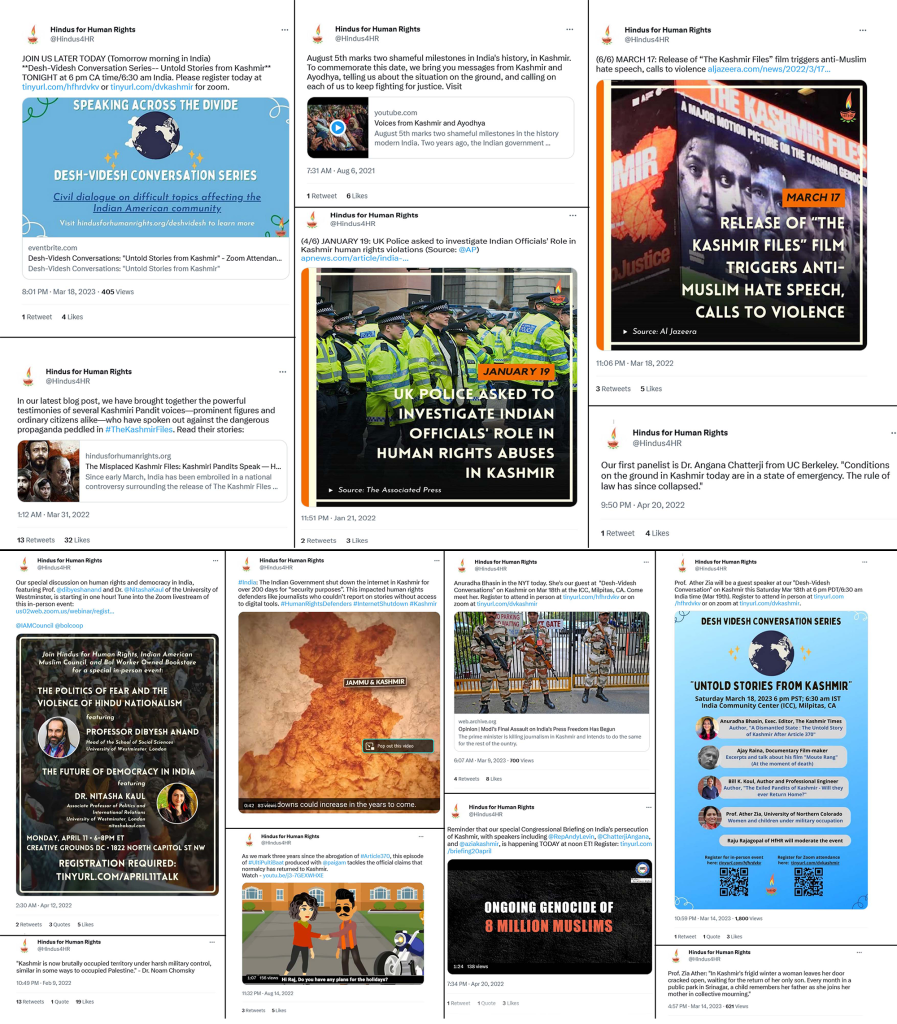
Her wider political messaging has also focused heavily on the Modi government, CAA, NRC, Kashmir and religious freedom.
During the NRC controversy, Vishwanath described the situation of 1.9 million people in Assam as a “travesty” and claimed they had been rendered stateless.
HfHR later produced a “Modi Protest Toolkit” ahead of Narendra Modi’s 2023 US state visit. The toolkit included pre-written social-media posts accusing Modi of authoritarianism and urging protesters to demand accountability from President Joe Biden and Modi.
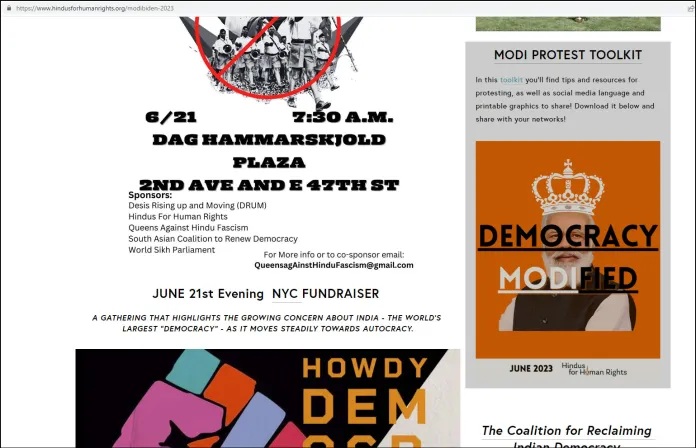
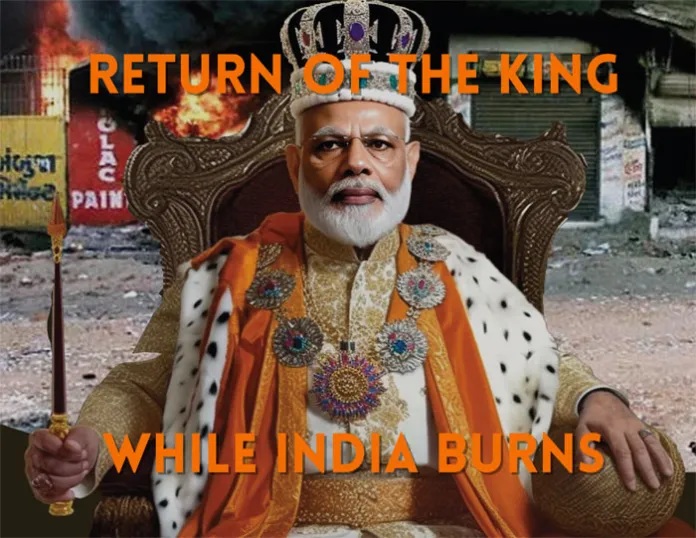
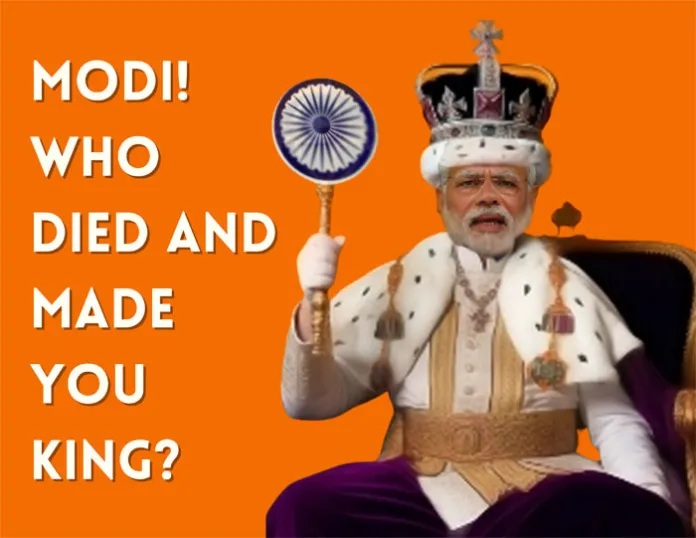
It also supplied protest hashtags, slogans and advice on protest security.
HfHR, IAMC And The Houston Protests
The organisation’s network extends beyond Hindu advocacy groups.
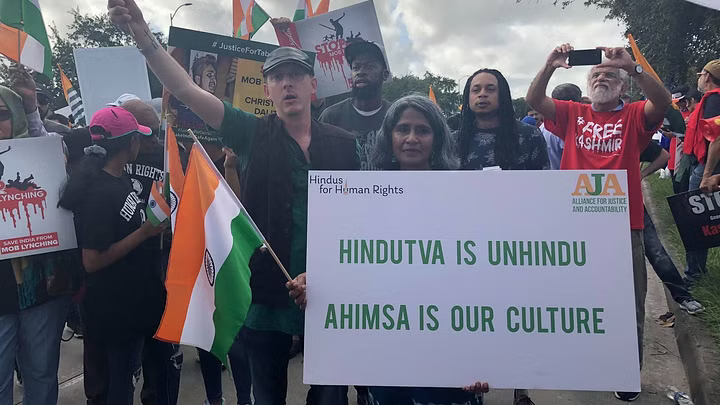
HfHR worked with the Indian American Muslim Council (IAMC) and the Organization for Minorities of India (OFMI) from its early days. Together, the three were associated with the Alliance for Justice and Accountability (AJA).
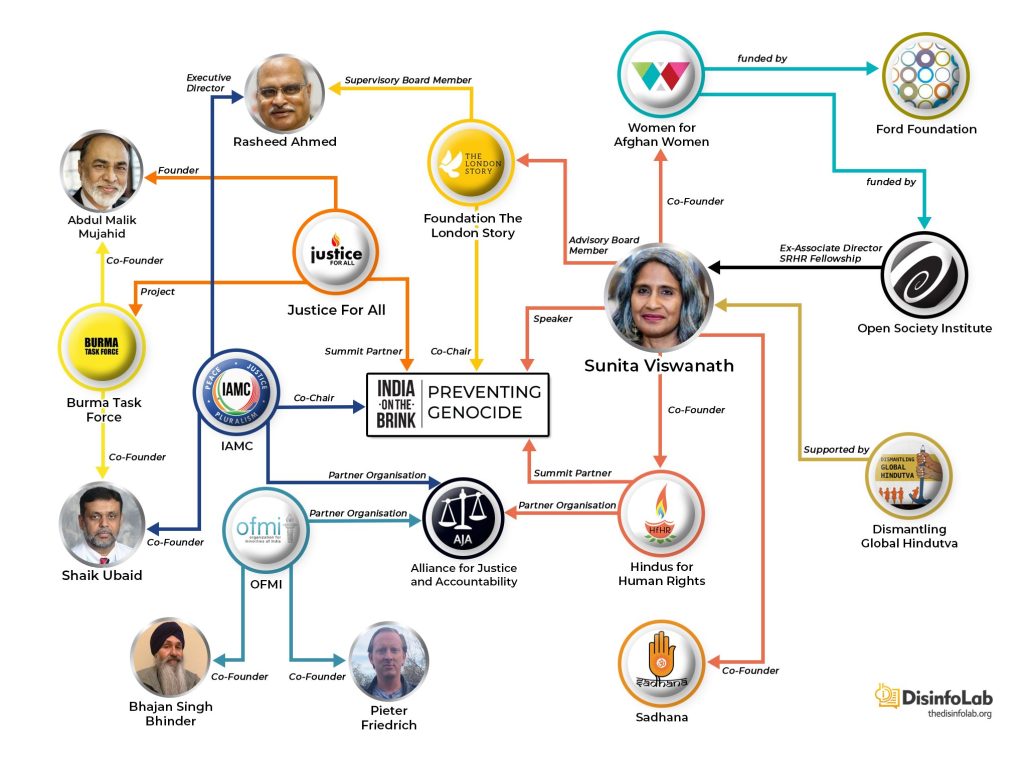
The alliance was prominent in demonstrations against Modi during his September 2019 Houston visit.
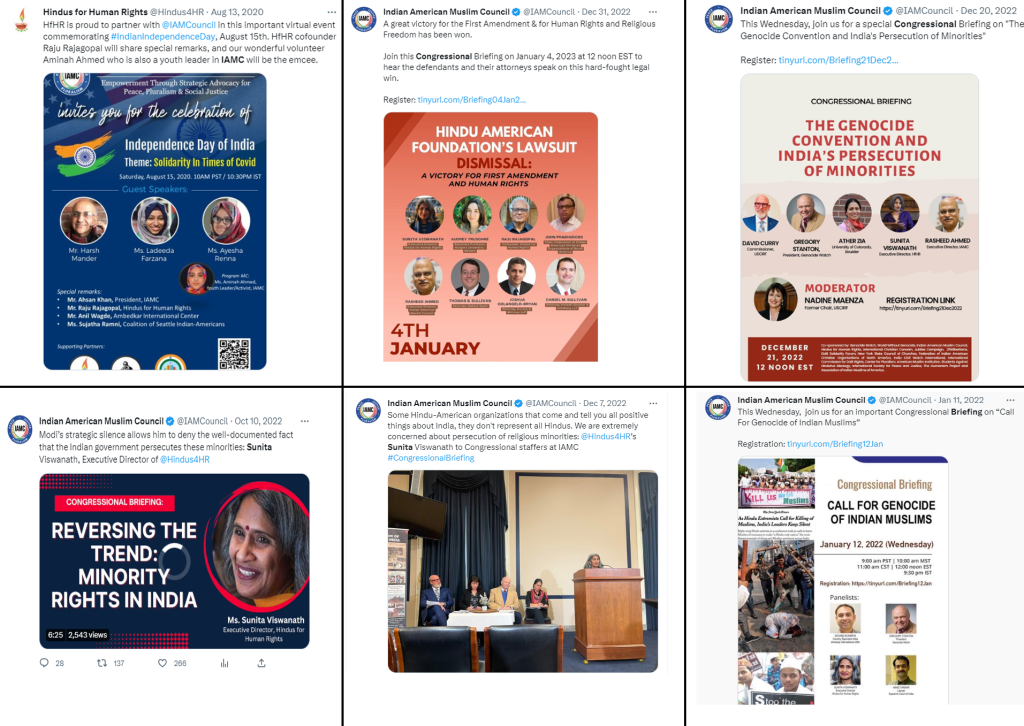
With all this background, HfHR’s claim to represent an independent Hindu advocacy voice is certainly dubious.
HfHR became part of a broader US-based ecosystem involving Islamist-linked advocacy organisations and groups campaigning against India. The connections can be mapped to HfHR’s collaborations with IAMC, OFMI, Justice For All, ICNA and CAIR.
HfHR has also been involved in campaigns surrounding Kashmir, caste, religious freedom and USCIRF lobbying.
The USCIRF Lobbying Network
HfHR subsequently became active around the US Commission on International Religious Freedom (USCIRF).
It participated in hearings, congressional briefings and webinars concerning India’s religious-freedom record, often alongside IAMC and other advocacy organisations.
The network repeatedly pushed the issue of India being designated a Country of Particular Concern.
HfHR effectively followed the lobbying model already used by IAMC and other organisations to influence USCIRF’s India-related assessments. There are multiple HfHR-IAMC events involving USCIRF officials and former commissioners between 2020 and 2022.
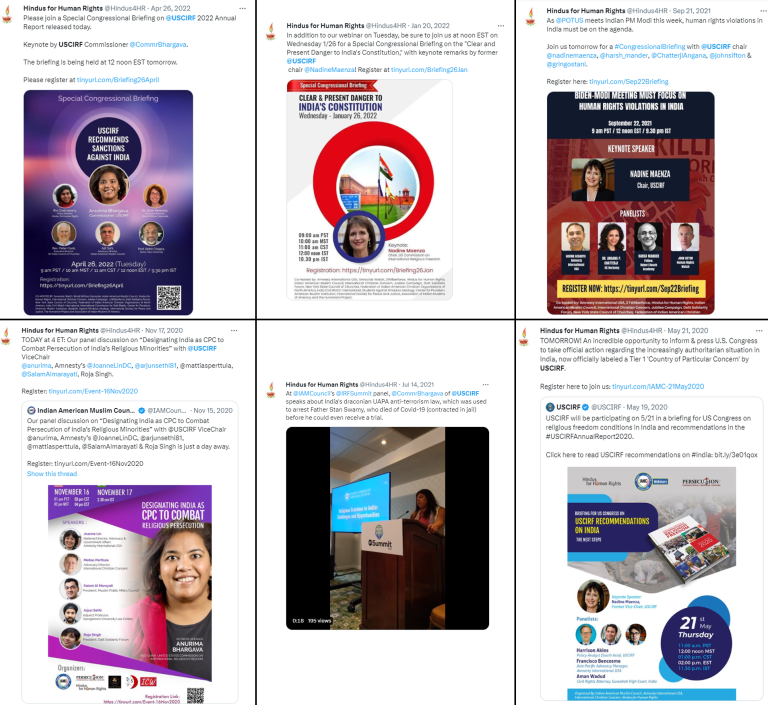
The result was an increasingly established ecosystem in Washington where HfHR became one of the organisations presenting the case against India’s policies on religious freedom.
The ‘Dismantling Global Hindutva’ Campaign
HfHR also endorsed the “Dismantling Global Hindutva” conference in 2021.
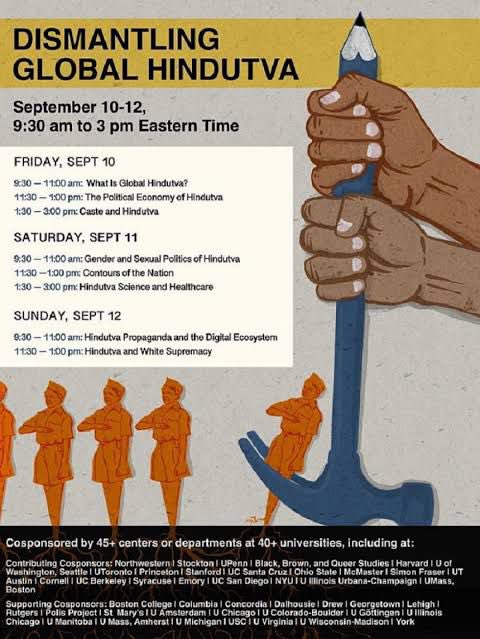
The conference became one of the biggest flashpoints between Hindu organisations in the United States.
For Vishwanath and HfHR, the distinction remained clear: Hinduism was presented as a faith based on pluralism and justice, while Hindutva was presented as a political ideology that needed to be dismantled.
The campaign was an attack on Hindu identity itself.
The disagreement is not simply about terminology. It goes to the heart of what HfHR claims to represent.
Ram Mandir: Hindu Symbol Or ‘Anti-Muslim Hate Symbol’?
HfHR’s position on the Ayodhya Ram Mandir provides another example.
Ahead of New York’s 2024 India Day Parade, HfHR demanded that a Ram Mandir replica be removed from the parade.
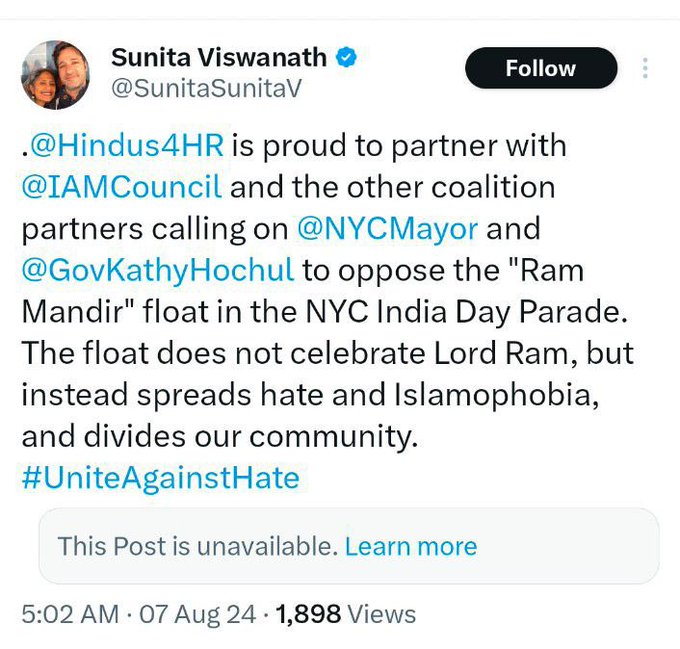
The organisation described the temple as a symbol of Hindu nationalist power and called the float an “anti-Muslim hate symbol.” It joined a coalition that included Muslim and interfaith organisations in opposing the display.
The coalition included IAMC.
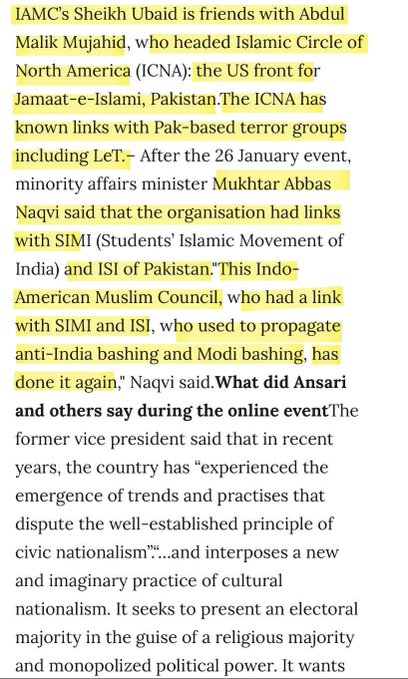
The issue also involved then-New York State Assemblyman Zohran Mamdani, who joined other politicians in opposing the float.
HfHR’s position was unequivocal: the Ram Mandir should not be presented as a symbol of Indian identity.
That position is important when viewed alongside Vishwanath’s more recent intervention against the RSS.
From Ram Mandir To Mohan Bhagwat
The latest chapter brings Vishwanath back into the headlines.
In August 2026, ahead of Mohan Bhagwat’s Madison Square Garden event, Vishwanath directly appealed to Mamdani to cancel the programme.
5. Vishwanath recently publicly appealed to Zohran Mamdani to cancel Mohan Bhagwat’s Madison Square Garden event stating that RSS is an extremist Hindu organisation. pic.twitter.com/Ey4kngEiq8
— Brown Sepoys (@BrownSepoys) September 1, 2026
She argued that Bhagwat leads an “extremist Hindu nationalist movement” and that his politics should not be given a platform in New York.
HfHR’s deputy executive director Sravya Tadepalli made a similar argument, saying Bhagwat does not represent Hindus and accusing the RSS of promoting exclusion and fear.
Mamdani himself publicly opposed the RSS event, although he said he could not cancel a private event.
Gaza, Krishna And The Mahabharata
Vishwanath’s activism has also extended to the Israel-Gaza conflict.
In an article for The Wire, she drew parallels between Gaza and the suffering of Krishna and the Pandavas.
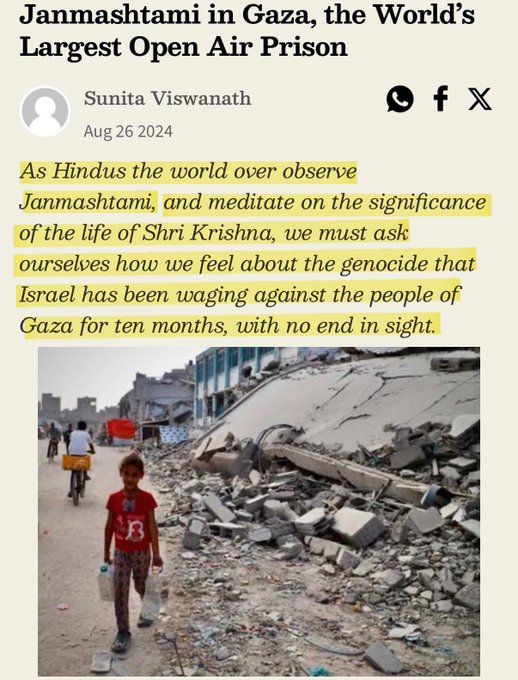
She wrote about Krishna’s escape from imprisonment and compared Gaza to the “world’s largest open-air prison.” HfHR itself later highlighted the article, saying Vishwanath had drawn parallels between Krishna’s imprisonment and Gaza on Janmashtami.
She invoked Krishna, the Mahabharata and the Gita while discussing Hamas’s October 7 attack and the Israel-Gaza war.

That is not inherently contradictory with being Hindu. But it illustrates how Vishwanath uses Hindu religious history in political advocacy, while simultaneously arguing that Hindu religious identity must be separated from Hindutva.
The Rahul Gandhi Connection
Vishwanath also became a political talking point in India in 2023 after she was photographed sitting alongside Rahul Gandhi during his US visit at the Hudson Institute.
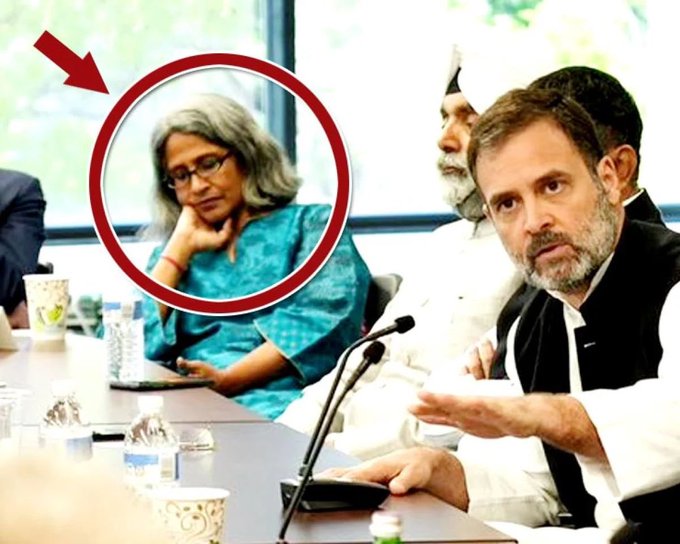
The meeting placed a prominent HfHR figure in the orbit of India’s principal opposition leader.
It also brought renewed attention to Vishwanath’s links to Open Society-funded organisations.
The Soros Connection
Vishwanath has rejected the description of herself as a Soros operative or proxy.
Yet the documented history is more complicated.
She worked with Women for Afghan Women, which received Open Society funding.
She served as Associate Director of the Soros Reproductive Health Fellowship at Columbia.
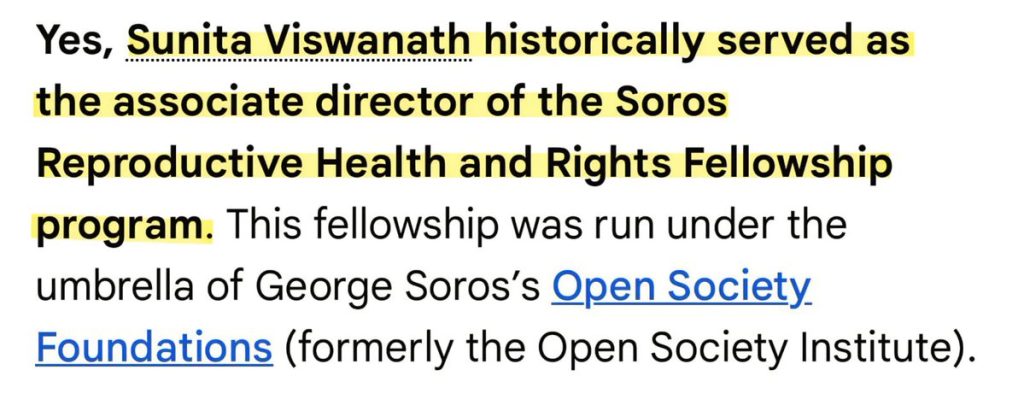
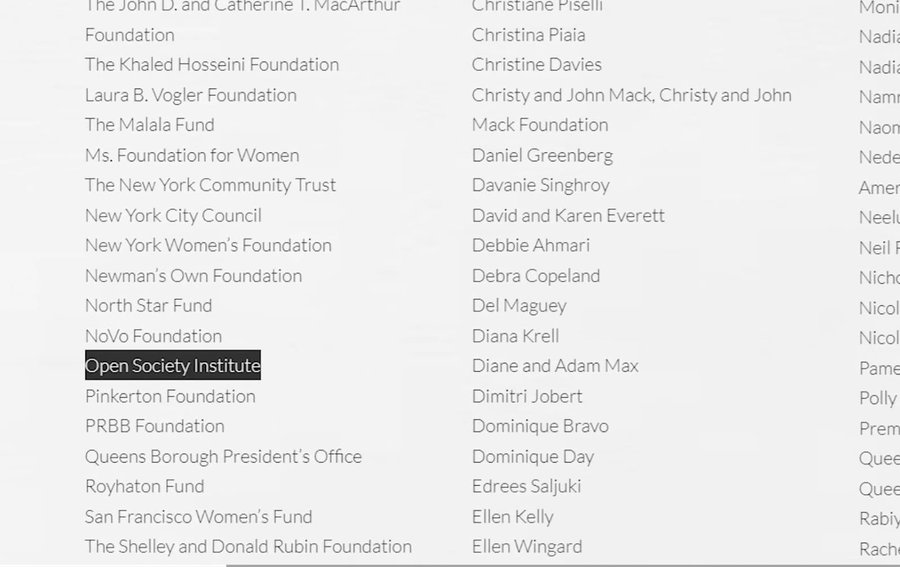
HfHR itself has received funding from Open Society Policy Center.
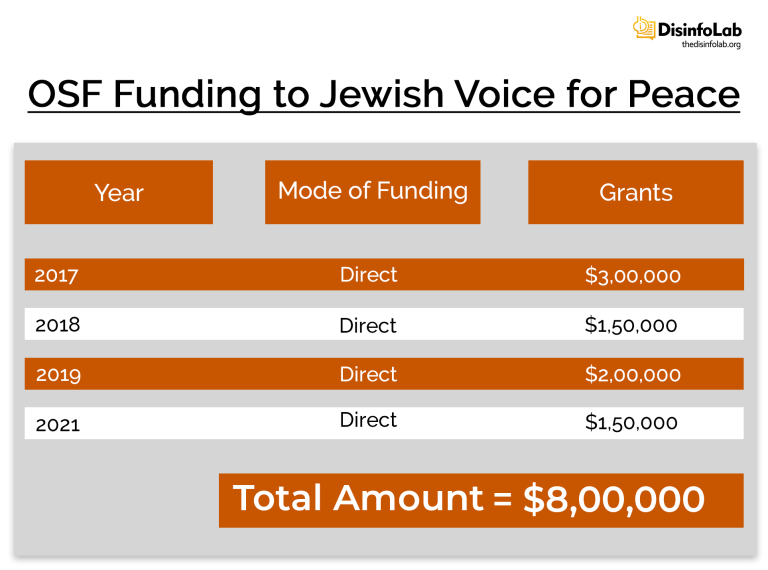
And her husband, Stephan Shaw, has been associated with Jewish Voice for Peace, an organisation that has also received Open Society funding.
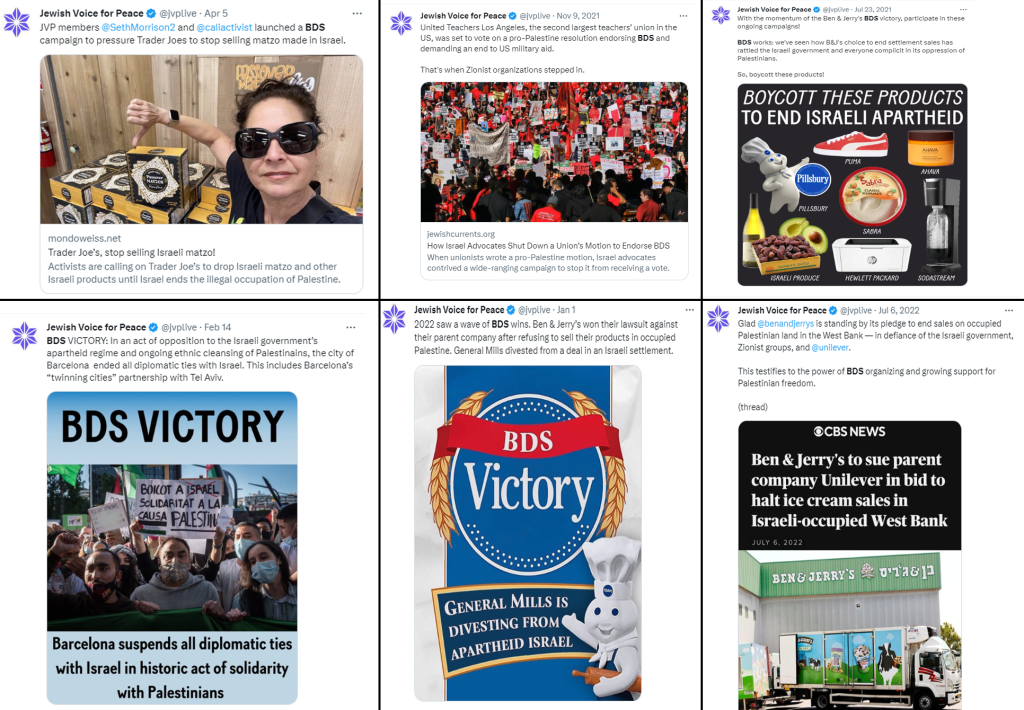
HfHR was modelled in part on the advocacy strategy of Jewish Voice for Peace and that the two organisations have deliberately drawn parallels between India and Israel.
Additionally, JVP has been funded by Soros-related organisations.
The Advisory Board
The ideological profile becomes even more pronounced when HfHR’s wider network is examined.
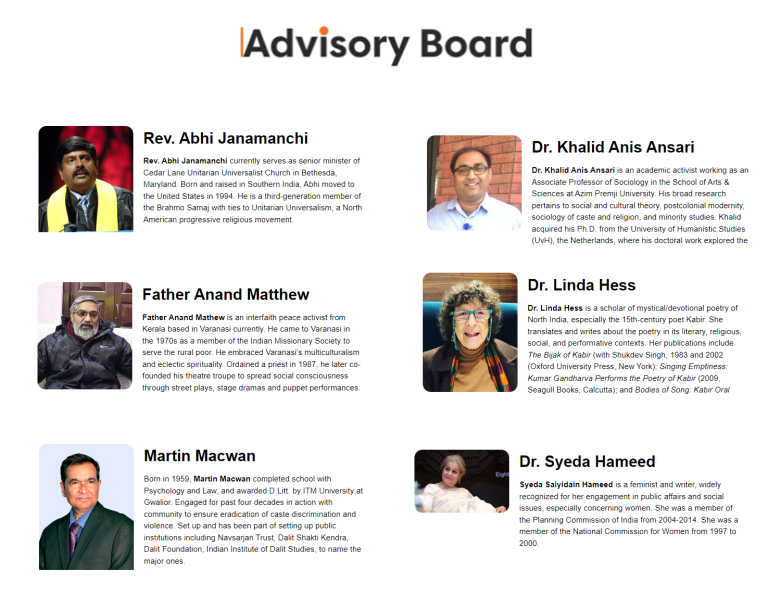
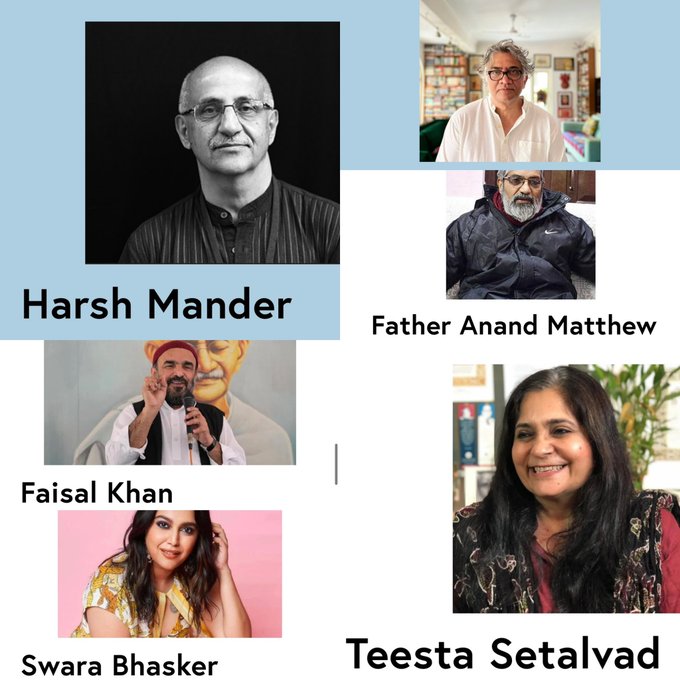
The organisation has also featured prominent figures associated with India’s liberal-left and human-rights ecosystem, including Harsh Mander, Swara Bhasker, Teesta Setalvad and Aakar Patel, alongside other academics, activists and religious figures.
The Pattern
The pattern is difficult to miss.
Vishwanath began with women’s rights activism and organisations working on Afghanistan and South Asian women.
She moved into progressive Hindu activism through Sadhana.
In 2019, she co-founded Hindus for Human Rights.
HfHR quickly became active alongside IAMC and OFMI, including through the Alliance for Justice and Accountability.
The organisation then expanded into Kashmir, CAA-NRC, religious freedom, USCIRF lobbying, caste politics and opposition to Hindutva.
It endorsed Dismantling Global Hindutva.
It campaigned against the Ram Mandir float in New York.
It produced a protest toolkit targeting Modi.
Vishwanath publicly compared Hindutva with a deadly virus.
She invoked Krishna and the Mahabharata while campaigning over Gaza.
She appeared alongside Rahul Gandhi during his US visit.
And now she is publicly campaigning against an RSS chief’s appearance at Madison Square Garden.
What Hindu Advocacy When Against Hindutva?
Vishwanath’s central argument is that Hinduism and Hindutva are two different things.
Viewed purely through her public record, the organisation she co-founded has spent considerable energy opposing the political ideology most closely associated with the RSS and BJP, challenging India’s government on international platforms, campaigning against Hindu nationalist symbols such as the Ram Mandir float, and working with organisations that share those objectives.
The organisation calls itself Hindus for Human Rights.
Its leader calls herself a Hindu.
But the political project Vishwanath has built her public career around is unmistakable: opposition to Hindutva, opposition to the RSS, opposition to the Modi government and an international advocacy network that repeatedly presents India’s political and religious landscape through that lens.
The latest stop in that trajectory is New York, where the same Sunita Vishwanath who has spent years campaigning against Hindutva is now asking the city’s mayor to deny the RSS chief a platform at Madison Square Garden.
This article is based on an X thread by Brown Sepoys & a DisinfoLab research report.
Subscribe to our channels on WhatsApp, Telegram, Instagram and YouTube to get the best stories of the day delivered to you personally.