Rameswaram, home to the revered Ramanathaswamy Temple and one of Hinduism’s holiest pilgrimage destinations, attracts lakhs of devotees every year from across India and abroad. However, growing complaints from pilgrims and local residents have highlighted a range of concerns involving environmental pollution, temple maintenance, infrastructure deficiencies, and alleged disruptions to long-standing religious traditions.
Sacred Waters Under Threat
One of the most serious concerns relates to Agni Theertham, the sacred seashore where devotees traditionally bathe before entering the Ramanathaswamy Temple. Pilgrims have repeatedly complained about foul odours, sewage contamination, drainage overflow, discarded waste and unhygienic conditions around the shoreline.
Environmental concerns have also been raised regarding the discharge of untreated sewage into the sea, with reports of failures in underground drainage systems and delays in sewage treatment projects. The issue has attracted the attention of the Madras High Court, which has questioned civic authorities regarding sewage discharge near the sacred site. For devotees, the pollution of Agni Theertham is not merely an environmental issue but an affront to the sanctity of one of Hinduism’s most important pilgrimage rituals.
Concerns Over The 22 Sacred Theerthams
Inside the temple, devotees traditionally proceed through 22 sacred theertham wells before taking darshan. However, concerns have emerged regarding water quality, maintenance and structural conditions around the wells.
Earlier scientific studies reportedly detected contamination in some of the theerthams, raising fears about sewage intrusion and deteriorating water quality. More recently, devotees have complained that water from certain wells emits an unpleasant smell.
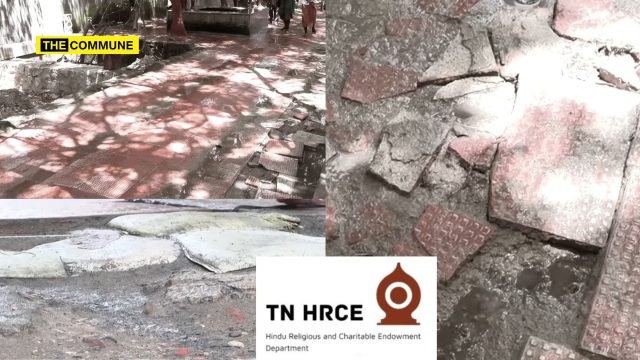
Pilgrims have also raised alarm over damaged flooring surrounding the theerthams. Loose stones, potholes, uneven surfaces and slippery patches have reportedly caused injuries, particularly among elderly devotees. Some pilgrims claim that falls have become increasingly common, with reports of visitors sustaining fractures and head injuries.
Ritual Traditions And Administrative Changes
Another source of controversy has been the decision to alter traditional movement routes associated with the 22 theerthams. Temple authorities have maintained that revised pathways were introduced to improve crowd management. However, many devotees argue that the sequence and route followed during the theertham ritual form an integral part of centuries-old temple traditions and should not be modified for administrative convenience.
Concerns have also been raised regarding crowd-control arrangements that allegedly force pilgrims through anticlockwise movement patterns in certain sections. Critics argue that such arrangements conflict with traditional Hindu practices that favour clockwise circumambulation around sacred spaces.
Poor Facilities And Heritage Concerns
Devotees have also highlighted inadequate changing facilities, claiming that privacy remains insufficient for pilgrims changing clothes after completing the sacred bath rituals. Complaints have additionally been raised regarding the presence of stray dogs within the temple premises.
Several pilgrims have criticised the overall condition of pathways leading to the sanctum, citing broken flooring, damaged walls, overgrown vegetation and litter accumulation. Questions have also been raised about the quality of certain renovation works, with critics arguing that repairs do not adequately respect the temple’s historic architectural heritage.
A Pilgrimage Centre Facing Civic Challenges
Residents further point to the lack of adequate healthcare infrastructure in Rameswaram despite the enormous number of pilgrims visiting annually. During emergencies, many patients are reportedly forced to travel to Ramanathapuram or Madurai for specialised treatment. Concerns have also been raised regarding the availability of basic public amenities and essential services.
Temple authorities have stated that repair work around the theerthams is currently underway and that much of the work can only be carried out during night hours due to heavy pilgrim traffic. Nevertheless, devotees continue to urge the HR&CE Department and civic authorities to address the growing list of concerns and restore the standards expected of one of India’s most sacred pilgrimage centres.
Subscribe to our channels on WhatsApp, Telegram, Instagram and YouTube to get the best stories of the day delivered to you personally.