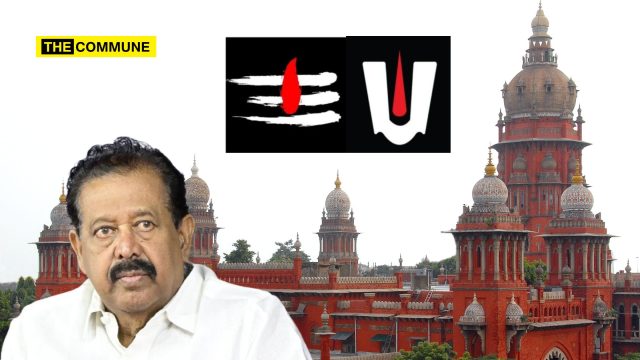
The Madras High Court on Thursday (2 July 2026) dismissed a petition filed by former Tamil Nadu Minister K. Ponmudi challenging an order of the Metropolitan Magistrate, Georgetown, which had taken cognisance of a private anti-Hindu hate speech complaint filed against him by BJP Councillor Uma Anandan, as reported in LiveLaw.
Justice G.K. Ilanthiraiyan rejected Ponmudi’s plea, declining to interfere with the proceedings initiated on the basis of the private complaint. The High Court had reserved its verdict on June 25. A detailed copy of the judgment is awaited.
The case pertains to remarks allegedly made by Ponmudi against Saivism, Vaishnavism and women.
Earlier, on 17 April 2025, the Madras High Court had directed the Tamil Nadu Government to register an FIR against Ponmudi over the speech. When no FIR was registered, the High Court initiated suo motu proceedings, observing that the speech prima facie amounted to hate speech.
The court had held that the allegations disclosed the ingredients of offences punishable under Sections 79, 196(1)(a), 296(a), 299 and 302 of the Bharatiya Nyaya Sanhita (BNS), 2023, and directed the Registry to register a suo motu criminal case against the former minister.
Subsequently, the State Government informed the High Court that all complaints relating to the speech had been investigated and closed on the ground that no material was found to proceed further. Taking note of the State’s submission, the High Court closed the suo motu proceedings while granting liberty to the complainants to approach the jurisdictional Magistrate challenging the closure of the complaints.
Following this, BJP Councillor Uma Anandan filed a private complaint before the Metropolitan Magistrate under Section 196(1)(a) of the BNS for promoting enmity between different groups, Section 299 for deliberate and malicious acts intended to outrage religious feelings of a class, and Section 300 relating to disturbing a religious assembly.
The Metropolitan Magistrate took cognisance of the complaint and issued summons to Ponmudi after observing that a prima facie case had been made out and that the objections raised by the former minister were matters to be examined during trial.
The High Court had earlier stayed the proceedings before the Magistrate and dispensed with Ponmudi’s personal appearance while considering his challenge.
During the hearing, Ponmudi’s counsel argued that the alleged speech had been delivered during a closed-door session and that he had merely reiterated the contents of a speech made nearly 50 years ago.
It was further argued that the offences invoked were not attracted as there were no two identifiable groups between whom enmity could be promoted, and that there was no intention to hurt the religious sentiments of any community.
His counsel also contended that the complaint was not maintainable as the mandatory sanction under Section 217 of the Bharatiya Nagarik Suraksha Sanhita (BNSS) had not been obtained before instituting the proceedings.
Opposing the plea, counsel for Uma Anandan submitted that Ponmudi’s speech was intended to propagate an atheist ideology and create hatred towards the Hindu religion in the minds of followers of other religions.
It was further argued that Ponmudi was a sitting Minister at the time he delivered the speech and that his statements carried significant influence over the public. The complainant contended that persons occupying such positions were expected to exercise greater responsibility in their public statements.
The complainant also submitted that while criticism of religion was permissible, it could not be made in a manner contrary to law.
It was further argued that the remarks made by Ponmudi were unrelated to the event at which they were delivered, indicating that they were made intentionally. According to the complainant, the speech was aimed at hurting the sentiments of followers of the Hindu religion and causing them psychological harm.
Anandan’s counsel also argued that the objections raised by Ponmudi regarding the validity of the prosecution sanction and the applicability of the penal provisions were matters to be decided during trial and could not be examined at the stage of challenging the Magistrate’s order.
Accepting this position, the Madras High Court dismissed Ponmudi’s petition, allowing the criminal proceedings before the Metropolitan Magistrate to continue.
Subscribe to our channels on WhatsApp, Telegram, Instagram and YouTube to get the best stories of the day delivered to you personally.