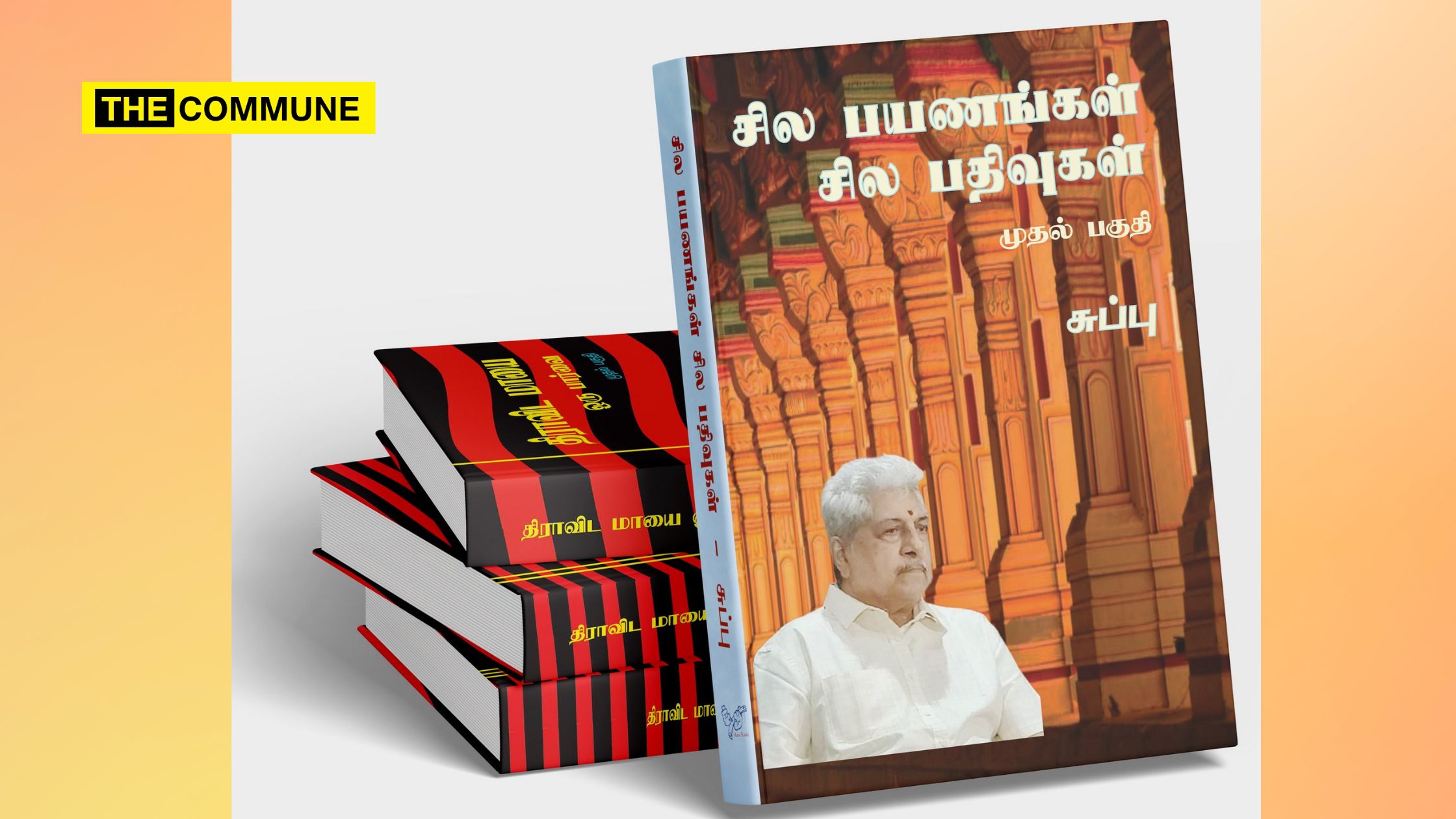
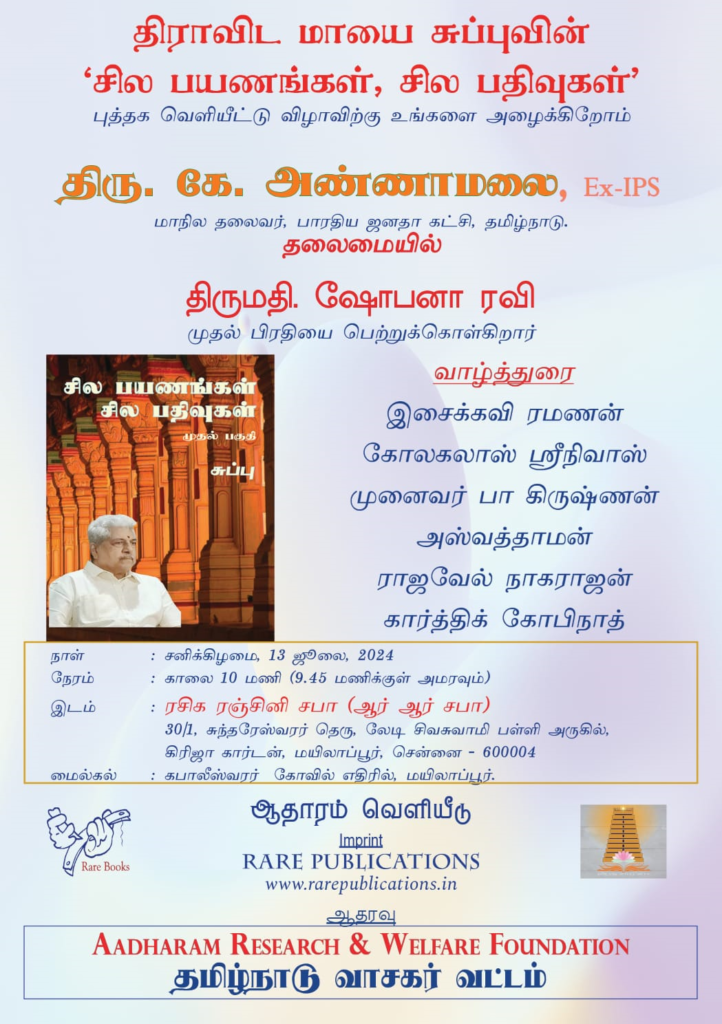
The literary community in Chennai is abuzz with anticipation as the launch of “Sila Payanangal, Sila Padhivugal” by Dravida Mayai Subbu approaches. Scheduled for Saturday, 13 July 2024, at Rasika Ranjini Sabha in Mylapore, Chennai, at 10 AM.
The book, which explores diverse journeys and chronicles through a distinct narrative lens, will be unveiled amidst distinguished guests and literary figures. The chief guest of the event will be Tamil Nadu Bharatiya Janata Party President, K Annamalai. Noted news reader Shobana Ravi will have the honour of receiving the first copy of the book.
The launch will also feature the presence of renowned personalities such as Poet Ramanan, Kolahalas Srinivas, Dr. P Krishnan, BJP members Ashwathaman and Karthik Gopinath, and Pesu Tamizha Pesu YouTube Channel’s Rajavel Nagarajan.
Published by Rare Publications and supported by the Tamil Nadu Readers Circle, the event at Rasika Ranjini Sabha, promises an engaging morning for book enthusiasts and intellectuals alike.
For more details and updates on the book launch, interested individuals are encouraged to visit www.rarepublications.in.
After the launch of the English version of his ever-popular book Dravida Maayai, this book “Sila Payanangal, Sila Padhivugal” in Tamil is a much anticipated one from writer Subbu.
Subscribe to our channels onTelegram, WhatsApp, and Instagram and get the best stories of the day delivered to you personally.
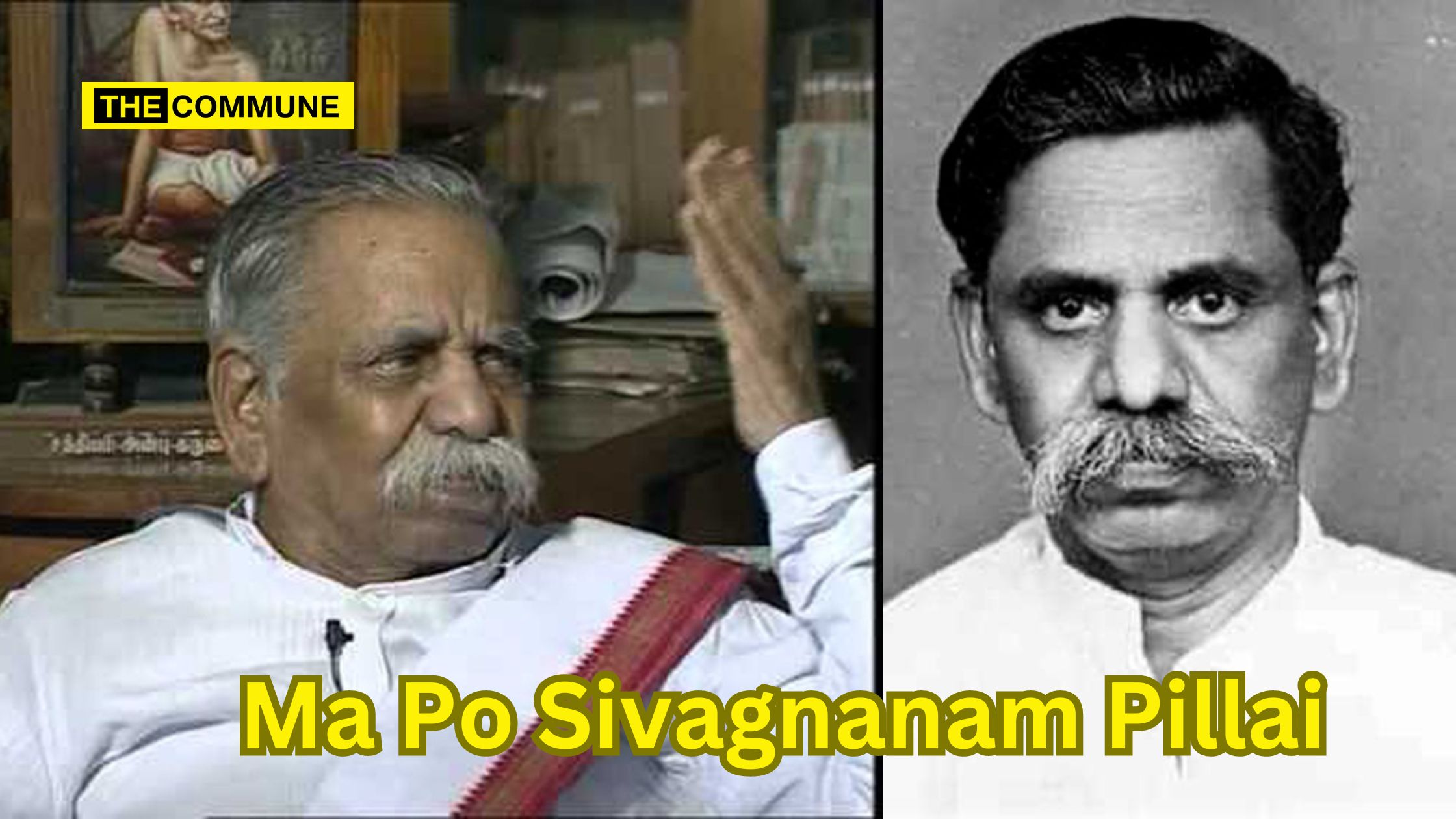
Indian freedom fighter, Tamil patriot, scholar and a statesman, Ma Po Sivagnanam Pillai fondly known as MaPoSi, emerged as emerged as a key figure in Tamil Nadu (then Madras state) whose contributions have unfortunately been overlooked by Dravidianists. His contributions across multiple domains were pivotal, significantly shaping Tamil Nadu’s cultural and social fabric. Without his efforts, Chennai might not have become a part of Tamil Nadu, underscoring his enduring impact on the region.
MaPoSi was born on 26 June 1906, in Saluvankuppam, a town in the former Madras district. He came from a deeply religious family with a strong connection to culture and heritage. Despite his education being halted after completing the 3rd class, this early period laid the groundwork for his intellectual pursuits, which later illuminated the paths of many. His mother, Sivagami, a devout woman, is credited for instilling these values in him.
Facing poverty, MaPoSi initially worked as a weaver and later as a compositor in a printing press. Through diligence and a profound attachment to his homeland, he emerged as a respected scholar and statesman. He was easily recognizable by his distinctive walrus mustache. Despite his prominence, he never reached the pinnacle of state politics. Currently, his nationalist ideology has been obscured and his legacy marginalized in Tamil Nadu, as efforts to promote a singular lineage of Dravidian ideologies prevail.
Champion Of Madras
He is most renowned for his pivotal role in the demarcation of Tamil Nadu and his efforts to ensure that Madras remained the state capital, during a time when Andhra Pradesh and Tamil Nadu were embroiled in a contentious struggle over it.
Madras, marking its 300th anniversary, faced its second major challenge since the French invasion. The issue of the capital of the presidency became a point of contention between two ethnic and linguistic groups that had coexisted for centuries but were now neighboring states in newly independent India.
The Telugu population’s agitation, known as the “Madras Manathe” movement, had historical roots. Madras had originally been leased from a Telugu king of Chandragiri, and some argued that the demographic composition of the region had significantly shifted after railways encouraged large-scale Tamil migration to the presidency’s capital. The fate of Madras was crucial, as its identity would have been markedly different had it become part of Andhra Pradesh. The decision that Madras would define Tamil Nadu’s future was fiercely debated in parliament and on the streets where both factions protested.
For various reasons, there were no widespread movements advocating for Madras to remain Tamil. Figures like EV Ramasamy Naicker (EVR) were involved in other campaigns, the DMK was still emerging, and the Congress, focused on national issues, did not prioritize Tamil interests.
Meanwhile, spurred by freedom fighter Potti Sreeramulu’s hunger strike for a separate Andhra Pradesh based on linguistic lines, and under the leadership of Andhra Kesari Tanguturi Prakasam, the aggressive “Madras Manathe” campaign gained momentum among Telugu speakers in the presidency. MaPoSi played a crucial role in keeping the issue alive until Tamil support could be mobilized. Eventually, other Tamil politicians joined the cause. Potti Sreeramulu’s hunger strike intensified the demand for linguistic states. Despite his firm stance on the capital issue and leadership of the North Border Protection Group, MaPoSi shared a poignant reunion with Potti Sreeramulu in Vellore, where they were both imprisoned.
However, his reunion with his friends across all political parties caused embarrassment. Nevertheless, MaPoSi maintained a firm stance on the Madras takeover issue. He went as far as raising a point of order in the legislature to have the fasting Potti Sreeramulu arrested and force-fed, to safeguard the relationship between the Telugu and Tamil communities. He even opposed a council mention expressing condolences on Sreeramulu’s untimely death in December 1952, fearing it might incite violence against Tamils.
Following these events, on 1 October 1953, eleven districts of the Telugu-speaking region were carved out of Madras State to form the new Andhra State with Kurnool as its capital. After further state reorganization in 1956, the remaining portion of Madras State was renamed Tamil Nadu on 14 January 1969. Before the formation of Tamil Nadu, MaPoSi spent two decades in the freedom struggle and endured six imprisonments, facing near-death at one point. During his incarceration, he lost 31 kilograms and became so emaciated that even Rajaji failed to recognize him at a public event. Once identified, Rajaji promptly arranged for MaPoSi’s hospitalization and treatment.
A True Nationalist
Inspired by Mahakavi Bharati, MaPoSi balanced his love for the Tamil language with devotion to his motherland. His nationalism was rooted in spiritualism rather than jingoism, advocating unity in diversity. He looked to Gandhi as his political mentor and participated in peaceful protests (satyagraha), enduring over 700 days in various jails as a satyagrahi. His book “Spirituality and Politics” delves into this intersection. His writings on Veera Pandiya Kattabomman and Kappalottiya Thamizhan, which later inspired films, continue to nurture nationalist sentiments.
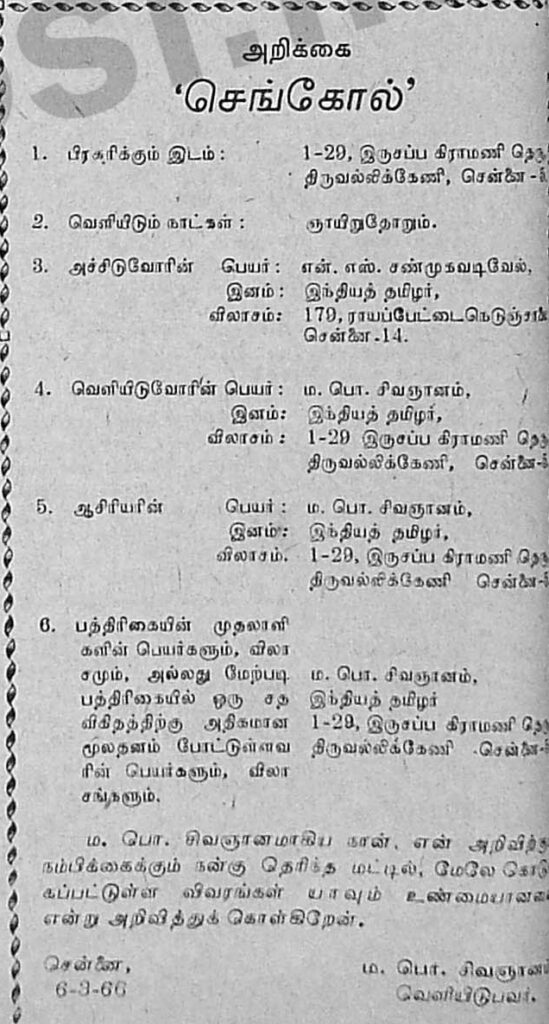
He later founded the Tamizharasu Kazhakam political party, challenging the superficiality of Dravidian movements that claimed to champion Tamil causes without true dedication. His party’s official organ, “Sengol,” symbolized his commitment to a political system based on righteous values
MaPoSi also played a crucial role in preserving the legacies of two prominent freedom fighters from different eras, Veerapandiya Kattabomman and VO Chidambaram. Despite initial resistance, he succeeded in erecting a statue of VOC within the Congress office, after gathering funds from various sources, including firewood merchants along the Buckingham Canal. He was dedicated to commemorating Tamil freedom fighters and was the first to publish their stories, including those of forgotten figures like Annie Besant, in his newspaper on Independence Day in 1947. Similarly, his efforts to support the filming of Veerapandiya Kattabomman’s story faced criticism but eventually revitalized interest in Southern India’s independence struggle. MaPoSi’s influence extended to cultural and political realms as well. He advocated for replacing British symbols in Madras with Tamil icons and proposed renaming Madras State to Tamil Nadu years before it was officially changed.
MaPoSi demonstrated his nationalist spirit throughout his life. For instance, during the British era, the flag of the Madras Corporation featured symbols like the sea, a boat, three lions, and two fishes. The three lions symbolized the British rule, while the sea, boat, and fishes represented the coastline of Madras. After India gained independence, there was a call to change this flag. MaPoSi, who led the education wing of the corporation proposed replacing the old symbols with those representing the ancient Tamil kingdoms of Pandya, Chola, and Chera: the fish, tiger, and bow. This suggestion was endorsed by Rajaji, marking a symbolic shift towards embracing Tamil heritage under Indian independence. In another instance of his nationalist fervor, MaPoSi always declared himself as “Indian Tamil” race in the magazine Sengol. This declaration resonated deeply, illustrating his deep-seated pride in his identity as an Indian and a Tamil.
Literary Contributions
Inspired by the nationalist fervor of the time, he immersed himself in Tamil literature and began writing poetry and essays in Amaravathi prison, driven by a passion for social justice and Tamil resurgence. blending classical Tamil literary traditions with modern themes of social justice and reform. His works resonated with the aspirations of the Tamil people for cultural revival and social equality. His writing style was marked by clarity, depth of emotion, and a keen sense of social critique.
Through his writings, he introduced the richness of Tamil literature to the youth at a time when English held sway due to British rule and its associated commercial advantages. His literary works span a wide range, from the Sangam Era to contemporary times. It is evident that he held Ilangoadigal, Kambar, and Bharathi—the three timeless poets—in high esteem. Ilango Adigal, once a prince turned ascetic, penned Silapadikaaram, one of Tamil’s five great epics. His enthusiasm for Silapadikaaram was evident in his extensive writings and discussions, earning him the title “Silambu Chelvar” among scholars. Kavichakravarti Kambar, renowned for Ramavataram, the Tamil rendition of the Ramayana, was another poet who captivated him. Ma Po Si authored four books on Kambar, exploring his poetry’s essence, philosophy, influence on Mahatma Gandhi, and political teachings. Mahakavi Bharati, a towering figure from the 19th-20th century, also greatly influenced Ma Po Si. He delved deep into Bharati’s vast literary legacy through seven books, which shaped his lifestyle, political perspectives, and writings.
MaPoSi deeply enamored by the works of Subramanya Bharathi, wrote extensively to promote and explore the poet’s legacy. His books on Bharathi spanned several decades, covering various facets of Bharathi’s life and ideology. Titles like “Vallalarum Bharathiyum” (1965), “Engal Kavi Bharathi” (1953), “Bharathiyum Aangilamum” (1961), and others delve into Bharathi’s poetry, philosophy, and his influence on Indian nationalism. Ma.Po.Si.’s profound admiration for Bharathi shaped his political and literary endeavors, influencing his approach to Tamil Nadu’s cultural and social landscape.
Similarly, MaPoSi dedicated numerous works to “Silapathikaram,” another cornerstone of Tamil literature. His writings such as “Silappatikaramum Thamizharum” (1947), “Kannagi Vazhipadu” (1950), and “Madhaviyin Manbu” (1968) aimed to propagate the epic’s moral and cultural significance. He organized the inaugural “Silapathikara Vizha” in 1950, a groundbreaking event celebrating Tamil culture and literature, which became an annual tradition under his Tamil Arasu Kazhagam.
Beyond literature, MaPoSi also highlighted the contributions of historical figures like V.O. Chidambaram Pillai through his biography “Kappalottiya Thamizhan” (1944). This work not only immortalized Pillai’s role in India’s freedom struggle but also inspired a popular Tamil film of the same name. Additionally, Ma.Po.Si.’s writings on Veerapandiya Kattabomman and Thiruvalluvar further underscore his commitment to preserving and promoting Tamil heritage and nationalist ideals.
It’s worth noting from an early age, Ma Po Si inherited faith in God and a commitment to virtuous living from his mother. These teachings fortified him against life’s challenges. He revered Vallalar as his spiritual guide, studying his works extensively. Among his eight books on Vallalar, “Vallalaar kanda Orumaipadu” stands out as a comprehensive guide to Vallalar’s theories, particularly his strong stance against atheism.
Educational Service
Despite having only a third-grade education during the British era, MaPoSi ignited the literary passion in many, unlike today’s politicians who neglect school infrastructure while promoting the opening of numerous TASMAC liquor shops. His contributions were numerous: he served as Chairman of the Education Committee for the Corporation of Madras from 1952 to 1953, and was a member of the Senate at Madras University from 1952 to 1954, among other prestigious positions. He also held roles such as member of the Senate at Madurai Kamaraj University from 1957 to 1969, and was part of the Syndicate at Madras University from 1972 to 1976. In addition, he served as a member of the Senate at Annamalai University in 1978. MaPoSi chaired numerous committees and commissions established by Madras University, and many of his books have been prescribed as textbooks in high schools and colleges, as well as reference books for postgraduate courses.
MaPoSi was also a champion of the library movement. He served as Chairman of the Madras District Local Library Authority from 1952 to 1954, and again from 1970 to 1973. Additionally, he was a member of the Tamil Nadu State Local Library Authority from 1972 to 1974. His efforts led to the establishment of a separate department for libraries in Tamil Nadu and the appointment of a Director for Libraries. He was instrumental in increasing the Library Cess from 3 paise to 5 paise, thereby enhancing library infrastructure and access to literary resources across the state.
In conclusion, MaPoSi stands as a towering figure among nationalists in Tamil Nadu, celebrated for his intellectual brilliance, literary excellence, and steadfast dedication to the nation will be remembered. His life and achievements inspire ongoing movements for language rights, social equality, and cultural revitalization in the state. His legacy continues to shine as a guiding light for Tamil identity and progressive ideals. In essence, his spirit embodies Nationalism, Divinity, and Tamil Literature, paving the path for a more inclusive and equitable future, influencing generations to come.
Subscribe to our channels onTelegram, WhatsApp, and Instagram and get the best stories of the day delivered to you personally.
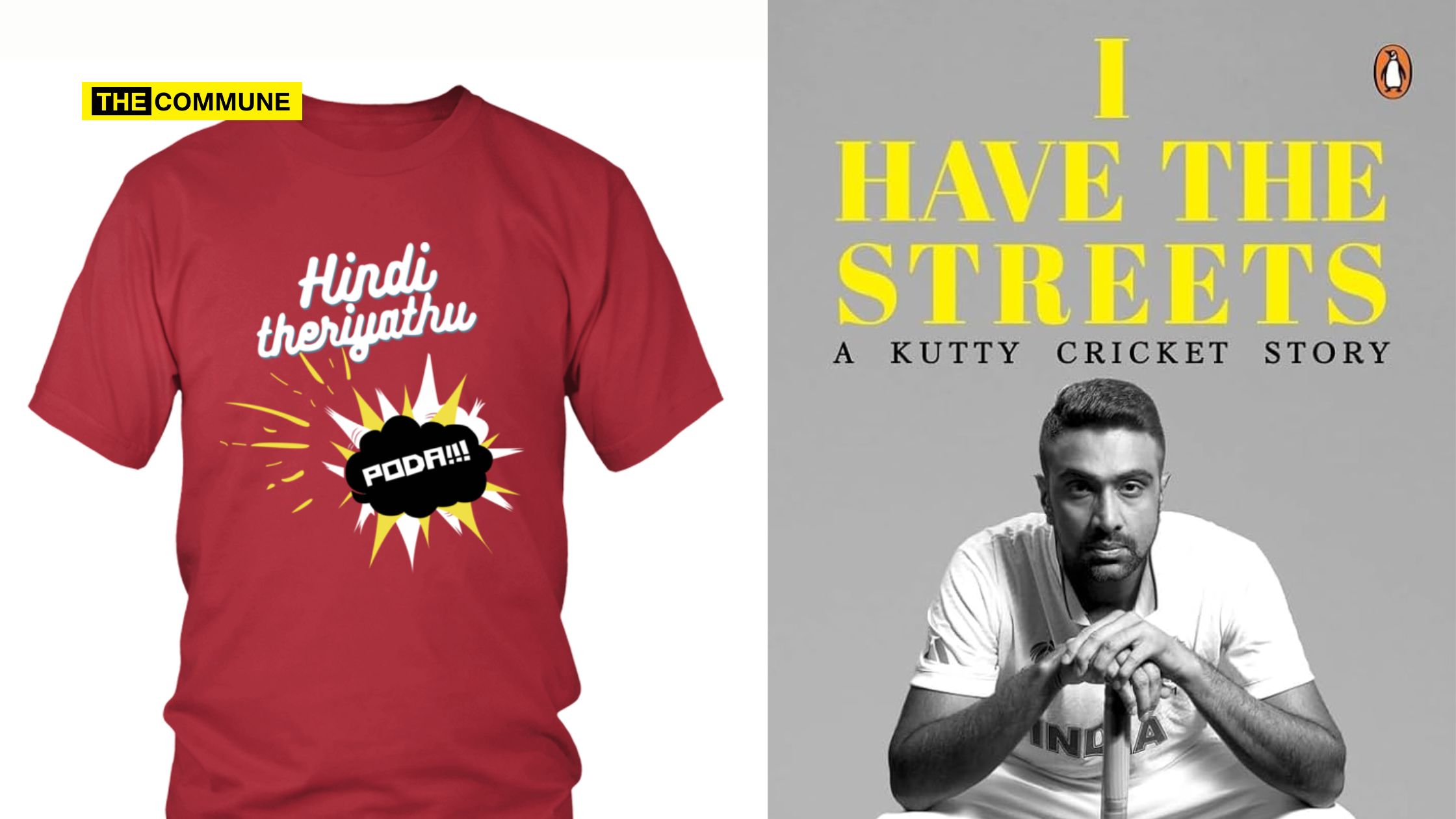
Ravichandran Ashwin, regarded as India’s premier off spinner with an impressive 500 Test wickets, still cherishes the memories of playing cricket in the streets of West Mambalam. His book, “I Have the Streets: A Kutty Cricket Story,” published by Penguin Random House India, offers a nostalgic look at his early days before becoming a professional cricketer, focusing on the simple pleasures of playing street cricket in Chennai. Ashwin collaborated with Siddharth Monga, a cricket writer from ESPN Cricinfo, who helped transcribe Ashwin’s voice notes and shape the narrative. The book highlights Ashwin’s journey from playing gully cricket to striving for excellence in the sport.
In a conversation with Radhakrishnan, Content Head, CSK, Ashwin shared his thoughts on the challenges of not knowing how to converse in Hindi, offering an insightful perspective. “Not knowing Hindi can be proudly expressed as ‘Hindi Theriyadu Poda‘. Alternatively, it can be viewed as ‘If we don’t learn it, it could be difficult‘, a mindset that can lead to significant personal growth.”
He emphasized the importance of learning conversational Hindi for anyone aspiring to build a career beyond Tamil Nadu. Ashwin also seemingly urged native Hindi speakers to empathize with those learning the language and to foster inclusivity beyond linguistic barriers. He also stated that he wrote the book to drill down the point that learning the language would go a long way to earn acceptance from others and also be a part/contribute to conversations.
The DMK and its supporters have been trying very hard to keep Hindi at bay with campaigns like ‘Hindi Theriyadu Poda’ and derogating Indians from the North as “vadakkans“, “panipuri sellers” etc.
It is noteworthy that DMK MP Dayanidhi Maran also said that “Hindi speakers clean toilets.” Former DMK MP Senthilkumar referred to Hindi heartland states as “gaumutra” states.
Subscribe to our channels onTelegram, WhatsApp, and Instagram and get the best stories of the day delivered to you personally.
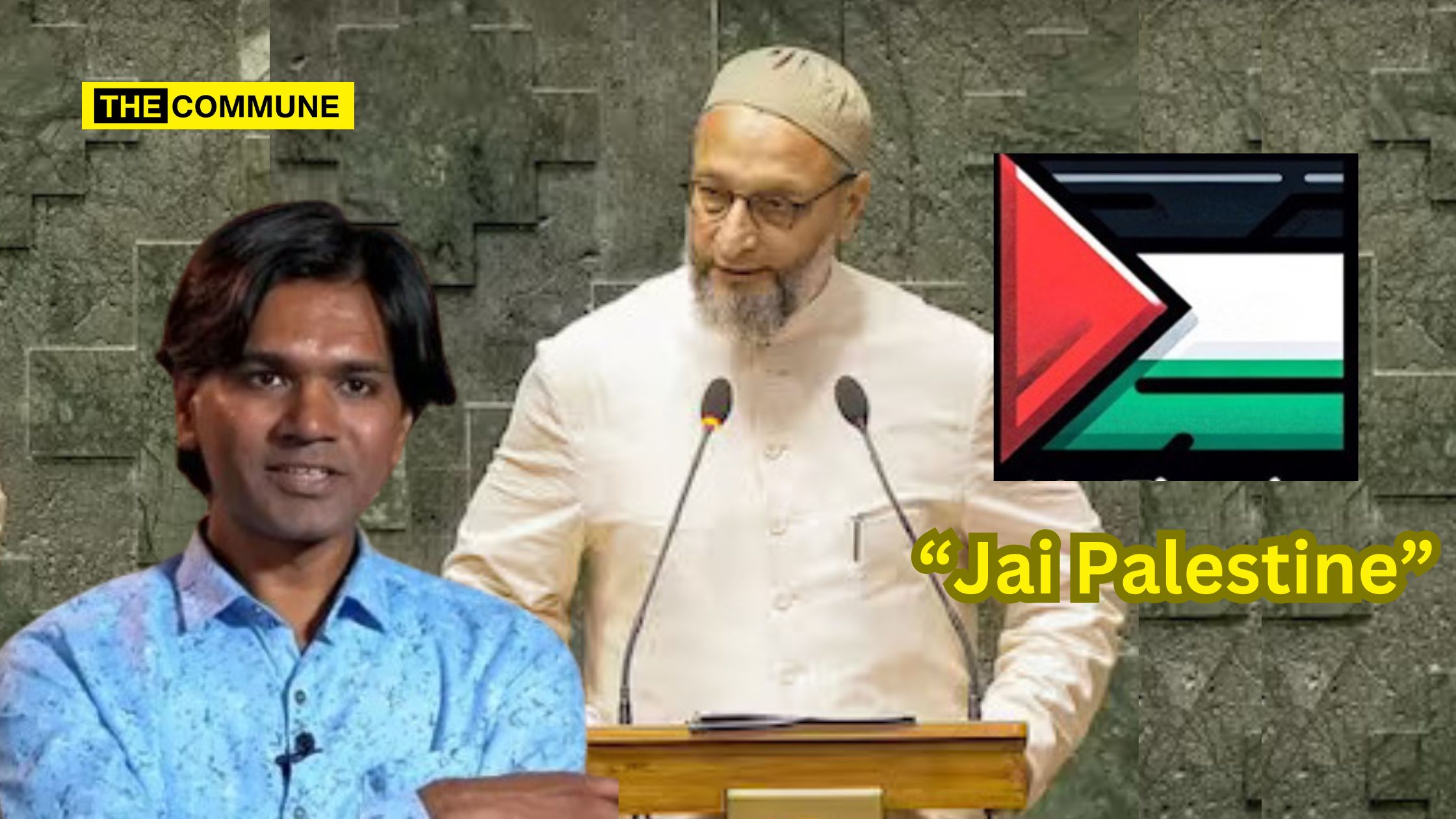
Since yesterday, the internet has been buzzing with hashtags like #102_of_the_constitution and #Jai_Palestine following the incident where Asaduddin Owaisi, leader of All India Majlis-e-Ittehadul Muslimeen (AIMIM) and Member of Parliament from Hyderabad, raised the slogan “Jai Palestine” while taking oath as Member of Lok Sabha.
Nationalists, social activists, and netizens are protesting against the “Jai Palestine” slogan, perceiving it as a declaration of allegiance to a foreign state. They are referencing articles from the Indian Constitution and have filed complaints seeking to disqualify the MP from his Lok Sabha membership. Radha Mohan Singh, who was presiding over the session, assured members that anything said apart from the oath would not be recorded. Pro-tem Speaker Bhartruhari Mahtab later returned to the Chair and confirmed that only the oath or affirmation was officially recorded.
Meanwhile, sympathizers of the Congress and I.N.D.I alliance have opted to quietly support the MP, aiming to shield him from controversy and ensure his safety.
Self-styled fact-checker Mohammed Zubair took it upon himself to defend the MP, sharing supportive posts and attempting to shape a narrative. He went as far as suggesting that even S Jaishankar, India’s Minister of External Affairs, had previously expressed support for Palestine, showcasing a questionable grasp of political nuances.
In a series of tweets, Zubair initially shared a post of another self-proclaimed journalist from JNU, Aravind Gunasekar, known for spreading misinformation aligned with Dravidian ideology and the DMK, a Congress ally in Tamil Nadu. Gunasekar’s post claimed, “MPs from United Opposition, INDIA oppose “Jai Hindu Rashtra” remarks of a BJP member while taking oath as a MP on the floor of the house in Lok Sabha, stating the same to be against the principles of Constitution of India.” initiating the narratives subtly blaming the opposition and supporting Owaisi.
MPs from United Opposition, INDIA oppose “Jai Hindu Rashtra” remarks of a BJP member while taking oath as a MP on the floor of the house in Lok Sabha, stating the same to be against the principles of Constitution of India.
Zubair quickly shifted focus, suggesting that even S. Jaishankar, India’s Minister of External Affairs, had previously expressed support for Palestine, citing a video where the minister discusses India’s stance on the Israel-Palestine conflict. However, the video he shared does not imply any allegiance to the state; rather, Jaishankar simply expressed the government’s stand. In contrast, in the case of AIMIM MP Asaduddin Owaisi, who raised the slogan “Jai Palestine” during his oath, this action is seen as potentially indicating allegiance to a foreign country.
Zubiar wrote, “To all the Right Wing trolls abusing @asadowaisi for supporting Palestine. Here’s what External affairs Minister S. Jaishankar said about India’s official stance on Palestine and Gaza.”
In the video, Jaishankar stated, “Regarding the Gaza issue and the Palestine issue, because some other members also raised it, we are very clear on Palestine. We support a two-state solution where two states can peacefully coexist side by side. Some members have suggested that our support or empathy for the Palestinians has changed. In fact, our financial support for Palestinian refugee welfare agencies has increased during this government’s tenure. I hope the honorable member will appreciate that.”
To all the Right Wing trolls abusing @asadowaisi for supporting Palestine. Here's what External affairs Minister S. Jaishankar said about India's official stance on Palestine and Gaza.https://t.co/rBgf6DHubAhttps://t.co/1HD6Fj1uly
In his subsequent post, Zubair attempted to bolster his argument by blaming BJP MPs, but netizens harshly criticized him for his biased support, prompting him to cease. Zubair wrote, “It’s ok if BJP MP Atul Garg did not say “Jai Hind”. But why didn’t Owaisi say “Jai Hind.” However, netizens pointed out, “Atul Garg didn’t say ‘Jai Palestine,’ and Owaisi did say ‘Jai Palestine’… Is he an MP from Gaza? No right.”
It's ok if BJP MP Atul Garg did not say "Jai Hind". But why didn't Owaisi say "Jai Hind". pic.twitter.com/OUVZDPQ1v1
In line with the National Education Policy 2020, which mandates the discontinuation of all M.Phil programs, the Rehabilitation Council of India (RCI) has announced major changes to its clinical psychology licensing pathway. Historically, the M.Phil in Clinical Psychology was a key route for graduates to become licensed clinical psychologists. However, an official notification released on March 3, 2024, stated that the M.Phil program will be eliminated starting with the 2024-25 academic session. In its place, RCI will introduce three new courses: PG Diploma, Master of Psychology (M.Psy), and Doctor of Psychology (Psy.D).
To qualify for these courses, applicants must have a UGC-recognized Bachelor’s Degree (Hons) of 4 years duration (8 semesters). However, this presents a challenge, as the only psychology bachelor’s degree in India is a 3-year B.Sc or BA course. Another option provided is a UGC-recognized Master’s Degree in any branch of Psychology of 2 years duration (4 semesters) after obtaining a 3-year Bachelor’s Degree with Psychology as a major/core subject in all three years. This essentially forces current master’s graduates to reapply and complete another master’s degree in psychology due to the inefficiency of RCI as a statutory body.
Further complicating the situation, on June 14, 2024, RCI appparently announced the introduction of an RCI-approved B.Sc Clinical Psychology (Hons) 4-year course, which will grant graduates a license to practice as counseling psychologists and rehabilitation psychologists. While this decision marks the first time a licensing body for counseling psychologists has been established, it disregards the many practicing and aspiring psychologists who are graduates of UGC-regulated MA, M.Sc, M.Phil, and Ph.D. programs. These individuals will now be deemed unqualified by RCI and denied licensure to practice as counseling psychologists, say experts. Additionally, the eligibility requirement for the new B.Sc Clinical Psychology (Hons) program specifies students who have completed the 12th class with a science stream or equivalent. This ignores the fact that most schools offer psychology only as an optional subject in the humanities stream, sidelining many aspiring psychology students, note practicing professionals.
The notification also contradicts the National Commission for Allied and Healthcare Professions Act, 2021, which states that NCAHP will regulate Behavioral Health Sciences Professionals, except clinical psychologists covered under RCI for PWD. This raises questions about RCI overstepping its jurisdiction and attempting to regulate a profession that should be governed by another statutory body.
Dr. Lakshmi T.K., founder and president of Mastermind Foundation and The Mind Care, condemned the ruling: “As a practicing professional in this field, I find this very disheartening. Psychology should be regulated by a single body offering licensure and training to various subdivisions to ensure proper regulation and centralization.”
Prof. Sam Manickam, founder of the Indian Psychological Network (IPN), addressed colleagues in a meeting on February 9, 2024: “We need to use our psychological skills to help the entire psychology community in India achieve our objectives. We need to assist policymakers in making informed decisions rather than questioning their motives. We are psychologists first, regardless of our specialization.”
Yudhajt Roychowdhury, a NET-qualified B.Sc and M.Sc Clinical Psychology graduate, expressed his concerns: “This notification spells doom for both professions since I’ll be unregistered as a counseling psychologist unless I return to college for 4 years. Many students may not enroll in general psychology programs, which could lead to job termination if student inflow and departmental finances decline.”
Shruti Balaji Babar, an M.Sc Medical Psychology student, conveyed her plight: “The RCI’s recent licensure bill leaves current master’s students in a state of panic and uncertainty. The council’s silence on licensure eligibility is negligent, requiring immediate academic inquiry and policy clarification.”
Smriti Gupta, a BA psychology student from Delhi University, stated: “The recent RCI notification has caused nothing but confusion and fear among students and professionals. It seems as if someone who knows little about our field is making regulations for such an important line of work.”
These overlapping and contradictory notifications not only impact professionals and students but also the nation’s mental health. The new regulation could lead to a shortage of psychologists due to the limited number of universities regulated by RCI, creating a monopoly of licensed professionals who may charge higher fees. Additionally, underqualified bachelor’s graduates may enter the market as licensed counseling psychologists. The Ministry of Health and Education must intervene to address RCI’s bypassing of the National Commission for Allied and Healthcare Professions Act, 2021.
Subscribe to our channels onTelegram, WhatsApp, and Instagram and get the best stories of the day delivered to you personally.
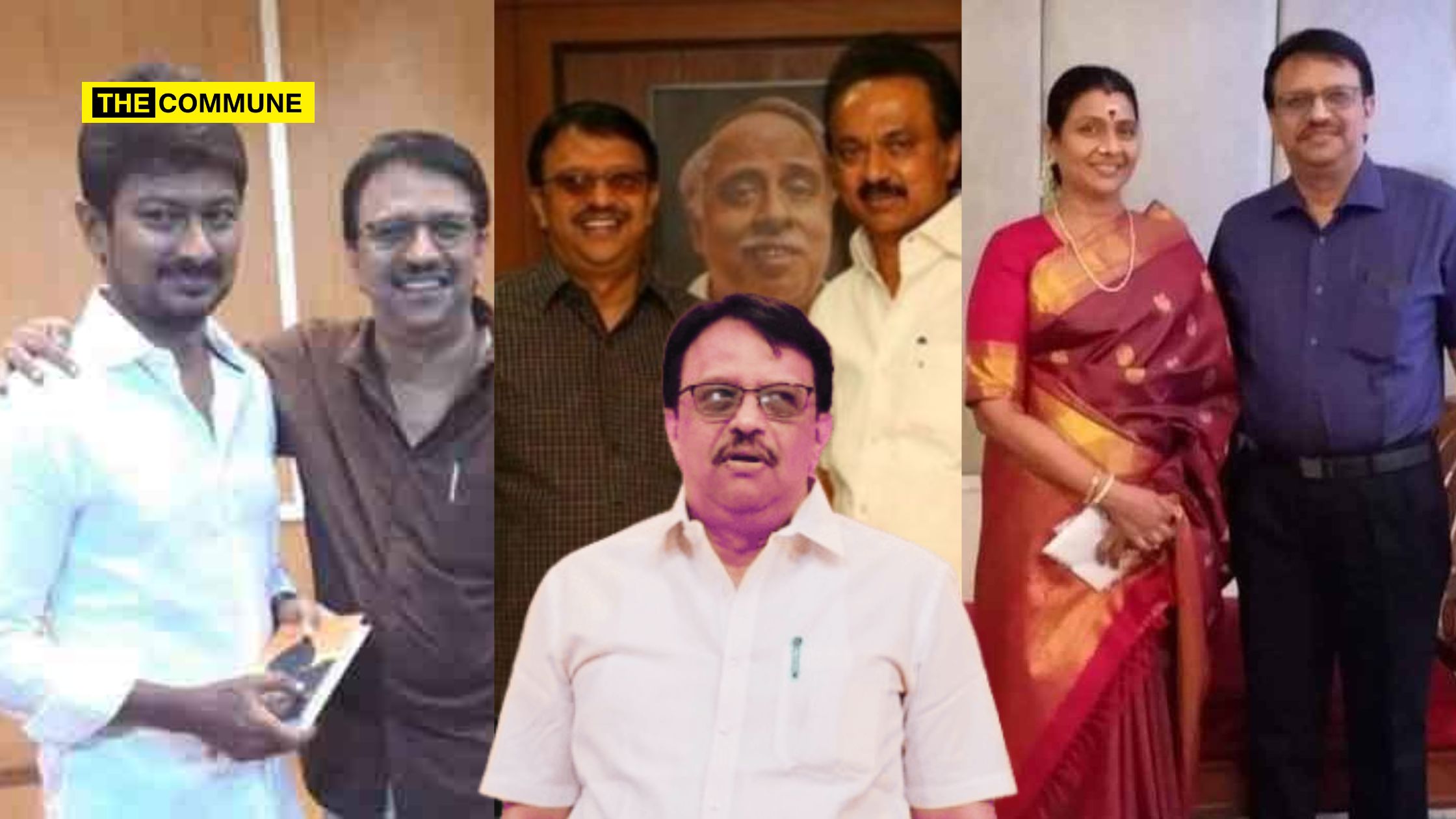
The DMK government in Tamil Nadu yet again finds itself of promoting nepotism as it has appointed Dr. J Rajamoorthy, the brother-in-law of MK Stalin as Director of Medical and Rural Health Services (DMS). Dr R Ilango Maheswaran, the DMS hitherto has been posted as DMS (ESI) which was occupied by Rajamoorthy.
The Department of Medical and Rural Health Services provides medical services through a network of 25 District Headquarters Hospitals, 162 Taluk Hospitals, 79 Non-Taluk Hospitals, 12 Dispensaries, and 11 Mobile Medical Units. Additionally, it oversees 23 District TB Centres, 5 TB Hospitals, 2 TB Clinics, and 1 Leprosy Hospital. Rajamoorthy who is the brother of MK Stalin’s wife Durga Stalin, has now been appointed as DMS who will now control all taluk and district hospital.
Dr. Rajamoorthy was earlier in news when the then DMK Liquor Minister Senthil Balaji who was arrested by the Enforcement Directorate (ED) in connection with the cash-for-jobs scam was inspected by a team of doctors from Chennai’s ESI (Employee State Insurance Corporation) hospital after he complained of “chest pain” on getting arrested.
The doctors from the Chennai Employees’ State Insurance Corporation Hospital, were facing accusations of bias and political influence with the revelation that then director of ESI Hospital, Dr. J Rajamoorthy, who happens to be the brother of Durga Stalin, who is none other than the wife of Chief Minister, MK Stalin.
It was alleged that the DMK citing ESI medical examination was a façade as political influence from Rajamoorthy could not be ruled out.
Concerns were raised about the potential influence and motives that may affect the objectivity of the doctors’ report on Senthil Balaji’s health condition.
Subscribe to our channels onTelegram, WhatsApp, and Instagram and get the best stories of the day delivered to you personally.
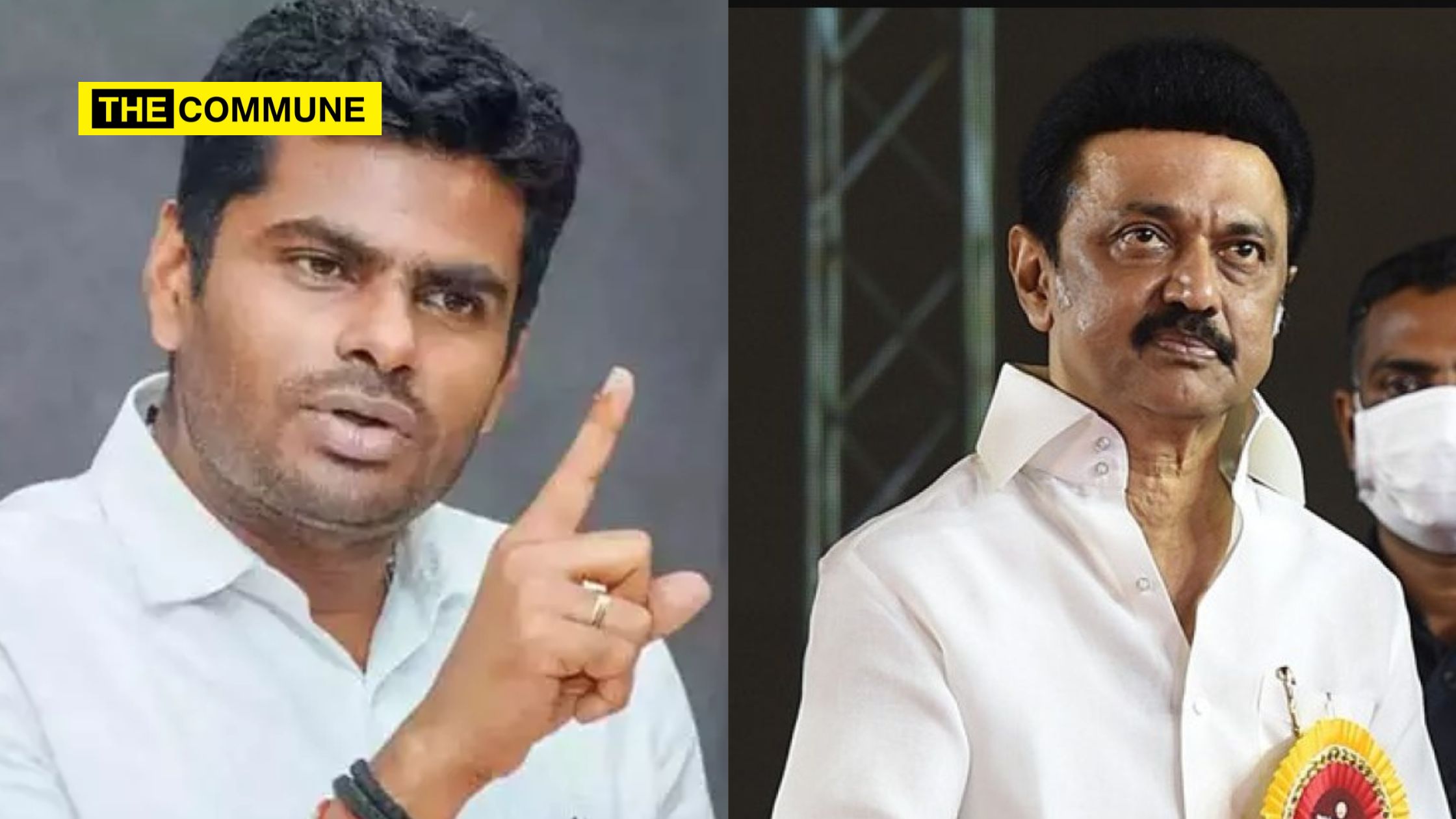
Tamil Nadu Chief Minister M.K. Stalin on 26 June 2024 moved a resolution in the State Assembly calling on the Central Government to initiate the census work immediately, including a caste-based population census. The resolution emphasized the importance of a caste-based census for formulating policies to ensure equal rights and opportunities in education, economy, and employment for all citizens of India. “This House considers that caste-based Population Census is essential to formulate policies in order to ensure equal rights and equal opportunities in education, economy, and employment to every citizen of India,” the resolution stated. It also urged the Union Government to commence the overdue census work from 2021 along with the caste-based census.
Tamil Nadu CM M.K. Stalin moves a resolution in the State Assembly urging the Central Government to immediately commence the census work, along with caste-based population census this time. pic.twitter.com/TQ82jejt3S
Tamil Nadu Bharatiya Janata Party Chief K Annamalai posted on his social media handle regarding the move by Chief Minister Stalin. He wrote, “The Kulasekaran Commission, set up by the previous state government in Tamil Nadu, was not given a simple six-month extension by the DMK Government after coming to power. Tamil Nadu could have had its own Caste Census by now, and TN CM Thiru @MKStalin is duty-bound to explain to the people of TN and its representatives in the legislative assembly why the extension was not given. We also wish to inform the TN CM that the Socio-economic Caste Census in 2011, which the Congress Government never released despite 99.3% enumeration by December 2013, was conducted with the support of the Ministry of Rural Development through the respective “State Governments“. Why is the TN CM Thiru @MKStalin unwilling to commission a caste census?”
The Kulasekaran Commission, set up by the previous state government in Tamil Nadu, was not given a simple six-month extension by the DMK Government after coming to power. Tamil Nadu could have had its own Caste Census by now, and TN CM Thiru @MKStalin is dutybound to explain to… https://t.co/vPCSfGtA5D
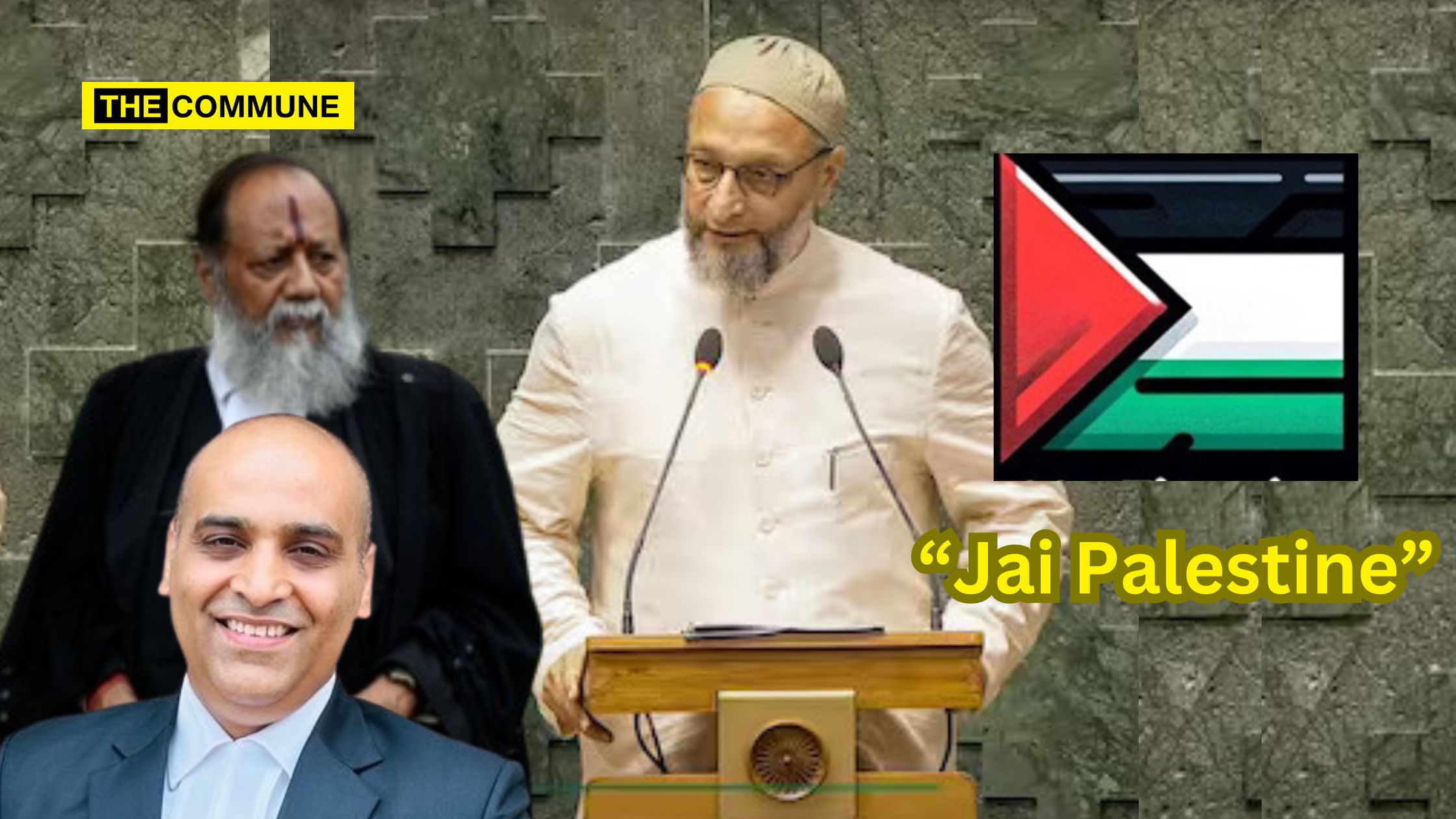
Two complaints were filed against All India Majlis-e-Ittehadul Muslimeen (AIMIM) leader and Member of Parliament representing Hyderabad, Asaduddin Owaisi, for sloganeering “Jai Palestine” while being sworn in as a member of the 18th Lok Sabha on 25 June 2024.
Owaisi has been elected to the Lok Sabha for the fifth time and expressed his commitment to addressing the concerns of India’s marginalized communities sincerely. Despite facing chants of “Jai Shri Ram” from BJP MPs during his oath-taking, Owaisi took his oath in Urdu and concluded with “Jai Bhim, Jai Meem, Jai Telangana, Jai Palestine.”
In this context, the Hyderabad MP’s oath and loyalty are being seen in conflict with constitutional principles outlined in Articles 102 and 103 of the Indian Constitution. Hari Shankar Jain, a revered Supreme Court counsel, has officially lodged a complaint with the President of India regarding this matter. Sharing this information via the official X account, Vishnu, son of Hari Shankar Jain, stated, “A complaint has been filed before the President of India against Mr. Asaduddin Owaisi in terms of article 102 and 103 of the constitution of India by Mr. Hari Shankar Jain seeking his disqualification as member of parliament. @rashtrapatibhvn @adv_hsjain“
A complaint has been filed before the President of India against Mr. Asaduddin Owaisi in terms of article 102 and 103 of the constitution of india by Mr. Hari Shankar Jain seeking his disqualification as member of parliament. @rashtrapatibhvn@adv_hsjain
Another social activist and advocate practising in the Supreme Court Adv. Vineet Jindal filed a Complaint under Article 103 of the Constitution of India with the President of India seeking disqualification of Asaduddin Owaisi, MP under Article 102 (4) for showing his allegiance or adherence to a foreign State “Palestine”.
Adv. Vineet Jindal sharing this on his official X account stated, “Advocate Vineet Jindal filed a complaint under Article 103 of the Constitution of India before the President of India seeking disqualification of MP Asaduddin Owaisi under Article 102 (4) for showing his allegiance or commitment to a foreign state “Palestine”. The one who refuses to say Bharat Mata Ki Jai, while taking oath to uphold the constitution and integrity of the country in the country’s parliament, says “Jai Palestine”. This shows that this OVC is loyal to some other country and not India. @asadowaisi Lok Sabha membership should be cancelled: – Vineet Jindal, Advocate and Social Activist #Philistine.“
अधिवक्ता विनीत जिंदल ने भारत के राष्ट्रपति के समक्ष भारत के संविधान के अनुच्छेद 103 के तहत एक शिकायत दर्ज की, जिसमें एक विदेशी राज्य "फिलिस्तीन" के प्रति अपनी निष्ठा या प्रतिबद्धता दिखाने के लिए अनुच्छेद 102 (4) के तहत सांसद असदुद्दीन ओवैसी को अयोग्य घोषित करने की मांग की गई है।… pic.twitter.com/CHSrNqs2Hh
Article 102 of the Constitution deals specifically with the disqualification of members of Parliament. Article 102(1)(d) states that a person shall be disqualified from becoming or remaining a member of either House of Parliament if they acknowledge allegiance or adherence to a foreign State. Article 103 of the Constitution outlines that if there is any question regarding whether a member of Parliament has incurred any disqualification mentioned in Article 102(1), such a question shall be referred to the President for decision. The President’s decision in such matters is final, and before making a decision, the President is required to seek the opinion of the Election Commission and act accordingly based on that opinion.
Previously, in the 2019 session, Owaisi had concluded his oath by saying “Jai Bhim, Allah-o-Akbar, and Jai Hind.” Owaisi secured victory against BJP candidate Madhavi Latha by a margin of 3.3 lakh votes in the Hyderabad constituency during the 2024 Lok Sabha elections.
Addressing the controversy surrounding his chant, Owaisi emphasized that there exists no constitutional prohibition against his declaration of “Jai Palestine.”
Union Minister G Kishan Reddy criticized Owaisi’s “Jai Palestine” slogan as being “completely inappropriate” and contradicting the Constitution. Responding to Owaisi’s declaration, Parliamentary Affairs Minister Kiren Rijiju remarked, “We do not endorse or denounce any country, but it is inappropriate to mention any country within the House.”
During the Israel-Gaza conflict last year, Owaisi emphasized that the Palestinian issue transcends religious boundaries to become a matter of global humanity. He also characterized Israel’s Prime Minister, Benjamin Netanyahu, as “the devil.” Israel’s conflict with the Palestinian group Hamas continued into its eighth month in June, resulting in nearly 40,000 casualties and displacing hundreds of thousands.
Subscribe to our channels onTelegram, WhatsApp, and Instagram and get the best stories of the day delivered to you personally.
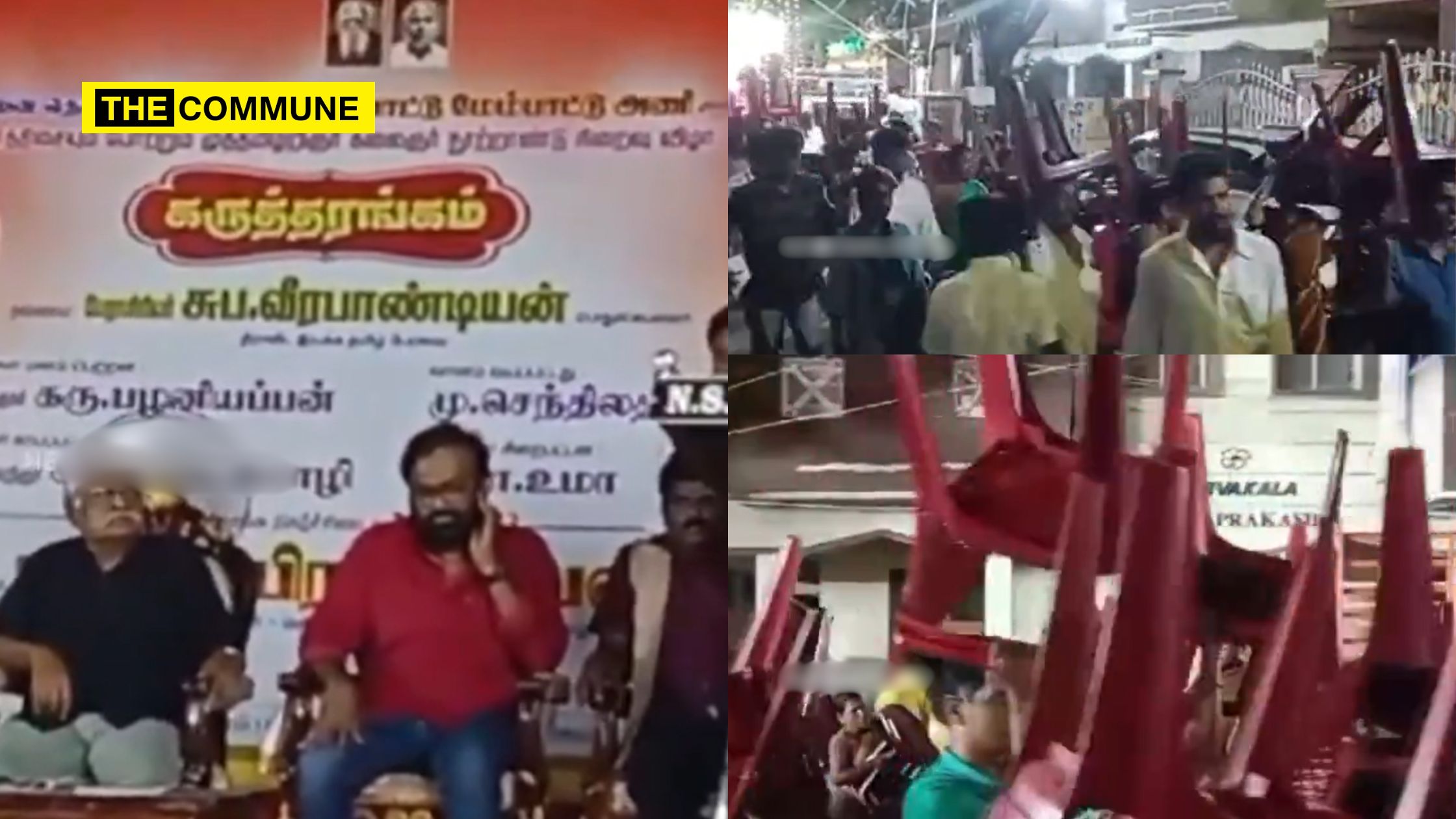
On 25 June 2024, DMK organised a public meeting in Velachery, Chennai. The meeting was presided over by DK’s Suba Veerapandian, Karu Pazhaniappan, and DMK Minister Ma Subramaniam among others.
At the end of the meeting, the cadre and the public took the chairs that had been arranged for seating purposes and went home. They carried a chair each on their heads and returned home.
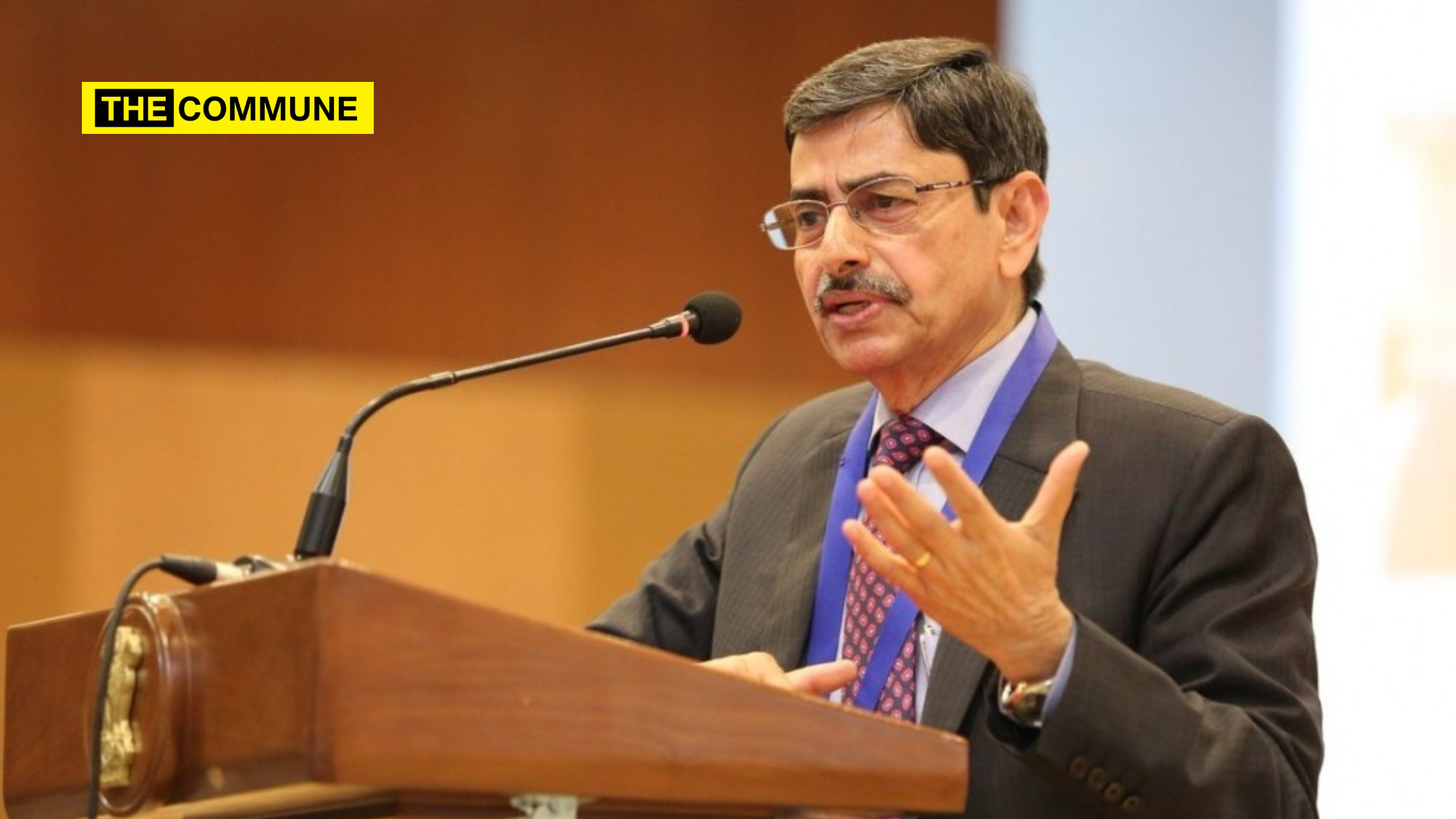
Tamil Nadu Governor RN Ravi highlighted the grave issue of drug abuse and illicit trafficking at the launch of the National Awareness Campaign in Chennai, held on the eve (25 June 2024) of International Day against Drug Abuse and Illicit Trafficking.
Addressing the gathering, Governor Ravi expressed deep sorrow over the recent Kallakurichi hooch tragedy, which claimed the lives of 58 people due to the consumption of poisonous alcohol. “This event today is unlike any other day because we are observing this day in the dark shadow of a large number of loss of human lives,” he remarked. “Our people have died, more than 60 in Kallakurichi due to poisonous alcohol that they took. This is very, very painful for all of us.”
The governor thanked those working to raise awareness against drugs and underscored the findings of the National Investigation Agency (NIA) concerning international drug cartels. “NIA has found out that there are international drug cartels in Tamil Nadu and Karachi that are operating and getting heroin from Afghanistan. It is being done. I think it is a very serious thing,” he said.
Ravi stressed the wide-ranging impact of drug abuse, noting, “When the drug comes, it is not that it only destroys the individual’s health, mental health, and emotional health, but with this, it also creates a lot of social problems.”
The governor called for a united effort in combating drug abuse, urging that the issue be addressed beyond party politics. “The government and society must come together and fight drugs with resolve. No party politics must be involved in this. This fight is beyond it,” he emphasized. Ravi warned of the heavy toll drug abuse takes on mental health, particularly among young people, and highlighted the rise of synthetic drugs, which he described as “highly addictive and kill the person from within.”
Addressing concerns over the presence of synthetic drugs in Tamil Nadu, he questioned, “My question or worry is, when parents are aware of this problem, how are enforcement agencies not aware? We must not be in denial.”
Reflecting on past incidents, Ravi noted, “Last year, more than 20 people died due to illicit alcohol in Villupuram and Chengalpet. We made a hue and cry, seized and destroyed lakhs of illicit arrack, and now we have gone back to it again.” He stressed that denial complicates the problem and urged a proactive approach.
The NIA’s investigation revealed alarming findings, including the presence of international drug cartels with connections in Tamil Nadu, Karachi, and Dubai, involved in smuggling heroin from Afghanistan. Ravi emphasized, “This is a very serious thing,” and revealed that the NIA had also seized drugs and AK-47 rifles off the Kerala coast.
Concluding his address, Governor Ravi called for vigilance and a strong united front against drug abuse and illicit alcohol. “We must keep our eyes open. We can’t wish away the problem by denying it,” he asserted. “Government and society must come together and fight drugs with resolve.”
#WATCH | Tamil Nadu Governor RN Ravi says, "NIA has found out that there are international drug cartels in Tamil Nadu and Karachi that are operating and getting heroin from Afghanistan…" pic.twitter.com/naDPbYKli5