Home Blog Page 881

“Truth Is That You Are 101% Lying”, Says Union Minister Nitin Gadkari On Journo Rajdeep Sardesai

Gadkari Sadesai

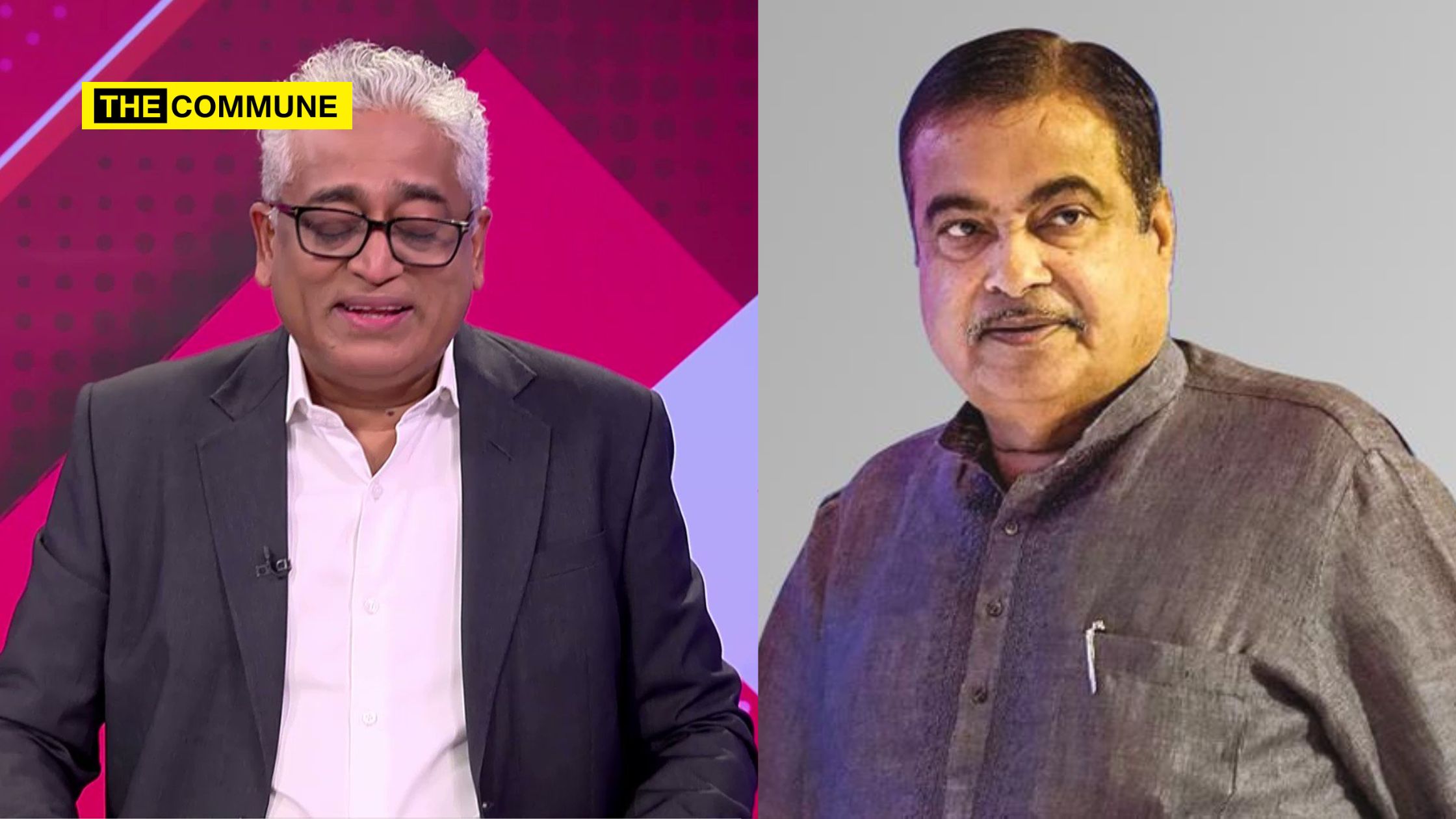
During the India Today Conclave, Rajdeep Sardesai and Nitin Gadkari, India’s Minister of Transport and Highways, exchanged intensely. The discussion centered on allegations of a conspiracy within the Bharatiya Janata Party (BJP) to undermine Gadkari’s position and rumours that someone within the party tried to defeat him in Nagpur.

Sardesai questioned Gadkari, stating, “There was a conspiracy within the BJP to defeat Nitin Gadkari. Is this right or wrong?” To which Gadkari firmly responded, “It is fully wrong.” Sardesai further pressed, “Your name was not even on the first list. You had to go meet Modiji at Nagpur airport and sort out the issue.”

Gadkari, visibly laughing, shot back, “I feel pity when I see you. Whenever the PM comes to my state, as per protocol, I meet him. Who told you? Did the PM himself say that I met him and asked when he would give me a ticket? What proof do you have?”

In response to Sardesai’s admission of not having any proof, Gadkari emphasized, “Please talk responsibly. There is nothing like that. The Maharashtra list was not even put out. The Maharashtra Parliamentary Board lists out its recommendations and sends them to Delhi. When the Maharashtra list was not even released, the list came from other places, so no name from Maharashtra came, and when my name came, it got noticed.”

Continuing the conversation, Rajdeep says, “There is a buzz among the public that Nitin Gadkari is upset. You do not want to get involved in this Maharashtra election. You are happy living in Delhi, and do not want to get involved in the nitty-gritty of Maharashtra and the reason is you believe that someone in your party tried to defeat you in Nagpur. Today you must tell us the truth. Do you believe that someone tried to defeat you in Nagpur?”

Gadkari replies, “Truth is that you are 101% lying. This is the first truth. Yes, I am talking with responsibility. Whatever you are saying is lies. Listen to me fully. When you ask me, just listen. I was in J&K on official Bharatiya Janata party tour just day before yesterday. Yesterday I was in Haryana and this morning I was in Bengaluru for a programme. When I was in party programme, I had 4 sessions in J&K, so I cannot be in Nagpur. I told this to the State President, even after the Party President clarifying it, why are seasoned journalists asking me such questions and thus, whatever you said is fully wrong, it is lies, and I am not upset with anyone.”

Subscribe to our channels on TelegramWhatsApp, and Instagram and get the best stories of the day delivered to you personally.

9 Disturbing Temple Attacks In The United States: A Timeline Of Vandalism And Hate

9 Disturbing Temple Attacks In The United States: A Timeline Of Vandalism And Hate

Over the past several years, Hindu temples across the United States have faced a disturbing trend of vandalism and hate crimes. Below is a timeline of nine major incidents, reflecting a growing concern over Hinduphobia and religious intolerance.

1. Swami Narayan Temple, Sacramento, California

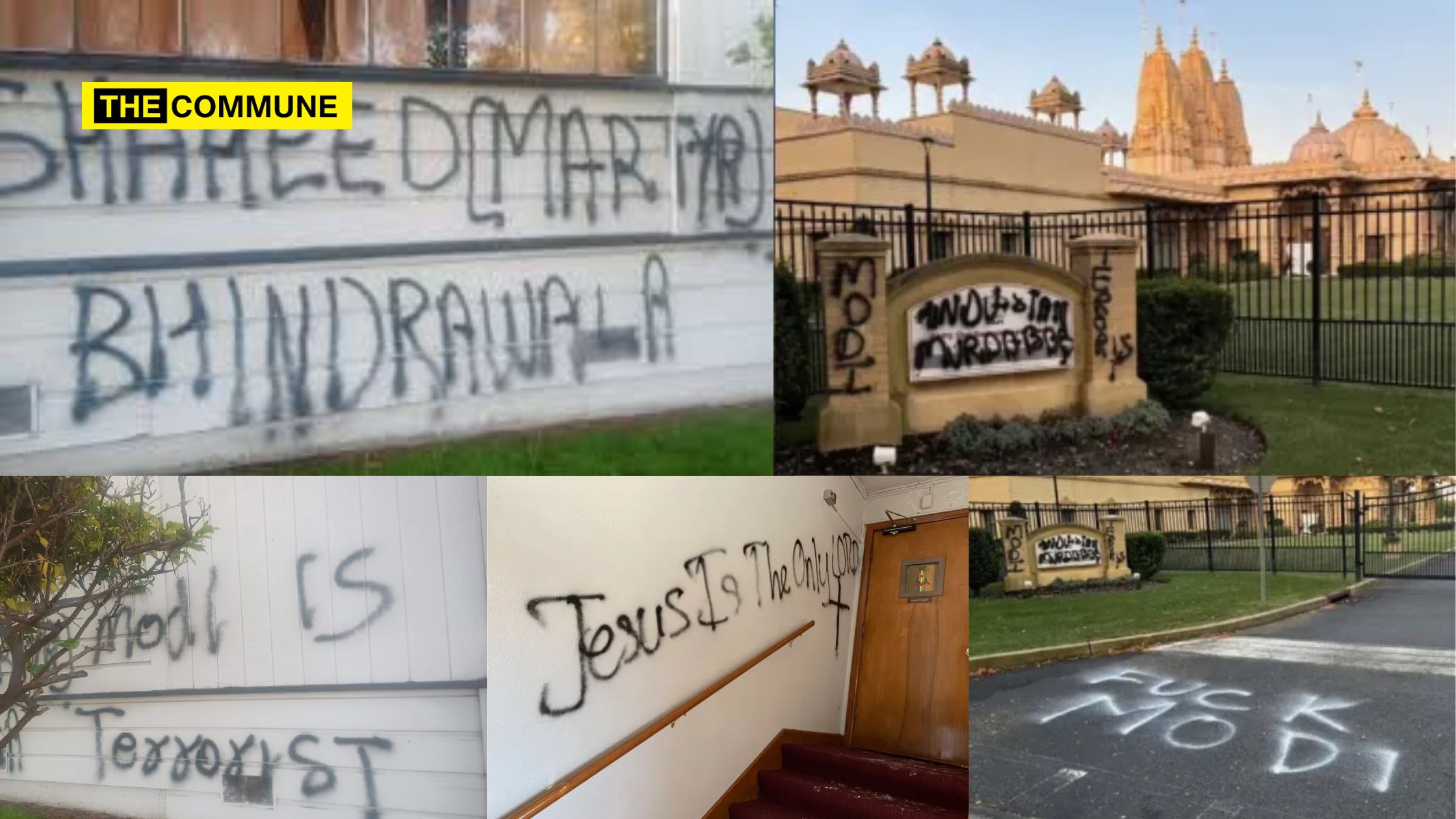
A Hindu temple in Sacramento, California, was vandalized for the second time in 10 days, on 26 September 2024, with anti-Hindu slogans like “Hindus go back” spray-painted on its walls.

The incident mirrors a similar attack on a Swaminarayan temple in New York on September 16, where anti-India slogans were written, and suspicion of Khalistani involvement arose. In Sacramento, the temple’s pipeline was also damaged. Local officials, including California Assembly member Stephen Nguyen, visited the temple after the attack. The Indian Consulate in New York and U.S. leaders condemned these hate crimes, calling them cowardly and deeply concerning for religious freedom in America.

2. BAPS Shri Swaminarayan Mandir, New York   

The BAPS Shri Swaminarayan Mandir in Melville, New York, was vandalized by extremists on the night of September 16, 2024. The temple was defaced with offensive slogans, including “Fuck Modi,” “Modi is Terrorist,” and “Hindustan Murdabad,” with a derogatory gap in the word “Hindustan” implying insult to Hindus.

The BAPS Swaminarayan Sanstha condemned the act and prayed for the perpetrators to overcome their hatred. Local authorities were informed, and the Indian Consulate in New York also condemned the vandalism, urging U.S. law enforcement to take swift action against those responsible for the hate crime.

3. Vijay’s Sherawali Temple, Hayward, California

The Vijay’s Sherawali Temple in Hayward, California, was vandalized with pro-Khalistani slogans such as “Khalistan Zindabad” and “Modi is terrorist.” The incident, which occurred in late December 2023, was confirmed by the temple administration on January 2, 2024. Police have classified it as a hate crime. The Hindu American Foundation (HAF) noted that this attack followed similar defacement of the Swaminarayan Mandir and a theft at the Shiv Durga temple in the same area. HAF is working closely with temple leaders, the Alameda Police Department, and the Department of Justice’s Civil Rights Division to investigate the crime.

4. SMVS Shri Swaminarayan Mandir, Newark, California

On January 2, 2024, the SMVS Shri Swaminarayan Mandir in Newark, California, was vandalized with anti-India graffiti, allegedly by pro-Khalistan activists. The graffiti was discovered by a nearby devotee, who promptly reported it to local authorities. Temple spokesperson Bhargav Raval expressed shock at the display of anti-Indian sentiments on the temple walls. The Newark Police Service has initiated a targeted investigation, with Police Captain Jonathan Arguello stating that they will review surveillance footage from nearby residences to piece together the events leading to the vandalism.

5. Shri Omkarnath Temple, Brazos Valley, Texas

On January 5, 2024, the Shri Omkarnath Temple in Brazos Valley, Texas, was burglarized, shocking the local Indian community. Burglars broke in through a side window, stealing the temple’s donation box and a safe containing valuables. Board member Srinivasa Sunkari described the incident as an invasion of privacy and reported that the priest and his family, who live nearby, are safe. Security footage captured the suspect bypassing the shrine to access the donation box. The Brazos County Sheriff’s Office is investigating the burglary, while temple officials are taking extra precautions for safety and security.

6. Shree Umiya Dham, New Jersey

On October 30, 2022, the Shree Umiya Dham Hindu Temple in Edison, New Jersey, was vandalized with “Free Palestine” graffiti. The Coalition of Hindus of North America (CoHNA) condemned the act, linking it to a Hinduphobic narrative promoted by certain academics who portray Hindus as “colonizers.” CoHNA noted that the temple had previously joined over 50 organizations in opposing a Hinduphobic resolution by the Teaneck Democratic Municipal Committee. This incident has heightened concerns within the Hindu community in New Jersey, prompting calls for swift justice against the perpetrators.

7. Swaminarayan Temple, Louisville, Kentucky

Between Sunday night (October 29) and Tuesday morning (October 31), the Swaminarayan Temple in Louisville, Kentucky, was vandalized in a hate crime. Miscreants sprayed black paint on the deity, broke windows, and left inappropriate messages and graffiti on the walls. A knife was found stabbed in a chair, and cabinets were emptied. The police are investigating, but there are currently no suspects. Local officials, including Mayor Greg Fischer and Kentucky State Representative Nima Kulkarni, condemned the act, emphasizing its impact on the Indian American community and the need for compassion and respect among all religions.

8. The VHP Temple, North Carolina

In North Carolina, a sign for a planned Hindu temple was shot at, resulting in over 60 holes, between noon on 4 July 2015 and 1 PM on 8 July 2015. The Forsyth County Sheriff’s Office reported that empty shell casings consistent with birdshot were found nearby, indicating a shotgun was used. The vandalism, which caused approximately $200 in damage, is being investigated as vandalism, and no suspects have been identified. The Om Hindu Organization of North Carolina, which plans to build the temple, expressed disappointment but remains committed to their project despite the incident.

9. North Texas Hindu Mandir, Dallas, Texas

In a disturbing incident, the North Texas Hindu Mandir in Lake Highlands, Dallas, was vandalized, with symbols of devil worship and the tag of the Mara Salvatrucha gang painted on its door and nearby structures. The attack occurred on a Monday, shocking both the Hindu community and local residents, some of whom offered assistance in cleaning the damage. Krishna Singh, a temple board member, expressed deep sadness over the vandalism. The Dallas police gang unit is investigating the case. Universal Society of Hinduism president Rajan Zed called for better education about Hinduism to counter such attacks.

Subscribe to our channels on TelegramWhatsApp, and Instagram and get the best stories of the day delivered to you personally.
50 Things You Didn’t Know About The RSS

RSS

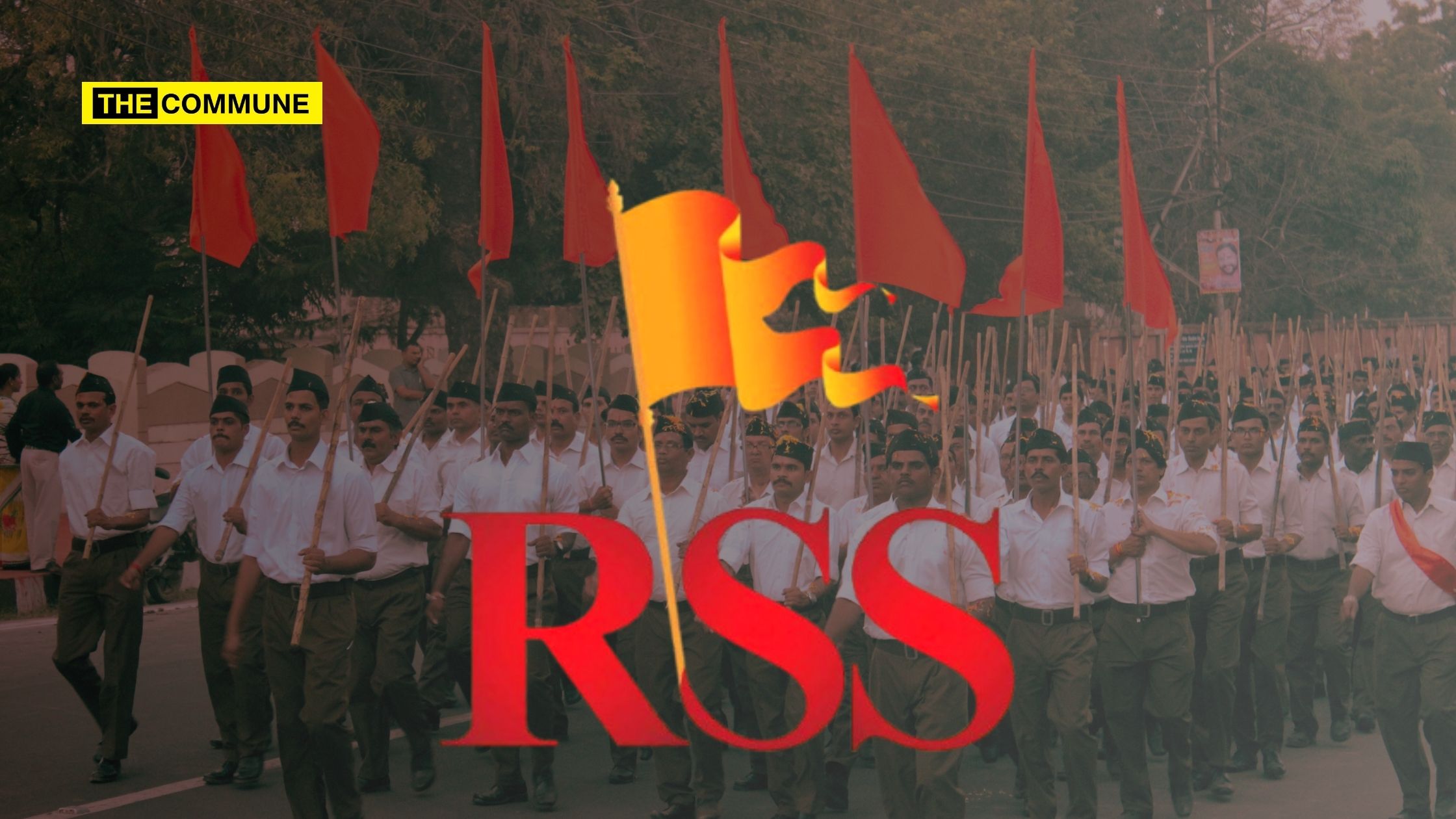
If Low Profile had a name, it would be the ‘RSS’. The mega giga leviathan will turn 100, next year. Despite nearly a century of existence, the common man just knows what the left-liberal press has fed us. ‘Communal’, ‘Saffronites’, ‘Minority Haters’, ‘Knickerwalas’, ‘Sanghis’, and ‘Hindu Nationalists’ are labels that are frequently hurled at the RSS. It’s time someone took the effort to chronicle their monumental contributions to India.

I’ve attempted to do just that, piecing together 50 things you should know. Hopefully, this sparks a new level of discourse.

1. The RSS is the world’s largest Non-Governmental Organization (NGO), with over 5 million active volunteers.

2. The Rashtriya Swayamsevak Sangh (RSS) was founded in 1925 by Dr. Keshav Baliram Hegdewar, a physician inspired by the Anushilan Samiti, a revolutionary group in Bengal. While influenced by their focus on fitness, discipline, and nationalism, Hegdewar believed true independence would come from unifying and strengthening Hindu society, not through violence.

3. The name Rashtriya Swayamsevak Sangh (RSS) was carefully chosen after extensive deliberation by 26 dedicated Swayamsevaks. Two alternative names—Jaripataka Mandal and Bhedratoddharak Mandal—were also considered. Ultimately, the name that best aligned with the organization’s vision was chosen.

4. RSS membership is free and open to all males, regardless of caste, age, or faith, is welcome to join RSS.

5. The original RSS uniform—khaki shorts, khaki shirt, khaki cap, leather belt, brown socks, and bamboo stick—was designed by Dr. Hegdewar. In 2015, the khaki shorts were replaced by dark brown pants to keep up with the times.

6. The Bhagwa Dwaaj (saffron flag) is revered as the symbolic “Guru” or teacher by all Swayamsevaks since 1925. All salutes are to the flag and not any individual.

7. While Sanskrit commands are used in formal RSS rituals, discussions are actively encouraged in local languages.

8. Composed by Narhari Narayan Bhide, the RSS anthem ‘Namaste Sada Vatsale Mathrubhume’ is a salutation to the motherland. It concludes with the phrase ‘Bharat Mata Ki Jai.’

9. The RSS has had a total of six chiefs, known as Sarsanghchalaks, since its inception.

10. All Sarsangchalaks were well-qualified. Dr. Hedgewar was a physician, Guruji Golwalkar was a lawyer, he was actually a biology PG who was in Madras for a while, pursuing a PhD in Marine Biology. He then served as a Zoology professor in BHU for three years, before he got the call, Balasaheb Deoras was a commerce graduate, Rajju Bhaiya served as HoD Physics in Allahabad University, K. S. Sudarshan was a telecom engineer, and Mohan Bhagwat holds a degree in Veterinary Sciences and Animal Husbandry.

11. The longest serving Sarsanghachalak was Guruji Golwalkar.

12. Contrary to the propaganda that the RSS had no involvement in the independence movement, its founder Dr. Hegdewar was jailed twice by the British for sedition—first in 1921 and again in 1930.

13. Dr. B.R. Ambedkar attended an RSS training camp in Pune in 1939, where he was impressed by the absence of caste discrimination among the volunteers.

14. Mahatma Gandhi’s assassin Nathuram Godse broke away from RSS in 1942 to form his own militant organisation called Hindu Rashtra Dal. Gandhiji’s assassination was resolutely condemned by sarsangachalak ‘Guruji’ Golwalkar.

15. The RSS has been banned three times in independent India. The first ban was imposed on February 4, 1948, shortly after Mahatma Gandhi’s assassination, and it was lifted on July 11, 1949. The second ban occurred during the Emergency (1975–1977) and lasted nearly two years. The third ban followed the demolition of the Babri Masjid in 1992 and was lifted within a year. On all three occasions, the bans were imposed and later lifted by Congress-led governments.

16. It is estimated that the RSS helped save hundreds of thousands of lives during Partition by facilitating the safe transit of displaced persons across the Punjab and Bengal borders, organizing around 3,000 relief camps.

17. In 1947, India’s Defence Minister requested assistance from the RSS to rescue 20,000 women in Lahore.

18. RSS members founded the Akhil Bharatiya Vidyarthi Parishad (ABVP) in 1949, which has since grown into the world’s largest student organization, with a presence in over 4,500 cities and towns across India.

19. RSS Swayamsevaks played a significant role in the liberation of Dadra and Nagar Haveli from Portuguese control on August 2, 1954.

20. The RSS was one of the earliest organizations to call for the repeal of Article 370, doing so as early as the 1950s.

21. The RSS played a pivotal role in establishing the Vivekananda Rock Memorial in Kanyakumari in 1970, an initiative led by Eknath Ranade, a prominent RSS leader deeply influenced by Swami Vivekananda’s teachings.

22. The RSS, through its initiatives and affiliated organizations, has protected approximately 2.5 million cows from slaughter.

23. The Vishwa Hindu Parishad (VHP), which is part of the Sangh Parivar group led by the RSS, organized the first World Hindu Conference in 1966.

24. The RSS has established a significant network of educational institutions through its educational wing, Vidya Bharati Akhil Bharatiya Shiksha Sansthan. Vidya Bharati operates over 12,000 schools across India.

25. RSS-affiliated organization Sewa International has established around 200 hospitals to serve various communities across India.

26. The organization runs around 90,000 informal single-teacher schools known as Ekal Vidyalaya, which focus on providing education in rural and tribal areas and have approximately 27 lakh students.

27. Through VHP, the RSS has prevented 6.2 million conversions and facilitated the reconversion of about 8.5 Lakh people.

28. The RSS’s relentless efforts have ensured that around ten states have enacted anti-conversion laws addressing coercion or inducement.

29. In 1952, the RSS established the Vanavasi Kalyan Ashram. Today, it is the largest tribal welfare organization, with a presence in 52,000 villages.

30. Bharatiya Mazdoor Sangh (BMS) is the labour wing of RSS – founded in 1952. With 10 million plus members, it’s the largest trade union in India.

31. Through its social arm, Seva Bharati, the Sangh has established 400 Matri Chaya Centers to care for destitute children, with the goal of transitioning them to independent living.

32. Nearly 3.5 million students receive their education from schools affiliated with the Sangh Parivar, and close to 300,000 needy students are provided with free education.

33. The RSS has spearheaded the cow protection movement since the 1950s. Thanks to their efforts, 20 states in India now have various forms of cow protection laws.

34. The stiffest resistance for the Emergency was from the RSS. Sangh emerged as the rallying point for dissent with its vast network of Shakas. When most political parties were muzzled with authoritarian measures, it was the RSS that kept the flag of democracy flying.

35. The Hindu Swayamsevak Sangh (HSS) is the international wing of the RSS. Founded in 1947 in Kenya, HSS now has a presence in 156 countries, with the goal of strengthening Hinduism by organizing the community.

36. 3000 RSS volunteers participated in the 1963 Republic Day parade following the Sino-Indian war of 1962. This couldn’t have happened without the government’s invitation or concurrence.

37. Samskrita Bharati, a non-profit founded by RSS members, has trained 10 million people to speak Sanskrit and created a pool of 100,000 Sanskrit teachers.

38. The RSS has always taken the lead in disaster relief work. Whether it was the super cyclone in Odisha, the Bhuj earthquake, or the Chennai floods, RSS volunteers are often the first to set up relief camps, provide logistical support to authorities, and distribute food, water, and medical supplies.

39. The Akhil Bharatiya Itihas Sankalan Yojana is an initiative of the RSS to document history from an Indian nationalist perspective. Among other efforts, ABISY is documenting the history of over 670 districts and chronicling the history of more than 600 tribes in India.

40. The RSS has helped spawn a slew of policy institutes to shape the national discourse. The Deendayal Research Institute, Vivekananda International Foundation, Syama Prasad Mookerjee Research Foundation, and Bharatiya Shikshan Mandal have done remarkable work over the years, which has been utilized in governance at both the state and central levels.

41. The Vishwa Hindu Parishad (VHP), a member of the Sangh Parivar, brought together Hindu saints in 1979 to affirm that untouchability and caste discrimination have no religious sanction in Hindu scriptures. Additionally, in 1983, the VHP established the Samajik Samrasta Manch, a platform for the upliftment of Dalits.

42. The Sangh Parivar was the driving force behind the Ram Janmabhoomi Movement, spearheading the campaign that culminated in the historic construction of the Ram Temple in Ayodhya.

43. The renaming movement to reclaim India’s cultural identity from Mughal influences was initiated by the Sangh Parivar. As a result of these efforts, Allahabad became Prayagraj, Faizabad became Ayodhya, and Aurangzeb Lane was renamed Dr. APJ Abdul Kalam Road.

44. Swadeshi Jagran Manch, an affiliate of the RSS, aims to promote self-reliance by advocating an India-first approach in economics. The Make-in-India initiative and the Vocal-for-Local war cry stem from the Swadeshi school of thought.

45. Rashtriya Sevika Samiti is the largest women-only national organization and serves as the women’s wing of the RSS. It has 55,000 members and aims to uplift and empower women within the Hindutva framework. The Samiti runs 30 hostels across India, housing 6,000 girls.

46. Rashtriya Sikh Sangat was an organization affiliated with the RSS, aimed at fostering unity between Hindus and Sikhs, but it does not exist anymore.

47. The RSS plans to establish five world-class universities in the coming years. The process has already begun with Chanakya University, a 116-acre campus near Bangalore International Airport. The university offers undergraduate, postgraduate, and doctoral programs in cutting-edge fields.

48. For decades, the RSS has championed the cause of a Uniform Civil Code. Notably, in February 2024, the state of Uttarakhand passed the Uniform Civil Code of Uttarakhand, 2024—a true milestone for the movement.

49. Seeded by the RSS, the BJP has emerged as the largest political party in the world, with about 180 million members.

50. Atal Bihari Vajpayee and Narendra Modi were RSS pracharaks (propagator of ideology) who became India’s Prime Ministers.

Anantha Narayan is an entrepreneur and the son of former BJP National President K. Jana Krishnamurthy. He was an RSS Swayamsevak during his college days at Institute of Technology – Banaras Hindu University (aka IIT Varanasi).

Subscribe to our channels on TelegramWhatsApp, and Instagram and get the best stories of the day delivered to you personally.
Narcotics Smuggling Racket Busted At Chennai Port, 112 Kgs Drugs Seized; Shipping Agents Abudahir And Ahmed Basha Arrested

Narcotics Smuggling Racket Busted At Chennai Port, 112 Kgs Drugs Seized

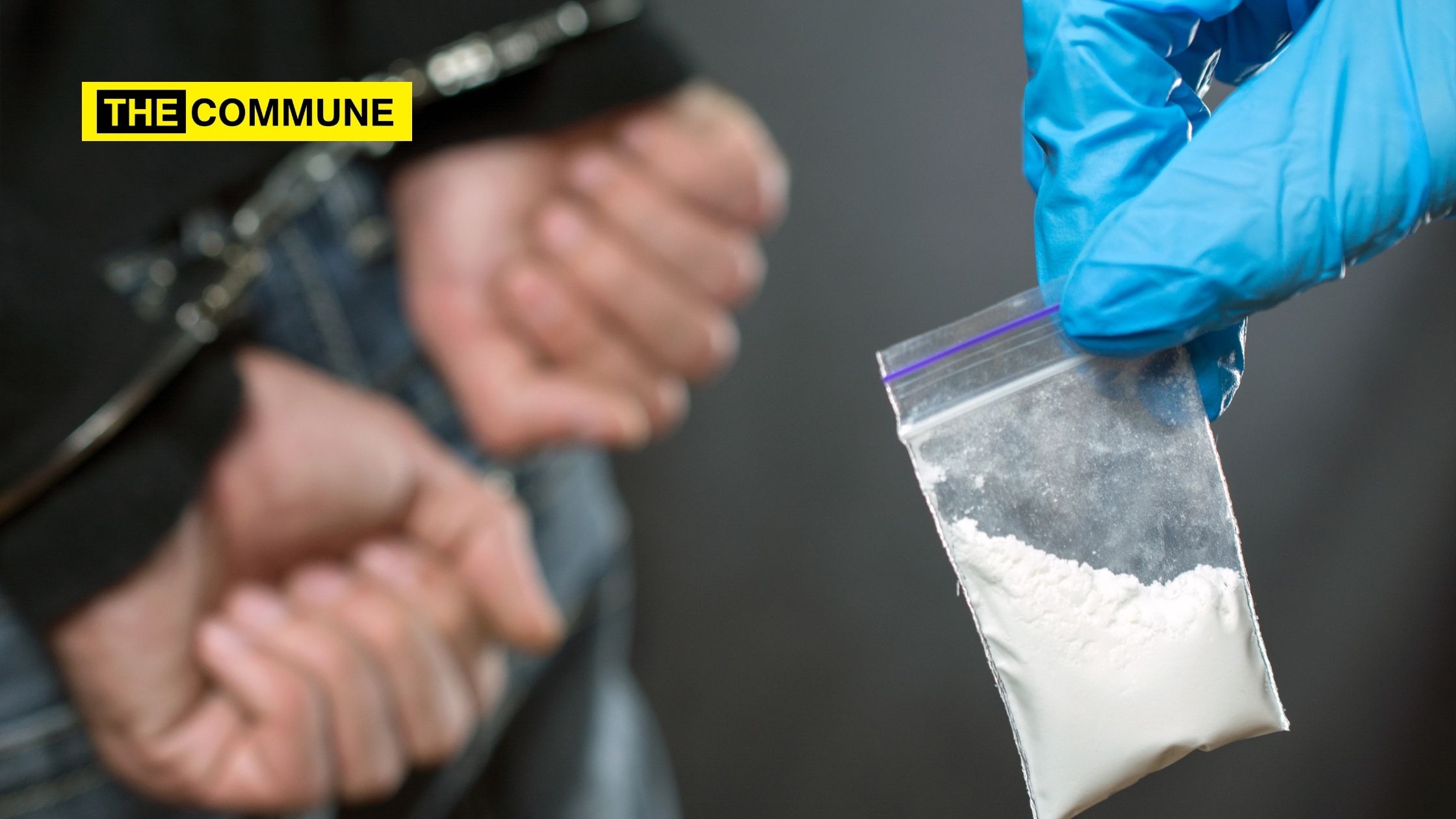
In a major operation, officials from the Directorate of Revenue Intelligence have intercepted a significant drug-smuggling attempt at the Chennai airport. Acting on a tip-off, officers swiftly intercepted a container at Chennai port, conducted a raid and uncovered 112 kg of pseudoephedrine concealed in a shipping container filled with packets labeled as ‘Quartz’ powder. They found 37 packets of Pseudoephedrine, each weighing 3 kg, hidden beneath 37 bags of quartz powder.

This white crystalline powder, classified as a controlled substance under the Narcotics Act, is primarily used in the production of Methamphetamine, a synthetic drug. The estimated street value of the seized drugs at the Chennai port is ₹110 crore.

The narcotics were being smuggled to Australia via cargo ship. Authorities have arrested two port agents, Abu Tahir and Ahmed Pasha, under the Narcotic Drugs and Psychotropic Substances Act, in connection with the smuggling operation. Authorities also seized two luxury cars linked to the suspects, along with ₹3.9 lakh in cash.

The Revenue Investigation Division is now interrogating both individuals to uncover the network behind the drug trafficking.

Investigations are ongoing to determine who orchestrated the smuggling operation and how the drugs were delivered to the port for shipment. Authorities have intensified the probe, focusing on identifying the key figures responsible for the operation.

In addition to tracking down those behind the trafficking, officials are also investigating whether any port authorities were complicit in the crime. If evidence of involvement is found, legal actions will be taken against those officials as well. A manhunt has been launched to apprehend all individuals connected to the case.

Earlier this month, another operation led to the recovery of 4 kg of Pseudoephedrine, valued at Rs 40 lakh, from Chennai airport, where it was concealed under trophies, also intended for export to Australia.

In August, the DRI dismantled a drug trafficking network, seizing 10.13 kg of Methamphetamine valued at Rs 50.65 crore from a vehicle in Chennai, resulting in the arrest of six individuals.

It is noteworthy to mention that earlier this year, Jaffer Sadiq, who was affiliated with the Dravida Munnetra Kazhagam (DMK) and served as the Deputy Organiser for the Chennai West NRI Wing, was permanently expelled from the party on 25 February 2024 following the revelation of his involvement with a drug cartel. The case unraveled when authorities from New Zealand and Australia alerted Indian agencies about substantial drug smuggling in their countries, disguised as food products. The NCB was probing the possibility of drug money being used to fund films.

In February 2024, New Zealand customs and Australian police provided information about large amounts of pseudoephedrine, hidden in desiccated coconut powder, being shipped to both countries. Additional information from the US Drug Enforcement Administration pointed to Delhi as the source of the consignment.

An international drug trafficking network was broken up by a combined operation from the NCB and the Special Cell of Delhi Police, resulting in the seizure of at least 50 kg of Pseudoephedrine in Delhi.

Following extensive questioning, officials disclosed that 45 shipments containing roughly 3,500 kg of pseudoephedrine, worth over ₹2,000 crore in the international market, had been dispatched over the past three years.

According to the NCB, Sadiq is reportedly the mastermind behind the drug trafficking ring spanning India, Australia, and New Zealand. Sadiq, who has five film productions to his credit, allegedly operated a cartel that transported pseudoephedrine from India to Australia and New Zealand. Four individuals from Tamil Nadu were apprehended in a Delhi warehouse two weeks prior.

(With inputs from Malai Malar)

Subscribe to our channels on TelegramWhatsApp, and Instagram and get the best stories of the day delivered to you personally.
Court Orders Probe Under IPC, PC Act & Other Acts Against Siddaramaiah In MUDA Case

Court Orders Probe Under IPC, PC Act & Other Acts Against Siddaramaiah In MUDA Case

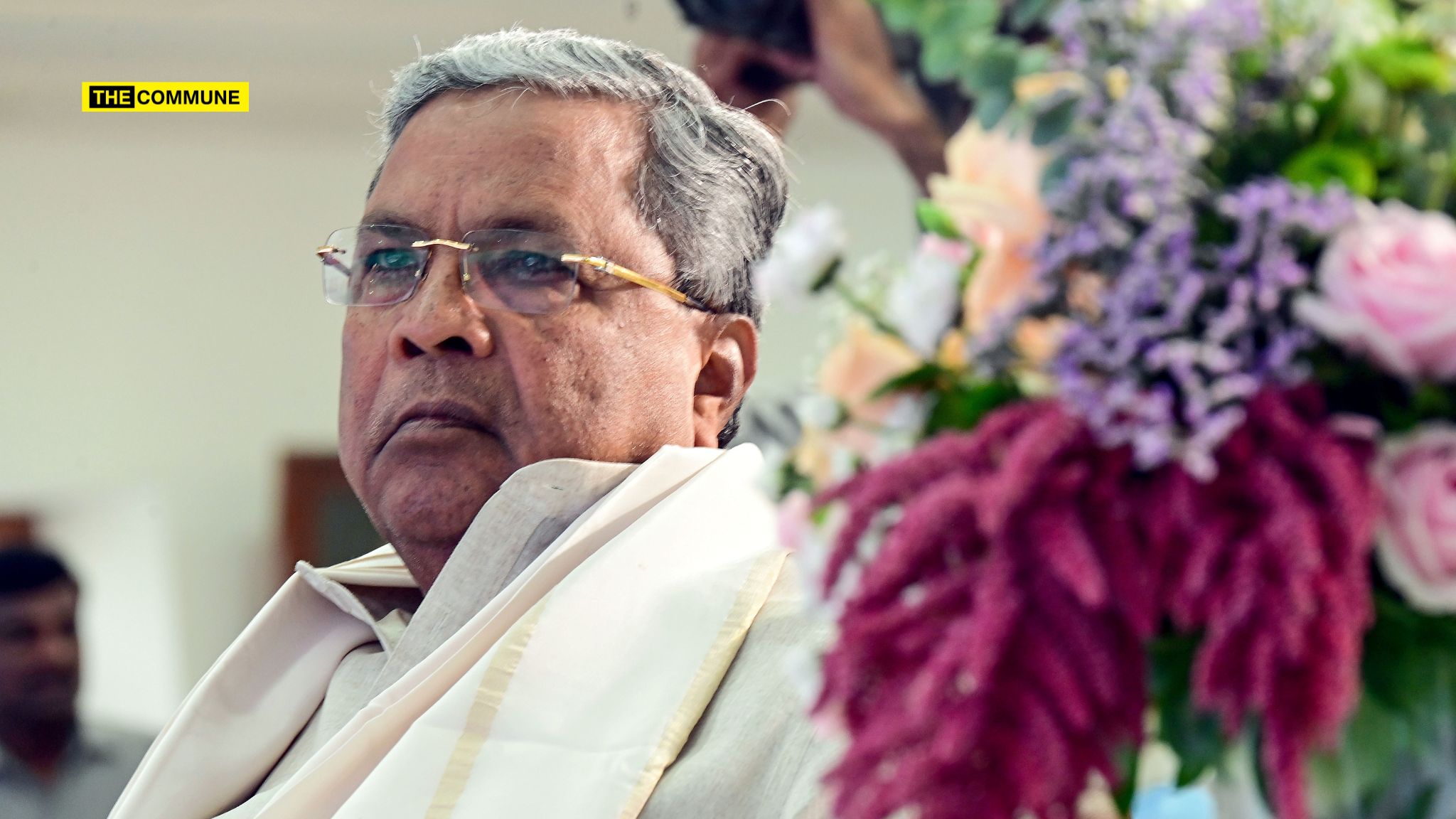
The Special Court for MLAs/MPs has directed the Mysuru Lokayukta to register the case under Section 156 (3) of the Code of Criminal Procedure for the offences punishable under various IPS Sections, the Prevention of Corruption Act and other acts against Karnataka Chief Minister Siddaramaiah in the Mysuru Urban Development Authority (MUDA) scam.

The court had pronounced the order on Wednesday. The copy of the order further says: “Acting under Section 153 (6) of Code of Criminal Procedure, the jurisdictional police i.e. Superintendent of Police, Karnataka Lokayukta, Mysuru is hereby directed to register the case, investigate and to file a report as contemplated under Section 173 of Cr PC within a period of 3 months from today.” Judge Santhosh Gajanana Bhat said to investigate the case for the offences punishable under Section 120B, 166, 403, 406, 420, 426, 465, 468, 340, 351 and other relevant sections of the Indian Penal Code (IPC). “And also for the offences punishable under Sections 9 and 13 of the Prevention of the Corruption Act, 1988 and under Sections 3, 53 and 54 of the Prohibition of Benami Property Transactions Act, 1988 and 3, 4 of Karnataka Land Grabbing Prohibition Act, 2011,” reads the order. The order mentions that the office is hereby directed to register the complaint as PCR. “Further, the office is hereby directed to communicate the above orders of the court forthwith to the above said jurisdictional police, the order states. The matter will be called before the court on Dec 24, 2024.”

The complainant Snehamayi Krishna has registered a complaint regarding the MUDA scam naming Siddaramaiah as the accused number one, his Parvathy as the second accused, his brother-in-law Mallikarjuna Swamy as the third, land owner Devaraju as the fourth accused. The Lokayukta will have to lodge an FIR against Siddaramaiah and others as per the directions of the court now.

The petitioner Snehamayi Krishna had alleged that the Lokayukta was unresponsive when he approached the office with the order of the court. Sources said that the Lokayukta top brass had held a meeting at the Lokayukta headquarters in Bengaluru regarding the future course of action. They said that the FIR against Siddaramaiah would be lodged soon.

–IANS

Subscribe to our channels on TelegramWhatsApp, and Instagram and get the best stories of the day delivered to you personally.
Women Along Indo-B’desh Border To Receive Training To Make Them Self-Reliant

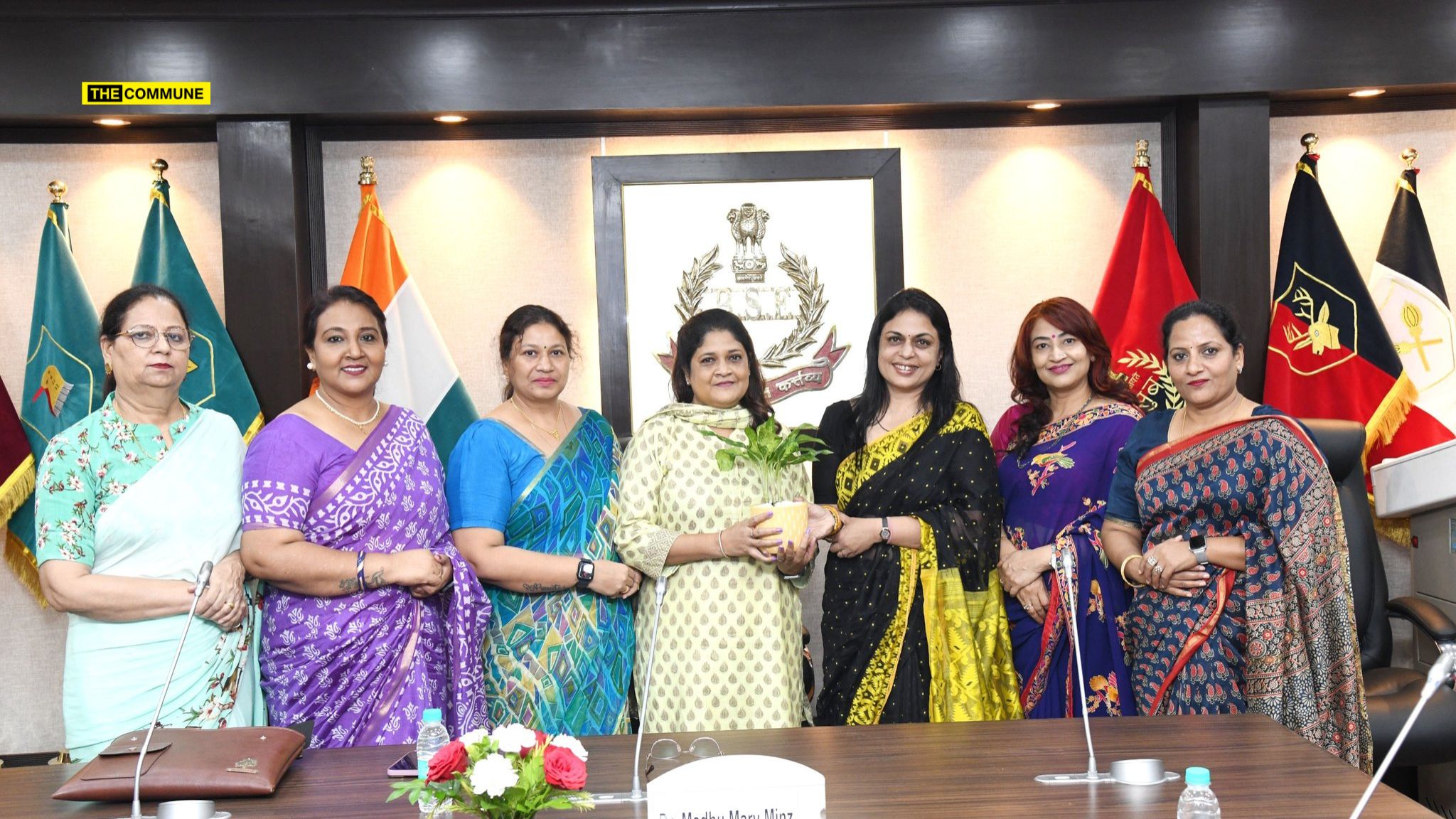
Women from villages along the Indo-Bangladesh Border (IBB) will now receive training in sewing, embroidery, cooking, and other skills to help them become self-reliant. Prema Gandhi, president of the Border Security Force (BSF) Wives Welfare Association (BWWA), Special Directorate General, Eastern Command, Kolkata, announced this on the occasion of the organisation’s 32nd Foundation Day.

Prema Gandhi is the spouse of Ravi Gandhi, ADG, Eastern Command, BSF. This will be known as the Border Security Village Contact Scheme. BWWA already provides training in various skills to the spouses of jawans to help them become self-reliant and empowered. If such facilities are extended to the women of border villages, it would lead to empowerment and help provide economic support to families. It could gradually help in weaning away people from getting involved in border-area crimes such as smuggling and human trafficking. The BWWA celebrated its Foundation Day recently at the headquarters of 85 Bn BSF, South Bengal Frontier, at Digberia in the suburbs of Kolkata. Set up in 1992, BWWA is a body under the Registrar of Societies, Delhi, with its primary objectives being the welfare of serving and retired BSF personnel and their families, rehabilitation of Veer Naris and providing vocational training to the families of Seema Praharis to empower them further economically.

Prema Gandhi elaborated on how the BWWA works for the welfare of women living in border areas and promotes activities such as widow remarriage, support to people with disabilities and cleft-lip surgeries, to name a few. The BWWA also looks after the welfare needs of Seema Bhawanis (women personnel of the BSF) and their families. She also spoke on the need to continue programmes focused on vocational training, computer literacy and health awareness and urged members to expand its efforts to address challenges faced by the families of BSF personnel.

–IANS

Subscribe to our channels on TelegramWhatsApp, and Instagram and get the best stories of the day delivered to you personally.
330 Million Mobile Phones Being Manufactured In India A Year: Govt

Indian electronics sector currently employs about 1.2 million people nationwide as 325 to 330 million mobile phones are manufactured every year, the government said on Thursday. The country has witnessed rapid growth in electronics manufacturing—from Rs 1.9 lakh crore in 2014-15 to Rs 9.52 lakh crore in production in 2023-24 (with an annual compounded growth rate of 17.4 percent) and 22.7 percent export growth.

On the 10th anniversary of the ‘Make in India’ initiative, S. Krishnan, Secretary, IT Ministry, emphasised that electronics has emerged as one of the most impactful sectors. “Exports from India in the electronics manufacturing sector have also risen substantially from about Rs 38,263 crore in 2014-15 to Rs 2.41 lakh crore at the CAGR of 22.7 per cent. This is also significantly faster than the growth of other export sectors,” he said. In 2014-15, only 26 per cent of the mobile phones which were being sold in the country were made in India and the rest were being imported.

Today, 99.2 per cent of all mobile phones which are sold in India are made in India. “We are manufacturing between 325 to 330 million mobile phones a year in India and on average there are about a billion mobile phones in use in India. We have virtually saturated the domestic market and that’s why you see that there’s a substantial uptick in the exports of mobile phones,” Krishnan informed. The mobile phone export was about Rs 1.2 lakh crore in 2023-24 and the exports have increased 77 times from what it was in 2014-15. In 2014-15, mobile phones export was worth about Rs 1,566 crore which has reached around Rs 1,20,000 crore now. Speaking on the PLI scheme for mobile sector, the Secretary said we have exceeded our overall production target, and have reached Rs 6.61 lakh crore as the total value of production and investment of Rs 9,100 crore, which is again well above the investment.

“The total employment achieved has been 1,22,613, which again is as per the original target of the scheme. So this has been one of the big stories in the Make in India, and today. the electronic sector employs close to about 1.2 million people all over the country,” said Krishnan. Setting up a semiconductor manufacturing base in the country has been the other big part of ‘Make in India.’ With the launch of the India Semiconductor Mission and the five major projects which have been approved, starting with Micron, the two projects by Tata Electronics, the one project by CG Power, and the last project by Keynes, a real manufacturing base of semiconductors is being established in the country.

–IANS

Subscribe to our channels on TelegramWhatsApp, and Instagram and get the best stories of the day delivered to you personally.
Communism Has Become Slavery In Kerala: Left MLA Anvar

Communism Has Become Slavery In Kerala: Left MLA Anvar

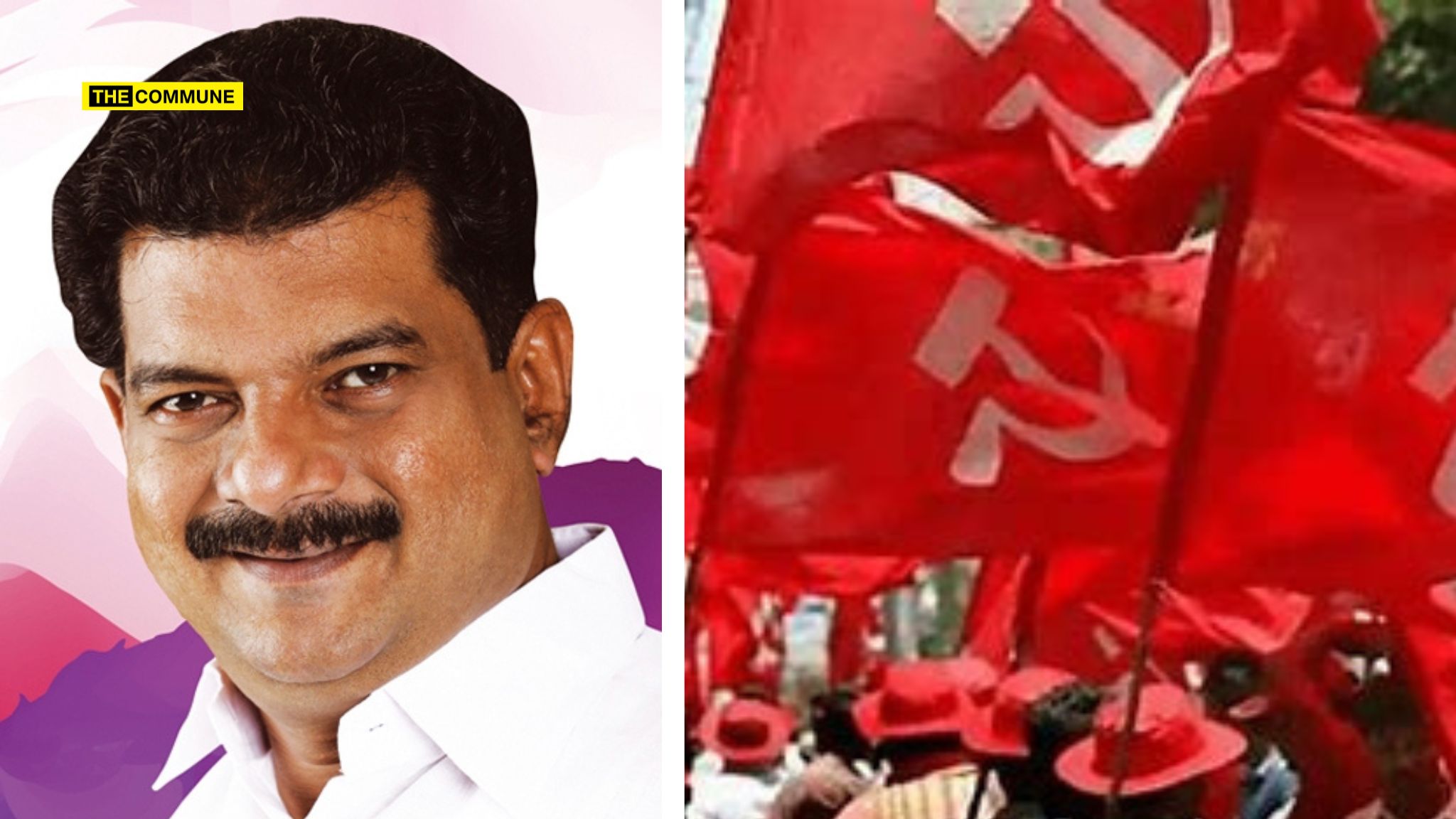
Left MLA P.V. Anvar on Thursday attacked the Kerala Chief Minister Pinarayi Vijayan, saying that Communism has become slavery in the state. “Communism in Kerala is now a mere slavery. No one is allowed to question. Take the example of CPI-M state secretary M.V. Govindan. The present leadership only want to listen to the top brass without allowing anyone to question them,” Anvar said.

He added that the biggest problem in Kerala is that all top political leaders at the top level leadership of CPI-M are hand in glove which is why no case which involves top political leaders will be investigated. “A coterie leads the Chief Minister. Gone are the days when Vijayan was the people’s leader. I have told him on his face that there were times when he was shining like a sun and now in the past three years, his rankings have decreased,” Anvar said. He added that he has informed the Chief Minister that his political secretary P. Sasi and the ADGP (law and order) M.R. Ajith Kumar are not people what he thinks and are part of a group involved in criminal activities.

“Vijayan must order a judicial probe into the 188 gold smuggling cases which he himself told has been registered in Malappuram district. Sasi and Ajith Kumar know everything as it’s the police and not the Customs which are involved,” he said. Anvar said he did not believe when he heard that Ajith Kumar addresses the Chief Minister as ‘uncle’. He added that Vijayan hinted that he (Anvar) is part of the gold smuggling gang.

“I was waiting for the party will correct its way but it did not happen as the state secretary M.V. Govindan failed to say a word about it. I have been part of the Left for the past two decades and not eight years as mentioned by the CPI-M. Vijayan also gave a clean chit to P.Sasi as Govindan said he has known Sasi for the past four decades,” said Anvar. Anvar said he will return again with more documents.

–IANS

Subscribe to our channels on TelegramWhatsApp, and Instagram and get the best stories of the day delivered to you personally.

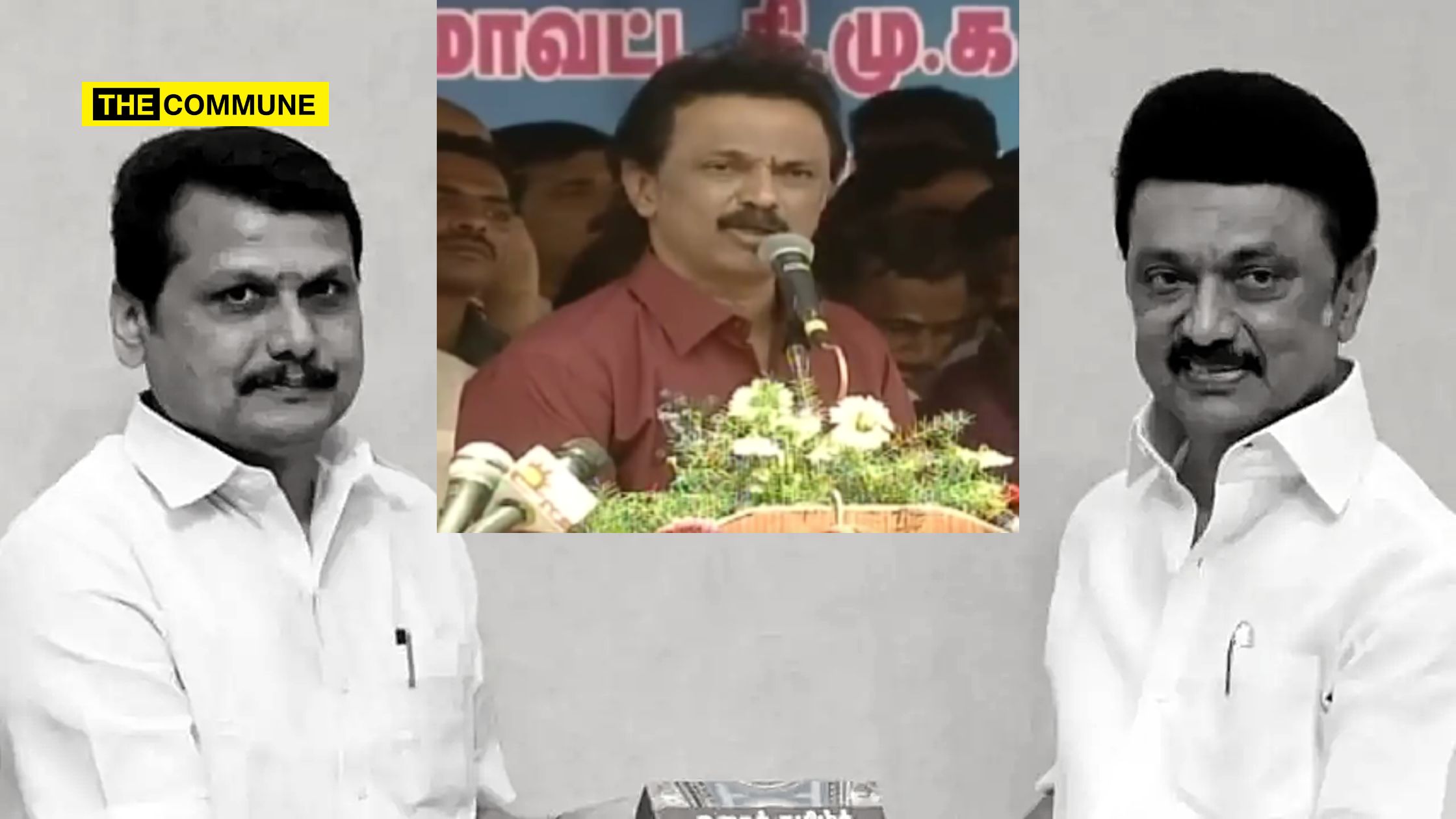
“Looting, Corruption, Getting Bribes”: Old Videos Of MK Stalin Slamming Senthil Balaji Comes Back To Haunt Him

The Supreme Court of India granted conditional bail to DMK leader Senthil Balaji on 26 September 2024 in the cash-for-jobs scam money laundering case.

Due to the unlikely prospect of an early trial completion and his prolonged detention, the Court decided to grant him bail despite acknowledging the existence of a prima facie case against him.

The court also noted that if at all the appellant Senthil Balaji seeks adjournments on frivolous grounds or creates hurdles in the early disposal of the case, his bail would stand revoked.

Welcoming this judgement, Tamil Nadu Chief Minister MK Stalin called Senthil Balaji his “dear brother” and heaped praises on the scam-accused leader saying “Your sacrifice is great! Endurance is greater than that!“, as if he was a freedom fighter.

In light of this, MK Stalin’s own videos of him deriding Senthil Balaji back in 2016 has surfaced.

MK Stalin in the run up to the 2016 Assembly elections had made a blistering attack on Senthil Balaji who was then a Minister in the AIADMK. He said “Senthil Balaji and his brother have the entire Karur district under their control in terms of looting, doing corruption, getting bribes. People living in Karur district are well aware of this. Kidnapping, land grabbing cases are in court. They had brought a ticket vending machine for state transport buses. I was the one to talk about the corruption in that deal with proof in the Assembly. There has been no rejoinder to that. Not just that, an engineering student named Gokul was kidnapped, given death threats, his properties seized. His family went to the court and the case is pending and today there is no clue about where Gokul is.

In another video, Stalin says “The candidate standing in this constituency on behalf of ADMK, had splurged money, that too scientifically. That too his close friend Anbunathan. Already there was a raid at his home. Recently, there was news of  ₹570 crores being confiscated in Tirupur. We don’t know yet whether it is ₹570 crore or ₹5700 crores, it has not come to light. It is going to come to light. The officers right now are hesitant to take action fearing the powers that be. But Kalaignar won’t leave. Even if Kalaignar leaves him, I won’t leave him. Kalaignar is gracious enough to pardon. His nature is such. But those who have done wrong should not just be warned but punished!

Subscribe to our channels on TelegramWhatsApp, and Instagram and get the best stories of the day delivered to you personally.
PM Modi Launches Indigenously Developed Param Rudra Supercomputers

PM Modi Launches Indigenously Developed Param Rudra Supercomputers

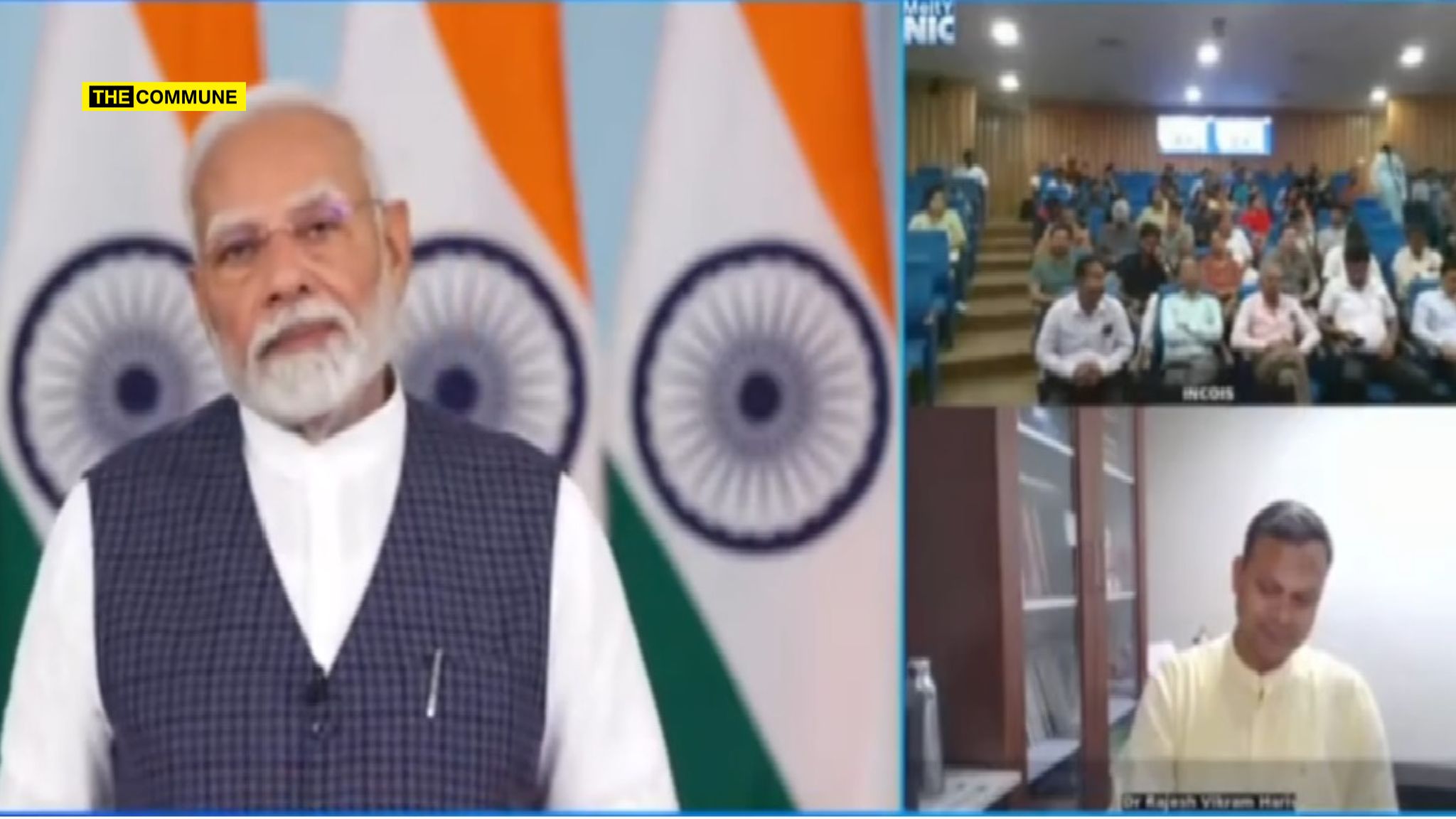
Showcasing India’s technological prowess, Prime Minister Narendra Modi on Thursday launched three Param Rudra supercomputers worth Rs 130 crore and developed indigenously as part of the National Supercomputing Mission. The three supercomputers in Pune, Delhi, and Kolkata have been deployed to support cutting-edge scientific research.

“With Param Rudra Supercomputers and HPC system, India takes significant steps towards self-reliance in computing and driving innovation in science and technology,” PM Modi said while launching the supercomputers via video conferencing. The Prime Minister also launched a High-Performance Computing (HPC) system for the fields of weather and climate. Addressing the scientific community, PM Modi said every sector and industry relies on technology and high-computing capability. He added that in this sphere, India’s share “should not be in bits and bytes but in terabytes and petabytes”. “Therefore, this achievement proves that we are moving in the right direction at the right pace,” said the Prime Minister.

With the PARAM supercomputer, the Inter-University Accelerator Centre (IUAC) will boost research in material science and atomic physics in New Delhi while the S.N. Bose Centre in Kolkata will focus on areas including physics, cosmology, and earth sciences. Meanwhile, the Giant Metre Radio Telescope (GMRT) in Pune will use the supercomputer to explore astronomical phenomena such as Fast Radio Bursts (FRBs). According to the government, the Param Rudra supercomputer incorporates the latest cutting-edge hardware and software technologies. A significant portion of its components were manufactured and assembled in India.

Param Rudra can handle complex calculations and simulations at a very high speed. These homegrown and developed supercomputers are prime examples of India’s technological advancements. These are used for weather forecasting, climate modelling, drug discovery, materials science, and artificial intelligence (AI) research. The country’s National Supercomputing Mission (NSM) has been set up to provide supercomputing infrastructure to meet the increasing computational demands of academia, researchers, MSMEs, and startups.

–IANS

Subscribe to our channels on TelegramWhatsApp, and Instagram and get the best stories of the day delivered to you personally.