Home Blog Page 880

Hindu Munnani Demands Action Against YouTube Channel U2 Brutus For Video Defaming Hindu Religious Practices Amidst Tirupati Laddu Controversy
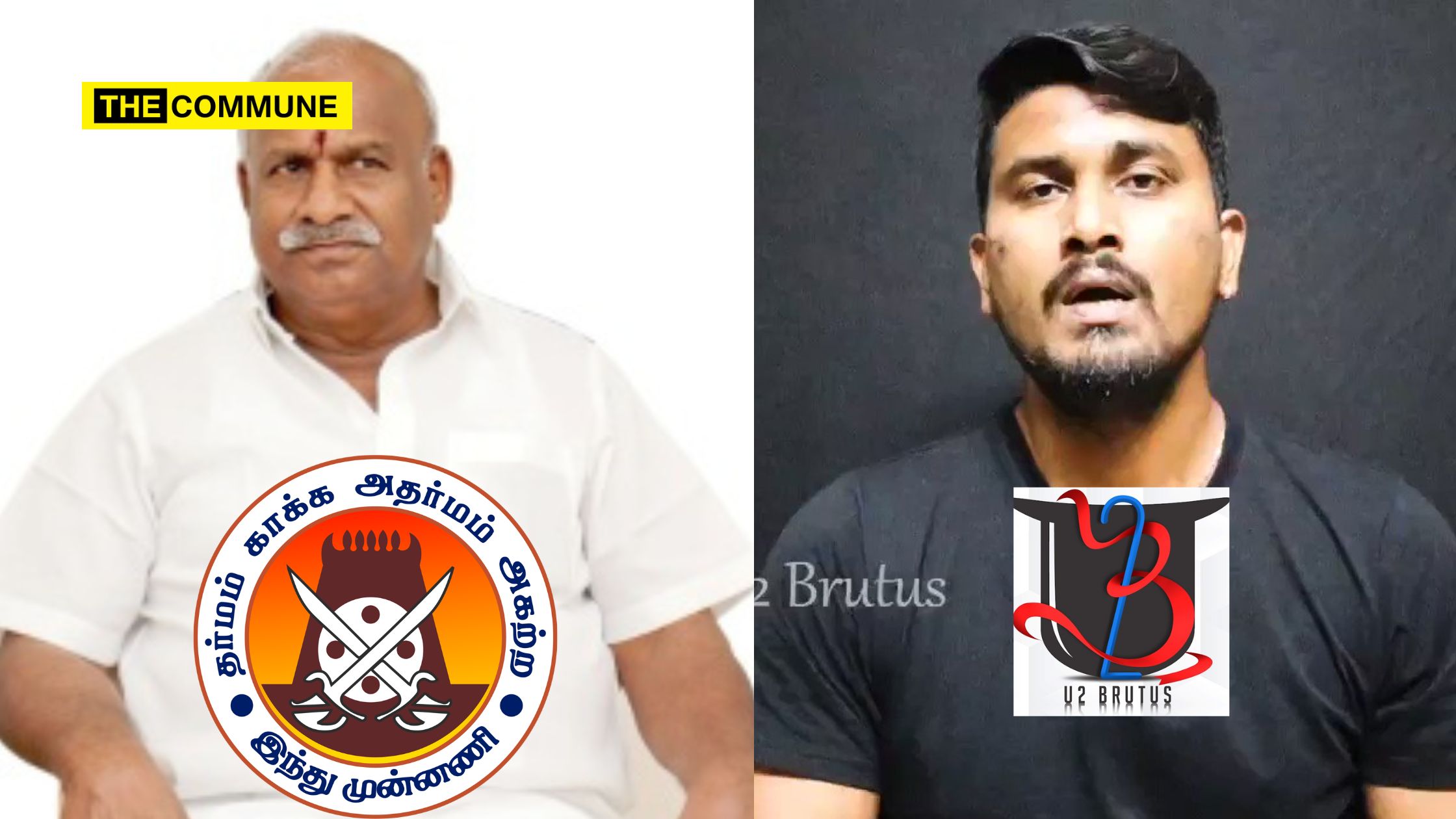
Hindu Munnani Demands Action Against YouTube Channel U2 Brutus

The Hindu Munnani has urged the TN government to take swift and strict action against the YouTube channelU2 Brutus’, which has stirred controversy by releasing a video allegedly defaming Hindu religious practices, particularly surrounding the preparation of the sacred Tirupati Laddu. Hindu Munnani State President Kadeshwara Subramanian has released a press note in this regard.

The press release mentioned that the video derides Hindu traditions, especially after the news that animal fat mixed in the ghee was used for the Tirupati temple’s Naivedya Prasadam. This has sparked outrage among Venkatesa Perumal devotees globally, with Hindu Munnani State President Khadeswara C. Subramaniam leading calls for immediate intervention.

In the press release, Subramaniam highlighted that the video posted by U2 Brutus has deeply hurt the sentiments of Hindus worldwide. He criticized the state police for their inaction on previous complaints filed by Hindu devotees, including one regarding an earlier incident where the same individual allegedly insulted the Chidambaram Thillai Nataraja. According to Subramaniam, while police have promptly acted on cases involving other communities, they have been hesitant to take legal measures when it comes to offenses that target Hindu deities and traditions.

The allegations in the U2 Brutus video have not only caused distress among devotees but also raised concerns about the integrity of religious offerings at one of India’s most revered temples. Hindu Munnani warns that this incident has the potential to ignite widespread protests if the authorities fail to act.

Referencing past incidents where the Hindu community rallied together to protect its faith—such as the jallikattu ban in Tamil Nadu, attempts to undermine the sanctity of the Amarnath Yatra in Kashmir, and conspiracies targeting the Ayyappan temple in Kerala—Subramaniam emphasized that Hindus have always risen to defend their religious rights and traditions. He expressed confidence that those responsible for tarnishing the Tirupati Laddu Prasad would face consequences.

The Hindu Munnani has demanded that the police take strict action under the Goondas Act to arrest those responsible for the controversial video. They warned that failure to act could lead to massive public protests, as many Hindus have pledged to file complaints at their local police stations in response to this affront.

“If the police continue to hesitate, the Hindu community will be left with no choice but to gather in large numbers and stage a democratic protest,the press release stated. Subramaniam also pointed out that similar insults to Hindu deities, like those against Lord Muruga’s Kanda Sashti Kavasam, had led to widespread protests, and this latest incident could provoke a similar reaction.

In closing, the Hindu Munnani called on the Tamil Nadu police to act decisively, arresting the individuals behind the U2 Brutus channel and preventing further damage to Hindu religious sentiments.

Subscribe to our TelegramWhatsApp, and Instagram channels and get the best stories of the day delivered to you personally.
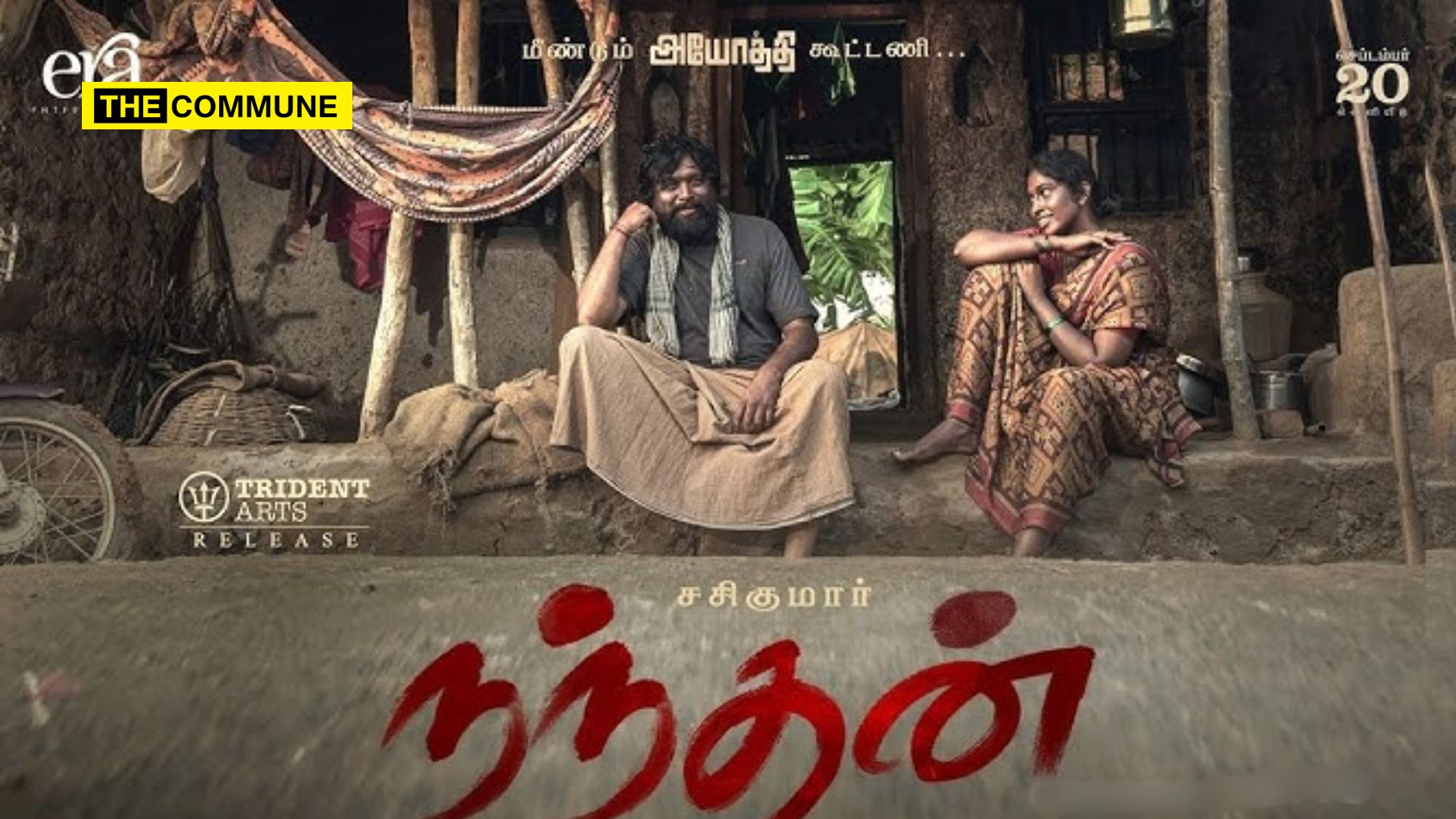
“Nandhan”: A Bold Exposé On Dravidian Model Of Social Justice, Film Not Screened In Chennai Theatres?

Nandhan Film Poster

In an alarming turn of events, Nandhan, a film that exposes the deep flaws within the much-touted Dravidian model of governance, is reportedly not running in a single theatre in Chennai. Directed by Era Saravanan, the movie sheds light on the harsh realities faced by marginalized (SC) communities in Tamil Nadu, revealing the disconnect between the ruling Dravidian parties’ claims of social justice and the lived experiences of the oppressed.

The film’s narrative draws from real-life incidents, detailing how Scheduled Caste (SC) members in various villages across Tamil Nadu have been systematically denied their basic rights despite holding elected positions in local governance. Nandhan portrays the struggles of Panchayat councilors from marginalized communities, who are often denied the opportunity to hoist the national flag at public government functions—an act that symbolizes not just exclusion but systemic discrimination. Through its raw depiction of caste oppression, the film courageously addresses an issue that has been long ignored by those in power.

One of the key themes Nandhan tackles is the institutional hurdles faced by SC panchayat leaders in securing fundamental civic necessities, such as cemeteries for their communities. The film recounts the story of a man who has spent three years fighting, unsuccessfully, to get approval for a cemetery in his village—a right denied to him due to the dominance of upper-caste power structures.

Moreover, Nandhan amplifies the voices of those who have faced severe physical threats, beatings, and even stabbings simply for daring to contest elections against dominant caste candidates. These incidents, heartbreakingly told by the film’s protagonists, reveal the dangerous conditions that SC leaders endure while the state government promotes a superficial narrative of social equality.

Despite Nandhan receiving a positive response from viewers during a special screening – many of whom were moved to tears by its powerful storytelling, the film has encountered heavy opposition seemingly from the ruling DMK government. Some believe this resistance is rooted in its daring critique of the Dravidian model, which has been upheld by the ruling Dravida Munnetra Kazhagam (DMK) as a beacon of social justice. The film suggests otherwise, showing how the model has failed to uplift SC communities, who still face systemic discrimination, exclusion, and violence.

Kollywood, which has seen many such themes focusing on the Brahmin-bashing alone has not voiced concerns about the suppression of Nandhan. Attempts to stifle this film’s screening raise uncomfortable questions about the nature of censorship and the power wielded by the ruling DMK in the state. Ticket booking apps like Book My Show do not show the film screening in Chennai. Critics call this move an act of “real fascism,” asserting that it is designed to silence any critique of the ruling government’s claims.

Director Era Saravanan deserves recognition for his brave attempt to tell the story of those who have been failed by the system. Through Nandhan, he exposes the ugly realities behind the Dravidian movement’s hollow promises of equality and empowerment. The film gives a voice to the disenfranchised, making it a powerful piece of political cinema that demands to be seen.

Subscribe to our TelegramWhatsApp, and Instagram channels and get the best stories of the day delivered to you personally.
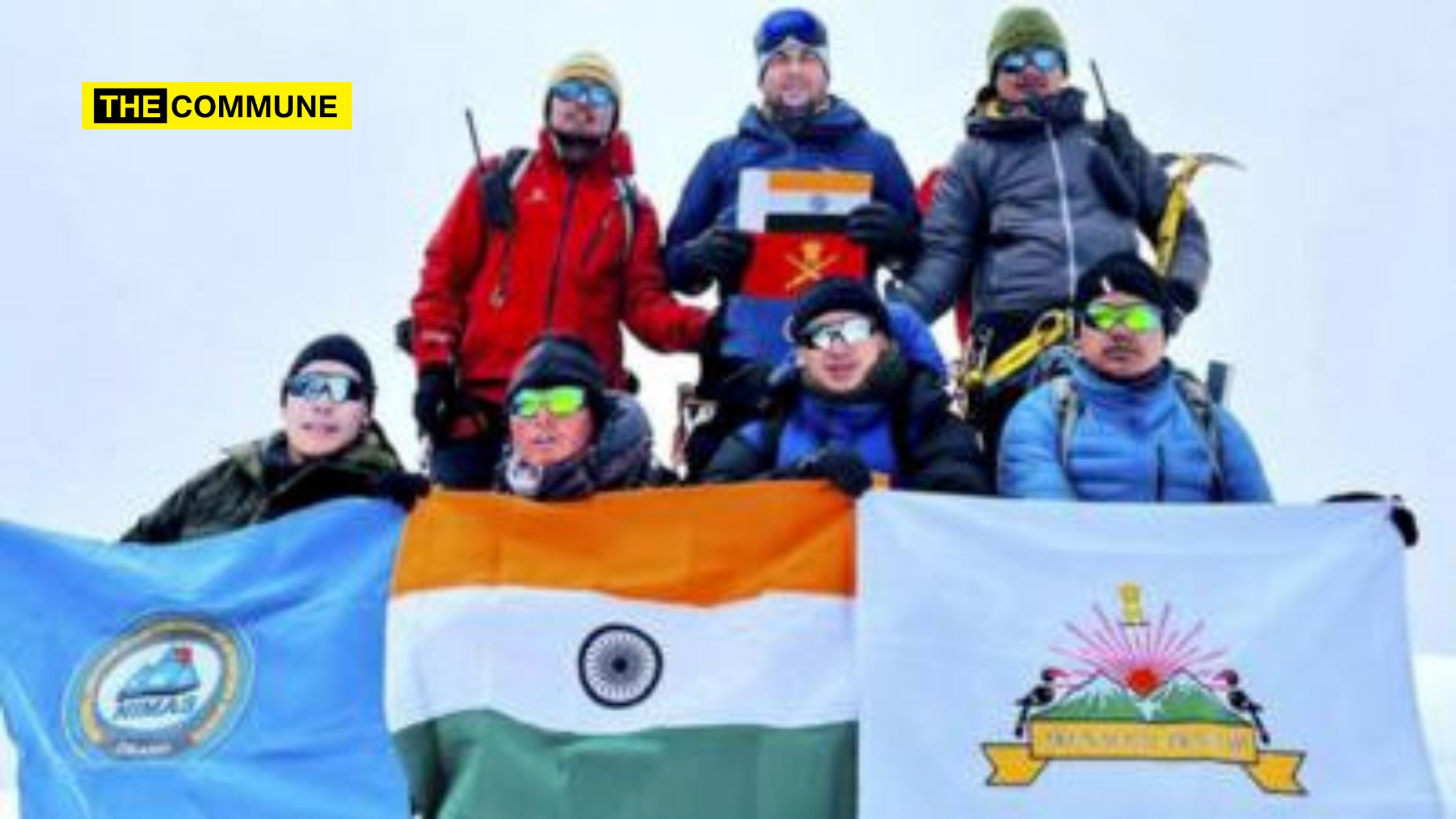
Indian Mountaineering Team’s Naming Of Arunachal Peak After 6th Dalai Lama Leaves China Fuming

Indian Mountaineering Team's Naming Of Arunachal Peak After 6th Dalai Lama Leaves China Fuming

China expressed strong disapproval after an Indian mountaineering team from the National Institute of Mountaineering and Adventure Sports (NIMAS) scaled an unnamed peak in Arunachal Pradesh’s Tawang region and named it after the 6th Dalai Lama, Tsangyang Gyatso. The peak, standing at 6,383 meters (20,942 ft), was conquered last Saturday by a 15-member team led by NIMAS director Colonel Ranveer Singh Jamwal.

The peak, located in a region claimed by China as part of its territory, has sparked a fresh diplomatic controversy. China’s foreign ministry spokesperson, Lin Jian, stated during a press briefing in Beijing that it is “illegal and null and void for India to set up the so-called ‘Arunachal Pradesh’ in Chinese territory.” China insists that Arunachal Pradesh is part of its territory, referring to it as “Zangnan.”

The Indian Defence Ministry, in a statement, emphasized that naming the peak after the 6th Dalai Lama is a tribute to his “timeless wisdom” and “profound contributions” to the Monpa community of the Tawang region. The 6th Dalai Lama, Tsangyang Gyatso, who lived in the 17th and 18th centuries, was born in Tawang, a region Beijing claims as part of its sovereign territory. China’s discontent also stems from the symbolic significance of the Dalai Lama, an institution representing Tibet’s independence prior to Chinese control.

NIMAS, based in Dirang, Arunachal Pradesh, and operating under the Ministry of Defence, undertook the expedition as part of its regular adventure activities, though such missions are often seen as reinforcing India’s territorial claims. According to Lt. Col. M. Rawat, a defence spokesperson, the expedition to the peak, previously unscaled and unnamed, was particularly challenging due to ice walls, treacherous crevasses, and a two-kilometer-long glacier.

China, which has been renaming places in Arunachal Pradesh since 2017 as part of its ongoing territorial claim, reiterated its stance that the area, including Tawang, is Chinese territory. However, India’s decision to honor the 6th Dalai Lama with the naming has been perceived as a strategic response to counter China’s territorial assertions over Arunachal Pradesh.

As tensions between the two countries remain strained over the region, this latest development adds to the complex geopolitical landscape of the India-China border dispute.

Subscribe to our TelegramWhatsApp, and Instagram channels and get the best stories of the day delivered to you personally.
Amidst Tirupati Laddu Beef Row, Dravidianist Media Puthiya Thalamurai Does Exclusive Episode Celebrating Beef

Dravidianists have been having a field day mocking Hindus over the beef adulteration in ghee in the Tirupati prasadam issue. Day in and day out, they have been trying to deride Hindus and their sentiments by talking about beef and making posts around it. Be it politicians or Dravidianist ideology supporters, they mocked and made fun of Hindus, especially Brahmins.

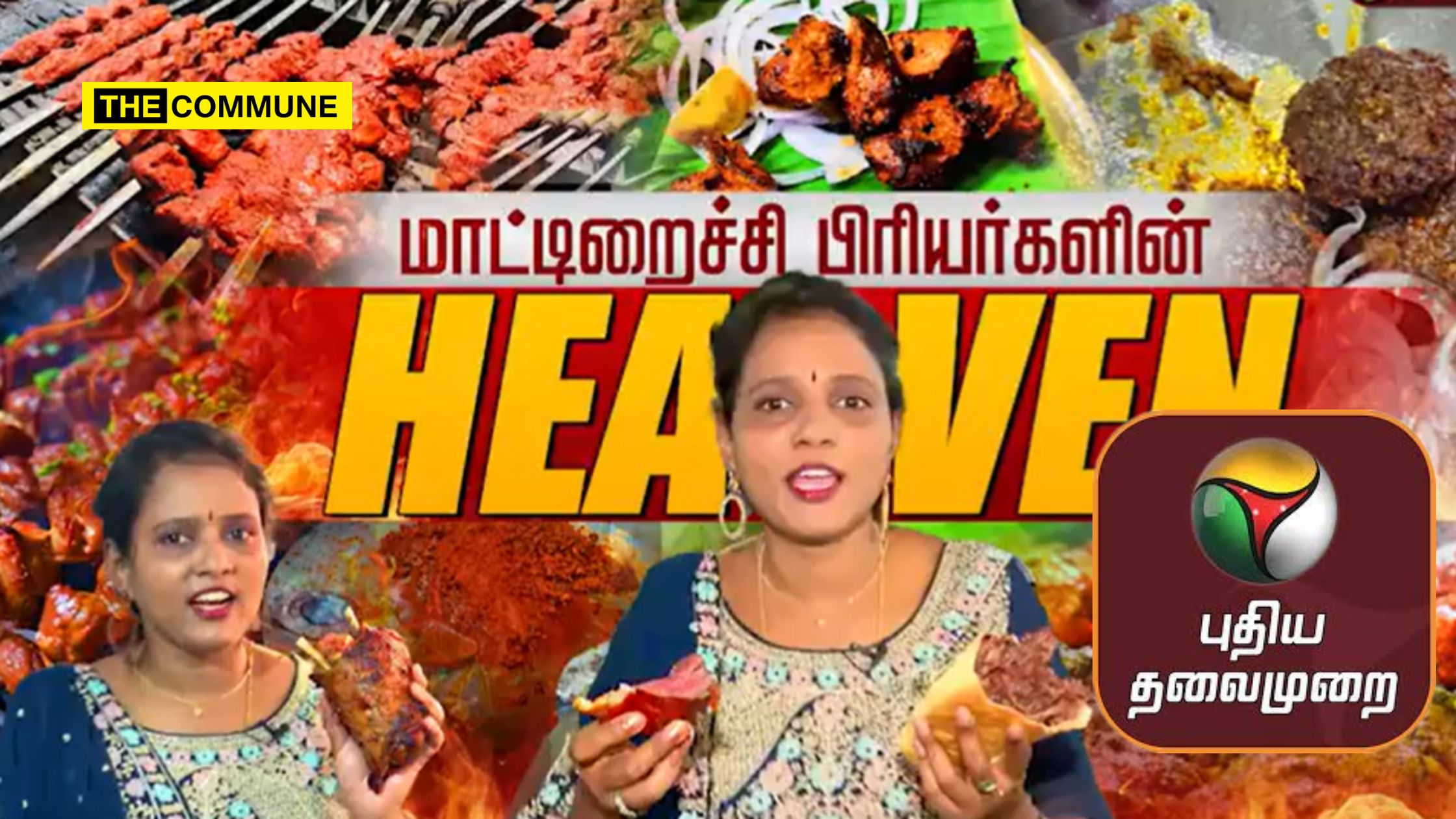
Several news media persons also indulged in the same. On 25 September 2024, the Dravidianist media channel Puthiya Thalaimurai shared a video dedicated to beef lovers. In the 6-minute video, the host Priya Rajendran talks about a place in Chennai that is dubbed the “Heaven for Beef Lovers“.

She is seen to be in a place named Dadashamakan located near Otteri in northern Chennai. The locality is a predominantly Muslim neighborhood with a population of around 5,000. The area is said to be known for its shops offering a wide variety of food items, particularly attracting regular customers for its “renowned” beef. Locals claim that no other part of the city can match the quality of beef available in Dadashamakan, with prices being comparatively lower than in other areas of Chennai.

In the video, the Puthiya Thalamurai anchor Priya says, “As soon as we enter the street, the fragrance is so appealing. We are in beef lovers’ heaven, Dadashamakan.” The video is interspersed with shots of beef being cooked in various methods, something that would make a vegetarian puke while making a beef lover salivate probably.

One of the members of the Muslim community then describes how the place got its name. “There is a Dada Peer dargah here and makan is an Urdu word, together the name Dadashamakan came to be. Meat shops have been here for the past 50 years.”

Then the Puthiya Thalamurai anchor goes on to find out what varieties of beef-based food she can get and gets a list of items from one of the sellers, a visibly Muslim man. He shows her the various parts of the cow that are converted into different types of food – thigh which is cooked over coal, and undercut piece which is supposed to be soft and relished by kids, apparently, then he shows her the seekh kebab made with minced beef and finally shows her the tawa curry made with small pieces of beef which are consumed with idiyappam and chapati. He also stated that the shop sold food worth ₹20,000-₹25000 per day.

Dadashamakan is said to have hundreds of such shops. The the Puthiya Thalamurai anchor then goes on to explain how the beef is supplied. She says, “They bring a week’s worth of cows from Andhra Pradesh and Vellore and they convert them to beef in a place nearby called Maaduthotti where it is checked for cleanliness and purity and then brought here.”

Then the video shows people eating the beef items, and butchers cutting the beef into pieces, which can get a bit nauseating, as she continues to narrate. She says, It is said that at least 2000kg of beef is sold per day here.”

One of the shop owners then goes on to justify the “healthy” nature of the beef saying, “Since it is cooked over coals, the cholesterol in the beef is removed and the end product is only meat. So the food only has meat and masala so the customers enjoy it. To add to this, many of them who go to the gym and indulge in fitness regimes come here often. So this place is very famous. The crowd starts to trickle in by 5 PM in the evenings and we close at midnight. “

Following this, Puthiya Thalamurai shows more images and video shots of people offering beef to the viewers as if in a mocking way and eating right on camera.

One of the customers says, Beef is like a banana plant, the way the entire plant is beneficial to us – be it the leaves, the stem, the banana, the flower, etc, in the same way, each part of cow meat is nutritious, has a lot of protein and is good to eat. I have been eating since my childhood and I like it, so I come here once a week to eat.”

A few more customers are interviewed, and they list the varieties they love eating. The Puthiya Thalamurai host then “explains” why beef is good for health. She says, “Did you know beef has all the nutrients that you need? It has vitamins, iron, minerals, zinc, fats, protein, etc. Doctors say beef can cure anaemia, fatigue, shrinking of skin, and improve immunity.”

They then get a nutritionist to explain how “good” beef is for humans. The nutritionist says, “Since it has high protein content, it can help increase muscles. It also contains Vitamins B6, B12, iron, which help cure issues with brain, nerves, and anaemia. Those who have these issues can benefit from consuming beef. The fat content is very high in beef. So if you have cholesterol issues, kidney disease, liver disease, or heart disease, your body cannot digest this high level of protein and fat. Such people must avoid it.”

And while all this happens, they keep showing video shots of the varieties of beef items.

The video ends with a few seconds showing the anchor relishing the meat and chewing on camera. She says, “This tastes out of the world. It costs less and gives you high protein and only beef can give you that. Beef lovers will find Dadashamakan a beef world.”

This Puthiya Thalamurai video comes at a time when the Tirupati laddu controversy is at its peak. Hindus in Tamil Nadu also observe pitrupaksha or Mahalaya during the Tamil month of Purattasi where they pay respects to their ancestors and avoid eating meat. To share such a video during such a holy period for Hindus is not only insulting but also belittling and not giving space to their emotions. The Puthiya Thalaimurai channel has once again proved its allegiance and loyalty to its Dravidianist masters by posting such a video on its social media.

Subscribe to our TelegramWhatsApp, and Instagram channels and get the best stories of the day delivered to you personally.
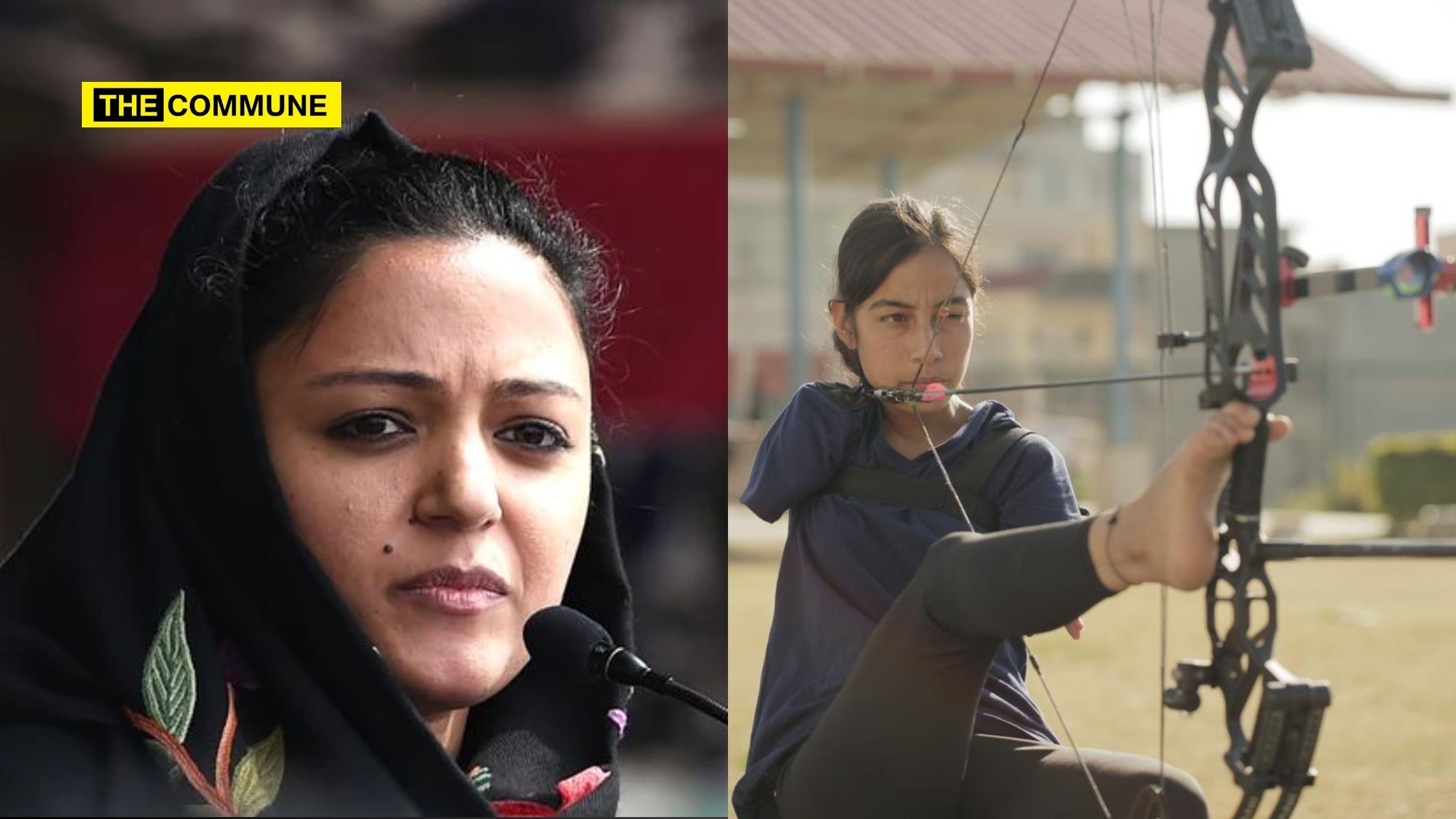
Shri Mata Vaishno Devi Shrine Board Sports Complex Transformed Lives Of Para-Athletes; Shehla Rashid Questions If Waqf Board Has Done Anything

The Paris Paralympic Games gave us the highest number of medals ever. Among them was a special victory – for the Mixed Team Compound Open in Archery. This was won by the duo from Jammu – Sheetal Devi and Rakesh Kumar. Here’s a brief profile of the two.

Sheetal Devi

Born on 10 January 2007, in Kishtwar, Jammu & Kashmir, Sheetal Devi’s story is a testament to the power of perseverance and courage. Despite being born without arms due to a congenital disorder known as phocomelia, Sheetal refused to let her physical limitations define her. Introduced to archery in 2022 at the Shri Mata Vaishno Devi Shrine Board Sports Complex, her natural athleticism and determination quickly shone through. Under the mentorship of coaches Abhilasha Chaudhary and Kuldeep Vedwan, she mastered a unique technique—using her legs, shoulder, and jaw to shoot arrows with a compound bow.

Sheetal’s meteoric rise in the world of para-archery has been nothing short of extraordinary. In her debut season, she secured a silver medal at the World Archery Para Championships in 2023, becoming the first armless female archer to win a medal at the event. She followed this up with two gold medals at the Asian Para Games 2023, cementing her status as one of the world’s top para-archers. At just 17 years old, Sheetal is ranked number one in the world in the women’s compound open category and has her sights set on gold at the Paris 2024 Paralympics.

Sheetal’s unwavering belief in herself, combined with her resilience, has inspired millions. Her achievements are a reminder that no obstacle is insurmountable with the right mindset and hard work.

Rakesh Kumar

Rakesh Kumar’s journey to becoming a world-class para-archer is one of resilience and determination. Born on January 13, 1985, in Katra, Jammu & Kashmir, Rakesh’s life took a tragic turn in 2010 when a severe accident left him paralyzed from the waist down. Confined to a wheelchair and facing deep despair, Rakesh found new hope when he was introduced to archery at the Shri Mata Vaishno Devi Shrine Board Sports Complex in 2017.

With the guidance of coach Kuldeep Kumar, Rakesh discovered a new passion for archery, which quickly transformed his life. Despite financial challenges and limited resources, his dedication to the sport propelled him to the top of the para-archery rankings. In 2023, Rakesh secured a gold medal in the Mixed Team event at the World Archery Para Championships and delivered a stellar performance at the Asian Para Games, establishing himself as one of India’s premier para-athletes.

Rakesh’s story exemplifies the power of resilience, proving that even the toughest obstacles can be overcome with determination and belief in oneself. His achievements are a source of pride for India and an inspiration to those facing adversity.

Shri Mata Vaishno Devi Shrine Board Sports Complex: A Catalyst For Success

Both Sheetal Devi and Rakesh Kumar owe much of their success to the Shri Mata Vaishno Devi Shrine Board Sports Complex in Katra, Jammu & Kashmir. The complex, known for identifying and nurturing young talent, played a crucial role in transforming the lives of these para-archers. For Sheetal, the facility offered an introduction to the world of archery and a support system that guided her through her early training. Coaches worked with her unique abilities, customizing equipment and developing techniques that allowed her to thrive in the sport.

Similarly, for Rakesh, the sports complex provided a second chance at life. After his accident, the support of the coaches and training infrastructure gave him the opportunity to develop his skills and pursue a new passion. The focus on individual development and technical training at the complex has helped these athletes rise to the pinnacle of international competition, proving that with the right resources, even the most daunting challenges can be overcome.

What Does Waqf Board Contribute To?

The Shri Mata Vaishno Devi Shrine Board Sports Complex in Katra, Jammu & Kashmir, stands as a beacon of opportunity for aspiring athletes, including para-archers like Sheetal Devi and Rakesh Kumar. This facility, renowned for its state-of-the-art infrastructure and individualized coaching, has played a pivotal role in the lives of these athletes. Through tailored training programs and unwavering support, the complex has nurtured their talents and provided them with a platform to shine on the global stage. The board’s commitment to sports development showcases the power of institutions in fostering both physical and mental strength in young athletes, empowering them to transcend their limitations and aim for international success.

In contrast, the Waqf Board, historically centered around religious and charitable activities, has not prioritized initiatives like sports development in its agenda. While it plays a vital role in managing educational and community welfare projects such as Jamia Hamdard or Waqf Board College in Madurai, TN, the board’s focus remains on traditional forms of social service, often neglecting areas such as sports infrastructure for physically challenged individuals. This lack of emphasis on athletic programs can limit opportunities for individuals with disabilities who may benefit from the same kind of transformative support offered by facilities like the Shrine Board’s sports complex. Encouraging a shift towards including sports and physical development in Waqf’s purview could provide new avenues for empowerment and integration.

https://twitter.com/Shehla_Rashid/status/1838846187111084362

Subscribe to our TelegramWhatsApp, and Instagram channels and get the best stories of the day delivered to you personally.
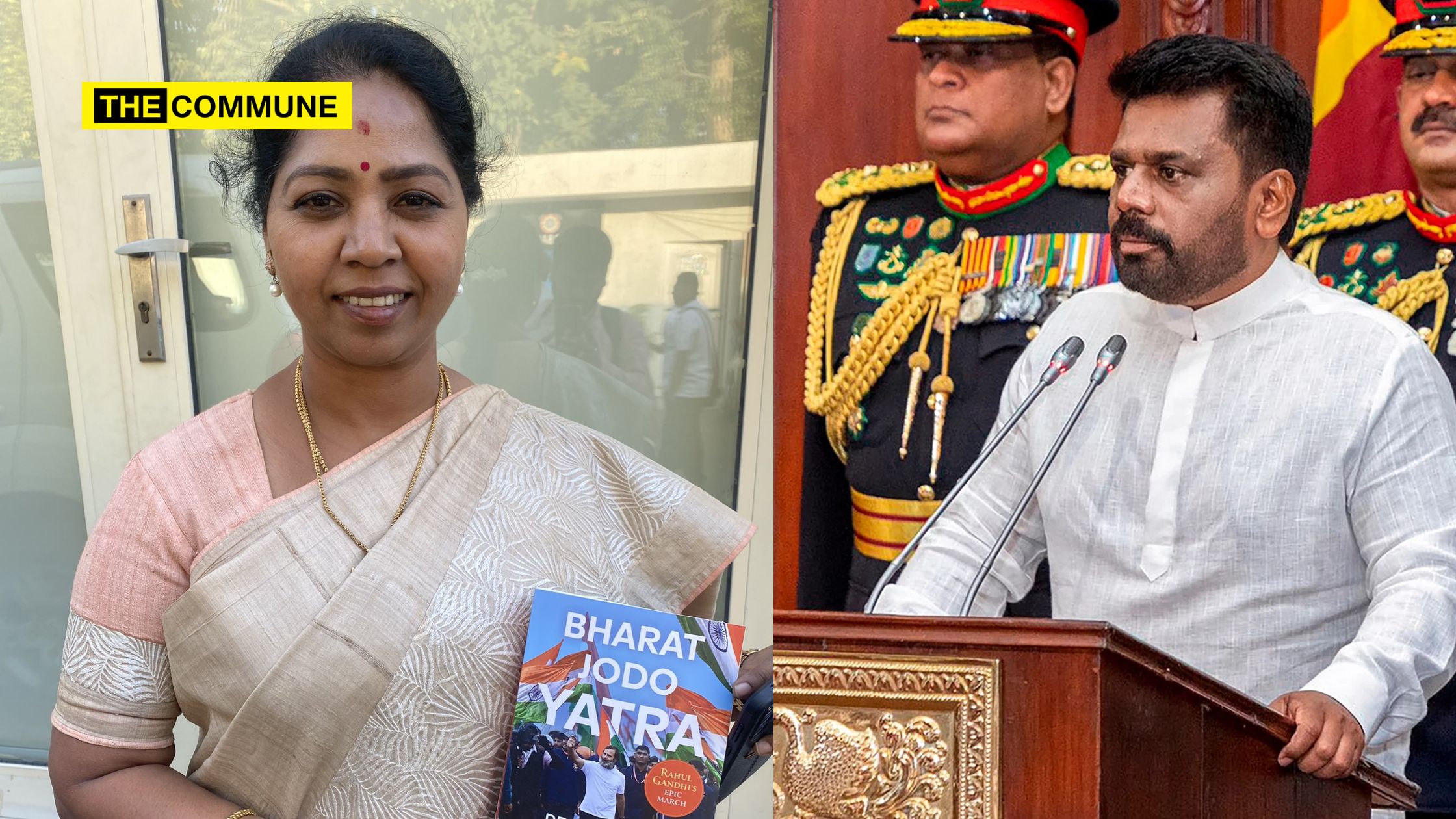
TN Congress MP’s Direct Appeal To Sri Lankan President Dissanayake On Fishermen Release Raises Eyebrows On Protocol

TN Congress MP Appeals To Dissanayake On Fishermen Release, bypasses protocol

In an unusual move, newly elected Congress MP R Sudha from Mayiladuthurai constituency has directly petitioned Sri Lanka’s President Anura Kumara Dissanayake to release Indian fishermen, bypassing established diplomatic channels. This unorthodox approach has drawn sharp criticism from political observers and raised questions about protocol in international relations.

MP Sudha’s “open-hearted and open-minded” letter urges President Dissanayake to release Indian fishermen detained in Sri Lankan jails and return their boats as a goodwill gesture. She specifically requested the release of 37 fishermen from her constituency, noting that a total of 80 Indian fishermen and 173 fishing boats are currently in Sri Lankan custody.

The letter criticizes Sri Lanka’s treatment of Indian fishermen, stating, “No country arrests, fines, damages and attacks fishermen from neighbouring countries so regularly as Sri Lanka does.” Sudha argues that fishermen shouldn’t be treated as criminals for operating in shared waters like the Bay of Bengal.

However, this direct communication from a state-level MP to a foreign head of state has been met with significant backlash. Critics label it as “immature” and a breach of diplomatic protocol. They argue that such matters should be addressed through proper channels, involving the Chief Minister, Central-State Minister, or the Indian Prime Minister and External Affairs Minister, who would then engage with the Sri Lankan government.

The controversy highlights the complex nature of the fishing disputes between India and Sri Lanka, as well as the need for adherence to established diplomatic procedures. It also raises questions about the preparedness of newly elected officials in handling sensitive international issues.

This incident has sparked a broader debate about the selection and training of parliamentarians in Tamil Nadu, with some questioning the effectiveness of representatives who may lack experience in navigating complex diplomatic scenarios.

Subscribe to our TelegramWhatsApp, and Instagram channels and get the best stories of the day delivered to you personally.
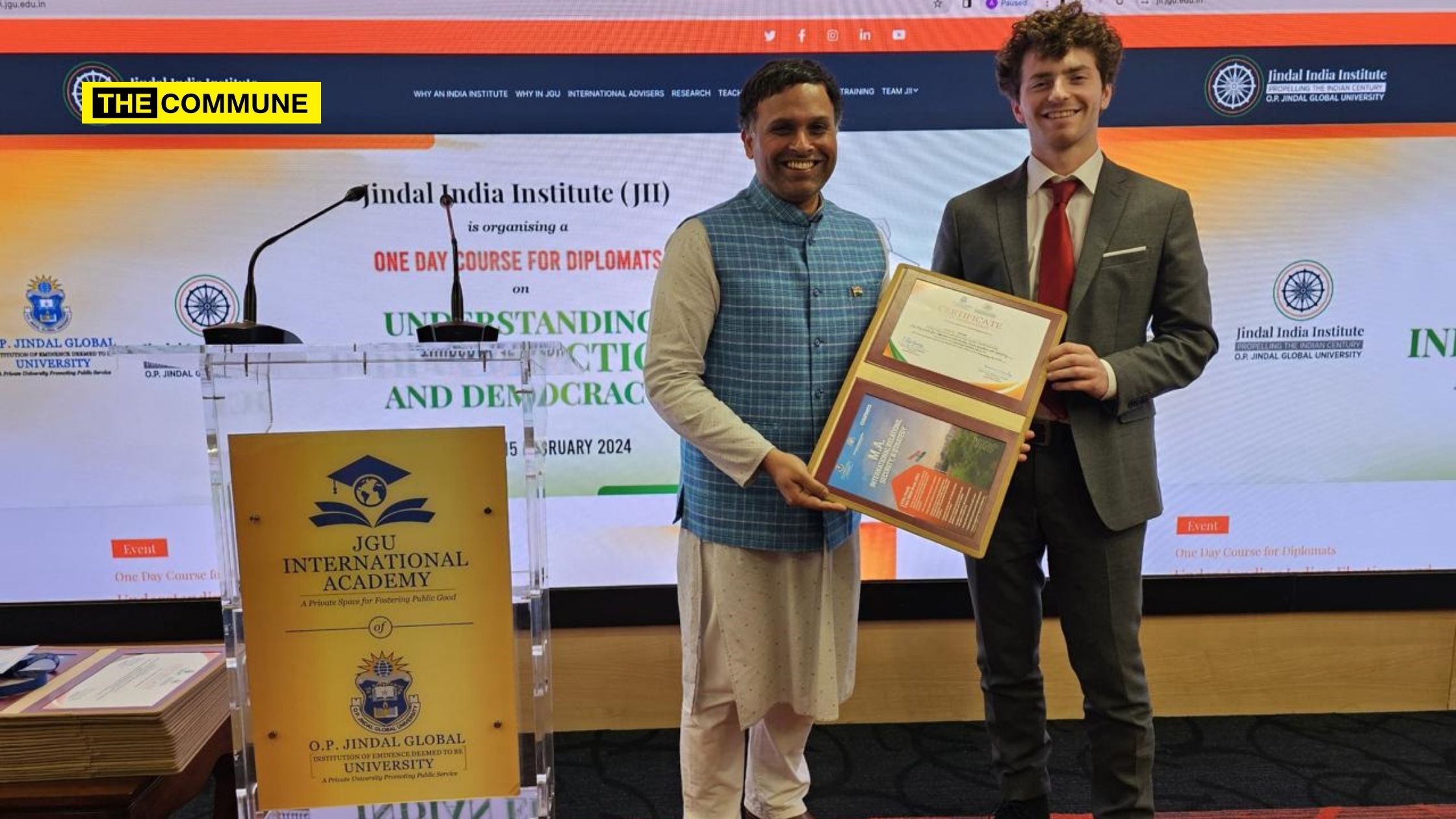
Jindal India Institute Trains Over 30 Foreign Diplomats, Journalists To Deepen Understanding Of India’s Foreign And Security Policy

Jindal university training Foreign Diplomats, Journalists To Deepen Understanding Of India's Foreign And Security Policy

The Jindal India Institute (JII) of O.P. Jindal Global University (JGU) hosted 31 foreign diplomats, foreign correspondents and defence attaches from 20 embassies, high commissions, international organisations and new agencies at the third edition of its one-day certificate course on ‘Understanding India’s Foreign and Security Policy’ in New Delhi.

The countries and institutions represented in this training event were Australia, Brazil, Canada, European Union, Finland, Kenya, Lithuania, Norway, Russia Today (RT), Rossiyskaya Gazeta, South Africa, Suriname, Sweden, Taiwan, Tanzania, Togo, the UK, the US, Zimbabwe and the International Committee of the Red Cross (ICRC).

The day-long engagement has six modules delivered by expert practitioners and academicians in international and defence matters. They provided a nuanced understanding of India’s foreign policy objectives and security strategies in an increasingly complex global landscape.

Sreeram Chaulia, Professor and Director General of JII, kicked off the discussion by providing a comprehensive overview of India’s foreign policy.

He discussed how India’s foreign policy strategies are informed by its rich strategic heritage, which includes Kautilya’s realpolitik and the idealism of the Upanishads.

He focused on the intent and purpose behind core concepts like strategic autonomy, non-alignment, multi-alignment, net security provider, first responder, Vishwa Mitra and Vishwa Guru. The Jindal University professor showed how India is extracting maximum benefits from foreign engagements to enable it to rise globally as a ‘leading power’.

The first half of the day also featured a session explaining the detailed organizational structure, functioning, and processes of India’s Ministry of External Affairs (MEA). Ambassador Sanjay Bhattacharya, Professor of Diplomatic Practice at the Jindal School of International Affairs, amalgamated theoretical knowledge with practical insights to address various participants’ queries on the MEA’s roles, responsibilities, and divisions.

Hindol Sengupta, Professor and Director of JII, addressed India’s changing worldview that has closely shaped its foreign policy since independence.

He provided a balanced view of the country’s transforming approach to the world under different Prime Ministers from Jawaharlal Nehru to Narendra Modi, highlighting the potential and success of major foreign initiatives under each of them. Building upon this foundation, Ambassador Mohan Kumar, Professor and Senior Fellow of JII, shed light on the unique aspects of India’s economic diplomacy, including trade negotiations and investment strategies.

He stressed on the country’s participation in multilateral forums and the strong regional component in its connectivity projects. The session closed with comments from a participating diplomat stating, “India is the future. Africa sees India as the hope for a better world order.” India’s security architecture was the main focus of the second half of the course. Swasti Rao, Associate Fellow of the Manohar Parrikar Institute for Defence Studies and Analyses, explored the country’s defence partnerships with Western powers. She explained key agreements, collaborative technological advancements and joint military exercises with Europe and the US. Her in-depth analysis of strategic motivations and expertise in weaponry and shifting patterns in India’s defence diplomacy enriched the foreign audience’s understanding of India’s critical strategic partnerships.

India’s emerging role in the Indo-Pacific was covered by Pooja Bhatt, Associate Professor of the Jindal School of International Affairs. Using an array of maps, satellite imagery, and flowcharts, she offered a detailed examination of India’s strategic priorities such as regional connectivity, maritime security and economic cooperation. The day concluded on a dynamic note with a special address by Air Marshal Anil Chopra (Retd., Indian Air Force), who talked about the Indian military’s vital contributions to national security and the main ethos and doctrines which have guided India’s armed forces as they remain prepared to tackle India’s main external adversaries. In the context of this one-day event, C. Raj Kumar, the President of JII and Vice Chancellor of JGU, commented that “as India takes on a more prominent role in global affairs, initiatives like this certificate course can foster deeper understanding between India and the international community.

The Jindal India Institute aims to deliver comprehensive expert-led training programmes that spread international awareness of and support for India’s extraordinary accomplishments and potential.” “Our mission is to enhance India’s leadership role in the world through thought-provoking and educative courses such as these, which can open the eyes of the international community and win more friends for India globally,” Raj Kumar said.

–IANS

Subscribe to our channels on TelegramWhatsApp, and Instagram and get the best stories of the day delivered to you personally.

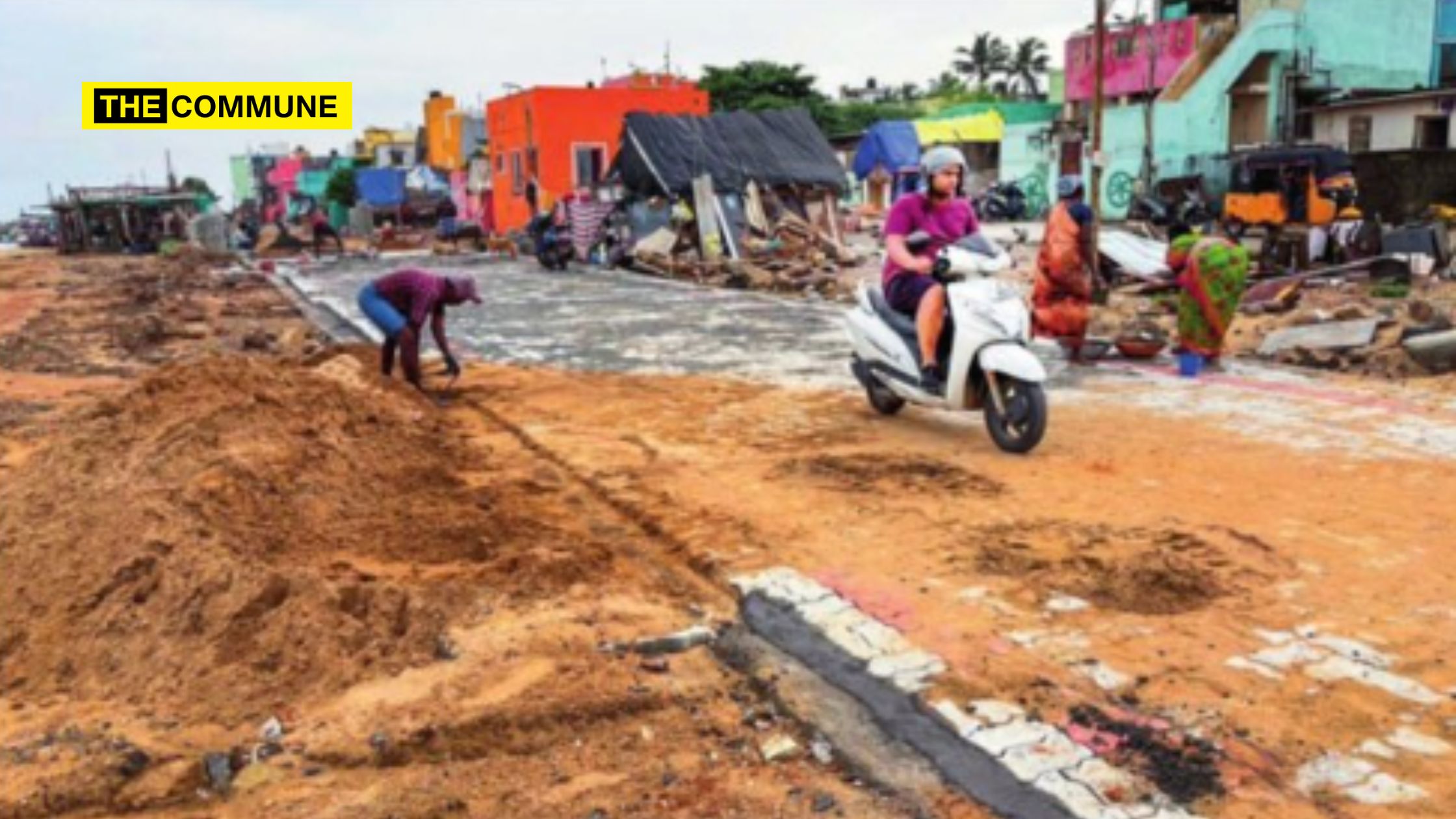
Greater Chennai Corporation Constructs Beach Road Without CRZ Clearance

Greater Chennai Corporation Constructs Beach Road Without CRZ Clearance
Image Source: Times Of India

In an alarming move, the Greater Chennai Corporation (GCC) has begun constructing a 1.4 km road along the sands between Thiruvanmiyur and Kottivakkam beaches, just weeks after demolishing an illegal road built by encroachers at Besant Nagar beach. The new road, which is six meters wide and constructed with paver blocks, comes at a cost of ₹2 crore and is being laid without the necessary Coastal Regulation Zone-II (CRZ-II) clearance.

The six-meter-wide road, made of paver blocks, has raised eyebrows among environmentalists and officials alike. When GCC sought permission from the Tamil Nadu Coastal Zone Management Authority (TNCZMA) on 31 August last year, they were asked to provide evidence of a pre-existing road before 1991, as stipulated by CRZ rules. However, GCC admitted in documents that no such proof existed.

Despite the lack of approval, former GCC commissioner J Radhakrishnan issued administrative sanction for the road’s construction on 3 November 2023. Officials claim the road was initiated due to pressure from VIPs and joggers in Palavakkam who desired a traffic-free stretch to Thiruvanmiyur, bypassing the busy East Coast Road (ECR).

Officials claim the road was initiated due to pressure from VIPs and joggers in Palavakkam who desired a traffic-free stretch to Thiruvanmiyur, bypassing the busy East Coast Road (ECR).

Critics argue that the new road primarily benefits encroachers who have constructed illegal structures along the beach, contributing to pollution and sand occupation. An unnamed official stated to TOI, “Various retired officials and businessmen living in Palavakkam made repeated requests to connect Palavakkam and Thiruvanmiyur through the beach.”

Ward 181’s Assistant Engineer Balsubramaniyam attempted to downplay concerns by claiming it’s only a temporary road that can be removed if authorities question its legality. However, environmental activist G Sundarrajan of Poovulagin Nanbargal criticized this stance, questioning the waste of public funds and the government’s role as a violator rather than a role model.

Zonal chairman S V Ravichandran defended the project, citing benefits for both locals and beachgoers. However, current GCC commissioner J Kumaragurubaran stated that nothing should be constructed without CRZ clearance and promised to investigate the matter, potentially removing the road if found non-compliant.

Subscribe to our TelegramWhatsApp, and Instagram channels and get the best stories of the day delivered to you personally.
RG Kar Case: CBI Tracks Major Lapses In Inquest Report

CBI Unearths Major Flaws In RG Kar Medicine Procurement System

The Central Bureau of Investigation (CBI) has found severe lapses in the inquest report in the R.G. Kar rape-murder case, said sources here on Friday.

Sources said the first lapse was detected when the magistrate’s report mentioned that he got only 20 minutes to examine the body of the victim, an unusually short period considering the seriousness of the matter.

In legal terms an inquest report is a document that records the findings of a police officer or magistrate in an investigation into a death that was sudden, unexplained or violent and is prepared to determine the cause of death and whether it was unnatural or suspicious.

Sources added that from the short period that the judicial magistrate was given to examine the body of the victim, the investigating officials believe that unnecessary haste was adopted in case of preparation of the inquest report just as it was done in case of completing the autopsy process which was completed in just 70 minutes.

The second lapse as identified by the investigating officials was the absence of detailed mentions and descriptions of the wounds on the body of the victim in the inquest report, sources added.

The third lapse as identified by sources, was the absence of vivid descriptions of the different exhibits witnessed near the victim’s body at the time of examination for preparing the inquest report.

At the same time, the investigating officials have also identified major contradictions in certain contents mentioned in the post-mortem report and the seizure list given by city police who handled the initial investigation before the central agency took charge of the investigation following a Supreme Court order.

The contradictions, sources added, were also about the mention of the garments of the victims. The woman doctor was found dead in mysterious circumstances in the seminar hall of the R.G. Kar Medical College and Hospital on August 9. Three people have been arrested in the case so far.

–IANS

Subscribe to our channels on TelegramWhatsApp, and Instagram and get the best stories of the day delivered to you personally.
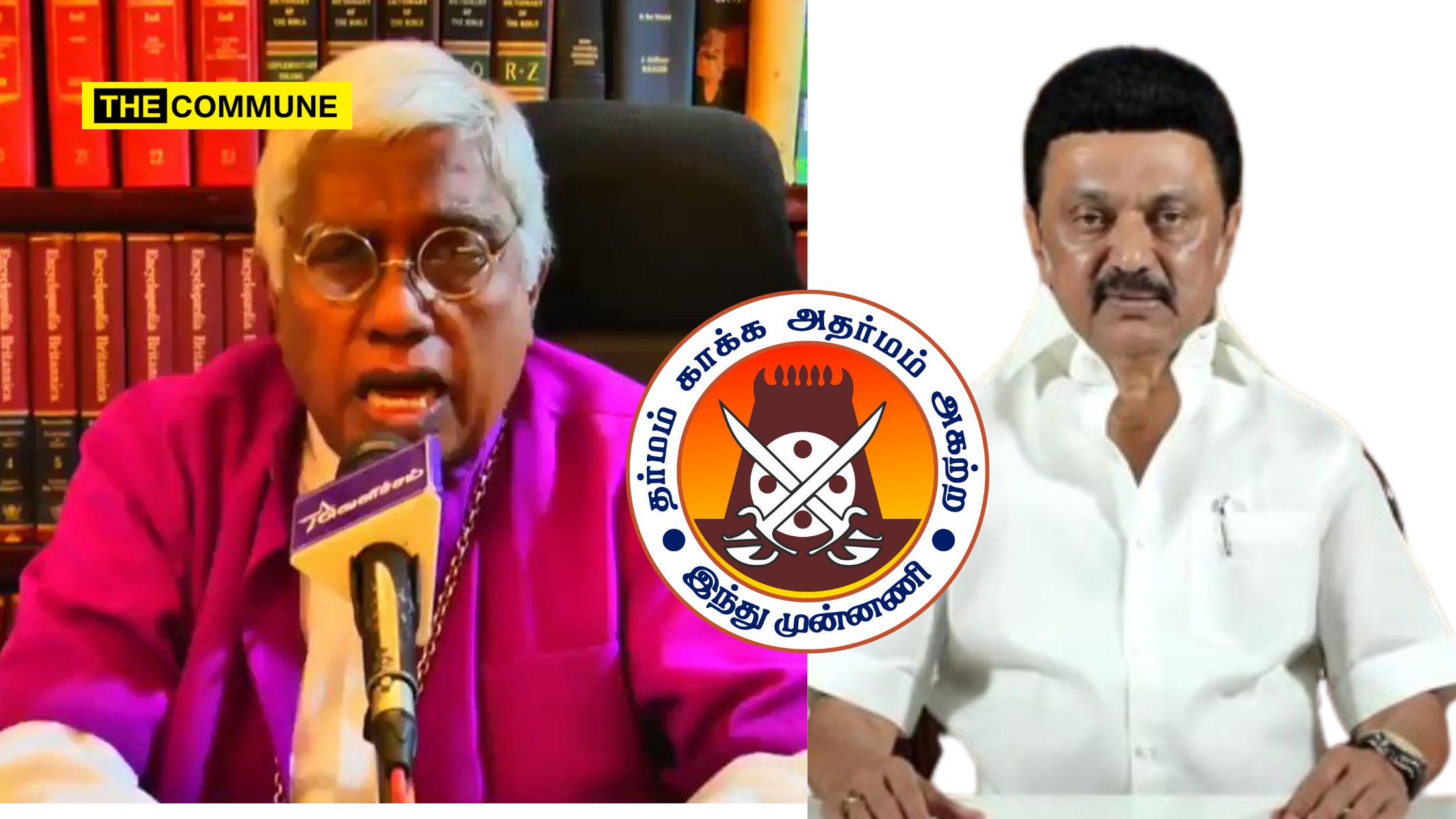
State Mourning For Pastor Who Abused Hindus & PM Modi, Hindu Munnani Condemns DMK Govt Decision

Pastor, Hindu Munnani, Stalin

The Hindu Munnani has slammed the Tamil Nadu government for granting state honours to pastor Ezra Sargunam, the founder of the Evangelical Church of India, following his burial with police honours on September 26, 2024. The organization condemned the move, citing Sargunam’s history of inflammatory anti-Hindu speeches and accusing the DMK government of lowering the dignity of the police to secure minority votes. Despite the controversy, Chief Minister M.K. Stalin had praised Sargunam for his contributions to society and paid respects at the ‘Jesus Calls’ prayer tower earlier that day.

Ezra Sargunam was laid to rest on Thursday, 26 September 2024, with police honors at the cemetery in Kilpauk Garden, following his passing on 22 September 2024. CM Stalin announced that Sargunam would receive a dignified burial, reflecting the state’s “respect for individuals who have contributed to society“. Earlier that day, Stalin paid his respects to Sargunam at the ‘Jesus Calls’ prayer tower in Chennai, acknowledging his lifetime “dedication” to the welfare of downtrodden communities and his role in founding over 10,000 churches.

However, the DMK government’s decision to honour pastor Sargunam sparked controversy and backlash from the Hindu Munnani organization. They criticized the state for granting a state funeral to Sargunam, as he had promoted only Christianity and had made inflammatory remarks against other religions.

Hindu Munnani leaders condemned the government’s actions, asserting that it compromised the dignity of the police force for the sake of minority votes. They wrote, Where is the path of the Dravidian model going? State honours for Ezra Sargunam! Former Chairman of the Minority Welfare Commission, Pastor Ezra Sargunam, was laid to rest with police honors. It is customary for the government to pay respectable tributes to those who have contributed to the society and worked for the welfare of the people. But Ezra Sarkunam spoke only in favor of his own Christianity. Apart from that, Christianity is the most numerous religions in the world. He spoke violently saying that we are proselytizing and if anyone asks questions, we will punch them in the nose. He slandered even the Prime Minister of India, Modiji. This is the person who used incite to create division in the society and cause religious riots. It is an unacceptable act for a government that proclaims social justice to give a dignified funeral to someone like him. Hindu Munnani strongly condemns the DMK government for lowering the dignity of the police for the minority vote of people like him!”

Ezra Sargunam, a Christian evangelist and bishop with solid ties to the DMK, is widely recognized for his controversial speeches against Hindus. Here is a quick look at his anti-Hindu speeches from the past.

In 2018, Ezra Sargunam urged the SDPI, a radical Islamic organization, to take aggressive action against Hindus who were challenging them, particularly following the murder of PMK member Ramalingam, who had opposed Islamic conversions. He also pledged his support to Vaiko, Thirumavalavan, and M.K. Stalin if they pursued this course of action.

He claimed that the Hindu religion did not exist and provoked Christians to punch Hindus in the face and make them bleed if they refused to acknowledge the ‘truth‘.

At another event in the presence of members from the DMK, Ezra Sargunam derided Prime Minister Modi. He said Whatever we are speaking here, it should echo in Delhi. It should fall in the ears of Modi. He is not going to change his mind anyway. He is a man who has come to loot the country and is doing his job correctly. His duty is to support the four rich men. He doesn’t care about the poor. But he will keep saying ‘I was born poor, I sold tea, I am living my life for the poor’. But friends, he keeps doing exactly the opposite.”.

He further said Anybody with an iota of fear for God will not go against his conscience. That fellow, though he keeps talking about God is not God fearing! Neither does he fear people. Only if a man had lived with his wife at least for 5 days would he know the difficulties of everyday life.”

Asking others on the stage to not mistake him, Ezra Sargunam also said, Can’t you live with your wife after marriage even for a week?! What merits do you have to rule this country? This fake man… We will be facing difficulties like these until this Modi is removed. He doesn’t know any difficulties. Only if he had raised children would he know the difficulties! We don’t even know with whom he lived! We are now stuck with him. Let us all pray to destroy him.”

These remarks were made in the presence of DMK leader M.K. Stalin and other opposition figures.

Subscribe to our TelegramWhatsApp, and Instagram channels and get the best stories of the day delivered to you personally.