On 6 April 2010, 76 CRPF personnel were killed in one of the deadliest Maoist attacks in India’s history when a large group of insurgents ambushed security forces in Chhattisgarh’s Dantewada district.
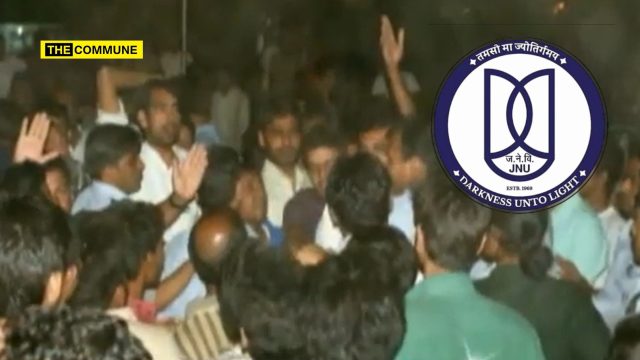
That same evening, a far-left student collective called the JNU Forum Against War on People organised a campus event at Jawaharlal Nehru University (JNU), triggering fierce protests and clashes between rival student groups.
The timing of the event became the centre of the controversy.
Student organisations including the Akhil Bharatiya Vidyarthi Parishad (ABVP) and the National Students’ Union of India (NSUI) alleged that the programme was intended to celebrate the deaths of the CRPF personnel killed by Maoists.
The organisers rejected the allegation, maintaining that the event had nothing to do with the Dantewada massacre.
The controversy nevertheless escalated rapidly on the JNU campus, with opposing student groups staging protests over the programme and clashes reportedly breaking out.
The Dantewada Massacre
The April 6 attack in Dantewada was carried out by Maoist insurgents against a CRPF patrol operating in the region.
The ambush killed 76 personnel and was widely regarded as one of the worst single-day losses suffered by Indian security forces in the fight against Left-Wing Extremism.
The attack came amid a major counter-insurgency campaign against Maoist groups operating across parts of central and eastern India.
Against this backdrop, the decision by the JNU Forum Against War on People to hold a programme on the same evening became politically explosive.
The forum included student groups from the far-left spectrum, including AISA, the student organisation associated with the CPI(ML) Liberation.
ABVP And NSUI Alleged ‘Celebration’
ABVP and NSUI, student organisations affiliated with the BJP and Congress respectively, strongly objected to the programme.
Both groups alleged that holding the event on the night 76 CRPF personnel had been killed amounted to an attempt to celebrate or justify the Maoist attack.
The allegations triggered protests on the university campus, with students demanding action against those behind the programme.
The controversy also resulted in physical confrontations between rival student groups.
The organisers, however, denied that the programme was connected to the Dantewada attack and maintained that it had been planned around the broader political theme of the government’s counter-insurgency operations.
The organisers were also accused of conducting the programme without obtaining prior permission from university authorities.
Subscribe to our channels on WhatsApp, Telegram, Instagram and YouTube to get the best stories of the day delivered to you personally.