Home Blog Page 573

From Fake News To Funded Agendas: How BBC Weaponizes ‘Journalism’ To Smear India’s Sovereignty

An OSINT handle shared a detailed thread on their official X handle that will expose global media’s propaganda against India. In the first of the series, they expose the BBC and the thread has been reproduced here for our readers.

BBC is one usual offender with a long history of peddling biased narratives when it comes to reporting on India—from CAA, Article 370 & Kashmir, etc.
BBC’s reports frequently paint Indian riots & protests in communal colors. BBC remains a brazen propaganda portal that focuses on narratives that divide and polarize.

And not once, but ad nauseam times, the portal has been caught peddling fake news & propaganda.

BBC’s reporting on India often reeks of a colonial hangover—selective negativity, political bias, & cultural insensitivity. From their choice of language, headlines, & editorial tone in their reporting to extend its modern imperialistic influence.
In the last few years, the BBC has been exposed for its twisted and slanted narratives for reporting on issues like the CAA to Article 370, & Kashmir, & giving sympathetic coverage to radical groups & separatist movements like the Khalistani movement.
Citizenship (Amendment) Act aims to provide refuge to minorities facing persecution in Pakistan, Bangladesh, & Afghanistan. It doesn’t strip any Indian of their citizenship!

But BBC termed it “anti-Muslim” & amplified global criticism, ignoring the govt’s clarifications.

In its coverage of the anti-CAA Delhi riots, BBC ignored initial attacks on police & preplanned violence by some anti-CAA protestors, which police investigations revealed. Instead, they framed it as a one-sided narrative, portraying the government as oppressive!
Article 370’s abrogation integrated J&K into India, extended equal rights, & boosted development. BBC called it “Hindu nationalist ideology,” peddled Pakistan’s stance, & ignored the Indian govt’s efforts to foster peace, & unity & curb Pak-sponsored terrorism in Kashmir.
BBC also targeted the move of the abrogation of Article 370 peddling narratives of repression, Censorship of the Press, & not reform. While ignoring India’s Supreme Court’s validation of the move.

BBC’s animosity against the Indian Govt isn’t limited here. There’s more.
BBC’s take on the Khalistan issue has been skewed for years. For years, BBC has been on a spree of whitewashing the terrorism aspect of the Khalistani issue. Terms like ‘Sikh activists’ or ‘separatists’ for Khalistanis including Gurpatwant Singh Pannun & Hardeep Singh Nijjar.

Not long ago, in Nov 2023, BBC had lapped up a shoddy piece of disinformation report shared to them EXCLUSIVELY by a UK-based Centre for Information Resilience (CIR) whose founders have been linked to the UK government.

The report is essentially a work of linguistic jugglery combined with graphical gimmicks with bold assertions & shallow claims to expose a set of 33 ‘Sock Puppet’ social media handles, running a ‘large-scale disinformation’ campaign on social media.

The report deliberately equates the farmers’ protests & Khalistan movement (also described as ‘Sikh Independence’) & that they largely constitute the ‘Sikh Political interests’ in India. Similar bias was recurring in the entirety of that propaganda report!

Most recently, BBC was also criticized for its reporting on the Mahakumbh Mela, for using insensitive choice words showing the lack of cultural & religious awareness. Terms & phrases like “bathing spectacle led by naked ash-smeared ascetics,” tended to mock the spiritual significance of the event.

Following the backlash, BBC changed the headline, removing “naked” and altering “ascetics” to “holy men.” In contrast, BBC’s reporting on European vents like the “Nudefest” is reported as “Europe’s largest naturist festival” exposes BBC for its cultural & religious bias.

The story gets more interesting!

In Feb 2023, BBC released a documentary, “India- the Modi Question” accusing the Indian PM of being complicit in the 2002 Gujarat riots when he was the CM of Gujarat.

The documentary was released at a time to possibly tamper with political discourse as India geared up for its general elections, which could be a clear ploy for maneuvering the political discourse in India. The documentary, which was laced with statements from anti-govt voices, at the same time refrained from mentioning that in June 2022, the Supreme Court of India upheld the SIT clean chit to the Indian PM in the 2002 Gujarat riot case & dismissed a plea in the case.

Released ahead of India’s 2024 elections. Coincidence?

BBC’s documentary portrayed Modi’s policies as “ethnic cleansing,” rehashing old, debunked narratives while ignoring the complex context of the riots, including the Godhra train attack.

In Feb 2023, BBC offices in India were raided by the Income Tax department over tax irregularities. The news was portrayed as an act of intimidation of Press Freedom and harassment of the press in India by several global media.

Speaking of election interference, BBC’s reporting before Lok Sabha 2024 focused mainly on Muslim marginalization under BJP rule. BBC pushed narratives, including CAA misinformation & Islamophobia by ruling the ruling party.

While the BBC was peddling such narratives, BBC Hindi ran ads on Facebook for India’s election news. A part of it included promoting stories that could create communal discord among Indians & violated FB’s ad policies & were removed by the platform.

In 2023, BBC was one of the many global media exposed to have been targeting the Indian pharma industry through its biased, incomplete, and/or misleading coverage. For instance, the tragic cases of Gambia involving the deaths of around 70 children due to Acute Kidney Injury (AKI) and how mass-scale propaganda was peddled around the Indian pharma relating to it. In July’22 news came that several children died in Gambia bcoz of India-made cough syrup. WHO issued a warning & news media screamed– Indian med killed Gambian children. The news was first broken by #Retures & #AlJazeera, repeated by Indian media. But it was pure propaganda.

BBC completely ignored reports that found that the presence of E.coli bacteria was a probable cause for the infection among the kids which led to their deaths.

Secondly, while the BBC reported on the panel that held the syrups culpable for the deaths of the children, it completely ignored the flawed investigation which could not establish the cough syrups were the reason behind the deaths.

In Nov 2018, BBC published a report on India under the title “Beyond Fake News” to claim that nationalism was driving fake news in India. However, the survey was based on a meager sample size of 40 Indians in a country with a population of 1.4+ billion!

As per its website, BBC prides itself as an ‘Independent’ news broadcaster. Reality however speaks otherwise. Funded by a royal charter & license fee, it’s basically a taxpayer-backed PR machine wrapped in journalistic virtue-signalling.

UK government gave BBC World Service £20M in March 2023 to ‘support language services & counter disinformation’ (translation: push state narratives). BBC also gets USAID funds. BBC isn’t just a broadcaster; it’s a sponsored narrative machinery.

BBC’s bias isn’t just for India – it’s global. Trump branded it ‘fake news’, Musk exposed its ‘state-funded’ status & Guyana’s President Ali challenged its bias – world leaders have repeatedly questioned BBC’s credibility as a news source.

Not long ago, In 2021, BBC launched Young Reporter India (YRI), partnering with Delhi-based DataLeads & US-based Internews. DataLeads’ founder Syed Nazakat is a Henry Luce Foundation fellow through the International Center for Journalists. The irony begs for validation!

The case of BBC shall go down as a masterclass in biased journalism. From twisting CAA & Article 370 to whitewashing Khalistani extremism & smearing India’s pharma industry—BBC’s propaganda knows no bounds. Funded narratives, selective outrage, & colonial hangover intact.

This article is based on an X thread by OSINTWa_.

Subscribe to our channels on Telegram, WhatsApp, and Instagram and get the best stories of the day delivered to you personally.

DMK’S Unofficial IT Wing Justify Goons Harassing Women In The Middle Of ECR Road

Whenever the DMK faces significant criticism, its IT wing springs into action, deploying online trojans to target opposition figures. These trojans often engage in threats, defamation, or create distractions by spreading fake narratives that bolster the ruling party. This tactic persists even when the government is clearly at fault, as the DMK’s loyalists do everything they can to shield the party from criticism.

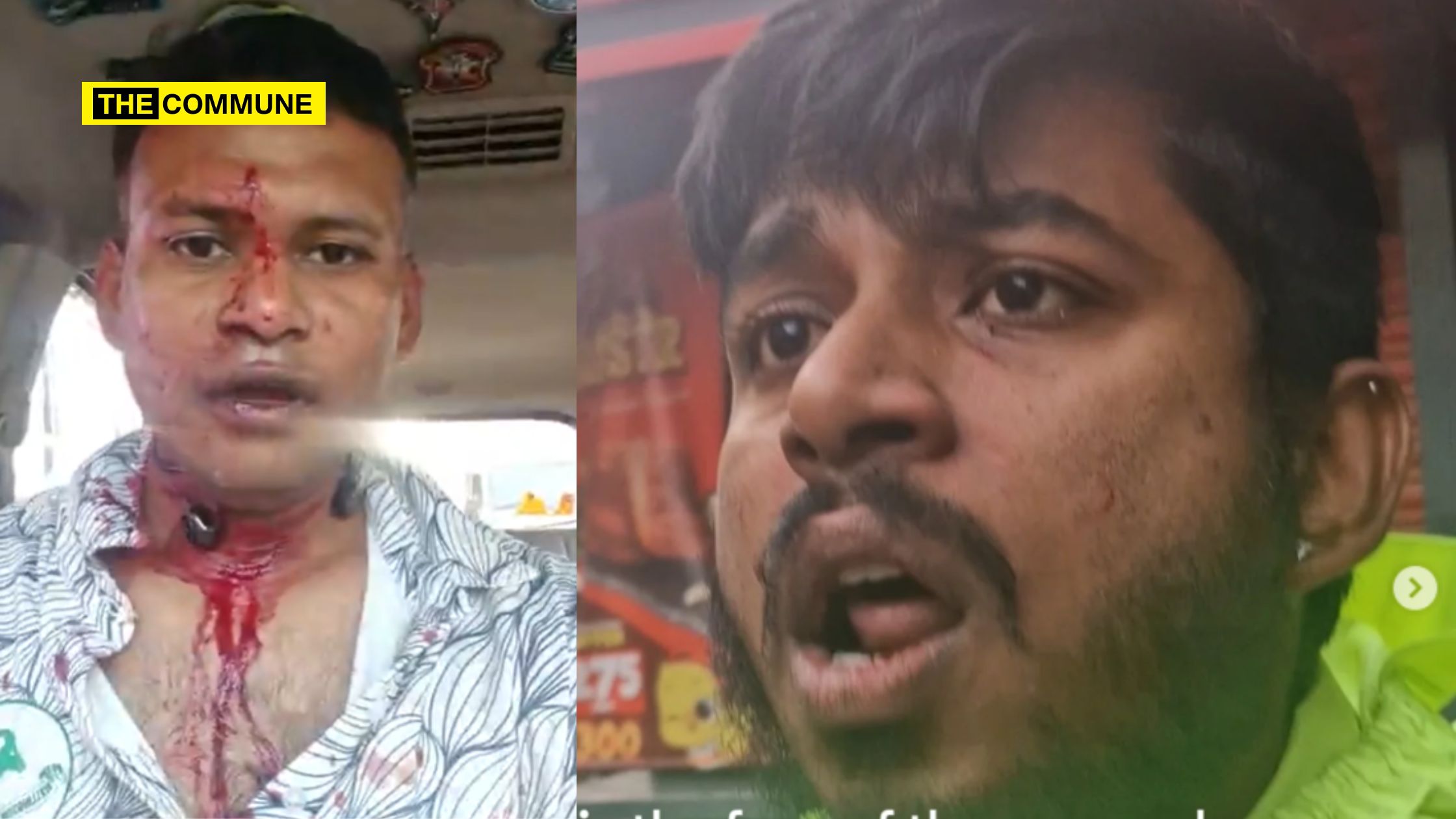
A recent example of this occurred when women traveling on the ECR road were harassed and threatened by goons in two SUVs, one of which displayed the DMK flag. Despite the clear wrongdoing of the goons in the car chasing down the women, the DMK IT wing was mobilized, launching a coordinated effort to shift the blame onto the victims. They spread false claims, suggesting that the incident was simply a road rage altercation, with some even alleging that the women were drunk.  This blatant attempt to manipulate the narrative is a new low for the DMK’s IT wing, demonstrating their shameful disregard for truth.

Multiple social media accounts strongly supporting the ruling DMK shared the same narrative, claiming the incident occurred on the night of 25 January 2025, within the Kanathur police station limits under the Tambaram Commissionerate. According to this version, the car the women were traveling in collided with another vehicle, leading to a chase by the occupants of the luxury car who were demanding “justice.” Both parties, they claimed, compromised, and the following day, a complaint was filed at the Kanathur police station, with a CSR issued. With the release of a video, the Pallikaranai Deputy Commissioner of Police has now launched an investigation into the matter.

However, the actual events unfolded differently. On the night of 25 January 2025, a woman from Kanathur, Chennai, was traveling with three family members to their home in Muttukadu along the East Coast Road. As they drove, a luxury car with a DMK flag suddenly blocked their path. Over six young men in the car began behaving aggressively, attacking the women’s vehicle and hurling obscene comments. Fearing for their safety, the women reversed their car and drove for about four kilometers in an attempt to escape.

Despite their efforts to get away, the youths continued to chase them in their vehicle. The terrifying pursuit ended in front of the women’s house, where the youths stopped their car and threatened them further. The entire incident was captured on video, which was subsequently shared on social media, causing widespread shock and outrage.

The victims filed a complaint at the Kanathur police station, demanding action against the perpetrators. The police have since begun investigating the incident, using the video footage as evidence. The video, lasting one minute and 28 seconds, shows the youths in the luxury car with a DMK flag blocking the road, attacking the women’s car, and chasing them for several kilometers.

In response, the state police headquarters issued a statement confirming that authorities are actively searching for the suspects. A case has been filed under several sections, including the Prohibition of Harassment of Women Act, and two teams have been assigned to locate and arrest the individuals involved.

However, DMK sympathizers have come under intense criticism from netizens for attempting to defend the perpetrators, even though their actions were clearly criminal and against women. These loyal supporters of the DMK, who have tried to shield such offenders, have faced severe backlash from online communities.

Subscribe to our channels on Telegram, WhatsApp, and Instagram and get the best stories of the day delivered to you personally.
Before Master Distorter Sudha Kongara Distorts Anti-Hindi Agitation To Glorify Rabid Anti-Tamil EVR, We Tell You How EVR Had Nothing To Do With Anti-Hindi Agitation And Was Infact Anti-Tamil

The upcoming period drama, Parasakthi, directed by Sudha Kongara, is set to shed light on the anti-Hindi agitations of the 1960s in Tamil Nadu.

Kongara has earned a reputation for distorting original stories and twisting narratives to suit the Dravidianist propaganda. As seen in her previous film Soorarai Potru, which claimed to depict the life of Simplifly Deccan (Air Deccan) founder Captain GR Gopinath, she had cunningly inserted the Dravidianist ideology into the film. Suriya who played the character of Gopinath, a Brahmin in real life, was depicted as a follower of rabid anti-Hindu and anti-Tamil demogogue EV Ramasamy Naicker (hailed as ‘Periyar’ by his followers). And the villains in the film were all, no prizes for guessing, Brahmins!

Interestingly, the Hindi version of the film’s song in Soorarai Potru which was released had no references to EVR while the Tamil version had EVR’s picture and a black shirt-borne Suriya.

Since she has a history of lacing true stories with distortions about Brahmins —it’s crucial to address the false portrayal that might surface once again in her new venture, Parasakthi in which she may possibly distort key events like the anti-Hindi agitations. So, before Sudha Kongara goes on to spin her Dravidianist narrative in her upcoming film, let’s examine the true essence of these agitations and the role—or rather, the lack thereof—played by EVR (E.V. Ramasamy), the figure often hailed as a champion of Tamil rights by Dravidianists.

The 1965 Anti-Hindi Agitation

The 1965 anti-Hindi agitation was part of a broader political struggle in Tamil Nadu. The roots of the movement can be traced back to earlier protests, such as those in 1938, which involved widespread picketing in schools (particularly the Hindu Theosophical School) and government offices. This protest, which also led to the death of two demonstrators, was the first major indication of resistance to the imposition of Hindi. However, the 1965 agitation was not as pure-hearted as often portrayed.

EVR, the so-called “leader of Tamil rights,” who had supported the 1938 protests, turned his back on the 1965 agitation, calling it a political stunt. While the movement gained significant momentum in the 1960s, EVR expressed no support. Instead, he made it clear that he did not view the agitations as an expression of genuine love for the Tamil language. His stance was political, aiming to gain influence in a region previously dominated by the Congress party.

Interestingly, during the 1965 protests, EVR contradicted his earlier views. In a complete reversal, he openly advised people to learn Hindi, even at a time when the anti-Hindi sentiment was at its peak. His political opportunism was evident when he attempted to downplay the significance of Tamil culture in favor of political leverage. EVR’s support for Hindi was clear when he claimed that learning the language could be useful for securing jobs in the government.

The Tamil Nadu of the 1960s was a political battleground where EVR’s influence was starting to wane. The opposition, led by figures like Rajaji, who had previously opposed the imposition of Hindi, now supported the anti-Hindi agitation, further complicating the political landscape. EVR’s opposition to the 1965 protests was nothing more than a tactical move aimed at asserting his own relevance.

In an interview to Vikatan from 1965, EVR was asked about the three-language plan, and his response revealed the true nature of his indifference to the Tamil cause. He dismissed the idea that Hindi was an imposition, suggesting that it was simply another language to learn, and went so far as to say that learning Hindi could be beneficial if one worked in a government office. EVR’s lack of commitment to the Tamil cause becomes painfully clear in this exchange, as he trivialized the genuine concerns of Tamil speakers and prioritized his own political ambitions over the preservation of Tamil culture.

Image Source: Tamil Labs

It is vital to understand that the 1965 anti-Hindi agitation had far more to do with political maneuvering than genuine love for Tamil or its culture. EVR’s role in the agitation was not one of a martyr for Tamil rights but rather that of a man trying to secure power and position within a changing political landscape. His reversal on the issue of Hindi is proof enough of his true motives.

The Original Anti-Hindi Agitation Of 1938

The anti-Hindi agitations in Tamil Nadu were not initiated by EVR, contrary to popular belief. The earliest opposition to Hindi imposition was led by Saivite scholars and Tamil intellectuals such as Eezhathu Sivananda Adigal, Arunagiri Adigal, Maraimalai Adigal, Sanmugananda Adigal, K.A.P. Viswanathan, Somasundara Bharathiyar, and Vimalananda. These figures were the first to condemn the 1937 decision of the Rajaji-led government, which mandated Hindi education in schools.

In his book “Hindi Edhirpu: Andrum Indrum” (Opposition to Hindi: Then and Now), Eezhathu Sivananda Adigal documented that the first major protest against Hindi imposition occurred in 1937, with 120 people demonstrating outside the Chief Minister’s residence. By the third day, around 60 protesters were arrested. At the time, EVR distanced himself from the movement, dismissing it as an ineffective Congress-style agitation. He reportedly even offered money to protesters to return to their native places, prompting Eezhathu Adigal to respectfully request EVR to stay out of the issue, considering that as a greater service to Tamil.

With the arrests of key leaders like Eezhathu Sivananda Adigal, Arunagiri Adigal, and Sanmugananda Adigal, the movement briefly lost direction. However, upon witnessing the public’s strong response to the protests, EVR later assumed leadership, much like he had done during the Vaikom Satyagraha.

Eezhathu Adigal further noted that EVR later projected himself as the pioneer of the anti-Hindi movement, even though records show that he was arrested during the agitation and released six months later. In a surprising turn, he abruptly withdrew the protests in 1939, before the Rajaji government had even repealed the decision. When questioned by the press about this sudden move, EVR reportedly stated:

“The anti-Hindi agitations were used by me only to trouble the Congress government ministers. I do not care if Hindi gets imposed or Tamil perishes.” (Hindi Edhirpu: Andrum Indrum, Page 30).

This led Eezhathu Sivananda Adigal to challenge EVR’s authority over the movement, asserting that he had no right to call off the protest. On November 4, 1939, Adigal announced a renewed demonstration in front of the Governor’s bungalow. Ultimately, it was only on February 21, 1940, that the Rajaji government officially revoked the Hindi mandate.

EVR Hated Tamil

That’s right. EVR hated Tamil so much that he called Thirukkural as faeces. If one reads the speeches and editorials of EVR in his mouthpieces Viduthalai and Kudiarasu, it would be evident as to what his views on Tamil and Tamilians were.

1. EVR Dismissed Tamil As A ‘Barbarian Language’

In an editorial published in Viduthalai on October 11, 1967, EVR referred to Tamil as a “kaatumiraandi mozhi” (barbarian language). This was not an isolated remark—throughout his life, he belittled Tamil, advocating for its abandonment in favor of English. He even went so far as to say that “Tamil is a language not even useful for begging.”

2. EVR Rejected The Tamil Epic Silappadikaram

Silappadikaram, one of Tamil Nadu’s most revered literary works from the Sangam era, was dismissed by EVR as Aryan propaganda. In a speech on March 30, 1951, he described it as a collection of superstitions that promoted the subjugation of women.

3. EVR Condemned Kamba Ramayanam

Kamba Ramayanam, the Tamil adaptation of the Ramayana, was denounced by EVR as a “storehouse of falsehood”. He claimed that such literature betrayed the Tamil race, arguing that its popularity reflected the lack of intelligence and self-respect among Tamils.

4. EVR Insulted Tamil Society

Between October and November 1967, EVR wrote multiple articles portraying Tamils as backward and irrational. He argued that their inventions and traditions—such as the grinding stone, oil lamps, and bullock carts—were primitive and of no practical use. He even claimed that Tamils had no concept of time and had borrowed it from the English.

EVR openly derided Tamil society, describing its people as lacking racial consciousness, self-respect, nationalism, and even basic humaneness.

5. EVR Attacked Tamil Scholars

In a Viduthalai editorial dated March 16, 1967, EVR declared that Tamil scholars and pundits deserved to be imprisoned for life and hanged, accusing them of failing to contribute to society’s progress. He even ridiculed the World Tamil Conference, calling it a “census to enumerate fools.”

6. EVR Rejected Saivite And Vaishnavite Tamil Literature

EVR dismissed Tamil Hindu devotional texts such as Tevaram, Tiruvasagam, Tirumandiram, and Divyaprabandham as worthless and harmful to Tamil society. He also condemned Periyapuranam, a literary classic detailing the lives of the 63 Nayanmars, as an instrument of religious oppression.

7. EVR Equated Thirukkural To Excreta

Thirukkural, revered as one of the greatest works of Tamil literature, was scathingly criticized by EVR. Initially, he praised it, but later dismissed it as “feces placed in a golden plate.”

In the Viduthalai issue dated June 1, 1950, EVR condemned Thirukkural for promoting ideas that, in his view, opposed rationalism. When asked what Tamils would have left if Thirukkural was discarded, he reportedly responded:

“I am telling you to remove the excreta that stinks in the room, and you are asking me what to replace it with?”

8. EVR Insulted Tamil Poet and Freedom Fighter Subramania Bharathi

EVR had contempt for Subramania Bharathi, the iconic poet and nationalist leader. In the journal Ticutar, he mocked Bharathi for calling Tamil the sister language of Sanskrit. He even compared Bharathi to a rat, sarcastically remarking:

“They say Bharathi is an immortal poet. Even if a rat dies in an agraharam, they would declare it to be immortal. Why should this be so? Because he sang praises of Tamil and Tamil Nadu? What else could he do? His own mother tongue, Sanskrit, has been dead for years. What other language did he know? He cannot sing in Sanskrit.”

Before Sudha Kongara distorts history to paint EVR as a heroic figure in the anti-Hindi agitation, it is essential to remember that his actions were driven by political opportunism rather than a deep-seated belief in the protection of Tamil. Far from being a protector of Tamil identity, EVR’s actions were detrimental to the Tamil cause, and his opportunistic U-turns only serve to expose his true character. Let us not allow historical distortions to glorify a man who was, in fact, anti-Tamil.

Subscribe to our channels on TelegramWhatsApp, and Instagram and get the best stories of the day delivered to you personally.

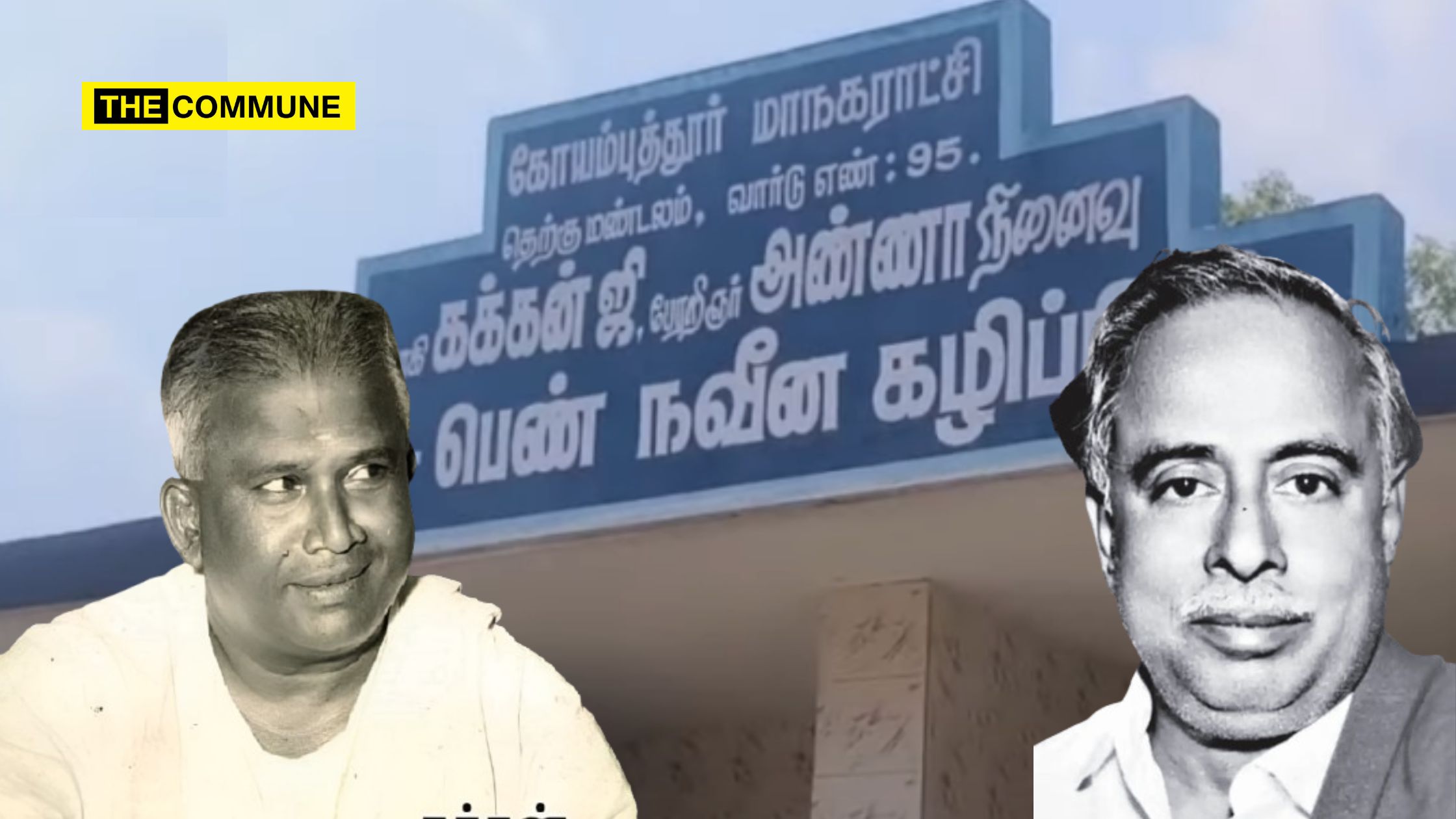
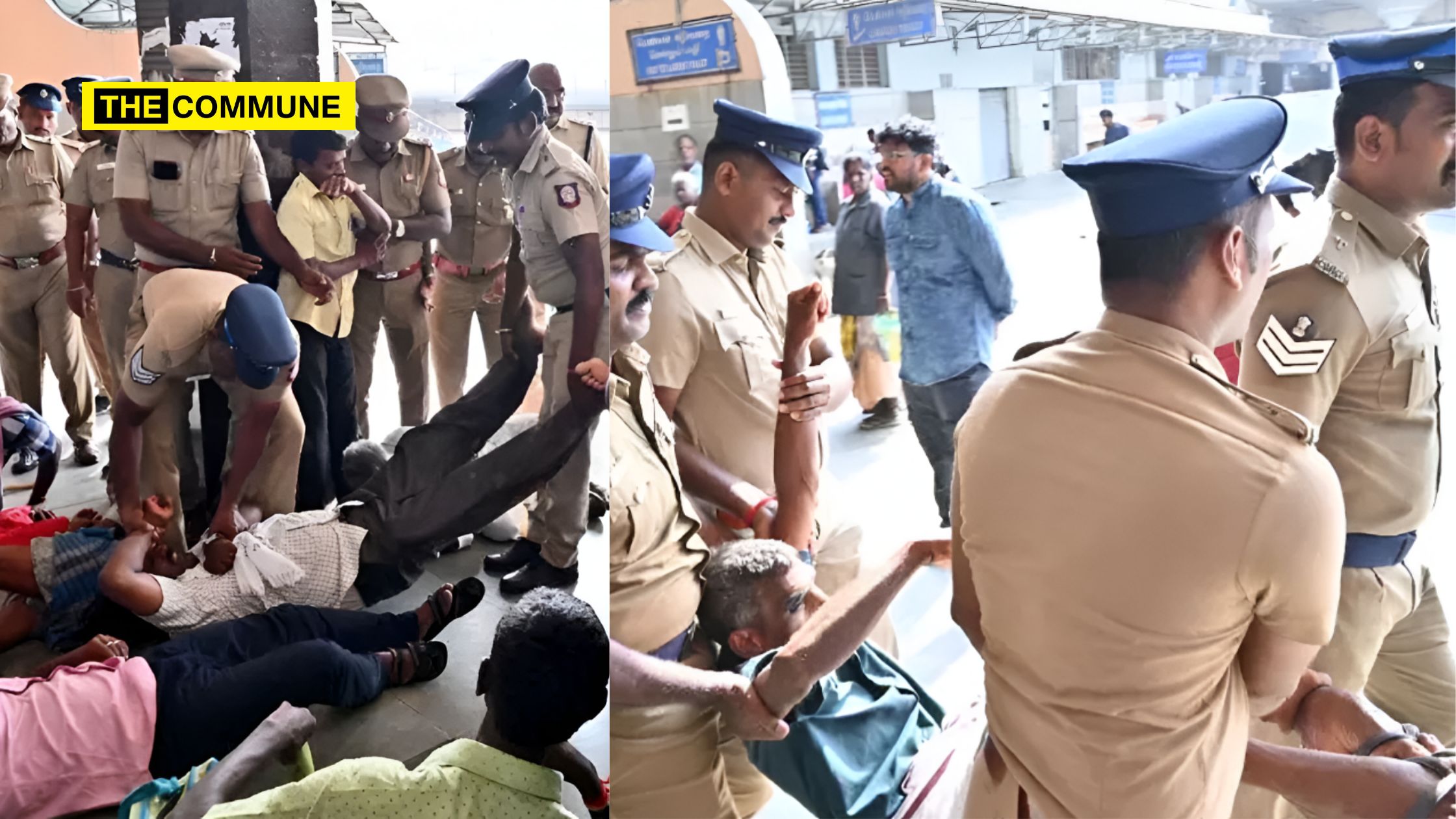
BJP & Hindu Org Leaders Arrested In Coimbatore For Protesting Against Dravidianist Leader Kolathur Mani’s Criticism Of Hindu Gods

BJP TN and other Hindu organizations staged a protest against Dravidar Viduthalai Kazhagam (DVK) leader Kolathur Mani, who attempted to hold a meeting in Coimbatore’s Sivananda Colony to criticize Hinduism.

Reports indicate that members of the Dravidar Viduthalai Kazhagam have been holding meetings in Coimbatore that have been abusing Hindu gods and disrespecting faiths of Hinduism. In response, the Vishwa Hindu Parishad (VHP) and BJP leaders filed a petition with the police, urging them not to grant permission for Kolathur Mani’s scheduled meeting in Sivananda Colony. Despite these objections, the police allowed the meeting to proceed.

On the same day, the VHP organized a seminar titled “Thirupparankundram Belongs to Murugan” at a hall in Sivananda Colony. However, they were not given permission to hold a counter-meeting, which led to tension when members of the BJP and VHP, along with other groups, surrounded Kolathur Mani as he arrived for the event. In the aftermath, the Ratnapuri police arrested several leaders, including BJP Coimbatore district president Ramesh Kumar, VHP district president Sivaraj, district secretary Ravindran, and South Tamil Nadu Dharma Yatra in-charge Sivalingam, for protesting without proper authorization.

Subscribe to our channels on Telegram, WhatsApp, and Instagram and get the best stories of the day delivered to you personally.
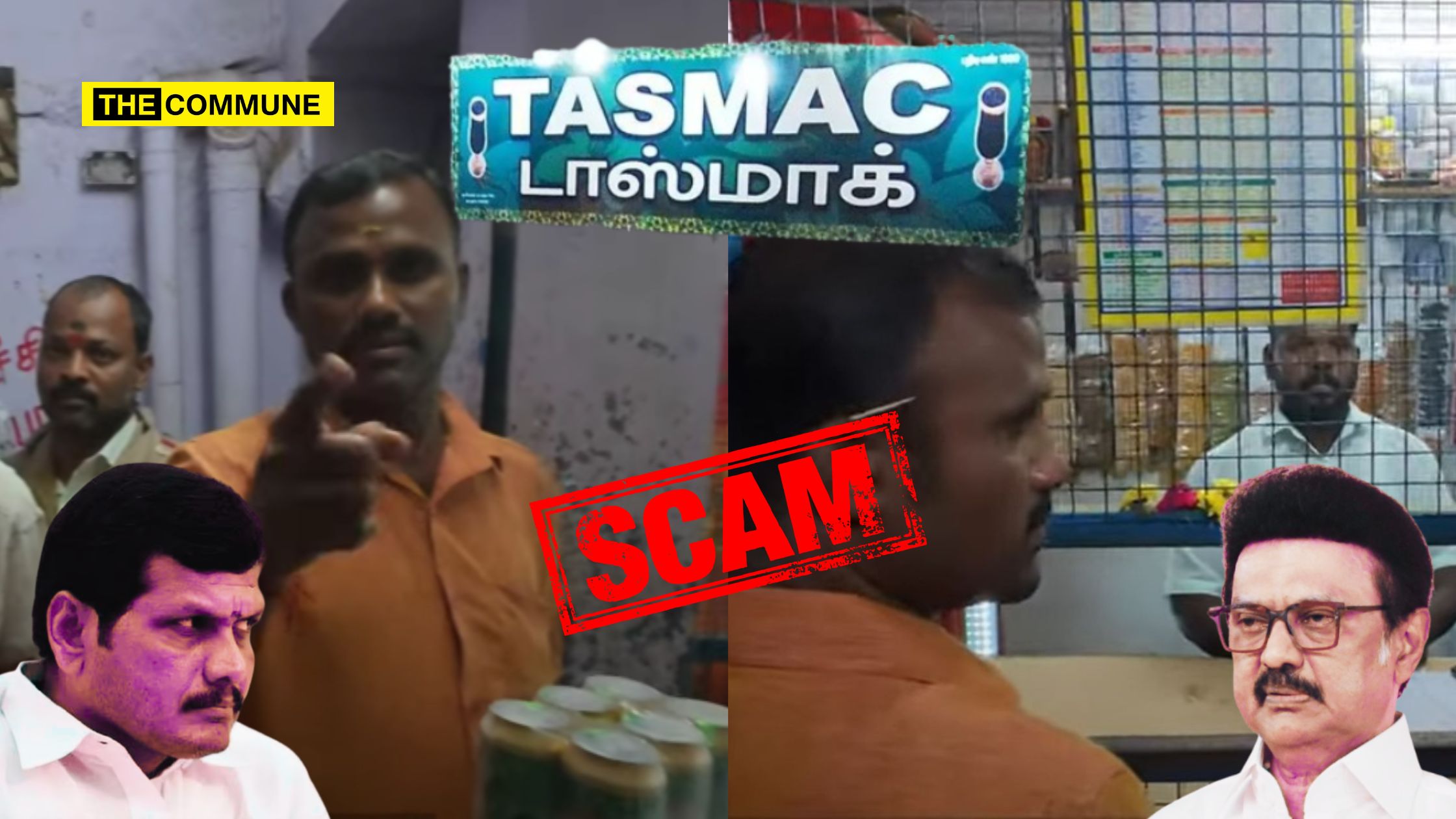
12 Deadly Hajj Disasters: A Look At Stampedes And Tragedies From 1990 To 2024

The annual Hajj pilgrimage in Saudi Arabia is a major religious event, attracting millions of Muslims from around the world to Mecca.

However, due to mismanagement and the sheer volume of pilgrims, the pilgrimage is often marred by crowd-related disasters, particularly stampedes. These tragedies typically occur during key rituals, such as the Tawaf (circling the Kaaba) or the stoning of the Jamarat (symbolic stoning of the devil).

Let us take a look at 12 instances of stampedes and accidents that took place during the annual Hajj pilgrimage in Saudi Arabia from 1990 to 2024, resulting in over 10,000 casualties, including deaths and injuries.

#1 400 People Dead In A Clash During Hajj Pilgrimage In Mecca

On 31 July 1987, a violent clash during the Hajj pilgrimage in Mecca resulted in the deaths of 400 pilgrims and left around 2,000 injured. That year, the total number of pilgrims reached 1,619,324 (1.6 million). The incident occurred when Iranian Shia pilgrims staged a demonstration, leading to a confrontation with Saudi Arabian security forces, which escalated into a deadly clash. In the aftermath, both the Iranian and Saudi governments blamed each other for the tragic loss of lives.

#2 1426 Pilgrims Killed In Stampede DuringJamarat”

On 2 July 1990, a tragic stampede in an overcrowded pedestrian tunnel during the Jamarat ritual (stoning of the devil) led to the deaths of 1,426 pilgrims. That year, the total number of pilgrims reached 1,483,294 (1.48 million). The incident occurred as pilgrims rushed to throw stones at the three pillars, causing deadly overcrowding in the tunnel. In response, the official Saudi Press Agency quoted King Fahd, stating that the pilgrims had failed to follow safety rules issued ahead of the pilgrimage season but assured that efforts would be made to improve safety.

#3 Stampede“Caused By ConditionsBeyond Human EnduranceKilled 270

On 23 May 1994, a stampede during the stoning ritual at Mina resulted in the deaths of 270 pilgrims. That year, the total number of pilgrims reached 1,834,780 (1.83 million). Overcrowding and poor crowd control measures led to chaos, with many pilgrims being trampled. In response, Saudi officials stated that the tragedy, which occurred around 2 PM local time, was caused by conditionsbeyond human endurance.”

#4 343 Pilgrims Dead And Over 1500 Injured In Tragedic Tent Fire In Mecca

On 15 April 1997, a fire near Mecca claimed the lives of 343 pilgrims and left over 1,500 injured. That year, the total number of pilgrims reached 1,942,851 (1.94 million). Diplomats and witnesses reported that the fire was triggered by gas cylinder explosions, though Saudi officials did not confirm a specific cause. In response, a Saudi Arabian diplomat described the incident as an accident with no political ramifications.

#5 188 Pilgrims Trampled To Death In Stampede

On 9 April 1998, a stampede during the Hajj pilgrimage resulted in the death of 188 pilgrims out of 1,832,114 total pilgrims (1.83 million). The incident occurred when crowds surged across an elevated walkway during the stoning of the devil ritual. According to Saudi security forces, the crush led to some victims falling, while others were trampled to death.

#6 35 Pilgrims Died Due To Stampede

On 5 March 2001, a stampede during the Hajj pilgrimage resulted in the death of 35 pilgrims out of 1,913,263 total pilgrims (1.91 million). The tragedy occurred when a massive crowd rushed toward one of the three giant pillars representing the devil in the Mina valley, near the birthplace of the Prophet Muhammad. In response, Prince Nayef bin Abdul Aziz stated that both Saudi authorities and foreign groups responsible for organizing the pilgrims shared the responsibility for the incident.

#7 Overcrowding And Poor Crowd Controlled Death Of 14 Pilgrims In 2003

On 11 February 2003, a stampede during the Hajj pilgrimage resulted in the deaths of 14 pilgrims out of 2,012,074 total pilgrims (2 million). The tragedy occurred due to overcrowding and poor crowd control during the stoning ritual at the Jamarat Bridge.

#8Not Organized PilgrimsCaused Stamped In 2004

On 1 February 2004, a stampede during the Hajj pilgrimage resulted in the deaths of 251 pilgrims and left 244 others injured out of a total of 2,164,469 pilgrims (21.64 lakh). The tragedy occurred due to overcrowding and poor crowd management during the Jamarat ritual, known as the Stoning of the Devil. Saudi security official Mr. Madani, quoted by Reuters, stated that some pilgrims werenot organized“, and their personal belongings caused obstructions.

#9 Poor Crowd Management Caused Stampede And Death Of 3

On 22 January 2005, a stampede during the Hajj pilgrimage led to the deaths of 3 pilgrims out of a total of 2,258,050 pilgrims (22 lakh). The tragedy occurred due to poor crowd management during the stoning ceremony in Mina, which caused the deadly stampede.

#10 Stampede In Mina Killed 345 Pilgrims And Injured 1000

On 12 January 2006, a stampede during the Hajj pilgrimage resulted in the deaths of 345 pilgrims and left 1,000 injured out of a total of 2,378,636 pilgrims (23 lakh 78 thousand). The stampede was triggered when pieces of luggage fell from moving buses, causing pilgrims to trip over them as they rushed towards the stone walls for the stoning ritual. In response, Interior Ministry spokesman Maj Gen Mansour al-Turki told the BBC’s Newshour program that the dangers would only increase if further crowd controls were implemented.

#11 2,411 Pilgrims Killed Due To Stampede And Mismanagement

On 24 September 2015, a stampede during the Hajj pilgrimage resulted in 2,411 pilgrims losing their lives out of a total of 1,952,817 pilgrims (19 lakh 52 thousand). The tragedy occurred when two large groups of pilgrims collided in a narrow street, creating a fatal bottleneck. The overcrowding and confusion led to this horrific loss of life. In response, Saudi Foreign Minister Adel bin Ahmed Al-Jubeir firmly rejected Iran’s criticism of Saudi Arabia’s handling of the incident. He stated, The Custodian of the Two Holy Mosques has directed to launch a thorough investigation that will be transparent, adding, We will reveal the facts when they emerge, and we will not hold anything back.”

#12 Extreme Heat Caused Death Of 1,301 Hajj Pilgrims

Between 14 and 19 June 2024, a disaster during the Hajj pilgrimage resulted in the deaths of 1,301 pilgrims out of a total of 1,833,164 pilgrims (18 lakh 83 thousand). The incident occurred when unauthorized pilgrims walked long distances under the intense sun, with temperatures exceeding 50°C (122°F), leading to heat stroke and dehydration, which caused the fatalities. In response, Minister Al-Jalajel stated that the Kingdom of Saudi Arabia provided approximately 1.3 million preventive services to pilgrims. He further added that authorities delivered over 465,000 treatment services, including 141,000 services for those without Hajj authorization.

Subscribe to our channels on Telegram, WhatsApp, and Instagram and get the best stories of the day delivered to you personally.

“Comply Or Face Arrest”, Madras HC Orders TN Home Secretary Dheeraj Kumar To Appear In Person Over Systemic Apathy In Policing

The Madras High Court, on Friday, 31 January 2025, declined to exempt Tamil Nadu Home Secretary Dheeraj Kumar from personal appearance, after summoning him to address multiple instances of police failing to register FIRs promptly, delaying investigations, and not submitting final reports to jurisdictional magistrates.

Justice P. Velmurugan ordered that the Home Secretary must either appear before the court by 4:30 PM or obtain a stay from the Supreme Court within that time frame. If neither condition was met, the judge warned that an arrest warrant would be issued. The court emphasized that the summons was issued to highlight the difficulties faced by the underprivileged in seeking justice, rather than the concerns of thosesitting in ivory towers.”

Explaining the decision to summon the official, Justice Velmurugan stated in his order: This court does not know as to whether the concerned Secretary to Government is aware of the illegal practices prevailing in the police department, which are causing much inconvenience to the poor litigant/public and hence, this court is directing the Home Secretary, Government of Tamil Nadu, to appear before this court on January 31, 2025.”

The order stemmed from a petition filed by P. Sundar, a 53-year-old building materials dealer from Virugambakkam, Chennai. Sundar stated that he had been leasing a vacant plot as a storage space for the past 12 years. In 2007, he offered to buy the land for ₹25 lakh and claimed to have paid ₹12.5 lakh as an advance. However, he alleged that the landlord later reneged on the agreement and instead demanded ₹60 lakh before executing the sale deed.

Following a legal dispute, Sundar filed a civil suit in 2013 and obtained an interim injunction preventing his eviction. In 2015, he reported that a group of individuals trespassed into his godown and vandalized property. Although an FIR was registered at the time, he complained that the Virugambakkam police had yet to complete the investigation or submit a final report after nine years.

The prosecution countered this claim, stating that the case was closed in 2015 but admitted that the negative final report had not been submitted to the relevant judicial magistrate. Justice Velmurugan expressed displeasure over this and noted that such lapses were not isolated incidents.

Highlighting a pattern of delays, he remarked that the High Court regularly receives petitions urging police to register FIRs or conclude investigations and file reports—actions that should be carried out as a matter of statutory duty without requiring court intervention.

The judge further lamented that even in cases where courts issue clear directives, law enforcement officials fail to comply. He pointed out that only those with financial means could afford to seek legal remedies, while the underprivileged struggled to obtain justice.

“The complainants/poor litigants, who are unable to approach the court due to poor financial situation/poverty, are struggling to get justice. In some of the cases, even after directions of the court also, the police officers are not following the procedures and the directions of the court. One way or the other, some of the police officials are functioning arbitrarily and not for the public, Justice Velmurugan observed.

(With inputs from The Hindu)

Subscribe to our channels on Telegram, WhatsApp, and Instagram and get the best stories of the day delivered to you personally.
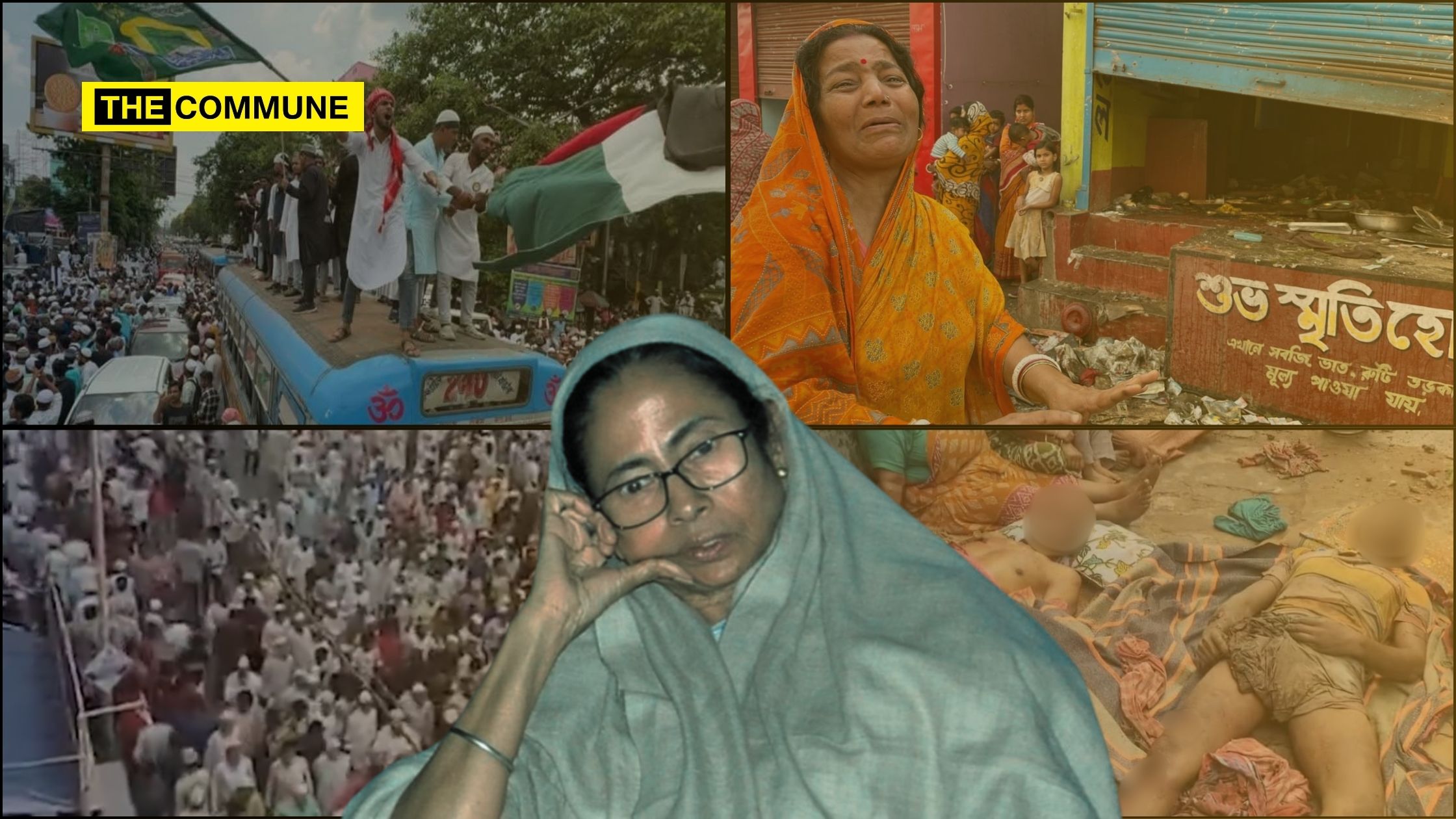
Madras HC Grants Anticipatory Bail To Madurai Youth After Sun News Journalist’s False Case Over Questioning IUML MP On Thirupparankundram Dargah’s Waqf Status

Madurai youth, who faced harassment by a Dravidianist journalist and the police in the Thirupparankundram Hills for questioning DMK ally and IUML Ramanathapuram MP Navaskani, has been granted anticipatory bail by the Madras High Court in connection with a fabricated case filed by a Sun News journalist.

On 21 January 2025, Selvasaravanan, a journalist from Sun News, filed a complaint with the Thirupparankundram police, alleging that the youth had disturbed his press meeting in the Thirupparankundram foothills. The complaint claimed the youth had unnecessarily questioned the MP, verbally abused the journalist and the police present, and made scandalous statements on social media.

This incident took place when the youth visited the Thirupparankundram Hills to worship at the Kasi Vishwanathar Temple. On his way back, he noticed a group of press people and police officers gathered for a press meet with the MP. At that time, there were protests related to the hills, with Islamist groups claiming the Hindu sacred site as Sikkandar Hills and asserting their right to sacrifice goats and roosters at the Temple Hills dargah.

As the youth passed by, he attempted to record the proceedings of the MP’s press meet. Noticing that the Dravidian journalist was not asking any significant questions, the youth asked whether the dargah on the hills fell under the Waqf Board, to which the MP confirmed. This prompted a strong reaction from the Dravidian journalist, who felt insulted and subsequently threatened and harassed the youth. Later, the Sun News journalist filed a complaint with the local police, leading to further complications for the youth.

In the video he said, “Today afternoon, around 12 o’clock, I visited and worshipped the Kashi Vishwanathar temple in Thirupparankundram his via the hill path by chance. On my way back, the police had set up barricades and stopped Ramanathapuram MP Navaskani, who was standing there. As I was climbing down, I saw a press meet happening, and I thought I’d record it. At that point, there was no press meet happening as I was descending, but once I reached the bottom, a press meet was underway, so I continued recording. While recording, I didn’t recognize the MP and was casually filming the event with my phone. Reporters present there were questioning him, and at the end, I asked a question while recording that ‘Does the Dargah on the hill come under the Waqf Board?’ He responded, saying that it falls under the Tamil Nadu Waqf Board. When he concluded, the reporters’ reactions you can see in the video. It seemed like they were treating me as though I had committed some murder crime in their face reactions. They asked, ‘Are you a reporter? You shouldn’t be asking such questions. This is a press meet!’ But the press meet was already over, and I was asking my question at the end. If they didn’t want it, they could’ve just cut the part and use it. What was the problems here was… Perhaps they were upset because they couldn’t ask the questions they had prepared, or maybe they felt it would affect their earnings, which I am not aware. Some reporters I knew took it casually, but one reporter—who I’m not sure was from Sun News—became agitated and visibly angry, asking, ‘Are you a reporter? Show me your ID.’ I told him I wasn’t a reporter and that I was just recording as a member of the public, I can’t show my ID. While this was happening, Madurai CID SP, who was dressed casually and standing among the reporters, stepped in and scolded me, saying, ‘What you’ve done is wrong. Who are you to show your ID card? Are you a big man or district head?’ He also insulted me, mentioning ‘BJP’ and ‘May*ra’ which I could not record at the time. The Thirupparankundram police present there then tried to evict me from the area and forced me to leave via another route.”

Backdrop

The sacred Hindu site of Thirupparankundram Hills is facing growing tension, with controversial actions by a Muslim politician fueling divisive rhetoric. Indian Union Muslim League member and Ramanathapuram MP Navas Kani, who also serves as the chairman of the Tamil Nadu Waqf Board, has claimed that the dargah at the hilltop is Waqf property. This statement has sent shockwaves through the region and intensified existing tensions.

This development is part of a series of incidents that have strained relations between Hindus and Muslims, who had previously lived in harmony. Some Islamists groups have been attempting to assert their rights to conduct animal sacrifices at the hilltop, furthering their claims that the entire Thirupparankundram Hills should be recognized as Sikkandar Hills.

The situation escalated on 27 December 2024, when Madurai police intervened to detain a group of Muslims family attempting to bring goats and roosters to the hilltop dargah for ritual sacrifice. Syed Abu Dahir, a 53-year-old from Malaiyadipatti in Rajapalayam, arrived with his family and animals for the ceremony but was stopped by authorities at the base of the hill. Police informed them that bringing livestock up the hill was prohibited, which led to a protest by over 20 local Muslims at the foot of the hill in solidarity with the family.

The following week, on 5 January 2025, another large group of Muslim protesters gathered at Thirupparankundram Hills, demanding permission to offer prayers at the mosque located at the top. When the police denied their request, tensions escalated, leading to a brief scuffle and the detention of the protesters.

On 17 January 2025, during the Santhanakoodu Festival at a nearby dargah, social media posts began circulating about an upcoming “Equality Feast” (Samabanthi Bhojan) on 18 January at the hilltop dargah, where goats and roosters were allegedly to be sacrificed. Fearing communal unrest, police set up barricades and conducted searches to prevent the transportation of livestock to the hill. When the dargah Jamath was informed that animal sacrifices were not allowed, protests broke out. Members of the Jamath, along with other Muslim protesters, clashed with the police, causing further disruptions.

The situation was exacerbated by the involvement of the Social Democratic Party of India (SDPI), an ally of AIADMK and a group linked to the banned terror outfit PFI. These elements are believed to be behind the attempts to conduct animal sacrifices at the sacred Thirupparankundram Hill.

Furthering tensions, on 21 January 2025, DMK Manapparai MLA Abdul Samad was accused of conducting an illegal survey around the temple with intentions to gain control of the hill. On the same day, IUML member and Ramanathapuram MP Navas Kani was seen giving an interview near the Thirupparankundram Hills. When asked whether the dargah at the hilltop was under the Waqf Board, Kani confirmed, “Yes, it is under the control of the Tamil Nadu Waqf Board,” further heightening tensions in the area.

Subscribe to our channels on Telegram, WhatsApp, and Instagram and get the best stories of the day delivered to you personally.
“Dravidian Model Is A Fraud Story, They Attack Brahmins Because They Won’t Retaliate” NTK Chief Seeman Hails Brahmin Contributions, Slams Dravidian Model For Anti-Brahmin Sentiment

"Sanghi Means Friend, Dravidian Means Thief", Says NTK Co-ordinator Seeman

Seeman recently praised former Brahmin Chief Minister J Jayalalithaa about how she elevated an oppressed member of her party to great heights by promoting him as Speaker of the TN Assembly. He further continued his praise of Brahmins as always – by embracing the greats of the past such as Mahakavi Subramanya Bharathi, Tamil Thatha UVe Swaminatha Iyer, and so on. He repeated it once again at an event in Erode.

Speaking at an event campaigning for his candidate in Erode, Seeman said, “Socrates once said those who lose in a debate take up defamation as a tool to attack. So, they started cutting their Shikha (kudumi), cutting their janeu (sacred thread/poonool). You are cutting their janeu then for what hair are you in an alliance with Rahul Gandhi who said he is Kaul Brahmin? Cut that janeu also. Let us see you do that. Even SVe Sekhar is wearing it. You are joining hands with him, even his own community members in his street will not give you a vote if he asks. I will also field a candidate in Mylapore. For no reason, you keep harping anti-Brahminism. All those who have gathered here, tell me one thing. Have you heard of an honour killing happening in any Brahmin household? All the oppressed and suppressed people have married into Brahmin families. Ambedkar, Ram Vilas Paswan, Gnanasekaran who directed Bharathi and Periyar films. If you are doing well in life, they will not refuse to accept the marriage. It is only our people – you will not believe it, a Maravar Agamudayar girl was refused wealth because the girl got married to the Agamudayar family. Where is the caste construction, caste thinking, and caste stratification? It is within all of us. Instead of eradicating this, they are propping up the Brahmin as a devil and the 30% Dravidianists have been destroying the country for the past 60 years – how did you endure this?”

After slamming the Dravidian model, he came back to the topic of Brahmins once again. He said, “The Dravidian model is a fraud story. They built their foundation with Brahmin opposition and strengthened it. Why are they opposing Brahmins? Yeah, they will call me a Brahmin palanquin carrier, a labourer who works for them, it is not me. Periyar called Tholkkapiyar who lived 5000 years ago as a Brahmin labourer! Okay, we are labourers, you all are partners. How does Brahmin opposition come into the picture? To stay in power, one thing must be learned properly. What is the most brutal violence in the world? The answer is – knowingly attacking someone who won’t and cannot retaliate. This is how they do it. Out of the 100% population, 3% is constituted by Brahmins, if they attack them, the 30% Dravidianists will support them. So, they constructed the Brahmin demon. I told then as well, I am repeating it now, the one who is next to you is the biggest thief. Dravidian progressiveness is actually thief/looter progressiveness. Why do we have to talk about this? Let me ask you one thing – Tamil Thatha UVe Swaminatha Iyer, our grandfather Maraimalai Adigal’s guru, Sooryanarayana Sastri who changed his name to Parithimar Kalaignar because of his love for the Tamil language, the revolutionary leader, the great leader our grandfather Mahakavi Subramanya Bharathi – he infused new blood into the Tamil language when it was dying. Show me one Dravidianist who has done something similar to what these giants have contributed to Tamil. There is no one. In Erode, what Lakshmana Iyer has done, this great poet, our grandfather Bharathi, who is praised by everyone as a great sinner, is a great sinner who shed new blood in the world of Tamil literature. When he was falling, he said that these three people had done the trouble to this Tamil language as a Dravidian. Someone said, “Hey, in this town, in your town, in Erode, in this place, Lakshmanan Iyer did what Periyar didn’t do. He was a big rich man. When the country was under British rule, when the land was grabbed, Lakshmanan Iyer fought for its liberation. He gave many acres of land to the downtrodden and backward people to build houses on his own land. The great man who gave them a place to live was the head of this city council. He banned the human waste scavenging. What will this man say about him? Parpaan.”

He further narrated Bharathi’s poem, “There are no castes. It is a sin to say that there are no castes, he will see, this one will see caste, he will not see caste, but he will see, then what do we have to say, Bharathi is a parpaan. Because he saw everyone in the human race as equals. That is why he is a Parpaan. Ask this question, there are scholars greater than me, Periyar will ask anyone what caste they are. Proof for this Duraimurugan and Vasuki.”

Subscribe to our channels on Telegram, WhatsApp, and Instagram and get the best stories of the day delivered to you personally.
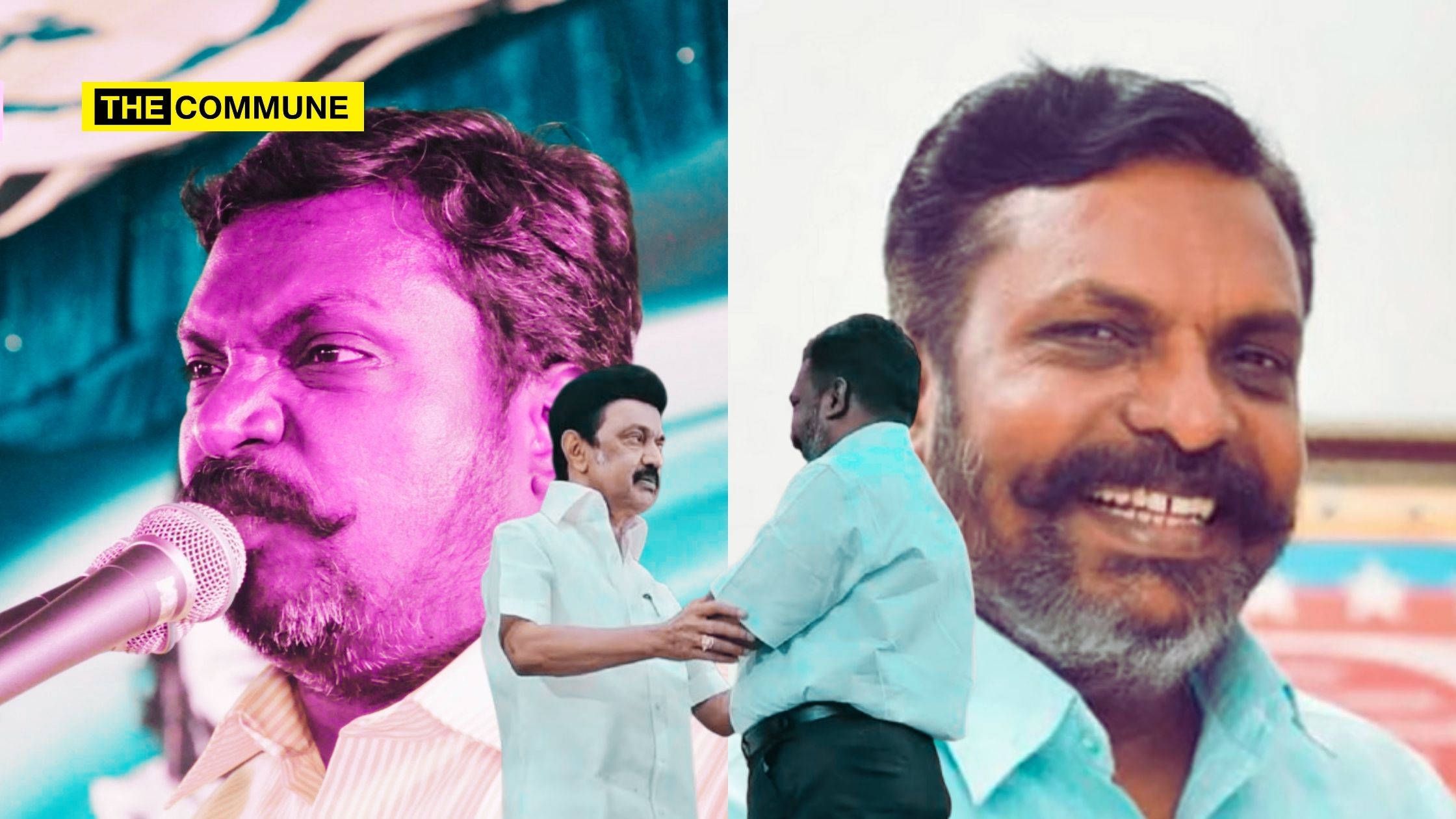
“How Can Karunanidhi’s Daughter Be A ‘Nadar’?” NTK Chief Seeman Slams DMK MP Kanimozhi’s Decision To Contest From Thoothukudi Twice And Dravidian Model ‘Social Justice’

Naam Tamilar Katchi (NTK) Chief Coordinator Seeman has sharply criticized DMK Deputy General Secretary and Thoothukudi MP Kanimozhi, accusing her of hypocrisy for professing to champion social justice while having a history of undermining Brahmins and promoting false atheism influenced by EV Ramasamy (Periyar). Seeman’s comments came in response to Kanimozhi’s criticism of his recent remarks about EVR, where she questioned his sudden critique of the leader.

NTK Chief Seeman, met with residents of the Perumal Hill area in Erode to hear their concerns. Following the meeting, he spoke to the media, addressing comments made by Thoothukudi MP Kanimozhi. Seeman pointed out that Kanimozhi had criticized those who undermine EVRs legacy, specifically referencing DMK founder Annadurai and his father Karunanidhi.  Seeman clarified that he wasn’t attacking EVR but simply discussing what EVR had said and written. He challenged Kanimozhi, questioning whether she had the courage to speak openly about EVR’s views, as her family, according to him, had criticized EVR the most, with Karunanidhi being the most prominent among them.

Seeman further questioned the DMK’s commitment to EVR’s ideals, particularly when it comes to women and caste eradication. He accused the DMK of hypocrisy, citing the party’s actions regarding women’s safety and their approach to social justice.

Seeman questioned DMK MP Kanimozhi’s commitment to the principles of caste abolition and atheism, accusing her of hypocrisy. He asked, “Are you truly a Periyarist? Is it in the principle of atheism? Didn’t you put sacred vibuthi on your son-in-law Udhayanidhi’s forehead? Should we accept you as an atheist? Let’s talk about social justice and women’s rights. Can you speak about what your party has actually done for women’s rights? You come forward to support EVR’s denial of untouchability and abolition of caste, but tell me—where has EVR actually upheld the abolition of caste? Can you tell us the reason why did you contest in Thoothukudi when there are so many constituencies across Tamil Nadu? Are you going to say or should I just tell us the reason? You could have contested in Chennai, Coimbatore, Erode, Salem, Vellore, or Villupuram, but why Thoothukudi? Abolition of caste, right! Is it because of the misguided people there? You have deceived the naive people there, making them believe you belong to their caste. Why have you contested in Thoothukudi twice, convincing those naive people that you are one of them and belong to your community? They are too believing it. How can Karunanidhi’s daughter be a ‘Nadar’?”

Seeman claimed that the DMK’s behavior contradicted the principles of EVR, pointing out instances like the harassment of women on East Coast Road and the lack of justice in cases like the Pollachi sex scandal and the Thoothukudi shootings. He also criticized their alleged fake atheism, pointing out that Chief Minister Stalin’s wife, Durga Stalin, who is Kanimozhi’s sister-in-law, visits temples regularly, participates in temple consecration events, and performs rituals in the pooja room, all while chanting Sanskrit slogans.

Finally, Seeman contrasted the DMK’s approach with that of BJP leader Tamilisai Soundararajan, who claimed she would never buy votes for money. He challenged Kanimozhi and her family to demonstrate the same integrity by contesting elections without resorting to vote buying.

Subscribe to our channels on TelegramWhatsApp, and Instagram and get the best stories of the day delivered to you personally.
ASI Begins Removal Of Green Paint Vandalism From Ancient Jain Caves At Thiruparankundram Hill

Officials from the Archaeological Survey of India (ASI) have begun removing green paint that was deliberately applied to ancient Jain caves at Thiruparankundram Hill, a site of significant religious and historical importance.

Unidentified individuals’ vandalized the Jain cave on the hill’s side by painting it green a week or so ago. The vandalism came to light after Shankar, Assistant Conservation Officer of the ASI, filed a complaint. The Thiruparankundram police registered a case under the Ancient Monuments and Archaeological Sites and Remains Act, 1958 (AMASR Act), and the Prevention of Damage to Public Property Act, 1984 (PDPPA).

Thiruparankundram Hill, revered as the first Arupadai Veedu (abode) of Lord Murugan, is sacred to Hindus. It also houses Jain caves with Tamil Brahmi inscriptions from the 2nd century BCE to 2nd century CE, along with bas-reliefs of Parsvanatha and Mahavira from the 8th to 9th century. These caves, protected by the ASI, hold immense historical and spiritual value.

The Issue

Tensions flared on December 27, 2024, when Madurai police detained a family attempting to bring goats and roosters to the hilltop dargah for ritual sacrifice. Led by Syed Abu Dahir, a 53-year-old from Malaiyadipatti, the family protested after being stopped at the base of the hill. Their detention sparked demonstrations by over 20 local Muslims in solidarity.

On January 5, 2025, another group of Muslim protesters gathered at the hill, demanding access to the mosque for prayers. When police denied their request, the situation escalated, resulting in a brief scuffle and several detentions.

Further unrest followed the announcement of an “Equality Feast” (Samaanbhojan) scheduled for January 18 at the hilltop dargah. Social media posts indicated plans for goat and rooster sacrifices during the event. Concerned about communal violence, authorities erected barricades and conducted searches to prevent livestock from being transported to the site. When protesters were informed that animal sacrifices were prohibited, clashes erupted between Jamath members and the police, disrupting the area further.

Compounding the issue, the Social Democratic Party of India (SDPI), an AIADMK ally linked to the banned group PFI, has been accused of orchestrating these sacrilegious acts to inflame tensions.

On January 21, 2025, controversy deepened when DMK Manapparai MLA Abdul Samad conducted an unauthorized survey around the temple, allegedly to assert control over the hill. The same day, IUML leader Navas Kani reaffirmed in an interview that the dargah falls under the Tamil Nadu Waqf Board’s jurisdiction, further fueling the conflict.

(With inputs from Dinamalar)

Subscribe to our channels on TelegramWhatsApp, and Instagram and get the best stories of the day delivered to you personally.