Home Blog Page 567

“4-5 Directors Consistently Targeting Specific Communities” Director Mohan G Slams Dravidianist Filmmakers Over Anti-Brahmin Propaganda

Director Mohan G has once again criticized Dravidian filmmakers in the Tamil cinema industry for creating films that misrepresent certain communities, particularly targeting Brahmins. He expressed that this trend will not last long, as there is growing awareness and criticism from the ground level, especially following the release of the latest trailer for the movie Bad Girl.

The film, produced by Anurag Kashyap and Dravidianist director Vetrimaaran under their Grass Root Film Company, is directed by Varsha Bharat, who previously worked as an assistant director to Vetrimaaran. The teaser, which features Anjali Sivaraman, Shanthi Priya, Hridhu Harun, DJ Arunachalam, and Saranya Ravichandran, was released recently. The film is about a young girl navigating school life, exploring desires, expectations, love, and independence from her parents. However, many critics argued that the film portrays the usual propaganda casting her as a Brahmin woman presenting a biased or negative view.

Director Pa. Ranjith, on the other hand, praised the film, calling it “brave and refreshing.” He commended Vetrimaaran for supporting such a daring story, while Anjali Sivaraman was praised for her performance. In response, Mohan G, known for directing films like Draupadi, argued that depicting the life of a Brahmin woman should not be considered a bold or fresh narrative, especially when presented by filmmakers like Vetrimaaran and Anurag Kashyap. He challenged them to make similar films about women from their own communities and show them to their families first.

Mohan G further emphasized that his criticism of Bad Girl has sparked a larger movement. Speaking to reporters after participating in a protest organized by the Hindu Munnani in Thiruparankundram, Madurai, He stated, “Brahmins have been under constant attack, and there was no opposition voice towards it. When I first tweeted about this in the twitter (X), I didn’t expect such overwhelming support. I thought, as usual, they would criticize the Brahmins and not even the Brahmins would question it. But this time, there has been an uprising, and it has turned into a massive movement, almost like a revolution in this issue. From now on, the usual rhetoric of criticizing Brahmins won’t be there. It’s not just Brahmins who are being targeted—there are four to five directors who consistently target a particular community and portray them like criminals. Even if such incidents occur in society, that’s okay, but they think that if they portray it in films, the movie will succeed. This time, however, there has been a check on this. We will only know if they have understood and made changes once the movie is released.”

Subscribe to our channels on TelegramWhatsApp, and Instagram and get the best stories of the day delivered to you personally.

BJP TN Chief Annamalai Slams DMK Govt Over Teenage Girl Abduction & Sexual Assault Near Chennai

A horrifying incident unfolded on Monday night (3 February 2025) when an 18-year-old girl, originally from West Bengal, was abducted and sexually assaulted while waiting outside the Kilambakkam bus terminus.

According to a senior official from the Tambaram Police Commissionerate, the victim, who works in Salem, had boarded a bus to visit relatives in Madhavaram. After her arrival at the terminus, she was waiting to board another bus to her destination when an autorickshaw driver offered her a ride. When she declined, the driver forcibly abducted her.

As the vehicle sped along GST Road and then Irumbuliyur Road, two other men joined the driver, and the girl was threatened with a knife before being sexually assaulted in the moving vehicle. During the ordeal, she screamed for help, prompting nearby residents to alert the police.

A patrol team from Tambaram quickly pursued the autorickshaw, but the driver fled into a narrow street in Nerkundram where he and his accomplices abandoned the victim. The girl was then assisted by an auto-rickshaw driver, S. Mohan, from Triplicane, who took her to Madha Koil Street near Koyambedu, where she was eventually rescued by the police.

The victim provided crucial details to investigators, and a case has been filed at the Pallavaram All Women Police station. Authorities have launched a manhunt for the three suspects involved in the crime.

In response to the incident, Tamil Nadu BJP chief K. Annamalai condemned the MK Stalin-led DMK government, stating that sexual assault had become a “horrifying reality” in the state. He criticized the government’s handling of crime, particularly the rise in drug availability and the decline in arrests.

Taking to his X handle, he wrote, “An 18-year-old girl was abducted in an auto rickshaw outside the Kalaignar Centenary Bus Terminus in Kilambakkam and was sexually assaulted. She was saved by a good samaritan who dialled the police control room after hearing the girl’s cry for help. Sexual assault across TN has become a horrifying reality, with drugs becoming an easily accessible commodity. However, the number of arrests made in NDPS cases in TN in the last three years, between 2022 and 2024, was only 1122. In 2021 (in one year), the total number of arrests in NDPS cases was 9632. The sale of Ganja & Methamphetamine is on the rise in TN but the arrests are on the decline. How? Has the TN Govt deliberately become complacent to give drug peddlers a free run? How many more victims before authorities ensure safer streets for our sisters???”

Subscribe to our channels on Telegram, WhatsApp, and Instagram and get the best stories of the day delivered to you personally.
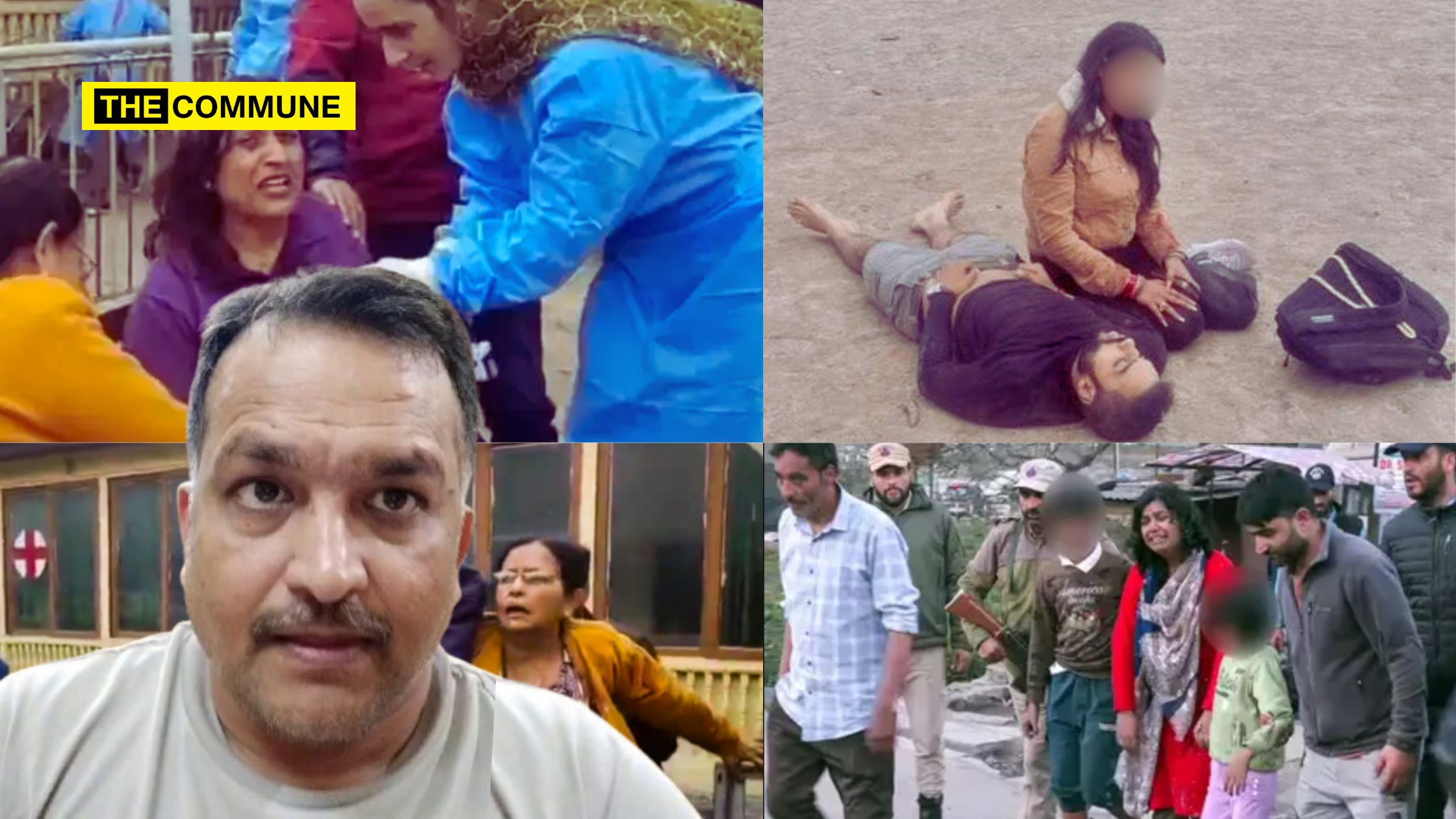
Teenage Girl Abducted And Sexually Assaulted In Auto-Rickshaw Near Kilambakkam Bus Terminus

Unidentified Man Allegedly Rapes 80-Year-Old Beggar Woman On New Year's Eve Near Hosur In Tamil Nadu

A horrifying incident unfolded on Monday night (3 February 2025) when an 18-year-old girl, originally from West Bengal, was abducted and sexually assaulted while waiting outside the Kilambakkam bus terminus.

According to a senior official from the Tambaram Police Commissionerate, the victim, who works in Salem, had boarded a bus to visit relatives in Madhavaram. After her arrival at the terminus, she was waiting to board another bus to her destination when an autorickshaw driver offered her a ride. When she declined, the driver forcibly abducted her.

As the vehicle sped along GST Road and then Irumbuliyur Road, two other men joined the driver, and the girl was threatened with a knife before being sexually assaulted in the moving vehicle. During the ordeal, she screamed for help, prompting nearby residents to alert the police.

A patrol team from Tambaram quickly pursued the autorickshaw, but the driver fled into a narrow street in Nerkundram where he and his accomplices abandoned the victim. The girl was then assisted by an auto-rickshaw driver, S. Mohan, from Triplicane, who took her to Madha Koil Street near Koyambedu, where she was eventually rescued by the police.

The victim provided crucial details to investigators, and a case has been filed at the Pallavaram All Women Police station. Authorities have launched a manhunt for the three suspects involved in the crime.

The investigation is ongoing as police work to bring the perpetrators to justice.

(With inputs from The Hindu)

Subscribe to our channels on Telegram, WhatsApp, and Instagram and get the best stories of the day delivered to you personally.
“Town Preacher Being Caught In The Wh*rehouse”, Said John F Kennedy About Nehru; JFK’s Wife Called Indira Gandhi “Bitter, Pushy And Horrible”

Jacqueline Kennedy, former First lady and wife of former US President John F Kennedy, is making the news on social media. Did she have an India connection? What was it? Jawaharlal Nehru! Was it a good one? Well, read on…

Nehru’s admiration with Jacqueline Kennedy, the young and glamorous First Lady of the United States, added another layer to his complex image. Their interactions began when Jackie visited India in 1962, a visit that generated significant media interest. Nehru was in his early seventies at the time, while Jackie was young and considered one of the most beautiful and fashionable women globally. Their public appearances together were closely documented, and photos often showed Nehru visibly charmed by Jackie’s presence.


Critics argue that Nehru’s enthusiasm for Jackie’s visit was a distraction at a time when India faced severe domestic issues, including economic challenges.

In a 2016 public event video, Bruce Riedel, a former CIA analyst and author of JFK’s Forgotten Crisisdiscussed an interesting incident involving Jawaharlal Nehru and Jacqueline Kennedy. Riedel revealed that Nehru was “smitten” by the U.S. First Lady, mentioning that the Indian Prime Minister kept a photograph of her on his bedside table for the rest of his life. He quickly added that while the gesture was unusual, it highlighted the significant diplomatic role Jacqueline Kennedy played in fostering U.S.-India relations.

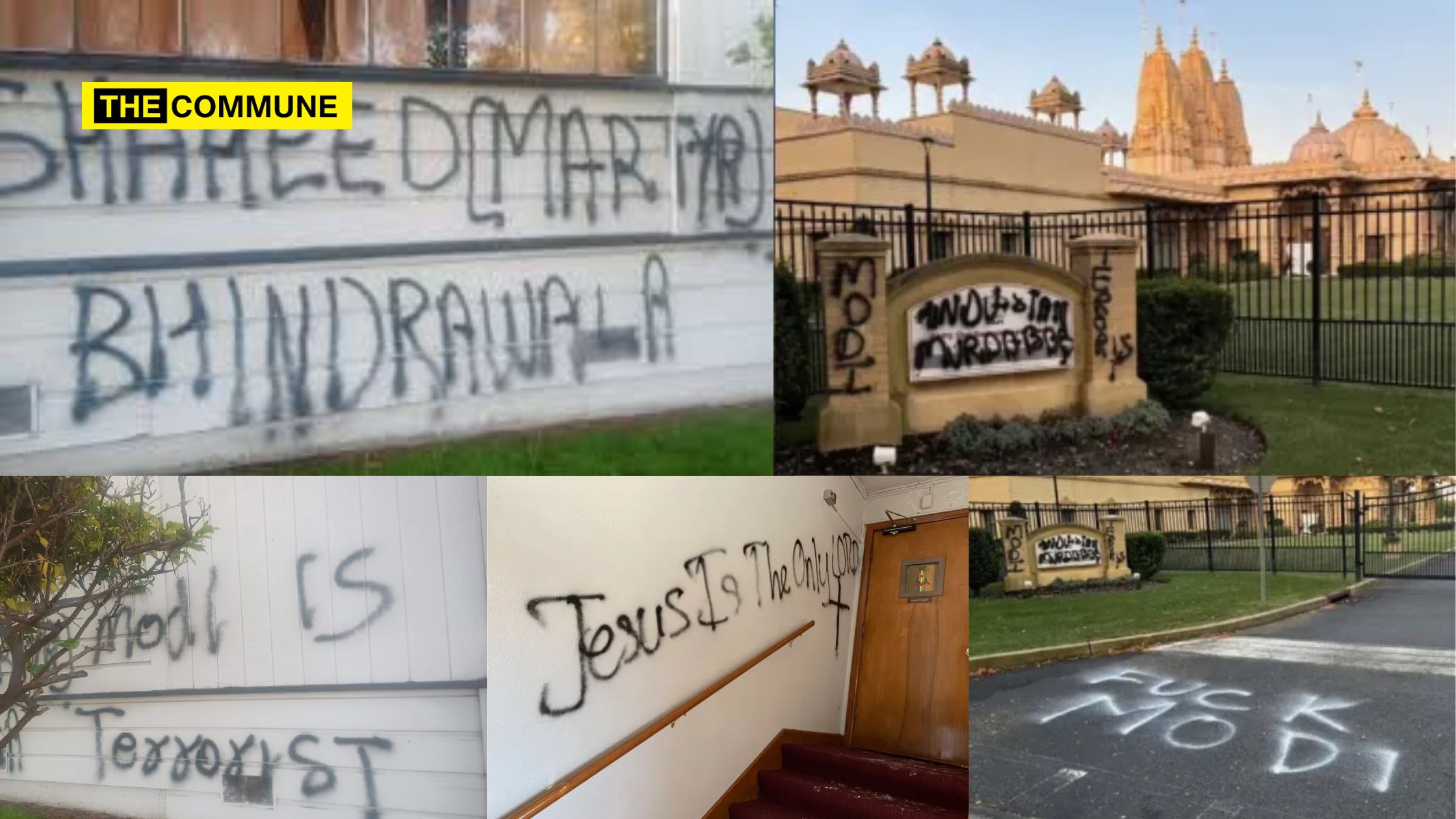
But here is what Jackie thought of Nehru. Jacqueline Kennedy, the First Lady of the United States, did not have a positive relationship with Jawaharlal Nehru or his daughter, Indira Gandhi, as revealed in the book ‘Jacqueline Kennedy: Historic Conversations on Life with John F Kennedy‘. When Nehru visited the U.S. in November 1961, John F. Kennedy referred to the visit as “the worst head-of-state visit” and made a derogatory comment about Nehru’s final days in power, describing it as “the town preacher being caught in the whorehouse.” Jackie Kennedy shared her distaste for Indira Gandhi, calling her a “real prune” and criticizing her as “bitter, kind of pushy, [and] horrible.” She also remarked that Indira always looked like “she’s been sucking a lemon.” These sentiments reflect the personal tension between the Kennedys and the prominent Indian leaders during their interactions.

Nehru’s relationships with powerful women—intellectual companions or political confidantes—reveal a man whose personal life was as complex and controversial as his leadership. While some revere him as a visionary architect of modern India, others see his flirtations and emotional dependencies as a distraction from the grave responsibilities of his office. His alleged infatuations with women like Edwina Mountbatten, Padmaja Naidu, and Jacqueline Kennedy raise serious questions about his focus and priorities during India’s tumultuous early years of independence. Was the man who shaped a nation too entangled in his personal whims to steer the course of history truly? The truth may be less flattering than the iconic legacy he carefully crafted.

Subscribe to our channels on TelegramWhatsApp, and Instagram and get the best stories of the day delivered to you personally.

THAMBRAAS Serves Legal Notice To Vetrimaaran For Offensive Portrayal Of Brahmin Community In ‘Bad Girl’

The Tamil film Bad Girl has received great public controversy following accusations that it portrays schoolgirls in a negative light, with growing calls for a ban on the movie. Both the Nadar community and the Tamil Nadu Brahmin Association (THAMBRAAS) have submitted petitions to Chief Minister M.K. Stalin, urging the government to prohibit its release, as reported in Mathrubhumi.

Adding to the controversy, the Tamil Nadu Brahmin Association has issued a legal notice to the film’s producer, acclaimed director Vetrimaaran. The association states that the film insults the Brahmin community and promotes cultural degradation.

The outrage began after the release of the film’s teaser, which critics argue depicts schoolgirls engaging in inappropriate behavior. The Nadar community, in its petition, states that the teaser portrays young girls in an extremely negative manner. They stated that Bad Girl includes scenes where schoolgirls, the lead character portrayed as a Tamil Brahmin, discuss sexuality, consume alcohol, and engage in relationships, leading to distress among parents.

The Tamil Nadu Brahmin Association’s petition further claims that the film’s protagonist is a Brahmin student who is depicted as straying onto the wrong path. The organization argues that this portrayal is deliberately insulting and could lead to ridicule of Brahmins, particularly among students. The association has called on the Tamil Nadu government to prevent the release of films that, in their view, contribute to caste-based divisions and cultural erosion.

Legal Notice Issued To Vetrimaaran

In a formal legal notice, THAMBRAAS has demanded that Vetrimaaran and all involved in the film’s production halt its release. The notice states that Bad Girl violates Article 19 of the Indian Constitution, which guarantees freedom of expression but with reasonable restrictions.

The notice alleges that the film’s use of “Iyer Bashai” (the dialect spoken by Tamil Brahmins) and the characterization of the protagonist as an immoral schoolgirl tarnish the image of the Brahmin community worldwide. The association claims this depiction is not only offensive but also a criminal offense under Section 294 of the Bharatiya Nyaya Sanhita (BNS) Act, 2023.

“We have seen the teaser circulating on social media. It clearly depicts a Tamil Brahmin family’s daughter as immoral and characterless, indulging in behaviors that contradict cultural values,” the legal notice states. “By deliberately using Brahmin-specific dialect and imagery, the film attempts to tarnish the reputation of our community.”

THAMBRAAS has also forwarded a copy of the legal notice to the Central Board of Film Certification (CBFC) in Chennai, demanding that Bad Girl be denied certification.

Apart from community protests, some members of the Tamil film industry have also expressed concerns over the teaser’s content. Director Mohan G previously criticized the film’s portrayal of young women, arguing that such depictions could have a negative social impact.

Bad Girl, directed by Varsha Bharath, is produced by Dravidianist director Vetrimaaran in collaboration with Bollywood filmmaker Anurag Kashyap.

Subscribe to our channels on Telegram, WhatsApp, and Instagram and get the best stories of the day delivered to you personally.
“Ill-Conceived & Lacking Merit”, SC Dismisses Plea Seeking Removal Of TN Guv RN Ravi

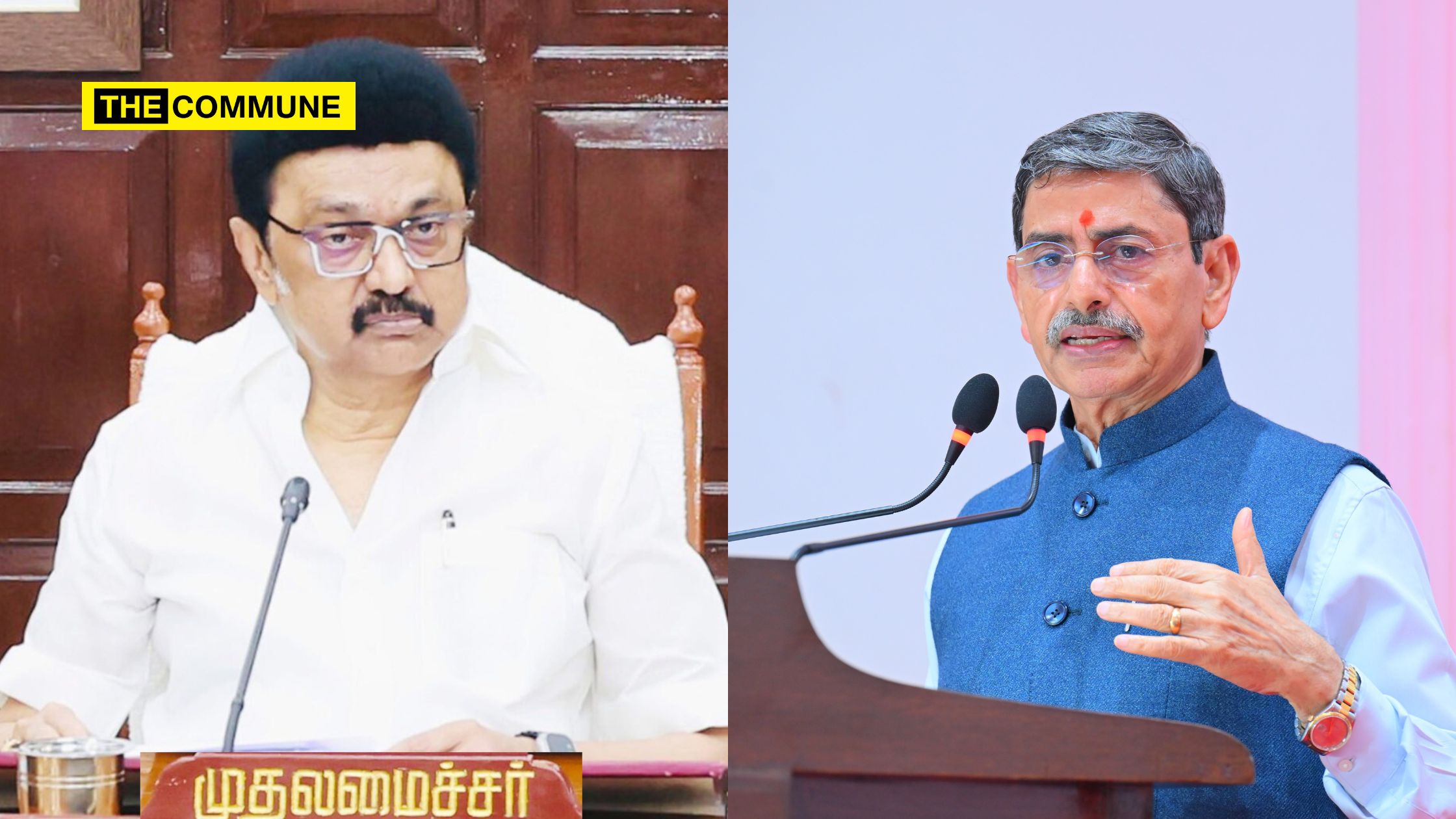
The Supreme Court on 3 February 2025 dismissed a petition seeking the immediate removal of Tamil Nadu Governor RN Ravi, calling the pleaill-conceivedand lacking merit.

A two-judge bench led by Chief Justice of India (CJI) Sanjiv Khanna rejected the petition filed by Tamil Nadu-based lawyer C.R. Jaya Sukin, who had sought a directive for the Governor’s recall. “We cannot grant such prayers. Plea dismissed, the CJI remarked in the order.

The petition accused Governor RN Ravi of overstepping his constitutional role by making political statements and obstructing legislation. Sukin cited Ravi’s walkout from the Tamil Nadu Legislative Assembly on 6 January 2025 —his third such exit—as an example of his disregard for constitutional norms. The Governor had objected to the playing of the Tamil Nadu state anthem, Tamil Thaai Vaazhthu, instead of the national anthem before his official address.

The plea further alleged that the Governor has been delaying or withholding assent to bills passed by the Tamil Nadu Assembly and has openly criticized the state’s Dravidian model of governance, which he termed anexpired ideology.It contended that such actions violate the Supreme Court’s ruling that Governors must remain politically neutral and act strictly within their constitutional mandate.

The petition emphasized that the Governor is a constitutional functionary who must operate within the boundaries set by the Constitution. It argued that Ravi’s public criticism of Dravidian governance contradicts his constitutional role, as the Supreme Court has previously ruled that Governors cannot engage in political matters beyond their defined functions.

Despite these arguments, the Supreme Court found no legal basis for ordering the Governor’s removal and dismissed the plea outright.

(With inputs from The New Indian Express)

Subscribe to our channels on Telegram, WhatsApp, and Instagram and get the best stories of the day delivered to you personally.
‘Thiruparankundram Hill Belongs To Us, We Have The Right To It’, Say Residents & Blame Islamists For Religious Tensions

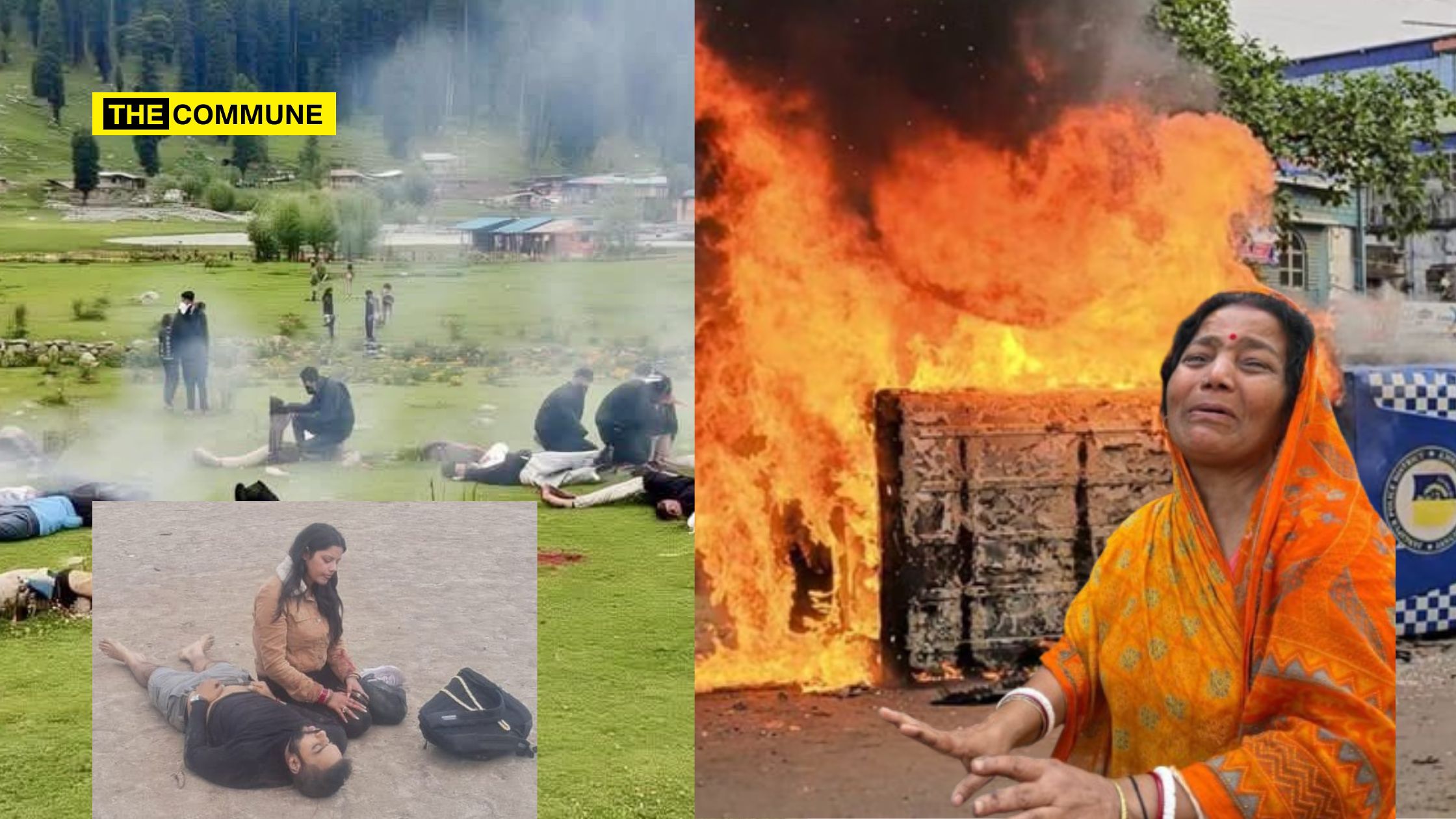
After the Hindu Munnani announced plans to protest over the Thiruparankundram Hill issue, Section 144 prohibitory orders were enforced in Madurai starting 3 January 2025. The region has experienced rising religious tensions, fueled by claims from Muslim fundamentalist groups asserting their right to sacrifice animals on the hilltop. Additionally, Ramanathapuram IUML MP Navaskani has claimed that the dargah belongs to the Tamil Nadu Waqf Board. Some extremists even went as far as painting the Jain cave on the hill with green paint to assert their control, which many see as an attempt to undermine the sanctity and uniqueness of the site.

With the Madurai Collector imposing Section 144 prohibitory orders on the eve of the Hindu Munnani protest, denying permission for the demonstration while allowing Muslim factions and fundamentalist parties like the SDPI and IUML to continue their actions, tensions remained high as the Hindu Munnani was not granted permission to protest till the last minute. The Madurai Bench of Madras High Court granted conditional permission for the protests and a huge number of people gathered at the prescribed location demanding answers and protesting against the DMK government.

What Residents Say?

One of the residents, Ravi, said that the area had been peaceful with religious harmony until factions like the SDPI intervened and created unrest in the locality. “People come from all over India, and some even travel from Kasi to worship at Thiruparankundram the first abode of Lord Muruga. It is the first abode among the six sacred abodes, and people visit daily. Another unique aspect of Thiruparankundram is that the Murugan here is associated with marriage, so there is a large crowd during Muhurthams (auspicious days). For more than 50 generations, the Kasi Vishwanathar temple has been located atop the Thiruparankundram hills.”

Ravi continued, “Hindus and Muslims living here have always maintained unity. For example, during Ramadan, the Muslim shares biryani, and during festivals like Diwali, Pongal, and Tamil New Year, we share ours with them. However, certain factions like SDPI have caused problems. The local Muslim community has not caused any trouble; they live in harmony with us.”

He added, “We believe the problems are being caused by outsiders who may have been influenced by these factions. This is Kandha Hills, and Thiruparankundram is the first abode of the six sacred abodes. We see the High Court’s intervention as a victory for our community.'”

Another resident said, “I want to make it clear that there is no discrimination in this locality. Everyone lives in cooperation with one another. However, due to some political interference, this situation has turned bad. There is no need for politics here; unity is what brings us prosperity.” He emphasized that no locals were involved in the unrest, but rather some fundamentalist groups. He also advised the local Muslim community not to follow these extremists, as doing so would be a victory for them. Additionally, he pointed out that the town’s main source of revenue comes from the Murugan temple, which sustains local businesses and shops.

Another resident Murugesan said, “There has never been an issue between Hindus and Muslims in this town. Everyone is equal, and we give each other respect. In the Santhana Koodu event, it is customary for Muslims to show respect to Hindus. However, in recent days, the unity among them has deteriorated. There are five factions of Muslims at the dargah in the hills, which belongs to them. The Union Jamath interferes whenever a problem arises between these factions, and their involvement disrupts the harmonious relationship in the locality. We don’t know what their motives are, but they claim that by raising this issue, they want to encroach on the hills. I want to ask one thing: For Hindus, the Murugan temple is the first abode among the six sacred places. So, who is older—the Hindu deity Murugan or Sikkandar Badusah, who died and was buried 200 years ago? Which history is more ancient? If you consider it truthfully, it belongs to the Hindus. We cannot deny that he has been dead and buried, and even if we consider it to be 300 years, ours is more than 2,000 years old—this is our sacred place.” He added, “The Hindu-Muslim community, including those associated with the dargah, living with unity until today. However, the issue arose due to the interveners. The government should make a fair decision to reclaim what rightfully belongs to us. We have never asked for anything that belongs to them, nor have we demanded the vacating of the dargah. Let them continue as they are; we don’t mind. But the hills are ours, and we are not ready to give them up.” 

Another resident, Muthraja, revealed that there are no proper records for the dargah, not even for basic amenities like obtaining electricity from the local municipality. In contrast, only the Murugan temple has all the necessary records from 1930.

Another elderly woman resident, named Panjavarnam, said, “The Murugan temple belongs to us, and no one has any right over it. It has been ours for generations, and no one can claim ownership of it. They came here recently and are claiming it as theirs, but that’s not the case. They visit the hills once a year, but we, the seven clans, have been worshiping Murugan there, they are giving due respect to us, and they come here and claim it as theirs without any rights. It’s foolish for them to protest. The hills belong to us. I was born and raised in this town and have lived here for 75 years, even getting married here. We have no relationship with them, but we used to live together. The temple belongs to the seven clan guardians, from Pasumali to all seven directions of Thiruparankundram, and we have the right to it.”

Subscribe to our channels on TelegramWhatsApp, and Instagram and get the best stories of the day delivered to you personally.

How The 1931 Privy Council Ruling Settled Ownership Of Thirupparankundram Hill

thirupparankundram karthigai deepam sikandar murugan dargah

Madurai’s Thirupparankundram Hill, home to the ancient Murugan Temple, has long been at the center of a legal and religious dispute. The recent protests owing to the encroachments by the Islamists and desecration acts by their ilk beg us to take a look at the landmark ruling in 1931 by the Privy Council in London. This ruling settled the question of ownership, affirming the temple’s rights over the hill while allowing a mosque to remain in its specific location.

What Are The Origins Of The Dispute?

The legal battle over Thirupparankundram Hill involved three main claims:

  1. The Temple’s Claim: The temple administration asserted ownership over almost the entire hill, except for a few cultivated lands and the mosque’s site.
  2. The Muslim Claim: Muslim petitioners claimed the area where their mosque stood, and an additional portion of the hill called Nellitope.
  3. The British Government’s Claim: The colonial administration argued that all unoccupied land on the hill belonged to the government, as it was considered waste land.”

The 1923 Court Ruling

The case was first heard in a Madurai court in 1923, which ruled mostly in favor of the temple. The court recognized that the temple had exercised control over the hill for centuries and officially granted it ownership of the land. However, it made two exceptions:

  • The mosque’s site, its flagpole, and its access steps.
  • The Nellitope area, which was allocated to the Muslim claimants.

The British government’s claim was entirely rejected.

The 1926 Madras High Court Appeal

The Muslim claimants appealed this ruling to the Madras High Court in 1926. However, instead of clarifying Hindu or Muslim rights over the land, the High Court took a different stance—it declared that the entire hill belonged to the government, dismissing the temple’s claim.

The Final Ruling: Privy Council Decision (1931)

The temple authorities challenged this decision in the Privy Council, the highest legal authority under British rule. After reviewing historical records, the council issued a landmark ruling in 1931, restoring the temple’s ownership rights. The key points of the ruling were:

  • The temple had existed for centuries, likely since the 13th century or earlier.
  • The entire hill was considered sacred and had been referred to in official documents as “Swamimalai” (God’s Hill).
  • The temple had exercised ownership for over 100 years, maintaining temple roads, repairing structures, and managing the land.
  • No historical evidence suggested that Muslim rulers had ever taken over the hill or disrupted temple activities.
  • The British government’s claim to “waste land” was invalid, as the land was in active use by the temple.

Final Verdict

The Privy Council overturned the Madras High Court ruling and reinstated the 1923 decision. It confirmed that:

  • The Murugan Temple legally owned Thirupparankundram Hill, except for the mosque’s designated area and the Nellitope land.
  • The mosque could continue to exist in its specific location, but the broader hill remained under temple control.

This ruling continues to be significant, as it established clear ownership rights over Thirupparankundram Hill. Any further disputes over the land must take this historic judgment into account. 

(With inputs from The Hindu)

Subscribe to our channels on Telegram, WhatsApp, and Instagram and get the best stories of the day delivered to you personally.
Skandar Malai Or ‘Sikandar Malai’: A Look At The Real History

Thirupparankundram witnessed a large-scale protest on 4 February 2025 under the leadership of Hindu Munnani, as tensions escalated over the historical and religious dispute concerning the hill known as Sri Skandar Malai or Sikandar Malai. Protesters gathered in significant numbers, voicing their opposition to what they claim is an attempt to alter the hill’s religious identity. The controversy, deeply rooted in history, has reignited debates over temple ownership, religious rights, and the role of historical judgments in defining the present.

Historical Background And Malik Kafur Invasion

Historical records trace the conflict back to the 13th century when the region was invaded by the Delhi Sultans. At the time, the Pandya dynasty was in decline, and Malik Kafur, a general of the Delhi Sultanate, launched a military campaign that led to the capture of Thirupparankundram. The region remained under the rule of the Sultans for nearly 50 years, with Sikandar being one of the last rulers of this period. However, his reign was brought to an end by the Vijayanagara Empire, which launched a decisive military expedition to reclaim the region, restoring Hindu rule and temple worship.

Today, the core claim being contested is that Sikandar’s tomb exists on the hill. Protesters argue that after the Vijayanagara Empire restored Hindu rule, there was no record of any such burial site. They view this as an attempt to rewrite history and assert control over a hill that has been a sacred Hindu site for centuries.

Legal Disputes And Ownership Controversy

The ownership of the hill has been the subject of legal disputes for over two centuries. The earliest documented case emerged in 1801, questioning whether the hill and temple fell under municipal authority or the Devasthanam (temple administration). The ruling at the time confirmed that the entire hill, including its temple streets, belonged to the Devasthanam and had always remained in its possession.

In 1920, a judge reaffirmed the 1801 judgment, explicitly stating that the Mughals, British, and other invaders had arrived only to loot and plunder, with no legitimate claims to the land.

The case provided crucial evidence that in 1920, a judge reconfirmed the 1801 judgment, which stated: “The entire hill, including its surrounding area, belongs to the Devasthanam and has always been under its possession and enjoyment.”

In 1931, the Privy Council ruled that Tirupparankundram Hill belonged to the Murugan Temple, except for the mosque site and Nellitope area. The temple had exercised ownership for over a century, maintaining roads, water supply, and structures. The British government’s claim was rejected, as the land was not “waste” but sacred to the temple. There was no evidence of Muslim rulers taking over the hill, though a mosque was built. The Madras High Court’s ruling was overturned, restoring the 1923 decision that upheld temple ownership while allowing the mosque to remain on its designated land.

Protesters argue that the temple’s original community, the Devendra Kula Vellalars, have been the rightful custodians of the site for generations. They question the stance of the DMK government and officials who claim to support Scheduled Caste (SC) and Scheduled Tribe (ST) communities yet allegedly fail to uphold their rights over this sacred site.

Emergence Of Dargah In 1905 And Karthigai Deepam Dispute

Another major point of contention is the construction of a dargah on the hill. According to a book published by Damayanthi Publications, written by Nagappa Nachiyappan, Thirupparankundram Temple Vearkottam. It states that: “In 1905, funds were collected from Muslims, and a person named Ilayangudi Meera Mukkai Deen Rawthar built a structure on the hill.”. Protesters question how such a structure suddenly appeared in 1905 and why historical records prior to that time make no mention of it.

Adding to the ongoing religious disputes, the Karthigai Deepam festival, a sacred Hindu tradition, has been restricted since 1912. A legal case filed that year resulted in a prohibition on Hindus lighting the ceremonial lamp at the peak of the hill. Since then, the deepam has been lit at an alternate location called Moksha Deepam, sparking anger among devotees who see this as a violation of their religious rights. Protesters demand that Hindus be allowed to restore their traditional practice of lighting the deepam at its original location.

Encroachments 

Another alarming revelation has surfaced regarding encroachments on the hill. The Thirupparankundram Temple Vearkottam book, published in 1981, stated that only two bodies—Sikandar’s and his minister Lukman Sharif’s—were buried at the site. However, recent reports indicate that at least eight additional burials have taken place, raising concerns over encroachment on temple land.

In recent weeks, tensions have further escalated due to the Sandanakoodu Festival (Sandalwood Festival) flag hoisting controversy. Traditionally, the festival flag has been hoisted for three days. However, protestors allege that there is now a demand for it to remain hoisted for seven days, 24/7. Most controversially, the demand includes tying the flag to the Kalathi Maram, the sacred tree of the Thirupparankundram Temple. Protesters argue that such an act is an outright violation of temple traditions and an infringement on Hindu religious rights.

Historical Warriors And Fight For The Hill

Thirupparankundram has long been a site of resistance, and history remembers warriors who fought to preserve its sanctity. One such figure is Kuttaiya Pillai, a 13th-century warrior who fiercely resisted Malik Kafur’s invasion. According to folklore, before his death, Kuttaiya Pillai tattooed a message on his arm, declaring that if the hill were taken from Hindus, his spirit would return to seek justice. Many devotees believe his presence continues to protect the temple from encroachments.

The controversy surrounding Skanda Malai versus Sikandar Malai is not just a question of historical interpretation—it is a battle over religious identity, legal ownership, and the right to preserve sacred traditions.

Subscribe to our channels on Telegram, WhatsApp, and Instagram and get the best stories of the day delivered to you personally.
“This Anti-Hindu Taliban Govt Will End”: BJP Leader H Raja Shreds DMK Govt To Pieces Over Thiruparankundram Murugan Temple Issue

After last-minute approvals and conditional permission for the massive protest to protect Thiruparankundram Hill led by Hindu Munnani, the protest saw large numbers of people gather and show support for the cause.

Several Hindu Munnani leaders and BJP members were arrested as a preventive measure on 4 February 2025 as BNS 163 or Section 144 was imposed for two days in the district.

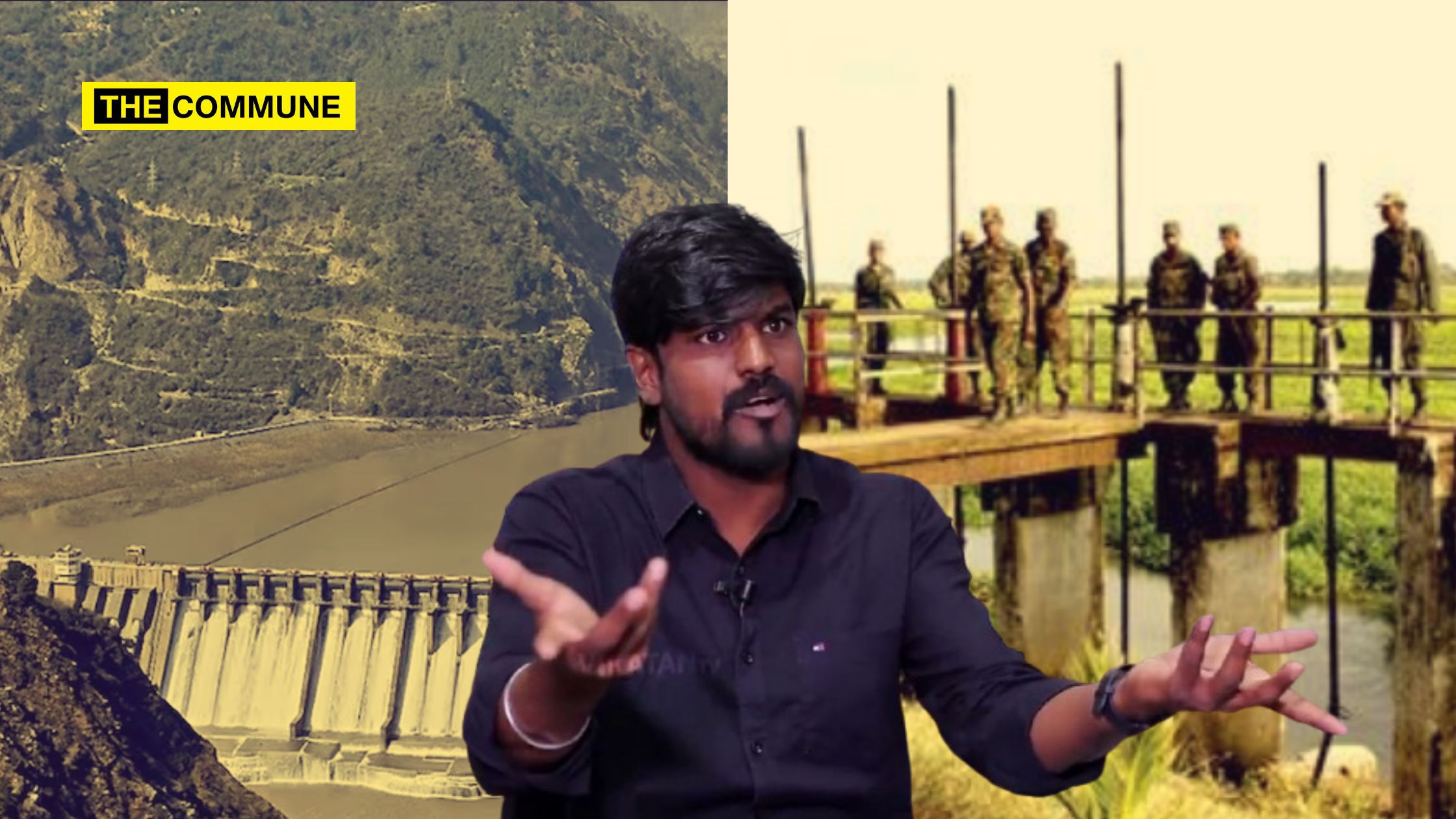
Among the speakers who spoke at the protest were H Raja, BJP national secretary who launched a scathing attack on the DMK government in Tamil Nadu and shredded their facade into pieces.

He began his speech by saying, “They placed me on house arrest since this morning. They delayed by 40 minutes after the court order in an attempt to prevent me from coming here.”

He continued, “I tell the Taliban government led by MK Stalin in Tamil Nadu, the evil anti-Hindu government, this is what happened in Uttar Pradesh too. Due to this the enemies cannot come to power in Uttar Pradesh. The same will happen here too. I warn the anti-Hindu evil mob that is roaming around to divide Thiruparankundram, the first of the Arupadaiveedu/Abodes of Lord Muruga. Was it the Murugan temple or the dargah that came first in Thiruparankundram? Why is there a problem only now? No one should forget that whenever the DMK comes, there is an administration that is against the Hindu people. The anti-Hindu government and the police department must answer this question. As a precaution, we should record the words used by the police when they arrested us and file a police report against each of them in every district. Who can issue 144 order? Magistrate, executive magistrate, and collector. Madurai Collector has issued 144 prohibitory orders. How is this order valid for Chennai, Karaikudi, and Tiruppur? The authority of the District Collector is valid only within this Madurai district. If the police department is arresting us living outside the district and placing us under house arrest, it is against Article 21 of the Constitution – against the fundamental rights of a citizen. It is our duty to take these policemen to court. This must be a final lesson for them. Don’t touch Hindus. When you see Navaskani, your legs tremble, shameless gang. Navaskani’s henchmen are in power in Tamil Nadu.”

He added, “At least 5 lakh people would have gathered here for this protest. Thousands of members of Hindu organisations have been imprisoned. There was a Kashi Vishwanath temple on the Thiruparankundram hill even before Sikandar was born. I just had d darshan of the deity. Why did Sikandar go up the hill? No one is living up the hill. Today they say they are going to the dargah. There was no dargah then. Then why did they go? People say in the village that Sikandar went to the hill to demolish the Kashi Vishwanath temple. Is there a dargah for someone who went to demolish a Hindu temple? Government documents state that Sikandar’s grave is in Goripalayam.

If that is the case, isn’t the Dargah on Thiruparankundram Hill a fake? Isn’t it a plan to usurp the first abode of the six abodes of Lord Murugan? At this time, if we Hindus are not united, they will destroy our Tamil God Murugan. Who has the right to take over the first of the six abodes?”

Going back in history to cite an example, Raja said, “In India, in 1942, Muhammad Ali Jinnah put forward the demand for Pakistan. In 1944, a conference was held asking for partition. In that speech, Jinnah said ‘Either concede Pakistan or face civil war.’ At that time, our legal expert and father of the constitution, Bhimrao Ambedkar very clearly put forth his comments. He said, “Conceding Pakistan will not solve this threat to civil war.” Even if Pakistan is separated, the civil war will not end. That is what is continuing now. That is why today, Navas Kani is trying to incite the Hindus and went up the hill with a goat and a chicken. If this is not nipped in the bud, we will have a huge price to pay. In court, the government said that the ban was imposed so that it would not be like Ayodhya. This is the beginning. The Ayodhya war has started in Thiruparankundram, the first abode of Lord Murugan. In this struggle, we will end the Taliban government in Tamil Nadu. The 2026 elections have been marked as the auspicious time for that. Let us remain steadfast in this resolve. Let us show Hindu unity to the world,” H Raja concluded.

Subscribe to our channels on Telegram, WhatsApp, and Instagram and get the best stories of the day delivered to you personally.