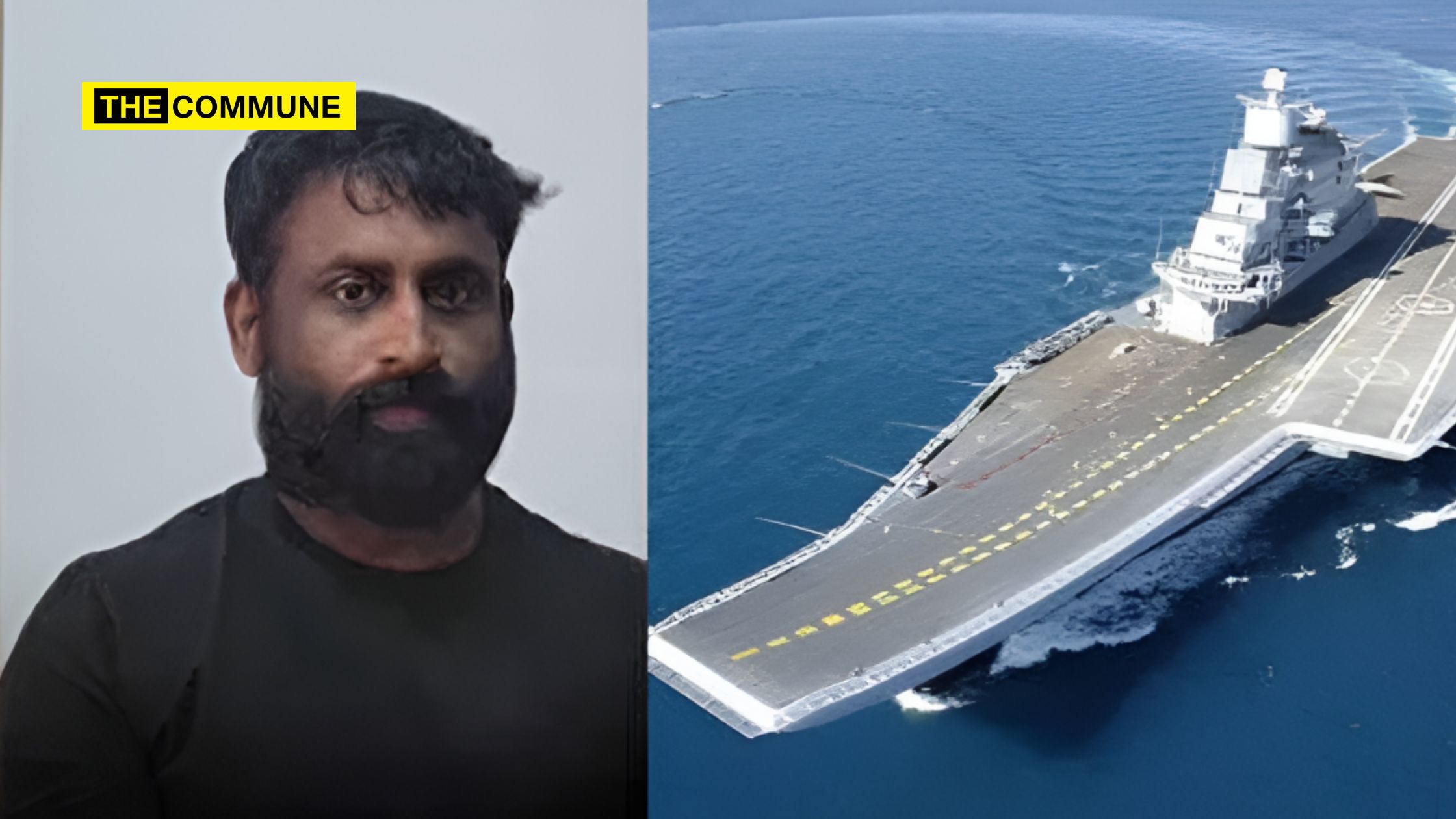
In a significant security incident during the heightened vigilance of Operation Sindoor, Kerala Police apprehended a man for falsely claiming to be a Prime Minister’s Office (PMO) official in an attempt to obtain sensitive information regarding India’s indigenous aircraft carrier, INS Vikrant.
The individual, identified as Mujeeb Rahman from Elathur in Kozhikode district, made a deceptive call to the Kochi Naval Base on the night of 9 May. Introducing himself as “Raghavan,” he alleged he was a PMO representative and inquired about the current position of INS Vikrant. Suspecting foul play, naval personnel declined to share any details and quickly alerted law enforcement.
Following this, a First Information Report (FIR) was filed at Harbour Police Station, and an investigation was launched. Kochi City Police Commissioner Putta Vimaladitya confirmed that after media reports began circulating, the accused switched off his mobile phone. However, investigators successfully tracked the number and took Mujeeb into custody on 12 May. He was transported to Kochi for further questioning by senior officials.
Mujeeb’s family stated that he has been receiving treatment for mental illness since 2021 and suggested his actions were influenced by online misinformation. According to them, he acted after reading unverified reports claiming that INS Vikrant had attacked Karachi port—rumours likely linked to disinformation campaigns amidst Operation Sindoor.
Commissioner Vimaladitya said a psychiatric evaluation would be conducted to determine Mujeeb’s mental health. Authorities are also scrutinizing his digital footprint—including phone records, emails, and social media activity—to assess whether the impersonation was an isolated act or connected to a broader agenda. The charges against him include impersonation and potential violations under the Official Secrets Act, given the nature of the information he sought.
The Indian Navy swiftly addressed the situation in an official statement, confirming that its internal security mechanisms flagged the suspicious call and immediately involved intelligence agencies. The Southern Naval Command has since been cooperating fully with the investigation.
“The Indian Navy remains vigilant against any subversive or espionage attempts to access sensitive information,” the Navy reiterated. “Operational security remains our top priority in safeguarding national interests.”
The incident has intensified discussions within the defence and intelligence circles as Operation Sindoor—India’s strategic maritime readiness initiative—progresses amid rising regional tensions. The attempted breach highlights the escalating risks of misinformation and the need for robust cyber and communication security protocols.
Subscribe to our channels on Telegram, WhatsApp, and Instagram and get the best stories of the day delivered to you personally.
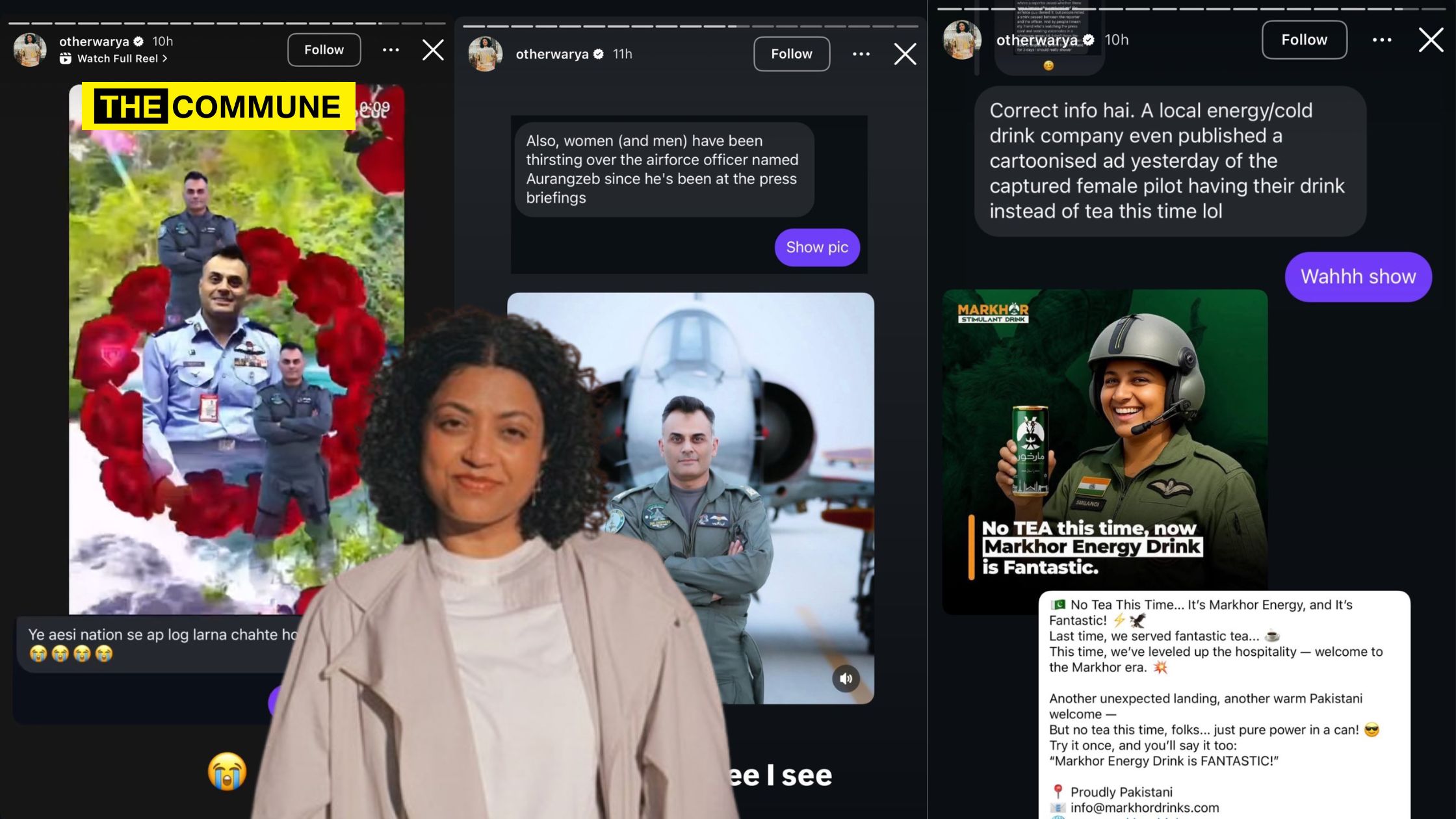
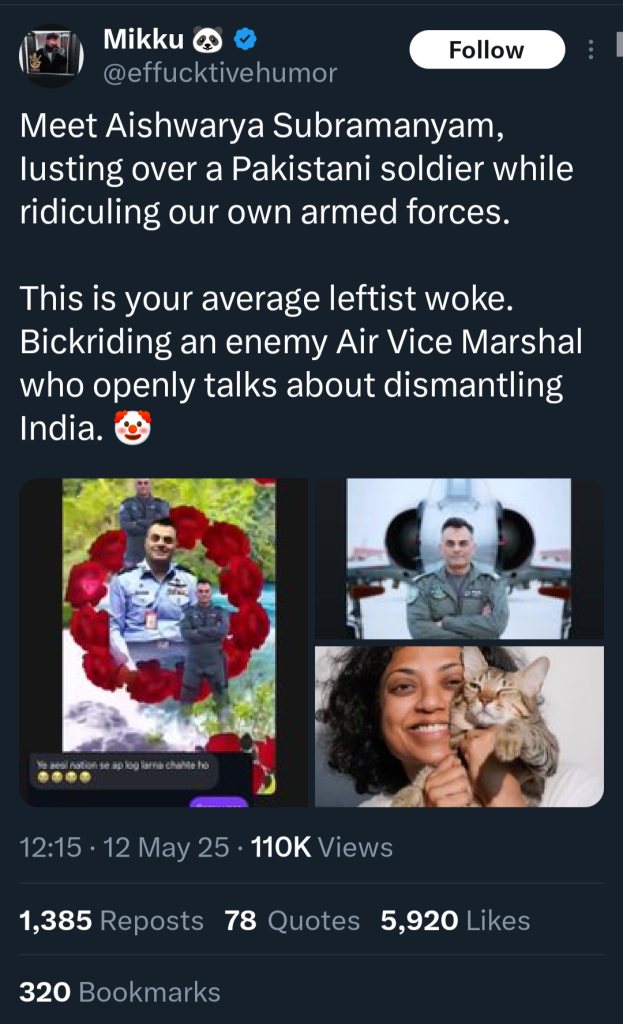
In the midst of rising India–Pakistan tensions following recent skirmishes and a ongoing tension along the borders, a viral Instagram post has ignited a firestorm of nationalist outrage and online vitriol. The post accuses Aishwarya Subramanyam, a woke left simping social media user with the handle @otherwarya on Instagram of glorifying a Pakistani Air Force officer and mocking the Indian armed forces.
The post was viral on X and quickly gained traction for calling out by netizens that the Aishwarya as “average leftist woke,” accusing her of “lusting over a Pakistani soldier while ridiculing our own armed forces.”
The Instagram Stories that Sparked Outrage
The post included three Instagram story screenshots allegedly shared by @otherwarya:
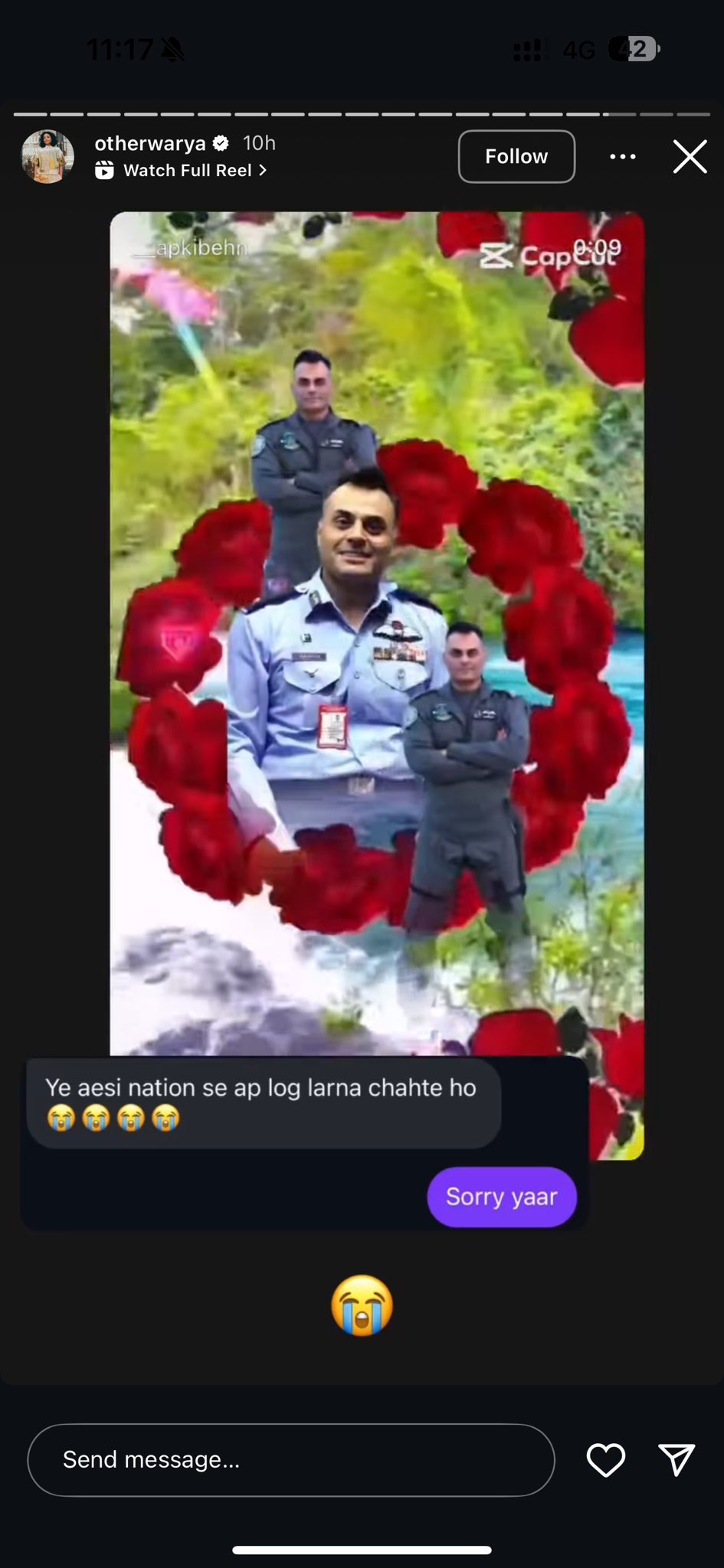
A Collage of a Pakistani Air Force Officer accompanied with a Love Song:
The central image edited using CapCut with decorative red roses — featured a man in Pakistani Air Force uniform. Overlaying the image was the caption and accompanied by old Hindi love song, “Hum Thumse Pyar Karte”
“Ye aesi nation se ap log larna chahte ho 😭😭😭 Sorry yaar 😭” (Translation: “You guys want to fight a nation like this 😭😭😭 Sorry, yaar😭”) The romantic filter, emojis, and tone were interpreted by many as infatuation or admiration, prompting anger from those who viewed it as disrespectful toward India’s armed forces.
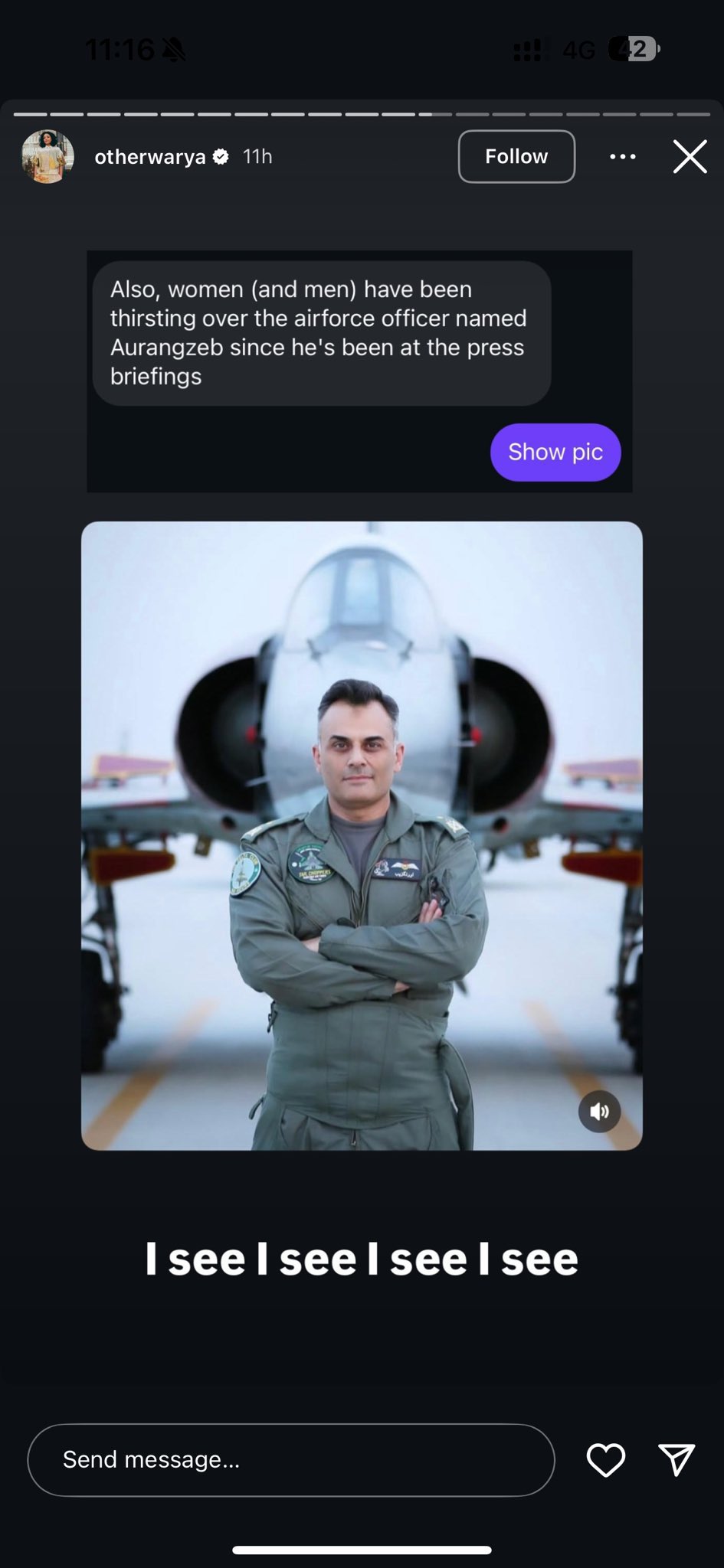
The second story read: “Also, women (and men) have been thirsting over the airforce officer named Aurangazeb since he’s been in the press briefings .” @otherwarya responded with repeated “I SEE” texts, implying agreement with the sentiment.
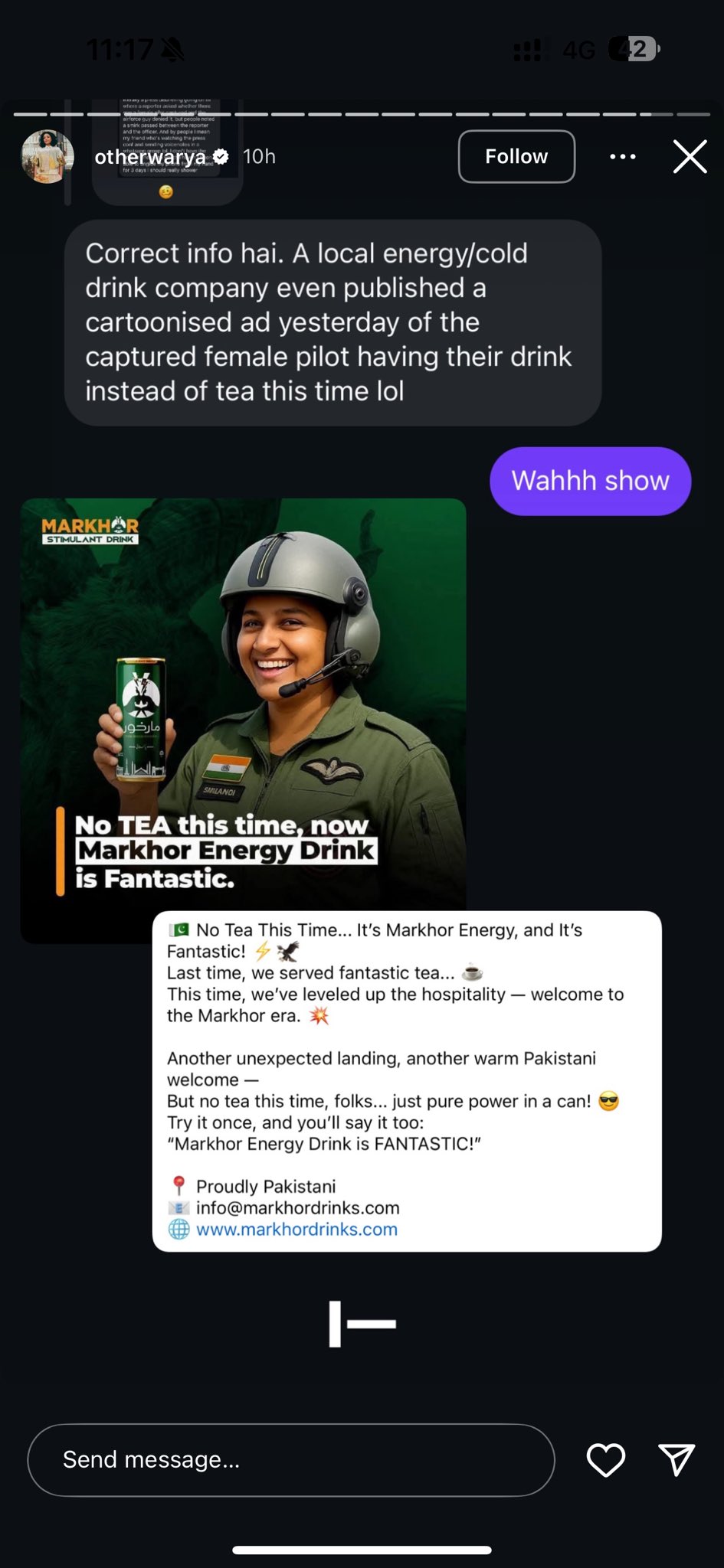
In her third post, Aishwarya Subramanyam alludes to a claim that a female Indian Air Force officer had been captured by Pakistan. She backs this by referencing a cartoon-style advertisement released by a Pakistani soft drink company, which, according to her, indirectly confirmed the incident.
The advertisement in question draws on the real-life 2019 Balakot airstrike, when Indian pilot Wing Commander Abhinandan Varthaman was captured by Pakistan and famously served tea while in custody—a moment that became symbolic and politically charged. The new ad satirizes this event by replacing tea with the company’s energy drink and featuring a cartoon version of an Indian pilot calmly enjoying the beverage, implying a repeat scenario but with a female figure this time. The ad’s tagline, “No tea this time,” is seen as a deliberate jab, adding a layer of mockery to a deeply sensitive geopolitical issue.
Aishwarya’s caption reads: “Correct info hai. A local energy/color drink company even published a cartoonised ad yesterday of the captured female pilot having their drink instead of tea this time LOL,” followed by, “Wahhh show.” Her seemingly joking tone, combined with the mocking reference, sparked outrage among X users. Many perceived it as disrespectful to the Indian armed forces and inappropriate given the fraught history and current state of India-Pakistan relations.
The reaction to her posts was swift and aggressive. Commenters accused Aishwarya of mocking India’s military while glorifying an officer from Pakistan — a country often viewed as a hostile adversary in India’s political discourse. The Air Vice Marshal in question, Aurangzeb Ahmed, is allegedly known for anti-India statements, heightening the outrage.
Subscribe to our channels on Telegram, WhatsApp, and Instagram and get the best stories of the day delivered to you personally.
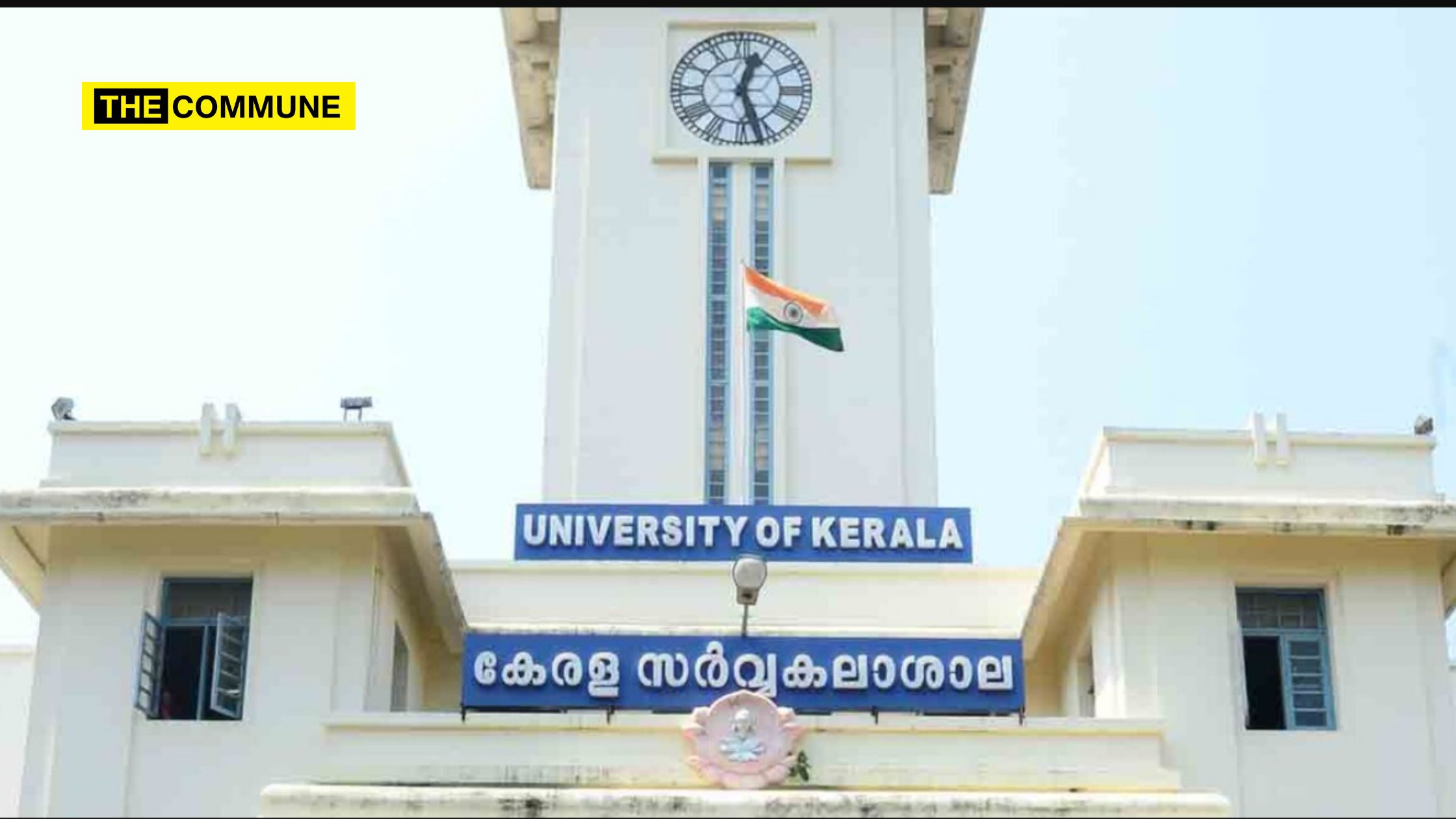
A seminar organized by the Tamil Department of Kerala University on the Pahalgam terror attack was abruptly canceled after facing backlash from university authorities. The seminar had sparked controversy due to its proposed basis on an article published in Jananayakam, a Tamil publication. The article claimed that the Bharatiya Janata Party (BJP) was using the Pahalgam attack for political gain, a stance that drew significant criticism.
VC’s Decision To Stop the Seminar
The Vice Chancellor (VC) of Kerala University, Mohanan Kunnummal, intervened and ordered the cancellation of the seminar, labeling it as potentially anti-national. In a formal communication to Dr. Hepsi Rose Mary, the head of the Tamil Department, the VC expressed concerns that the seminar’s content could undermine national unity and conflict with the country’s interests.
The Controversial Article and the Seminar Proposal
The seminar had been proposed by a research student from the Tamil Department, who suggested discussing the controversial article. The article argued that the BJP was exploiting the Pahalgam terror attack for political advantage, which many believed was an attempt to politicize the tragedy. This narrative, suggesting that the central government was using the attack to further its own agenda, was seen by university authorities as divisive and detrimental to national integrity, prompting the intervention.
Once the issue was raised, the VC acted swiftly to prevent any further controversy by banning the event. He requested an explanation from the department head within 24 hours and also informed the state governor of his decision.
Head of Department’s Response
Dr. Hepsi Rose Mary responded to the registrar’s inquiry by submitting a detailed report. In her explanation, she acknowledged that the research student had suggested the seminar based on the article but confirmed that the student had since apologized for proposing the topic. The student recognized that the timing of the discussion was inappropriate, given the sensitive nature of the subject.
Dr. Rose Mary further clarified that after reviewing the article, she had personally advised against proceeding with the seminar, understanding that it could provoke unnecessary controversy. She emphasized that the decision to stop the seminar was made by the VC even before the issue had been raised publicly.
Complaints from Students and VC’s Swift Action
The VC’s decision was partly influenced by complaints from students within the Tamil Department, who expressed concern about the potential for the seminar to divide the student body and promote anti-national sentiments. The sensitive nature of the topic, coupled with these student complaints, led the VC to take immediate action, halting the seminar before it could take place.
The VC also escalated the matter to the state governor, further underlining the seriousness of the situation and the potential repercussions for the university’s reputation. It was made clear that the content of the proposed seminar was not aligned with the university’s values and could harm the institution’s credibility.
Student Apology and Resolution
As part of the resolution, the research student who had proposed the controversial topic issued an apology. The student expressed regret for raising the issue at an inappropriate time and acknowledged that the seminar was not the right platform to discuss sensitive issues like the Pahalgam attack, particularly when India was facing significant national security challenges.
Dr. Rose Mary’s report concluded that the university had taken the right course of action, considering the circumstances. She reiterated that she had already advised the student against proposing such discussions in the future to avoid any further controversies.
While the issue has been resolved within the university, it raises important questions about the balance between academic freedom and national security concerns. The Kerala University’s decision to halt the seminar demonstrates the difficulties that academic institutions face when navigating the complexities of freedom of expression while ensuring that their platforms are not misused to further politically divisive narratives.
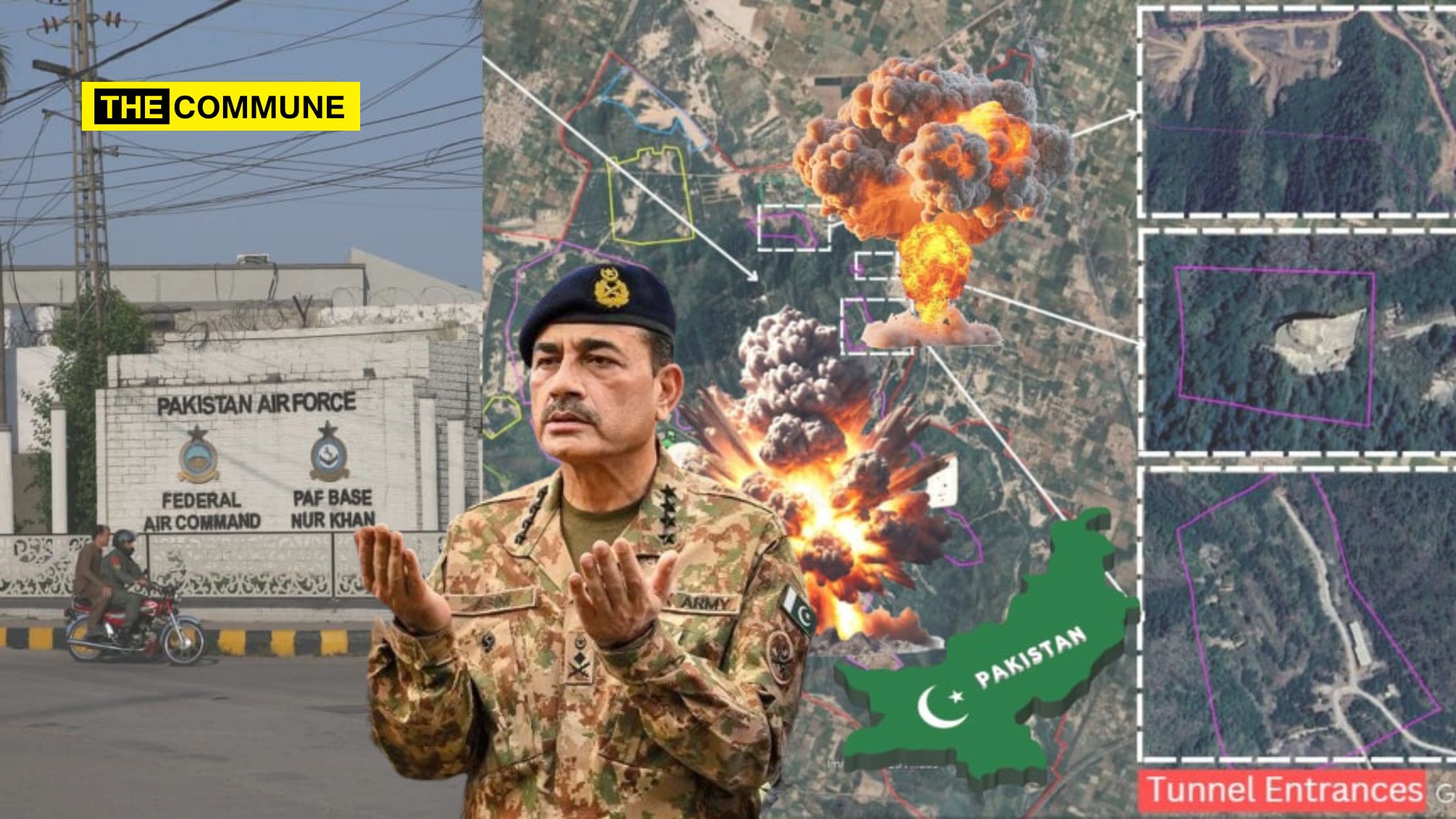
In the recent escalation between India and Pakistan, the Indian Air Force (IAF) conducted a strike on Pakistan’s Nur Khan Airbase, which is situated near the Pakistani Army’s General Headquarters (GHQ) in Rawalpindi. According to sources, during the attack, Pakistan Army Chief General Asim Munir was reportedly moved to a bunker for safety, possibly for at least two hours.
Yes, it was correct Pakistan Army Chief Munir was in a bunker when India was making strikes at Nur Khan base. Rest for history books.
The strike, which was part of India’s response to escalating tensions with Pakistan, reportedly resulted in significant damage to the airbase. Satellite images shared by the Indian government confirmed the destruction of critical infrastructure at the Nur Khan Airbase. The proximity of the attack to the army headquarters led to a swift evacuation of General Munir, highlighting the scale and precision of the Indian airstrike.
Further reports suggest that the attack on the airbase has forced the Pakistani military to reconsider the safety of its operations in Rawalpindi, with discussions possibly underway to relocate the army chief’s operational base away from the area. This marks a significant shift in the strategic planning of Pakistan’s defense, with the realization that India has the capability to strike deep within Pakistan’s territory.
The strike on Nur Khan is seen as a strong message from India, asserting its military capabilities and resolve in the face of Pakistan’s provocative actions. Meanwhile, the Pakistani military’s response, particularly its spokesperson’s claims during a press conference, has been criticized for lacking solid evidence. India has countered Pakistan’s claims with concrete evidence, including videos and images of the targets struck, further fueling the narrative that Pakistan’s military claims are unfounded.
Subscribe to our channels on Telegram, WhatsApp, and Instagram and get the best stories of the day delivered to you personally.
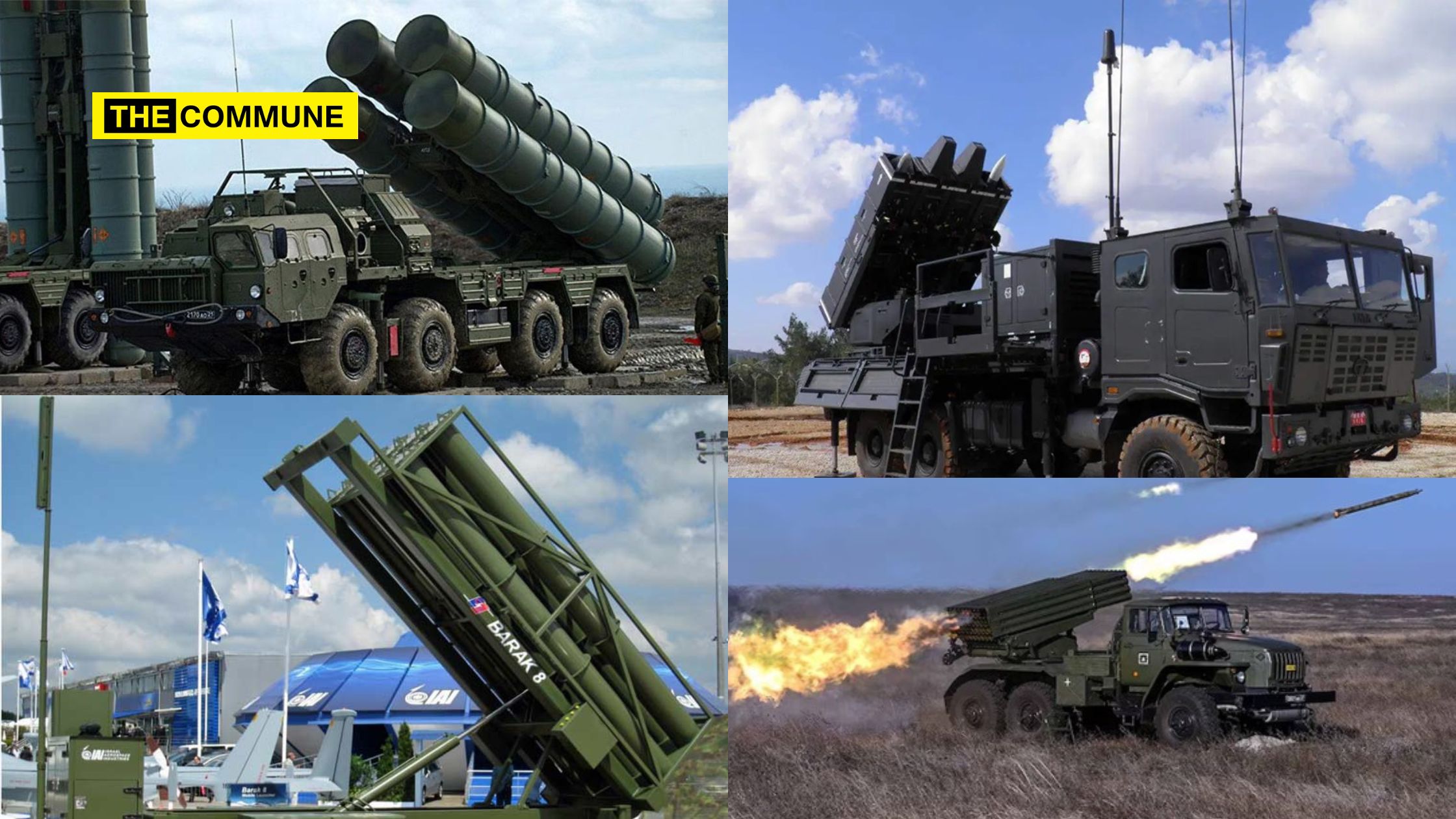
In a defining moment, India’s cutting-edge surface-to-air missile systems—especially the indigenous Akash and probably the Russian-made S-400 Triumf – successfully intercepted and neutralized a coordinated wave of drone and missile attacks launched by Pakistan. The attacks targeted 15 military installations and multiple urban centers.
This report highlights eight key air defence systems that have been developed or significantly upgraded between 2014 and 2025.
What Are Air Defence Systems?
Air defence systems are advanced military technologies designed to detect, track, and destroy incoming aerial threats such as fighter jets, ballistic missiles, drones, and helicopters. These systems are typically deployed in a layered structure, ensuring that threats can be engaged at various ranges and altitudes.
India’s integrated air defence network combines imported systems (like the Russian S-400 and Israeli Spyder) with indigenous solutions (like the Akash) to form a comprehensive shield against enemy aerial incursions.
Types of Air Defence Systems
Let us take a look at some of the types of air defence systems.
Short-Range Systems
Designed to intercept threats at distances up to 30 km. Examples: QRSAM (Quick Reaction Surface-to-Air Missile), Spyder.
Medium-Range Systems
Engage targets between 30 km to 70 km. Examples: Akash NG, MR-SAM (developed with Israel).
Long-Range Systems
Capable of neutralizing threats from 70 km up to 4000 km. Examples: S-400 Triumf, BMD Phase-2 interceptors.
Let’s take a look at each one of them.
#1 Akash & Akashteer: India’s Indigenous Air Shield
India’s Akash Air Defence System, developed by DRDO and inducted in 2014, is a medium-range surface-to-air missile system capable of neutralising multiple aerial threats—fighter jets, UAVs, helicopters, and cruise missiles—at interception ranges up to 40 km. Its advanced variants, including Akash-NG with a range of 70–80 km, enhance speed and engagement capabilities. The system was deployed during Pakistan’s retaliatory strike following India’s precision airstrikes under Operation Sindoor in May 2025.
India’s defence also featured Akashteer, a next-gen Air Defence Control and Reporting System by Bharat Electronics Limited. Touted as India’s Iron Dome, Akashteer integrates data from various radar and missile platforms to produce a real-time, unified airspace picture. Its automated, decentralised decision-making significantly shortens response times—critical for frontline defence.
During the Pakistani assault on 15 Indian locations, including key cities and military bases, Akash and Akashteer—alongside the S-400 Triumf—intercepted all incoming drones and missiles without casualties. Akashteer’s mobility, scalability, and built-in redundancy make it a flexible and reliable asset.
With over 455 Akashteer units planned and deliveries ongoing, India’s air defence posture reflects both technological progress and strategic foresight, showcasing its growing self-reliance and preparedness against evolving threats.
#2 S-400: India’s Long-Range Missile Shield
The S-400 Triumf is a Russian-made long-range surface-to-air missile system acquired by India in a $5 billion deal signed in October 2018. Designed to counter aircraft, cruise, and ballistic missiles, it can engage multiple targets simultaneously up to a range of 380 km. As of 2023, three of the five contracted squadrons are operational. While it was not used in the recent conflict with Pakistan, the S-400 is a very valuable asset to our defence. Dubbed Sudarshan Chakra, this shield was seen in action in the Ukraine-Russia war.
#3 Barak-8: Key to India’s Missile Defence in 2025 Standoff with Pakistan
In May 2025, rising tensions between India and Pakistan escalated after India’s Operation Sindoor targeted terror camps across the border. In retaliation, Pakistan launched multiple missile and drone strikes, including a Fatah-II ballistic missile aimed at Delhi. India’s Barak-8 missile system intercepted the Fatah-II over Haryana’s Sirsa, highlighting its effectiveness in air defence.
Barak-8 is a Medium Range Surface-to-Air Missile (MRSAM) jointly developed by India’s DRDO and Israel’s IAI. With a range of 70–100 km, Mach 2 speed, and a 60-kg warhead, it features dual-pulse propulsion, thrust vector control, and advanced radar and sensors. First acquired in 2017, Barak-8 has been deployed by the Indian Army, Navy, and Air Force.
Amid the current conflict, Barak-8 works alongside India’s S-400 Triumf, Akash SAMs, and anti-drone systems to shield key cities. Pakistan’s missile arsenal includes the Fatah-II, Shaheen-III, and PL-15, but experts believe India maintains a technological edge with missiles like BrahMos, Agni-V, and Pralay.
🔊 on
IAI and @DRDO_India successfully test launch the MRSAM air defense system last week at a test range in India 💪
The MRSAM is an advanced path breaking air and missile defense system that provides ultimate protection against a variety of aerial platforms. pic.twitter.com/Wk4vWPWeQ9
— Israel Aerospace Industries (@ILAerospaceIAI) January 5, 2021
#4 SPYDER: India’s Quick-Response Shield Against Aerial Threats
The SPYDER (Surface-to-air Python and Derby) is a mobile, low-level, quick-reaction air defence system developed by Israel’s Rafael Advanced Defense Systems and IAI. It is capable of neutralising a wide range of aerial threats including aircraft, helicopters, drones, UAVs, and precision-guided munitions. Designed to fire Python-5 and Derby missiles—originally air-to-air systems—it offers both short-range (SPYDER-SR, up to 15 km) and medium-range (SPYDER-MR, up to 35–50 km) variants, with altitudes ranging up to 16,000 m and speeds of Mach 4.
India procured 18 SPYDER-MR systems in a $395 million deal, which included 750 each of Python-5 and Derby missiles. The Indian Air Force (IAF) currently operates one squadron, with four more on order. Each battery includes a command unit, missile launchers, and radar systems—EL/M-2106 for SR and EL/M-2084 (also used in Israel’s Iron Dome) for MR.
SPYDER has been deployed during high-tension events including post-Balakot airstrikes in 2019 and provides protection for fixed installations as well as mobile formations. With multi-target tracking, all-weather operability, and fast reaction capability, SPYDER plays a critical role in India’s layered air defence strategy, bridging gaps in low-altitude threat interception.
#5 QRSAM: India’s Rapid-Response Shield Against Low-Altitude Threats
The Quick Reaction Surface-to-Air Missile (QRSAM) is an indigenous short-range missile system developed by DRDO to bolster India’s air defence capabilities. Designed for swift deployment, it can engage multiple aerial targets within a range of 25 to 30 km. Tailored for all-weather operations, QRSAM supports “search-on-move, track-on-move, and fire-on-short-halt” tactics—making it ideal for mobile air defence during fast-paced battlefield scenarios.
The QRSAM system is configured with two primary vehicles: a fully automated command and control unit and a radar platform integrating an Active Array Battery Surveillance Radar (BSR) and Battery Multifunction Radar (BMFR), ensuring target detection, tracking, and engagement accuracy. The missile is launched from a truck-mounted canister, enhancing mobility and response time.
Its first successful test took place on 7 June 2017, at Chandipur, Odisha. The latest tests have validated its performance against aerial targets, confirming robust telemetry, radar tracking, and system coordination. Defence officials hailed it as a vital milestone in India’s journey towards self-reliant air defence solutions.
The QRSAM complements other missile systems like Akash and SPYDER, forming a crucial layer in India’s integrated air defence network, protecting critical assets and mobile military formations from low-altitude aerial threats.
#6 Abhra MRSAM: India’s Advanced Defence Shield
In February 2023, the Indian Army operationalized its first “Abhra” Medium-Range Surface-to-Air Missile (MRSAM) regiment in the 33 Corps, guarding the Sikkim frontier and the Siliguri Corridor. Developed jointly by India’s DRDO and Israel Aerospace Industries, the MRSAM is designed to neutralize a variety of aerial threats, including aircraft, helicopters, drones, and cruise missiles, at ranges up to 70 km. The system’s successful flight tests, conducted off the Odisha coast, involved intercepting high-speed aerial targets, including long-range, short-range, high-altitude, and low-altitude threats.
These trials validated the missile’s operational capabilities, proving its effectiveness in intercepting multiple targets in complex, saturation scenarios. The system includes a multi-function radar, mobile launchers, and command posts. The MRSAM is already in service with the Army, Navy, and Air Force, with its deployment on naval platforms like the INS Vikrant and Kolkata-class destroyers.
The MRSAM’s cutting-edge features include an indigenously developed rocket motor for high manoeuvrability, ensuring successful interception even in critical combat scenarios. The successful trials and operationalization of the MRSAM system signify a major advancement in India’s air defence capabilities, strengthening its ability to counter evolving aerial threats.
#7 VSHORADS: India’s Portable Air Defence Solution
The Very Short Range Air Defence System (VSHORADS) is an indigenously developed surface-to-air missile system designed by DRDO to counter low-altitude aerial threats. Optimized for short-range engagement, it can target hostile aircraft and helicopters at ranges of 6–7 km and altitudes up to 4.5 km. Weighing 21 kg and measuring 2 meters in length, the VSHORADS is lightweight, portable, and can be deployed by individuals or small groups, making it ideal for rapid deployment in defense scenarios.
The missile system achieved a significant milestone with three successful flight trials off the Odisha coast. The VSHORADS incorporates advanced technologies such as a miniaturized Reaction Control System (RCS), responsible for attitude control and steering. It has been developed with contributions from DRDO’s Research Center Imarat and other labs.
Despite having a shorter range and speed than the Russian Igla-S or US Stinger missiles, VSHORADS is tailored to meet the requirements of the Indian Army, Navy, and Air Force. Its versatility, ease of use, and successful trials position it as an important asset in India’s air defense capabilities, designed to protect against low-flying aerial threats across various operational environments.
#8 2K12 Kub Kvadrat: Soviet-Origin Short-Range Air Defence
The 2K12 Kub (Kvadrat) is a Soviet-designed short-range surface-to-air missile (SAM) system, designed to provide air defense for ground forces against low to medium-level aerial threats. With an operational range of up to 24 km and an altitude capability of 14 km, the Kub system is equipped with a semi-active radar homing missile, the 3M9, which can reach speeds of Mach 2.8. The missile weighs 599 kg and carries a 59 kg high-explosive fragmentation warhead.
Each 2K12 Kub battery consists of several tracked vehicles, including the 1S91 radar vehicle with a 75 km detection range, and multiple triple-missile transporter erector launchers (TELs). These TELs are based on a GM-578 chassis, while the radar vehicle is built on a GM-568 chassis, all developed by MMZ. The system is designed for rapid mobility, providing versatile air defense in combat situations.
The 2K12 Kub’s ability to engage multiple targets at various altitudes and its semi-active radar guidance make it a reliable air defense system. Despite its Soviet origins, the system remains operational in several countries, contributing to the protection of military assets against aerial threats.
Subscribe to our channels on Telegram, WhatsApp, and Instagram and get the best stories of the day delivered to you personally.
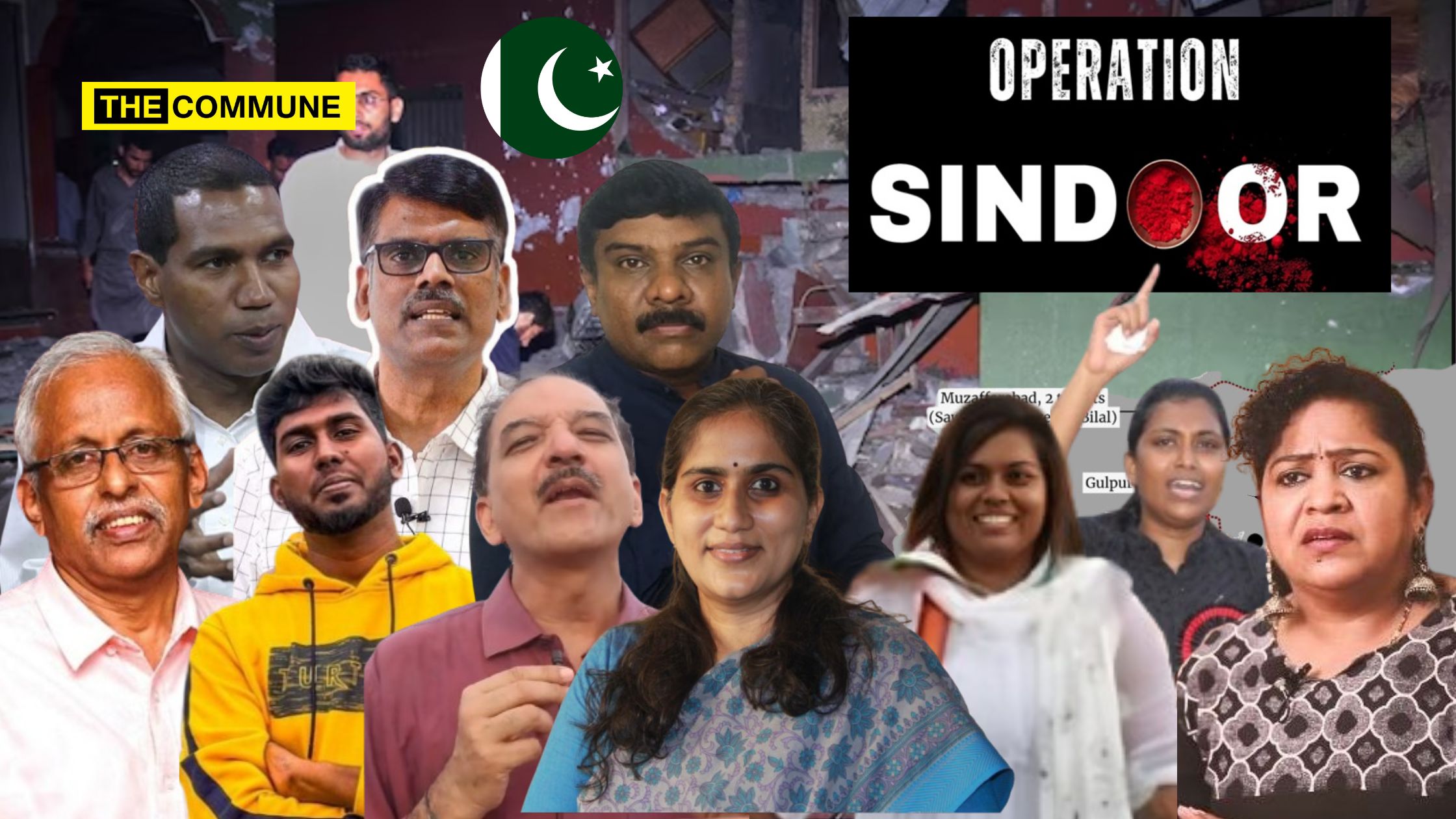
Immediately after India’s retaliation targeting a terror camp in Pakistan, the Dravidian and Periyar ecosystem, which has long been associated with anti-India narratives, went into a frenzy. This is the same faction that, when terrorists ruthlessly killed innocent tourists based on their religion, only Hindus were targeted, tried to downplay the religious motive, claiming there was no such basis for the attack. They crafted a narrative suggesting the incident would create disharmony in the nation. However, after India’s government launched a precise and strategic strike on terror camps, these groups shifted tactics, peddling fake news and echoing pro-Pakistan rhetoric—essentially amplifying the message Pakistan wanted to broadcast to the world after sheltering terrorists on its soil.
Below are some gems of how these influencers, using their popularity, preached peace to a sovereign government, but remained conspicuously silent when terrorism struck the nation.
All-in-All Commentator Sumanth Raman
In a time of national security triumph, Sumanth Raman—a perennial simp to the Congress narrative and someone who fashions himself as an expert on everything— chose to echo the talking points that could’ve come straight from Islamabad’s propaganda playbook. His latest commentary, questioning India’s military objectives and portraying the outcome of the current conflict with Pakistan as a strategic vacuum, is not just misinformed—it is deliberately defeatist.
On his X handle, he wrote, “The terrorists who carried out the Pahalgam massacre are still at large. Despite being hit, Pakistan was still able to mount some retaliation. Pakistan was not isolated diplomatically. They still got the IMF aid package. I’m trying to think of what we got out of all this, that we have paid for with more lives than the 26 we lost at Pahalgam and billions of dollars worth of defence equipment spent and the damage to some of our towns. Next time there is a terror attack how will it be any different even if we retaliate against Pakistan directly? I support the ceasefire but I’m confused about what the strategic objective of the larger military action beyond the strike on the terrorist hideouts was and what has been achieved. My impression is that our armed forces performed well but our diplomats and political leadership could have done much better. And the ceasefire was agreed to without any conditions imposed on Pakistan. The only positive I see is that Pakistan knows that the next time it stages a terror attack in India, there will be direct retaliation on Pakistani territory. For a rogue State like Pakistan is that enough of a deterrent? #IndiaPakistanConflict#Ceasefire”
The terrorists who carried out the Pahalgam massacre are still at large. Despite being hit, Pakistan was still able to mount some retaliation.
Pakistan was not isolated diplomatically. They still got the IMF aid package.
I’m trying to think of what we got out of all this, that…
His post completely misrepresents the facts. India’s response to the Pahalgam massacre was both strong and precise. The Indian Air Force didn’t target empty buildings or make symbolic gestures. Instead, it carried out strikes on active terror camps based on real-time intelligence, dismantled crucial infrastructure deep within Pakistani territory, and delivered a direct blow to the Noor Khan Air Base near Rawalpindi—sending a clear and powerful message to Pakistan’s nuclear command. This wasn’t a symbolic act; it was a carefully calculated strategic move.
Despite Pakistan launching over 300 drones, many of which were hidden behind civilian air corridors, India’s air defense systems successfully intercepted every single one. This not only prevented further civilian casualties but also safeguarded critical infrastructure. This wasn’t a failure—it was a demonstration of India’s military capability.
Communist Maruthaiyan Peddles Pakistani & Chinese Propaganda About “Downed Rafale Jets”
In a recent interview on the Dravidianist propaganda YouTube channel ‘Aransei’, known for its ideological bias, communist sympathizer Maruthaiyan was invited to comment on Operation Sindoor. Instead of offering informed insight, Maruthaiyan went on a full-blown propaganda spree repeating baseless claims pushed by foreign anti-India media. Most notably, he declared that Indian Rafale jets were shot down by Pakistan’s military ironically, a claim even Pakistan’s Defence Minister Khawaja Muhammad Asif couldn’t confirm. Asif had merely told CNN that his sources were “Indian social media.“ Yet, Maruthaiyan went even further, spinning a web of unsupported claims as if he had access to intelligence the Pakistani government itself lacked.
From the very start of the interview, Maruthaiyan mocked the Indian armed forces and questioned the government’s announcement about neutralizing terror camps. Yet, in a hypocritical twist, he wholeheartedly embraced the narrative peddled by foreign propaganda outlets. He said, “When a war is going on, we can never find out immediately which side is telling the truth. Both sides will say that we won, we won, we are the ones who are winning. Now, they (Indian) are saying that we have killed 100 terrorists, isn’t it? Yes, when they have declared that we are going to fight a war and going to attack the terrorists, then the terrorists seem to have been sitting there, don’t they?”
He laughed mockingly and then launched into another attack on the Indian government, “If you kill the tribals, then the dead are Maoists, extremists and terrorists. Now, here you can say the same and account them as terrorists, that’s it. They claim that there were children among those killed. Let that be on one side. On the other side, Pakistan is saying that they shot down five fighter jets—three Rafales and two MiGs.”
After asserting these wild claims, Maruthaiyan then cited Global Times—the Chinese Communist Party’s propaganda mouthpiece as his primary source, stating, “This was first reported by Global Times, a Chinese newspaper. It came out on their website, and the Indian ambassador to China immediately responded, calling it baseless. But what’s more interesting in the social media yesterday was, The Hindu has published it. As soon as they published, people started calling N Ram should be arrested under the UAPA. He is a traitor. The Hindu rushed to post that this was an unverified post and retracted it after apologizing. But what’s the truth? A French intelligence officer allegedly told a CNN reporter that it was a Rafale jet that was shot down. Not only that—many other sources like the BBC also published this. Most importantly, The Telegraph from London made a detailed report with data. Then, Associated Press photojournalist Dawn Yards was in Kashmir on Wednesday morning. Outside Srinagar, some people said, ‘We saw a huge fireball erupting from the sky and falling down.’”
Commie Maruthaiyan further claimed that photojournalist Dawn Yards/Dar Yasin attempted to capture images of the alleged incident but was stopped by authorities. He went on to say that, despite the restrictions, Yards managed to take some shots. He also claimed that a local villager tried to photograph the scene but was killed in an explosion. Maruthaiyan added that a similar loud blast occurred in Punjab, though no credible reports or confirmations were provided. Notably, there has been no mention by Associated Press or any legitimate news outlet—including photojournalists like Dar Yasin or Dawn Yards—regarding such incidents. Still, Maruthaiyan confidently asserted, “Now it is confirmed that the Rafale jets were shot down like a ₹1,500 crore Diwali rocket.”
What was even more surprising was that, throughout the entire video, the only thing that seemed remotely Indian was the title. Maruthaiyan spent the whole time discussing what Pakistan thinks, what its people believe, how China views the situation, and how international media has reported on it—while portraying India as if it’s just sitting idly by, doing nothing.
A2D Nandha Kumar
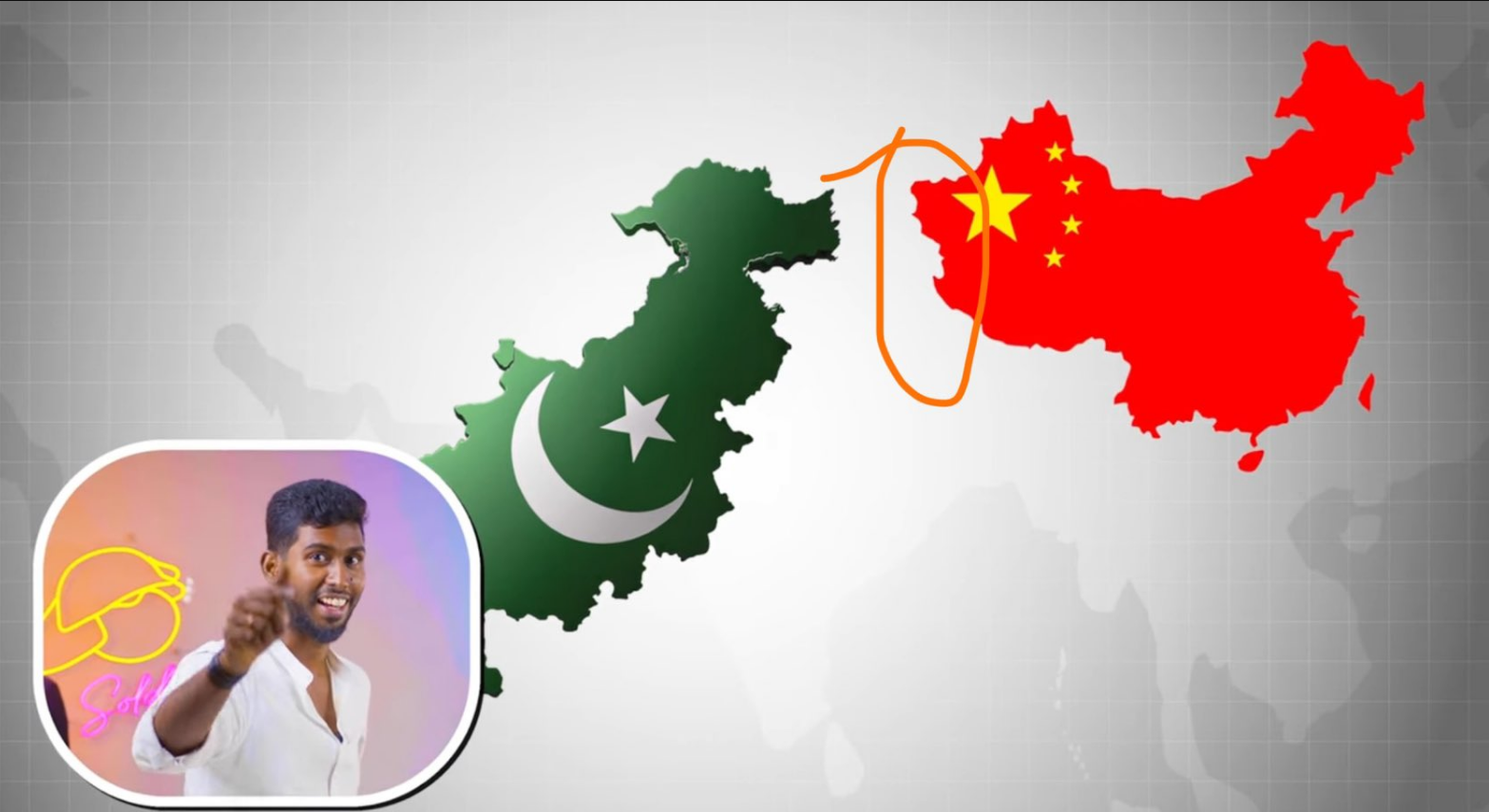
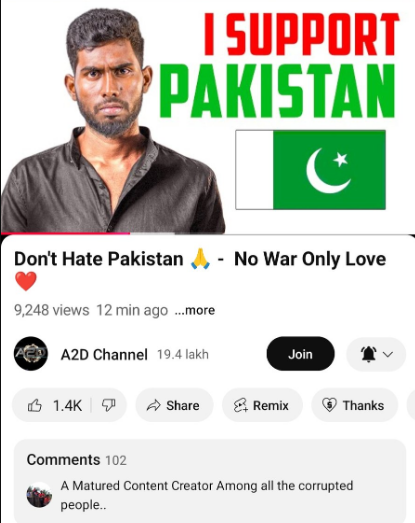
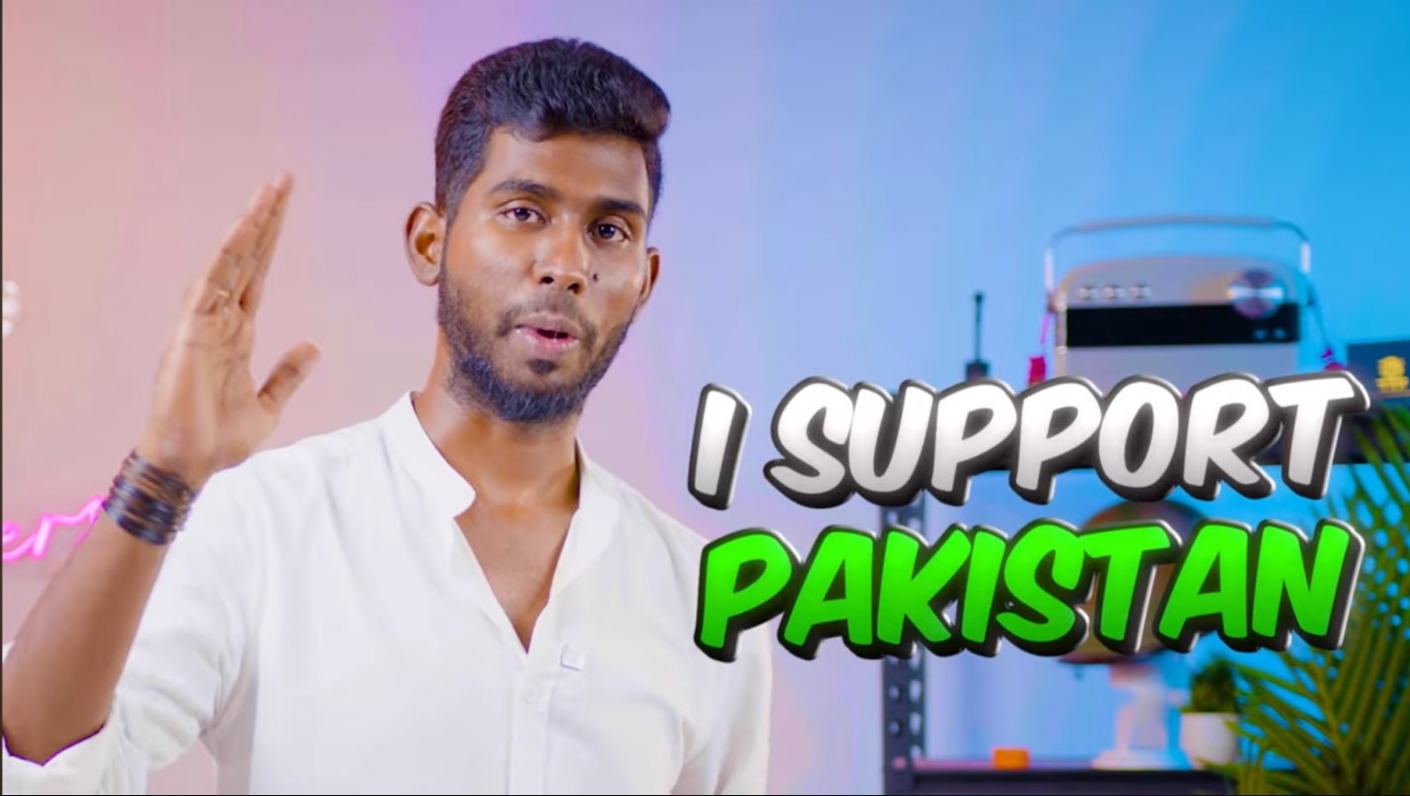
Another glaring example is Tamil tech YouTuber Nanda Kumar, also known as “PC Doctor,” who recently uploaded a video bizarrely portraying Pakistan as merely poor and uneducated, claiming we shouldn’t fight them but instead offer help. Shockingly, his video thumbnail features provocative visuals suggesting that parts of Jammu and Kashmir belong to Pakistan and China, and he even boldly declares “I support Pakistan,” and makes taglines stating, “Don’t hate Pakistan. No war only love.” Such content isn’t just tone-deaf—it crosses into blatantly anti-national territory.
Right from the beginning of his video, he launches into anti-Indian rhetoric by stating: “India and Pakistan always mean trouble. If you ask me whether it’s in recent time—no, it’s been like this since the formation of Pakistan. From MG to news channels, everyone is posting videos about the recent incident. And if you see, all of India is speaking out against Pakistan. If you ask should we also talk like that? No. What I’m going to say today is: I support Pakistan.”
He begins by pushing a narrative aimed at lecturing the Indian government, claiming there’s no need for war because Pakistan’s economy is already in shambles. He goes on to compare Pakistan’s GDP and per capita income with that of Tamil Nadu, as if economic weakness somehow excuses or overshadows its long-standing support for terrorism.
Whitewashing Communal Riots Instigated by Jinnah While Painting Him as a Secular Icon
Nanda Kumar goes on to whitewash Pakistan’s communal foundation by portraying it as a secular state, claiming that Muhammad Ali Jinnah envisioned a nation where religion had no role in governance. To support this, he selectively cites Jinnah’s famous speech to Pakistan’s Constituent Assembly on 11 August 1947, in which Jinnah said, “You are free; you are free to go to your temples, you are free to go to your mosques or any other place of worship in this State of Pakistan. You may belong to any religion or caste or creed—that has nothing to do with the business of the State.”
However, what’s both ironic and deeply misleading is how this single speech is used to gloss over Jinnah’s actual political actions. Despite the idealistic tone of his address, Jinnah was the primary architect behind the creation of a separate Muslim nation—a decision that directly led to the catastrophic Partition of India. That event triggered one of the most violent episodes in the subcontinent’s history, causing the deaths of up to a million people and the displacement of over 10 million. For many, this makes it clear that Jinnah placed political ideology above human lives.
Even more disturbing is Jinnah’s call for Direct Action Day on 16 August 1946, a calculated move that sparked brutal communal riots in Calcutta (now Kolkata). Thousands were killed, and the event marked a turning point that intensified religious polarization. Yet, YouTubers like Nanda Kumar conveniently omit these facts, cherry-picking quotes to whitewash history and present Jinnah as a misunderstood secularist.
Later in the video, Nanda Kumar shifts gears to generate sympathy for Pakistan—a nation widely known for supporting and sheltering terrorist groups. He paints a picture of Pakistan as economically fragile, with no significant investment except from China, a struggling economy dependent mainly on agriculture and textiles, and a low literacy rate of just 60%. Using this as justification, he argues that India should refrain from retaliating or going to war.
Dravidianist Christian Priest Jegath Gaspar
In a shocking display of disregard for India’s sovereignty and security, Dravidianist Christian priest Jegath Gaspar has once again turned to YouTube to undermine India’s decisive military response to Pakistan-backed terrorism. During his discussion of Operation Sindoor India’s targeted strikes on terror camps in Pakistan-occupied Kashmir Gaspar echoed narratives more in line with Pakistani propaganda than with India’s national interests.
Gaspar dismissed India’s surgical strikes as “mere theatre” and criticized them as politically motivated. He mocked India’s response to the Pahalgam attack, stating that it was just a “drama” without achieving tangible goals. He further suggested that India’s strikes likely killed “innocent people” instead of terrorists, echoing talking points commonly used by Pakistan. He said, “This is just a drama… India has no intention of waging a full-scale war. According to me, this is ‘theatrics and optics”. This is a sensation that we have created here, and there is a need to respond.”
Gaspar cast doubt on the efficacy of India’s counter-terrorism operations, suggesting that Pakistan’s terror camps were empty during the strikes and that the situation only harmed civilians. He implied that Pakistan’s involvement in terrorism should be overlooked due to its economic struggles, which, according to him, justified India’s restraint.
Gaspar fear-mongered about nuclear escalation, portraying India’s military response as reckless. He used the number of nuclear warheads held by both India and Pakistan to argue against military action, effectively suggesting that nuclear deterrence should prevent India from defending itself.
In a bizarre attempt to portray Kashmiri Muslims as the true defenders of Kashmir, Gaspar glorified the 1947 invasion and praised Kashmiri Muslims’ resistance to Pakistani forces. He ignored the fact that this resistance, though significant, was not without the role of the Indian army. Gaspar also downplayed the strategic importance of India’s military presence in Kashmir, framing it as an oppression of Kashmiri self-respect rather than a necessary security measure.
Gaspar pushed the narrative that the Kashmir conflict could only be resolved by acknowledging the perspectives of the Kashmiri people, suggesting India’s actions were motivated by the RSS’s vision of a unified India under New Delhi’s control. He even promoted the idea of viewing the situation from Pakistan’s perspective, as though the solution lay in conceding to Pakistan-backed narratives.
Gaspar furthered the pro-Pakistan stance by claiming that the ceasefire violations and escalation were part of a larger conspiracy driven by Indian politics, rather than any legitimate security concerns. He called for a return to “trust” with the Kashmiri people, effectively suggesting that India’s sovereignty over the region was only valid if it adhered to Pakistani-backed ideologies of self-determination.
In conclusion, Gaspar’s rhetoric consistently undermines India’s military actions, supports Pakistani narratives, and promotes separatism under the guise of peace and reconciliation. His statements have attracted widespread criticism for sowing division and pushing foreign propaganda that is detrimental to India’s national security.
AR Rahman
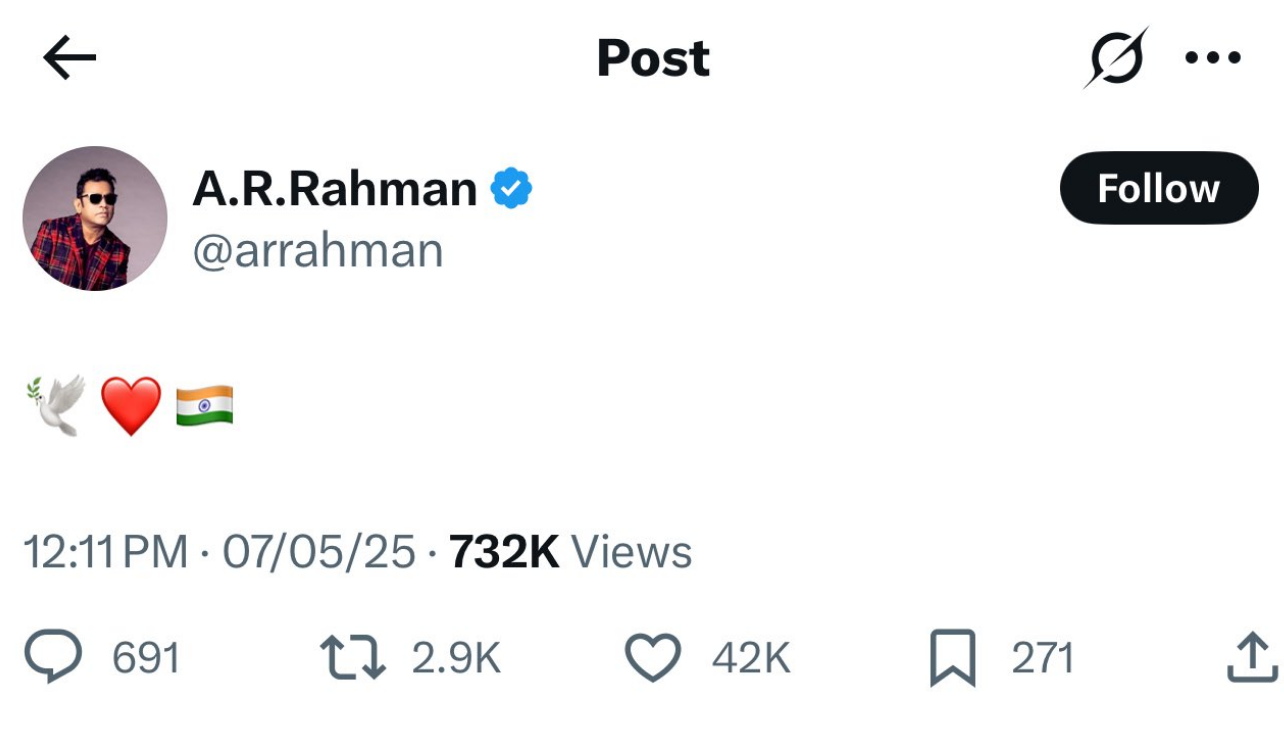
Kollywood’s virtue-signaller AR Rahman, who remained completely silent on the horrific Pahalgam terror attack where innocent Hindu tourists were brutally killed has now found himself facing sharp backlash from netizens. Despite not having the courage to condemn the terrorist attack or acknowledge the victims, Rahman took to social media to preach vague messages of peace and love aimed at the Indian government after its decisive counter-terror strike.
On 7 May 2025, following the Indian Armed Forces’ precise retaliation against the Pakistani terrorists responsible for the attack, Rahman posted a cryptic message on X using just two emojis, “🕊️❤️🇮🇳.” While likely intended to signal peace, the post was seen as tone-deaf and morally inconsistent especially given his complete silence on the massacre itself.
The backlash was swift and widespread, with users calling out his hypocrisy, ultimately forcing him to delete the post. Some of the netizens criticism given below
Dravidian Stockist Sundaravalli
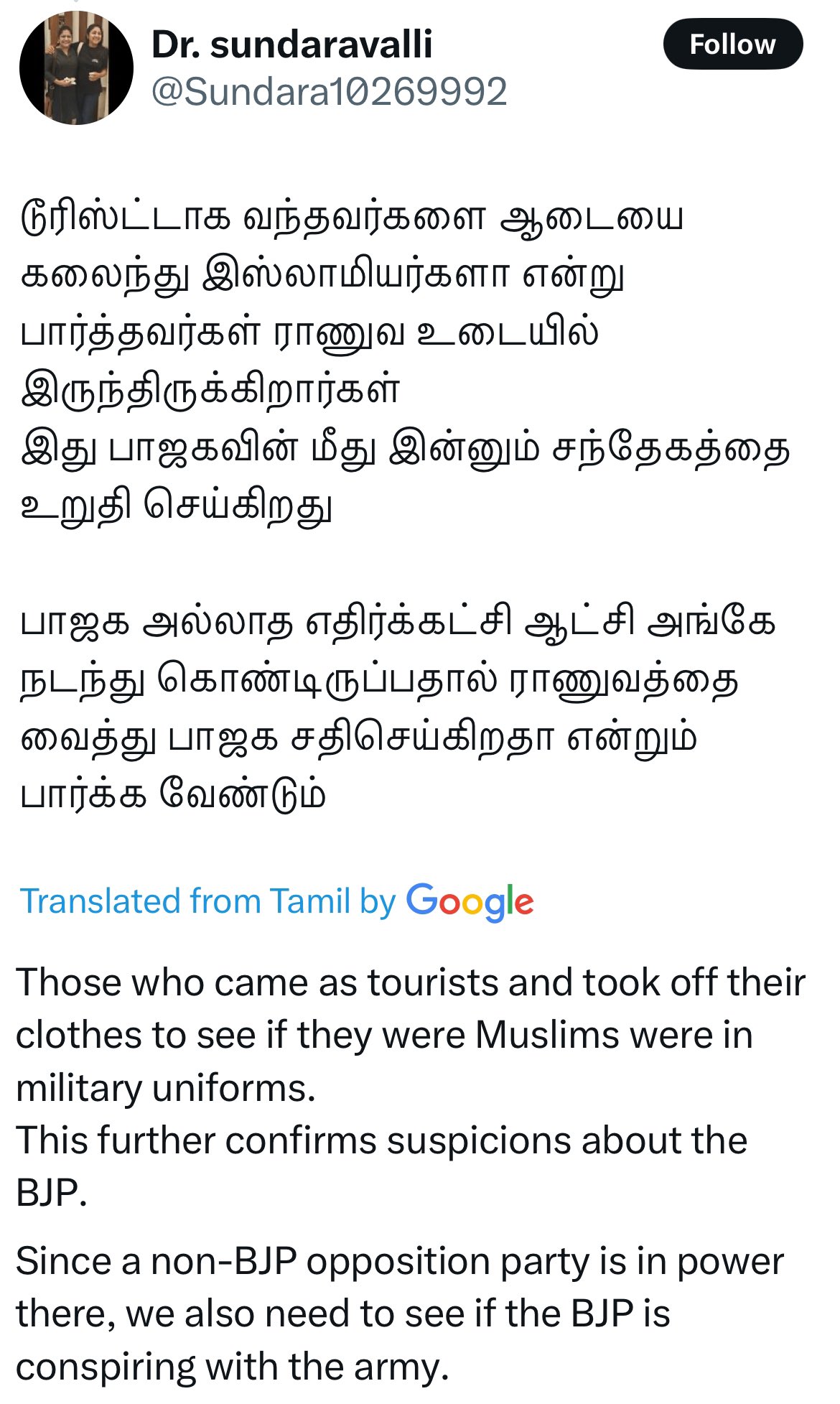
In a now-deleted post that sparked outrage, Dravidar Kazhagam activist and self-proclaimed Periyarist, Sundaravalli, shamelessly floated a wild conspiracy theory suggesting that the recent terror attack in Pahalgam was orchestrated not by Islamist terrorists, but allegedly by the Indian Army in collusion with the BJP.
In her inflammatory statement, Sundaravalli claimed, “Those who came as tourists and took off their clothes to see if they were Muslims were in military uniforms. This further confirms suspicions about the BJP. Since a non-BJP opposition party is in power there, we also need to see if the BJP is conspiring with the army.”
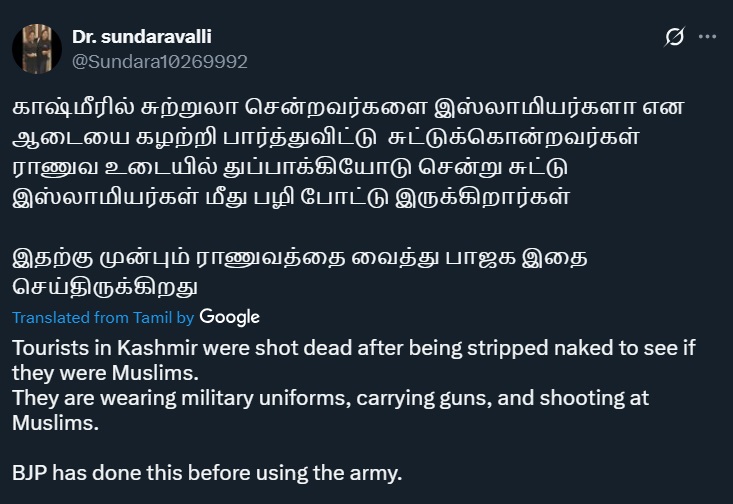
But she didn’t stop there. In another outrageous remark, she alleged, “Those who shot and killed tourists in Kashmir after checking if they were Muslims were dressed in military uniforms, carried guns, and have placed the blame on Muslims. The BJP has done this before, using the army.”
She attached pictures of an Indian Army soldier and the newly married tourist whose husband had been shot dead by the terrorists.
காஷ்மீரில் சுற்றுலா சென்றவர்களை இஸ்லாமியர்களா என ஆடையை கழற்றி பார்த்துவிட்டு சுட்டுக்கொன்றவர்கள் ராணுவ உடையில் துப்பாக்கியோடு சென்று சுட்டு இஸ்லாமியர்கள் மீது பழி போட்டு இருக்கிறார்கள்
Her baseless accusations not only targeted the ruling government but also cast a disgraceful shadow over the Indian Armed Forces—drawing widespread condemnation from netizens and political observers alike. Many have slammed her comments as reckless, deeply irresponsible, and a blatant attempt to politicize a national tragedy for ideological propaganda.
Dravidian Stockist Mathivadhani
In yet another inflammatory post, Dravidar Kazhagam’s Deputy General Secretary, Mathivadhani, ranted, claiming, “The Sanghis have started to paint a religious picture to hide their defeat. Even before they could write condolence messages to those who suffered the loss, they had already started using religion to incite riots. They are the threat to India!”
தங்களின் தோல்வியை மறைக்க மதச்சாயம் பூச தொடங்கிவிட்டனர் சங்கிகள்.
பேரிழப்பை சந்திருப்பவர்களுக்கு இரங்கல் செய்தி எழுதும் முன்பே, கலவரத்தை தூண்ட மதத்தை கையில் எடுக்கத் தொடங்கி விட்டனர்.
Another Dravidianist sympathizer in his post stated, “No matter which regime a terrorist attack takes place in, it is a stain on that regime. But it is only the BJP/Modi government that is inept and corrupt, that is blaming terrorist attacks on local Muslims, spreading and instilling fear in the minds of Hindutva fools that it would be better if they were in power. Think carefully. If terrorist attacks happen during a Congress government, the media will say that Congress should resign. But if attacks happen during a BJP government, the propaganda will be that this is the time for us to support the BJP government and Modi unconditionally. This rogueness is what saves the BJP. In fact, there has never been a government as weak as BJP/Modi in India. No one respects us living under the leadership of this comedian. As long as BJP is in power, there will be no security not only for Muslims but also for Hindus and Christians. “Munuswamy, you who are supposed to provide security, are well protected,” is the dialogue in the movie Beast, and that Munuswamy is Modi. Drive out Modi. India will become stronger. It will rise again. It will gain respect.”
எந்த ஆட்சியில் பயங்கரவாத தாக்குதல் நடந்தாலும் அந்த ஆட்சி மீதான களங்கம் அது. ஆனால் பாஜக/மோடி என்கிற கையாலாகாத களவாணி அரசு மட்டும்தான், பயங்கரவாத தாக்குதல்களை உள்நாட்டு இஸ்லாமியர்கள் மீது போட்டு, பயத்தைக் காட்டி, தாங்கள் ஆட்சியில் இருந்தால்தான் நல்லது என்பதைப் போன்ற ஒரு அச்சத்தை…
In another post the same Dravidianist ranted, “A government that thinks that terrorist attacks are good for the elections will continue to have terrorist attacks as long as it is in the Union. Very simple logic!”
பயங்கரவாத தாக்குதல் நடந்தால் 'தேர்தலுக்கு' நல்லதுனு நினைக்கிற அரசு ஒன்றியத்துல இருக்க வரைக்கும் பயங்கரவாத தாக்குதல் நடந்துட்டுதான் இருக்கும். Very simple logic!
Moreover, Lakshmi Ramachandran, General Secretary of the Tamil Nadu Congress and TNCC spokesperson, in a blatant bid to appease the Muslim minority in the state, downplayed the clearly communal nature of the Pahalgam terror attack—where Hindu tourists were deliberately targeted. Instead of acknowledging the religious motive behind the massacre, she framed it merely as a generic act of terrorism by Pakistani militants, insisting it wasn’t a Hindu-Muslim issue. Her remarks drew heavy backlash, with critics slamming her for being tone-deaf and accused her of whitewashing the religious aspect of the assault to serve political interests.
In her post, she wrote, “Attack by Pakistani terrorists on innocent tourists in Pehalgam is extremely disturbing. The way Godi media is reporting the ghastly attack, treading a careful line lest they displease Modi-Shah, is highly irritating. They are making this a Hindu-Muslim issue to please their bosses. They are claiming that the terrorists made sure that the victims were Hindus before shooting them down. Some of the victims are Tamils and Telugus we hear. How the hell will Pakistani terrorists distinguish between a Tamil Muslim and Tamil Hindu? Shame on you Godi media. You have no humanity left in you. INDIANS were killed and the perpetrators should not be spared.”
Attack by Pakistani terrorists on innocent tourists in Pehalgam is extremely disturbing.
The way Godi media is reporting the ghastly attack, treading a careful line lest they displease Modi-Shah, is highly irritating.
They are making this a Hindu-Muslim issue to please their…
Dhivya Marunthiah, who identifies herself as the OBC State Secretary of the Tamil Nadu Congress Committee. Since the news of India’s precision strike gained national attention, she has been vocal online—amplifying counter-narratives and attempting to portray the government’s action as religiously motivated rather than a legitimate act of national defense by a sovereign state in response to terrorism.
Immediately after news of the successful operation broke, Dhivya shifted focus instead of celebrating the retaliation like common citizens, she chose to lecturing the Indian government on peace and morality. In one of her posts, she wrote, “Cowards in suits send others to die so you can feel powerful. It’s not patriotism, it’s pathetic. War kills the poor, the innocent, the voiceless. It’s not your child orphaned, your home destroyed, your life shattered. War isn’t a game, it’s death, trauma and loss. SHAME on every war-monger. #SayNOToWar.”
Cowards in suits send others to die so you can feel powerful. It’s not patriotism, it’s pathetic. War kills the poor, the innocent, the voiceless. It’s not your child orphaned, your home destroyed, your life shattered. War isn't a game, it’s death, trauma and loss.⁰ SHAME on… pic.twitter.com/rpf44vKBtD
Yet what stood out most starkly was her complete silence on the Pahalgam massacre itself. Not a single word condemning the terrorists who targeted unarmed Hindu tourists. The hypocrisy is glaring—quick to shame the nation for defending itself, but unwilling to speak against the barbarity that necessitated the response in the first place.
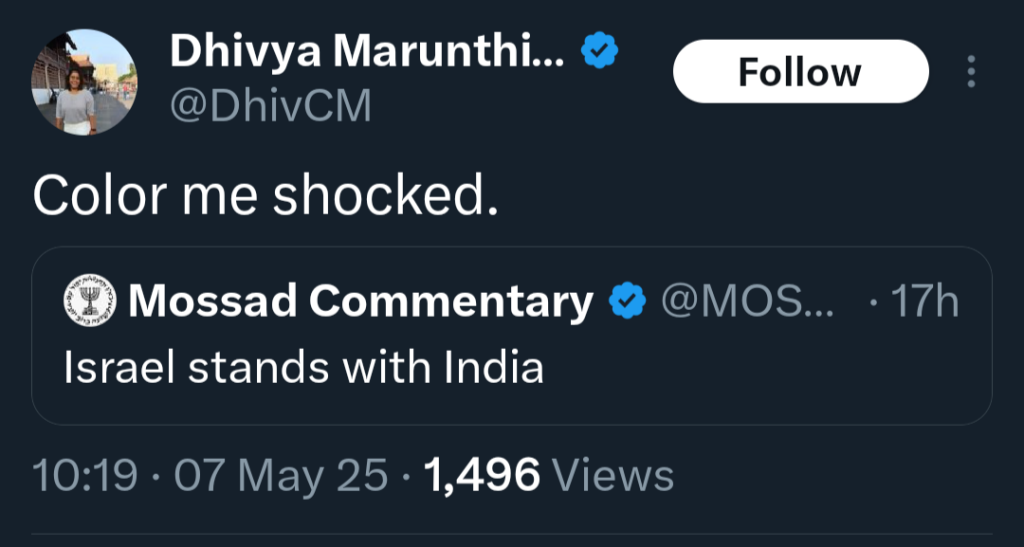
In another post, she responded mockingly to Israel’s official expression of solidarity with India by commenting, “Color me shocked.”
Her criticism didn’t stop there. She accused the Indian government of religious bias in its military action, despite the targeted nature of the operation against known terrorist camps. She wrote, “#OperationSindoor ? Terrorist attacks carried out by religious extremists are a grave threat to all humanity. But if a government, sworn to uphold a secular constitution and protect 1.46 billion people of diverse faiths, chooses to retaliate in the name of religion, it risks tearing apart the very fabric of our democracy. Retaliatory violence in the name of religion will not bring peace, it will only escalate fear, deepen divides, and perpetuate a cycle of conflict. What we are witnessing is not just a response to terrorism. It is a calculated political move by the BJP to manipulate grief, anger and religious identity for electoral gain. Playing politics with human lives is not only unethical, it is Un-Indian. We, the people of India, Hindus, Muslims, Christians, Sikhs and others stand united in our belief. We don’t want war. We demand conflict resolution. We seek justice rooted in truth, not vengeance. We want peace, not polarization. Let us not allow the politics of fear and hate to define our future. #EndWar#NotInOurName”
#OperationSindoor ? Terrorist attacks carried out by religious extremists are a grave threat to all humanity. But if a government, sworn to uphold a secular constitution and protect 1.46 billion people of diverse faiths, chooses to retaliate in the name of religion, it risks… pic.twitter.com/ugc9Fa39An
When none of her narratives gained traction, Dhivya Marunthiah finally resorted to attacking the very name of the operation—Operation Sindoor. She labeled it “patriarchal,” revealing just how far she was willing to stretch her criticism. It’s astonishing—and deeply telling—that someone holding a state-level position in a national party cannot even bring themselves to support a government action aimed at neutralizing terrorists.
She wrote, “Sindoor itself is patriarchal. In a society that is slowly shedding this kind of superstitions, it is regressive even dangerous to use state operations to reinforce them. Serves only narrow political goals.”
Sindoor itself is patriarchal. In a society that is slowly shedding this kind of superstitions, it is regressive even dangerous to use state operations to reinforce them. Serves only narrow political goals. https://t.co/xW0NvH5qDr
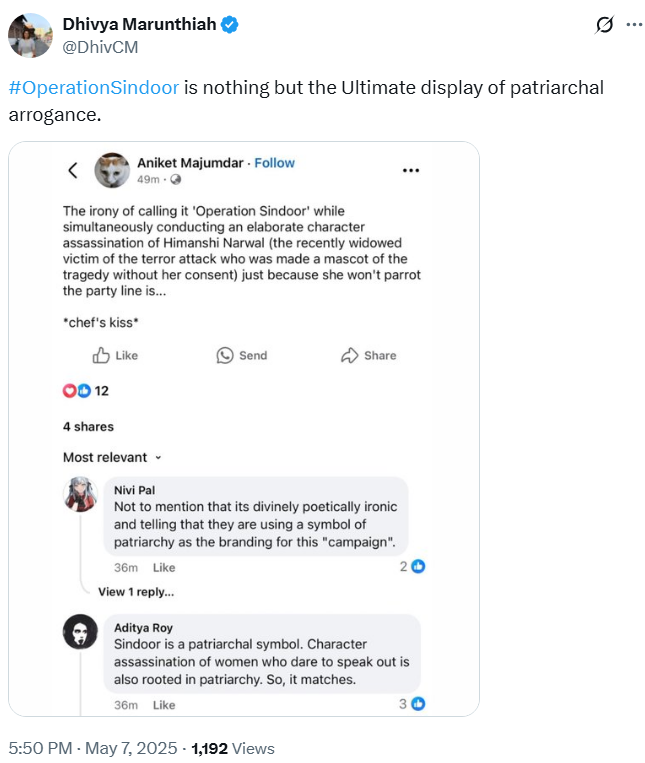
In another post she asserted, “#OperationSindoor is nothing but the Ultimate display of patriarchal arrogance.”
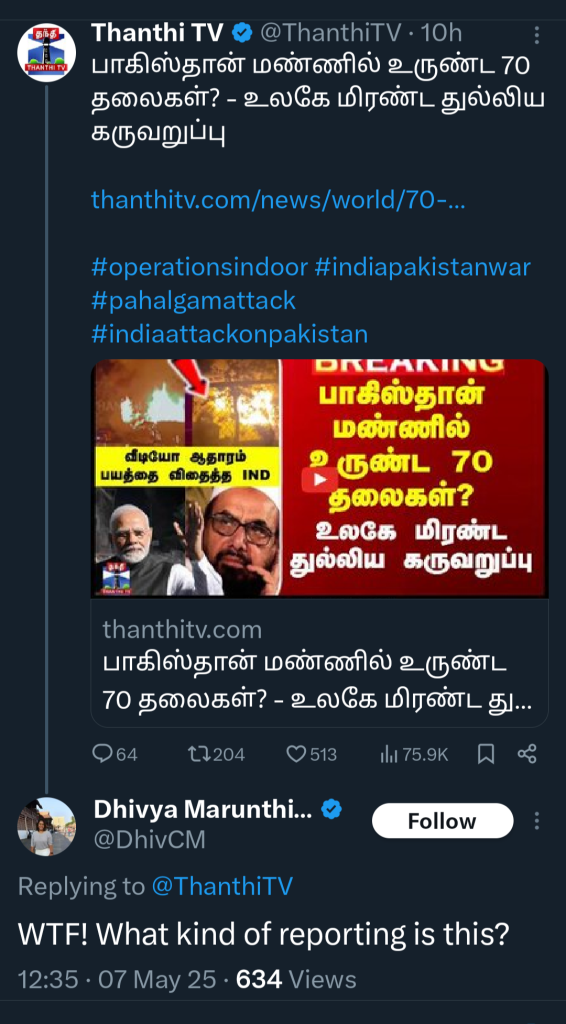
Her bangle breaking and crying didn’t end with her criticism directed against the government; she also attacked media outlets for reporting on the military’s success. When Thanthi TV published a video with the headline, “70 heads rolled on Pakistani soil – The precision operation that shocked the world,” she responded angrily, “WTF! What kind of reporting is this?”
What was most troubling was how Dhivya Marunthiah’s repeated anti-India statements seemed less about principles and more about signaling loyalty to her party by opposing the ruling government at any cost. Her comments reflect not just political rivalry, but a disturbing willingness to undermine national unity in moments of crisis, simply to appear aligned against the BJP.
This became even clearer when DMK spokesperson Saravanan Annadurai posted a unifying message, who praised the secular and inclusive spirit of India by highlighting Muslim and Hindu officers in the Armed Forces, Dhivya remarked, “Rather than standing with Modi, it’s better we keep silence.”
Rather than standing with Modi, it’s better we keep silence.
At a time when the nation is unified in mourning and determined to respond to terrorism with resolve, Dhivya Marunthiah’s comments not only appear out of touch but dangerously divisive. Her refusal to condemn terrorism, while choosing to vilify India’s sovereign right to defend itself, raises serious questions about her priorities and the values she represents.
If even state-level Congress leaders cannot support national efforts against terrorism, especially in moments of crisis, it points to a deeper ideological crisis within the party’s Tamil Nadu unit.
DMK-Supporting Dravidianist YouTuber Senthil Vel
In the aftermath of the Pahalgam terror attack in Jammu & Kashmir—where Hindus were reportedly singled out by Islamist extremists—DMK-aligned Dravidianist YouTuber Senthil Vel stirred controversy by diverting attention away from the religiously motivated nature of the massacre. Instead of condemning the perpetrators, he launched into a politically charged tirade against the BJP-led central government, accusing them of harboring terrorists and demanding the resignations of Prime Minister Narendra Modi, Home Minister Amit Shah, and the Defence Minister. Claiming to expose alleged links between terrorists and BJP members, Senthil Vel promised a “hard-hitting exposé,” though his assertions quickly unraveled.
“Let me be clear—the Prime Minister, Home Minister, and Defence Minister are directly responsible. They must resign. I’m accusing them that they are weak and going to criticize them even more. I’m not here to bluff anything. I’m going to show the links between terrorists and BJP members, explain in detail who were all arrested.”, he had said.
Rather than addressing the jihadist motivations behind the attack—where assailants reportedly asked victims to recite Islamic verses to identify Hindus—Senthil Vel attempted to blur the lines between Islamist terrorism and espionage cases involving Hindu individuals. His comparison not only deflected from the religious nature of the violence but also trivialized the gravity of the attack. Compounding this deflection was a series of casteist remarks. He singled out Brahmins, describing them as people who “claim to be born intelligent,” reinforcing the kind of caste-based hostility often found in radical Dravidianist rhetoric.
His narrative further collapsed when he falsely cited a Muslim BJP worker arrested for links with Lashkar-e-Taiba as an example of “Hindu terrorism.” Instead of correcting his misinformation, he doubled down on BJP criticism, exposing inconsistencies in his argument. Senthil Vel relied heavily on politically biased sources like Congress-affiliated YouTuber Dhruv Rathee and Alt News co-founder Mohammed Zubair—both of whom are often accused of pushing partisan agendas. He listed espionage cases involving individuals such as DRDO scientist Pradeep Kurulkar, MES employee Mahesh Kumar, HAL worker Deepak Shirsath, and journalist Rajeev Sharma. While these incidents are serious, they fundamentally differ from acts of terror driven by religious extremism.
In another flawed comparison, he pointed to journalist Ved Pratap Vaidik’s controversial meeting with Hafiz Saeed, attempting to portray it as an RSS scandal. However, this fell flat when contrasted with Tamil journalist Nakkeeran Gopal’s interview with bandit Veerappan, which was celebrated in Tamil Nadu and even supported by the state government. The double standard underscored the political motivations behind Senthil Vel’s statements.
Ultimately, what began as a supposed exposé turned into a confused monologue filled with misinformation, caste prejudice, and political deflection. Rather than holding the perpetrators of the Pahalgam attack accountable or acknowledging its anti-Hindu intent, Senthil Vel appeared more focused on shielding ideological allies and preserving a politically expedient narrative. His rhetoric has drawn significant backlash for downplaying religiously motivated violence and exploiting a national tragedy for partisan gain.
Tamil Dravidianist and Singapore-based stockbroker P. R. Sundar
Similarly, P. R. Sundar, a Tamil Dravidianist and Singapore-based stockbroker, who used his platform to question the credibility of the Indian Army and the central government, instead of unequivocally condemning the religiously motivated massacre.
Sundar began his video commentary by reciting an allegorical poem that subtly insinuated collusion between Indian soldiers and terrorists. This indirect accusation painted the Indian security forces as corrupt and incompetent, while shifting the focus away from the Islamist motivations behind the attack. Rather than supporting India’s fight against terrorism, Sundar cast doubt on the integrity of its armed forces and suggested the real enemy was internal rot rather than external threats.
Continuing this line of argument, Sundar mocked India’s military preparedness by highlighting statistics of aircraft crashes during peacetime. He cited past scandals and incidents—like the coffin scam and honey-trap cases—to argue that corruption and mismanagement defined India’s defense apparatus. However, this deflection from the terror attack ignored the ideological indoctrination behind such violence and trivialized national security concerns.
Like other Dravidianist figures such as YouTuber Senthil Vel, Sundar echoed the “terror has no religion” narrative, despite clear evidence from the Pahalgam attack that the terrorists had targeted victims based on religion. Reports confirmed that attackers asked some tourists to recite Islamic prayers or prove circumcision to identify Hindus. Ignoring these facts, Sundar instead advanced politically convenient arguments that aligned with leftist and Congress-Dravidianist narratives.
He went further by ridiculing India’s foreign policy and counter-terror actions, criticizing measures like suspending medical visas for Pakistanis and limiting water access under the Indus Water Treaty. He questioned why ordinary Pakistani citizens and farmers were being penalized, while conveniently overlooking the role Pakistan’s establishment plays in nurturing terror networks. Ironically, while praising American citizens for opposing their government during the Vietnam War, he condemned similar pressure tactics on Pakistani society—revealing a glaring hypocrisy in his arguments.
Sundar concluded his video by claiming neutrality, stating he had no political affiliations and was merely concerned as an Indian-born observer. However, his entire video was filled with partisan rhetoric, anti-government sentiment, and evasions regarding Islamist extremism. By refusing to acknowledge the ideological roots of the Pahalgam attack and deflecting blame onto India’s own institutions, Sundar ultimately aided the divisive goals of the terrorists.
In essence, Sundar’s video reflects a broader trend among certain influencers and commentators who exploit tragedies to push ideological agendas. Rather than fostering unity in the face of terror, they sow doubt, deflect accountability, and weaken the national resolve against extremist violence.
Subscribe to our channels on Telegram, WhatsApp, and Instagram and get the best stories of the day delivered to you personally.
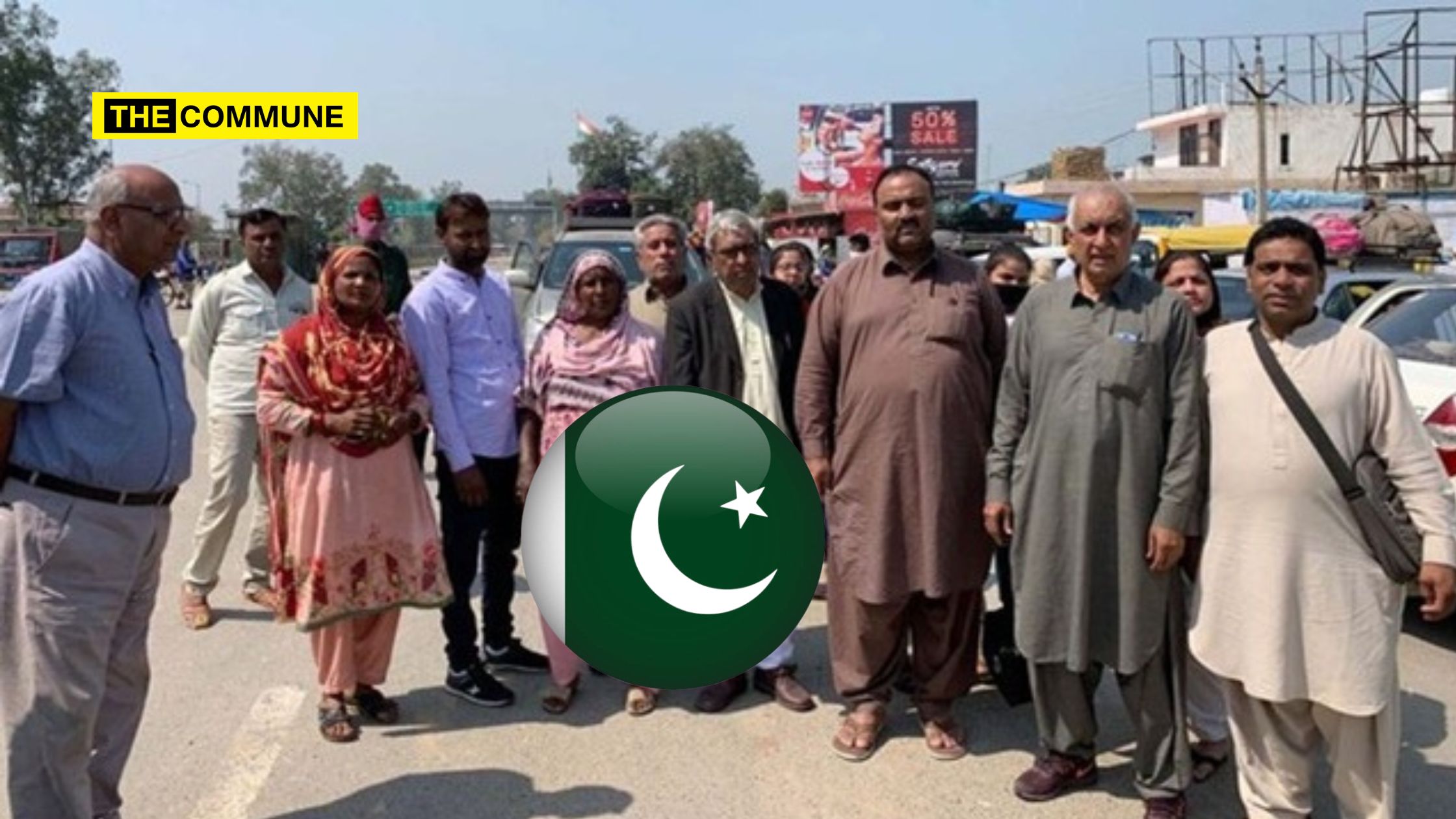
On 1 May 2025, Pakistan abruptly closed the Attari-Wagah border, denying entry to its own citizens who had already been cleared to return by Indian authorities. In this report, we have documented 15 similar incidents between 1971 and 2025, in which Pakistan refused to accept its nationals—or even their mortal remains—following border-related incidents such as infiltration attempts, terror attacks, and visa disputes.
#1 Pakistan Shuts Wagah Border, Refuses Entry To Own Citizens
On 1 May 2025, Pakistan abruptly closed the Attari-Wagah border, stranding several of its citizens in India despite Indian clearance for their return. The move followed India’s directive for Pakistani nationals on short-term visas to exit after the April 22 Pahalgam terror attack, which killed 26. Among those affected were pilgrims and families seeking reunification. An Indian woman, Naamra, was denied entry to reunite with her family in Lahore. Despite India facilitating departures, Islamabad offered no explanation for its refusal to accept returning citizens, deepening the diplomatic standoff and humanitarian frustration at the border.
#2 Pak Intruder Killed Near Jammu Border, Refused By Pak Rangers, Buried Locally
On 4 April 2025, a Pakistani infiltrator was shot dead by BSF troops near the International Border in Jammu’s RS Pura sector after he ignored warnings and crossed into Indian territory. The man, aged around 35, was unarmed and his identity remains unknown. Following standard procedure, India lodged a protest with the Pakistan Rangers during a flag meeting, but they refused to accept the body. After a post-mortem, the local police, with the help of community members, buried the body in Agra Chak with full Islamic rites. The incident occurred ahead of Home Minister Amit Shah’s J&K visit.
#3 Pak Refuses To Accept Slain Intruder Killed By BSF In Arnia
On 3 January 2022, BSF troops shot dead a Pakistani intruder near Arnia in Jammu during a late-night border patrol. Despite clear evidence linking the man to Pakistan—including a sack labeled “Karachi Fertilizers Company” and a COVID-19 vaccine certificate verified by Pakistani authorities—Islamabad refused to accept the body. A second intruder was also killed nearby. BSF recovered arms, ammunition, and heroin near the site. Despite Pakistan’s denial, Indian officials emphasized the infiltration attempt, while a Pakistani analyst dismissed the claims, alleging India targets civilians—an accusation India strongly denied.
#4 Pakistani Drug Smugglers Killed By BSF; Pakistan Refused To Accept Bodies
On 13 September 2020, BSF personnel shot dead two Pakistani drug smugglers in Rajasthan’s Anupgarh sector as they attempted to cross the border with 8 kg of heroin, pistols, and night-vision binoculars. One of the intruders was identified as Shahbaz Ali, with a Pakistani ID card recovered from him. The smugglers threw drug packets over the fence before being intercepted and killed. Despite BSF’s attempt to return the bodies, Pakistan refused to accept them. Indian police later buried the bodies locally.
#5 Pak Intruder Shot Dead Near Attari; Pakistan Refused To Claim Body
On 16 October 2019, BSF troops shot dead a Pakistani intruder, identified as Gulnawaz, near Gate 103 at the Attari border in Punjab. The man attempted to illegally cross into Indian territory via the railway track, ignoring repeated warnings from BSF personnel. Following standard protocol, a flag meeting was held, but Pakistan Rangers refused to accept the body despite clear evidence of his Pakistani origin. Items recovered from the body included a salwar-kameez set, Pakistani currency (Rs 160), a purse, SIM card, memory card, cigarette packet, and a lighter, further confirming his nationality.
#6 Army Foils BAT Infiltration in Keran; Pakistan Refuses To Claim Bodies
On 4 August 2019, the Indian Army thwarted a major infiltration attempt by Pakistan’s Border Action Team (BAT) in the Keran sector of Jammu & Kashmir. Five to seven intruders, including Pakistani Army special forces and terrorists, were killed. Despite offers from India to hand over the bodies, Pakistan refused to accept them. The Army recovered weapons, IEDs, and mines with Pakistani markings, proving Islamabad’s involvement. The operation followed increased ceasefire violations and threats to the Amarnath Yatra. Search efforts were hampered by Pakistani interference, and additional Jaish-e-Mohammed terrorists were eliminated across the Valley.
Indian Army: Have offered Pakistan Army to take over the dead bodies(of 5-7 Pak BAT army regulars/terrorists). Pakistan Army has been offered to approach with white flag and take over the dead bodies for last rites,they are yet to respond. pic.twitter.com/x1mF7yHSyv
#7 Pakistan Refuses to Reclaim BAT Intruders Killed in Sunderbani
On 21 October 2018, the Indian Army foiled an infiltration attempt along the LoC in Jammu and Kashmir’s Sunderbani sector, killing two heavily armed Pakistani intruders believed to be part of Pakistan’s Border Action Team (BAT). Three Indian soldiers also lost their lives in the gunfight. The intruders, dressed in combat gear, were not claimed by Pakistan despite formal communication from India to retrieve the bodies. This was the seventh infiltration attempt foiled since May 2018, with 23 terrorists neutralized.
#8 Pakistan Denies Identity of Intruders Killed by BSF in Punjab
On 3 May 2018, the Border Security Force (BSF) killed intruders near the Gatty Basoke border in Punjab around 3:45 a.m. During the operation, BSF recovered a pistol, five rounds of ammunition, and two mobile SIM cards. Despite being notified, the Pakistan Rangers refused to accept the bodies, claiming the deceased were not Pakistani nationals. BSF officials stated they had sufficient proof of the intruders’ Pakistani identity. With Pakistan’s denial, the bodies, stored at a local hospital, were later handed over to civil authorities for cremation.
#9 Pakistan Refuses to Repatriate Convicted Spy Sajid Munir
On 12 April 2017, Pakistan refused to accept Sajid Munir, a citizen from Rahimyaar, Punjab, convicted of espionage in India. Arrested in 2002 in Bhopal with maps of sensitive installations, Sajid was sentenced to 12 years. Despite completing his term in June 2016, Pakistan denied his identity and repatriation. Indian authorities provided proof of his nationality, including personal confessions and embassy documentation, but Islamabad has remained uncooperative. Officials believe Pakistan’s refusal aims to hide its intelligence operations. Sajid remained detained in Bhopal, with two other convicted Pakistani spies held in Madhya Pradesh prisons under similar circumstances.
#10 Pakistan Denies Repatriation of Intruder Killed in Pathankot
On 3 December 2016, Pakistani authorities refused to accept the body of a suspected intruder shot dead by the Border Security Force (BSF) near Tinda border outpost in Pathankot, Punjab. Despite recovering Pakistani currency and personal items from the body, Pakistan Rangers denied the individual’s nationality during a flag meeting. Officials suspect two more intruders may have fled under BSF fire. The area is known for previous militant infiltrations, including the 2016 Pathankot airbase attack. The refusal underscores Pakistan’s recurring denial of links to cross-border infiltrators, despite mounting evidence found during such incidents. A post-mortem was conducted.
#11 Bangladesh Accuses Pakistan of Breaching 1974 Repatriation Pact
On 14 May 2016, Bangladesh accused Pakistan of violating the 1974 tripartite agreement by refusing to repatriate thousands of stranded Pakistani citizens, primarily Urdu-speaking ‘Biharis’ who remained in Bangladesh after the 1971 Liberation War. Bangladesh’s Law Minister stated that while Bangladesh honored the treaty by repatriating Pakistani soldiers, Pakistan failed to uphold its obligations. The diplomatic row intensified after the execution of war criminal Motiur Rahman Nizami, prompting Pakistan’s protest. Bangladesh refuted claims that the agreement prevented it from prosecuting its own nationals involved in 1971 atrocities, calling Pakistan’s stance a “deliberate misinterpretation” of the treaty’s terms.
#12 Pakistan Refuses to Claim 26/11 Terrorists’ Bodies
On 11 August 2009, India revealed that Pakistan had refused to accept the bodies of nine terrorists killed during the 26/11 Mumbai attacks, despite repeated requests. The bodies, confirmed as Pakistani nationals through captured terrorist Ajmal Kasab’s testimony, remained unclaimed in a Mumbai mortuary for over eight months. Mumbai Police urged the Union Home Ministry to expedite the transfer due to decomposition concerns. Simultaneously, Pakistan’s opposition criticized the government for allowing Indian films and serials on cable TV, accusing them of promoting Indian culture and corrupting the youth, sparking debate in the National Assembly over media regulations.
#13 Pakistan Denies Identity of Ansal Plaza Terrorists
On 8 November 2002, Pakistan refused to accept the bodies of two militants killed in a shootout with Delhi Police at the Ansal Plaza shopping complex in New Delhi on November 2. The deceased were identified as Dawood from Kasoor and Ezaz from Gujranwala, both in Pakistan. However, Pakistan’s Charge d’Affaires, Jaleel Abbas Jilani, dismissed the encounter as fake and denied that the two were Pakistani nationals. He rejected the evidence provided by Indian authorities and accused Delhi Police of fabricating the incident.
#14 Pakistan Refused Bodies of Kargil Soldiers; India Buried 244 With Honours
During the 1999 Kargil War, Pakistan refused to accept the bodies of its soldiers, including officers like Capt. Karnal Sher Khan and Capt. Imtiaz Malik. Despite Indian efforts via the Red Cross and offers to allow family identification, Pakistan demanded the bodies be sent to Islamabad for verification—an unprecedented request India denied. Ultimately, only a few bodies were returned; the Indian Army buried 244 Pakistani soldiers with military honours and Islamic rites. India accused Pakistan of disrespecting its soldiers and avoiding acknowledgment of its army’s role in the war, which Pakistan publicly admitted only in 2024.
#15 Pakistan Refuses Body of Teen Found Near Border
On May 15, 2016, the Border Security Force (BSF) found the body of a 13-year-old Pakistani boy near Border Pillar No. 1080 in Rajasthan. The boy, suspected to have died from heatstroke, was discovered on Indian territory but within the Pakistan side of the border fence. He was wearing a kurta-pyjama and had signs of bleeding. BSF officials conducted a flag meeting with Pakistan Rangers to return the body, but Pakistan refused to accept it. The refusal raised humanitarian concerns and highlighted the strained relations between the two countries even in cases involving civilians.
Subscribe to our channels on Telegram, WhatsApp, and Instagram and get the best stories of the day delivered to you personally.
Since the aftermath of the Indian government’s retaliation, certain Periyarists and Dravidians in Tamil Nadu have shamelessly been spreading either fake news or promoting the idea of peace, despite Pakistan being the sponsor and harbor of terrorism on its soil—especially in light of the horrific Pahalgam massacre of 2025. These Pakistani terror sympathizers refuse to acknowledge India’s military capabilities and are quick to back anti-India propaganda. They have now latched onto the tweets of former U.S. President Donald Trump, who claimed to have mediated peace talks between India and Pakistan, a statement that contradicts Pakistan’s DGMO, who had called for a ceasefire against India. These anti-national Periyarist and Dravidianist factions are more interested in undermining India than accepting the truth or facts.
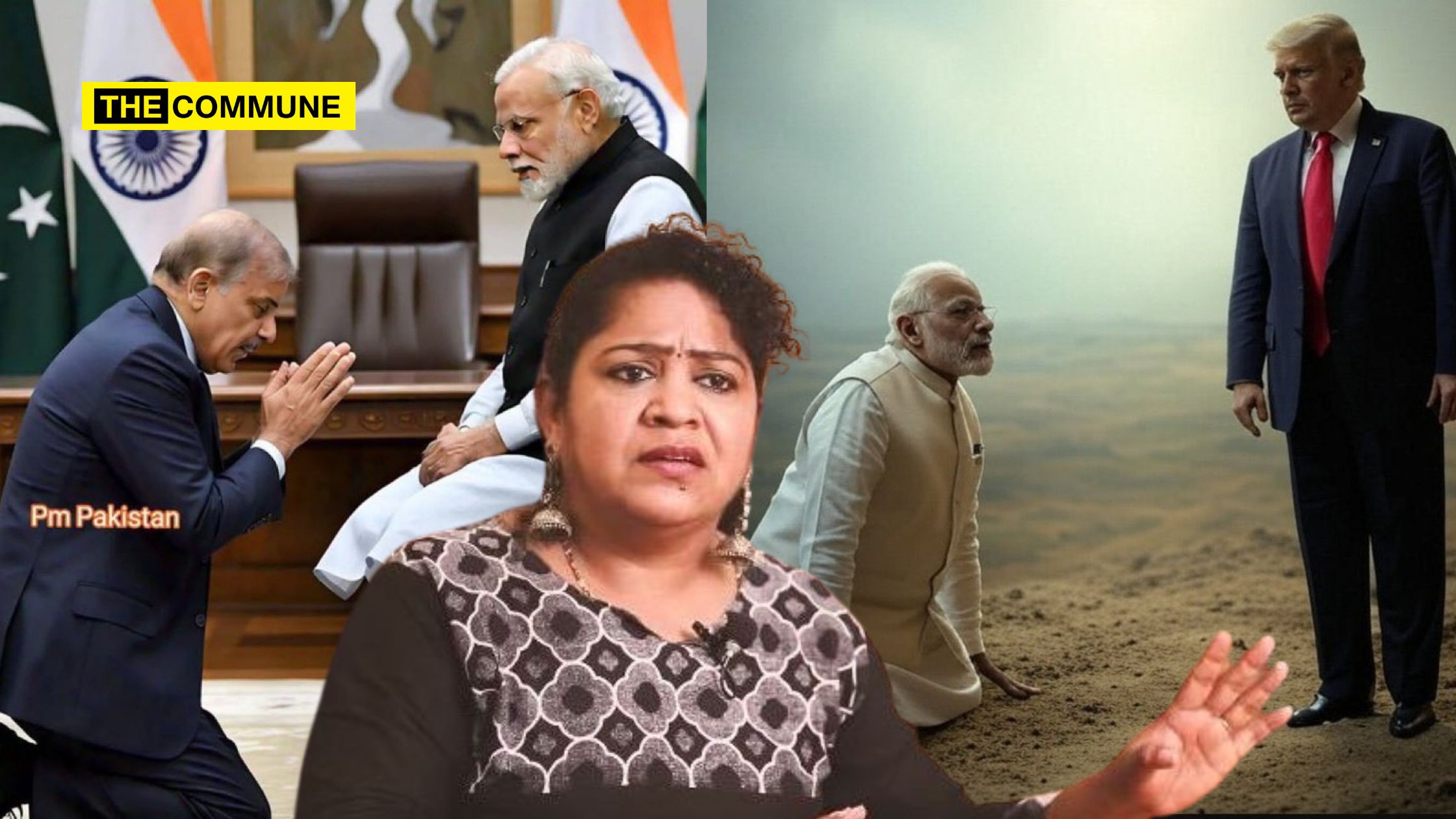
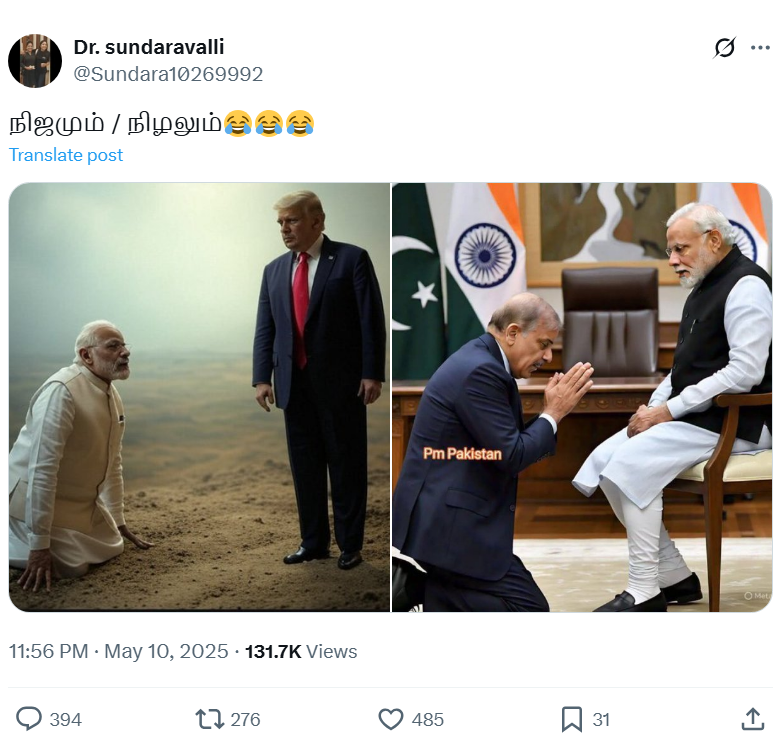
In this context, the Periyarist figure “Sundaravalli” posted an AI-generated image on her social media account, depicting Pakistan’s Prime Minister kneeling before Indian Prime Minister Narendra Modi, and Modi kneeling before U.S. President Trump. This was clearly an anti-India rhetoric on her official X account under the title “The Truth and Shadow,” which has since faced severe criticism.
This came after Donald Trump claimed, “After a long night of talks mediated by the United States, I am pleased to announce that India and Pakistan have agreed to a FULL AND IMMEDIATE CEASEFIRE. Congratulations to both Countries on using Common Sense and Great Intelligence. Thank you for your attention to this matter!”
This was not the first instance of such behavior. Shortly after the Indian armed forces’ retaliation, Dravidian stockist Sundaravalli, in a now-deleted post, sparked widespread outrage by floating a wild conspiracy theory. The Dravidar Kazhagam activist and self-proclaimed Periyarist suggested that the recent terror attack in Pahalgam was not carried out by Islamist terrorists, as widely believed, but was allegedly orchestrated by the Indian Army in collusion with the BJP.
In her inflammatory statement, Sundaravalli claimed, “Those who came as tourists and took off their clothes to see if they were Muslims were in military uniforms. This further confirms suspicions about the BJP. Since a non-BJP opposition party is in power there, we also need to see if the BJP is conspiring with the army.”
But she didn’t stop there. In another outrageous remark, she alleged, “Those who shot and killed tourists in Kashmir after checking if they were Muslims were dressed in military uniforms, carried guns, and have placed the blame on Muslims. The BJP has done this before, using the army.”
She attached pictures of an Indian Army soldier and the newly married tourist whose husband had been shot dead by the terrorists.
காஷ்மீரில் சுற்றுலா சென்றவர்களை இஸ்லாமியர்களா என ஆடையை கழற்றி பார்த்துவிட்டு சுட்டுக்கொன்றவர்கள்
ராணுவ உடையில் துப்பாக்கியோடு சென்று சுட்டு இஸ்லாமியர்கள் மீது பழி போட்டு இருக்கிறார்கள்
Her baseless accusations not only targeted the ruling government but also cast a disgraceful shadow over the Indian Armed Forces—drawing widespread condemnation from netizens and political observers alike. Many have slammed her comments as reckless, deeply irresponsible, and a blatant attempt to politicize a national tragedy for ideological propaganda.
Subscribe to our channels on Telegram, WhatsApp, and Instagram and get the best stories of the day delivered to you personally.
All-in-all expert and political commentator Sumanth Raman’s rants over the past few days with regard to the stoppage of firing and the press briefings prove he is the greatest Congress sympathizer in the country.
When the news of the stoppage of fire, which was referred to as “ceasefire understanding” by everyone that came after US President Donald Trump’s hurried announcement, Raman, after the press briefing by Foreign Secretary Vikram Misri, called it “Sensible”.
Without paying heed to the minute details and confirmation from the Indian side about the talks, Raman whined about the “government agreeing to talks at a ‘neutral’ location. He wrote, “Talks at a neutral site??? Has our Govt agreed to that also??”
Then he began to complain about “international support,” and no one took India’s side. He wrote, “There is no escaping the fact that when push came to shove not one country took India’s side unequivocally. Not ONE. So much for our diplomacy and foreign policy. #IndiaPakistanConflict”
There is no escaping the fact that when push came to shove not one country took India's side unequivocally. Not ONE. So much for our diplomacy and foreign policy. #IndiaPakistanConflict
Then came his rant about how the Pahalgam terrorists were still at large and the Modi government, the diplomats, had done nothing. He wrote, “The terrorists who carried out the Pahalgam massacre are still at large. Despite being hit, Pakistan was still able to mount some retaliation. Pakistan was not isolated diplomatically. They still got the IMF aid package. I’m trying to think of what we got out of all this, that we have paid for with more lives than the 26 we lost at Pahalgam and billions of dollars worth of defence equipment spent, and the damage to some of our towns. Next time there is a terror attack, how will it be any different, even if we retaliate against Pakistan directly? I support the ceasefire, but I’m confused about what the strategic objective of the larger military action beyond the strike on the terrorist hideouts was and what has been achieved. My impression is that our armed forces performed well, but our diplomats and political leadership could have done much better. And the ceasefire was agreed to without any conditions imposed on Pakistan. The only positive I see is that Pakistan knows that the next time it stages a terror attack in India, there will be direct retaliation on Pakistani territory. For a rogue State like Pakistan is that enough of a deterrent? #IndiaPakistanConflict #Ceasefire”
He ensured he peddled Pakistani propaganda and undermined military actions.
The terrorists who carried out the Pahalgam massacre are still at large. Despite being hit, Pakistan was still able to mount some retaliation. Pakistan was not isolated diplomatically. They still got the IMF aid package.
I'm trying to think of what we got out of all this, that…
Now, he had to give his expert comments on the press briefing. With the stellar military briefing on 11 May 2025, he compared it to the previous ones by Col Sophia Qureshi and Wing Commander Vyomika Singh. He wrote, “Getting Col.Sofia Qureshi and Wg.Cmdr. Vyomika Singh to give the press briefing was a good idea on the day after the strike on the terrorist bases. It was symbolic and sent out a signal. But from then on the subsequent briefings should have been handled by Senior Officers. It was clear that the two of them were only reading prepared text, didn’t explain the visuals properly and did not take questions. MOD should have insisted that their point of view must be put across by senior officers of their choice. Our communication of the Military operation could have been better. #IndiaPakistanCeasefire”
Getting Col.Sofia Qureshi and Wg.Cmdr. Vyomika Singh to give the press briefing was a good idea on the day after the strike on the terrorist bases. It was symbolic and sent out a signal. But from then on the subsequent briefings should have been handled by Senior Officers. It…
Raman forgot that the previous ones were press briefings while the latest one was a military briefing. He also wrote, “After seeing today’s press briefing it begs the question, why weren’t these officers used earlier to brief the media? The craze for publicity and PR did the Govt in. #IndiaPakistanConflict”
After seeing today's press briefing it begs the question, why weren't these officers used earlier to brief the media? The craze for publicity and PR did the Govt in. #IndiaPakistanConflict
Now that he could not blame the military action, he started complaining about the “de-escalation” in India’s stand after praising the stoppage of fire as “sensible”. He wrote, “From “we will decimate Pakistan” to “we will not share hydrological data with Pakistan” is some come down in 4 days. Godi media’s desperate spin. #IndiaPakistanConflict”
From "we will decimate Pakistan" to "we will not share hydrological data with Pakistan" is some come down in 4 days. Godi media's desperate spin.#IndiaPakistanConflict
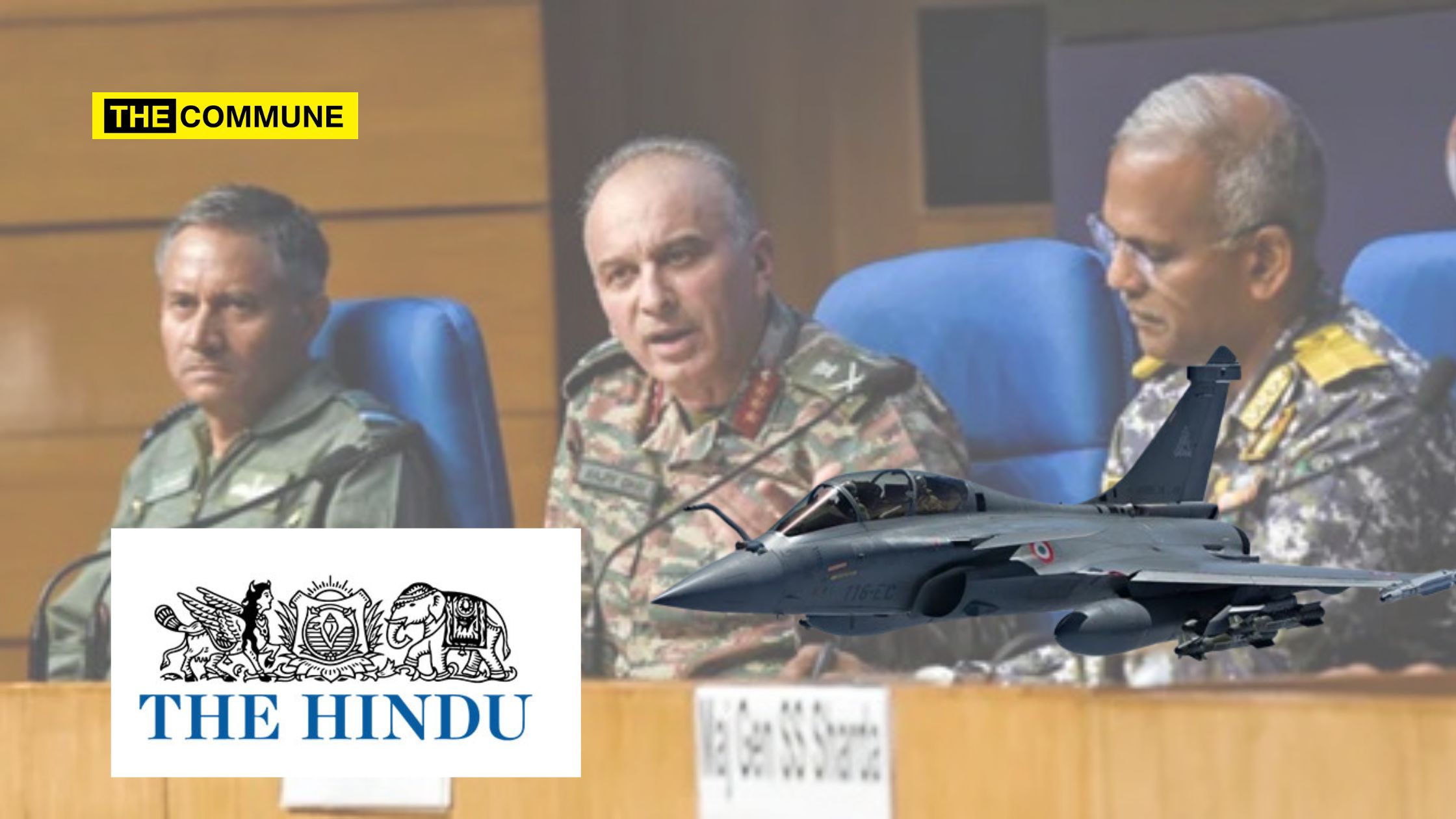
The Hindu is facing intense backlash after the Directors General of Military Operations (DGMOs) responded sarcastically to a journalist’s question regarding the Rafale fighter jets, asking if Pakistan had shot one down, during a press briefing. When the question was raised, the DGMO, in a pointed moment, asked the reporter from The Hindu, “Are you surprised that you got this question?” This exchange quickly went viral, with social media users heavily trolling the newspaper.
The controversy erupted after The Hindu published an article amid heightened India-Pakistan military tensions, suggesting that Pakistan had shot down Indian aircraft. However, the newspaper failed to verify the facts before spreading this claim, only later admit and apologize for the incident.
The Hindu Reporter’s Question On Rafale
The low point of the DGMO’s press briefing came when a reporter from The Hindu repeatedly pressed for information about potential losses of Indian military jets during the conflict. Air Marshal A K Bharti firmly rejected the question, highlighting that India was still in an active combat situation, and revealing operational details could give an advantage to the enemy. He emphasized that the real question was whether the mission’s objectives were accomplished—and the clear answer was a definitive “Yes.” He also reassured the public, saying, “All our pilots are safe.”
The DGMO was ready to wrap up the briefing with two final questions, and called another journalist, it was Dinakaran from The Hindu newspaper, who hesitantly introduced himself by saying, “Sir, Dinakaran with The Hindu newspaper.” Maj Gen SS Sharda then asked, “Are you surprised that you got this question?” A brief laugh erupted from the crowd. Dinakaran responded, “No, sir, just a look, sir,” before asking, “Can you clarify how many assets we’ve lost because there’s been a lot of speculation in international media about our platforms, including claims by Pakistan that the Rafale was shot down. Can you put those rumors to rest and clarify?”
Bharti explained, “I’m glad you asked this question. As you know, we are in a combat scenario, and losses are a part of war. But the real question we should be asking—one that we should all ask ourselves, including you—is: Have we accomplished our objectives? Specifically, have we successfully neutralized the terrorist camp? And the answer to that is a resounding yes. The results are there for the world to see. As for specifics—how many, which platforms we might have lost, and so on—I cannot comment at this time because we are still in an active combat situation. Any such details could provide an advantage to the adversary, and we don’t want to give them that opportunity. All I can say is that we have achieved the objectives we set out to accomplish, and all of our pilots are safely back home.”
Subscribe to our channels on Telegram, WhatsApp, and Instagram and get the best stories of the day delivered to you personally.