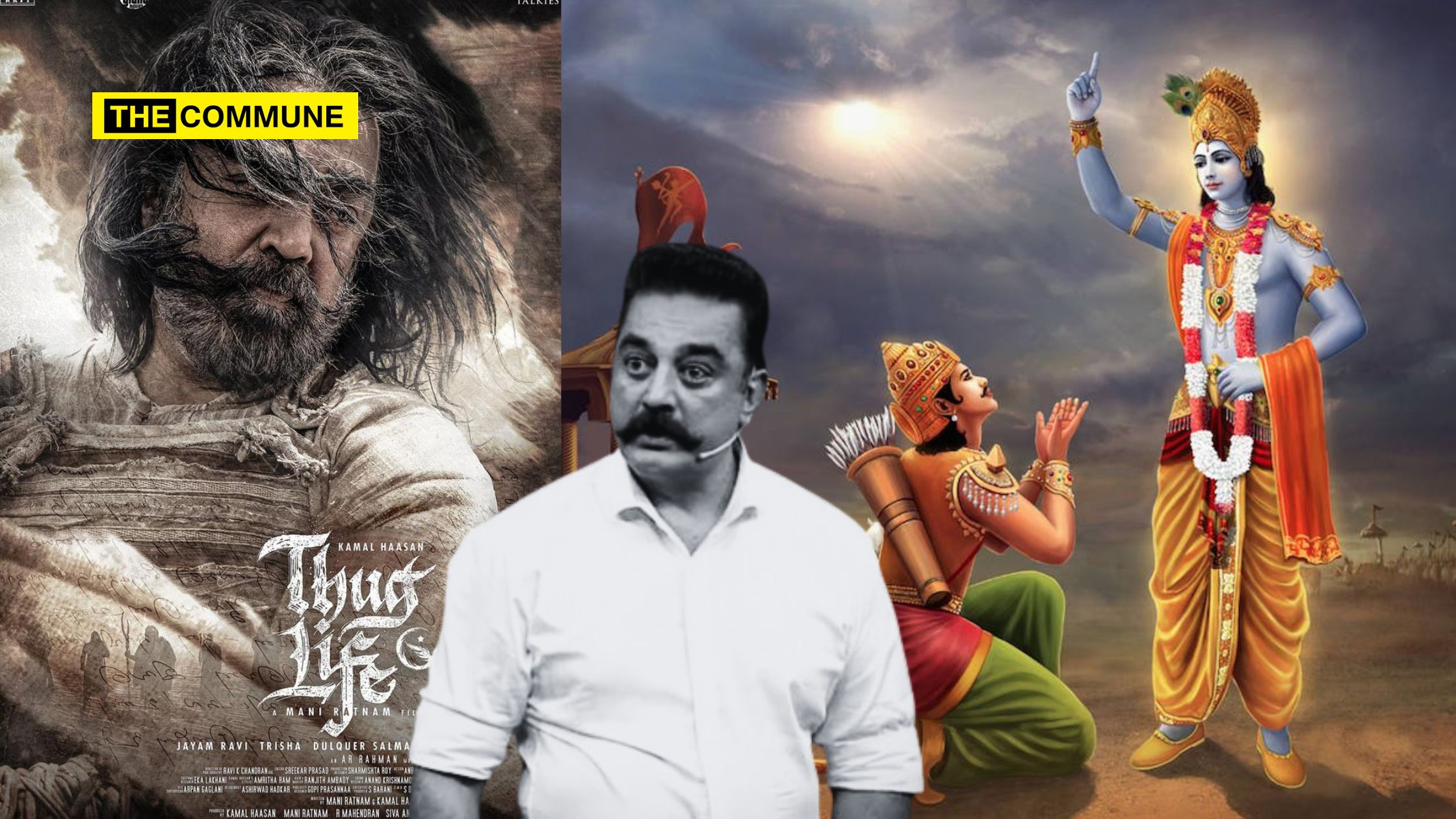
Part-time politician and full-time actor Kamal Haasan is on a promotion spree for his latest film, Thug Life. He has once again proved his knack for controversy over language. He recently stirred fresh outrage with a divisive and historically questionable claim that Kannada “was born out of Tamil.” Haasan’s dismissive attitude toward other languages, including his open disrespect for Sanskrit, reveals a narrow mindset that fuels unnecessary regional tensions rather than fostering unity.
Hate For Sanskrit
Speaking to Cinema Vikatan on the title of the film, Haasan said, “We thought a variety of titles for the film. If I talk about all that, you will laugh. It was unconnected to the film, and he also did not like it either. I also kept giving more names, I felt something good might come out of it. I suggested “Sambhavaami Yuge Yuge”. It was Cho sir’s title, what Lord Krishna said, “I will incarnate again and again. I will happen again and again.” or something like I will come back again and again. I suggested it because it seemed related to the film. But the point is both of us do not respect “North Indian language” (Sanskrit). It is just a useful tool. I only have respect for the Tamil language. I don’t understand it. It’s not a language we speak daily.”
‘Kannada Born From Tamil’
Kamal Haasan stirred a fresh controversy over language identity after claiming that Kannada “was born out of Tamil” during a public event in Chennai, Tamil Nadu.
The remark has triggered sharp political reactions and public outrage in Karnataka, with the BJP and pro-Kannada groups condemning his statement and demanding an unconditional apology.
Speaking at an event in Chennai just weeks after the trailer release of his upcoming film ‘Thug Life’, Haasan opened his speech with the phrase “Uyire Urave Tamizhe”, which translates to “My life, and my family, is in Tamil language”.
Referring to the presence of Kannada actor Shivarajkumar at the same event, Haasan said, “This is my family in that place. That’s why he (Shivarajkumar) has come here. That’s why I began my speech by saying, life, family and Tamil. Your language (Kannada) was born out of Tamil, so you too are included (part of it).”
kamal hassan said, Kannada was born out of Tamil language..😂
Language activists in Karnataka are awfully silent on this issue because they are getting funded by the same missionary mafia that's holding power in TamilNadu !#Savarkar#FogoChainpic.twitter.com/Iiil2uIGiz
His comments, perceived as undermining the Kannada language’s independent heritage, drew swift criticism in Karnataka.
Kamal Haasan, now riding on the success of acquiring a Rajya Sabha nomination from DMK, the very party he swore to clean up TN of, seems to show his loyalty by exposing his hatred for Sanskrit blatantly.
Subscribe to our channels on Telegram, WhatsApp, and Instagram and get the best stories of the day delivered to you personally.
AIADMK General Secretary Edappadi K. Palaniswami (EPS) has launched a scathing attack on Tamil Nadu Chief Minister M.K. Stalin, accusing him of politicizing the judiciary and misrepresenting the role of the state government in the recent conviction in the high-profile Anna University sexual assault case.
Earlier today, the Chennai Women’s Court found Gnanasekaran—arrested in connection with the sexual assault of a student at Anna University—guilty. The case, which drew widespread attention, was tried and completed within six months.
Following the verdict, CM Stalin posted on X, praising the swift action by the Tamil Nadu police and judiciary. He wrote, “Our police have swiftly prosecuted the case against the injustice done to the Chennai student and delivered justice in just five months. Thank you to the investigating officers, government lawyers, and the Honorable Court! I keep telling the police: “Crime should not be committed; if it is committed, no criminal should escape; they should be investigated expeditiously and punished!” We have shattered the ideas of the opposition parties, who ran the government as a den of crime back then and today are spreading slander and trying to play cheap politics. We will always ensure justice and the safety of women!”
சென்னை மாணவிக்கு இழைக்கப்பட்ட அநீதிக்கு எதிராக வழக்கைத் துரிதமாக நடத்தி, ஐந்தே மாதத்தில் நீதியைப் பெற்றுத் தந்துள்ளது நமது காவல்துறை. விசாரணை அதிகாரிகளுக்கும் அரசு வழக்கறிஞர்களுக்கும் மாண்பமை நீதிமன்றத்துக்கும் நன்றி!
காவல்துறையினரிடம் நான் தொடர்ந்து கூறுவது: “குற்றம் நடக்கக்…
In response, EPS issued a strongly worded post on his official X handle, accusing Stalin of using the verdict for political mileage and questioning the state’s role in the investigation. EPS further accused Stalin of “sticking political stickers” not just on AIADMK’s welfare schemes but now also on court proceedings. He questioned whether the Chief Minister was implicitly admitting to influencing an investigation that should have been free of political interference. He wrote, “He is proving himself to be a puppet CM once an hour, Mr. @mkstalin. After seeing the manner in which your government handled this case, did the High Court order a Special Investigation Team (SIT) investigation? If you are only sticking stickers on AIADMK projects, then you are sticking stickers without any hesitation in court proceedings? Did your police get justice? So, are you confessing that you influenced the SIT investigation that should have been conducted without any political interference or involvement from you or your government? If so many crimes are happening despite your constant saying that crimes should not happen, what more proof than this that you are an incompetent puppet CM?”
Referring to the convicted individual as a “DMK sympathizer,” EPS wrote, “Today’s culprit is your DMK sympathizer Gnanasekaran! I have told you many times not to tweet while looking in the mirror, @mkstalin you guys! Your regime that protects “SIR” is completely against the rule of law and the protection of women! This regime will fall! An @AIADMKOfficial government for the people will be formed! That “SIR” and all the sirs behind him must answer!”
தான் ஒரு பொம்மை முதலமைச்சர் என்பதை மணிக்கு ஒரு முறை நிரூபித்து வருகிறார் திரு. @mkstalin.
உங்கள் அரசு இந்த வழக்கை நடத்திய லட்சணத்தைப் பார்த்த பிறகு தானே உயர்நீதிமன்றம் சிறப்பு புலனாய்வுக் குழு (SIT) விசாரணைக்கு உத்தரவிட்டது?
— Edappadi K Palaniswami-SayYEStoWomenSafety&AIADMK (@EPSTamilNadu) May 28, 2025
EPS’s remarks come amid heightened political tensions as parties begin positioning themselves for the 2026 assembly elections. Stalin had earlier hinted at a renewed mandate, referring to “version 2.0 loading,” prompting sharp responses from the opposition.
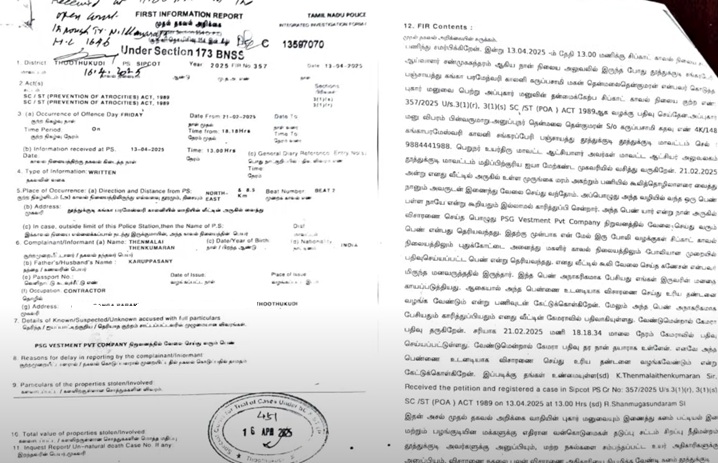
In a case that mirrors the recent sexual harassment incident involving a college student in Arakkonam, a 24-year-old woman from Thoothukudi has come forward with serious allegations of repeated harassment and intimidation by a known history-sheeter, Thenmalai Thenkumaran. The woman (identity withheld), who works as a merchandiser in a private firm, shared her ordeal in a viral audio clip that has sparked public outrage.
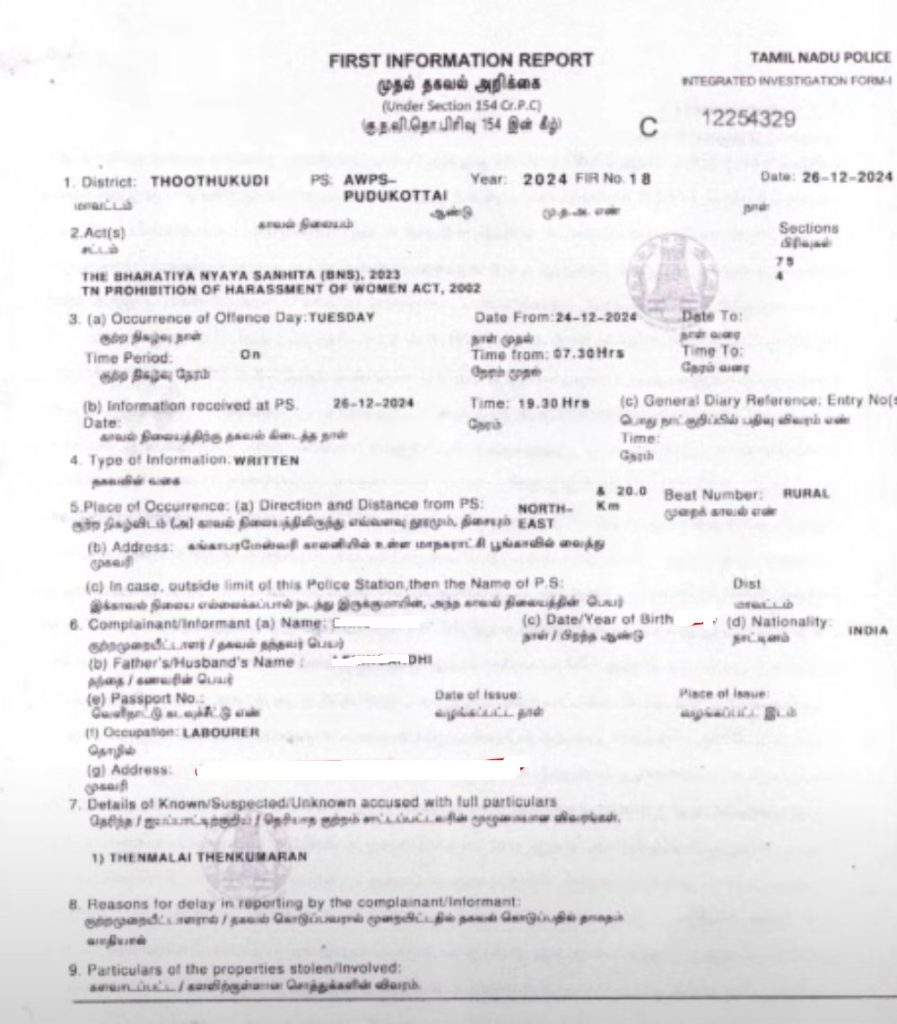
According to the woman, Thenkumaran has a history of criminal behavior and has repeatedly harassed her during her daily commute—attempting to hit her with his vehicle and making obscene gestures. The situation escalated on 24 December, when she was walking in a nearby park and he approached her aggressively, attempting to sexually harass her. Terrified, she fled the scene and immediately lodged a complaint at the Pudukkottai All-Women Police Station.
Following her complaint, police registered an FIR and arrested Thenkumaran. He was jailed for a month. However, after his release, he allegedly came to Sangeetha’s house armed with a knife and issued threats. She narrowly escaped by fleeing through the back door.
Despite multiple attempts to seek protection and justice, Sangeetha claims that the system has failed her. She filed complaints at the SIPCOT police station, submitted petitions to the Chief Minister’s Cell, and even approached the National Human Rights Commission. Yet, all these complaints were redirected to the same DSP and SP officers she accuses of being biased.
In her audio testimony, the victim says that after she escalated the matter to higher authorities, the accused was allegedly encouraged by the police to retaliate. A counter SC/ST (Prevention of Atrocities) Act complaint was filed against her based on the Thenkumaran’s complaint —an act she describes as deeply shocking and unjust.
In his complaint, he claimed that he was chopping away a Moringa tree with his labourers when the woman allegedly made casteist abuses and spat on him. He goes on to claim that upon enquiring he came to know that she was the same woman who had given a complaint against him earlier.
The victim said, “Sir, my name is Sangeetha. I am 24 years old and from Thoothukudi. I work as a merchandiser in a private company. I was on my way to the office when Thenmalai Thenkumaran, who is an H.S. (History-Sheeter) rowdy, sir. Whenever I commuted, he used to harass me like trying to hit me with his car and making vulgar gestures.
On December 24, I was walking in a nearby park, and he came again. He came very close to me, as if he was trying to sexually harass me. I got scared and ran back to my house. Immediately, I went to the Pudukkottai All-Women Police Station and filed a complaint. They investigated the matter and took action. He was arrested and jailed under an FIR. He remained in jail for a month.
After his release, he came to my house and threatened us with a knife because we had filed a case against him. I escaped from the house in a slip of the moment and ran out through the back door.
Regarding this, I went to the local police station in SIPCOT and filed a complaint. They said, ‘Okay, we will take action.’ They collected a petition. For about 10 days, various team kept calling, asking about the case that should be investigated. I gave statements to everyone. But no action was taken he was still roaming free. When I asked them (police) why no action was taken, they told me to approach the DSP. Later, I came to know indirectly that the DSP had put the case on hold and advised the department not to proceed with it.
In connection with this, on February 11, I went to the DIG office and reported that the DSP was biased towards the accused. They (DIG) issued an order, and an FIR was filed—but still, no action was taken.
So, I submitted a petition online to the CM Cell against the DSP. But mistakenly, the case was assigned to the same Rural DSP, for investigation. Out of retaliatory vengeance, they took a PCR complaint from the accused and filed a case against me.
When we inquired about this, they (police) told us to reach the SP and said the FIR was filed based on the SP’s orders. While petitioning the CM Cell, I had also submitted a complaint to the National Human Rights Commission. That too was forwarded to the district SP for further action.
Now that the FIR against me was initiated based on their orders, I don’t know how fair they will provide me with any solution. I am reaching out to you as a last hope. Please treat me like your sister and help me, sir. Please!”
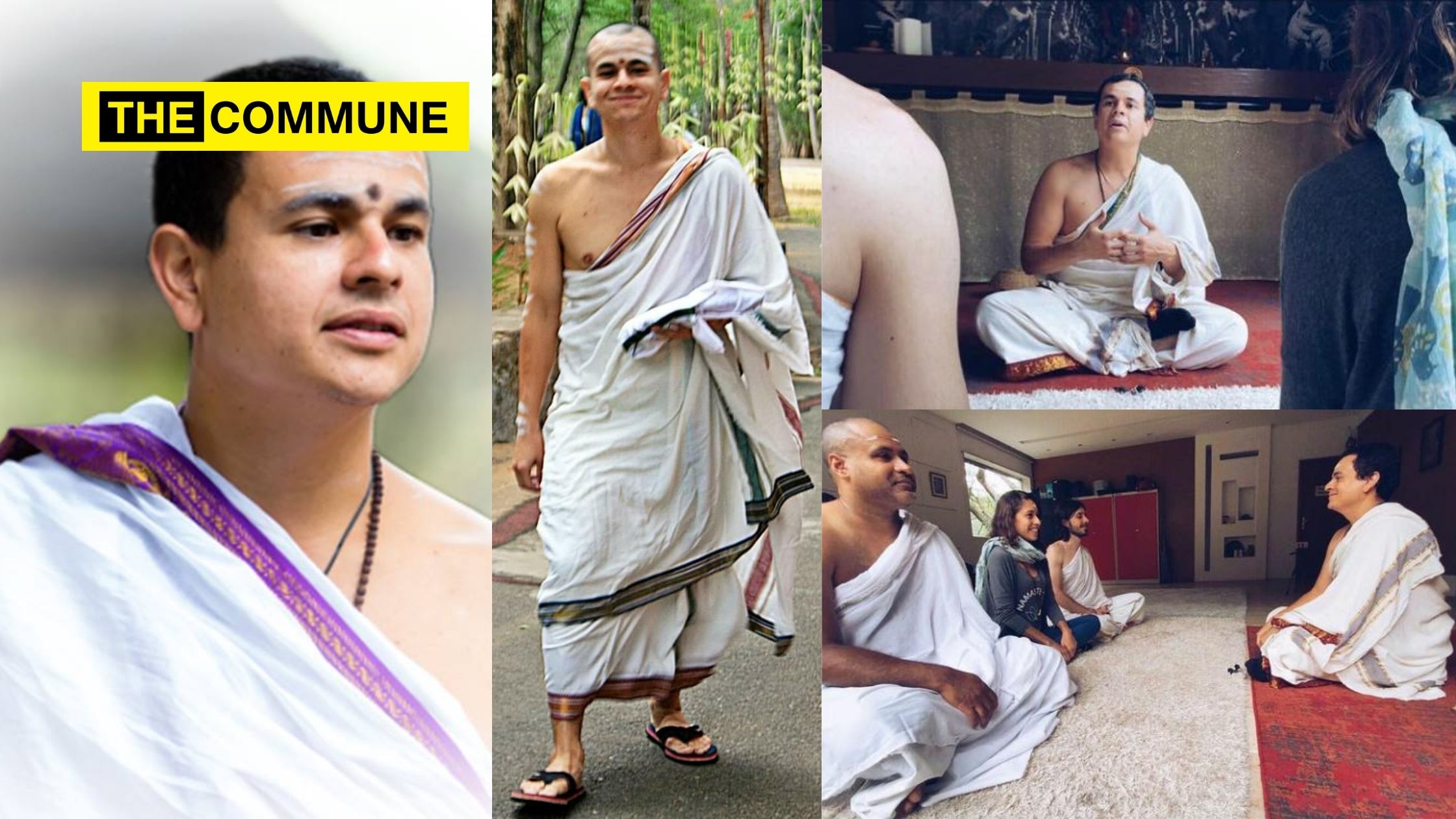
Acharya Jonas Masetti, a Brazilian Acharya of Vedanta, has been awarded the prestigious Padma Shri by President Droupadi Murmu, recognizing his profound contributions to spiritualism. The award ceremony, held at Rashtrapati Bhavan, celebrated Masetti’s role in spreading Vedanta, Sanskrit, and Vedic culture, particularly in Brazil, where he has emerged as a global representative of Indian philosophical traditions.
An Engineer Turned Spiritual Leader
Originally trained as a mechanical engineer at Brazil’s Military Institute of Engineering (IME), Masetti worked in stock market consulting before embracing Vedantic studies in 2004 under an Indian teacher. His passion led him to India, where he enrolled in an intensive three-year residential program at Arsha Vidya Gurukulam in Anaikatti, near Coimbatore. Guided by the esteemed Pujya Sri Swami Dayananda Saraswati, Masetti spent over four years deeply immersed in Vedanta, the Bhagavad Gita, and Sanskrit, shaping his spiritual journey.
Introducing Vedanta To Brazil
Determined to make Vedanta more accessible, Masetti founded the Instituto Vishva Vidya in the hills of Petrópolis, near Rio de Janeiro. This center has become a hub for spiritual learning, combining traditional teachings with modern technology. His initiatives—including online classes, structured courses, retreats, and publications—have impacted over 150,000 students, helping Vedanta transcend cultural and linguistic boundaries.
Masetti’s innovative approach integrates ancient wisdom with contemporary tools, making spiritual teachings relevant to today’s seekers. His institute also promotes Indian heritage, including Sanskrit presentations of the Ramayana, reflecting his commitment to cultural exchange.
Acknowledgment From India
India has recognized Masetti’s contributions in expanding Vedic traditions globally. On May 27, 2025, he was conferred the Padma Shri, India’s fourth-highest civilian honor, for his dedication to spiritual education.
Masetti’s work has drawn attention from Prime Minister Narendra Modi, who praised his efforts in Mann Ki Baat in November 2020 for promoting Vedanta and the Bhagavad Gita in Brazil. Modi met Masetti’s team in November 2024 during a visit to Brazil, where they showcased Sanskrit excerpts of the Ramayana. Modi later remarked on X, noting that Indian culture continues to make a global impact.
Strengthening Spiritual Ties Between India And Brazil
Masetti’s journey follows the footsteps of Swami Chinmayananda, who introduced Vedanta to Brazil in the 1970s. His vision for establishing Brazil’s spiritual legacy, combined with his Padma Shri recognition, highlights the growing global influence of Vedantic traditions.
Through his teachings, Masetti continues to bridge cultures and inspire thousands, emphasizing the timeless wisdom of Indian philosophy in a rapidly evolving world.
Subscribe to our channels on Telegram, WhatsApp, and Instagram and get the best stories of the day delivered to you personally.
Kamal Haasan, actor-turned-politician and founder of Makkal Needhi Maiam (MNM), is set to enter the Rajya Sabha after being nominated by ally DMK, following a poll pact ahead of the 2024 general elections. Though offered a Lok Sabha seat, the 70-year-old chose a Rajya Sabha berth, citing national interest. Once a critic of Dravidian parties, Haasan has now fully aligned with the ruling DMK, marking a dramatic shift in his political stance. Having launched MNM in 2018 as an alternative to the DMK and AIADMK, Haasan had earlier declared, “Our voice will be heard in Parliament,” signaling his ambition.
From stating that his party was to eradicate corruption to calling Stalin an “insult to Karunanidhi” to saying“he will never ally with thieves”, he has made a 180 degree turn to ally with the DMK in the 2024 Lok Sabha polls to begging for a Rajya Sabha seat to ensure his survival.
"I can swear boldly that I will never ally with thieves." – MNM Chief
In a series on “This Day That Year” by Dinamalar on social media platform X, a remark made by Kamal Haasan in 2021 has come to the fore. On 8 March 2021, Kamal is said to have made the statement, “If you want to insult Karunanidhi, all you need to say is MK Stalin.” MNM President Kamal Haasan said that if he wanted to be humiliated, he would lie down.
Leave politics aside for the moment, as they say in politics there is no permanent enemy or friend. Let us take a look at his misogynist behaviour and his anti-India attitude over the years.
Anti-India Kamal Haasan
Despite making films like Kuruthi Punal, Hey Ram on partition which was a minority appeasement movie or Indian, Kamal Haasan has exhibited a deep anti-India bias on most occasions. Here are a few instances of his anti-India attitude.
Called For Plebiscite In Kashmir
Part-time-politician Kamal Haasan, made his alignment move with the DMK in pursuit of a single Rajya Sabha seat in 2024, voiced strong opposition to the central government’s actions in Kashmir at the time of Article 370 abrogation. In 2019, he called the move to revoke Jammu and Kashmir’s special status and bifurcate the state into two Union Territories a “direct blow to democracy,” and called the move as an autocratic decision-making process.
“This move is highly regressive. Article 370 and 35A have historical significance, and any changes should have been made through a consultative and inclusive process,” he said.
Not only this, back in February 2019, during a public event in Chennai, Kamal Haasan raised several provocative questions, stating, “Why do the soldiers die? Why should our home’s watchman die? If politicians on both sides (in India & in Pakistan) behave properly, no soldier needs to die. The Line of Control will be under control. Why is India not holding a plebiscite in Kashmir? What are they (Indian government) afraid of?”
Makkal Needhi Maiam leader Kamal Hassan at an event in Chennai yesterday: Why India is not holding a plebiscite in Kashmir? What are they (Indian government) afraid of? pic.twitter.com/9M6bS5JoWV
In May 2019, actor-politician Kamal Haasan stirred controversy by calling Nathuram Godse, Mahatma Gandhi’s assassin, “free India’s first terrorist.” While campaigning in Aravakurichi, a Muslim-majority constituency in Tamil Nadu, Haasan stated, “I am not saying this because this is a Muslim-dominated area, but I am saying this before a statue of Gandhi. Free India’s first terrorist was a Hindu, his name is Nathuram Godse. There it [terrorism] starts.” Emphasizing unity and equality, he added, “Good Indians desire for equality and want the three colours in the Tricolour to remain intact. I am a good Indian, will proudly proclaim that.”
His remarks drew sharp criticism from BJP leaders. Tamil Nadu BJP chief Tamilisai Soundararajan condemned the statement, calling it “strongly condemnable” and accused Haasan of inciting “communal violence” through “divisive vote bank politics.” She urged the police to take action and ban his campaign.
In response, Haasan later clarified, “Let me tell you terrorists abound all religions. Every religion has its own terrorists, and we cannot claim that we are sanctimonious.” He emphasized that his speech aimed at maintaining harmony and warned that arresting him would escalate tensions: “Let them arrest. But if they arrest me tensions will escalate.”
His film Hey Ram was another attempt at minority appeasement in which he would’ve shown Hindu nationalists as Nazis.
Misogynist Kamal Haasan
For all the women empowerment dialogues he may have made in his films, Kamal Haasan has his share of harassment behaviour that he meted out to his female colleagues and female family members. Here’s a recap of those incidents.
Kisses Underage Co-Star, Voices Support For Sexual Harassment Protest – Irony Of Ironies
On 23 May 2023, Kamal Haasan tweeted, “Today marks 1 month of protests by athletes of the wrestling fraternity. Instead of fighting for national glory, we have forced them to fight for personal safety. Fellow Indians, who deserves our attention, our national sporting icons or a politician with an extensive criminal history?”
It is worth noting that Kamal Haasan, who has come out in support of wrestlers protesting the arrest of their molester, was once accused of kissing an underage actress on screen without her consent. The alleged incident occurred during the shooting of the movie Punnagai Mannan, during which he kissed Rekha, a 16-year-old actress who had just completed 10th grade back then.
The visuals of the song “Enna Satham Indha Neram” show Kamal Haasan having sex with the 16-year-old actress semi-naked.
In an interview with a YouTube channel, actress Rekha said, “I had no idea about the kissing scene. I was only 16 at the time. Neither Kamal nor Director Balachander informed me that there would be a kissing scene. I felt horrible after filming the kissing scene.”
Kamal Haasan’s support for female wrestlers was mocked on social media, as there are already calls to file a POCSO case against him for kissing an underage actress without her permission.
Suhasini Maniratnam Reveals How Her Uncle Kamal Haasan Used To Drop Her At College Without Wearing Pants
After the above anecdote went viral, another anecdote by former actress and filmmaker Suhasini Maniratnam who is also the niece of Kamal Haasan surfaced in which she noted how her uncle Kamal used to drop her at college without wearing pants.
In part/episode 13 of Zee Tamil’s show titled “Weekend With Stars” that was aired in 2018, Suhasini Maniratnam shares about her early life and her relationship with Kamal Haasan.
Sharing her experience with anchor Archana Chadhoke, Suhasini says “Sometimes, shooting happens opposite to our college. The shooting of Ilamai Oonjal Aadugiradhu was going on. Till then, I had kept it as a secret and nobody knew the fact that Kamal is my chitthapa (uncle). The song ‘Nee Kettal Naan Maatenendra Solven Kanna’ where Kamal will be smoking and Sripriya takes it off, that scene was being shot there. Everybody were going crazy saying ‘Kamal Haasan has come, Kamal Haasan has come, We’ve to go and see’ and I told them ‘I won’t come, I won’t come’ but they took me anyway. After going there, I was standing somewhere hidden at the back and then Kamal shouts ‘Aye!’ and calls me by a name. Shall I tell that name? ‘Chu Chu, come here’, he said. I was so embarrased”
She jovially says “I’ve a beautiful name Suhasini and he called me Chu Chu! Yea that’s my name. He called me that and people beside me started asking ‘Why is Kamal calling you with a weird name?’ to which Kamal said ‘You don’t know? She’s my daughter. My brother’s daughter’. That’s it. I got jittered. After that I became quite popular in college.”
She further goes on to say “Then, sometimes Kamal used to drop me at college. In those times, I don’t know whether you remember. There used to be a dress for karate. He won’t be wearing anything under. He used to be doing karate at home. Down, only his underpants will be there. He used to say that he has bought a new car and will drop me at college in that. I used to beg him saying ‘Please wear pants and come. Or atleast wear shorts and come.’ to which he would say ‘Chee chee, I won’t get out of the car. I’m a big star. And that too will I step outside ladies college?’. But then correctly he will come, he will get down and open the door for me. That’s it! The entire Queen Mary’s will be watching Kamal Haasan and his legs would.. Ayyo! I would be so ashamed! I used to yell ‘why are you doing like that?’. But he is like that only. Always doing galatta.”
Anti-Hindu Kamal Haasan
While he may have made statements in public claiming he is atheist, Kamal Haasan ensured to inject anti-Hindu themes into his films, often portraying Hindu symbols and traditions in a negative light. In Kaathala Kaathala (1998), a Hindu religious figure—also depicted as a liquor merchant—converts a classroom into a cow shed and forces the hero to fake a miracle for a fraudulent Hindu godman, a trope more commonly associated with Christian evangelists.
In Manmadhan Ambu (2010), Haasan himself penned a controversial song in which a woman mockingly prays to goddess Varalakshmi for a sexually satisfying husband, even expressing willingness to convert religions. The song also ridicules the goddess’s husband as someone who is “always sleeping.”
Facing backlash from Hindu groups like Hindu Munnani, Haasan was forced to remove the song, though he claimed he did so to protect producer Udhayanidhi Stalin’s interests.
On Sacred Thread
In July 2018, actor-politician Kamal Haasan held a Q&A session on Twitter where he candidly answered questions from his fans. When asked which books (“nool” in Tamil) had influenced his life, Haasan replied with a pointed wordplay that sparked controversy. He said, “There is a thread I avoided. The thread affected me a lot – Poonool. That is why I avoided it.”
The remark, referring to the sacred thread traditionally worn by Brahmins, drew sharp criticism from members of the Brahmin community. Offended by what they saw as a dismissive statement about a significant religious symbol, the community issued a statement condemning his comment. “The poonool is the most secular thread and his statement has no logic,” they declared. The statement further accused Haasan of disrespecting his own roots, stating, “Kamal Haasan has no respect for his parent heritage and is putting forth a poor personality in front of the people and now people are more aware of it.”
Chozhas Are Not Hindus
Kamal Haasan supported Tamil director Vetrimaaran’s controversial claim that Raja Raja Chola “wasn’t Hindu.” Vetrimaaran, speaking at an event after the release of Ponniyin Selvan: 1, said, “They (BJP) are trying to steal our identity. They have already tried to saffronize Thiruvalluvar. We should never allow that.”
Kamal Haasan echoed this view, stating, “There was no name called ‘Hindu religion’ during Raja Raja Chola’s period. There was Vainavam, Shaivam, and Samanam, and it was the British who coined the term Hindu since they didn’t know how to refer to it collectively.” He compared it to the colonial renaming of places, saying, “It is similar to how they changed Thuthukudi into Tuticorin.”
BJP leader H Raja responded by pointing out that the king called himself Sivapadha Sekaran, and challenged, “Let him point out two churches and mosques built by Raja Raja Chola.” This controversy follows earlier criticism in 2019 by director PA Ranjith, who called the Chola period a “dark age” for Dalits.
Derogates Hindu Gods
While talking about women’s issues on a stage back in 2020, Kamal Haasan said, “Gods too wear less dress. A few Gods don’t wear any dress. When the mind is not spoiled by seeing those Gods, how come it is spoiled while seeing my sisters”. This statement of the MNM chief has invited severe backlash.
While addressing the women audience Kamal Haasan said, “I have never felt shy to speak in front of women. Because my house was mostly dominated by women. Women play an important role in the transformation of the world. Even before Gandhiji, women took part in the freedom struggle. They say that women wearing less dress is the reason for the rape crimes. Gods too wear less dress. A few Gods don’t wear any dress. When you don’t get the urge on seeing ‘that’, how come you feel the urge while seeing my sisters. It is mutual consent when there is love but when they want to have that without love, then is the problem”.
This remark of his came just days after he refused the ‘poornakumbham’ honours offered by Hindu priests on behalf of a Murugan Temple in Kanchipuram on 21 December 2020. According to sources, a member belonging to Kamal Haasan’s party and known to one of the Sivachariyars had approached to make arrangements for welcoming Kamal Haasan. Since the person was known to the priest, he had obliged to the request. However, they did not expect that the actor-politician would refuse it.
Kamal Haasan’s Political Chameleon Act Exposed
Kamal Haasan’s descent from a self-styled reformer to a supplicant at the feet of the very political establishment he once denounced is nothing short of disgraceful. From launching Makkal Needhi Maiam to “cleanse” Tamil Nadu’s politics to now grovelling for a Rajya Sabha seat from the DMK—a party he labeled corrupt and dynastic—Haasan has shredded every ounce of credibility he once claimed.
His alliance with Stalin is not just political opportunism—it is a spineless surrender. His statements various issues, his habitual denigration of Hindu culture, and his deeply problematic behavior towards women all reveal a man intoxicated by his own delusions of relevance. Kamal Haasan has not evolved—he has eroded.
In chasing power, he has betrayed every principle he once preached. His transformation is not that of a visionary stepping into politics for the people—it is of a fading actor scrambling for a seat at any cost, even if it means aligning with the very forces he vowed to fight. His entry into Parliament is not a triumph of idealism, but the coronation of hypocrisy.
Subscribe to our channels on Telegram, WhatsApp, and Instagram and get the best stories of the day delivered to you personally.
India’s post-independence history is marked by pivotal decisions, some of which have had long-lasting consequences. Among the most debated are the choices made during the early years of the Indian Republic, especially under the leadership of its first Prime Minister, Jawaharlal Nehru.
While Nehru is remembered as a founding architect of modern India, critics argue that his ideological commitment to global moralism often eclipsed pragmatic national interests. Two decisions, in particular, are viewed as costly strategic missteps: declining a permanent seat at the United Nations Security Council (UNSC) and refusing an offer from the United States to become the first Asian nuclear power ahead of China.
Educated in elite Western institutions, many early Congress leaders, including Nehru, imbibed liberal and internationalist ideals. However, this worldview often underestimated the realpolitik motivations of global powers. Nehru, inspired by concepts of disarmament and peaceful coexistence, envisioned India as a moral leader rather than a strategic player. While noble in principle, this approach at times left India vulnerable on the global stage.
The Nuclear Test Offer from JFK
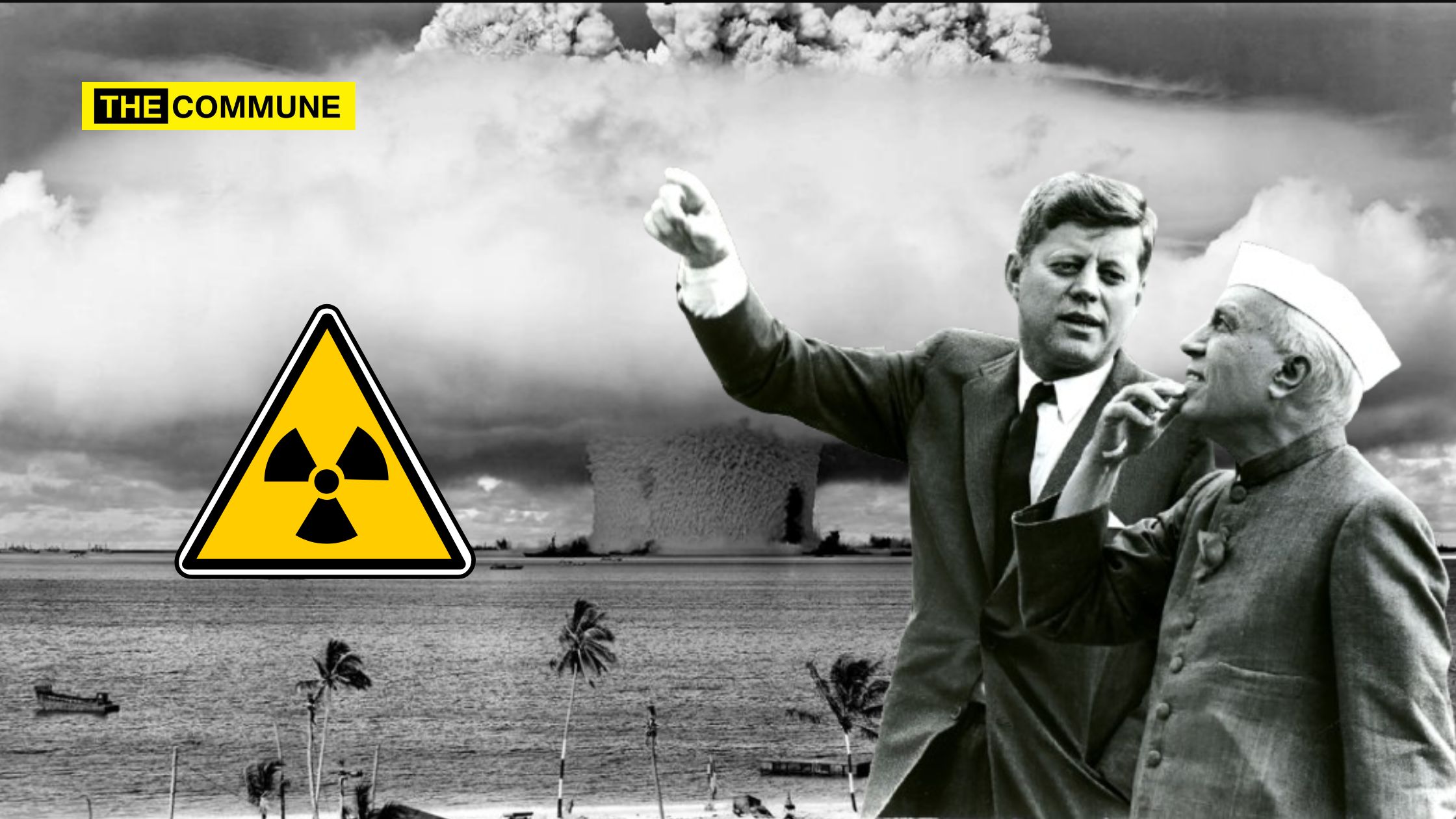
Another historic episode involves an alleged proposal from U.S. President John F. Kennedy in the early 1960s. As tensions mounted over China’s rapidly advancing nuclear program, Kennedy reportedly offered India technical and logistical support to become the first Asian country to conduct a nuclear test—before China’s successful detonation in 1964.
According to former Indian diplomat M.K. Rasgotra and scientist Ashok Parthasarathi, Nehru received a personal letter from Kennedy outlining this unprecedented offer. While Nehru was known for his strong opposition to nuclear weapons and advocacy for global disarmament, he did not dismiss the proposal outright. He reportedly discussed it with key advisors including diplomat G. Parthasarathi and scientist Dr. Homi Bhabha. While Bhabha was inclined to proceed, the decision was eventually shelved, influenced in part by GP’s caution and Nehru’s own convictions.
Rasgotra later suggested that accepting Kennedy’s offer could have significantly altered India’s strategic posture. A preemptive Indian nuclear test might have discouraged China from its aggressive actions, including the 1962 war, and sent a powerful signal to adversaries like Pakistan.
Rasgotra contends that accepting Kennedy’s proposal could have altered the strategic balance in Asia, potentially deterring China’s 1962 aggression and dissuading Pakistan from launching the 1965 war. Moreover, an early nuclear test might have placed India among the original architects of the Nuclear Suppliers Group (NSG), instead of being a latecomer seeking membership decades later.
The UNSC Seat That Never Was
Another pivotal decision that remains a subject of historical debate is Nehru’s rejection of a purported U.S. offer in the early 1950s to back India’s claim for a permanent seat on the United Nations Security Council (UNSC). According to diplomatic correspondence, including letters from Nehru’s sister and Indian envoy Vijaya Lakshmi Pandit, the U.S. State Department considered replacing the People’s Republic of China with India at the UNSC. However, Nehru rejected the idea, believing it would be unjust to China and disruptive to global diplomacy.
In 1955, Soviet Premier Nikolai Bulganin proposed that India be granted a permanent seat on the United Nations Security Council, independently of China’s status. However, Prime Minister Jawaharlal Nehru declined the offer, perceiving it as a diplomatic overture intended to gauge India’s position. He maintained that India should not ascend to such a role by displacing China, whose rightful representation in the UN he strongly supported.
Nehru firmly believed that recognizing China’s legitimate place in the international order was essential for ensuring long-term peace and stability in Asia. He regarded any attempt to elevate India at China’s expense as ethically unacceptable and potentially damaging to regional diplomacy. In correspondence with his sister, Nehru made it clear that India would not consider such an offer, as it risked alienating China and deepening Cold War divisions.
Critics of this decision contend that Nehru missed a rare opportunity to establish India as a global power. By prioritizing ideological principles over realpolitik, they argue, he may have set India back in the international hierarchy.
Jawaharlal Nehru remains a towering figure in Indian history, lauded for his role in shaping a democratic, secular, and scientifically inclined nation. Yet, some of his international decisions invite scrutiny—not for lack of patriotism, but perhaps for excessive idealism.
The controversies surrounding the UNSC seat and the nuclear test offer illustrate the tension between values and interests that define foreign policy. Nehru’s choices reflected a commitment to a global moral order, but in retrospect, they may have cost India valuable strategic ground.
Subscribe to our channels on Telegram, WhatsApp, and Instagram and get the best stories of the day delivered to you personally.
A Mahila Court in Chennai on 28 May 2025 convicted Gnanasekaran, the accused in the Anna University sexual assault case, declaring all charges against him proven. The court will pronounce the quantum of punishment on 2 June 2025, with the accused seeking leniency citing his mother’s health.
The Incident & Arrest
The case pertains to an alleged assault on December 23 last year, when Gnanasekaran, a Kottur resident who ran a biryani stall near the campus, reportedly entered the university premises and sexually assaulted a female student in a secluded area. He also allegedly assaulted her male friend, filmed the incident, and later blackmailed the duo.
Following a complaint, the Greater Chennai Police arrested Gnanasekaran, who has been in judicial custody since.
Profile Of Gnanasekaran
Gnanasekaran, a 37-year-old alleged DMK functionary from the Kotturpuram area in Chennai, reportedly works as a roadside biryani vendor. He is reported to have two wives, one of whom he married under compelling circumstances after she became pregnant while they were both in school. Remarkably, both his first and second wives live with him at his Kotturpuram house.
One wife is a contract worker, believed to be a professor at Anna University, which granted him unimpeded access to the campus—a connection he reportedly exploited to carry out his criminal activities there. Gnanasekaran is facing charges for multiple offences.
A resident of Kotturpuram had told a private YouTube channel that Gnanasekaran and his friends shared sexual photos of women through Facebook and WhatsApp groups.
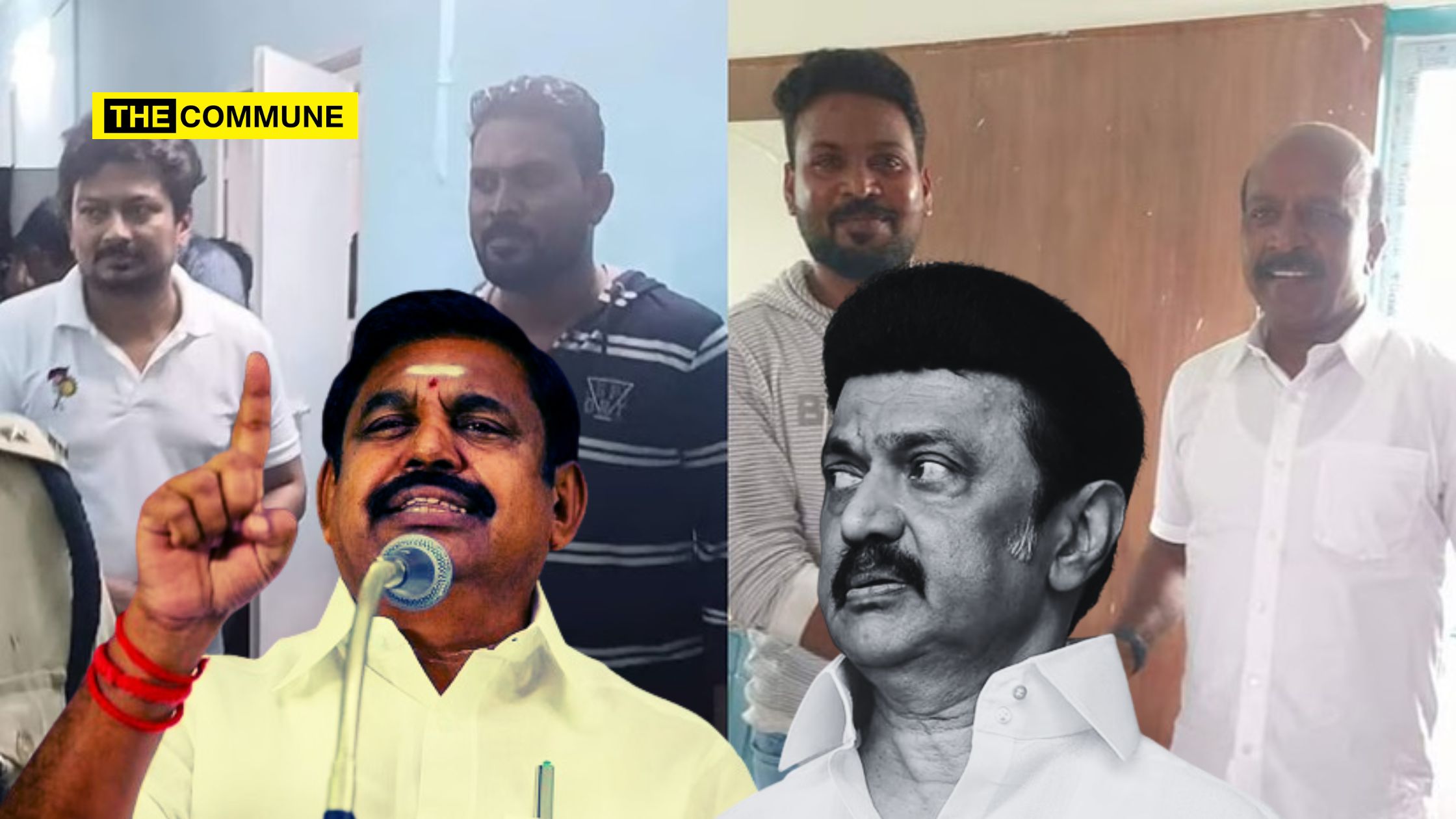
Additionally, Gnanasekaran’s affiliations with the ruling DMK party have come to light, with photos of him alongside prominent DMK leaders, such as Deputy Chief Minister Udhayanidhi Stalin and Minister Ma. Subramanian. These connections have fueled speculation that his political ties may have played a role in attempting to cover up his actions.
Criminal History And Background:
A repeat offender with a long criminal history, Gnanasekaran has been booked for shocking activities that span over a longer period before the Anna University incident, with numerous charges pending against him.
Previously Filed Cases: Gnanasekaran has been involved in at least six criminal cases before this incident, including allegations of molestation, trespassing, theft, and other serious charges.
Prior Offenses: He is accused of molesting multiple individuals in separate incidents, including one woman within Anna University and one woman who is the daughter of a Tehsildar. However, many of the victims have not come forward to file formal complaints.
Anna University Sexual Assault Incident:
Victim: A second-year engineering student inside the college.
Incident Location: Anna University campus, Chennai.
Details: Gnanasekaran, along with an accomplice, attacked the victim and her boyfriend at a secluded spot on the campus. He filmed the assault victim without consent and threatened to release the footage unless the victim complied with his demands. The perpetrator forced the victim to strip, harassed her, and then sexually assaulted her.
FIR Details: Gnanasekaran’s actions included:
Voyeurism – recording private moments of the girl with her boyfriend and threatening to leak the footage to college authorities and the victim’s parents.
Sexually assaulting the girl and recording the same
Forcing the victim to choose between expulsion from the university or “spending time” with him and another man.
Connection To DMK And Alleged Political Protection:
DMK Affiliation: Gnanasekaran is a DMK functionary with documented ties to the party, despite official claims from DMK leaders denying his affiliation.
Party Role: He was reportedly a Deputy Organizer for the Saidapet area, as confirmed by party leaflets and the DMK mouthpiece Murasoli.
DMK Ties: He has been photographed with senior DMK leaders, including Deputy Chief Minister Udhayanidhi Stalin and Minister Ma. Subramanian, showing his strong political connections.
Political Interference: Gnanasekaran’s past offenses were allegedly covered up with political backing. For instance, it is alleged that in the current sexual harassment case, the DMK circle secretary Shanmugam reportedly intervened during a police inquiry to protect Gnanasekaran from being arrested immediately.
Additional Allegations and Investigations:
Criminal Record: Apart from the recent sexual assault case, Gnanasekaran has a shocking history of criminal activities, including trespassing, theft, and molestation.
Unlawful Activities: He was involved in illicit activities, such as selling alcohol and drugs in the Saidapet area, where he had ties to the deceased rowdy ‘Gym’ Ezhumalai, according to AIADMK IT Wing head Kovai Sathyan.
Use of Campus Access: His wife’s position as a temporary sanitation worker at Anna University allowed him unrestricted access to the campus, which he reportedly exploited to target victims and plan assaults.
Cover-Up Allegations: Despite clear evidence linking Gnanasekaran to the DMK, certain party elements have attempted to downplay or cover up his affiliation. Controversy surrounds the leak of the FIR, which contained sensitive details about the victim’s identity. The police have filed a case against the matter and investigations are underway.
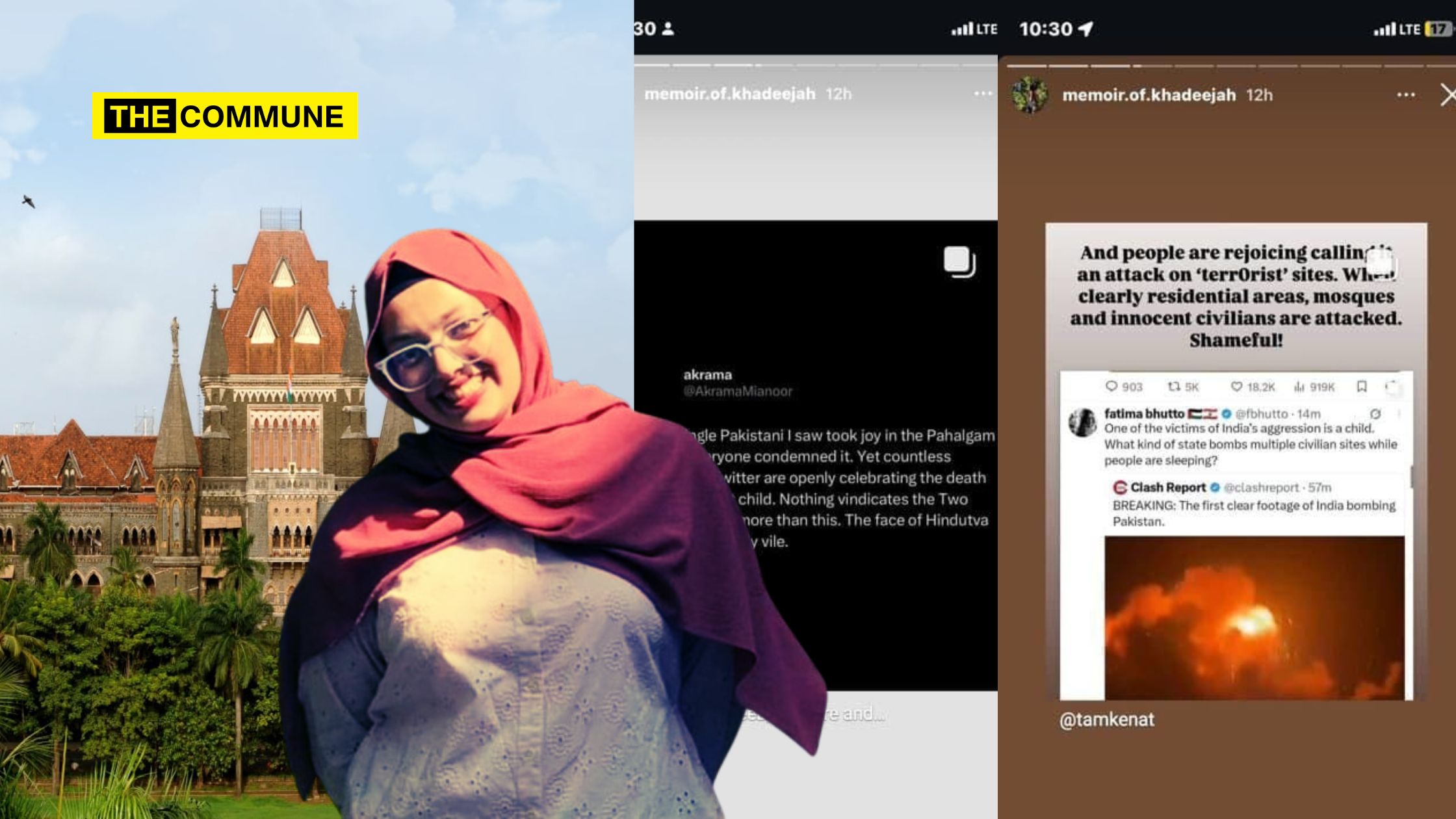
The Bombay High Court on 27 May 2025 strongly criticized the Maharashtra Police and Sinhgad Academy of Engineering for the arrest and rustication of a 19-year-old engineering student who had shared a controversial Instagram post about Operation Sindoor. The post, which reshared content critical of the Indian Army’s operations and included pro-Pakistan sentiments, allegedly sparked protests and calls for her arrest.
The student, Khadija Shahabuddin Sheikh, a second-year Information Technology student, was arrested on 9 May 2025 by Pune’s Kondhwa Police and is currently lodged in Yerwada Central Prison. She faces charges under Sections 152, 196, 197, 299, 352, and 353 of the newly enforced Bharatiya Nyay Sanhita, 2023.
A division bench comprising Justices Gauri Godse and Somasekhar Sundaresan expressed “shock” at the state’s response. During the morning hearing, the bench rebuked both the police and the college authorities, saying, “She is no criminal,” and questioned why the authorities did not make an effort to reform rather than punish her.
The Court noted that Sheikh had shared the contentious post on her Instagram, deleted it within two hours, and issued a public apology after receiving death threats. An FIR was filed on May 9. “According to us, it is shocking that after she deleted the post an FIR was lodged against her on May 9 without even considering the fact that she deleted the post and even apologised,” the Court said in its order.
Justice Godse further remarked, “This is absolutely shocking. It appears like police officers are bent upon ruining her life. Equally the college.”
The bench also criticised the institute for rustication without due process, saying the action was “hurriedly issued without giving an opportunity to the petitioner to respond,” and failed to acknowledge her apology and remorse. The rustication order, issued on 6 May 2025, accused her of harbouring “anti-national sentiments” and being a “risk to the campus community and society.”
During the hearing, the Court directed authorities to release the student before sunset and allow her to appear for upcoming exams. “We do not want any public assault etc… Give her a separate classroom for writing exams, if you can,” the Court instructed the college. The police were ordered to ensure her safety and refrain from calling her in for questioning during the exam period.
The Court also allowed her to apply for re-examinations for two missed papers and asked her counsel, Advocate Farhana Shah, for an assurance that Sheikh would use social media responsibly in the future. “As far as the two missed papers are concerned, we will grant you to make applications to the University to let her give the same. Also, we will need an assurance from your client that she will not engage in such activities on social media in future and use social media responsibly,” the judges stated.
In response to the college’s argument that students must adhere to discipline, the Court retorted, “Who is stopping you from this? First inculcate some discipline in the institute then discipline students. Practice what you preach.”
According to police sources, Sheikh had reposted content from the Instagram handle ‘Reformistan’, including screenshots of tweets by Pakistani nationals—one of which said “Pakistan Zindabad” and another criticizing “Hindutva extremism.” These posts surfaced shortly after India launched retaliatory strikes on Pakistani positions under Operation Sindoor, following the killing of 26 Indian tourists in Pahalgam by Pakistan-backed militants.
Deputy Commissioner of Police (Zone 5) Rajkumar Shinde confirmed the arrest, stating, “She has been booked under Sections 152, 196, 197, 299, 352, and 353 of the Bharatiya Nyay Sanhita. The content she shared had the potential to incite unrest, especially during this sensitive period. Further investigation is underway.”
The student challenged her rustication in court, arguing that it was arbitrary and violated her constitutional rights, including the right to free speech (Article 19(1)(a)), equality before the law (Article 14), and the right to life (Article 21). Her legal plea also asserts that she was not served any show-cause notice before the disciplinary action.
The High Court has ordered the suspension of the rustication order and directed the student to cooperate with the investigation while ensuring her academic future is not jeopardized.
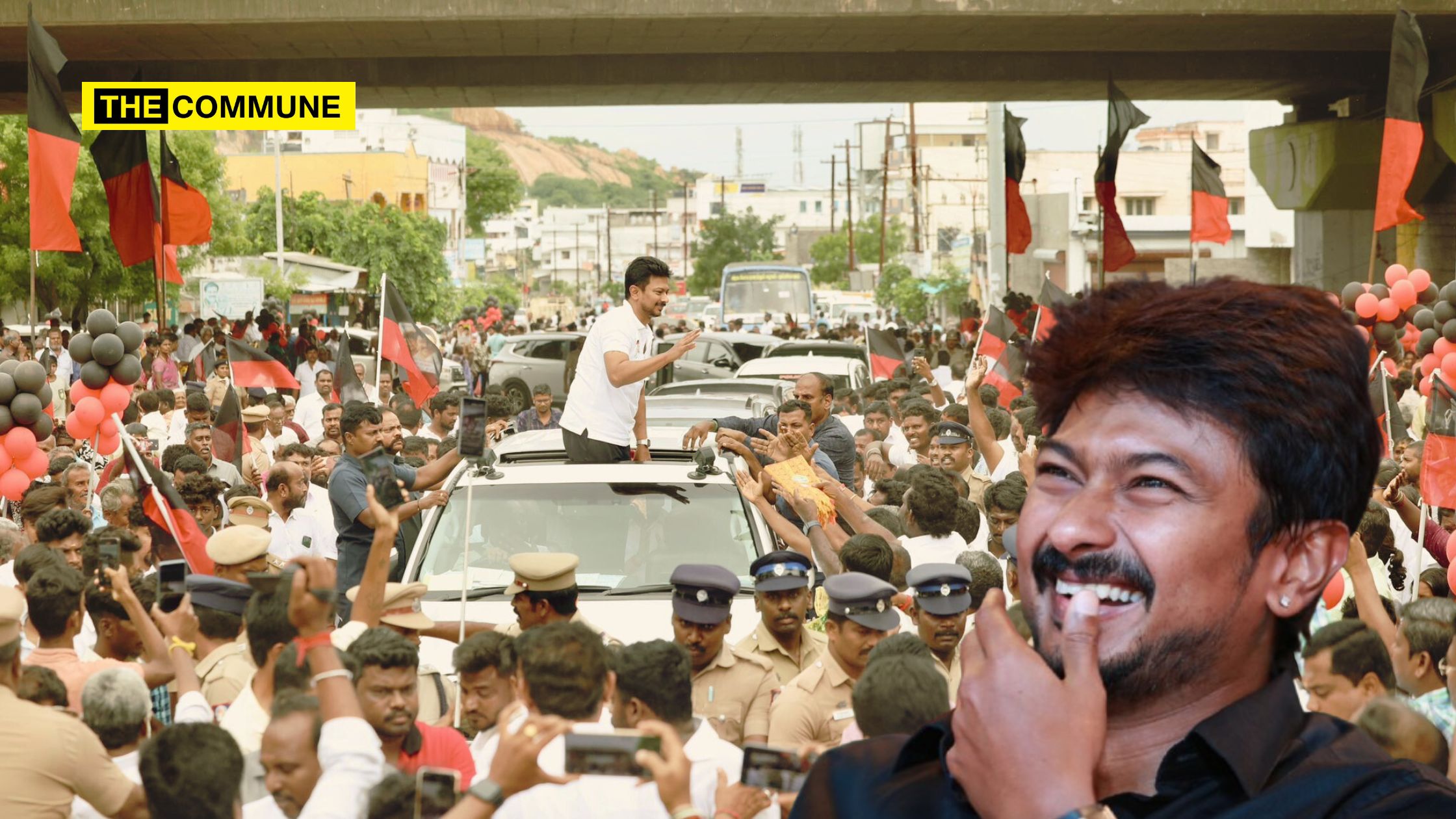
When political power is wielded without regard for ordinary citizens, it’s often the public that bears the consequences. A recent example unfolded in Karur, where commuters and bus passengers were caught in long delays during the visit of Tamil Nadu Deputy Chief Minister Udhayanidhi Stalin.
கரூரில் நடைபெற்ற திருமண விழாவுக்கு இன்று சென்ற போது வழியெங்கும் திரண்டு வந்து உற்சாக வரவேற்பை அளித்த கரூர் மாவட்ட – ஒன்றிய – நகர – பேரூர் கழக நிர்வாகிகள் – இளைஞரணி தம்பிமார்கள் – முத்தமிழ் அறிஞர் கலைஞர் அவர்களின் உயிரினும் மேலான அன்பு உடன்பிறப்புகள் அனைவருக்கும் என் அன்பும்,… pic.twitter.com/F1b4mNglsF
The disruption occurred during the wedding reception of the daughter of Anna Velu, President of the Labour Progressive Federation (LPF) in Karur district. The event took place in Velayudhampalayam on Sunday. Deputy Chief Minister Udhayanidhi Stalin, along with Minister Mahesh Poyyamozhi, traveled from Trichy by car to attend the ceremony.
Udhayanidhi arrived at the venue around 12:50 PM and was welcomed by former minister Senthil Balaji, local MLAs, district officials, and DMK functionaries. He entered the Angi Rundu Hall by 1:05 PM, briefly greeted the newlyweds, and departed by 1:13 PM. He was scheduled to board a flight to Chennai from Trichy at 2:55 PM, prompting a high-speed return trip.
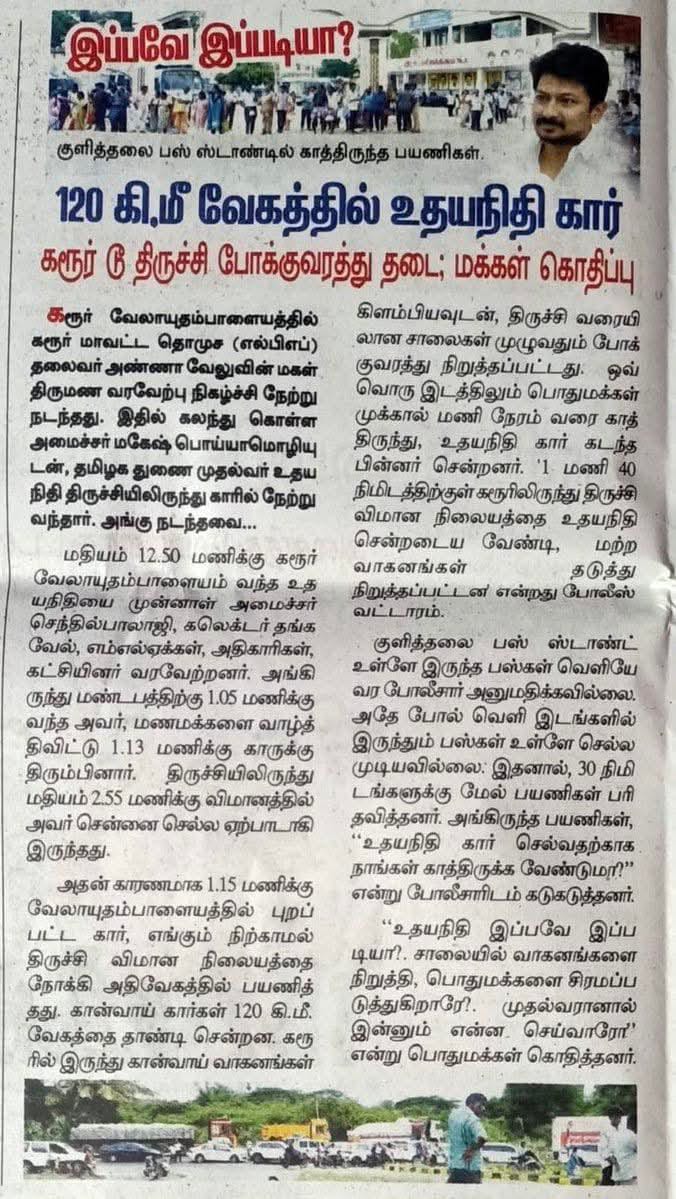
In order to ensure the Deputy CM reached the airport on time, his convoy moved at speeds allegedly exceeding 120 km/h. Police cleared roads ahead of the convoy, halting traffic in multiple areas along the route to Trichy. Reports from the ground indicate that vehicles were stopped for up to 45 minutes in several places until the motorcade had passed.
One significant bottleneck was at the Kulithalai bus stand, where buses were prevented from entering or exiting for over 30 minutes. Passengers were left waiting without clear communication, leading to frustration and anger.
Some among the public voiced their irritation, “Should we really be stuck here just because a minister is passing by?” said one commuter. Another questioned the broader implications, “If this is how things are now, what will happen if he becomes the Chief Minister?”
Subscribe to our channels on Telegram, WhatsApp, and Instagram and get the best stories of the day delivered to you personally.
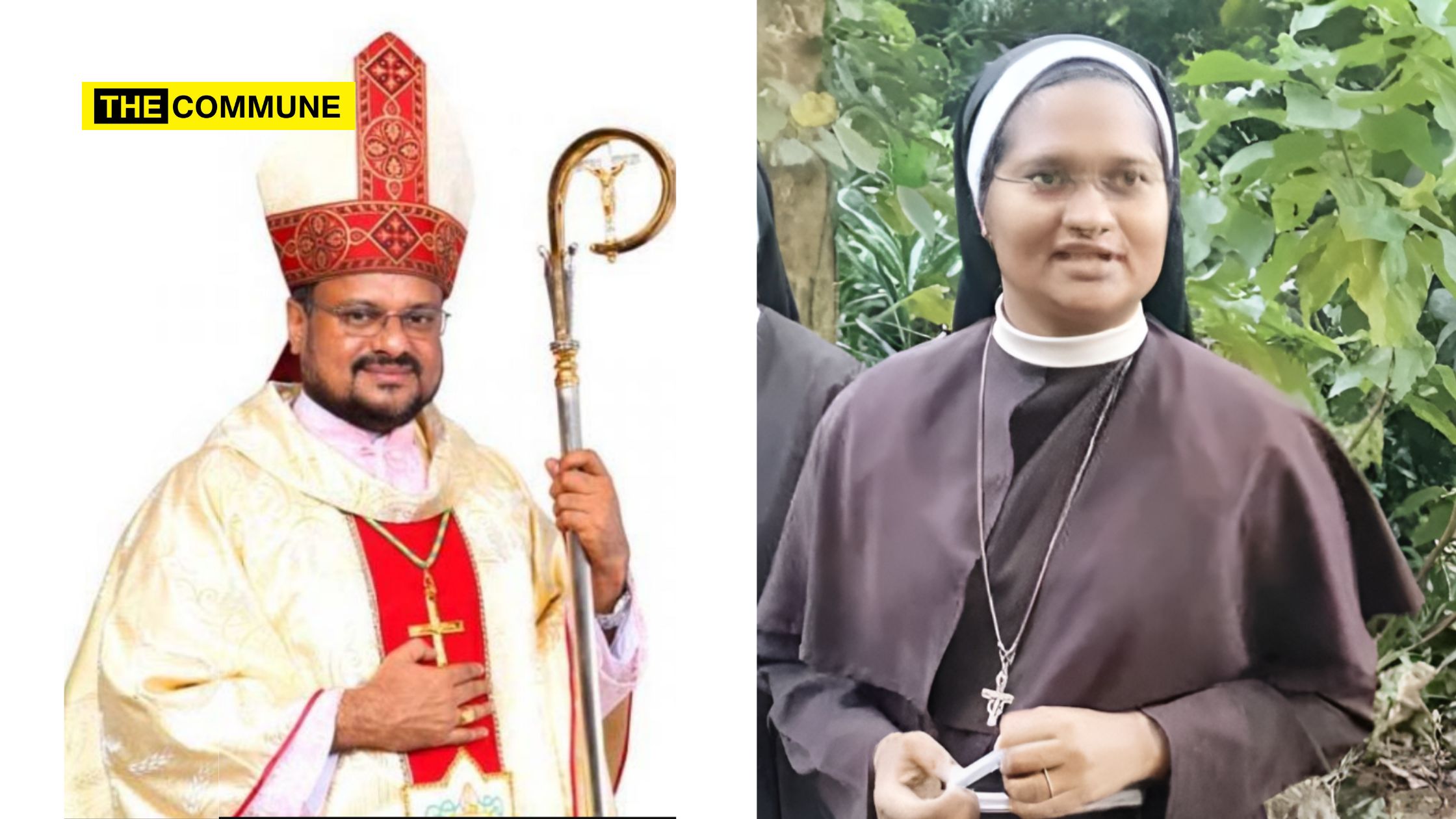
In a deeply unsettling development from Kerala, six nuns of the Syro-Malabar Catholic Church, who bravely spoke out against former Bishop Franco Mulakkal—later acquitted in a high-profile rape case have faced serious consequences for their stand. Once active members of religious life, they now find themselves ostracised, unsupported by Church administration, and under mounting pressure to leave their convents. Half of them have already stepped away from their religious vocations.
Back in 2018, these six nuns from the Jalandhar Diocese courageously supported a fellow nun who accused Bishop Franco of sexually assaulting her multiple times between 2014 and 2016. Despite filing a police complaint, initial inaction led them to protest publicly, demanding justice. Their actions, however, came at great personal cost.
Although Bishop Franco was arrested and later acquitted by a trial court in 2022—a verdict now under appeal in the Kerala High Court—his accuser and her supporters continue to face social and institutional exclusion. While Pope Francis accepted Franco’s resignation in 2023, the former bishop remains involved in Church-related events outside his previous diocese.
The nuns who stood by the survivor have since been marginalised by their religious community. Stripped of roles and left without support, they were excluded from convent life, with some reduced to taking secular jobs or returning to their families. Among them, Sister Anupama Kelamangalathuveliyil has left the convent and now works in a private IT company. Her story is one of many reflecting a wider pattern of institutional neglect and retaliation.
Sisters Neena Rose and Josephine, who also left the congregation, have likewise faced immense hardship. Sister Neena, in particular, suffered a serious accident and endured extended medical treatment. Financial strain and internal tensions further deepened their struggles, leading to a split among the original group.
The remaining three—Sisters Alphy, Aansita, and the complainant—continue to live in near-isolation within the Kuravilangad convent. Cut off from resources and surrounded by hostility, they are reportedly in a state of extreme vulnerability. Though police protection is still formally in place, their daily lives are marked by silence and scarcity.
Previously, the convent ran a hostel and farm operations, with all earnings sent to the Jalandhar Diocese, which in return was responsible for their upkeep. But after the hostel closed, the sisters turned to small-scale farming and poultry for survival. Even these modest efforts were used to target them, with accusations of “running a business” made to discredit them.
Sister Lucy Kalapura, a prominent voice in the protests, confirmed that those who challenged the Church’s silence were met with relentless exclusion. From being removed from responsibilities and banned from communal spaces, to being forced to eat separately, their treatment reflected deep-rooted institutional hostility.
The convent leadership eventually vacated the premises—owned by the diocese—taking everything from animals to the nameplate. Elderly residents were shifted, and access to basic support such as food and medicine was withdrawn. Despite vague promises of assistance, the nuns were repeatedly told to leave.
Left with no alternative, the women turned to basic self-employment like tailoring and farming, but were again criticised for doing so. Having spent decades in service to the Church, they were abandoned when they needed support most. The diocesan administrator even went as far as to publicly declare Bishop Franco “not guilty.”
This saga is not just about a legal battle—it is about systemic silencing, power imbalance, and the cost of standing up for truth within religious institutions.