Following the demise of an assistant superintendent of police rank official in Chhattisgarh recently in a gun-battle with Maoists, the security forces will not observe monsoon recess during on-going anti-LWE operation. Chhattisgarh’s Bastar division has Sunday resolved to continue their anti-Naxal operations throughout the monsoon season.
The decision was formalised during a high-level strategy review meeting held on Sunday, police sources said. The meeting brought together senior officers from the District Reserve Guard (DRG), Special Task Force (STF), and other units engaged in counterinsurgency efforts. Discussions focused on adapting operational logistics to the challenges posed by the monsoon, including difficult terrain, disrupted mobility, and communication hurdles. Deputy Chief Minister and Home Department in-charge Vijay Sharma made the government’s stance unequivocally clear.
“There will be no further dialogue with the Maoists,” he stated. “You either surrender or face decisive action.” This firm declaration signals a significant shift in policy and tone, underscoring the administration’s resolve. Historically, anti-LWE operations saw reduced activity during the monsoon months due to logistical challenges. In a tragic incident in Sukma district’s Kunda region, Assistant Superintendent of Police (ASP) Akash Rao Giripunje was martyred in a Maoist-planted IED (improvised explosive device) blast. The explosion also left the SDOP and the officer in charge of the local police station seriously injured. In the aftermath, security agencies have heightened their vigilance, and the government has issued directives for intensified action against the Maoists. Despite seasonal constraints, the campaign against the banned Communist Party of India (Maoist) organisation remains active across all districts of the Bastar division. Sources said the officials emphasised that the rainy season will not deter the security apparatus from maintaining pressure on Maoist strongholds.
“Operations will be recalibrated, not paused,” a senior police officer said, highlighting the use of intelligence-led tactics and community engagement to sustain momentum. The Bastar division, which includes several districts with a history of Maoist activity, has seen intensified operations under the state’s broader counterinsurgency framework. Initiatives like “Lone Varratu” and “Poona Narkom” have already led to significant surrenders and a weakening of Maoist influence in the neighbouring regions. The meeting concluded with a reaffirmation of the state’s commitment to a three-pronged strategy of “security, development, and trust-building”.
Officials reiterated that the goal is not only to neutralise armed insurgents but also to restore governance and public confidence in remote tribal areas. With the monsoon approaching, the Bastar division’s security forces appear poised to adapt and persist — rain or shine — in their mission to dismantle the Maoist network and restore lasting peace. As part of this renewed offensive, the state government has transferred nearly a dozen Assistant Superintendents of Police to the LWE-affected regions, reinforcing the operational backbone in conflict-prone districts. Each officer has been entrusted with a clear mandate; to eliminate the Maoists’ threat from their respective areas.
–IANS
Subscribe to our channels on Telegram, WhatsApp, and Instagram and get the best stories of the day delivered to you personally.

There has been no damage to Israel’s Haifa port in the Iranian ballistic missile attack on an oil refinery nearby and cargo operations are progressing unhindered, according to media reports. Despite strikes targeting the Haifa oil refinery and surrounding areas, the port itself is operating normally, with cargo operations continuing unhampered, reports confirmed.
There are eight ships at the port now and cargo operations were being carried out normally, according to the reports. Late on Saturday night, Iran targeted Israel’s Haifa port and a nearby oil refinery in retaliation to Tel Avi’s attack on Iranian nuclear sites and missile factories and military command centres. Top military commanders and nuclear scientists were killed in the attacks launched by air. Shrapnel fell in the chemical terminal at the port and some other projectiles fell at the oil refinery but there is no damage to the port facilities. The refinery is reported to be at some distance from the port facilties.
Haifa Port is a major international seaport located in northern Israel, a relatively less volatile region compared to the south. It is an important port for Israel both for imports and exports of the country. A major escalation unfolded as Iran reportedly launched a fresh barrage of ballistic missiles at Israel for the second consecutive night, with Iranian state media claiming a direct hit on the Haifa oil refinery, sparking a large fire near the northern port city. Official Israeli confirmation of a refinery strike remains pending. The missile assault reportedly struck a residential building in Tamra near Haifa, killing three and injuring at least 14 others.
Israel and Iran launched fresh attacks on each other overnight into Sunday, killing scores, as US President Donald Trump said the conflict could be ended easily while warning Tehran not to strike any US targets. Israeli rescue teams combed through the rubble of residential buildings destroyed in strikes, using flashlights and sniffer dogs to look for survivors after at least 10 people, including children, were killed, authorities said. Iran has said at least 138 people have been killed in Israel’s onslaught since Friday.
The Israeli military warned Iranians living near weapons facilities to evacuate. US President Donald Trump has said that Washington is not involved in the attacks in Iran. However, Tehran has alleged a US hand in the Israeli offensive and has called off the nuclear talks which were scheduled to take place in Oman on Sunday. Trump has warned Tehran against any retaliatory attacks on US facilities or interests. “If we are attacked in any way, shape or form by Iran, the full strength and might of the US Armed Forces will come down on you at levels never seen before,” Trump wrote on Truth Social. “However, we can easily get a deal done between Iran and Israel, and end this bloody conflict,” he added
–IANS
Subscribe to our channels on Telegram, WhatsApp, and Instagram and get the best stories of the day delivered to you personally.
Vijay Mallya’s recent appearance on Raj Shamani’s podcast – a 4-hour spectacle garnering millions views – represents not redemption but refined deception. As the self-styled “King of Good Times” weaponizes charisma to whitewash his massive financial crimes. The reality: Mallya isn’t a victim—he’s the architect of India’s largest banking heist, a man who orchestrated the systematic looting of ₹9,000 crores from public coffers while sabotaging national interests. No polished podcast can whitewash these sins.
Kingfisher Airlines, once the poster child of luxury aviation, didn’t just fail—it was a fraud disguised as a business.
From Day One (2005), Kingfisher was a loss-making vanity project, burning cash while competitors like Jet Airways and even the much-maligned Air India turned profits. By 2011, Kingfisher’s debt hit ₹7,000 crore, its planes were grounded, employees went unpaid, and fuel suppliers filed lawsuits. Yet, Mallya lived the “King of Good Times” life—yachts, IPL parties, and vintage cars—while banks, taxpayers, and employees bore the cost.
The Scam Playbook: How Mallya Pulled It Off
The Bank Heist aka 2010 “Debt Restructuring”
When Kingfisher was drowning in debt, Mallya didn’t repay—he conned banks into a “haircut” scam:
Banks converted ₹1,400 crore of debt into equity, valuing Kingfisher shares at ₹64.48—a 61% premium over the actual market price (₹39.90).
This artificial inflation gifted Mallya ₹1,000+ crore of public money overnight.
The stock soon crashed to ₹23, making the banks’ stake worthless. As of 2011, Mallya walked away with over₹1,200 crore of depositors’ money.
Who allowed this? The same banks (SBI, PNB, IDBI) that should have seized his assets instead rewrote rules to favor a failing airline.
How Other Airlines Were Sabotaged (Mallya’s Inside Help)
The spectacular rise of Vijay Mallya’s Kingfisher Airlines was not just a story of flamboyance and branding—it was a carefully orchestrated ascent enabled by political patronage and deliberate sabotage of rival airlines. While Kingfisher itself was financially unsound from the outset, systemic decisions by those in power crippled its competition, clearing the runway for its dominance. Whether by blocking operational permissions, inflating acquisition costs for rivals, or burdening national carriers with unsustainable debt, Mallya’s path was paved not through market merit but through manipulation. The fallout of this favoritism was borne by the Indian taxpayer, as public money was drained to serve the ambitions of one private airline. Below are key examples of how major competitors were systematically dismantled to serve this end.
The Arrival Of Air Deccan
Air Deccan, a pioneer in low-cost aviation and a major player in the domestic market, was denied crucial landing and hangar facilities. Permissions to operate profitable routes were withheld, weakening its position. Meanwhile, a media campaign mocked it as a “flying Udupi restaurant” to damage its reputation. Despite being financially healthier than Kingfisher, Air Deccan was cornered and ultimately sold to Mallya, eliminating a major competitor.
Jet Airways (via Air Sahara bid)
Jet Airways was tricked into overpaying for the struggling Air Sahara. Mallya entered the bidding war only to artificially drive up the price, then backed out, forcing Jet to complete the inflated purchase. This severely weakened Jet Airways financially and strategically, giving Kingfisher temporary dominance in the full-service segment without having to compete head-on.
Indian Airlines & Air India
Kingfisher’s survival depended on killing its biggest competitor—Air India. Enter Praful Patel, then Civil Aviation Minister. Let’s understand how Praful Patel Grounded Air India while patronising Kingfisher.
Between 2004 and 2011, Praful Patel, as Minister of State for Civil Aviation, presided over what many call the slow-motion sabotage of Air India. Once a dominant public carrier, Indian Airlines (later merged with Air India), saw its market share nosedive from 42% to irrelevance under Patel’s stewardship. The merger he championed—between Indian Airlines and Air India—was a logistical and cultural disaster. Former COO Gustav Baldauf later revealed that key HR integration issues were ignored, leading to chronic internal dysfunction. The two airlines were forcibly merged in 2007, despite both showing signs of financial recovery. The merged entity was burdened with a massive and unnecessary order of 111 aircraft worth ₹32,000 crore, far beyond their actual needs. This led to unsustainable debt and interest burdens. Further, profitable international and domestic routes were cut and handed to Kingfisher, under political direction.
But the damage began even earlier, in 2005, when Patel chaired a board meeting that approved an unaffordable aircraft order—expanded from 28 to 68 planes—without a matching revenue or route plan. This single move saddled the airline with crippling debt of over ₹50,000 crore, while annual losses spiraled to ₹7,000 crore.
At the same time, Patel systematically ceded profitable Gulf and South Asia routes to private and foreign airlines.
In 2009, Air India abruptly withdrew from the lucrative Kozhikode–Doha–Bahrain sector, allowing Jet and Etihad to swoop in. Aviation experts cited clear conflicts of interest, as Patel’s decisions often undermined the national carrier’s competitiveness.
Adding insult to injury, Patel himself flew primarily on private airlines—mostly Kingfisher—despite a Finance Ministry directive requiring all government employees to fly Air India. RTI data revealed that 26 of his 41 Delhi–Mumbai trips between June 2009 and July 2010 were with Kingfisher. His family also reportedly enjoyed unauthorized business class upgrades on Air India flights. This deliberate sabotage gutted the national carrier’s competitiveness to benefit Mallya.
In the end, Patel’s tenure left Air India bloated, indebted, and crippled—while private competitors, including Kingfisher, benefited from his baffling generosity. His defence?“I am the Union Civil Aviation Minister, not the minister for Air India.“India is still paying the price.
The Fugitive Playbook: Evasion, Opulence, Gaslighting
Luxury As Insult To Indian Justice
While 1.3 billion Indians footed his debt bill, Mallya’s lifestyle mocked their struggles:
Yachts, private jets, and IPL teams are funded by unpaid worker salaries.
Multiple London properties were purchased as banks scrambled to recover loans.
2016 escape to the UK using diplomatic passport privileges – a final middle finger to accountability.
His podcast performance continues this tradition: framing himself as a misunderstood entrepreneur while omitting 13,000 pending criminal charges1, including money laundering and fraud.
The Escape: How Mallya Fled (And Who Let Him)
Vijay Mallya fled India on 2 March 2016, just days after withdrawing $40 million from Diageo as a “severance package.” Despite a CBI lookout notice, he escaped because:
The CBI weakened its October 2015 lookout circular in November, removing detention orders—allowing Mallya to travel freely.
Diplomatic Passport: As an MP, he used his diplomatic status to breeze through immigration.
Booked a Jet Airways ticket hours before departure, avoiding scrutiny.
Reports suggest a bureaucrat warned him of impending arrest via a socialite.
After escaping the authorities in India, he lived lavishly in a £11.5 million UK mansion, bought months earlier while continuing to ignore court summons, claiming he couldn’t return due to a revoked passport. Additionally, UK courts granted bail in 2017 while India’s legal requests dragged for years.
Vijay Mallya managed to evade Indian authorities due to a combination of systemic failures and deliberate inaction. The State Bank of India, despite being the lead lender, delayed initiating strong legal action until after Mallya had already left the country. His well-established political connections across party lines further weakened the will to enforce accountability, creating an environment of leniency. Moreover, a crucial legal oversight allowed him to slip through the cracks—there was no non-bailable warrant issued against him at the time of his departure, making his exit technically legal and giving him a head start before the machinery of justice could react.
Vijay Mallya Still Owes ₹7,000 Crore, Say Govt and Banks
Despite Vijay Mallya’s repeated claims that he has repaid all his loans, the Indian government and banks have firmly countered this narrative, stating that the fugitive businessman still owes approximately ₹7,000 crore. Mallya has often asserted that he paid ₹14,000 crore against ₹6,200 crore borrowed by Kingfisher Airlines, but officials say he is misrepresenting facts by focusing only on the principal amount while ignoring accrued interest and penalties.
As per government and bank records, the total liability of Kingfisher Airlines stood at ₹17,781 crore as of April 10, 2025. This includes ₹6,848 crore in principal (non-performing assets), ₹10,933 crore in interest and other charges. So far, banks have recovered ₹10,815 crore—primarily by selling off assets such as Kingfisher Villa in Goa—which still leaves ₹6,997 crore outstanding.
Don't trust Podcasts!
Vijay Mallya still owes ₹7,000 crore to Banks.
Wonder why Congress is promoting Mallya? What's the deal?
Banks point out that all borrowers, including Mallya, are bound by the same repayment norms, and there is no question of bias or undue pressure as alleged by Mallya. The debt recovery process followed standard procedures, including recovery through the Debt Recovery Tribunal (DRT) and asset sales permitted by the PMLA (Prevention of Money Laundering Act) courts.
Some loans given to Kingfisher were restructured, but are now under scrutiny, with arrests like that of former IDBI Bank chief Yogesh Agarwal highlighting the alleged irregularities in loan disbursal. Meanwhile, Mallya, who fled India to avoid legal proceedings, continues to challenge efforts to bring him back, claiming persecution, but the financial institutions remain firm that significant dues are still pending.
Backstabbing Employees
Kingfisher owed ₹300 crores for over 3000 employees. The company left employees with unpaid salaries ranging between ₹25 to ₹50 lakh. Many still hope the courts or government will compel Vijay Mallya to pay up, believing he has the means. One former staffer recounts a painful memory—her father’s dialysis treatment revealed that KFA had quietly stopped paying for employee medical insurance. Forced to cover the expenses herself, she had to borrow money from friends. Some pilots, unable to find aviation jobs, were working in call centres just to pay back education loans. Instead of paying them, Mallya was buying players for his IPL team. Point here is, if he wanted to pay, he could’ve paid. but he didn’t.
Mallya’s scam wasn’t just bad business—it was a calculated looting of public wealth, aided by political patronage and banking collusion. Until he faces Indian courts and repays every penny, his “good times” remain a national disgrace.
The only “good times” Mallya created were his own—funded by a nation’s tears. His podcast is a hollow monument to audacity. India remembers the real story: a billionaire who chose to be a thief. India doesn’t need his rehearsed interviews. It needs him in Tihar Jail. Until then, no viral views can cleanse the stench of betrayal.
Subscribe to our channels on Telegram, WhatsApp, and Instagram and get the best stories of the day delivered to you personally.
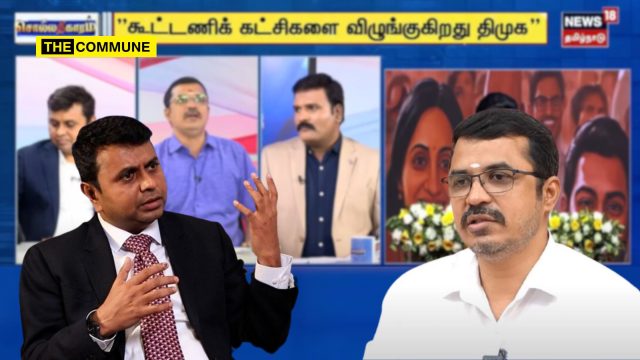
Tamil Nadu BJP leader K. Annamalai today emphasized the central government’s active role in implementing multiple flagship initiatives across India and specifically within the state.
In a post on X (formerly Twitter), Annamalai noted that “across India, a total of 54 schemes operated with central assistance and another 260 central government department-led projects are underway.” He added that in Tamil Nadu alone, over the past four years, a significant number of these initiatives have been rolled out.
Annamalai’s tweet came in response to Stalin’s earlier statement that claimed the state government contributes more funds to schemes like the Pradhan Mantri Awas Yojana (PMAY), Pradhan Mantri Matsya Sampada Yojana (PMMSY), and the Jal Jeevan Mission (JJM)—all of which prominently feature the Prime Minister’s name and image. Stalin further stated, “I had spoken at the Salem state function, saying that like the ‘comedy’ of the Padayappa film “He is the groom, but the shirt he is wearing is mine.” I should say that I was forced to speak because of the baseless accusations of the Honorable Home Minister. It has become a news item in the @The_Hindu daily and has been described with data. At least now, the BJP government should change its habit of throwing stones from a glass house.”
பிரதமர் வீடு வழங்கும் திட்டம் (PMAY), பிரதமர் மீன்வளத் திட்டம் (PMMSY), உயிர்நீர் (Jaljeevan) எனப் பிரதமரின் பெயரையும் ஸ்டிக்கரில் பிரதமரின் முகத்தையும் தாங்கிச் செயல்படுத்தப்படும் திட்டங்களுக்கெல்லாம் அவர்களைக் காட்டிலும் அதிகமாகப் படியளப்பது மாநில அரசுதான்!
In his blistering reply, Annamalai accused The Hindu of blindly echoing this narrative, dubbing it the “English Murasoli”—a pointed reference likening the English-language daily to the DMK’s official Tamil mouthpiece. He slammed the paper for “functioning like a party mouthpiece.”
Annamalai further added “The truth is, since DMK members do not read Murasoli, the Chief Minister MK Stalin is thinking that if he tells them to write stories that suit their convenience in English Murasoli and brings them, people will believe him. Like the Vadivelu joke in the movie Kovil, it will no longer happen that people are deceived by printing the DMK’s name for all the central government’s schemes.“
இந்தியா முழுவதும், மொத்தம் 54 மத்திய அரசு உதவியில் செயல்படும் திட்டங்களும், 260 மத்திய அரசின் பல்வேறு துறைகளின் நேரடி திட்டங்களும் செயல்படுத்தப்பட்டு வருகின்றன. தமிழகத்தில் மட்டும் கடந்த நான்கு ஆண்டுகளில், வரிப்பகிர்வு, மானியங்கள், உதவித் தொகை, திட்டங்களுக்கான பங்கீடு,… https://t.co/C6m3Si6FWYpic.twitter.com/h6Kf2uHxDw
In a move that has raised serious concerns, particularly for the economically weaker sections of society, the Tamil Nadu government under the DMK’s Dravidian Model has approved a significant reduction in housing units sanctioned under the Central Government’s Prime Minister’s Urban Housing Scheme, PM Awas Yojana.
This scheme aimed at achieving “Housing for All”—is a joint initiative between the Central and State governments, providing financial support for the construction of homes for the urban poor. Implemented through the Tamil Nadu Urban Habitat Development Board, the scheme has seen substantial progress in the state. Of the 6.70 lakh houses sanctioned across 5,264 projects, about 6.05 lakh units have already been completed. However, thousands of homes remain pending.
As part of the scheme’s second phase, a recent state-wise review conducted by the Central Government resulted in approval for Tamil Nadu’s proposal to withdraw from constructing 3,324 houses and reduce the overall housing allocation by an additional 6,600 units.
Breaking down the figures, an official from the Tamil Nadu Urban Habitat Development Board reportedly recommended reducing 142 houses across six construction schemes and 6,458 units from 1,254 subsidy-based schemes adding up to 6,600 houses.
Furthermore, the government has opted to completely drop plans for 3,324 houses 3,264 of which were part of four housing construction schemes, and 60 from 14 subsidy-based initiatives.
The Central Government’s high-level committee accepted these proposals, reportedly due to issues like community resistance and unsuitable land conditions.
Still, the timing and rationale behind these recommendations have sparked criticism. With the demand for affordable housing rising sharply across Tamil Nadu, many are questioning why the state would voluntarily forego homes and funding already sanctioned by the Centre. Critics argue that the state, which frequently accuses the Central Government of withholding support, is now contradictorily declining the very aid it claims to lack.
The move has raised concerns about governance priorities and has put a spotlight on the state’s commitment to social welfare, particularly for its most vulnerable citizens.
In a striking display of misplaced priorities, Tamil Nadu Chief Minister M.K. Stalin chose to weigh in on the Israel–Iran conflict this week, posting a statement on X condemning Israel’s recent strikes on Iran. His tweet described the act as “reckless aggression,” drawing immediate criticism from political observers who questioned whether a state chief minister should be commenting on international military affairs—particularly at a time when his own backyard is on fire.
Israel’s strikes on Iran is a reckless act of aggression that risks igniting a wider war. Coupled with the continued bombardment of #Gaza and suffering of Palestinian civilians, this violent path must be condemned.
The world must push for restraint, justice, and meaningful…
Over the past few months, Tamil Nadu has witnessed a disturbing rise in crime, worsening drug menace and law-and-order failures. From targeted killings to increasing gang activity and political violence, citizens across the state are voicing alarm over the deteriorating situation. Yet, instead of addressing these urgent issues, Stalin appears more focused on international events far removed from his administrative mandate.
Stalin’s post was not a genuine concern for geopolitics but a calculated move to appease a section of his voter base—namely the Muslim community—by publicly criticizing Israel, a country often vilified by Islamist political groups.
Under India’s Constitution, foreign policy is strictly a Union subject, and state leaders have no authority or role in diplomatic affairs. By stepping into this space, Stalin not only undermines constitutional boundaries but also signals a dangerous trend of identity-based posturing taking precedence over governance.
Subscribe to our channels on Telegram, WhatsApp, and Instagram and get the best stories of the day delivered to you personally.
On the birth anniversary of Ganesh Damodar Savarkar—endearingly called Babarao—we pay tribute to a revolutionary whose contributions to India’s freedom movement often remain overshadowed by his younger brother, Vinayak Damodar Savarkar, popularly known as Veer Savarkar. While Veer Savarkar is a well-documented figure, Babarao’s sacrifices, arguably as intense if not greater, deserve equal recognition.
Born on 13 June 1879, in Bhagur near Nashik, Babarao was the eldest of the three Savarkar brothers, followed by Vinayak and Narayan. Tragedy struck early when his mother, Radhabai, died when he was just 13. Soon after, their father succumbed to the plague, leaving Babarao to take responsibility for the household at a young age. Financial constraints forced him to abandon his education, but he never strayed from his patriotic convictions.
Initially on the sidelines of revolutionary activities, Babarao began playing an active role by 1906, taking charge of Abhinav Bharat, the secret society founded by Vinayak, after the latter left for London. Babarao became a driving force in organizing nationalist lectures and public celebrations such as Ganesh Chaturthi, Shivaji Jayanti, and Dussehra, where chants like “Chhatrapati Shivaji Maharaj ki Jai” resonated through the streets.
During one such event, tensions escalated when police objected to the chanting of Vande Mataram. A confrontation ensued, and Babarao, struck on the head, retaliated by hitting a police officer. He was arrested and brought to trial under Magistrate W. Plunkett in what became known as the Vande Mataram Trial.
In 1908, as Bal Gangadhar Tilak was imprisoned for an article criticizing British rule, he found himself at Dongri Jail, the same facility where Babarao was held. During a brief conversation between them, Babarao expressed his concern for Maharashtra’s future, to which Tilak famously replied, “If Maharashtra is alive, it will survive without one man. If it’s dead, no one man can save it.” It would be their only meeting, as Tilak was soon deported to Mandalay, and Babarao moved to Thane.
Despite continued surveillance, Babarao remained active in the underground movement. Pandurang Bapat, newly returned from London, trained him in bomb-making. In February 1909, Babarao was arrested while receiving an arms shipment sent by Tatya (Vinayak Savarkar) from England. When mocked by a British officer about overthrowing the empire, Babarao responded boldly: “The British have said they’ll grant us freedom when we’re worthy. We’ll earn it by intensifying our yearning for freedom.”
Convicted under Sections 121 and 124A of the Indian Penal Code for treason, Babarao was sentenced to life imprisonment and deported to the Cellular Jail in the Andaman Islands. His property was seized, and he was paraded in chains through Nashik in a yellow cap that signified his sentence to Kalapani. Such was the climate of fear that no one dared show up in solidarity during his deportation.
The news of his sentencing sparked outrage among revolutionaries abroad. On 1 July 1909, Madan Lal Dhingra, a close associate of Vinayak in London, assassinated Sir Curzon Wyllie in protest. Meanwhile, a group of young nationalists—Krishnaji Karve, Anant Kanhere, and Vinayak Deshpande—carried out the assassination of Arthur Jackson, Nashik’s District Magistrate, on 21 December 1909, as retribution for Babarao’s deportation. All three were hanged for their actions.
Babarao arrived at Cellular Jail in 1910, where prisoners endured brutal torture. He was forced to work as an ox, pulling the kolhu (oil mill), and often stood in chains for hours. Solitary confinement and beatings were routine. Many jailers, allegedly targeting Hindu inmates, attempted forced religious conversions. When Vinayak joined him in 1911, the brothers weren’t allowed to speak for two years. Eventually, both began organizing internal resistance to the inhumane treatment of political prisoners.
Years of abuse left Babarao gravely ill. By 1919, he had developed tuberculosis. After relentless pressure from Indian leaders, both brothers were shifted to jails in mainland India by 1921. Babarao was briefly held in Alipore, then Bijapur, where he spent eight months in solitary, and finally Sabarmati, where his health rapidly worsened. Authorities, fearing public backlash if he died in custody, released him in September 1922, thanks to the efforts of his brother Narayan and lawyer Jairamdas Daulatram.
After 13 torturous years in prison, Babarao emerged physically broken but mentally resolute. He openly criticized Gandhian non-violence, arguing that it lacked practicality. He was skeptical of Gandhi’s vision of Hindu-Muslim harmony, having witnessed targeted religious abuse in prison.
Post-release, Babarao threw his energy into Hindu Mahasabha initiatives and founded the Tarun Hindu Sabha (1923–24) to mobilize youth. The organization worked to end caste discrimination and revive Hindu self-respect through shuddhi (reconversion) movements. When K.B. Hedgewar founded the Rashtriya Swayamsevak Sangh (RSS) in 1925, Babarao dissolved his Sabha and merged it into the RSS. Deeply respected by Hedgewar, Babarao helped draft the RSS pledge and played a vital role in its early growth.
Despite his limited formal education, Babarao self-studied Ayurveda, astrology, and yoga. He authored a Marathi book titled “Rashtramimansa va Hindustanche Rashtraswaroop”, examining the idea of Hindu nationhood. Though more spiritual than his rationalist brother Vinayak, the bond between them remained strong.
Babarao lost everything—his home, health, family. His wife Yesubai, rendered homeless after his arrest, died while he was imprisoned. His children died in infancy. Still, his commitment to the nationalist cause never wavered.
In his final days, bedridden in Sangli, Tatya sat beside him and said, “Baba, our lives had one mission, and we’ve fulfilled our duty to our ancestors.” On 16 March 1945, Babarao passed away—his life a testament to courage, resilience, and sacrifice.
Legacy and Reflection
Babarao Savarkar remains a towering yet overlooked figure of India’s freedom movement. Alongside Vinayak and Narayan, he endured unimaginable suffering, driven not by ambition but unwavering belief in national sovereignty and Hindu resurgence. It’s time India remembers not just the famous names—but also the silent revolutionaries like Babarao who paid the price for our freedom.
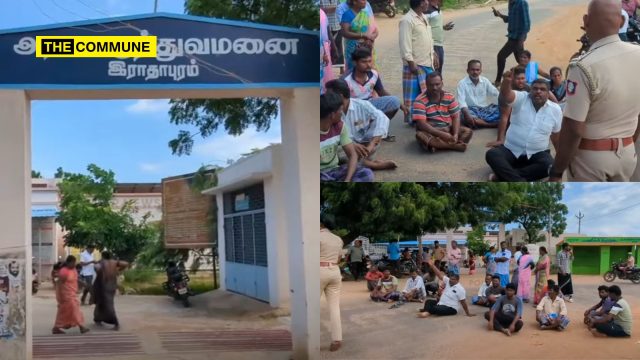
Coimbatore MLA and BJP Mahila Morcha National President Vanathi Srinivasan personally met with sanitation workers who had been arrested and detained at a private marriage hall for staging a peaceful protest against the Coimbatore Corporation and the DMK government. The workers were demanding fair treatment, including permanent jobs, better wages, and essential safety gear. Vanathi expressed her solidarity and assured them of full support.
More than 3,000 sanitation workers, including those employed on contract, have stayed away from duty over the past five days, pressing for higher wages, job regularisation, and access to benefits like ESI and PF. Many among them alleged that private contractors were paying them less than the government-mandated wages. “We’re supposed to get ₹770 per day as per official norms, but are only being paid ₹540,” said one protester.
Taking to social media platform X, Vanathi Srinivasan wrote, “Sanitation workers in Coimbatore Corporation have been protesting for the past five days, demanding permanent employment, salary hikes, and the provision of safety equipment. Even when I was in Delhi, I had written to the District Collector urging that the demands of the sanitation workers be considered and fulfilled. Today, upon learning that sanitation workers participating in the protest in Coimbatore were arrested and confined in a private marriage hall, I immediately went to meet them in person and expressed my full support. This is not just an issue concerning 6,000 sanitation workers in the Coimbatore Corporation—it is the issue of 6,000 families. I assured them that the @BJP4India stands in solidarity with their just struggle for rights. I strongly condemn the police for arresting sanitation workers who were protesting peacefully and lawfully for their rightful demands. I will continue to urge the @CollectorCbe, @CbeCorp, Tamil Nadu Chief Minister @mkstalin, and Municipal Administration Minister @KN_NEHRU to address and resolve their demands promptly.”
கோவை மாநகராட்சியில் பணி நிரந்தரம், ஊதிய உயர்வு மற்றும் பாதுகாப்பு உபகரணங்கள் வழங்க கோரி கடந்த ஐந்து நாட்களாக தூய்மை பணியாளர்கள் போராட்டம் நடத்தி வருகின்றனர்.
டெல்லியில் இருந்தபோதே தூய்மை பணியாளர்களின் கோரிக்கையை பரிசீலனை செய்து நிறைவேற்றி வைக்க மாவட்ட ஆட்சித் தலைவருக்கு கடிதம்… pic.twitter.com/wN1ZIqEwSa
A fresh controversy has erupted under the DMK-led “Dravidian model” governance, following an event meant to raise awareness about child labor—ironically marred by the very act it aimed to denounce.
Held at the Anna Centenary Library in Kotturpuram, Chennai, the event was organized to commemorate the World Day Against Child Labor on 12 June. Led by Tamil Nadu’s Labour Welfare and Skill Development Minister C.V. Ganesan, the gathering included a human chain demonstration involving over 300 students from various government schools across Chennai.
While the rally featured students holding placards against child labor, concerns were raised when these same children were later seen carrying food and snack boxes prepared for the attending guests. Eyewitnesses reported that students, brought in to participate in the awareness rally, were also made to handle logistics like distributing food—raising serious ethical and legal concerns.
The irony of the situation where children were reportedly used for menial tasks during an event focused on eradicating child labor has sparked criticism from activists and members of the public. Complaints have been made alleging that children were, in effect, used as unpaid event staff in the presence of senior government officials. This incident has once again spotlighted inconsistencies in policy enforcement and the symbolism surrounding government-sponsored events under the current administration.
குழந்தைத் தொழிலாளர் ஒழிப்பு தின விழாவில் விருந்தினர்களுக்கான சிற்றுண்டி பெட்டிகளை குழந்தைகளை வைத்தே தூக்க வைத்த அவலம் அமைச்சர் முன்னிலையில் நடந்திருக்கிறது .🤦
இந்த லட்சணத்தில் திமுக கொத்தடிமைகள் எங்களுக்கு அரசியல் தெரியுமா என்று கேட்குதுங்க. இப்ப இதற்கு விளக்கம் கொடுங்க… pic.twitter.com/R9dme6SGU8
A major international march protesting aid restrictions on Gaza was thrown into uncertainty on Friday, as Egyptian authorities delayed permission for the event and Libyan officials blocked an overland convoy headed toward the Egypt-Gaza border.
Participants from 80 nations had mobilized for the “Global March on Gaza” to highlight the worsening humanitarian crisis following Israel’s restrictions on aid entry since March.
The march was expected to be one of the most significant global actions in solidarity with Gaza. It was organized alongside other efforts, including a humanitarian flotilla intercepted earlier this week by the Israeli military while en route to the blockaded territory.
However, in Cairo, hundreds of international activists were reportedly detained and deported upon arrival. Organizers stated they would regroup at a site outside the city on Friday in preparation for the march scheduled for Sunday, even as the Egyptian government had yet to authorize access to the Sinai Peninsula a region under strict security control.
“We urge Egypt to permit this peaceful demonstration, which reflects their own stated goals of stabilizing the border and responding to the dire conditions in Gaza,” organizers said in a public appeal.
Spokesperson Hicham El-Ghaoui said the group would delay any demonstrations until Egyptian officials clarified their stance on the march.
The event has placed Egypt in a delicate position. Although the country publicly condemns the blockade and calls for an end to hostilities, it has simultaneously cracked down on pro-Palestinian activism. Since the war began, Egyptian authorities—who maintain a close security relationship with Israel and receive substantial U.S. military aid—have arrested at least 186 individuals for pro-Gaza demonstrations or charity efforts, according to the Egyptian Initiative for Personal Rights.
This aggressive response has shocked many international participants. Italian activist Antonietta Chiodo described how arriving demonstrators were interrogated, mistreated, or deported. Belgian human rights lawyer Alexis Deswaef recounted that Egyptian security forces had surrounded the hotel near Cairo’s Talat Harb Square where many activists were staying. He and his group evaded detention by pretending to be tourists on their way to visit the Pyramids.
“I didn’t expect Egypt to act on Israel’s behalf like this,” Deswaef said from Giza. He expressed hope that the number of activists heading to the assembly point outside Cairo would overwhelm any potential crackdown.
One of the ‘Global March to Gaza’ organisers just got her passport confiscated and thrown on a bus—after her friends were beaten.
Not by Israel. By Egypt.
Turns out blindly following Greta into the Middle East isn’t just cringe—it’s dangerous.
Meanwhile, an overland aid convoy from Algeria, which picked up participants in Tunisia and Libya, was halted in Sirte by authorities loyal to eastern Libya’s rival government. The convoy had crossed into Libya but was stopped near contested territory. Libya remains divided between factions based in the east and west, with the eastern administration enjoying backing from Egypt.
Libyan officials urged organizers to coordinate through official diplomatic channels and advised participants to return home, referencing Egypt’s refusal to permit the march.
The conflict began with Hamas’s deadly attack on southern Israel on 7 October, 2023, which left more than 1,200 people dead and 251 hostages taken. To date, 52 hostages remain in captivity, with 20 believed to still be alive.