Home Blog Page 374

Madras High Court Restrains Activist Rangarajan Narasimhan From Making Defamatory Remarks Against Vedic Scholar Dushyanth Sridhar

rangarajan narasimhan dushyanth sridhar

The Madras High Court has issued an interim injunction restraining temple activist Rangarajan Narasimhan of Srirangam, Tiruchi district, from making any defamatory statements against noted Vedic scholar and orator Dushyanth Sridhar on social media platforms, particularly X and YouTube.

Justice K. Kumaresh Babu granted the temporary relief until the disposal of a civil defamation suit filed earlier this year by Dushyanth Sridhar, who is seeking ₹1 crore in damages. The orator alleged that the activist had already published several abusive and derogatory remarks targeting him on various platforms.

The suit was filed in February 2025, along with a plea seeking the court’s permission to institute proceedings in Chennai, despite Dushyanth Sridhar residing in Bengaluru and the defendant in Srirangam. Dushyanth Sridhar contended that a significant portion of his audience and followers are based in Chennai, making the jurisdiction appropriate.

Senior counsel Satish Parasaran, appearing for Dushyanth Sridhar, cited two international judgments to support the request: the House of Lords’ decision in Turner vs. Grovit (2011) and the High Court of Australia’s ruling in Dow Jones and Co Inc vs. Gutnick (2022). He argued that these precedents affirmed a plaintiff’s right to choose a forum of convenience.

Accepting the argument, Justice Babu granted leave to institute the suit in Chennai on 23 June 2025 and ordered that the matter be registered. He then proceeded to hear the plea for an interim injunction, granting the activist four weeks to file a reply.

The court noted that even during preliminary arguments, Narasimhan had acknowledged making certain social media statements against Dushyanth Sridhar. However, his defense was that the comments were not defamatory.

“This court, on going through the statements made by the respondent, prima facie finds that such statements are defamatory in nature. Hence, there shall be an order of interim injunction as prayed for,” the judge ruled.

Appearing for Dushyanth Sridhar, advocate Rahul Balaji submitted that the activist was known for regularly posting objectionable content targeting various individuals on social media. He submitted screenshots of similar statements made by Narasimhan, including those aimed at dissuading a senior counsel from appearing in the case.

Taking note of these materials, Justice Babu observed, “Such statements have been made challenging the learned senior counsel who had appeared for the applicant… They are in the nature of making the learned senior counsel to keep him away from appearing in the cases.”

Accordingly, the court not only barred Narasimhan from making further defamatory remarks against Dushyanth Sridhar but also restrained him from making any future statements against the lawyers representing Dushyanth Sridhar or other opponents in any of his cases.

The matter will now proceed with further hearings, with the interim injunction in place until a final verdict is reached.

(With inputs from The Hindu)

Subscribe to our channels on Telegram, WhatsApp, and Instagram and get the best stories of the day delivered to you personally.

“Anti-People Government”: EPS Slams DMK For Ignoring Court-Ordered Compensation To Sankarankoil Custodial Death Victim Murugan’s Family

eps dmk custodial death sankarankoil

Leader of the Opposition in Tamil Nadu and AIADMK General Secretary Edappadi K. Palaniswami (EPS) has strongly criticized the DMK government for its failure to provide compensation to victims of custodial deaths, despite clear directives from the Madras High Court.

Condemning the state’s inaction, Palaniswami remarked, “You’re neither preventing custodial deaths nor compensating the victims’ families. What more evidence is needed to show this government is anti-people?”

He called on the government to act without delay and ensure rightful compensation is given, particularly highlighting the case of Meena, whose husband Murugan reportedly died after being assaulted by police in Sankarankovil.

EPS via his social media account stated, “In March 2024, the Madurai Bench of the High Court ordered the government to provide a government job to Meena, whose husband, Murugan, died after being assaulted by the Sankarankovil police. However, reports coming in that the DMK government has not yet provided Meena with either a government job or compensation. Mr. Stalin, your government disrespects court orders. Your police caused this woman to lose her husband, leaving her a mother of three children, who now works for a mere 300 rupees daily. Will Meena get a response from you, ‘Puppet Chief Minister? The family of Thiruppuvanam Ajith Kumar has also stated that the job and land you hastily provided are not suitable for them. You’re unable to prevent custodial deaths and unwilling to provide compensation to the families of those who died! What further proof is needed that this is an anti-people government? I urge the @mkstalin model DMK government to immediately provide proper compensation to the families of those who died due to custodial deaths.”

Case Background

In March 2024, the Madurai Bench of the Madras High Court directed that appropriate compensation and a government job be provided to Meena, the widow of M. Murugan, a van driver from Tenkasi who allegedly died after being assaulted by police officers in Sankarankovil on 8 March 2024. The court also ordered that the case be investigated by the Deputy Superintendent of Police from the CB-CID, Tirunelveli.

Justice G.R. Swaminathan issued the ruling in response to a petition filed by Meena, who had appealed for several measures, including the registration of a murder case against the involved police personnel.

According to Meena’s statement, Murugan had been returning from Achampatti after transporting a group of female devotees when his vehicle accidentally collided with an auto rickshaw. Meena alleged that three police officers arrived at the scene, hurled caste-based insults at Murugan, and assaulted him so severely that he lost consciousness. The police reportedly impounded his van and took it to the station. Although Murugan’s family later brought him to the hospital, he was declared dead on arrival. Believing her husband was a victim of custodial violence, Meena approached the court seeking justice.

Her legal counsel urged the court to recognize the incident as a custodial death and demanded fair compensation, the arrest of the responsible officers, and an investigation led by an officer of DSP rank.

On behalf of the state, the Additional Advocate General argued that compensation could not be considered unless it was officially deemed a custodial death. He also contended that the situation arose spontaneously after Murugan’s van hit an auto carrying a disabled person, which caused public unrest and traffic issues, prompting police intervention.

After reviewing the arguments, Justice Swaminathan concluded that while the evidence at hand did not currently support charges under Section 302 (murder) of the IPC or the SC/ST (Prevention of Atrocities) Act, the incident did warrant administrative attention, especially given the emotional toll on the victim’s family. The judge also noted that Murugan’s body was released to the family only after court intervention.

Acknowledging a statement from the Tenkasi Collector about offering Meena a government job, the court instructed authorities to appoint her as an Anganwadi worker within one month, with a monthly salary of approximately ₹12,000. The judge also directed that she be considered for a village assistant position when a vacancy arises, noting that she is responsible for raising three young children.

Although the court refrained from making a definitive judgment against the officers involved, it recognized that Murugan had been treated roughly and ruled that he qualified for financial aid under the Victim Compensation Scheme. The Collector was ordered to process and disburse the compensation within two months. Furthermore, while the current woman inspector handling the case was seen as acting appropriately, the court approved a DSP-led investigation based on the petitioner’s request.

Subscribe to our TelegramWhatsApp, and Instagram channels and get the best stories of the day delivered instantly.

Pudukkottai Mullainagar Residents Raise Alarm Over Woman Sheltering 120+ Stray Dogs For Her YouTube Channel “Amma Chellam”

mullainagar dogs youtube

Residents of Mullainagar, near Gandarvakottai in Pudukkottai district, have voiced serious concerns over a local woman, Kalaichelvi, who is reportedly sheltering more than 120 dogs in her home for content on her YouTube channel ‘Amma Chellam’. What began with two puppies has grown into a large pack of stray dogs, many of which now roam the streets freely, sparking fears for public safety.

Locals allege that these dogs, some appearing visibly unhealthy with skin conditions, are a growing menace particularly to children, women, and the elderly. Recent viral news of dog attacks across the state has only heightened anxiety. Parents say they are now hesitant to let their children walk home from school, fearing potential attacks.

“Children are unable to go out or come once they return from school. Dogs are biting the children severely. Sir, we live solely for our children,” a women resident said.

“They tell us to keep the children inside, saying the dogs will stay outside. When we try to talk to them, they speak very offensively and use abusive words,” another women resident lamented.

“There are elderly people and young children nearby. We can’t go or come that side. They are breeding many dogs in their area,” another women resident said.

Another elderly resident said, “This woman, for the sake of that channel and publicity, keeps them (dogs) inside, applies a bindi, bathes it, dresses it up, and does all sorts of things with it, talking to it, saying, ‘Come, my darlings, come to Mommy, come, come, come.’ And the puppies, as if on cue, go up and climb things in that house and do everything. Now, my request is that they should move to the outer area. Because the children here are all very young. They talk about rabies – a disease from dogs; if those come, the future of these children will be ruined. They (children) can’t play freely outside. The children can’t even go to a nearby small shop alone because ten dogs chase them from behind.”

Tensions escalated when some residents approached Kalaichelvi with their concerns, only to be met with hostility. She reportedly defended her actions by saying, “A dog only chases someone if its mental state is affected in some way; normally, it wouldn’t chase. As far as dogs (our children) are concerned, who are full of love and affection, interact well with them. Everyone comes to our house, even people from high places come to visit, and they interact very affectionately. If every child (dog) were raised that way, everything would be good and filled with love. They have a lot of gratitude; it’s humans who might not.”

Despite her intentions, community members claim that many of the dogs are aggressive and unsupervised. They have urged local authorities to intervene, stating that public safety should not be compromised for the sake of social media content. They emphasize that such high-risk situations should not be permitted under the guise of animal welfare or YouTube stardom.

Subscribe to our TelegramWhatsApp, and Instagram channels and get the best stories of the day delivered instantly.

Tamil Nadu Netizens Mock & Urge James Gunn To Take Action Against DMK For ‘Superman Stalin’ Poster

superman stalin james gunn

Amid reports that filmmaker James Gunn has filed a $1 billion lawsuit against the White House and Donald Trump for allegedly using a Superman poster without authorization depicting Trump as the superhero netizens in Tamil Nadu have drawn a satirical parallel and urged Gunn to take similar legal action against the DMK and Tamil Nadu Chief Minister M.K. Stalin for the “Superman Stalin” poster.

The demand surfaced after the DMK’s NRI wing and affiliated social media pages shared an AI-generated image featuring Stalin’s face morphed onto Superman’s body, portraying him as a “Dravidian firebrand” in a post.

Netizens widely circulated the post, ridiculing the image and calling for it to face the same level of scrutiny as the recent incident in the United States.

Subscribe to our TelegramWhatsApp, and Instagram channels and get the best stories of the day delivered instantly.

MK Stalin Tries To De-Hinduize Thiruvalluvar, He Should Read His Dad’s Explanation On Thirukkural

mk stalin karunanidhi thiruvalluvar thirukkural

Tamil Nadu Chief Minister M.K. Stalin on Sunday, 13 July 2025, accused right-wing forces of attempting to “saffronise” Tamil poet-saint Thiruvalluvar and appropriate his legacy, asserting that such efforts were born out of cultural inadequacy. Speaking at a book launch event in Chennai, Stalin claimed that since there was “none worth celebrating in Aryan culture,” there had been attempts to steal Thiruvalluvar by attributing Hindu religious imagery to him.

“Thiruvalluvar is a rationalist, stood for self-respect, and advocated social justice,” Stalin said at the release of lyricist Vairamuthu’s new commentary on the Thirukkural, titled Valluvar Marai, Vairamuthu Urai. He warned that anyone trying to claim Thiruvalluvar would be overwhelmed by the intensity of his verses. “Manu Neethi cannot enter a place where there is justice based on Thirukkural. When Aryan civilization tried to destroy Dravidian tradition, Thirukkural protected it,” Stalin said in a veiled criticism of the Sangh Parivar and similar organisations.

The Chief Minister also called for the Thirukkural to be declared India’s national book. Former Union Finance Minister P. Chidambaram received the first copy of Vairamuthu’s book, while the author himself placed a copy at the memorial of former DMK leader M. Karunanidhi as a mark of tribute.

However, Stalin’s comments have reignited a long-standing debate over the religious and philosophical foundations of the Thirukkural. Critics were quick to point out that Stalin’s own father, former Chief Minister M. Karunanidhi, had previously acknowledged Hindu religious elements within the Thirukkural in his speeches and writings.

What Karunanidhi Said About Thirukkural

M Karunanidhi, known for his atheistic and rationalist beliefs, had nevertheless interpreted several kurals using Hindu deities and religious metaphors. For example, while commenting on Kural 167, he said: “Wealth is described as Lakshmī and poverty as her sister Moodevi. A jealous person will be identified by her sister and then Lakshmī will distance herself from him.” In another speech, he explained Kural 617 by stating: “The words ‘Thirumagal’ and ‘Moodevi’ are used to refer to someone who is motivated in their efforts and someone who is lazy and unmotivated, respectively.”

In yet another commentary on Kural 1103, Karunanidhi mused, “They say the world is a lotus-eyed world, but what is that? Is it as sweet as leaning on the shoulder of a loving lover and falling asleep?”

Scholars and commentators have noted that the Thirukkural contains several references that align with Hindu religious concepts and imagery. Terms and figures such as Indra, Yama, the Vamana avatar, Sridevi, the lotus-eyed Lord, fate, rebirth, penance, Vedas, mantras, sacrifice, Brahmins, and heaven appear throughout the text, leading many to argue that the Kural is not entirely secular or atheist in nature.

This contrast between M.K. Stalin’s position and M. Karunanidhi’s documented views has prompted political opponents and observers to question the consistency of the Dravidian movement’s narrative on Thiruvalluvar. Some allege that Karunanidhi himself appropriated religious motifs from Hinduism in his interpretations, suggesting that the very act Stalin now condemns may have earlier been practiced by his own party leadership.

(With inputs from Times Of India)

Subscribe to our channels on Telegram, WhatsApp, and Instagram and get the best stories of the day delivered to you personally.
Zee Tamil’s “Dance Jodi Dance” Shows Men Dressed As Hindu Gods Dancing Obscenely, I&B Ministry Serves Show-Cause Notice For Disrespecting Hindu Gods

The Ministry of Information and Broadcasting has issued a show-cause notice to Zee Tamil over alleged disrespect toward Hindu deities and religious figures in its show Dance Jodi Dance, aired on 12 July 2025. The channel has been asked to respond within seven days, explaining the content in question. The Ministry cited a violation of Rule 6(1)(c) of the Programme Code under the Cable Television Networks (Regulation) Act, 1994, which prohibits content that attacks religious communities, shows contempt for religious beliefs, or fosters communal discord.

Following the broadcast of the show on 12 July 2025, there was widespread public outrage after viewers noticed background dancers dressed as Lord Shiva, Lord Ganesha, Lord Murugan, Lord Ayyanar, Lord Hanuman and other Hindu deities during performances of kuthu and gaana songs with a scantily-clad woman.

In the video, the man dressed as Shiva can be seen addressing the Hanuman character as “vaanaram” (monkey) in a disrespectful way. The man playing the Hanuman character wags the tail in an obscene way.

The portrayal was brazenly disrespectful and offensive to Hindu sentiments. Clips of the performance quickly went viral on social media, with many users tagging the Ministry of Information and Broadcasting and urging immediate action. Critics argued that the songs and overall theme were not rooted in any religious context but rather appeared to mock sacred figures for entertainment.

In response, a notice dated 13 July 2025, stated, “Violation of Programme Code by Zee Tamil Channel. It has come to the notice of the Ministry that Zee Tamil channel has telecasted a show named “Dance Jodi Dance” on 12.07.2025. The said programme contains visuals which are in violation of Rule 6[1](c) of the Programme Code prescribed under Cable Television (Networks) Rules, 1994. The said provision of the these rules states that: No programme should be carried in the cable service that contains attack on religions or communities or visuals or words contemptuous of religious groups or which promote communal attitudes; 2. In view of the above, the channel is directed to furnish its comments in respect of alleged violation of Programme Code within 7 days from the date of issue of this communication. In case, no response is received from the channel within stipulated time, it will be presumed that channel has nothing to submit in respect of the alleged telecast and admits that the channel has violated Rule 6[1](c) of the Cable Television (Networks) Rules, 1994. Accordingly, action will be initiated against the channel as per the provisions of the Cable Television (Networks) Act, 1995 without providing further opportunity to present its views.”

This is not the first instance where Zee Tamil has faced criticism for controversial content. The channel had previously drawn backlash for a segment that was perceived as mocking Daivaradhane,  a traditional spirit-worship ritual deeply rooted in the culture of the Tulu community in Tulunadu. The depiction was widely condemned for showing blatant disregard for a sacred and ancient practice held in high spiritual regard.

The controversy erupted after clips from the performance began circulating online, sparking immediate outrage among members of the Hindu and Tulu communities. Many accused the channel of reducing a revered spiritual tradition to mere entertainment, calling the portrayal disrespectful and offensive. Devotees strongly opposed such rituals being replicated on stage, arguing that it undermines their spiritual significance. In response to the criticism, Zee Tamil took down the video but did so without issuing any formal apology.

Subscribe to our TelegramWhatsApp, and Instagram channels and get the best stories of the day delivered instantly.

DMK Govt Does A “U-Turn” On “ப”(Pa)-Shaped Classroom Seating Arrangement Following Expert Warnings Over Ergonomic Risks Affecting Children’s Health

pa shaped seating arrangement classroom tamil nadu scrapped kerala movie inspiration

The Tamil Nadu School Education Department has suspended its newly introduced directive to reorganize classroom seating in a ‘ப’ (Pa)-shaped format, following concerns raised by medical experts, educators, and the general public.

The Tamil Nadu School Education Department’s recently announced “no backbencher” seating model has sparked debate among health experts and educators, with calls for caution over its long-term physical and psychological impact on students. The semi-circular “ப” (Pa)-shaped seating arrangement, introduced to promote inclusivity and engagement, is now under scrutiny for potential ergonomic and logistical issues.

The experimental seating design, inspired by the Malayalam film Sthanarthi Sreekuttan, was intended to eliminate the perceived hierarchy of frontbenchers and backbenchers in classrooms. First implemented at Ramavilasom Vocational Higher Secondary School in Valakom, Kerala, the model had students seated along the walls of the classroom or in a semi-circle, ensuring equal visibility and proximity to the teacher. The concept gained traction after the film portrayed a student’s frustration at being sidelined on the backbench, eventually leading to a classroom design where all students felt equally seen and heard.

Kerala’s innovation quickly caught the attention of neighbouring Tamil Nadu, where the School Education Department issued a circular (Rc.No. 0043/ M/S 1/2025), directing headmasters of government middle schools to arrange classroom seating in a “ப”-shaped format. Officials said the model would be piloted in classes with fewer than 35 students across approximately 8,000 government middle schools.

The directive described the new layout as a tool to promote engagement, visual equality, and interactive teaching. According to the circular, the U-shaped model (similar to the Tamil letter “ப”) would encourage eye contact, class participation, and peer learning. “When every voice can be seen and heard, learning becomes a conversation, not a lecture,” it stated, urging classrooms to become “circles of trust, engagement, and shared learning.”

However, within days of the announcement, the move drew concern from educationists and health professionals. The Indian Association of Physiotherapists (Tamil Nadu Branch) issued a public statement warning of the physical health risks posed by such a layout, particularly for young students.

In the statement, Dr. V. Krishnakumar, State President of the association, noted that students seated along the curved arms of the “ப” configuration would be required to repeatedly twist their necks and spines to face the teacher or blackboard. This, he said, could lead to cervical strain, muscular imbalance, lower back discomfort, and hip rotation stress—especially in children during their developmental years.

“Twisted trunk postures and asymmetrical viewing angles can cause early postural fatigue,” the statement read, also warning of increased risks of torticollis (neck muscle tightness) and cervicogenic headaches. The association cited global ergonomic guidelines, including those by the WHO and International Ergonomics Association, which recommend symmetrical body alignment and frontal viewing angles for classroom seating.

In addition to physiological concerns, experts flagged psychosocial issues. Constant visibility in a semi-circular setup, they argued, may cause anxiety in introverted or neurodivergent children who may prefer a degree of visual privacy.

The seating arrangement also raised logistical challenges in overcrowded classrooms. The new design, critics said, restricted movement, limited space for students with disabilities, and potentially reduced the teacher’s ability to monitor and interact with all students evenly.

The Federation of Private School Associations echoed these concerns, urging the government to reconsider the plan before wide-scale implementation. “This arrangement can accommodate only a few students and may cause eye-related issues due to frequent head turning,” said Federation President M. Arumugam, as told to Times Of India.

Following these expert assessments and the mixed reactions from educators, the Tamil Nadu School Education Department has now quietly withdrawn the seating directive. Sources within the department confirmed that further implementation has been paused and that no new instructions will be issued until a comprehensive review, including consultations with health and education professionals, is conducted.

Subscribe to our channels on Telegram, WhatsApp, and Instagram and get the best stories of the day delivered to you personally.

Why No RG Kar-Like Mass Outcry On Kasba Law College Rape Case?

Almost three weeks have passed since the incident of rape of a law college student took place within her college premises at Kasba in South Kolkata, however, no public outcry has been witnessed like the one seen over the rape and murder of a woman doctor at state-run R.G. Kar Medical College and Hospital.

The public outcry and protests on the streets started on the very morning of August 9 last year, when the body of the victim doctor was recovered from the seminar hall within the R.G. Kar premises. The protests continued for over six months and erupted not only across the state but also in other states.

The Non-Resident Indians at several places across the world held demonstrations. However, in the case of the Kasba Law College rape case, even the state and city are yet to witness any such major outburst of public outcry involving celebrities, successful people from different professions, and members of the civil society, as it happened in the case of the R.G. Kar tragedy.

The first reason for this is the reluctance of the parents of the law college victim to be vocal against the sexual assault on their daughter, and thus reach out to the larger society, prompting them to hit the streets on this issue.

Since the rape surfaced, the victim’s parents have kept themselves and their daughter incommunicado with the media. They have even informed the Calcutta High Court through their counsel that they were quite satisfied with the ongoing investigation in the matter being carried out by Kolkata Police, and hence they were not seeking a Central Bureau of Investigation (CBI) probe.

On the contrary, in the case of the R.G. Kar tragedy, the victim’s parents were extremely vocal from the very first day. They started regular media interaction on the very first day of the crime detection, issuing an appeal to the larger society to stand by them in their struggle to ensure justice for their daughter.

The parents of the R.G. Kar victims, unlike the parents of the Kasba Law College victim, had demanded that a central agency probe the mishap with their daughter from the beginning.

Social scientists feel that the larger civil society generally reacts more promptly and spontaneously only if the “call for justice” comes either from the victim or her close associates, like family members.

So there was a difference in the after-effects of the crimes in the cases of R.G. Kar and Kasba Law College., in the case of the R.G. Kar tragedy, the movement was first started by different associations of professionals from the medical fraternity, including medical students, junior and senior doctors, and nursing staff.

Their initiatives to begin the movement on the issue and the continuous hunger strike by a group of junior doctors encouraged celebrities, successful people from other professions, and civil society groups to actively join the movement, which ultimately shook the entire state first and subsequently the entire country and finally different parts of the globe.

However, in the case of the Kasba Law College rape, there had been no initiative from any association within the legal fraternity, be it law students or practising advocates, to start a bigger movement on this issue. Now, following this reluctance on the part of the legal fraternity, even the bigger civil society seemed not to have felt the urge to ensure an outburst of mass outcry.

The question that arises is why the enthusiasm of the medical fraternity to initiate the movement in the case of the R.G. Kar tragedy could not encourage those from the legal fraternity to initiate a similar movement on the Kasba Law College rape case. The reason is political.

Most of the associations from the medical fraternity are mainly controlled by anti-Trinamool Congress political forces, or to be more precise, the Leftist forces. On the contrary, the ruling party in West Bengal virtually enjoys absolute control over almost all the associations linked to the legal fraternity in the state.

–IANS

Subscribe to our channels on TelegramWhatsApp, and Instagram and get the best stories of the day delivered to you personally.

C Sadanandan Master, The Kerala Teacher Whose Legs Were Cut By Communists For Supporting RSS

On a humid evening in Kannur, Sadanandan Master arrived home in his wheelchair. A small boy tugged at his kurta and asked: “Master, how did you walk before?” With a gentle smile, Sadanandan rolled up his pant leg to reveal his prosthetic limb and quietly replied, “These were mine once—before that night in 1994.” This simple exchange, recounted by local village bloggers, encapsulates the humility and quiet strength he embodies.

Kerala is often hailed as a beacon of literacy and political consciousness. Yet, beneath this progressive veneer lies a red corridor stained by decades of political violence—much of it targeting Hindus for simply asserting their identity. In this fraught landscape, few figures embody the kind of quiet resilience and moral courage that C. Sadanandan Master does.

Early Life

Born in Perinchery, Mattanur, Kannur—a CPI(M) stronghold—Sadanandan was raised in a Communist household: his father a CPI(M) sympathizer and his elder brother active in SFI. Sadanandan himself joined the SFI until the mid-’80s. But as he pursued higher education, he began questioning Marxism’s relevance to India. Influenced especially by Akkitham’s Bharata Darshanangal, he gravitated toward RSS ideology and began participating in shakha activities in Kannur, eventually serving as district Sah Karyawah for RSS.

Sadanandan served as a high‑school social studies teacher at Sree Durga Vilasam HSS, Peramangalam, Thrissur since 1999. He earned his B.Com from Gauhati University and B.Ed from Calicut University. Beyond teaching, he became vice‑president of the Kerala National Teachers Union and edited its journal Deshiya Adhyapaka Vartha He also served as RSS Kannur district boudhik pramukh, involved in ideological outreach at the grassroots.

The Night That Changed Everything: January 25, 1994

On that fateful evening, while returning from discussing his sister’s wedding plans, Sadanandan was ambushed by CPM cadres near Perinchery. At just 30 years old, both his legs were savagely chopped off. His attackers left him bleeding on the road, forbidding others to come to his aid, and fled the scene. Only after hours did the police arrive. His severed limbs were brought to hospital by a close friend to preserve the crime scene.

This case was initially registered under TADA, the first of its kind in Kerala. When LDF returned to power in 1996, the TADA provisions were withdrawn. In 2003, eight CPM cadres were convicted and sentenced to life imprisonment.

The Kerala High Court upheld life terms in February 2025 for the convicted CPM cadres, increasing the fines to ₹50,000 per person and stating that the punishment was in fact lenient for the crime’s severity.

The Road To Resilience

Surviving such an attack would break most people. But Sadanandan did not vanish into bitterness or obscurity. He returned—not with anger, but with an unshakable belief in the power of words, ideas, and democratic resistance. He never once called for violence in return. Instead, he chose to speak—about the need to end Kannur’s cycle of bloodshed, about building bridges between communities and ideologies, and about the importance of education and reform.

Before politics took over his life, Sadanandan was a dedicated teacher. He worked in schools in Mattanur and later in Thrissur. Even after the attack, he continued to engage with the world of education—serving as vice-president of the National Teachers Union and editing its journal Deshiya Adhyapaka Vartha. He also became associated with the Bharatiya Vichara Kendram, the RSS’s intellectual wing in Kerala, where he contributed to policy and ideological debates.

According to writer Advaita Kala, Sadanandan lay silent in hospital, refusing food, even his books offered no comfort. His wife had to feed him. Yet, his friend’s act of carrying those severed legs on his shoulders to the hospital—so no one could deny the crime—became a silent testimony of hope amidst horror . Over six months later, he walked again—with prosthetic legs—and gradually re‑entered public life.

Within a year, he married Vanitha in 1995.

Political Entry

In 2016, Sadanandan contested the Kerala Assembly election as a BJP candidate from Koothuparambu—ironically, one of the most politically sensitive constituencies in Kannur.

His campaign drew national attention when Prime Minister Modi introduced him at a rally, asking: “What crime did Sadanandan Master commit that his legs were cut off?” That moment elevated his narrative beyond regional politics to national conscience.

His 2016 vote share of ~14.2% (20,787 votes) was among BJP’s best in Kannur. He didn’t win, but victory was never the point. His candidacy itself was a statement: that ideas matter more than muscle, and that even in the face of unimaginable cruelty, one can choose to rise through dialogue, not destruction.

Till mid July 2025, he served as the BJP’s Kerala state vice president.

Entering Rajya Sabha

On July 12, 2025, President Droupadi Murmu nominated him to the Rajya Sabha under Article 80(1)(a), recognizing his contributions to education and public service. The Gazette notification listed him alongside other eminent figures.

C. Sadanandan Master is not just a symbol of survival but a portrait of moral resilience.

He stands as a teacher, survivor, thinker, and now legislator.

Subscribe to our channels on TelegramWhatsApp, and Instagram and get the best stories of the day delivered to you personally.
President Droupadi Murmu Nominates 4 Eminent Personalities To Rajya Sabha

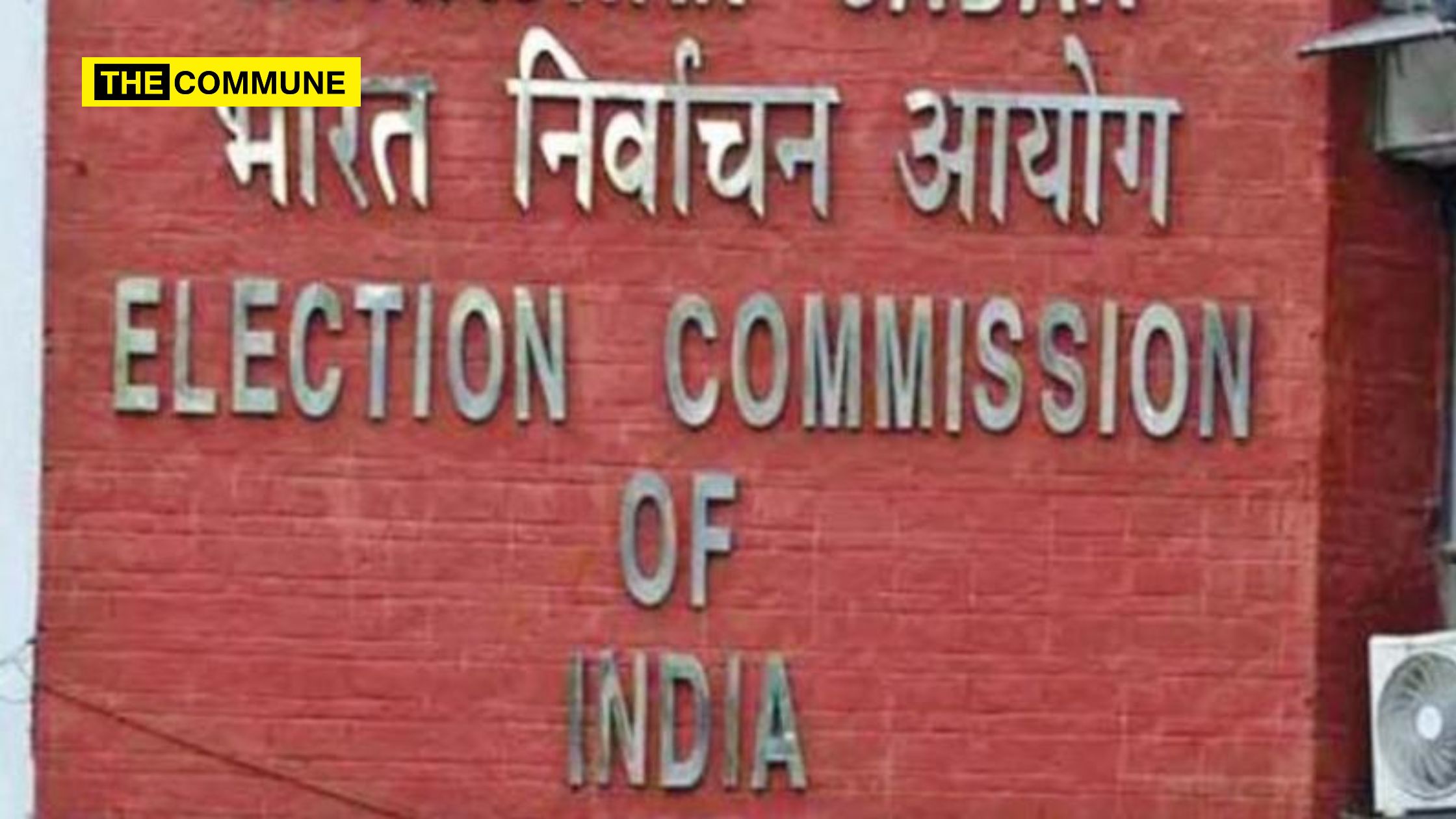
President Droupadi Murmu has nominated four eminent personalities to the Rajya Sabha (RS), India’s Upper House of Parliament, on the recommendation of the Council of Ministers. The nominated members are Ujjwal Deorao Nikam, C. Sadanandan Master, Harsh Vardhan Shringla, and Meenakshi Jain.

The notification, dated July 12, 2025, was issued by the Ministry of Home Affairs. The nominations were made under sub-section (a) of clause (1) of Article 80 of the Indian Constitution, which empowers the President to nominate individuals who have made significant contributions in the fields of art, literature, science, and social service.

These appointments come in place of retired nominated members and are aimed at ensuring diverse representation and expertise in the Rajya Sabha. Ujjwal Nikam is a distinguished public prosecutor, widely recognised for handling several high-profile criminal cases, most notably the prosecution of Ajmal Kasab, one of the perpetrators of the 26/11 Mumbai terror attacks. He had led the charge for a death sentence in the case.

C. Sadanandan Master, a veteran social worker and educationist from Kerala, is known for his lifelong commitment to education, youth empowerment and social service. Harsh Vardhan Shringla, a former Foreign Secretary of India, brings with him a rich experience in diplomacy and international affairs. He has played a crucial role in shaping India’s foreign policy and had a key part in India’s successful G20 presidency.

Meenakshi Jain, a noted historian, researcher and academic, is known for her work in history, political science and literature. Her scholarly contributions have significantly influenced academic discourse in the country.

Prime Minister Narendra Modi also extended his congratulations to the four newly-nominated members through posts on social media. In a post on X, the Prime Minister wrote, “Shri Ujjwal Nikam’s devotion to the legal field and to our Constitution is exemplary. He has not only been a successful lawyer but also been at the forefront of seeking justice in important cases. During his entire legal career, he has always worked to strengthen Constitutional values and ensure common citizens are always treated with dignity. It’s gladdening that the President of India has nominated him to the Rajya Sabha. My best wishes for his Parliamentary innings.”

On C. Sadanandan’s nomination, PM Modi said, “Violence and intimidation couldn’t deter his spirit towards national development. His efforts as a teacher and social worker are also commendable. He is extremely passionate towards youth empowerment. Congratulations to him for being nominated to the Rajya Sabha by Rashtrapati Ji. Best wishes for his role as MP.”

On Shringla’s induction into Parliament, the Prime Minister said, “He has excelled as a diplomat, intellectual and strategic thinker. Over the years, he’s made key contributions to India’s foreign policy and also contributed to our G20 Presidency. Glad that he’s been nominated to the Rajya Sabha by President of India. His unique perspectives will greatly enrich Parliamentary proceedings.”

Expressing happiness over Meenakshi Jain’s nomination, PM Modi stated, “She has distinguished herself as a scholar, researcher and historian. Her work in the fields of education, literature, history and political science have enriched academic discourse significantly. Best wishes for her Parliamentary tenure.”

–IANS

Subscribe to our channels on TelegramWhatsApp, and Instagram and get the best stories of the day delivered to you personally.