Home Blog Page 258

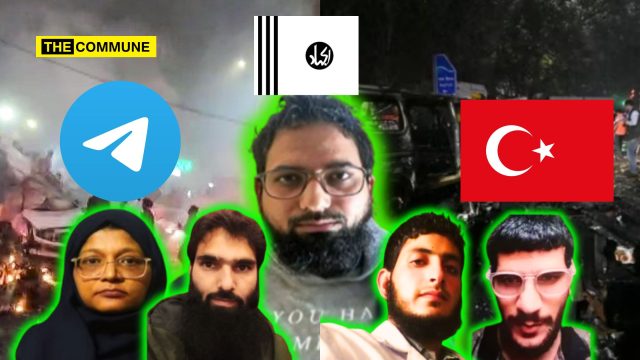
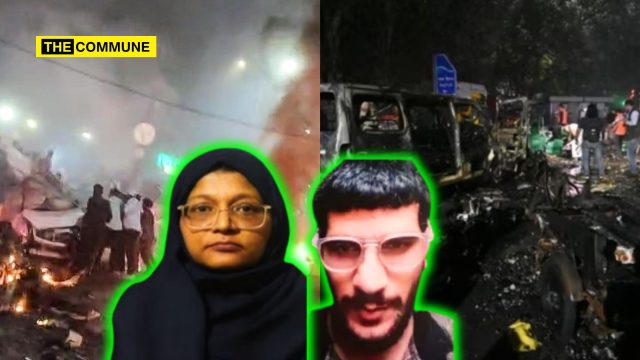
Delhi Blast Terror-Accused ‘Dr’ Shaheen Saeed Says Umar Discussed ‘Multiple Attacks’; Explosives Stockpiled For Two Years
Delhi Blast Terror-Accused ‘Dr’ Shaheen Saeed Says Umar Discussed ‘Multiple Attacks’; Explosives Stockpiled For Two Years terror code biryani daawat

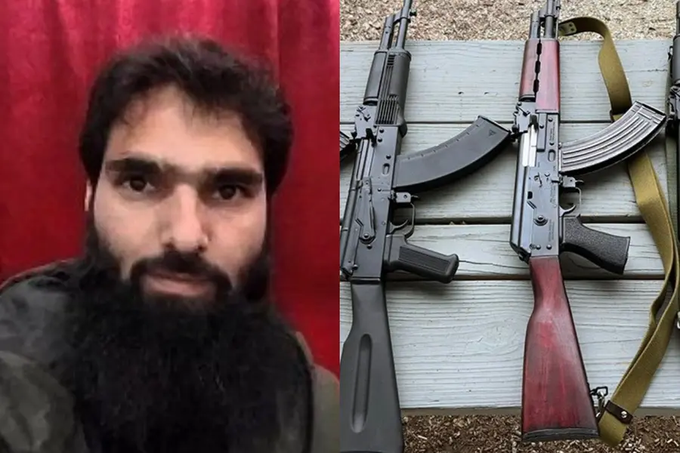
Investigators examining Monday’s car blast near the Red Fort have identified Dr Umar Un Nabi as the most radicalised member of the Faridabad-based module linked to Jaish-e-Muhammad (JeM). According to officials familiar with the probe, Umar was part of a group of medical professionals who allegedly spent nearly two years collecting fertiliser-based explosives, including ammonium nitrate, for potential coordinated attacks across multiple Indian cities.

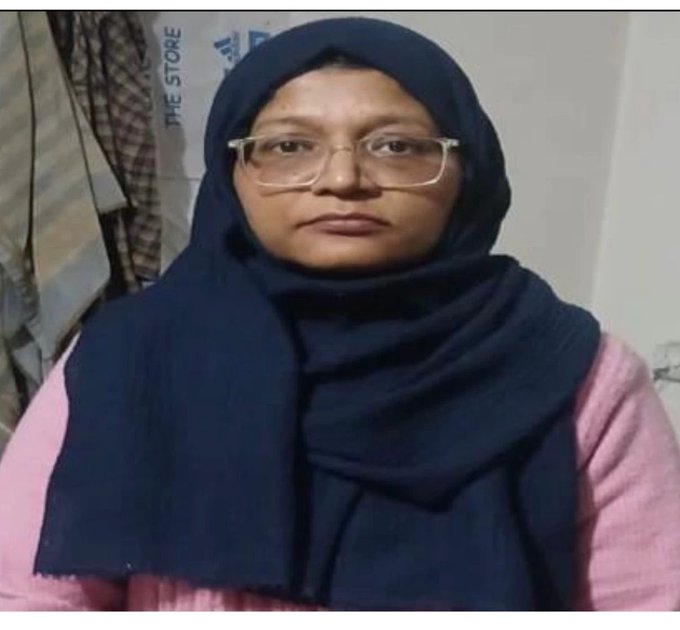
The Faridabad module comprises the arrested doctors Dr Muzammil Ahmad Ganaie, Dr Adeel Majeed Rather, and Dr Shaheen Shahid. Investigators stated that Shaheen, during interrogation in Srinagar on Monday night, said Umar frequently spoke about “unleashing multiple terror attacks in the country” during their meetings after work at Al-Falah Medical College.

Two-Year Build-Up and Missed Capture

Officials said Umar had been teaching at Al-Falah Medical College and was part of the same circle as Muzammil and Adeel, with whom he allegedly accumulated ammonium nitrate and detonators over an extended period. While Muzammil, Adeel and Shaheen were arrested earlier in coordinated operations by Jammu & Kashmir Police, Uttar Pradesh Police and Haryana Police, Umar managed to escape and was believed to have gone underground. He resurfaced as the suspected bomber, allegedly preparing and packing the Hyundai i20 used in the Red Fort blast.

Network Expands Beyond Faridabad

Interrogation of the arrested doctors has indicated the presence of a wider JeM-linked network. Shaheen reportedly informed investigators that her brother, Parvez Sayeed, was also radicalised and was part of a shared chat group with Muzammil and Adeel. A J&K Police team visited Lucknow on Tuesday and detained Parvez, though no major recoveries were made. Officials said it was possible that he had disposed of any incriminating material before the arrest.

Investigators have also identified a Gurugram-based ammonium nitrate supplier, who may soon face raids.

Role of Clerics and Overseas Handlers

Sources said recent raids in Faridabad and the Delhi blast have exposed the involvement of several clerics in indoctrination efforts. This includes Irfan Ahmad Wagay, a Shopian-based maulvi allegedly in communication with Pakistan-based JeM handler Umar bin Khattab (Harjulla), and Hafiz Mohd Ishtiyak, a Mewat-based cleric believed to have provided logistical support. These clerics reportedly used social media platforms to radicalise highly qualified professionals, including doctors, for JeM-linked activities.

Investigators noted that the medical profession may have offered participants a convenient cover for clandestine operations.

Past Precedents Under Scrutiny

Officials have pointed out that this is not the first instance of a Kashmiri doctor being found involved in terror-linked activities. In November 2023, J&K Lieutenant Governor Manoj Sinha dismissed Dr Nisar Ul Hassan, assistant professor at SMHS Hospital, Srinagar, for alleged terror links. Hassan, described as the self-styled president of DAK, was suspected of using the organisation to influence medical professionals in J&K towards secessionist ideas under the patronage of Pakistan-backed entities.

Authorities said it remains under investigation whether Hassan had any role in radicalising the doctors arrested in Faridabad or in influencing the group involved in the Delhi blast.

(Source: Times of India)

Subscribe to our channels on WhatsAppTelegram, Instagram and YouTube to get the best stories of the day delivered to you personally.

Did Successive Terror Raids Likely Force The Delhi Blast Into A Panic Detonation?

Successive counterterrorism raids across multiple states in October and early November appear to have placed intense pressure on a network of radicalised professionals linked to Jaish-e-Mohammad, leading investigators to assess whether the November 10 Delhi car blast was triggered prematurely. The chronology of arrests, seizures and intelligence breakthroughs suggests that the module’s plans may have been disrupted, forcing a panic detonation rather than the larger coordinated operation it had been preparing for.

The Backdrop: October–November 2025

Let us take a look back at the sequence of arrests and uncovering of modules by the various agencies in the country.

October 2025
On 8 October 2025, Masood Azhar, chief of Jaish-e-Mohammad, announced the launch of the group’s first women’s wing, Jamaat-ul-Mominaat, to be led by his sister Sadiya Azhar. Her husband, Yusuf Azhar, was killed during Operation Sindoor. The wing is reportedly aimed at expanding the organization’s outreach and recruiting women through social media platforms and madrasas.

Around the same time, multiple sleeper cell modules are busted across the NCR and other states, alerting security agencies to an embedded and accelerating threat.​

9 October 2025 (Punjab) – Babbar Khalsa terror cell busted; first in a series of linkages among major active networks.​

15 October 2025 (Punjab Border) – Punjab Police bust cross-border arms-and-drugs module, confirming ongoing Pakistan-backed supply chains to Indian terror cells.​

Image Source: Netram Defence Review

17 October 2025 (Andhra Pradesh) – UP & Maharashtra suspects with terror ties held, revealing a multi-state, interconnected recruitment network.​

Image Source: Netram Defence Review

24 October 2025 (Delhi) – ISIS module busted; suspects in capital received ‘fidayeen’ training; intelligence agencies begin connecting dots to broader multi-group activity.​

Image Source: Netram Defence Review

28 October 2025 (Maharashtra) – ATS nabs Pune techie linked to Al-Qaeda. Across India, educated professionals are seen as new recruitment targets.​

Image Source: Netram Defence Review

7 November 2025 (Rajasthan) – Cleric with Tehrik-e-Taliban Pakistan (TTP) links and four others detained. Radical clerics now identified as ideological anchors.​

Image Source: Netram Defence Review

9 November 2025 (Gujarat) – Gujarat ATS arrests three ISIS terrorists, including a doctor. Pattern of professionals in terror deepens. The trio were allegedly planning a mass casualty terror attack with Ricin, a poison that is much more lethan than cyanide.

Breakthrough & Subsequent Blast

9 Nov 2025 (UP, Kashmir) – Dr Adil Ahmed (JeM links) seized in Saharanpur with 360 kg potassium nitrate, AK-47s, detonators.

Image Source: Netram Defence Review

10 November 2025 (Morning, Lucknow) – Dr Shaheen (Al-Falah University faculty) arrested, linked directly to JeM’s Sadia (Masood Azhar’s family) and tasked with building Jamat-e-Mominat, JeM’s women’s wing in India.

Image Source: Netram Defence Review
The Day of the Attack: 10 November 2025 – 6:52 PM – Subhash Marg, Red Fort

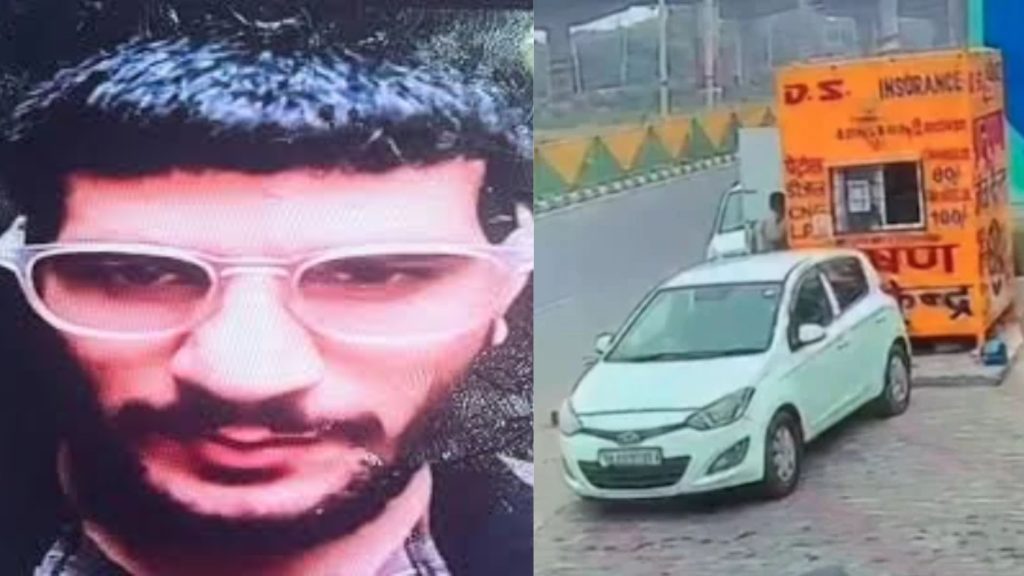
A white Hyundai i20 (registration HR 26CE7674) exploded at the Chandni Chowk/Red Fort signal. Over 11 people dead, 30+ injured. It is alleged that about 30–50 kg ammonium nitrate was used as explosive and orchestrated by Dr Umar Farooq, identified through CCTV and later confirmed via DNA.

The vehicle was traced through four previous owners in Awantipora, all residents of Pulwama, who were arrested. Officials stated that the car had moved from Faridabad into Delhi earlier in the day before being stationed near the blast site.

Image Source: Netram Defence Review
Investigation and Human Network

Following the blast, the probe led to the arrests of:

  • Dr Sajad Ahmed Mala (Pulwama),
  • Dr Parvez Ansari (brother of Dr Shaheena),
  • Irfan Ahmed Wagay, an ex-paramedic and radical cleric.


View this post on Instagram


A post shared by WION (@wionews)

Investigators identified these individuals as part of the organisational core.

Al-Falah University as Hub?

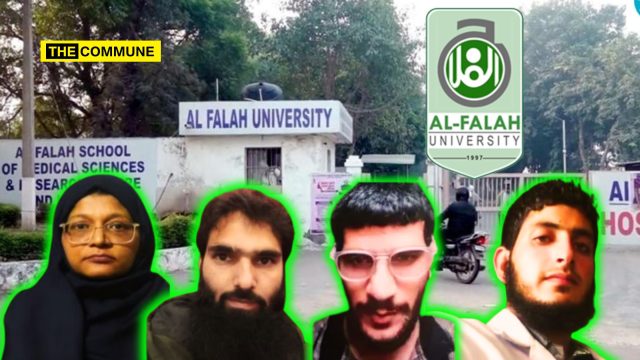
Al-Falah University in Faridabad emerged as a central point in the network. At least six faculty members — including Dr Umar, Dr Muzammil, Dr Shaheena, and Dr Adil — were linked to the module.

Authorities seized 2,900 kg of explosives from premises rented by individuals associated with the university. A raid on cleric Ishtiaq’s quarters inside the campus yielded assault rifles, timers and additional materials. Investigators assessed the cache as evidence of preparation for multiple or larger coordinated attacks, possibly planned for December 6 or Republic Day 2026.

The Poster Trail

The investigation originally began when JeM propaganda posters appeared in Srinagar on 19 October 2025, containing threats of revenge. The arrests of overground workers linked to the posters led authorities to cleric Wagay, whose interrogation helped expose the professional doctor-based module.

International Components

Agencies traced funding through digital wallets operating out of Istanbul and Doha. Investigators said the module’s handlers were based in Afghanistan and Turkey, and that ISI played a role in overall coordination. Additionally, Dr Shaheen was tasked with developing the women’s wing of the JeM in India.

Shifting Tactics: White-Collar Terror

Officials stated that the probe revealed the operation of a white-collar ecosystem in which doctors, professors and technical experts acted as primary operatives rather than conventional militants. Multiple modules in Kashmir, NCR and southern states were coordinated through social media channels and encrypted applications. Radicalisation was linked to clerics and female operatives associated with senior JeM figures.

(This article is based on an X thread by Netram Defence Review)

Subscribe to our channels on WhatsAppTelegram, Instagram and YouTube to get the best stories of the day delivered to you personally.

Doctor Module’s Massive Multi-City Terror Plot Averted; Delhi, Ayodhya Reportedly Among Key Targets

Doctor Module's Massive Multi-City Terror Plot Averted; Delhi, Ayodhya Reportedly Among Key Targets

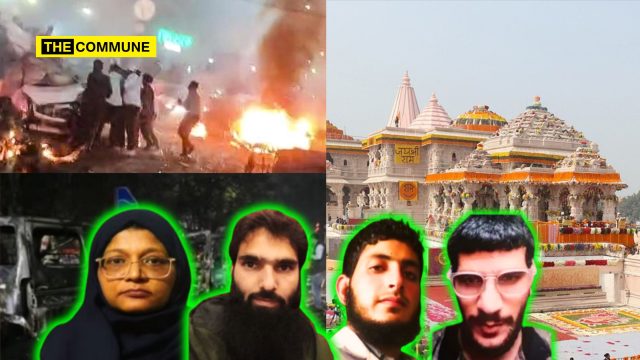
Indian security agencies have foiled a sophisticated, multi-pronged terror plot of an “unprecedented scale” planned by a Jaish-e-Mohammed (JeM) “white-collar” module, aimed at triggering serial explosions and a chemical attack across several cities, with the symbolic hoisting of a saffron flag at Ayodhya’s Ram Temple as a primary target.

The elaborate plan, which investigators have described as a “spectacular attack” akin to the 26/11 Mumbai strikes, unravelled following the premature detonation of a car bomb near Delhi’s Red Fort on 10 November 2025, which killed 12 people. The blast exposed a sprawling network of radicalised professionals, including doctors.

The Ayodhya Poison/Bombing Plot and Delhi Carnage Plan

The investigation, now led by the National Investigation Agency (NIA), revealed that the module a chemical attack in Ayodhya. In a chilling plot, the suspects, including a Hyderabad-based doctor, planned to use the lethal biochemical weapon Ricin to poison prasad (religious offering) at the Ram Temple in Ayodhya. The attack was timed for 25 November 2025, the date scheduled for the hoisting of a saffron flag atop the temple.

It is also reported that the suspects disclosed that they had gathered and intended to use a mixture of ammonium nitrate and RDX.

Interrogation of arrested suspects of the Delhi car blast case and examination of seized diaries, phones and coded notes reveal that the module planned synchronised attacks at six to seven locations across Delhi NCR on December 6, the anniversary of the Babri Masjid demolition – The module planned multiple vehicle-borne improvised explosive device (VBIED) explosions across the national capital, followed by assault rifle firing.

Senior security officials said the accused explicitly told interrogators that December 6 was chosen to “avenge Babri” and trigger maximum communal unrest.

Targets identified included:

  • Railway stations
  • Metro hubs
  • Malls
  • India Gate
  • Religious sites

The plan reportedly included detonating an explosive device in Ayodhya, with officials saying the attack was foiled just in time, preventing a potential “26/11-style multi-site assault.”

Five-Phase Plan Exposed

The module’s strategy, pieced together from detainee statements and seized documents, followed a structured five-stage model:

  1. Formation of a JeM–Ansar Ghazwat-ul-Hind module led by radicalised doctors and a moulvi.
  2. Procurement of chemicals and ammunition from Nuh and Gurugram.
  3. Manufacture of chemical IEDs and reconnaissance of high-value targets.
  4. Distribution of IEDs among members across Delhi NCR.
  5. Execution of coordinated bombings on December 6.

Officials said the initial plan was for August 2025 but was postponed after logistical delays.

The Turkey-Hatched Conspiracy and the Module

The plot was allegedly hatched in Turkey in 2022. The Red Fort bomber, identified via DNA tests as Dr. Umar Un Nabi, a Kashmiri doctor from Al-Falah University, was acting on instructions from a Turkey-based handler using the codename ‘Ukasa’.

The Crackdown That Triggered the Blast?

The module’s exposure began after JeM posters surfaced in Srinagar’s Nowgam area in mid-October. This led to a chain of arrests, including Dr. Muzammil Ahmad Ganaie in Faridabad, from whom a massive cache of 2,900 kg of explosives was seized. This seizure panicked the module, causing Dr. Umar to execute the Red Fort blast prematurely before the larger plan could be activated.

Realising the network was compromised, Umar allegedly abandoned the December 6 timeline and detonated the i20 prematurely in Old Delhi before the device was fully assembled. DNA testing has since confirmed Umar’s identity.

High-Level Response and Nationwide Hunt

Following the blast, Home Minister Amit Shah chaired high-level meetings and handed the case to the NIA. A nationwide hunt has been launched for the remaining members of the module and the missing vehicle. The probe has exposed a sophisticated cross-state network involving medics, a cleric, and radicalised operatives, averting what could have been one of the most devastating terror attacks in recent years.

(Source: Times of India & NDTV)

Subscribe to our channels on WhatsAppTelegram, Instagram and YouTube to get the best stories of the day delivered to you personally.

Al-Falah University: A House Of Terror?

Al-Falah University: A House Of Terror?

A sprawling 70-acre private campus in the foothills of the Aravalis, Al-Falah University in Dhauj, Faridabad, has become the focal point of a massive anti-terror investigation, unmasked as the operational hub for a sophisticated “white-collar” terror module with links to Pakistan-based Jaish-e-Mohammed (JeM) and Ansar Ghazwat-ul-Hind.

The university, established in 2014 under the Al-Falah Charitable Trust, that was formed in 1995 and began as an engineering college in 1997, located just 30 km from the national capital, is under the scanner following the arrest of multiple doctors on its faculty and staff in connection with the Delhi car blast that killed more than 10 people and a massive haul of explosives.

The Key Players: Doctors Turned Alleged Terror Operatives

Investigation has revealed that at least five individuals associated with the university’s medical college and hospital are central to the terror plot.

Dr. Muzammil Shakeel (aka Dr. Muzammil Ganaie): A 35-year-old doctor from Pulwama, Kashmir, he was employed at the Al-Falah School of Medical Sciences and Research Centre. His arrest on 8 November 2025 was the breakthrough, leading to the recovery of a staggering 2,900 kg of IED-making materials, primarily ammonium nitrate, from two rooms he rented in Faridabad. He is alleged to be a core member of the JeM module.

Dr. Umar Mohammed (aka Umar Nabi): Also, from Pulwama, he was the driver of the i20 car that exploded near the Red Fort metro station on 10 November 2025. He joined Al-Falah University in 2021. Investigations reveal he left the university campus immediately after Dr. Muzammil’s arrest and was in hiding for 10 days before executing the blast. A red Ford EcoSport, believed to be owned by him, has also been recovered for investigation.

Dr. Shaheen Saeed: Dr Shaheen Saeed (also reported as Shaheen Shahid or Shaheen Sayeed) was serving on the medical faculty at Al-Falah University’s Medical College in Faridabad. She was arrested on 11 November 2025. She is accused of being a key operative tasked with establishing JeM’s women’s wing, ‘Jamaat-ul-Momineen’, in India. An assault rifle, pistol, and ammunition were recovered from her Maruti Suzuki Swift car, which was frequently used by Dr. Muzammil, pointing to her active logistical role.

Dr. Adeel Ahmed Rather: From Kulgam, Kashmir, he was employed at the university and was arrested from Saharanpur, Uttar Pradesh after he was spotted putting up posters of Jaish-e-Mohammed in Srinagar on 27 October 2025. CCTV footage from the area led to his arrest in Saharanpur, in a joint operation by J&K and UP Police.

Dr. Nisar-ul-Hassan: A professor in the department of medicine, he has been reported missing since the Red Fort blast. Significantly, he was dismissed from Shri Maharaja Hari Singh (SMHS) Hospital in Srinagar in 2023 by the Jammu and Kashmir Lieutenant Governor for alleged “anti-national activities.”

The University as a Terror Base: Evidence and Planning

Investigators paint a picture of the university being used as a secure base for meticulous planning over two years.

Diaries and Coded Plans: Notebooks recovered from Dr. Muzammil’s (Room 13) and Dr. Umar’s (Room 4) campus lodgings contained coded references, names, and numbers with dates from November 8-12, with the word ‘operation’ scribbled repeatedly. This suggests the group was planning multiple synchronized strikes, with the Red Fort blast likely being one part of a larger carnage.

Logistical Hub: The module used the university’s proximity to Delhi and its campus facilities to operate under the radar. The suspects’ vehicles were parked on campus, and they coordinated movements from there.

Recruitment Scrutiny: The university’s hiring process has come under severe criticism. Both Dr. Umar and Dr. Nisar-ul-Hassan were hired despite being dismissed from their previous government positions in Kashmir for negligence and alleged anti-national activities, respectively, raising serious questions about the institution’s background verification policies.

Al-Falah Trust

The institution is run by the Al-Falah Charitable Trust, headquartered in Okhla, New Delhi, with Prof Jawad Ahmad Siddiqui as its Chairperson and Chancellor. Reports have noted past legal issues for Siddiqui and that the university receives foreign funding from Arab nations, as reported in Times of India.

Jawwad (Jawad) Ahmad Siddiqui is a controversial businessman whose name has surfaced repeatedly in major financial fraud cases involving alleged “Islamic investment” schemes in Delhi. As chairman of the Al-Falah Group, Siddiqui along with his brothers was reportedly arrested and lodged in Tihar Jail for a multi-crore scam in which the company allegedly collected massive deposits from the public, particularly from Muslim households and even madrasas, under the guise of high-return halal investment schemes.

Reports from the time describe how Al-Falah promised impossible dividends of 35–40% annually and went on to collapse, leaving hundreds of small investors devastated and unable to recover their savings. Siddiqui’s family was also linked to another collapsed firm, Al-Fahad Investment, run by his brother Hamood, which similarly disappeared with depositors’ money after RBI rejected its registration. Despite this history, questions have resurfaced today as Siddiqui’s name appears to be associated, at least online, with Al-Falah University, raising concerns about how an individual previously jailed for large-scale fraud could transition into the leadership of a private university and whether the same person is involved.

False NAAC Certificate

The National Assessment and Accreditation Council (NAAC) on 13 November 2025 has clarified that Al-Falah University in Faridabad is not accredited and has never applied for accreditation. NAAC has now issued a show-cause notice to the university for falsely displaying accreditation claims on its official website.

Islamic Activity

On-the-ground report by OpIndia highlights a strong presence of Kashmiri students, professors in Islamic attire, and religious events including namaz performed in open campus spaces and sermons by preachers like Maulvi Ishtiyaq who was also detained.

The University’s Response and Management

The university, which charges up to ₹74.5 lakh for its MBBS course (Times of India reports that the university charges ₹16 lakh per year for its MBBS programme, while fees for MD courses vary widely – from ₹2.5 lakh annually for Anatomy to nearly ₹30 lakh a year for Pediatrics) and has a significant Kashmiri student population (estimated at 40%), has broken its silence to distance itself from the accused.

Vice Chancellor Prof (Dr) Bhupinder Kaur Anand stated the university was “deeply saddened and anguished” and condemned the events. In an official statement, the management claimed, “The University has no connection with the said persons apart from them being working in their official capacities with the University,” and denied any “institutional complicity.” They also asserted that no unauthorized materials or chemicals were ever stored in the university’s laboratories.


Subscribe to our channels on WhatsAppTelegram, Instagram and YouTube to get the best stories of the day delivered to you personally.

Delhi Blast Terror-Accused ‘Dr’ Shaheen Saeed Links To Pakistan Military: Endorsed On LinkedIn By Medical Officer Stationed At Army Hospital In Bahawalpur, The HQ Of JeM Bombed By India In Operation Sindoor

Dr. Shaheen Saeed (also known as Shaheen Shahid), a former medical lecturer from Uttar Pradesh, was arrested in Faridabad last week. Investigators allege she was a central figure tasked by the Pakistan-based JeM to establish and lead its India women’s wing, ‘Jamaat-ul-Momineen’. Her role allegedly involved building a women-led radicalisation and logistics network. Her arrest followed the seizure of an AK-47 rifle and ammunition from her car, which was used by co-accused Dr. Muzammil Ganai, from whom 2,900 kg of explosives were recovered.

According to officials, the assignment may have come directly from Sadia Azhar, sister of JeM founder Masood Azhar and head of the women’s wing in Pakistan. Agencies said Dr Shaheen remained in covert communication with handlers across the border.

A Curious LinkedIn Connection

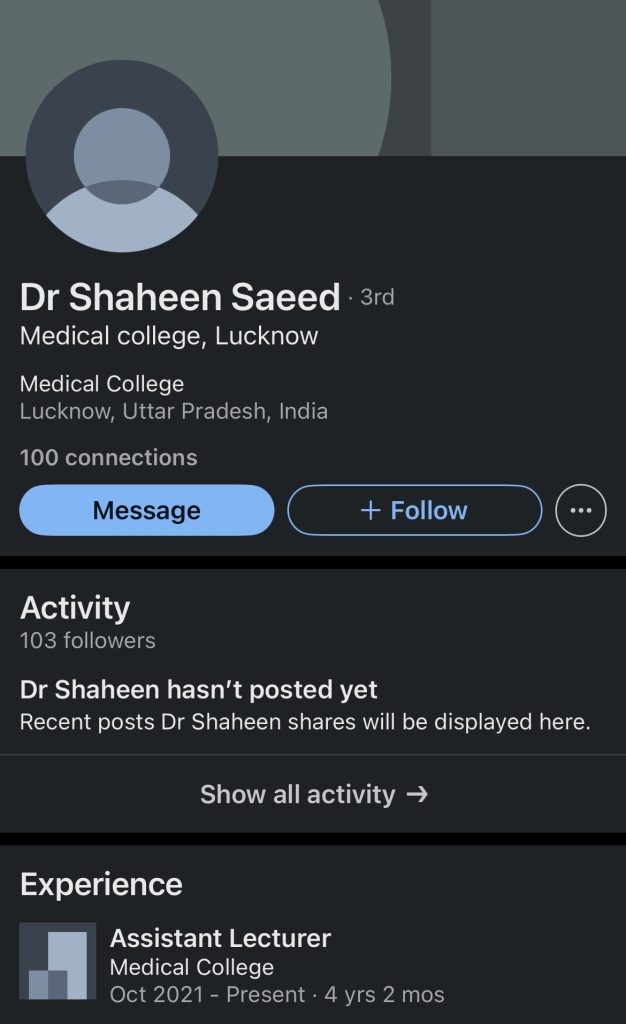
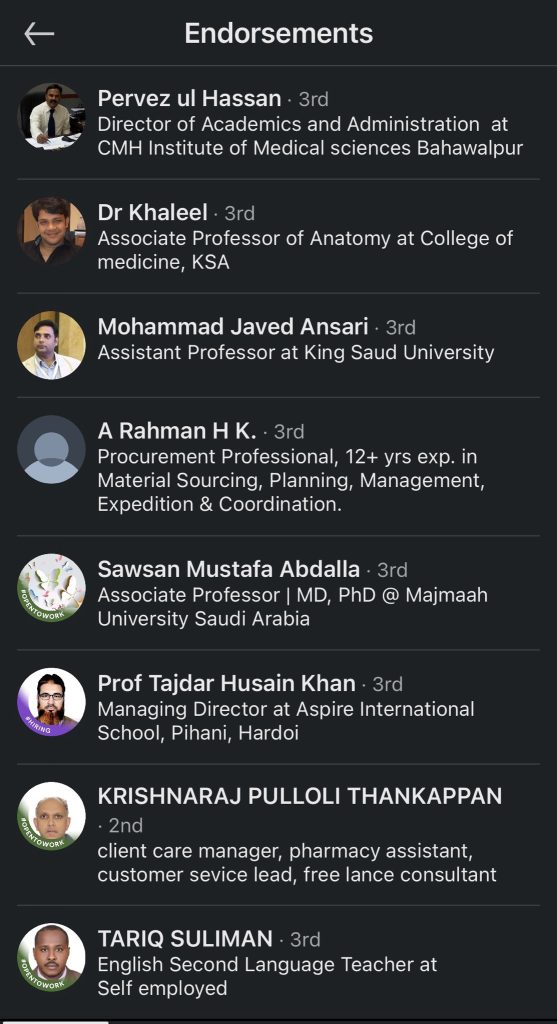
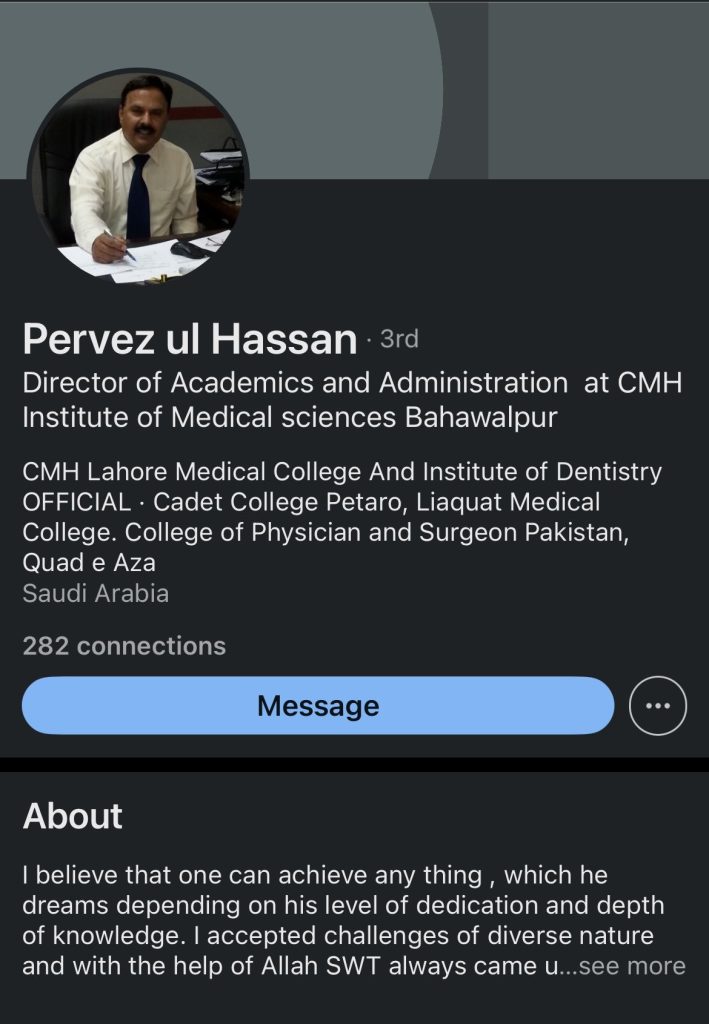
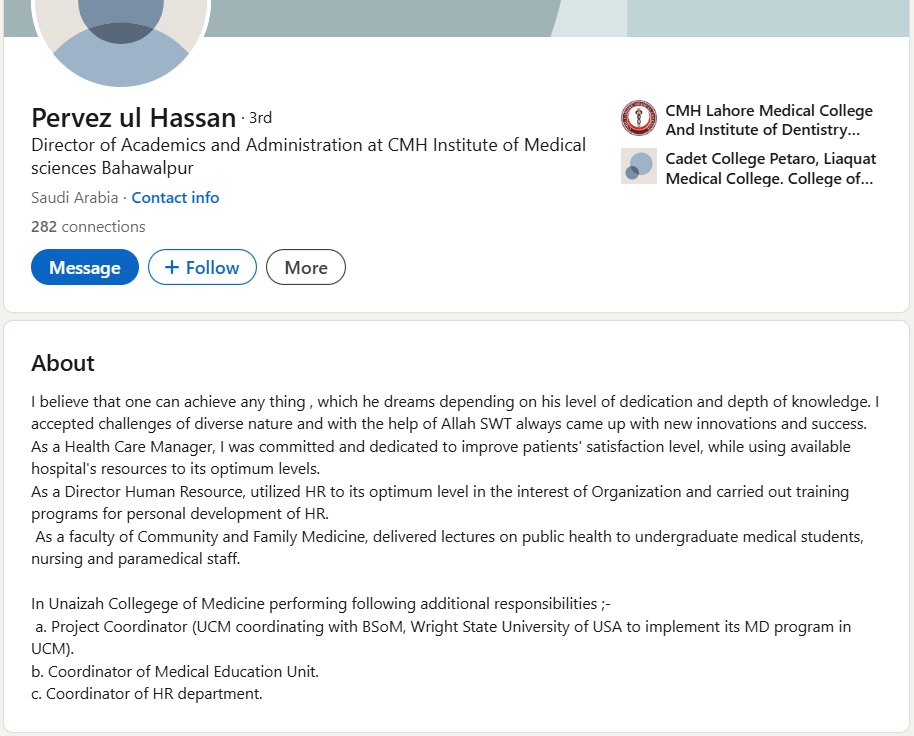
Scrutiny of Dr. Saeed’s professional online profile on LinkedIn has revealed an endorsement from a Dr. Pervez Ul Hassan, whose background has raised alarms.

The Endorser: Dr. Pervez Ul Hassan and the Bahawalpur Link

Dr. Hassan is currently the Director of Academics and Administration at the CMH Institute of Medical Sciences in Bahawalpur, Pakistan.

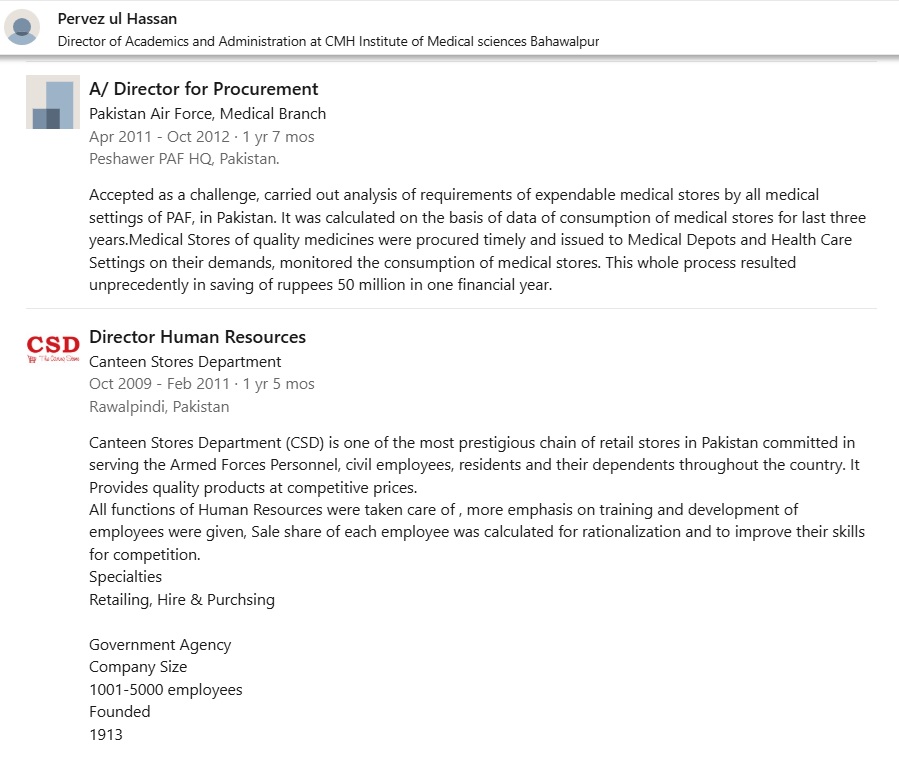
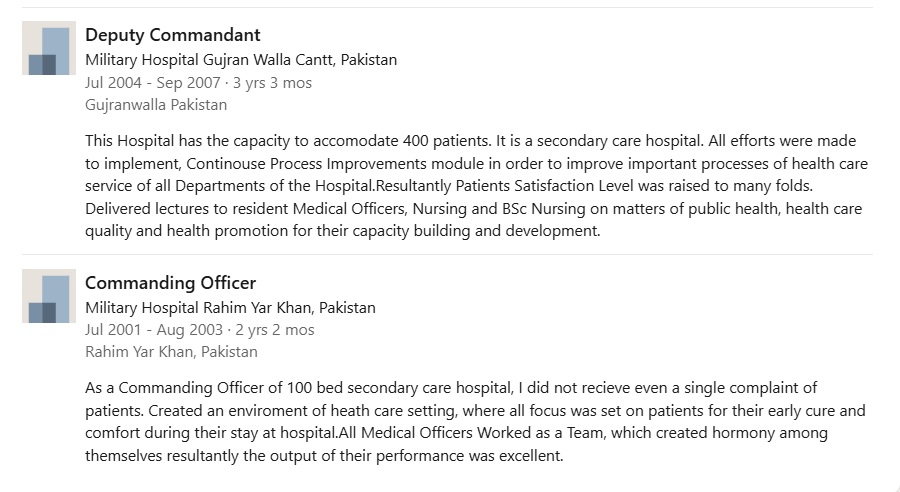
His extensive career, as detailed on his profile, includes several sensitive roles:

Pakistan Military Procurement: He served as the A/Director for Procurement for the Pakistan Air Force Medical services, where his profile states he generated significant cost savings through optimized medical supply chain management.

Human Resources for Military Canteens: He was the Director of Human Resources at the Canteen Stores Department (CSD) in Rawalpindi, a department that serves military personnel.

Commanding Officer Experience: His profile notes he is a former Commanding Officer in the Pakistan Military. He served at the Military Hospital in Rahim Yar Khan.

The Bahawalpur Connection

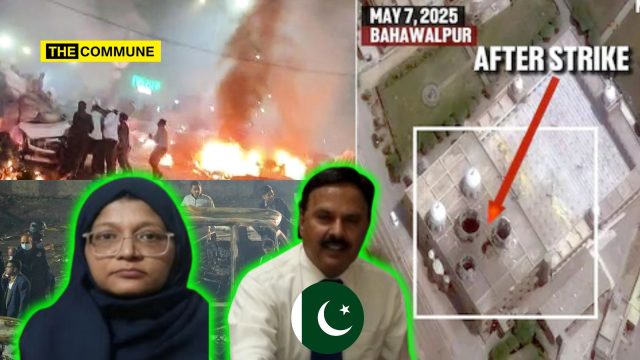
The location of Dr. Hassan’s current employment, Bahawalpur, is critically significant. Bahawalpur in Pakistan’s Punjab province is the established headquarters of the Jaish-e-Mohammed (JeM), housing its central command and primary base, known as “Markaz Subhan Allah.”

The madrassa and training complex served as the definitive headquarters of the Jaish-e-Mohammed (JeM), functioning as its central command center, primary indoctrination school, and largest operational base. This facility, which included residential blocks, administrative offices, and weapons training grounds, was the main target of India’s “Operation Sindoor” in May 2025.

In a calibrated retaliation for the Pahalgam terror attack that killed 25 civilians, the Indian Air Force launched a series of precision-guided missiles that struck the complex, reducing its key structures to rubble. Satellite imagery and intelligence assessments confirmed the near-total destruction of the main madrassa building and adjacent barracks, resulting in the reported deaths of several top JeM commanders and at least ten members of Masood Azhar’s family, who were known to use the site for planning and logistics.

While an endorsement on a professional platform does not constitute evidence of direct involvement, the combination of Dr. Hassan’s military-logistics background, his current position in Bahawalpur, and his public professional link to a key terror accused points to a disturbing intersection between Pakistan’s military-linked medical network and JeM’s covert expansion strategy through white-collar operatives in India.

Subscribe to our channels on WhatsApp, Telegram, Instagram and YouTube to get the best stories of the day delivered to you personally.
Delhi Blast Probe: Doctors Radicalised Through Pakistan-Based-Jaish-Backed Telegram Groups, Had Met Handlers In Turkey

Delhi Blast Probe: Doctors Radicalised Through Jaish-Backed Telegram Groups, Had Met Handlers In Turkey

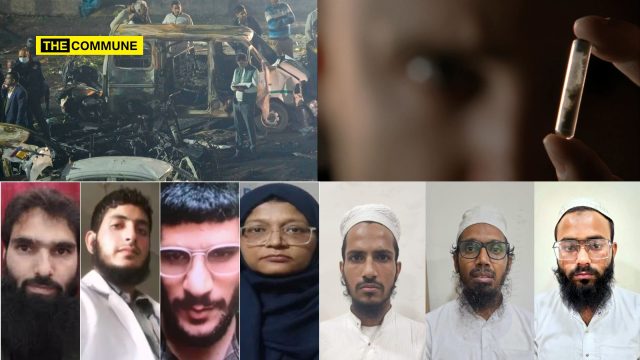
Investigators probing the Delhi Red Fort car blast, which killed 10 people and injured over 20 others, have traced the origin of the Faridabad terror module involving the arrested doctors to two Telegram groups operated by a Pakistan-based Jaish-e-Mohammad (JeM) operative. The groups, Farzandan-e-Darul Uloom (Deoband) and Umar bin Khattab, are believed to have played a key role in the radicalisation of the accused doctors.

According to investigation sources, Dr Umar Nabi, who was driving the Hyundai i20 car that exploded near Red Fort on Monday evening, and Imam Irfan Ahmad Wagah, the cleric from Shopian believed to be behind the radicalisation of the doctors, began their online interaction through one of these groups.

Officials said that initial conversations on these Telegram channels focused on “Kashmir’s Aazadi” and the “suppression of Kashmiris”, before gradually shifting to broader themes of global jihad and retribution.

Investigators believe that both Dr Umar and Wagah met their handlers during a trip to Turkey, which marked a turning point in the module’s consolidation. Following their return, the group reportedly expanded its activities across multiple states in India.

Among the key suspects, Dr. Muzammil joined Al-Falah Medical College in Faridabad, while Dr Adeel was posted in Saharanpur. Other members were placed in different states to manage recruitment and logistics. Agencies are now working to identify everyone who maintained communication with the module members through the same online networks.

Sources added that Dr Umar, along with arrested doctors Dr. Muzammil and Dr Shaheen, were part of a 9–10 member terror logistics network, which allegedly included five to six medical professionals. The accused are said to have used their medical positions to procure materials, assemble explosives, and coordinate operations for the terror network.

Investigators believe Dr Umar was driving the car that exploded near Red Fort. DNA samples have been collected from his family and are being matched with evidence from the blast site to confirm his identity.

Reports indicate that Dr Umar was expelled from a hospital in Anantnag after a patient’s death and later joined the Al-Falah School of Medical Science in Faridabad in 2023. As part of the ongoing probe, investigators are analysing mobile tower data from the Red Fort area to identify who Dr. Umar contacted between 3:00 pm and 6:30 pm on the day of the explosion.

Meanwhile, Imam Irfan Ahmad Wagah was arrested a day after the Faridabad explosives bust and the Red Fort blast, which prompted a multi-agency investigation. A former paramedical worker at Srinagar’s Government Medical College and ex-imam in Nowgam, Wagah is alleged to have played a central role in recruiting and radicalising doctors through online religious outreach, according to intelligence inputs.

Authorities, including Counterintelligence Kashmir and Srinagar Police, have also detained Wagah’s wife for her alleged role in recruiting and indoctrinating doctors and youth in the Kashmir Valley.

The probe continues to focus on the online radicalisation networks and their links to Pakistan-based handlers, as agencies expand the investigation across multiple states to dismantle what officials describe as a “medical professionals’ terror network” operating under Jaish-e-Mohammad’s influence.

(Source: India Today)

Subscribe to our channels on WhatsApp, Telegram, Instagram and YouTube to get the best stories of the day delivered to you personally.
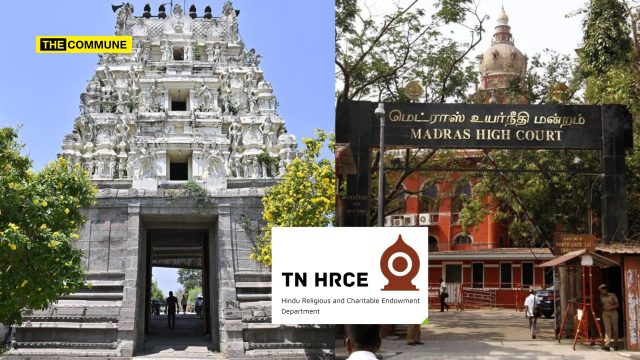
Madras High Court Seeks Detailed Report on HR&CE’s RTI Non-Compliance After Petitioner Flags Lapses

thakkolam temple madras high court restoration hr&ce audit temple

The Madras High Court heard the case filed by temple activist TR Ramesh against the Public Information Officer of the State, alleging large-scale non-compliance with the Right to Information (RTI) Act, 2005 by the Hindu Religious and Charitable Endowments (HR&CE) Department.

The petition came up as Item 34 before the court, with advocate B Jagannath appearing for the petitioner, State Government Pleader (SGP) Arun Natarajan representing the HR&CE Department, and advocate Vigneshwaran Chandrasekar appearing for the State Information Commissioner.

At the outset, the Court recorded that the case was not an adverse litigation. The SGP, in his counter affidavit, submitted that the department was complying with the provisions of the RTI Act and that relevant documents were being uploaded periodically on the official website, https://tnhrce.gov.in .

However, counsel for the petitioner vehemently disputed this claim, contending that several categories of documents including tenders, government orders, reports, estimates, orders under Section 78 of the HR&CE Act, and temple land details, were not being uploaded, constituting a clear violation of Section 4 of the RTI Act. Jagannath argued that the HR&CE Department was obligated to ensure such proactive disclosure within 120 days of the Act’s commencement in 2006, and that even now, more than one lakh scanned documents remained unpublished.

The petitioner further alleged that the Tourism Department too had failed to upload civil works and tender documents, thereby denying public access to key government information.

Observing that Section 4 of the RTI Act mandates all public authorities to proactively publish and host information online, the Court noted that the HR&CE Department was duty-bound to ensure complete transparency.

During the hearing, the SGP stated that he was willing to make a technical presentation in person before the Court to demonstrate the details of documents already uploaded on the HR&CE website.

The Court then directed the petitioner to file a detailed reply to the counter affidavit, along with a typed set of documentary evidence highlighting the specific categories of information that had not been uploaded as required by law.

Counsel for the petitioner also pointed out that several complaints filed before the State Information Commission were still pending enquiry, with final orders yet to be passed. The Court directed the State Information Commissioner to expedite the pending hearings and take steps to conclude them at the earliest.

Before adjourning the matter to 20 November 2025, the Court instructed the petitioner to serve advance copies of the reply and supporting documents to all respondents.

Subscribe to our channels on WhatsAppTelegram, Instagram and YouTube to get the best stories of the day delivered to you personally.

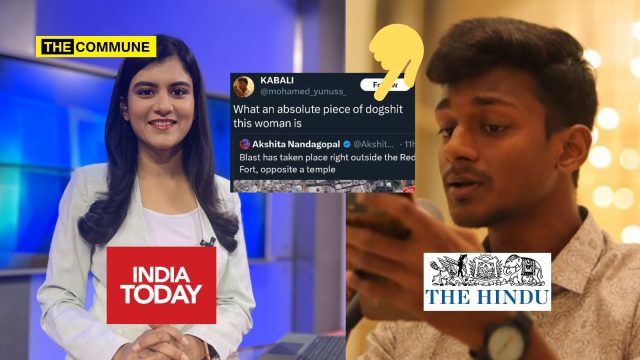
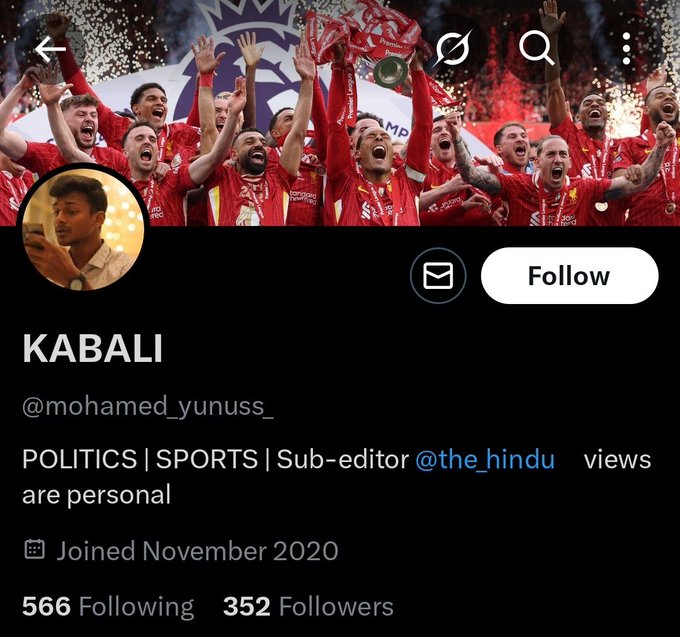
“An Absolute Piece Of Dogshit”: The Hindu Sub-Editor Mohamed Yunus Hurls Abuse At India Today Journo

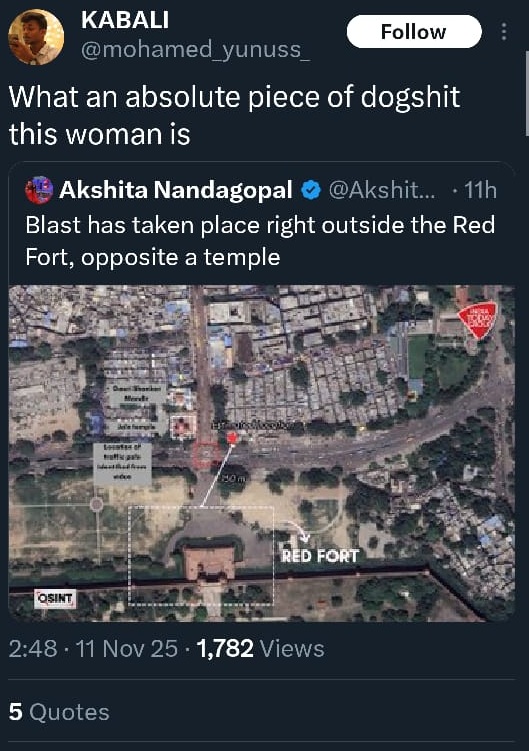
A controversy has erupted after Mohamed Yunus, a sub-editor at The Hindu, allegedly used abusive language against India Today journalist Akshita Nandagopal on social media over her coverage of the November 10 Delhi blast near the Red Fort.

The incident began after Nandagopal posted an update on X stating that a “blast has taken place right outside the Red Fort, opposite a temple.”

In response, Kabali wrote, “What an absolute piece of dogshit this woman is,” prompting widespread outrage from journalists and social media users.

Nandagopal reacted to the remark, saying, “The language used here speaks volumes of the kind of person he is.”

Her post quickly gained traction online, with several users calling out the alleged misogynistic and unprofessional language used by a journalist associated with one of India’s leading national dailies.

Critics accused The Hindu of failing to uphold basic standards of newsroom conduct, especially given the public visibility of its editorial staff. Many demanded that the organisation issue a statement condemning the remarks and take disciplinary action against the employee.

As of now, The Hindu has not issued an official response to the incident.

Subscribe to our channels on WhatsAppTelegram, Instagram and YouTube to get the best stories of the day delivered to you personally.

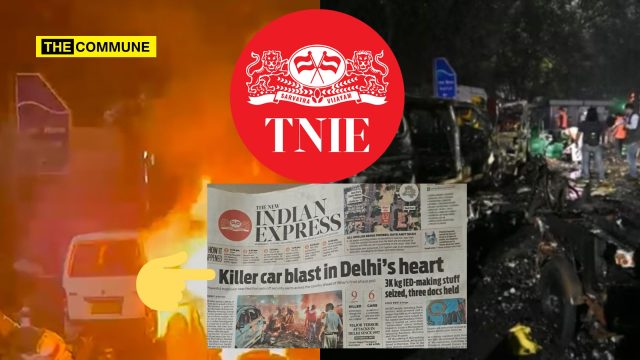
The New Indian Express Blames “Killer Car” For Blast In Delhi

The New Indian Express Blames Killer Car For Blast In Delhi

When The New Indian Express (TNIE) hit stands on November 11 with the headline – “Killer Car Blast in Delhi’s Heart” – what we saw there was not ‘reporting’ on the Delhi blast but the angle was totally reframed.

According to TNIE, a car killed those many people that night. Well, sorry to break the news to TNIE. A car didn’t kill 12 people. People did. Trained, radicalised, deliberate human beings and not a “killer car.” Yet the headline gave the violence an object, not a face. It turned a terror attack into a mechanical mishap. The grammar quietly erased the perpetrators.

This is a familiar habit in the apologetic media space – be they Indian or of any other nationality – they neutralise terror by removing the human agent when the attackers happen to be Muslims. The story becomes about a “blast” or a “vehicle,” not about ideology, networks, or intent. A comfort zone headline that keeps readers emotionally distant, politically safe, and socially unprovoked.

Then there’s that strange byline add-on: “Powerful explosion near Red Fort sets off security alerts across the country ahead of Bihar’s final phase poll.”

Why tie a terror blast in Delhi to a state election hundreds of kilometres away? What does Bihar’s polling have to do with an IED inside a Hyundai? Unless the goal was to hint, without saying so, that the blast could affect votes, or to subtly cast it as part of the political calendar. So, did TNIE think that a blast just before the second phase of polls in a state far away from the national capital could reverse fortunes for any political party?

Either way, it drags a national security tragedy into campaign season optics.

And when the investigation revealed that the culprits included three doctors, the silence thickened. The facts were too inconvenient – educated, professional, Indian Muslim men accused of plotting mass murder. The narrative doesn’t fit the easy stereotype of the poor, misguided radical. So instead of naming, the headline hides. The car kills; the people vanish.

Language matters. “Killer car” is not just lazy writing, it’s editorial evasion. It lets everyone keep their hands clean. But terrorism is not an accident, and headlines shouldn’t pretend it is.

The blast near Red Fort wasn’t a story about a car. It was about conviction, ideology, and betrayal from within. The headline chose to look away.

Subscribe to our channels on WhatsApp, Telegram, Instagram and YouTube to get the best stories of the day delivered to you personally.
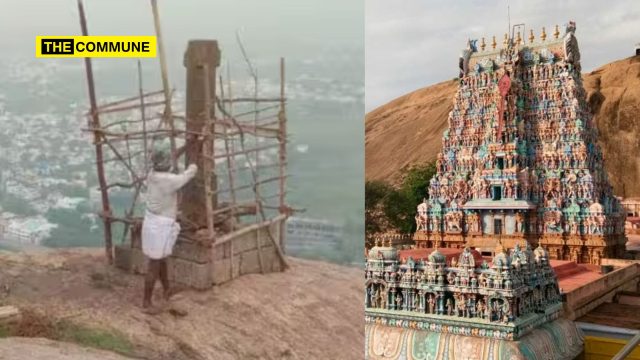
Bamboo Barricades Erected Around Deepa Sthambam Ahead Of Thiruparankundram Karthigai Deepam Festival

Bamboo Barricades Erected Around Deepa Sthambam Ahead Of Thiruparankundram Karthigai Deepam Festival

Authorities have erected bamboo barricades around the Deepa Sthambam (lamp pillar) at the summit of Thiruparankundram Hill in preparation for the Mahakarthigai Deepam celebrations at the renowned Thiruparankundram Subramaniya Swamy Temple.

The festival, one of the most significant events in the temple calendar, involves special pujas and the lighting of thousands of lamps at both the upper and lower mandapams. On Karthigai Deepam day, the highlight of the celebrations is the lighting of the Maha Deepam atop the hill at the Deepa Sthambam, symbolising the victory of light over darkness.

In recent years, temple authorities have taken precautionary measures to protect the ancient lamp pillar from damage caused by large crowds. The bamboo barricades, set up a few days before the festival, are intended to prevent devotees from touching or leaning against the structure, which could lead to wear or breakage.

Officials said the barricades will remain in place until the completion of the Deepam rituals. The hilltop area and temple premises have also been decorated with lamps and festive illuminations ahead of the main event.

(Source: Dinamalar)

Subscribe to our channels on WhatsAppTelegram, Instagram and YouTube to get the best stories of the day delivered to you personally.