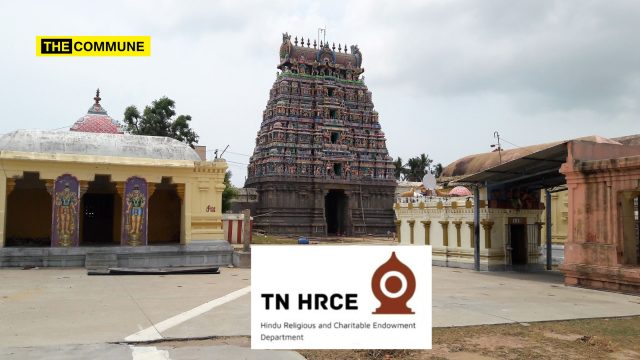
As the Karur ‘inam’ lands issue simmers, official audit reports and government records have once again brought attention to longstanding allegations surrounding the Vedaranyeswarar Temple in Vedaranyam, where thousands of acres of temple land and other assets are alleged to have been lost, encroached upon or remained tied up in disputes for decades.
Government Allegedly Benefited From Temple Salt Lands
One of the most significant allegations concerns 15,439 acres of salt pan land belonging to the temple.
According to the documents, the Tamil Nadu government allegedly enjoyed revenue generated from these salt pans for nearly 70 years. A Special Tahsildar committee constituted in 2015 reportedly concluded that the lands legally belong to the Vedaranyeswarar Temple.
வேதாரண்யம் வேதாரண்யேஸ்வரர் கோயில் முறைகேடுகள்:
படங்கள் பல கதைகளை விளக்கும். சென்ற இரண்டு பதிவுகளிலும் நாம் பார்த்தது:
பதிவு 1: மாற்று மதத்தினர் நடத்தும் தனியார் பள்ளிகளால் கோயில் நிலங்கள் பல வருடங்களாக ஆக்கிரமிப்பு.பதிவு 2: இவர்களுக்கு நாங்கள் சளைத்தவரல்ல என்று… pic.twitter.com/479CGdyY4G
— Aalayam Kaappom / ஆலயம் காப்போம் (@AalayamKaappom) July 2, 2026
However, despite this finding, it is alleged that no comprehensive survey or demarcation has been completed even years later.
It is alleged that an Executive Officer of the temple who showed interest in measuring and reclaiming the lands was subsequently transferred, resulting in the issue remaining unresolved.
Because of the absence of proper measurement and recovery, activists claim the temple continues to lose revenue worth thousands of crores.
Temple Owns Nearly 28,609 Acres
Records cited in the reports indicate that the Vedaranyeswarar Temple owns approximately 28,609 acres of land.
Despite being one of Tamil Nadu’s largest temple landholders, activists allege that much of the property remains poorly maintained and inadequately protected.
It is alleged that government agencies leased portions of temple-owned salt pans in Agasthiyampalli and Kodiyakarai to entities including:
- Chemplast
- Mettur Chemicals
- Salt Cooperative Societies
வேதாரண்யம் வேதாரண்யேஸ்வரர் கோவில் சொத்துக்களை பல வருடங்களாக 120 குடும்பங்கள் ஆக்கிரமித்து சொந்தம் கொண்டாடியதை பற்றி சென்ற பதிவில் பார்த்தோம். அடுத்தடுத்த பதிவுகளில் இக்கோயில் சொத்துக்களை பற்றிய பல திடுக்கிடும் தகவல்களை காணலாம். (தகவல்: துறை ஆய்வு அறிக்கைகள்)
தமிழக அரசே பெரும்… pic.twitter.com/O6CeG5phal
— Aalayam Kaappom / ஆலயம் காப்போம் (@AalayamKaappom) June 30, 2026
வேதாரண்யம் வேதாரண்யேஸ்வரர் கோயில் முறைகேடுகள் – பதிவு 4:
மத்திய அரசின் உப்பு நிறுவனத்துடன் வாடகை ஒப்பந்தத்துக்குட்பட்ட ( பிரிட்டீஷார் ஆட்சி காலத்தில் இருந்து தொடரும் குத்தகை இது)
வேதாரண்யம் வேதாரண்யேஸ்வரர் கோயிலின் 2426 ஏக்கர் உப்பள நிலங்களை தமிழக அரசு வருவாய் துறை… pic.twitter.com/8BIIusQ6om— Aalayam Kaappom / ஆலயம் காப்போம் (@AalayamKaappom) July 15, 2026
Interestingly, the revenue that should have accrued to the temple instead remained with government agencies, depriving the temple of substantial income.
120 Families Allegedly Occupied Temple Lands
Earlier records relating to the temple also state that nearly 120 families had occupied temple lands for several years.
The documents further allege that certain educational institutions run by minority managements were functioning on temple properties without the lands being properly restored to the temple.
Temple Tanks Allegedly Vanishing
Another concerning issue is regarding temple water bodies.
One of the examples cited is the Arichandra Kulam (Agni Theertham), a 0.28-acre temple tank in Vedaranyam.
According to the documents, the tank was allegedly filled up and occupied with permanent constructions by the local municipality.
Although the temple administration challenged the occupation in court, the case reportedly ended against the temple in 1998, after which the municipality continued in possession of the land.
The episode can be described as an instance where a government body itself became an encroacher of temple property.
Only 52 of 116 Temple Tanks Traceable
Audit records reportedly show that the temple originally possessed 116 temple tanks.
However, during the 2015 audit, only 52 tanks could reportedly be identified.
The documents further note that records relating to leasing of tank vegetation (paasi kuthagai) were not properly maintained, raising doubts over whether even the remaining tanks are actually under the temple’s control.
வேதாரண்யம் வேதாரண்யேஸ்வரர் கோயில் முறைகேடுகள் – பதிவு 3:
வேதாரண்யம் நகரில் கட்டப்பட்டிருந்த மூன்று வேதங்களுக்குரிய கோயில்களையே காணோம் என்று முந்தைய பதிவில் பார்த்தோம். இக்கோயில்களின் பல குளங்களையே காணோம் என்பது புதுச்செய்தி!
(ஆதாரம்: உள்துறை தணிக்கை அறிக்கை)1. வேதாரண்யேஸ்வரர்… pic.twitter.com/A1S26grwEU
— Aalayam Kaappom / ஆலயம் காப்போம் (@AalayamKaappom) July 7, 2026
Missing Temples
Another issue highlighted is the alleged disappearance of temples historically associated with the Vedaranyeswarar Temple.
The documents claim that two temples under its administration can no longer be traced, adding to concerns over poor asset management.
2,426 Acres Under Long-Term Salt Lease
A separate issue concerns 2,425.95 acres (approximately 2,426 acres) of temple-owned salt pan lands in Agasthiyampalli.
According to historical records, the lands were leased on 31 December 1806 by the temple administration to the East India Company for salt production.
Under the agreement:
- Annual lease for salt production: 1,200 pagodas
- Customs duty from Thopputhurai Port: 648 pagodas
- Total annual payment: 1,848 pagodas, valued at Rs 3.50 per pagoda, equivalent to Rs 4,200 annually.
The records state that after British rule, the lease rights eventually passed to the Government of India.
Supreme Court Recognised Lease, Not Acquisition
The documents trace multiple rounds of litigation over these lands.
After acquisition notices were reportedly issued in 1941, the temple challenged the move before various courts.
The matter eventually reached the Supreme Court in Civil Appeal No. 371 of 1956.
According to the audit records, the Supreme Court held that:
- the lands should be treated as being under a long-term lease;
ownership remained with the temple; - the Government could continue as lessee by paying annual rent;
- the payment represented lease rent, not compensation for land acquisition.
The documents further note that despite the judgment, the temple does not possess complete records of the original 1806 lease agreement and its terms.
Lease Rent Never Revised for Decades
Now, despite the passage of nearly two centuries, the annual rent remained at Rs 4,200 for decades.
Based on revised valuation, officials later estimated that the lease should fetch around Rs 17.22 lakh annually.
The audit notes that while efforts were initiated to enhance the rent, the Central Government’s salt undertaking reportedly rejected the revised demand.
A writ petition seeking recovery of the revised lease amount was filed in 2001, but the audit reportedly observed that no clear details regarding its progress were made available during inspection.
It is estimated that unpaid lease arrears have now accumulated into several crores of rupees.
Temple Land Acquired for Periyar Samathuvapuram
The audit records also refer to 1.93 acres of land belonging to the Vedaranyeswarar Temple at Thagattur Subramaniyakadu in Vedaranyam taluk.
வேதாரண்யம் வேதாரண்யேஸ்வரர் கோயில் முறைகேடுகள் – பதிவு 5:
அரசு நிலங்கள் மானிலமெங்கும் பரவிக்கிடக்க கோயில் நிலங்கள் அரசுப்பணிகளுக்காக வருவாய் துறையினரால் குறி வைக்கப்பட்டு வருகின்றன. குறிப்பாக மிகவும் தொலைவிலுள்ள (கேட்பாரற்ற) கோயிலான வேதாரண்யம் வேதாரண்யேஸ்வரர் நிலங்கள்… pic.twitter.com/7ZpXfYfURf
— Aalayam Kaappom / ஆலயம் காப்போம் (@AalayamKaappom) July 17, 2026
According to the documents, the land, which was generating income for the temple through timber leases, was acquired in December 2008 for establishing a Periyar Ninaivu Samathuvapuram.
Government records show the acquisition was carried out for Rs 4.34 lakh, though the land had earlier been valued at Rs 2.25 lakh. The audit report observed that the acquisition resulted in the temple permanently losing a revenue-generating asset.
Taken together, the audit reports, court records and government documents paint a picture of longstanding disputes surrounding the properties of the Vedaranyeswarar Temple, ranging from alleged encroachments and unresolved land claims to loss of revenue from leases and acquisitions.
Subscribe to our channels on WhatsApp, Telegram, Instagram and YouTube to get the best stories of the day delivered to you personally.