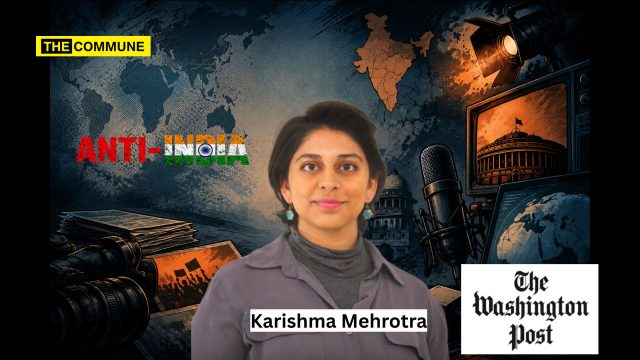
From The Washington Post’s South Asia desk to a Pulitzer nomination funded by George Soros, Karishma Mehrotra has built a career on a simple formula: amplify narratives that malign India, celebrate censorship disguised as journalism, and quietly correct errors when caught. Her platform reaches millions globally and her reporting reads less like actual coverage and more like a carefully curated anti-India dossier dressed in a press card.
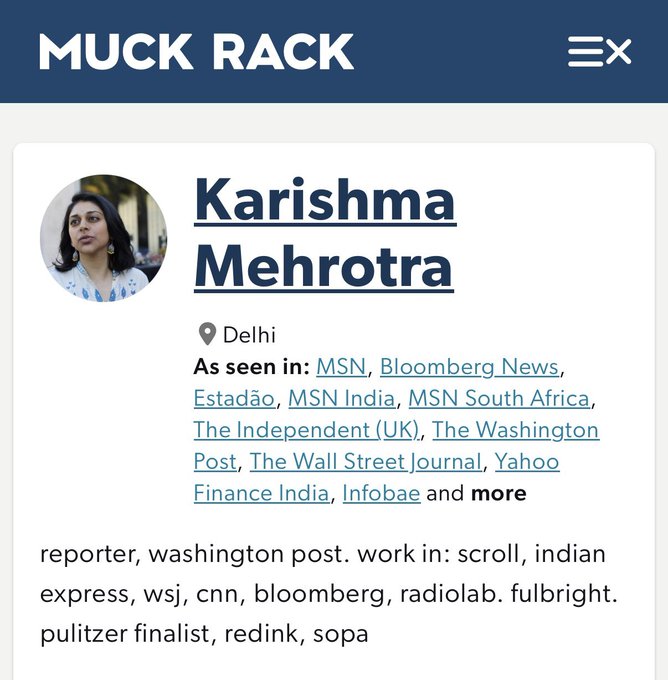
Karishma Mehrotra is the South Asia correspondent for The Washington Post. She has previously worked at The Wall Street Journal, CNN, Indian Express, Bloomberg Businessweek, and Scroll. Her platform reaches millions globally.
The Prasar Bharati Incident
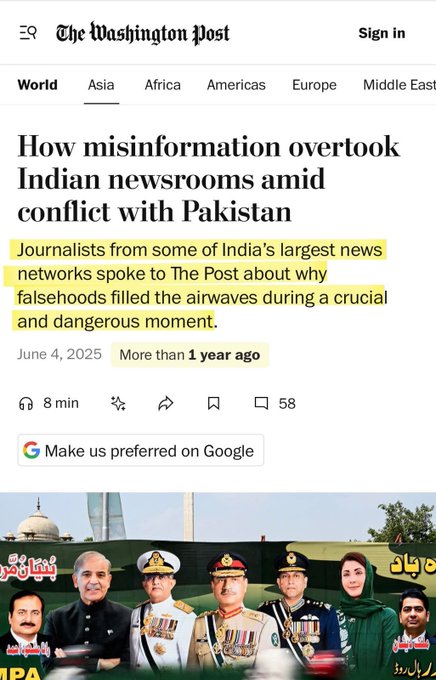
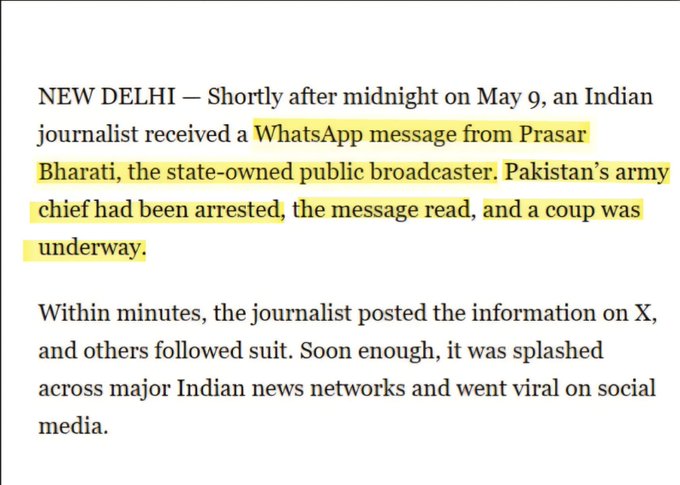
On 4 June 2025, Mehrotra published a story titled “How misinformation overtook Indian newsrooms amid conflict with Pakistan,” in which she claimed that an Indian journalist received a WhatsApp message from Prasar Bharati stating that Pakistan’s Army chief had been arrested and a coup was underway.
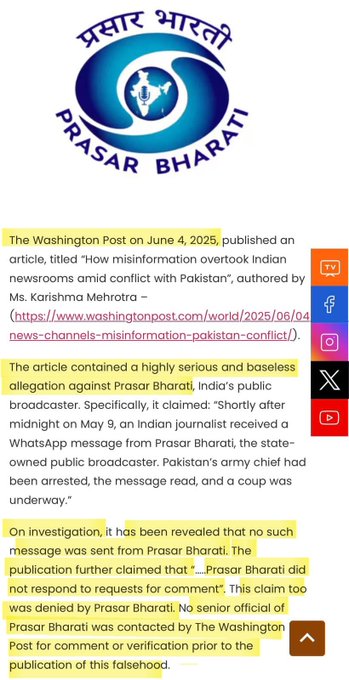
Prasar Bharati publicly denied this claim. In an official response, it stated: “No such message was sent from Prasar Bharati. Any claims to the contrary require an unconditional apology.”
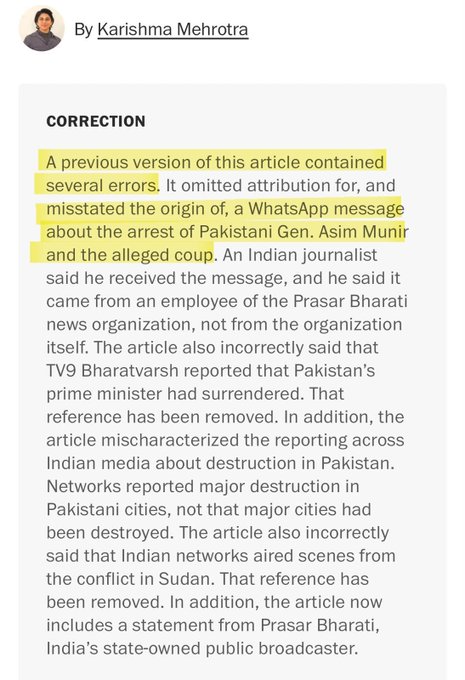
The Washington Post quietly issued a correction, now admitting the message did not come from Prasar Bharati’s official channel. No apology was issued.
Pulitzer Nomination and Funding
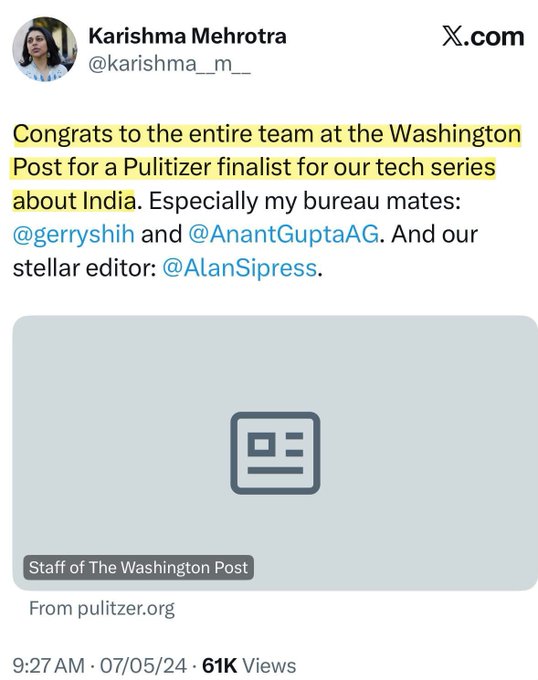
Mehrotra publicly congratulated her team on their Pulitzer nomination for a tech series about India, the same articles she was proud of.
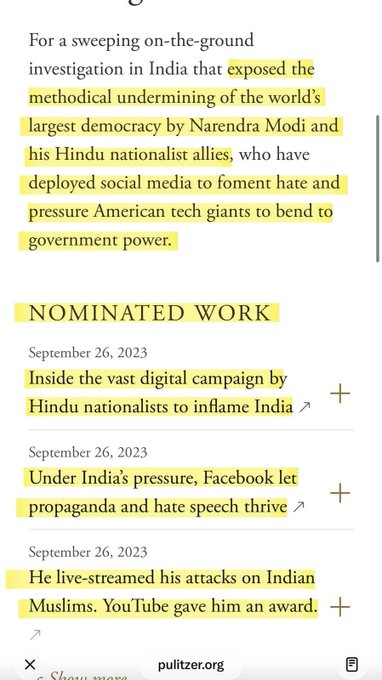
The nomination came from the Pulitzer Center, which received a confirmed $900,000 grant from George Soros’s Open Society Foundations, publicly announced.
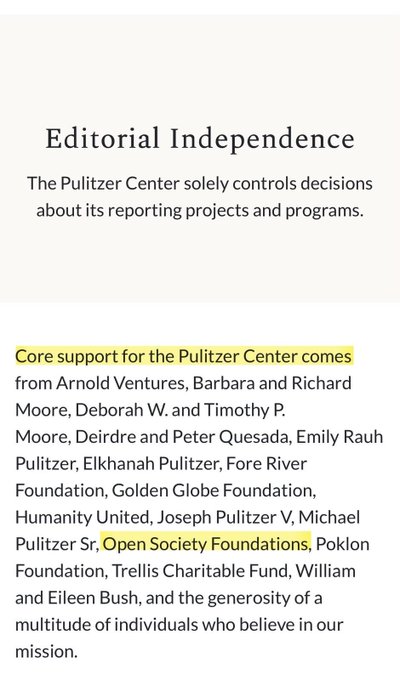
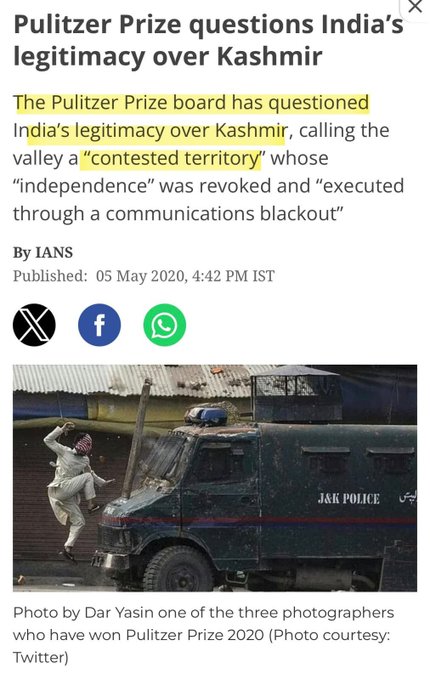
The Pulitzer Center has called Kashmir “contested territory” and has condemned Umar Khalid’s arrest. Soros funds the Pulitzer Center, which Mehrotra celebrated being nominated by.
Coverage of India’s Takedown Orders
Mehrotra authored an article titled “How India Tamed Twitter and Set a Global Standard for Online Censorship,” which was nominated for a Pulitzer.
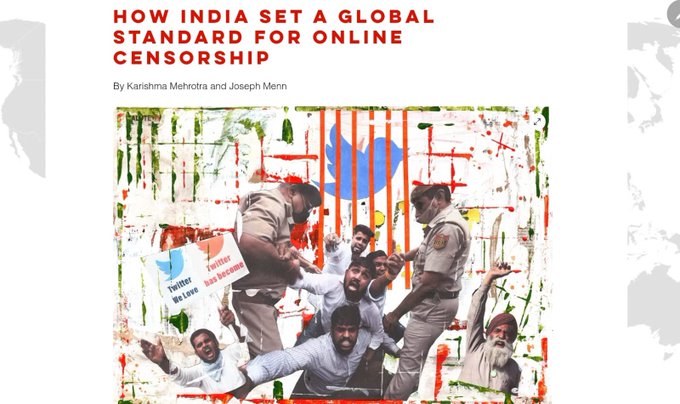
The article framed India as building a global censorship model.
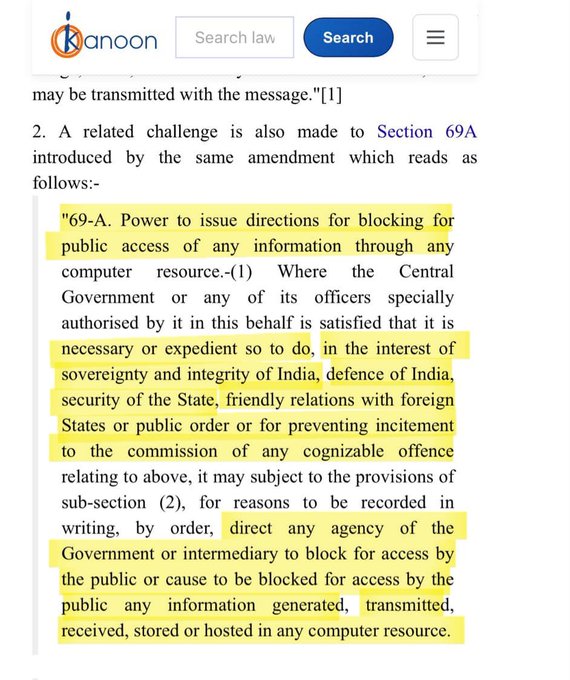
Section 69A, the law India used to seek takedowns from Twitter, was upheld by the Supreme Court in the 2015 Shreya Singhal judgment. The Court found it constitutional, narrowly tailored, and backed by procedural safeguards, the same law Mehrotra labels as censorship.
Coverage of Tribal Communities
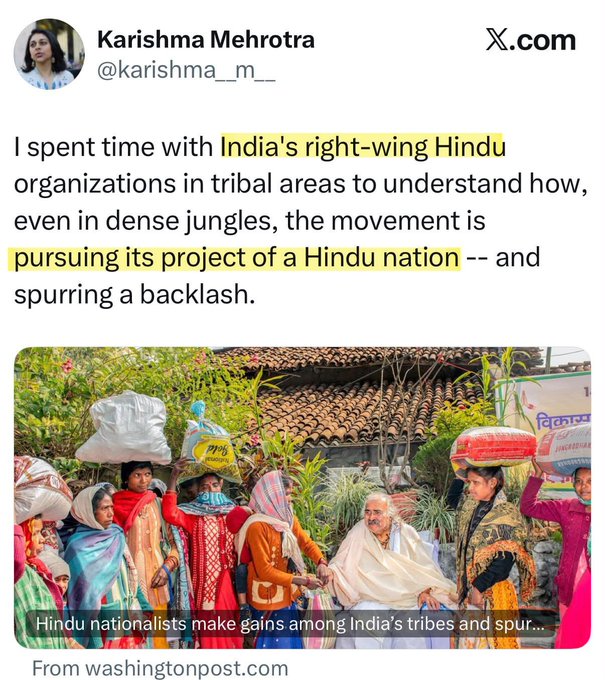
Mehrotra authored an article titled “Hindu Nationalists Make Gains Among Adivasi Tribes,” describing reporting from tribal areas and stating she spent time with right-wing Hindu organisations to examine how they were advancing the idea of a Hindu nation, and the backlash it was generating.
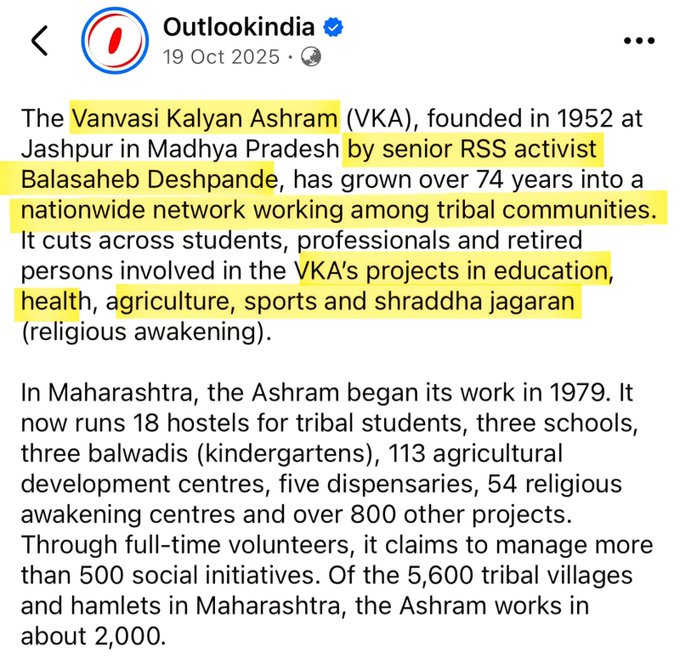
The article’s framing leaves out that the RSS-affiliated Vanvasi Kalyan Ashram has worked in tribal areas for decades through schools and service initiatives. When tribal communities choose to engage with it, they are exercising agency, not being subjected to an imposed “project.”
Coverage of Kashmir
Mehrotra authored articles including “India, Globally: Kashmir, Critics and Silencings.”
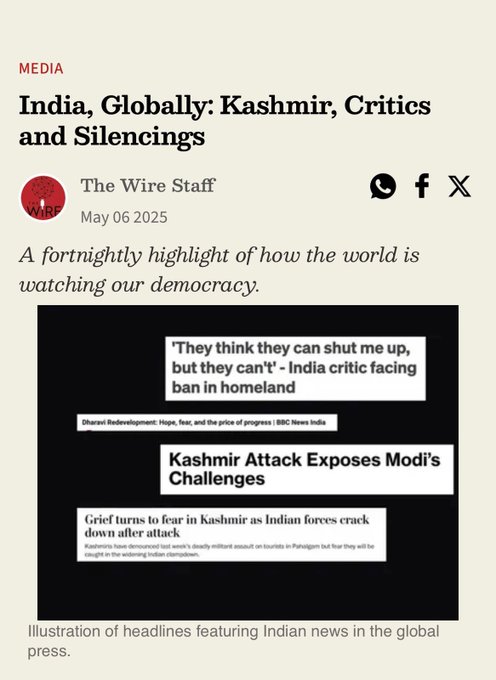
Her coverage has consistently used the term “Indian-administered Kashmir” rather than India’s official designation, much like her fellow Brown Sepoys.
The Pattern
From Prasar Bharati to Kashmir, from censorship framing to tribal coverage, Karishma Mehrotra’s body of work, true to the brow sepoy kind, reveals a strikingly consistent pattern: publishing unverified claims, quietly correcting errors when caught, adopting terminology aligned with Pakistan, framing India’s lawful actions as authoritarian, and celebrating recognition from Soros-funded institutions that have documented records of targeting India.
This article is based on an X thread by Brown Sepoys.
Subscribe to our channels on WhatsApp, Telegram, Instagram and YouTube to get the best stories of the day delivered to you personally.