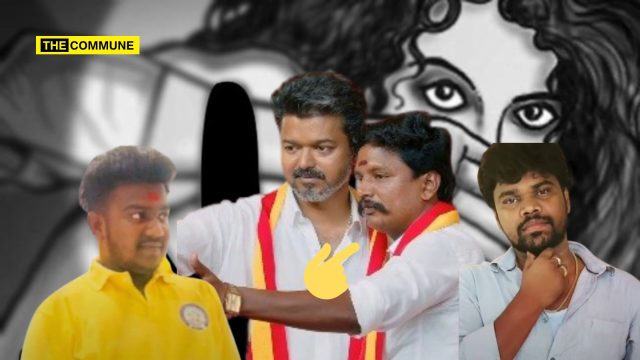
The Thiruvallur District Police have clarified that the three-year-old girl who died following a sexual assault in the SIPCOT area of Gummidipoondi was not subjected to gang rape. According to police, only one person is the perpetrator in the incident, as reported in OneIndia Tamil.
In an official statement, the police explained that information was received regarding the sexual assault of a minor girl within the limits of the SIPCOT police station in the Gummidipoondi subdivision. A case was immediately registered, and the accused was arrested following investigation, which revealed that only one individual was involved. Both the accused and the victim hail from the state of Bihar. Further investigation is underway.
Police have appealed to the public to refrain from spreading unverified information or false news regarding the incident across any media platform.
Yesterday (14 June 2026) evening, the three-year-old daughter of a couple from North India went missing in the SIPCOT area. A search of the vicinity revealed the child lying injured in a thorny bush. She was immediately taken to Gummidipoondi Government Hospital, and after receiving first aid, was transferred to Stanley Government Hospital in Chennai for advanced treatment. However, she passed away there as treatment proved unsuccessful.
During the initial police investigation, it was alleged that four migrant workers from North India had lured the child away with biscuits and subjected her to gang rape.
Bipin Manjhi (19), a native of Bihar, has been arrested in connection with the incident. Police are searching for the remaining three suspects who were initially implicated.
Condemning the incident, local villagers staged protests, including a road blockade, and engaged in arguments with police officers who arrived to pacify them.
Police have reiterated that the investigation is ongoing and have urged the public to await official updates rather than spreading unverified claims.
திருவள்ளூர் சம்பவம் குறித்து சமூக வலைதளங்களில் பரவி வரும் தகவல்கள் முழுமையான உண்மைகளை வெளிப்படுத்துவதில்லை. காவல்துறையினர் சட்டப்படி தேவையான நடவடிக்கைகளை மேற்கொண்டுள்ளனர். உறுதிப்படுத்தப்படாத தகவல்களை பகிராமல், அதிகாரப்பூர்வ தகவல்களை மட்டுமே நம்புமாறு கேட்டுக் கொள்ளப்படுகிறது. https://t.co/GEfO6v6dDN
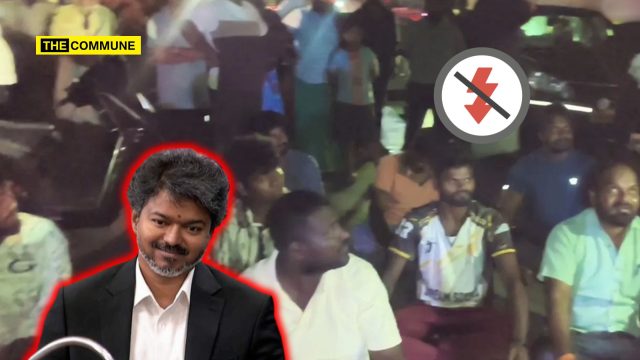
Angry residents of two villages near Tiruvallur staged a road blockade on the Chennai–Tirupati National Highway late at night, protesting repeated and unannounced power cuts that they say have plagued the area for more than ten days, as reported in Dinamalar.
According to reports, over 500 families residing in Siruvanur and Siruvanur Kandigai have been facing frequent power outages during the night. Residents alleged that despite repeatedly bringing the issue to the attention of Electricity Board officials, no effective action had been taken to resolve the problem.
The situation came to a head on Friday night when another power outage occurred at around 11 PM. Frustrated by the recurring disruptions, more than 50 residents gathered on the Chennai–Tirupati National Highway and staged a road blockade, demanding immediate action from the authorities.
Following information about the protest, Tiruvallur Taluk police rushed to the spot and held talks with the demonstrators in an attempt to restore normalcy. Electricity Board officials were also informed, and maintenance personnel were subsequently deployed to the area.
After repair work was carried out, power supply was restored approximately one hour later. Following the restoration of electricity, the protesters withdrew their agitation and dispersed peacefully.
The protest, however, resulted in traffic disruption on the Chennai–Tirupati National Highway for nearly an hour, affecting vehicular movement along the busy stretch. Residents have urged authorities to take permanent measures to prevent recurring power outages and ensure uninterrupted electricity supply in the area.
Subscribe to our channels on WhatsApp, Telegram,Instagram and YouTube to get the best stories of the day delivered to you personally.
Police have arrested a TVK functionary in Cuddalore district for allegedly operating a fake medical clinic after a 24-year-old youth died following treatment at the facility, as reported in Dinakaran.
The accused, identified as Anand Babu (45), is a resident of Min Nagar in Sethiyathope and is reportedly a functionary of the Tamilaga Vettri Kazhagam (TVK). He runs a medical shop in Sethiyathope and is alleged to have been providing medical treatment to patients, including administering injections, despite not possessing a medical degree.
According to reports, Rahul (24), son of Mathiyazhagan from P. Adhanur village, consumed pesticide and was battling for his life. His relatives reportedly rushed him to the medical establishment operated by Anand Babu on Saturday seeking emergency treatment.
Rahul was treated at the facility, but he later died. Following his death, Rahul’s parents and relatives lodged a complaint with the Sethiyathope Police, alleging that he had not been provided proper medical treatment and that negligence at the clinic contributed to his death.
Based on the complaint, police launched an investigation and registered a case against Anand Babu. He was subsequently arrested and is currently being questioned by investigators.
Meanwhile, Rahul’s body has been sent to the Government Medical College Hospital in Chidambaram for a post-mortem examination. Police officials said further action in the case will be determined based on the findings of the autopsy report.
Subscribe to our channels on WhatsApp, Telegram,Instagram and YouTube to get the best stories of the day delivered to you personally.
In a horrific incident that has sparked outrage across Tamil Nadu, a three-year-old child of migrant workers was allegedly gang-raped and abandoned in a thorny thicket in the SIPCOT industrial area of Gummidipoondi. The child succumbed to her injuries today, police said.
As reported in Daily Thanthi, the area is home to over 300 factories, employing thousands of workers from Bihar, Uttar Pradesh, Odisha, and Jharkhand, who live in rented accommodations with their families.
According to police, the child went missing yesterday evening from the SIPCOT area. Her parents, along with members of the public, launched a frantic search and were shocked to find her lying injured in a thorny thicket. The child was immediately rescued and taken to Gummidipoondi Government Hospital. After receiving first aid, she was referred to Stanley Government Hospital in Chennai for advanced treatment. However, despite intensive medical care, she died today.
Preliminary investigations revealed that four migrant workers allegedly gang-raped the three-year-old and dumped her in the bushes. Police have arrested one of the accused, identified as Manji (19), a native of Bihar. He is being interrogated, while a manhunt has been launched for the three other suspects.
Meanwhile, local residents and members of the public staged protests demanding the immediate arrest of all perpetrators. The brutal nature of the crime has sent shockwaves through the region, with widespread condemnation pouring in from across Tamil Nadu.
After the news of the crime spread like wildfire, the police issued a clarification that the child was not gangraped as reported.
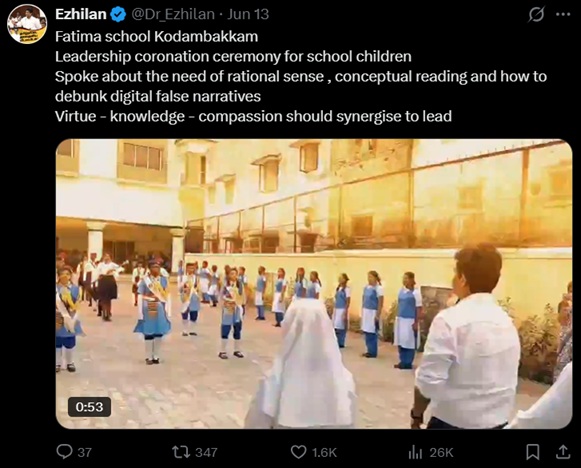
Irony was on full display on 13 June 2026. Just hours after lecturing school students on the importance of rational thinking and how to identify and debunk false narratives online, former DMK MLA Dr Ezhilan seemed to be doing precisely the opposite.
The former legislator, who on Saturday addressed students at Fatima Matriculation Higher Secondary School in Kodambakkam on rational thinking, conceptual reading, debunking digital false narratives and misinformation.
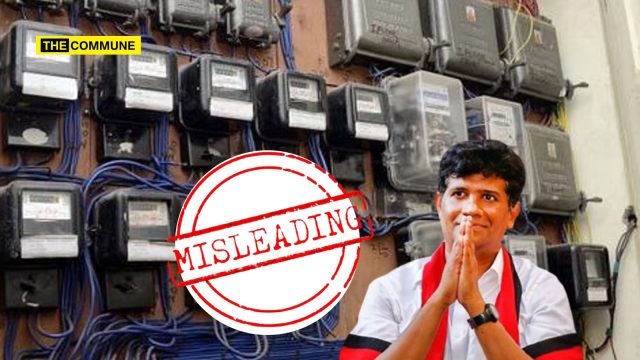
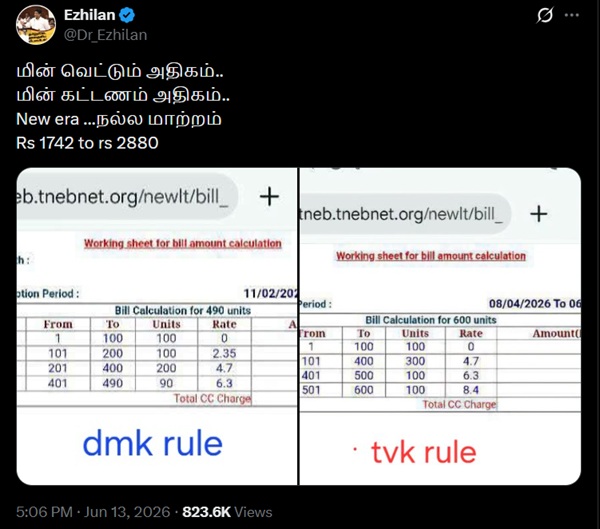
He later shared two screenshots of TANGEDCO electricity bill calculation sheets of what he claimed were electricity bills under DMK and TVK, and wrote, “Frequent power cuts… High electricity bills… New era… a ‘good’ change. From Rs 1,742 to Rs 2,880”
The post quickly gained attention as it compared a bill amount of ₹1,742 with another bill amount of ₹2,880, creating the impression that electricity tariffs had sharply risen following the change in government.
However, a closer examination of the documents shared by Ezhilan reveals that the two bills were calculated based on entirely different levels of electricity consumption.
What The Screenshots Actually Show
The first screenshot, labelled by Ezhilan as being under the DMK government, was calculated for a consumption of 490 units during the billing cycle. Under the slab structure applicable at the time, the consumer was charged:
101–200 units: ₹235
201–400 units: ₹940
401–490 units: ₹567
Total Bill: ₹1,742
The second screenshot, presented as being under the TVK government, was calculated for a consumption of 600 units, resulting in:
101–400 units: ₹1,410
401–500 units: ₹630
501–600 units: ₹840
Total Bill: ₹2,880
Thus, the two bills reflected different electricity consumption levels – 490 units versus 600 units making a direct comparison misleading.
Official Clarification From TANGEDCO
TANGEDCO has already issued a clarification explaining that confusion has arisen because the two bills are based on different consumption levels and different subsidy structures.
According to the clarification, prior to the revised subsidy scheme, electricity charges were calculated based on a consumption of 490 units.
After the implementation of the 200-unit free electricity subsidy, the comparison bill was calculated for 600 units.
Consumers are required to compare bills for the same level of consumption to understand the actual impact of the revised tariff structure.
The official breakdown further shows that for a consumer usin g 490 units, the bill under the revised TVK rule would actually be ₹1,507, compared to ₹1,742 under the earlier DMK-era cculation – a reduction of ₹235.
நுகர்வோர்களின் கவனத்திற்கு : இந்த இரு மின் கட்டணங்களும் இரு வேறு மின் பயன்பாட்டை கொண்டு கணக்கிடப்பட்டுள்ளது.
புதிய 200 யூனிட் மானிய உத்தரவிற்கு (New 200 Free Units Subsidy) முன் 490 யூனிட்களும், அதற்குப் பின் 600 யூனிட்களும் கொண்டு மின்கட்டணம் கணக்கிடப்பட்டுள்ளது
For consumers using 600 units, both the DMK and TVK calculations amount to ₹2,880, indicating no change in the bill amount at that consumption level.
Perhaps the biggest takeaway from the controversy is the irony itself. A speech on rational thinking, conceptual reading and identifying false narratives was followed by a social media post critics say ignored those very principles. As the facts behind the bills emerged, Ezhilan’s lesson to students appeared to boomerang back on him.
Subscribe to our channels on WhatsApp, Telegram,Instagram and YouTube to get the best stories of the day delivered to you personally.
The woman victim from Thoothukudi has filed a complaint before the Deputy Inspector General (DIG) of Police in Tirunelveli, alleging she was gang-raped on 3 May 2026 by two men Bala and Jeyapal at the instigation of Srivaikuntam MLA VG Saravanan of the Tamizhaga Vettri Kazhagam (TVK).
In her complaint, the survivor stated that the MLA had promised her commission-based work linked to a lottery scheme and directed her to meet an agent named Jeyapal in Ramanathapuram. Subsequently, she said, a person named Bala came to her home and took her and another woman away in a car. At the location, both women were given juice laced with sedatives, following which they were allegedly gang-raped by Bala and Jeyapal.
The survivor alleged that the other woman had since taken money from the accused and released an audio statement distancing herself from the incident. “I have that audio as evidence,” she told officials.
She further stated that the family of the accused recently submitted a petition to the Superintendent of Police and simultaneously briefed journalists, accusing her of a large-scale financial fraud. She acknowledged that Bala had given her ₹78,000, stating she has full evidence regarding the reason for the transaction.
The complainant also accused the accused persons of circulating photographs of her and her biological brother, Thirumani, making false claims about her character. “Another woman has also been dragged into this. Spreading photos of a victim is wrong. Legal action must be taken,” she said.
Naming MLA Saravanan as the key person backing the accused, the survivor alleged that ever since she named him, his supporters have been harassing her and spreading defamatory content. She claimed that on the 4th of May, it was the MLA’s wife, Uma, who made her dance, and challenged them to release the full footage instead of selective clips.
“My own brother still works for him like a puppet,” she added. She stated that she had previously filed complaints against the MLA and Bala’s wife, who she said filed false charges against her.
The woman told the DIG that despite submitting a complaint to the Thoothukudi SP, no action had been taken. “Instead, they keep recording videos against me. I want genuine justice,” she said, adding that both she and Bala have been removed from their party posts in TVK. “What will the party do to MLA Saravanan, who backed this? The leadership must answer,” she asked.
She further said that because her photos were circulated, her livelihood has been destroyed, and her son cannot attend school. “I cannot ask for work anywhere. I want justice,” she said.
When asked if the MLA had threatened her, she replied, “Yes. When I first told him what happened, he said, ‘I’ll speak to Bussy Anna, I’ll speak to Vijay Anna and get you a government job – let this matter go.’”
Officials at the DIG office have taken note of her statement and advised her to also file a complaint under the ‘Singapenn’ scheme for women in distress. The survivor has demanded immediate action against the MLA and all others involved.
Sexual assault case: Thoothukudi woman filed a complaint with Tirunelveli DIG office demanding action against Srivaikuntam TVK MLA Saravanan pic.twitter.com/q5LJSus36t
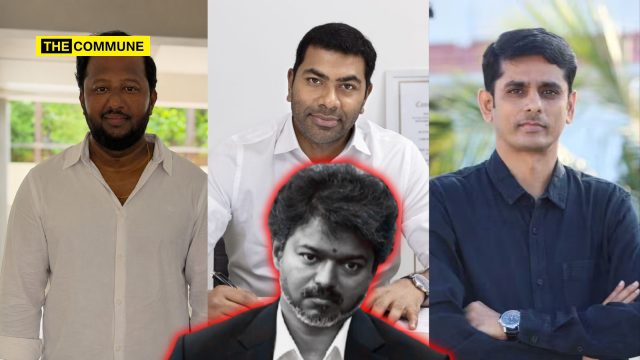
Whenever a new government takes office, new power centres inevitably emerge around it. During the previous DMK regime, while then Chief Minister MK Stalin’s son Udhayanidhi Stalin and son-in-law Sabareesan were seen as major centres of influence, figures such as London Venkat, Praveen Ganesh, Ratheesh, Anna Nagar Karthik and Stalin’s aide Dinesh also wielded considerable clout behind the scenes, as reported by Junior Vikatan.
Under the present TVK government, while Vijay promised that he is the only power centre after his oath-taking ceremony, even a layman with minimal political knowledge knows that Vijay’s strategist John Arokiasamy and his close friend Vishnu Reddy are widely regarded as influential figures. At the same time, another rivalry has reportedly begun heating up the corridors of power in Panaiyur. The growing friction between Vijay’s longtime confidant Jagadish Palanisamy, popularly known as “Route” Jagadish, and producer Ramkumar has become a major talking point within party circles.
“What Mood Is Sir In?” – The Influence of Jagadish
Jagadish Palanisamy has been closely associated with Vijay for well over a decade. Introduced to Vijay through director AR Murugadoss, he gradually became one of the actor-turned-Chief Minister’s most trusted managers. Over the years, he also managed the affairs of director Atlee and actors including Keerthy Suresh, Rashmika Mandanna and Samantha.
Having founded the company Route, Jagadish eventually rose to the level of co-producing the film Master alongside Vijay’s uncle Xavier Britto.
Even before TVK came to power, Jagadish’s influence within the party had reportedly become significant. As someone believed to be familiar with every move Vijay made, he became an important source of information for senior leaders. Party insiders claim that even TVK General Secretary Bussy Anand would reportedly seek updates from Jagadish regarding the Chief Minister’s mood and thinking. A separate group within the party allegedly emerged whose members cultivated close ties with him.
Jagadish’s influence is said to have grown further among officials after Vijay personally attended his recent housewarming ceremony dressed in traditional silk attire.
Another individual known to enjoy Vijay’s confidence is producer Ramkumar.
Ramkumar’s Role
Ramkumar, who served as executive producer for Vijay’s films Leo and GOAT, has reportedly been involved in planning Vijay’s travel schedules ever since the launch of TVK. Party sources describe him as a trusted aide who executes Vijay’s instructions precisely, which has ensured his continued proximity to the Chief Minister.
Even after Vijay assumed office as Chief Minister, Jagadish and Ramkumar have continued travelling with him regularly. However, what has now become a hot topic within political circles is the reported ego clash between the two men.
“Who Will Become The Next Dinesh?”
Several senior TVK functionaries who spoke about the issue claimed that the conflict essentially revolves around who would eventually emerge as the equivalent of Dinesh, the influential aide who was widely perceived to be an all-powerful figure during Stalin’s administration.
According to them, Jagadish and Ramkumar are both vying for that position of influence.
Sources claim that Jagadish enjoys greater personal closeness to Vijay than Ramkumar does. Because of this, many believe Jagadish’s name could be favoured for the post of Personal Secretary to the Chief Minister.
Party insiders allege that Ramkumar has been attempting to prevent such an outcome.
According to these claims, Ramkumar has been encouraging Jagadish to consider a direct political role by reportedly suggesting that he could aspire to become a minister instead of remaining behind Vijay as an aide. Such conversations are said to have sparked political ambitions in Jagadish.
As a result, Jagadish is reportedly seeking an opportunity to contest the upcoming Tiruchirappalli East by-election. The calculation, according to party sources, is that an electoral victory could eventually pave the way to a ministerial berth.
Insiders further claim that if Jagadish enters electoral politics, the Chief Minister’s Personal Secretary position could naturally fall to Ramkumar.
According to these sources, Vijay has yet to fully grasp the power dynamics unfolding around him.
Trichy East Seat Becomes New Battleground
Party leaders point out that there are already several aspirants for the Trichy East constituency.
Former AIADMK leader KP Krishnan has reportedly sought the seat for his son Chiranjeevi. Former minister Vellamandi Natarajan, who recently joined TVK, is also said to be expecting an opportunity.
In addition, more than a dozen individuals from Vijay Makkal Iyakkam have reportedly requested nominations.
Against this backdrop, party insiders allege that Jagadish is exerting pressure on the Chief Minister to select him as the candidate despite competing claims from local party figures. According to them, Vijay is finding it difficult to arrive at a final decision.
Access To The Inner Circle
Within the Chief Minister’s office, there is reportedly a special waiting area known informally as the “Antique Room,” where VIP visitors are received before meetings.
Sources claim that apart from John Arokiasamy and Vishnu Reddy, only Jagadish and Ramkumar have been granted access to sit inside this room.
The fact that both men enjoy such privileged access while simultaneously engaging in a battle for influence has added to the intrigue within party circles.
Senior TVK figures are now said to be closely watching developments, eager to see which of the two influential figures ultimately emerges victorious in this ongoing power struggle.
Subscribe to our channels on WhatsApp, Telegram,Instagram and YouTube to get the best stories of the day delivered to you personally.
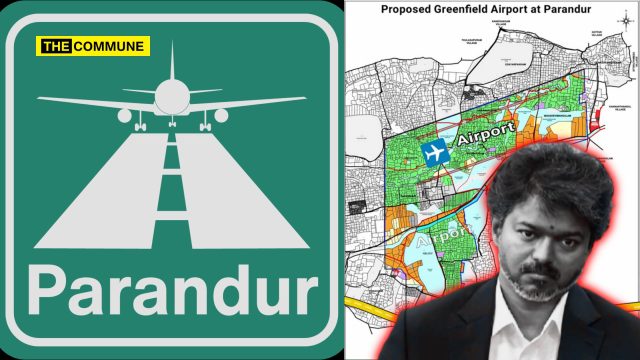
The future of Chennai’s much-awaited second international airport at Parandur goes into limbo following indications that the TVK-led government has suspended key preparatory activities associated with the project. A report by Hindu Tamil suggest that processes such as land registration and other preliminary measures have been put on hold as the administration re-evaluates the project.
According to reports, Instead of moving ahead with the airport, the government is reportedly exploring the possibility of establishing a SIPCOT industrial park on a portion of the land already acquired. The move has sparked concerns among industry observers and infrastructure experts who view the airport as a critical requirement for Chennai’s long-term economic growth.
The proposed Parandur airport was conceived as a major infrastructure project to supplement Chennai’s existing airport, which has long struggled with inadequate infrastructre, capacity constraints, congestion, and expansion limitations. Despite multiple rounds of modernization, Chennai Airport continues to face operational challenges arising from space restrictions and growing passenger traffic. The second airport was intended to address these issues while positioning Chennai to compete with rapidly expanding aviation hubs elsewhere in India.
Under the previous administration, nearly 5,746 acres were earmarked for the greenfield airport project, with around 1,700 acres already acquired through direct agreements with landowners. Significant progress had been made toward laying the groundwork for what was projected to become one of Tamil Nadu’s most important infrastructure investments. Joseph Vijay’s TVK has been consistently opposing the new airport and participated in protests against it.
Now that Joseph Vijay’s TVK is in power, the apparent reluctance to proceed with the project has raised questions about its commitment to large-scale development initiatives.
Since there are some practical problems in handing over the already acquired 1,700 acres of land back to the farmers, the government is seriously considering the possibility of setting up a new SIPCOT industrial park on that land.
The uncertainty surrounding the project has already had economic consequences. Real estate companies invested crores in the hope of an airport coming up in the Paranthur area. Investors and real estate developers who acquired land in anticipation of the airport’s construction are facing mounting uncertainty. Property values that had surged following the project’s announcement have reportedly begun to soften amid speculation that the airport may never materialize. While the value of land has increased 10 times in the last couple of years as many people bought land, the real estate business has now started to face a severe decline.
While concerns raised by sections of local residents and environmental activists deserve consideration, abandoning a strategic infrastructure project without presenting a viable alternative growth vision could send negative signals to investors. Major metropolitan regions across India are expanding aviation capacity to support industrial growth, tourism, logistics, and international connectivity. Airports serve as economic multipliers that generate investment, employment, tourism, cargo movement, and global connectivity on a scale that few other infrastructure projects can match, while here’s a Chief Minister who is opposing such a crucial development project that could catapult Tamil Nadu’s growth.
The reported plan to replace an international airport project with an industrial park has also triggered debate about whether the state is sacrificing a transformative piece of infrastructure for a less ambitious alternative.
For many observers, the bigger concern extends beyond Parandur itself. They see the government’s stance as emblematic of a broader hesitation toward large-scale development projects. At a time when cities such as Bengaluru, Hyderabad, and Noida are aggressively investing in new airports and transportation infrastructure, shelving Chennai’s second airport could amount to sounding the death knell for one of the state’s most consequential development opportunities.
Subscribe to our channels on WhatsApp, Telegram,Instagram and YouTube to get the best stories of the day delivered to you personally.
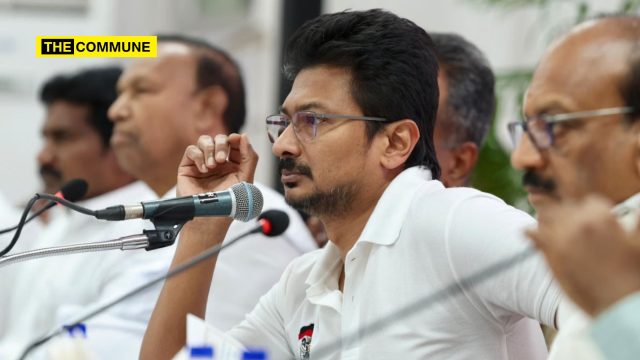
Senior leaders within the DMK have reportedly expressed concern over what they describe as Opposition Leader Udhayanidhi Stalin’s growing disconnect from party functionaries and cadre, arguing that he must become more accessible and collaborative if he is to effectively lead the party in opposition, as reported by Vikatan.
According to leaders close to the DMK leadership, the party is entering a critical phase following the defeat of DMK president MK Stalin in the Kolathur constituency. With the responsibility of leading the Opposition now falling on Udhayanidhi Stalin, party insiders believe he faces the significant challenge of winning back young voters at a time when Tamilaga Vettri Kazhagam (TVK) has come to power riding on youth support.
Sources close to the party leadership reportedly feel that Udhayanidhi’s tendency to remain distant from cadre, his alleged ego clashes with senior leaders, and his limited engagement with party workers need to change if he is to succeed in his new role.
Party insiders claim that tensions between Udhayanidhi Stalin and Stalin’s son-in-law Sabareesan have existed for a long time. According to them, both emerged as separate power centres during the previous DMK government, a development that some within the party reportedly believe contributed to the party’s electoral defeat.
Sources also alleged that several recommendations made by political consultants, including suggestions that M.K. Stalin alone should remain the central face of the party after Vijay’s political entry, were not well received by Udhayanidhi’s camp. They claim that differences between the Sabareesan and Udhayanidhi camps continued to widen during the DMK’s tenure in government.
Party sources further alleged that Udhayanidhi was uncomfortable with the growing importance accorded to his aunt, Kanimozhi, within the party. According to insiders, there is a perception among some cadres that individuals viewed as being close to Kanimozhi face obstacles in advancing within the party structure.
Senior leaders reportedly argue that Udhayanidhi must move beyond such internal rivalries and work closely with leaders including Sabareesan, Kanimozhi, E.V. Velu, K.N. Nehru and Sekar Babu. They believe greater coordination among senior leaders would strengthen both the party and Udhayanidhi’s own political standing.
DMK insiders say that with M.K. Stalin losing Kolathur, the responsibility of leading the opposition has fallen on Udhayanidhi Stalin. At a time when youth support has propelled TVK to power, the challenge before him is to bring young voters back to the DMK fold.
Several senior functionaries at Anna Arivalayam are also said to be unhappy with what they describe as Udhayanidhi’s lack of interaction with party workers and office-bearers.
According to these sources, Udhayanidhi rarely meets party cadre or administrators. They point out that despite becoming the Leader of the Opposition, he does not have a dedicated office at Anna Arivalayam and seldom visits Anbagam, the headquarters of the DMK Youth Wing.
Party insiders further claimed that, barring one or two legislators, most of the DMK’s MLAs find it difficult to directly communicate with him. They argue that such inaccessibility is not appropriate for someone occupying the position of Opposition Leader.
Sources also levelled criticism at Udhayanidhi’s close aides, alleging that they frequently prevent party matters from reaching him. According to them, requests for meetings are often blocked at an early stage with explanations that Udhayanidhi is unavailable or under stress.
Some party members further alleged that certain decisions relating to the Youth Wing are being taken independently by aides rather than through wider consultation within the organisation.
Former ministers within the DMK also reportedly voiced dissatisfaction with Udhayanidhi’s style of functioning.
According to party sources, one former minister from southern Tamil Nadu was recently given an appointment to meet Udhayanidhi at 9 a.m. but was allegedly made to wait until nearly 9:50 a.m. before being allowed into his room. The sources claimed that Udhayanidhi had been spending time with members of the film industry during that period.
The same sources alleged that after the meeting finally took place, Udhayanidhi briefly listened to the issue raised by the former minister, assured him that it would be looked into, and concluded the meeting without further discussion.
Those familiar with the incident reportedly contrasted this with M.K. Stalin’s approach, stating that even while serving as Chief Minister he generally met party members at the scheduled time.
Leaders from the DMK Youth Wing also expressed concern about Udhayanidhi’s approach. According to them, even during his tenure as Minister and Deputy Chief Minister, there were occasions when he became difficult to reach.
They further alleged that individuals with little connection to politics often formed part of his immediate circle, while party workers found it difficult to gain access to him.
With TVK now in power and law-and-order issues emerging as a major political issue, senior DMK figures reportedly believe that Udhayanidhi cannot afford to remain passive. They argue that the Leader of the Opposition must be visible on the ground, lead agitations, and actively coordinate political campaigns against the government.
Party leaders also point out that despite M.K. Stalin’s defeat in Kolathur, voters in the Chepauk–Triplicane constituency elected Udhayanidhi Stalin. According to them, that mandate carries added responsibility and requires him to work harder to establish himself as a mass leader in his own right.
Subscribe to our channels on WhatsApp, Telegram,Instagram and YouTube to get the best stories of the day delivered to you personally.
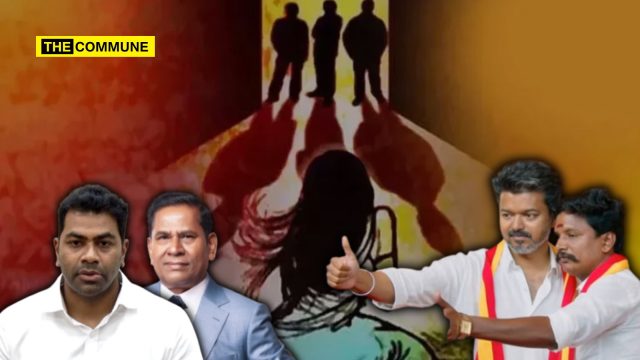
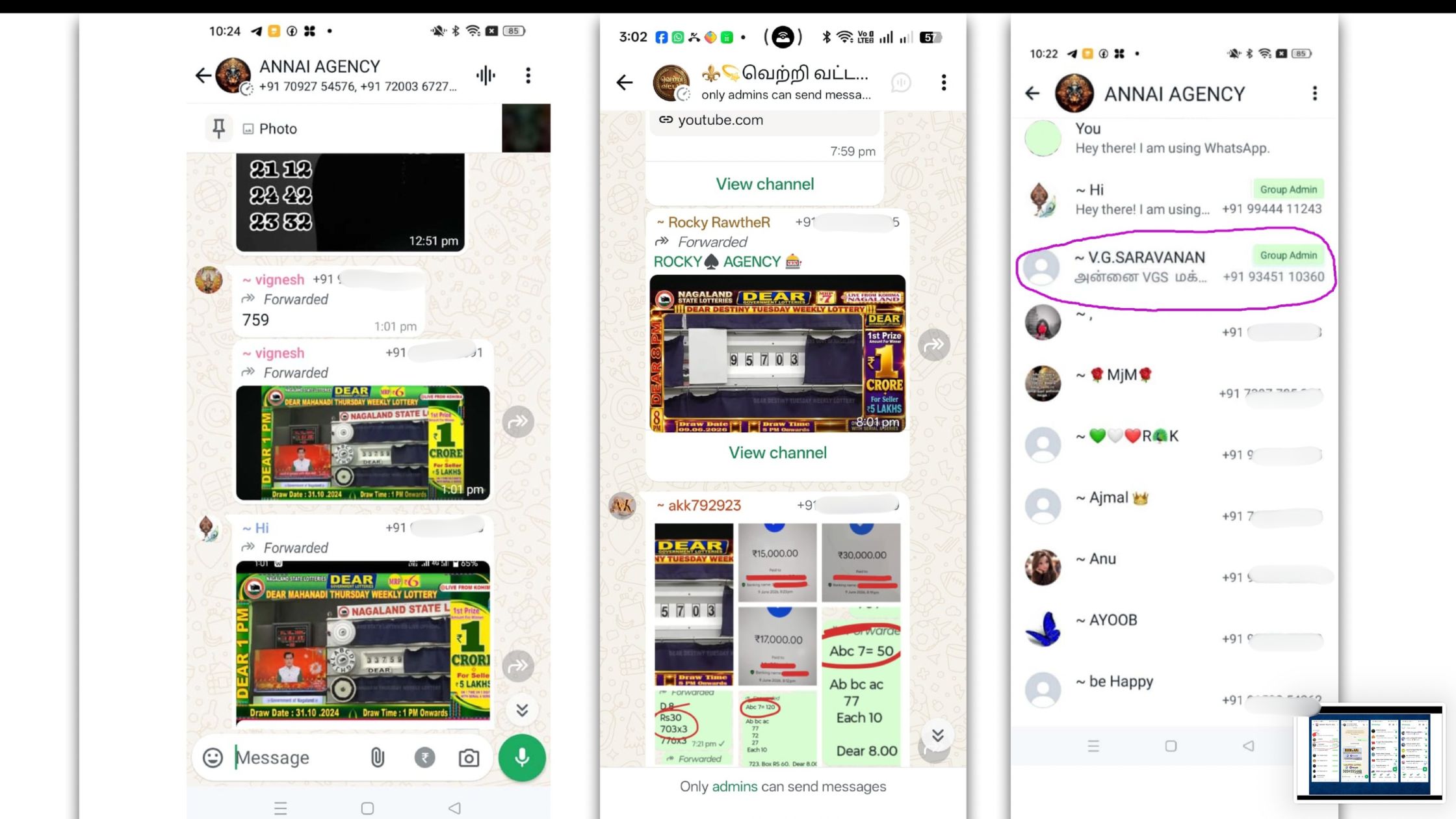
Fresh allegations have surfaced against Srivaikuntam MLA Annai VG Saravanan of Joseph Vijay’s TVK, that he is linked to an extensive network involved in the sale of Nagaland-based lottery products through hundreds of WhatsApp groups across Tamil Nadu.
The allegations emerge amid continuing controversy surrounding the MLA, who is reportedly behind the gang-rape of a TVK Women’s Wing cadre by two other cadre of the same party who have been accused of luring her under the pretext of getting her a job as suggested by this MLA.
According to the allegations, the delay in action against Saravanan is allegedly linked to concerns that a deeper investigation could expose a much larger network connected to the lottery business.
It is alleged that Saravanan did not secure his political rise solely through his association with TVK founder C. Joseph Vijay but also enjoyed the backing of a network linked to lottery baron Santiago Martin, his wife Leema Rose, and individuals associated with TVK Minister Aadhav Arjuna.
Massive WhatsApp-Based Lottery Network?
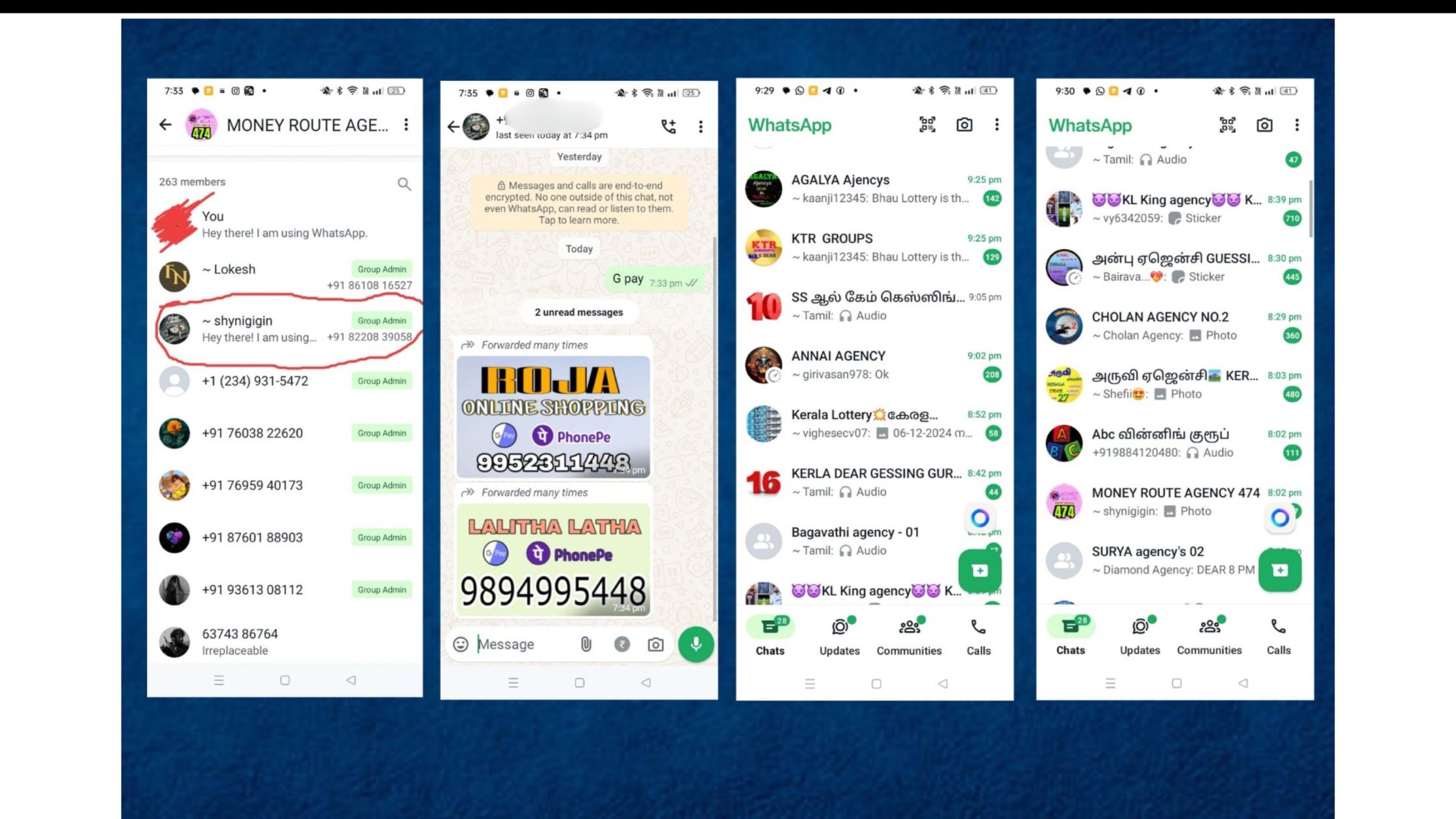
According to the allegations, more than 500 WhatsApp groups are allegedly being used to facilitate the sale of “two-number” and “three-number” lottery schemes.
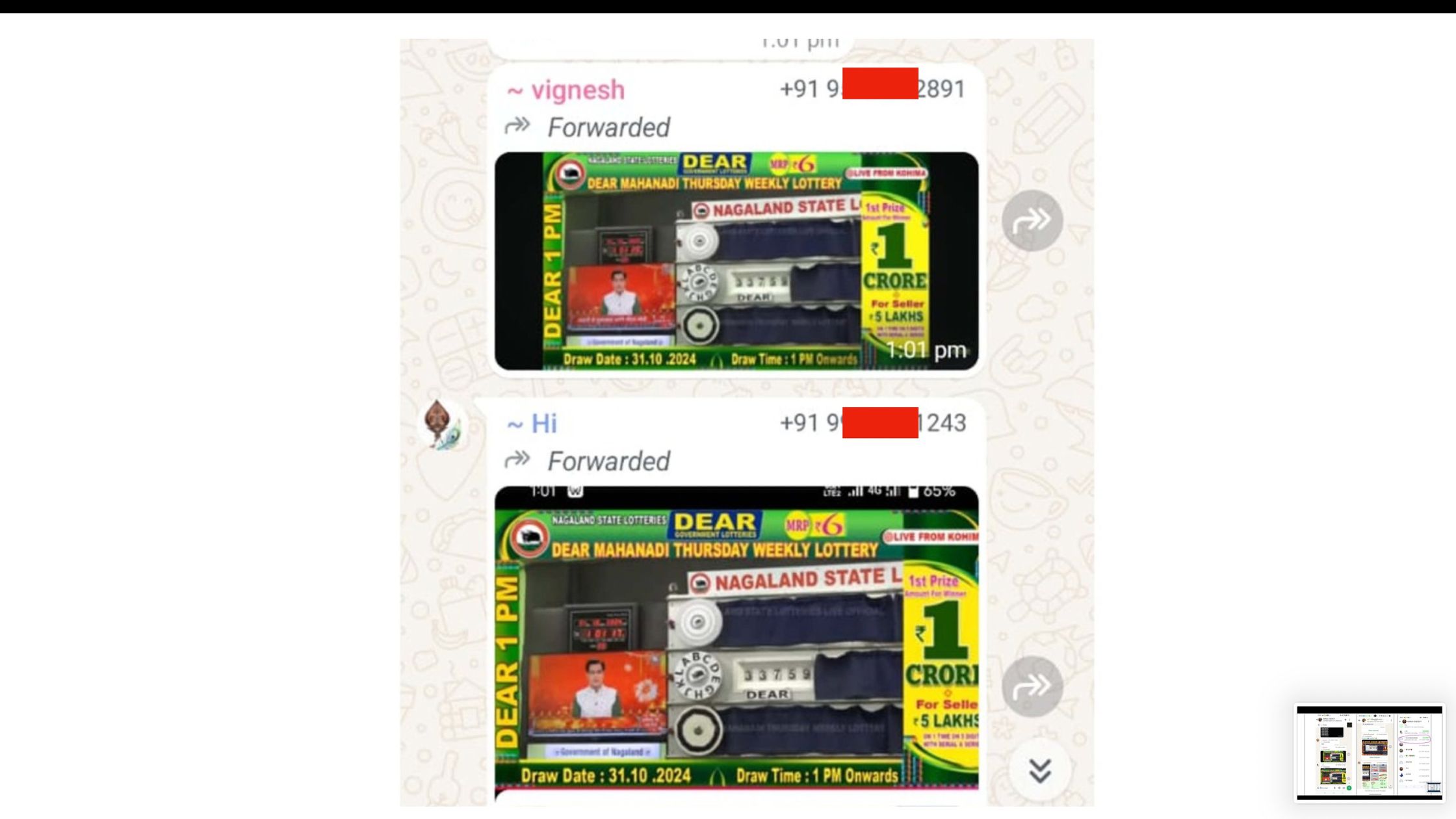
The lotteries are said to operate under the “Dear” brand, including products such as Dear Rise, Dear Shine, Dear Spark, Dear Star, Dear Victory, Dear Vision, Dear Wish, Dear Legend, Dear Prestige, Dear Regal, Dear Supreme, Dear Crown, Dear Elite, Dear Empire, Dear Clover, Dear Destiny, Dear Dream, Dear Fame, Dear Horizon, Dear Lucky and Dear Magic.
Source: MaridhasSource: MaridhasSource: Maridhas
It is alleged that many of these lottery products originate from Nagaland and claim that the “Dear Lottery” brand is controlled by business interests linked to Martin and Leema Rose.
It is further alleged that draws are conducted at multiple times during the day, including 1 PM, 6 PM and 8 PM, with participants betting small sums in hopes of winning significantly larger prizes.
ஸ்ரீவைகுண்டம் தவெக எம்எல்ஏ சரவணன் கைது செய்யப்பட வேண்டும் என அனைத்து கட்சிகளும் குரல் கொடுத்தும் விஜய் அரசு தயக்கம் காட்ட ஒரே காரணம் இங்கே இந்த whatsapp பாருங்கள் உங்களுக்கு இவன் யார் என்பது கொஞ்சம் புரியலாம்.
இது எல்லாமே TVK சரணவன் நடத்தும் குரூப். இது இரண்டு நம்பர் 3 நம்பர்… pic.twitter.com/vKneKeja8a
Every day, these WhatsApp lottery groups run multiple draws with “Dear” brand tickets from Nagaland.
Small bets from thousands of people are collected through hundreds of WhatsApp groups. Very few actually win, and the operators walk away with massive profits.
At 1 PM (First Show), they promote lotteries like Dear Rise, Dear Shine, Dear Spark, Dear Star, Dear Victory, Dear Vision, and Dear Wish.You bet just ₹10 on a 2-number lottery. If you win, you are promised ₹15,000.
The real trick is in the numbers. They create big groups and sub-groups. In one main group of 500 people, they get 6–8 people to act as agents and bring in more players. This way, they easily collect money from around 12,500 people, which means ₹1.25 lakh in just one round. After paying the few winners, the operators can make nearly ₹1 lakh profit per draw.
Alleged Collections Running Into Lakhs Daily
It is alleged that the lottery operations function through a network of group administrators, agents and sub-agents spread across districts such as Erode, Salem and Namakkal.
According to the allegations, each WhatsApp group attracts multiple participants who place small bets. The cumulative collections from hundreds of groups allegedly generate substantial revenues every day.
Reportedly, a single draw can generate collections running into several lakhs of rupees, while multiple draws conducted throughout the day could result in daily collections ranging between ₹50 lakh and ₹80 lakh.
It is further alleged that the lottery business extends beyond officially declared sales figures and operates through a large informal network.
Questions Raised Over Money Trail
It is alleged that proceeds from the lottery operations are routed through various bank accounts and companies before being consolidated.
In such a case, investigators should examine whether funds generated through the lottery network were subsequently converted into legitimate assets and businesses.
It is noteworthy that if authorities register a First Information Report (FIR) in connection with the alleged lottery activities, it could potentially pave the way for financial investigations into the movement of funds.
Additionally, any investigation into the lottery operations could have implications for individuals beyond Saravanan. Once FIR is filed, the Enforcement Directorate (ED) can make its way in to examine the alleged financial transactions connected to the lottery network and investigate the money trail.
If evidence of financial irregularities emerges from a predicate offence; central agencies could subsequently examine whether any proceeds were laundered through corporate entities or other channels.
It is noteworthy that the victim of the Thoothukudi gang-rape case has mentioned about TVK MLA from Srivaikuntam was involved in the sale of illegal lottery tickets.
She further alleged that seven months ago, a man named Bala promised her a commission for facilitating sales for the lottery business run by MLA Saravanan. She said she refused, knowing lotteries are illegal in Tamil Nadu, and stopped communicating with him.
According to the victim, seven months later, she saw Bala again during election duty. She said he told her he had arranged a job for her through Saravanan’s lottery shop, acknowledging her debt. And it was on this journey that she was sexually assaulted by the other TVK functionaries.
The allegations against Saravanan go beyond the gang-rape case and point to a bigger network. He is believed to have received strong backing from the powerful Martin lottery family.
TVK Minister Aadhav Arjuna is married to Daisy Martin, daughter of lottery baron Santiago Martin and Leema Rose. This direct family connection links Aadhav to the Martin family’s vast lottery operations — including the “Dear” brand lotteries sold through WhatsApp groups.
Saravanan’s alleged WhatsApp lottery racket is suspected to be operating in alignment with this larger ecosystem. Any serious investigation could expose financial links between Saravanan’s operations and the Martin family empire, which is why there is hesitation in taking strong action against him.
Subscribe to our channels on WhatsApp, Telegram,Instagram and YouTube to get the best stories of the day delivered to you personally.