Home Blog Page 1206

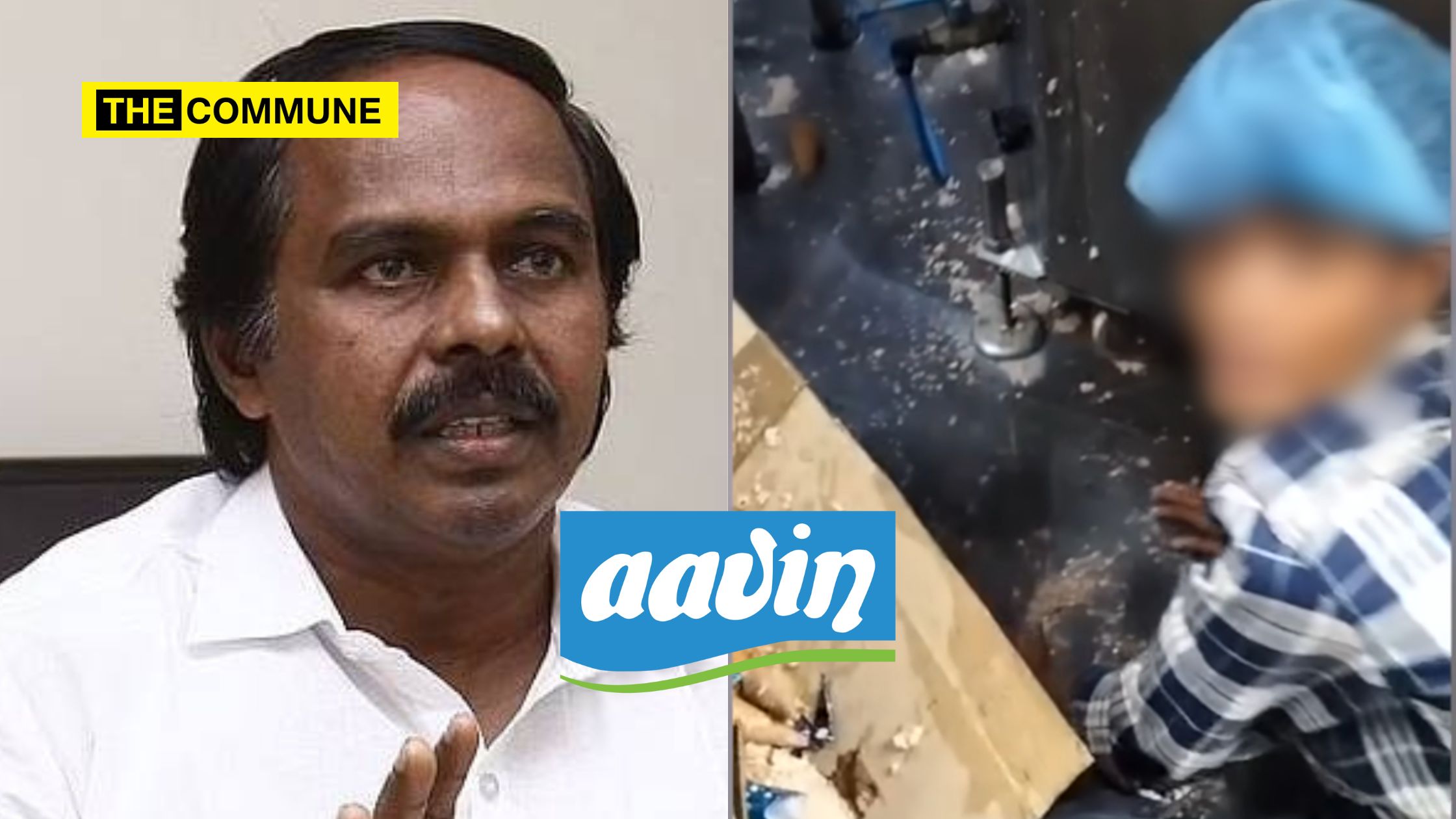
Aavin Child Labour Issue: TN CM MK Stalin Lies Through His Teeth Calling Evidences “Fake”, Videos Show Children Sweeping & Cleaning

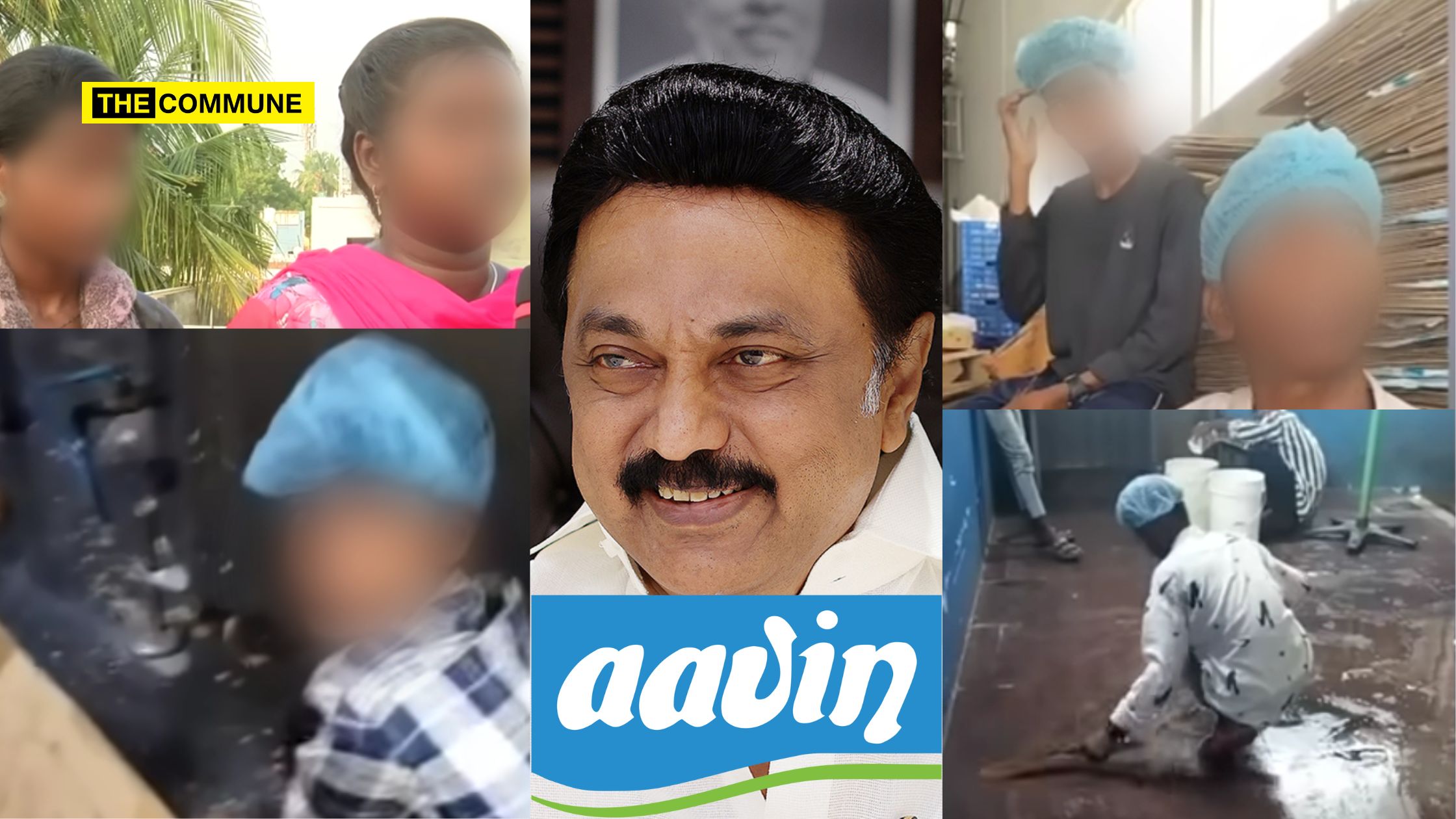
There have been reports with indisputable evidence of Tamil Nadu state-owned milk cooperative Aavin employing children as young as 16 years as workers.

These children can be seen sweeping, cleaning, doing packaging work and other hard physical labour at the Aavin factory located in Chennai.

The issue came to light after it was reported that the children were not paid their due compensation.

Testimonies from the children reveal that they were employed as labourers as recently as April 2023. The affected children, some as young as 16 years old and studying in the tenth and eleventh grades, have come forward to provide evidence that they were forced to work at Aavin. They were allegedly made to work for 8 hours and sometimes over time for which remuneration were not paid.

“Nobody can stand near that freezer for even a minute. But we stood for more than half an hour and one hour. What are they going to get by saving that money? How will they be able to digest it?”, a 16-year-old boy laments.

They highlighted that they decided to work since they needed money to purchase clothes for school, indicating dire financial circumstances. The lack of salaries received by these young workers has further exacerbated the situation.

It has been alleged that DGM Rajasekhar told one of the boy to bring in more boys like him to work. The boy apparently asked whether boys of his age (less than 18 years) are eligible to take up the job to which the DGM allegedly said that he would take care of it no matter whichever official asks about it.

This boy brought 20 more like him who he says were involved in ice-cream making. Rajasekhar told the boy to bring more boys and around 50 more children studying class 10, 11 and 12 were brought to work. The 50 includes several girl children as seen from the attendance register pictures released to the media by the children. One of the boys who worked there said in an interview that every government staff employed in that Aavin factory knew that they were underage for the work.

Rajasekhar reportedly forced them to sweep, clean and made them work for more than 8 hours and threatened to not pay them if they disobeyed his orders. Another person who has been named by one of the affected boys for ill treatment is Shanumgasundaram.

The DMK Minister in charge of Milk and Dairy Development of Tamil Nadu, Mano Thangaraj, has continuously denied the allegations, despite mounting evidence to the contrary. He has questioned the authenticity of the records and the credibility of the children’s testimonies. The denial by the DMK Minister has shocked the children as they feel they’ve been left in lurch.

Following suit, when Tamil Nadu Chief Minister MK Stalin was confronted with the question during a press meet he vehemently denied it calling all the evidences as “fake”.

When a reporter asked about media reports of Aavin using children as labourers, CM Stalin who can be seen visibly tensed lied through the teeth saying “It is fake news. That day itself the Minister denied it. It is a planned fake propaganda. The evidences are all fake and are not real.”

It is noteworthy to mention that CM Stalin has relied on his Minister’s denial to deem the reports about the issue as fake.

Despite the mounting evidence of Aavin engaging school going children as labourers, the Dravidian Stockist media have look the other way.

Leftist and Dravidian Stockist outlets like The News Minute have not even reported about the incident.

Critics of the DMK argue that had this matter happened under the AIADMK’s watch, it would’ve been made a matter of prime time debate.


China’s Forced Land Seizures For Dam Construction In Tibet Raises Alarms, Threat To Cultural Identity Of Tibetans Feared

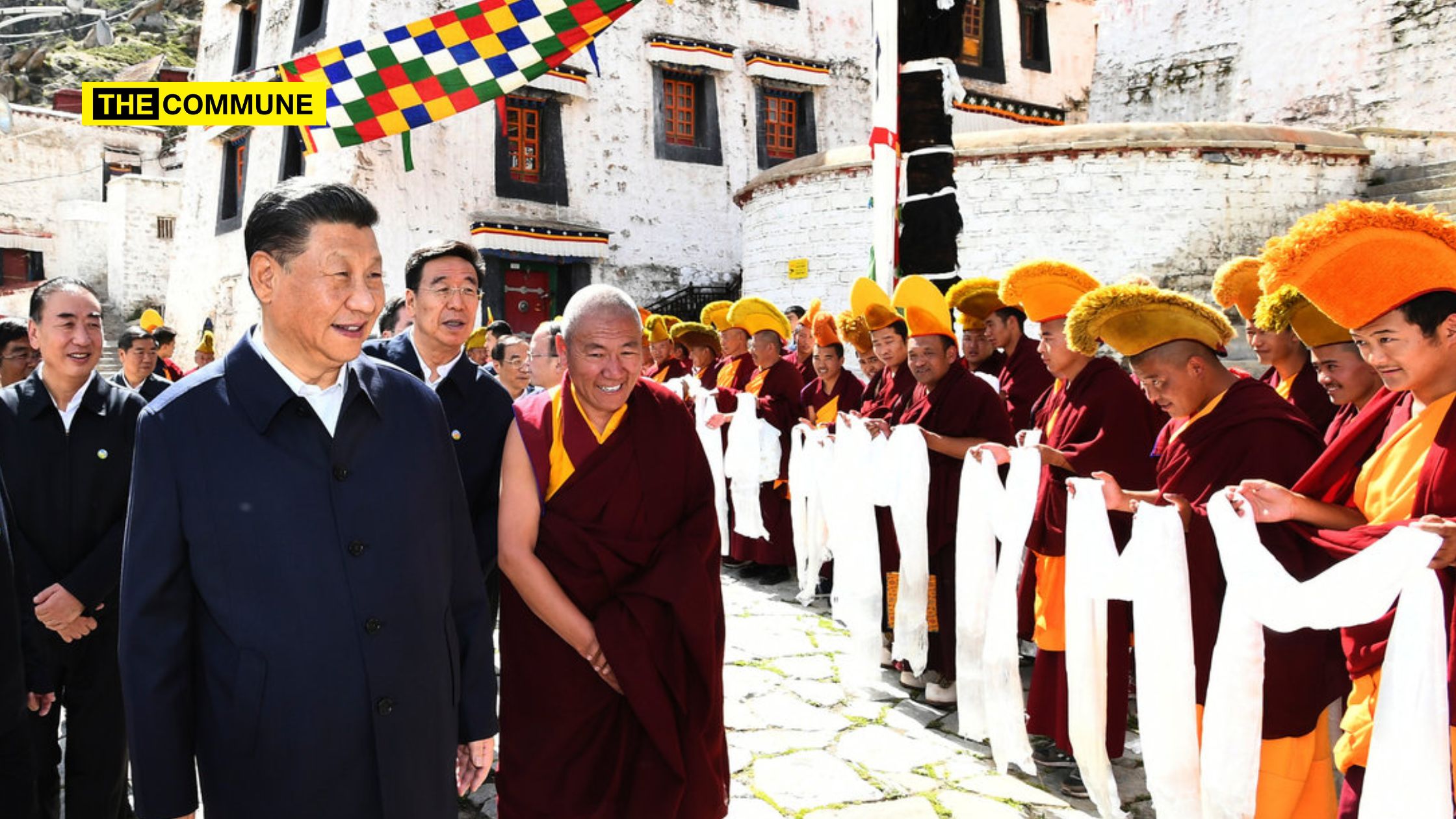
Ongoing concerns continue to arise regarding the situation in Tibet, as reports indicate that Chinese authorities are forcibly confiscating property from Tibetan farmers in Rebgong County, Qinghai Province, under the pretext of constructing a hydropower dam. According to information from Tibet Press, local residents have been warned to cooperate and relinquish their land, with the threat of compensation being withheld for those who refuse. The order, issued on May 23, 2023, by the Langya village authorities, required seven villages in the area to relocate within ten days to facilitate the first phase of construction. This dam is a key project outlined in China’s 13th Five-Year Plan and is estimated to cover an area of 4.58 million square meters, with a construction cost of 245 million yuan.

Rebgong, also known as Tongren in Chinese, is a Tibetan-populated region in Qinghai province, situated in Malho (Huangnan). The affected area includes Tibetan settlements such as Shu-Ong-Kye, Shu-Ong-Nyi-tha, Langya, Malpa-Jam, Malpa-Kharnang-Kharshi, and Malpa-Chauwo. It is anticipated that the reservoir development will commence soon, compelling peasants to seek temporary employment in towns and cities if their properties are seized by local officials, as reported by Tibet Press.

The forced relocation of Tibetan nomads and farmers to urban areas, alongside the influx of Han Chinese settlers into Tibet, are part of China’s broader efforts to assimilate Tibetan minorities into the dominant Han Chinese culture. Infrastructure and development projects undertaken by Chinese companies in Tibet have resulted in frequent clashes with local Tibetans, who accuse them of improper land confiscation and disruption of their lives, as stated by Tibet Press.

These issues trace back to China’s invasion of Tibet in 1951, which has led to a continuous deterioration of Tibetan lives. Since the 2008 protests, more than 150 Tibetan monks have self-immolated, and numerous Tibetans have suffered torture, mistreatment, and death due to Chinese state repression. The erasure of Tibetan culture and ethnic identity by China is an ongoing systematic process. Relatives of Tibetan protestors are routinely subjected to harassment, imprisonment, denial of political and medical rights, and even death if perceived as a threat. The treatment of nomadic herders in Tibet has been particularly harsh, with over a million forced to leave the grasslands under the pretense of environmental protection, as reported by Tibet Press.

China’s tight grip on Tibet extends to political re-education camps and the suppression of any social activism, aiming to dismantle traditional leadership at the grassroots level. Tibetans associated with dissidents face severe consequences, including the loss of political rights, restricted access to jobs and healthcare, and constant surveillance facilitated by an extensive database. China’s United Front Works Department plays a significant role in subverting opposition both within China and overseas, using tactics such as misleading ethnic minorities about their right to self-determination and establishing government-sponsored NGOs to portray a positive image of China’s human rights record.

China’s attempts to manipulate international organizations, including the United Nations, have raised concerns. Chinese NGOs have reportedly falsified data in UN committees to defend China’s actions and human rights violations. The absence of the rule of law in China is evident through incidents like the crackdown on lawyers and the handling of the Covid-19 pandemic. UN reports have highlighted the separation of nearly one million Tibetan children from their families and their forced enrollment in residential schools, where they are subjected to Mandarin education, CCP ideology, and the erasure of Tibetan identity and culture.

The intentions of the Chinese Communist Party in Tibet are clear—they aim to Sinicize the region and its people, posing a significant threat to the Tibetan identity. It is crucial for Tibetans worldwide to unite and support their compatriots in Tibet to prevent the assimilation of Tibetan culture into Han China before it becomes irreversible.

Click here to subscribe to The Commune on Telegram and get the best stories of the day delivered to you personally.

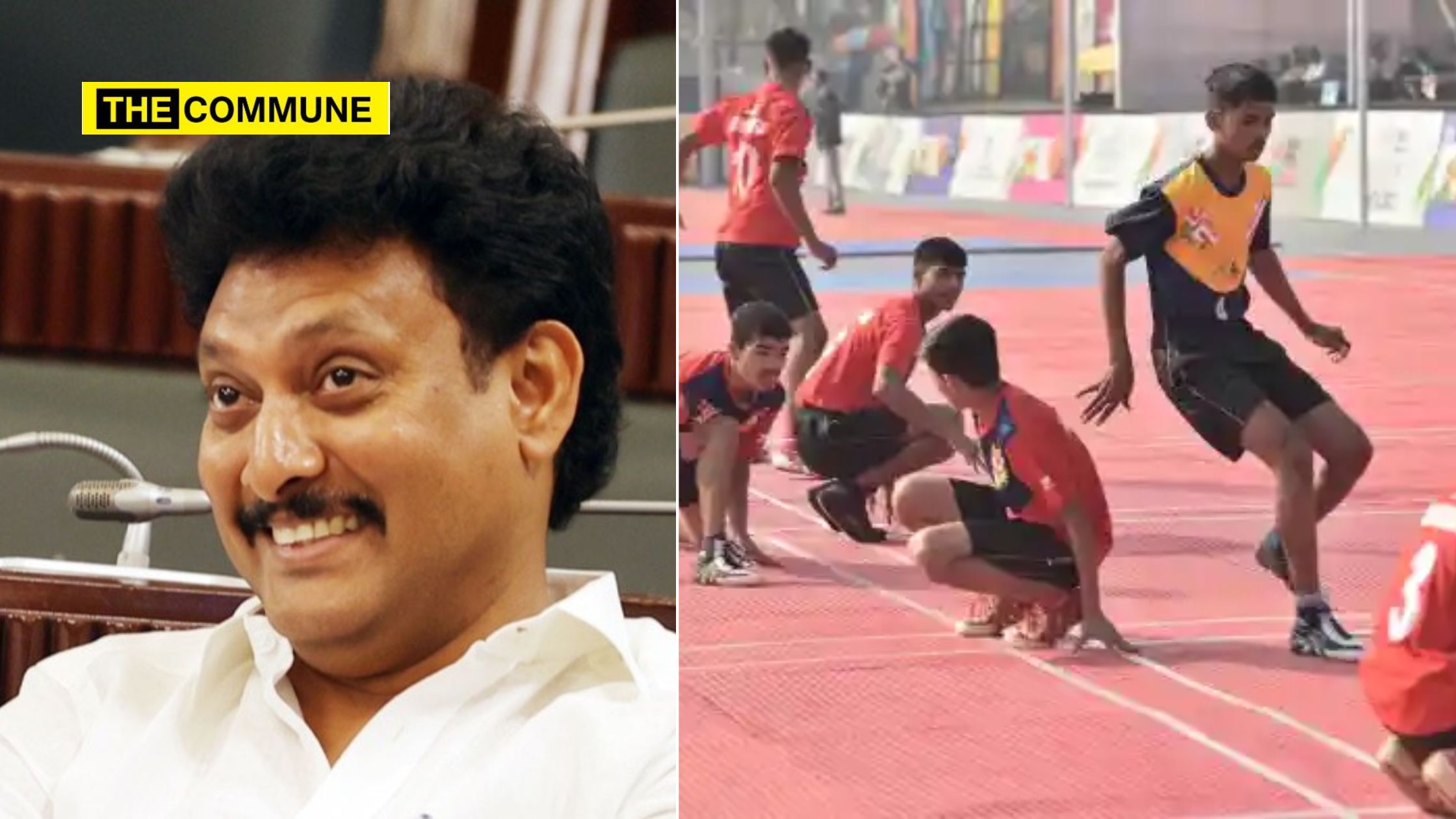
TN Students Lose Chance To Participate In National Sports Competition, Opposition Blames DMK Govt’s Negligence

The  All India Schools Sports Association organizes annual national sports competitions, featuring a range of athletic disciplines such as swimming, basketball, and wrestling. Each year, state governments across India select talented students to represent their respective regions in the prestigious national sports event. The latest edition of the games commenced on 6 June 2023 Delhi and is scheduled to continue until the 12 June 2023.

Unfortunately, the national sports event will see no student from Tamil Nadu participate as their names were not sent by the concerned authorities. 247 students across Tamil Nadu who were to participate have been excluded from the games.

This has sparked controversy and raised concerns about the lackadaisical attitude of the Tamil Nadu School Education Department which comes under DMK Minister Anbil Mahesh Poyyamozhi.

The School Education Department, has shifted blame saying that they were not given enough time to look into the matter. However, the circular was reportedly sent to the Principal Inspector of Physical Education on 11 May 2023.

DMK Minister Anbil Mahesh has acknowledged the issue and said that a “suitable explanation” would be provided.

There were allegations that the State Principal Physical Education Inspector, Gopalakrishnan, failed to bring the letter requesting student participation to the attention of higher officials in the School Education Department. He has now been been suspended.

Opposition leaders have strongly condemned the incompetence and the laxity of the DMK government on the matter.

Tamil Nadu BJP President K. Annamalai expressed his disappointment on Twitter, stating that school students from Tamil Nadu have been deprived of the chance to participate in national-level competitions. He criticized the complacency of the school education department for not selecting Tamil Nadu students to represent in the national games

On 9 June 2023, he tweeted that, “School students from Tamil Nadu have lost the opportunity to participate in national level competitions as they have not been selected for the national games for school children. The complacency of the school education department in not selecting the Tamil Nadu school students’ team, while Puducherry participating at the national level is highly condemnable.”

He further condemned the government saying “Due to the negligence of the School Education Department of Tamil Nadu, the school students of Tamil Nadu have been neglected.”

Amma Makkal Munnetra Kazhagam (AMMK) leader TTV Dhinakaran too lashed out at the DMK government for the fiasco.

“It is said that the students who participate in national sports competitions and get prizes will get extra marks for reservation in higher education. But the students are suffering due to the negligence of the school education department.”, Dhinakaran in his statement said.


Though the issue comes under the ambit of the School Education Department helmed by DMK Minister Anbil Mahesh Poyyamozhi, it is noteworthy to mention that Tamil Nadu Chief Minister MK Stalin’s son Udhayanidhi Stalin is the Minister for Youth Welfare and Sports Development.

Click here to subscribe to The Commune on Telegram and get the best stories of the day delivered to you personally.
Ard-I-Hind: The Iraq Territory Conquered By Chalukyas And Pratiharas

This article was originally published in Bharat Voice and has been republished here with permission. 

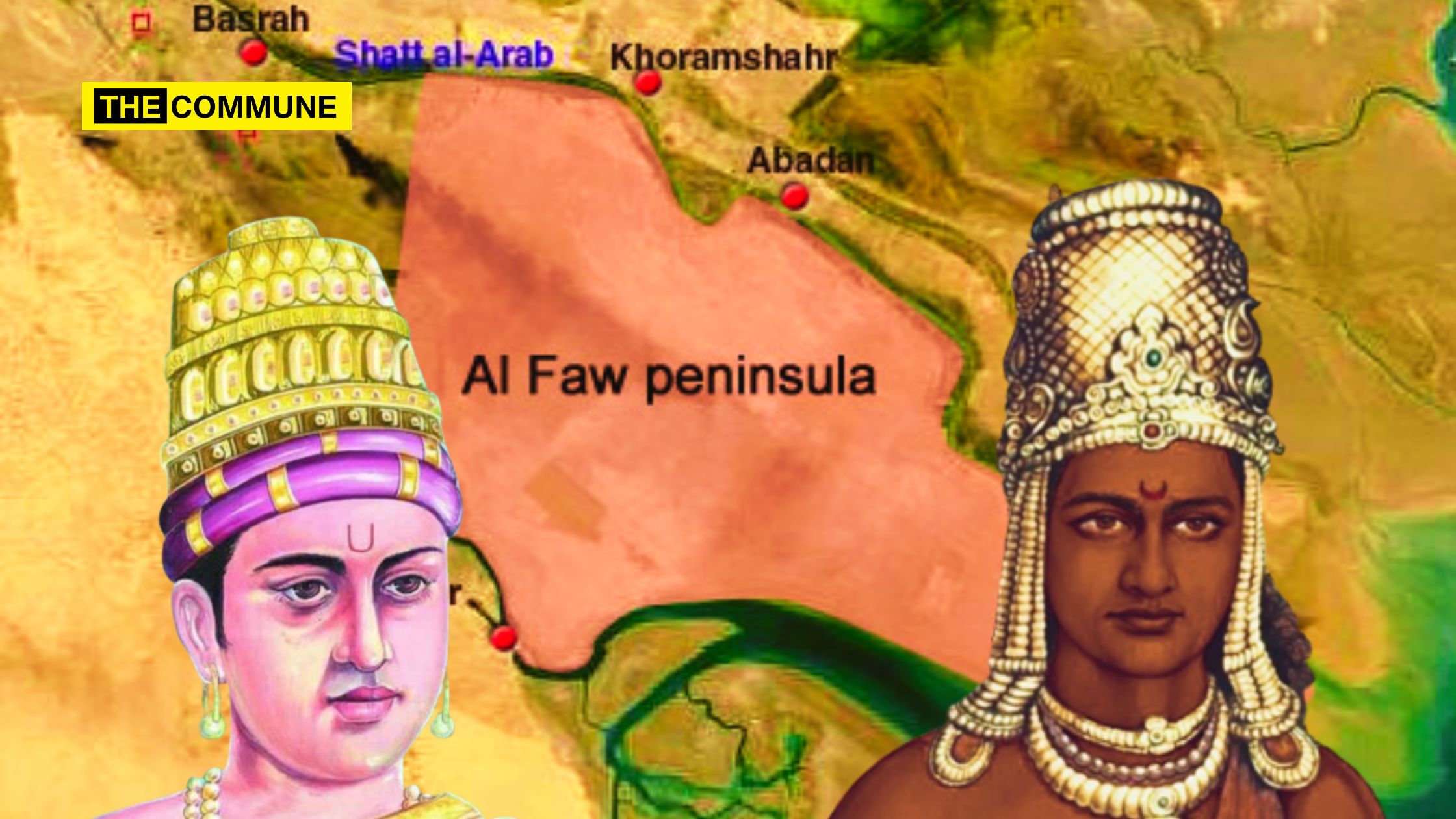
If we may start by asking an intriguing question: What is common between Chalukya Pulakeshin II, Pratihara Nagabhata II and the former American president George W Bush? The answer is  – the “Al Faw Peninsula” of Iraq. This peninsula is the only outlet to the sea to modern Iraq and has historically been one of the most coveted and strategic regions of the world. The control over Al-Faw decided control over the Middle East.

Around 1400 years ago, Islam was established in the Arabian desert. In the early 7th century, conflict loomed between the mighty Sassanian empire of Persia and the newly set up First caliphate of Islamic history – the Rashidun. One of the first regions outside Arabia, the Caliphate focused on conquering was the Al Faw peninsula. The Peninsula remained hotly contested down the centuries. In the 20th century, The Peninsula was bitterly contested in the Iran-Iraq war of the 1980’s due to its strategic location bordering on the disputed Shatt al-Arab waterway. Large scale battles were witnessed during this time. The Iranian Pasadaran (Revolutionary Guard) led an offensive that captured the peninsula in February 1986. In April 1988, a massive counteroffensive by the Iraqi army which involved allegations of use of sarin gas recaptured the peninsula after 35 hours of bloody fighting. This was such a great achievement that Saddam Hussein, the then ruler of Iraq declared the day of victory as a national holiday.

The Al Faw was also a key objective of the American invasions of Iraq later. During the 1991 Gulf War, the Western allied forces bombarded the Al Faw Peninsula to shut down all Iraqi shipping and access to the sea. Later during the 2003 invasion of Iraq under “Operation Enduring Freedom”, under the aegis of POTUS George W Bush, the British 3 commando brigade and US SEAL team 8 led two fierce offensives to the Umm Qasr port and the Mina Al Bakr Oil terminals in the peninsula. Fierce fighting ensued for days before the Iraqi forces were put down. An Anglo-American camp called Camp Driftwood was established here.

The reason for the bloody battles of control throughout history has been many fold. The Al Faw Peninsula lies at the head of the Persian Gulf. It provides the easiest access to the sea from the key agricultural and commercial centers of the ancient Mesopotamian region. It houses the largest ports in the region which were crucial for trade between Europe and the East. In modern times it has multiple Oil terminals and plays a key role in the Global Oil trade.

But other than all these reasons, there is another important reason. The Peninsula is in the immediate vicinity of one of the most historic and greatest commercial centers of the Middle East – Basra. Basra, a metropolis of over 1.4 million inhabitants is present day Iraq’s economic capital and one of the most prominent cities in Islamic history. It is the principal city of the Basra Governorate which is home to Iraq’s ports and will soon house one of the largest sea-port complexes in the world under the Grand Faw project. Modern Basra lies at the banks of the Shatt al-Arab, a waterway connecting the Persian Gulf with the confluence of the Tigris and the Euphrates – the great rivers of Middle Eastern civilization. The old historic quarter of Basra is today one of the suburbs of the ever-expanding city and its first settlements lay 15 kms inland from the Shatt Al-Arab.

Given all this history, It may seem surprising to many in Bharat today that this Peninsula was called “Ard-i-Hind” or “Land of India” at the dawn of Islamic history. The city of Basra was established, as per early Arabic records, due to the express intention of providing protection against attacks in Iraq or the navy of Al-Hind or Bharat.

Al-Faw Of Iraq Or “Ard-I-Hind” (Land Of India)

Multiple early Arabic records including a letter from Caliph Umar to Utba Ibn Ghazwan refer to Al-Faw peninsula as “Ard-i-Hind” or “Land of India”. There are various theories on the reason for this by present-day historians. But the most logical and corroborated reason is that due to massive ancient Indian economic influence, merchants from Bharat had established a colony along with their culture in this peninsula in order to facilitate East-West trade routed through or originating from the subcontinent.

It was this “pravasi bharatiya” diaspora that was at severe risk from the marching contingents of the Rashidun Caliphate and the nervous Sassanian wardens in the first half of the 7th century. From Arabic, Pehlevi and Indian records between 7th and 10th centuries, we can piece together a narrative of these tense years. The merchants appealed to help to the most powerful ruler of Bharatvarsha at that time: Satyashraya Pulakeshin Parameshwara of the Vatapi Chalukya dynasty. The emperor of Bharat dispatched a naval fleet to protect the Indians of Al Faw.

Chalukya Pulakeshin’s Exploits In Iraq

In year 12 of the Islamic calendar, the Caliphate general Khalid Ibn Al -Walid witnessed the garrison of the port of Al-Ubulla in the peninsula being under attack from the sea by “navy of Al-Hind”. The Chalukyan naval intervention was so effective that three years later around 636 CE, Caliph Umar (as recorded by Al-Tabari), was afraid of Naval attacks of the “King of Al-Hind”. Tabari mentions the name of the “King of Al Hind” in another account dated just a few years earlier as “Furumisha”. The latter is translated as either “Parameshwara” or “Pulakeshin”. Either way, both names refer to the same contemporary Chalukyan monarch- Pulakeshin II or Immadi Pulakeshin.

The fierce naval attacks of the Chalukyas of Bharat to protect the Indian diaspora forced the Arabs to retreat nearly 80 kms inland. So frightened were they by the Indian navy that they also retreated 15 kms away from the closest waterbody to set up their main garrison. Caliph Umar, as per Arabic accounts, expressly told his commanders to build a fortified city – Basra- to protect Iraq from an allied Indian-Umani invasion.

It appears from Arabic records, that Pulakeshin attempted forming a unique non-Abrahamic alliance between Persia, Uman and Bharat against the Caliphate’s advance. Unfortunately, the military intervention of Bharat in Iraq ended in a few years due to the reverses to the Chalukya emperor at the hand of the Pallavas in Bharat. Subcontinental politics diverted attention and resources away from the overseas conflict. Yet the fact remains that the only world power which remained undefeated at the hands of the Rashidun Caliphate in its palmiest years were the Chalukyas of Bharat.

Inspired By Ramayana, The Pratiharas Strike In Al Faw

The legacy of the Chalukyas was picked up nearly two centuries later by another great dynasty of Bharat – the Gurjara-Pratiharas. With his capital at Kanyakubja or Kannuaj, Pratihara Nagabhata II resolved to deter invasions from Arab forces in Sindh by launching a counter offensive. To cut supply lines between Iraq, Arabia and Iran to the Arab positions in Sindh, a daring plan was worked out. As per a Sanskrit inscription – the Gopadri prashasti – the plan was inspired by the Ramayana. Just like Lord Rama led the Vanaras across the Oceans to wipe out Adharma, the Pratihara naval fleets under crown prince Ramabhadra would cross the oceans to set fire to the Lanka of their enemies.

The Pratihara offensive involved naval guerrilla raids on key ports of the Persian Gulf comprising sites in modern day UAE, Oman, Iraq and Iran. Their most lethal strike was in the Al Faw peninsula and we have a telling Arabic eye witness account in the siras of Ibadi missionaries from Basra dated to c 815-816 CE.

The Pratihara offensive achieved its objective and paralyzed sea lanes of the Arabs. Consequently, isolated from their home bases, the Arabs in Eastern Sindh were overrun and the region annexed to the Pratihara empire.

An “Ard-i-Hind” Cultural Complex In Modern Iraq?

The ruthless alien invasions of Bharat from the 11th century CE, pushed most Indian dynasties into the defensive with respect to the Western theater. A war of resistance had to be fought for existence and this diverted the focus away from overseas conquests. That heroic resistance led to the preservation of the ancient Sanatana Dharma.

Today as we look back at the glorious periods of Indian victories and influence in the Al Faw peninsula of Iraq, we may well ask the question – is it possible that we can revive the memory of these age-old ties? For example, can we under “Project Mausam” set up an “Ard-i-Hind” cultural complex in the Al Faw peninsula? The complex could house a museum highlighting the ancient trade and cultural contacts between Bharat and the Middle East and the role played by the Indian merchant colonies of Iraq. It could house various cultural and educational events and courses on Bhartiya culture. Finally, it could house massive statues of Satyashraya Pulakeshin Parameswahra, Pratihara Nagabhata II and Ramabhadra – the great Chakravartis of Bharat who are intimately associated with this historic strategic peninsula thousands of kms away from the Indian coast.

Full details on the Conquests of the Chalukyas and Pratiharas in Al Faw Peninsula, Iraq are contained in the book – “Bharat’s Military Conquests in Foreign Lands” – written by the same author: Venkatesh Rangan. The book is available at https://subbupublications.com

Venkatesh Rangan is a Finance executive by profession with passion for historical research in Bharat’s rich civilizational history. He has authored two books, has been a speaker in conferences/seminars organized by the Maritime history society, Indology foundation, Herars Institute, Western Ghats Literary Festival, etc. His interest includes ancient science and literature of Bharat, political history of the Gupta empire, Maratha empire and military history of ancient and medieval Hindu powers

Click here to subscribe to The Commune on Telegram and get the best stories of the day delivered to you personally.
Former AIADMK Leader Maitreyan Returns To BJP

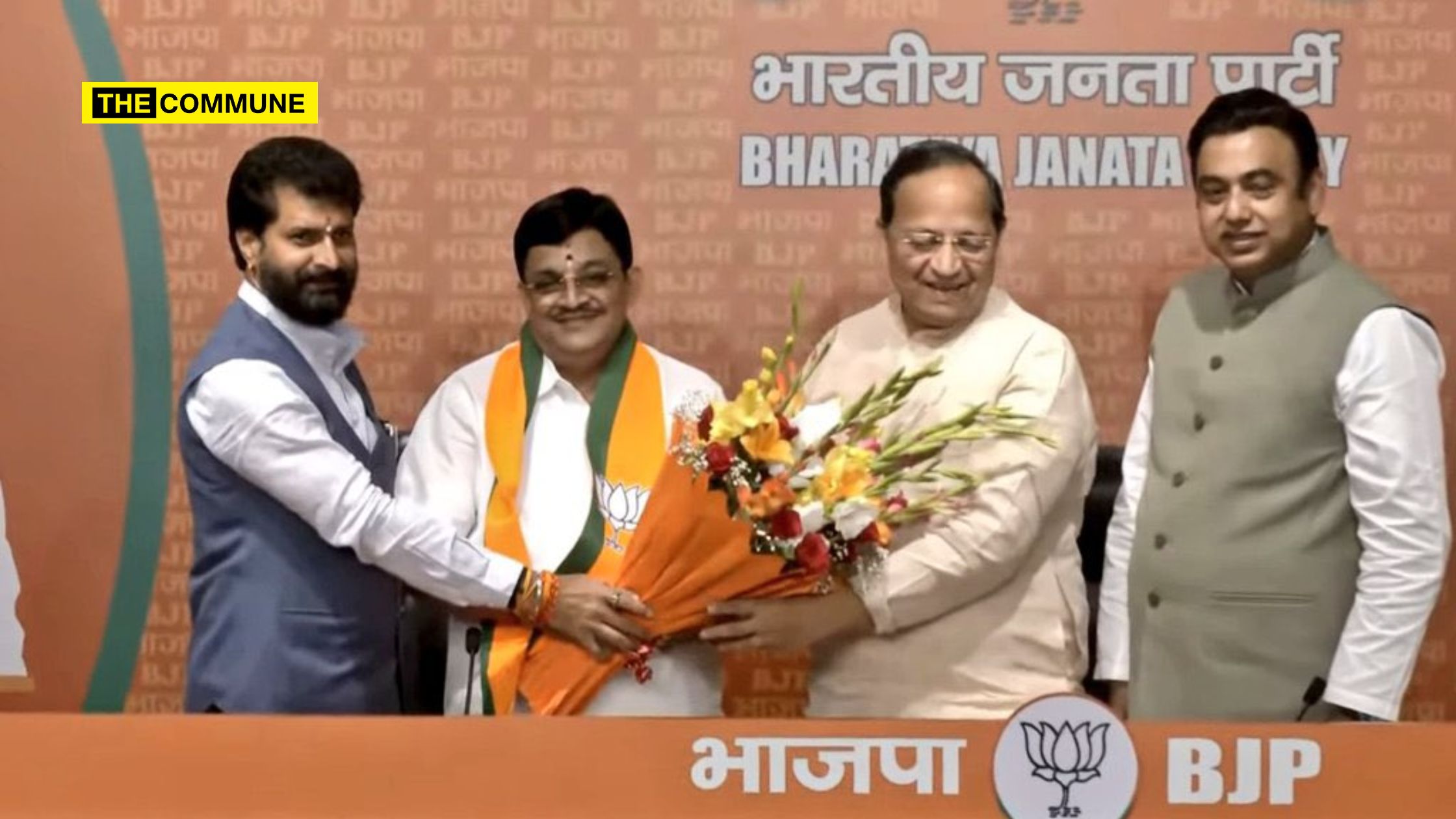
Former AIADMK leader and Ex-Rajya Sabha MP Dr. V. Maitreyan joined the BJP on 9 June 2023 at the party’s headquarters in Delhi.

Maitreyan, was born on 21 November 1955, into a Vadagalai Iyengar family. He  had his early education in Madras and successfully completed his medical degree at the Government Medical College, Nagpur.

After graduating, he pursued further specialization in Medical Oncology, obtaining an M.D. from the Madras Medical College and a D.M. from the Cancer Institute, Madras University.

Throughout his youth, Maitreyan was actively with the Rashtriya Swayamsevak Sangh (RSS). In 1991, he assumed the role of an executive member in the Tamil Nadu unit of the Bharatiya Janata Party (BJP). He held various significant positions within the BJP’s Tamil Nadu unit, serving as General Secretary from 1995 to 1997, Vice President from 1997 to 1999, and eventually becoming President from 1999 to 2000. However, in 2000, he made the decision to resign from the BJP and instead joined the All India Anna Dravida Munnetra Kazhagam (AIADMK). His membership in the AIADMK was terminated in 2022.

Click here to subscribe to The Commune on Telegram and get the best stories of the day delivered to you personally.
Mukherjee Fellowship: Opportunity To Work In Policy, Politics, And Governance!

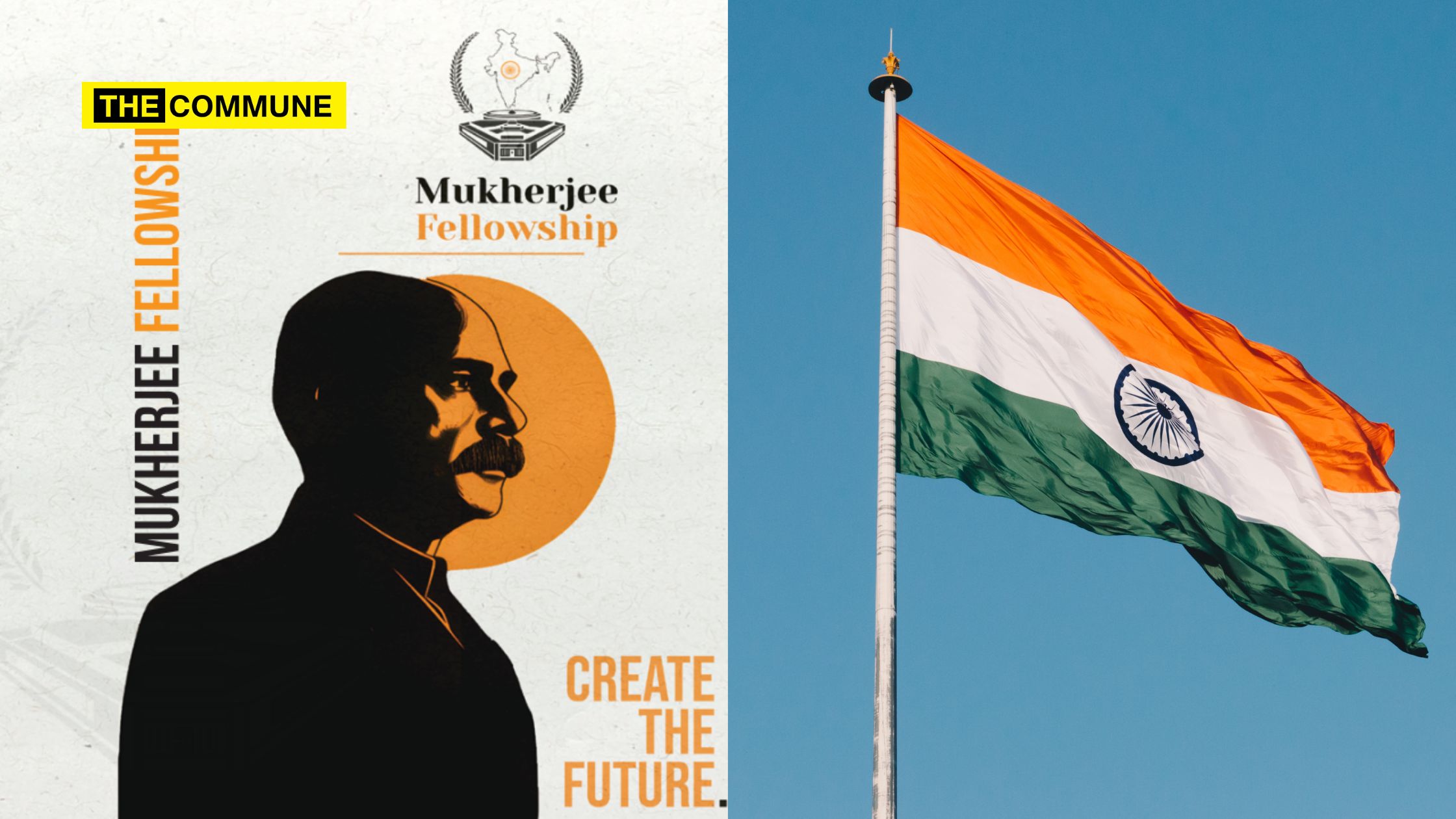
Are you a student or a young professional with a burning passion for policy, politics, and governance? Then this is just for you. The Mukherjee Fellowship is a highly coveted year-long program that goes beyond conventional learning. It aims to equip young professionals with the necessary skills, firsthand experience, and an in-depth understanding of the intricate dynamics of policymaking and active politics. Through close collaboration with eminent elected representatives and administrators in India, Fellows will actively contribute to the policy-making process, making a tangible impact on the nation’s governance landscape.
During the fellowship, participants will be immersed in an environment that fosters personal and professional growth. They will gain unparalleled hands-on experience, witnessing the inner workings of policymaking and actively engaging in shaping the nation’s future. From vibrant discussions with industry experts to navigating the complexities of governance, Fellows will develop a comprehensive skill set essential for success in the realm of public service.

What Is The Fellowship About?

This immersive year-long program is tailored to ignite the passion of young professionals in the fascinating realms of policy, politics, and governance. Picture yourself working alongside esteemed elected representatives and administrators, actively shaping the policy landscape of India. Gain unparalleled hands-on experience and witness the inner workings of the policymaking process firsthand. Brace yourself for an adventure that will expand your horizons, challenge your perspectives, and equip you with the essential skills to thrive in this dynamic field. Get ready to make a real impact and forge connections that will last a lifetime. The Politics, Politics, and Governance Fellowship is your ticket to a future of limitless possibilities!

Who Is It For?

Final-year students and graduates from any field.

What Is The Duration Of The Mukherjee Fellowship?

The Mukherjee Fellowship extends over a period of 12 months providing you with an immersive and in-depth experience in policy, politics, and governance.

What Are Some Of The Perks And Benefits Of The Fellowship?

  • Stipend of ₹50,000 per month
  • Upon completion of the Fellowship, Fellows will receive a course completion certificate from PPGF
  • Fellows can also receive recommendation letters from their chosen respective representatives after the completion of their Fellowship.

What Are The Career Opportunities Available Upon Completion Of The Fellowship?

  • Long-term positions in the office of their assigned leader.
  • Placement support in the corporate and policy consulting sectors.
  • Possible accommodation in various semi-government positions (OSDs among others) across the nation.
  • Academic support to enable admissions to top institutions in India and abroad.

What Are The Core Objectives Of The Fellowship?

By participating in the Mukherjee Fellowship, young professionals can expect the following:

  • Equip young professionals with the basic tools to work with elected representatives and administrators.
  • Impart the experience of working with premier elected representatives on policy-making and governance.
  • Prepare professionals to lead policy research institutions and offices of public representatives in the country

What Is The Structure Of The Mukherjee Fellowship?

The Fellowship is divided into 2 Modules:

A: Theoretical Learning Module

A one-and-half-month training module consisting of curated 7-submodules, the theoretical module aims to intensively and rigorously build the Fellows’ knowledge of politics and society. The 7 submodules will be:
◦ Understanding Democracy
◦ Economics in Policy Making
◦ Essentials of Documentation
◦ Understanding Caste and Indian Society
◦ Understanding Indian History
◦ Understanding the Constitution
◦ Modes of Political Intelligence

B: Experiential Learning Module

On successful completion of the Theoretical Learning Module, Fellows will be deputed to senior political leaders, where they will be guided to
◦ Providing inputs for bills under discussion, parliamentary questions, and general policy discussions
◦ Providing background research for conferences, speeches, etc
◦ Policy Formulation
◦ Social media and communications management
◦ Political campaign management
◦ Liaising with other consultants from across the industry

What Is The Admission Procedure?

Candidates will be admitted over three rounds.

  • Application round – Where the applicant is expected to apply to the program on https://mukherjee.ppgf.in/ with a statement of purpose.
  • Questionnaire round- Where the applicant is expected to answer a series of questions on policy and political issues in an essay format.
  • Personal interview round- A remote interview with the management committee.

Important Dates

10 June 2023- Final deadline for application to the Mukherjee Fellowship.
1 July 2023- Commencement of the Theoretical Learning Module.
15 August 2023- Commencement of the Experiential Learning Module.
30 June 2024- End of the Experiential Learning Module.

For more information, visit https://mukherjee.ppgf.in/

Click here to subscribe to The Commune on Telegram and get the best stories of the day delivered to you personally.
Is Aavin Hiring Child Labourers? Shocking Revelations Surface

Aavin doesn’t seem to stop courting problems day after day. Just a couple of months ago, there were problems with milk shortage. Now in a shocking revelation, reports have emerged alleging the use of child labour at Aavin which is owned by the Tamil Nadu government.

This issue has been brought to light in a video released by Red Pix Youtube channel.

These claims of child labour have raised concerns as it is the same government that has enacted strict laws against child labour and actively enforced them. However, the Minister in charge of Milk and Dairy Development of Tamil Nadu, Mano Thangaraj, has continuously denied the allegations, despite mounting evidence to the contrary.

Field research conducted by the Red Pix team has shed light on several distressing facts, contradicting the Minister’s claims. The evidence provided indicates that minors were indeed employed at Aavin and no compensation was provided for their work. Testimonies from the children themselves support these claims, proving that they were employed as labourers as recently as April.

The affected children, some as young as 16 years old and studying in the tenth and eleventh grades, have come forward to provide evidence that they were forced to work at Aavin. They highlighted that they decided to work since they needed money to purchase clothes for school, indicating dire financial circumstances. The lack of salaries received by these young workers has further exacerbated the situation.

Minister Mano Thangaraj, however, vehemently denied any knowledge of child labour within the organisation. He has questioned the authenticity of the records and the credibility of the children’s testimonies. Despite their efforts to expose the truth, the Minister’s sudden denial has left the children puzzled about his motivations.

The Minister says that the matter has been reported to the local authorities, including the concerned collector. He threatened that legal notices will be sent to the news portal which first published this news of Aavin hiring child labourers. Watch this interaction with the members of the news media:

Now here comes the confusion. First, the Minister denied that children were hired at Aavin but he then he goes on to say that the Child Action Committee will be brought in to launch an investigation into the allegations. Watch this video by Jambavan TV:

https://twitter.com/hailhydra_01/status/1667045667339124736

Watch full video here:

The affected children and their advocates express their disappointment at the Minister’s dismissal of their claims and emphasize the need to bring attention to the exploitation they have endured. They assert that their intention is not to defame the company but to shed light on the unethical practices and demand justice for themselves and others in similar situations.
This disturbing revelation has cast a shadow on Aavin, tarnishing its reputation and calling into question the government’s role in allowing such practices to occur.

Click here to subscribe to The Commune on Telegram and get the best stories of the day delivered to you personally.
Thenkailaya Bakti Peravai Conducts Cleanliness Drive At Velliangiri

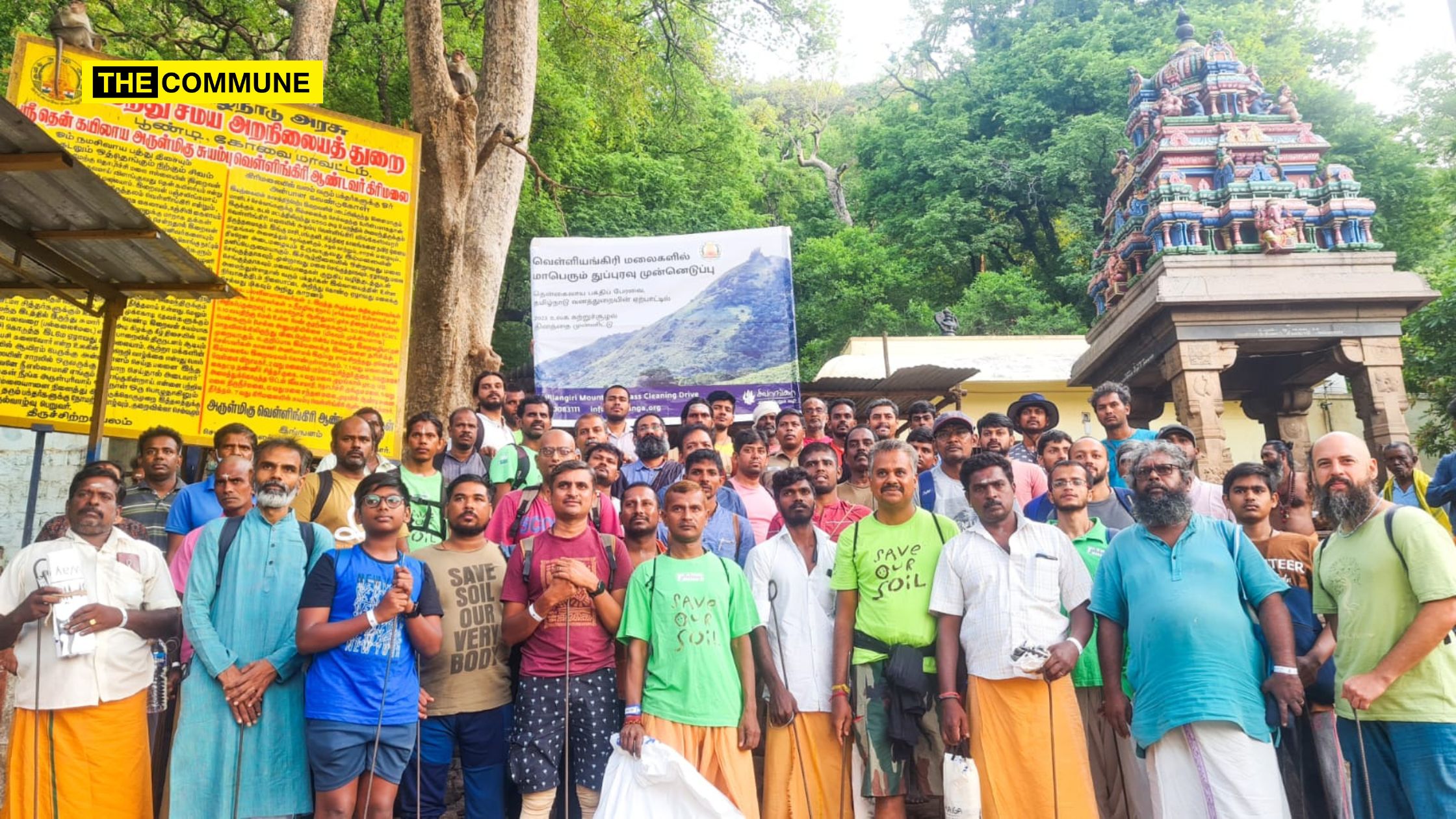
Then Kailaya Bhakti Peravai in collaboration with the Forest Department, Tamil Nadu Government, has collected more than 1500 kg of plastic waste in the cleanliness drive carried out in one month on the sacred Velliangiri hills. More than 500 enthusiastic Isha volunteers from Tamil Nadu including, Chennai, Coimbatore, Tirupur, Erode and Karnataka, Kerala, Andhra Pradesh came forward to ensure the pristine environment of the sacred hills.

The cleanliness drive was conducted every Sunday for a period of one month starting on May 7th and ending on June 5th, marking World Environment Day. Indian Army soldiers and many civilians also participated in the drive. The collected garbage was handed over to the Forest Department.

Sharing his experience, an Isha volunteer Manohar from Coimbatore who participated in this cleanliness drive said, “I keep coming to this hill every year as part of my Shivanga Sadhana and look at this sacred mountain as my own. For the past six years, I have been participating in the cleanliness drive conducted by Thenkailaya Bakti Peravai. We all come forward to this activity as we understand it’s our responsibility to hand this mountain in its pristine form to the future generation. It gives me a lot of happiness and fulfillment participating in it.”

“Coming from Chennai, this cleanliness drive offered me an experiential understanding of the need to protect the environment. Everyone who climbs this mountain should do so with a sense of responsibility for keeping it clean. I look forward to joining the activity again next year,” added Vijayabaskar, an Isha volunteer from Chennai.

Thenkailaya Bhakti Peravai has been at the forefront of organizing this cleanliness drive for the past ten years at the Velliangiri Hills, which attracts a large number of devotees due to its historical and spiritual significance. According to legends, it is believed that Lord Shiva himself meditated on these hills, earning the hills the name of ‘Southern Kailash’.

Click here to subscribe to The Commune on Telegram and get the best stories of the day delivered to you personally.
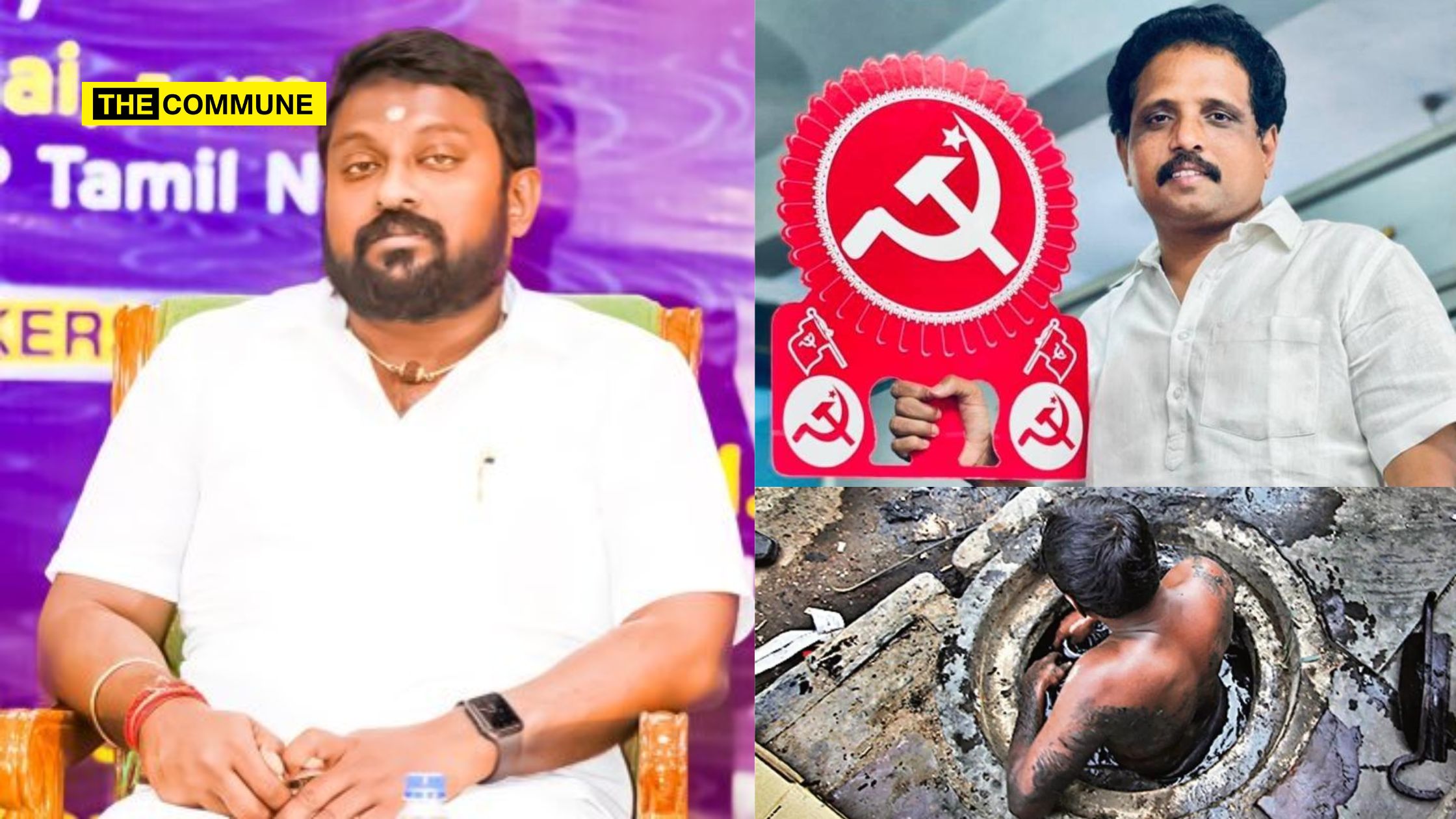
Hygiene Worker Dies As Communist Councillor Allegedly Forces Him To Clean Faeces-Filled Drain, BJP’s SG Suryah Slams Commie MP Su Venkatesan

A hygiene worker in Cuddalore tragically died succumbing to allergies allegedly after a Communist Councillor in forced him to clean a manhole that was filled with human excreta.

In a scathing letter addressed to Madurai MP Su Venkatesan, Tamil Nadu BJP State Secretary SG Suryah on 7 June 2023, raised serious allegations against Communist Party councillor Viswanathan regarding the tragic death of a hygiene worker in Pennadam town panchayat 12th ward, Cuddalore district.

BJP Tamil Nadu State Secretary SG Suryah has alleged that a sanitation worker died due to allergies in the body after a ward member of the Communist Party of India (Marxist) forced him to clean the manhole. Suryah’s letter highlights the apparent indifference shown by Venkatesan and the Communist Party towards this distressing incident.

The letter begins with a sharp greeting to Venkatesan, whom Suryah describes as a “lover of revolutionary ideals and politics.” Suryah pointed out that Viswanathan’s alleged actions, accusing him of instructing a sanitation worker to enter a drain filled with feces, thereby endangering his health and well-being.

He further called out the hypocrisy of the MP saying, “The deceased is a scheduled caste brother! Where’s your red flag! Where is your fighting spirit? Where are your passionate words? If you are against the ruling BJP government, you will come forward immediately. Where have you gone now? Did you sneak out? Why doesn’t your red flag fly against your fellow comrades? Or won’t your red flag take to the streets and fight in support of the Scheduled Caste brothers? Your fake politics draped in red flag stinks worse than the manhole. Find a way to live as a human being, my friend.”

It is note worthy to mention that the MK Stalin-led DMK government, which announced a compensation of ₹10 lakhs to each of the families of the deceased who consumed spurious liquor and awarded ₹50,000 solatium to one of the culprits responsible for the tragedy, has not yet announced any compensation for the man who died entering a manhole

Ma Venkatesan, Chairman of the National Commission for Safai Karamcharis, recently disclosed in an interview that Tamil Nadu holds the dubious distinction of having the highest number of deaths in manholes. According to official government data spanning from 1993 to the present day, approximately 225 sanitation workers have tragically lost their lives while carrying out manhole cleaning duties. When we examine the performance of the Dravida Model government over the past two years, it becomes apparent that Tamil Nadu has witnessed a disturbing surge in violence against Scheduled Castes.

This recent tragedy involving the death of a sanitation worker serves as further evidence corroborating the data disclosed by the Chairman of the National Commission for Safai Karamcharis.

Click here to subscribe to The Commune on Telegram and get the best stories of the day delivered to you personally.
 

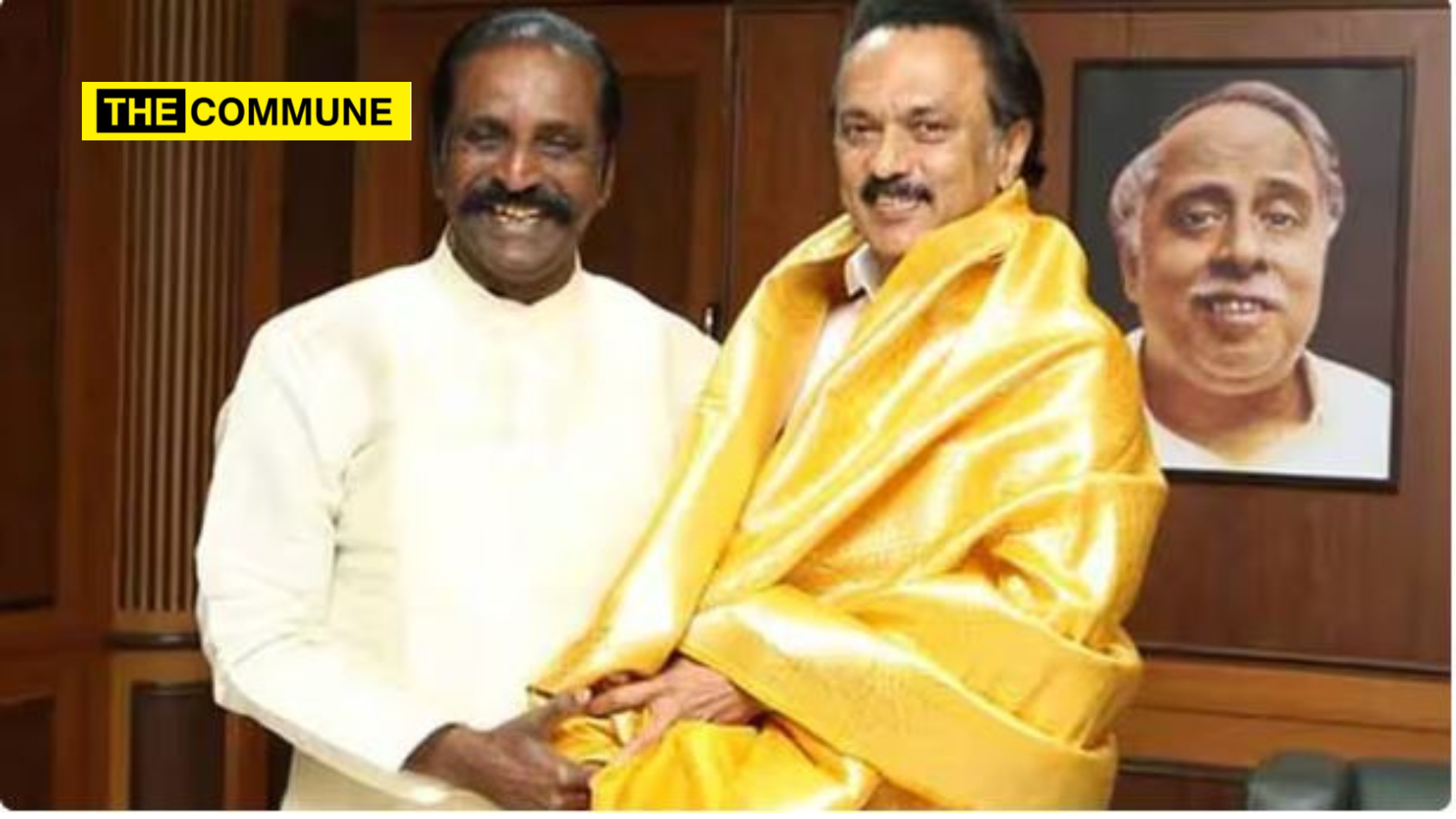
DMK Govt Allocates ‘Dream House’ For #MeToo Accused Vairamuthu, Netizens Call Out MK Stalin’s Hypocrisy

A controversy has arisen after the DMK government in Tamil Nadu allocated a house to lyricist Vairamuthu, who is facing sexual harassment allegations from over 20 women. The decision to include Vairamuthu in the list of recipients under the ‘Dream House’ scheme, intended to honor renowned writers, has sparked criticism and accusations of favoritism.

The Tamil Nadu government introduced the ‘Dream House’ initiative to honor writers from the state who have received national and international accolades for their literary contributions. The scheme aims to provide houses to eligible award-winning writers, regardless of their association with the government or other employment status.

The inclusion of Vairamuthu, who has been accused of sexual harassment by multiple women during the #MeToo movement, has ignited controversy. Critics argue that Vairamuthu’s close ties to the DMK party and Chief Minister MK Stalin may have influenced his selection. Some allege that Vairamuthu has already received three houses in the past from the DMK government, questioning the decision to grant him another house.

Many individuals have voiced their disappointment with the government’s decision to allocate a house to sexual harassment accused. Singer Chinmayi accused Vairamuthu of sexually harassing her during a professional interaction. Her accusation gained significant attention and sparked a larger conversation about workplace harassment and abuse of power in the Tamil film industry. The incident led to a number of other women coming forward with their own allegations against Vairamuthu and other individuals in the industry.

Critics have pointed out the apparent hypocrisy of Chief Minister MK Stalin, who recently expressed support for a protest against a wrestling federation chief accused of misconduct. The decision to honor Vairamuthu, despite the serious allegations against him, has drawn public backlash. Netizens and critics have questioned the consistency of the government’s stance on sexual harassment issues and called for greater accountability.

The inclusion of lyricist Vairamuthu, who faces multiple sexual harassment allegations, in the ‘Dream House’ scheme has sparked controversy and raised concerns about the Tamil Nadu government’s decision-making process.

(with inputs from Hindustan Times)

Click here to subscribe to The Commune on Telegram and get the best stories of the day delivered to you personally.