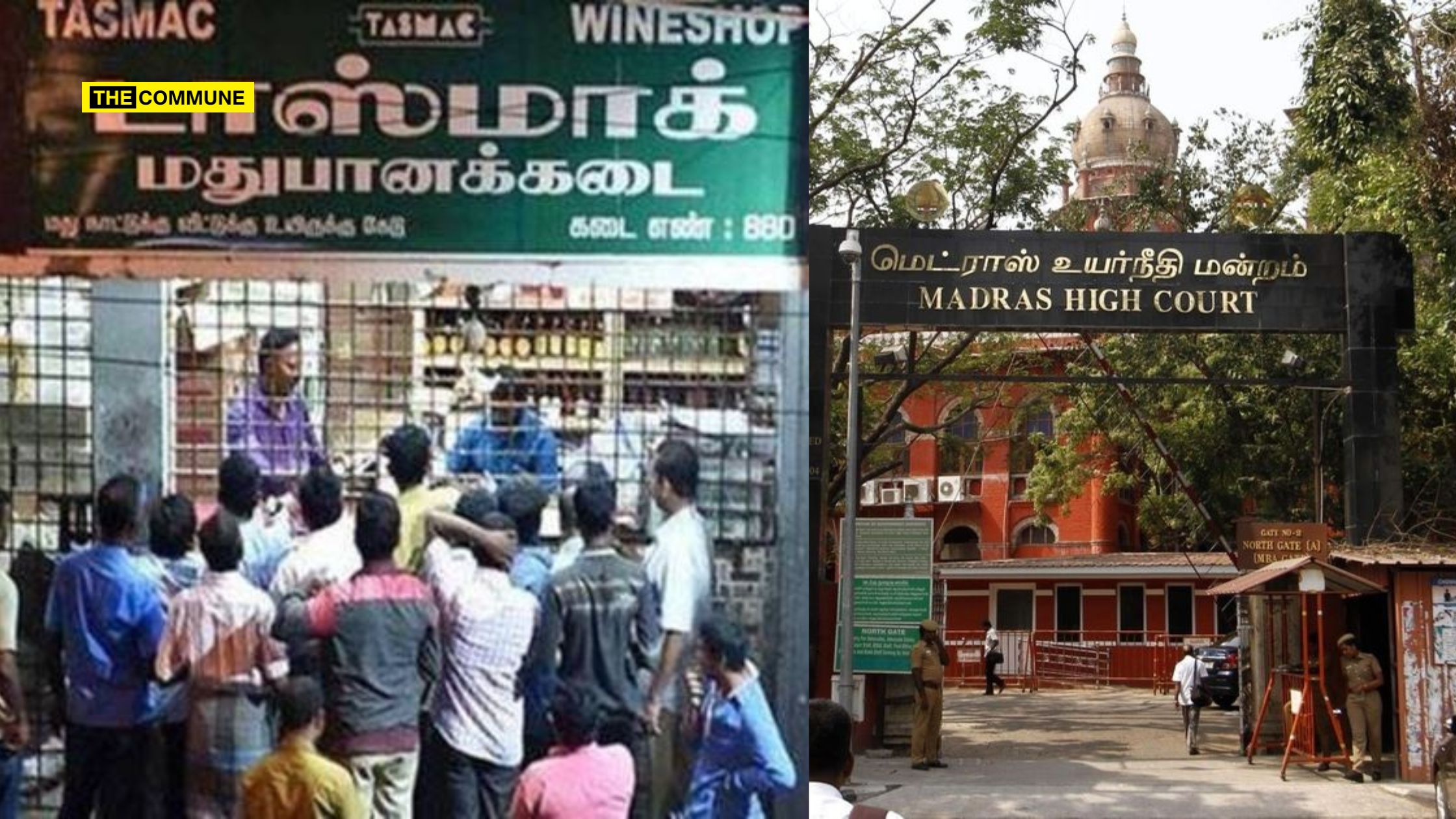
The Madras High Court on Monday, 5 October 2026, dismissed a Public Interest Litigation (PIL) challenging the Tamil Nadu government’s ‘Vettri Payanam’ scheme, which provides free bus travel for women and transgender persons in mofussil government buses, as reported in Times of India.
The PIL was filed by N Kalamani, a private bus operator who runs two buses in Erode district. The petitioner claimed that the scheme would adversely affect private bus operators by drawing passengers away from their services.
Hearing the petition, a Division Bench comprising Chief Justice Sushrut Arvind Dharmadhikari and Justice G Arul Murugan questioned the maintainability of the PIL, pointing out that the petitioner was challenging an announcement made by the government in the State Assembly.
“You are challenging an announcement made in the state Assembly. You are also a bus operator; then how is this PIL maintainable?” the bench asked.
The court said that the petitioner should challenge the Government Order (GO) issued for implementing the scheme rather than the announcement made in the Assembly.
“You must challenge the GO passed by the govt for the scheme and not the announcement made in the assembly,” the court said.
The bench also questioned the petitioner’s decision to approach the court through a PIL when the alleged impact was primarily connected to the petitioner’s own area of operation.
“You (petitioner) claim to be a bus operator in a particular area, but you are challenging a scheme that is rolled out for the entire state. You cannot do that; you must confine to your route of operation,” the bench said.
The court noted that the government had issued the GO on October 1 and implemented the scheme from the following day. It therefore advised the petitioner to challenge the GO if she wished to contest the scheme.
Following the court’s observations, the petitioner withdrew the PIL. The bench dismissed it as withdrawn, while granting liberty to the petitioner to pursue an appropriate remedy in accordance with law.
In the petition, Kalamani had argued that private bus operators could lose not only women passengers but also male passengers because families would naturally prefer to travel together if women in the family could travel free on government buses.
She also expressed apprehension that passengers could stop boarding private buses on routes where a large number of government buses operate, potentially affecting the viability of private bus services.
Subscribe to our channels on WhatsApp, Telegram, Instagram and YouTube to get the best stories of the day delivered to you personally.